The Krasavchik potato variety lives up to its name. It produces neat, attractive tubers of virtually uniform size. Furthermore, it boasts excellent yields and is highly adaptable to a wide range of climates.
Content
- 1 The origin of the Krasavchik potato variety
- 2 Description of the Krasavchik potato variety + general characteristics in the table
- 3 Advantages and disadvantages of the Krasavchik potato variety
- 4 Planting Features of the Krasavchik Variety
- 5 Care and growing features of the Krasavchik potato variety
- 6 Protection of the Krasavchik potato variety from diseases and pests, prevention
- 7 The nuances of harvesting and storing the Krasavchik potato variety
- 8 Comparison of the Krasavchik potato variety with other varieties in the table
- 9 Real reviews from gardeners about the Krasavchik potato variety
The origin of the Krasavchik potato variety
This variety was developed in Russia and patented by the A.G. Lorkh All-Russian Research Institute of Potato Farming (Moscow Region). It was obtained by crossing the Hannibal and Peresvet potatoes.
Added to the register in 2009. Recommended for planting in the Central Black Earth Region. Popular not only in Russia but also among Moldovan and Ukrainian gardeners.
Description of the Krasavchik potato variety + general characteristics in the table
In terms of ripening time, this variety is considered mid-early. The time between planting and harvest is 80-90 days. The bushes are characterized by uniform germination and good yield. The fruits are resistant to mechanical damage, making it suitable for commercial cultivation.
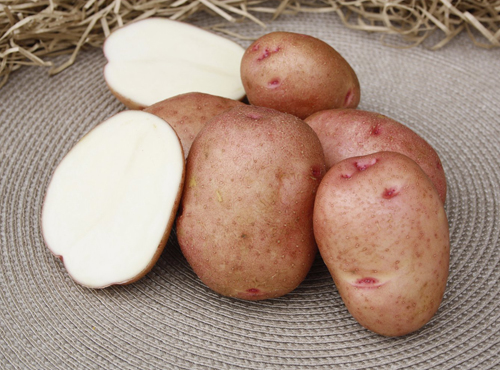
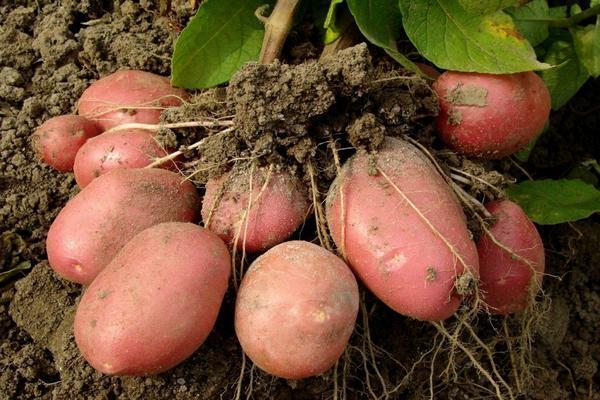
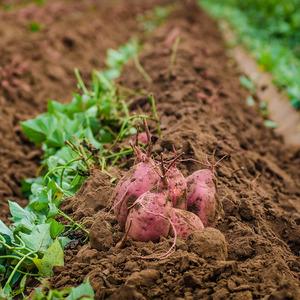
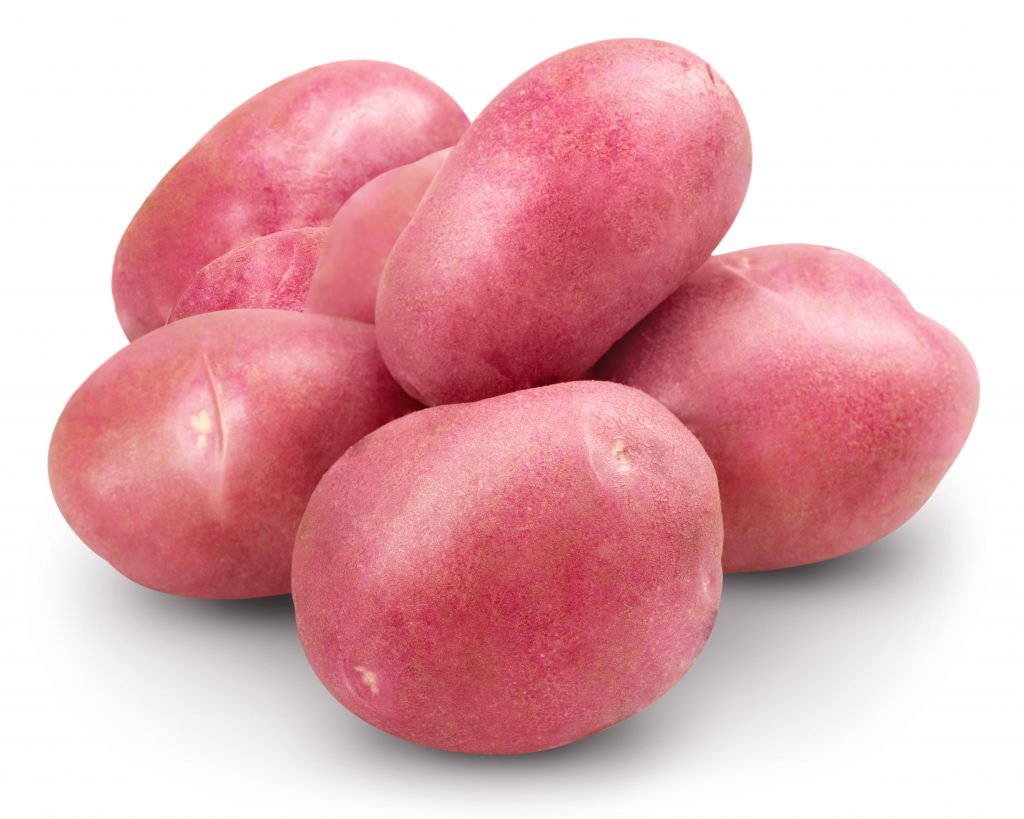
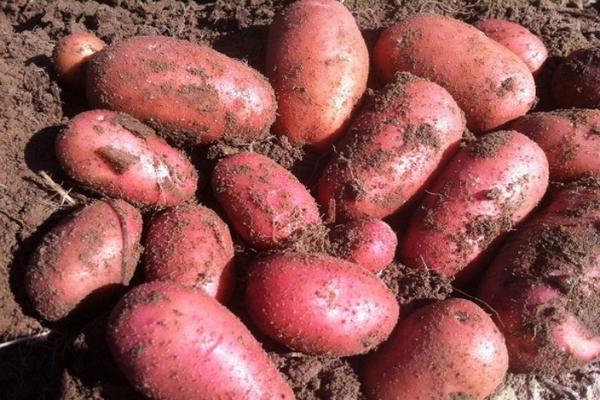
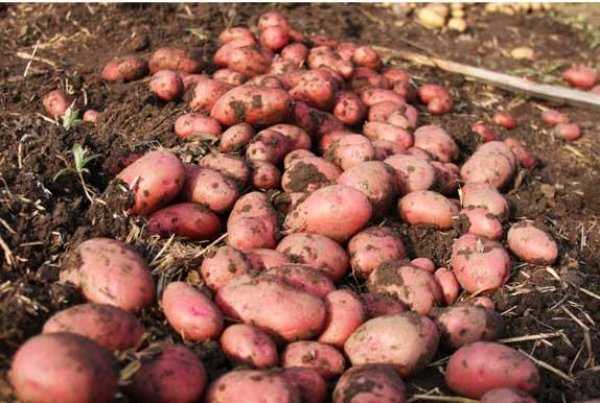
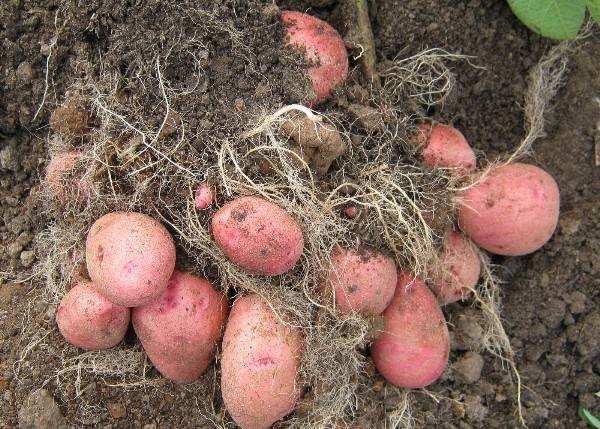
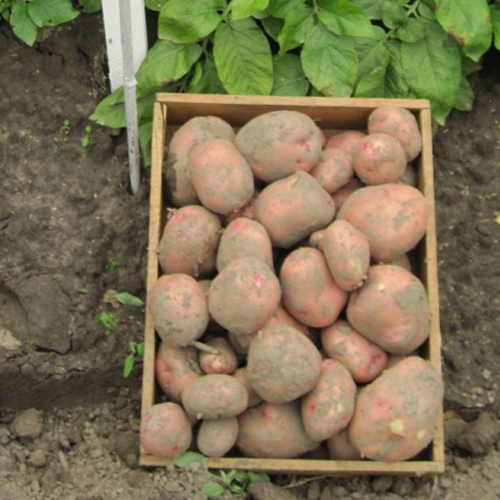
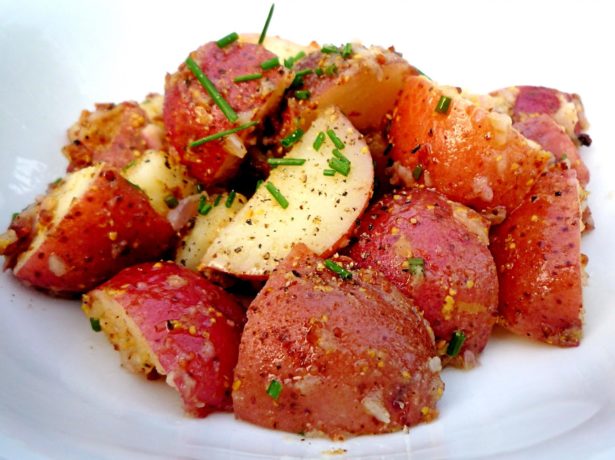
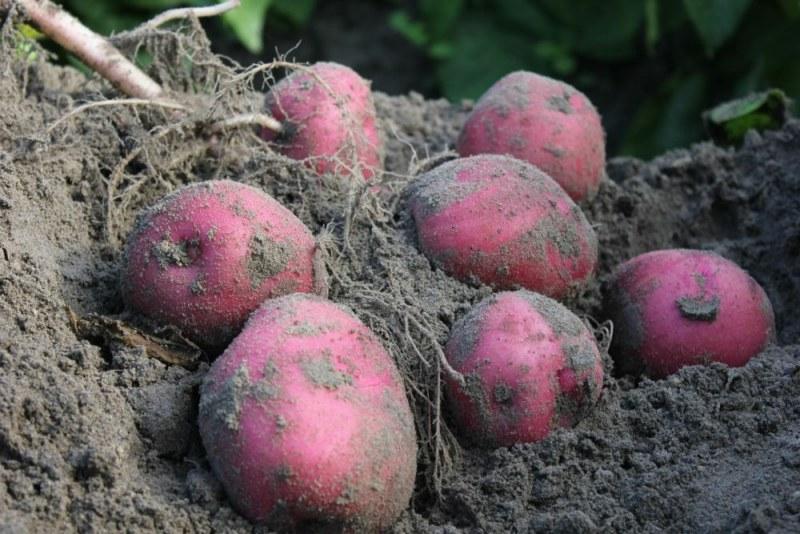
Photo of the Krasavchik potato variety:
| Parameter | Description |
| How long does it take for potatoes to ripen? | The variety is mid-early, the harvest can be collected in 80 days. |
| Starch content in pulp | From 12.4 to 18% |
| Average tuber weight | 90-160 g |
| Approximate number of tubers in one bush | 6-11 pcs. |
| Productivity | From one hectare you can collect approximately 169-201 centners, the maximum figure is 284 centners. |
| Quality | Culinary grade: B/C (lightly/medium crumbly after cooking). Universal use (preparing first and second courses, baking, frying, industrial processing). Distinguished by its excellent taste. |
| Storage ability, shelf life | Reaches 97% |
| Peel color | Reddish |
| Pulp color | Creamy and creamy |
| In which regions is this variety best grown? | Central Black Earth in the Russian Federation, Moldova, Ukraine. |
| Immunity to diseases and pests | High resistance to cancer, mosaics, tuber blight; Average resistance - late blight of stems; Susceptible - golden nematode. |
| Features of cultivation | The agronomic requirements are standard. The variety requires timely prevention against infections and insects. |
| The organization that developed the variety | Federal State Budgetary Scientific Institution "All-Russian Research Institute of Potato Farming named after A.G. Lorkh" |
Let's take a closer look at the main characteristics of the Krasavchik potato variety.
Bushes
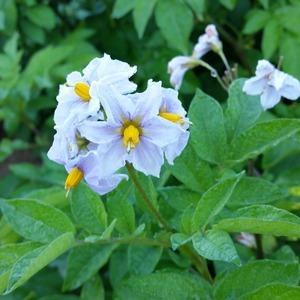
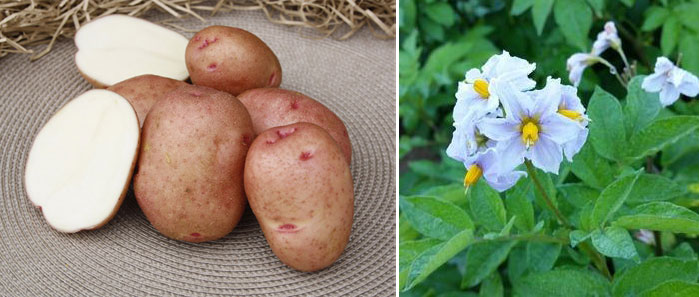
The medium-height foliage is upright. The green leaf blades are small, with slightly wavy edges. The flowers are snow-white-pink with yellow anthers.
Tubers
The tubers are medium-sized, oval or oval-round, and regularly shaped. The eyes are small and shallow. These potatoes transport well, being resistant to mechanical damage.
Suitable for long-term storage. The flesh is creamy, covered with a reddish, slightly meshed skin. It barely darkens when cooked, cracking slightly, but remains quite firm, slightly floury, and not watery. Its taste is comparable to foreign varieties, and in some respects even surpasses them.
Nutrients and nutritional value
The variety is distinguished by its high starch content (up to 18%). It also contains macro- and microelements:
- calcium;
- magnesium;
- sodium;
- phosphorus;
- iron;
- zinc;
- iodine;
- copper;
- selenium.
The average energy value per 100 g of product is 77 kcal. It contains 2 g of protein, 16 g of carbohydrates, and no fat.
Furthermore, the benefits of this vegetable variety stem from its high vitamin C content. Just 200 grams of potatoes can meet the body's daily requirement. They also contain vitamins B, A, and E. Potatoes also contain potassium salts, oxalic acid, and citric acid.
Productivity, ripening time
This variety is distinguished by its excellent yield. One bush produces 6-11 tubers. The yield can reach 5 kg. The maximum yield reaches 284 centners per hectare. It was registered in the Oryol region.
Krasavchik is a mid-early variety. This means it takes about 80 days from planting to harvest. Therefore, if you plant the vegetables in early May, you can harvest the tubers as early as August.
Resistance to diseases and pests
The variety shows good resistance to potato cancer, striped and wrinkled mosaic, late blight tubers. Rarely, stem blight may occur.
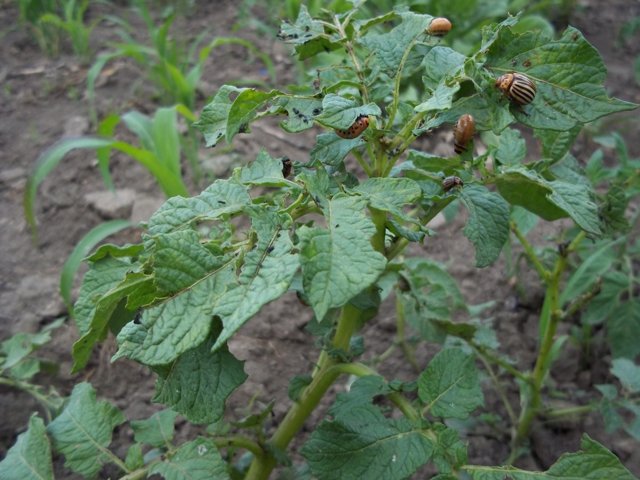
The greatest danger is posed by the golden nematode. There is also a high risk of damage Colorado potato beetle and mole crickets. Preventative treatment against them is essential, otherwise the pests can destroy the entire crop (see the section on protecting the Krasavchik potato variety from diseases and pests).
What regions is it suitable for?
Krasavchik was developed as a variety for the Central Black Earth Region. It is also suitable for cultivation in Moldova and Ukraine. Furthermore, the potato is adapted to hot climates, so it can be planted in southern Russia.
Please note! Although central Russia is not on the list of recommended regions, many gardeners successfully grow this variety there.
Advantages and disadvantages of the Krasavchik potato variety
The handsome man has the following advantages:
- undemanding to climatic conditions and soil;
- has good yield;
- is resistant to some dangerous infections;
- easy to care for;
- resistant to heat and drought;
- has excellent taste;
- universal in application;
- It is easy to transport and has a long shelf life.
The main drawback is its high susceptibility to nematodes. However, with timely preventative treatment, the pest will be less of a threat to the crop.
Planting Features of the Krasavchik Variety
Despite the fact that the variety is quite easy to maintain and care for, compliance with certain agricultural requirements is still necessary.
Requirements for the landing site and its preparation
When choosing a planting site, consider the following:
- the variety loves light, so it develops better in open sunny places;
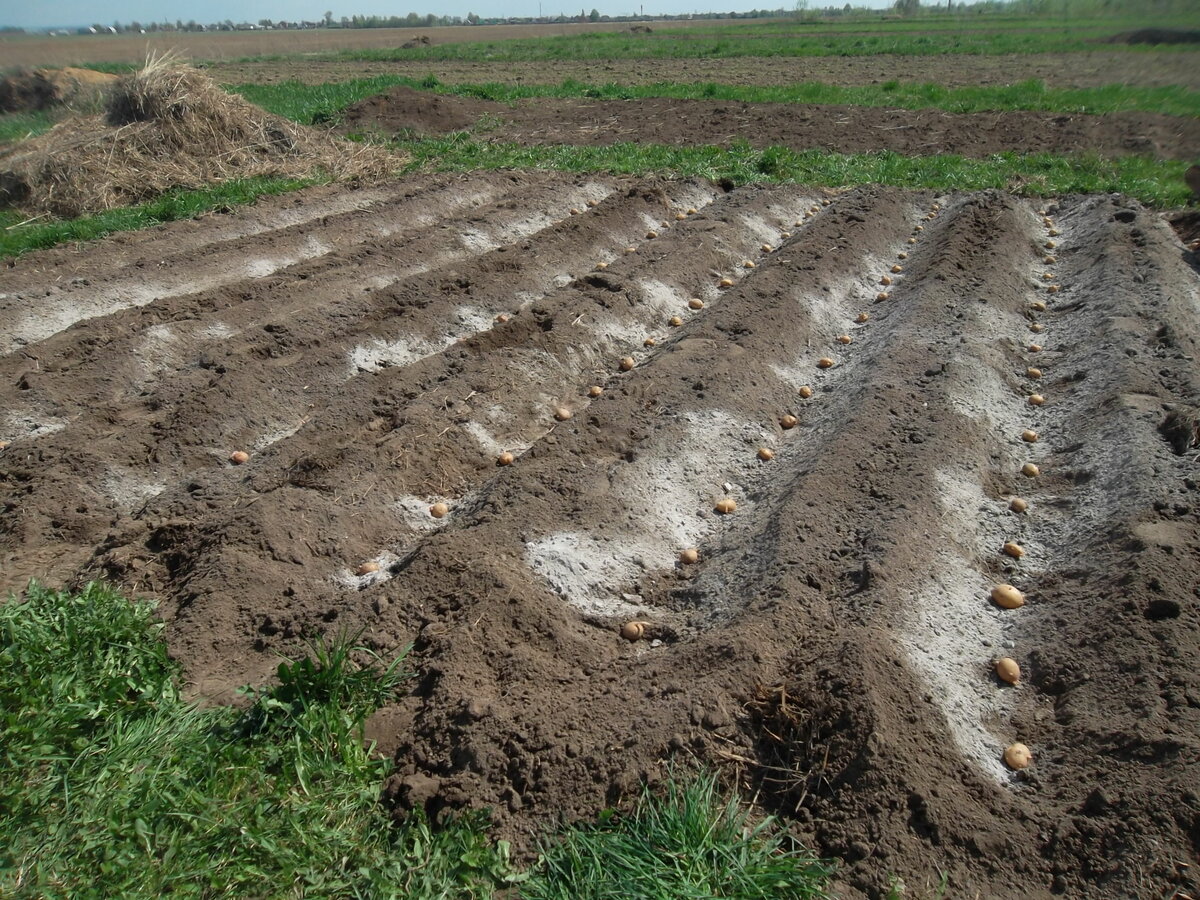
- the acidity level should not be higher than 5-5.5 (if it is higher, the soil should be dug up and dolomite or limestone flour added in the amount of 500 g per 1 sq. m);
- in autumn the area must be dug to a depth of 30 cm with the addition of manure and wood ash;
- If there is no manure, it can be replaced with humus or superphosphate.
Important! Never apply fresh manure and wood ash at the same time. They will neutralize each other's effects.
Selection and preparation of seed tubers
Before planting, carefully inspect the tubers. Only healthy tubers without mechanical damage are suitable. It's also important to check their surface for firmness; it shouldn't be soft. Suitable tubers should weigh up to 100 g.
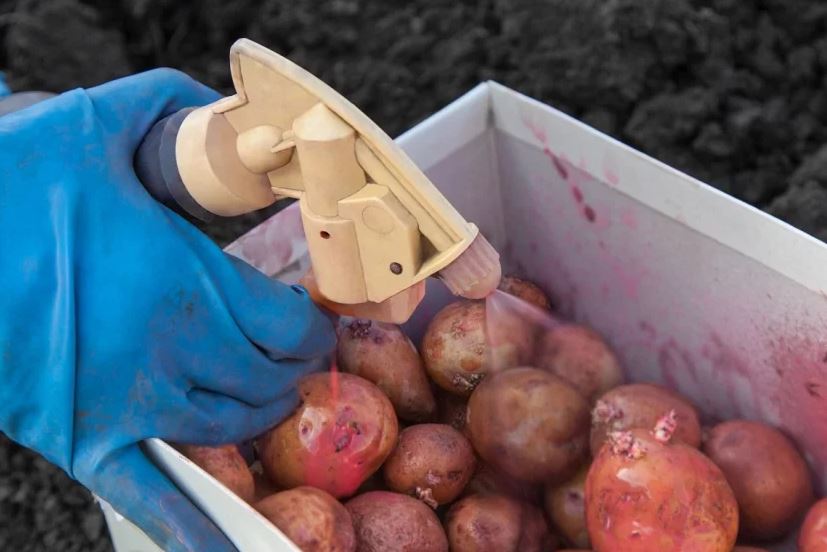
In early spring, the tubers should be placed in a bright, dry room at a temperature of 15°C. If sprouts have already appeared over the winter, they should be removed. Before planting the tubers in open ground, it is recommended to treat them with a weak solution of potassium permanganate and a growth stimulant. Planting can begin when the seedlings reach 1 cm in height.
Planting times and rules
The optimal time for planting is late April to early May. The most important thing is for the soil to warm up to 9–11°C. In central Russia, the timing may shift to late May or early June.
The tubers should be planted 30 cm apart, with a 60 cm gap between rows. Holes should be dug 8-10 cm deep. It is recommended to sprinkle 50 g of wood ash into each hole before planting.
Care and growing features of the Krasavchik potato variety
Caring for Krasavchik is quite simple and is practically no different from the conditions required for other varieties.
Watering
Potatoes should only be watered during persistent droughts; otherwise, rainfall should be sufficient. Each plant requires 3-6 liters of water.
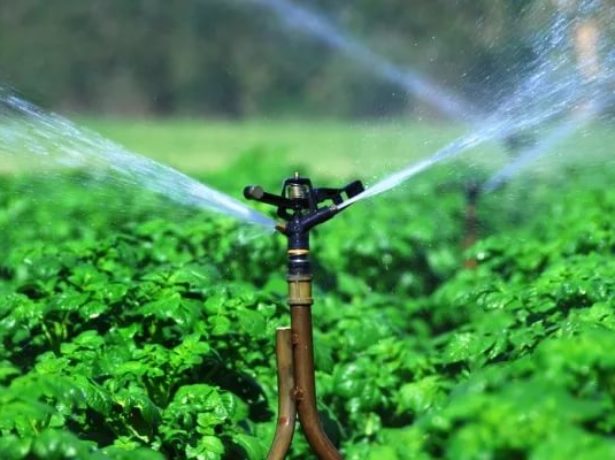
If the heat is too intense, increase the volume to 15-20 liters. Water to a depth of 25-30 cm.
Important! You can only moisten the soil once the shoots reach 10 cm in height.
Top dressing
Fertilizer application scheme:
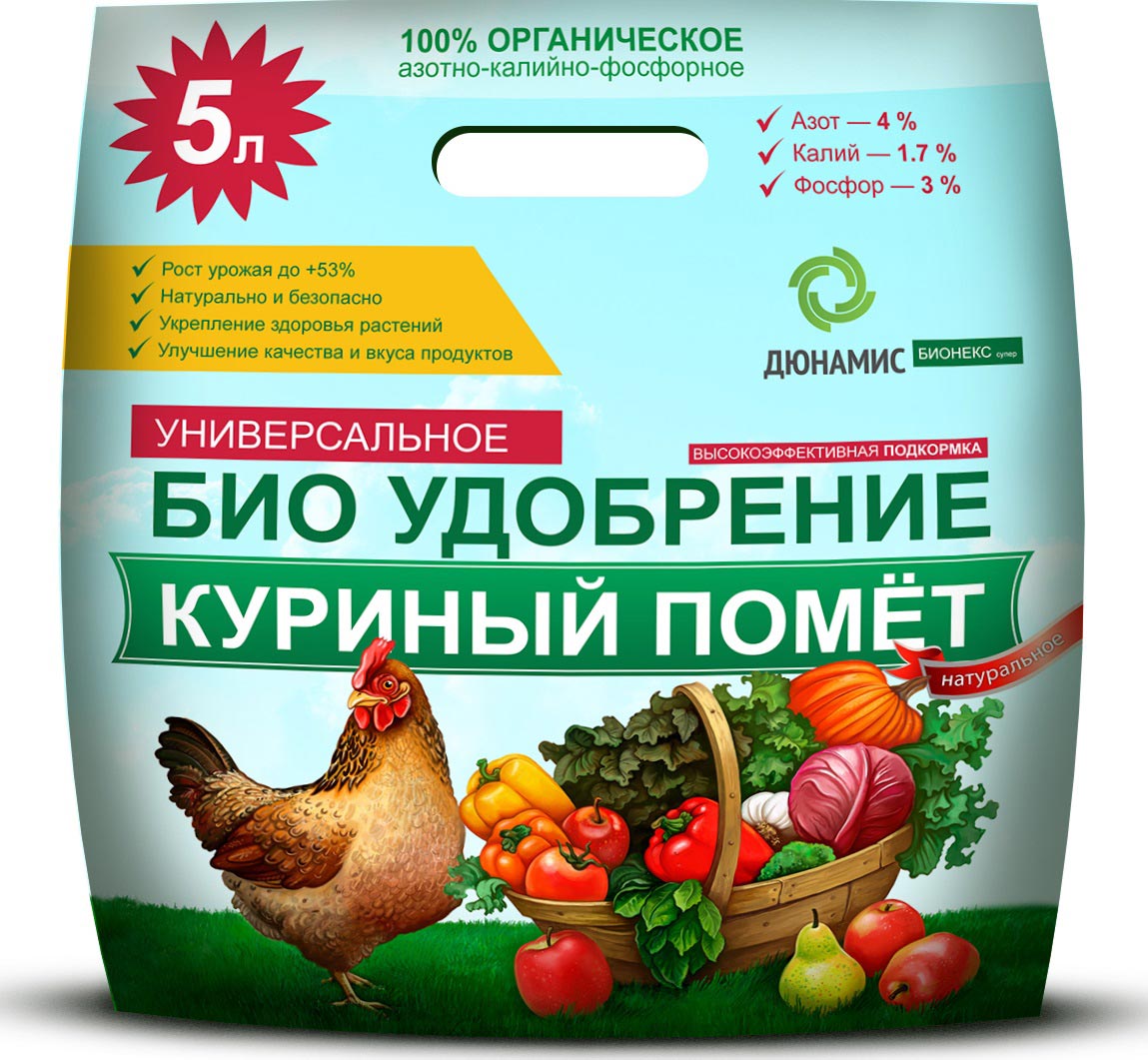
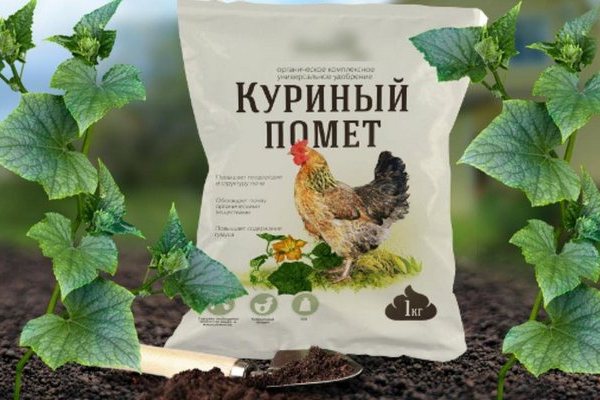
- The first feeding is applied when the bushes reach 15 cm. It consists of organic matter, such as a solution of mullein or bird droppings. One bush will require 2 liters.
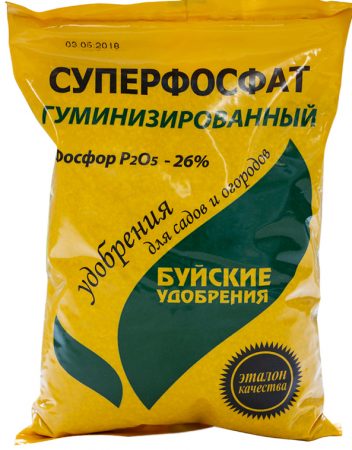
- The second phosphorus fertilizer is applied after flowering has finished.
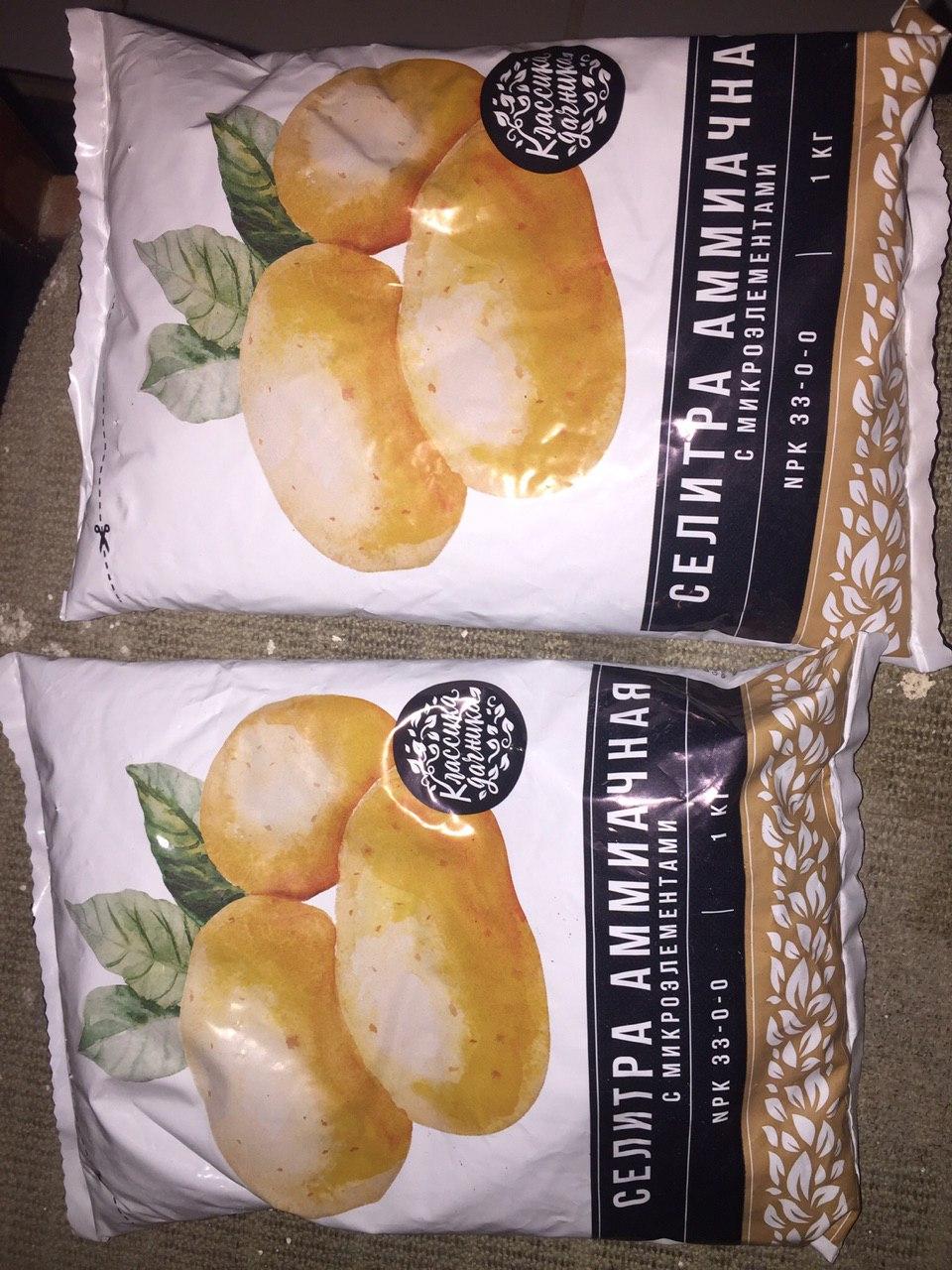
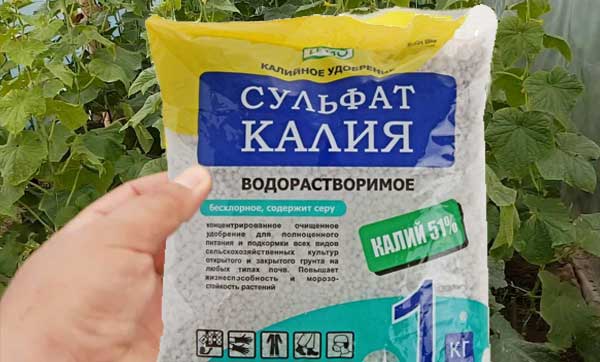
- The third fertilizer consists of nitrogen and potassium. It is applied during tuber formation.
Important! Be extremely careful when using wood ash-based fertilizers. Do not apply them in large quantities.
Loosening, weeding, hilling
The crop requires regular weeding and loosening. Weeds can harbor infectious agents and pests. Weeding helps eliminate them.
Loosening the soil improves air circulation, allowing oxygen and nutrients to reach the root system. This helps the plants develop better.
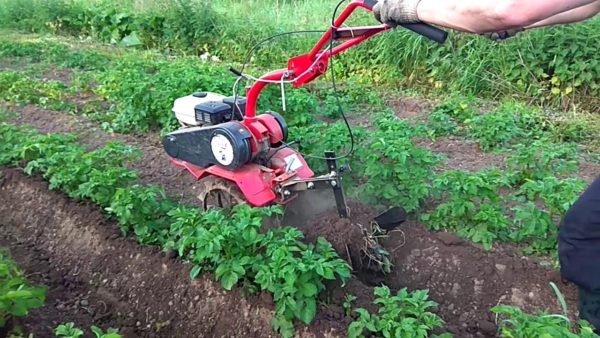
The crop must be hilled at least 2-3 times per season. The soil should be moist but beginning to dry out. Hilling is recommended after watering or rain. The first time, it should be done to a height of 10-12 cm, then to 18-20 cm. Hilling should be done on both sides, leaving the center of the circle uncovered.
Protection of the Krasavchik potato variety from diseases and pests, prevention
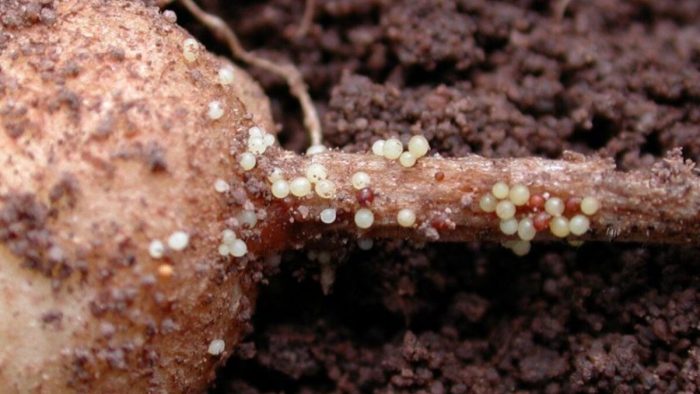
This variety is highly susceptible to golden nematode. These small worms cause the foliage to dry out, resulting in no flowering. To eliminate most of the insects, it is recommended to thoroughly till the soil twice in the fall and before planting.
As a preventative measure, disinfect the tubers with Gumi and Albit. Pre-treat the area with urea (1 kg per 10 sq. m).
Nematodes dislike the scent of marigolds, sweet clover, and calendula. Planting these plants near potato beds will significantly reduce the risk of pest infestations.
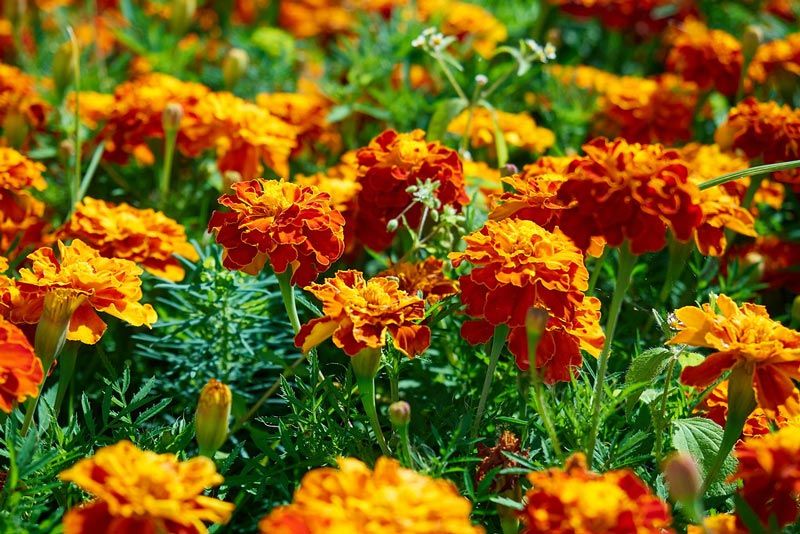
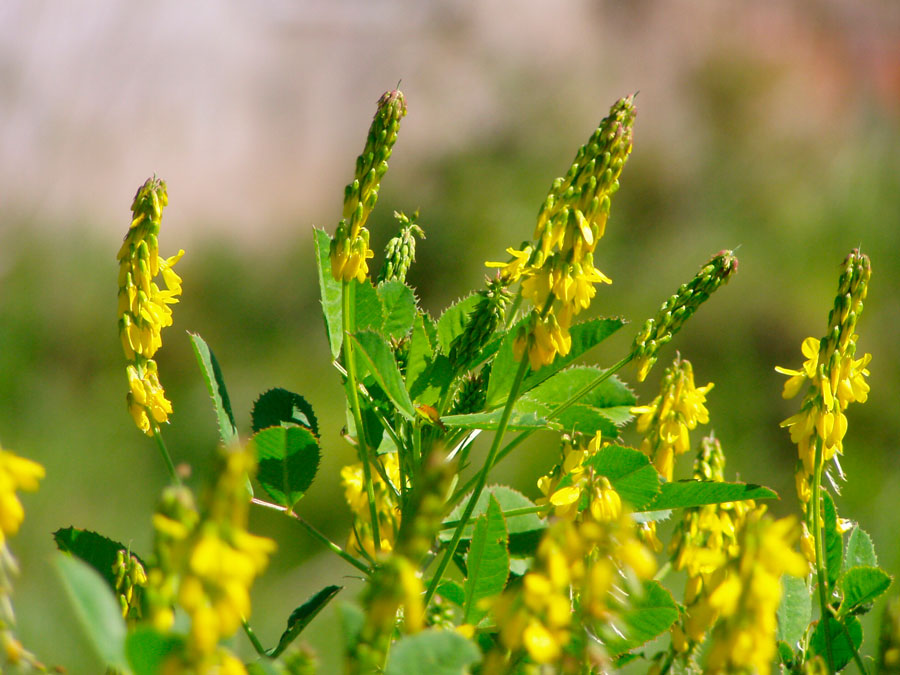
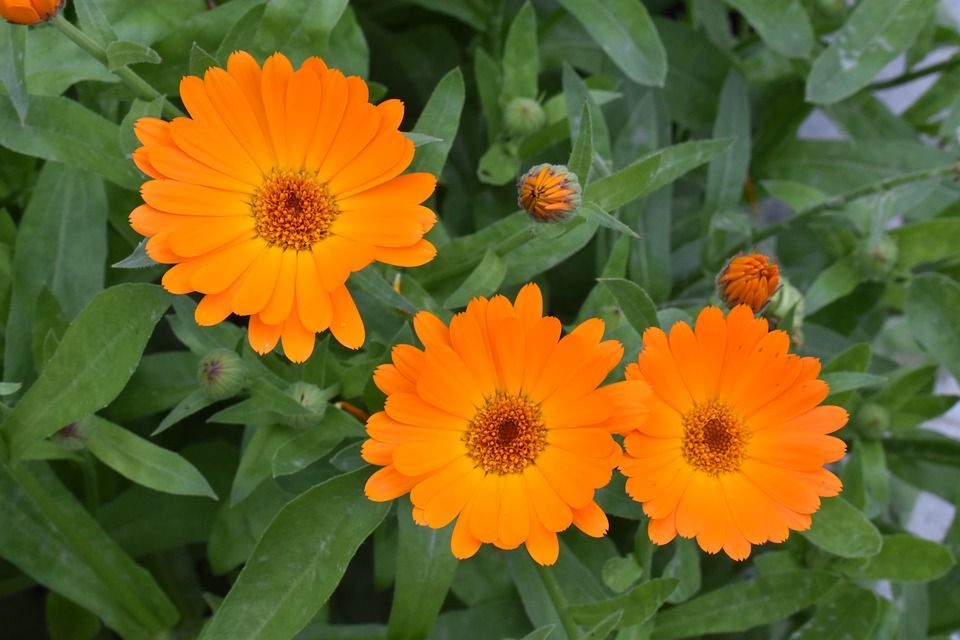
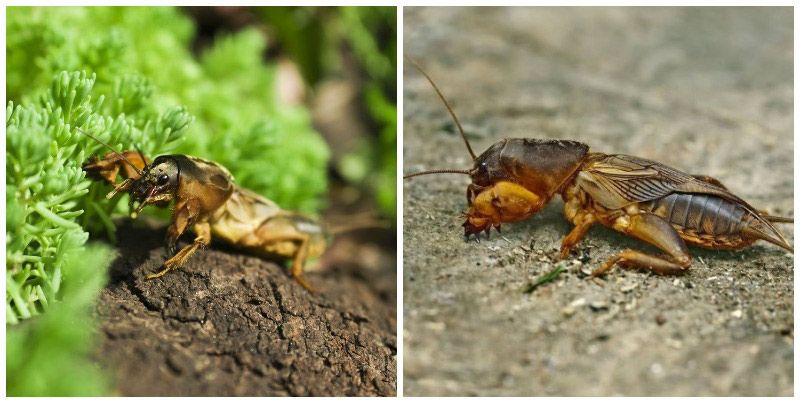
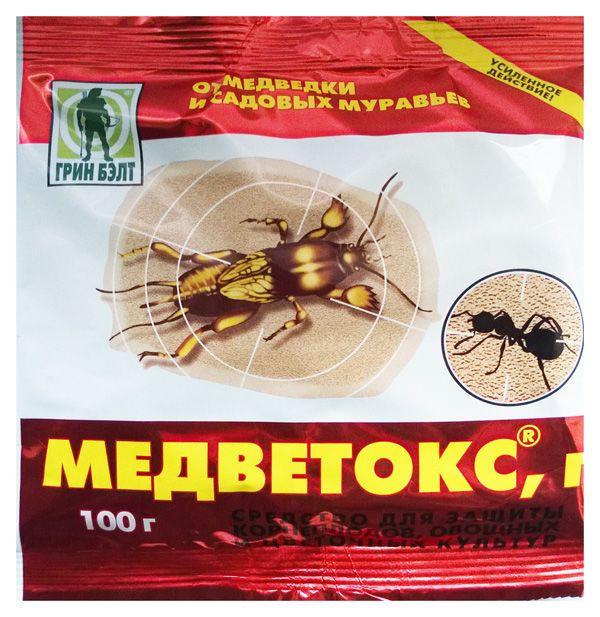
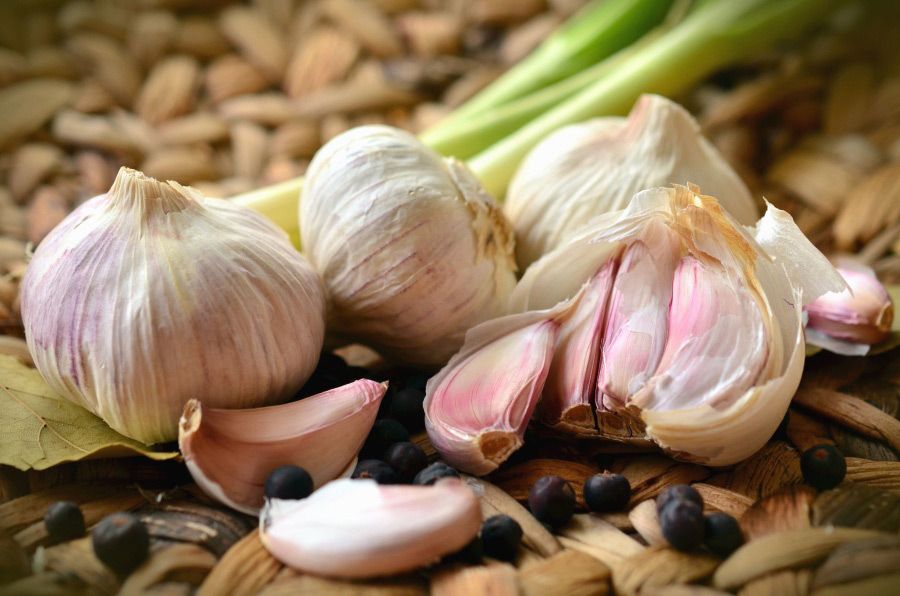
The mole cricket is also dangerous. To prevent this insect from appearing, it is recommended to add Medvetoks granules and garlic cloves to the beds immediately after planting.
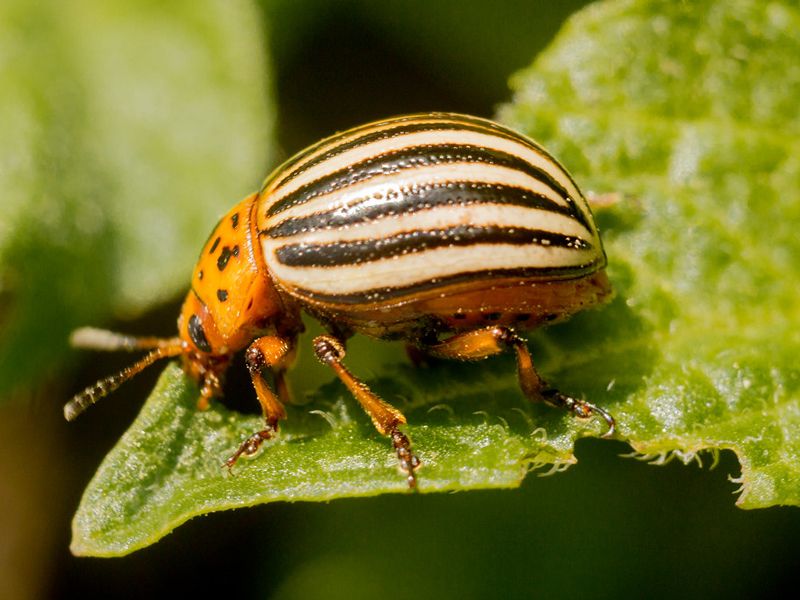
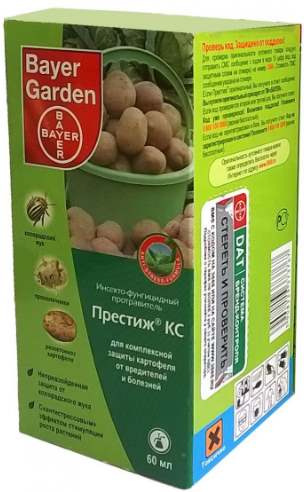
Growing bushes should be inspected daily for Colorado potato beetles. If any are found, remove them by hand. If there are too many, Prestige is recommended.
The nuances of harvesting and storing the Krasavchik potato variety
The harvest can be done from August to September. Many gardeners begin harvesting earlier, immediately after the tops have dried. This is a mistake. The tubers should remain in the ground as long as possible; this will improve their shelf life.
When harvesting, the skins should be tightly sealed. This will better protect the harvest from mechanical damage.
It's recommended to harvest potatoes in dry weather. During rainy seasons, there's a higher risk of wireworm infestation. This pest will cause the potatoes to rot later. Furthermore, wet soil sticks to the roots, potentially infecting them with various diseases, which can also negatively impact storage quality.
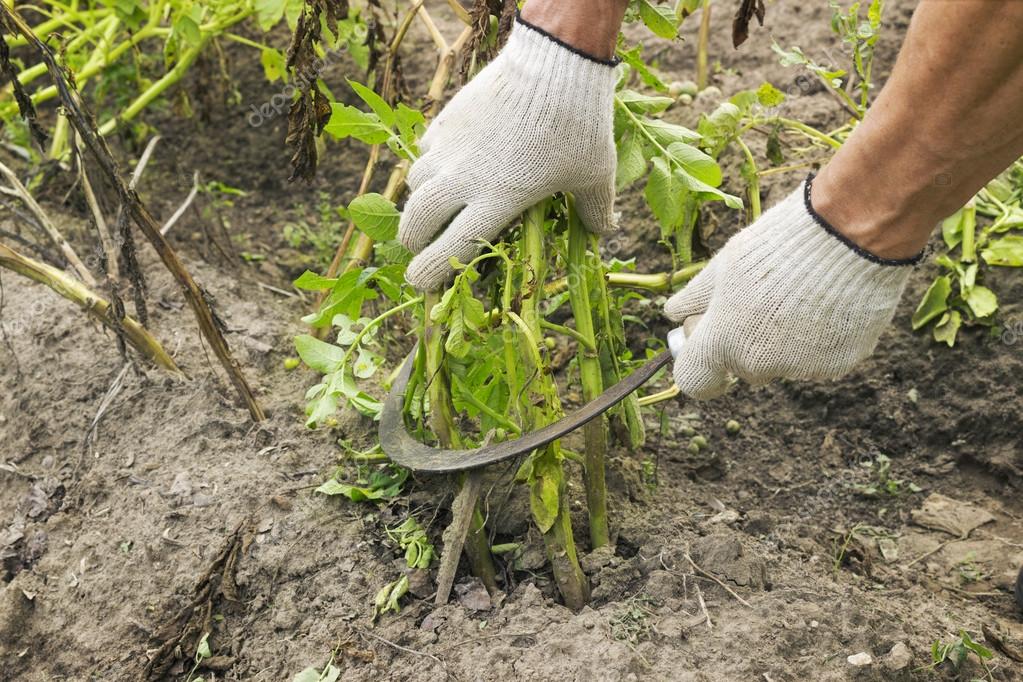
Helpful information! About three weeks before harvesting, it's recommended to trim the tops. This will allow the above-ground portion to dry out, and all the starch will be transferred to the roots.
Comparison of the Krasavchik potato variety with other varieties in the table
| Variety | Ripening period (number of days to maturity) | Starch (%) | Yield (c/ha) | Weight of tubers (g)
Number of tubers per bush |
Shelf life (%) |
| Handsome | Mid-early** | 12.4-17.8 | 169-201 | 90-170
6-10 |
97 |
| Nakra | Mid-season*** | 18-22 | 203-308 | 65-160
6-11 |
95 |
| Ilyinsky | Mid-early | 15.7-18 | 176-346 | 55-160 8-13 |
93 |
| Armada | Early ripening* | 17-18 | 230-370 | 96-130
9-14 |
80-85 |
| Giant | Mid-season | 16-19 | 290-424 | 100-140
8-13 |
97 |
| Explosive | Early ripening | 16-17 | 156-240 | 110-150
8-14 |
95 |
| Zekura | Mid-early | 13-18 | 350-370 | 60-150
12-20 |
98 |
| Kolobok | Mid-season | 11-13 | 130-250 | 90-140
15-18 |
96 |
| Latona | Early ripening | 16-20 | 400-450 | 90-140
10-15 |
96 |
| Memphis | Mid-early | 14.2-16.7 | 330-610 | 80-160
9-11 |
94 |
| Meteor | Early ripening | 10-16 | 210-405 | 100-150
10-12 |
95 |
*Early ripening – 50-65 days.
**Mid-early – 65-80 days.
***Mid-season – 80-95 days.
Real reviews from gardeners about the Krasavchik potato variety
Experienced gardeners' reviews of this variety are mostly positive, praising it for its good yield, attractive appearance, and ease of cultivation.
User vasjatka108
I chose the "Krasavchik" potato variety because I liked the name. It's a decent variety. Nothing stuck to it, no diseases, no insects. And you get a lot of potatoes per bush. It suits me because I can't stand it when potatoes fall apart. The "Krasavchik" potato is always in shape! After boiling, the "Krasavchik" stays beautiful, without any dark spots. In short, it's a "Krasavchik" by all accounts, a BEAUTIFUL! I planted it again this year. I also planted Red Scarlet. Both varieties have red skin and don't fall apart. That's why I love them.
User Sanёk 62
I grew Krasavchik in 2014. The yield was so-so, due to a very hot summer. But compared to other varieties, there was no scab or disease, and not a single rotten tuber.
User Denis, Penza
The handsome man reminded me of the Kyiv svitanok, only the flesh was lighter and rounder, medium-sized. It didn't overcook and had a good taste.
User klim
The handsome one doesn't have a single rotten one, but the tubers are smaller than those of the Otrada, somewhere around 300 grams.