It's hard to find a plot of land that doesn't have potatoes growing in it. Every gardener strives to select a variety for planting that offers excellent flavor and can be stored for several months after harvesting. The Zekura potato fits these characteristics.
Content
- 1 The history of the Zekura potato variety
- 2 General characteristics of the Zekura potato variety
- 3 Description of the Zekura potato variety
- 4 Advantages and disadvantages of the Zekura potato variety
- 5 Planting Features of the Zekura Potato Variety
- 6 Caring for the Zekura potato variety
- 7 What pests and diseases should the Zekura potato variety be protected from and how?
- 8 The nuances of harvesting and storing the Zekura potato variety
- 9 Comparison of the Zekura potato variety with other varieties in the table
- 10 Real reviews from gardeners about the Zekura potato variety
- 11 Conclusion
The history of the Zekura potato variety
The variety was developed in Germany over twenty years ago, in 1997. Initially, breeders assumed that Zekura would be in demand only in Central Europe. However, the plant quickly adapted to various climates, making it popular in Kazakhstan, central Russia, and even Siberia.
General characteristics of the Zekura potato variety
The Zekura variety is mid-early, meaning 90-100 days pass between germination and harvest.
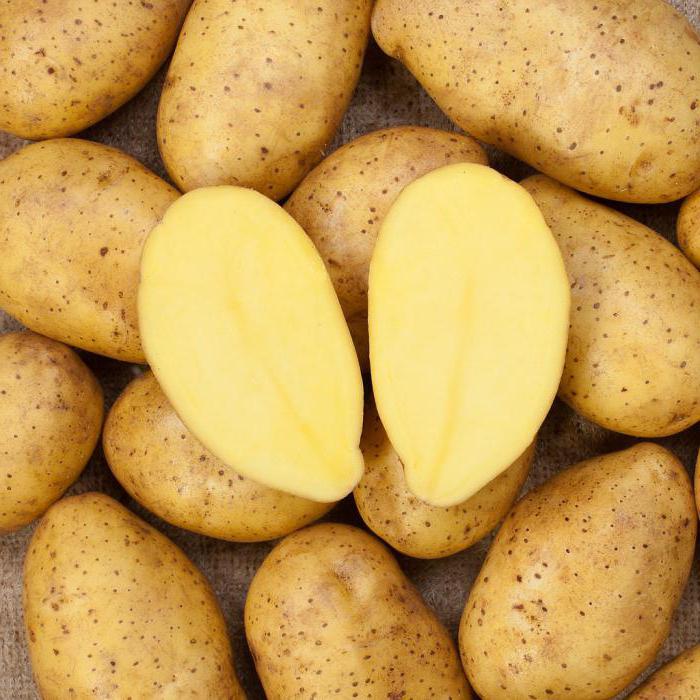
Because this potato variety is rich in carotene, it is considered a dietary potato. It is this element that gives it its yellowish tint when cut.
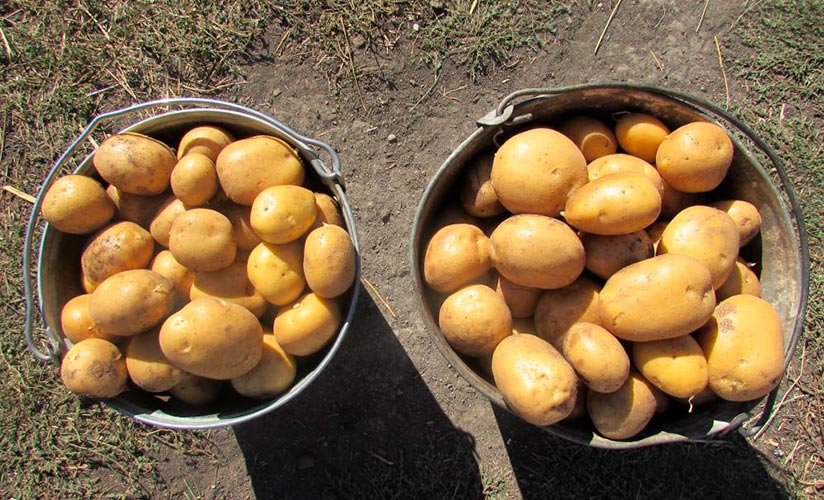
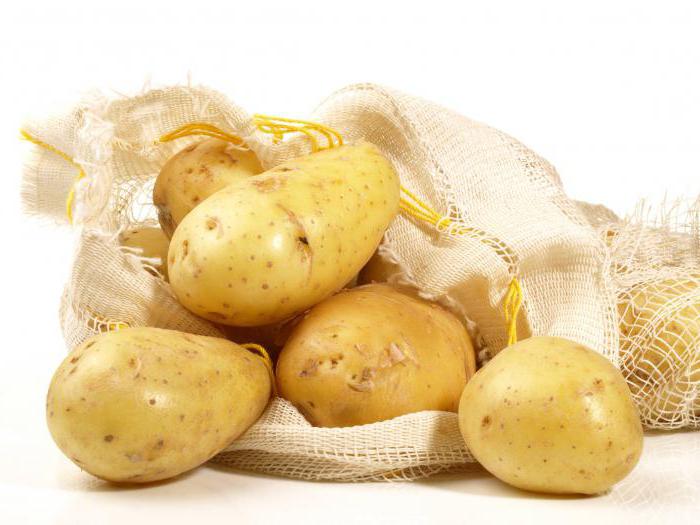
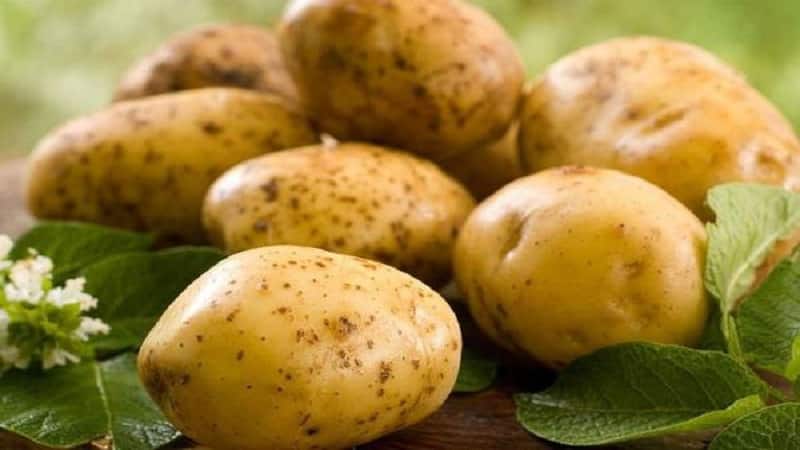
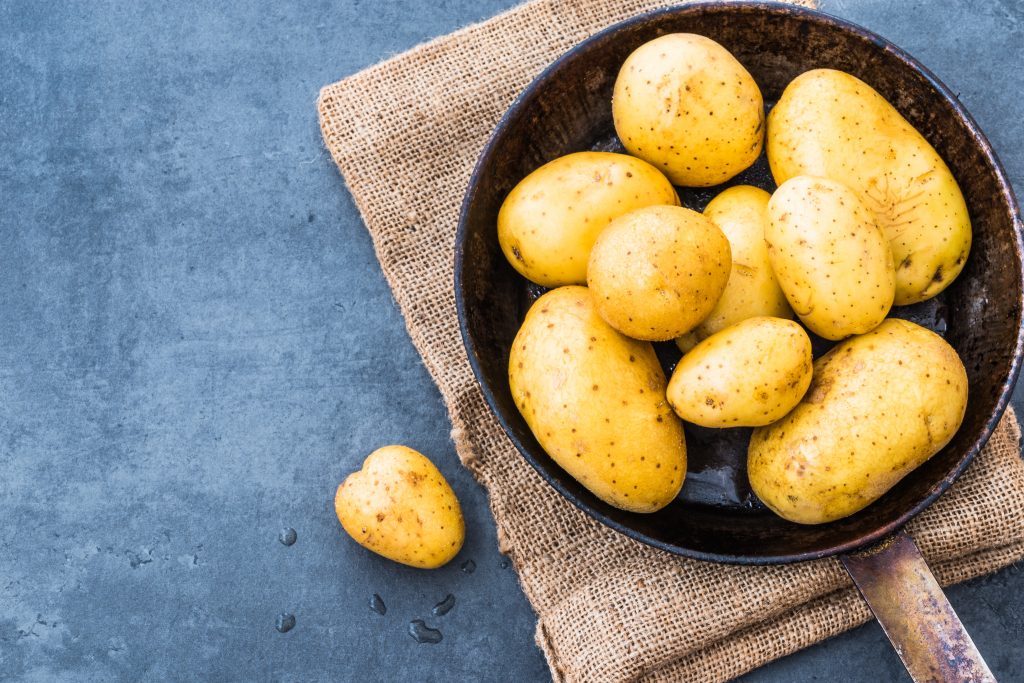
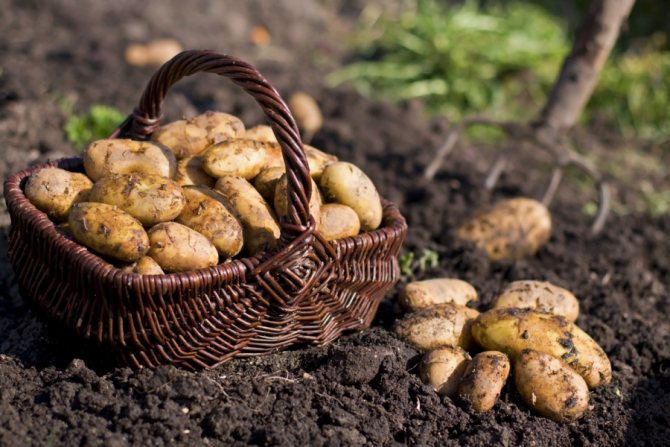
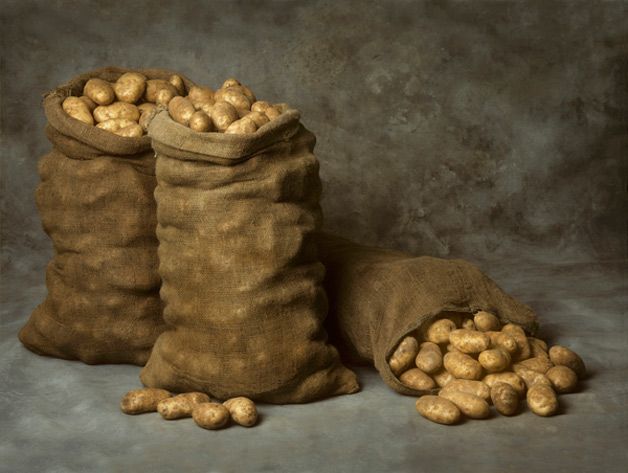
This variety can be transported over significant distances. Its dense flesh and tough skin make the tubers resistant to mechanical damage, prevent rotting, and maintain their marketable appearance for a long time. It is suitable for mechanical planting and harvesting.
| Parameter | Peculiarities |
| Varietal characteristics | A dietary table variety of mid-early ripening with regularly rounded tubers. |
| Fruit ripening period | From 90 to 100 days |
| Starch content | up to 18% |
| Weight of one tuber, g | 60-135 |
| Number of tubers on one bush, pcs. | 15-20 |
| Yield, c/ha | The minimum value is 195-250, the maximum is 350-370. |
| Consumer features | The taste is 5 stars; it doesn't fall apart when cooked. It belongs to the B group, with medium-crumbly texture. |
| Safety during storage | 80-85% |
| Peel color | Sandy |
| Pulp color | Light yellow |
| Suitable regions for growing | Central Europe. In the Russian Federation: Western Siberia, the Far East, the Middle Volga and Central Black Earth regions. |
| Disease resistance | Resistant to leaf curl virus, cancer, late blight, viruses A and Y, golden nematode, and relatively resistant to scab. |
| Planting and growing requirements | Standard agricultural practices and guidelines are used to grow the Zekura potato, which is drought- and moisture-resistant. It is low-maintenance, but regular watering and fertilizing increase yields, while insufficient watering and fertilizing can decrease them. |
Description of the Zekura potato variety
Let's take a closer look at the characteristics of the variety.
Bushes
It has short (up to 35 cm), non-spreading, upright shoots. Therefore, they are quite easy to care for.
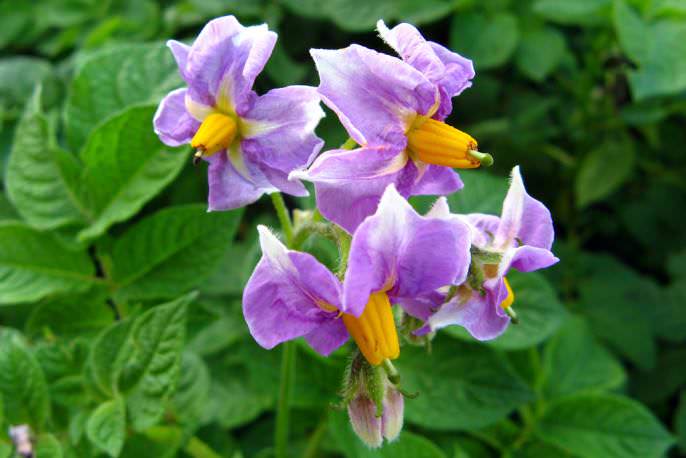
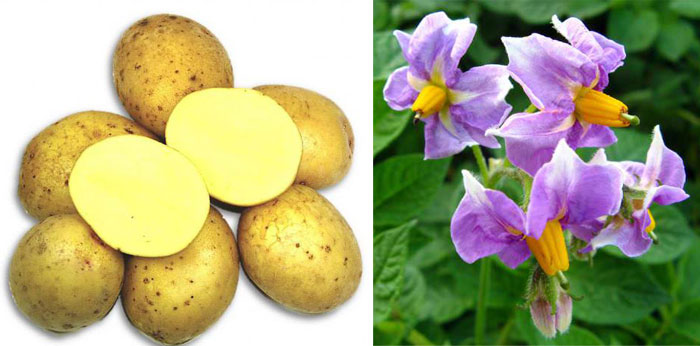
The leaves are small and light emerald. During flowering, small purple inflorescences form at the tips of the shoots.
Tubers
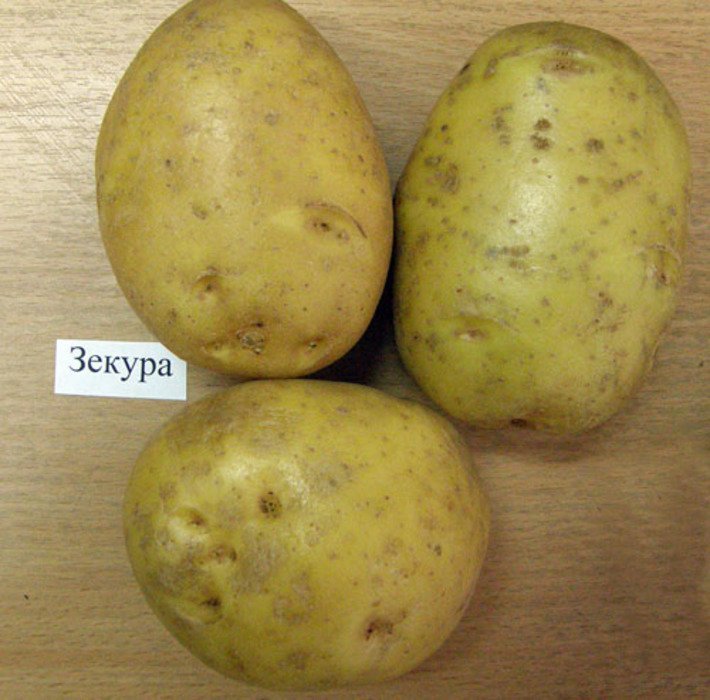
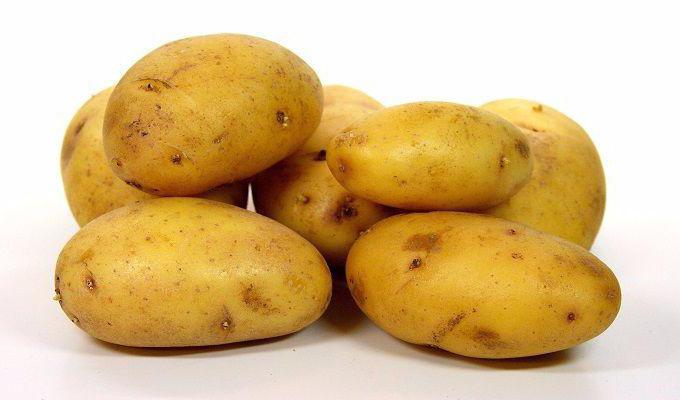
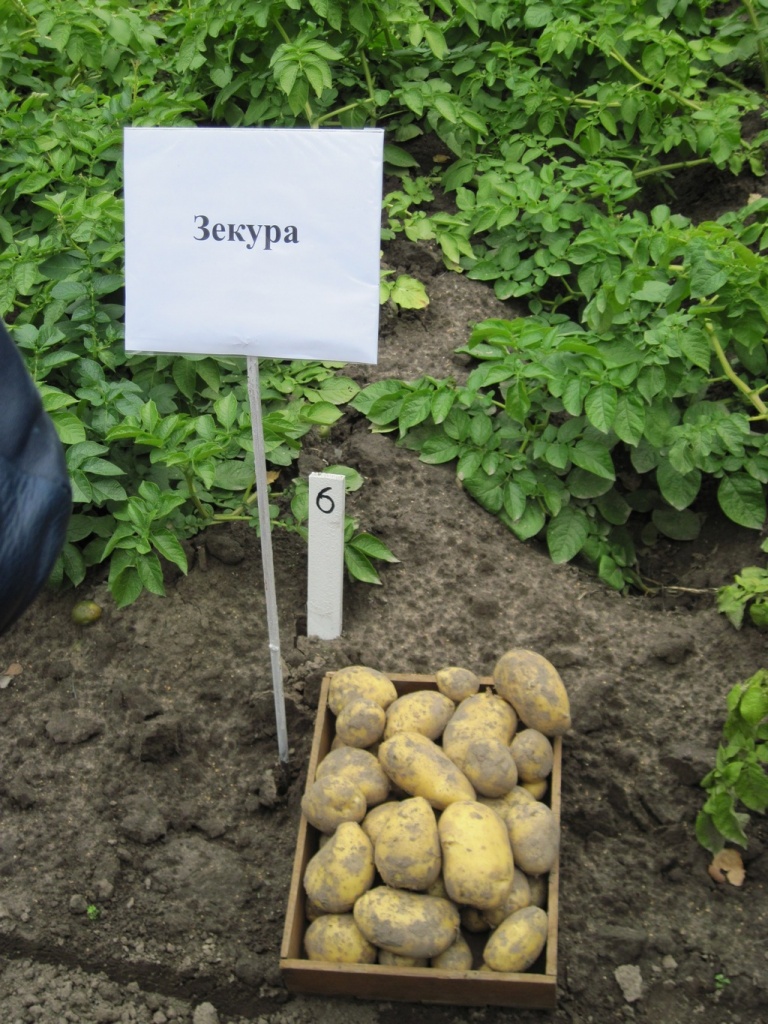
A perfectly rounded fruit, weighing up to 135 g. The flesh is yellow and remains firm after cooking. It has a pleasant flavor no matter how it's prepared.
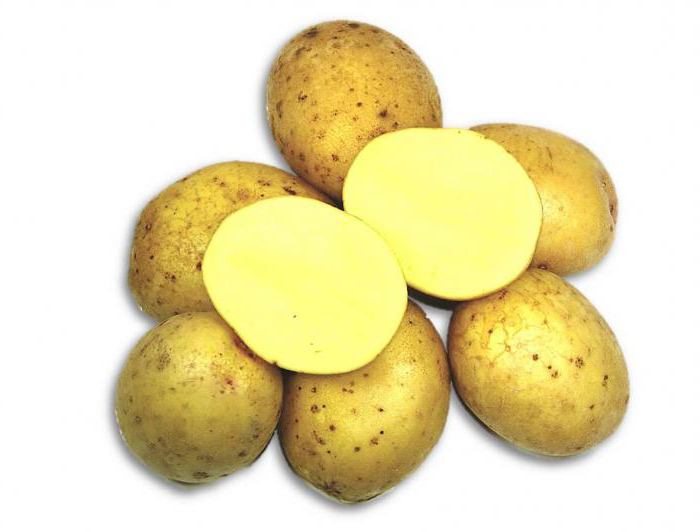
The skin is sandy-colored, smooth, thin, but strong. The eyes are small and set shallowly.
Nutrients and nutritional value
Zekura is rich in nutrients:
- phosphorus;
- calcium;
- potassium;
- sodium, etc.
Potato juice is often used to treat gastrointestinal disorders. 100 grams of the vegetable contains only 90-100 kcal. Potatoes are 80% water.
Please note! Although this variety is suitable for any cooking method, it is still recommended to eat it baked. This is because other cooking methods cause the potato to lose some of its nutritional value.
Productivity, ripening time
This variety boasts excellent yields. One bush produces 15-20 tubers. With proper planting and care, and a fertile plot, one can harvest up to 37 tons of potatoes per hectare.
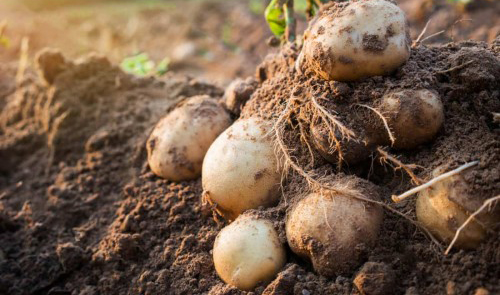
It takes only 90-100 days from germination to harvest. This means that if you plant the crop in April, you can harvest your first crop as early as early summer.
Resistance to diseases and pests of the Zekura variety
The variety is resistant to leafroll virus, leaf and tuber blight, canker, rust, and golden nematode. It is relatively resistant to scab and rot.
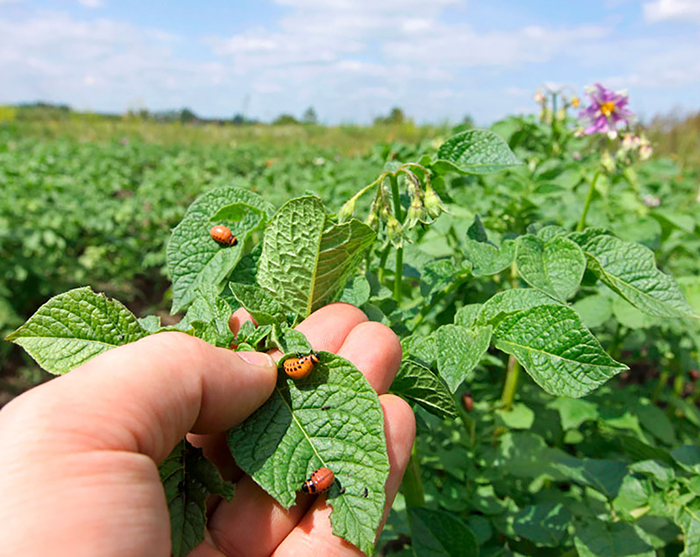
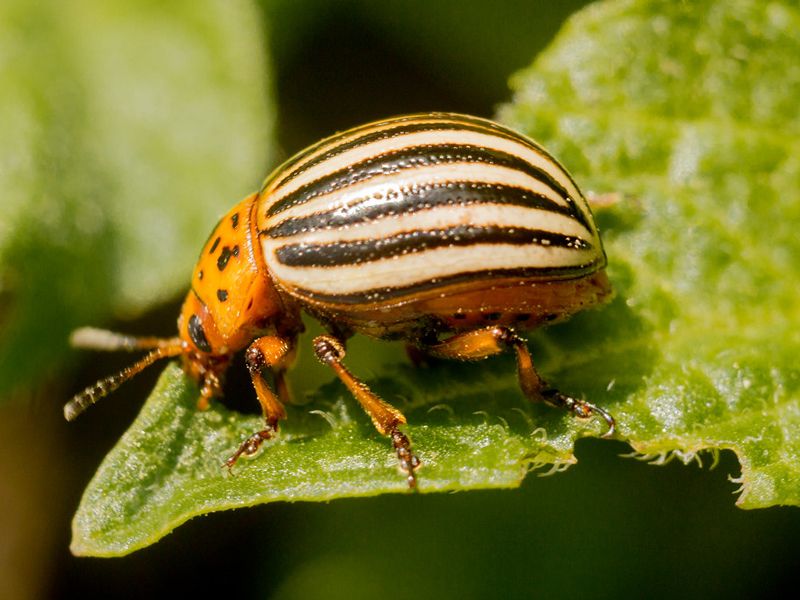
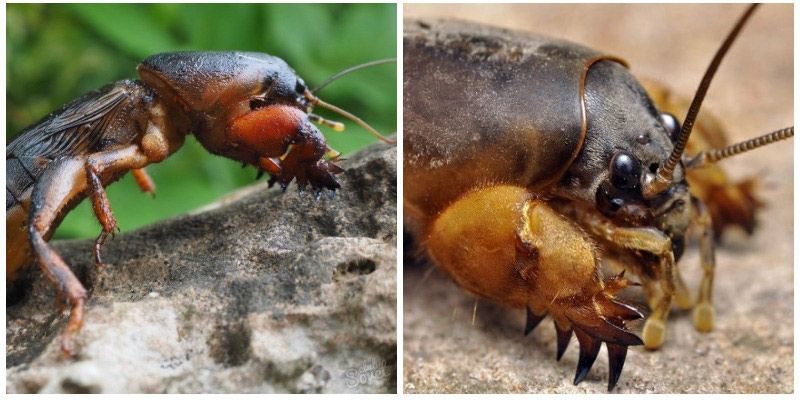
The insect pests that pose a danger to this variety are the Colorado potato beetle, the mole cricket, and the cutworm caterpillar.
What regions is it suitable for?
This variety is popular in Central Europe. In Russia, it is planted in Western Siberia, the Far East, the Middle Volga, and the Central Black Earth regions. It adapts to any climate.
Advantages and disadvantages of the Zekura potato variety
It has the following advantages:
- consistently high yields;
- many tubers on one bush;
- neat potatoes, one to one;
- possibility of both manual and mechanized cleaning;
- genetic resistance to many potato diseases;
- long shelf life;
- excellent taste, can be used in dietary menus;
- a short period of time between planting and harvesting;
- the possibility of cultivation in almost any region of the Russian Federation;
- The compactness of the bushes makes agricultural work easier.
Disadvantages include the need for planting only in nutritious soil, which requires the addition of organic and mineral fertilizers. Furthermore, if Zekura lacks moisture, it becomes smaller and produces a poor harvest, so it requires watering.
Planting Features of the Zekura Potato Variety
To ensure a good harvest from a variety that will be stored for a long time, it is necessary to plant it according to all the rules and then provide proper care.
Requirements for the landing site and its preparation
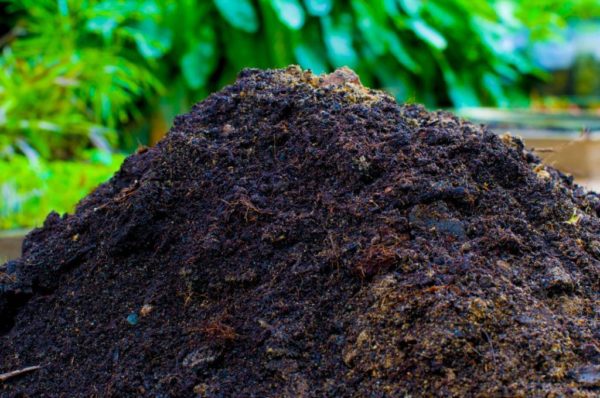
Zekura will not thrive in poor soil. Therefore, it is recommended to add humus or compost to the soil three weeks before planting. Complex mineral mixtures can also be used.

Since the Zekura variety is susceptible to pest attacks, it is better to plant it away from nightshades (tomatoes, eggplants, peppers).
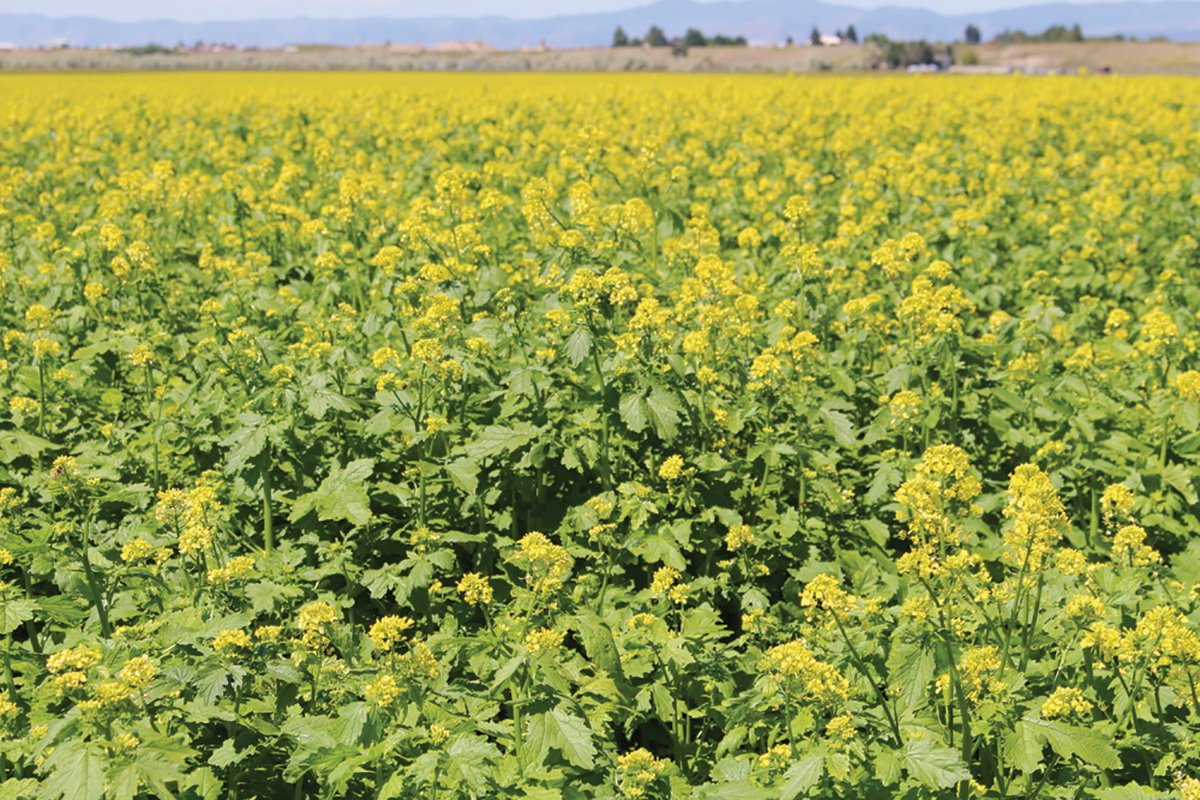
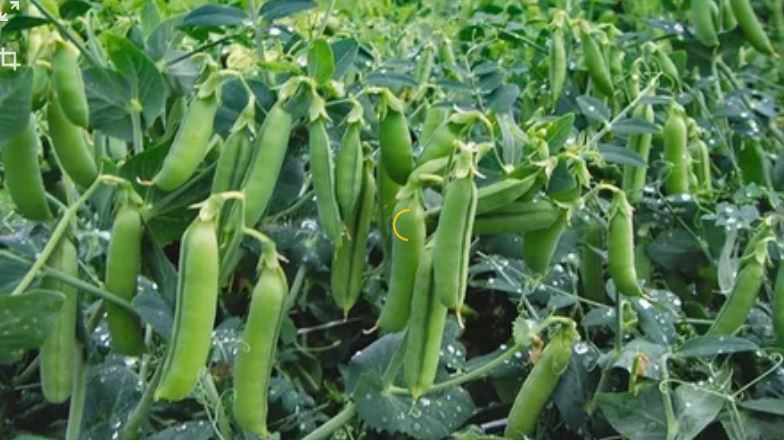
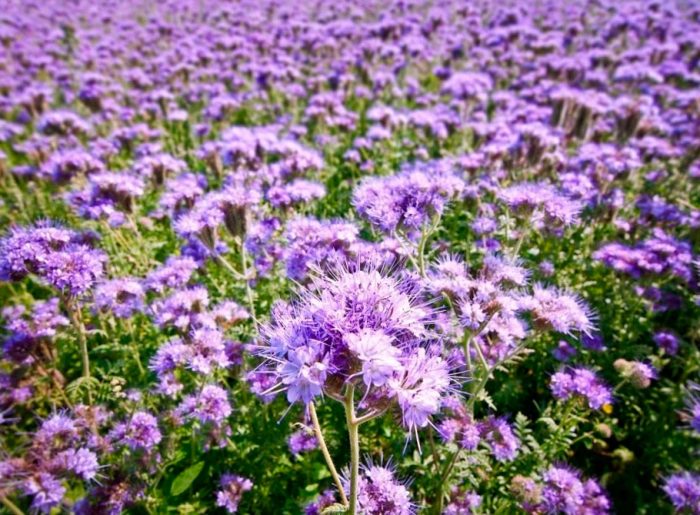
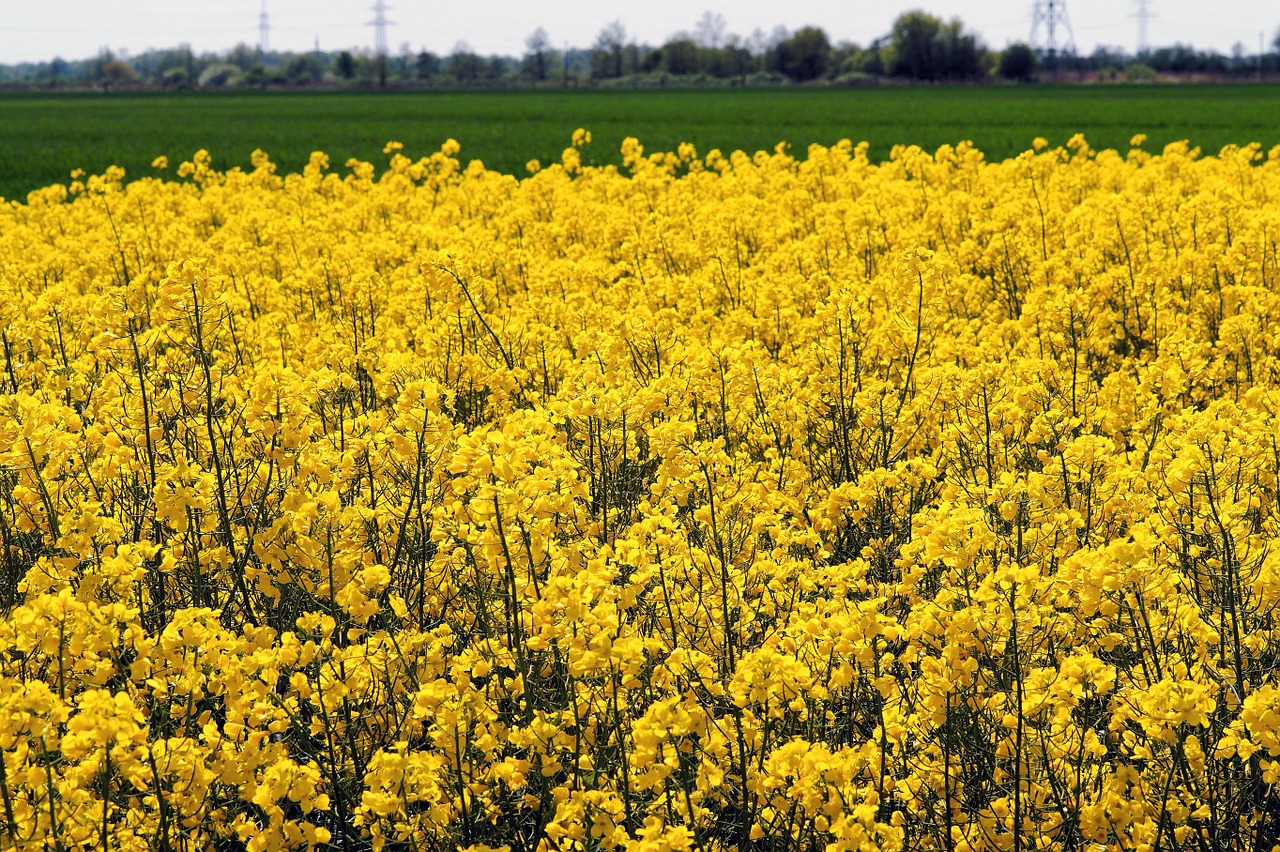
You can also improve the soil quality by planting green manure crops. Mustard, peas, and rapeseed are all suitable. Before planting potatoes, dig them up. They will make the soil softer and more nutritious.
Please note! The soil for planting the Zekura variety should be neutral or slightly pH-adjusted.
Selection and preparation of seed tubers
Only healthy, undamaged tubers are suitable for planting. Before planting them outdoors, they must be germinated in a dry, bright place at a temperature of 15°C.
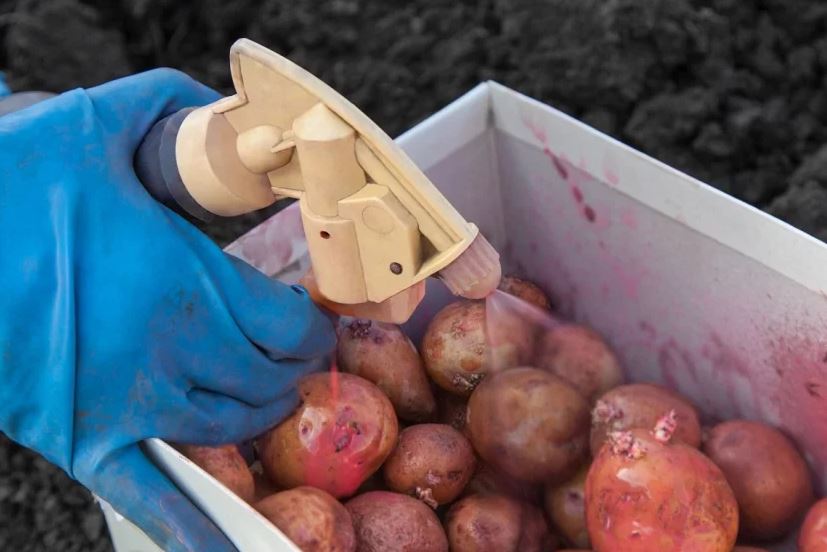
This variety doesn't require growth stimulants. The tubers can simply be treated with a light pink solution of potassium permanganate. This will be an excellent preventative against insects and diseases.
Planting times and rules
Planting times will vary depending on the region:
- South - end of April;
- Central Russia - first half of May;
- North - end of May.
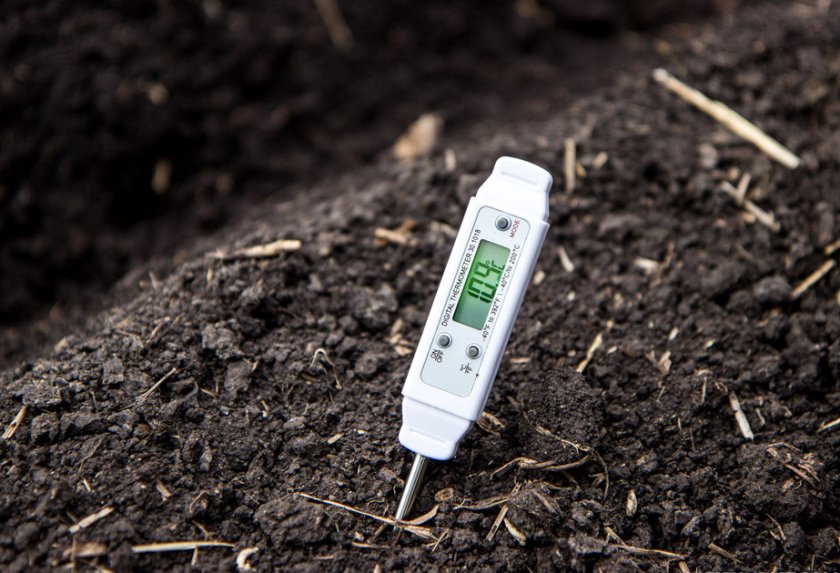
A soil temperature of at least +10…+12°C is a mandatory planting requirement. Therefore, planting dates may sometimes be delayed.
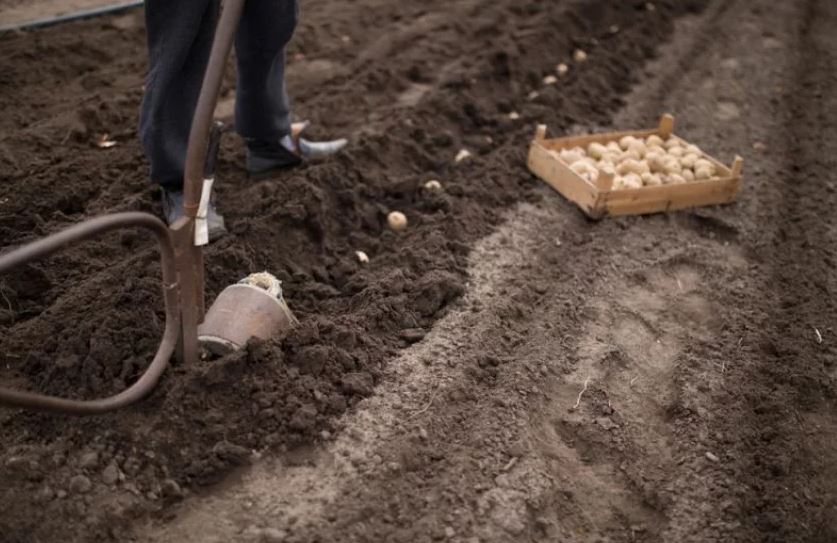
Landing can be done in two ways:
- in the grooves;
- under the shovel.
Please note! If you choose the second method, you will need the assistance of another person to ensure ease and speed of operation.
The soil for planting should be slightly moist, but not completely soggy. The tubers are spaced 35-40 cm apart. The distance between rows is 55-60 cm.
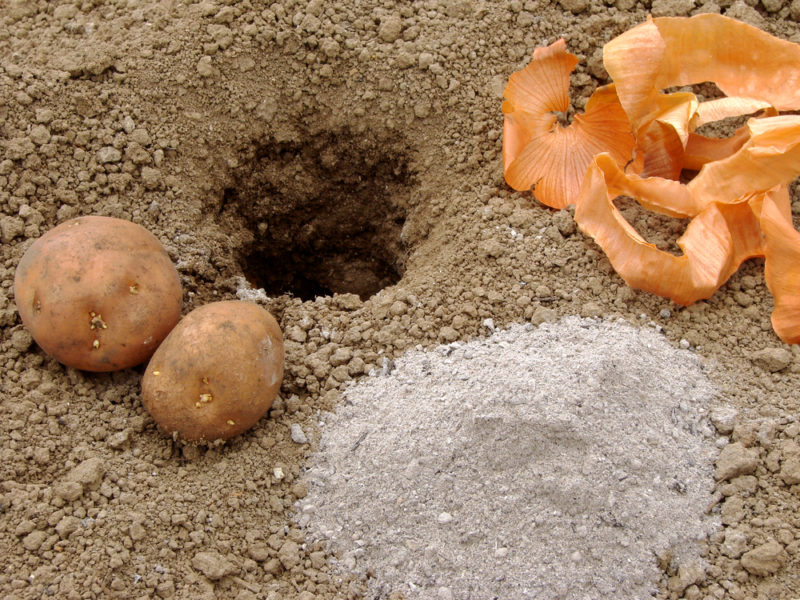
You can add 50 grams of wood ash to each hole. However, if the soil is fertile and the planting material has been treated with a potassium permanganate solution, this is not necessary.
Caring for the Zekura potato variety
The variety is relatively undemanding in terms of care, but if you don't water and feed it on time, the potato will yield a poorer harvest.
Watering
Without irrigation, crop yields will be reduced. During drought, the soil should be moistened at least once every 1-1.5 weeks. During periods of precipitation, this can be done less frequently.
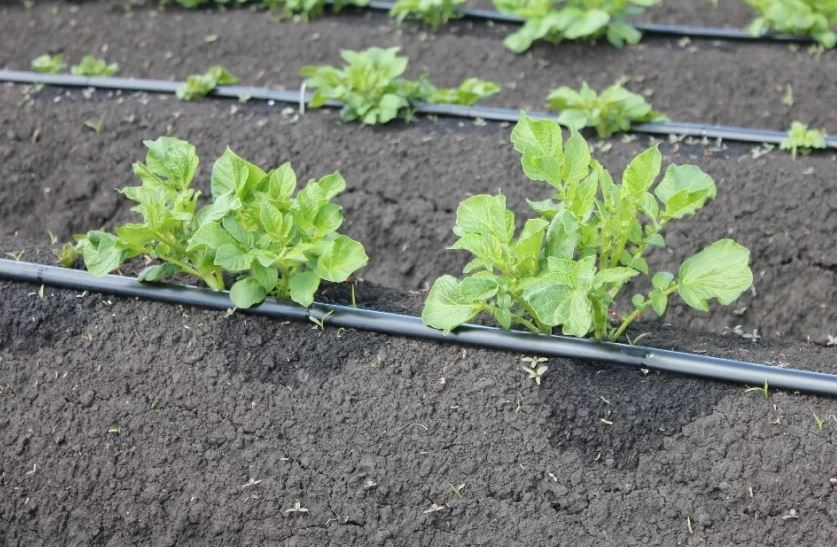
Watering is stopped only after flowering has finished. This is necessary for normal tuber formation.
Top dressing
Nutrient mixtures must be applied at least 3 times during the growing season.
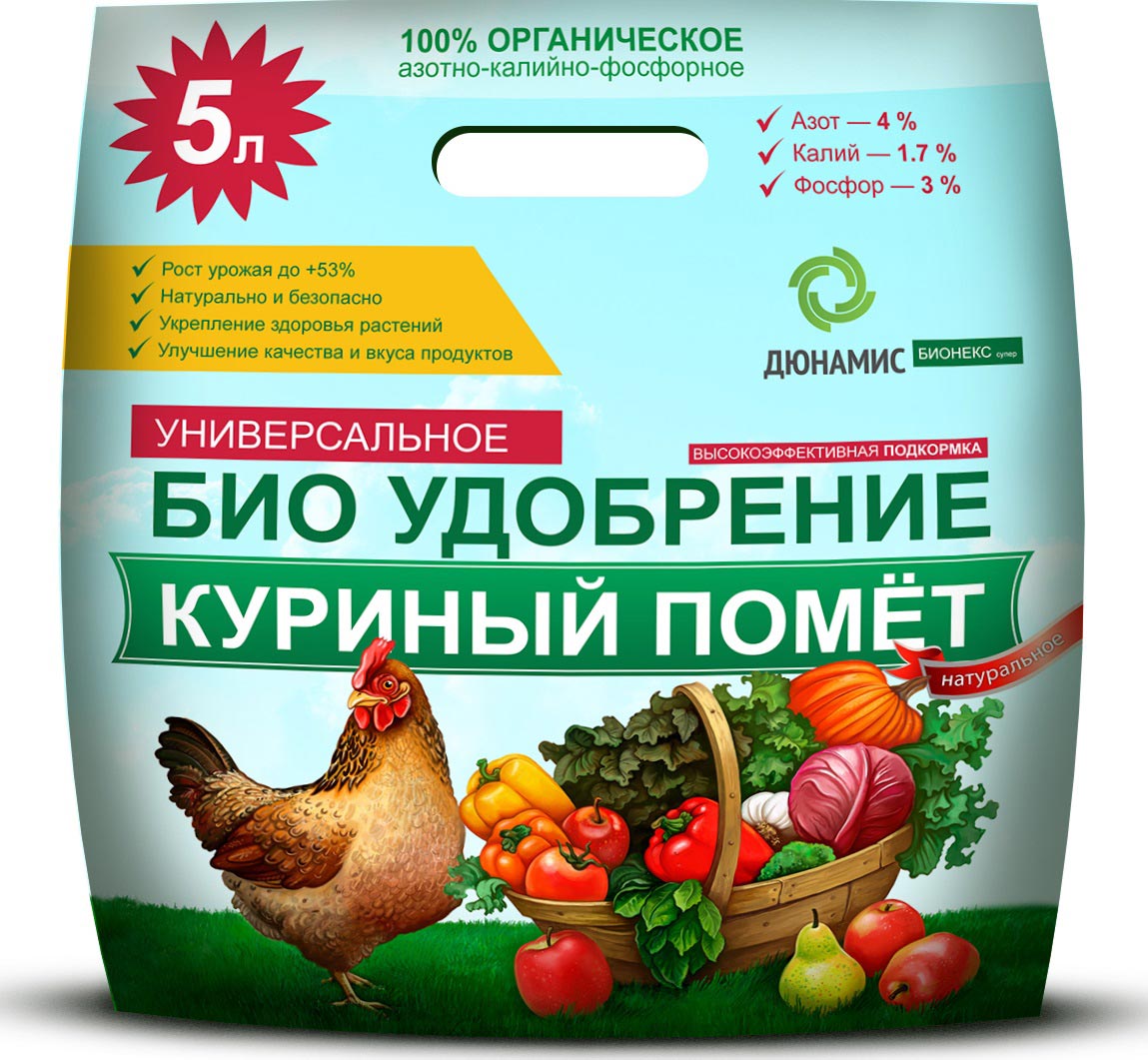
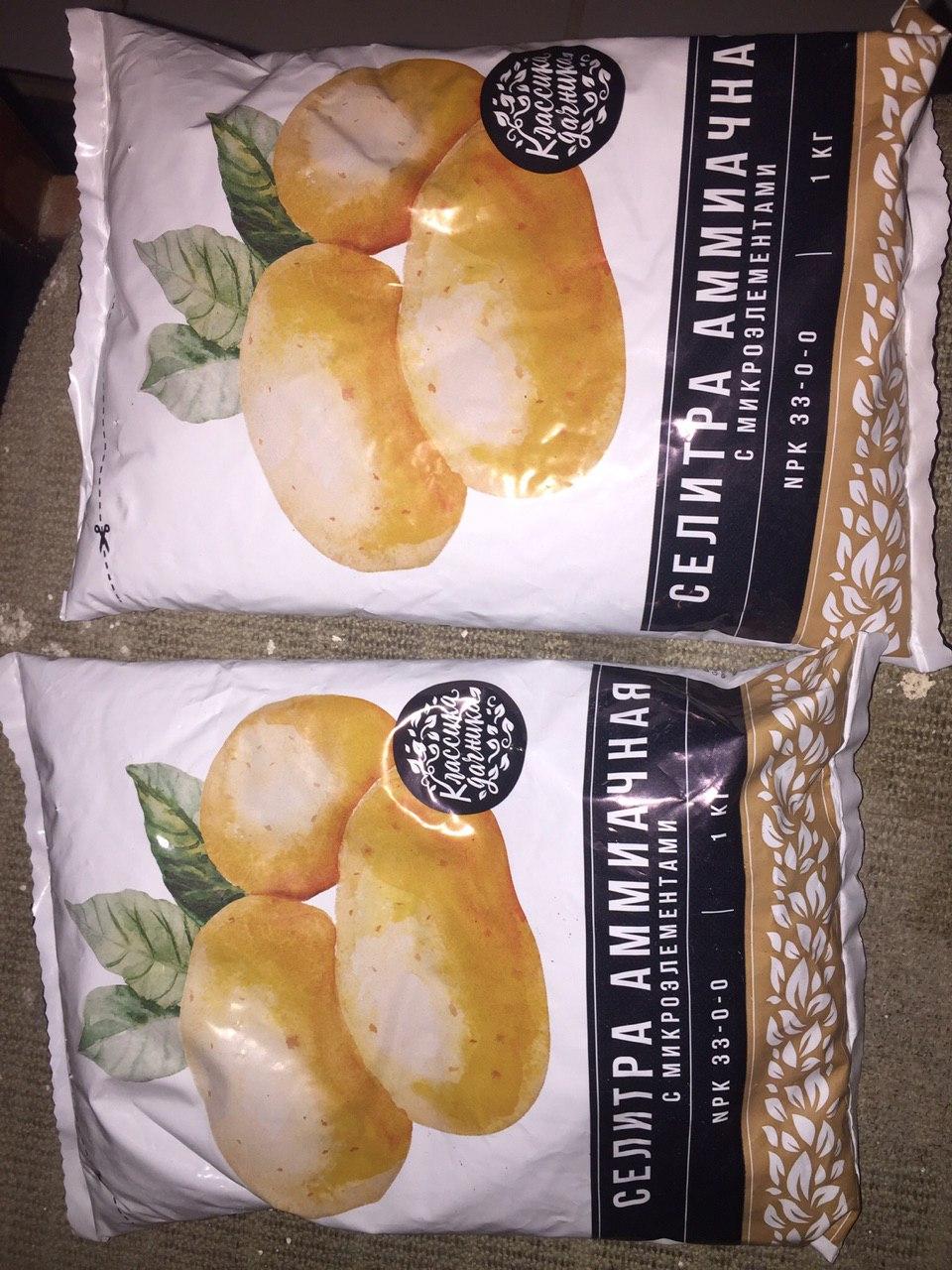
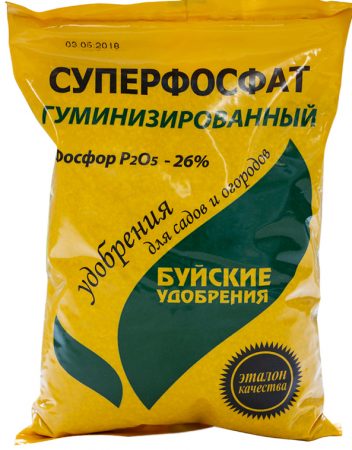
The amount of fertilizer is calculated for 10 liters of water, 0.5 liters per bush or for surface feeding:
- 14 days after planting (20 g chicken manure, 25 g urea);
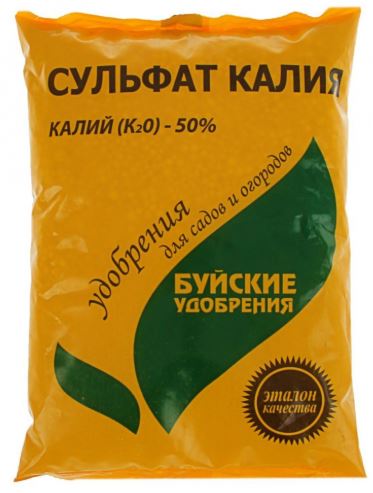
- during the period of the beginning of bud formation (superphosphate and potassium sulfate, 15 g each);
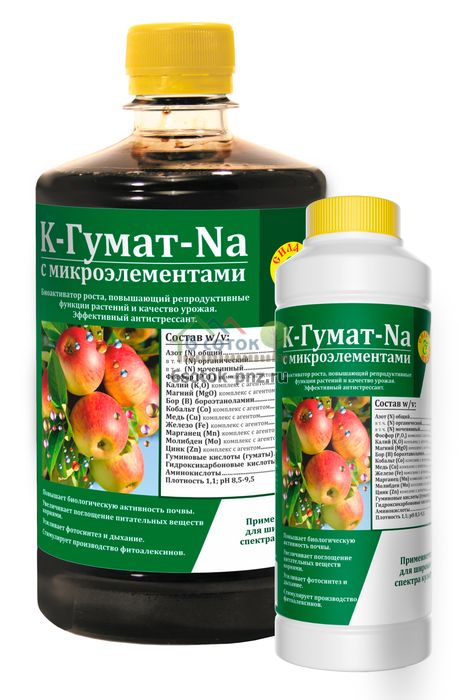
- during flowering (sodium humate 2 g - for spraying).
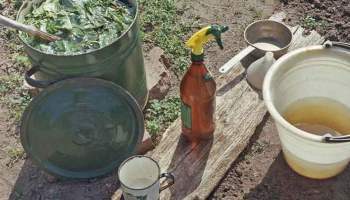
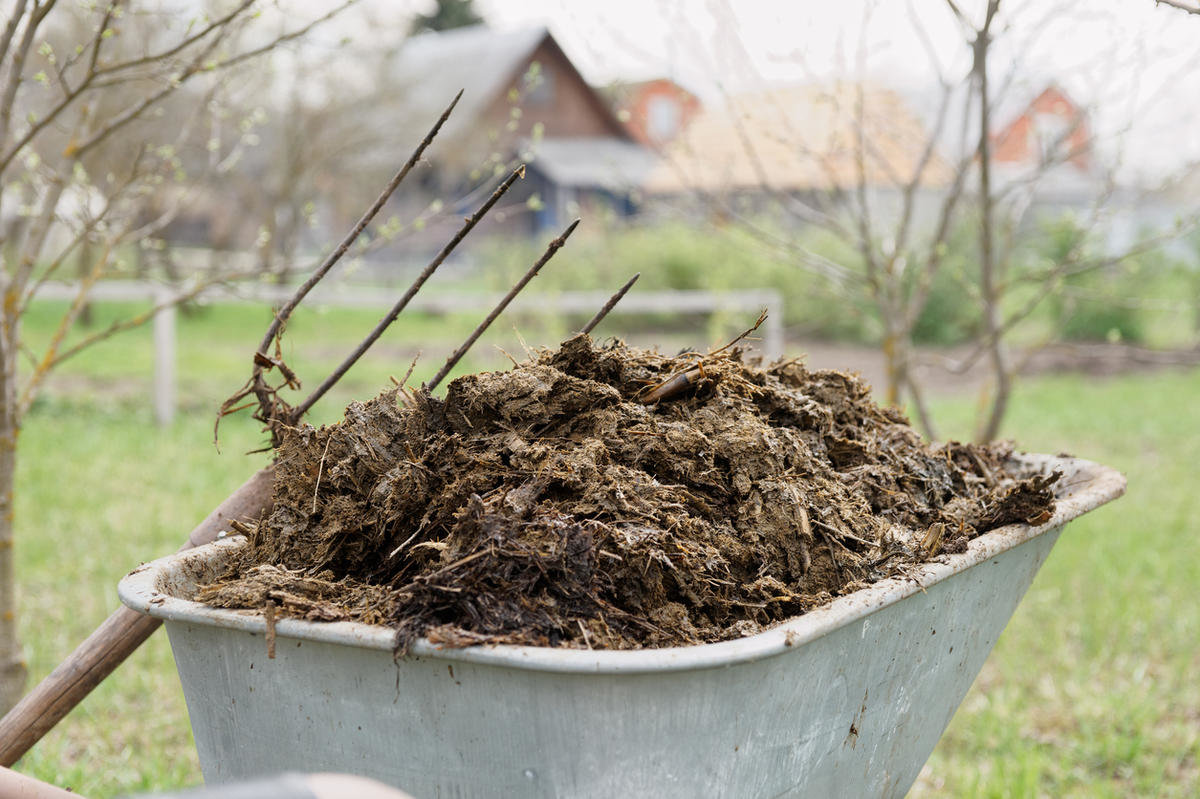
The best fertilizers for the Zekura potato variety are infusions of herbs, ash, vermicompost, manure, and complex mineral mixtures.
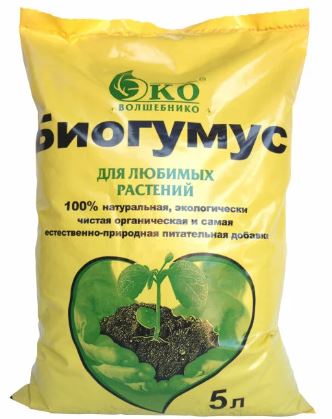
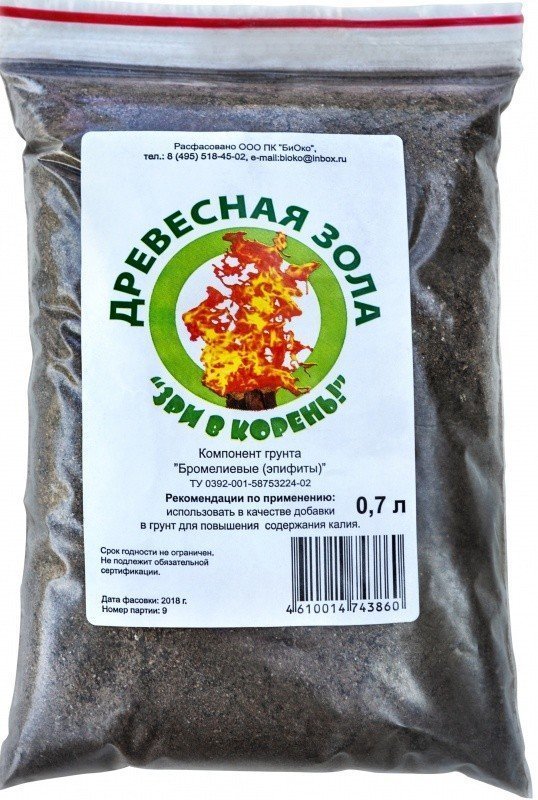
Fertilizer shouldn't be applied directly under the bush; it should be done at a distance of 10-15 cm from them. Then, rake the soil.
Loosening, weeding, hilling
A week after planting, the soil should be loosened to remove any hard crust from the surface. This will make it easier for the seedlings to emerge. Loosening should be done very carefully to avoid damaging the planting material.
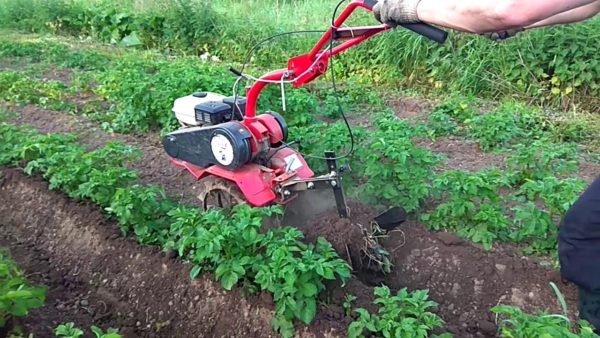
Two weeks after placing the tubers in open ground, the first hilling should be performed. The second hilling should be performed during the flowering period.
Potato beds need to be weeded periodically. Weeds rob the crop of nutrients and moisture. They also provide a haven for pathogens and pests.
What pests and diseases should the Zekura potato variety be protected from and how?
The Zekura variety is quite resistant to many dangerous potato diseasesThis is clearly visible in the table below.
| Disease or pest | Degree of stability (+++ high, ++ relatively high) |
| Golden nematode |
+++ |
| Cancer
|
+++ |
| Late blight
|
+++ (tubers)
+++ (leaves and stems) |
| Mosaic
|
+++ |
| Scab
|
++
|
| Rhizoctiniasis
|
+++ |
| Rot (various types)
|
+++ |
| Alternaria
|
+++ |
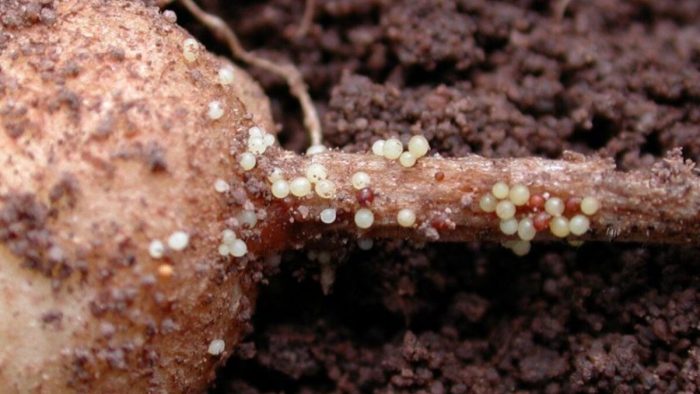
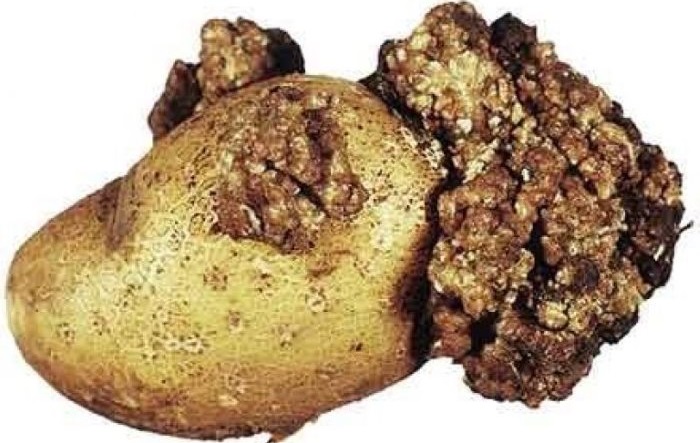
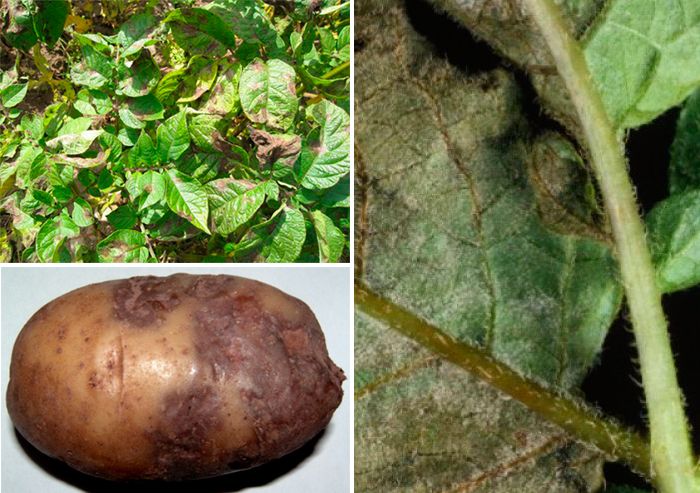
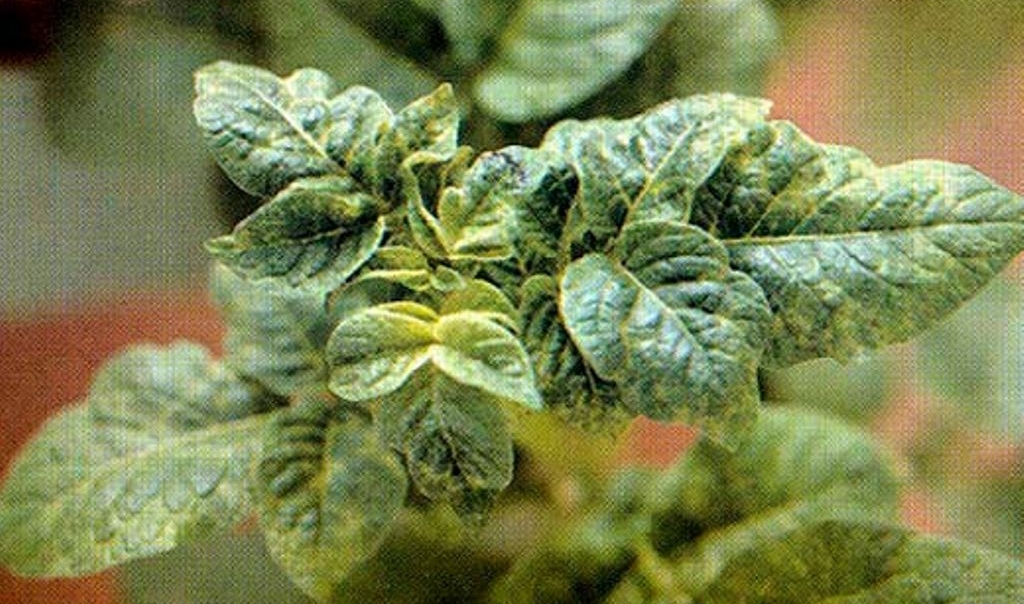
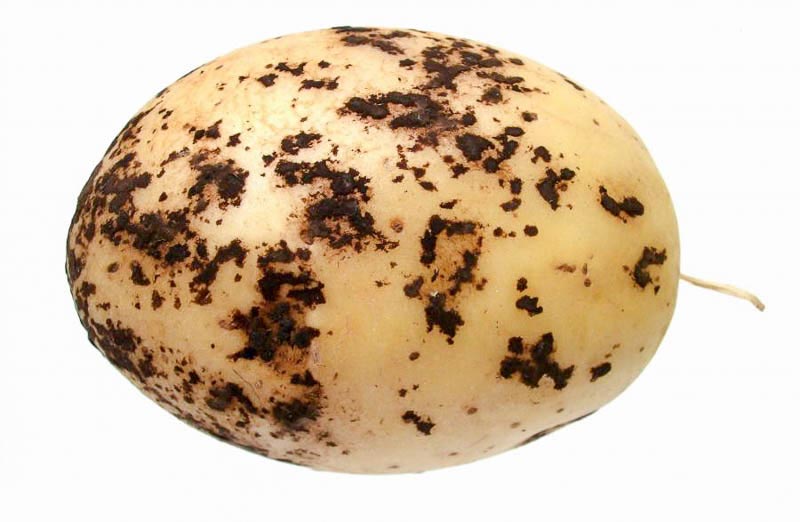
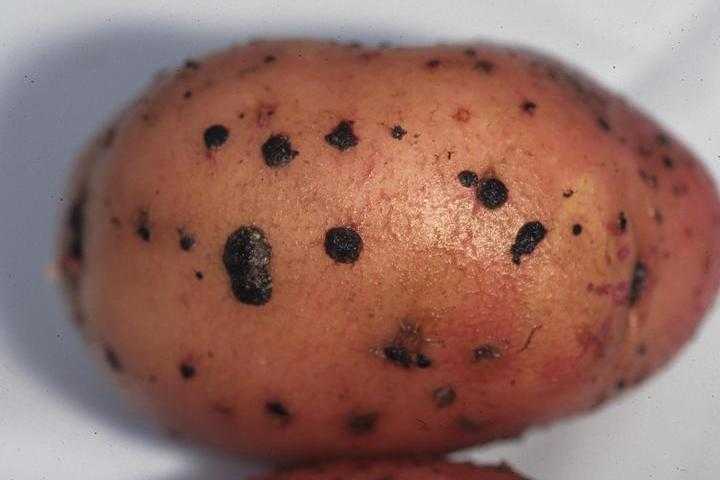
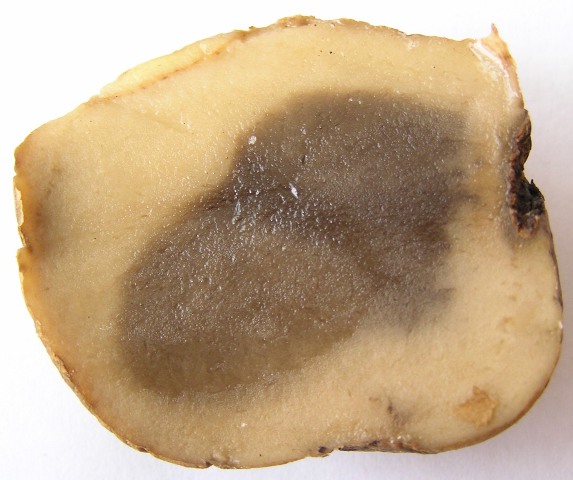
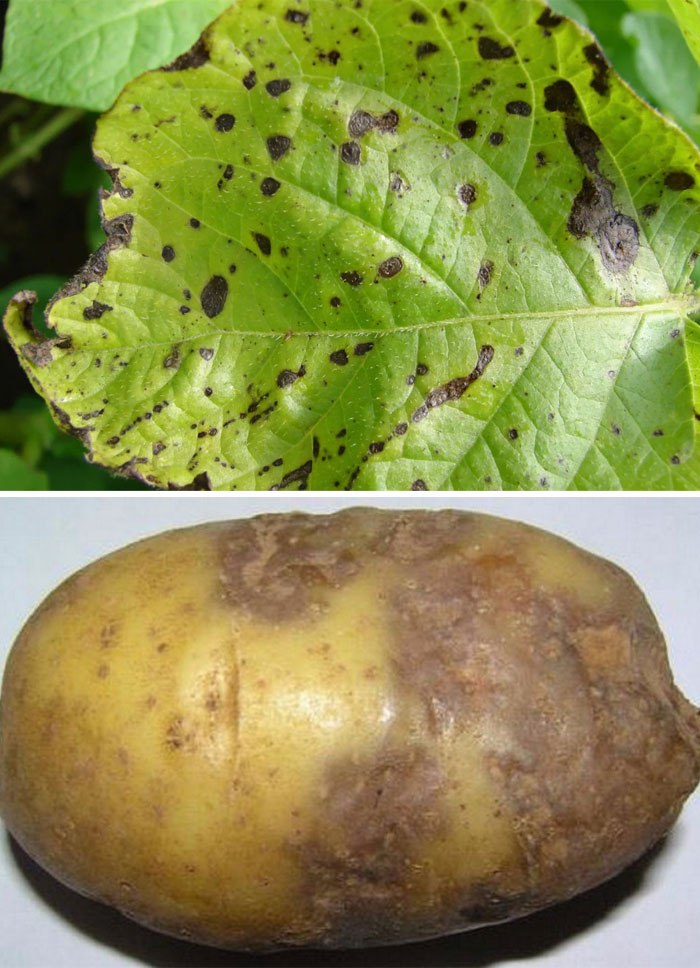
However, this variety is often plagued by pests that need to be dealt with immediately. Control methods are listed in the table below.
| Name of the pest | Control and prevention |
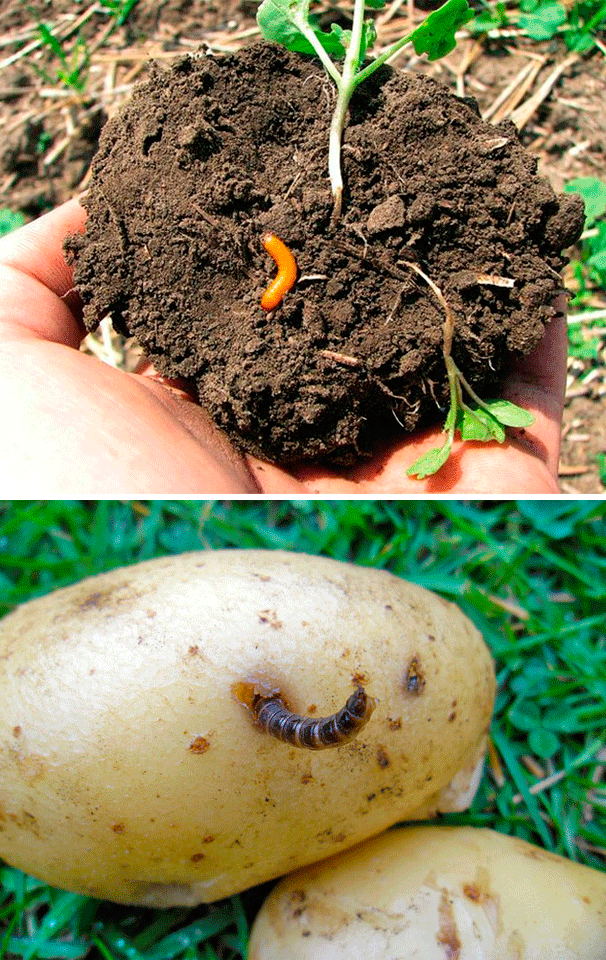
| Wireworm
|
Weeds and plant debris should be removed promptly. Chopped vegetables should be buried between the rows as bait. Marigolds should be planted nearby. Bushes should be dusted with wood ash or treated with Aktara, Prestige, Grom, or Gromoboy. |
| Colorado beetle
|
It is best to collect the pests manually, but you can spray the plants with special preparations (Prestige, Antizhuk, Korado, Karate) or sprinkle them with ash, gypsum, or lime. |
| Mole cricket
|
You can catch the mole cricket using vegetable traps or by treating your crops with Medvetox. |
| Field mouse
|
The only way to get rid of field mice is to scatter poison over the field. |

The nuances of harvesting and storing the Zekura potato variety
The harvest should be dug on a dry day. There shouldn't be any rain for about a week, so the soil stays dry and doesn't stick to the tubers.
Lay the potatoes out in a single layer and dry them directly in the garden bed. Once they're dry, remove any excess soil. After this, sort the tubers and transfer them to wooden boxes in 2-3 layers.
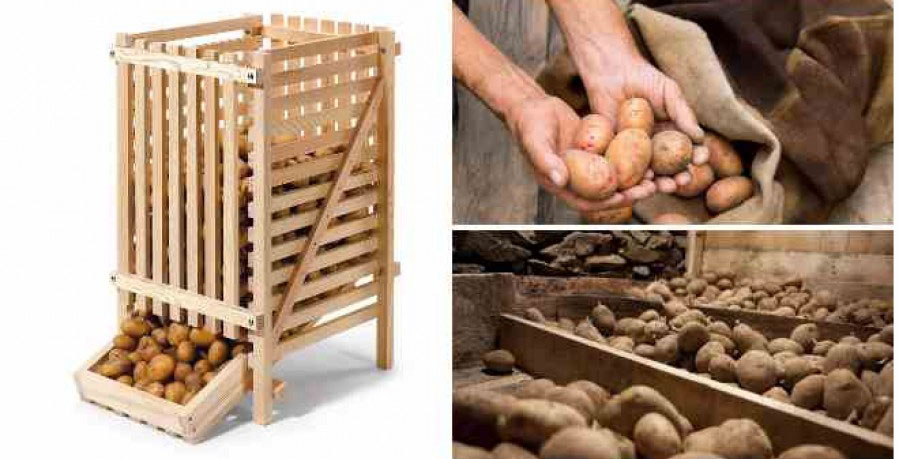
Sort them out periodically. Place the boxes in a cool room with a temperature of +2…+3 °C.
If you follow these simple rules for harvesting and storing your harvest, it will last a long time. On average, the tubers will be fit for consumption for another 4-6 months.
More about how store potatoes Read on our website.
Comparison of the Zekura potato variety with other varieties in the table
| Variety | Ripening period (number of days to maturity) | Starch (%) | Yield (c/ha) | Weight of tubers (g)
Number of tubers per bush |
Shelf life (%) |
| Zekura | Mid-early** | 13-18 | 350-370 | 60-150
12-20 |
98 |
| Ilyinsky | Mid-early | 15.7-18 | 176-346 | 55-160
8-13 |
93 |
| Armada | Early ripening* | 17-18 | 230-370 | 96-130
9-14 |
80-85 |
| Giant | Mid-season*** | 16-19 | 290-424 | 100-140
8-13 |
97 |
| Explosive | Early ripening | 16-17 | 156-240 | 110-150
8-14 |
95 |
| Kolobok | Mid-season | 11-13 | 130-250 | 90-140
15-18 |
96 |
| Handsome | Mid-early | 12.4-17.8 | 169-201 | 90-170
6-10 |
97 |
| Latona | Early ripening | 16-20 | 400-450 | 90-140
10-15 |
96 |
| Memphis | Mid-early | 14.2-16.7 | 330-610 | 80-160
9-11 |
94 |
| Meteor | Early ripening | 10-16 | 210-405 | 100-150
10-12 |
95 |
| Queen Anne | Mid-early | 13.1-14.4 | 393-604 | 84-137
14-16 |
93-97 |
| Labella | Early ripening | 12-15 | 176-342 | 78-102
13-16 |
94 |
*Early ripening – 50-65 days.
**Mid-early – 65-80 days.
***Mid-season – 80-95 days.
Real reviews from gardeners about the Zekura potato variety
Let's look at reviews of the Zekura potato variety.
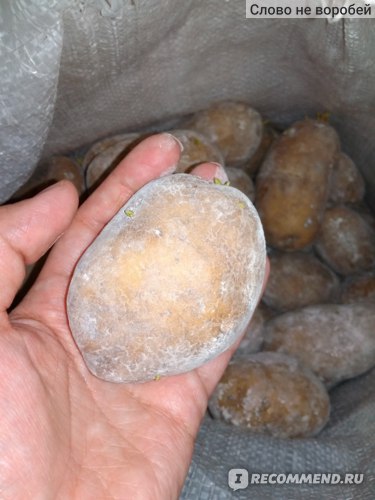
User A word is not a sparrow
HI ALL!
It's the end of April and it's time to buy potatoes for planting.
Last year, I decided to take a more serious approach to choosing potatoes for planting and turned to "trusted" gardeners for advice.
On the advice of a neighbor, I decided to buy Zekura seed potatoes, as they are tasty, unpretentious, and even included in the State Register of the Russian Federation.
Besides, potatoes have a good yield, and for me this is the main thing.
I went to a gardening store I already knew and bought 2 kg of this potato for 90 rubles/kg.
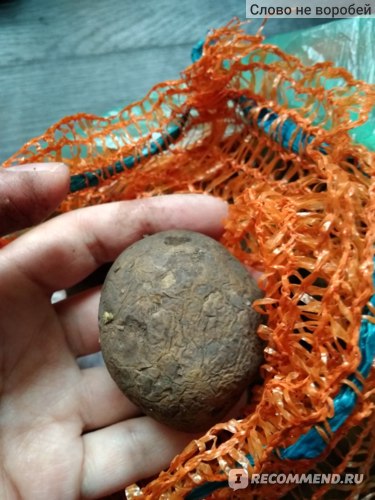
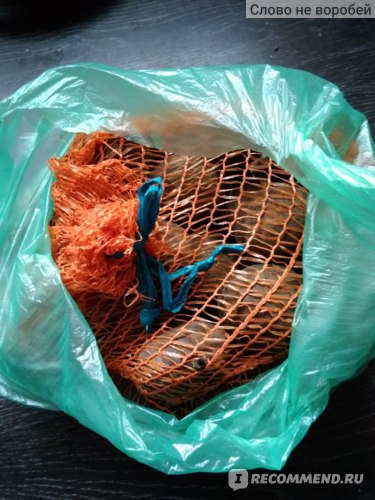
Potatoes are sold in a net to prevent the soil from falling out, but they packed mine in a bag.
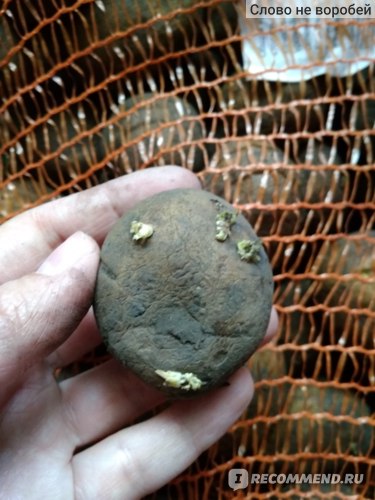
The net is quite large. The potatoes themselves vary in size, with some being large and some small. I stored the potatoes on the balcony (there was no room in the refrigerator), and within a week they started sprouting.
Last summer I planted these potatoes and I liked the harvest.
The potatoes are large and tasty, I'm happy.
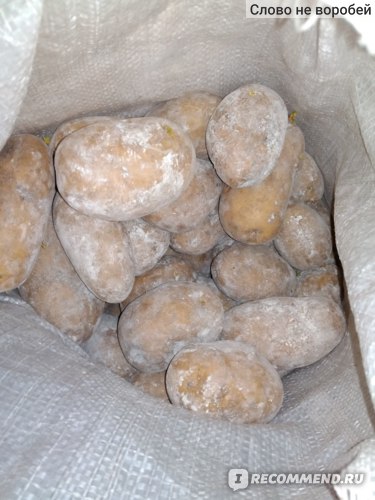
I stored the potatoes in a vegetable pit. It's almost May now, and the potatoes are in excellent condition. They haven't sprouted or rotted.
I recommend all gardeners to try this potato.
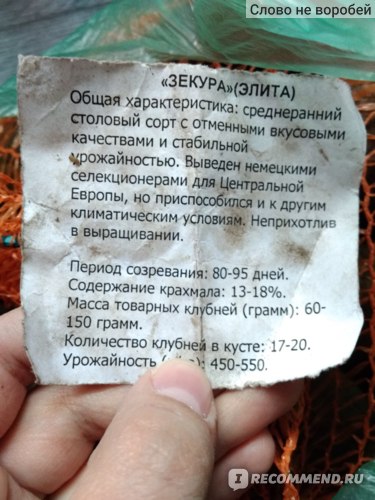
Photos by user A word is not a sparrow:

User Milena, Nizhny Novgorod Oblast
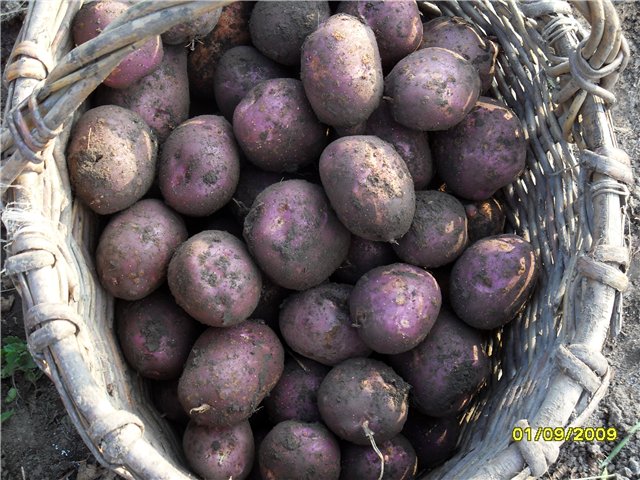
This year I tested 5 new varieties for me: Zekura, Rosara, Romano, lilac and red without names.
Zekura was the first to ripen, and the experience was amazing! It's a shame I didn't take any photos. The tubers are large and uniform, with at least 14-16 on the vine, 2-3 of which are small. We cooked them for the first time specifically without any additives to taste them. They were delicious even without oil; we won't be eating any "Udacha" (Good Luck) tubers again!
Next we dug up Rosara. It was also a good one, with long, red, and even tubers, but they were a bit small. It grew near the raspberries, in the shade. There were 12-14 of them on the stand.
We haven't tried the Romano yet, we've saved all of it for seeds. It's large, round, and even. There are practically no small ones either, just 10-12 per root.
A woman from Arzamas brought me lilac and red ones; I forgot their names while she was traveling. They were the last ones to be dug up, back in September. I won't plant the lilac ones again; I didn't like them. They produce 4-6 medium-sized potatoes per plant, rarely 10. They taste ordinary, and now there's a lot of rot in them.
I also really liked the red ones (I call them red, but the skin is actually crimson and the flesh is white). They're large, elongated, and not very even, with about 10-12 on the root. I liked that they don't fall apart when fried or in soup, and the taste, of course, is just right.
We'll now plant "Luck" in the cattle yard. It's large and white, but the flavor is bland—you can't compare it to Zekura!
Purple Potato by Milena:
User sergei200959, Khabarovsk
Zekura variety, three rows, 12 potatoes per row. I started digging yesterday. I dug up another variety earlier (I claimed it was a lucky break), but they said it was a sante variety, with few large ones, mostly medium ones, and lots of small ones. So, this Zekura variety has proven itself. I planted a row of Tuleevsky variety to test it out; I'll dig it up this weekend and see.
The Zekura variety has a good taste. All winter, a farmer here sold bags of this variety of potato, a 2-kg bag, for 140 rubles.
The review continues in a week:
The potato digging is finished, the Zekura variety has been very successful this year, the second year of planting, in 2017 I collected seeds from one farmer, I just raked them from a pile, in 2018, after digging, I made a selection for seeds according to my criteria, which affected the harvest in 2019, maybe the weather contributed, in short, the Zekura potato variety grew large and very large, small, of which only a handful ended up being thrown away, the second variety is Sante, mostly medium and below average in size, not so much large, there were enough small that were thrown away, so this year is not for this variety. I picked the Karatop variety to try for my plot. As far as I understand, the seeds they sell for sale in nets at gardening stores on Zaparin 2 are all the little things left over after harvesting. A couple of bushes were different from the rest, so they weren't taken into account. After digging, I also selected some for seed; next year will tell if it's suitable for my plot.
I tried it out and planted one row of the Tuleyevsky potato variety as advertised. I expected the flesh to be yellow, but it turned out white. I didn't like it after boiling it. I won't be planting this variety next year; we'll try other varieties. The Red Scarlet variety, for some reason, didn't like me, but I'll be discarding it as well. This variety isn't suitable for boiling, it's better suited for frying.
For those who have developed scab on their potatoes, ammonium sulfate is recommended for treatment. This is an aqueous solution of ammonia, diluted with water and poured onto the soil in the fall, in the spring after digging the soil and then before hilling, which helps eradicate this scourge and additionally fertilizes the soil.
Conclusion
As it turns out, the Zekura potato variety is quite easy to grow, produces a good yield, has a pleasant flavor, and has a long shelf life. This is confirmed by reviews from gardeners who have tried growing it. However, it's important to note that this variety is often attacked by pests and requires preventative measures, including nutritious soil and regular watering, otherwise the tubers will shrink.