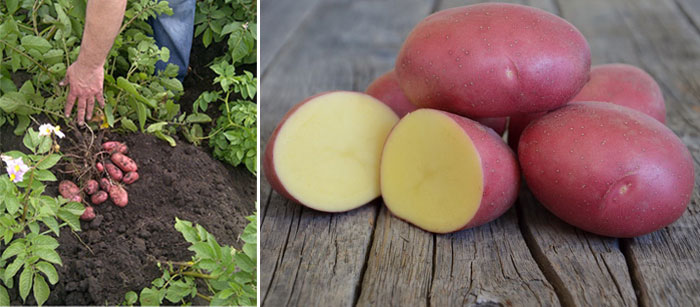
The Labella potato variety was developed in Europe, but is also popular in the Russian Federation. It produces a bountiful harvest, distinguished by its attractive appearance, transportability, and shelf-life. Furthermore, the crop has no special requirements for planting site or subsequent care.
Content
- 1 General characteristics of Labella potatoes in the table
- 2 The origin of the Labella potato variety
- 3 A detailed description of the Labella potato variety
- 4 Advantages and disadvantages of the Labella potato variety
- 5 Planting Features of the Labella Potato Variety
- 6 Caring for the Labella potato variety
- 7 Protection of Labella potato variety from diseases and pests (table)
- 8 The nuances of harvesting and storing the Labella variety
- 9 Comparison of the Labella potato variety with other varieties in the table
- 10 Real reviews from gardeners about the Labella potato variety
General characteristics of Labella potatoes in the table
The Labella variety is early maturing. New potatoes can be dug up as early as early summer, but the peak yield is observed in August and September. It tolerates high temperatures well during the growing season and quickly adapts to any climate and soil conditions.
This variety is suitable for commercial cultivation due to its attractive appearance, long shelf life, long-distance transportability, and high yield. It is also often planted in garden plots. A single plant can yield up to 14 potatoes. The number of small, unmarketable tubers is minimal.
| Parameter | Characteristic |
| Ripening period | 70-80 days. |
| Starch content | 15.8% |
| Weight of commercial tubers | 78-102 g |
| Number of tubers in a bush | up to 14 pcs. |
| Productivity | 176-264 c/ha, maximum 342 c/ha. |
| Culinary class, purpose and taste characteristics | Versatile. Excellent flavor, medium-soft flesh. Ideal for mashed potatoes, salads, first and second courses, and chips. Culinary grade B. |
| Marketability | 91-92% |
| Shelf life | 98% |
| Bushes, stems, leaves | The bushes are small, upright, with dark emerald leaves with a wavy edge. |
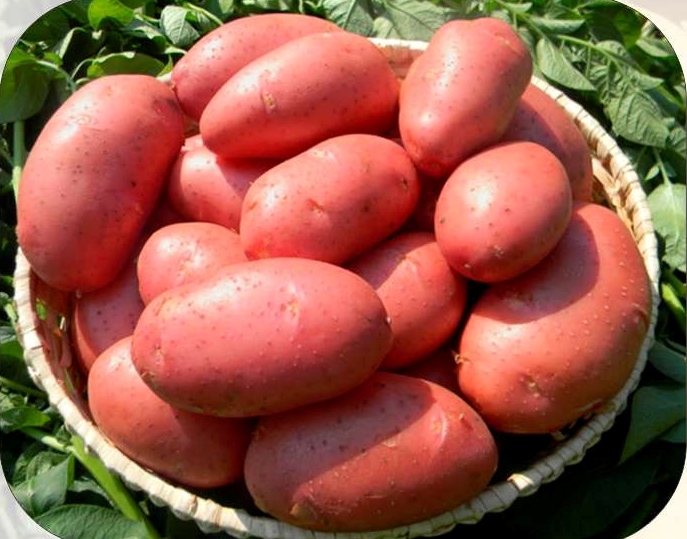
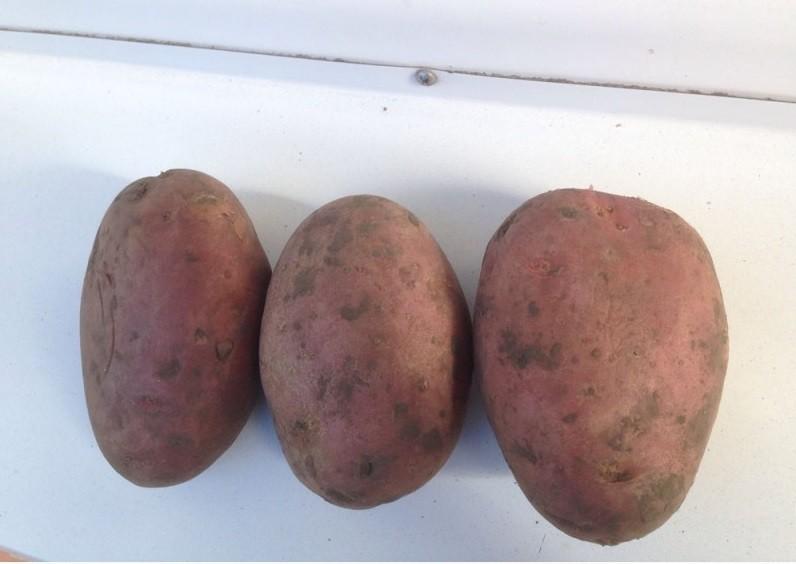
| Peel color | Red |
| Pulp color | Yellowish |
| Color of buds | Purple with a pinkish tint. |
| Eyes | A small amount. Dark red. |
| Preferred growing regions | Central, North Caucasian, Middle Volga, Ural. |
| Disease resistance | The variety is characterized by high resistance to leaf roll virus, Golden cyst nematode, black rot, and canker. It has moderate resistance to scab and late blight. |
| Features of cultivation | Agrotechnical requirements are minimal. |
| Year of entry into the Russian Federation register | 2011 |
| Originator | DEN HARTIGH BV (Netherlands) |
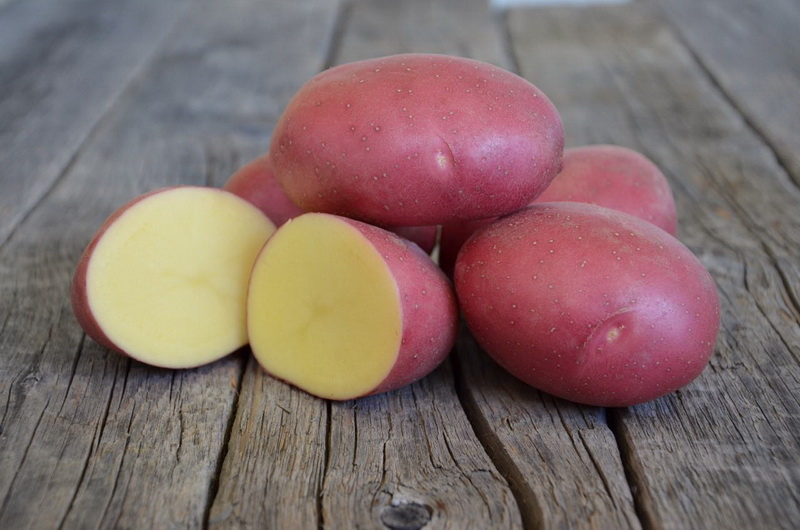
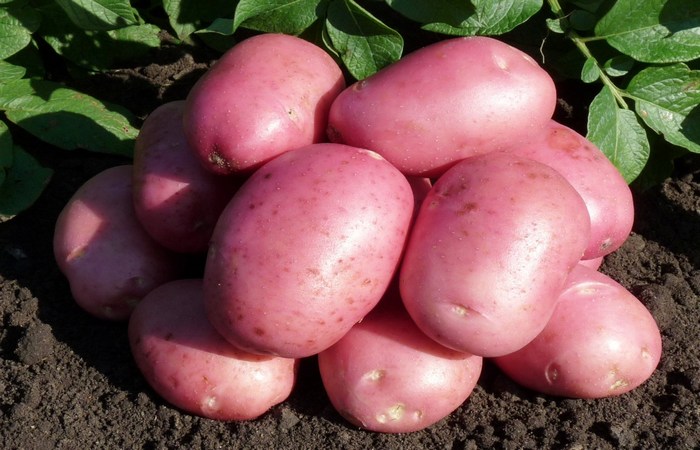
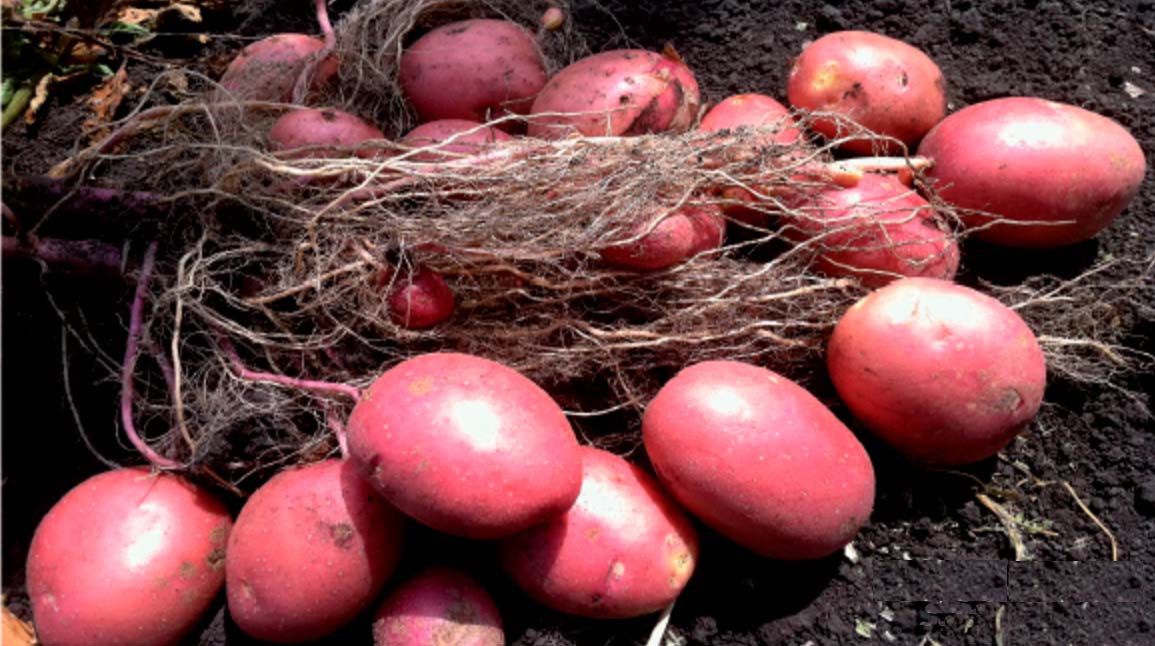
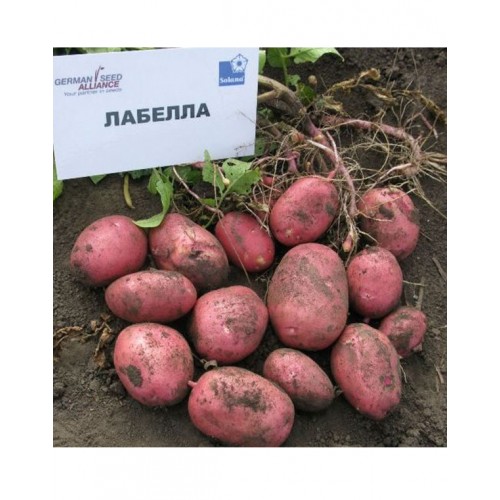
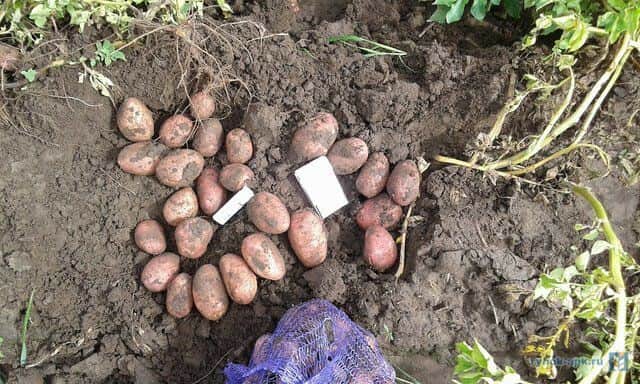
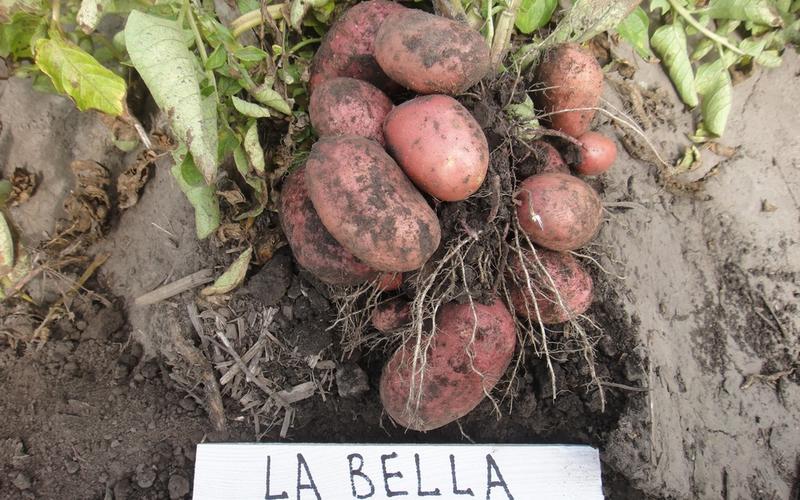
Photo gallery of the Labbella variety:
The origin of the Labella potato variety
The originator is considered to be the corporation DEN HARTIGH BV (Netherlands). In the Russian Federation, the potato was included in the State Register in 2011.
A detailed description of the Labella potato variety
Let's take a closer look at the main features.
Bushes
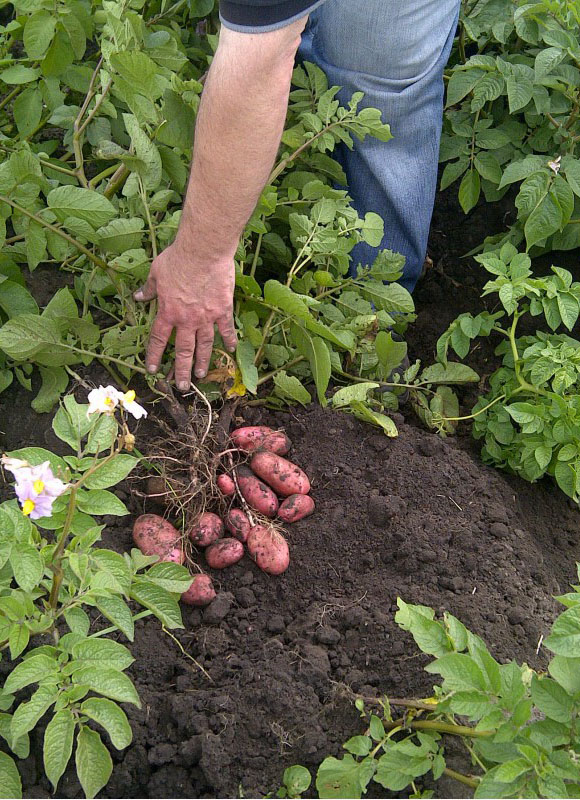
It forms low, compact bushes with erect stems and no spreading branches. The leaves are small, dark emerald in color, with slight ripples along the edges. The flowers are pinkish-purple. The bushes have well-developed roots.
Tubers
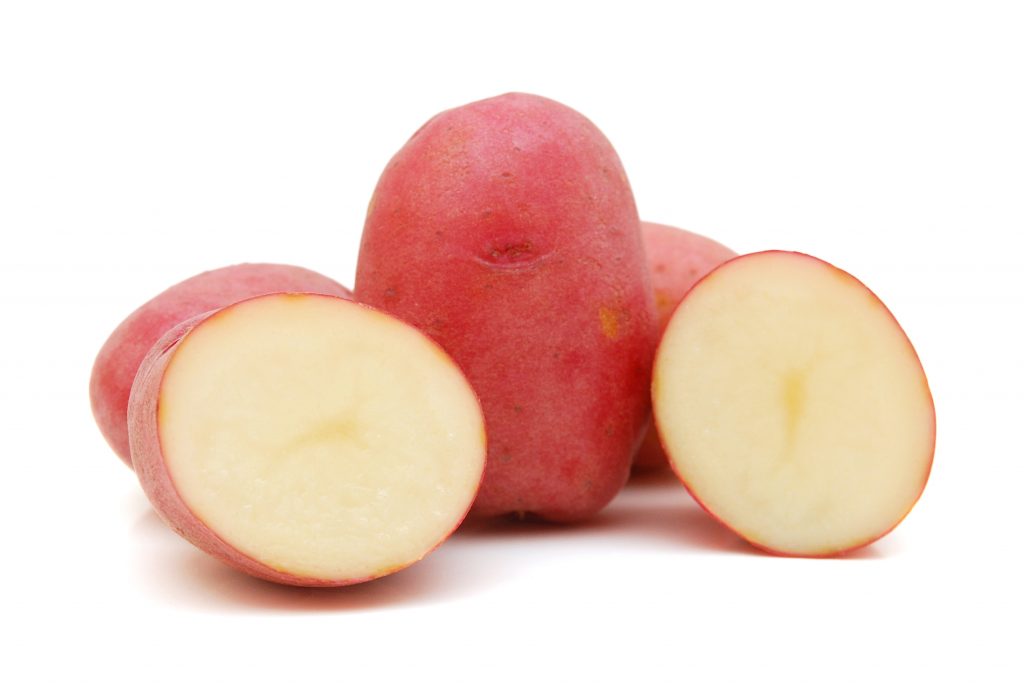
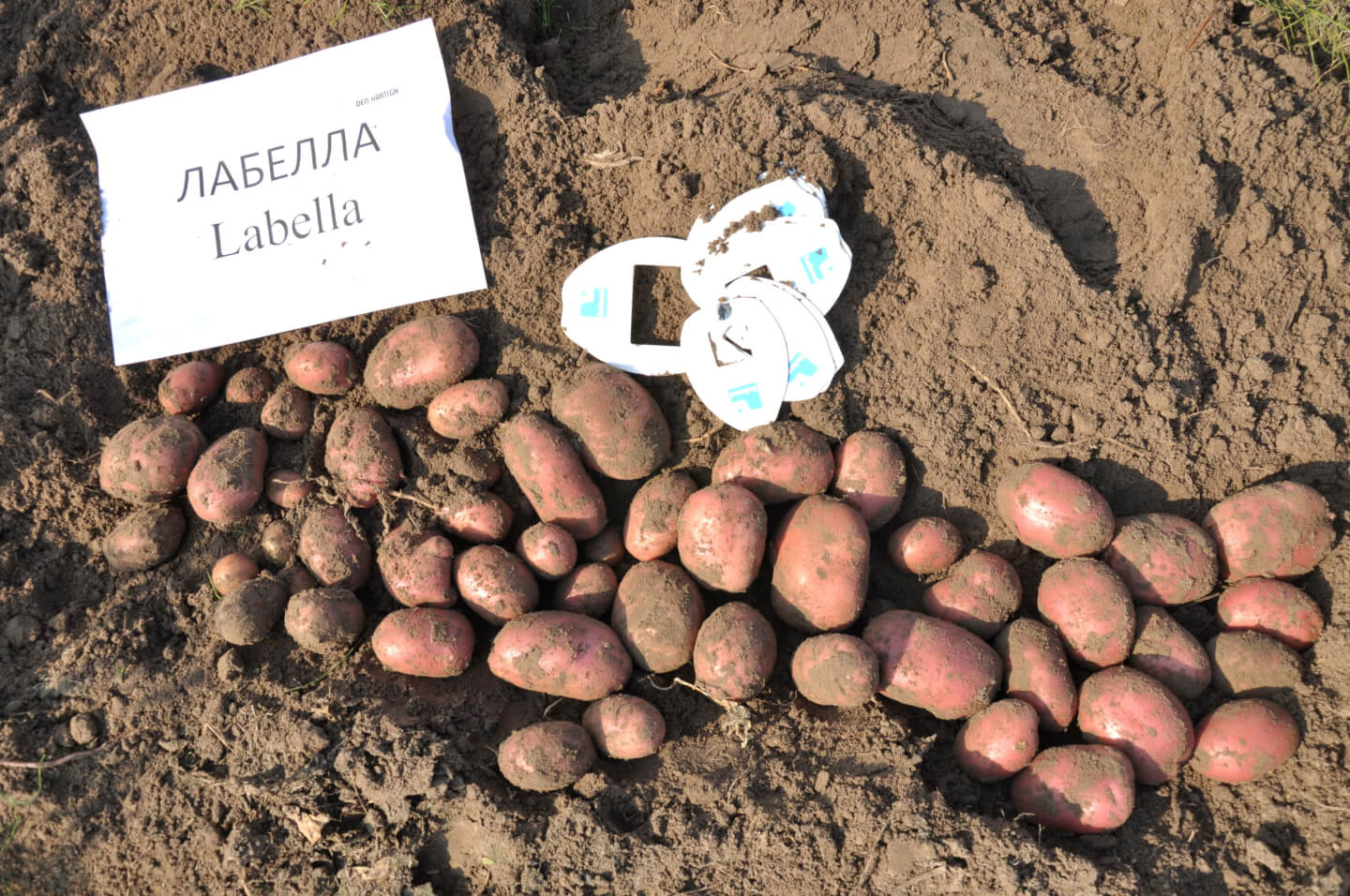
Produces medium-sized tubers that are uniform, elongated, and oval in shape. The flesh is light yellow when cut.
The skin is red, thin, and smooth. The eyes are few, dark red, superficial, and small.
Nutrients and nutritional value
Potatoes contain a large amount of minerals and plant-based protein. They are recommended for mineral and salt balance and energy replenishment. One potato contains approximately 100 kcal.
Productivity, ripening time
Labella is an early-ripening variety. If the spring was warm, planting can be done early, and the first harvest can be collected as early as early summer.
Only 60-70 days pass between germination and harvesting of new potatoes. Technical maturity occurs after 70-80 days.
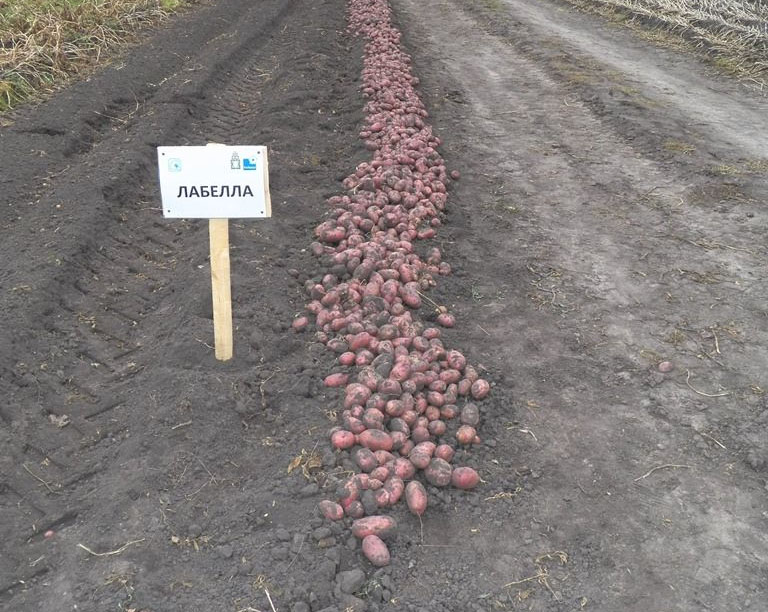
It is distinguished by its good yield. With standard agricultural practices, almost 350 centners of potatoes can be harvested from 1 hectare of land.
Resistance to diseases and pests
The variety is resistant to most dangerous potato diseases:
- leaf roll virus;
- late blight (moderately resistant);
- common scab (moderately resistant);
- cancer;
- nematode.
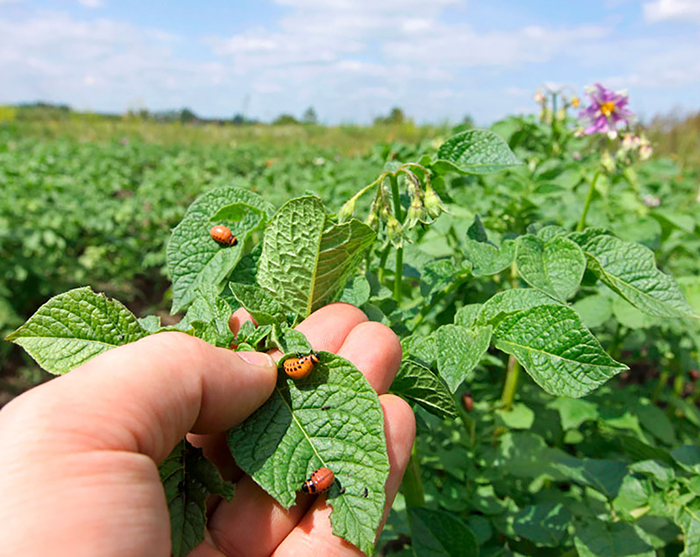
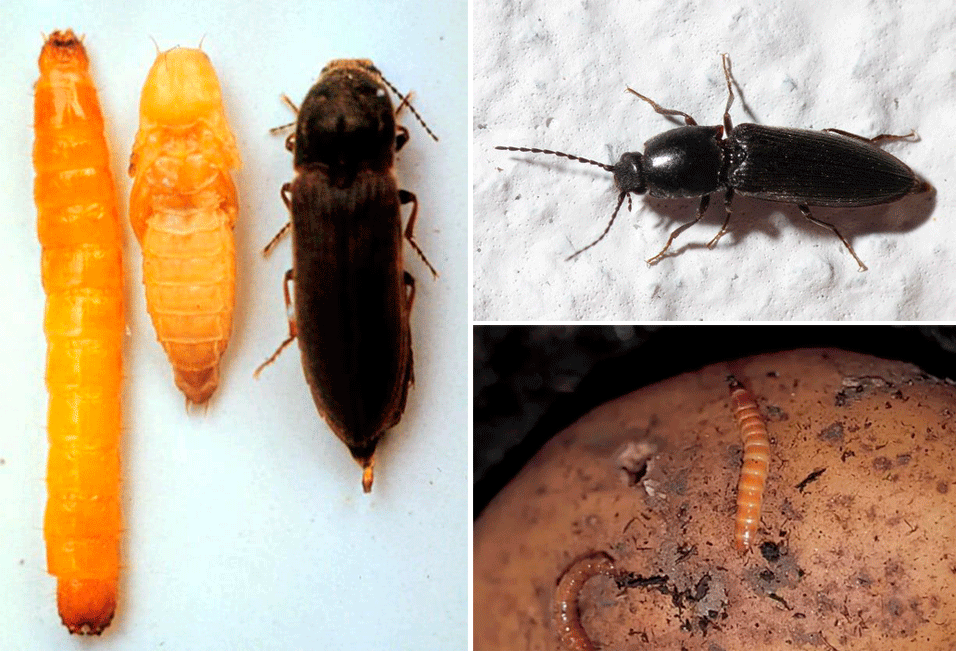
It is also resistant to attacks by the golden nematode. However, the Colorado potato beetle and wireworm can often ruin the harvest.
What regions is it suitable for?
The variety was originally intended for cultivation in the Central, North Caucasus, Middle Volga, and Ural regions. However, thanks to its adaptability to various climates, it can be planted almost throughout Russia.
The only exception is northern regions, as Labella does not tolerate low temperatures well. However, in such areas, the variety can be planted in greenhouses and hotbeds.
Advantages and disadvantages of the Labella potato variety
Labella has the following benefits:
- excellent yield performance;
- excellent taste (sweet, not watery);
- versatility of application;
- neat tubers of approximately the same size;
- resistance to high temperatures and prolonged drought;
- resistance to common potato diseases and pests;
- high product performance.
The only drawback is that the variety does not tolerate frost well, even briefly. If the nighttime temperature drops to -2 to -3°C, the crop may die.
Planting Features of the Labella Potato Variety
To grow a healthy and abundant harvest, it is enough to follow standard agricultural requirements.
Requirements for the landing site and its preparation
When planting potatoes, choose a site that receives plenty of sun. Growing them in the shade will negatively impact yield.
Although this variety has no specific soil requirements, it's best planted in loose, light soil. If the soil contains a lot of clay and sand, water and nutrients will be retained and will not reach the root system properly.
It is also important to observe crop rotation:
- It is not advisable to plant the crop in the same place every year;
- It is best to grow potatoes after oats or rapeseed.
The plot should be prepared in the fall. Dig the soil without breaking up large clumps. These will freeze during the winter. This will destroy pest larvae and weed seeds.
In spring, if the soil is fertile, there's no need to apply fertilizer. If the soil isn't very fertile, it's recommended to use complex mineral mixtures. Loosen the soil at the same time as fertilizing, and then you can begin planting immediately.
Selection and preparation of seed tubers
When choosing planting tubers, it is recommended to give preference to those that meet the following characteristics:
- medium size;
- have quite a lot of eyes (they will produce more shoots);
- they do not have any mechanical damage or signs of infection.
The tubers must first be sprouted:
- A week before planting, treat with a solution of potassium permanganate or copper sulfate.
- Place in wooden boxes with substrate and expose to light so that the material sprouts.
- Transplant the tubers to a permanent location, after treating them with growth stimulants.
Helpful information! If the planting material is too large, you can cut it in half before sprouting, remembering to sprinkle the cut area with wood ash.
Planting times and rules
Planting times vary by region. For central Russia, early May is considered the optimal time. By this month, the soil has warmed up sufficiently for planting potatoes. The air temperature should be at least 13°C.
The standard planting pattern for this variety is used. The distance between tubers in a row is 35 cm. The distance between beds should be at least 70 cm. The planting depth is 9 cm.
Caring for the Labella potato variety
Caring for Labella is quite simple. Even an amateur gardener can handle it.
Watering
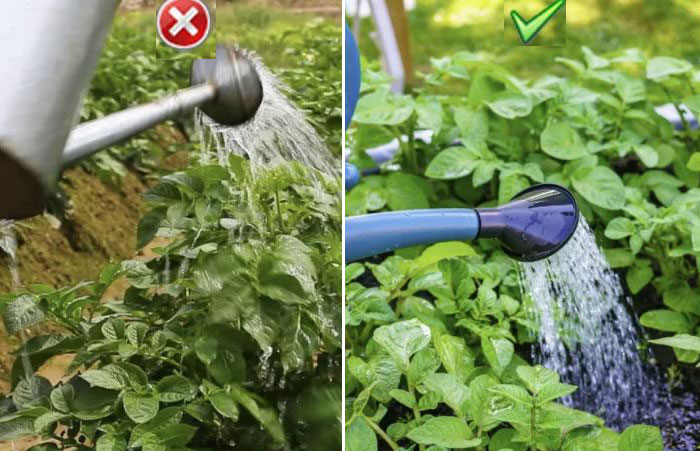
The variety tolerates drought well, so watering is only necessary during periods of prolonged drought. Apply 13-15 liters of water per bush.
Top dressing
During the growing season, nutrient mixtures are applied according to the following scheme:
- the first - when planting 10 g of urea or solution per bucket of water;
- the second - during the formation of buds 10 g of potassium sulfate, 30 g of wood ash per 10 liters of liquid;
- the third - during flowering 0.5 l of mullein, 15 g of urea per bucket of water.
Please note: Fertilizer should be applied during watering or during rain.
Loosening, weeding, hilling
Loosening and weeding should be done at least three times during the growing season. Failure to do so will impair the flow of water, oxygen, and nutrients to the roots. Without weeding, weeds will grow rapidly, robbing the crop of its nutrients.
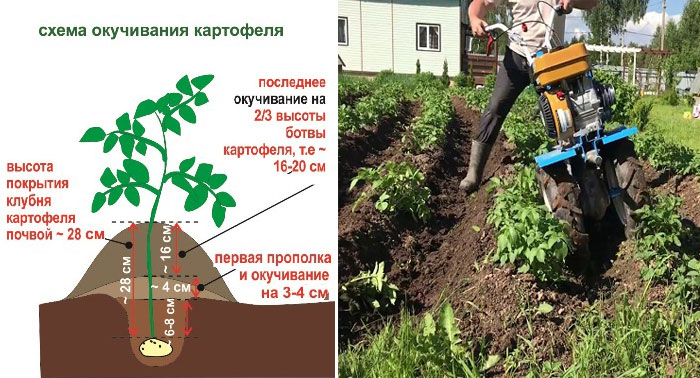
It's recommended to hill potatoes twice per season. This stimulates additional root growth, increases the number and quality of tubers, and helps the plants better withstand spring frosts. The first hilling is recommended when the shoots reach 20 cm. The ridge height should be 8-10 cm. The second hilling should be done after flowering.
Protection of Labella potato variety from diseases and pests (table)
The table shows methods for preventing pests from appearing on the variety, as well as what to do if they have already begun their activity.
| Disease/pest | Prevention | Treatment |
| Wireworm
|
|
|
| Colorado beetle
|
|
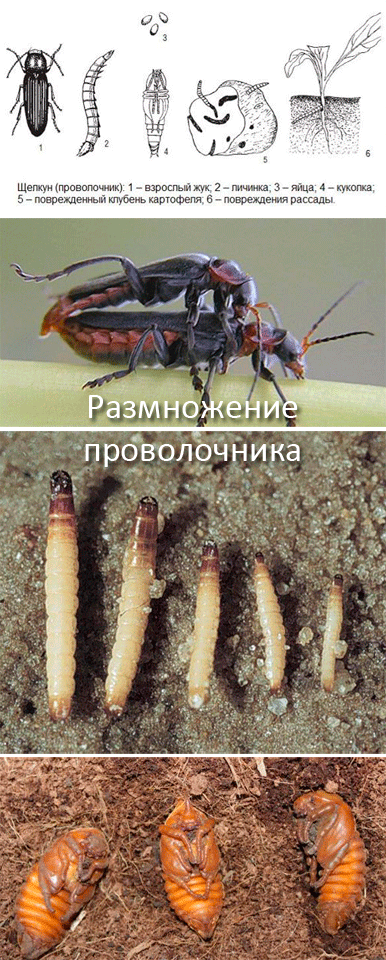
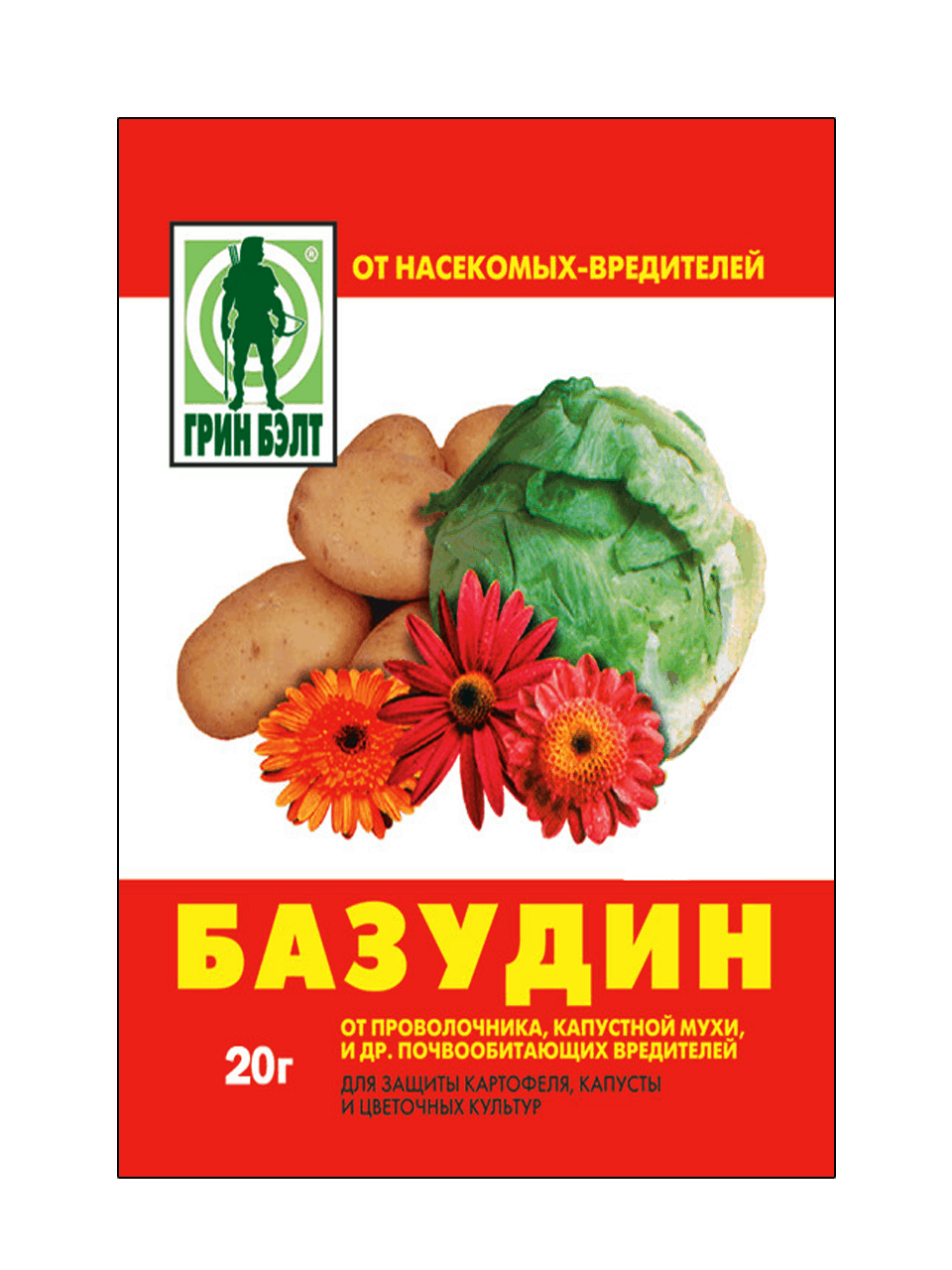
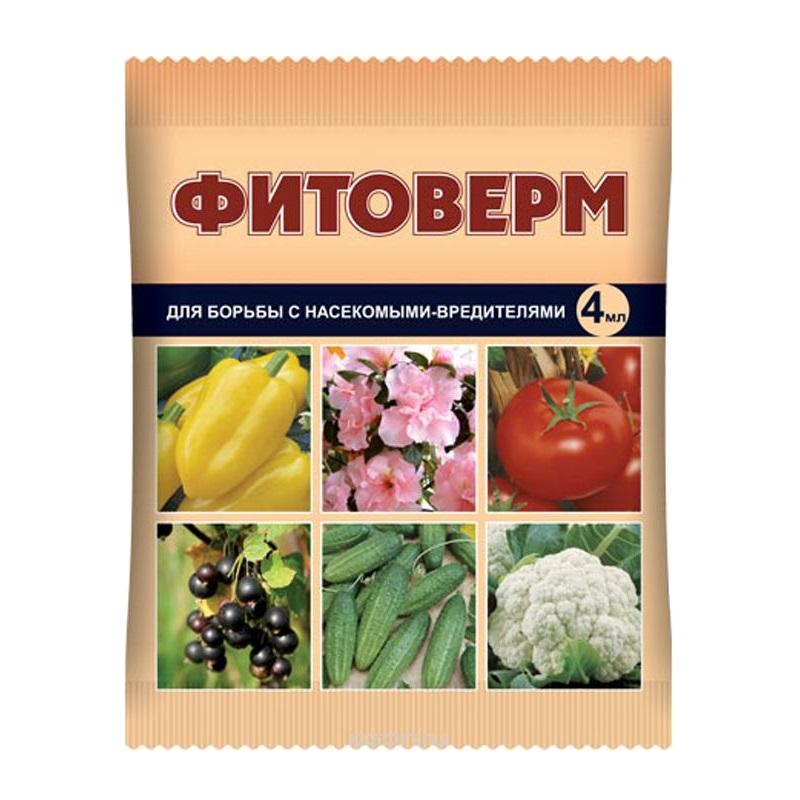
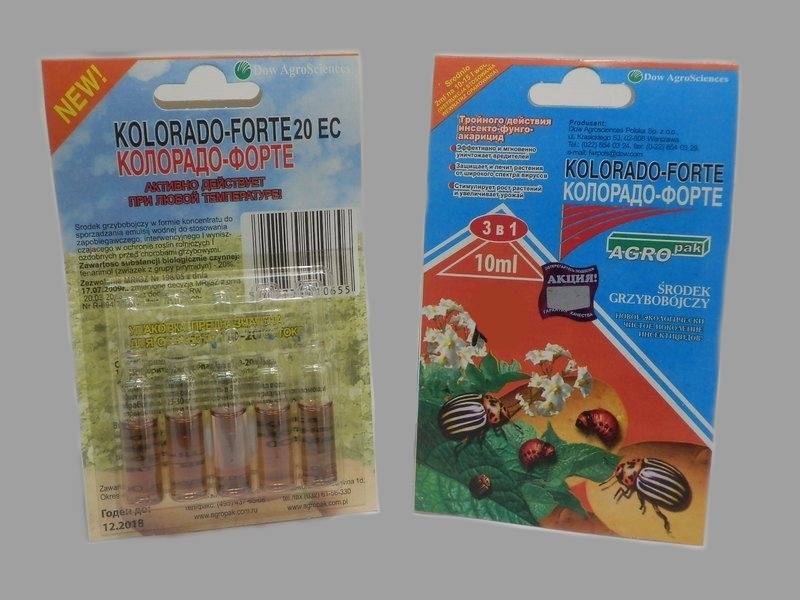
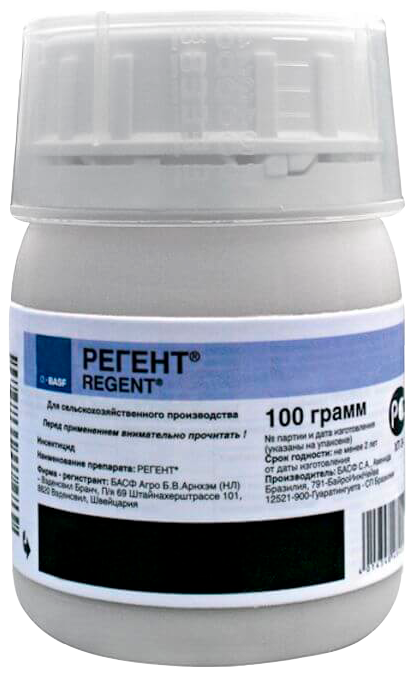
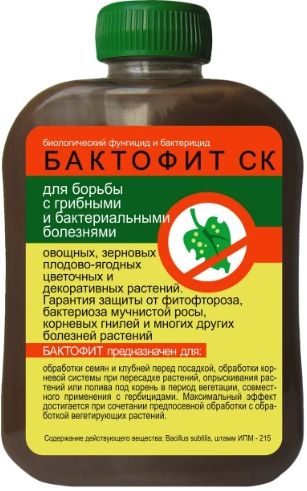
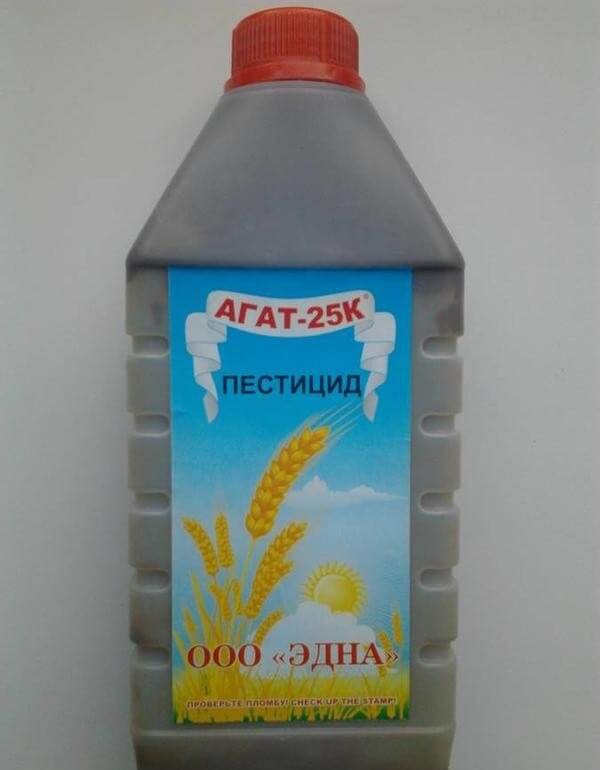
Photo gallery of pest control products for the Labella potato variety:



The nuances of harvesting and storing the Labella variety
Potatoes for storage are best harvested in August-September. To check if the crop is ready for harvesting, dig up a single plant with dried tops. The tubers should have firm skin.
Digging is done in dry, windless weather. The tubers are left to dry outdoors under a canopy overnight to prevent the risk of accidental wetting during unexpected rainfall. After this, select healthy potatoes and lay them out in a single row in a dark, dry room for 1.5 weeks.
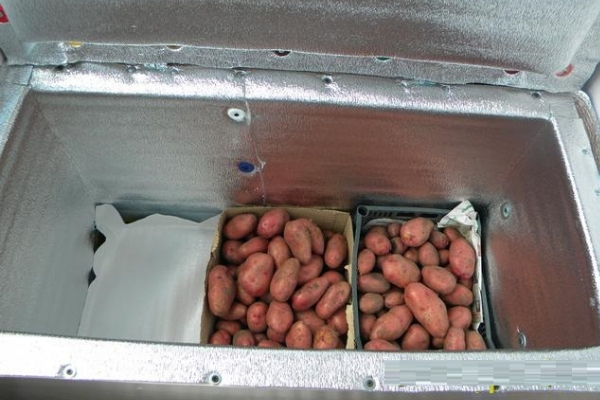
Next, the tubers are packed into wooden boxes or bags and stored in a cellar. The optimal storage temperature is between +1 and +5°C. The potatoes should be sorted periodically to prevent rotting.
Comparison of the Labella potato variety with other varieties in the table
| Variety | Ripening period (number of days to maturity) | Starch (%) | Yield (c/ha) | Weight of tubers (g)
Number of tubers per bush |
Shelf life (%) |
| Labella | Early ripening** | 12-15 | 176-342 | 78-102
13-16 |
94 |
| Alvara | Mid-early** | 13-15 | 295-540 | 90-110
8-14 |
90 |
| Manifesto | Mid-late***** | 11-15 | 165-410 | 105-145
11-15 |
94 |
| Teddy bear | Early ripening* | 14.2-17.7 | 201-306, 417 | 112-126 7-11 |
97 |
| Empress | Ultra-early | 14-16 | up to 400 | 70-145
8-12 |
91-95 |
| Impala | Early ripening** | 10-15 | 180-360 | 90-160
15-21 |
95 |
| Red Sonya | Early ripening* | 13.3-14.6 | 174-340 | 78-122
6-10 |
93 |
| Red Scarlet | Early ripening** | 10-15 | 270-277 | 90-150
up to 15 |
98 |
| Sarpo of the world | Late-ripening***** | 14-17 | 350-360 | 75-140
6-11 |
94 |
| Treasures | Mid-season**** | 12-18 | up to 650 | 95-250
12-18 |
94 |
| Luck | Early ripening** | 11-15 | 420-430 | 100-150
10-15 |
88-97 |
| Lapis lazuli | Early ripening* | 13.5-15.7 | Up to 270 | 92-120
6-11 |
96-98 |
| Meteor | Early ripening* | 10-16 | 210-405 | 100-150
10-12 |
95 |
*Ultra-early – 35-50 days.
**Early ripening – 50-65 days.
***Mid-early – 65-80 days.
****Mid-season – 80-95 days.
*****Mid-late – 95-110 days.
Real reviews from gardeners about the Labella potato variety
The Labella variety receives mostly positive reviews from gardeners; negative comments are usually related to violations of agricultural practices. This potato is suitable for growing in southern and central Russia. It is easy to care for, making it ideal for beginning gardeners.
User cotenok23, Russia, Belgorod
Hi all!
Today I decided to make fried fish and mashed potatoes for lunch. As the English say, "fish and chips." While peeling the potatoes, it occurred to me that many of you might not yet know about the wonderful potato variety we bought for the winter this year. So, I'm eager to share the information with you. Maybe someone will want to buy some for a meal, and gardeners and summer residents will take note.
A Dutch variety called "Labella." This marvel was grown on a collective farm in the Bryansk region, somewhere on the border with Belarus. It arrived to us straight from the field, perfectly fresh. Harvesting and packaging were done by combine, so there were some slightly damaged tubers.
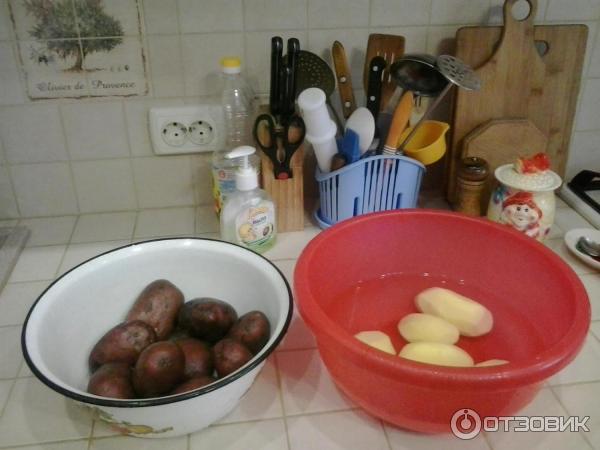
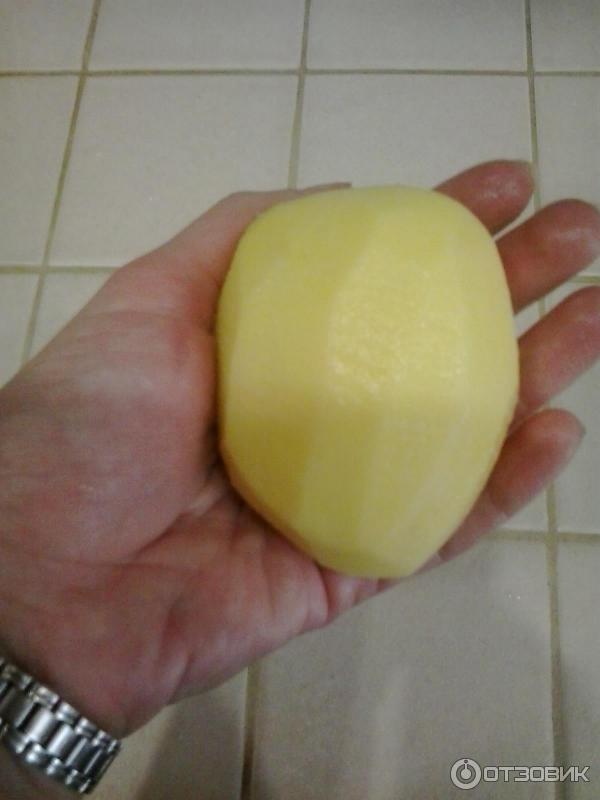
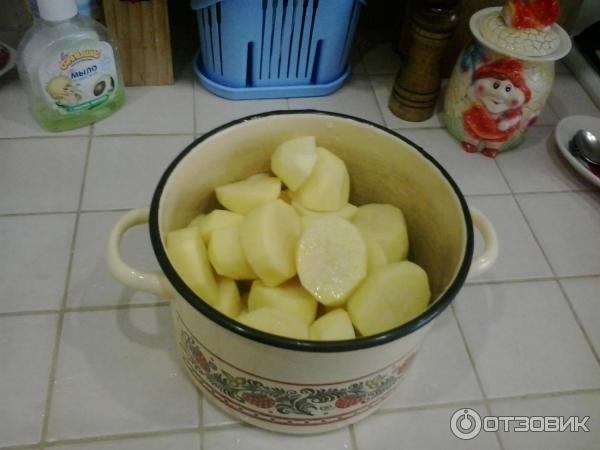
Now let's get down to business! Here it is, our beauty! The skin is dark burgundy, and the inside is yellow.
The tubers are medium to large in size, with virtually no small tubers. A distinctive feature of this variety is its resistance to drought, disease, and pests, and its tolerance to weather conditions.
A very productive variety, up to 300 kg per hundred square meters.
As you can see from the photo, the potatoes are healthy inside, free of blight and other nasty things. Of the 10 nets we purchased, we selected one with a slightly damaged, crushed net and used it first. The flavor is excellent: they cook well, but not to dust. They are tender, not watery, and firm. They are suitable for first and second courses; they may fall apart slightly when fried. They are not too starchy, and the puree doesn't become "glued together," as can sometimes happen.
In our country, this variety has only recently been cultivated, meaning the seeds have not yet “degenerated” and you can try growing it on your own plot.
I recommend purchasing and using it 100%!
Photos by user cotenok23:
User sveta2207, Ukraine
I want to share my impressions of this excellent potato. Some friends of mine grow potatoes for sale. When I saw their bountiful harvest, I immediately wanted to try this variety, because I'm familiar with pink potatoes from my childhood. My grandmother always had delicious pink potatoes in the village, but I've never seen them anywhere else since—they have just such a flavor. And guess what, when I tried Labella, I was transported back to my childhood—this is exactly what I was looking for. I'll tell you a little about this variety, because now I don't grow any other potato but this one. Labella plants are medium-tall, with lots of leaves and red-purple inflorescences. The tubers are oval-shaped, with very small eyes. The skin is pink. The flesh is yellow when cut. They cook over medium heat.
User romantikapiter, Russia, Kirovsk
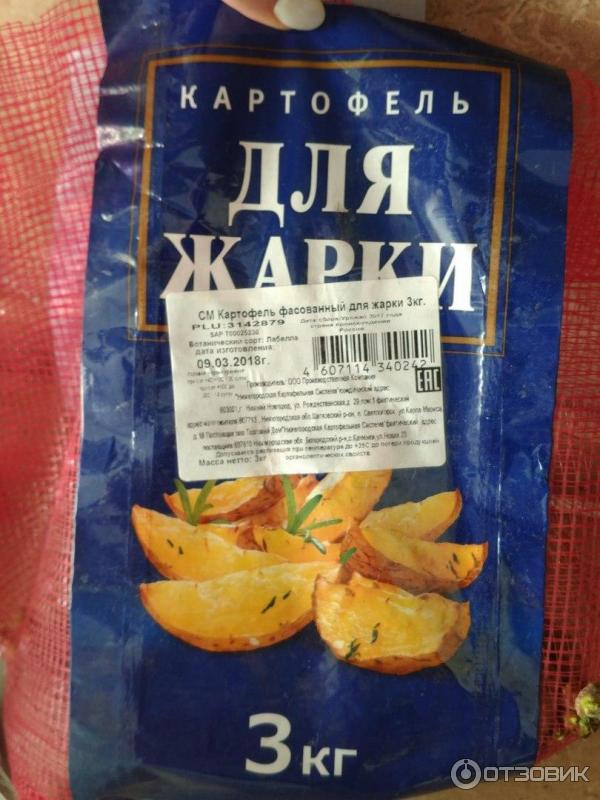
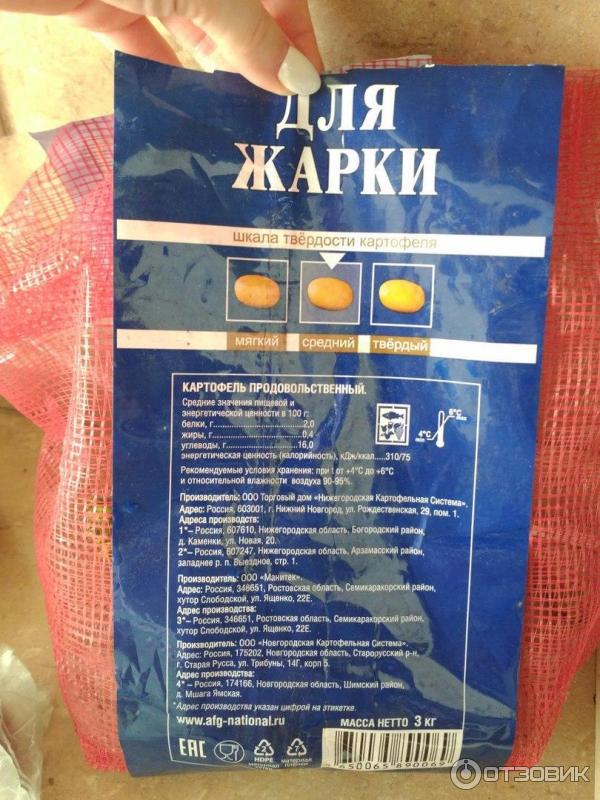
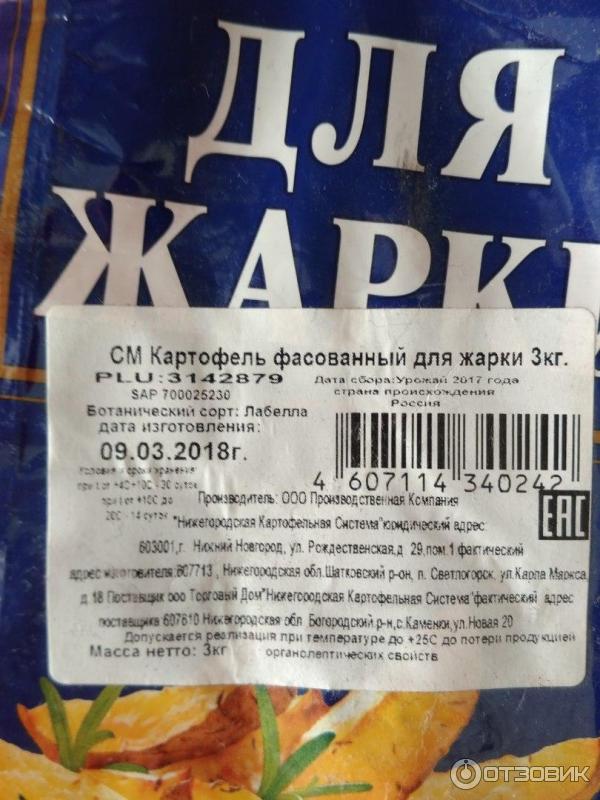
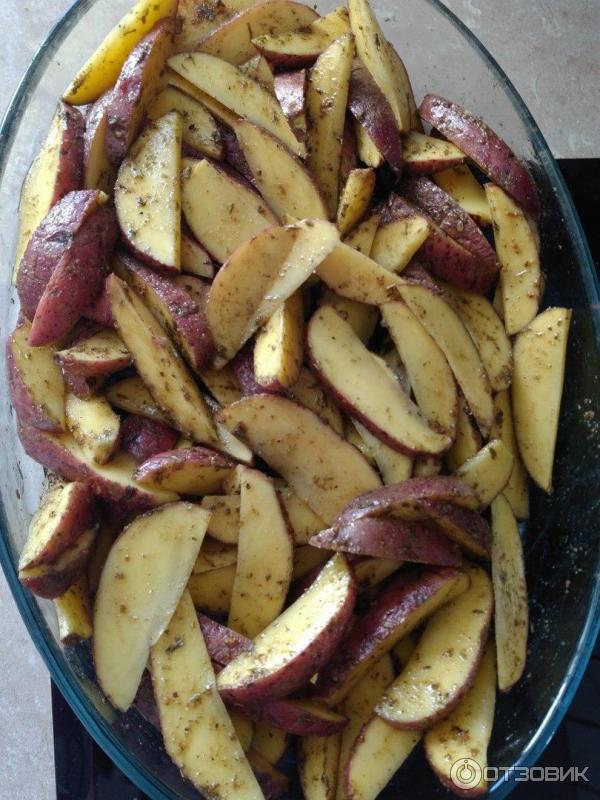
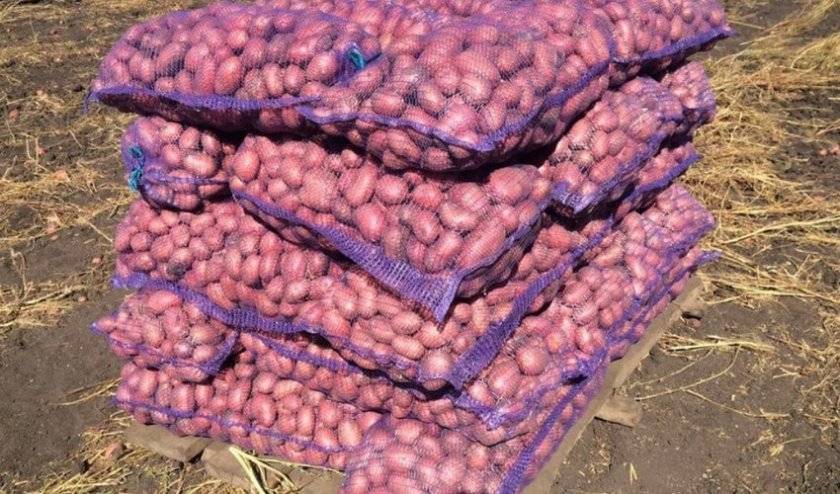
Hello, friends! I hope you all had a wonderful weekend and are in a good mood! I'll start with the potatoes! Excellent quality, believe me. Labella potatoes are very high-quality and delicious. You can boil them, fry them, or bake them in the oven. And they're great in any form! We bought a package of these potatoes and other picnic food. The baked potatoes in ash turned out excellent. They look like the photo below when packaged.
Unfortunately, I didn't think to take a photo of the result; I was so hungry that I missed this moment! I highly recommend this variety of potato! I'm sure you'll love it!
Photos by user romantikapiter: