Belaya Noch is a mid-early, high-yielding potato variety that can be grown throughout Russia. It's easy to grow and maintain, yet produces a bountiful harvest. This is precisely what makes it so popular among Russian gardeners. Let's take a closer look at this variety.
Content
- 1 Characteristics of the White Night potato variety in a table
- 2 Description of the White Night potato variety
- 3 Advantages and disadvantages of the White Night potato variety
- 4 Planting Features of the White Night Potato Variety
- 5 Caring for the White Night potato variety
- 6 Protection against diseases and pests of the White Night potato variety
- 7 Harvesting and storing White Night potatoes
- 8 Comparison of the White Night potato variety with other varieties in the table
- 9 Reviews of the White Night potato variety
Characteristics of the White Night potato variety in a table
|
Parameter |
Characteristics |
|
General information |
A mid-early variety intended for cultivation in private farms, as well as on an industrial scale. |
|
Ripening time |
65-80 days. |
|
Productivity |
250 c/ha |
|
Marketability |
High. |
|
Shelf life |
Satisfactory. |
|
Starch concentration |
10.6-16.9%. |
|
Cooking class |
"IN". |
|
Color of pulp |
Creamy. |
|
Peel color |
Light. |
|
Weight of commercial tubers |
120-215 BC |
|
Number of tubers on one bush, pcs. |
Up to 12. |
|
Taste characteristics |
Good and excellent. |
|
Culinary uses |
Tableware. |
|
>Regions suitable for growing |
Russia, Moldova, Ukraine. |
|
Disease resistance |
|
|
Color of inflorescences |
Snow-white. |
|
Growing specifics |
It has few specific agricultural requirements. Recommended planting: after perennial and annual grasses, winter crops, legumes, flax, and, in sandy soils, after lupine. Basic care involves maintaining loose soil and regularly weeding. |
|
|
Not included. |
Photo gallery of the White Night potato variety
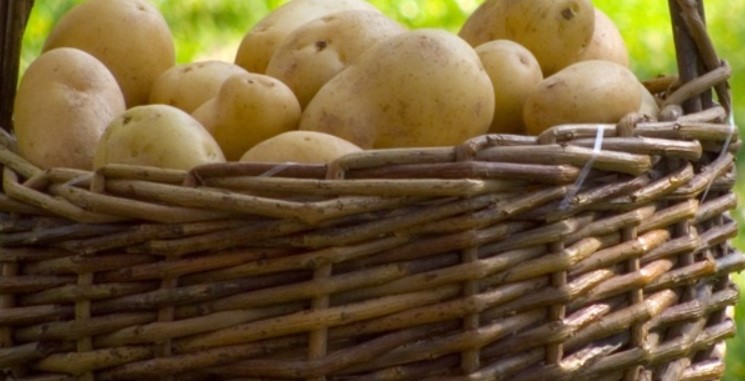
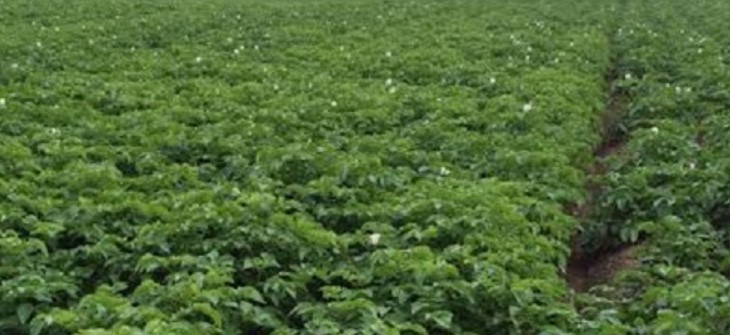
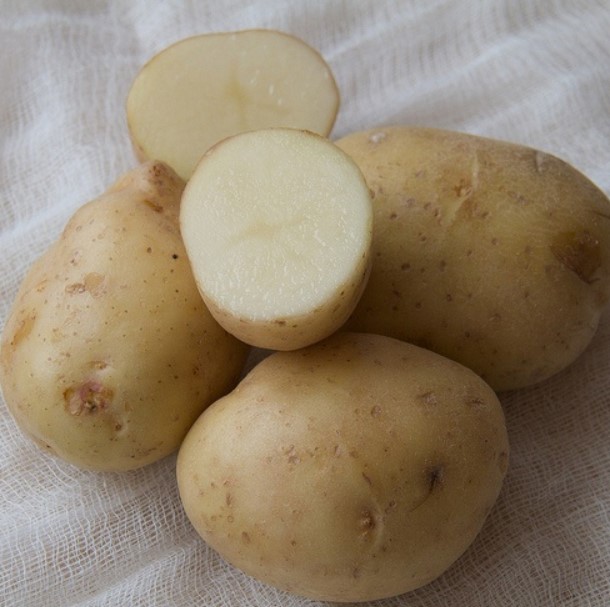
Description of the White Night potato variety
Let's take a closer look at all the main characteristics of the variety.
Bushes
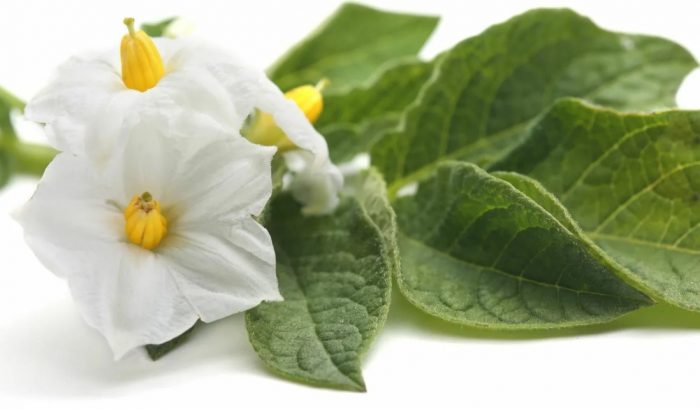
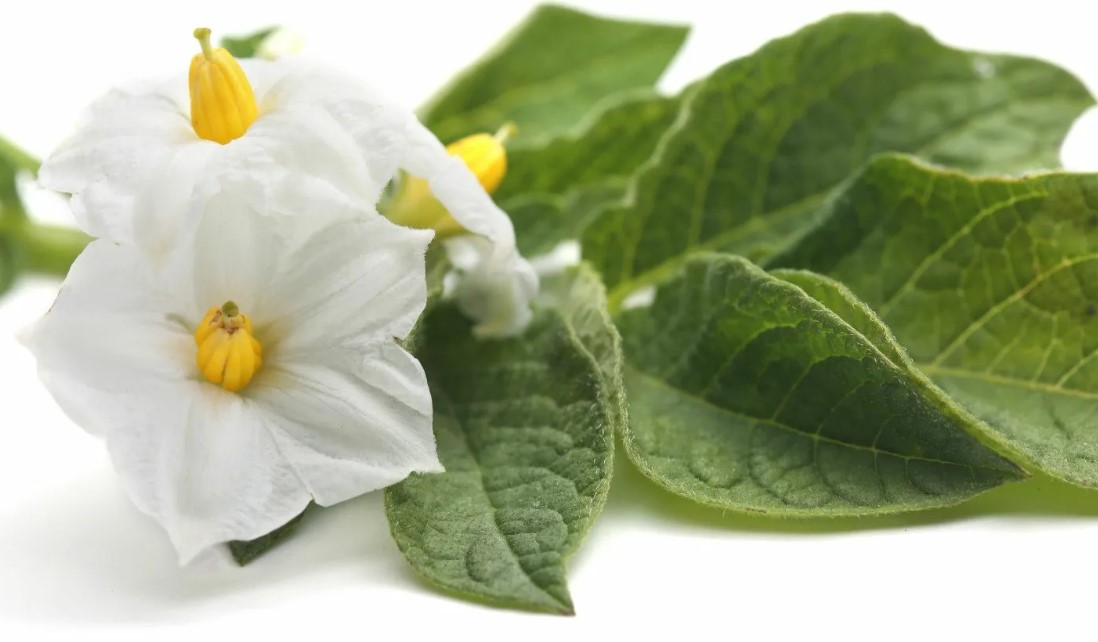
The White Night potato variety grows on short, upright bushes. During flowering, small white flowers form on them.
 Tubers
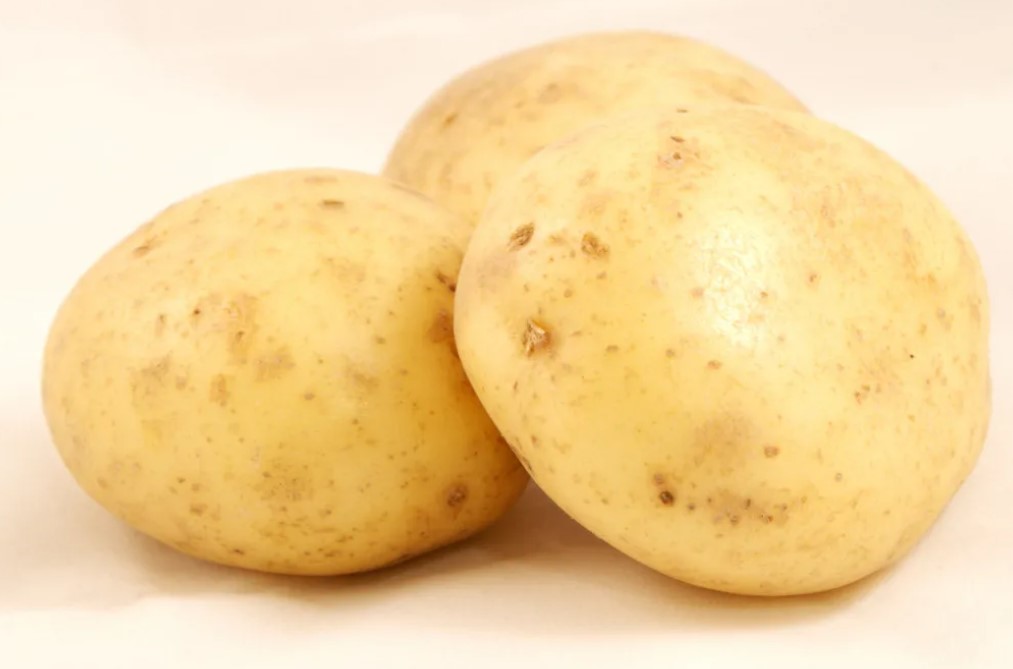
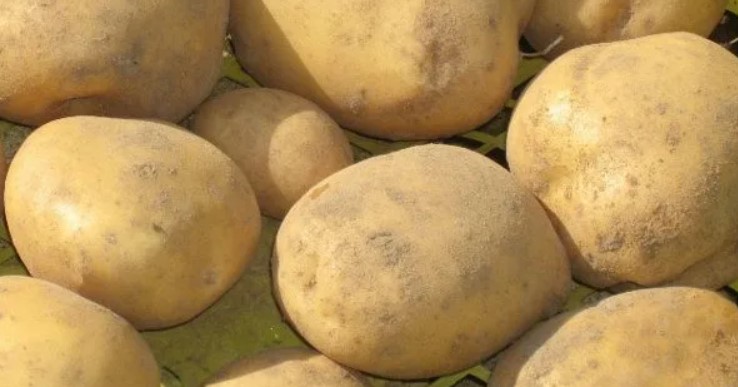
The tubers are round, with light-colored skin and numerous medium-deep eyes. The average weight of one potato is 120-215 g. The flesh is creamy.
Taste qualities, application
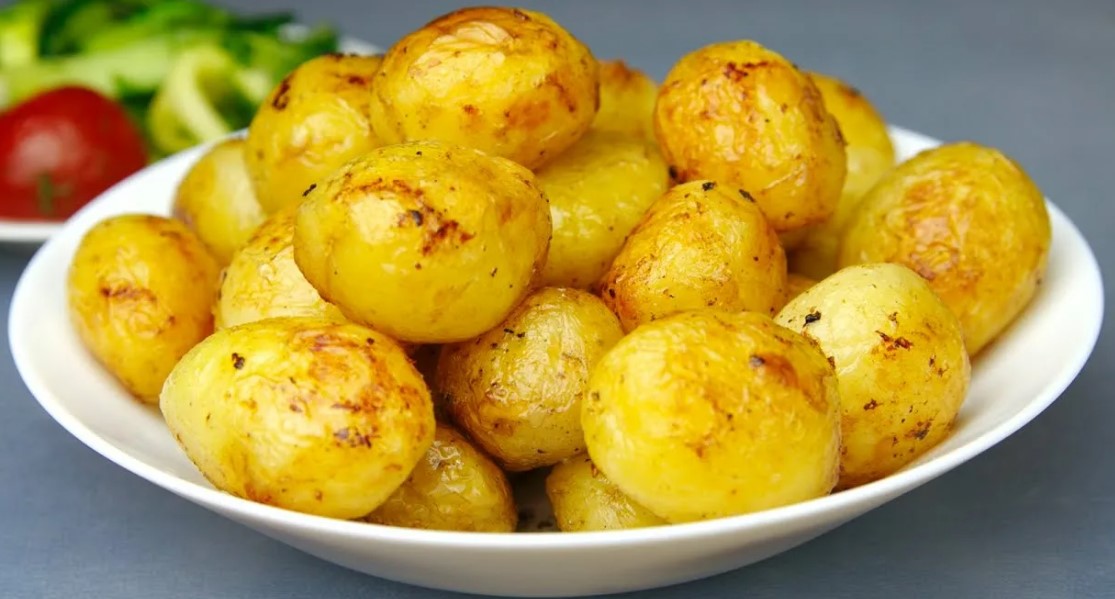
White Night is a table potato variety with excellent flavor. It contains 11-16% starch. It belongs to Category B, and its flesh is moderately firm and does not overcook. This variety is suitable for a variety of fried, baked, and soup dishes.
Productivity, ripening time
The White Night potato is a mid-early variety. Ripening occurs in 65-80 days, and the full growing season lasts approximately 108 days.
This variety has a high yield. On average, up to 250 centners can be harvested from 1 hectare.
Disease and pest resistance of the White Night potato variety
|
Name |
Stability indicator |
|
Potato crayfish |
Not susceptible. |
|
Tuber blight |
High susceptibility. |
|
Phytophthora blight of tops |
|
|
Common scab |
|
|
Black scab |
Advantages and disadvantages of the White Night potato variety
|
Pros |
Cons |
|
High yield rate. |
Susceptibility to late blight and scab. |
|
Aligned tubers. |
Not very long shelf life. |
|
Commercial appearance of potatoes. |
|
|
High taste characteristics. |
Planting Features of the White Night Potato Variety
To achieve maximum yield and prevent the development of diseases, certain rules should be followed when planting.
Requirements for the landing site and its preparation
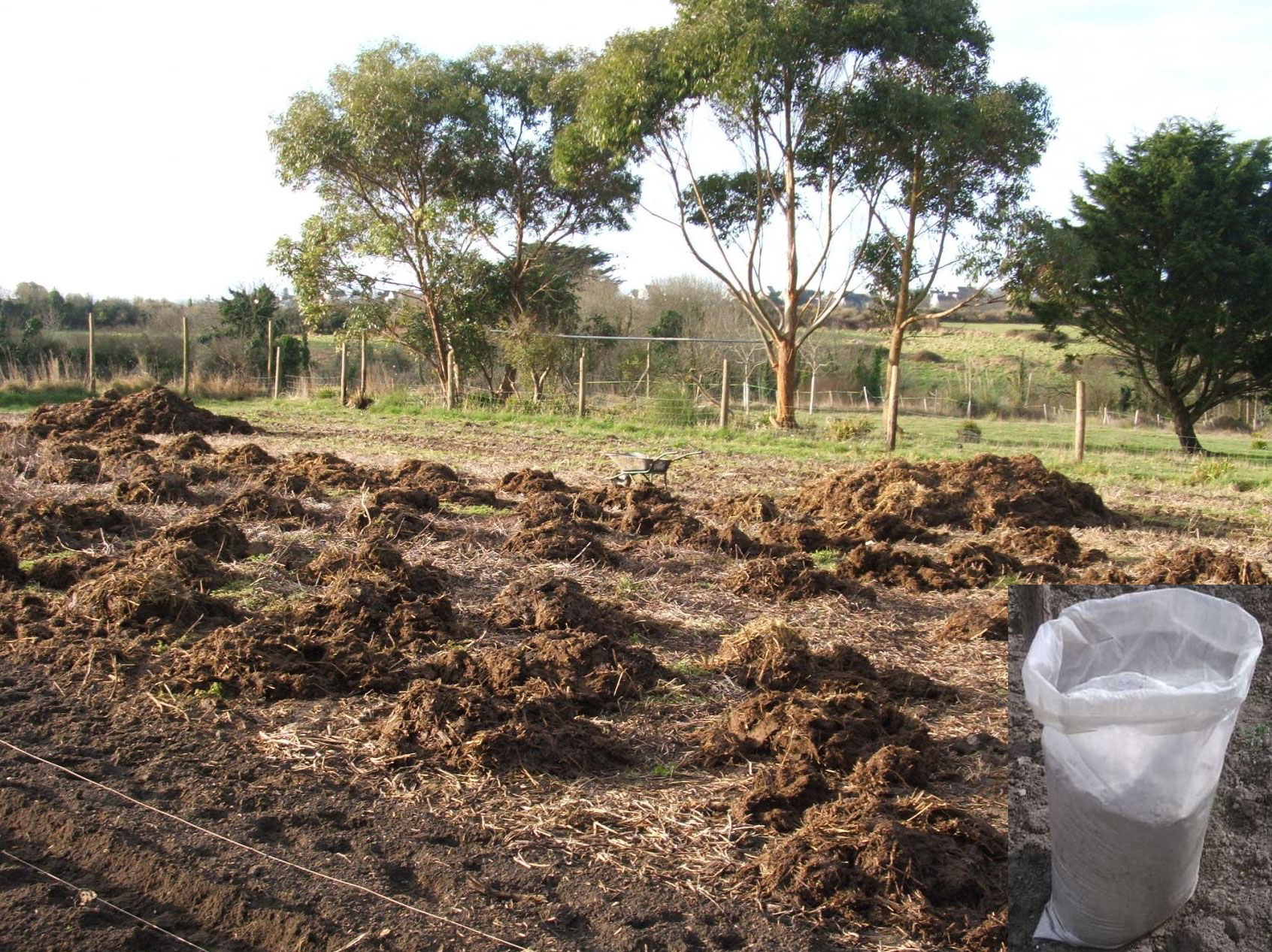
The White Night potato is an easy-to-grow variety. However, to ensure a good harvest, it needs to be planted in a well-lit area. A site that doesn't become waterlogged or waterlogged due to nearby groundwater is ideal. Light, loamy soils are ideal for planting. If the soil is clayey or heavy, this can be corrected by adding sand. If, on the contrary, the soil is too dry, be sure to water it before planting.
To ensure large, tasty tubers, prepare the soil with organic and mineral fertilizers before planting potatoes. Also, remember to remove all weeds.
Selection and preparation of seed tubers
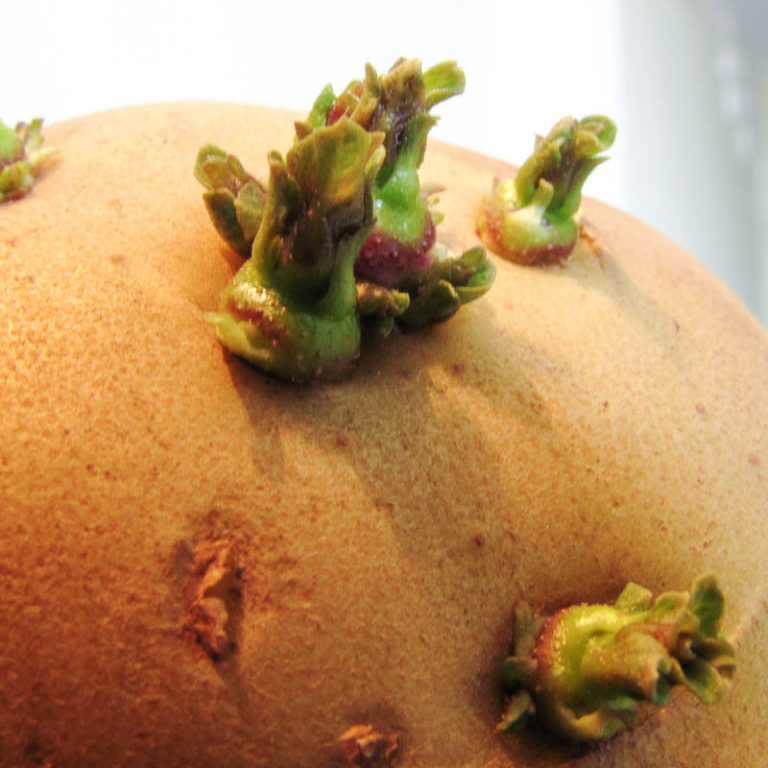
Before planting, sort the potatoes, removing any damaged or weak ones. Three to four weeks before planting, sprout the seed tubers. To do this, leave them in a well-lit area at a temperature of 25 to 30°C for three days. Afterward, store them in a cool room at a temperature of 15°C.
Planting dates
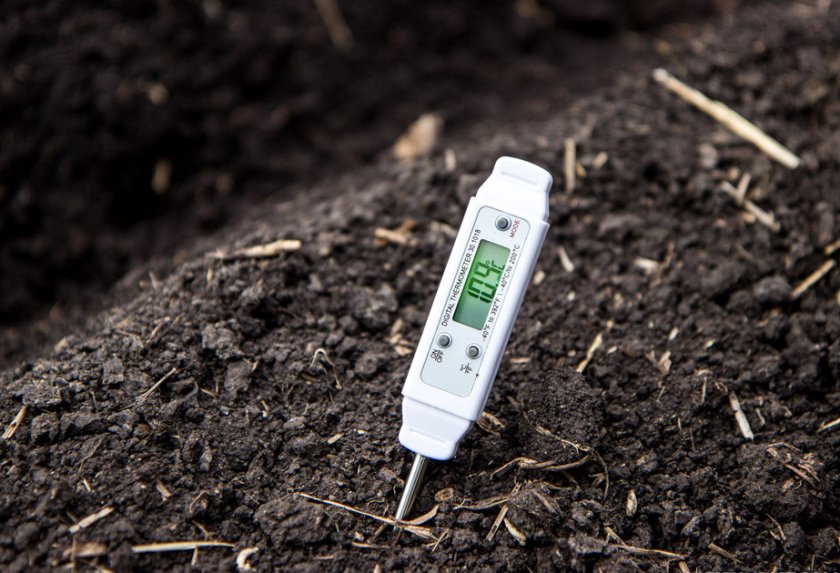
White Night potatoes should be planted when the soil temperature is above +10°C.
Landing rules
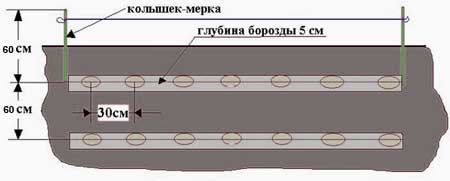
When planting White Night potatoes, space them at least 35 cm apart, and 60 cm apart between rows. Dig holes 8-10 cm deep, adding 600-700 g of humus and 4-5 tablespoons of wood ash. Place a couple of potatoes in each hole and bury them.
When planting on a large scale, make furrows 10 cm deep, put humus and ash underneath, then lay out the tubers at intervals of about 30 cm.
Caring for the White Night potato variety
This variety does not require much effort to care for.
Watering
The White Night potato variety should be watered as needed, approximately once every 14 days. In hot weather, watering can be increased, but it's best to avoid it during rainy weather.
Top dressing
Potatoes should be fertilized three times per season. The first application should be done before flowering. Ammonium nitrate and urea are suitable for this, as they will promote active growth of the tops. The second application should be done from the beginning of flowering until the tops wither. Superphosphate or potassium sulfate are suitable for this application, as they will promote tuber development.
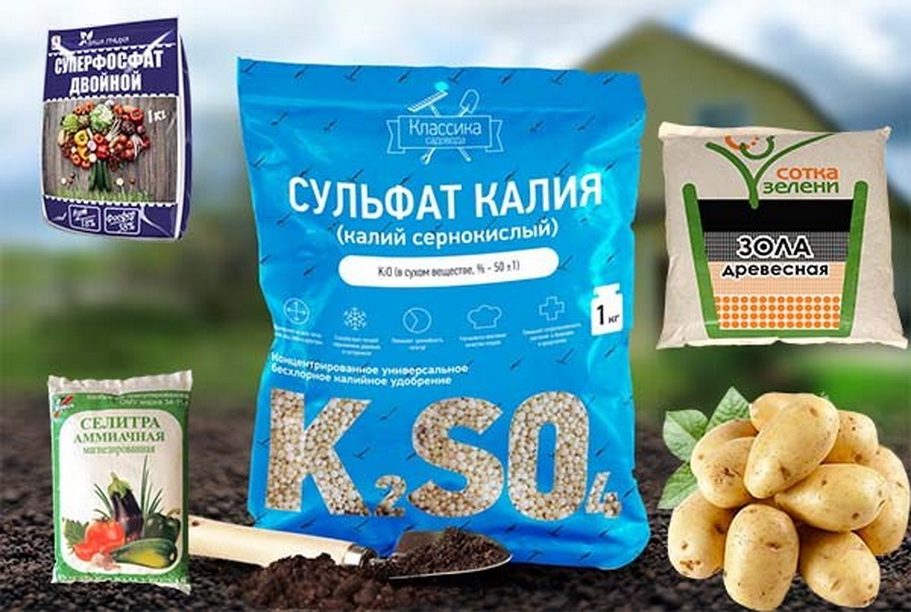
When the tops have completely withered, the third potato feeding is carried out using a superphosphate solution.
Loosening, weeding, hilling
The soil should be loosened after each watering of potatoes.
Seven days after planting the potatoes, you can do the first weeding. This should be done carefully to avoid damaging the tubers.
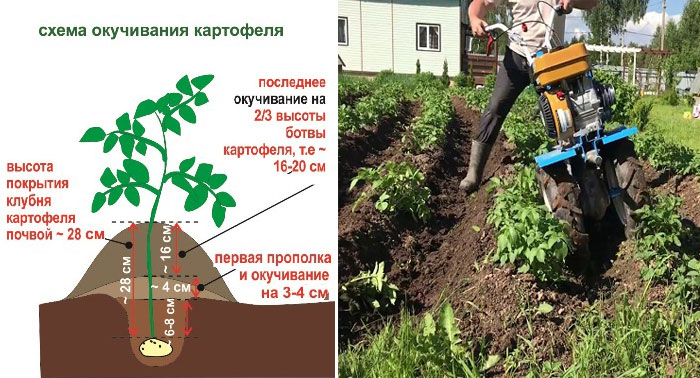
The plant is hilled twice per season. The first time is when the bushes reach a height of 15 cm, and the second time is one month later.
Protection against diseases and pests of the White Night potato variety
|
Disease/pest |
Characteristic |
Prevention |
|
Late blight of tubers and tops
|
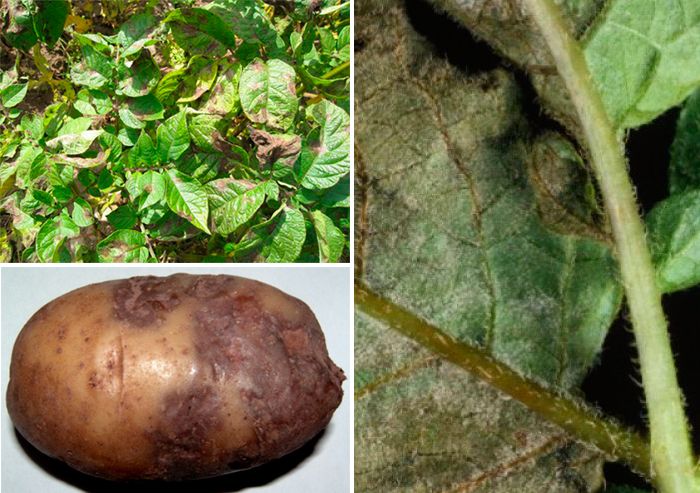
The disease thrives under favorable conditions: high humidity accompanied by cool temperatures. Late blight of the foliage causes dark spots to appear on the leaf blades. These spots gradually turn brown and become covered with a whitish coating. Tuber blight affects the underground portion of the plant. |
Before planting, the tubers should be treated with special solutions, such as Fitosporin. Additionally, it is recommended to spray the growing bushes with copper sulfate (10 g dissolved in a bucket of water). |
|
Scab
|
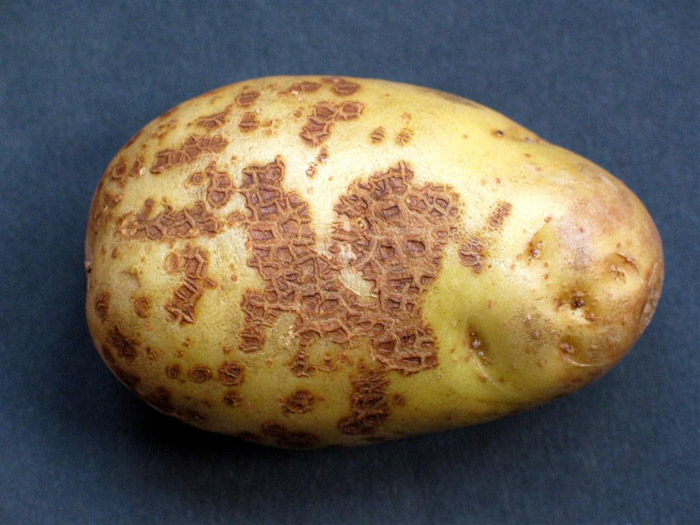
This is a fungal disease. When infected, brown spots appear on the surface of the tubers. These quickly grow and develop into noticeable growths and/or ulcers. This causes the potatoes to lose their marketable appearance. They should not be stored, as dry rot and gray mold develop over time. Scab develops due to insufficient soil moisture, accompanied by elevated air temperatures. |
For prevention, we recommend using Agat-25. First, treat the planting tubers, then spray the bushes throughout the growing season, especially during the plant closure stage. Another safe product is Fitosporin-M. It is also used to treat tubers before planting, as well as to spray bushes (three times per season at regular intervals). A more powerful product is Maxim. It is recommended to treat planting material twice: when storing and immediately before planting. The fungicide Quadris is applied to the planting holes. It will provide effective protection for three months. Another highly effective preventative measure is Prestige KS. It is applied to tubers before sprouting. Please note: All listed medications must be used strictly according to the instructions. Folk remedies:
|
Harvesting and storing White Night potatoes
Harvesting potatoes Recommended in dry weather.
There are devices that can help in digging up potatoes, and you can make them yourself..
After harvesting, spread the potatoes in a single layer and dry thoroughly directly in the beds. Once the tubers are dry, sort them, place them in wooden boxes in 2-3 layers, and store them in a cool place with a temperature of 2 to 3°C. Following these simple rules will ensure a long shelf life for your harvest.
Store potatoes as tubers And in purified form it must be done correctly.
Comparison of the White Night potato variety with other varieties in the table
| Variety | Ripening period (number of days to maturity) | Starch (%) | Yield (c/ha) | Weight of tubers (g)
Number of tubers per bush Color of tuber, pulp |
Shelf life (%) |
| White Night | Mid-early** | 10.9-16.9 | 250 | 120-215
up to 12 light, creamy |
90 |
| Meteor | Early ripening* | 10-16 | 210-405 | 100-150
10-12 cream, light yellow |
95 |
| Lorkh | Mid-late*** | 15-20 | 250-350 | 90-120
9-11 light beige, white |
88-92 |
| Nevsky | Mid-early** | 10-12 | 380-500 | 90-130
12-15 beige, white |
91-96 |
| Armada | Early ripening* | 17-18 | 230-370 | 96-130
9-14 beige-yellow, light yellow |
80-85 |
| Giant | Mid-season*** | 15.9-18.9 | 290-424 | 104-143
8-13 light beige, cream |
97 |
| Assol | Early ripening* | 12-16 | up to 345 | 80-120
8-12 light yellow, cream |
92 |
| Zekura | Mid-early** | 13-18 | 350-370 | 60-150
12-20 sandy, light yellow |
98 |
| Vega | Mid-early** | 10-16 | 230-380 | 90-120
8-12 yellow, light yellow |
99 |
| Strongman | Mid-early** | 10-12 | 127-275 | 78-105
15-20 yellow, cream |
97 |
| Nikulinsky | Mid-late**** | 12.5-21.3 | 170-410 | 70-135
12 beige, cream |
95 |
| Riviera | Early ripening* | 11.5-15.9 | 189-366 | 101-177
11-12 light beige, cream |
94 |
*Early ripening – 50-65 days.
**Mid-early – 65-80 days.
***Mid-late – 95-110 days.
Reviews of the White Night potato variety
'White Night' is a mid-early (yields in 65-80 days, with a growing season of 100-115 days) table potato variety with a high yield. The tubers are white and rounded. The eyes are medium-deep. The flesh is creamy. Marketable tuber weight is 119-213 g. Starch content is 10.6-16.9%. The tubers have good flavor and shelf life. They are susceptible to late blight and moderate viral diseases. They are cancer-resistant.