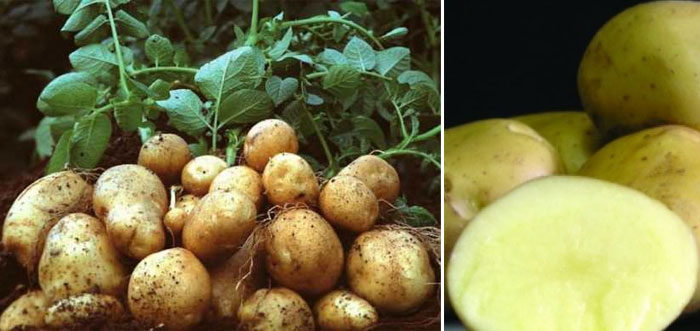
The early-ripening Assol variety is suitable for growing throughout our country. It produces a good harvest with a pleasant flavor and excellent shelf life. Its main advantage is that it is extremely rarely affected by late blight.
Content
- 1 Characteristics of the Assol potato variety in the table
- 2 A detailed description of the Assol potato variety
- 3 Advantages and disadvantages of the Assol potato variety
- 4 Features of growing the Assol potato variety
- 5 Caring for the Assol potato variety
- 6 Protection of the Assol potato variety from diseases and pests (table)
- 7 The nuances of harvesting and storing the Assol potato variety
- 8 Comparison of the Assol potato variety with other varieties in the table
- 9 Real reviews from gardeners about the Assol potato variety
Characteristics of the Assol potato variety in the table
The table below lists the main characteristics of the Assol potato:
| Parameter | Characteristic |
| Ripening period | 55-65 days. |
| Starch content | 12-16% |
| Weight of commercial tubers | 80-120 g |
| Number of tubers in a bush | 8-12 pcs. |
| Productivity | Up to 350 c/ha |
| Consumer qualities | It is used in cooking for preparing various dishes, suitable for soups, purees, and baking. |
| Marketability of tubers | 91% |
| Shelf life | 92% |
| Bushes, stems, leaves | The bushes are spreading, the height of the shoots reaches 80 cm, the leaves are bright green, medium-sized. |
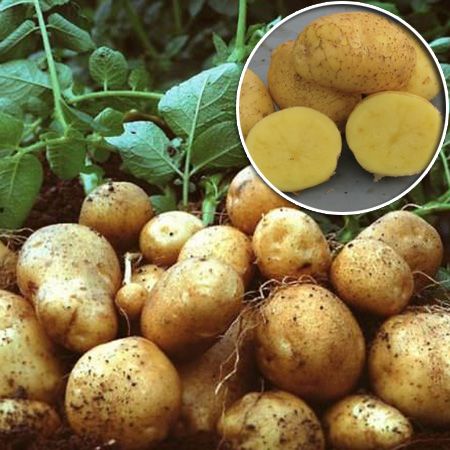
| Peel color | Light yellow |
| Pulp color | Creamy |
| Eyes | There are few eyes, and those that are there are not located deep. |
| Preferred growing regions | All. |
| Disease resistance | The variety is resistant to late blight, as it ripens before the disease begins to manifest itself. The originator also claims resistance to viruses and nematodes. |
| Features of cultivation | This variety can be grown from seed. Under favorable conditions, it can yield two harvests per season. It requires no special cultivation techniques. |
| Not included in the register, is a product of domestic origin, sold through the SeDeK company. |
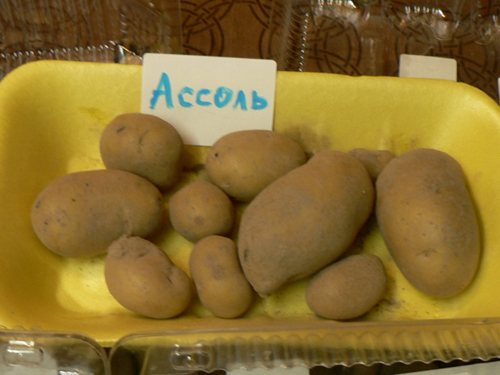
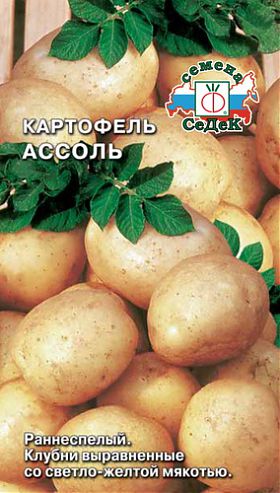
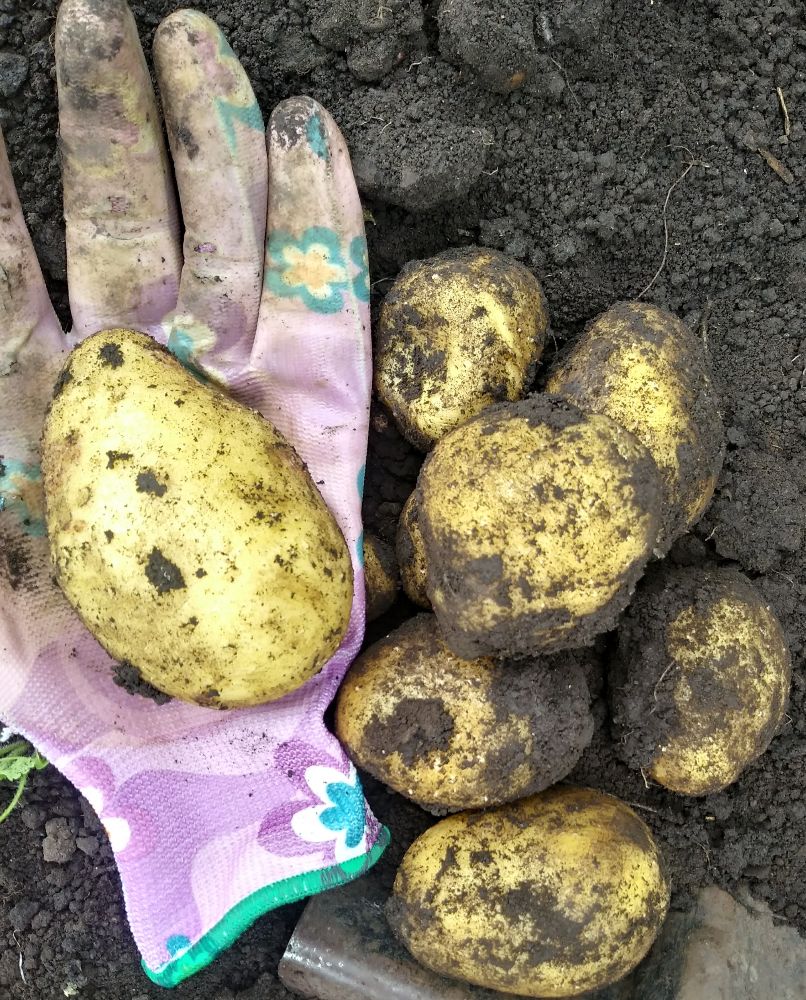
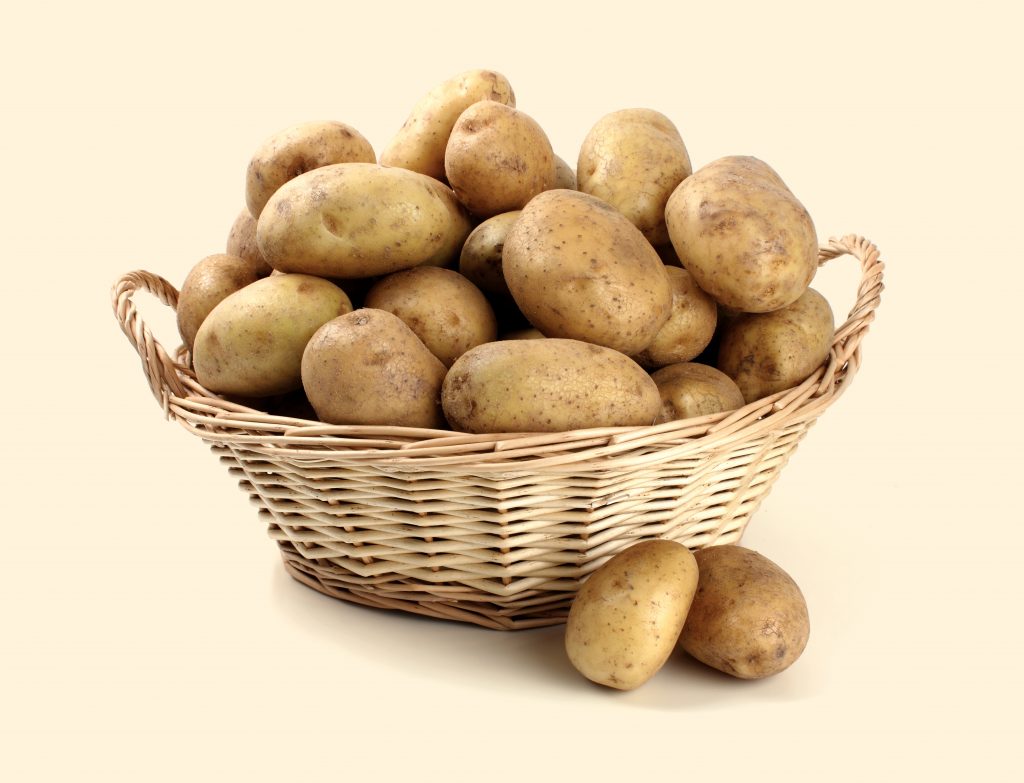
Photo of the Assol potato variety:
A detailed description of the Assol potato variety
The main advantage of this variety is the relatively early ripening of its tubers, so Assol can be planted twice a season in warmer regions. Externally, the bush is not much different from other similar varieties.
Bushes
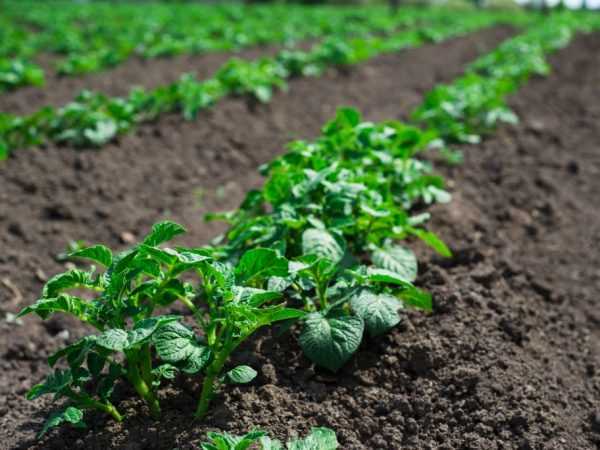
The bushes are moderately spreading, with most shoots erect, growing to 70-80 cm. The leaves are medium-sized and bright green. White buds appear during flowering.
Tubers
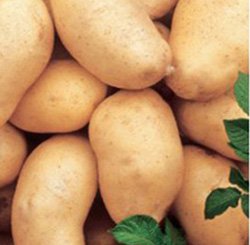
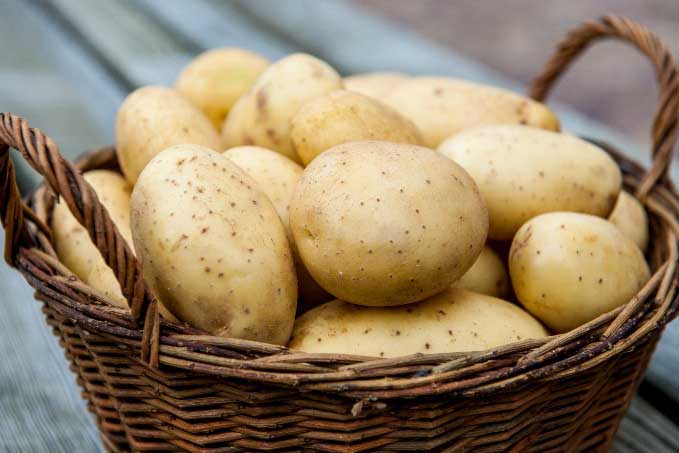
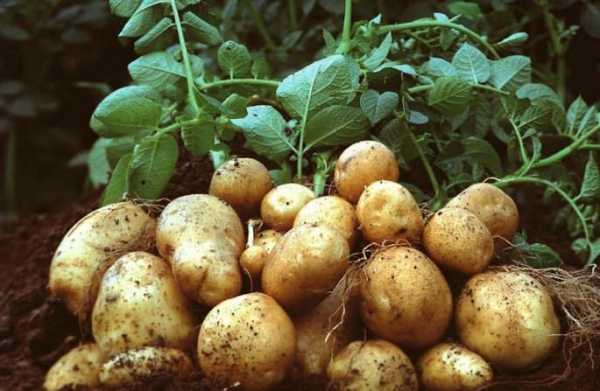
A single plant can produce 8 to 12 tubers weighing 80 to 120 grams. They are fairly large, smooth, and oblong. The skin is light yellow, with a small number of eyes on its surface that do not extend deep into the flesh.
The shelf life is high, up to 92%, which allows the harvest to be stored for quite a long time.
The tubers have a pleasant flavor, with a starch content of up to 16%. These potatoes are suitable for table use and can be used in any dish, both at home and in the industrial production of French fries, chips, and more. After peeling and during cooking, the flesh does not darken for a long time.
Productivity, ripening time
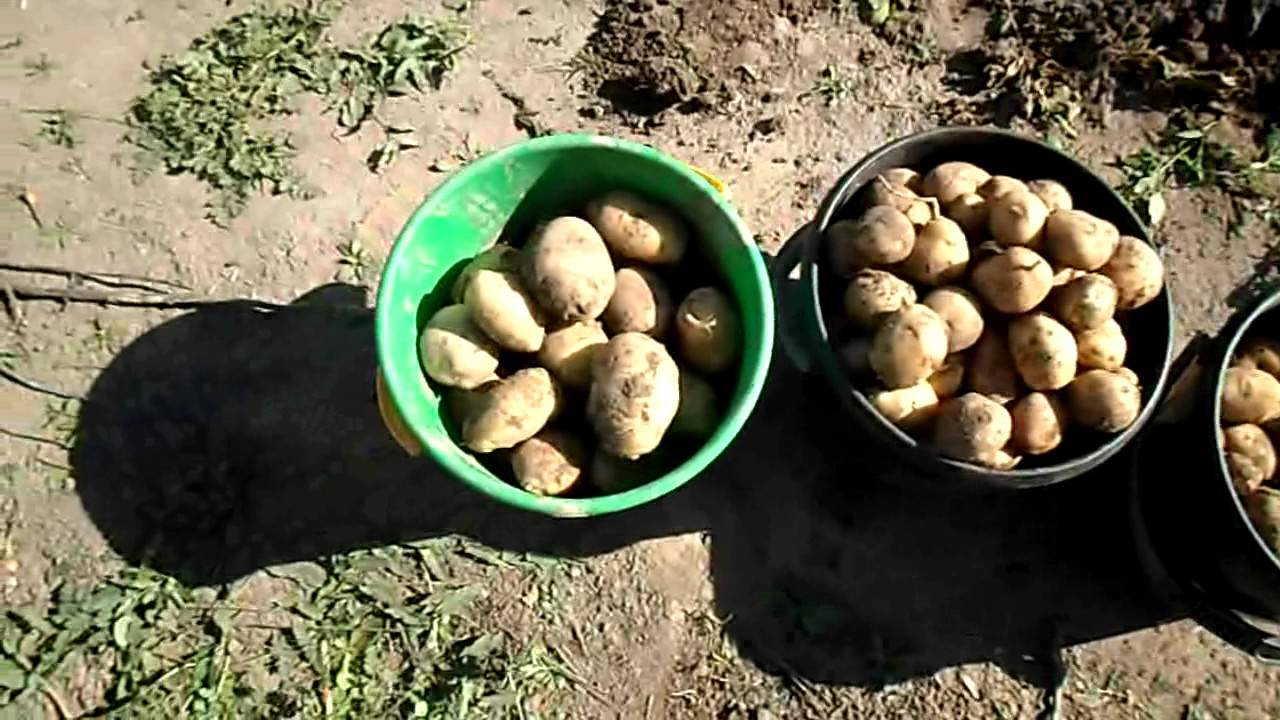
With proper care, one bush can yield up to 12 tubers weighing 120 g. A record yield was recorded in 2007, when 3.46 kg of potatoes were harvested from a bush.
After germination, the harvest can be completed in 55-65 days. However, after 40 days, a trial dig can be made and a few fresh potatoes can be harvested to enjoy the taste of the first harvest.
Resistance to diseases and pests (table)
| Name of the disease | Degree of stability |
| Cancer | High |
| Phytophthora | High |
| Nematode | High |
| Viruses | High |
| Colorado beetle | Average |
What regions is it suitable for?
The Assol variety is easy to care for and adapts easily to a variety of growing conditions, making it ideal for virtually all regions of the country. In southern Russia, with proper growing techniques, it can even yield two harvests per season.
Advantages and disadvantages of the Assol potato variety
The Assol variety has only one drawback and a number of advantages. These are presented in the table below.
| Advantages | Flaws |
|
|
Features of growing the Assol potato variety
The Assol variety has good survival rate and easily adapts to the conditions in which it grows.
Growing Assol potatoes from seeds
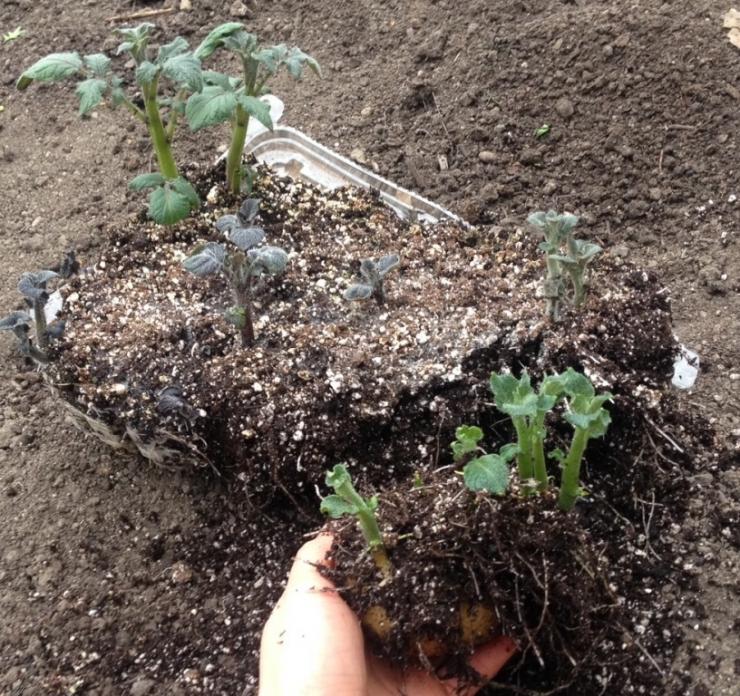
The Assol variety is ideal for growing from seed. This process is more painstaking than growing from tubers, but it allows you to produce perfectly healthy sets that will yield an excellent harvest for the next 4-6 years.
You can buy seeds from the manufacturer, but some gardeners collect them themselves after the buds on the bushes have finished blooming.
Potato seeds are considered the smallest of all crops, making them difficult to work with and having a low germination rate.
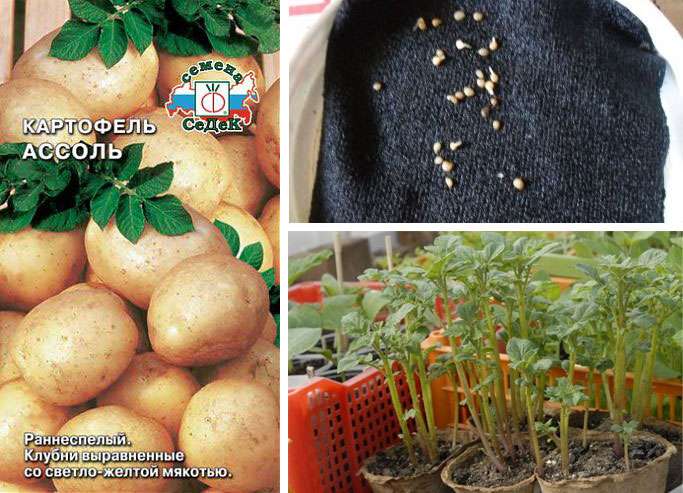
Before sowing, they must be soaked in warm water and only after sprouts appear are they sown in containers with soil or peat pellets. During cultivation, they require a warm location with supplemental lighting to ensure at least 10 hours of daylight. This work begins approximately two months before planting the seedlings outdoors.
In southern regions, seeds can be sown directly into open ground at the end of May, once the soil has warmed sufficiently. They should be planted to a depth of 5-7 cm, depending on the soil type. After this, it is recommended to apply mineral fertilizer to the bed 2-3 times a month.
As the top layer of soil dries out, watering is carried out; the surface of the bed can be mulched to retain moisture inside.
Requirements for the landing site and its preparation
Potatoes are recommended to be planted in a well-lit area of the garden. It's best to prepare the soil in the fall. Apply 10 liters of rotted manure per square meter, then till the soil. If it's not possible to replant the potatoes next season, it's recommended to plant the new bed with green manure. This will enrich it with beneficial micronutrients necessary for normal growth and development. After this treatment, no additional fertilizing will be required in the spring.
Tip! Experienced gardeners alternate planting potatoes in rows and between rows.
Some gardeners, when there is a large amount of weeds and a colony of Colorado potato beetles in the current season, apply herbicides to the soil in the fall and cultivate it to a depth of 30-50 cm.
Selection and preparation of seed tubers
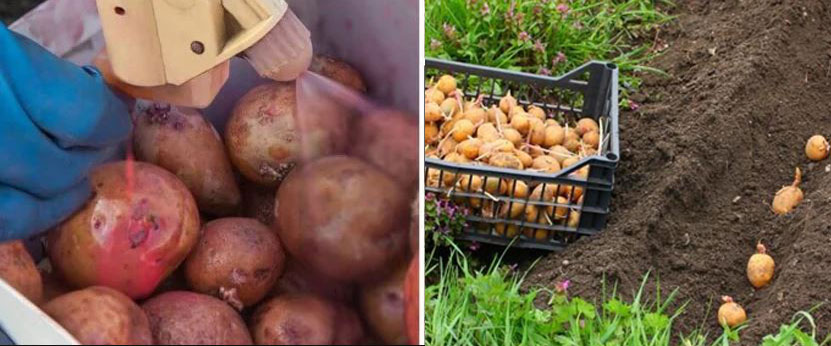
Tubers should also be prepared for planting in the fall when harvesting. Healthy, smooth, and undamaged tubers are selected for seed. Immediately after harvesting, they should be greened to strengthen their immune system, make them unattractive to pests, and activate internal processes that affect germination and even yield. To achieve this, the tubers are left in the sun for 2-3 days after harvest. If the weather is unfavorable, the potatoes are stored in a bright location.
Before planting potatoes, it's recommended to sprout the tubers and treat them with products to boost immunity and stimulate growth. Products such as Fitosporin, Acrobat, and others are recommended.
Planting times and rules
Potato planting dates vary by region. In the south, work begins as early as the first half of April, in the central regions – in early May, and in the north – in late May or early June. It's important that the soil warms up to 11°C by this time, and that no frost is forecast for the night.
Using string and pegs, mark out the future rows in the garden bed. The distance between them should be at least 60-70 cm. The holes should be 30 cm apart. The tubers are planted in the holes, sprouts facing upward, and buried. The depth depends on the soil type. If the soil is loose, the tuber should be buried 12 cm, while if it is very dense, 5-6 cm. Afterwards, the bed is carefully leveled with a rake.
Caring for the Assol potato variety
The Assol variety doesn't require any special care. It's enough to water the plantings periodically, especially in hot weather, weed, loosen, and fertilize the soil, and hill up the shoots.
Watering
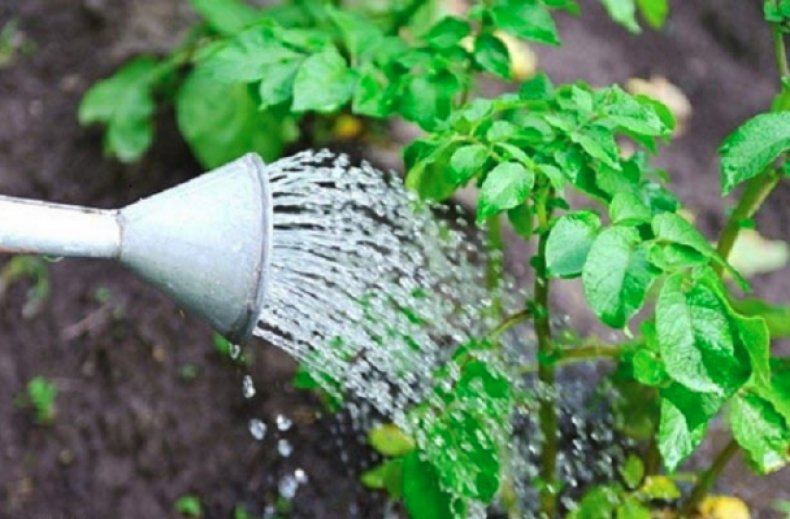
The first watering of Assol potatoes can be done 10 days after planting. After that, the weather should be taken into account. This early-ripening variety requires more moisture than late-ripening potatoes, so watering is recommended every 10 days during hot weather. Each plant requires approximately 25-35 liters of water. It should be poured carefully into the soil, right under the plant, avoiding the tops. Many gardeners prefer to install a drip irrigation system, especially if they only visit their plots on weekends.
Top dressing
From germination until flowering, gardeners recommend fertilizing potatoes once or twice, spaced two weeks apart. The first application is made before hilling, 10-14 days after planting. Organic fertilizers or specialized fertilizers can be used for this purpose. However, gardeners most often prefer a chicken manure solution: 500 grams of manure are dissolved in a bucket of water (10 liters) and left for 5-7 days. The concentrate is then diluted 1:15, and a liter of the resulting substrate is poured under each plant. Undiluted, it can only be used for watering between rows.
Loosening, weeding, hilling
Loosening and weeding the beds helps increase the amount of nutrients and oxygen reaching the roots. Furthermore, removing weeds helps reduce the risk of pest infestations.
Hilling of Assol potatoes is done twice per season: when the shoots reach 12 cm in height and three weeks later. This procedure helps protect the plant from temperature fluctuations and increases the surface area for absorption of nutrients essential for growth. Furthermore, the mound of soil provides additional support for the shoots and protects them from damage.
- In northern regions, where cold winds blow and temperature fluctuations are frequent, hilling can be carried out three times per season.
- In the south, it is enough to carry out one hilling, and some gardeners do not hill potatoes at all.
Protection of the Assol potato variety from diseases and pests (table)
As we noted above, the Assol variety is practically immune to common potato diseases: late blight, cancer, viruses. It's also resistant to nematodes. The only thing it can't protect itself from is the Colorado potato beetle.
| Name of the pest | Manifestation | Treatment and prevention |
| Colorado beetle
|
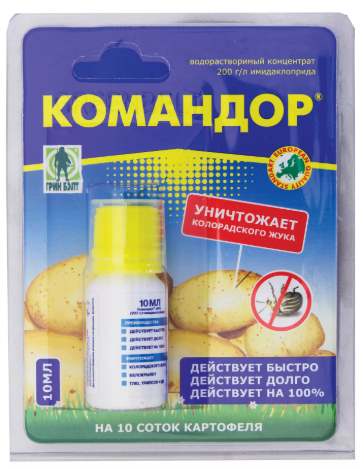
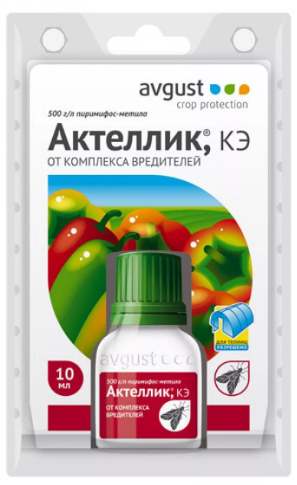
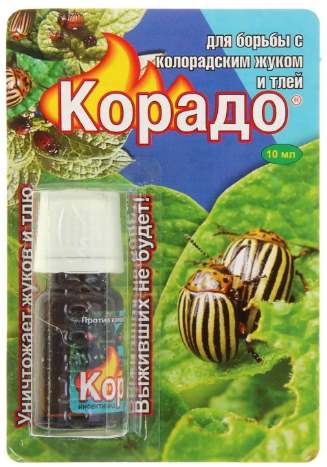
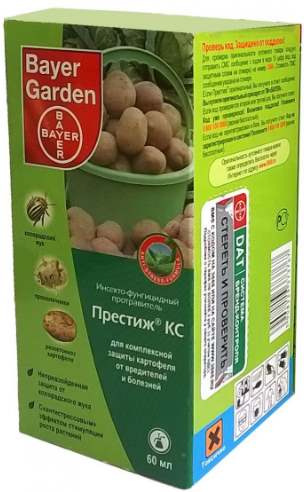
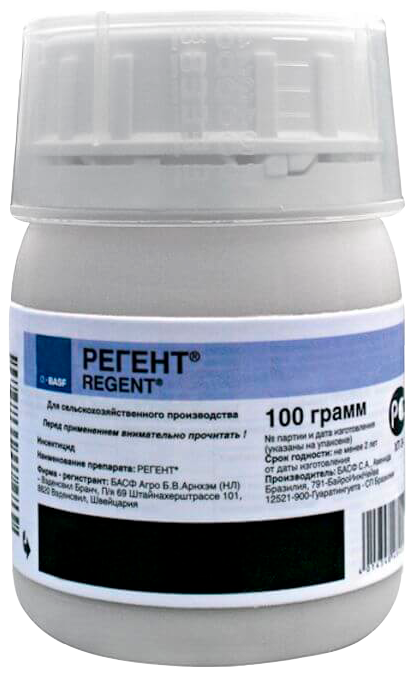
Colonies of striped beetles infest crops, laying bright orange eggs on the undersides of leaves. | Many gardeners hand-pick pests; this method allows them to be rid of a small number of insects. However, if there are too many, specially designed pest control products can help: Komandor, Actellic, Corado, Prestige, and Regent. |
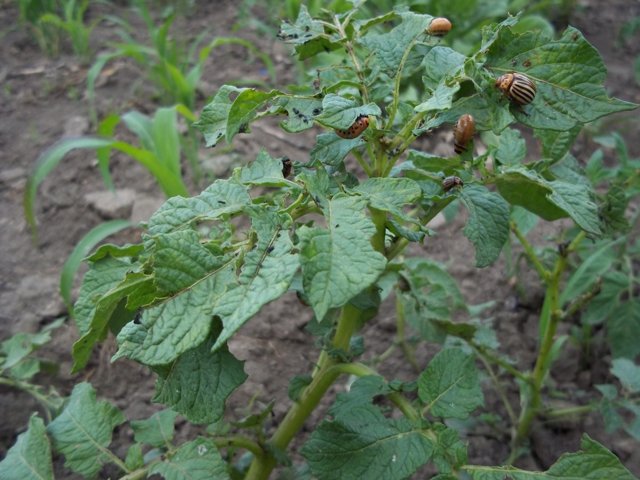
Photo gallery of products for controlling the Colorado potato beetle:
The nuances of harvesting and storing the Assol potato variety
Assol is an early-ripening potato variety. Harvesting begins approximately 65 days after germination. However, this timeframe can vary by several days depending on growing conditions. A sign of tuber maturity is yellowing of the tops. However, experienced gardeners recommend cutting them off 10 days before digging. This helps reduce the risk of diseases that often affect shoots and leaves, and also allows the skin to harden and the flesh to develop the pleasant flavor that consumers appreciate.
Find out When and how to dig potatoes, and also How to make a potato digger yourself.
After digging, the tubers are sorted and arranged in piles according to their intended use. Potatoes that will be used for eating and storing can be left outside in the sun for 1.5 hours. This will allow them to dry out but will not yet accumulate saltiness.
It is important to observe rules for storing potatoes.
The seed material, on the other hand, needs to be greened by increasing its exposure to sunlight. The tubers are then stored in a cellar or other well-ventilated area with a temperature of 2 to 4°C.
Comparison of the Assol potato variety with other varieties in the table
| Variety | Ripening period (number of days to maturity) | Starch (%) | Yield (c/ha) | Weight of tubers (g)
Number of tubers per bush |
Shelf life (%) |
| Assol | Early ripening* | 12-16 | up to 345 | 80-120
8-12 |
92 |
| Treasures | Mid-season*** | 12-18 | up to 650 | 95-250
12-18 |
94 |
| Banker | Mid-early** | 15-16 | 200-350 | 70-160
10-15 |
90 |
| Luck | Early ripening* | 11-15 | 420-430 | 100-150 10-15 |
88-97 |
| Uladar | Early ripening* | 11.5-17.8 | 127-716 | 91-180
6-11 |
94 |
| Unique | Mid-early** | 13 | 320 | 400-500
10-14 |
96 |
| Sarpo of the world | Late-ripening**** | 14-17 | 350-360 | 75-140
6-11 |
94 |
| Favorite | Mid-season*** | 12.6-16.4 | 420 | 101-136 6-12 |
93 |
| Adretta | Mid-season*** | 15-18 | 450 | 100-150
10-25 |
95 |
| Miner | Mid-early** | 14-19 | 600 | 90-140
12-18 |
97 |
| Gulliver | Early ripening* | 14-20 | 650-700 | 100-150
5-11 |
95 |
| Irbitsky | Mid-early** | 12-17 | 250-400 | 100-185 6-8 |
97 |
| Kumach | Mid-season*** | 12-18 | 241-719 | 98-260
12-25 |
98 |
*Early ripening – 50-65 days.
**Mid-early – 65-80 days.
***Mid-season – 80-95 days.
****Mid-late (Late-ripening) – 95-110 (115) days.
Real reviews from gardeners about the Assol potato variety
Consumers value Assol potatoes for their pleasant taste. But their most important quality is their ease of cultivation, as the variety is resistant to late blight, nematodes, and canker.
User darinkaa, Ukraine, Luhansk, April 13, 2014
Potato seeds "Assol" - Good harvest!
I have been planting this potato for a long time now; the seeds come in paper packets and cost 2.50 hryvnias.
I always plant them in my greenhouse. The tubers are yellowish, medium to large. The potatoes grow very tasty, even sweet.
Before planting, it's a good idea to loosen the soil, fertilize it with animal waste, or buy a bag of compost. This will ensure the potatoes grow well and produce a great harvest. I watered them, handling them very carefully. Naturally, I stored them in a greenhouse in fertilized soil, and once the soil had warmed up, I planted them in the garden. And you know, they produce a good harvest. The first year, there were 3-4 small potatoes per bush, and the next year, those potatoes grew into large potatoes, up to 5 per bush. I love this variety.
User dimagor, Ukraine, Kherson, April 13, 2014
I don't have a large plot of land, but I want to squeeze the maximum possible potato harvest out of it. The variety I've been planting for many years has degenerated and stopped producing good results long ago. So, I started looking for new, disease-free potato varieties. But, as it turns out, planting material is quite expensive (I'm talking about elite-grade tubers, or at least the first generation). So, I decided to try growing high-quality planting material myself, from scratch, so to speak. Or more accurately, from a small seed.
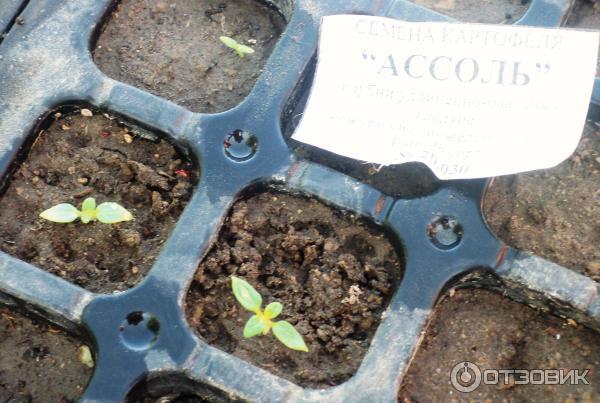
I ordered ten bags of Assol potatoes from an online store (the wholesale price was half that). I soaked the seeds and waited! About a week later, a few seeds began to sprout, and I immediately planted them in the seedbed. The next day, I noticed a few more sprouted seeds and planted those too. I filled my seedbed with sprouted seeds for about ten days straight. The sprouting didn't happen uniformly or en masse. Eventually, when I got tired of this process, I planted the remaining unsprouted seeds in the seedbed, about ten in each hole.
Soon all this began to sprout from the ground:
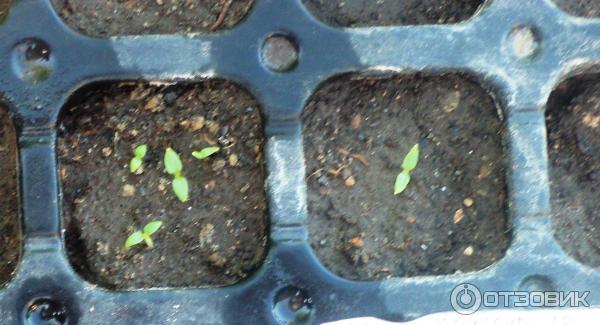
Of the seeds I planted after they sprouted, every other one sprouted. But in the holes where I planted unsprouted seeds on a whim, several potato plants began to emerge:
I nurtured and cherished this seedling as if it were my own. I loosened the soil beneath it and watered it regularly with warm water. Every morning, I took it outside and brought it back indoors in the evening. And then, when the weather finally warmed up, I planted all the bushes in the open ground. The plants began to noticeably grow taller, resembling potato plants. They reached a height of 15-20 cm.In early August, I went out with a shovel to dig up the harvest! Under each bush were two or three potatoes the size of quail eggs. But that's how it should be! And this year, these tubers should produce a good potato harvest. But, as the saying goes, "You can't count your chickens before they hatch."
Regarding seeds, I will say this: don’t think that once you buy one packet of seeds, you will forever have a good potato harvest.
The germination rate of the seeds is very poor, so to grow a specific variety, I recommend buying at least ten packets.
User tutsa, Russia, Moscow, April 18, 2015
As we all know, potatoes are the second bread on our table. I grow many types of vegetables in my garden, including a spot for potatoes. I try to change the varieties every year. I usually plant potatoes as tubers, but I decided to try growing seedlings from seeds. For this, I bought Assol potato seeds at the market. One packet contained only 2 grams of seeds and cost 35 rubles.
The Assol potato is an early-ripening variety. This variety is adapted to many climates. I grew seedlings from seeds using a container filled with loose soil and placed it on a windowsill. The seeds soon germinated, and green shoots emerged. By May, I had good, strong seedlings, which I planted directly in the ground. The Assol potato plant grows upright and semi-spreading. It produces elongated, oval tubers with smooth, light yellow skin.
The tubers contain soft yellow flesh. The potatoes don't fall apart when boiled, and they're delicious and healthy. I got 6-9 large tubers from each plant. All the potatoes are uniform, almost the same size. I liked this variety for its resistance to viral diseases, excellent flavor, and quick ripening. My plantings outgrew the potatoes I planted as tubers in terms of growth and ripening time. The Assol potato variety grows quickly: from planting to root formation, it takes just 65 days, so we eat it first. This variety is also suitable for storage. We fry, steam, and mash the potatoes.
User Ruslan Kh, Russia, Moscow, May 5, 2019
I bought this to renew my potato crop. I always buy from different manufacturers. I was attracted by the price-quality ratio. I liked the sturdy, airtight packaging; it doesn't get wet, so opening it carefully is easy. The name is clearly visible, and there's detailed information on the back. I planted it in pots at the end of February without soaking. More than half of the seeds sprouted within five days, producing stocky sprouts. The germination rate was good, and the seedlings were strong. I didn't need to disinfect them. I should have bought a few more packs of seeds from this manufacturer. I recommend this product to anyone interested in growing potatoes. I noticed it was rarely sold, but the seller said it was in demand and I plan to stock up.
User SvetaLinnik26, Ukraine, April 4, 2016
Hello, today I want to tell you about potato seeds. While shopping for seeds this year, I came across Assol potato seeds. I had little faith that you could grow potatoes from seeds, but curiosity overcame common sense, and I bought a packet to try them out.
When I got home, the first thing I did was open the packet and look at the seeds. The packet contained very small seeds, absolutely tiny.
Well, I thought, okay, size doesn't matter. I decided to search online for information on how to plant and care for it. I'll tell you a little about it too. The seeds are planted for seedlings, but before soaking, they need to be soaked in a weak solution of potassium permanganate for 3 minutes. After that, plant them in a suitable container. Just don't bury the seeds, they're too delicate, just place them on top.
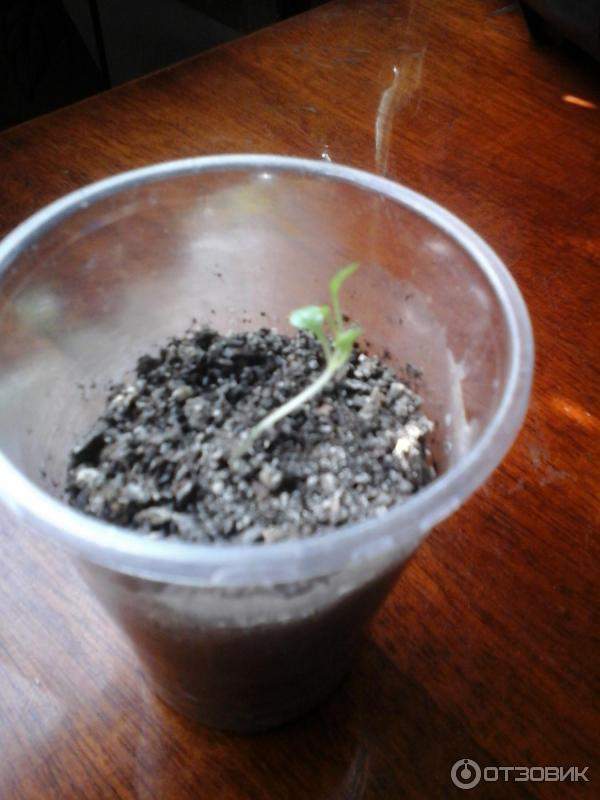
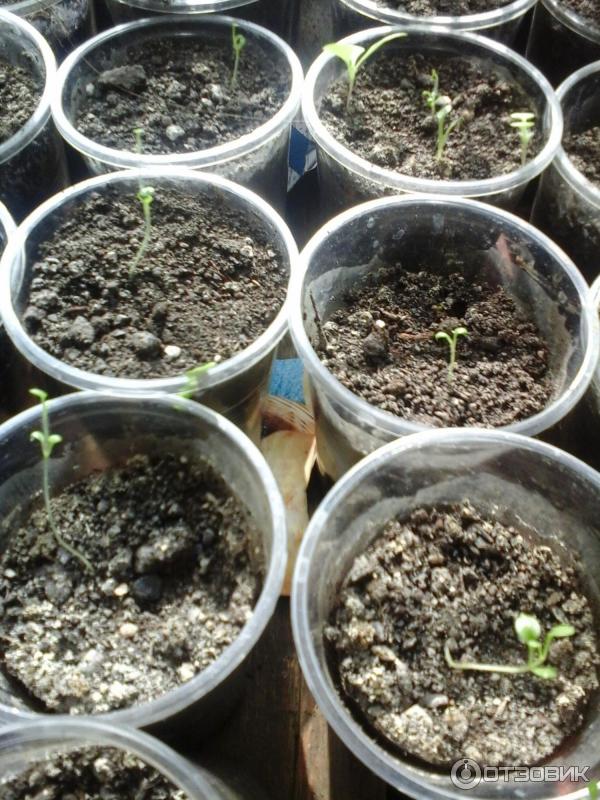
After planting the seeds, I waited for the shoots to sprout, not really believing anything would grow. But the seeds did sprout, not all of them, of course, but still. The seedlings turned out very thin and delicate, and I broke some of them during transplanting. This is what I grew.
The seedlings are still very weak, but I hope they will get stronger, because the seeds should produce excellent elite potatoes for further planting.
So far, my opinion is more positive than negative; the seeds have sprouted. I'll edit my review and keep you updated. I hope we'll enjoy the potato harvest together this fall.
I promised to update the review, so here it is. I only got six plants, and they bloomed very late. When we tried digging them up, it turned out there were practically no potatoes there—just two or three, and those were the size of peas. So, we left them in the ground; maybe something will grow next year. I'm a little disappointed that the experiment didn't work out.
User lydmila 79, Ukraine, January 24, 2017
I decided to sow potatoes and chose this variety because it's tall and early. I planted them at a depth of 0.1 cm. I didn't soak the seeds, but you can soak and germinate them. The tubers are uniform, with light skin and light yellow flesh. The flavor is average; after long storage, it becomes poor. They're excellent for fried potatoes and mashed potatoes. This variety is resistant to diseases such as late blight and nematodes, producing a good yield under any growing conditions. To ensure a good harvest, keep the potato seeds moist and apply various fertilizers for bush growth, including nitrogen, phosphate, and carbon fertilizers. If you follow all the rules, you can get a very large harvest. I recommend this Assol potato variety to everyone.