Uladar is an early Belarusian potato variety that is distinguished by its excellent characteristics and pleasant taste.
Content
- 1 The origin of the Uladar potato variety
- 2 Characteristics of the Uladar potato variety in the table
- 3 Detailed description of the Uladar potato variety
- 4 Advantages and disadvantages of the Uladar potato variety
- 5 Planting Features of the Uladar Potato Variety
- 6 Caring for the Uladar potato variety
- 7 Protection of the Uladar potato variety from diseases and pests (table)
- 8 The nuances of harvesting and storing the Uladar potato variety
- 9 Comparison of the Uladar potato variety with other varieties in the table
- 10 Real reviews from gardeners about the Uladar potato variety
The origin of the Uladar potato variety
The Uladar potato is currently very popular among gardeners both in our country and in our immediate neighbors. But it was the painstaking work of Belarusian breeders that brought it into existence. In 2008, they officially registered the Uladar variety. And in 2011, it was recognized in Russia and added to the registry. Translated from Belarusian, "uladar" means "lord" or "master." Indeed, this variety has captured the hearts of many gardeners.
Characteristics of the Uladar potato variety in the table
The table below lists the main characteristics of Uladar potatoes:
| Parameter | Characteristic |
| General information | The bush is medium-height, with slender, semi-erect shoots. The leaves are rich green, relatively small, and have virtually no wavy edges. |
| Ripening period | 50-65 days. |
| Productivity | Up to 424 c/ha |
| Marketability of tubers | 90-95% |
| Shelf life | 94% |
| Starch content | 13.8-17.5% |
| Peel color | Yellow |
| Pulp color | Light yellow |
| Weight of commercial tubers | 91-140 g. |
| Number of tubers in a bush | 8-12 pcs. |
| Consumer and taste qualities | It has versatile culinary uses and doesn't overcook or darken when cooked. The flavor is excellent. |
| Culinary type | IN |
| Preferred growing regions | Central, North-West. |
| Disease resistance | High resistance to canker, nematodes, and mosaic. Average resistance to leaf curl and late blight. Low resistance to rhizoctonia. |
| Features of cultivation | Needs watering, likes light, loose soil. |
| 2011 | |
| Country of origin | Belarus |
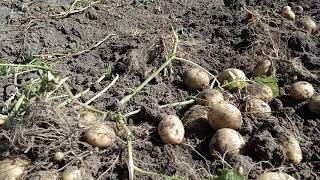
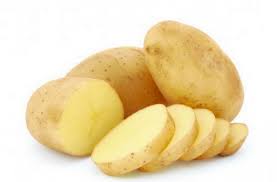
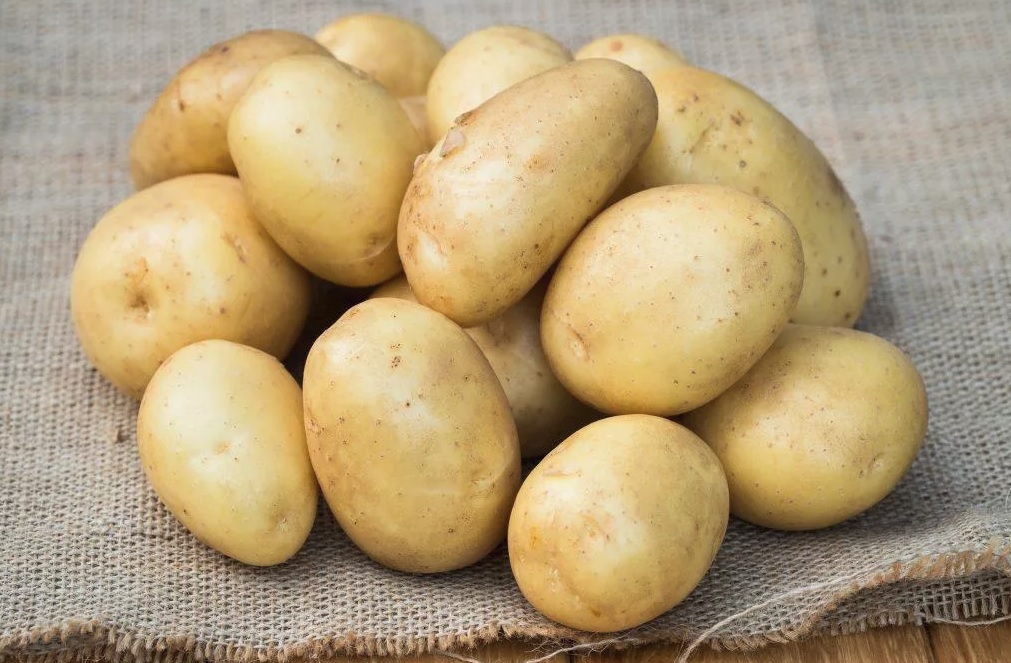
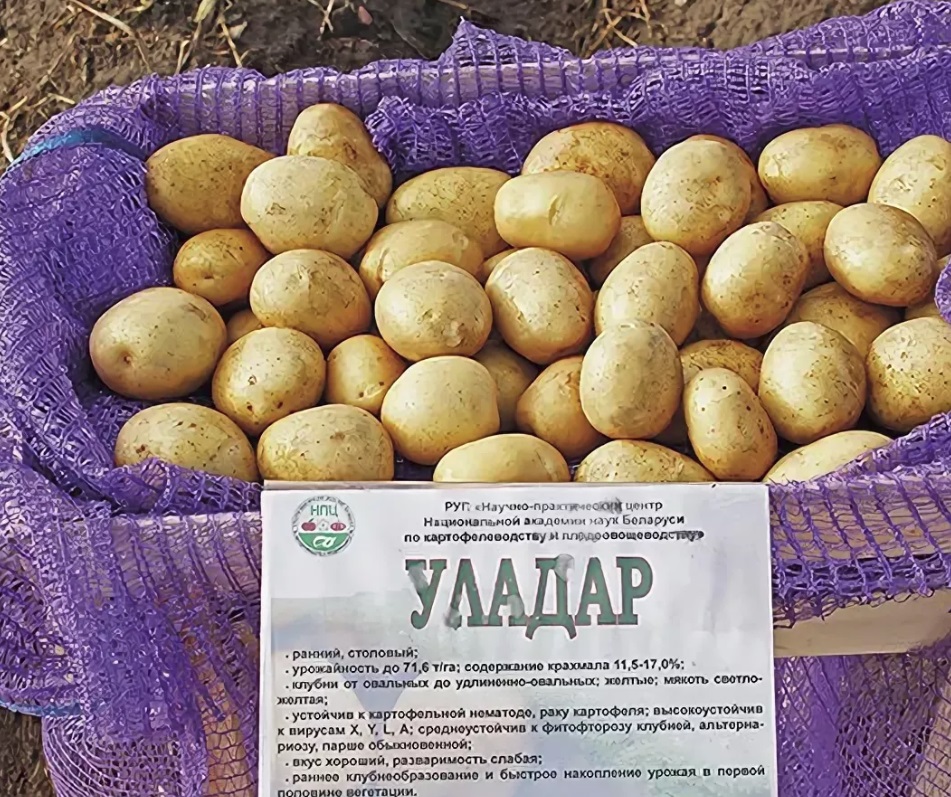
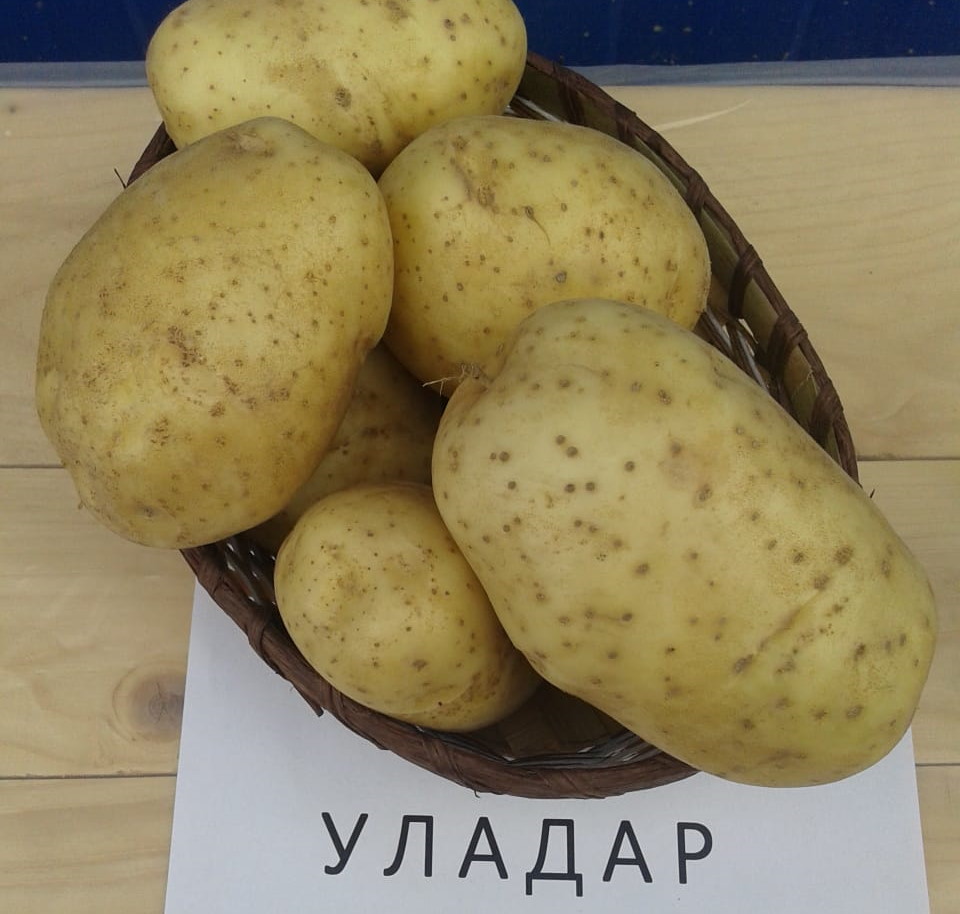
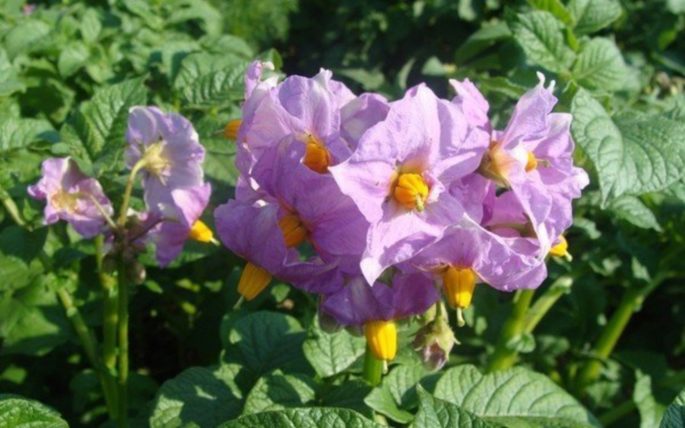
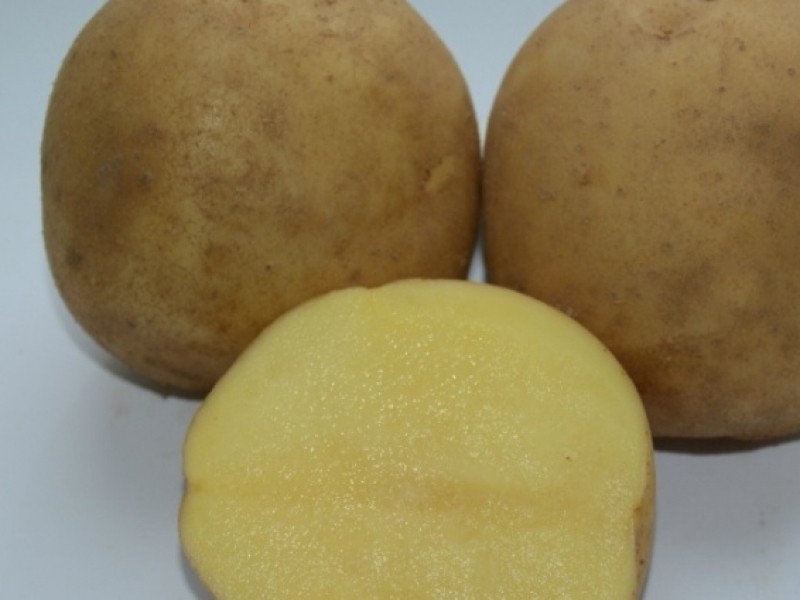
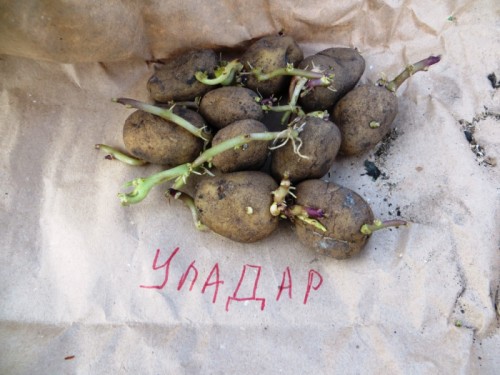
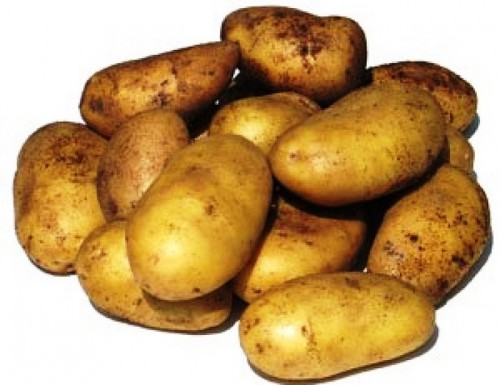
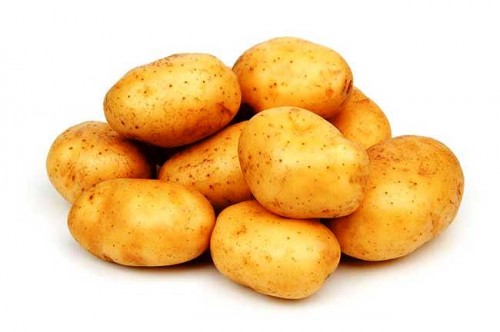
Photo gallery of the Uladar potato variety:
Detailed description of the Uladar potato variety
The Uladar variety is distinguished not only by its early ripening time but also by its uniform tuber formation. You can enjoy your potatoes as early as 45 days after germination, and the harvest is ready in 65 days.
Bushes
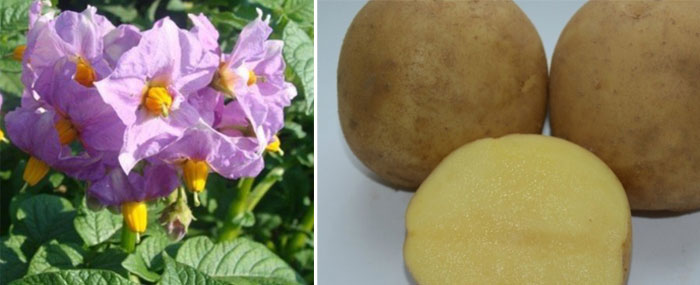
The bushes are fairly compact, with semi-erect shoots that grow to a moderate height of up to 60 cm. The leaves are medium-sized, with smooth edges and a rich green color. The flowers are not numerous, reddish-purple in color, and produce very few berries.
Tubers
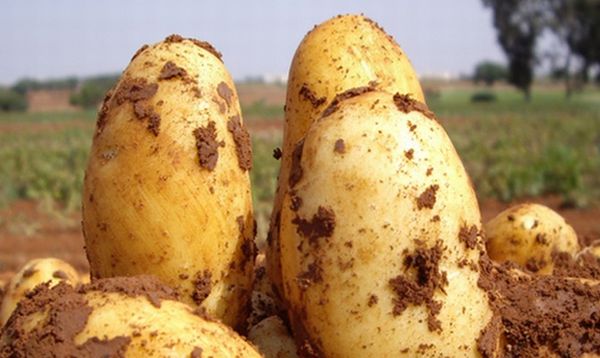
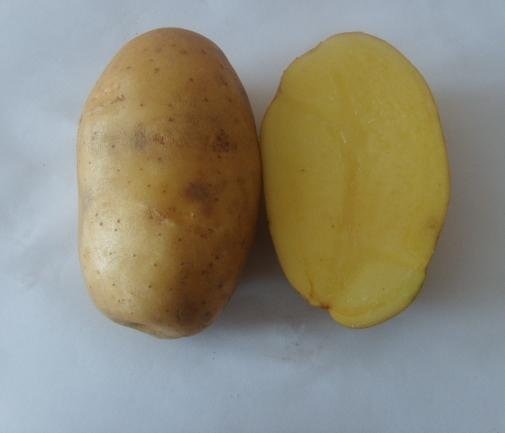
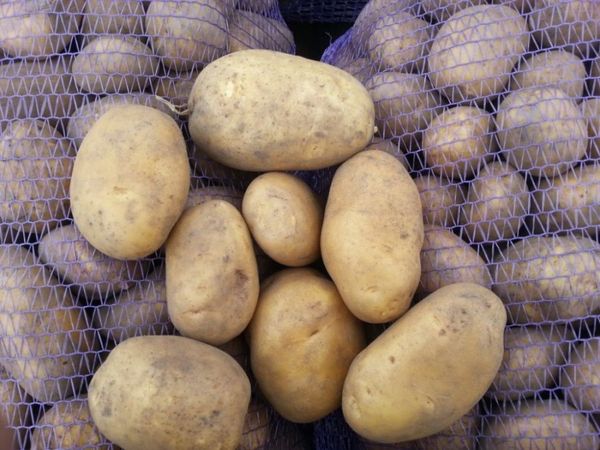
Uladar potato tubers are predominantly oval and slightly elongated. The skin is yellow and smooth, with a minimal number of small eyes. Each plant produces 8-12 potatoes weighing between 90 and 140 g. Under proper growing conditions, individual specimens can reach 180 g.
Despite the early ripening period, Uladar potatoes have good marketability and excellent shelf life.
Productivity, ripening time
For an early variety, Uladar has a fairly high yield, which, depending on the region, can vary from 130 to 350 c/ha.
- After the first digging, which is carried out 45 days after the emergence of seedlings, it is possible to collect from 70 to 160 c/ha.
- Ten days later, the second digging is carried out, yielding another 165 to 260 centners per hectare.
The maximum yield of the Uladar variety was 425 c/ha.
Resistance to diseases and pests (table)
| Name of the disease | Degree of stability |
| Cancer | High |
| Nematode | High |
| Mosaic | High |
| Leaf curling | Average |
| Phytophthora blight of tops | Average |
| Tuber blight | Average |
| Rhizoctonia | Low |
For which regions is the Uladar potato variety suitable?
The Uladar variety exhibits its best qualities in the Central and Northwestern regions. However, it is also grown quite successfully in other parts of the country. In the south, two harvests are possible per season, and in cooler regions, the potatoes will ripen before the onset of cold weather.
Uladar has demonstrated excellent results in Ukraine and Belarus (including the Brest region), where it was bred in 2008.
Advantages and disadvantages of the Uladar potato variety
The Uladar variety has certain advantages and some disadvantages.
| Advantages | Flaws |
|
|
Planting Features of the Uladar Potato Variety
Uladar potatoes prefer loose, fertile soil with adequate moisture. Like any early variety, they actively absorb nutrients from the soil, so the soil should be rich in them from the start. To ensure a good harvest, they require fertilizing, timely watering, hilling, and loosening.
Requirements for the landing site and its preparation
Uladar potatoes grow well in a variety of soil types, but produce the maximum yield in loose beds with a high concentration of nutrients.
The soil for potato plants should be prepared in the fall. There are many fertilizer options to choose from, which can be applied before digging, but organic matter is most commonly used: 10 kg of humus per square meter of dense soil or 15 kg for sandy soil.
In the spring, the bed is dug up again, adding 2 kg of potassium sulfate and 1 kg of double superphosphate for each hundred square meters.
Selection and preparation of seed tubers
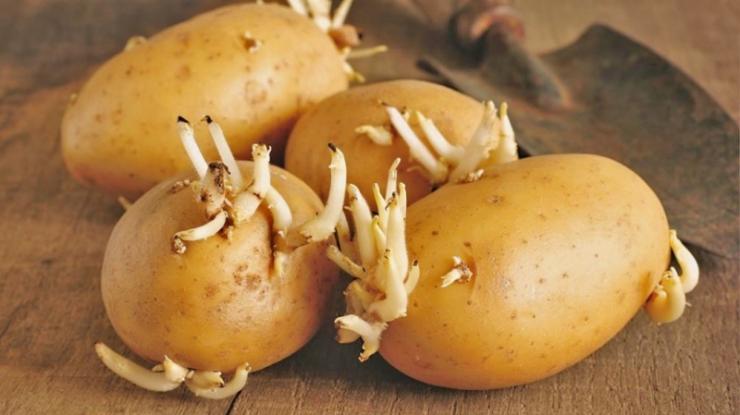
Uladar potatoes ripen relatively quickly, so the tubers must be sprouted before planting, otherwise ripening may be delayed.
First, sort the seed tubers. Avoid using the largest ones; they should be medium-sized, even, smooth, and free of disease and damage. If the potato is large enough but has many eyes, you can cut it into several pieces—Uladar will tolerate this without issue.
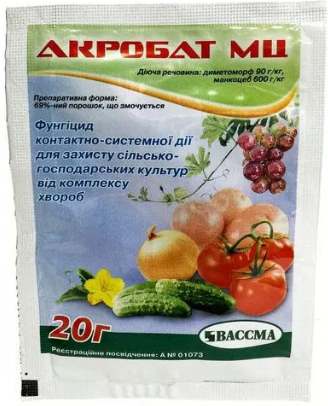
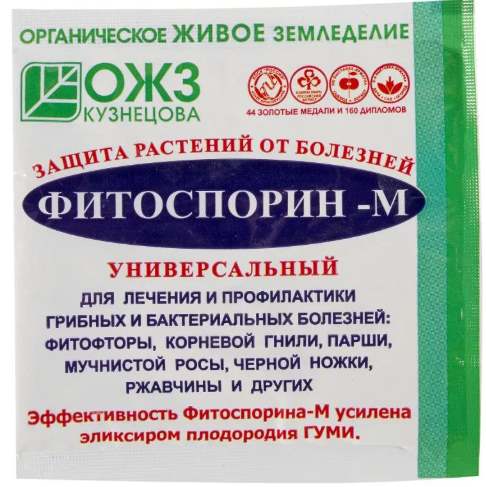
To develop strong immunity, all planting material must be treated with special preparations, such as Acrobat or Fitosporin.
Planting times and rules
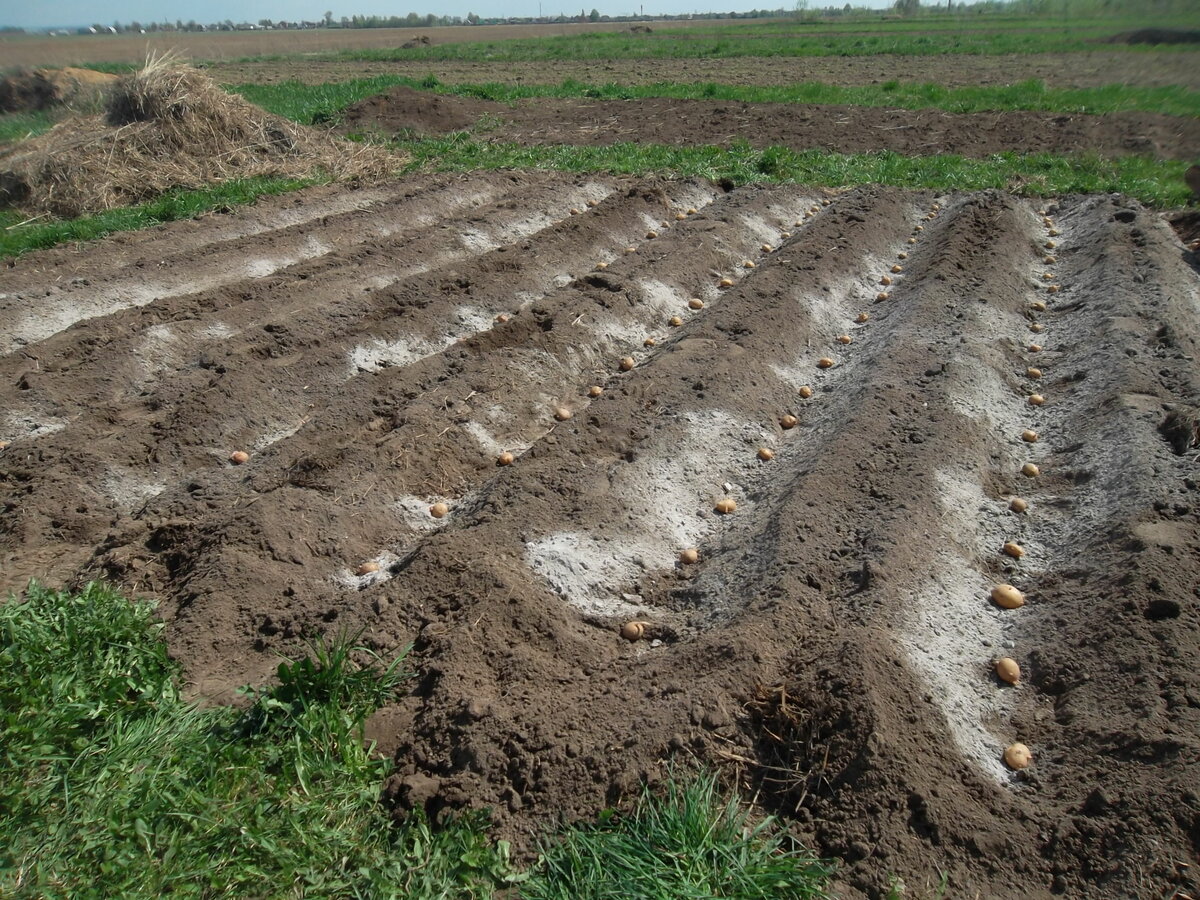
The timing of potato planting varies by region. If the soil has warmed to 10°C and no overnight frosts are expected, then you can plant. In the south, this period occurs in April, in northern latitudes – in early June, and in the central zone, following a good old tradition, gardeners begin planting during the May holidays. Care should be taken here, as this is often the period when the risk of a sharp drop in temperature is greatest.
If the soil in the area is not depleted of moisture, then the potatoes should be planted no more than 6 cm deep. If the soil is loose and dry, then the tubers should be planted 12-13 cm deep.
You can use a ridge planting method or make furrows, the main thing is to leave a distance of 25-35 cm between the tubers, and make the rows at least 60 cm wide to make it easier to care for the plantings.
Caring for the Uladar potato variety
The quality of the harvested crop directly depends on the care of any vegetable crop. With potatoes, it's quite simple; you just need to take a few steps in a timely manner:
- carry out watering;
- apply fertilizers;
- loosen and remove weeds;
- hilling up the plantings.
Watering
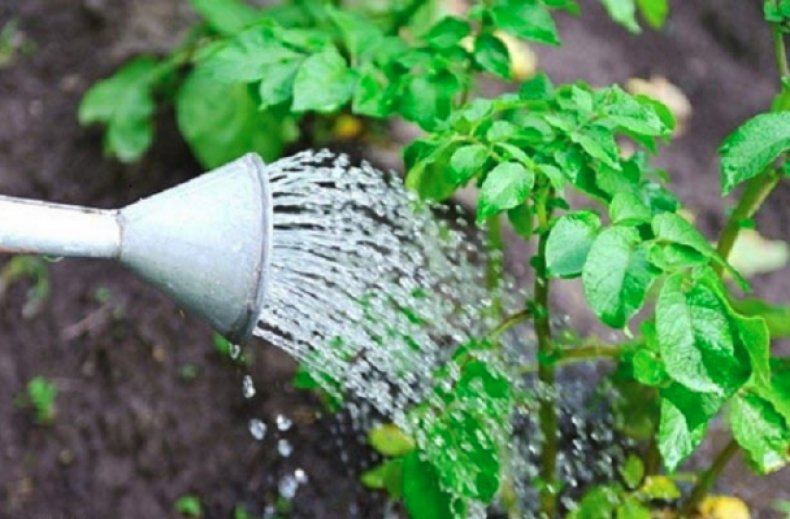
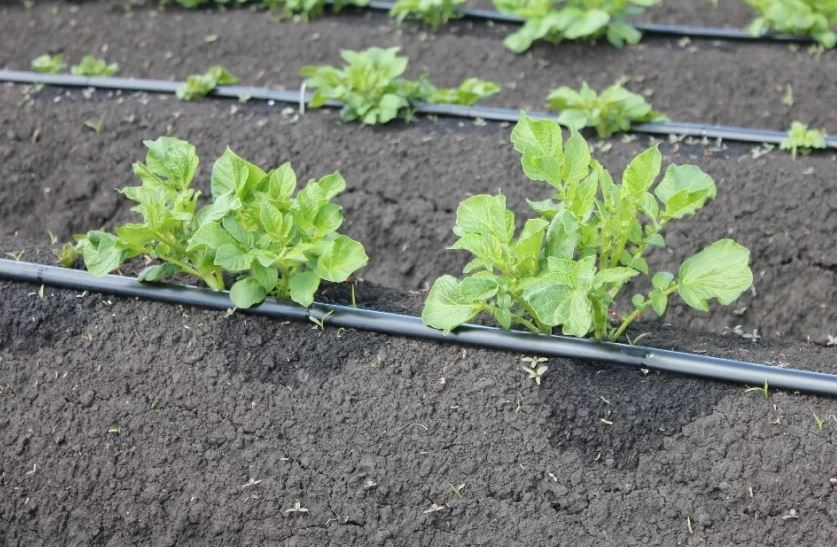
Watering is essential for Uladar potatoes, especially during tuber formation and before flowering. If there hasn't been any rain in a while, and the sun hasn't been shining, and the soil has become dry, you'll need to water them additionally while the buds are forming.
Some gardeners install drip irrigation system, this is very convenient if you do not have the opportunity to visit your plantings every day.
Top dressing
Uladar needs nutritious soil to ensure the tubers ripen on time. The bulk of the fertilizer is applied in the fall when preparing the beds. After that, the potatoes will need to be fertilized a couple more times:
- 3-4 weeks after planting, you can add 2 teaspoons of potassium sulfate and urea and 4 teaspoons of superphosphate per square meter.
- Apply mineral fertilizer before buds appear.
The main thing is not to overdo it with nitrogen fertilizers. They spoil the taste and are deposited in the resulting harvest.
Loosening, weeding
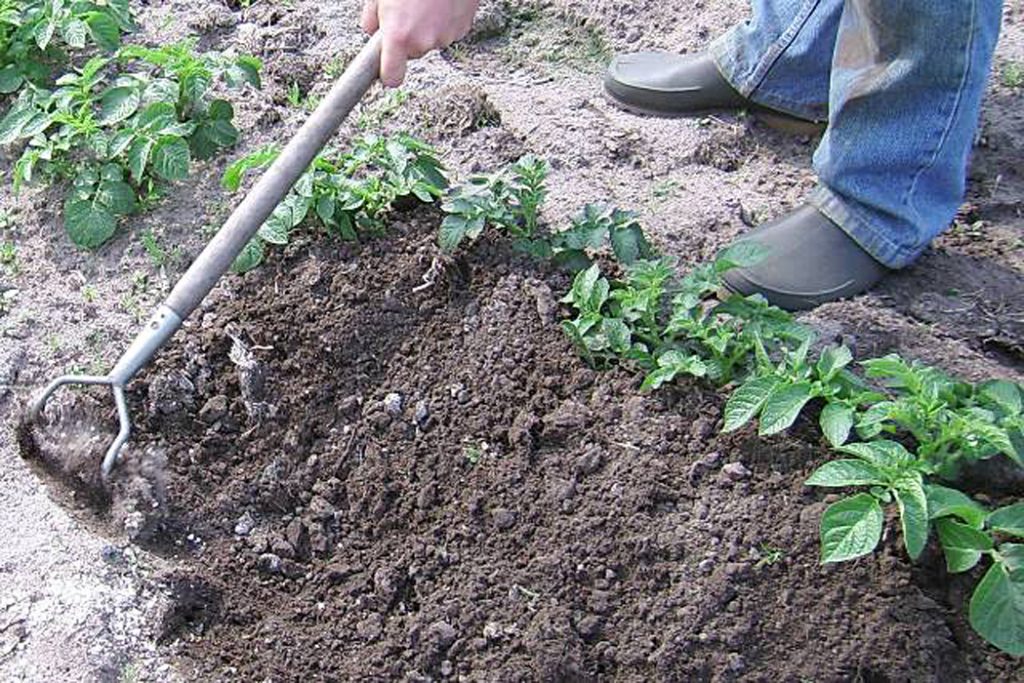
Weeds not only rob plants of moisture but also nutrients. They also attract various pests, which can have a detrimental effect on the crops. Therefore, weeding is an important part of potato care. It's best combined with loosening the soil and carried out as needed, not only around the plants but also between the rows.
Hilling
Experienced gardeners are confident that hilling can increase potato yields by approximately 20%.
- The first hilling is carried out when the shoots reach a height of 10 cm. Soil is raked onto them, and the mound can completely cover the potatoes.
- The second is when the bushes grow to 20 cm.
- Some gardeners carry out a third hilling when the potatoes grow another 10 cm.
Protection of the Uladar potato variety from diseases and pests (table)
The Uladar potato has insufficient resistance to late blight and is susceptible to the Colorado potato beetle.
| Name of the disease or pest | Manifestation | Treatment and prevention |
| Colorado beetle
|
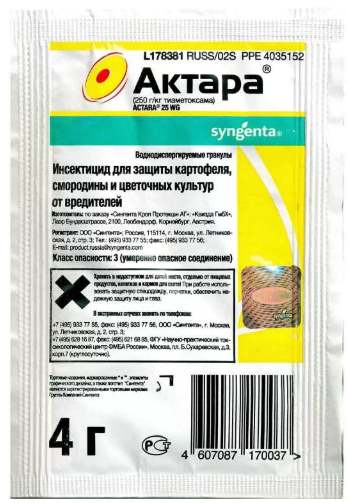
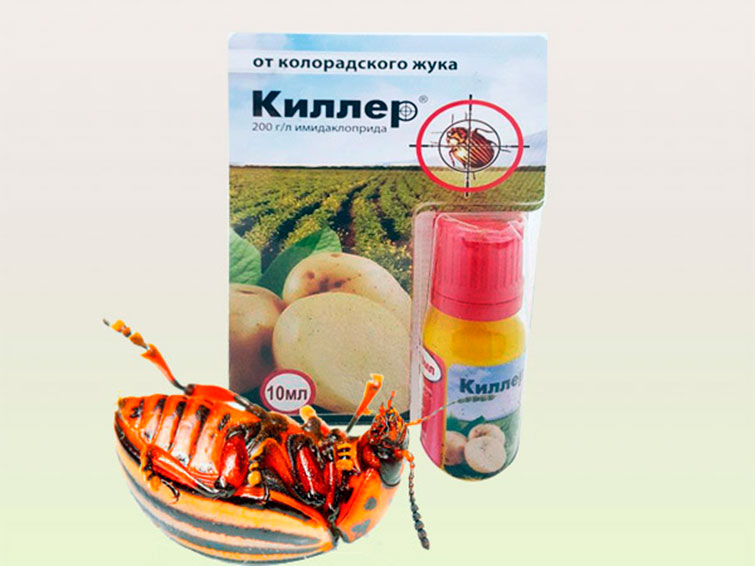
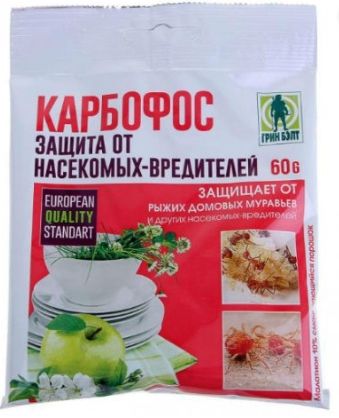
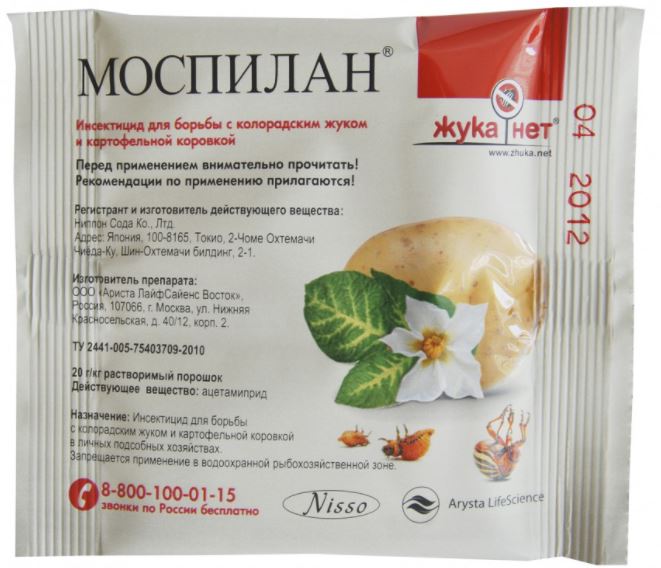
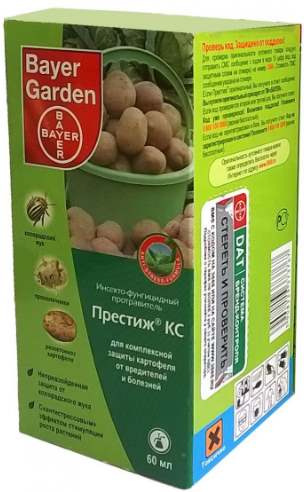
Striped beetles and their orange larvae appear on the bushes on the underside of the leaves. | If there are only a few pests, you can collect them by hand. If they have infested the entire plantation, it's essential to treat them with specialized pesticides such as Aktara, Killer, Karbofos, Prestige, or Mospilan. Some gardeners prefer a tar solution (100 g per 10 liters). |
| Phytophthora
|
It affects both the tubers, which appear as dark, scab-like spots, and the tops, which also develop spots. After a short period of time, they become covered with a white coating. It is most active during the period of bud formation. |
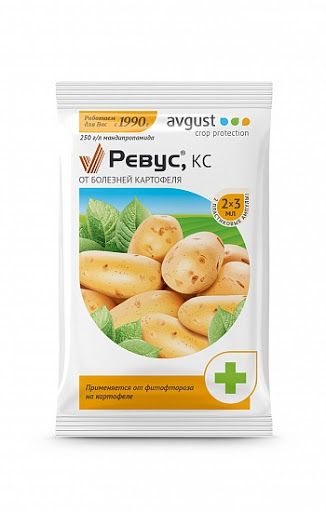
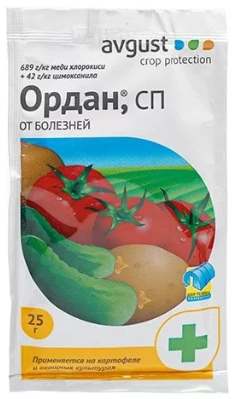
Phytophthora attacks plants when care instructions are not followed or when weather conditions change. A good preventative measure is treating the tubers before planting. If the disease has appeared, you can try to save the plantings by treating them with a copper sulfate solution (2 g per 10 liters). Spraying is carried out every 10 days until the blight subsides. For more severe infestations, use Revus, Acrobat, Ordan, and Fitosporin. |
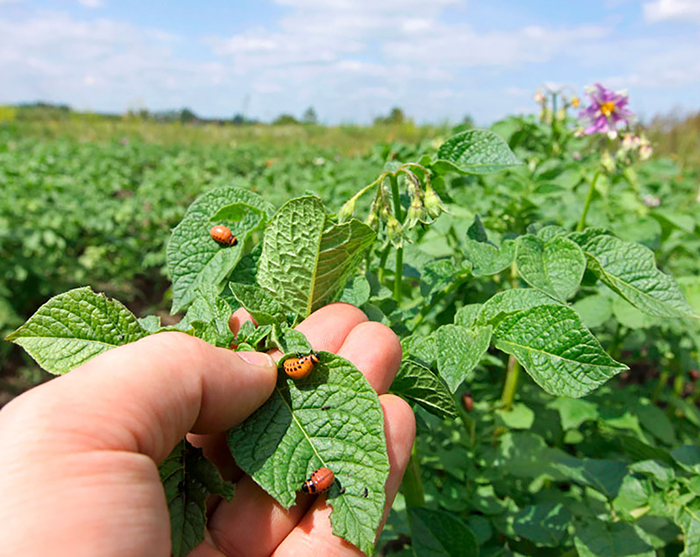
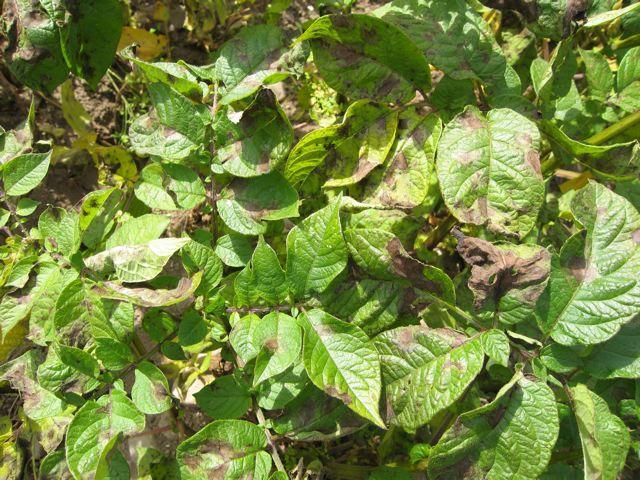
Photo gallery of pest and disease control products for the Uladar potato variety:
The nuances of harvesting and storing the Uladar potato variety
Harvesting begins 45 days after planting, with the first sample taken. The Uladar variety reaches full maturity after 65 days, when the tops turn yellow and wither.
The bushes are carefully dug up with a shovel or pitchfork; potatoes are quite resistant to mechanical damage.
Read the article to learn how to make a potato digger yourself.DIY Potato Digger + Review of Purchased Potato Diggers with Prices.
In southern regions, potatoes can be replanted.
Harvested tubers are laid out outside to dry, weather permitting. Keeping the harvest in the sun for longer is not recommended, as it will cause the production of solanine, which is toxic to humans.
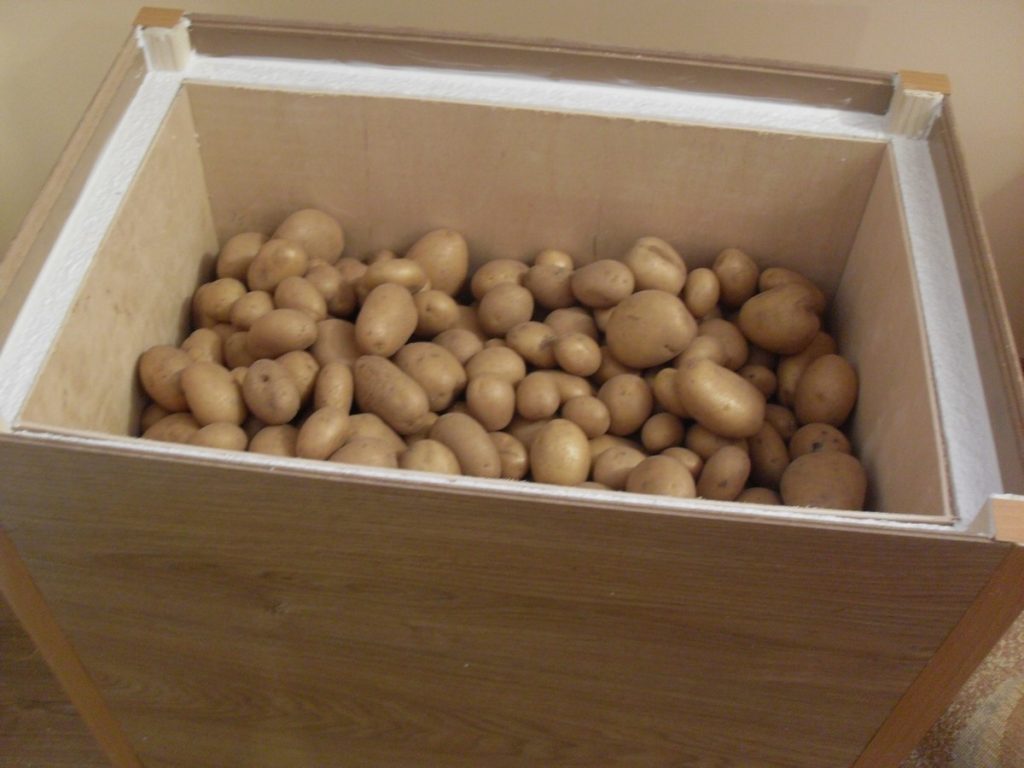
Once all the tubers have dried, they are placed in boxes or bags and stored in a room with a temperature of +2…+3°C. Damaged or diseased tubers are set aside.
Comparison of the Uladar potato variety with other varieties in the table
| Variety | Ripening period (number of days to maturity) | Starch (%) | Yield (c/ha) | Weight of tubers (g)
Number of tubers per bush Color of tuber, pulp |
Shelf life (%) |
| Uladar | Early ripening* | 11.5-17.8 | 127-353 | 91-140
6-11 yellow, light yellow |
94 |
| Breeze | Mid-early** | 10-16 | 160-395 | 130-150
8-12 yellow, yellow |
97 |
| Jewel | Early ripening* | 10-15 | 700 | 80-150
15-20 yellow, light yellow |
94 |
| Innovator | Mid-early** | 12-15 | 320-344 | 83-147
6-11 creamy, soft yellow |
94 |
| Lapis lazuli | Early ripening* | 13.5-15.7 | Up to 270 | 92-120
6-11 yellow, white |
96-98 |
| Treasures | Mid-season*** | 12-18 | up to 650 | 95-250
12-18 yellow, yellow |
94 |
| Molly | Early ripening* | 11.4-13.4 | 171-308 | 98-142
20-25 yellow, yellow |
82 |
| Nandina | Early ripening | 12.8-15 | 146-322 | 72-132
8-12 yellow, yellow |
93 |
| Impala | Ultra-early | 10-15 | 180-360 | 90-160
15-21 yellow, light yellow |
95 |
| Karatop | Ultra-early | 11-15 | 200-430 | 60-100
16-25 yellow, light yellow |
97 |
| Empress | Ultra-early | 14-16 | up to 400 | 70-145
8-12 yellow, yellow |
91-95 |
| Lilly | Mid-season | 11.9-13.8%. | 108-196 | 96-157
6-9 yellow, yellow |
93 |
| The Beauty of Meshchera | Mid-season*** | 13.9-16.7 | 197-493 | 100-110
up to 18 yellow, light yellow |
95 |
| Charoite | Ultra-early | 14-17 | 104-269 | 100-145
8-12 light yellow, pale yellow |
96 |
Ultra-early – 35-50 days.
*Early ripening – 50-65 days.
**Mid-early – 65-80 days.
***Mid-season – 80-95 days.
****Late ripening – 110 days or more.
Real reviews from gardeners about the Uladar potato variety
Consumers leave mostly positive reviews of the Uladar variety, noting its pleasant taste, good yield, and excellent shelf life. The only drawback encountered by most gardeners is late blight.
User klim, December 19, 2018
Well, I will finally begin to present the new varieties of potatoes obtained last year from the Gardens of Russia.
Now I can say with confidence that the quality of the seed material is good. I ordered more from there today.
They sent 11 varieties that I ordered and included one Red Scarlett as a gift.
The most productive of them this year was the variety UladarThey all grew in the same conditions, in fresh soil. Although I'm not a fan of cutting potatoes, I'll have to resort to this method now; all the varieties grew very large. The seed size was small, even though they were planted fairly close together, 18-20 cm between plants.
Potato variety Uladar
Uladar – an early-ripening potato variety developed by Belarusian breeders. It boasts excellent disease resistance, excellent flavor, accelerated tuber formation, and resistance to mechanical stress. Disadvantages: susceptibility to the Colorado potato beetle and demanding cultivation practices. Semi-erect plants of medium height, with purple flowers with a reddish tint. Potatoes are harvested 65 days after planting. Each potato nest contains 8 to 12 medium and large oval-shaped tubers. The smooth yellow skin conceals pale yellow flesh with a slow cooking time. This is a very productive variety – 500–600 centners per hectare.
An early-ripening variety, characterized by high productivity and undemanding nature. Tubers form very early, which allows for two harvests from a single bush. The first digging is done on the 45th day after full germination (yield is approximately 1.6 kg/m2), the second - on the 55th day (up to 2.6 kg/m2). The total maximum yield reaches 7 kg/m2. The tubers are large - on average 90-140 g (up to 180) g, elongated oval-round in shape with very small eyes. The skin is yellow. The flesh is light yellow, the taste is excellent, does not boil over. Starch content is 13.8-17.5%. Shelf life is 94%. Suitable for growing in all types of soil. Drought-resistant. One of the best varieties of Belarusian selection!
Included in the register for the Central (3) region. Early maturing, table variety. The plant is of medium height, intermediate type, semi-erect. The leaves are medium-sized, green. The edges have slight waviness. Marketable yield is 127-353 c/ha, at the level of the Udacha standard and 71 c/ha higher than the Zhukovsky ranny standard. Yield on the 45th day after full germination (first digging) is 72-159 c/ha, at the level of standards, on the 55th day (second digging) 165-261 c/ha, at the level of and 34 c/ha higher than the Zhukovsky ranny standard.
Potatoes are an important vegetable crop, second only to grain. Zarnitsa, a Belarusian company, produces varietal potato seeds. They have a wide selection of varietal potatoes. Their collection includes many early varieties, as well as late and mid-late ones.
For early plantings I use potato varieties UladarDeveloped by Zarnitsa breeders, this potato doesn't overcook quickly and produces large yields. It's easy to grow and can be grown in any soil. Uladar It has large, yellow, oval-shaped tubers. Its skin is thick and smooth, and the eyes are small. It grows quickly, ripens evenly, and produces an early harvest. This variety stores and transports well, is disease-resistant, and contains many beneficial micronutrients. I plant it in late April, covering some of the beds with agrofibre. This helps the potatoes ripen faster and produce an earlier harvest.
Here is my report, no photos, as always I forget my camera.
Uladar — very good, large, no small parts, all smooth, not painful. I haven't tried it.
Mother is not very large and there are few of them, in fact there were only 5 tubers.
Lisa is big, there are no small things.
Krinitsa - probably she didn't like something about me, medium, closer to small, the wireworm fell in love with her, all covered in scab and holes, just like Tuleyevsky.
Lybid is very good and large.
Rodrigo is good and big
Tuleyevsky is not very large, covered in scab and holes from wireworms, I tried this one to taste, Adretta is tastier.
Adretta - this year she made me happy, and I planted a little of it, just so as not to lose the variety, and she was probably afraid that she might disappear from the field and gave a good harvest, and cleaner in comparison with previous years.
Rosara - this variety has never let me down since I bought it, with good results every year.
Assol - a good harvest, the tubers are all even and elongated, not very large, I like this one.
User Tyapochka, Irkutsk, September 21, 2015
Natasha, here's Rodrigo for me too Uladar We liked them the most. I'm embarrassed to admit, but we've already eaten Rodrigo's.
User Tina47, Irkutsk, September 21, 2015
Now my report is on the yield, I haven’t tried anything new yet.
Of the ones I bought this spring, Madeline and Matushka were disappointing—they're small, and there are only a few Matushkas in the nest. The Bellarosas are poor, but the tops are huge.
But I really liked the Severny variety from this purchase - I harvested 8.6 kg from 8 planted tubers, Artemis - 5.2 kg from 5 pieces, Laura - 5 pieces and 5.4 kg.
Not bad Arosa, Jelly.
From last year's purchase, when planting with my own seeds, the Darenka variety was beyond praise: 24.4 kg were harvested from 19 tubers—large, clean, without any small parts. A wonderful variety. Uladar — 15.8 kg from 15 tubers. The Ladozhsky variety yields 9 kg from 9 tubers. Ladozhsky is a variety for lovers of large potatoes; the nests are so thick that it's hard to choose the seeds!
Last year's varieties Nectar, Nerpenok, and Vineta had good yields.
I will refuse the Hostess - for the second year in a nest there are on average 4 tubers, although not very small, but 3-5 and no more.The earliest variety to ripen in both 2014 and this year was the German variety Agata. It's great to see that for an early variety, Agata is also very productive.
Of course, I'll try planting all the new varieties again next spring. I prepared them all the same way—both last year's and the new ones—and when the seedlings emerged, I could immediately see where the varieties I'd already grown last summer were planted, and the ones I'd just bought. Mine stood in neat little bushes, one next to the other, while the new ones were like a forest, one like firewood (sorry, I couldn't think of a better comparison!).
User pogoda, Kaluga
Uladar I'll be planting from commercial tubers this year. The taste seems okay. They didn't fall apart when boiled, but if you press on them, they easily break into pieces with grains. The puree did seem a bit grayish, though. I picked up a net at the market, and the tubers were quite marketable, large. I decided I'd give them a try...