The Lilly potato variety is new to our gardens. It's only a few years old. It was added to the State Register in 2016, but despite its youth, it has already established itself as a very tasty and productive potato. In this article, we'll discuss the characteristics of the Lilly variety, as well as the rules for growing and storing it.
Content
- 1 The origins of the Lilly potato variety
- 2 Description of the Lilly potato variety + table of characteristics
- 3 Benefits of Lilly Potatoes
- 4 What regions is the Lilly variety suitable for?
- 5 Advantages and disadvantages of the Lilly variety
- 6 Planting Features of the Lilly Potato Variety
- 7 Caring for the Lilly potato variety
- 8 The nuances of harvesting and storing Lilly potato varieties
- 9 Comparison of the Lilly potato variety with other varieties in the table
The origins of the Lilly potato variety
The Lilly variety was developed in Germany by breeders at SOLANA GMBH & CO KG. Today, the company's product range includes over 40 different potato varieties, the seeds of which are widely sold worldwide.
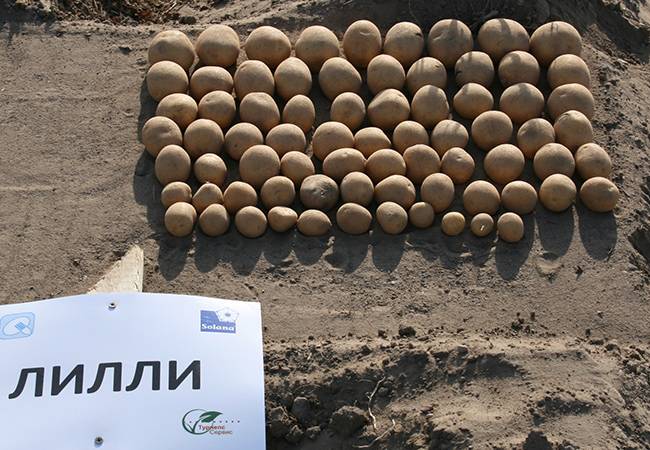
And in 2016, Lilly was also recognized in Russia, and this variety was added to the registry list.
Description of the Lilly potato variety + table of characteristics
| Parameter | Peculiarities |
| Varietal characteristics | A table variety, distinguished by early harvest ripening and uniform oval tubers. |
| Fruit ripening period | From 65 to 80 days |
| Starch concentration | 11.9%-13.8% |
| Weight of one tuber, g | 96-167 |
| Number of tubers on one bush, pcs. | 6-9 |
| Yield, c/ha | The minimum value is 108, the maximum is 196. |
| Consumer features | Belongs to the slow-cooking variety, a mixture of culinary types A and B. Ideal as an ingredient for salads and soups, it does not crumble when fried or baked. |
| Safety during storage | 93% |
| Peel color | Yellow |
| Pulp color | Yellow |
| Suitable regions for growing | North-West, Middle Volga, Far East. |
| Disease resistance | The Lilly variety is virtually immune to a number of common potato diseases: cyst nematode, cancer, leaf curl and mosaic. |
| Planting and growing requirements | Standard agricultural practices and rules are used to grow Lilly potatoes. |
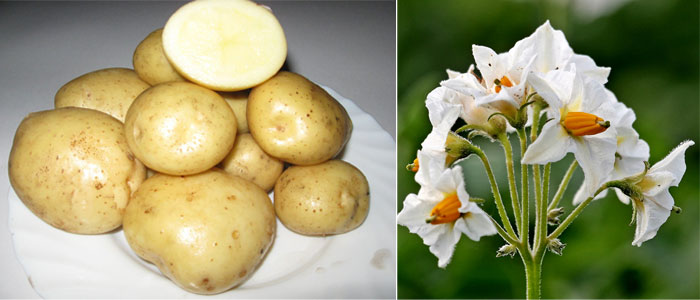
The Lilly variety is distinguished by its medium-tall, upright stems. The leaves range in color from light green to emerald, and their size is relatively small.
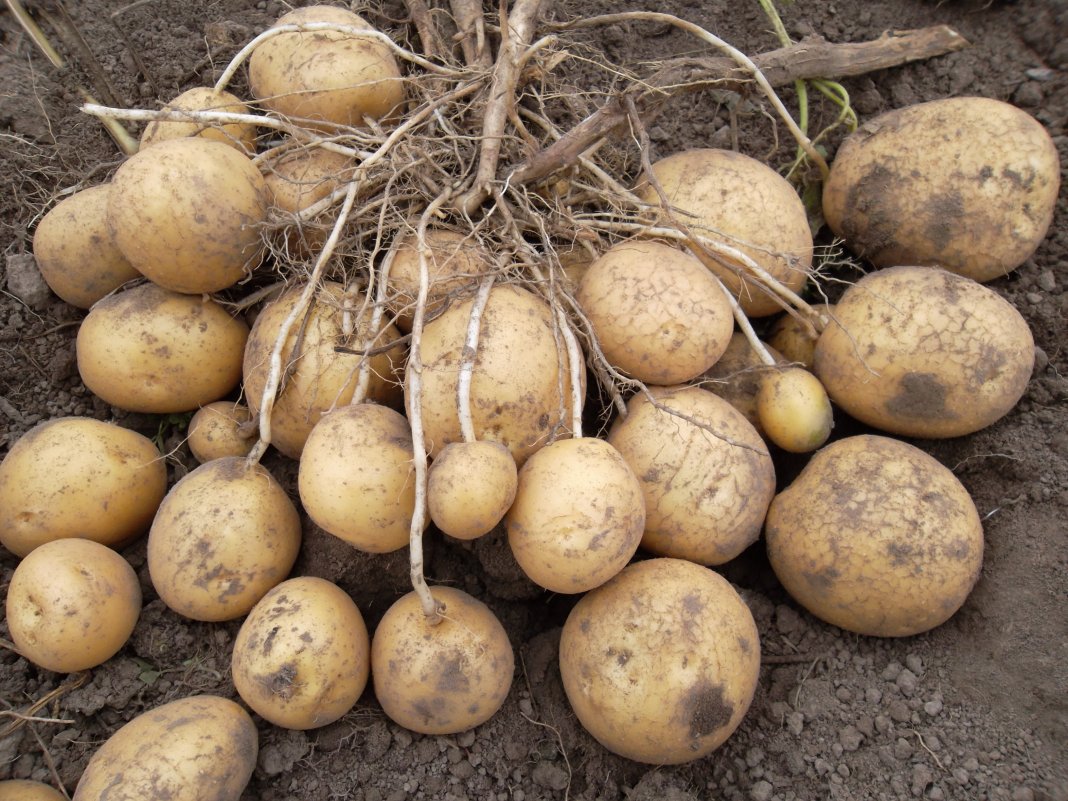
With proper care, this variety produces very high yields. The maximum yield was 196 centners per hectare. On average, each plant produces 20 to 30 tubers. To ensure larger tubers, it's recommended to plant the potatoes at a reasonable distance from each other.
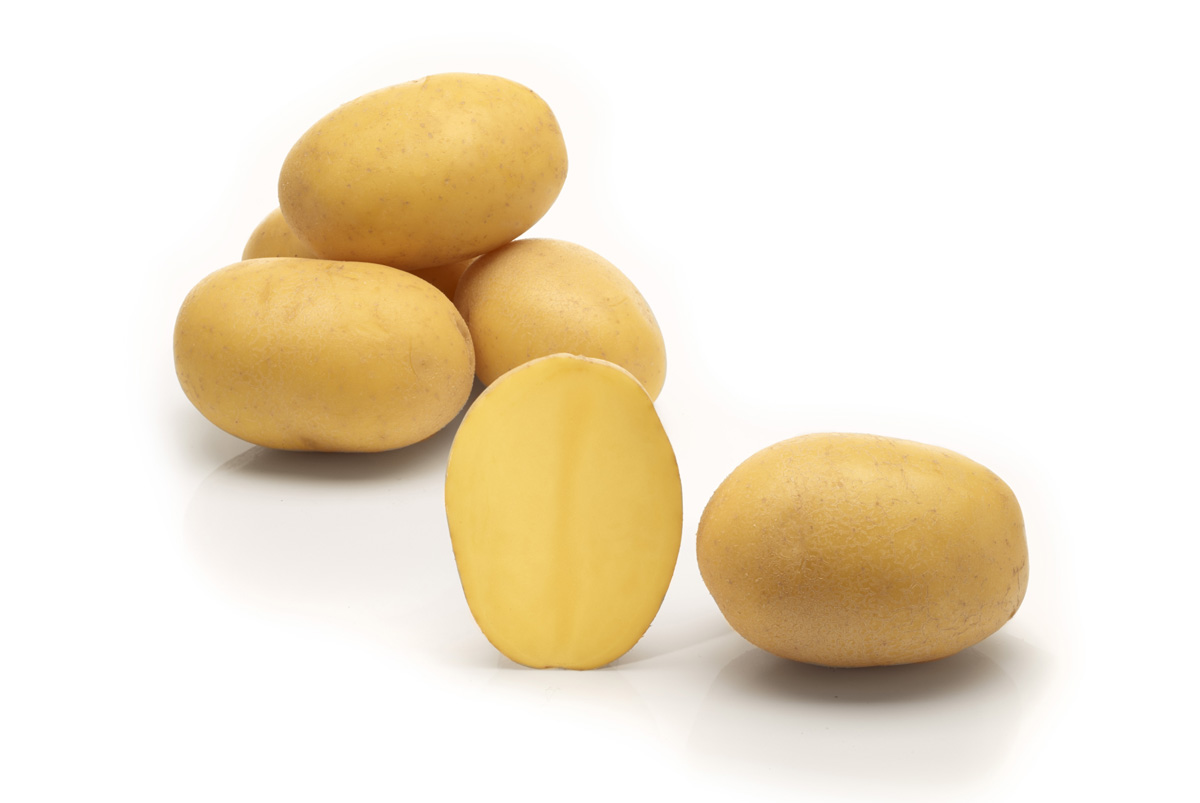
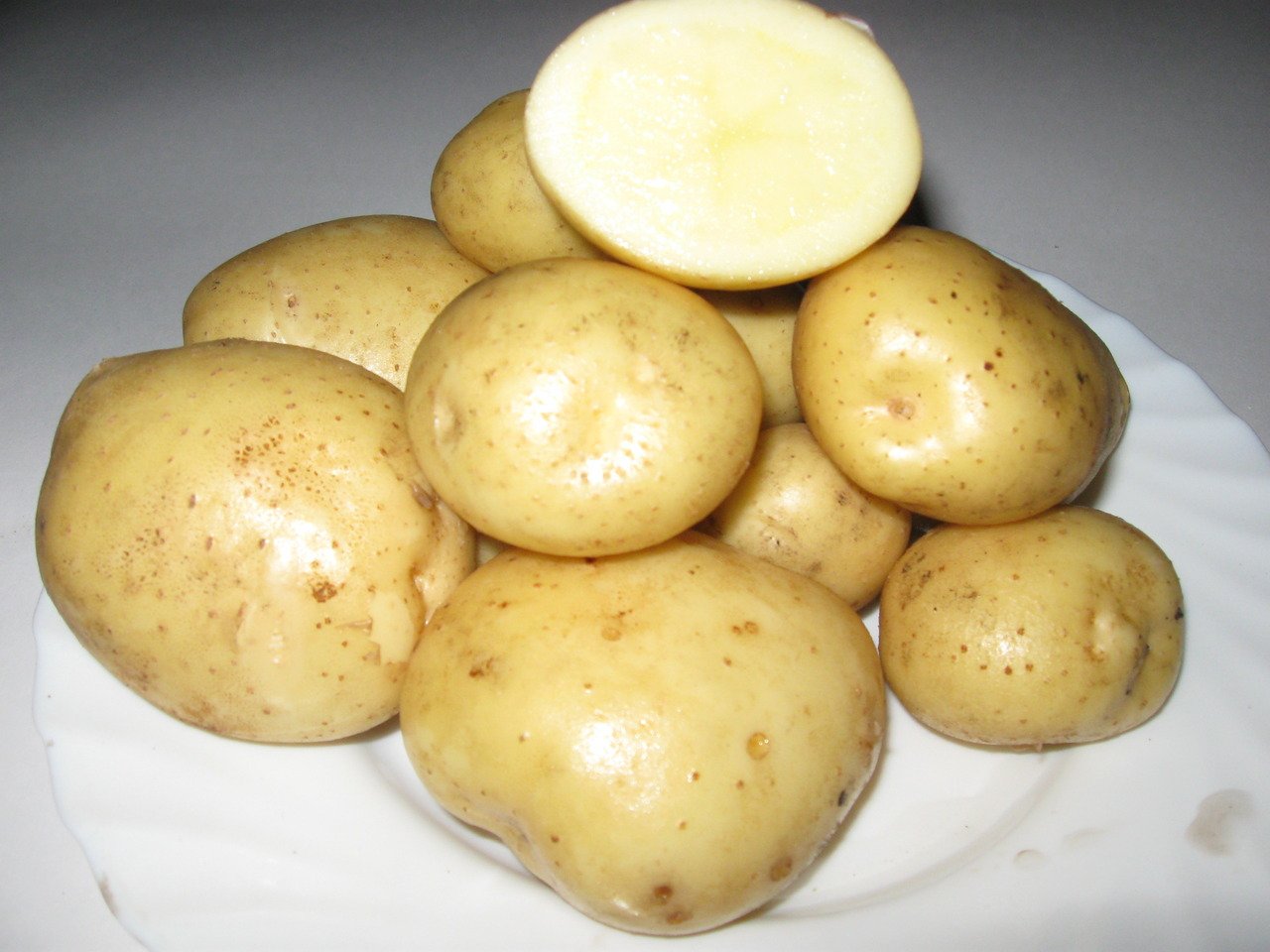
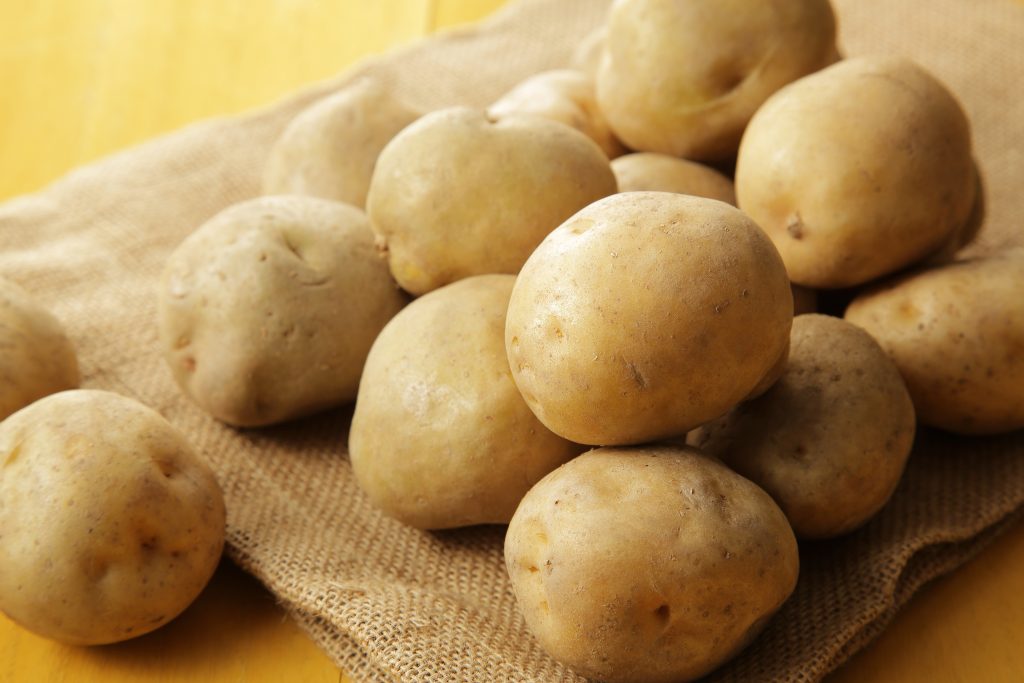
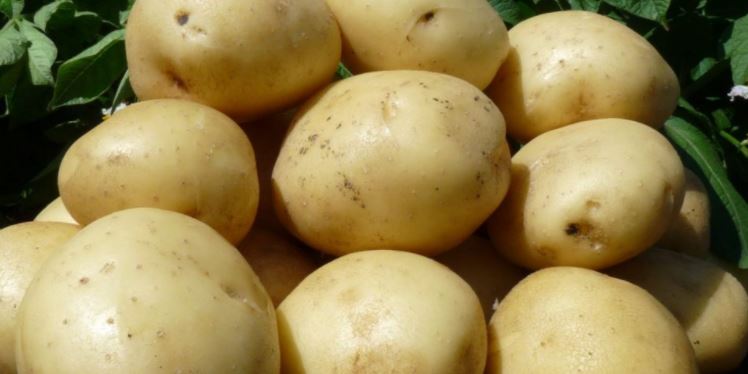
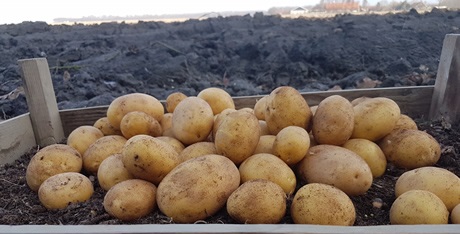
The weight of one tuber ranges from 96 to 167 grams, and it has a yellowish color of both the skin and the pulp.
Gardeners love Lilly for its unpretentiousness, excellent commercial quality of tubers and their long shelf life.
According to the manufacturer, this variety is resistant to many diseases, such as nematodes, mosaics, and others.
Benefits of Lilly Potatoes
Lilly potatoes contain a lot of useful substances:
- potassium;
- iron;
- phosphorus;
- fiber;
- iodine;
- folic acid.
In addition, the tubers contain sufficient amounts of vitamins B, PP, H, and C.
100 g of the product contains 76 kcal.
Due to its low sugar content, this potato can be used in baby and dietary dishes. It is also suitable for people with gastrointestinal problems, diabetes, and metabolic disorders.
What regions is the Lilly variety suitable for?
According to the manufacturer, the Lilly variety is suitable for cultivation in the Northwest of Russia, the Middle Volga region, and the Far East.
Advantages and disadvantages of the Lilly variety
The variety has a number of important advantages:
- after peeling the tubers, they retain their original appearance for a long time and do not turn black;
- thanks to good immunity, plantings are practically not exposed to attack by bacteria and viruses;
- Suitable for growing on different types of soil;
- has high productivity;
- is characterized by good stress resistance;
- tolerates transportation well;
- does not require abundant feeding;
- can be stored all winter until spring;
But there are also a few minor drawbacks:
- during dry periods it requires additional watering;
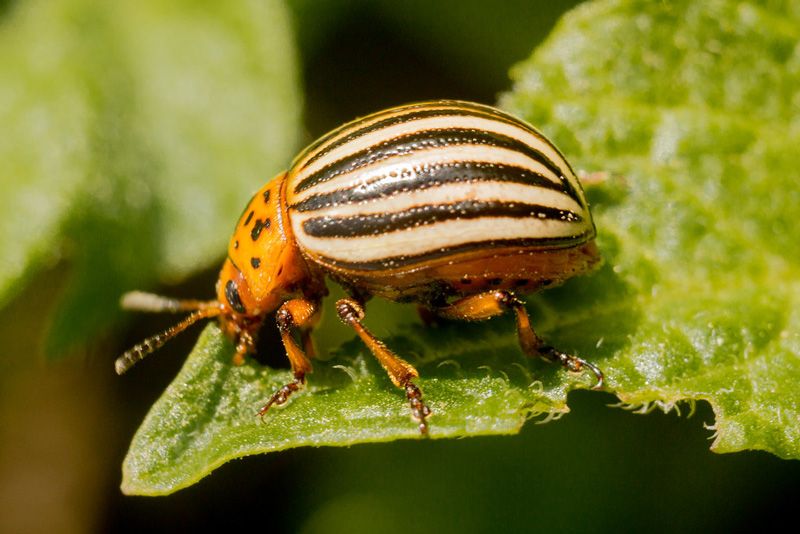
- requires protection from the Colorado potato beetle;
- has several landing features.
Planting Features of the Lilly Potato Variety
The Lilly variety is planted according to the classic scheme, but there are several distinctive nuances that are important to consider in order to obtain a rich harvest.
Preparation of planting material
The tubers are pre-sorted, and the strongest ones without any visible damage are selected for planting. The potatoes are cut in half and dried.
Landing site requirements
The bed is prepared in advance; if the soil is highly acidic, it needs to be deacidified. In the fall, organic fertilizer is added, after which the soil is tilled. Then, in the spring, before the next tilling, phosphorus, nitrogen, and potassium need to be added.
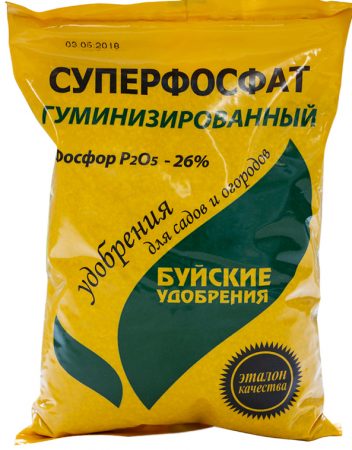
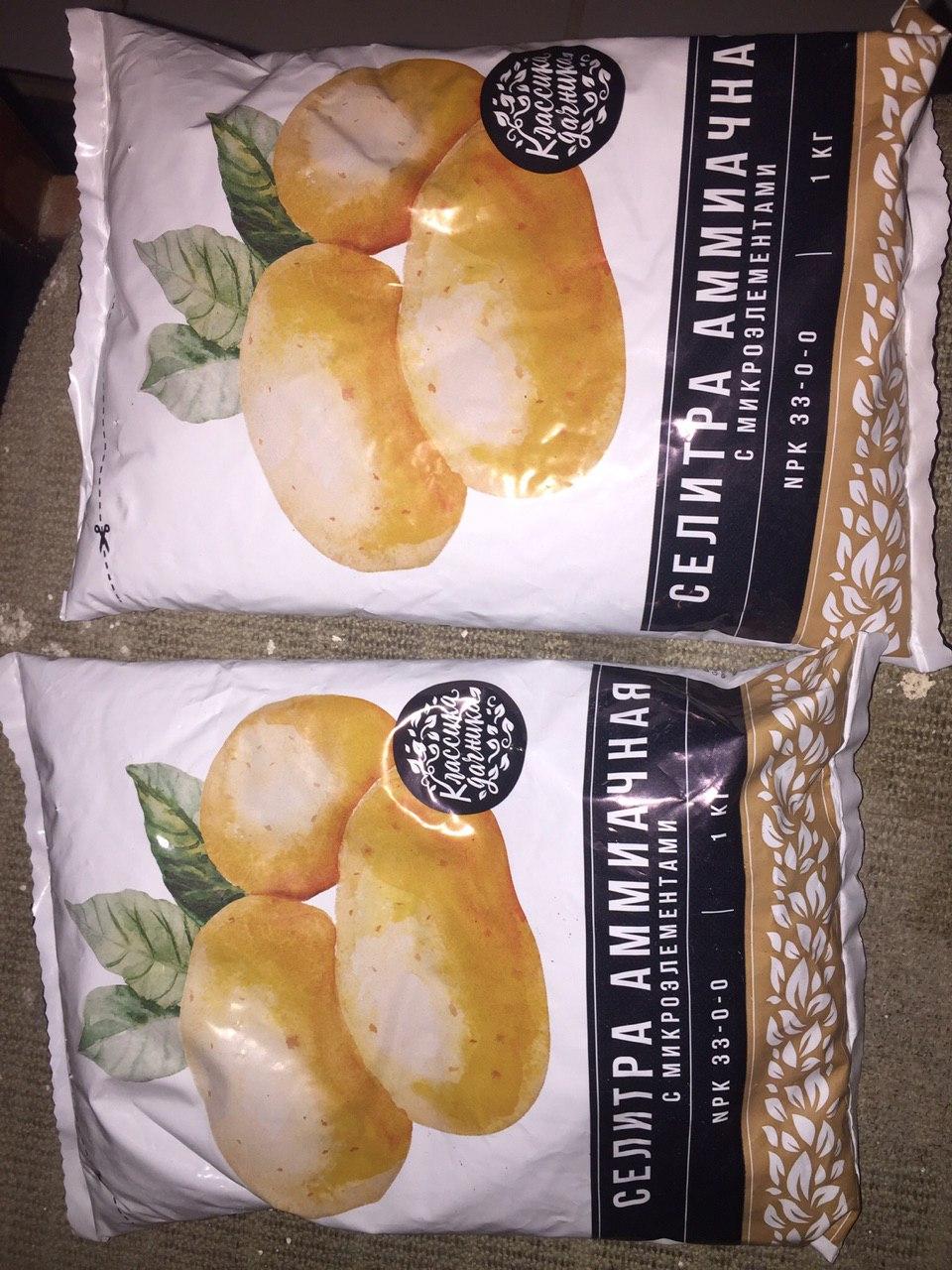
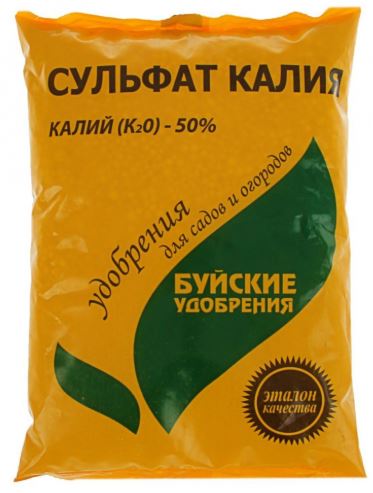
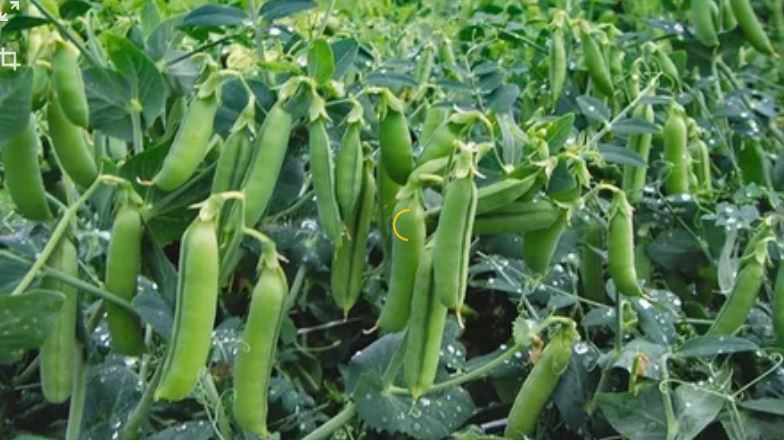
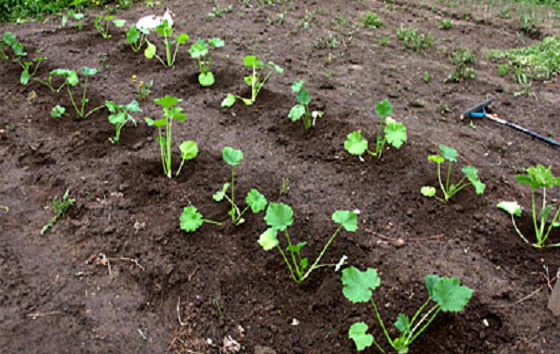
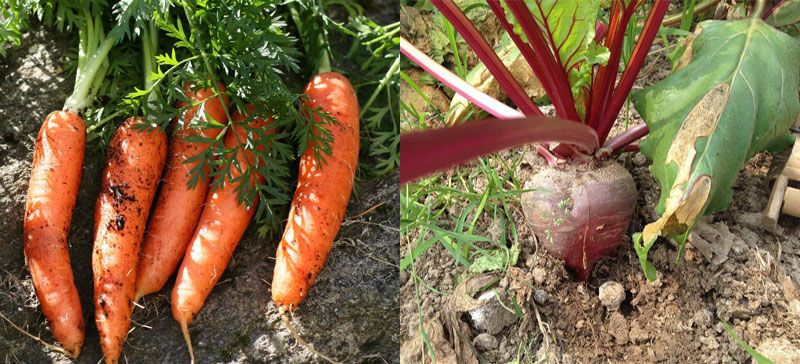
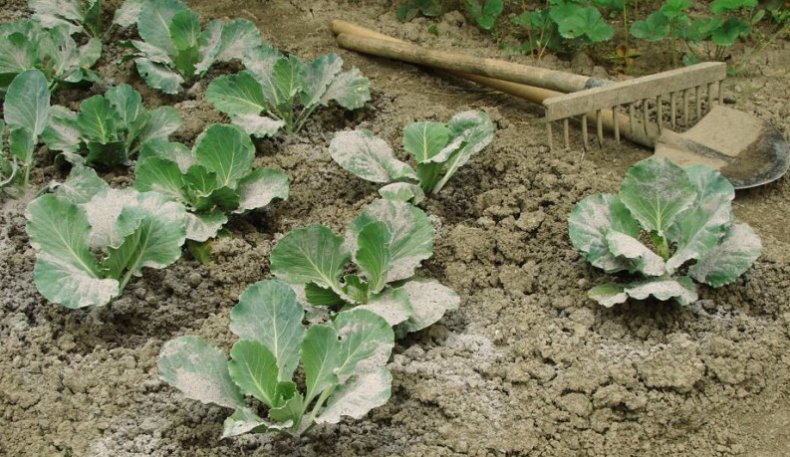
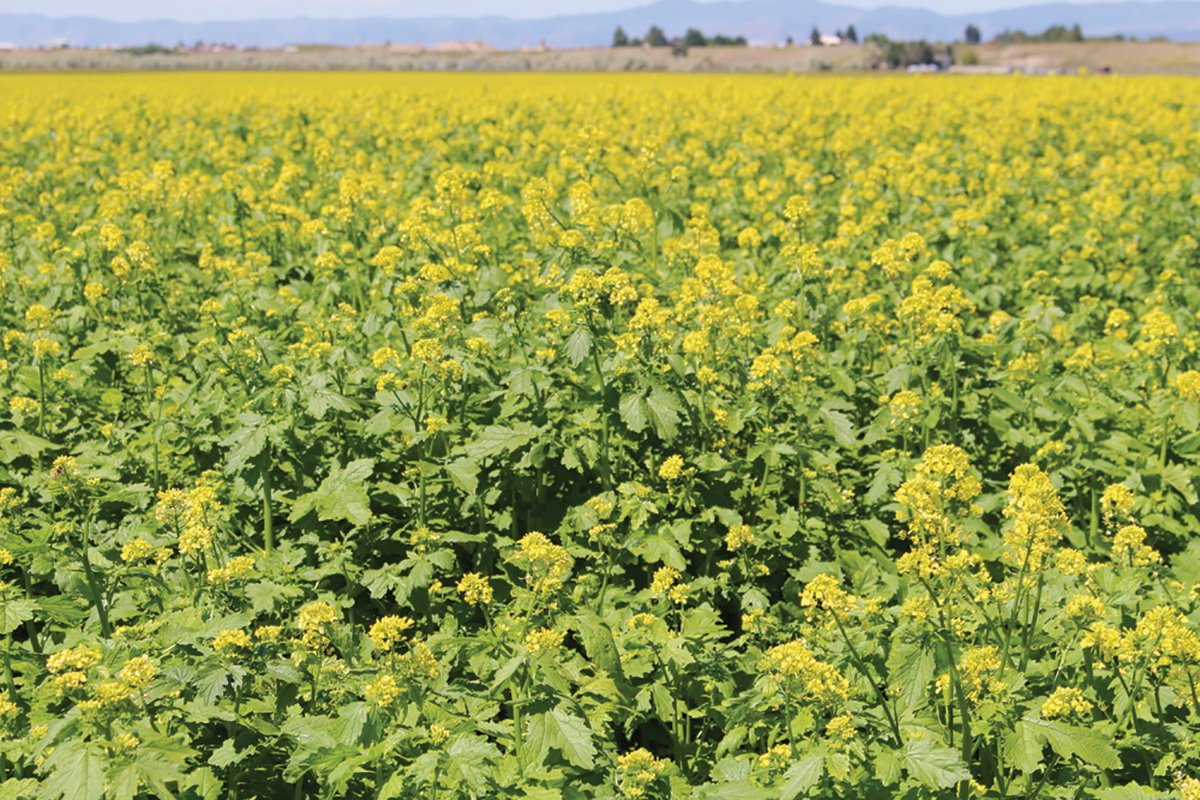
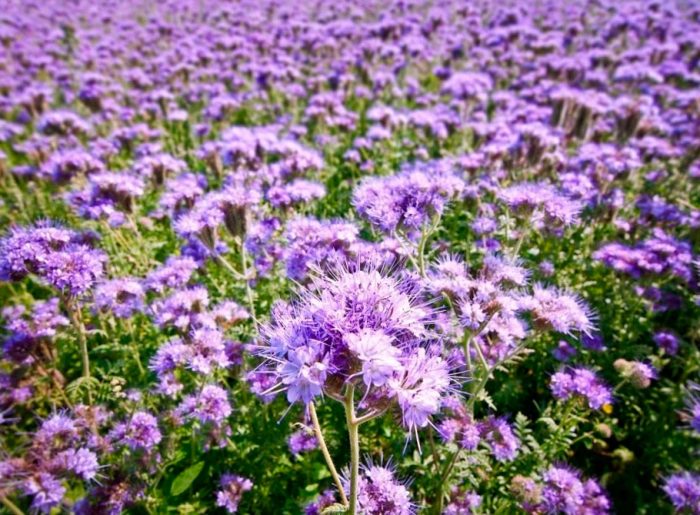
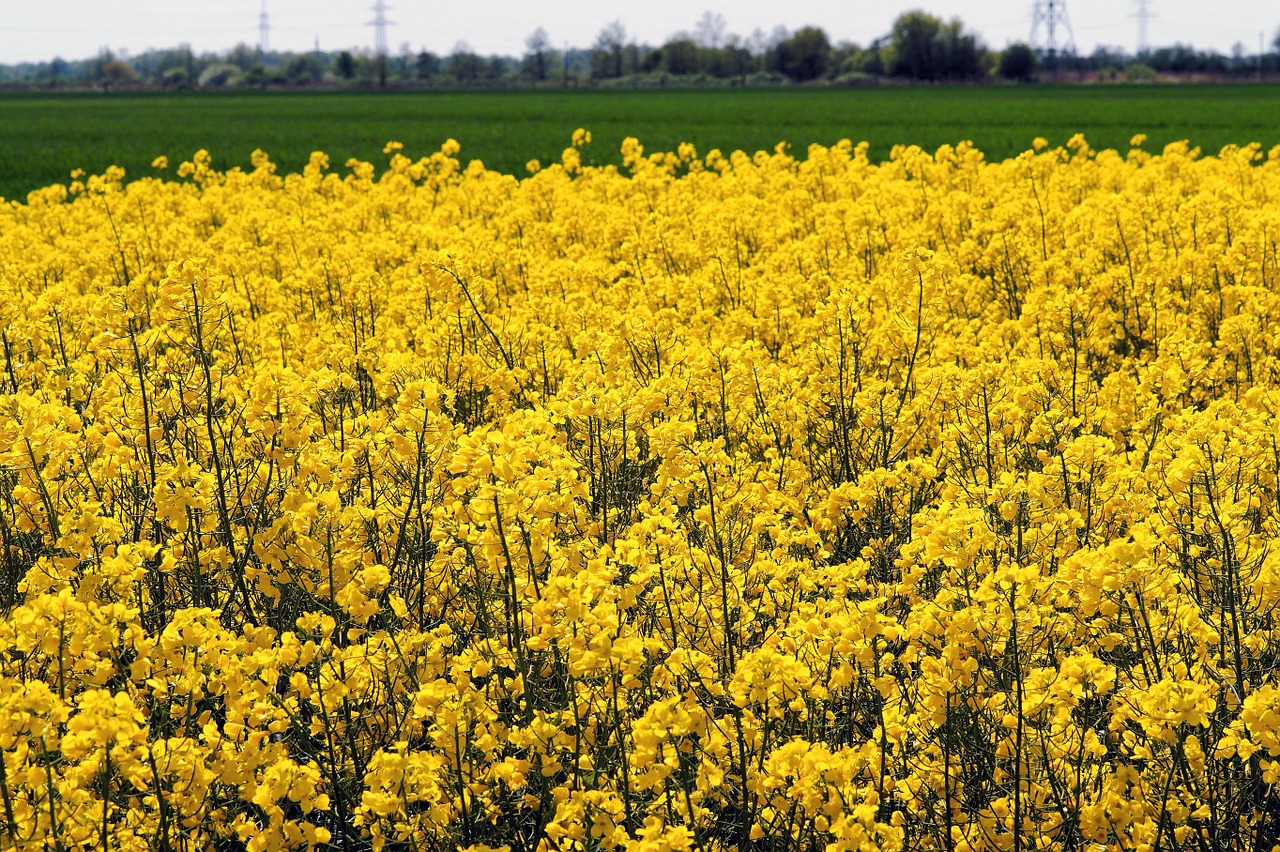
Lilly potatoes grow best in loamy soil. Ideally, the bed should have previously been planted with cucumbers, carrots, beets, cabbage, legumes, pumpkins, and green manure.

Planting dates
Planting times will vary by region depending on weather conditions. The main indicator of soil readiness is a soil temperature of at least 10°C. This period most often occurs in early to mid-May.
Landing rules
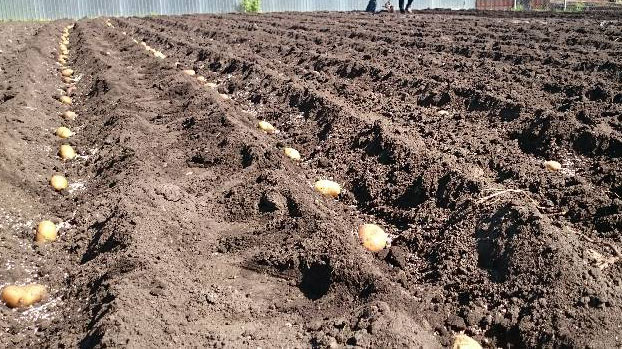
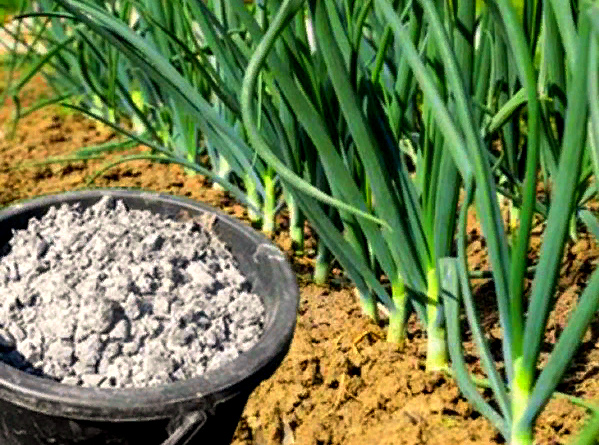
The recommended depth of the holes is 10 cm, preferably spaced evenly and of equal size. Add wood ash, compost, and a complete fertilizer.
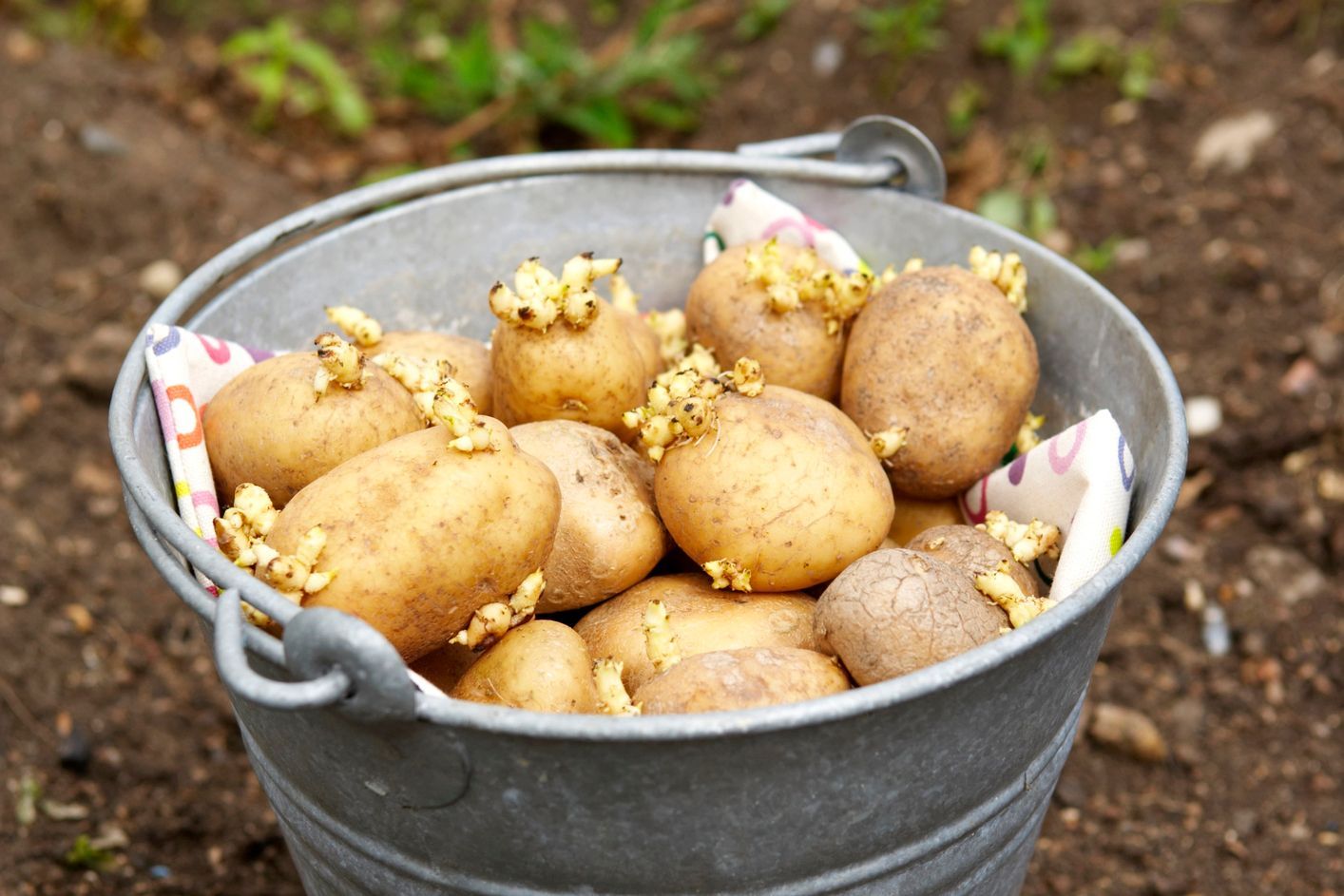
It is very important to correctly position the tubers inside the hole – they are placed strictly with the sprouts facing down.
Furthermore, the distance between plantings plays a major role. It should be at least 60 cm apart, otherwise the resulting yield will be small due to competition between tubers for moisture and nutrients.
Experienced gardeners recommend arranging rows from north to south so that the plantings receive enough light both in the morning and in the evening.
Caring for the Lilly potato variety
To obtain a good harvest from the Lilly potato variety, it is necessary to follow standard agricultural practices: remove weeds, carry out hilling, watering, and destroy the Colorado potato beetle.
Watering
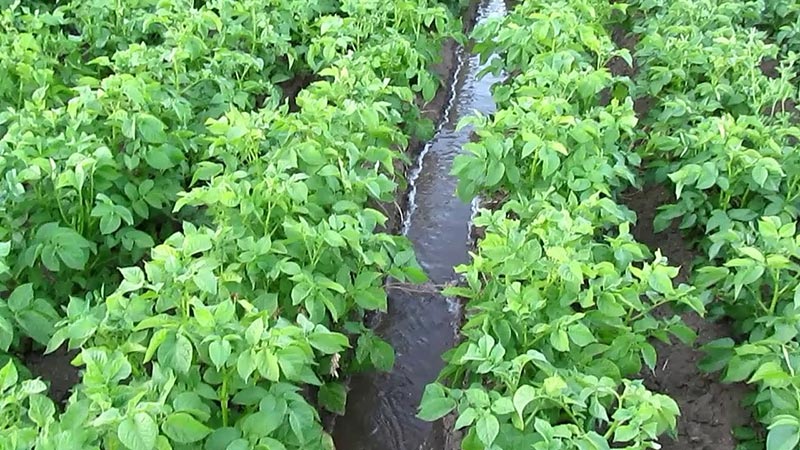
Lilly prefers moist soil, especially during flowering. Therefore, during dry periods, additional watering is necessary in the morning and evening, approximately once every seven days.
Top dressing
Potatoes generally benefit from the amount of fertilizer you added to the hole when preparing the bed. This is usually manure or poultry dung. If you don't have this organic matter, you can substitute it with potassium and phosphorus. Add 1 teaspoon of each to each hole.
During the entire growing season, it is recommended to fertilize the plantings a couple more times with superphosphates and potassium nitrate.
Protection from diseases and pests
The variety is resistant to many diseases typical of potatoes. However, under unfavorable conditions, there is a high probability that late blight.
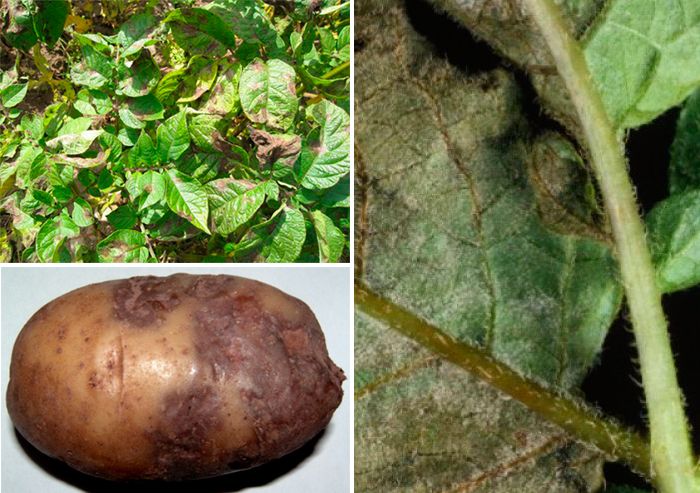
To treat and prevent its occurrence, it is recommended to use some remedies in the following manner:
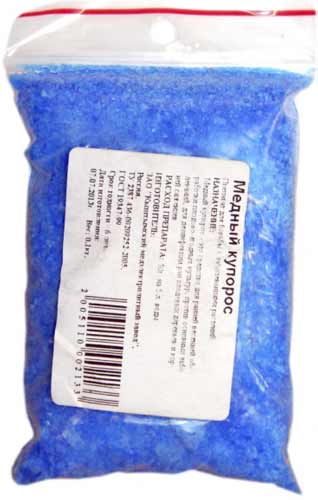
- As soon as the bush grows to 20-30 cm, it is treated with copper sulfate and copper sulfate.
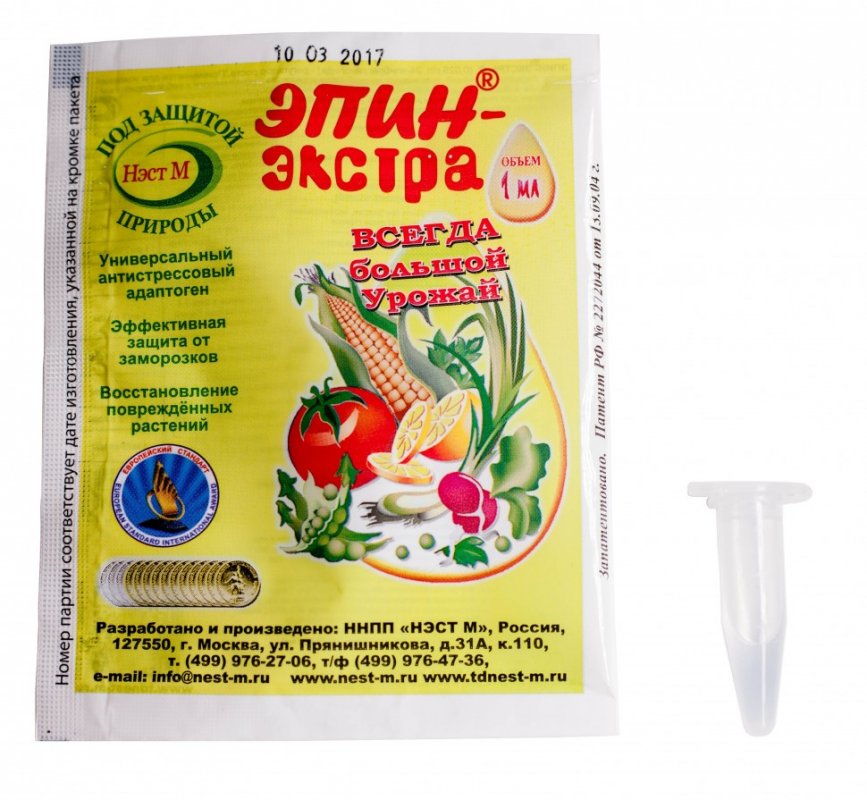
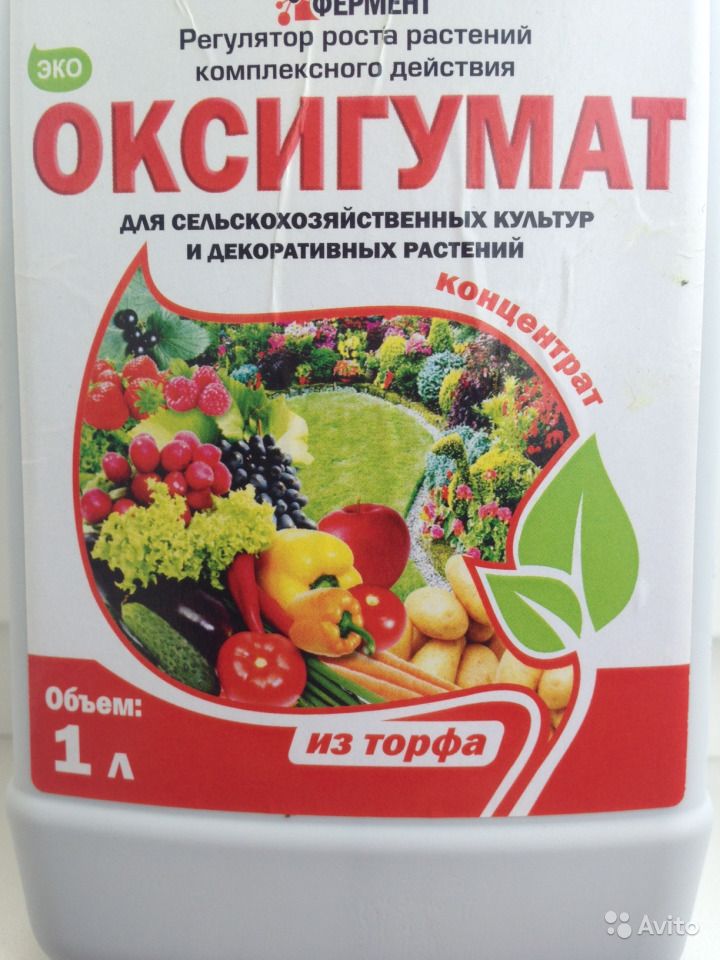
- Before the flowers bloom on the bushes, you can use the preparations Exiol or Oxyhumate, Epin, Krezacin (more suitable for hot regions and high temperatures).
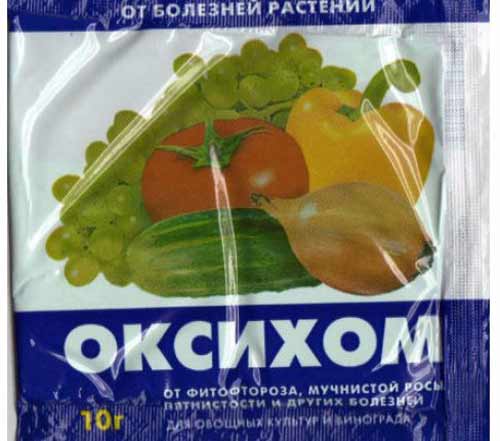
- Heavily infested potatoes should be treated with Ridomil or Oxychom. Repeat treatment after 14 days.
- During the period of formation and growth of fruits, you can use the product Alufit.
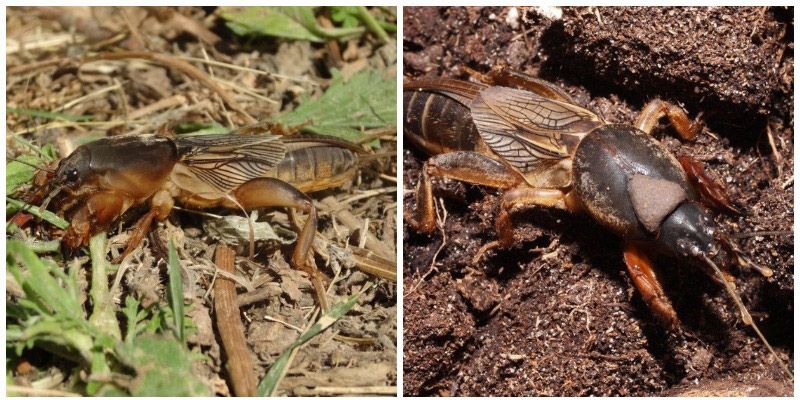
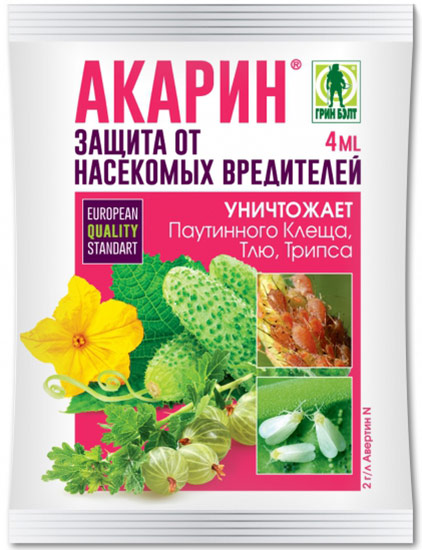
Mole crickets and Colorado potato beetles, attracted by the tender, succulent leaves, often infest plantings. The most effective pest control products for these insects include Akarin, Bitoksibacillin, Zubr, Korado, and Fitoverm.
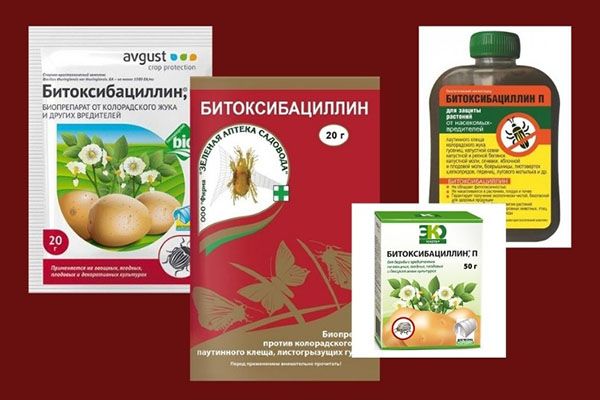
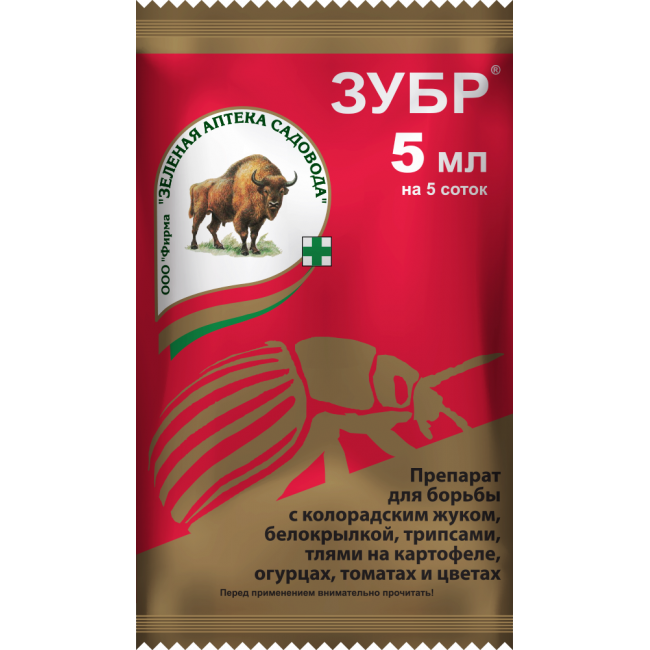
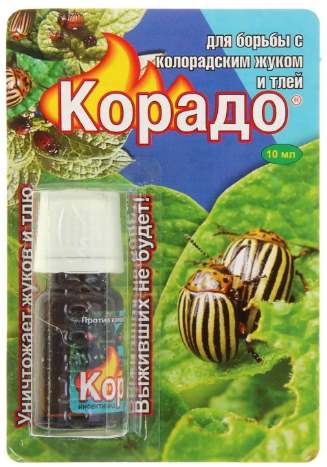
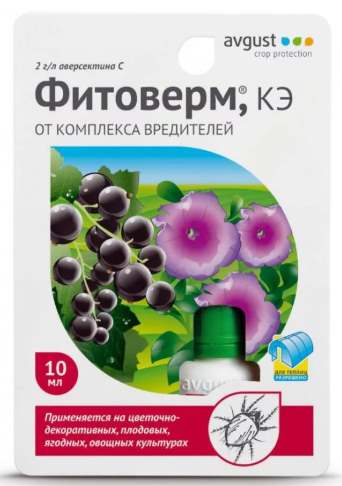
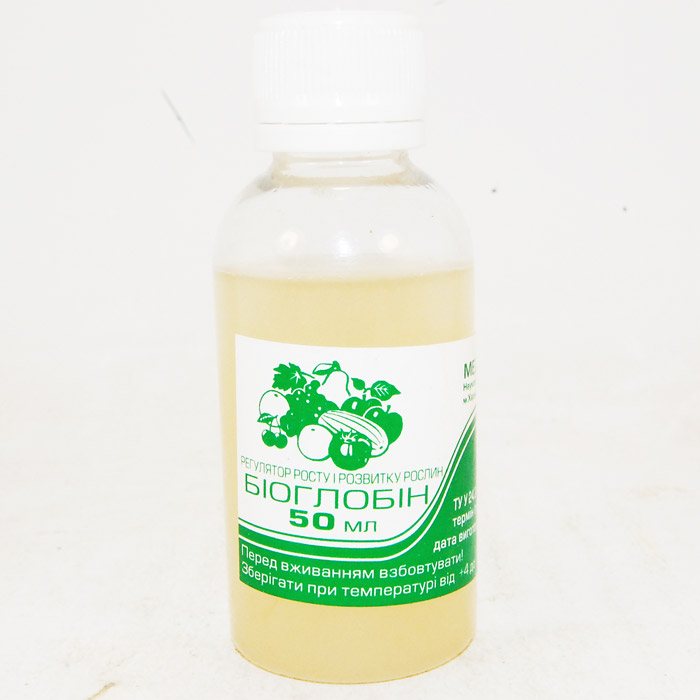
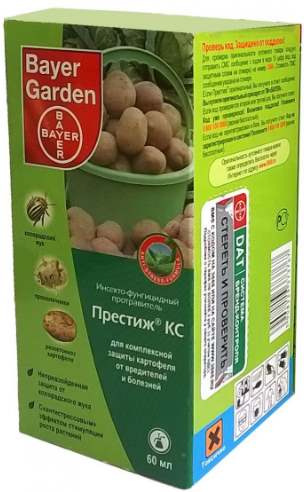
To prevent diseases and pest attacks, it is recommended to treat the plant in advance. Bioglobin, Prestige, or Epin can be used for this purpose.
The nuances of harvesting and storing Lilly potato varieties
Harvesting the Lilly variety is not particularly difficult and is carried out according to the classic method.
When and how to collect
You can begin harvesting the tubers 50-60 days after planting. This period may be slightly longer or shorter depending on the weather conditions the potatoes were grown in.
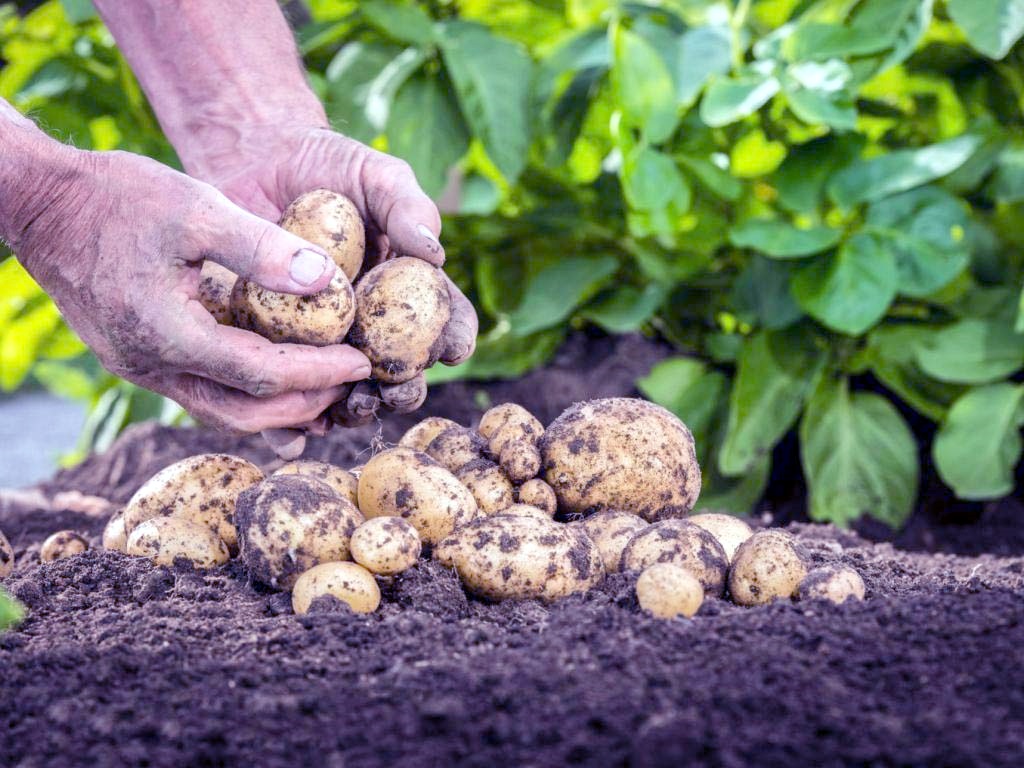
The main indicator of potato readiness is completely yellowed tops. Some gardeners cut off all above-ground parts of the plantings two days before digging. This makes harvesting easier.
Storage features and shelf life of the variety
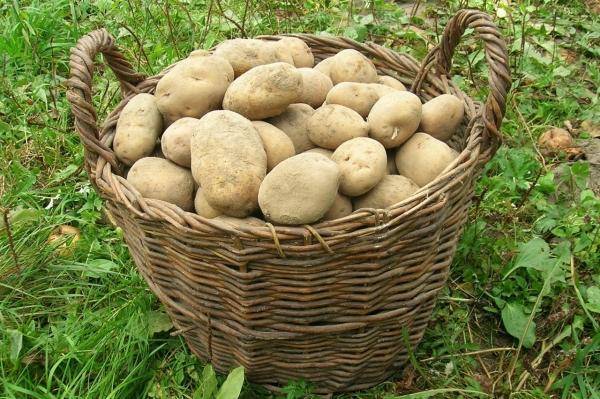
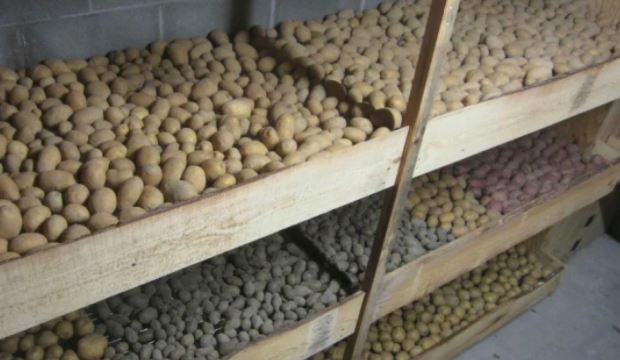
The tubers dug from the ground need to be dried. Potatoes that will be used for cooking should be laid out on the floor in a cool, well-ventilated area. Avoid packing the tubers too tightly—a 20 cm layer is recommended. Avoid placing the tubers on earthen or concrete floors; a wooden deck is recommended.
The potatoes, which will serve as planting material for the next season, are left in the sun for about 10 days. They will need to be turned periodically to ensure even exposure to sunlight.
The Lilly variety has excellent shelf life: it can be stored for up to 9 months without losing its flavor or nutritional value.
Potatoes are relatively expensive, but they quickly pay for themselves, as in addition to a tasty and bountiful harvest, you also receive high-quality seed for future use.
Comparison of the Lilly potato variety with other varieties in the table
The Lilly variety is sometimes confused with another one, which has a similar name, Lileya. In the table, we will first look at the differences between these two varieties.
| Variety | Ripening period (number of days to maturity) | Starch (%) | Yield (c/ha) | Weight of tubers (g)
Number of tubers per bush |
Shelf life (%) |
| Lilly | Mid-season*** | 11.9-13.8 | 108-196 | 96-157
6-9 |
93 |
| Lily | Mid-early** | 11.4-17.5 | 246-400 (record 760) | 100-200 8-15 |
90 |
| Explosive | Early ripening* | 16-17 | 156-240 | 110-150
8-14 |
95 |
| Ilyinsky | Mid-early | 15.7-18 | 176-346 | 55-160
8-13 |
93 |
| Madeira | Mid-early | 12.5-18.6 | 202-632 | 106-136
20-30 |
94 |
| Memphis | Mid-early | 14.2-16.7 | 330-610 | 80-160 9-11 |
94 |
| Red Scarlet | Early ripening | 10-15 | 270-277 | 90-150
up to 15 |
98 |
| Treasures | Mid-season | 12-18 | up to 650 | 95-250
12-18 |
94 |
| Luck | Early ripening | 11-15 | 420-430 | 100-150
10-15 |
88-97 |
| Uladar | Early ripening | 11.5-17.8 | 127-716 | 91-180 6-11 |
94 |
| Unique | Mid-early | 13 | 320 | 400-500
10-14 |
96 |
| Favorite | Mid-season | 12.6-16.4 | 420 | 101-136
6-12 |
93 |
*Early ripening – 50-65 days.
**Mid-early – 65-80 days.
***Mid-season – 80-95 days.