The Vzryvnoy potato variety is a relatively new development. It was developed by specialists from the Moscow-based SeDeK agricultural firm, with the participation of staff from the Ural Research Institute of Agriculture. It was officially registered in 2018.
Content
- 1 Description of the Vzryvnoy potato variety in the table
- 2 General characteristics of the Vzryvnoy potato variety
- 3 Advantages and disadvantages of the Vzryvnoy potato variety
- 4 Preparation of planting material for the Vzryvny potato variety
- 5 Requirements of the Vzryvnoy variety for the planting site
- 6 Preparing a site for planting the Vzryvnoy potato variety
- 7 Planting dates for the Vzryvnoy variety
- 8 Planting Guidelines for the Explosive Potato Variety
- 9 Caring for the Explosive potato variety
- 10 Potato harvesting and storage
- 11 The differences between the Vzryvnoy variety and other varieties are shown in the table.
Description of the Vzryvnoy potato variety in the table
| Parameter | Characteristic |
| General information | Belongs to table varieties with an early ripening period. |
| Ripening time | Early maturing variety (50-65 days). |
| Productivity | 156-240 c/ha, maximum – 350 c/ha. |
| Marketability | 85-91% |
| Shelf life | 95% |
| Starch concentration | 16-17.2% |
| Color of pulp | Light yellow |
| Peel color | Red |
| Weight of commercial tubers | 96-125 g. |
| Number of tubers on one bush | 7-13 pcs. |
| Taste qualities | The taste is good and excellent. |
| Culinary type | BC, suitable for boiling, frying and baking. |
| Suitable regions for growing | Central. |
| Disease resistance | Resistant to potato cancer, striped mosaic, moderately resistant to late blight of tubers and tops, susceptible to golden cyst nematode. |
| Growing specifics | Normal conditions and care. |
| Year of inclusion in the register | 2018 |
General characteristics of the Vzryvnoy potato variety
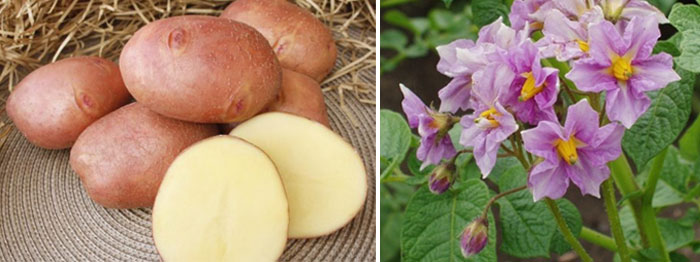
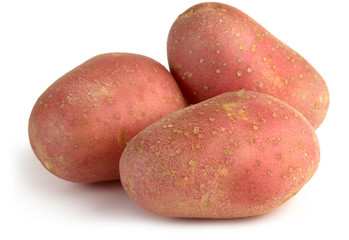
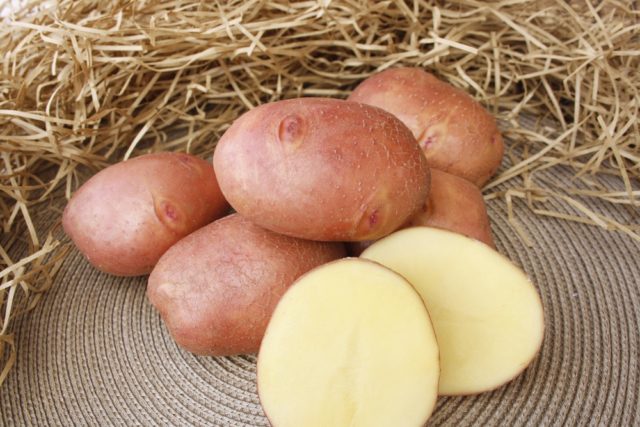
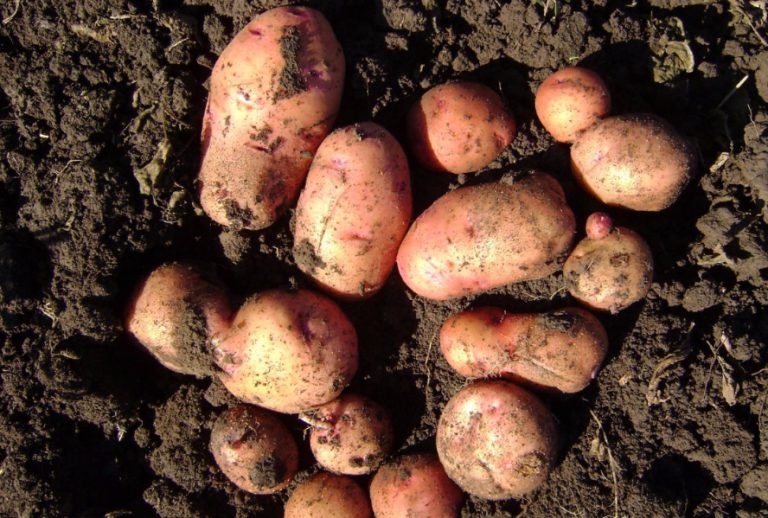
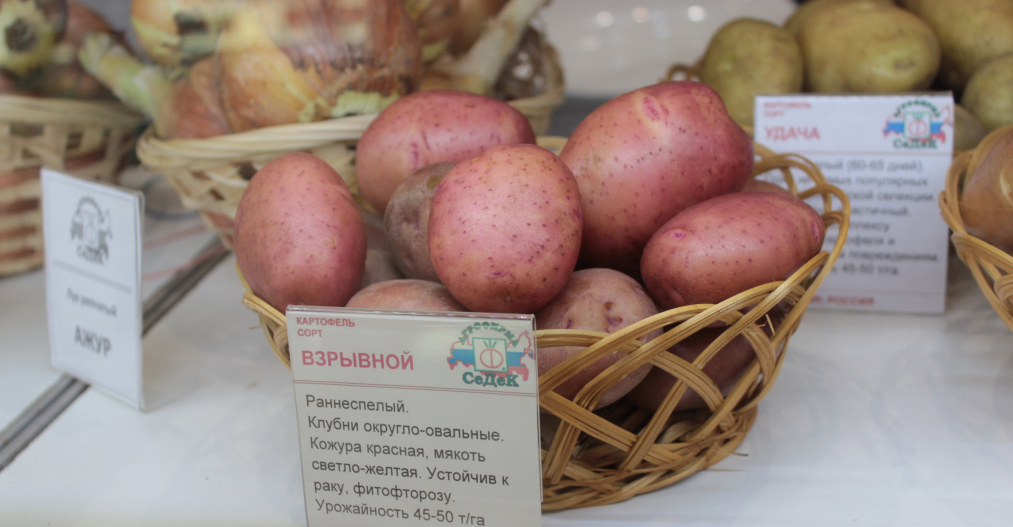
The tubers are smooth, round, and oval. The skin is firm and reddish-pink, and the flesh is light yellow or cream. The small eyes are shallowly located. Each plant produces 7 to 23 tubers, averaging 96-125 grams. One hectare can yield 156-240 centners. The maximum yield recorded in the Ivanovo region was 350 centners per hectare.
The unique feature of this variety is that tubers can be harvested as early as 45 days, but the potatoes will only fully ripen after 65 days. They must be planted in soil prepared before winter.
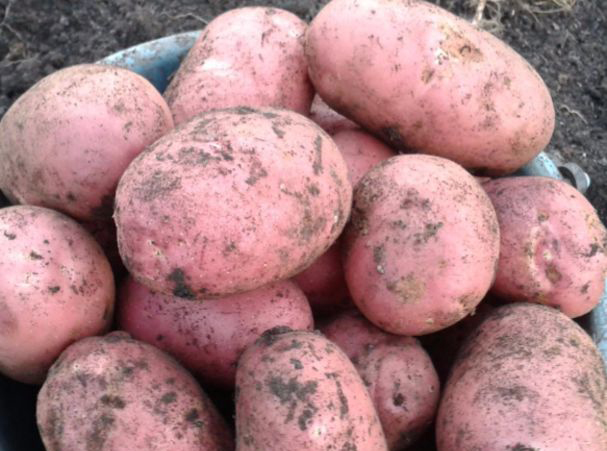
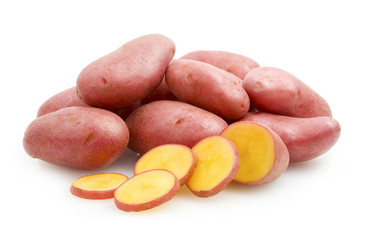
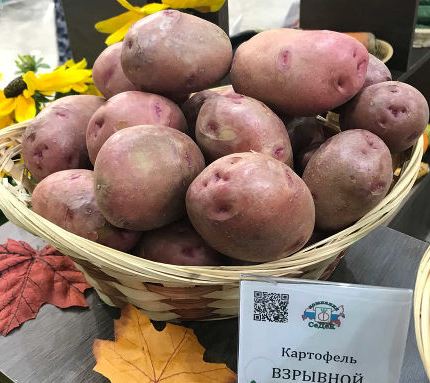
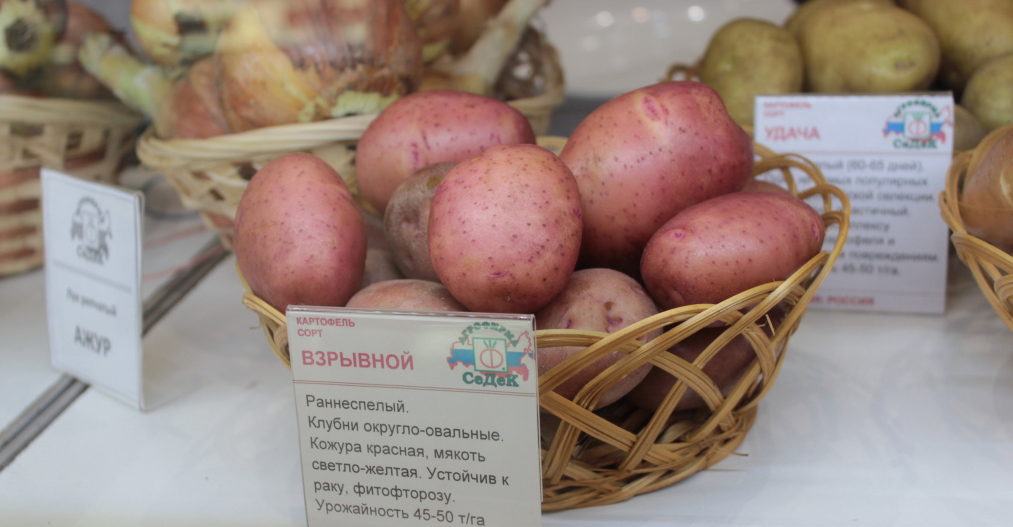
The tubers have a pleasant flavor and starch content of 16-17.2%. Starch is produced under the influence of several factors.
- The amount of fertilizer affects the content of this substance. The more frequently it is applied, the less starch will be present.
- In addition, more starch is produced in dry weather than in rainy weather.
The Explosive potato belongs to the BC type; the tubers are suitable for boiling, frying, and baking.
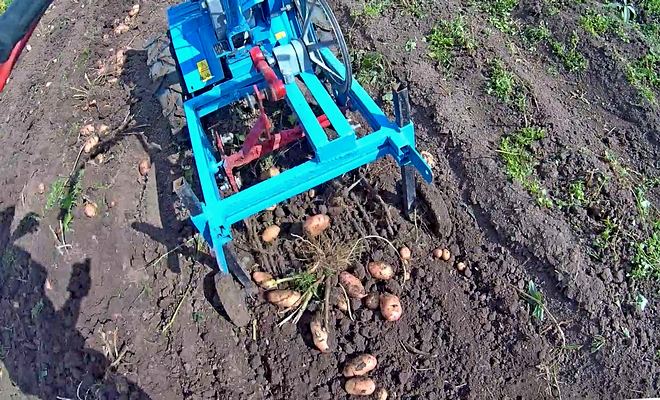
The dense skin allows for harvesting using specialized mechanized equipment and long-term storage of the tubers. The shelf life is approximately 95%. The marketability of the tubers is 85-91%.
Read about it, How to make a potato digger yourself.
The variety was tested in the central region of the country, but experts say it can be planted anywhere. The potato easily adapts to a variety of soils and climates. It tolerates droughts well, but with irrigation, a much larger yield can be expected.
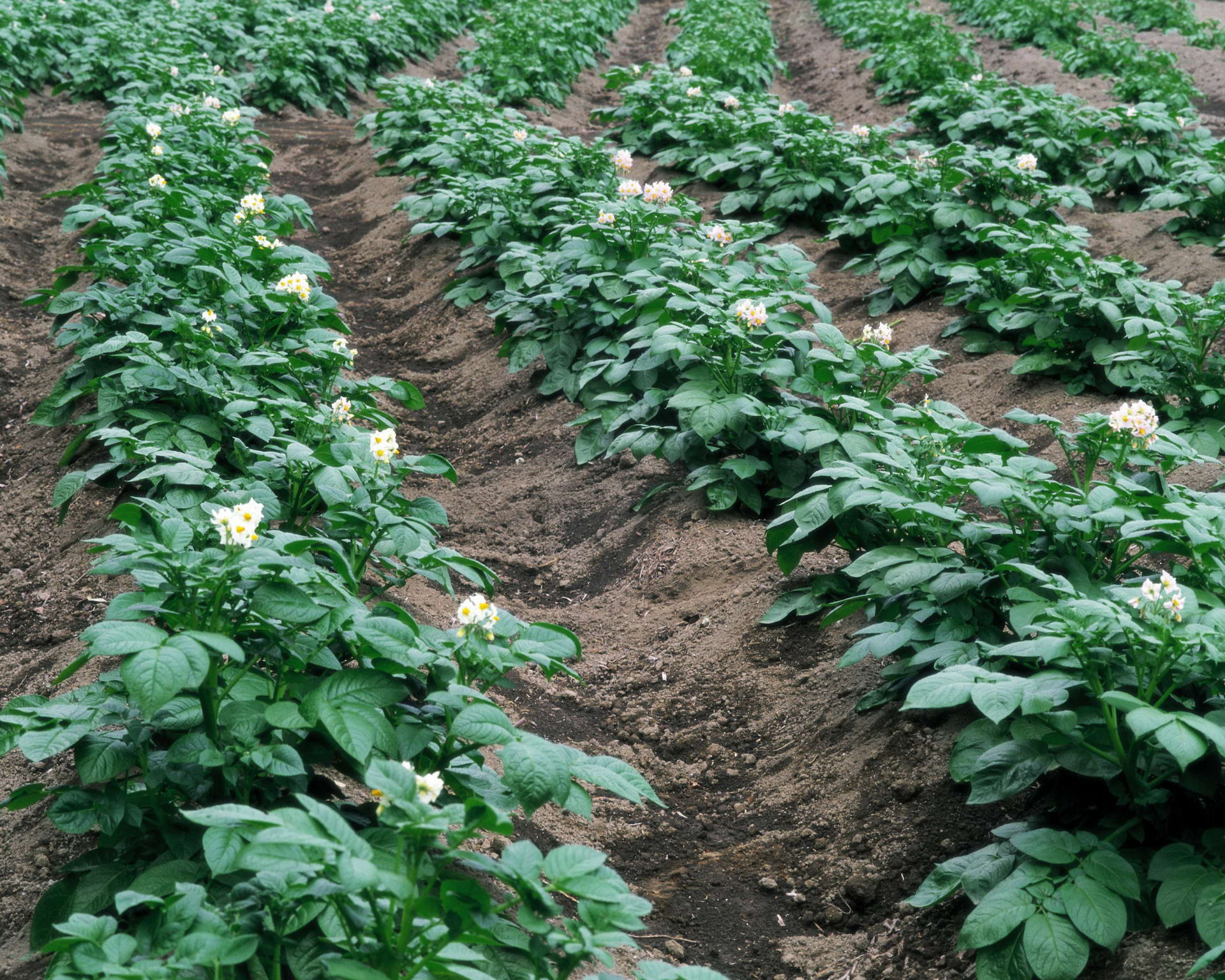
One of the advantages of the variety is its resistance to various diseases - late blight, cancer, and scab. However, potatoes can be susceptible to viral infections and nematodes, so timely prevention is important. Read about potato diseases and methods of control.
The cultivation technique is fairly traditional. The tubers begin sprouting in the second ten days of March, and they can be planted in the ground in April. Ridges should be created for planting and hilling should begin as soon as the seedlings emerge. During plant development, abundant watering is essential. The area should be mulched, and the potatoes should be fertilized.
It's important to remember that this potato variety is currently distributed only by the SeDeK agricultural firm. If you purchase planting material from another manufacturer, you're highly likely to encounter counterfeit products.
Advantages and disadvantages of the Vzryvnoy potato variety
The potato demonstrated excellent performance already during the testing phase, sparking interest from specialists. The following advantages of the variety were identified:
- Early ripening period.
- High yield.
- Excellent product quality.
- Good taste.
- Resistance to dry weather and lack of moisture.
- Immunity to the most common diseases.
Another important feature is that the seed material can be left unchanged for up to five years; the potatoes retain the main characteristics of the variety for a long time.
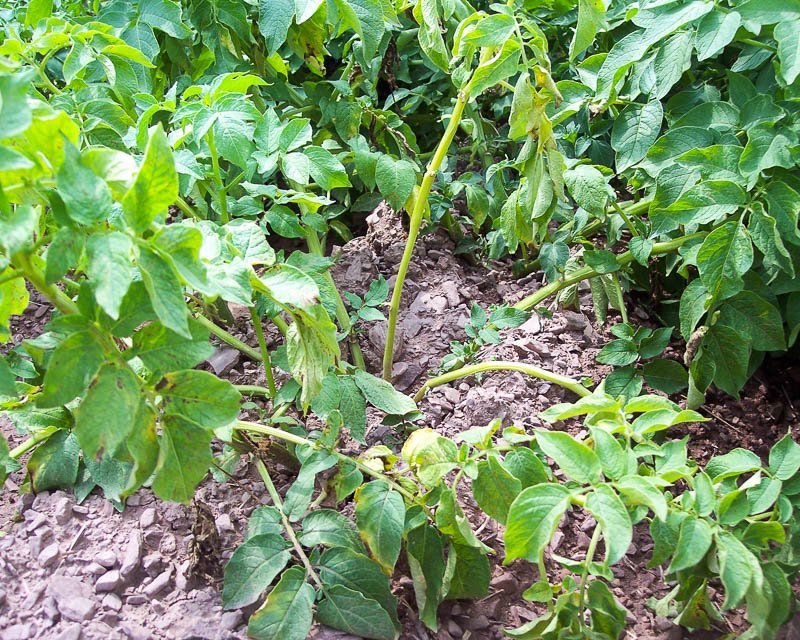
But the "Vzryvny" plant also has its drawbacks. The main one is its susceptibility to viral diseases and fungi. For protection, fungicides and insecticides are necessary. Infected bushes should be removed. Symptoms that may indicate this include the appearance of spots and leaf deformation. To disinfect the soil, the nest should be doused with a solution of potassium permanganate.
Preparation of planting material for the Vzryvny potato variety
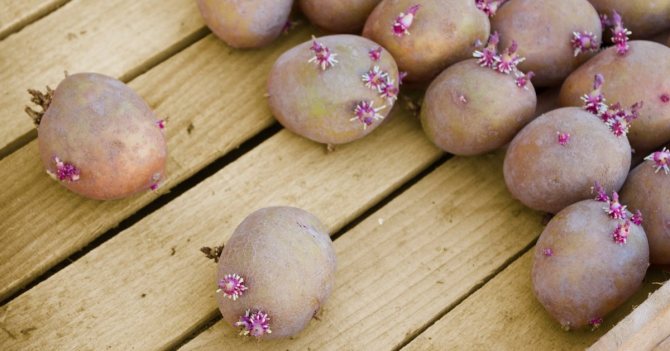
Before planting in the ground, the tubers need to sprout. To do this, place them in prepared containers; low-sided boxes work well. The potatoes should be arranged in one to two layers. The boxes are placed in a well-lit room where the temperature should not exceed 15°C. Warmer temperatures will stimulate shoot growth, making it difficult to plant potatoes with long sprouts. This preparation period lasts approximately three weeks.
Requirements of the Vzryvnoy variety for the planting site
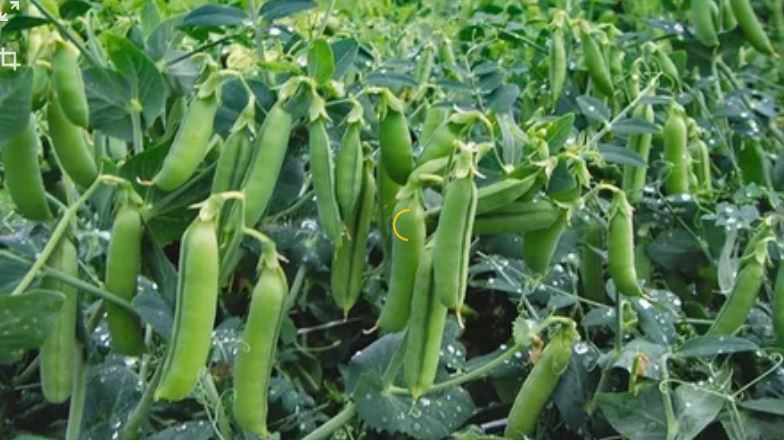
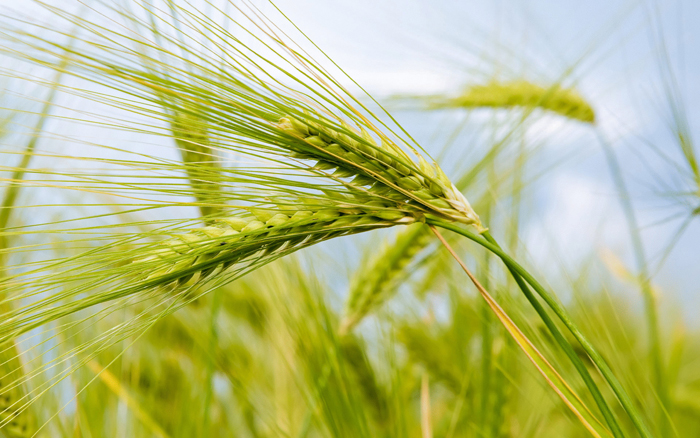
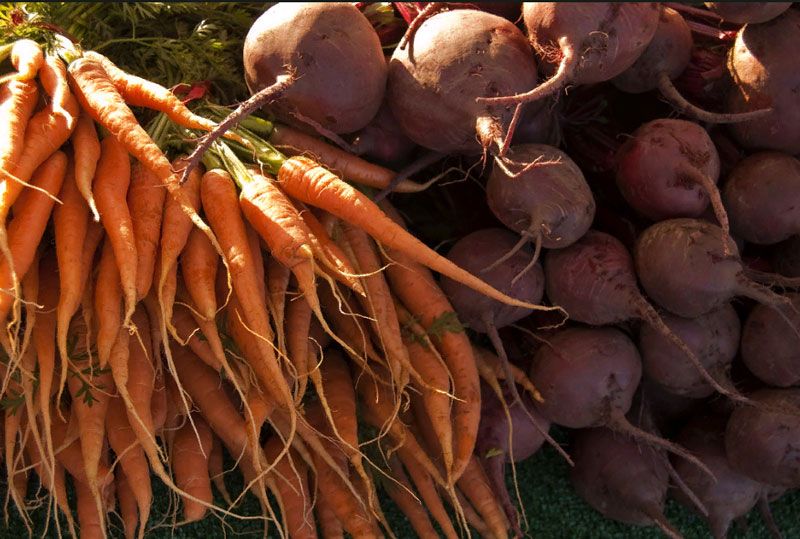
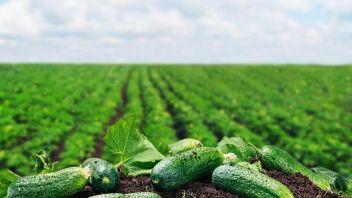
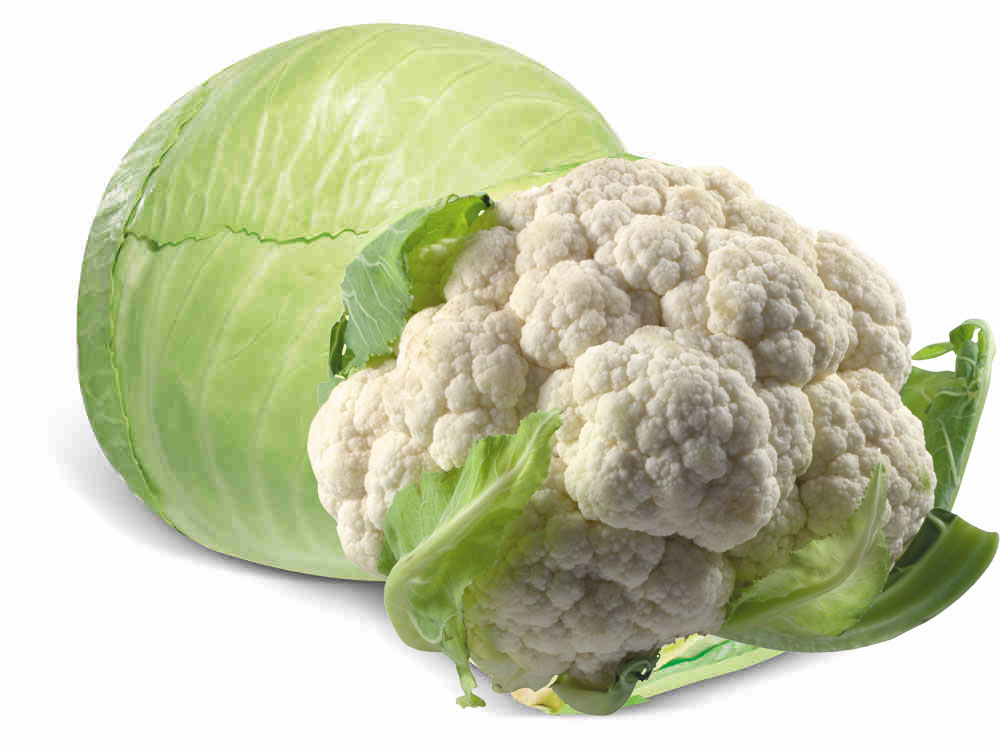
To ensure a good harvest, it's important to have a sunny plot. Ideally, the plot should have been planted with legumes or grains the previous season. Melons, cucumbers, cabbage, carrots, or beets are also good predecessors.
Preparing a site for planting the Vzryvnoy potato variety
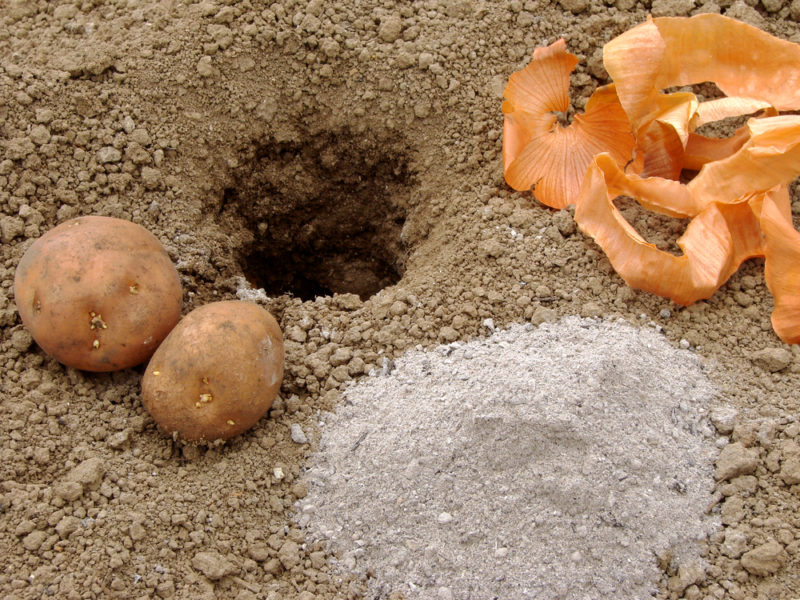
Preparations should begin in the fall. After harvesting, the soil should be dug over, first spreading about 6 kg of compost per square meter. A good option is to add superphosphate—30 g per square meter. If this isn't done, compost can be added at the beginning of the season. If the region has a harsh climate, high ridges should be built over the potatoes to protect the tubers. Before planting, add about 200 ml of wood ash to each hole.
Planting dates for the Vzryvnoy variety
When choosing the optimal time, you should consider the local climate. Potatoes are most often planted in April, after the soil has warmed to 10°C. Before this, the seeds need to germinate. In colder climates, tubers can be planted in May.

We recommend: How and when to plant potatoes.
Planting Guidelines for the Explosive Potato Variety
Before planting, carefully inspect the tubers. They should be healthy, uniformly colored, and free of mechanical damage. To ensure a good harvest, it's important that all plants receive ample sunlight. To achieve this, maintain a 20-cm distance between the holes. There should be at least half a meter between rows. Furthermore, the tubers should be positioned in a south-to-north orientation.
The tubers should be planted deep depending on the soil type:
- Sandy - 10-15 cm.
- Clayey - not less than 5 cm.
- Peat - 10 cm.
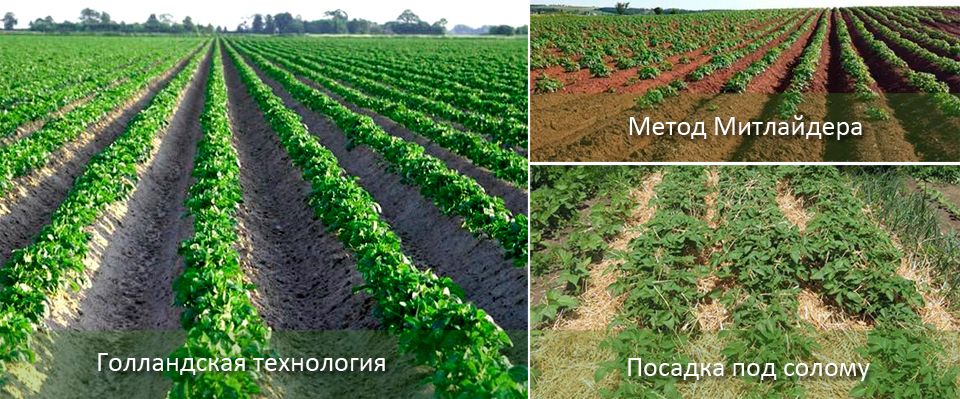
Potatoes are often planted in a smooth wayTo do this, dig a sufficient number of holes, fill them with ash and humus, and then lay the planting material in them. The holes should be dug no closer than 50 cm apart. Then, cover them with soil and water.
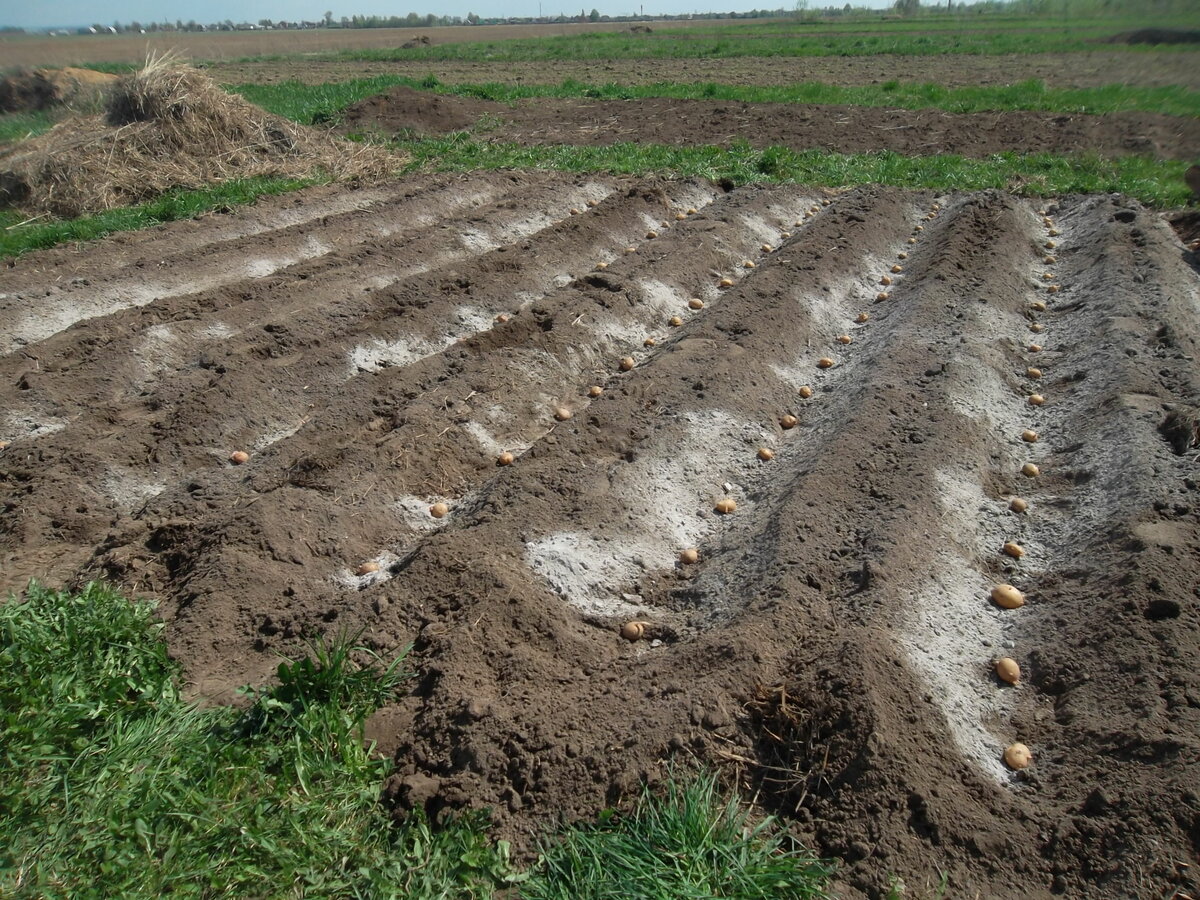
Another method is - combIt's important to remember that this method is not suitable for clay soils or hot regions. This method shows particularly good results in areas with variable weather conditions.
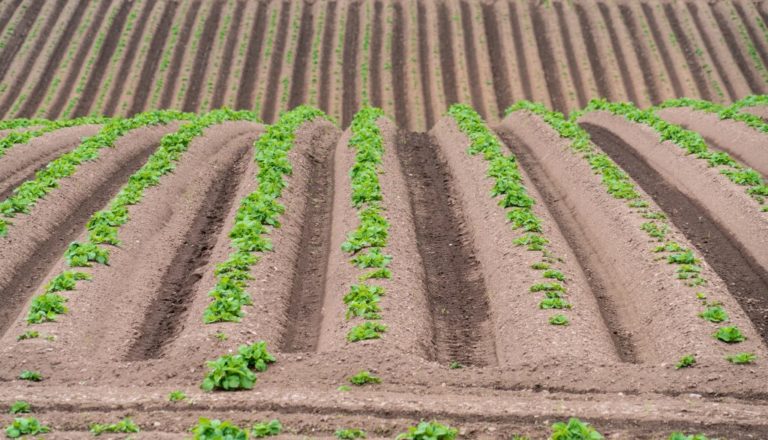
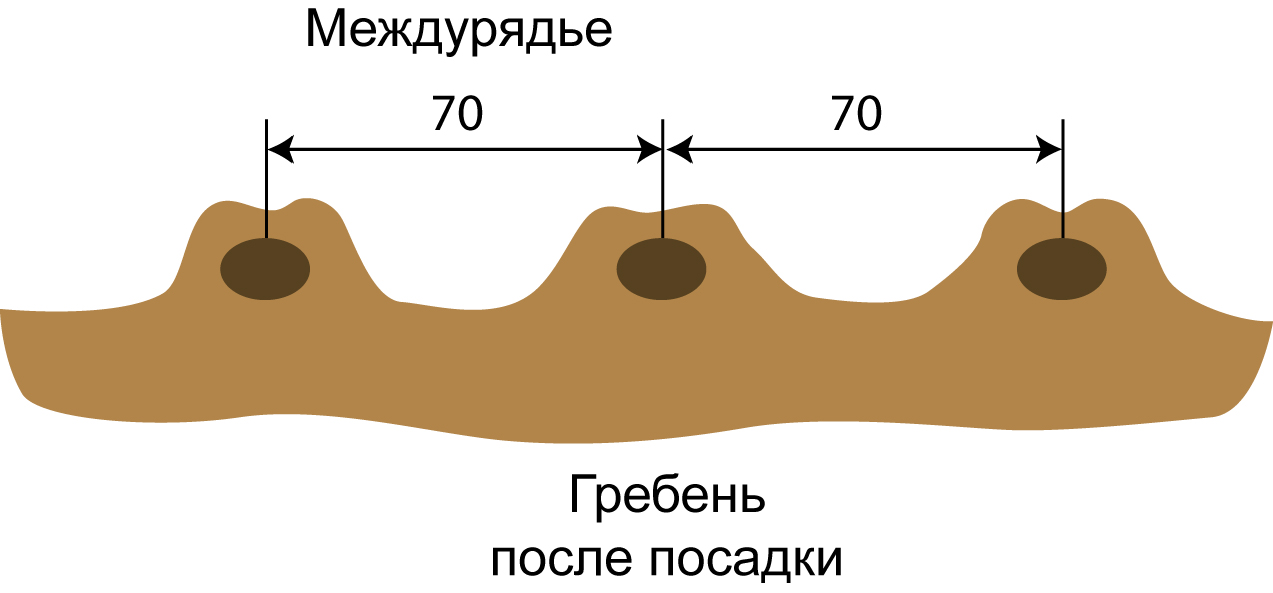
To plant potatoes using the ridge method, mark out the beds, leaving a distance of 70 cm between them. Then form ridges 15 cm high. Place the tubers in rows, lightly cover with soil, and water thoroughly.
Next, watch for sprouts to emerge. When they reach 20 cm, hill up the beds. This is done three times per season, resulting in a ridge height of half a meter.
Caring for the Explosive potato variety
This variety will yield a good harvest if simple farming practices are followed. This includes timely watering, weed removal, and preventative treatments against pests and diseases.
Watering
Watering potatoes is important for proper tuber development. If the summer is not particularly dry, water three times per season. The first time is when the shoots are actively growing. The second time is during flowering. The third time is two weeks before harvest.
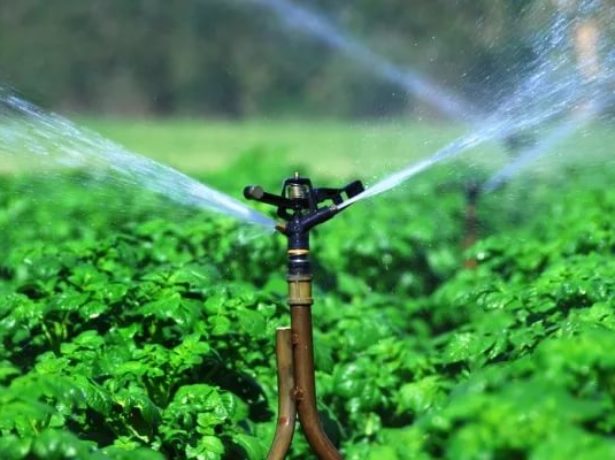
It's easy to tell when it's time to water your garden beds. If the soil at a depth of 6 cm is dry and crumbly, your potatoes need water. Mulching can help retain moisture better.
Loosening, mulching
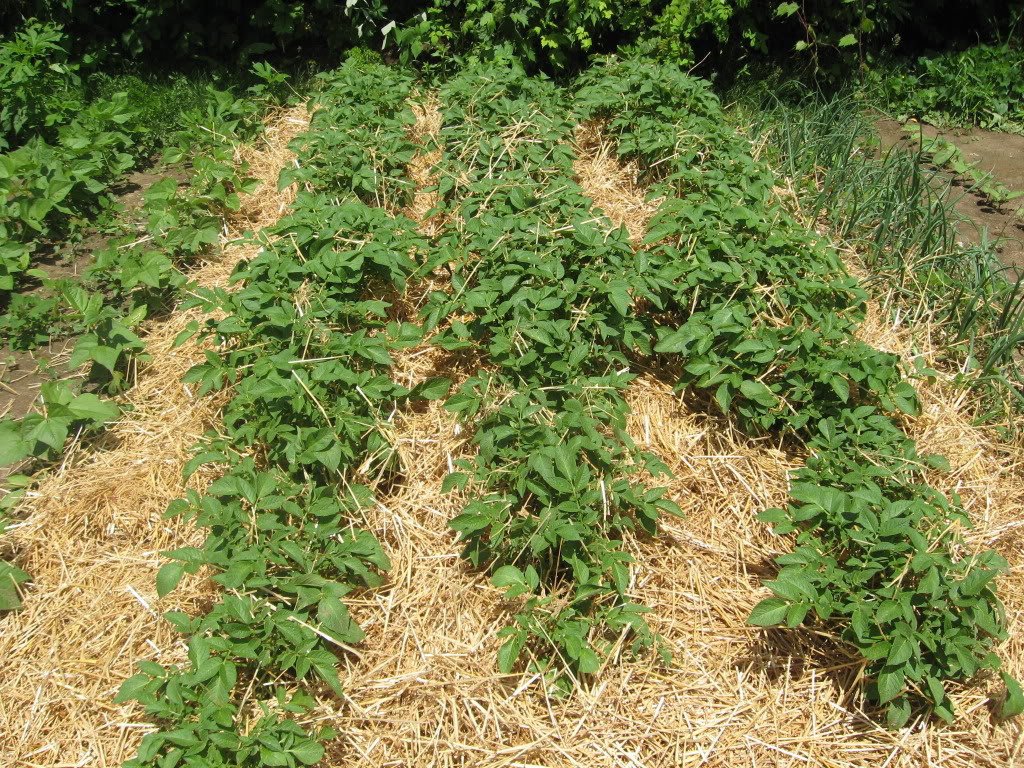
Weeds significantly affect crop yields, as they remove many nutrients from the soil. If the area isn't mulched, it's necessary to loosen the soil and remove weeds after each watering.
Hilling
Hilling is essential when growing potatoes. It provides the following benefits:
- The shoot will be strong and sturdy, and will not be damaged by the wind.
- If frost suddenly returns, the tubers will not freeze.
- With this approach, the root system is much stronger and more powerful.
- The amount of harvest increases.
- More oxygen penetrates the soil.
- It is much more convenient to collect ripe tubers.
However, there are situations when hilling is not necessary. Firstly, if the variety is grown in regions with hot climates. Secondly, if the potatoes are grown under plastic or using the hay or bag method.
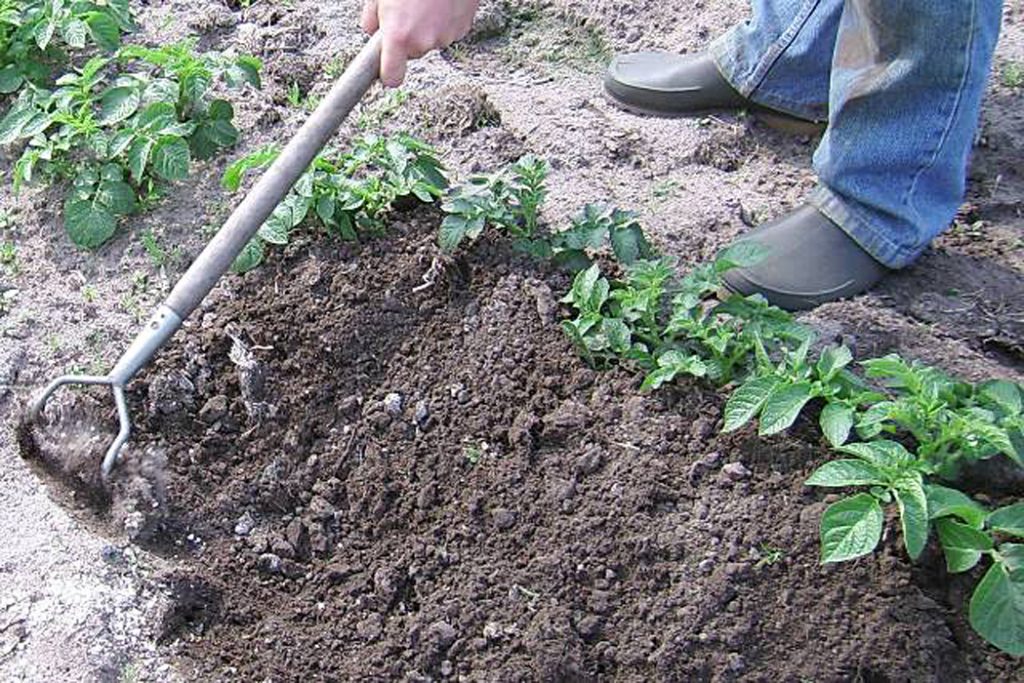
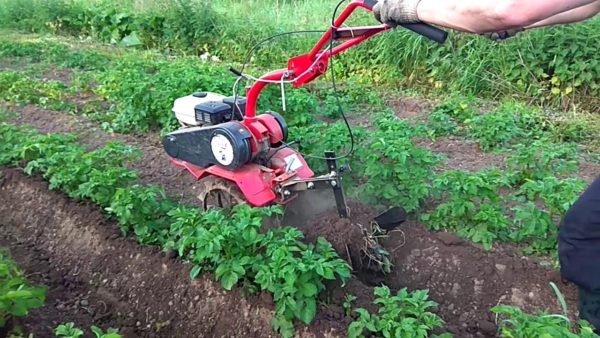
The Vzryvnoy potato variety requires hilling twice per season. The first time is recommended 14 days after planting. At this point, the shoot length is approximately 10 cm. Afterward, 2 cm of sprout should remain above the surface. The second time, the potatoes are hilled when buds are actively forming, and the shoots reach 30 cm.
The optimal time for hilling is morning or evening, when the soil should be moist. If frost is expected, the seedling should be mounded as high as possible.
Top dressing
Growing the Vzryvny potato variety requires fertilization three times a season. During active growth, a nitrogen-containing fertilizer should be applied. The best option is to dissolve 1 tablespoon of urea in a bucket of water and water the plant. One liter of the solution is required per plant.
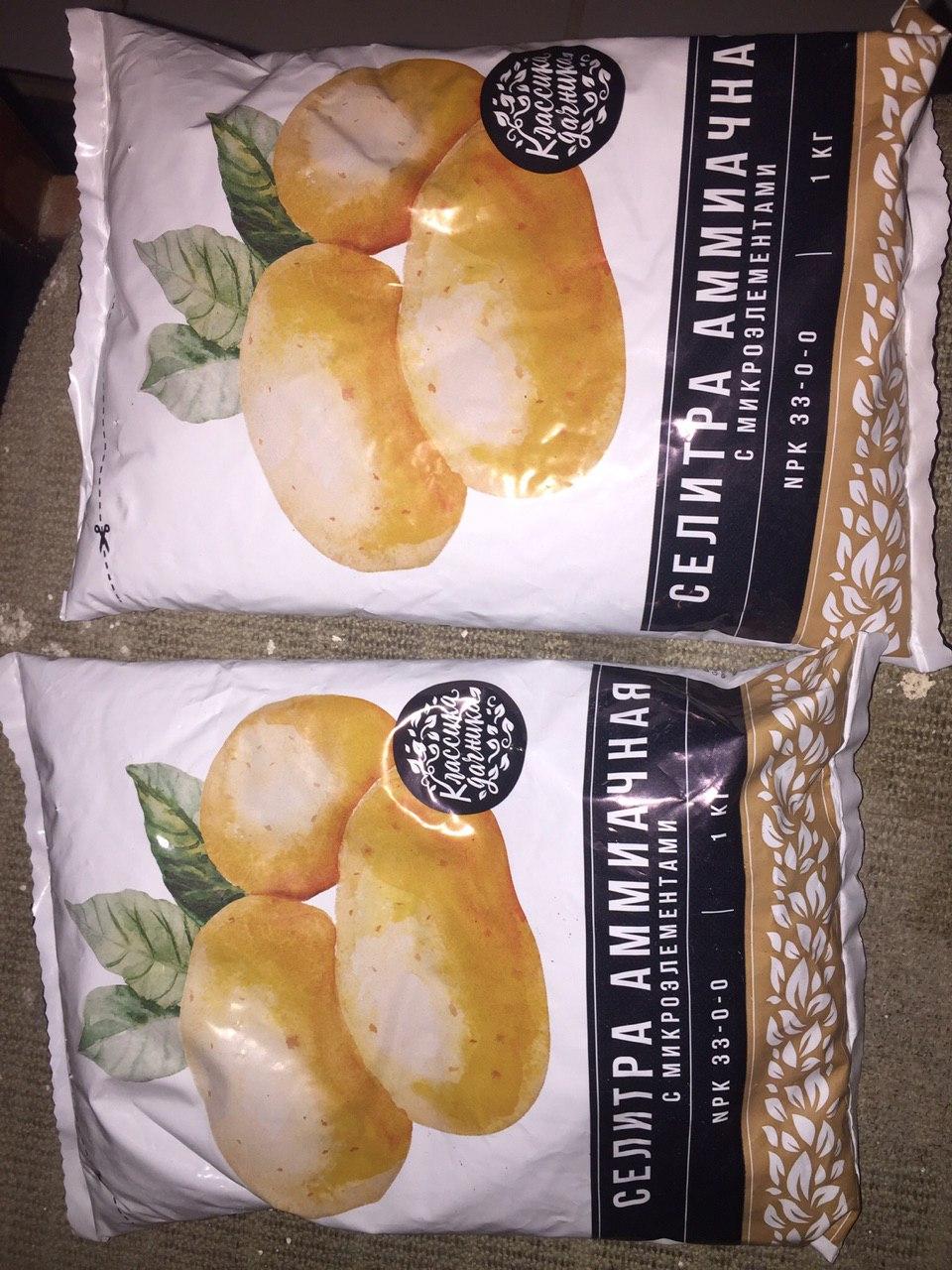
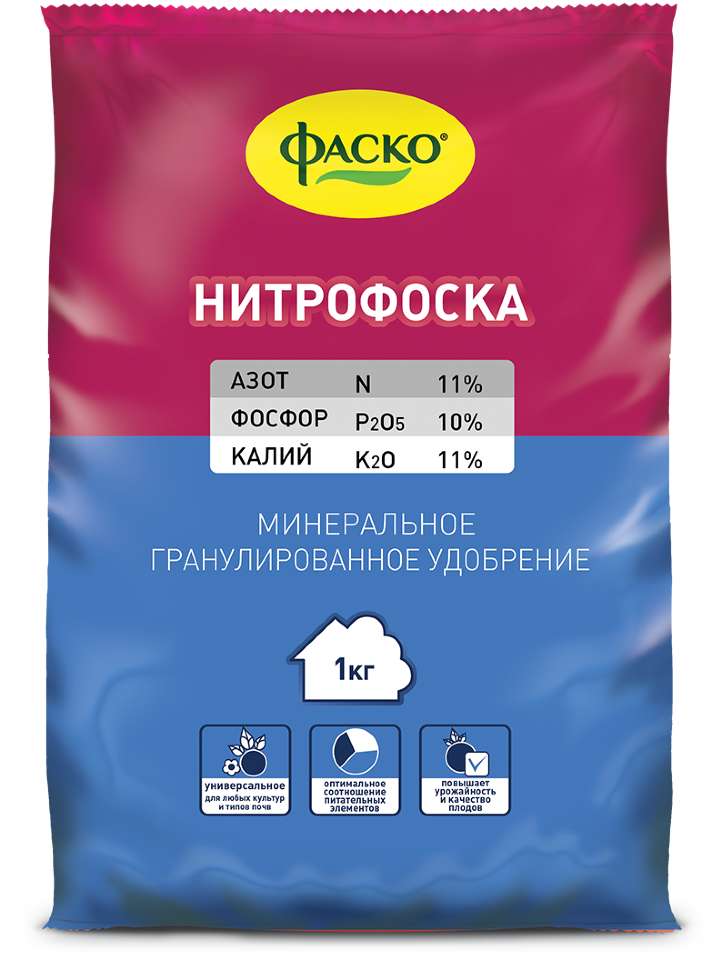
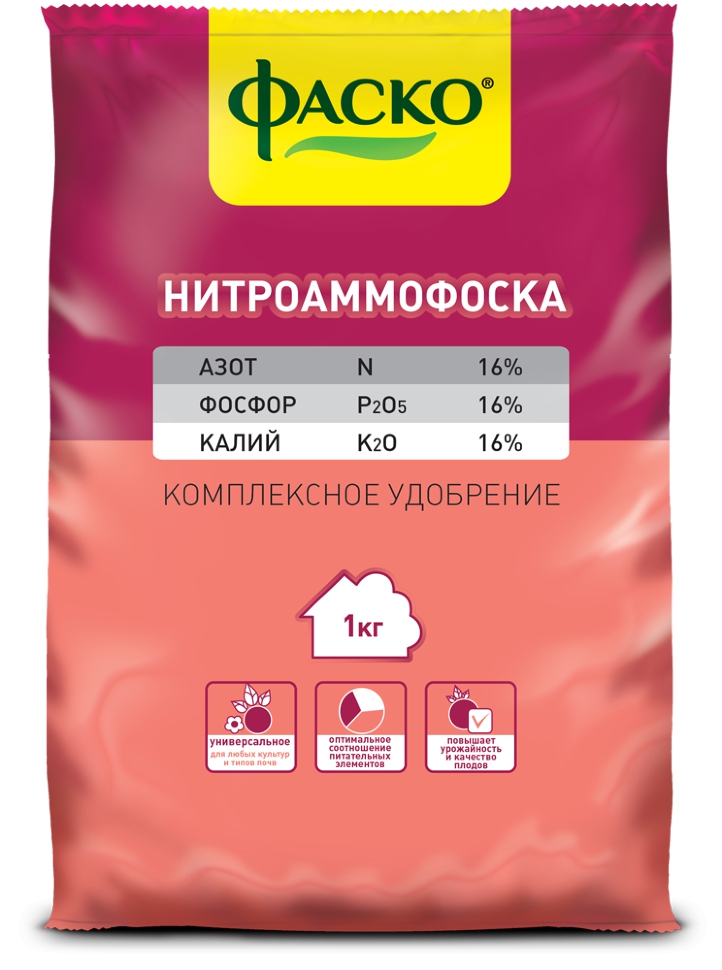
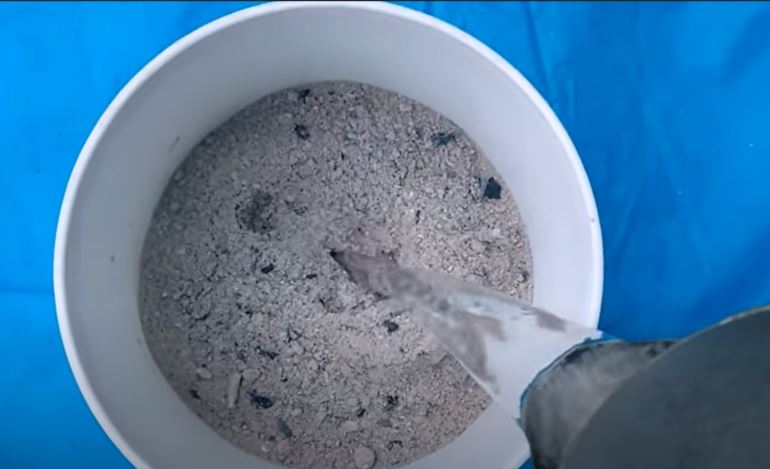
The second time you need to fertilize potatoes is during budding. For this, you'll need a phosphorus-potassium fertilizer. Nitrophoska or nitroammophoska are suitable. Another option is to use wood ash. In addition to providing nutrients, it also acts as a deterrent. Colorado potato beetle.
To obtain the maximum yield, use the following scheme:
- Pour 20 g of urea into a bucket of water, dissolve, and pour 0.5 l under each plant.
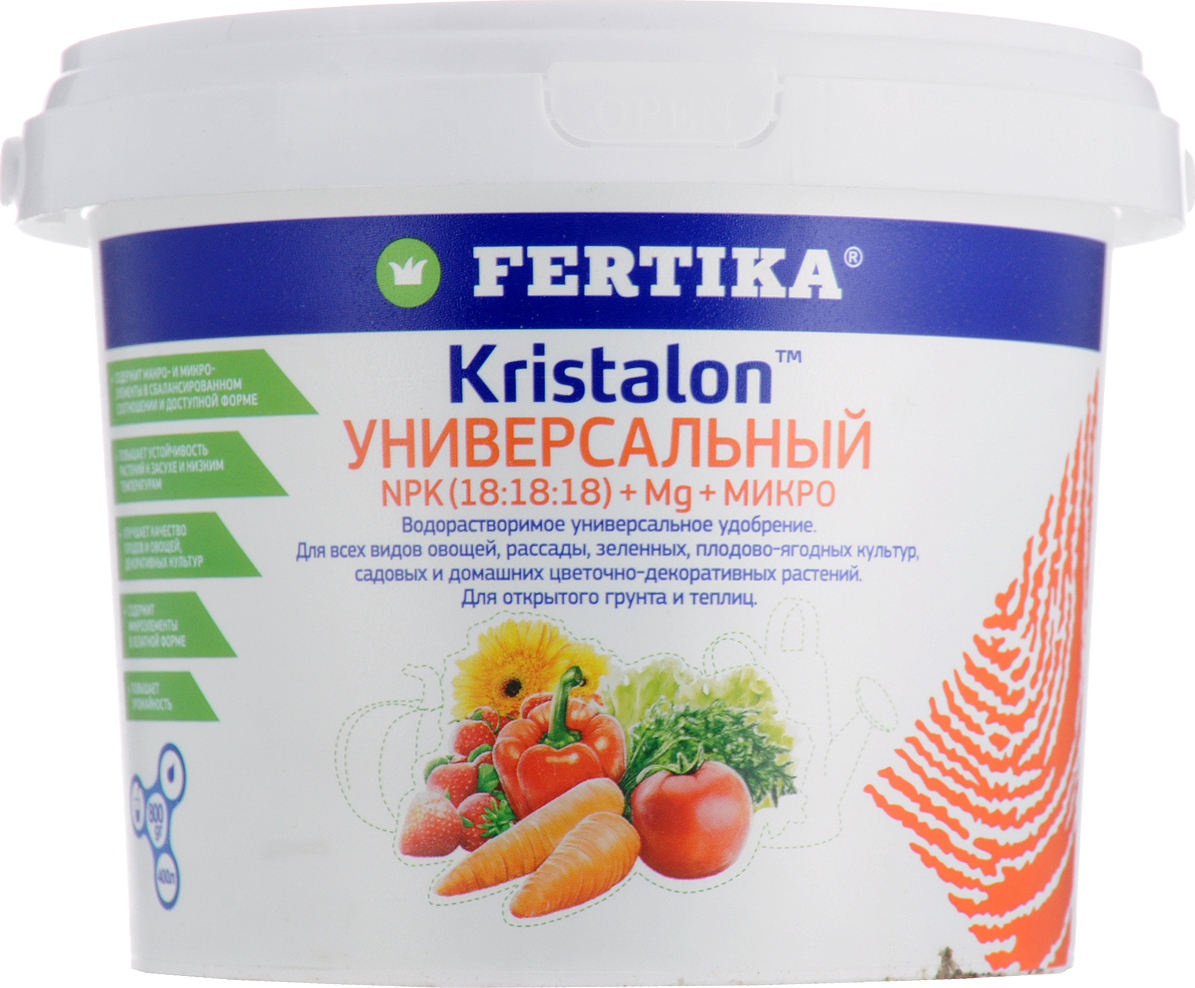
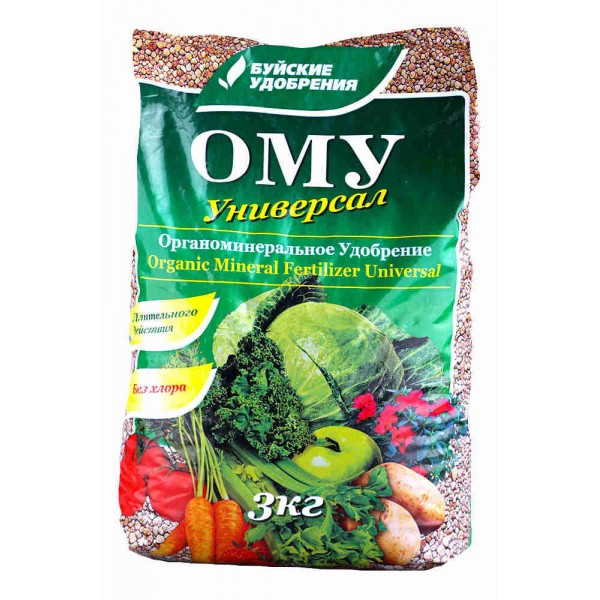
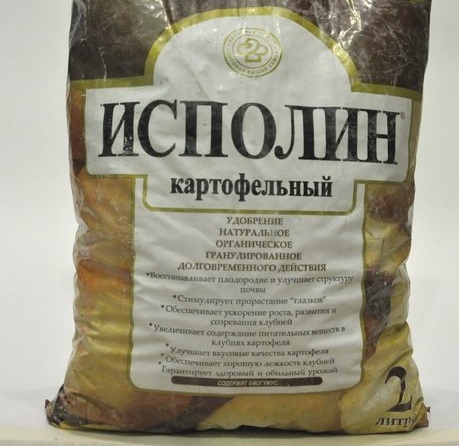
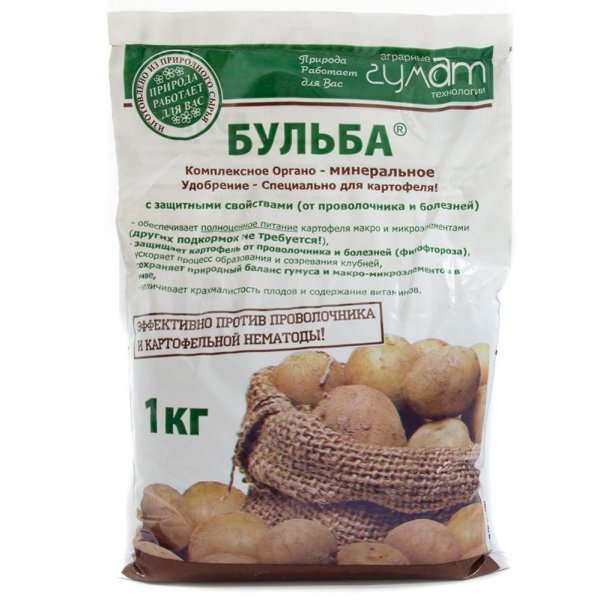
- In two to three weeks, buds will begin to form. At this time, it's useful to apply organic fertilizer, placing it between the rows. You can use complex or organomineral fertilizers such as Kristalon, Kemira, Omu, Ispolin, or Bulba.
- 14 days after the first shoots appear, the bushes should be sprayed with the following mixture: dissolve 5 g of boric acid, 150 g of potassium monophosphate, and 100 g of urea in a bucket of water.
- Next, you need to wait 2-3 weeks and spray again with the same composition, only this time you need to use half as much water.
Protection from diseases and pests
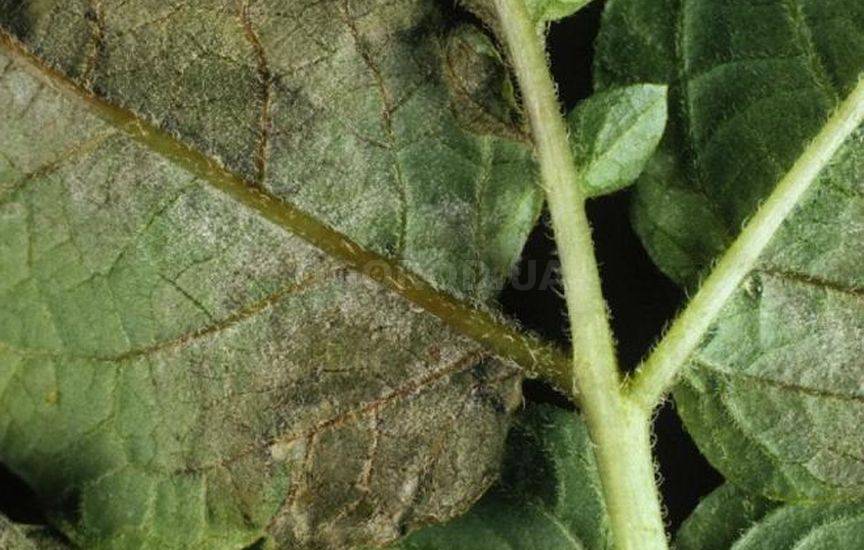
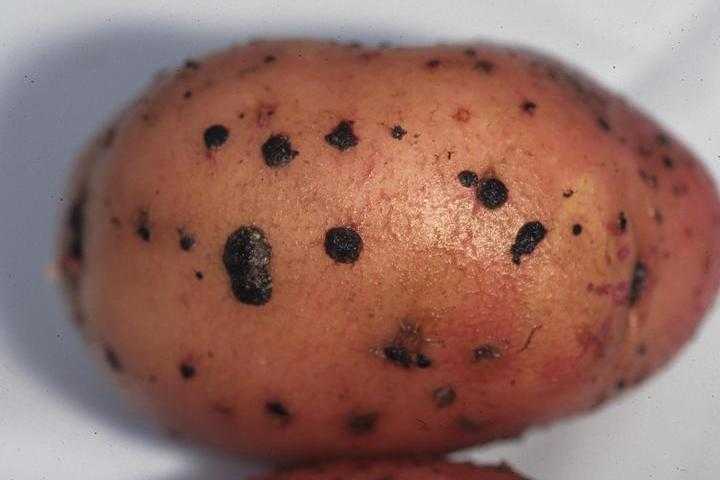
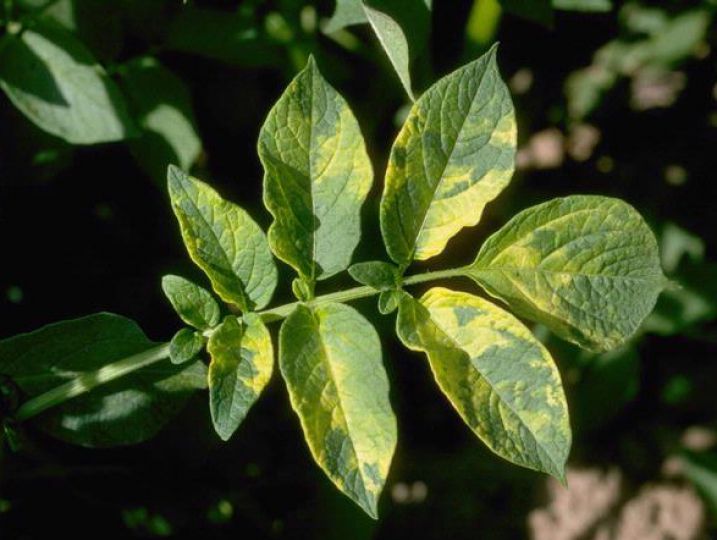
It's impossible to breed a variety that is resistant to absolutely all diseases. Explosive is no exception. It is susceptible to diseases caused by viruses.
- Rhizoctonia This disease is quite common. It develops especially well in cold springs. The main consequence is that shoots fail to develop on the tuber. Weak sprouts are especially susceptible, so it's a good idea to disinfect the tubers before planting.
- Bronzing of leaves — This disease is caused by potassium deficiency. It is especially common in potatoes grown in peat soil. Symptoms include lower leaves becoming deformed and turning bronze.
- Mottling — tubers and leaves are damaged. The disease is characterized by uneven coloring. The tubers lose their flavor, and yields are significantly reduced.
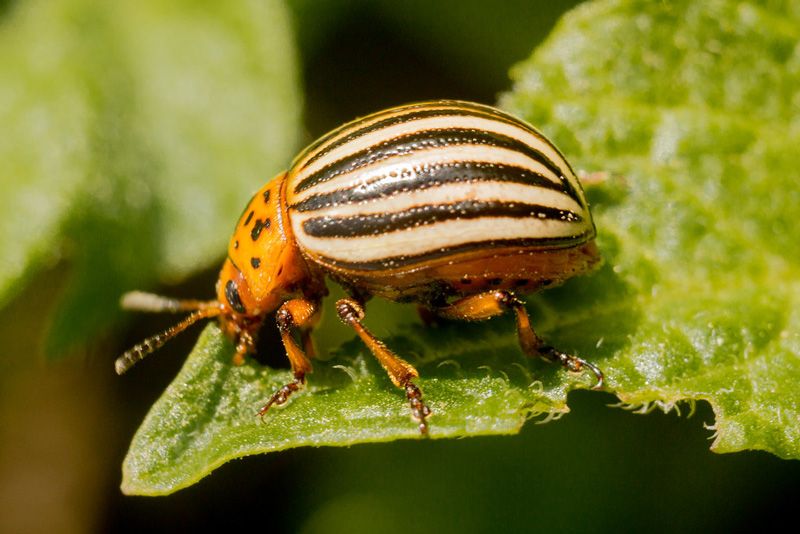
- Colorado beetle — the most common pest. Adults and larvae can completely destroy shoots in a very short time.
Potato harvesting and storage
In late June or early July, you can try digging up a single bush and inspecting the size of the tubers. They're often already ripe. A good sign is when the plants have finished blooming and the leaves are starting to turn yellow. A helpful tip: to make harvesting easier, you can cut off all the above-ground shoots a few days beforehand.
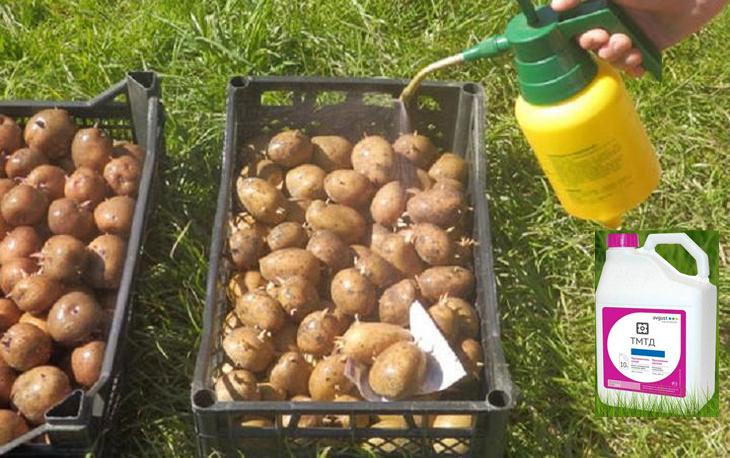
The harvested crop is spread on plastic wrap and left in the sun until the end of the day. The tubers are then sorted and treated with a copper sulfate solution. The potatoes, ready for storage, are placed in containers and stored. It's important that the container be dry, cool, and dark.
The differences between the Vzryvnoy variety and other varieties are shown in the table.
| Variety | Ripening period (number of days to maturity) | Starch (%) | Yield (c/ha) | Weight of tubers (g)
Number of tubers per bush |
Shelf life (%) |
| Explosive | Early ripening* | 16-19 | 156-240 | 10-150 8-14 |
95 |
| Alvara | Mid-early** | 13-15 | 295-540 | 90-110
8-14 |
90 |
| Jewel | Early ripening | 10-15 | 700 | 80-150
15-20 |
94 |
| Ilyinsky | Mid-early | 16-17 | 176-346 | 55-160
8-13 |
93 |
| Innovator | Mid-early | 12-15 | 320-344 | 83-147 6-11 |
94 |
| Strongman | Mid-early | 10-12 | 127-275 | 80-105
15-20 |
97 |
| Memphis | Mid-early | 14.2-16.7 | 330-610 | 80-160
9-11 |
94 |
| Molly | Early ripening | 11.4-13.4 | 171-308 | 98-142
20-25 |
82 |
| Nakra | Mid-season*** | 18-22 | 203-308 | 65-160 6-11 |
95 |
| Nikulinsky | Mid-late**** | 22 | 170-420 | 70-120
12-15 |
97 |
*Early ripening – 50-65 days.
**Mid-early – 65-80 days.
***Mid-season – 80-95 days.
****Mid-late – 95-110 days.