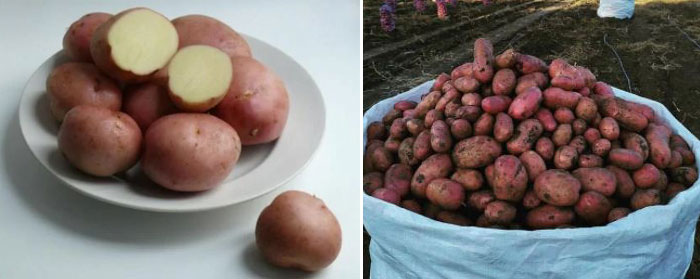
The Memphis potato variety is popular in the central regions of our country. In this article, we'll provide a full description of it and discuss the best ways to grow it.
Content
- 1 Description of the Memphis potato variety in a table
- 2 A more detailed description of the Memphis potato variety
- 3 Advantages and disadvantages of the Memphis potato variety
- 4 Memphis variety planting site requirements
- 5 Step-by-step instructions for planting Memphis potatoes
- 6 Caring for the Memphis potato variety
- 7 Protecting the Memphis potato variety from diseases and pests
- 8 Harvesting and storage
- 9 Comparison of the Memphis potato variety with other varieties
Description of the Memphis potato variety in a table
| Parameter | Characteristic |
| General information | It belongs to the table varieties with a mid-early ripening period. |
| Ripening time | Mid-early variety (65-80 days). |
| Productivity | 180-382 c/ha, maximum – 400 c/ha. |
| Marketability | 84-96% |
| Shelf life | 95% |
| Starch concentration | 14.2-16.7% |
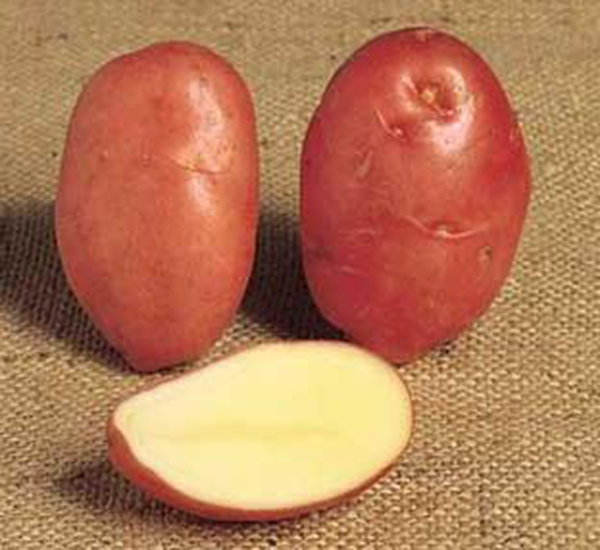
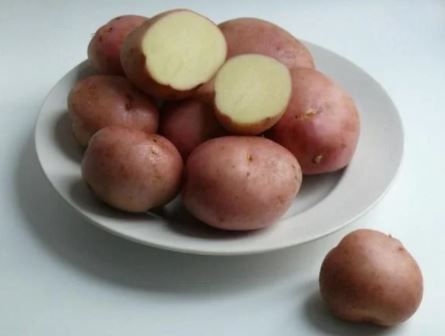
| Color of pulp | Light yellow |
| Peel color | Red |
| Weight of commercial tubers | 82-160 BC |
| Number of tubers on one bush | 9-11 pcs. |
| Taste qualities | The taste is good. |
| Culinary type | AB, the pulp is slightly boiled, suitable for salads, soups, frying and baking. |
| Suitable regions for growing | Central. |
| Disease resistance | Resistant to potato wart and golden cyst nematode. Moderately resistant to late blight. |
| Growing specifics | Don't break off the sprouts before planting. To prevent the flesh from turning black, it's best to harvest in hot, dry weather. |
| Year of inclusion in the register | 2015 |
A more detailed description of the Memphis potato variety
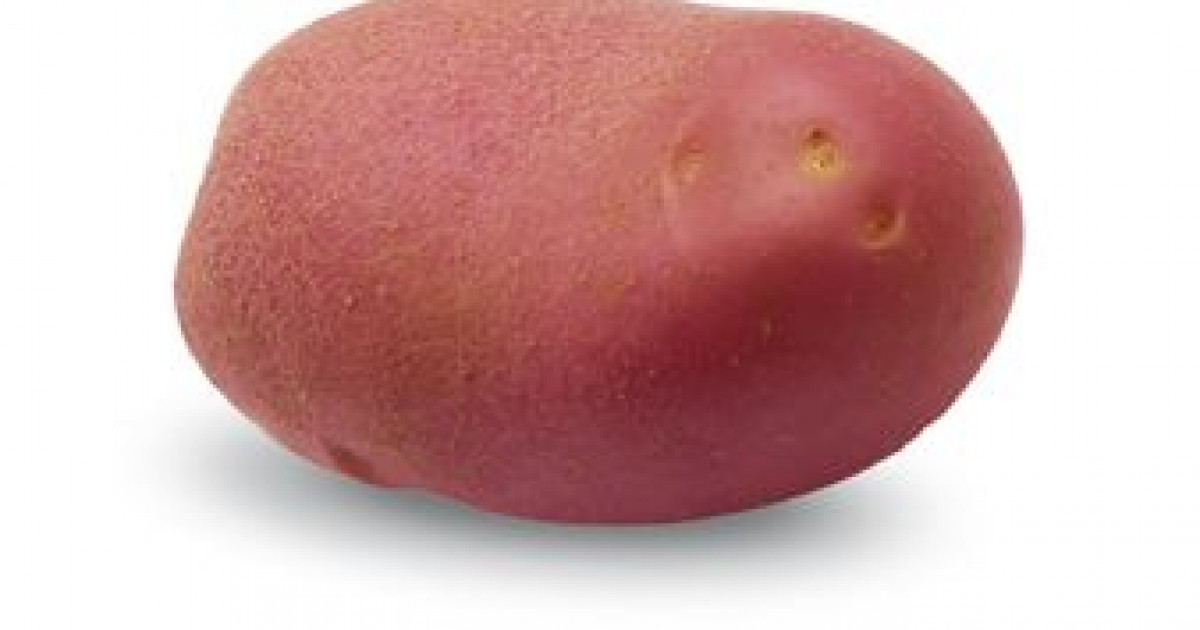
The tubers have an elongated oval shape. The variety is classified as table, mid-early (65-80 days). Originally cultivated in Holland. The tubers contain 14.2 to 16.7% starch. A single tuber can weigh between 82 and 160 g. Nine to eleven tubers mature on a single plant. Typically, 180-382 centners are harvested per hectare, but there have been cases where this figure reached 400.
Potatoes belong to the culinary type AB, meaning they have firm flesh and don't overcook quickly. These varieties are ideal for frying, soups, and salads. They are also easy to bake, as the tubers remain whole.
This variety has excellent shelf life (94%) and stores well. The potato flesh is light yellow, and the skin is red. The tuber marketability is 84-96%. The flavor is good.
Memphis is quite resistant to various diseases, such as canker and golden cyst nematode. It also shows good resistance to late blight and scab.
Memphis is a drought-resistant variety, so it can be grown in regions with low rainfall. The sprouts should not be removed before planting.
To prevent blackening, it is better to harvest in warm, dry weather.
Advantages and disadvantages of the Memphis potato variety
Many excellent qualities have ensured this variety's high popularity.
Among them, the following can be mentioned:
- Pleasant taste.
- In finished dishes, potatoes retain their shape and do not fall apart.
- The variety is characterized by high productivity.
- Good immunity to diseases.
- Possibility of growing in dry climates.
- Potatoes are easy to transport and tolerate transportation well.
- The tubers ripen quickly.
- Memphis is unpretentious and does not require any special efforts when growing.
This variety has almost no disadvantages, but when planting, it is worth choosing well-lit places.
Memphis variety planting site requirements
The Memphis variety is fairly easy to grow, but it's important to follow a few simple guidelines. The site should be well-lit. Light, not too acidic soil is preferred. The optimal pH is 5.5-5.8. If this level is exceeded, dolomite flour or lime can be added to the soil. Peat moss or compost can be added to improve the soil's looseness.
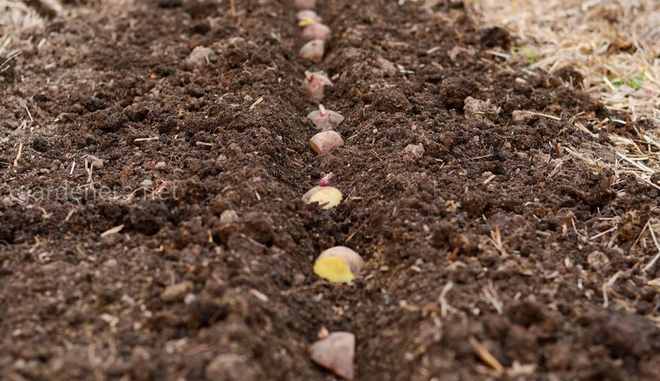
Before planting potatoes, the area should be dug over and thoroughly loosened. Then, add fertilizer to the soil. 5 kg of manure is required per square meter. Potassium, nitrogen, and phosphorus fertilizers have proven effective.
Step-by-step instructions for planting Memphis potatoes
To determine the best time for planting, monitor the soil temperature. When it reaches 7°C, you can begin planting potatoes. The area should be leveled and ridged to promote better growth.
The depth of the tubers depends on the soil type. If the soil is loamy, the depth should be no more than 5-8 cm. For loose sandy loam, 8-10 cm is suitable. This distance should be measured from the top of the tuber.
Step-by-step instructions for planting Memphis potato variety:
- First, you need to prepare the soil. Dig the area, loosen the soil, apply fertilizer, remove weed roots, and form ridges.
- The holes are lightly sprinkled with wood ash, then the tubers are placed in the center of the hole.
- The distance between bushes should be at least 30 cm, and between ridges the distance should be 70 cm.
- Then sprinkle the tubers with soil.
In this case, ridges provide good results, as they protect against overwatering. They also benefit from sun exposure.
Caring for the Memphis potato variety
After planting, careful ongoing care should not be neglected. Crops should be watered, weeded, hilled and fertilized promptly, and pests should be controlled.

So, the potatoes are planted. Wait a week, then loosen the soil. The soil condition will indicate the need for hilling—if a crust forms on the soil, it's time to loosen the soil.
Watering
This manipulation can be divided into three main stages:
- Immediately after planting, tubers don't require much water. Waterlogging will prevent oxygen from enriching the soil, and the seed potatoes may rot.
- Increased watering will be required once the sprouts begin to form buds. This period continues until the potatoes finish flowering. Plenty of water during this time is the key to a good harvest.
- After flowering has ceased, watering is reduced again. Two to three weeks before harvest, the soil should be watered no longer to allow the tubers to develop a thick skin.
Loosening, mulching
This variety requires careful attention to the soil condition. If a dense crust has formed on the soil, it must be removed immediately, loosening the soil. Otherwise, oxygen will not reach the roots. Loosen the soil carefully and shallowly to avoid damaging the growing tubers and root system.
To stop weeds from growing too fast, mulching can be used. Grass clippings are a good choice for this; they should be spread over the ridges immediately after the first shoots appear.
Hilling
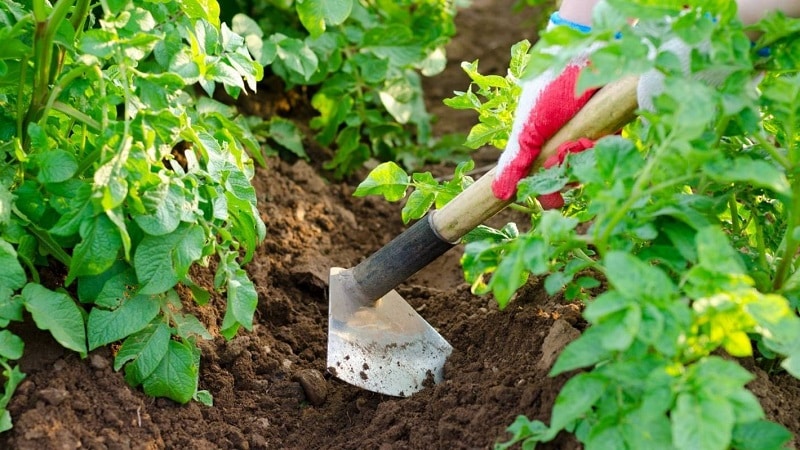
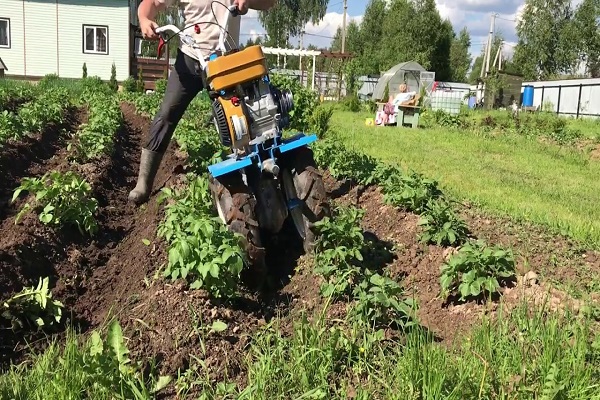
It promotes a good harvest and protects against pathogens and pests. Hilling should be done after rain or watering, as the soil must be moist. The first time is when the shoots reach 10 centimeters in height. Then, every three weeks.
Read: DIY Potato Digger + Review of Purchased Potato Diggers with Prices.
Top dressing
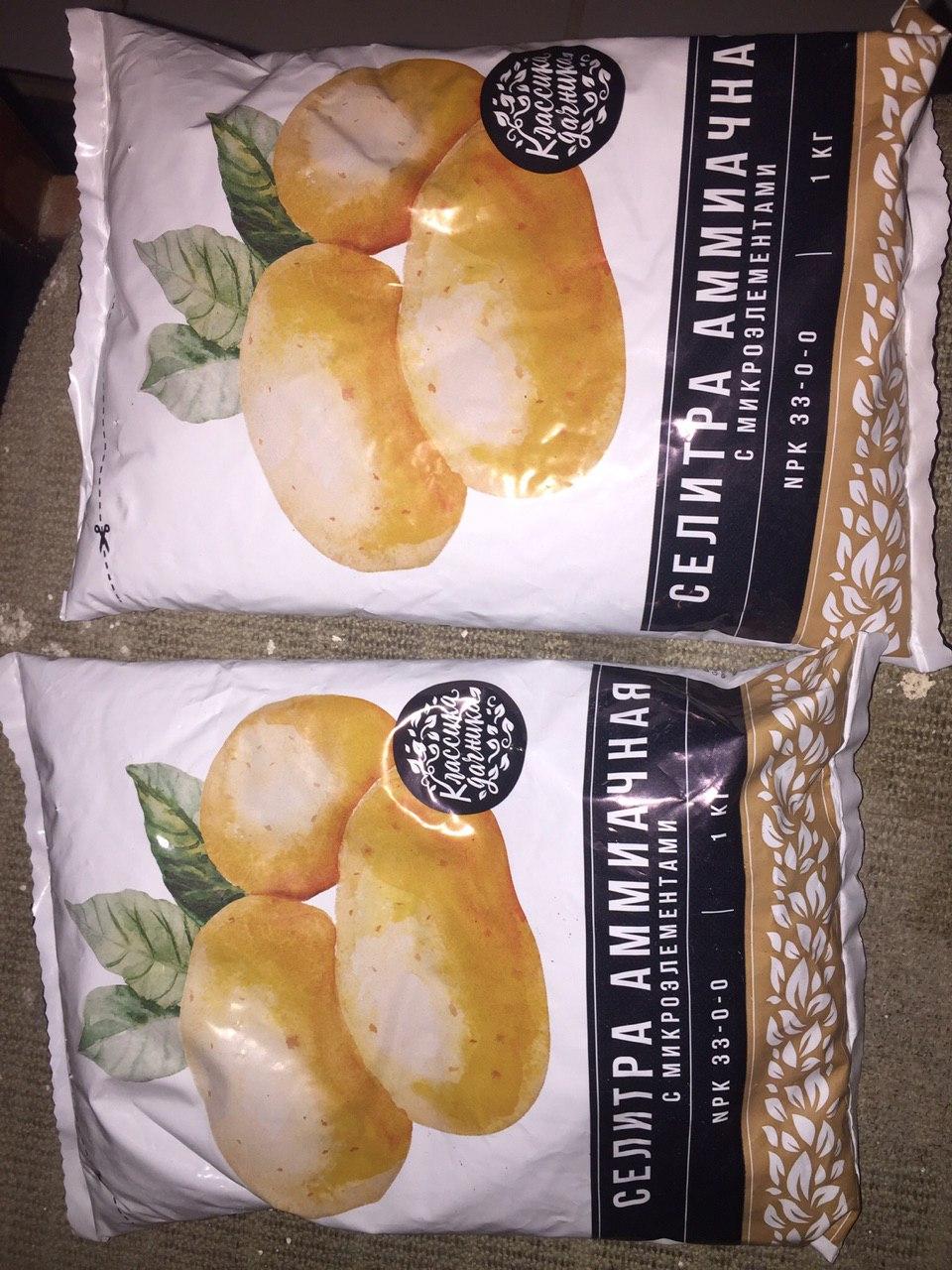
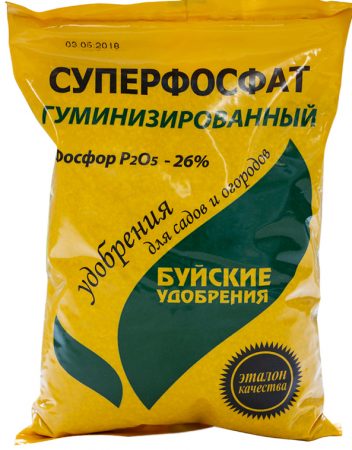
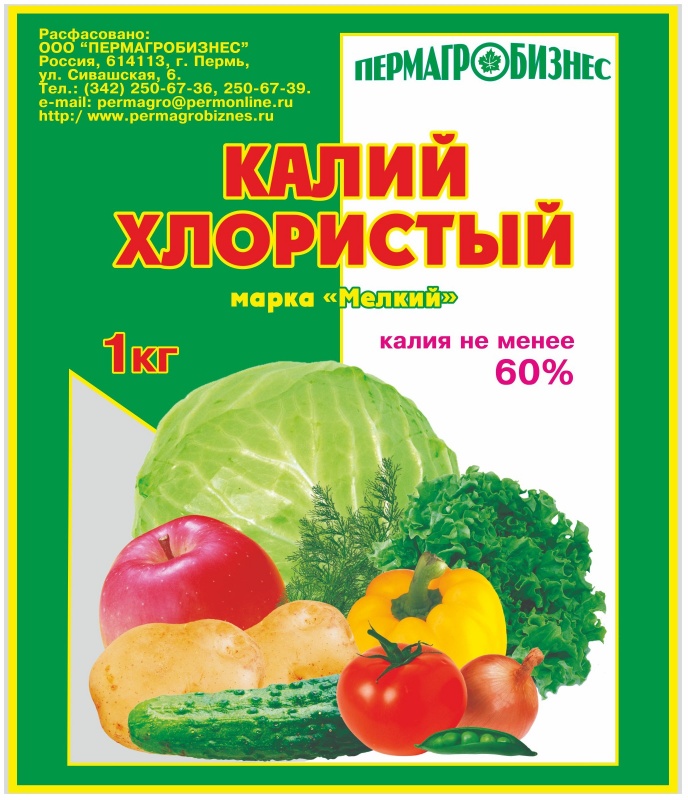
Nitrogen-containing fertilizers produce good results. Superphosphate and potassium chloride are also beneficial for potatoes. Humus can also be used. To apply it, carefully push back the tops and sprinkle the fertilizer under the bush.
Protecting the Memphis potato variety from diseases and pests
This variety is characterized by good immunity. The risk of potato cancer, late blight, and scab is practically zero. However, there are other problems that should be guarded against.
Potato moth
This insect overwinters in the soil and survives subzero temperatures. After the tubers are stored, the moth may appear among them. Overwintering in warm conditions, it will lay its larvae on the potatoes. These roots are no longer suitable for consumption.
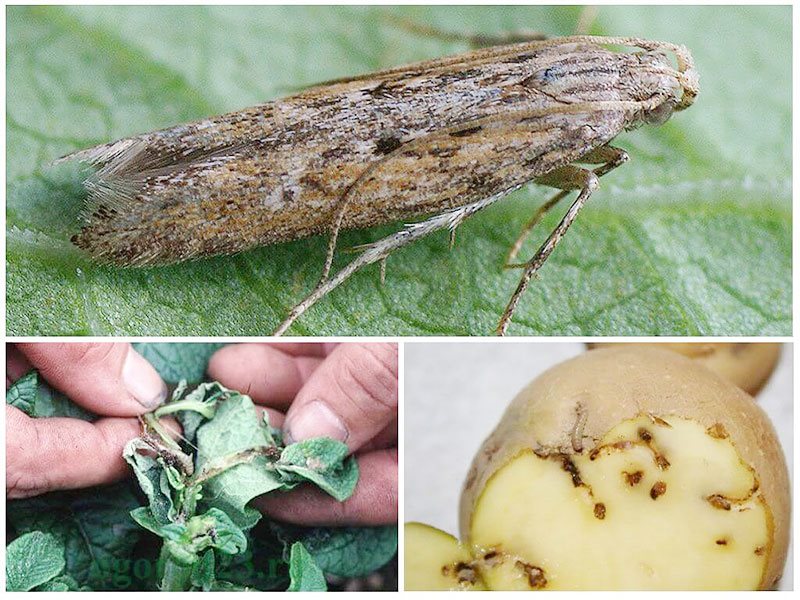
Symptoms of plant damage by pests:
- The underside of the leaf blade is covered with webbing and small black dots. The affected leaves then begin to dry out.
- The root vegetables become covered with cracks, and winding passages are visible in their pulp.
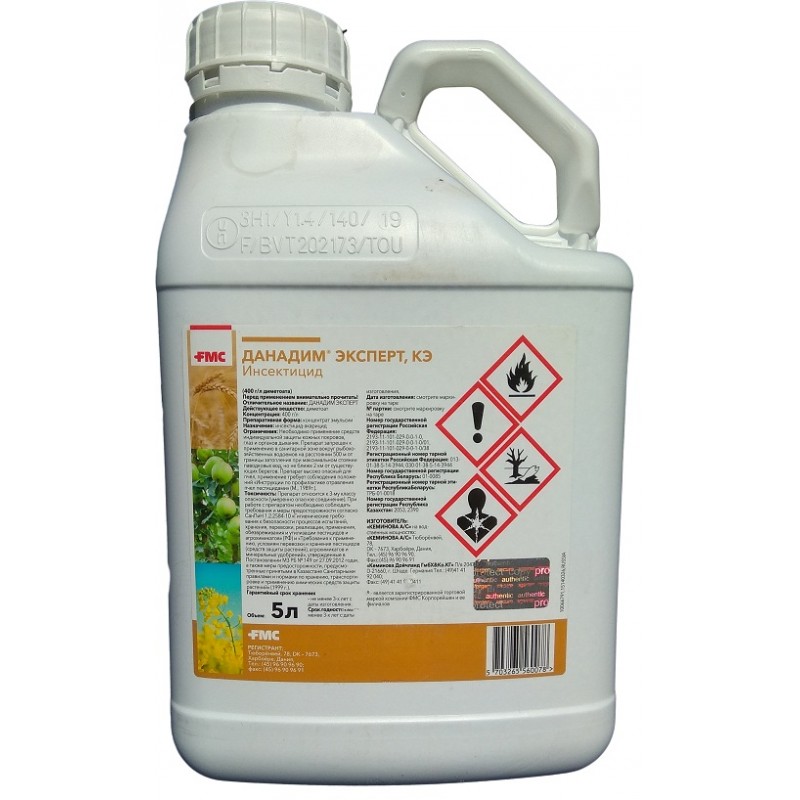
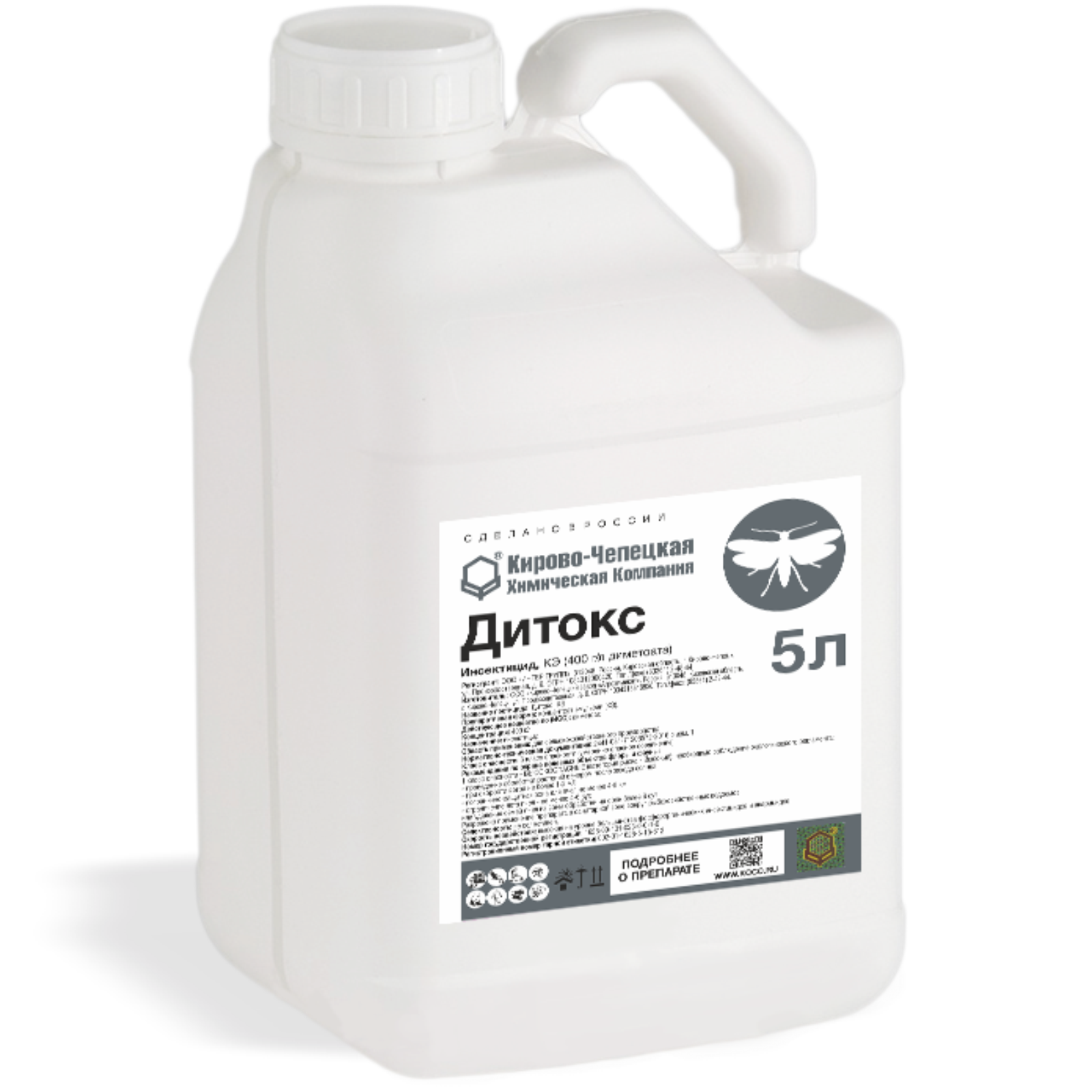
If these signs appear, treat the plantings with specialized products. Suitable products include Danadim and Ditox. Apply the treatment several times, spaced weekly.
Colorado beetle
This is the most well-known pest that destroys potato crops. It can migrate from another site or emerge onto the ground after overwintering in the soil. The insect consumes not only leaves and stems but also tubers. If action is not taken promptly, the entire crop can be lost.
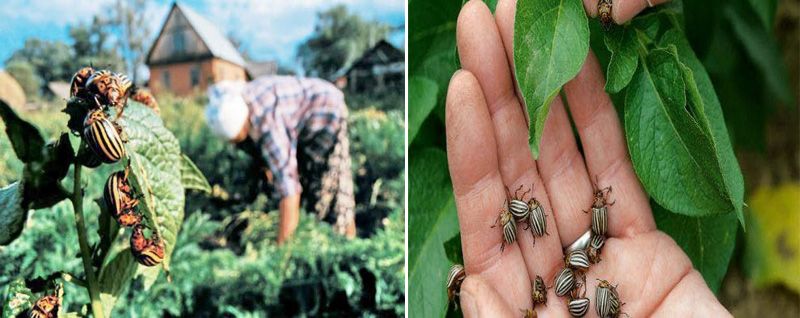
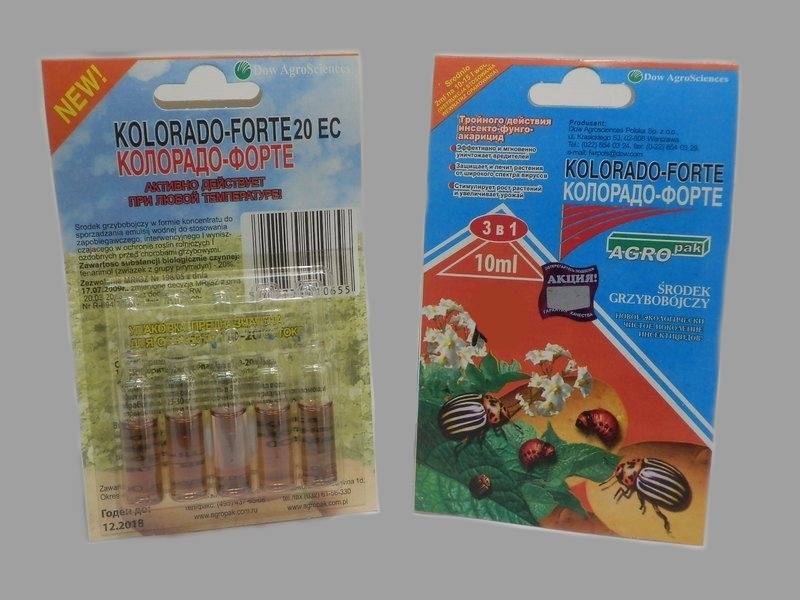
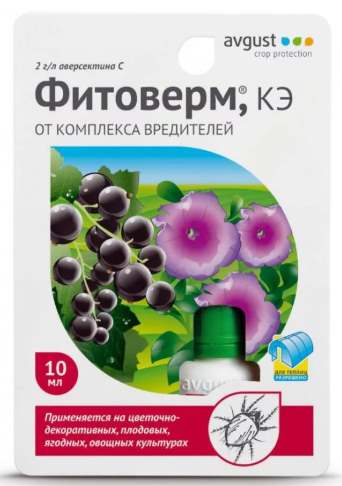
In a small area, the beetles can be collected in a jar filled with kerosene. If the area is large, it should be treated with Colorado, Karate, or Fitoverm. These are highly toxic, so it's essential to use personal protective equipment.
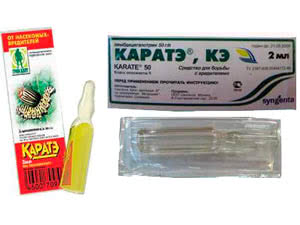
Read about Colorado potato beetle and methods of control More details in a separate article.
Leaf curling
This disease is caused by a virus. The leaves become deformed and dry out, and the roots become covered with a black mesh. The pulp loses starch.
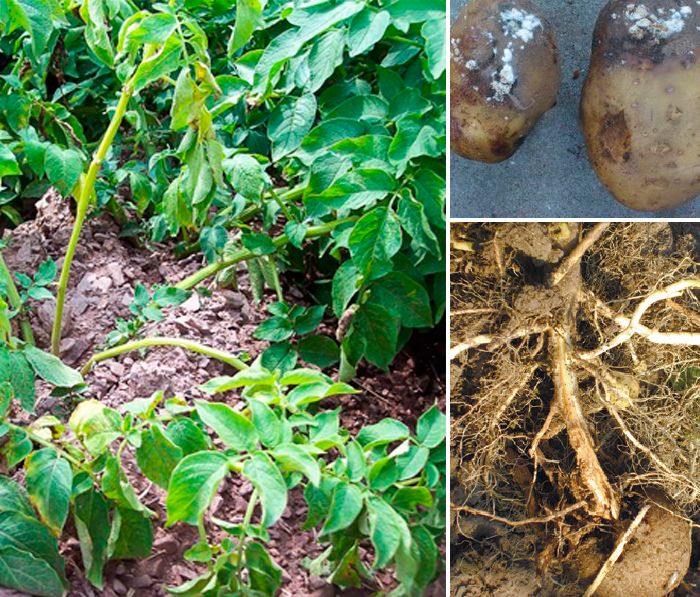
The main cause of the disease is contaminated seed. This affliction is incurable, so the tubers must be thoroughly treated before planting.
Read more about potato diseases and methods of control and prevention.
Harvesting and storage
Starting in late July, you can gradually dig up the tubers for edible purposes. The full harvest should be collected after the tops have wilted. But it's important to do this before the first frost.
Potatoes store well throughout the winter in a basement or cellar, but several conditions must be met. Immediately after harvesting, the roots should be laid out on the ground, covered with plastic, and thoroughly dried. Then, they should be stored temporarily, regularly inspecting the tubers. Any that are beginning to rot should be removed. After this, the potatoes are carefully sorted and stored permanently. Small tubers can be set aside for use as seed for the following season.
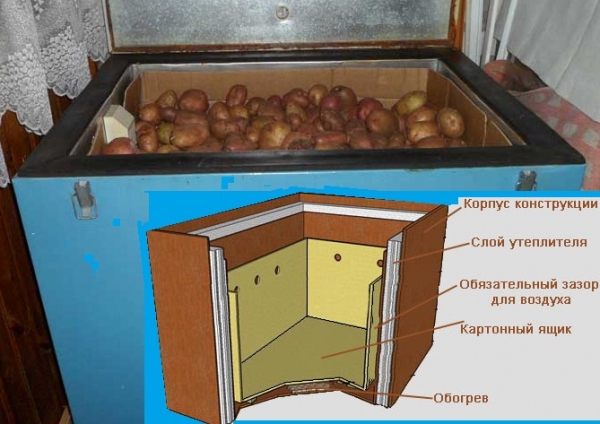
We recommend the article about rules for storing potatoes and varieties that keep well.
Comparison of the Memphis potato variety with other varieties
| Variety | Ripening period (number of days to maturity) | Starch (%) | Yield (c/ha) | Weight of tubers (g)
Number of tubers per bush |
Shelf life (%) |
| Memphis | Mid-early** | 14.2-16.7 | 330-610 | 80-160
9-11 |
94 |
| Alvara | Mid-early | 13-15 | 295-540 | 90-110
8-14 |
90 |
| Jewel | Early ripening* | 10-15 | 700 | 80-150
15-20 |
94 |
| Ilyinsky | Mid-early | 15.7-18 | 176-346 | 55-160 8-13 |
93 |
| Innovator | Mid-early | 12-15 | 320-344 | 83-147
6-11 |
94 |
| Strongman | Mid-early | 10-12 | 127-275 | 80-105
15-20 |
97 |
| Molly | Early ripening | 11.4-13.4 | 171-308 | 98-142
20-25 |
82 |
| Nakra | Mid-season*** | 18-22 | 203-308 | 65-160 6-11 |
95 |
| Nikulinsky | Mid-late**** | 22 | 170-420 | 70-120
12-15 |
97 |
| Rosalind | Early ripening | 12-17 | 203-223 | 60-115
10-16 |
94 |
*Early ripening – 50-65 days.
**Mid-early – 65-80 days.
***Mid-season – 80-95 days.
****Mid-late – 95-110 days.