Belarusian potato varieties, those developed by Belarusian breeders, are extremely popular among gardeners. They are suitable for growing in different countries depending on climate conditions, and their taste is comparable to international standards.
Content
- 1 Belarusian potato breeding
- 2 Advantages of Belarusian potato varieties
- 3 Criteria for choosing potatoes
- 4 TOP 9 early potato varieties of Belarusian selection
- 5 TOP 8 mid-early potato varieties of Belarusian selection
- 6 TOP 12 mid-season potato varieties bred in Belarus
- 7 TOP 8 mid-late potato varieties of Belarusian selection
- 8 TOP 3 late potato varieties of Belarusian selection
- 9 Tips from Top.tomathouse.com on growing and storing Belarusian potatoes
Belarusian potato breeding
Belarus has always been considered a leading potato producer. Today, it ranks seventh in the world in terms of cultivation and breeding volume. The country has all the necessary conditions: a favorable climate, numerous fields, good equipment, and excellent specialists.

Each new variety undergoes rigorous testing and approval for 12 years. Only then can it be officially recognized and registered.
It's worth noting that potato breeding works not only for its own country, but for the entire world, developing potato varieties specifically zoned for different regions.
Advantages of Belarusian potato varieties
Belarusian potatoes have a number of undeniable advantages over other varieties:
- Excellent yield.
- High marketability.
- Uniformity of fruits.
- Pleasant taste.
- Strong immunity.
- Resistance to cold weather.
Belarusian-bred potatoes are relatively easy to care for, don't require frequent pest control, and are quite tolerant of drought and cold.
Read the article: A review of 103 seed potato varieties and tips for choosing them.
Criteria for choosing potatoes
Every gardener will have their own criteria for choosing potatoes. These depend on the growing region and the intended use.
- If you're mostly using potatoes for mashed potatoes, choose a soft-boiled variety. For making chips, it's best to choose drier, firmer varieties.
- Owners of summer cottages are interested in the speed of potato ripening, so early varieties are suitable for them.
- If potatoes are planted in private farms, then you can choose late varieties with large tubers and a long shelf life.
Experienced gardeners recommend planting several potato varieties with different characteristics at the same time.
Also read about potato varieties: Gala, Queen Anne.
Let's look at different varieties of Belarusian potatoes according to their ripening time.
TOP 9 early potato varieties of Belarusian selection
Early potato varieties are characterized by rapid ripening, but these tubers have virtually no shelf life and must be eaten immediately. In warm climates, two harvests of early potatoes of Belarusian selection can be harvested per season.
Dolphin
| Name | Dolphin |
| Ripening period | 50 days |
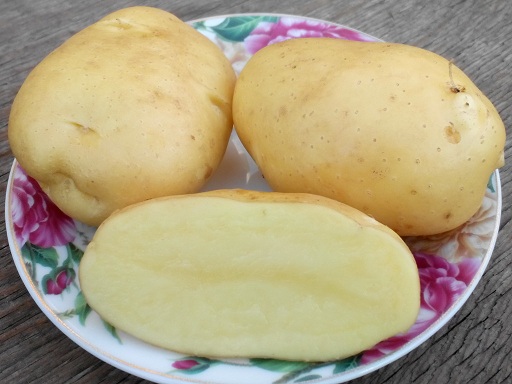
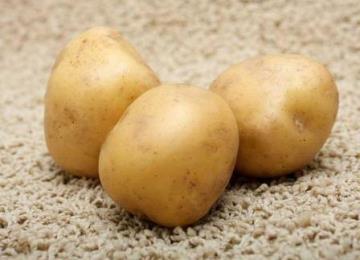
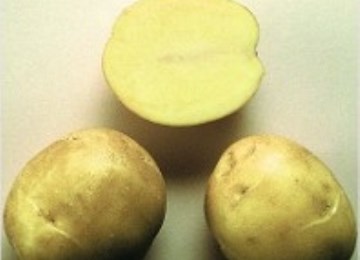
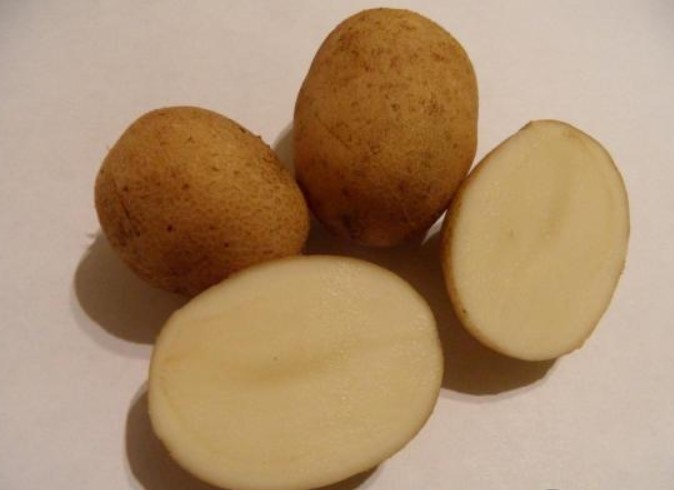
| Description of tubers | The tubers are oval-elongated, the skin and flesh are yellowish. |
| Productivity | 550 c/ha |
| Culinary type | IN |
| Starch content | 12% |
| Disease resistance | High resistance to late blight and scab. |
| Peculiarities | Drought-resistant, long-lasting, and has excellent yields. |
| 2002 |
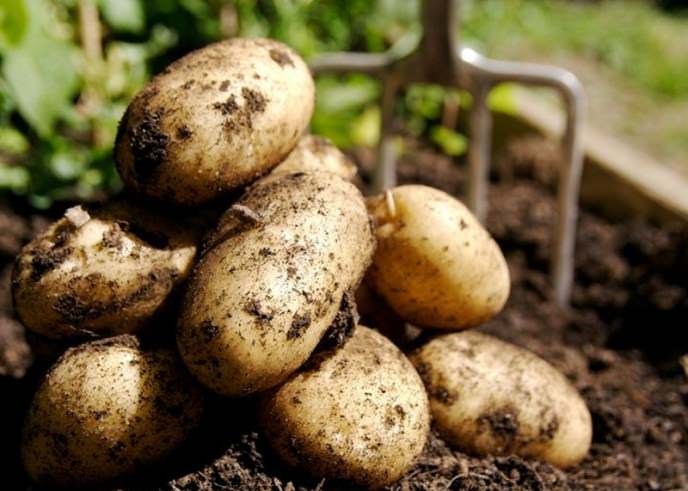
Photo gallery of the Dolphin potato variety
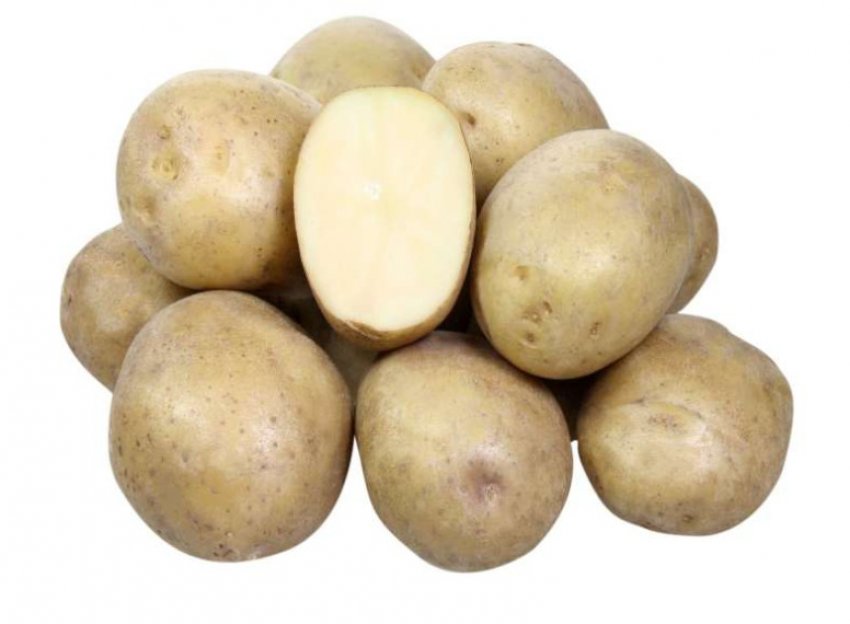
Review of the Dolphin potato variety
The dolphin was growing.
I liked the late blight resistance, especially in the tops. The tops "burned" later than other varieties.
The sheer number of tubers in the nest was shocking. Hence the enormous yield.
But I abandoned the variety. The main reason was the many misshapen, unmarketable tubers. They looked like crooked potato dolphins!
And very long stolons. The nest is not compact. A lot of cuttings are made. Dolphin didn't like digging. You don't know where to stick the pitchfork.
Lots of green potatoes, standing out in the sun.
In short, there's a big loss of life on Dolphin. And no livestock.
So there is no Dolphin.
I kept Lazurit. Although it's less resistant to late blight on the tops and the yield is lower, the tubers are yellow, smooth, and round, like billiard balls, and the flavor is just right!
But can’t a highly marketable, high-yielding, early, but tasteless variety occupy the first place in terms of area?
In commercial cultivation, marketability (small eyes and a small number of them) and yield are paramount, while stability and taste are not so important; what matters are the qualities that help sell more and better.
Typically, only early varieties are grown, which, due to their short growing season, require minimal treatment. This is why varieties like Lazurit and Dolphin are grown.
For us, taste, stability, and yield are paramount. Resistance to temporary waterlogging is also important, as the soil is loamy and located in a small depression, so waterlogging is possible.
I can't comment on the varieties you mentioned, as I haven't grown them. Researchers at the Potato Institute had good reviews of Dina, but they said it prefers lighter soils, as did Zhivitsa. I think Vetraz and Vesnyanka should be tasty and resilient, as they're late-ripening varieties. Dubrava was only praised for its good taste.
I've only mentioned varieties that have proven themselves in my loam soil and that suit my taste perfectly. For example, Orbita is considered one of the benchmarks for taste, and I agree; it's delicious in our soil conditions, as is Ragneda.
This year we will plant the following varieties: Orbita, Ragneda, Uladar, Zdabutak, and from the new ones, Lad (mid-season) and Yavar (mid-early).The Zhuravinka variety is tasty, but does not tolerate short-term over-watering; it has a lot of small fruits, although there are many medium and large ones.
Molly (German) also doesn't like over-watering and the taste isn't very good.
Dolphin - also, does not boil over at all.
Coretta is weakly resistant to late blight and rots easily in wet weather at the end of summer, although it has an excellent taste.
Did you know that there is a potato variety with a similar name? Dolphin?
Zoraczka
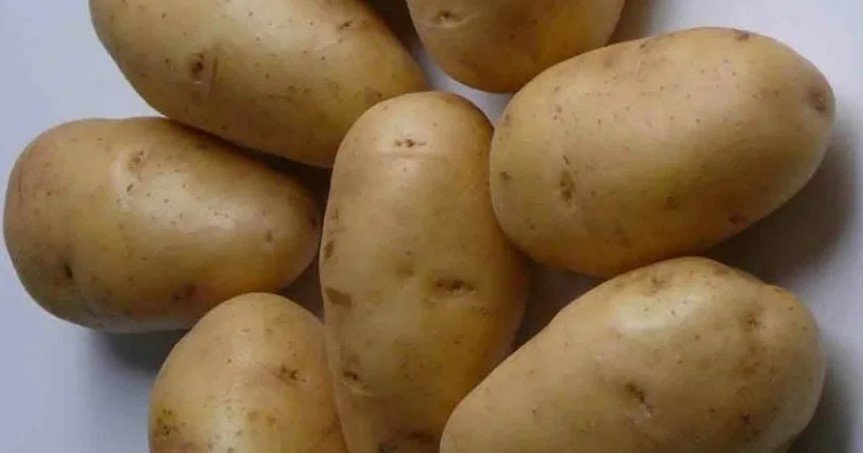
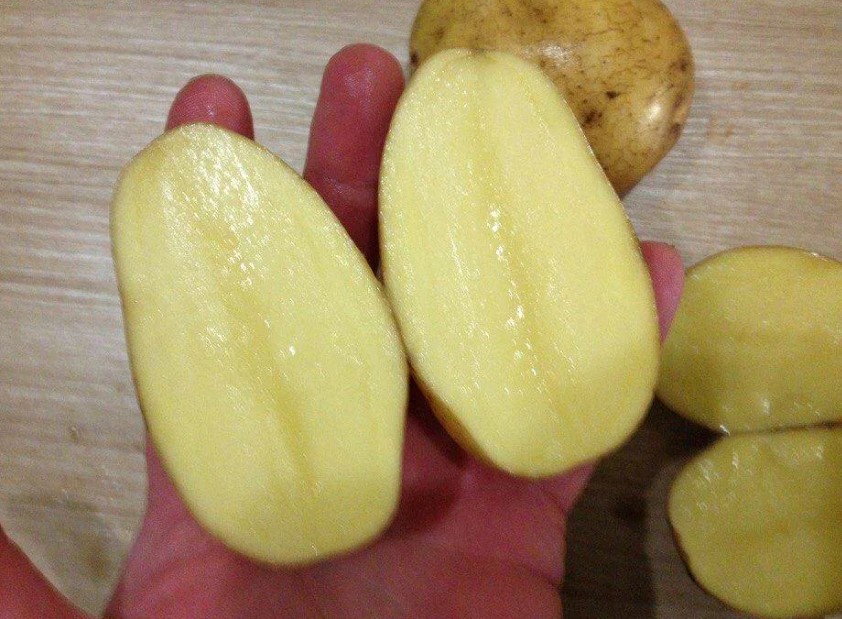
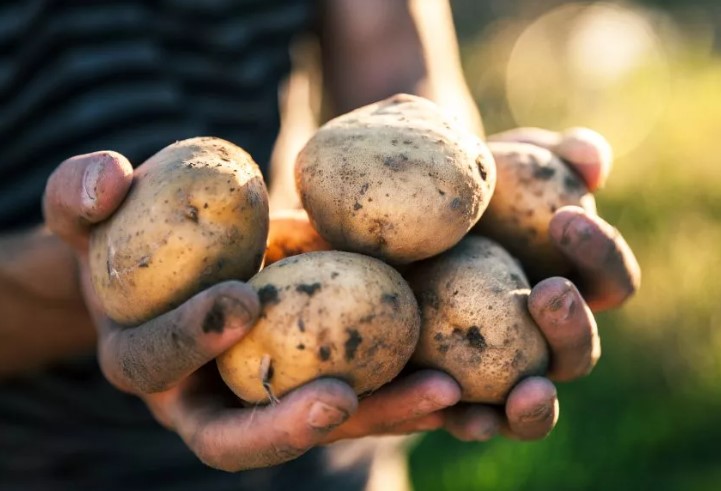
| Name | Zoraczka |
| Ripening period | 55-60 days |
| Description of tubers | The tubers are elongated, oval-shaped, with smooth, yellowish skin and small eyes. The flesh is light yellow. |
| Productivity | 77.1 t/ha |
| Culinary type | AB |
| Starch content | 13.8% |
| Disease resistance | Resistant to most diseases, average resistance to tuber blight and virus Y |
| Peculiarities | Suitable for light and medium soils, responds well to fertilizing. |
| 2013 |
Photo gallery of the Zorachka potato variety
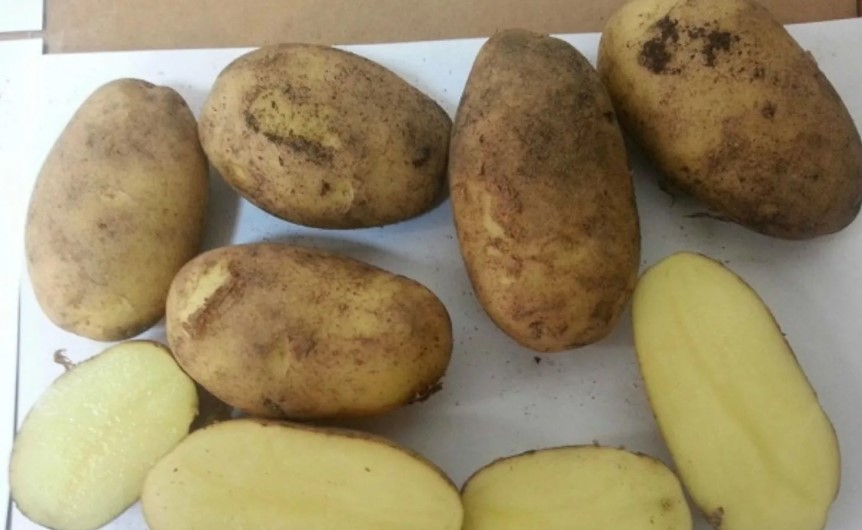
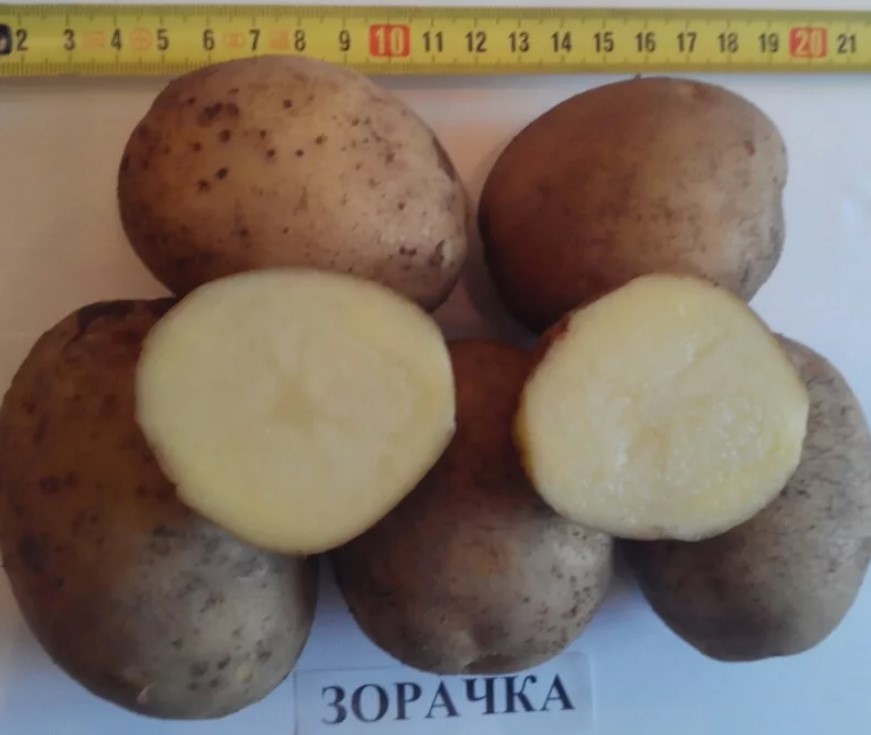
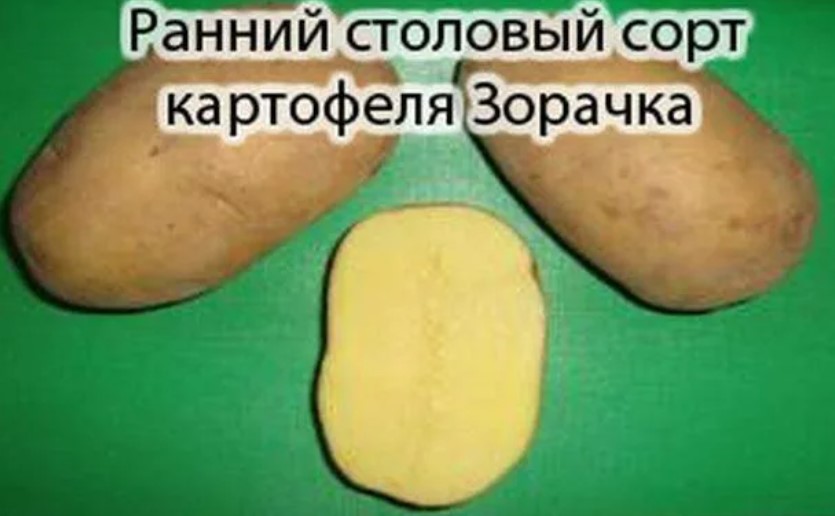
Reviews of the Zorachka potato variety
I tried the Belarusian "Zorachka" potato, of all the ones I've tried, it's the most delicious. I've boiled it both with the skin on and without it, and it's delicious even without salt.
But mine is small, and I don't have many large potatoes. I read about it—it's indeed small and early, like Zhukovsky and Meteor.
Lapis lazuli
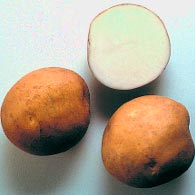
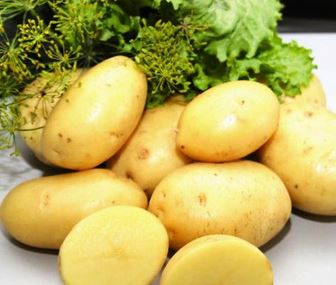
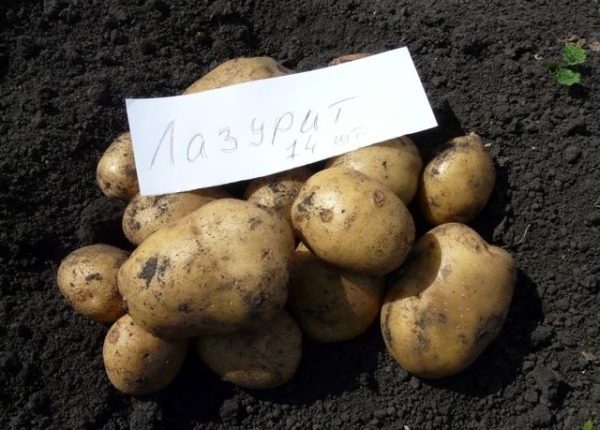
| Name | Lapis lazuli |
| Ripening period | 55 days |
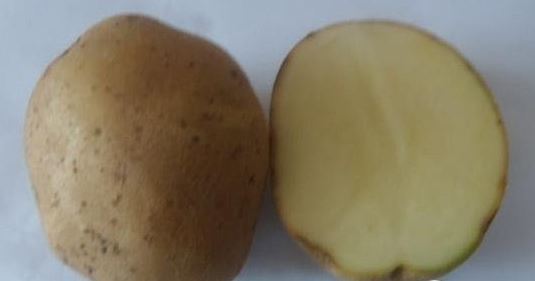
| Description of tubers | The tubers are round in shape. The flesh is white. |
| Productivity | 259 c/ha |
| Culinary type | AB |
| Starch content | 13.5-15.7% |
| Disease resistance | Resistant to nematodes, rhizoctonia, scab, cancer, average resistance to tuber blight, low resistance to foliar blight |
| Peculiarities | A hardy variety with high productivity, universal, good marketability (87-98%). |
| 2002 |
Photo gallery of the Lazurit potato variety
Review of the Lazurit potato variety
But can’t a highly marketable, high-yielding, early, but tasteless variety occupy the first place in terms of area?
In commercial cultivation, marketability (small eyes and a small number of them) and yield are paramount, while stability and taste are not so important; what matters are the qualities that help sell more and better.
Typically, only early varieties are grown, which, due to their short growing season, require minimal treatment. This is why varieties like Lazurit and Dolphin are grown.
For us, taste, stability, and yield are paramount. Resistance to temporary waterlogging is also important, as the soil is loamy and located in a small depression, so waterlogging is possible.
I can't comment on the varieties you mentioned, as I haven't grown them. Researchers at the Potato Institute had good reviews of Dina, but they said it prefers lighter soils, as did Zhivitsa. I think Vetraz and Vesnyanka should be tasty and resilient, as they're late-ripening varieties. Dubrava was only praised for its good taste.
I've only mentioned varieties that have proven themselves in my loam soil and that suit my taste perfectly. For example, Orbita is considered one of the benchmarks for taste, and I agree; it's delicious in our soil conditions, as is Ragneda.
This year we will plant the following varieties: Orbita, Ragneda, Uladar, Zdabutak, and from the new ones, Lad (mid-season) and Yavar (mid-early).
More about the Lazurit variety on the website top.tomathouse.com
Lily
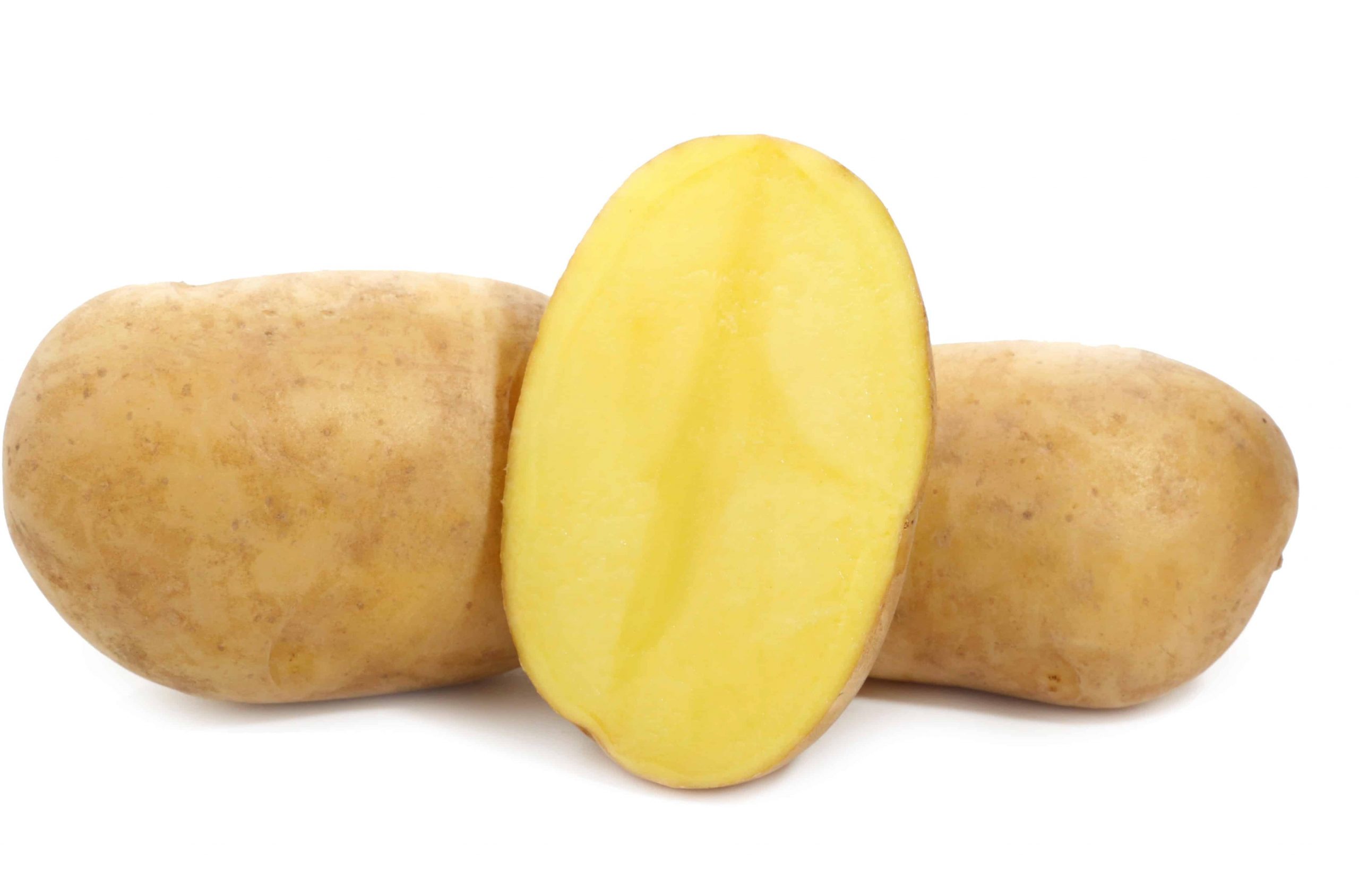
| Name | Lily |
| Ripening period | 50-60 days |
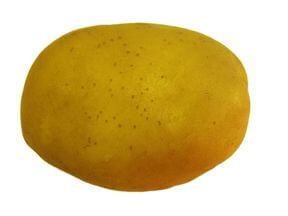
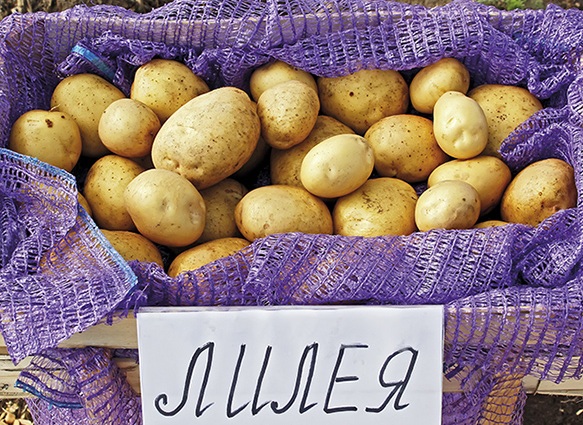
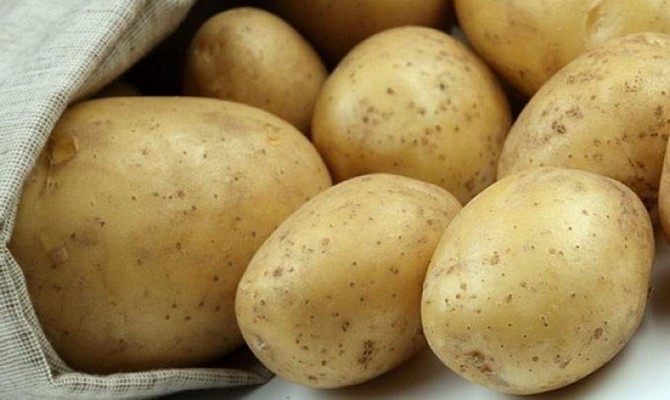
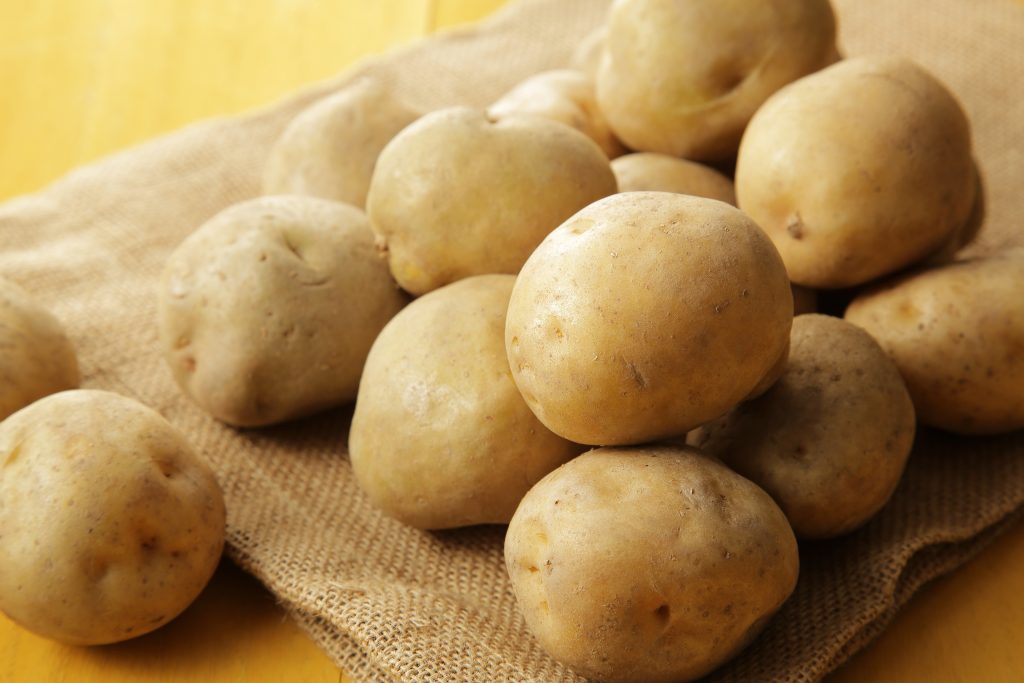
| Description of tubers | The potato is oval-round in shape, with smooth yellow skin and small eyes. The flesh is yellow. |
| Productivity | 67 t/ha |
| Culinary type | AB |
| Starch content | Up to 17.5% |
| Disease resistance | Does not suffer from nematodes, tuber cancer or late blight |
| Peculiarities | Can be used for making French fries and freezing. Suitable for growing in light to medium soils. |
| 2008 |
Photo gallery of the Lileya potato variety
Reviews of the Lileya potato variety
The lily is very tasty. Those who remember the Sineglazka (Blue-Eyed) potato say it tastes similar. It may have some of the Sineglazka's "blood" in it—the potato's skin is normal and light, but when you sprout it, a lilac spot appears around the eye. It had scab, but it stored well. We'll keep planting it.
Of our early varieties, the only tasty one is Lily.
Palace
| Name | Palace |
| Ripening period | 50-60 days |
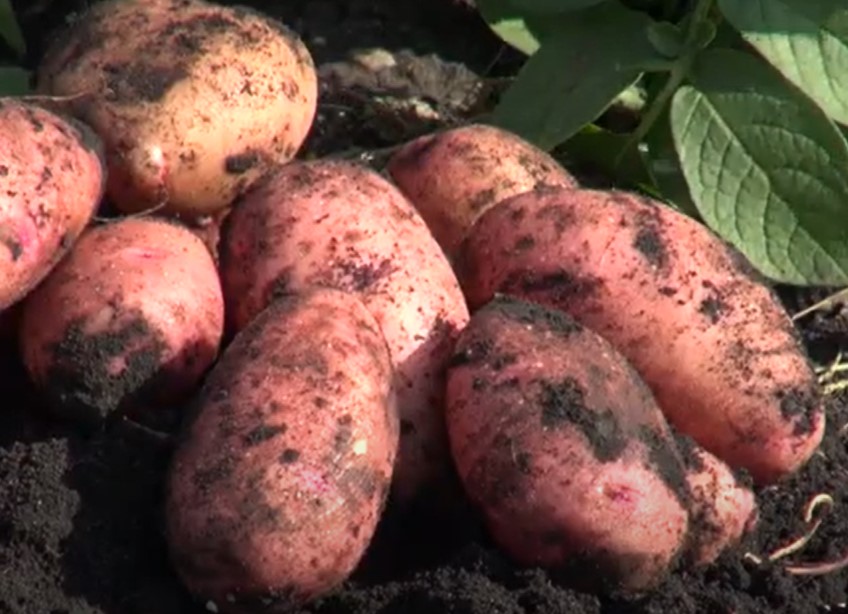
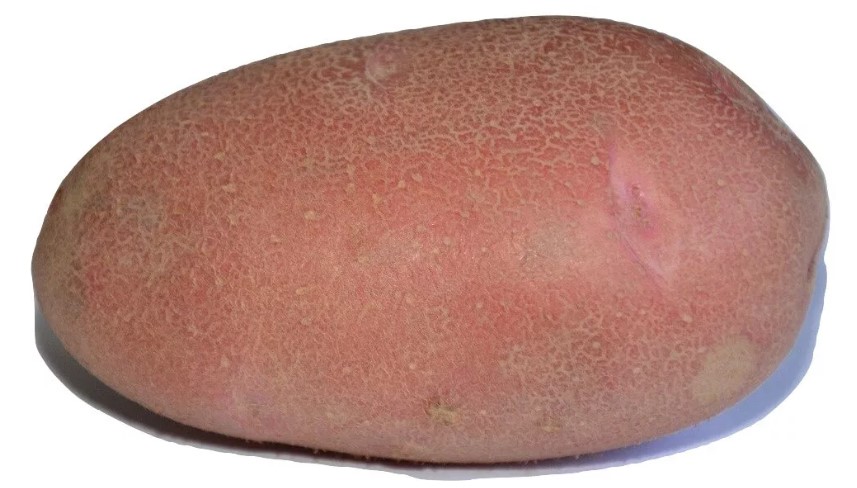
| Description of tubers | The tubers are oval and elongated, with smooth, reddish skin. The eyes are small, and the flesh is light yellow. |
| Productivity | 65 t/ha |
| Culinary type | AB |
| Starch content | 14% |
| Disease resistance | High resistance to canker and nematodes. Moderate resistance to scab, alternaria, fusarium, rhizoctonia, anthroncose, and late blight. |
| Peculiarities | High shelf life and rapid harvesting. Resistance to mechanical damage. |
| Not included |
Photo gallery of the Palace potato variety
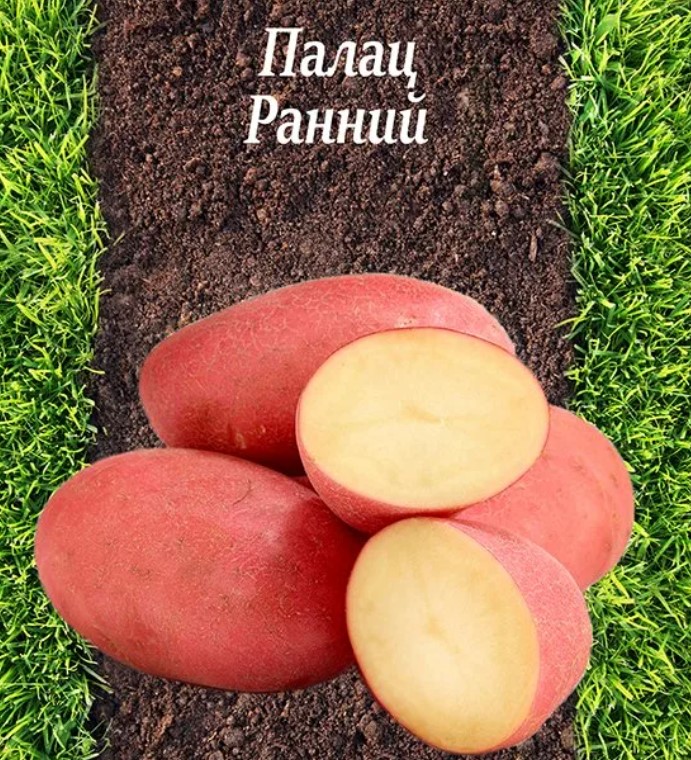
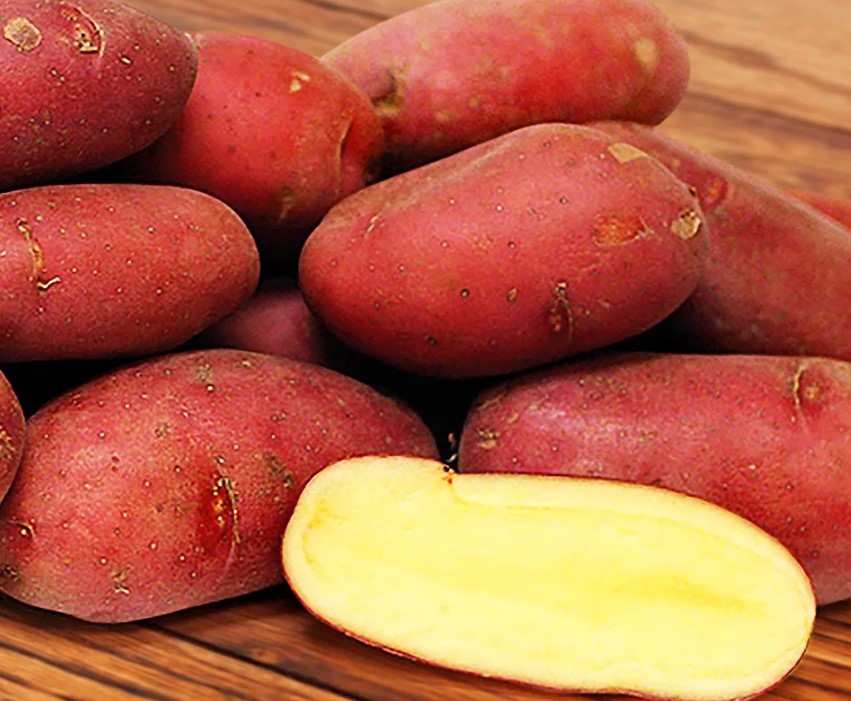
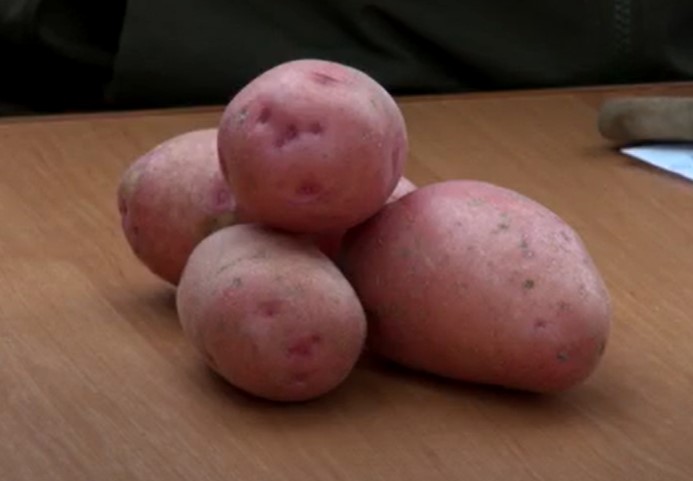
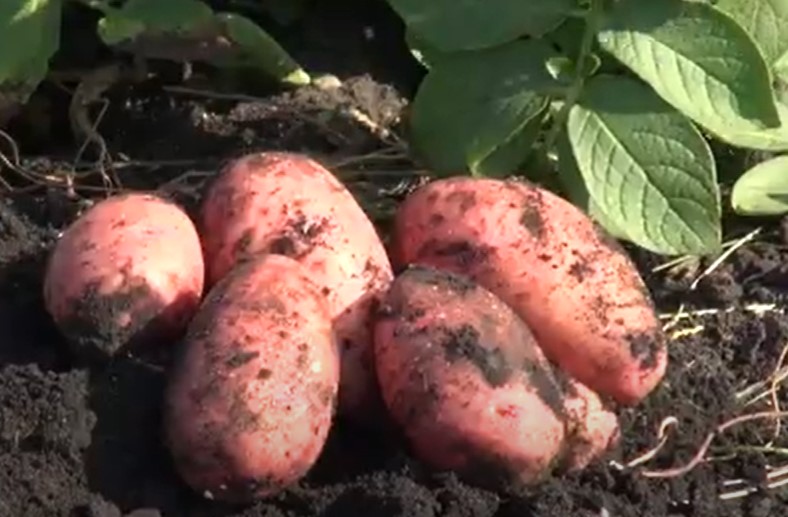
Reviews of the Palace potato variety
The Palace potato is a table variety from Belarusian breeders.
This variety produces tubers early and is characterized by high yields. The first harvest is possible on the 43rd day. The tubers are large, oval, and very easy to peel, with smooth red skin and small eyes. The flesh is light yellow, has an excellent flavor, and contains 11-15% starch.
— It doesn't cook well.
— The variety is easy to grow
— Resistant to nematodes, potato cancer, viruses and major diseases
— Early ripening period (43-70 days)
— Average tuber weight is 60-90 g
— Yield 4.5 kg.
Pershatsvet
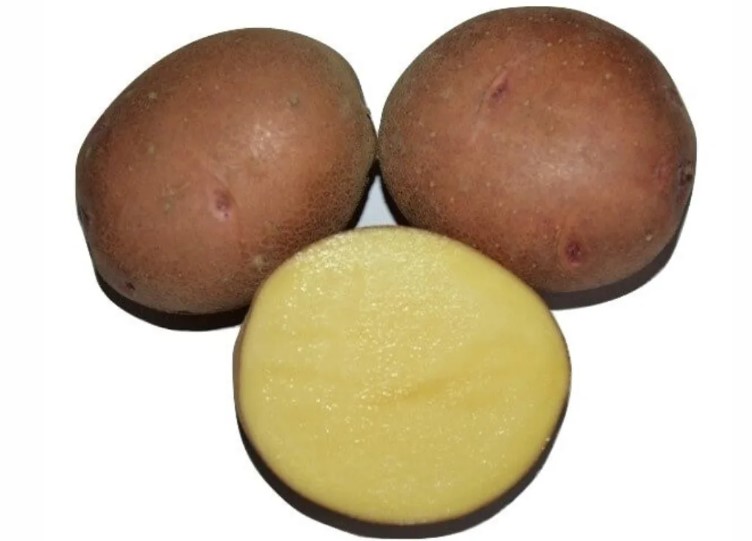
| Name | Pershatsvet |
| Ripening period | 50-60 days |
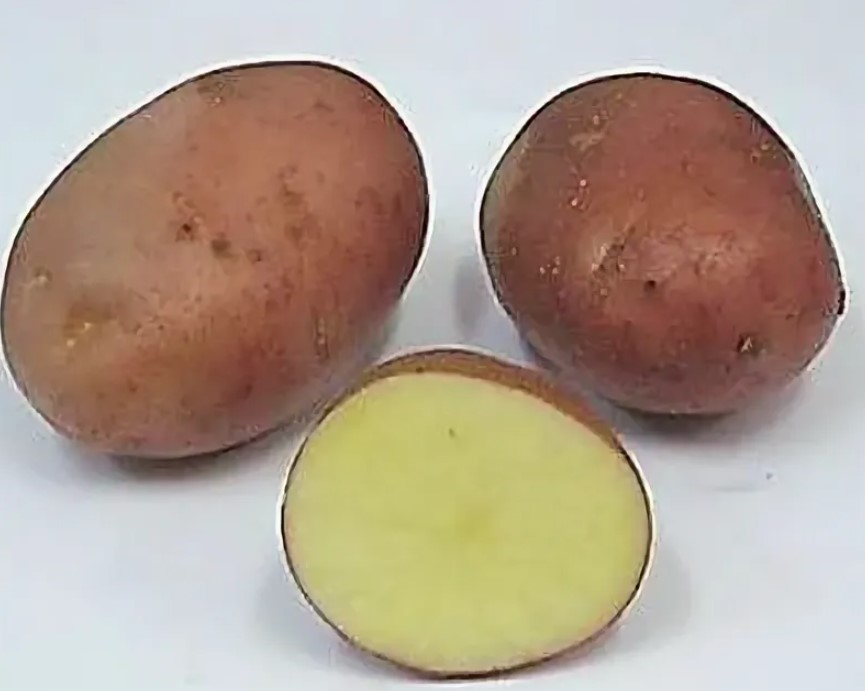
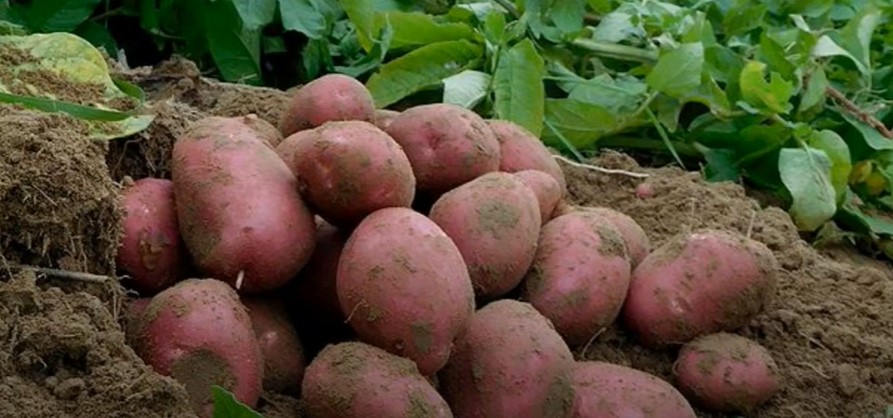
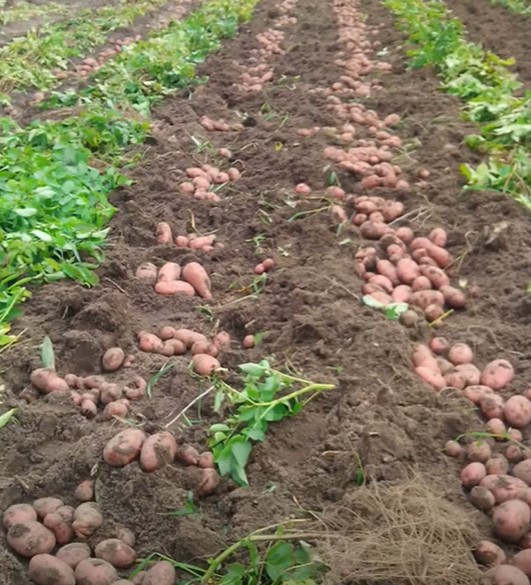
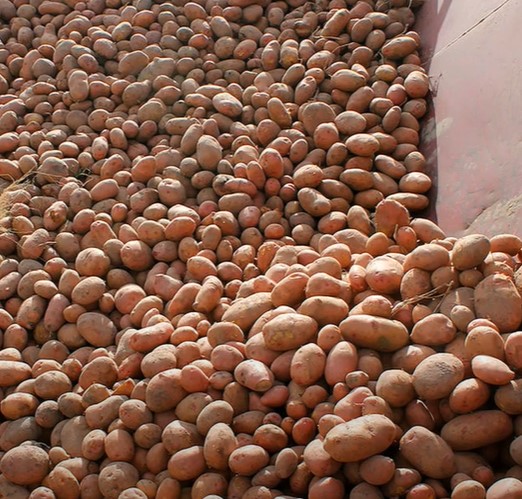
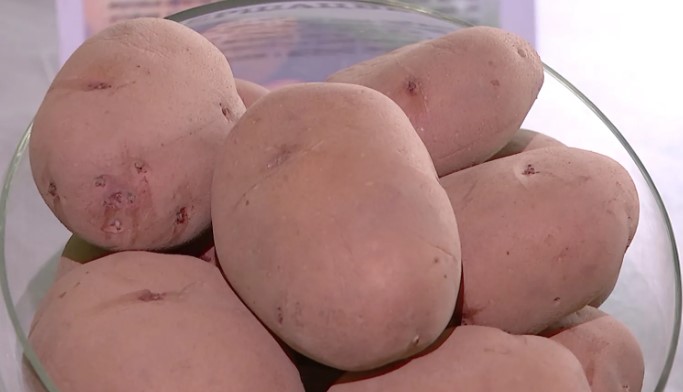
| Description of tubers | The tubers are round, red, with small eyes and a mesh-like skin. Dense. |
| Productivity | 67.8 t/ha |
| Culinary type | AB |
| Starch content | 15.2% |
| Disease resistance | Potatoes are highly resistant to diseases. If agricultural practices are not followed, they can be affected by late blight, scab, or anthracnose. |
| Peculiarities | Good shelf life of tubers, resistance to damage during digging, high yield. |
| Not included |
Photo gallery of the Pershatsvet potato variety
Reviews of the Pershatsvet potato variety
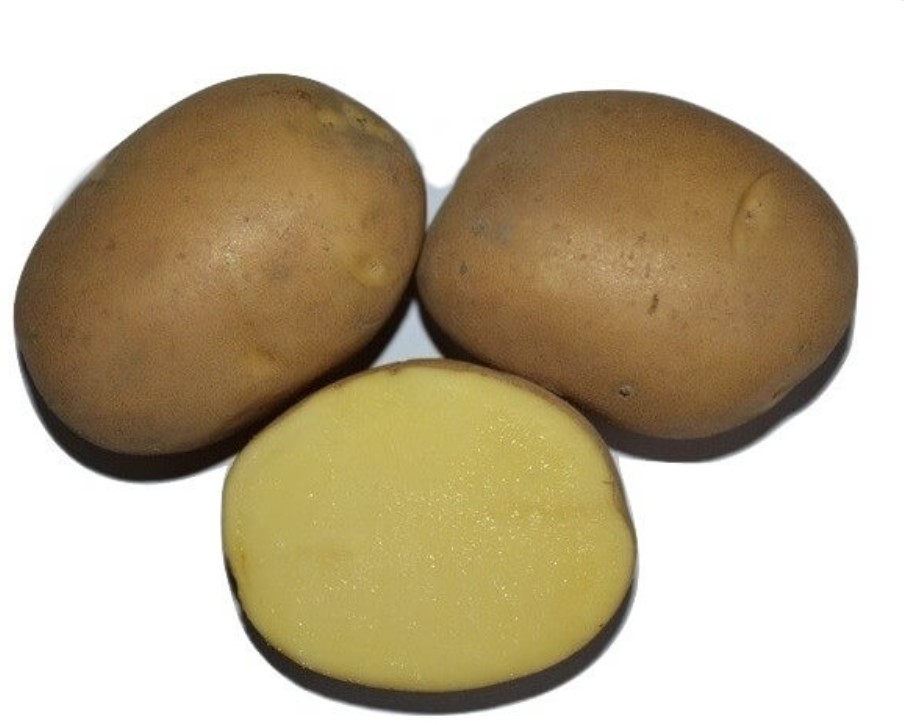
Talachynsky
| Name | Talachynsky |
| Ripening period | 55-70 days |
| Description of tubers | The tubers are oval-shaped with yellow skin, small eyes, and yellow flesh. |
| Productivity | 61.5 t/ha |
| Culinary type | AB |
| Starch content | Up to 14.5% |
| Disease resistance | Resistant to nematodes, canker, and fusarium. Moderately resistant to late blight, common scab, and anthracnose. |
| Peculiarities | Early tuber formation, good storage quality. |
| No |
Photo gallery of the Talachynski potato variety
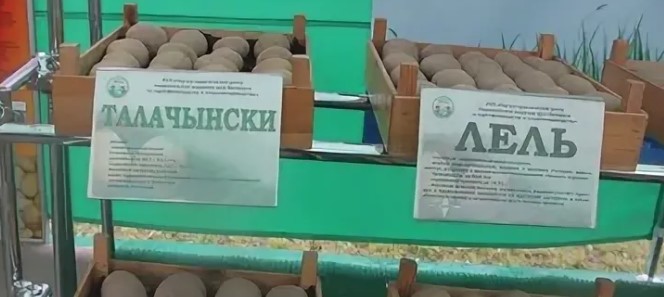
Review of the Talachynsky potato variety
Vadim Makhanko noted that "Tolochinsky" is an early potato variety with excellent flavor. "It was named this way because our scientific and production center includes the Tolochin Canning Plant, one of the largest potato producers. The second new product, the "Ruby" variety, is a mid-late potato with red skin that not only has excellent flavor but also exhibits excellent shelf life. We hope that these varieties will find their way to our consumers in two to three years," he said. The new varieties are currently undergoing state registration.
Speaking about potato exports, the specialist noted that the most popular varieties among Russian customers, for example, are the same ones that are popular in Belarus: "Skarb," "Breeze," "Vektor," "Uladar," and "Manifest." "These varieties have held the palm for the past few years, both here and in Russia. I hope that over time, new varieties will also become equally popular," he said.
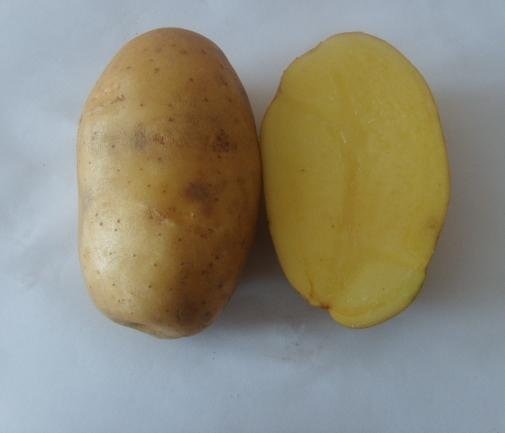
Uladar
| Name | Uladar |
| Ripening period | 55-60 days |
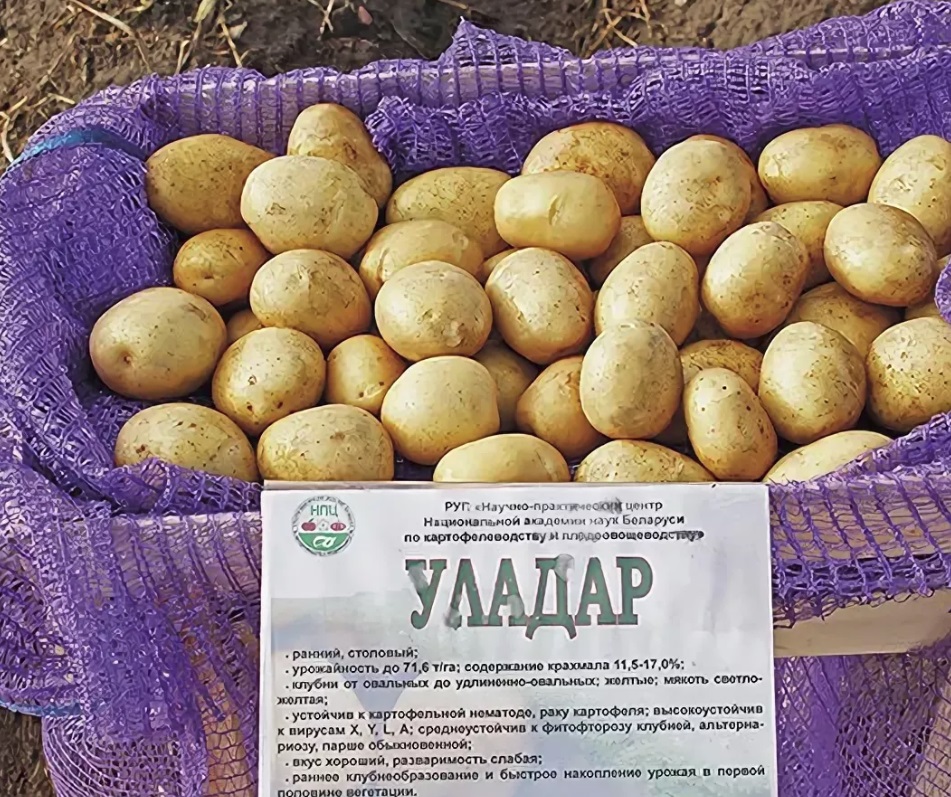
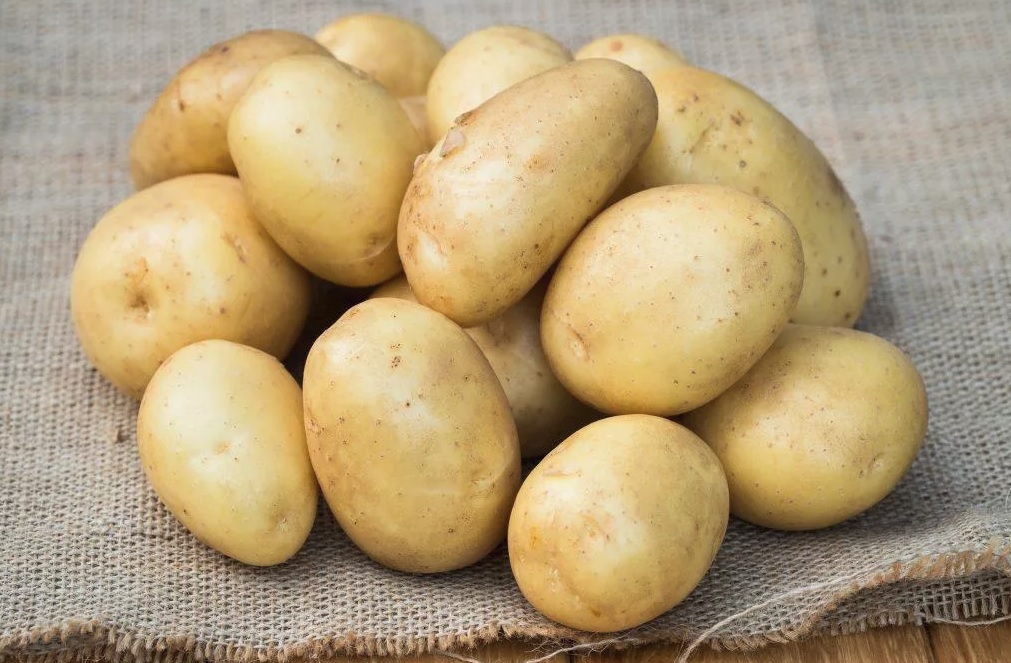
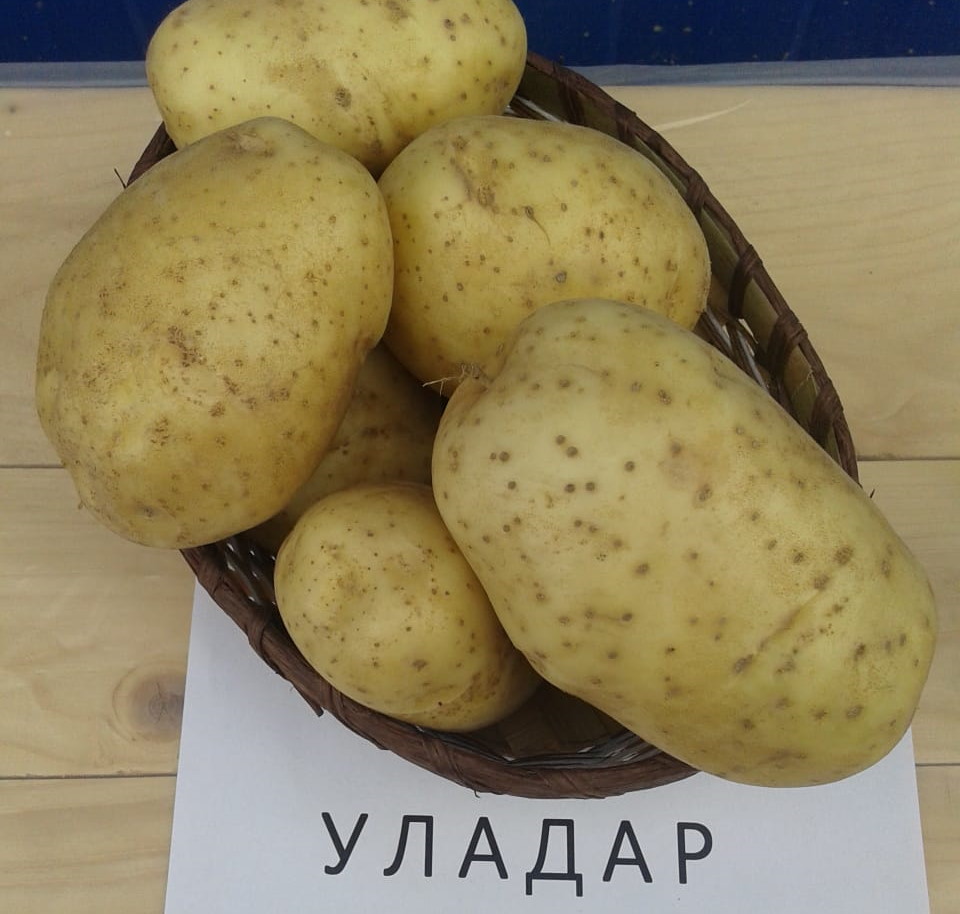
| Description of tubers | The tubers are elongated oval in shape with yellow skin and light yellow flesh. The eyes are small. |
| Productivity | 71.6 t/ha |
| Culinary type | IN |
| Starch content | Up to 17.8% |
| Disease resistance | Rarely affected by nematodes, viruses, canker, late blight, and fusarium. May be susceptible to rhizoctonia. |
| Peculiarities | The variety is recommended for light and medium soils and responds to complex fertilizing with increased yield. |
| 2011 |
Photo gallery of the Uladar potato variety
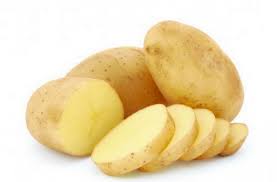
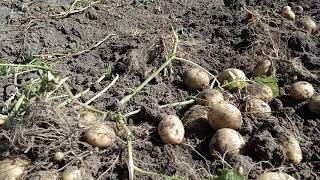
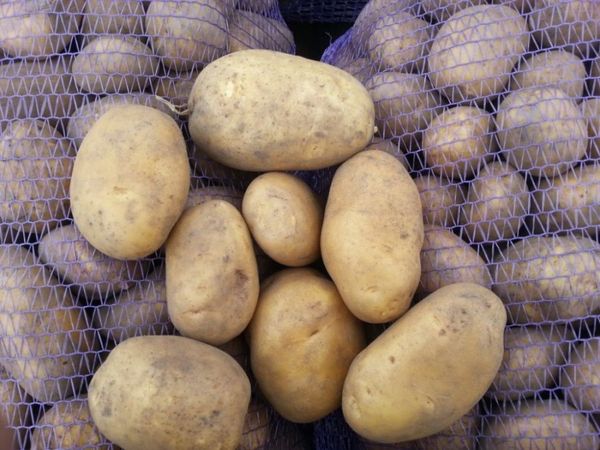
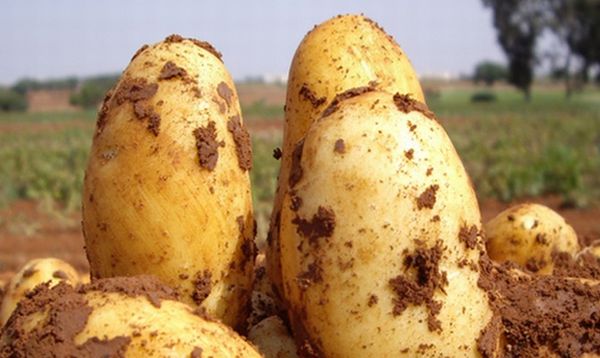
Reviews of the Uladar potato variety
User klim, December 19, 2018
Well, I will finally begin to present the new varieties of potatoes obtained last year from the Gardens of Russia.
Now I can say with confidence that the quality of the seed material is good. I ordered more from there today.
They sent 11 varieties that I ordered and included one Red Scarlett as a gift.
The most productive of them this year was the variety UladarThey all grew in the same conditions, in fresh soil. Although I'm not a fan of cutting potatoes, I'll have to resort to this method now; all the varieties grew very large. The seed size was small, even though they were planted fairly close together, 18-20 cm between plants.
Potato variety Uladar
Uladar – an early-ripening potato variety developed by Belarusian breeders. It boasts excellent disease resistance, excellent flavor, accelerated tuber formation, and resistance to mechanical stress. Disadvantages: susceptibility to the Colorado potato beetle and demanding cultivation practices. Semi-erect plants of medium height, with purple flowers with a reddish tint. Potatoes are harvested 65 days after planting. Each potato nest contains 8 to 12 medium and large oval-shaped tubers. The smooth yellow skin conceals pale yellow flesh with a slow cooking time. This is a very productive variety – 500–600 centners per hectare.
An early-ripening variety, characterized by high productivity and undemanding nature. Tubers form very early, which allows for two harvests from a single bush. The first digging is done on the 45th day after full germination (yield is approximately 1.6 kg/m2), the second - on the 55th day (up to 2.6 kg/m2). The total maximum yield reaches 7 kg/m2. The tubers are large - on average 90-140 g (up to 180) g, elongated oval-round in shape with very small eyes. The skin is yellow. The flesh is light yellow, the taste is excellent, does not boil over. Starch content is 13.8-17.5%. Shelf life is 94%. Suitable for growing in all types of soil. Drought-resistant. One of the best varieties of Belarusian selection!
Included in the register for the Central (3) region. Early maturing, table variety. The plant is of medium height, intermediate type, semi-erect. The leaves are medium-sized, green. The edges have slight waviness. Marketable yield is 127-353 c/ha, at the level of the Udacha standard and 71 c/ha higher than the Zhukovsky ranny standard. Yield on the 45th day after full germination (first digging) is 72-159 c/ha, at the level of standards, on the 55th day (second digging) 165-261 c/ha, at the level of and 34 c/ha higher than the Zhukovsky ranny standard.
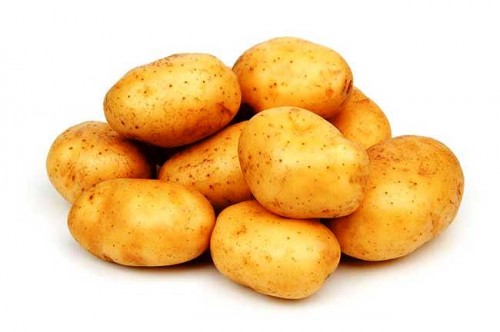
Potatoes are an important vegetable crop, second only to grain. Zarnitsa, a Belarusian company, produces varietal potato seeds. They have a wide selection of varietal potatoes. Their collection includes many early varieties, as well as late and mid-late ones.
For early plantings I use potato varieties UladarDeveloped by Zarnitsa breeders, this potato doesn't overcook quickly and produces large yields. It's easy to grow and can be grown in any soil. Uladar It has large, yellow, oval-shaped tubers. Its skin is thick and smooth, and the eyes are small. It grows quickly, ripens evenly, and produces an early harvest. This variety stores and transports well, is disease-resistant, and contains many beneficial micronutrients. I plant it in late April, covering some of the beds with agrofibre. This helps the potatoes ripen faster and produce an earlier harvest.
User pogoda, Kaluga
Uladar I'll be planting from commercial tubers this year. The taste seems okay. They didn't fall apart when boiled, but if you press on them, they easily break into pieces with grains. The puree did seem a bit grayish, though. I picked up a net at the market, and the tubers were quite marketable, large. I decided I'd give them a try...
Potato variety Uladar For more details, visit Top.tomathouse.com. And, about other ultra-early and early, high-yielding varieties.
Julia
| Name | Julia |
| Ripening period | 55-60 days |
| Description of tubers | The tubers are round, the flesh is yellow, the eyes are small, the skin is smooth |
| Productivity | 61.5 t/ha |
| Culinary type | AB |
| Starch content | 14.5% |
| Disease resistance | High complex resistance to potato diseases. |
| Peculiarities | The tubers develop quickly, are highly resistant to damage during digging, and have a pleasant taste. |
| Not included |
Photo gallery of the Yulia potato variety
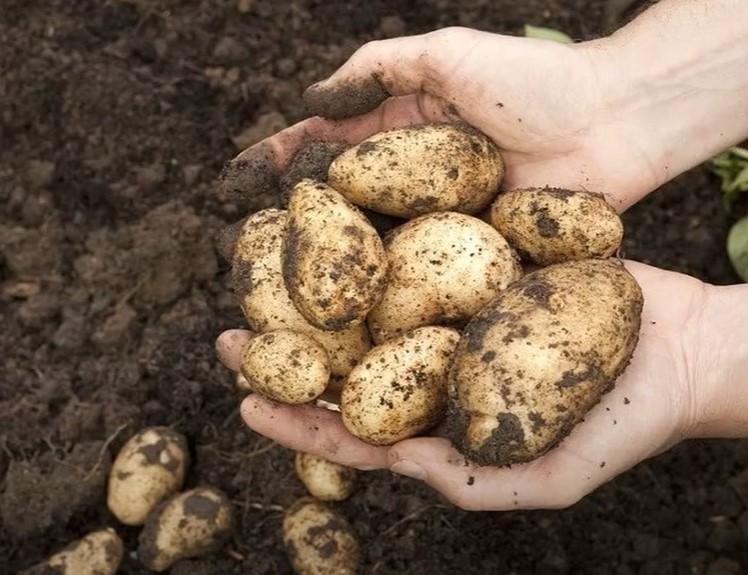
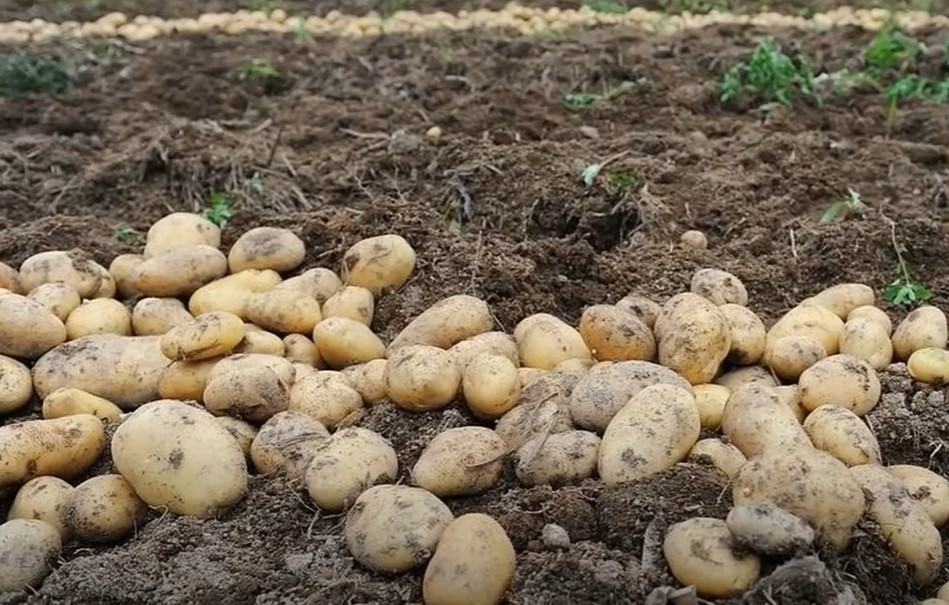
Reviews of the Yulia potato variety
I'll add to the comments: I made "babka" and mashed potatoes from Yulia, and overall, they turned out very tasty. Yulia can be grown as the earliest potato, but not for cooking whole potatoes, but for mashed potatoes, soup, potato pancakes, or "babka" - just right.
I bought a 2 kg sample of Julia, planted it under film for early potatoes in mid-April, in total about 65-70 days passed from the day of planting, boiled it whole for tasting for about 30-40 minutes, served it on the table, and it was hard, as if undercooked, although it cracked slightly during cooking. In general, I didn't like how hard they were, so I put them back in the pan and cooked them. In short, while I was making the jam, they cooked for another 35-40 minutes, and to my surprise, the hardness of the potatoes hadn't changed at all... What should I make with these dense potatoes now? (I still need to try making potato pancakes or kolduny, or babka with them.) Overall, they weren't bad in taste, but they were hard (even after cooking for over an hour, and these are new potatoes, which should cook in 20-30 minutes).
TOP 8 mid-early potato varieties of Belarusian selection
The best yellow mid-early varieties are considered to be the Breeze and Dina varieties.
Breeze
| Name | Breeze |
| Ripening period | 80-90 days |
| Description of tubers | The tubers are fairly large, oval-shaped, with soft yellow skin. The eyes are small, and the flesh is yellowish. |
| Productivity | 60 t/ha |
| Culinary type | IN |
| Starch content | Up to 16.4% |
| Disease resistance | Average resistance to scab and late blight |
| Peculiarities | The fruits have excellent taste, and yield depends on the quality of fertilizers. Potatoes have excellent shelf life and a long dormant period. |
| 2009 |
Photo gallery of the Breeze potato variety
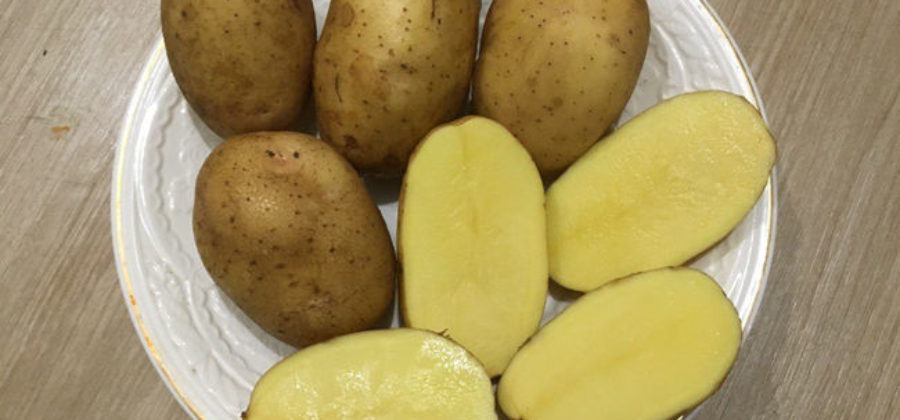
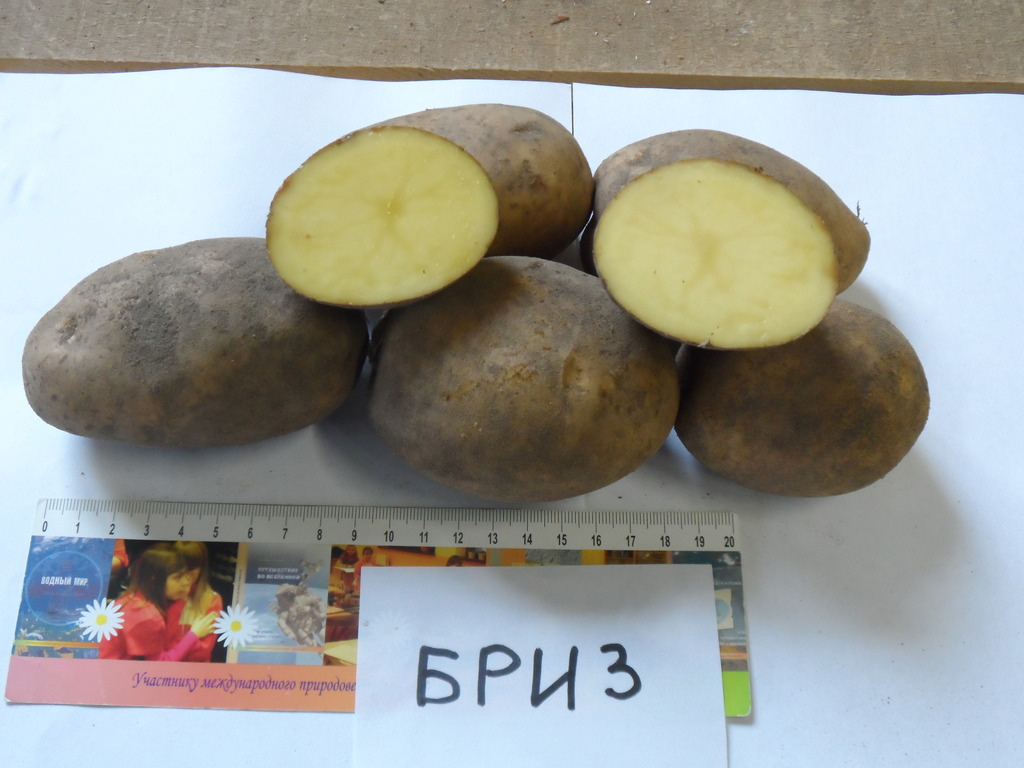
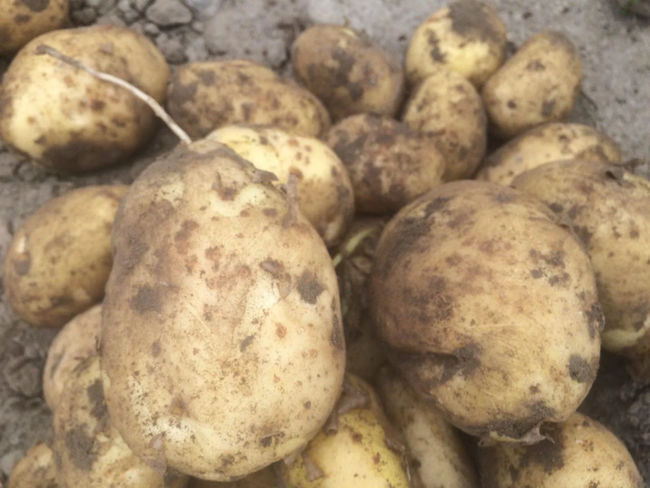
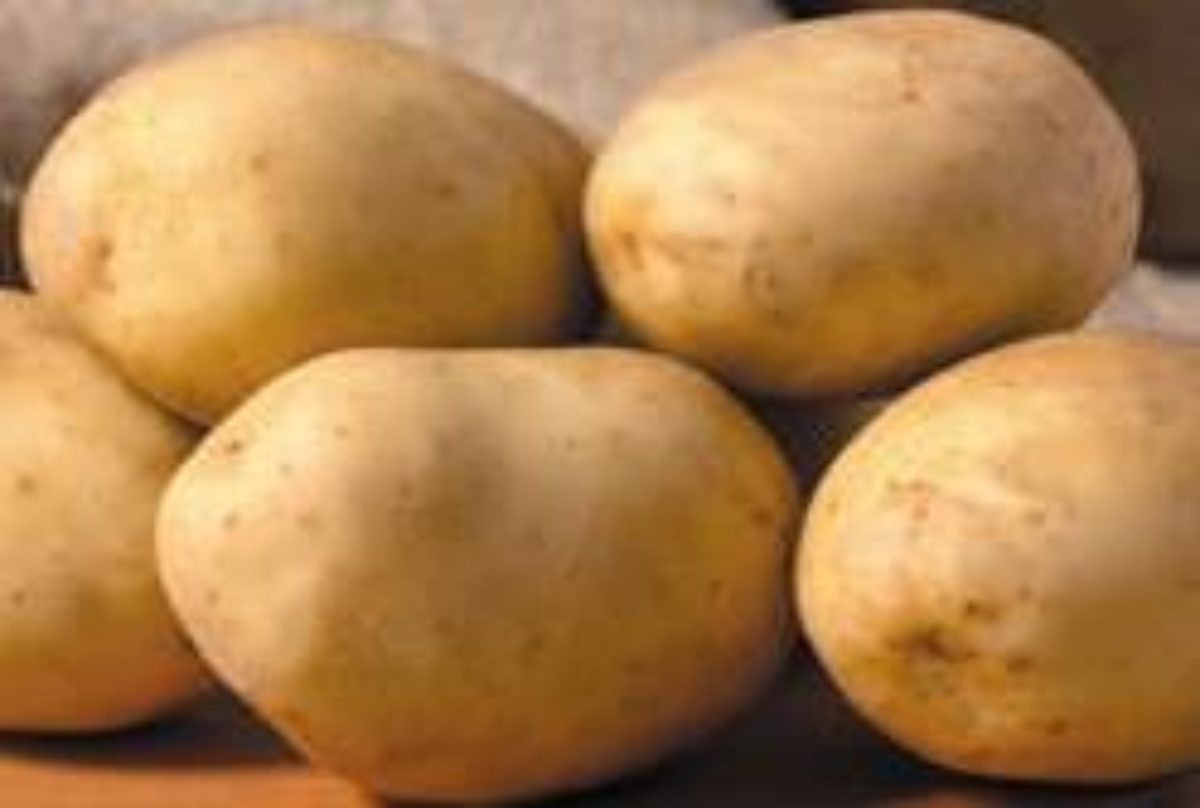
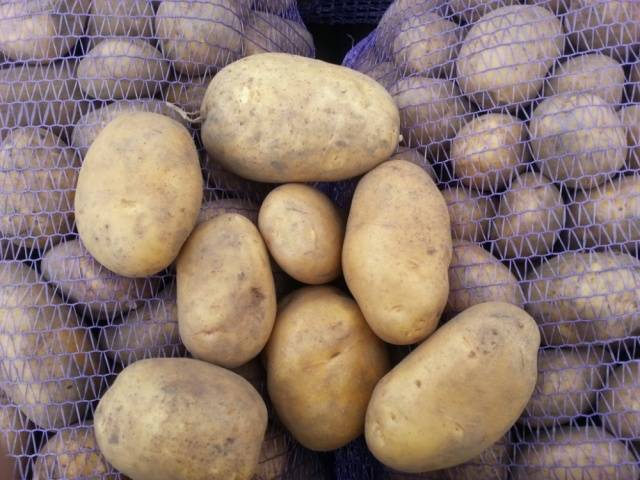
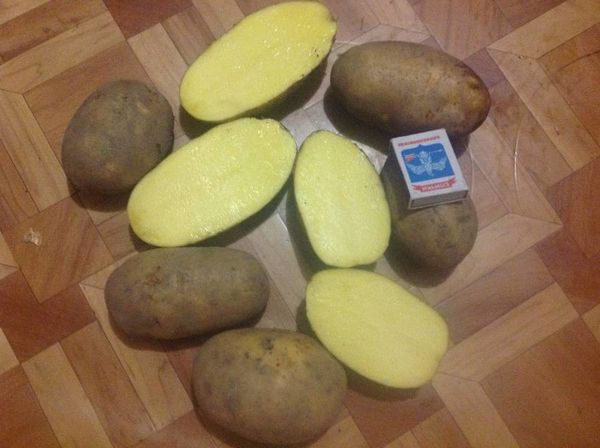
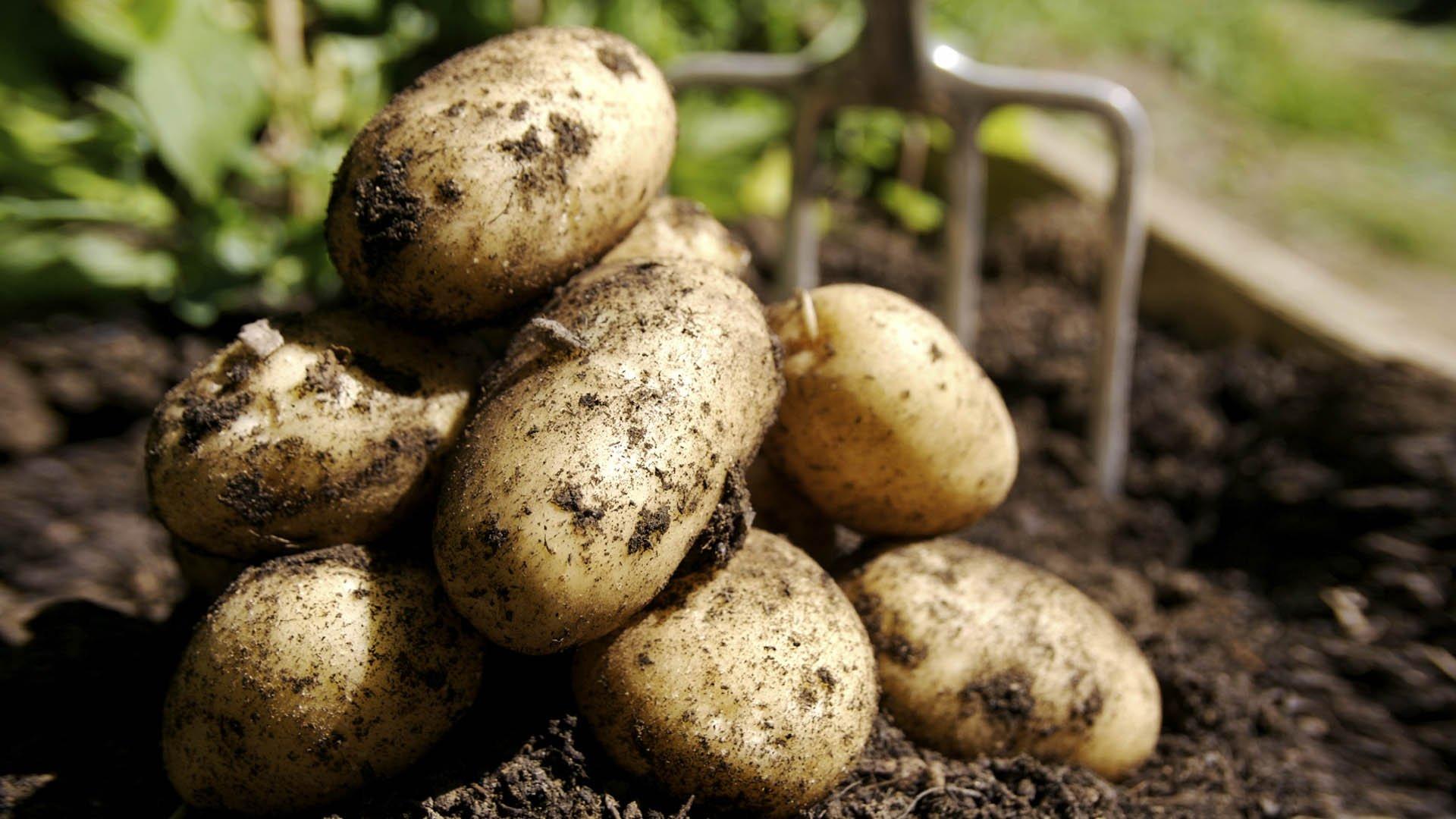
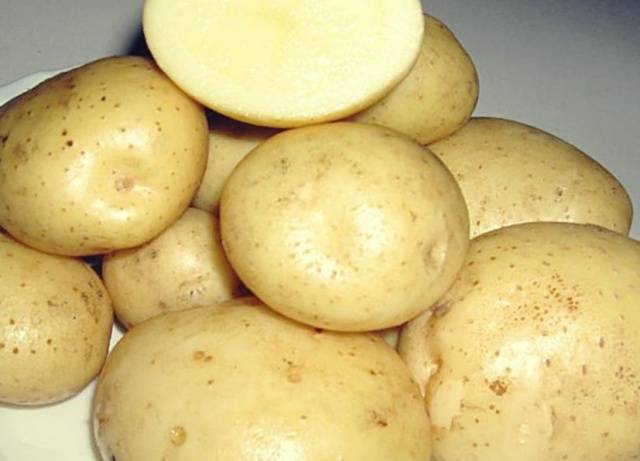
Reviews of the Breeze potato variety
User Nadezhda1303, Obninsk, 08/31/14.
I praised the purple-spotted "Breeze" variety for its yield and size, the flesh is snow-white and tasty, but I was tired of picking out the eyes!
I have a "Breeze" with yellowish skin, with pale purple spots here and there, white crumbly flesh, and a rounded-flattened shape (like a thick flatbread). I'll try to take a photo when the sun comes out—the spots are hard to see.
This is my "Breeze." The biggest one was already eaten, but there were no small ones left. If this isn't a "Breeze," then what is?
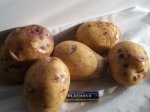
Read more about the variety in the article Potato variety Breeze: description in table, photo, reviews, comparison.
Dina
| Name | Dina |
| Ripening period | 80-90 days |
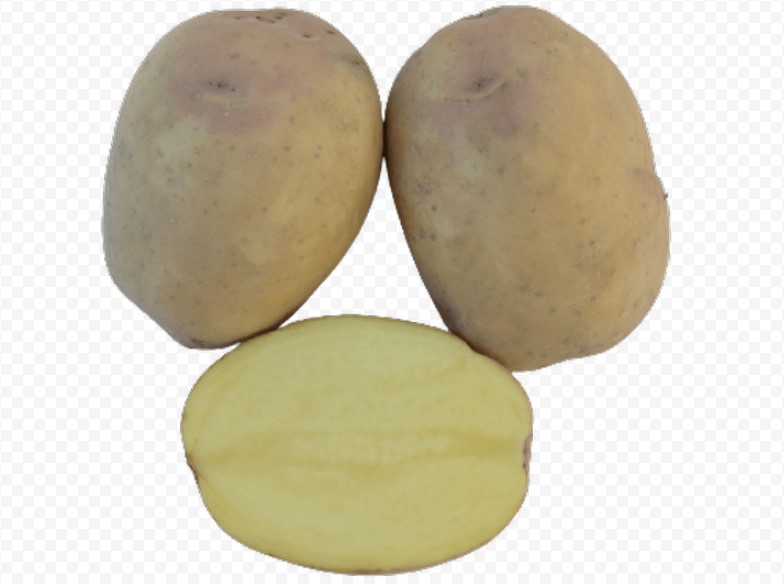
| Description of tubers | The tubers are yellowish in color with light flesh. The skin is mesh-like, and the eyes are small. The flavor is pleasant. |
| Productivity | 60 t/ha |
| Culinary type | IN |
| Starch content | Up to 19% |
| Disease resistance | Complex disease resistance |
| Peculiarities | Tubers form early and grow quickly. They keep well. |
| Not included |
Photo gallery of the Dina potato variety
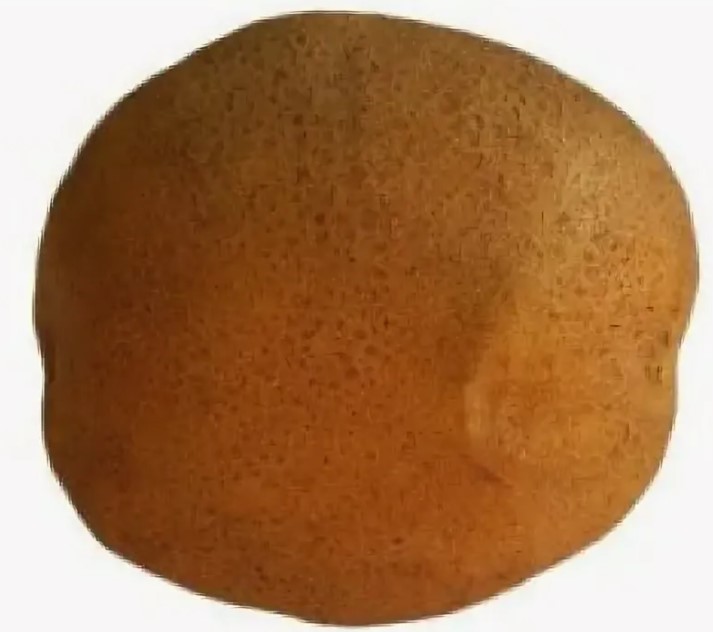
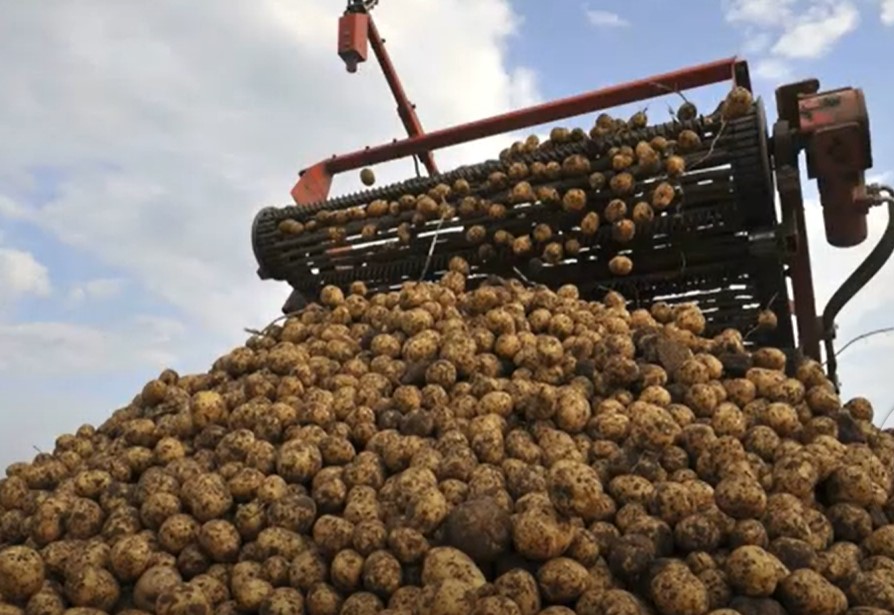
Reviews of the Dina potato variety
Ten
| Name | Ten |
| Ripening period | 70-90 days |
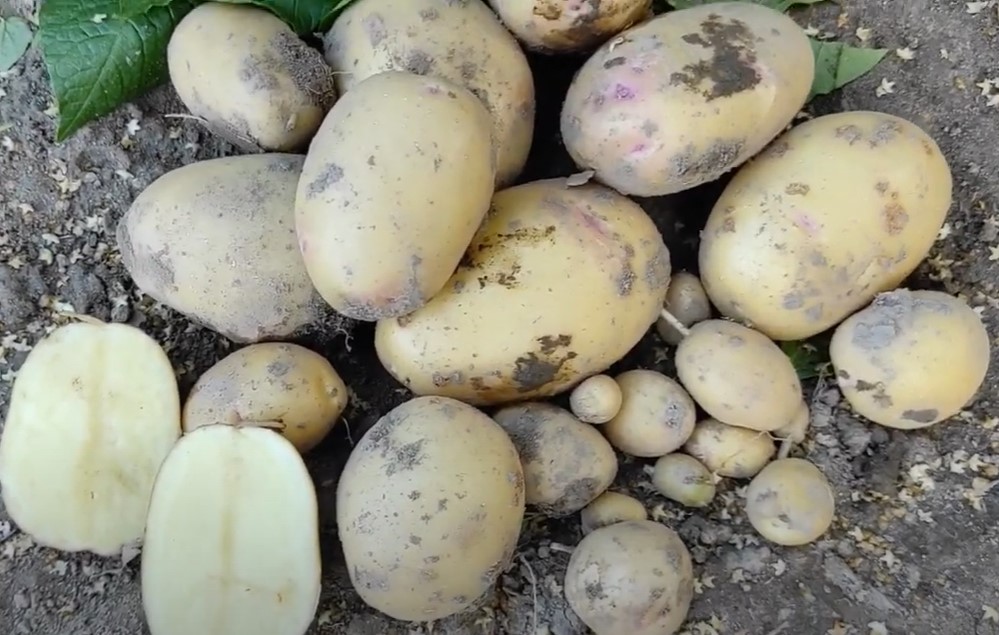
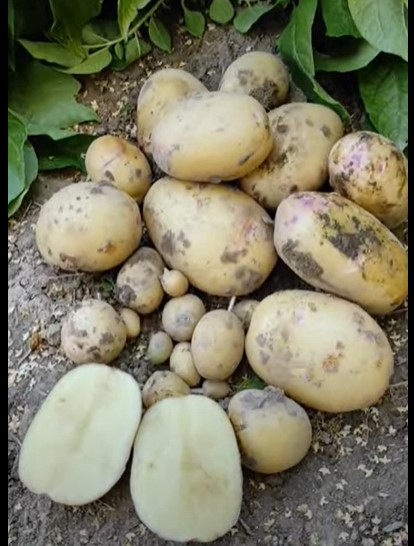
| Description of tubers | The tubers are oval-shaped, with yellow skin and small pink eyes. The flesh is yellowish. |
| Productivity | 67.5 t/ha |
| Culinary type | IN |
| Starch content | 17.1% |
| Disease resistance | It has a strong immune system, but can be susceptible to scab, alternaria, fusarium and black leg if cultivation rules are not followed. |
| Peculiarities | The variety is distinguished by high yield, excellent shelf life of fruits and their resistance to mechanical damage. |
| Not included |
Photo gallery of the Desyatka potato variety
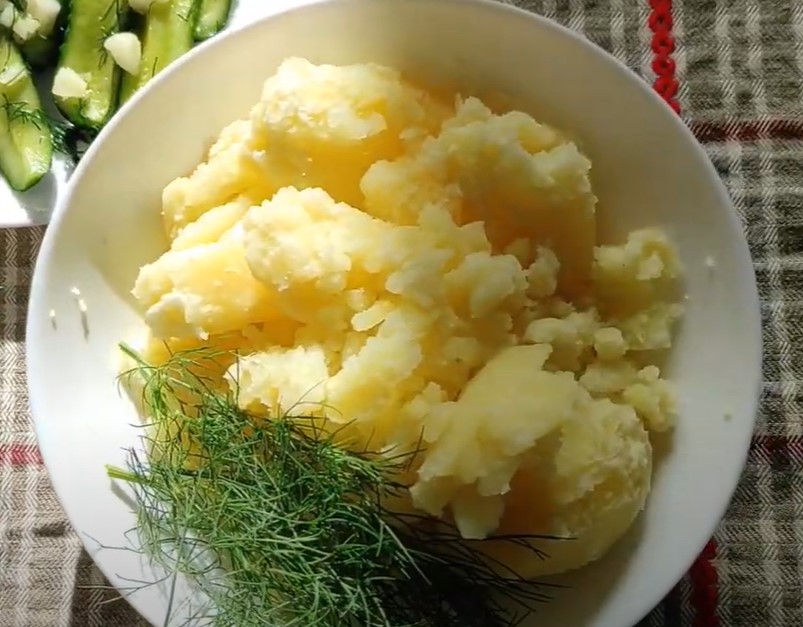
Karsan
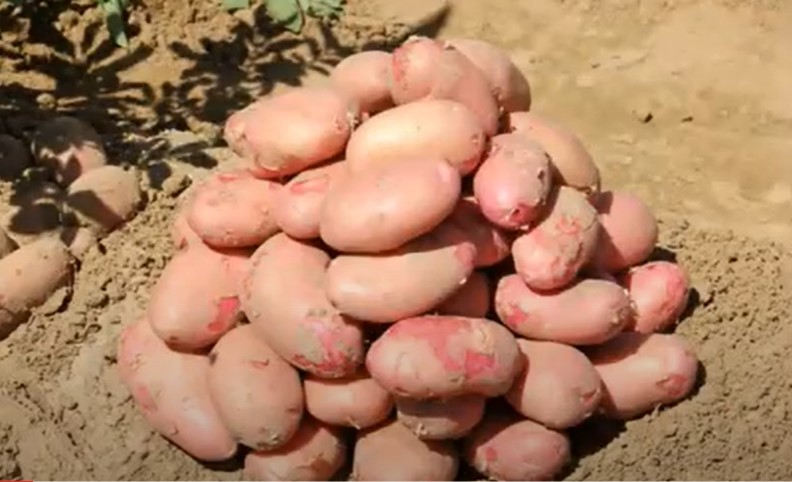
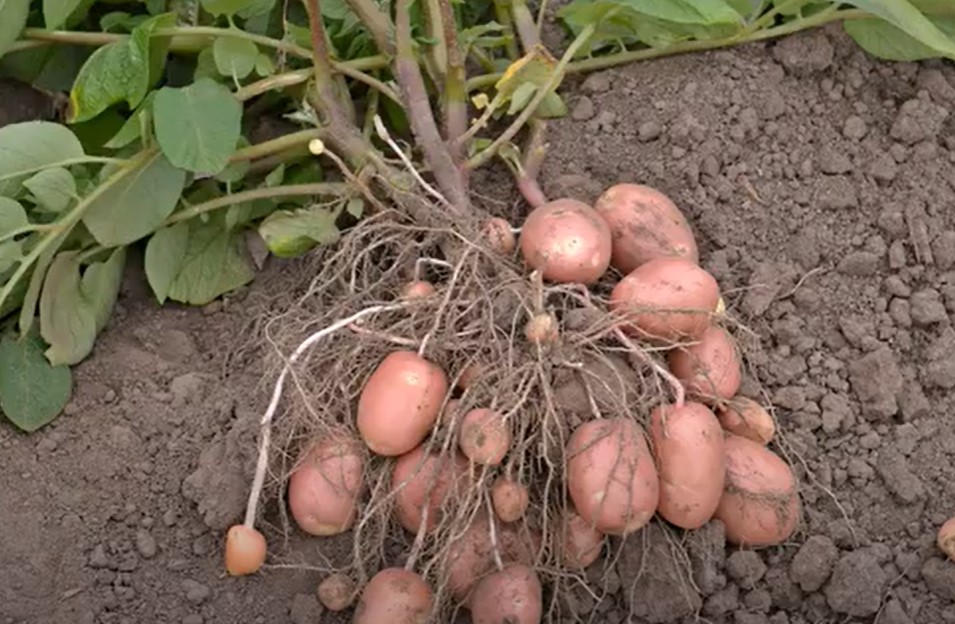
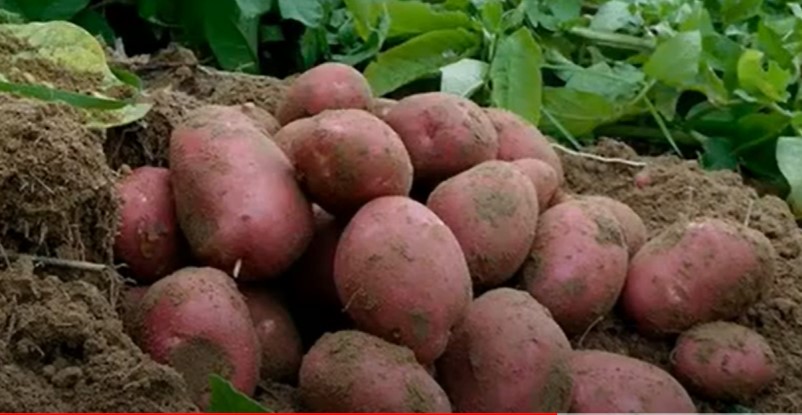
| Name | Karsan |
| Ripening period | 70-80 days |
| Description of tubers | The tubers are round-oval in shape, the skin is reddish in color, the flesh is light. |
| Productivity | 62.6 t/ha |
| Culinary type | AB |
| Starch content | 14.9% |
| Disease resistance | Good resistance to major potato diseases |
| Peculiarities | The yield increases with a large amount of fertilizers, the shelf life is average |
| Not included |
Photo gallery of the Karsan potato variety
Reviews of the Karsan potato variety
Manifesto
| Name | Manifesto |
| Ripening period | 70-90 days |
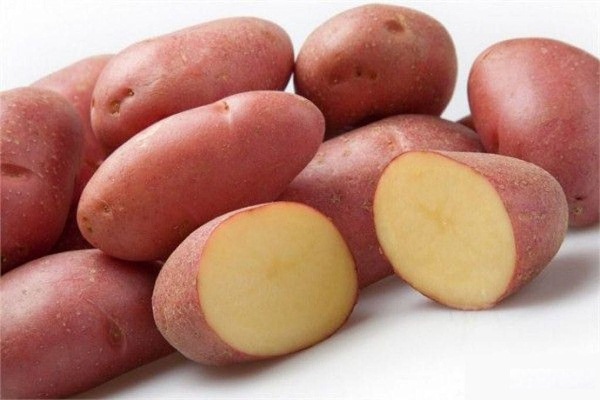
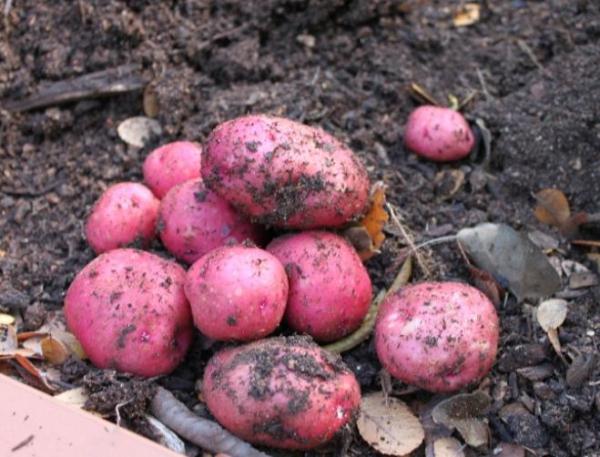
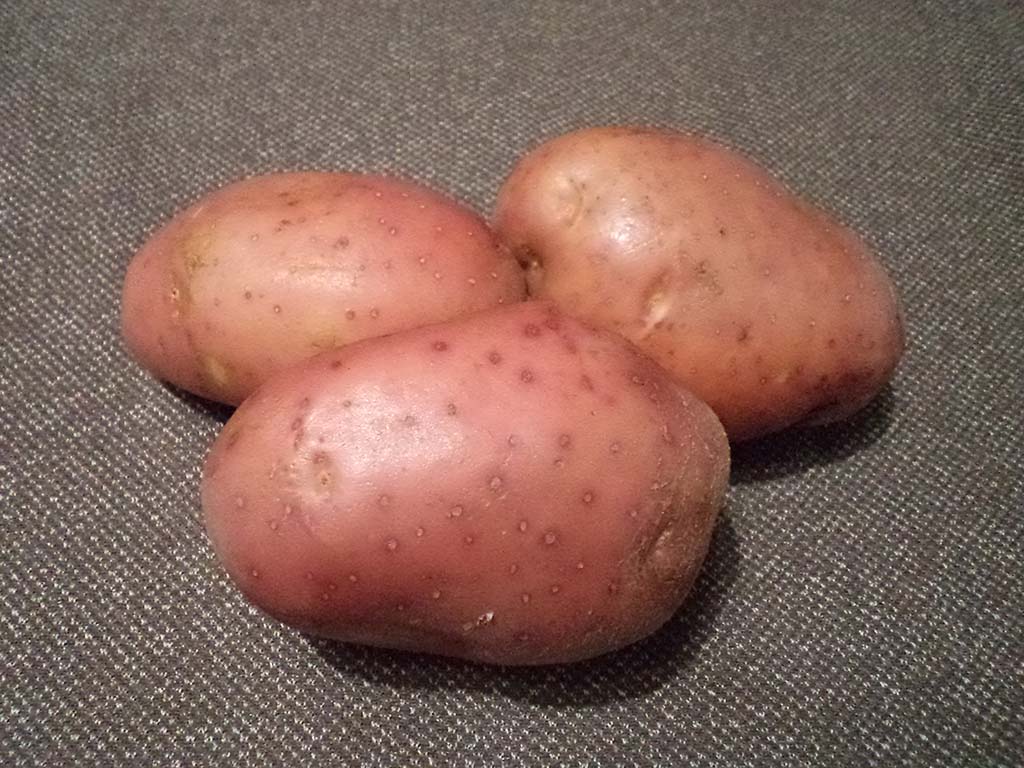
| Description of tubers | The tubers are elongated-oval, with small red eyes. The skin is smooth. The flesh is light yellow. |
| Productivity | 73.7 t/ha |
| Culinary type | AB |
| Starch content | Up to 15.1% |
| Disease resistance | Average resistance to scab and late blight |
| Peculiarities | It loves feeding, has an average period of physiological dormancy, has good shelf life, and is resistant to mechanical damage. |
| 2014 |
Photo gallery of the Manifest potato variety
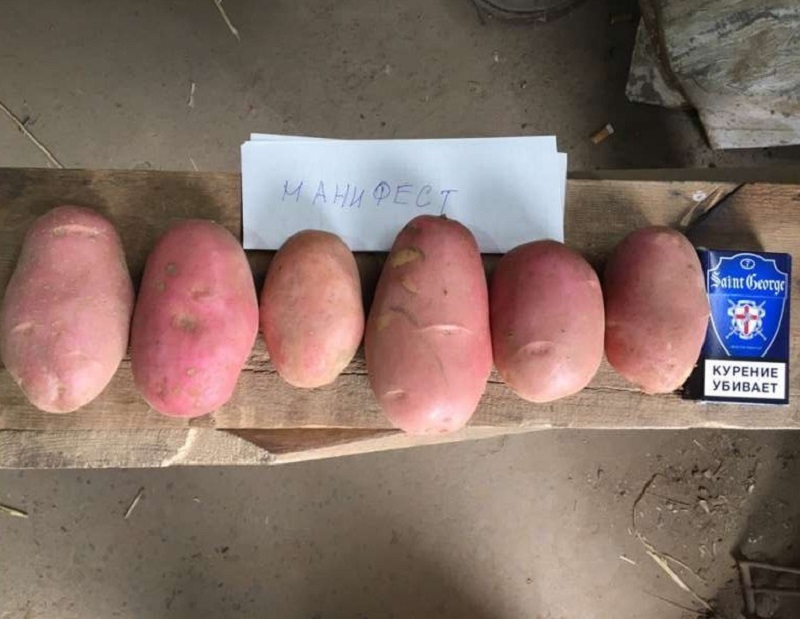
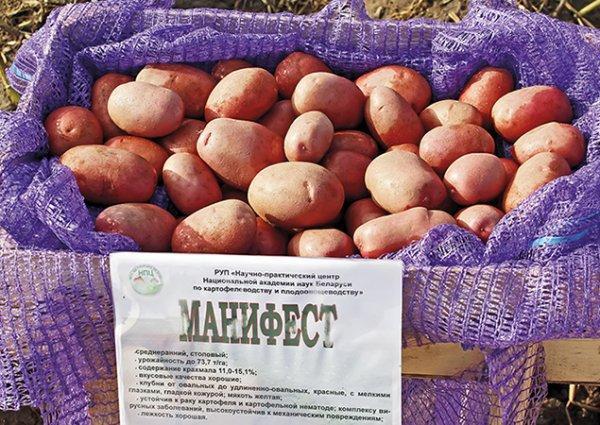
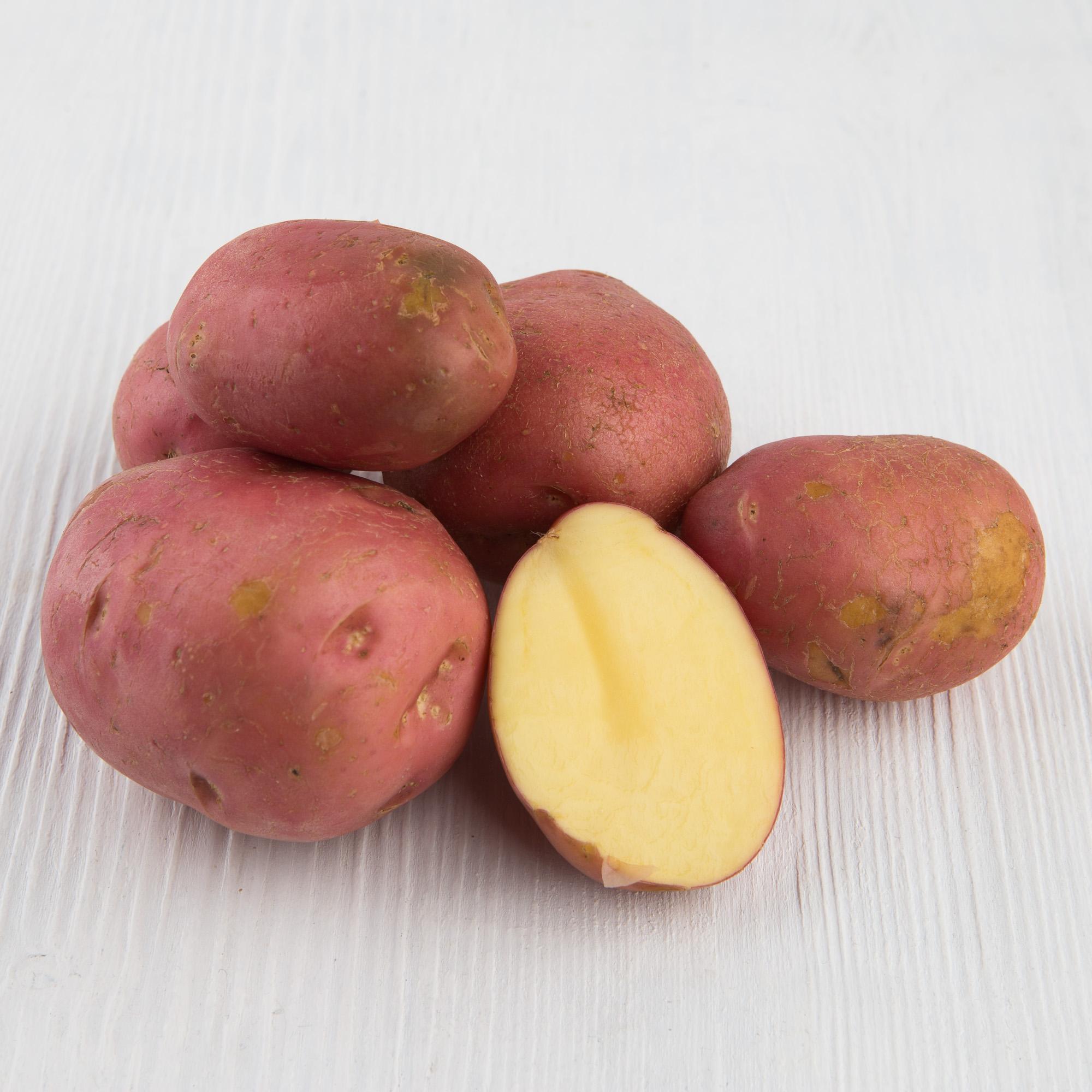
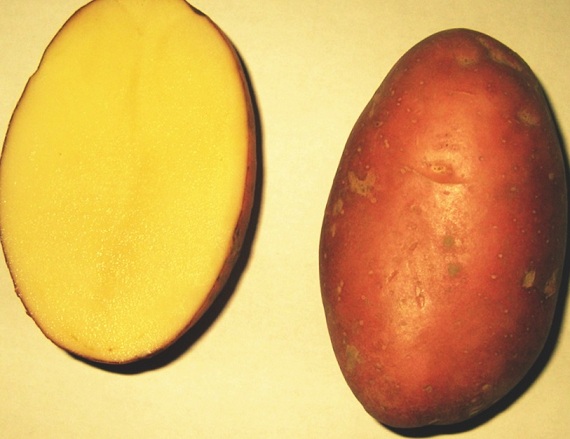
Reviews of the Manifest potato variety
User Lyubavushka, Ryazan
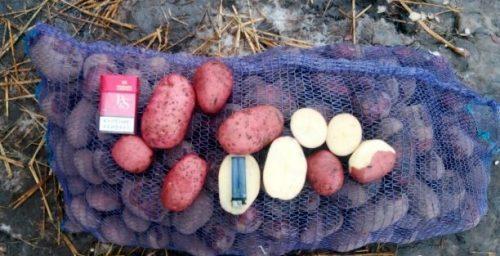
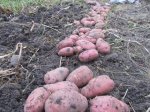
I grew the Belarusian variety Manifest this year. It's large, beautiful, productive, and delicious. I'll plant more next year.
User issedon, Russia, Novosibirsk, September 18, 2018
I bought 2 kg of seed potatoes at the Leroy Merlin store on Vatutina Street in Novosibirsk in May 2019. I planted them in my garden around June 5th.
The potatoes grew well. They had good tops and weren't sick. But when I harvested them, they yielded absolutely nothing. Compared to other potatoes I have, this one didn't yield anything at all. Peas. Apparently, these potatoes aren't suitable for our region (Novosibirsk). I took the peas to my mother-in-law for her chickens.
If you liked it variety ManifestFind out more at top.tomathouse.com
Master of Arts
| Name | Master of Arts |
| Ripening period | 75-85 days |
| Description of tubers | The tubers are oval and elongated, with yellow skin and small eyes. The flesh is yellow. |
| Productivity | 70.5 t/ha |
| Culinary type | AB |
| Starch content | 16.5% |
| Disease resistance | It has complex resistance to diseases |
| Peculiarities | Suitable for growing on light and medium soils, responds well to fertilizing, and is not prone to mechanical damage. |
| Not included |
Photo gallery of the Mastak potato variety
Reviews of the Mastak potato variety
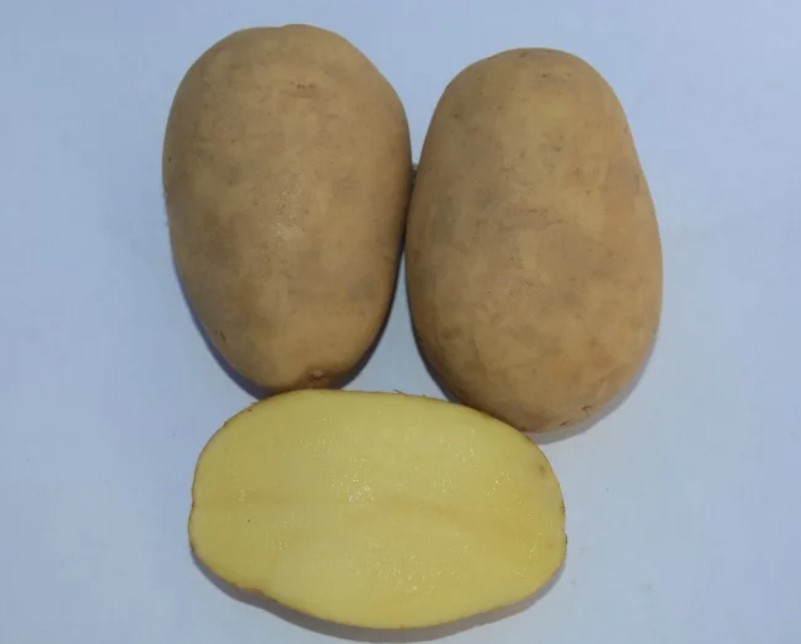
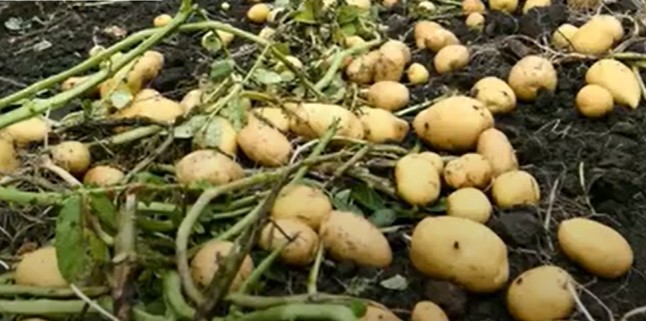
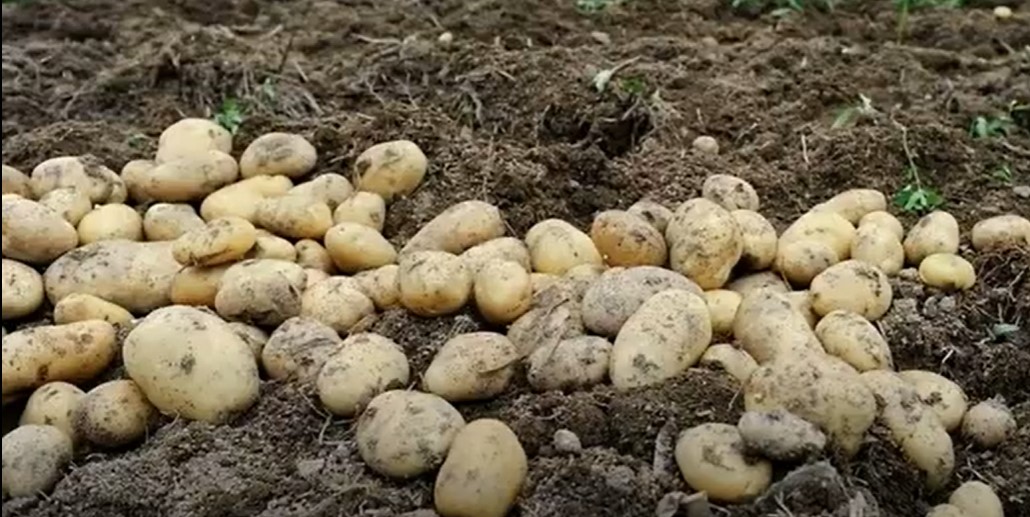
An interesting new variety of the year is the "Mastak" potato. Alexander Lukashenko is said to be very fond of this variety. It's grown from the presidential fields to the country's elite farms. Incidentally, the "Mastak" variety was in one of the sacks of potatoes the Belarusian President gave to Alla Pugacheva. It won't be available for mass production anytime soon—the elite farms will need four years to propagate the potatoes. But demand is already there.
Archidea (Orchid)
Another of the best yellow Orchid varieties. Although the more correct name is Archidea.
| Name | Archidea (Orchid) |
| Ripening period | 70-90 days |
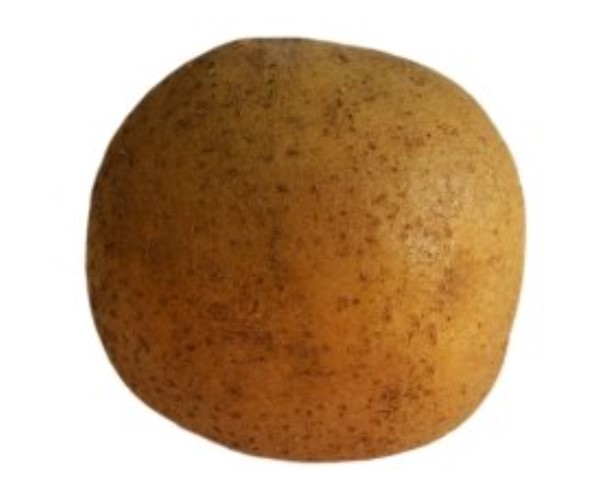
| Description of tubers | The tubers are large and round. The skin is covered with a fine mesh and is yellow. The eyes are small, and the flesh is yellowish. |
| Productivity | 57.6 t/ha |
| Culinary type | WITH |
| Starch content | Up to 20.1% |
| Disease resistance | Prone to scab |
| Peculiarities | This variety is suitable for starch production; its tubers mature quickly and respond poorly to nitrogen fertilizers. It exhibits drought tolerance. |
| 2002 |
Photo of the Arkhideya (Orchid) potato variety
Reviews of the Arkhideya (Orchid) potato variety
I'm afraid it's called "Archidea," also known as "Orchid." It's just that the second variant is accepted here, hence the "O" label. In fact, the potato originated in Belarus, so the correct label is "A." The fact that they list different ripening times depends on regional conditions: in some, it's simply early (early ripening), while in others, it's mid-early. Considering the difference is 3-5 days, the average gardener might simply not notice it, especially if the weather interferes with harvesting...
Archidea
Mid-early table variety.
The tubers are large (8-12 pieces), very attractive, with a yellow, slightly meshed skin, small eyes, and yellow flesh. They are resistant to mechanical damage and have good shelf life. Yields are high. Cookability and flavor are good (type C), and the flesh does not darken. Nitrate content is low. The potatoes are suitable for starch production, with starch content ranging from 16.5 to 21.1%.
The seedlings emerge uniformly and quickly. The foliage grows vigorously during the initial period and is drought-resistant. The plant is tall and upright; the inflorescence is medium-sized and multi-flowered; the corolla is white, and berry production is sparse.
This variety reacts negatively to overwatering. It combines early maturity, rapid tuber formation, and high dry matter content with excellent flavor. When growing, it is recommended to avoid excessive, unbalanced doses of nitrogen fertilizer.
The variety is resistant to potato nematode (Rol) and common cancer pathotype (1); highly resistant to black leg and soft rot, viruses Y, L; moderately resistant to rhizoctonia, late blight of leaves and tubers, common scab, viruses X, M, S.
IMHO, Arkhideya and Orchid are the same thing. This variety quickly faded for me. When I first picked it from the variety plot, the yield was excellent. There were a lot of potatoes under the bush, and the roots were all large, so I had to cut them for planting. Six or seven years later, the yield dropped sharply. I keep this variety only because it forms marketable-sized tubers early. There's little waste when harvested early. The tubers are uniform, attractive, and have a satisfying flavor.
Falvark
| Name | Falvarak |
| Ripening period | 70-90 days |
| Description of tubers | The tubers are oval or round-oval in shape, with smooth, yellow skin. The eyes are small, and the flesh is light-colored. |
| Productivity | 70.1 t/ha |
| Culinary type | Armed Forces |
| Starch content | 15.6% |
| Disease resistance | Low resistance to the virus Y and rhizoctonia |
| Peculiarities | Suitable for making chips, French fries, and mashed potatoes. Requires fertilizer and cold storage. |
| Not included |
Photo gallery of the Falvarak potato variety
Review of the Falvarak potato variety
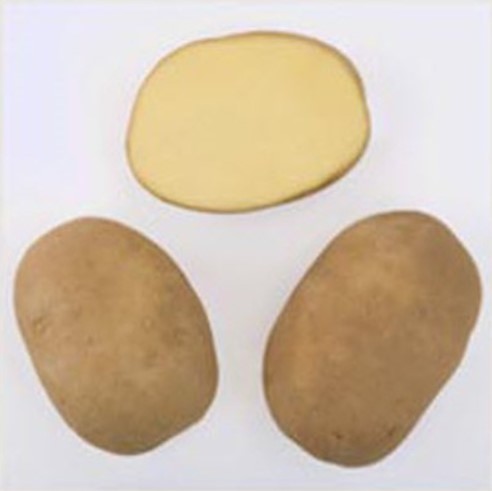
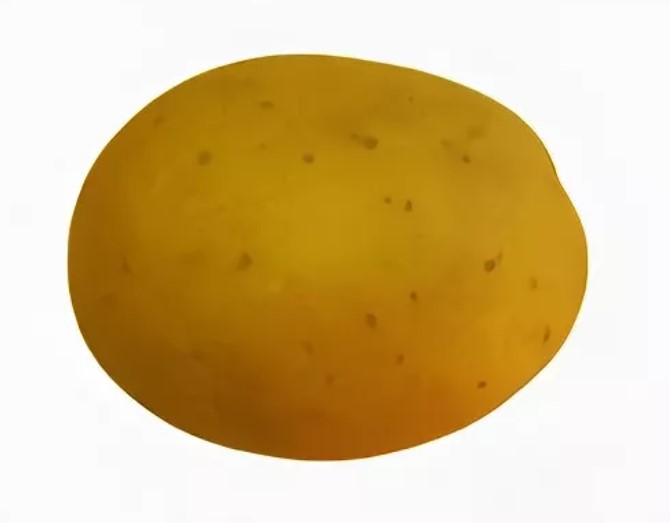
The domestic Falvarak variety is ideal for making French fries. It fully meets the requirements for French fry production. Falvarak is distinguished by its elongated tubers, a small number of shallow eyes, low peeling waste, optimal dry matter and reducing sugar content, as well as a pleasant color, aroma, consistency, and taste of the finished product.
Falvarak is a mid-early table variety. Yield: up to 70.1 t/ha. Starch content: up to 15.6%. It has good flavor and belongs to the culinary grade BC. Suitable for processing into dry mashed potatoes, crispy potatoes, side potatoes, and French fries.
TOP 12 mid-season potato varieties bred in Belarus
Boyarsky
| Name | Boyarsky |
| Ripening period | 80-100 days |
| Description of tubers | The tubers are oval-round in shape with yellow skin and flesh of the same color. |
| Productivity | 71.5 t/ha |
| Culinary type | IN |
| Starch content | Up to 22% |
| Disease resistance | Complex disease resistance |
| Peculiarities | Excellent shelf life, long period of physiological dormancy, pleasant taste |
| Not included |
Photo of the Boyarsky potato variety
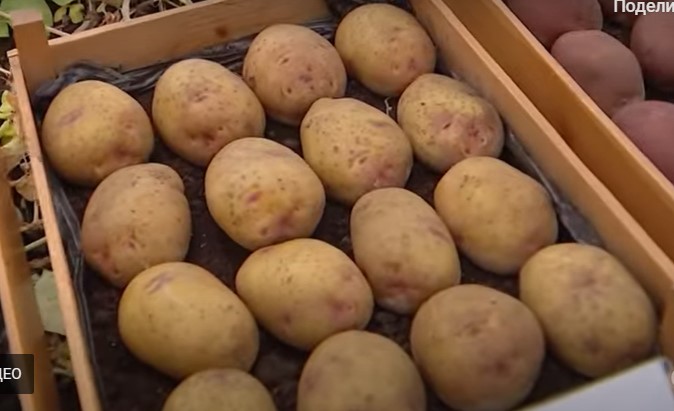
Review of the Boyarsky potato variety
Volat
| Name | Volat |
| Ripening period | 80-100 days |
| Description of tubers | The tubers are oval-shaped, yellow in color with small red eyes. |
| Productivity | 62.4 t/ha |
| Culinary type | IN |
| Starch content | Up to 19% |
| Disease resistance | Prone to late blight |
| Peculiarities | It thrives on fertilizer, and its tubers contain high levels of vitamin C. The potato is resistant to mechanical damage, has good shelf life, and a medium-length dormancy period. |
| 2014 |
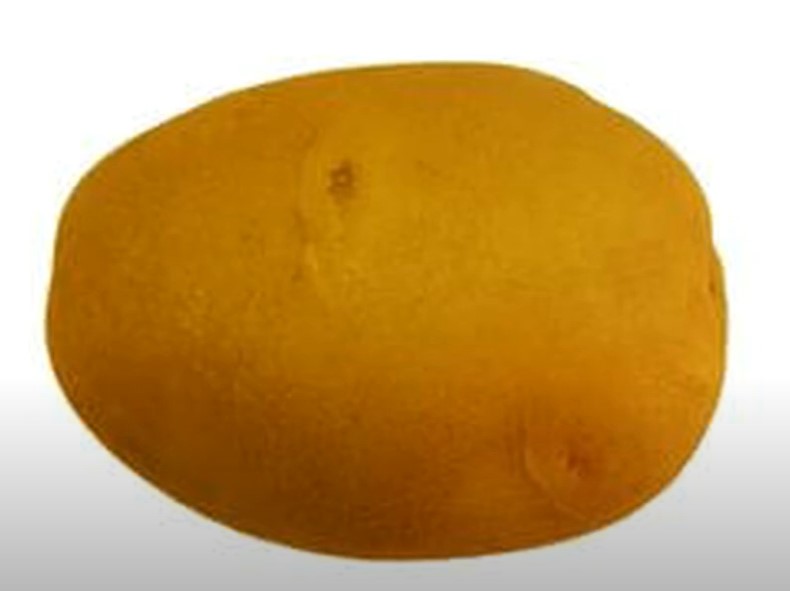
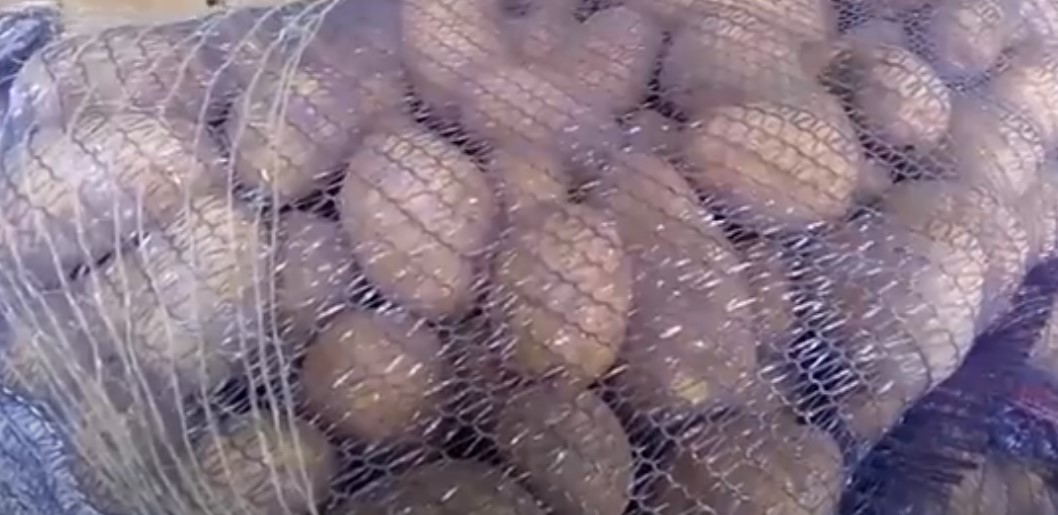
Photo gallery of the Volat potato variety
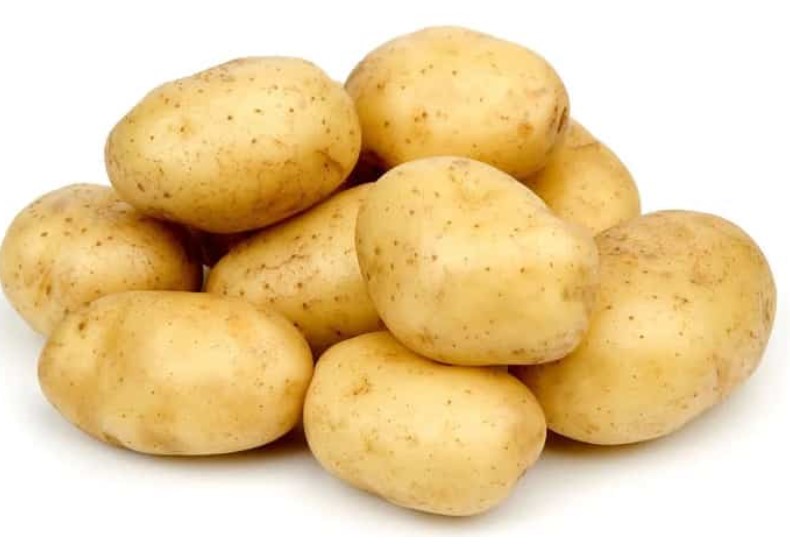
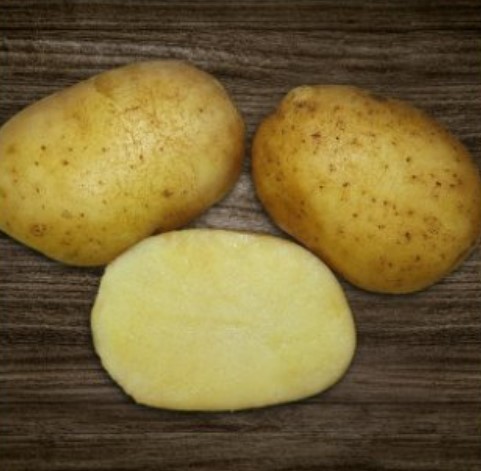
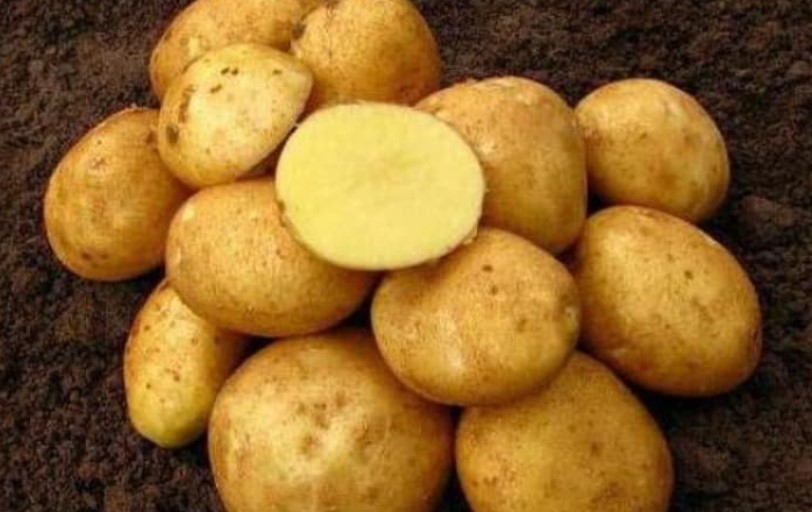
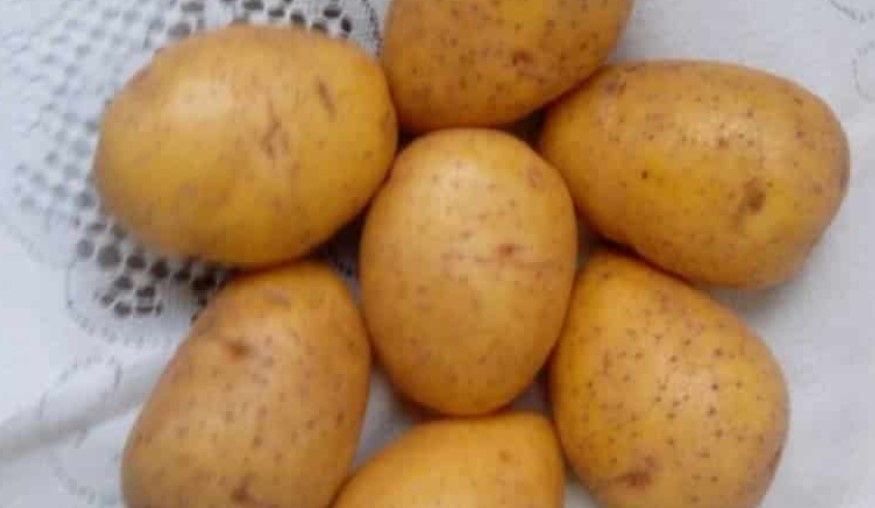
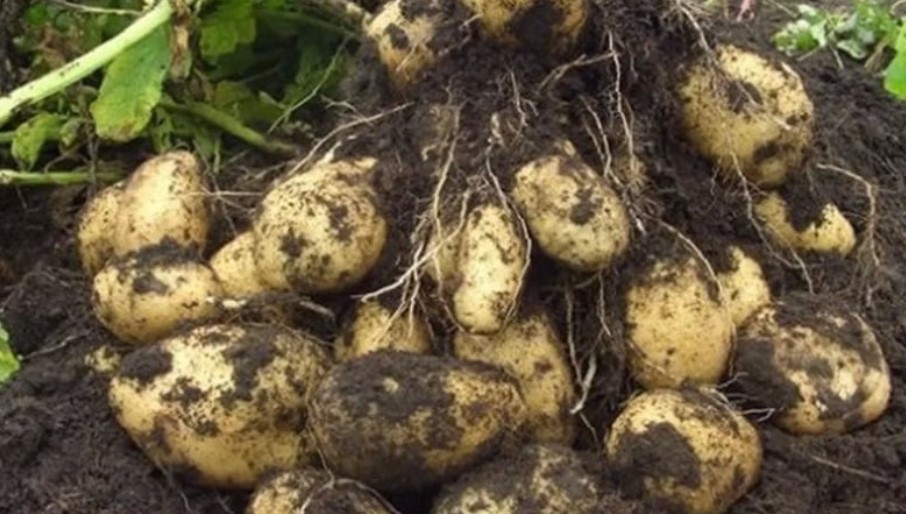
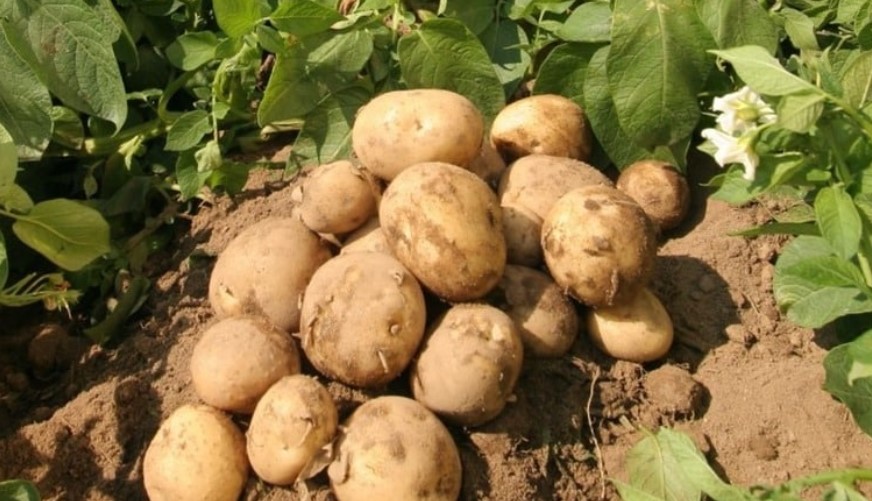
Review of the Volat potato variety
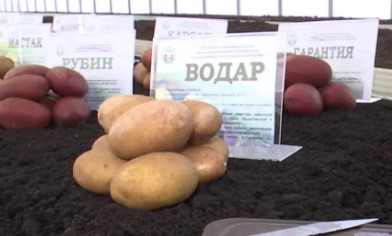
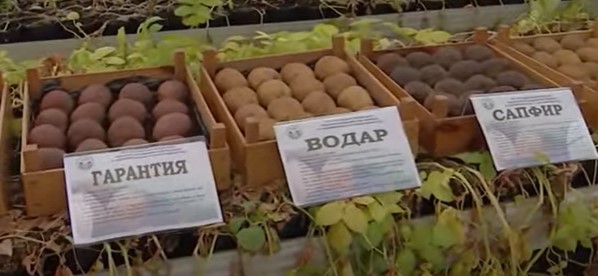
Vodar
| Name | Vodar |
| Ripening period | 80-100 days |
| Description of tubers | The tubers are round, with smooth yellow skin, small eyes, and yellow flesh. |
| Productivity | Up to 70 t/ha |
| Culinary type | IN |
| Starch content | 14.2% |
| Disease resistance | Complex disease resistance |
| Peculiarities | Drought resistance, excellent shelf life |
| Not included |
Photo gallery of the Vodar potato variety
Reviews of the Vodar potato variety
Guarantee
| Name | Guarantee |
| Ripening period | 85-95 days |
| Description of tubers | The tubers are oval in shape, the skin is smooth, red, the eyes are small, the flesh is yellow. |
| Productivity | 64 t/ha |
| Culinary type | WITH |
| Starch content | 17.2% |
| Disease resistance | If agricultural practices are not followed, it may be affected by black leg, alternaria, and late blight. |
| Peculiarities | Suitable for industrial production of dried potatoes for mashed potatoes and French fries. Can be grown in all soil types, including sandy and loamy soils. |
| Not included |
Photo gallery of the Garantiya potato variety
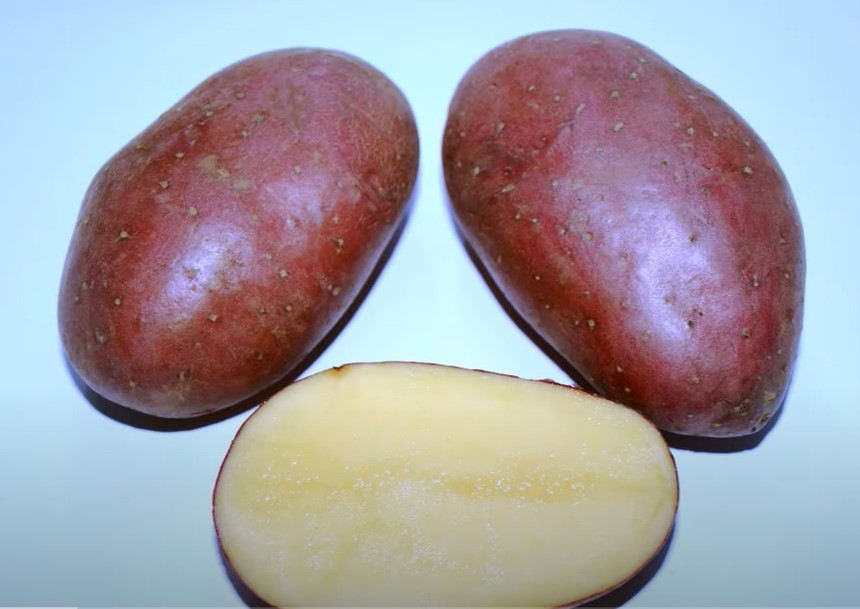
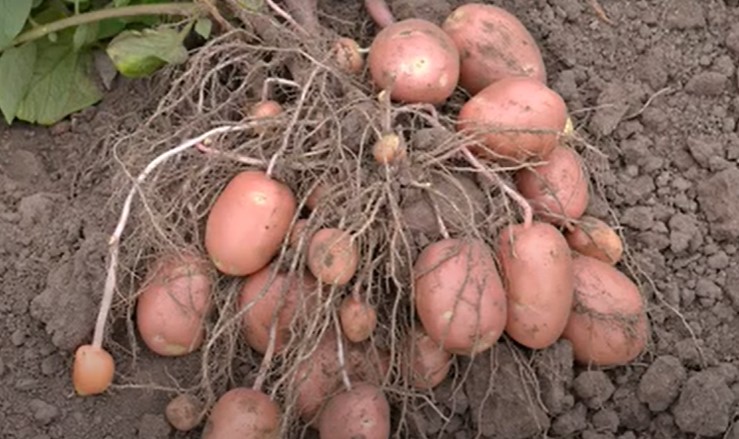
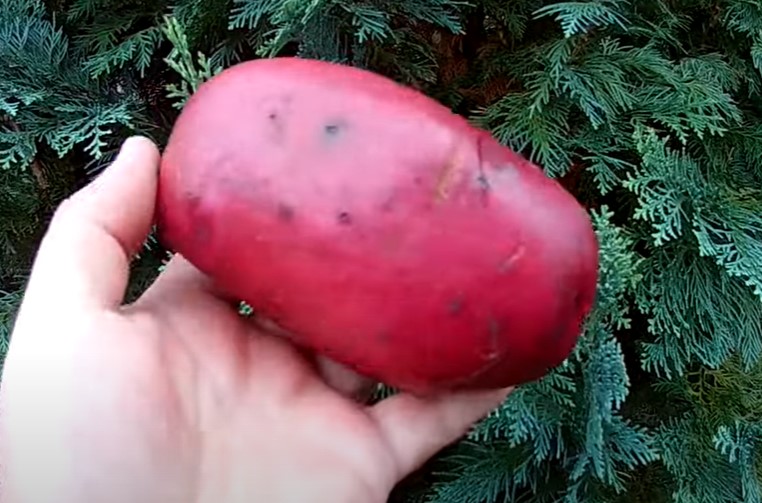
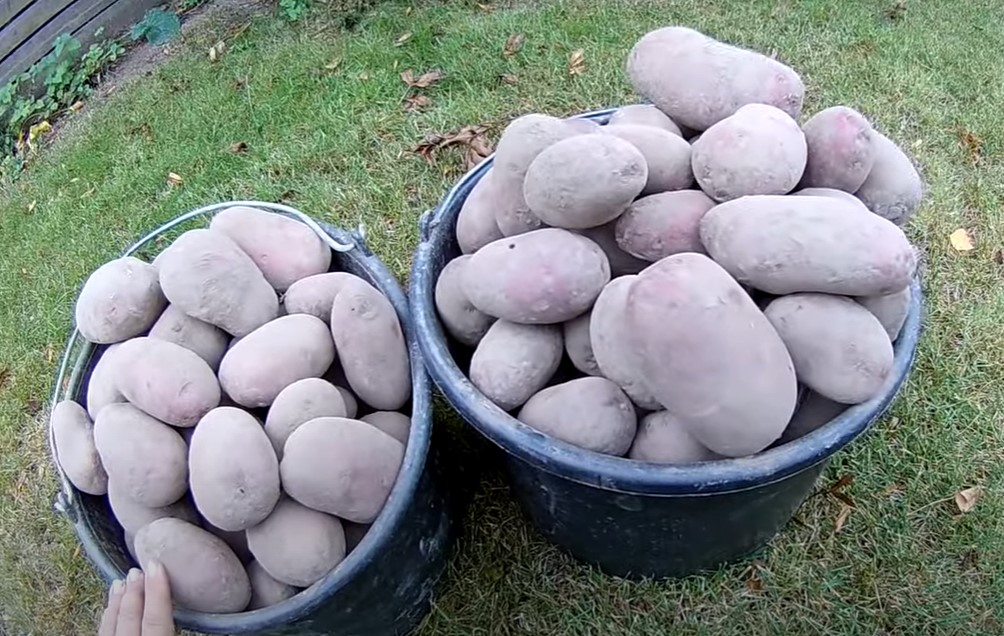
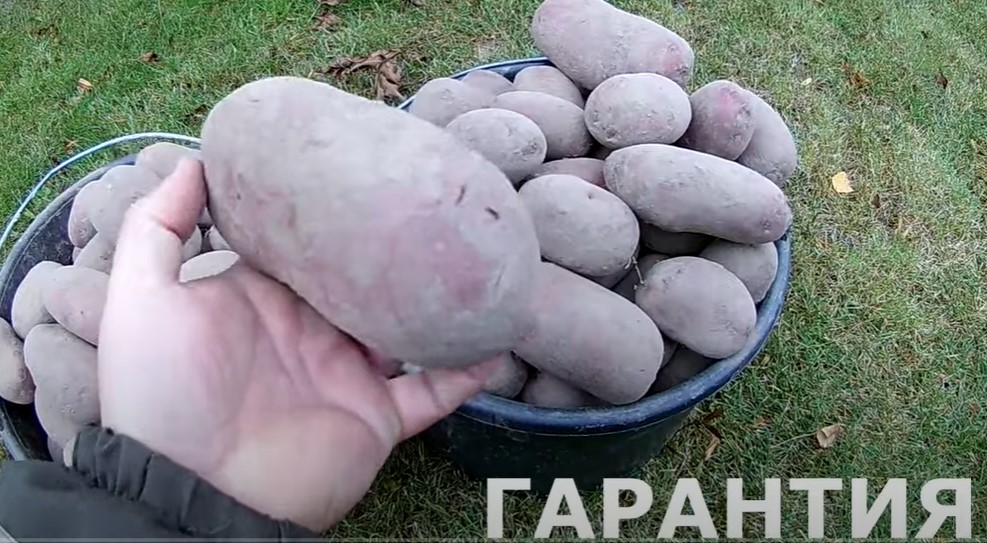
Review of the Garantiya potato variety
Krinitsa
Next, let's look at one of the best boiling varieties, Krinitsa:
| Name | Krinitsa |
| Ripening period | 80-90 days |
| Description of tubers | The tubers are round, the skin is yellow with a slight mesh. The flesh is yellow, the eyes are small. |
| Productivity | 49.9 t/ha |
| Culinary type | IN |
| Starch content | Up to 19.7% |
| Disease resistance | Moderate resistance to late blight, rhizoctonia, scab, and viruses. Resistant to nematodes and canker. |
| Peculiarities | Used for processing into powder for mashed potatoes, chips, and French fries. Requires fertilizer. Doesn't tolerate stagnant water around the roots and doesn't tolerate drought well. |
| 2002 |
Photo gallery of the Krinitsa potato variety
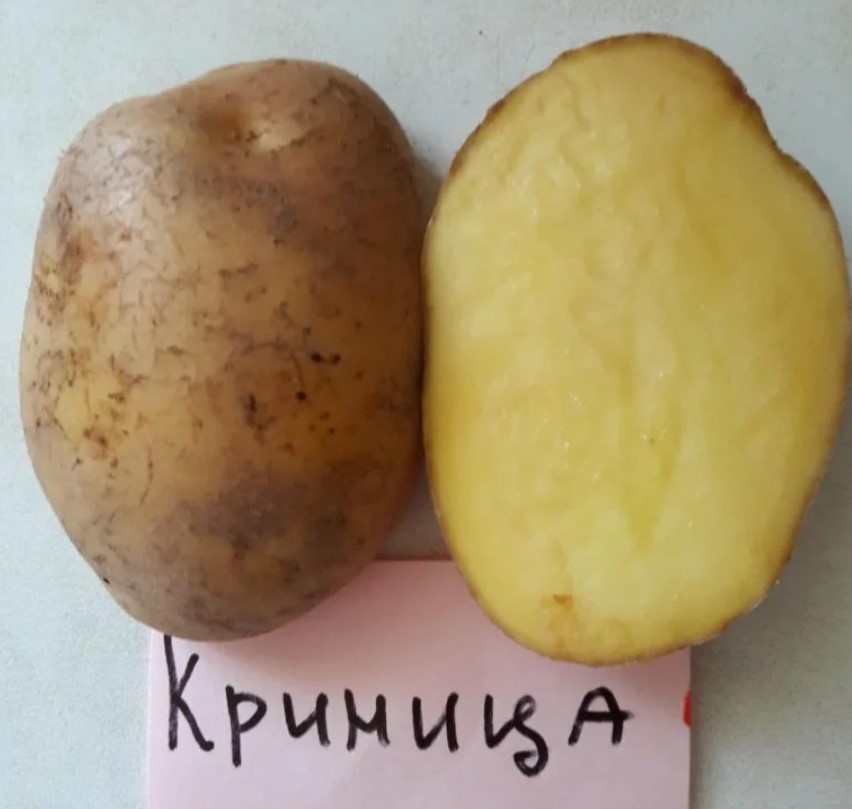
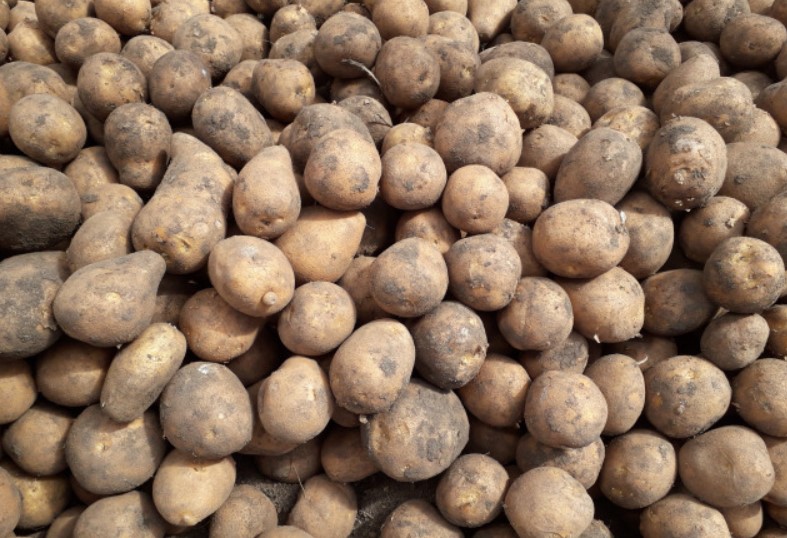
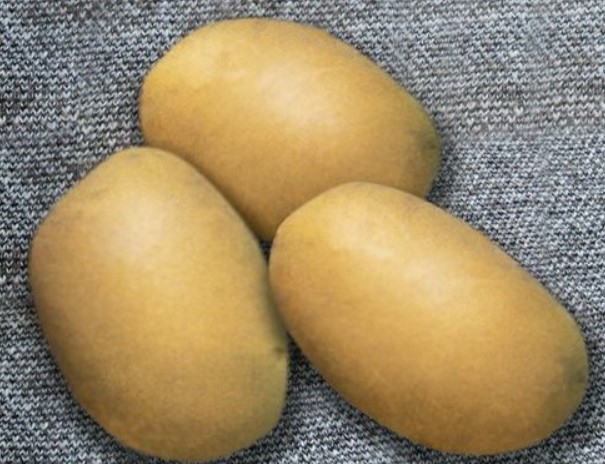
Review of the Krinitsa potato variety
Krinitsa has a very high starch content. Ideal for soups and purees, but does not completely turn into mush or porridge when cooked.
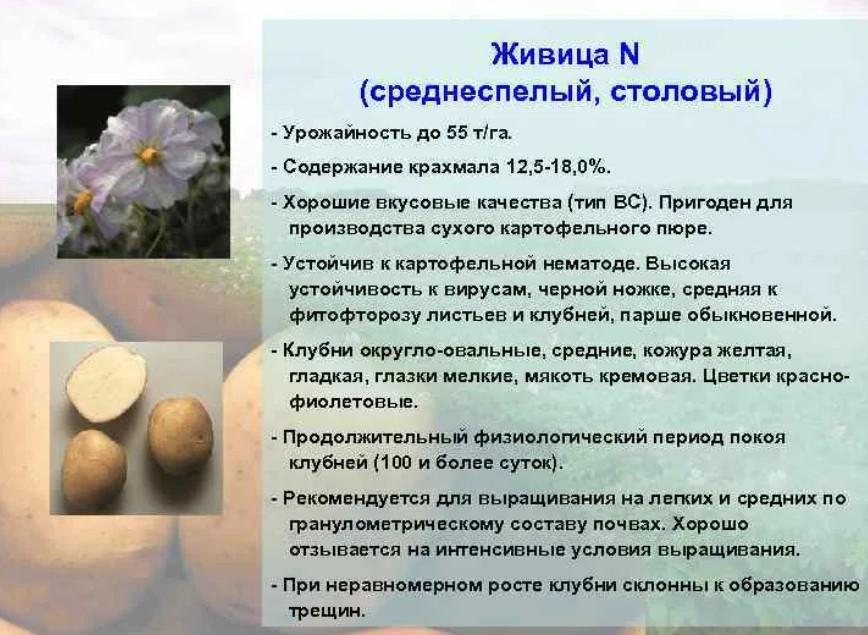
Sap
| Name | Sap |
| Ripening period | 85-100 days |
| Description of tubers | The tubers are round-oval in shape, medium in size, with yellow smooth skin and creamy flesh. |
| Productivity | 55 t/ha |
| Culinary type | IN |
| Starch content | Up to 18% |
| Disease resistance | Highly disease resistant. Can be affected by late blight and scab. |
| Peculiarities | Suitable for commercial cultivation, drought-resistant, and has a very long dormant period. Does not tolerate waterlogged soil. |
| 2002 |
Photo gallery of the Zhivitsa potato variety

Lad
| Name | Lad |
| Ripening period | 80-100 days |
| Description of tubers | The tubers are round with small eyes on yellow skin. The flesh is yellow. |
| Productivity | 52 t/ha |
| Culinary type | WITH |
| Starch content | Up to 18.5% |
| Disease resistance | Average resistance to viruses S, M, late blight. Rhizoctonia. |
| Peculiarities | The variety has excellent shelf life and grows well in conditions of moisture deficiency. |
| 2014 |
Photo gallery of the Lad potato variety
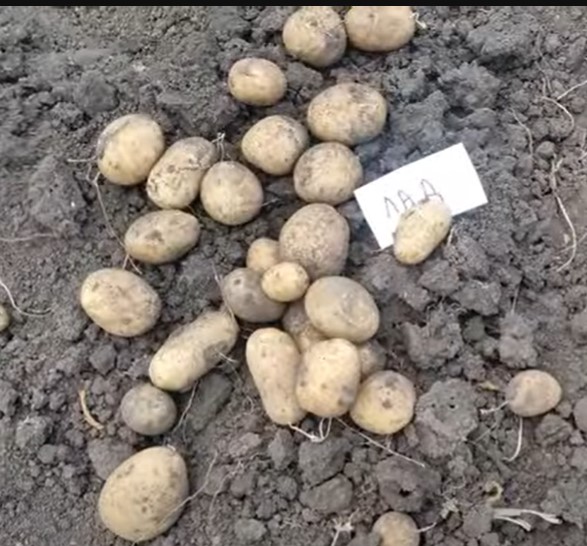
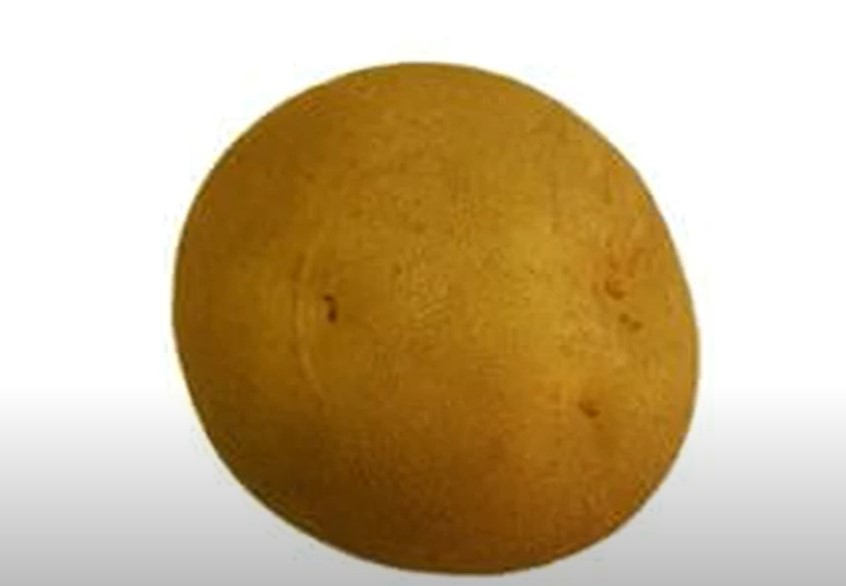
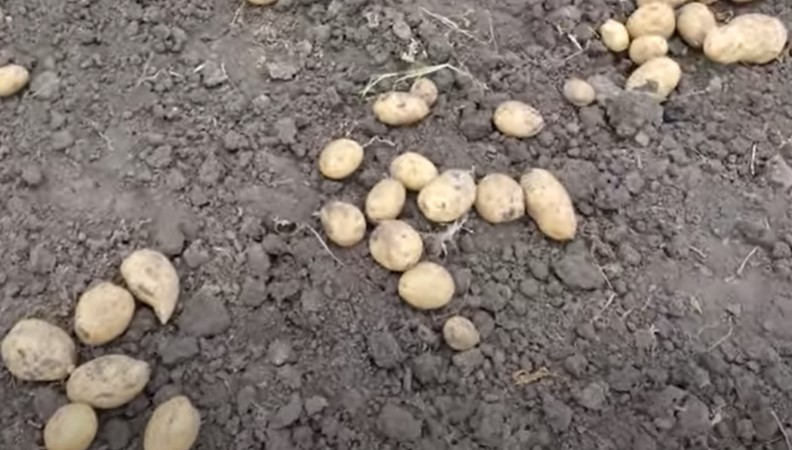
Review of the Lad potato variety
Lel
| Name | Lel |
| Ripening period | 85-100 days |
| Description of tubers | Oval-round shape, smooth skin, reddish color. Flesh is yellow. |
| Productivity | 65.9 t/ha |
| Culinary type | IN |
| Starch content | 18.3% |
| Disease resistance | Average resistance to black leg, scab, late blight and rhizoctonia. |
| Peculiarities | Suitable for industrial cultivation, it has a long shelf life and is resistant to damage during harvesting. |
| Not included |
Photo gallery of the Lel potato variety
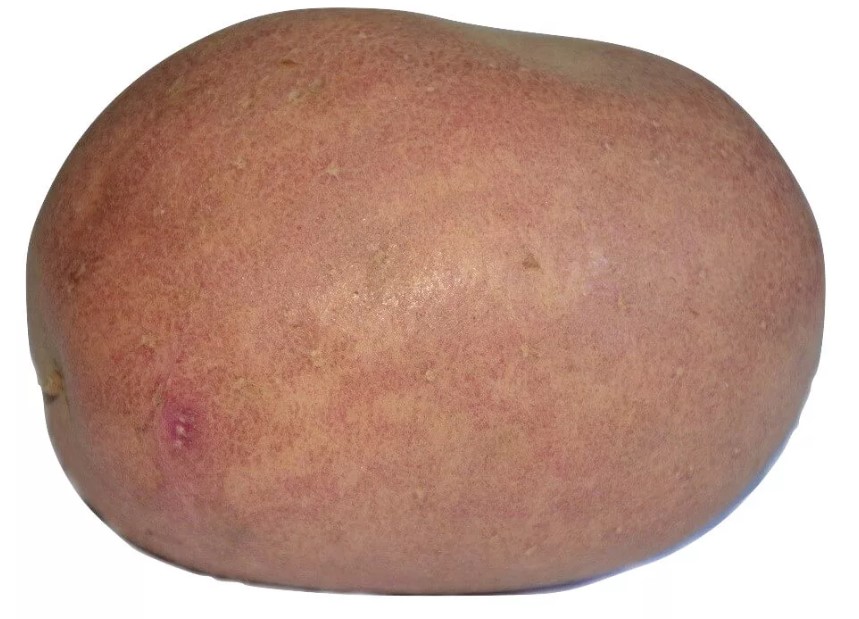
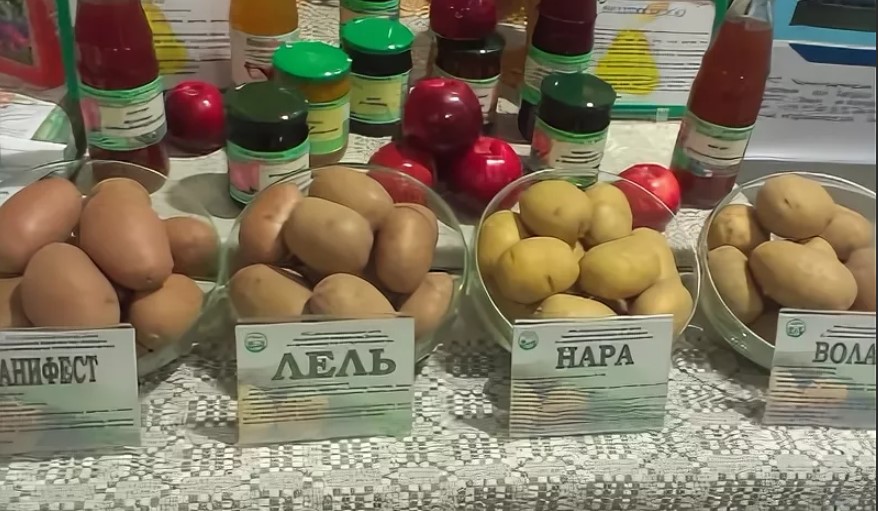
Reviews of the Lel potato variety
On my light sandy loams, the varieties I liked the most were Briz and Lel
Odysseus
| Name | Odysseus |
| Ripening period | 80 days |
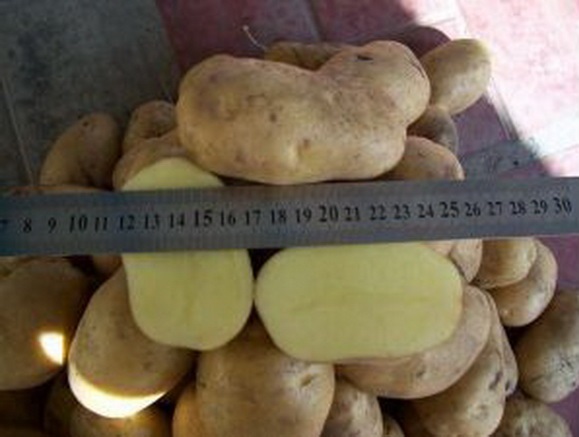
| Description of tubers | The tubers are oval-round, slightly rough, yellow, with the same flesh. |
| Productivity | 300 c/ha |
| Culinary type | IN |
| Starch content | 13.5-17.1% |
| Disease resistance | High resistance to cancer, average resistance to tuber blight, average to low resistance to foliar blight, low resistance to nematodes. |
| Peculiarities | Good taste, large tubers, drought resistance, high marketability (89-98%). |
| 2005 |
Photo gallery of the Odyssey potato variety
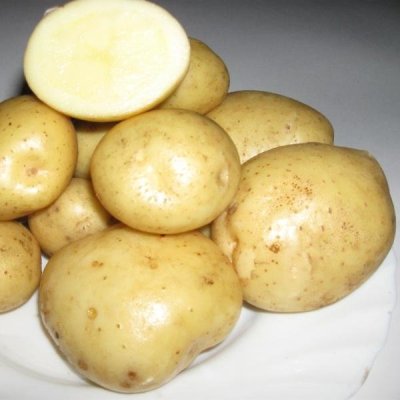
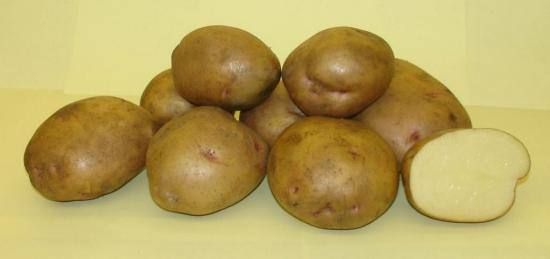
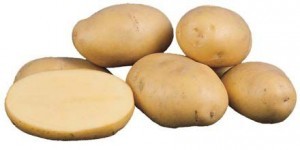
Treasures
| Name | Treasures |
| Ripening period | 85-95 days |
| Description of tubers | The tubers are oval or round-oval in shape, with yellow skin, as is the flesh. The eyes are small, but the tubers themselves are large. |
| Productivity | 63 t/ha |
| Culinary type | IN |
| Starch content | Up to 17% |
| Disease resistance | It can be affected by late blight, other diseases occur rarely. |
| Peculiarities | Requires shallow planting and pre-treatment of tubers. Does not tolerate overwatering and has average drought tolerance. Long dormancy. Good shelf life. |
| 2002 |
Photo gallery of the potato variety Skarb
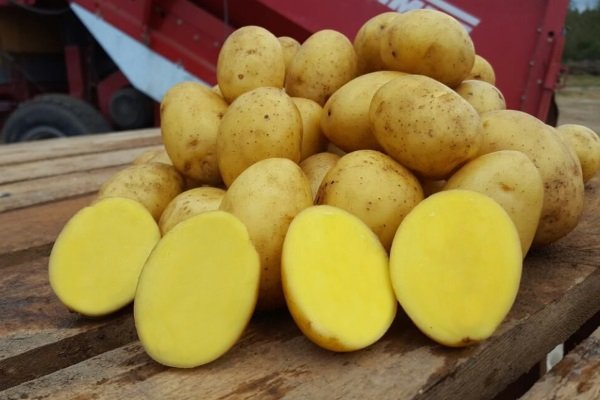
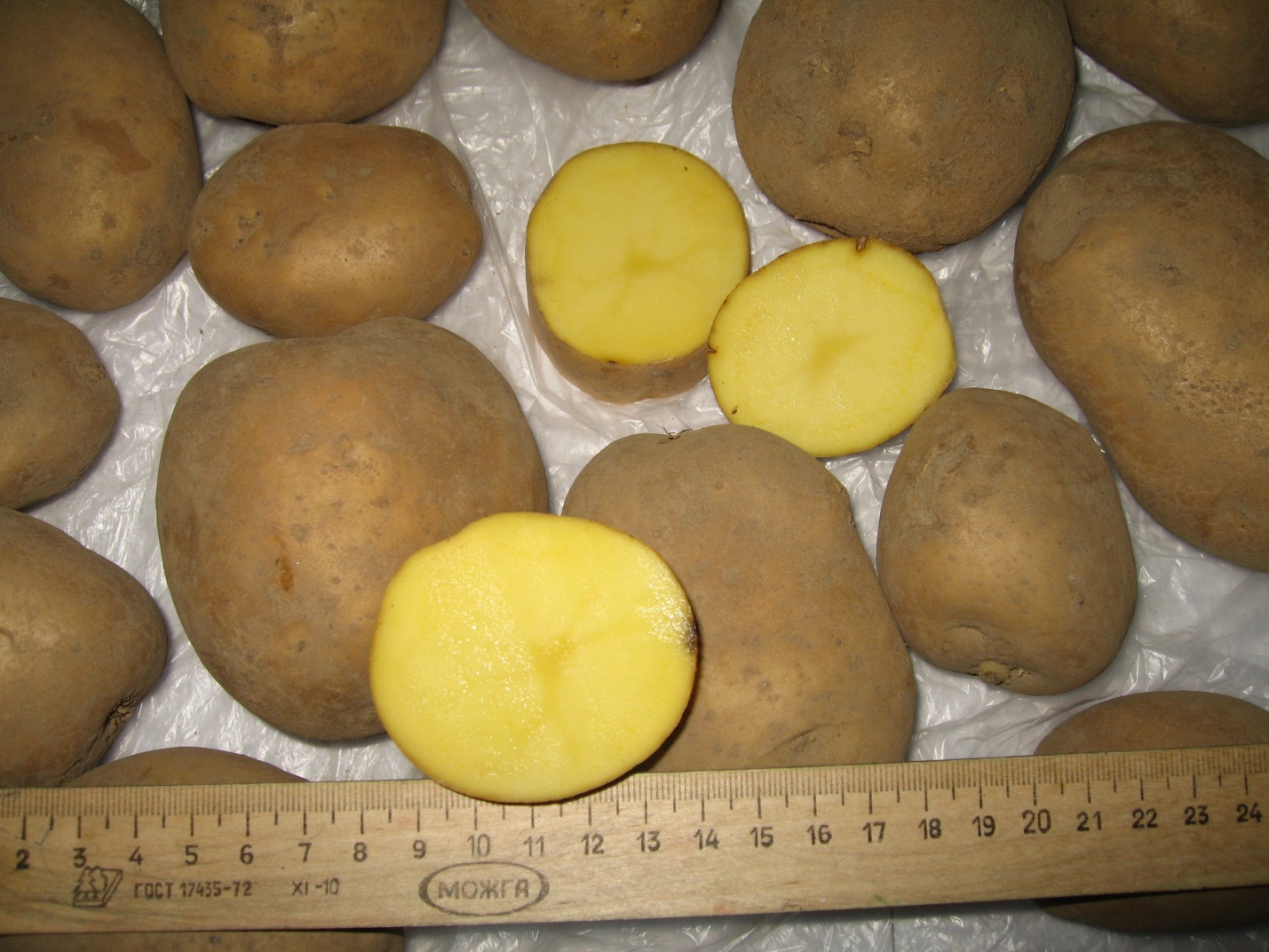
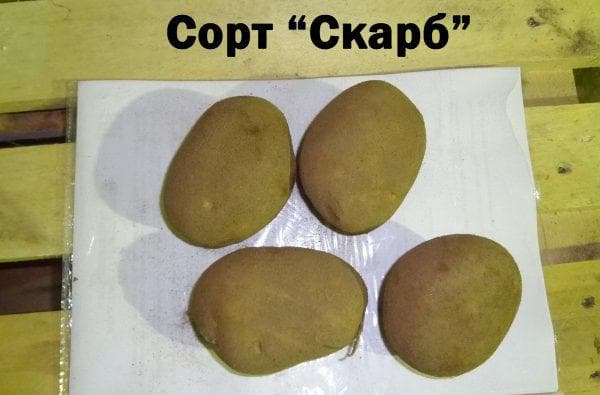
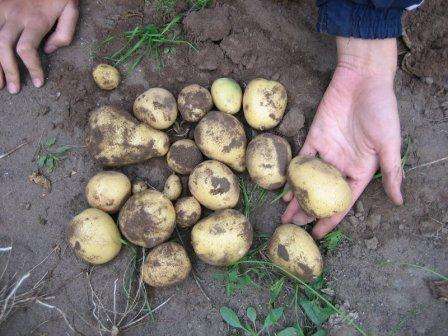
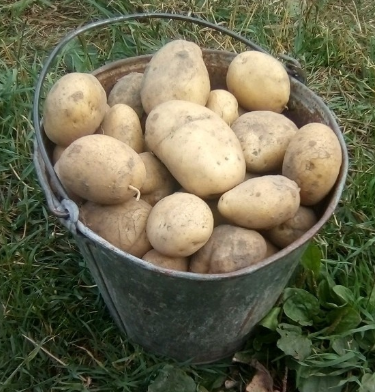
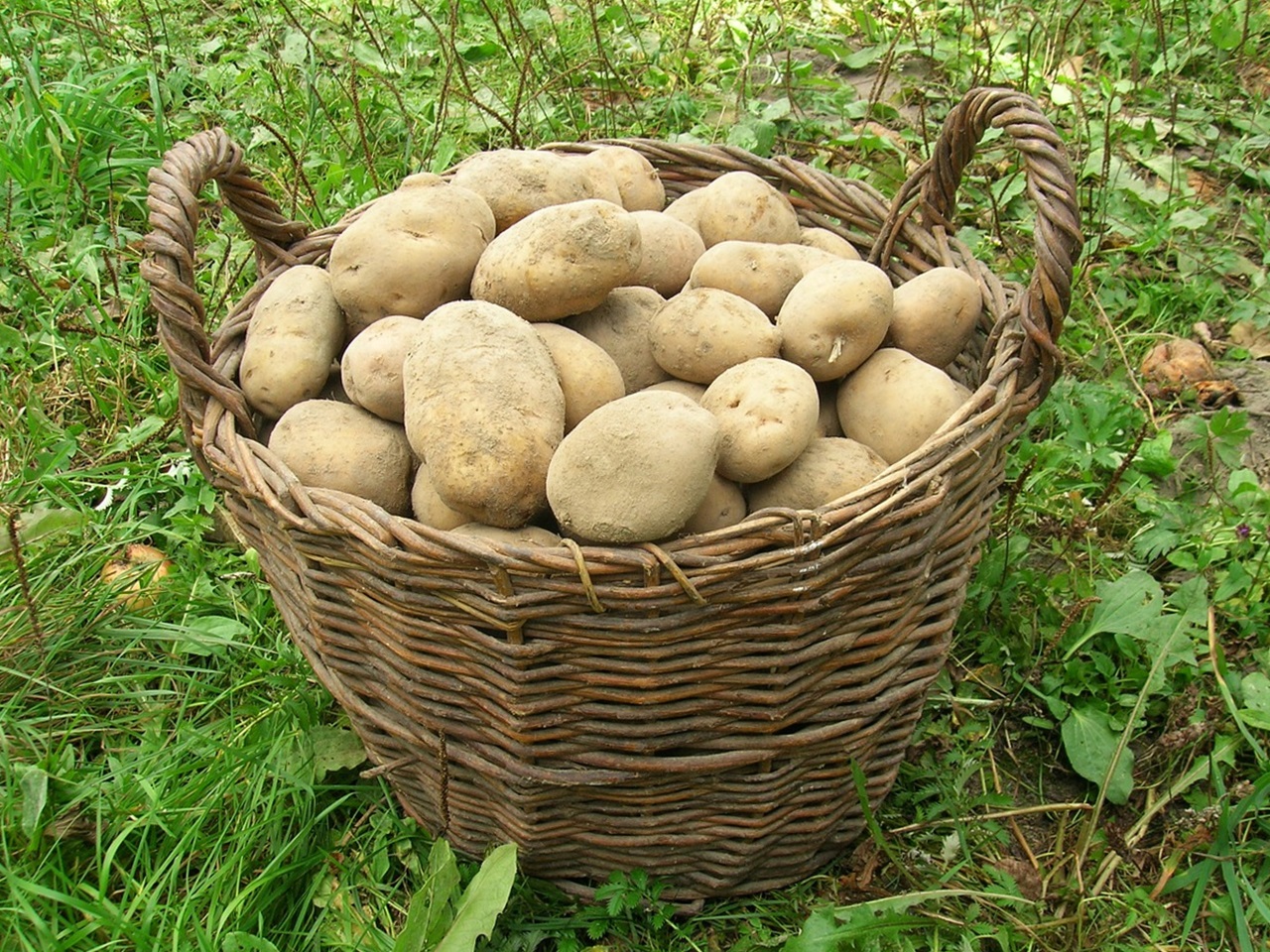
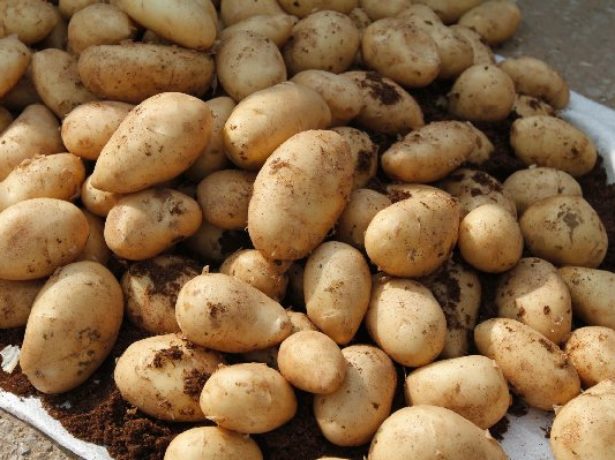
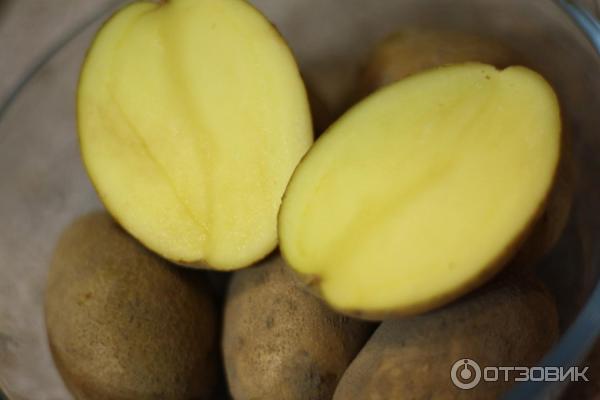
Reviews of the Skarb potato variety
User mokpo, Russia, Veliky Novgorod, July 6, 2015
One of my favorite potato varieties is "Skarb." The word "skarb" translates from Belarusian as "treasure trove" or "wealth."
What I like about this potato is its taste, first and foremost. We store its tubers in the basement, and other potato varieties begin to sprout around February, while the first sprouts of the "Skarb" potato appear around May.
Since these potatoes are slow to sprout, we sprout them before planting. We do this by cutting off the tops of five- or six-liter drinking water containers (available at most grocery stores), placing the potatoes in them, and placing them in a dry, sunny spot. After about three weeks, small sprouts will appear, ready to plant.
The potato variety "Skarb" is resistant to many diseases, including the "golden nematode".
User Serval2011, Russia, Donskoy, Tula Oblast, October 27, 2015
Excellent potatoes—no change when planted or harvested—they stay yellow. They take a long time to cook, but they're delicious. They can be eaten boiled, fried, or baked. This variety isn't picky about sowing; it will grow wherever you throw it. The main thing is manure or humus. Don't add fertilizer. Otherwise, it will absorb everything, and you'll end up eating it. They're resistant to the Colorado potato beetle. They like to be picked. The density increases, and with it, the yield. After harvesting, serve with herring or roast pork, and a few alcoholic drinks on holidays. Don't forget the cabbage. Bon appétit and good health to everyone.
About the variety in the articleSkarb potato variety: description in table, reviews, photos.
Station wagon
| Name | Station wagon |
| Ripening period | 80-100 days |
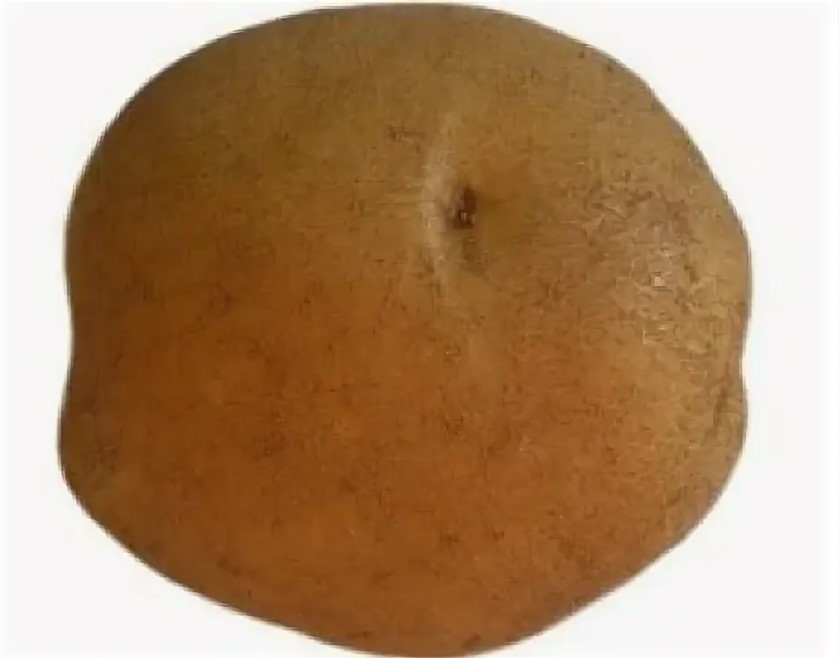
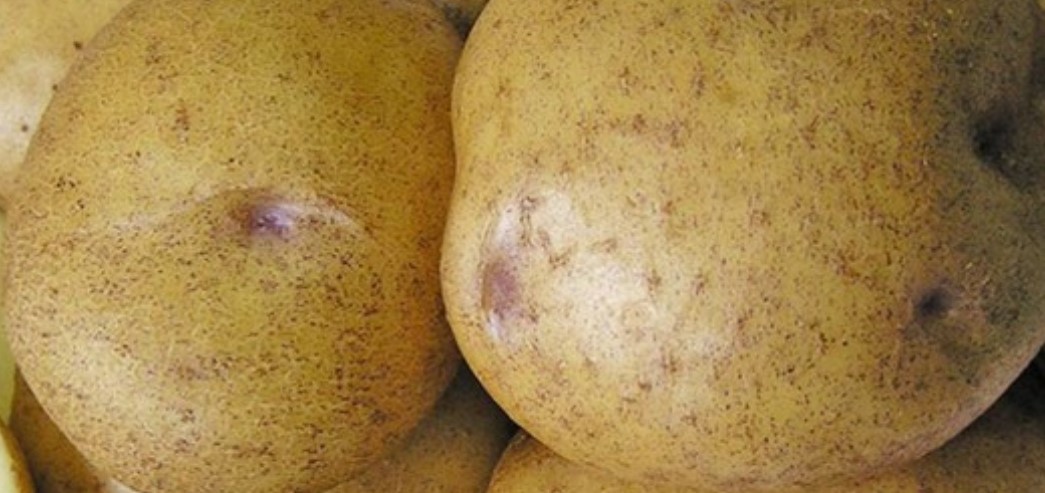
| Description of tubers | The tubers are large, round, and have yellow skin covered with a fine mesh. The eyes are medium-sized. The flesh is cream-colored. |
| Productivity | 51 t/ha |
| Culinary type | Armed Forces |
| Starch content | Up to 24.4% |
| Disease resistance | Susceptibility to viruses S, Y. High resistance to other diseases. |
| Peculiarities | Suitable for growing in light to medium soils. Medium dormancy period. High damage resistance, excellent shelf life. |
| Not included |
Photo gallery of the Universal potato variety

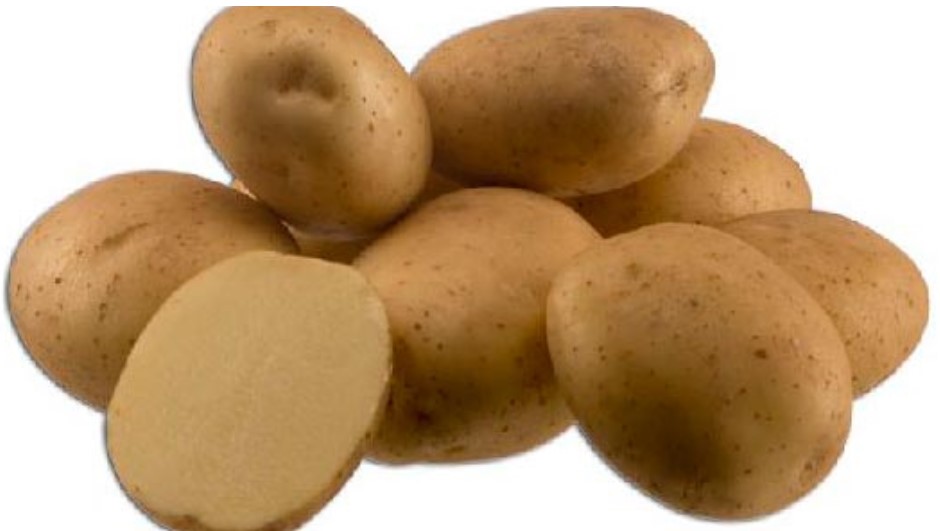
Yanka
| Name | Yanka |
| Ripening period | 80-100 days |
| Description of tubers | The tubers are oval-shaped, with a yellow, slightly mesh-like skin. The flesh is light-colored, and the eyes are small. |
| Productivity | 62.6 t/ha |
| Culinary type | Armed Forces |
| Starch content | Up to 17.6% |
| Disease resistance | Under unfavorable growing conditions, it can be susceptible to late blight, rot, anthracnose, and alternaria. |
| Peculiarities | Potatoes respond well to mineral fertilizers. They grow well in medium and light soils, are resistant to damage, have good shelf life, and have a long dormancy period. |
| 2012 |
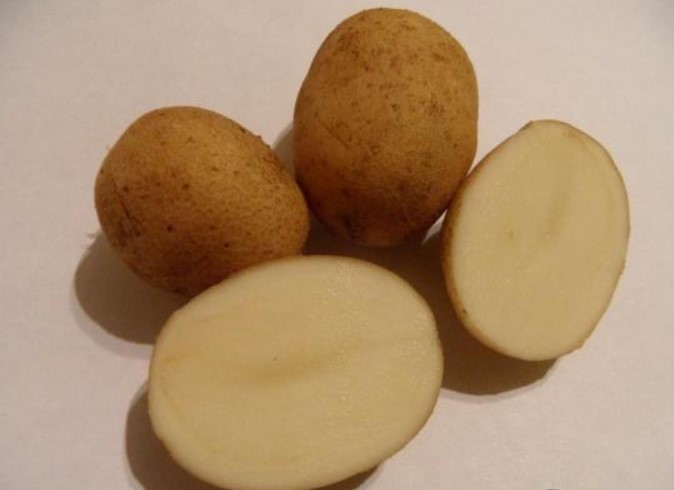
Photo gallery of the Yanka potato variety
Reviews of the Yanka potato variety
A little background…
Six years ago, we encountered a problem with potato degeneration. Potatoes planted for at least ten years began producing low, inconsistent yields, poor germination, and thin sprouts. I think all gardeners have encountered this.
As a result, our search for new seed began in 2010. That year, we switched to varieties from the Lorkh All-Russian Research Institute of Potato Crops (a potato breeding research institute located near Moscow). We planted five to seven new varieties annually, and by 2013, we had tested about 15 varieties from our own breeders. Some that come to mind are: Nikulinsky, Malinovsky, Vasilek, Zhukovsky Ranniy, Nakra, Roko, Golubizna, Siren, Meteor, Kolobok, Udacha, Lugovskoy, Nevsky, and a few others. Some of these varieties are worthy (Golubizna, Nevsky), but most of these seeds (varieties) only produced a good harvest in the first year.The search for the optimal option continued, and in 2014, we were offered to try seeds from the Republican Unitary Enterprise “Scientific and Practical Center for Potato and Fruit and Vegetable Growing of the National Academy of Sciences of Belarus.” This is how we first encountered the Yanka potato variety.
The Yanka variety is a mid-season table potato variety.
Appearance and taste:
I won't go into detail about the taste, as all markers are different... some like one thing, others like another. I'll just say one thing: I LIKE IT. I find the potatoes very tasty. They're not watery, they don't disintegrate into dust when boiled, but they don't stay hard either. They form a nice crust when fried, and they stay in chunks, not mashed.
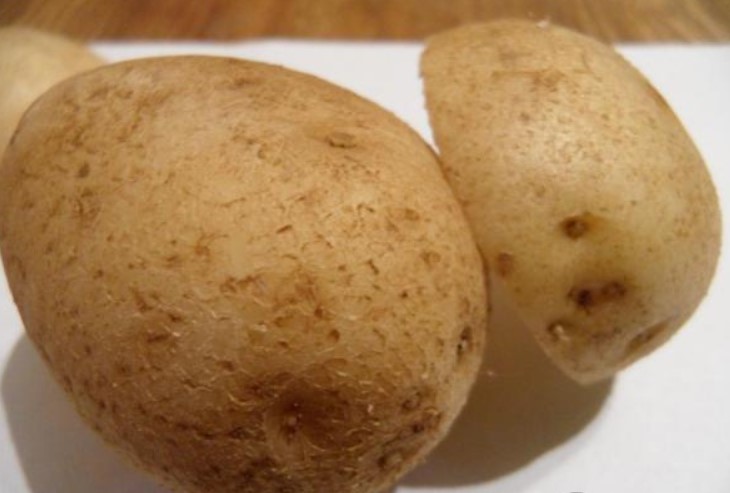
The appearance is quite decent. The tubers are smooth, with yellow skin and white flesh.
The eyes are not deep, the skin is slightly rough
Cultivation:
For three years now, this variety has been delighting us with consistently good yields. It seems to dislike waterlogged soil; in drier years, the yield is even higher. It's very easy to grow; we haven't even had to weed it once this year. Thanks to its vigorous bushiness, weeds don't get enough light. When the bushes were about 15 cm tall, I first earthed them up with a walk-behind tractor, then a second time when budding began. During flowering, the bushes and rows closed in, preventing weeds from getting a chance to emerge. Incidentally, this is the first time I've seen this phenomenon with this variety.
The Colorado potato beetle isn't particularly fond of this variety either, due to its robust growth habit and coarse foliage. If there are neighboring plants of a different variety nearby, trust me, the neighbor's bush will be eaten first..
We usually harvest on the 110-120th day.The "Yanka" variety is resistant to all kinds of diseases. At least, we haven't had any problems with it in three years of growing it.
The harvest is stored well until the new season of young potatoes.
Overall, over the past six years, this is the only variety that has produced a consistent, good harvest over three seasons. We'll be planting this potato in our garden again next year.
I recommend taking a closer look and, if it's available in your area, buying some and trying planting it. I think you won't regret it... although climate and soil vary everywhere, so experimenting is essential!
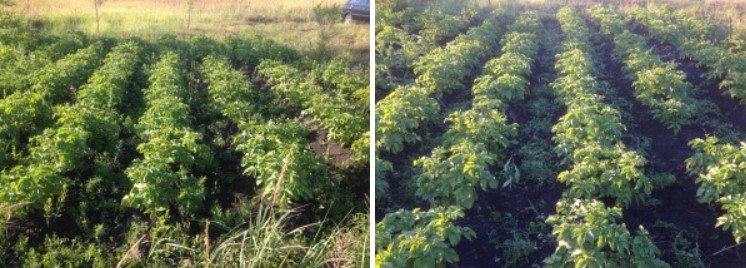
On July 15th after work I went to a virgin land area.
89 days have passed since planting—almost three months. But, apparently, early planting didn't significantly affect the germination rate. The soil probably wasn't warm enough; and the tubers themselves weren't prepared for early planting (they weren't germinated in advance). Well, that's no big deal. Next time, planting can safely be scheduled for early May.This is what the varieties looked like 89 days after planting:
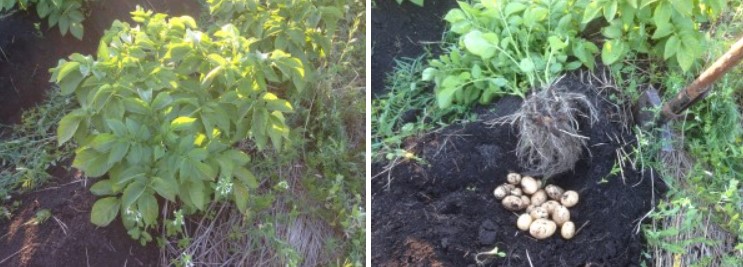
Before and after weedingVariety "Yanka":
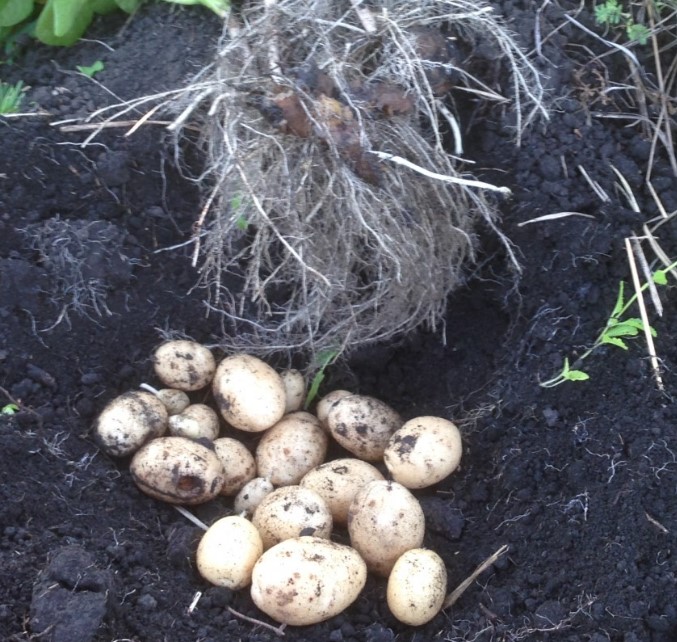
By yield:
Variety "Yanka":
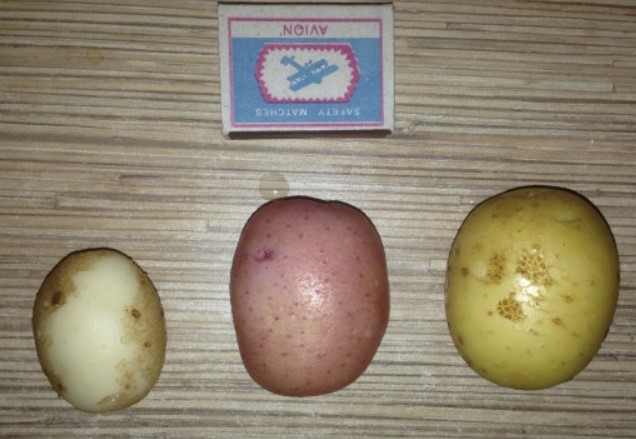
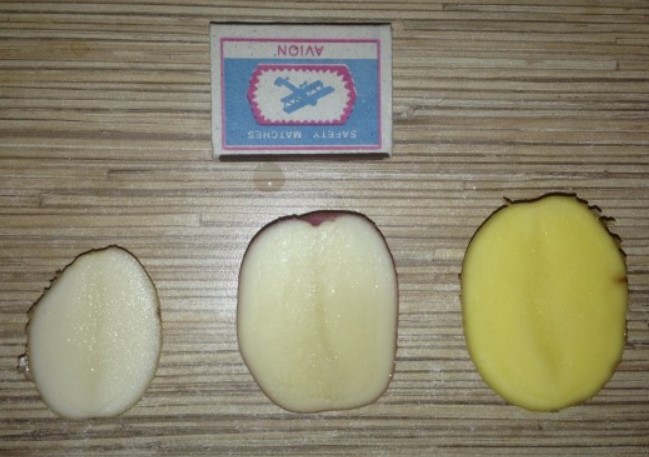
By size: from left to right - "Yanka", "Arosa", "Gala".
Sections:
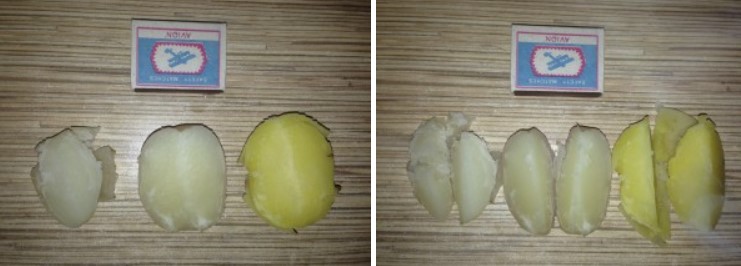
After cooking:
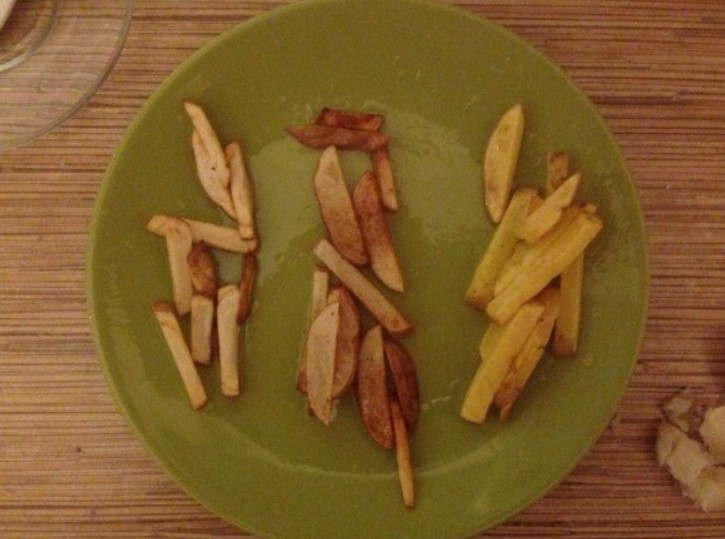
"Yanka" and "Gala" cook well.After frying:
"Yanka" - fries without burning. "Arosa" - browns nicely. "Gala" - turns golden.So far, I like 'Gala' the best of the three varieties. It produces a high yield, the tubers are smooth, they cook well, and they're great for frying. I'll probably plant this variety in the future. I might even try growing my own seed stock. I collected potato seeds (in small tomatoes). Maybe something good will come out of them.
TOP 8 mid-late potato varieties of Belarusian selection
Vectar
| Name | Vectar |
| Ripening period | 100-110 days |
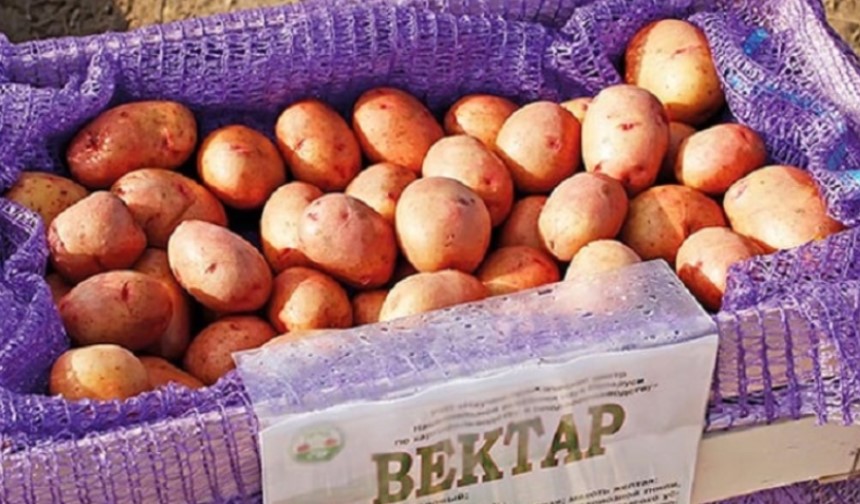
| Description of tubers | The tubers are large, oval-round, with a mesh-like skin, red, and white flesh. |
| Productivity | 67.3 t/ha |
| Culinary type | Armed Forces |
| Starch content | Up to 19.2% |
| Disease resistance | Average resistance to viruses L, SOther diseases are not typical. |
| Peculiarities | Suitable for growing in all soil types, it has good shelf life. It has a medium dormancy period and tolerates damage when dug up. |
| Not included |
Photo gallery of the Vectar potato variety
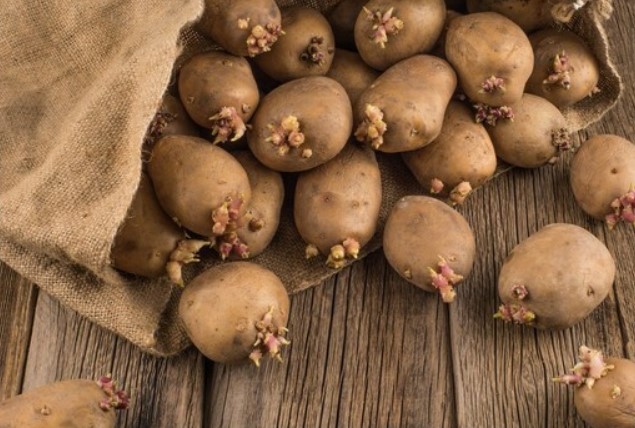
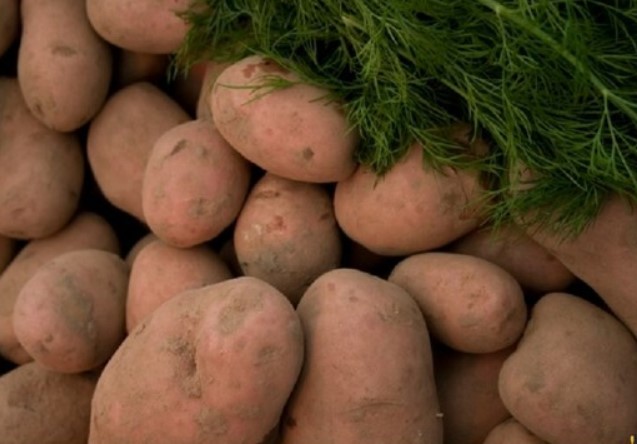
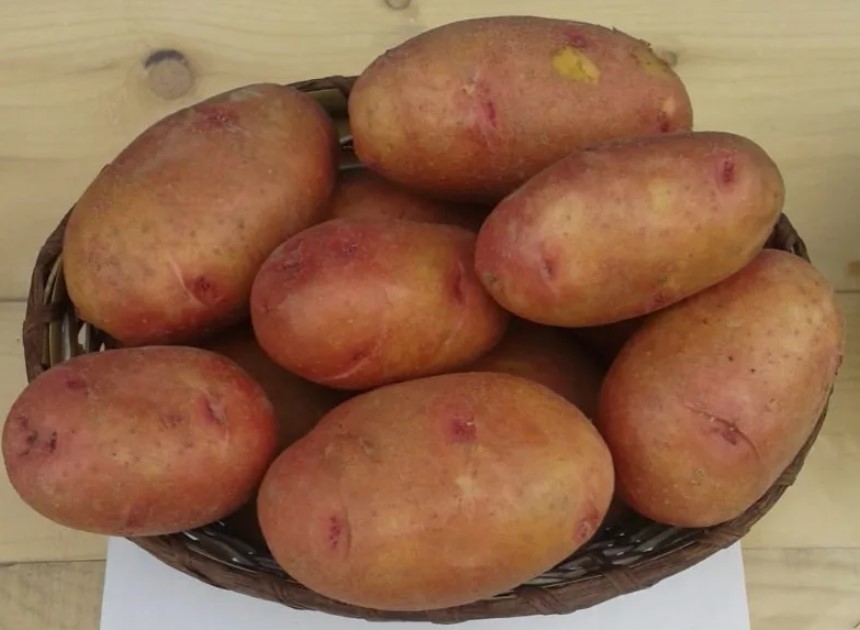
Reviews of the Vectar potato variety
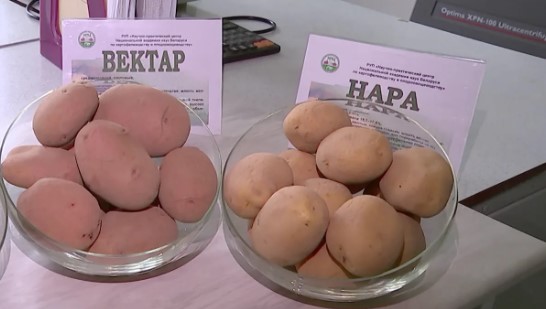
In addition to the Manifesto, Putin received a bag of Vector, Rubin, Nary, and lard as gifts.
Let's leave the lard alone, and as for the other potato varieties, who knows? I assume they gave us the best they had.
Manifest, and also Vectar with red coloring. …I have these varieties. I'm satisfied with the yield and taste.
Crane
| Name | Crane |
| Ripening period | Up to 100 days |
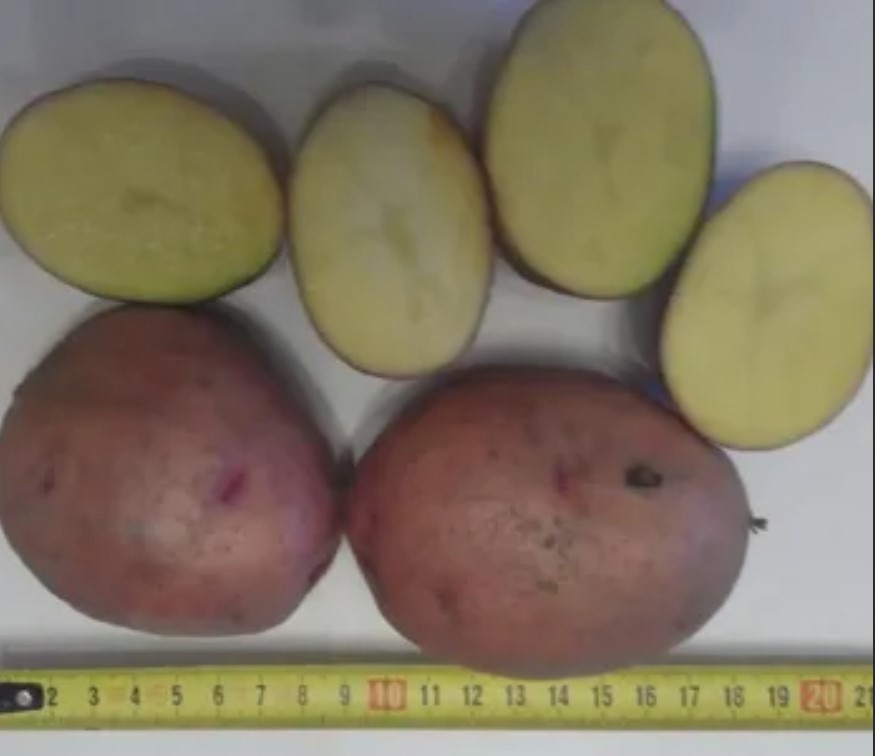
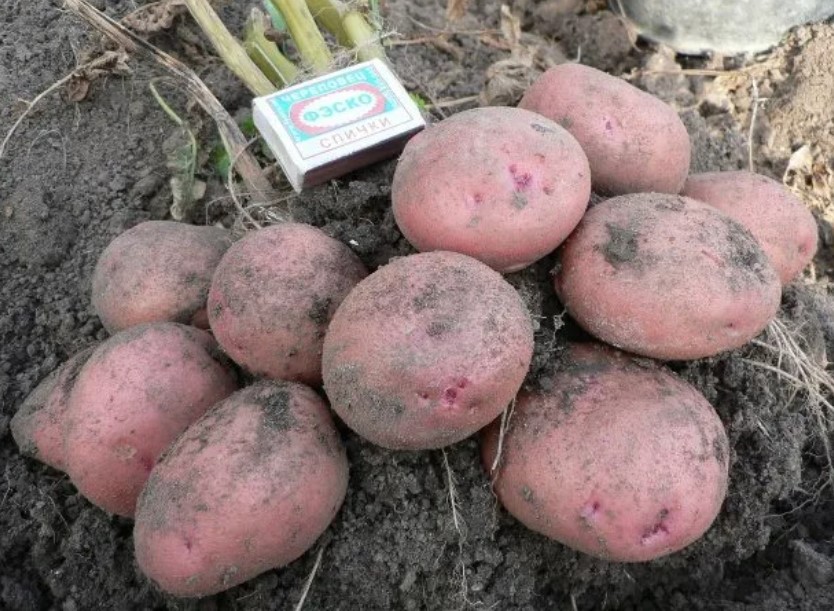
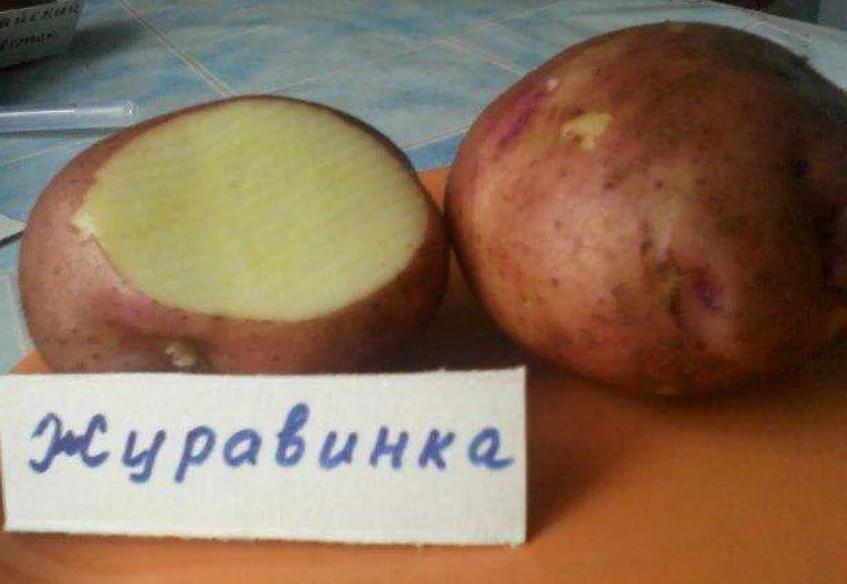
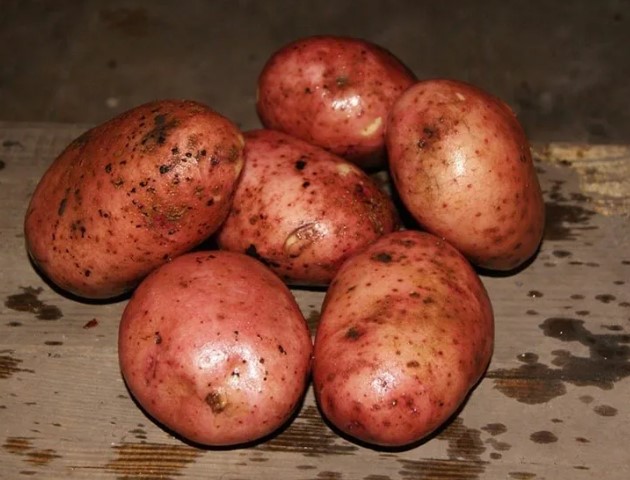
| Description of tubers | The tubers are medium-sized, round-oval in shape. The skin is red with small eyes. The flesh is light-colored. |
| Productivity | 64 t/ha |
| Culinary type | Armed Forces |
| Starch content | Up to 19.5% |
| Disease resistance | Complex disease resistance. Under unfavorable conditions, it can be affected by late blight, viruses, and rhizoctonia. |
| Peculiarities | Suitable for light and medium soils, it responds well to fertilizers, dislikes nitrogenous fertilizers, and tolerates low moisture but not waterlogged conditions. It has excellent shelf life and a long dormancy period. |
| 2006 |
Photo gallery of the Zhuravinka potato variety
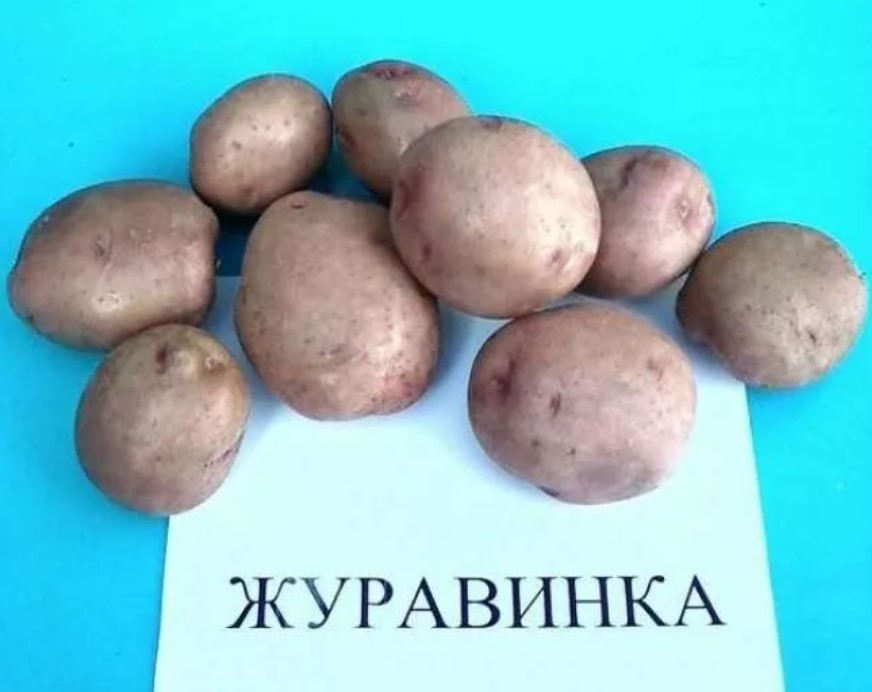
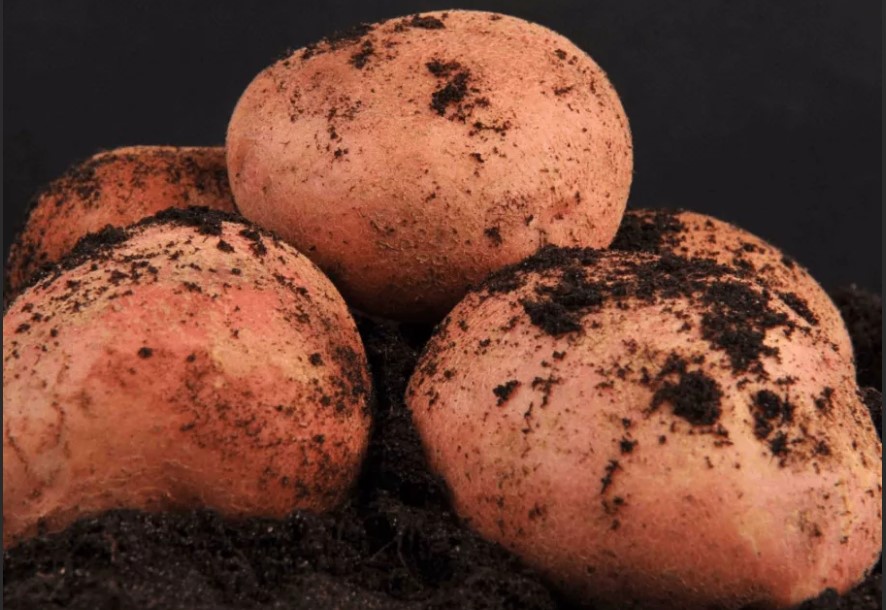
Reviews of the Zhuravinka potato variety
I recommend buying the "Zhuravinka" variety at the market on Baturina Street in the spring for our residents of Vladimir. I was skeptical of the sellers' praise in the fall, so I bought 2 kg to try it out. We tried it, and it was delicious! I'll definitely plant it and see how it performs in terms of yield.
I adore cranberries. They have a very high starch content. When boiled, they become so soft that you might not even see them whole. As my kids say, "a lazy potato—the mashed potatoes are ready right away." They store well. They prefer loose soil and are a late-ripening variety, so plant them separately.
On the contrary, my Skarb was tasty, but not productive; maybe the climate and soil are different. I also read here that Zhuravinka is delicious, but I didn't like it; it turned to mush in soup, which I don't like.
Last year, prolonged rains and unpredictable weather conditions in our Primorye region, after a series of typhoons, unexpectedly yielded surprising results for the Zhuravinka variety (a Belarusian variety). I've been growing potatoes for a long time, having amassed a sizable collection, and I grow them exclusively for myself. I first grew the Zhuravinka variety three years ago. In previous years, the potatoes were only slightly larger than a chicken egg, but I kept them because I liked their taste. Last year, after the typhoons, I literally had to dig them out of the ground. And I was amazed: it was the Zhuravinka that surprised me with its large tubers for the first time. I reread the description of this variety and discovered the most important feature of Zhuravinka: it loves moisture. "It's a typhoon-resistant variety!" I thought. So, guys (and gals), don't pass this variety by, and you'll have a harvest even in a rainy summer...
Krok
| Name | Krok |
| Ripening period | 100 days |
| Description of tubers | The tubers are round-oval, the skin is smooth, yellow, the eyes are small, the flesh is light yellow. |
| Productivity | 59.6 t/ha |
| Culinary type | WITH |
| Starch content | 22% |
| Disease resistance | Average resistance to watery rot, anthracnose and late blight. |
| Peculiarities | Good shelf life, high starch content, long storage. |
| Not included |
Photo gallery of the Krok potato variety
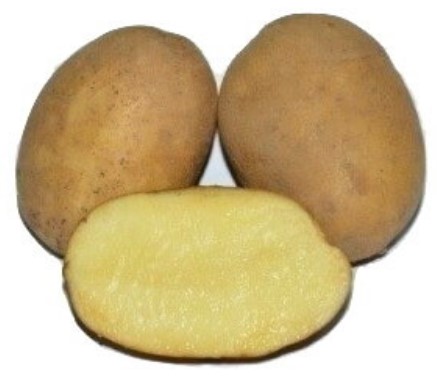
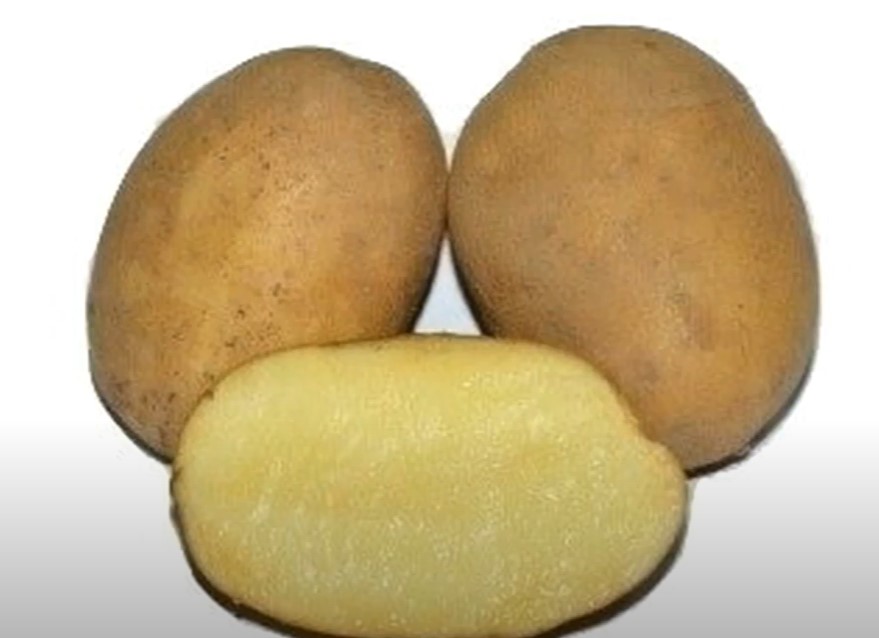
Review of the Krok potato variety
Lasunak (Lasunok)
| Name | Lasunak (Lasunok) |
| Ripening period | Up to 100 days |
| Description of tubers | The tubers are round-oval in shape and fairly large. The skin is yellow and mesh-like, the eyes are medium-sized, and the flesh is light yellow. |
| Productivity | 63 t/ha |
| Culinary type | WITH |
| Starch content | Up to 22% |
| Disease resistance | Average resistance to scab, viruses and late blight |
| Peculiarities | Suitable for all soil types, no fertilizer required. Potatoes are suitable for freezing and starch production. |
| 1988 |
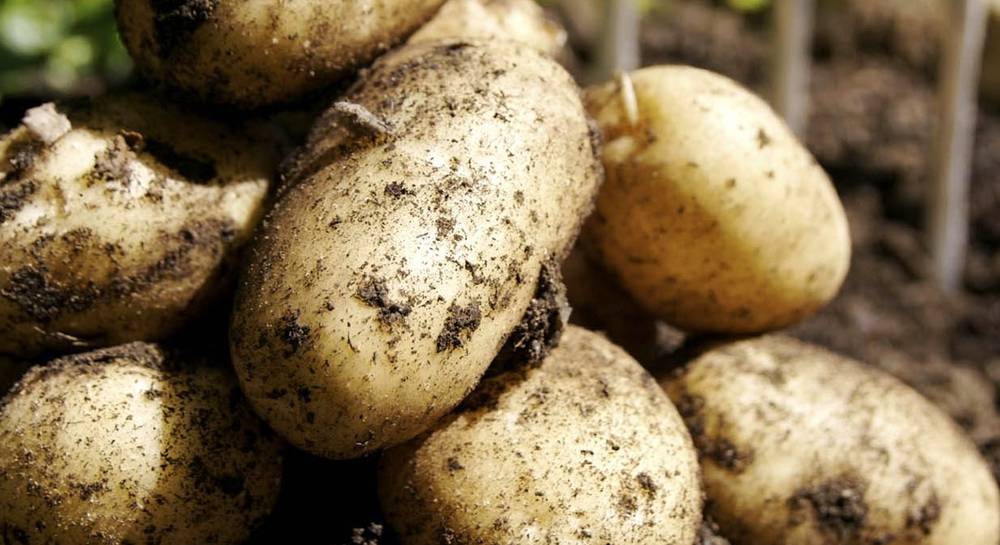
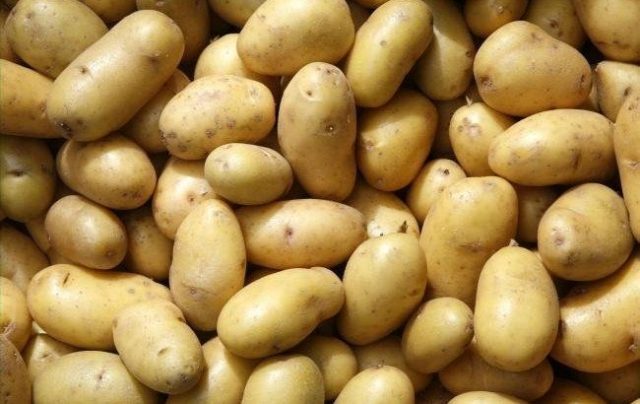
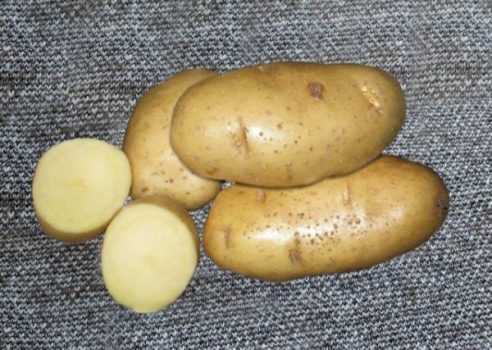
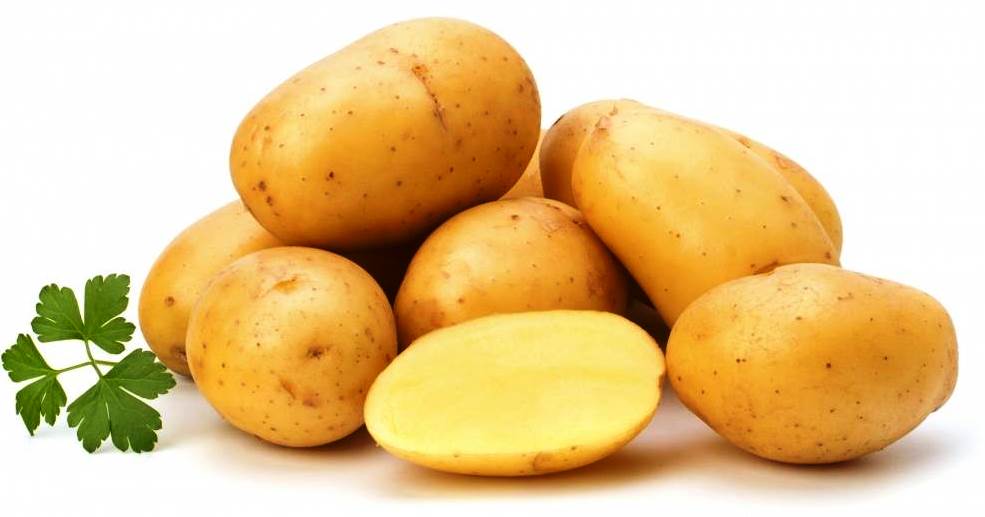
Photo gallery of the Lasunak potato variety:
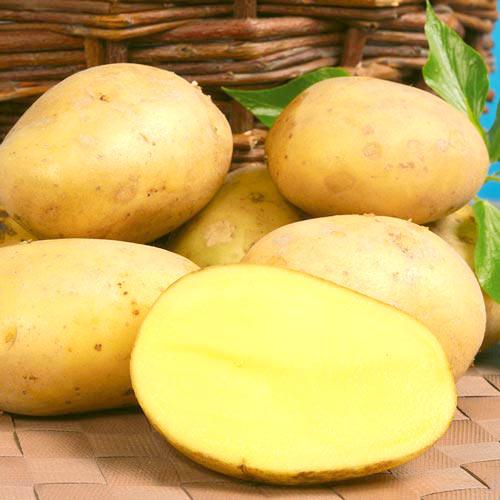
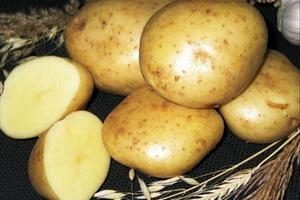
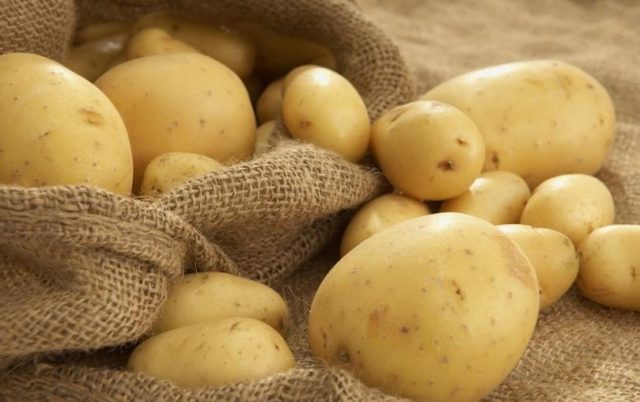
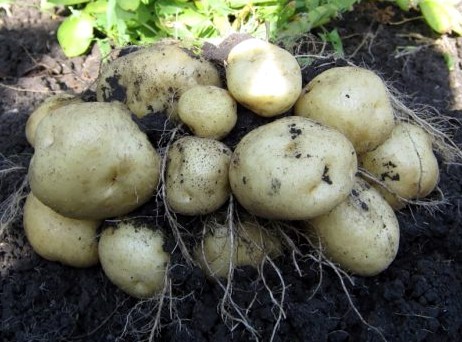
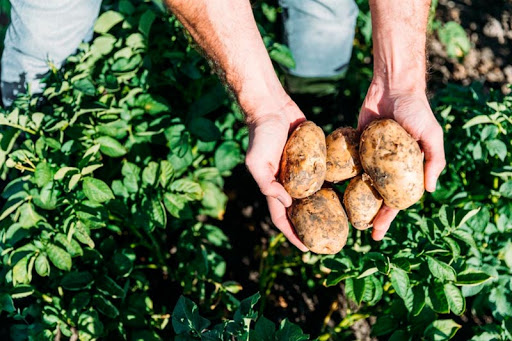
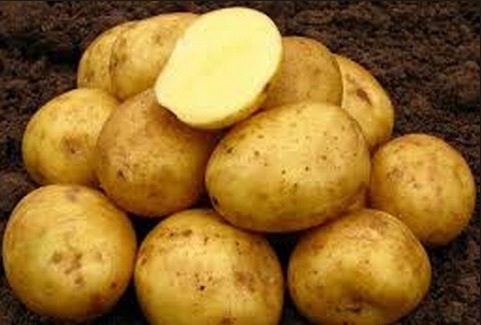
Reviews of the Lasunak potato variety
Lasunak - originator: State Research Institute of Agriculture of the Use of Reclaimed Lands
RUE 'Scientific and Practical Center of the National Academy of Sciences of Belarus for Potato, Fruit and Vegetable Growing'
TVER STATE AGRICULTURAL ACADEMY
Late-ripening, versatile variety. Upright, tall plant with white flowers. Large, round-oval tubers with light yellow skin and creamy flesh. Eyes are medium-deep. High yield, short dormancy, satisfactory to good shelf life, 15-22% starch content, good to excellent flavor. Resistant to cancer, late blight (on tubers), S, M, Y, and L viruses, moderately resistant to leaf blight, common scab, rhizoctonia, blackleg, and susceptible to X virus. Variety value: high yield, late blight and virus resistance, suitable for the production of mashed potatoes, chips, frozen potatoes, alcohol, and starch.
It's a bit similar to Adretta, larger, and the flesh isn't as yellow, but it's late. We didn't really like it; Adretta is tastier.
By the way, "my" Lasunok looks different. It's smooth and slightly elongated.
About the best varieties of crumbly potatoes Read on our website.
Magician
| Name | Magician |
| Ripening period | Up to 100 days |
| Description of tubers | The tubers are round, with a mesh-like skin, yellow in color, and small pink spots. The flesh is yellow. |
| Productivity | 48.1 t/ha |
| Culinary type | Armed Forces |
| Starch content | Up to 22.7% |
| Disease resistance | Average resistance to scab, alternaria and late blight. |
| Peculiarities | Suitable for growing in light and medium soils, with a long dormant period. Excellent shelf life and marketability. Tolerates drought. |
| Not included |
Photo gallery of the Mag potato variety
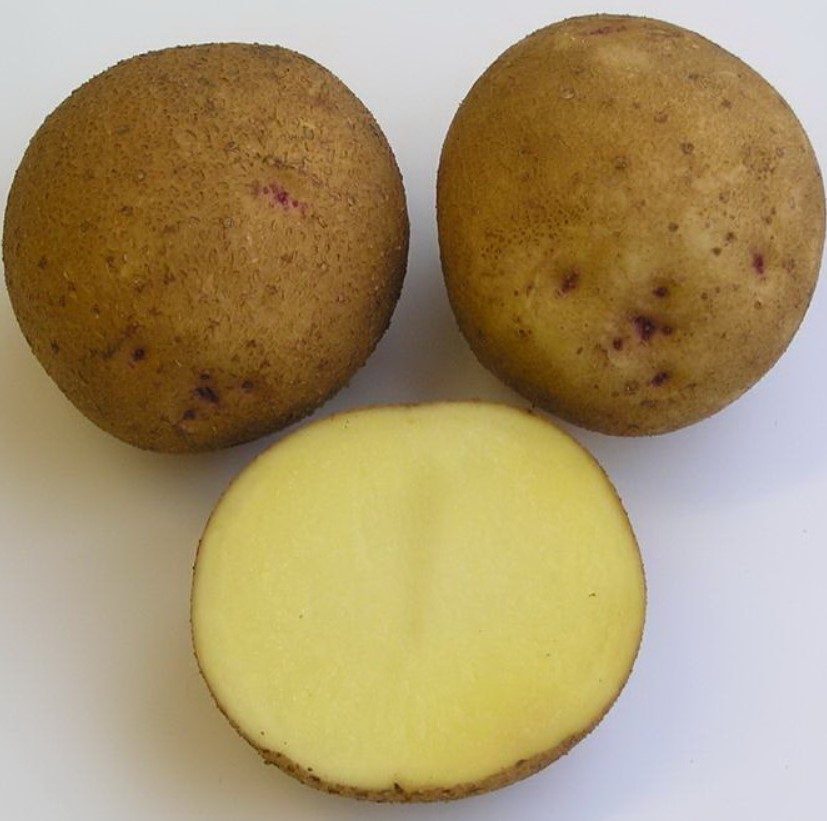
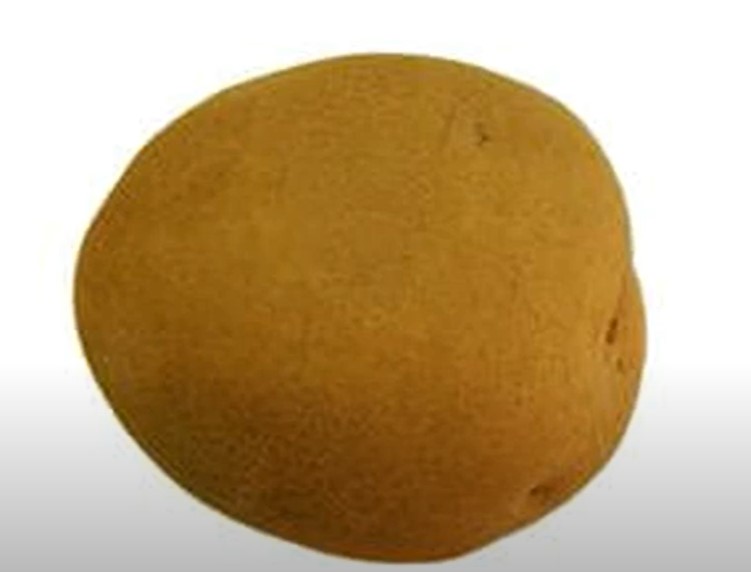
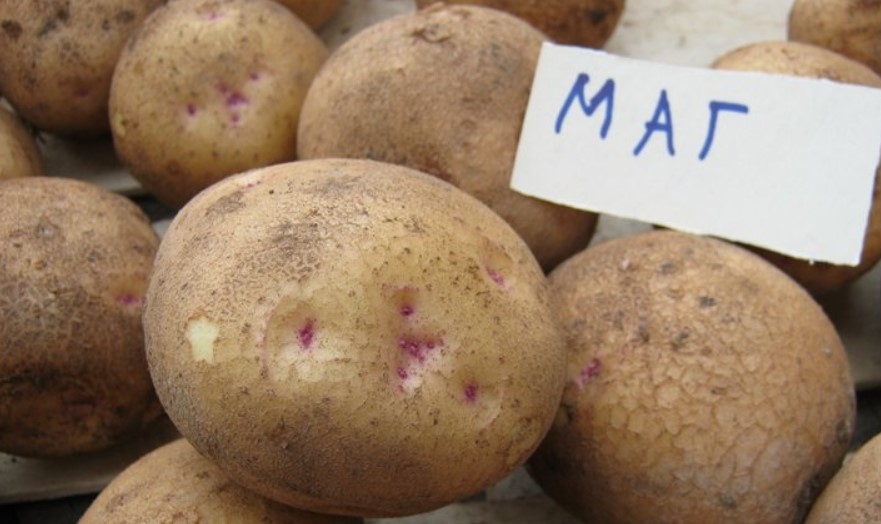
Review of the Mag potato variety
Nara
| Name | Nara |
| Ripening period | 100 days |
| Description of tubers | The tubers are oval-shaped, the skin is smooth and yellow. The flesh is white. |
| Productivity | 63.7 t/ha |
| Culinary type | Armed Forces |
| Starch content | 17% |
| Disease resistance | Average susceptibility to late blight, scab and anthracnose. |
| Peculiarities | Good yield, shelf life, strong immunity |
| Not included |
Photo gallery of the Nara potato variety
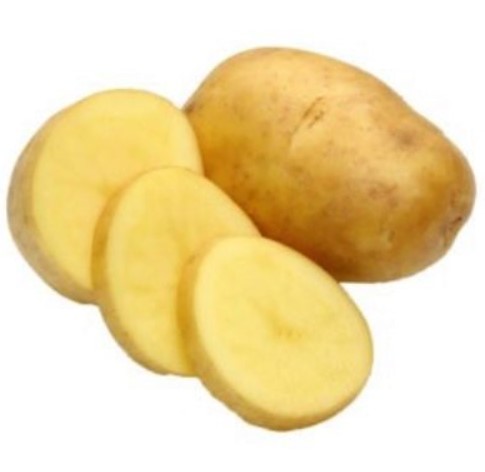
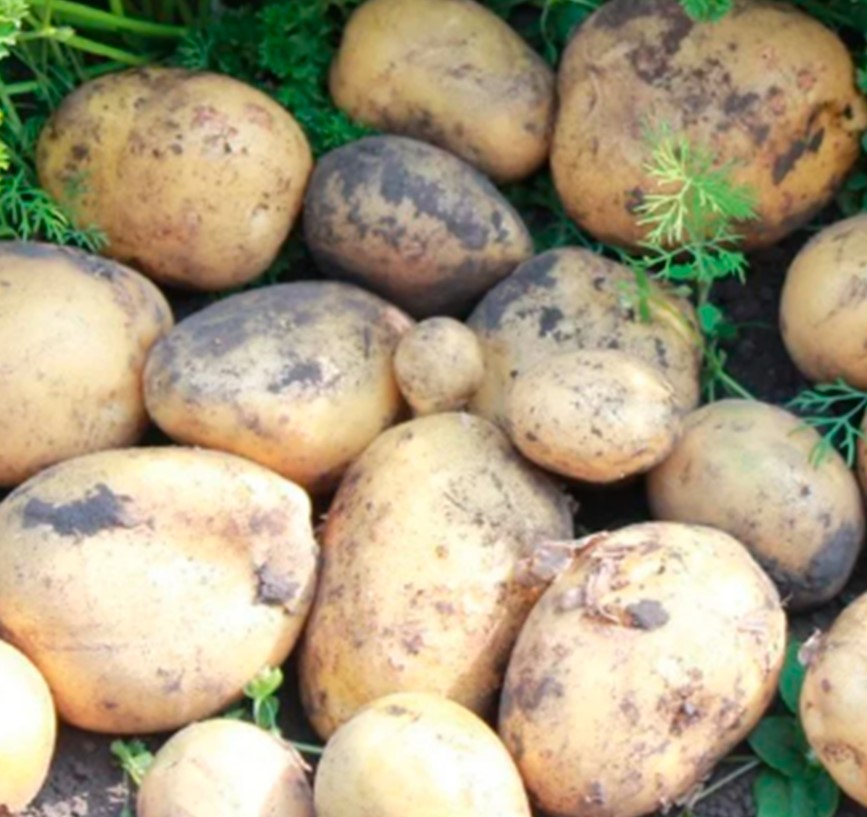
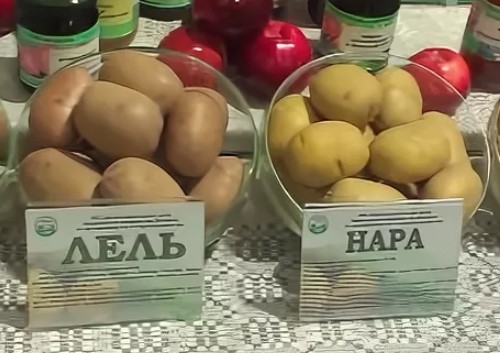
Review of the Nara potato variety
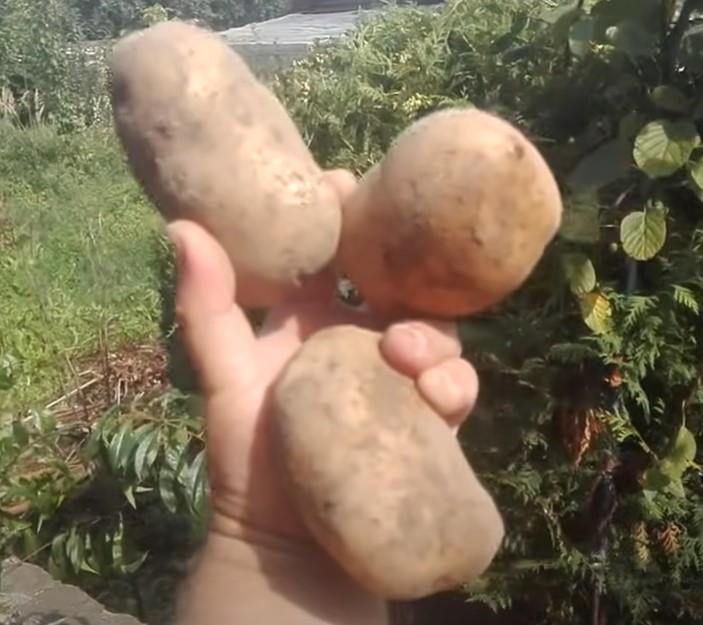
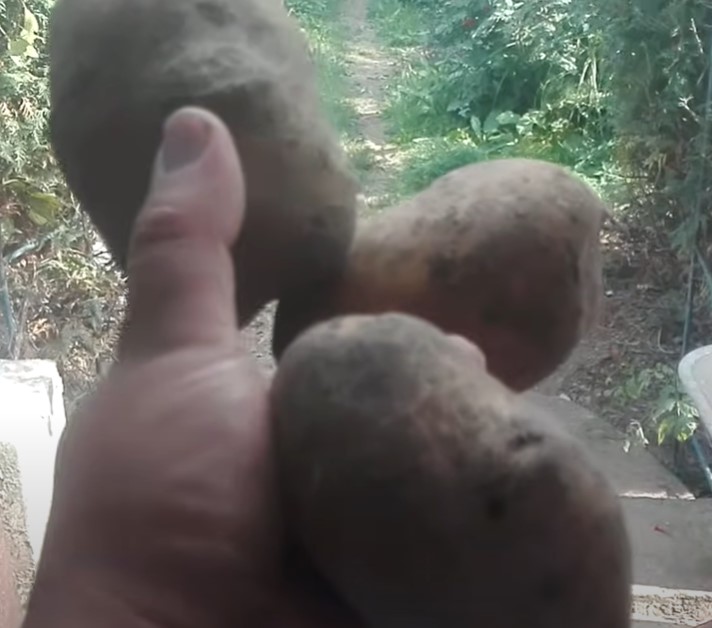
I don't like very large potatoes. The Nara turned out a bit large. Not Inara, but Nara—our Belarusian variety. Very tasty.
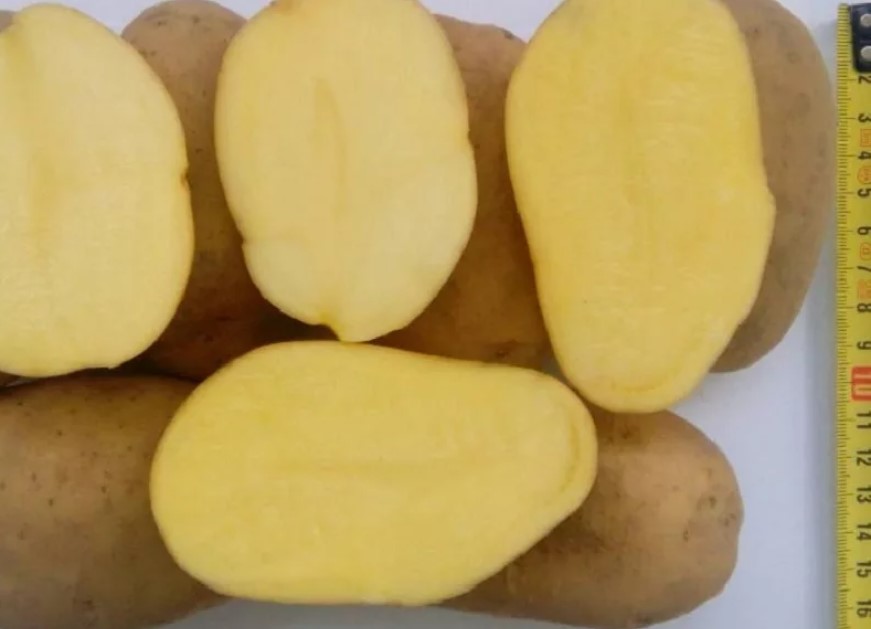
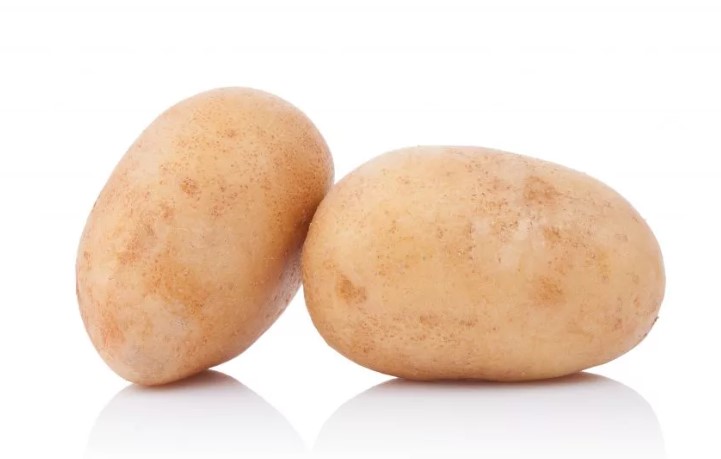
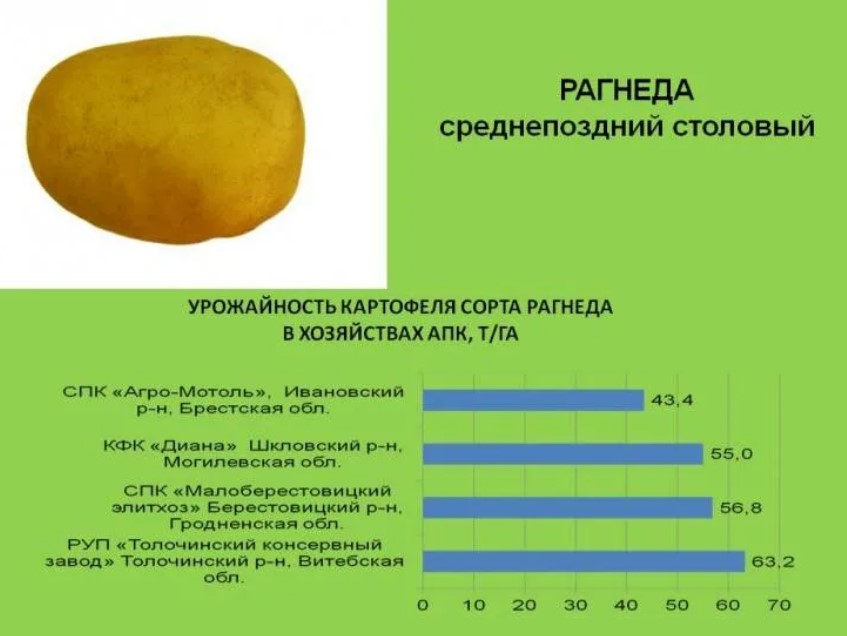
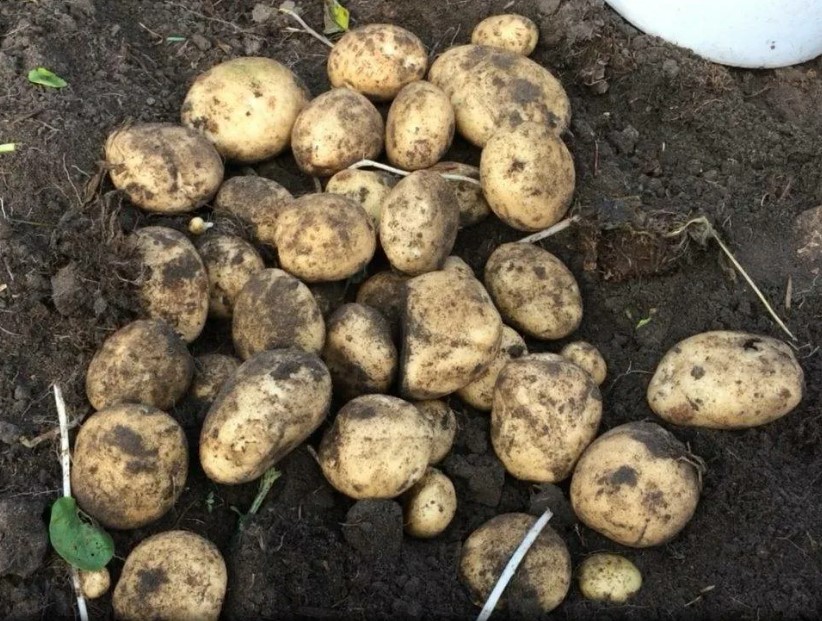
Ragneda
| Name | Ragneda |
| Ripening period | Up to 100 days |
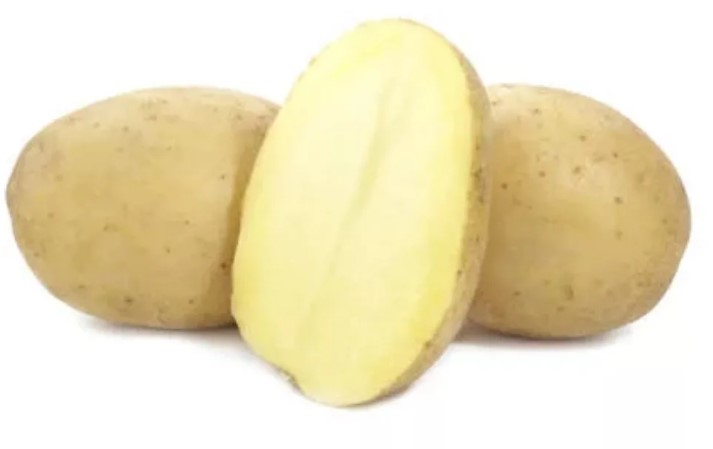
| Description of tubers | The tubers are oval and round-oval. The skin is smooth and yellow. The flesh is creamy. |
| Productivity | 75.7 t/ha |
| Culinary type | Armed Forces |
| Starch content | Up to 19% |
| Disease resistance | Average resistance to fusarium and viruses S, M, L |
| Peculiarities | Can be grown on different types of soil, tubers ripen evenly, have excellent shelf life and a long dormant period. |
| 2011 |
Photo gallery of the Ragneda potato variety
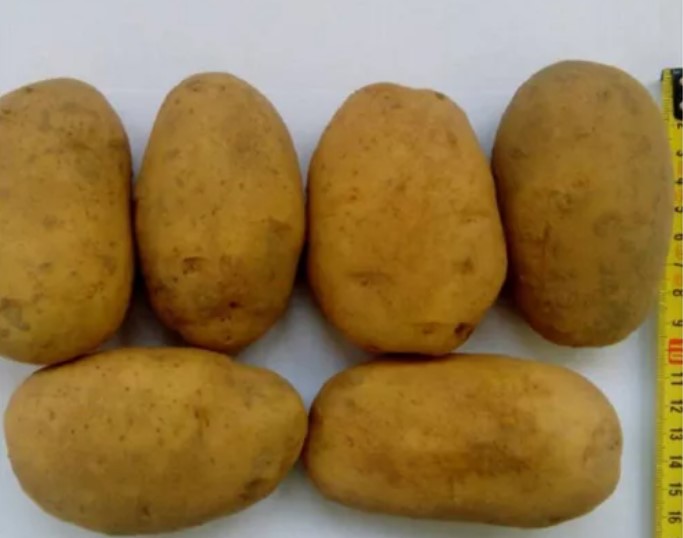
Review of the Ragneda potato variety
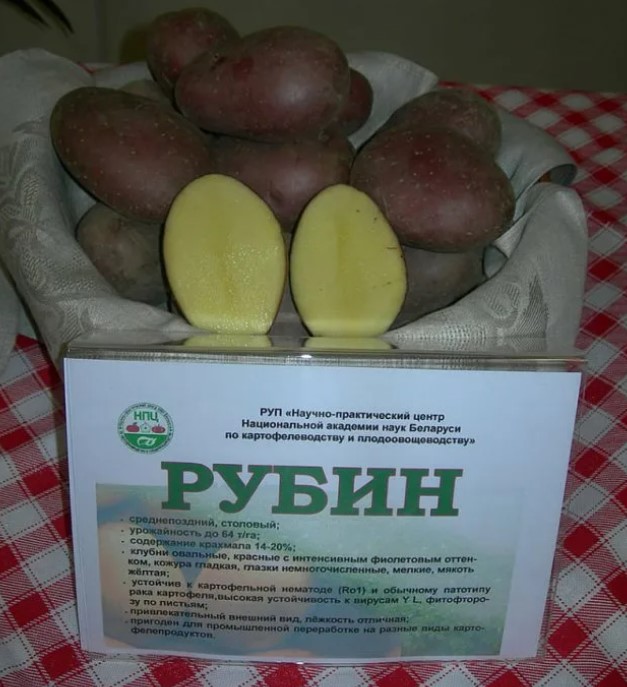
Ruby
| Name | Ruby |
| Ripening period | 100 days |
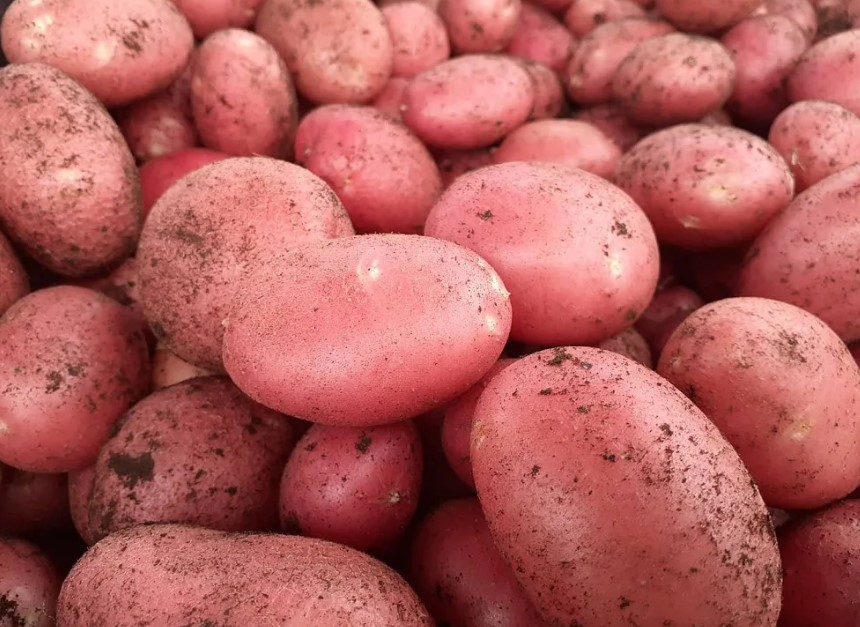
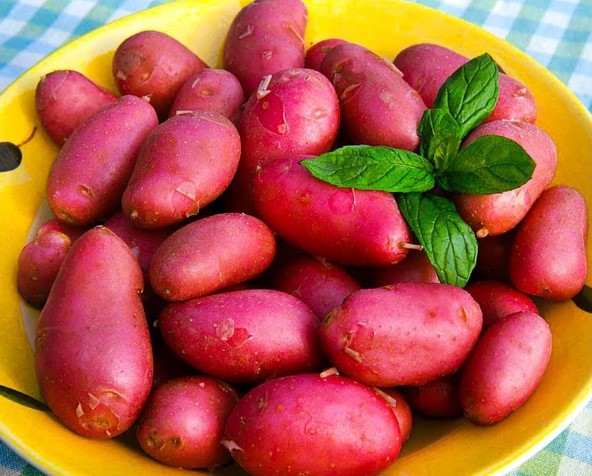
| Description of tubers | The tubers are oval-shaped, with red skin with a purple tint. The eyes are few and small. The flesh is yellow. |
| Productivity | 64 t/ha |
| Culinary type | Armed Forces |
| Starch content | 17.2% |
| Disease resistance | Complex disease resistance |
| Peculiarities | Responds well to fertilizing and can be stored for a long time. Resistant to mechanical damage. |
| Not included |
Photo gallery of the Rubin potato variety
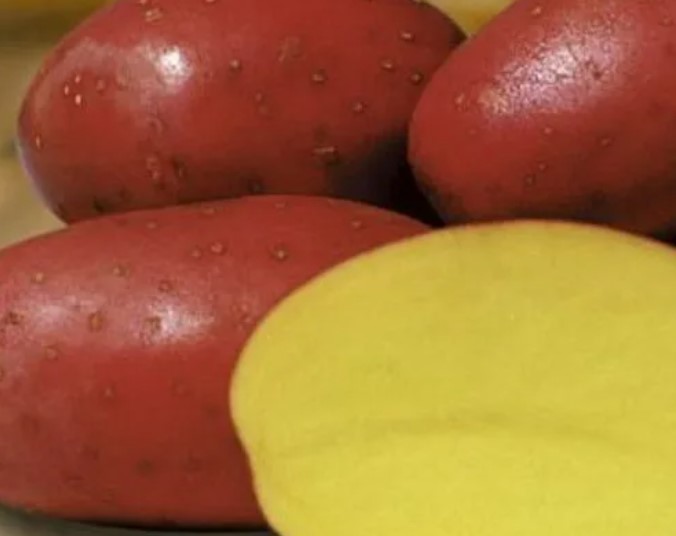
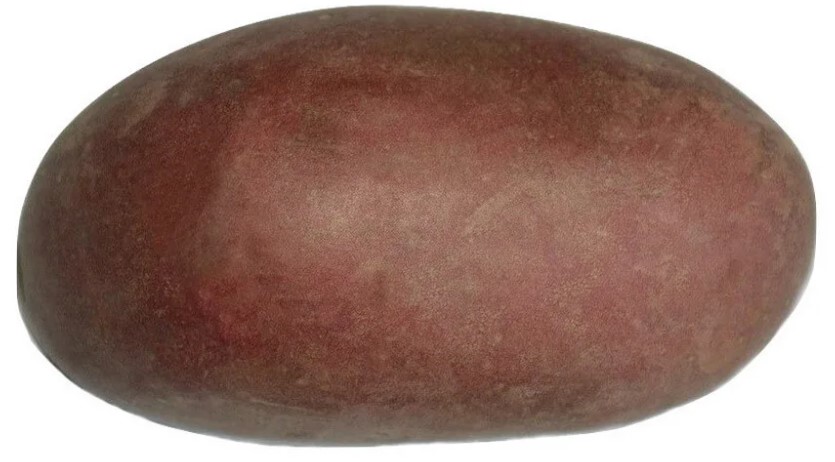
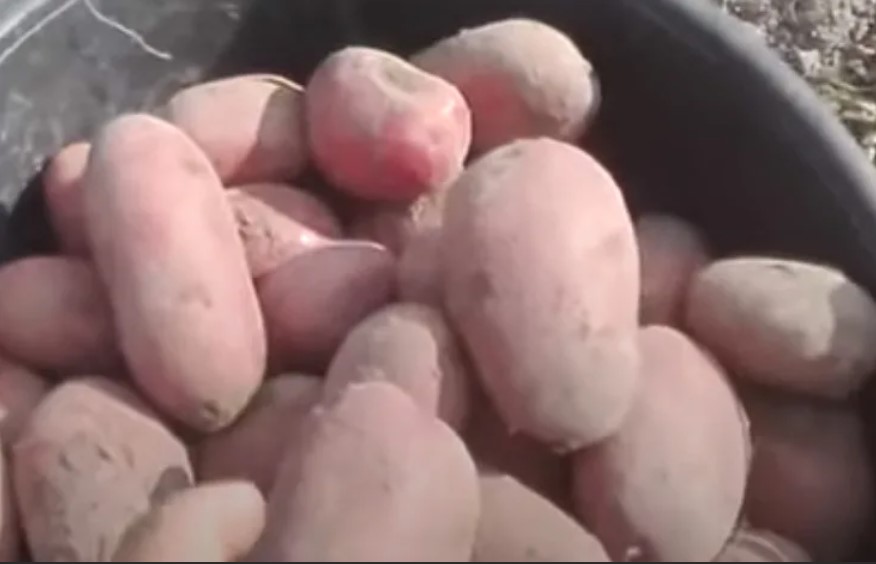
Reviews of the Rubin potato variety
Ruby. Good for storing.
As for the Rubin variety, it is expected that it will appear on sale next year.The name of this potato speaks for itself. Its skin is red with an intense purple hue. The flesh is yellow. The Center noted that yellow flesh is particularly popular with consumers.
This variety is mid-late, like 'Vector' and 'Nara.' This means the same dishes can be prepared with it.
Suitable for production of dry mashed potatoes.
The variety also boasts excellent shelf life. "Skarb" was previously considered the longest-storing variety. Farmers are well aware that it keeps well until spring.
However, "Rubin" isn't yet available for sale—it's undergoing state testing. The others are readily available in stores and in Samokhvalovichi, where seed is sold.
TOP 3 late potato varieties of Belarusian selection
Vesnyanka
| Name | Vesnyanka |
| Ripening period | 100-120 days |
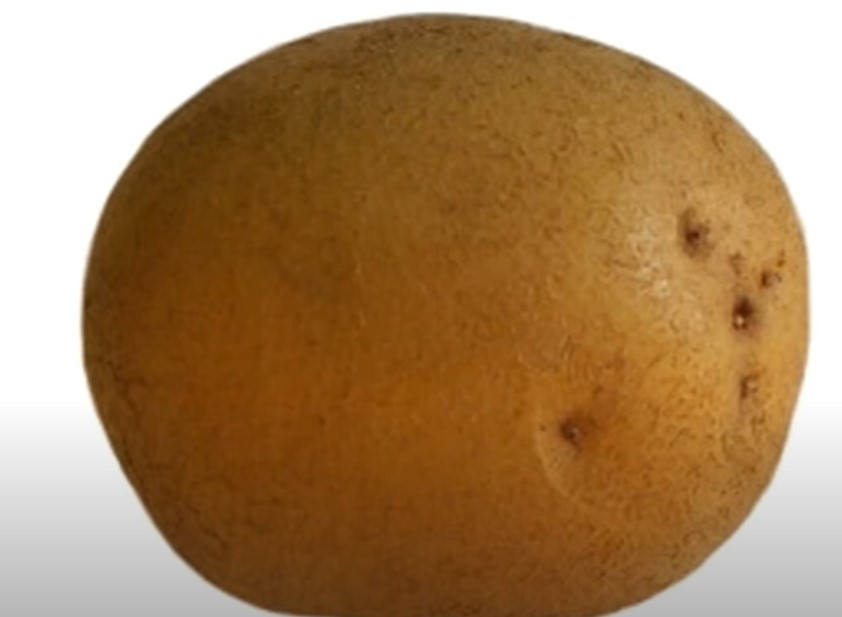
| Description of tubers | The tubers are round-oval in shape, the skin is yellow with small pinkish eyes. |
| Productivity | 65.6 t/ha |
| Culinary type | WITH |
| Starch content | Up to 21.9% |
| Disease resistance | Average resistance to late blight, viruses and scab. |
| Peculiarities | Suitable for starch production, it has excellent shelf life and a long dormancy period. It can be grown in various soil types and does not require fertilizing, although it responds well to it. |
| 2008 |
Photo gallery of Vesnyanka potato variety
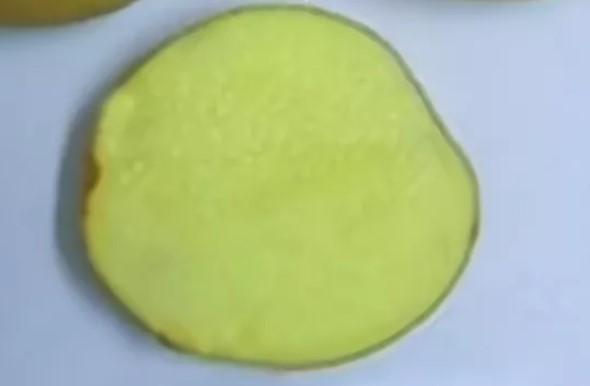
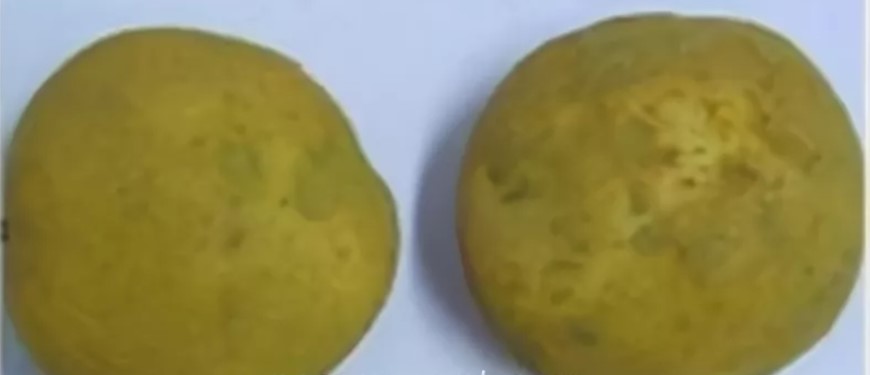
Reviews of the Vesnyanka potato variety
It seems to me that Vetraz and Vesnianka should be tasty and stable, since they are late varieties.
Zdabytak
One of the best boiled varieties is the Zdabytak variety:
| Name | Zdabytak |
| Ripening period | 100-120 days |
| Description of tubers | The tubers are oval, medium-sized, with smooth reddish skin. The flesh is light-colored, and the eyes are small. |
| Productivity | 60.7 t/ha |
| Culinary type | WITH |
| Starch content | Up to 26% |
| Disease resistance | Complex disease resistance |
| Peculiarities | Used industrially for the production of alcohol and starch. Fertilizer-free. Prefers moist soil. Has a long dormant period and average shelf life. |
| Not included |
Photo gallery of the Zdabytak potato variety
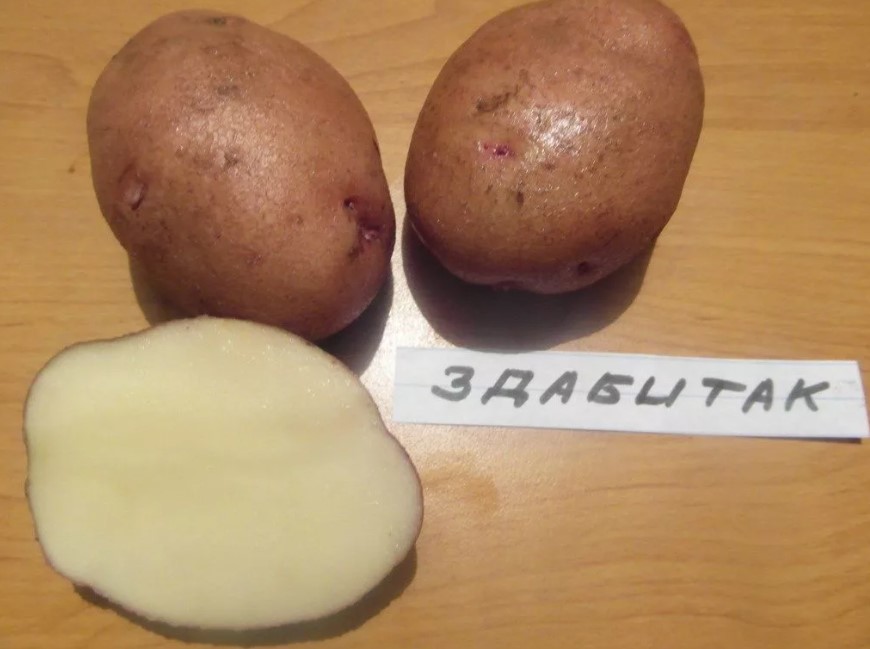
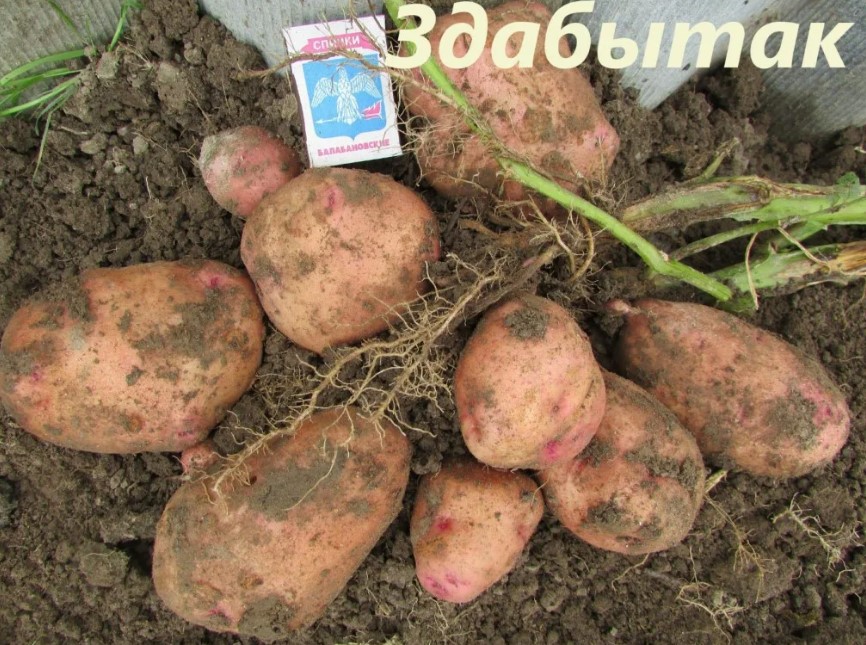
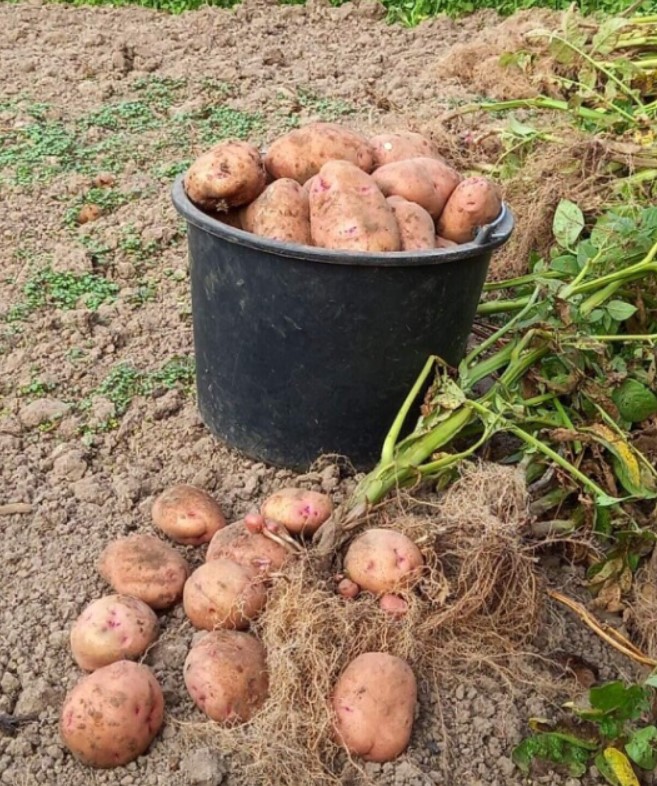
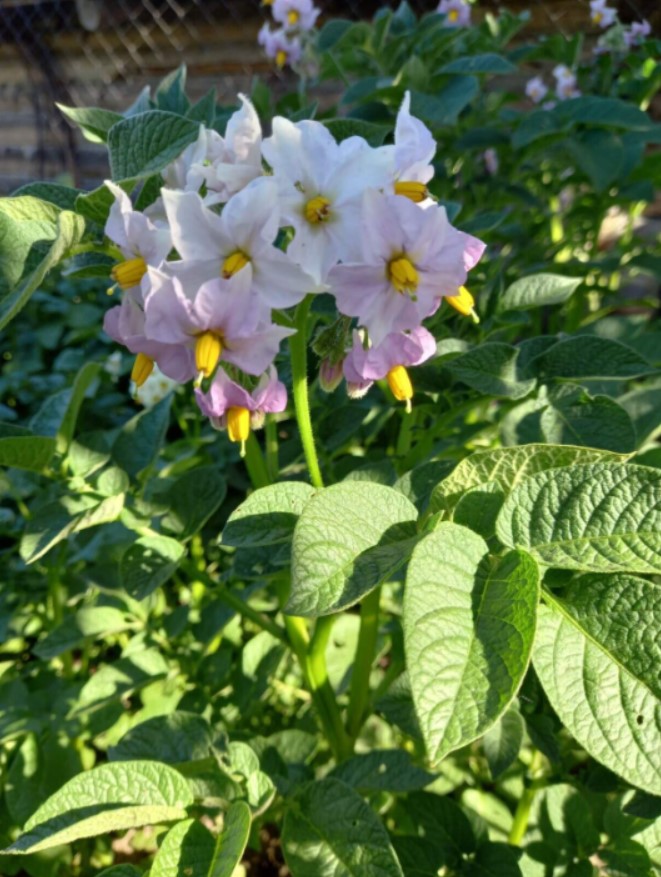
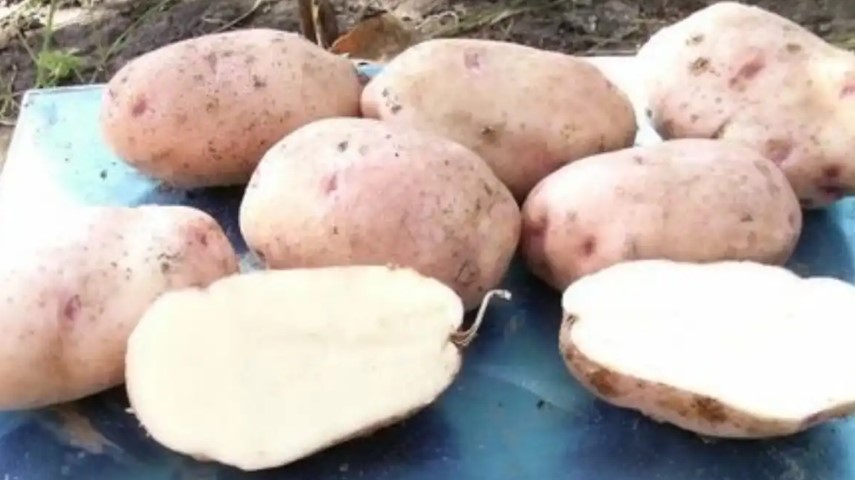
Reviews of the Zdabytak potato variety
ZDABYTAK is a late Belarusian table variety with elongated-oval tubers. It is distinguished by a very high starch content. Ripening period (vegetation): 90-100 days. Starch content: 19.2-25.4%. Weight of marketable tubers (grams): 100-300. Number of tubers per bush: 6-11 pieces. Yield (c/ha): 211-298 (maximum - 318). Consumer qualities: excellent taste, culinary type D, suitable for baking and making mashed potatoes. Keeping quality (ability to store): 95%. Skin color: pink-red. Flesh color: white. Preferred growing regions (RF): Central, Middle Volga. Disease resistance: the variety is resistant to late blight, potato cancer, slightly susceptible to golden cyst-forming potato nematode. A moisture-resistant variety. The originator of the "Zdabytak" potato variety is the Scientific and Practical Center for Potato, Fruit and Vegetable Growing of the National Academy of Sciences of Belarus.
Maximum
| Name | Maximum |
| Ripening period | 100-120 days |
| Description of tubers | The tubers are round with a yellow mesh skin. The flesh is cream-colored. |
| Productivity | 56.8 t/ha |
| Culinary type | WITH |
| Starch content | 26.8% |
| Disease resistance | Under unfavorable conditions it can be affected by a virus S, scab and late blight |
| Peculiarities | Suitable for starch production. Stores well. Can be grown in any soil type. Requires regular watering. |
| Not included |
Photo of the Maximum potato variety
Review of the Maximum potato variety
Ah, you know which ones? The best varieties for growing in Moscow and the Moscow region?
Tips from Top.tomathouse.com on growing and storing Belarusian potatoes
When growing potatoes, you should follow several recommendations:
- Potatoes should be planted with the sprouts facing up.
- When planting, the fruits are placed at the same depth to ensure uniform germination.
- When planting potatoes, there should be a small layer of loose soil under them.
- To ensure that the potatoes are illuminated evenly, they are planted at equal distances from each other in even rows.
- When planting, you can add a handful of ash to the hole to enrich the soil with microelements and protect it from pests.
- Before planting, potatoes should undergo vernalization and stimulating treatment. This will significantly speed up germination.