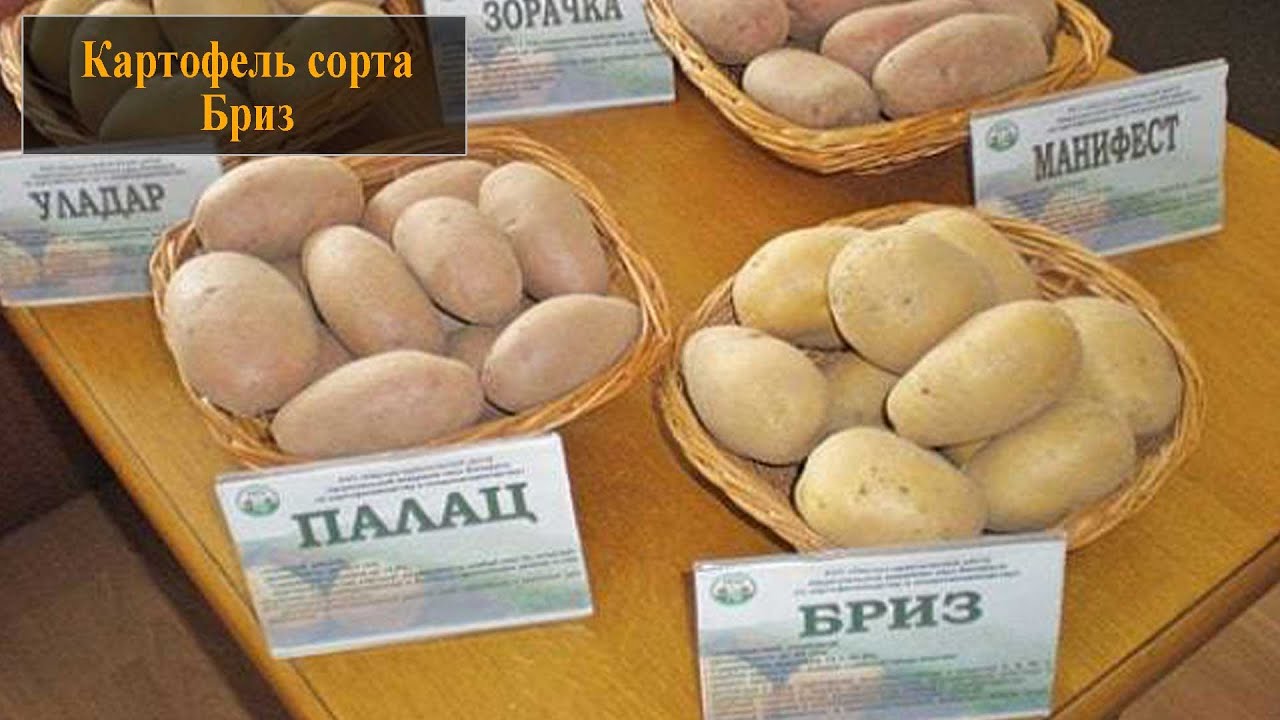
The Breeze potato is a relatively new variety, yet it has already earned the recognition of gardeners across our country. It's relatively easy to grow, has a pleasant flavor, and produces an excellent harvest when certain farming practices are followed.
Content
- 1 Table with characteristics of the Breeze potato variety
- 2 The origin of the Breeze potato variety
- 3 Description of the Breeze potato variety
- 4 For which regions is the Breeze potato variety suitable?
- 5 Advantages and disadvantages of the Breeze potato variety
- 6 Features of planting the variety
- 7 Caring for the Breeze potato variety
- 8 Protection of the Breeze potato variety from diseases and pests in the table
- 9 The nuances of harvesting and storing the Breeze potato variety
- 10 Comparison of the Breeze potato variety with other varieties in the table
- 11 Real reviews from gardeners about the Breeze potato variety
Table with characteristics of the Breeze potato variety
| Characteristic | Description |
| General characteristics | Mid-early, medium-height variety with semi-erect shoots and large leaf blades. |
| Ripening period | 60-100 days |
| Starch content | 10-15.8% |
| Weight of commercial tubers | 97-154 g |
| Number of tubers in a bush | 7-15 pcs. |
| Productivity | Up to 395 c/ha |
| Consumer qualities | The taste is good, it doesn't boil down much when cooked. |
| Marketability | 83-98% |
| Shelf life | 97% |
| Peel color | Yellow |
| Pulp color | Yellow |
| Culinary type | IN |
| Preferred growing regions | It exhibits its best characteristics when grown in the Central and Northwestern regions. |
| Disease resistance | Resistant to canker, leaf curl, and mosaic. Moderately susceptible to late blight and scab, and prone to nematodes. |
| Features of cultivation | Easy to grow, tubers can be cut into several pieces, provided that each piece has eyes. Does not tolerate stagnant moisture at the roots. |
| 2009 | |
| Country of origin | Belarus |
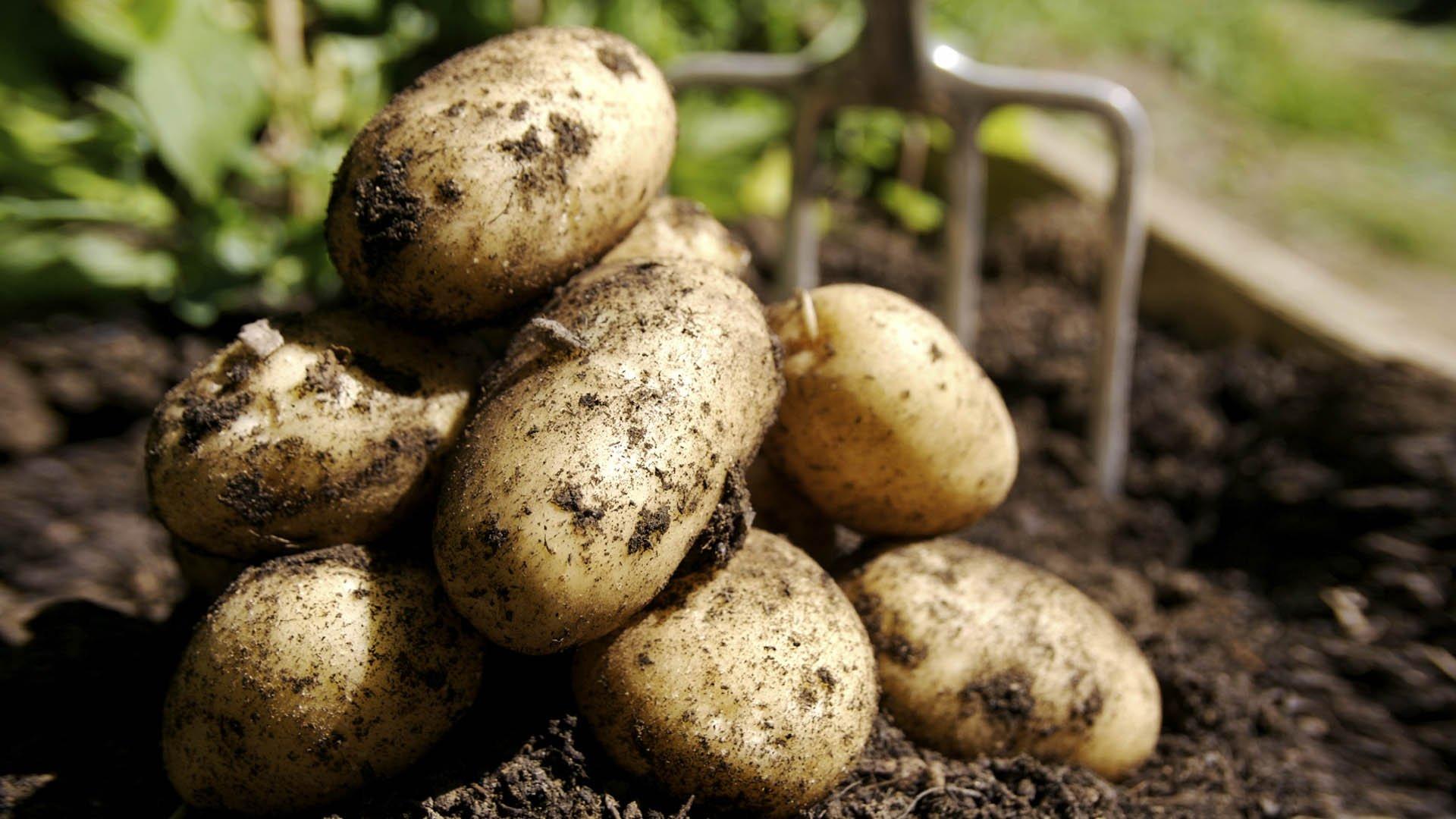
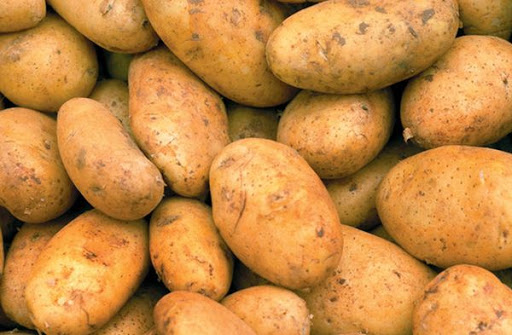
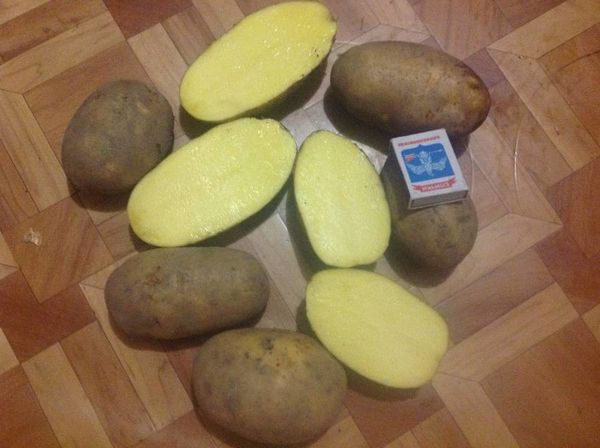
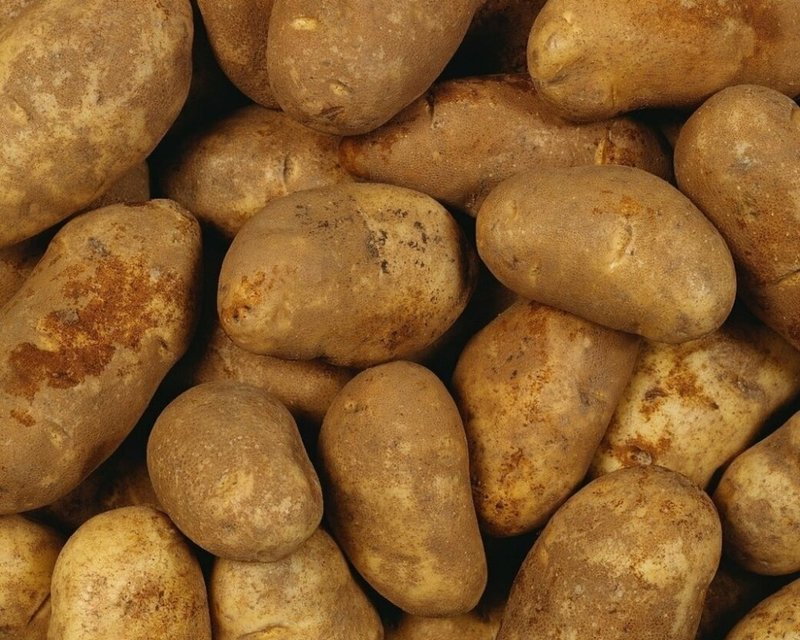
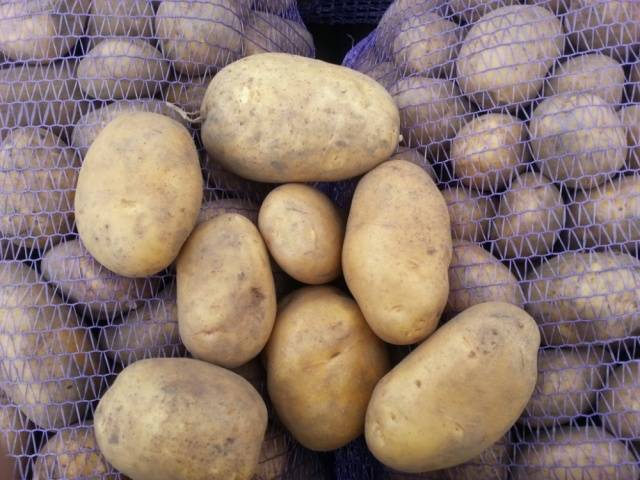
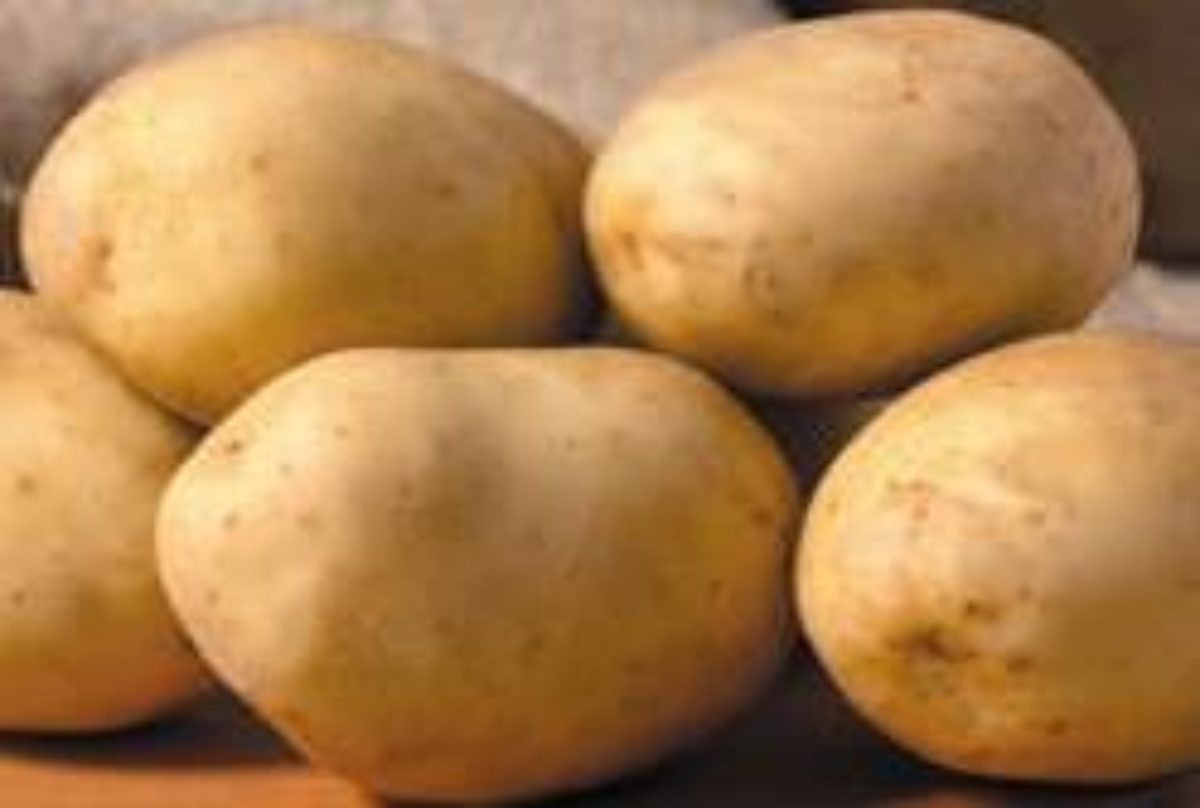
Photo gallery of the Breeze potato variety:
The origin of the Breeze potato variety
The Briz variety is the result of the work of Belarusian breeders. It arrived in our country in 2006 and was extensively refined and studied. Only three years later, in 2009, was it added to the register.
Description of the Breeze potato variety
The Briz potato reaches technical maturity 90-100 days after planting, but the first harvest can begin within 70 days, provided the weather is favorable. This variety is characterized by good immunity, high yield, and low maintenance.
Bushes
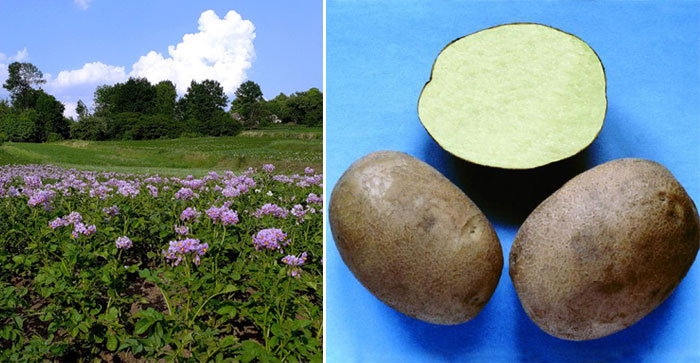
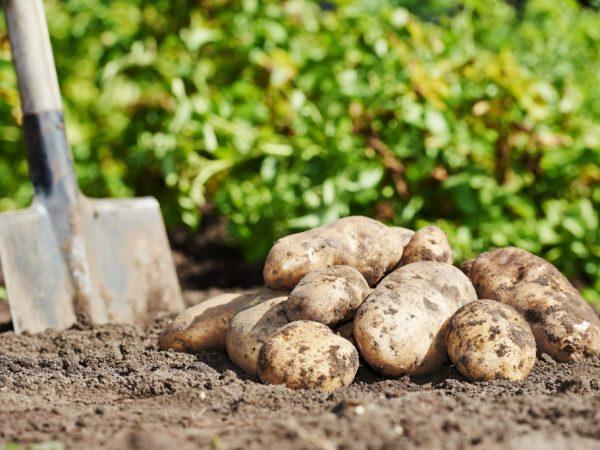
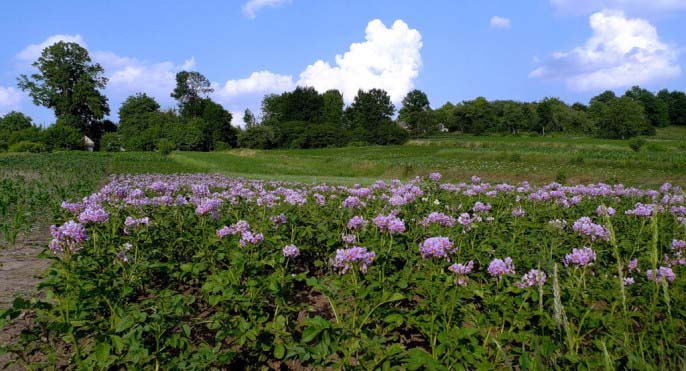
The bushes are medium-sized, with semi-erect shoots and a smooth surface. The leaves are large and bright green. During flowering, single buds open in light red-violet hues.
Tubers
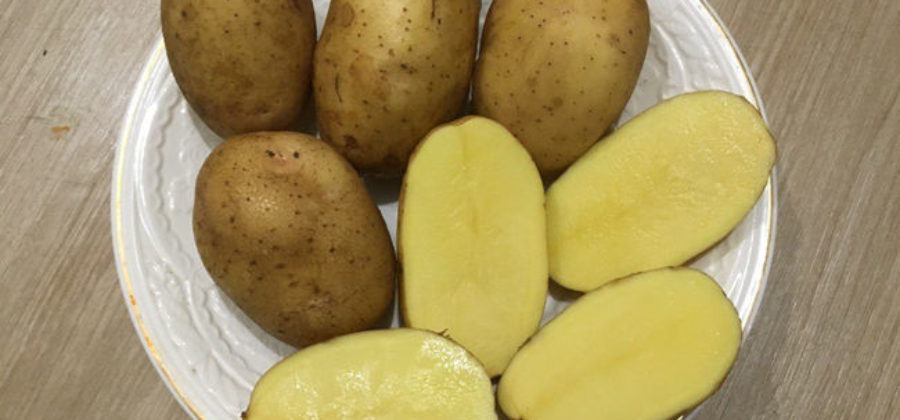
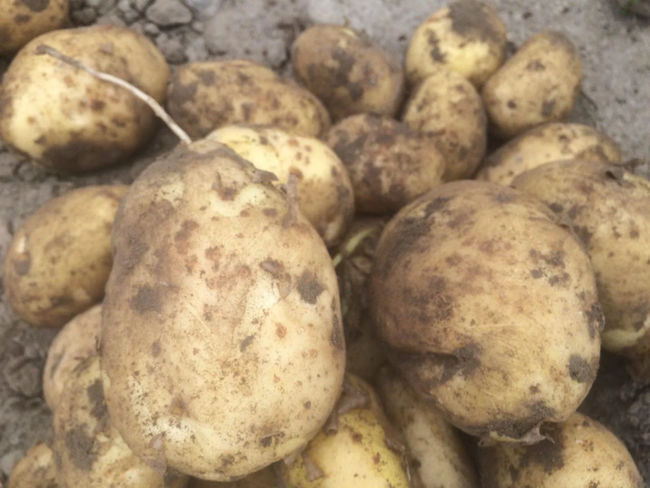
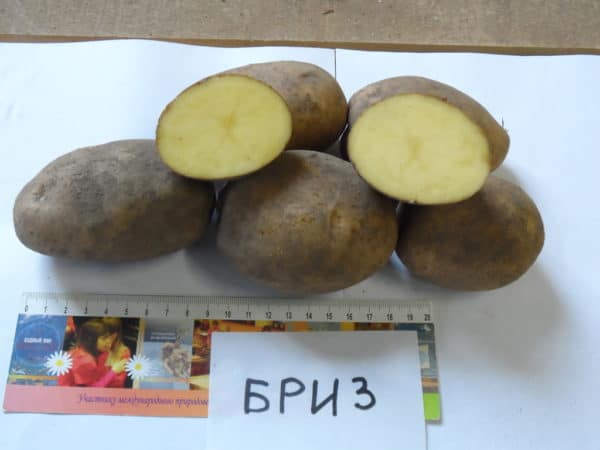
The tubers are oval and slightly elongated. The flesh is creamy yellow, the skin is yellowish, and the eyes are small, mostly superficial.
The starch content does not exceed 16%, with the average ranging from 10% to 15.8%. The flesh is slightly cooked, making this potato a culinary type B potato and suitable for salads, soups, stir-fries, and baking.
The tubers weigh 97-154 g, but under favorable conditions it can increase to 200-250 g.
Marketability varies from 83% to 98%, shelf life is at 97%.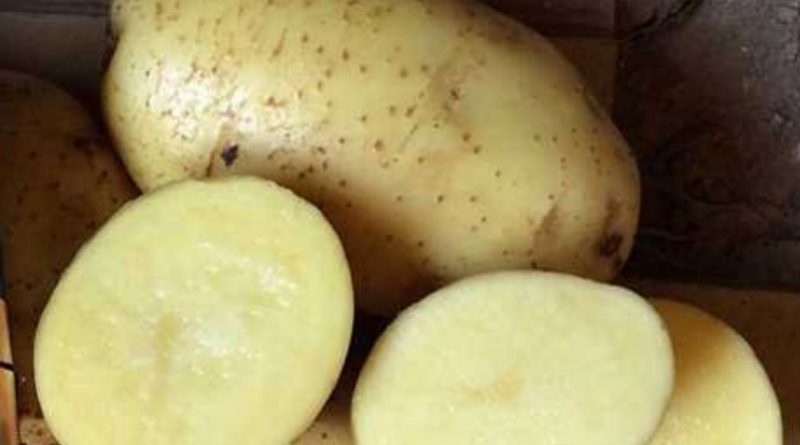
Nutrients and nutritional value
Breeze potatoes contain up to 16% starch, which reduces their crumbling during cooking. The pulp contains a number of vitamins (C, B, PP, and others) and beneficial elements (fluorine, manganese, potassium, calcium, etc.). However, their amounts are significantly reduced during cooking due to their water solubility. Furthermore, the finer the potato is cut, the more beneficial properties are lost.
Productivity, ripening time
From each Breeze potato bush it is possible to harvest from 7 to 15 tubers weighing up to 150 g.
Yields range from 167 to 395 centners per hectare, depending on regional weather conditions, soil quality, and cultivation practices. The maximum yield was 450 centners per hectare.
Resistance to diseases and pests
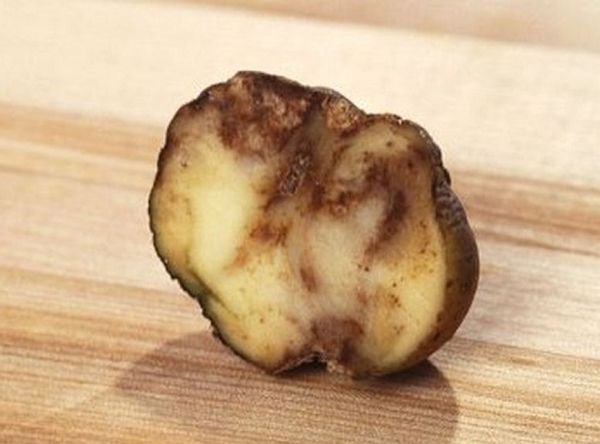
The Breeze potato has a good immunity, successfully coping with canker, mosaic, and curl. However, if grown improperly, it can be susceptible to late blight and nematodes.
| Disease | Stability indicator |
| Cancer | High |
| Viruses | High |
| Tuber blight | Average |
| Phytophthora blight of tops | Average |
| Nematode | Short |
For which regions is the Breeze potato variety suitable?
Potato Briz is zoned for the Central and Northwestern regions.
Advantages and disadvantages of the Breeze potato variety
The table below lists the main advantages and disadvantages of the Breeze variety.
| Advantages | Flaws |
|
|
Features of planting the variety
When growing the Breeze variety, it is enough to follow basic agricultural rules.
Requirements for the landing site and its preparation
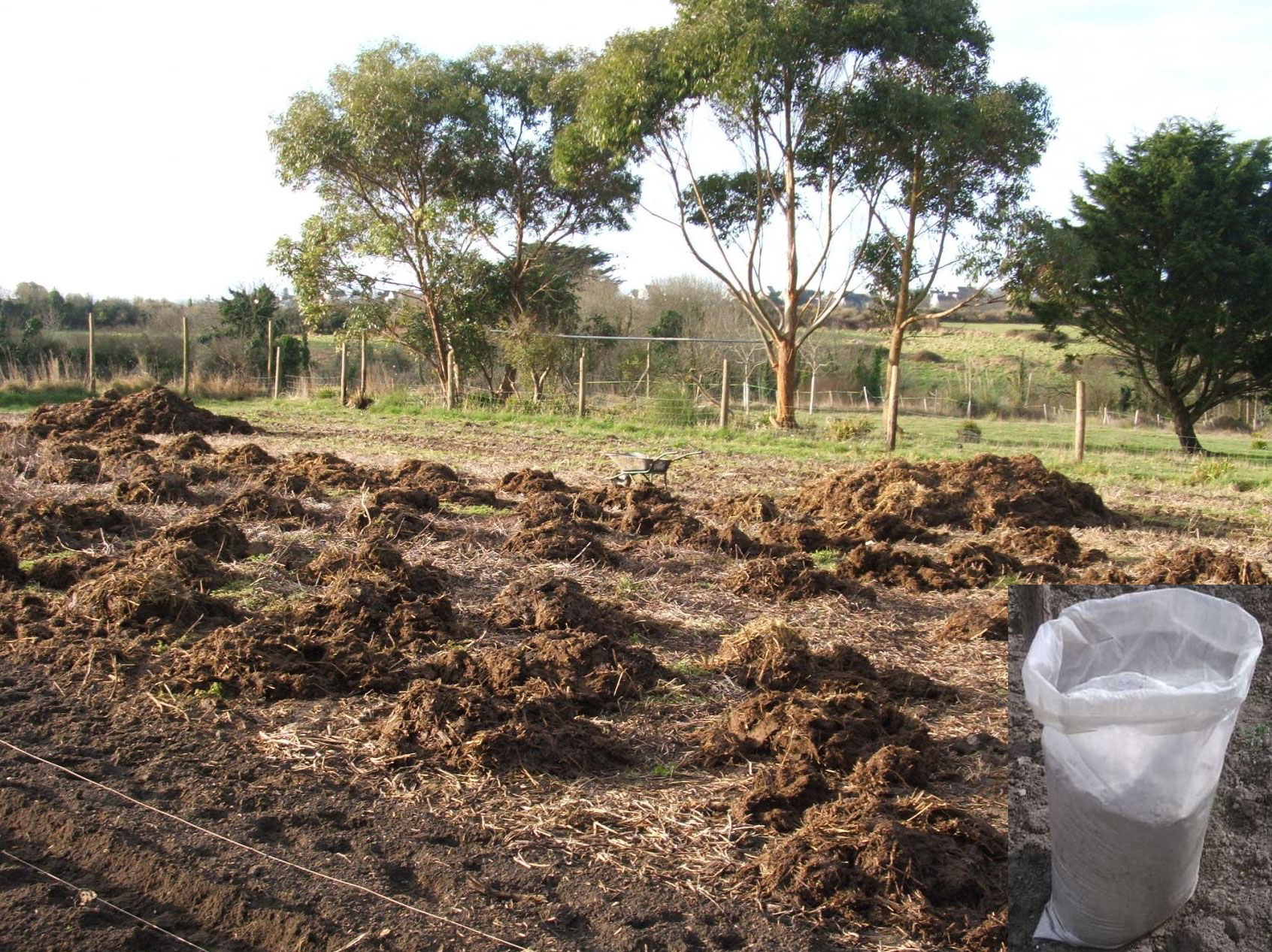
Where to plant Breeze? This potato grows best in well-lit areas where there's no stagnant moisture. Prepare the soil in the fall by digging it in with fertilizer. It's best to add half a bucket of rotted manure to each square meter of the bed.
It's also important to follow crop rotation rules. It's best if the bed was planted with legumes or winter crops rather than nightshades before potatoes.
Experienced gardeners recommend rotating potato planting locations annually. However, few plots boast a large area, so if this isn't possible, it's recommended to at least alternate planting the tubers between rows and between rows.
In the spring, the soil is dug again. If it is not nutrient-rich enough, additional fertilizer can be added while preparing the holes.
Selection and preparation of seed tubers
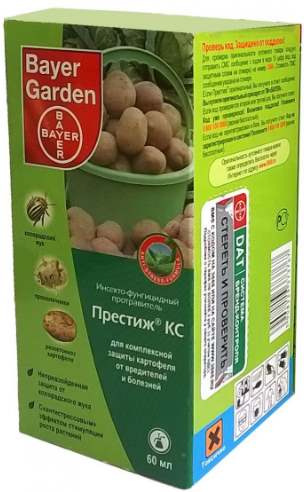
In the spring, it's best to germinate the Breeze planting material before planting it in the holes. Selected healthy, medium-sized tubers are treated with a weak solution of potassium permanganate to kill any potential pathogens. Some gardeners also use special treatments such as Prestige, Matador, and Tabu.
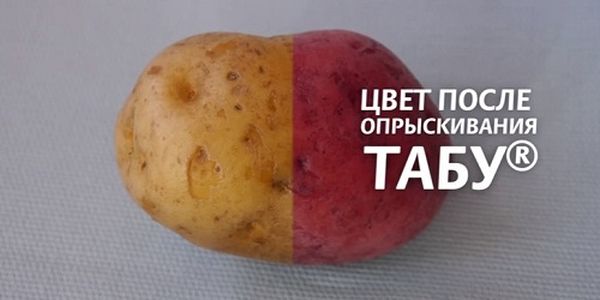
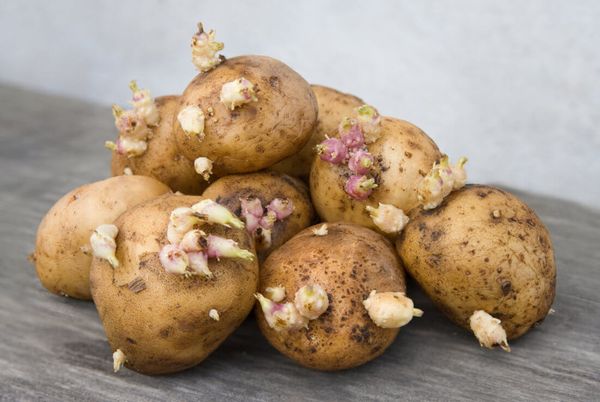
Once the tubers are dry, they are placed in boxes in a warm, well-ventilated area for several days. Then, the potatoes will need to be moved to a cooler room, where they will remain for another month.
The optimal length for shoots is considered to be 3 cm; they are less likely to be damaged during planting. If they suddenly begin to stretch excessively and the soil has not yet warmed up sufficiently, the boxes should be moved to a room with a temperature of 10 to 14 °C to slow growth.
Planting times and rules
The planting time for the Breeze potato is the same as for other varieties—mid-April to late May. This depends on the growing region.
The key to normal growth is a soil temperature of at least +8°C. Only at these temperatures are certain processes activated within the tuber that lead to vigorous shoot development.
In the central zone, gardening work begins in the first ten days of May, if the forecast does not predict night frosts.
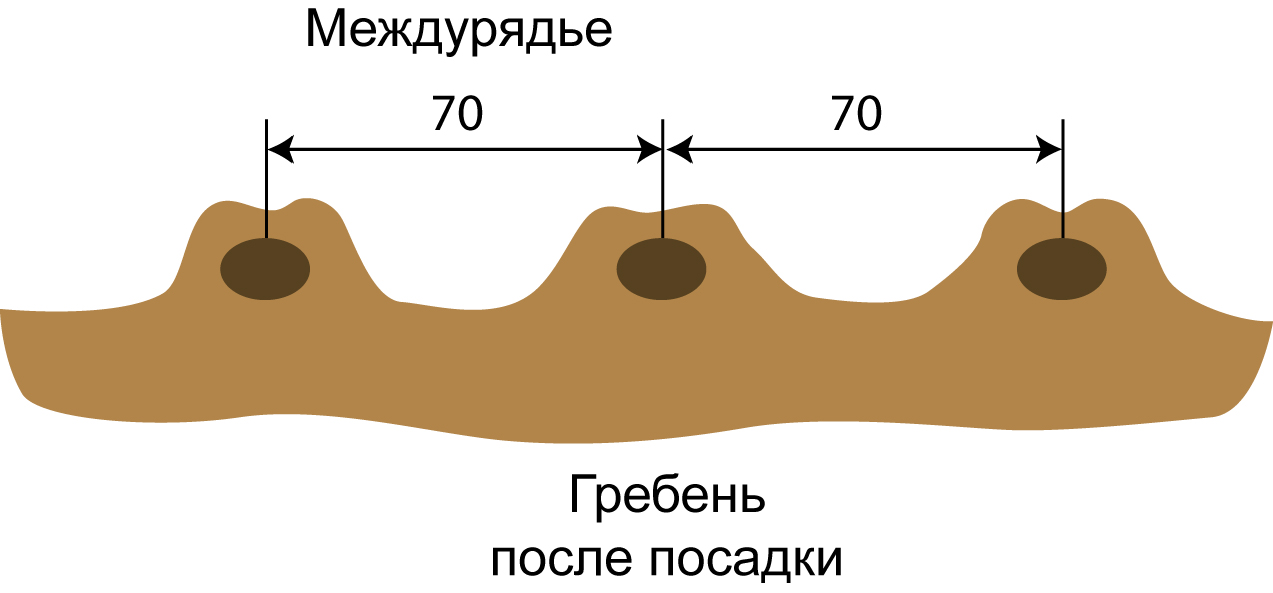
There are different planting methods, but ridge and furrow planting are considered the most popular. The former is suitable for cool climates or areas with high humidity. The latter is considered universal and is widely used by gardeners.
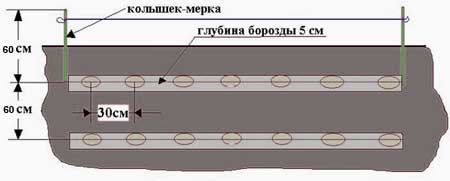
- To plant tubers, holes are prepared at a distance of 30 cm from each other.
- It is recommended to leave a distance of 60 cm between rows so that the plantings are not too dense and it is easier to care for them.
- Planting depth depends on soil type; the average is 10-12 cm. In dense soil, it will be less, in sandy soil, more.
Caring for the Breeze potato variety
The Breeze potato is relatively easy to care for. To maximize the yield, it's important to follow watering guidelines, loosen and weed the beds, treat the potatoes for pests, and hill up the plants.
Watering
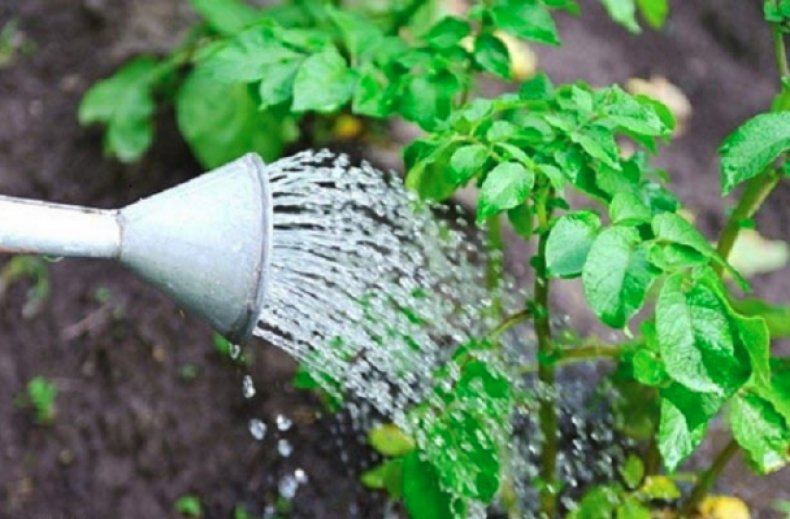
The Breeze potato is not too demanding in terms of watering; it can withstand drought, but it absolutely cannot stand stagnant moisture at the roots.
If the summer is hot and the soil is dry, you need to support the plants by watering them once every 12 days with 40 liters of water per square meter.
Plants require especially a lot of moisture during flowering, when intensive tuber formation occurs.
On average, potatoes are watered about 5-6 times during their entire growth period.
Top dressing
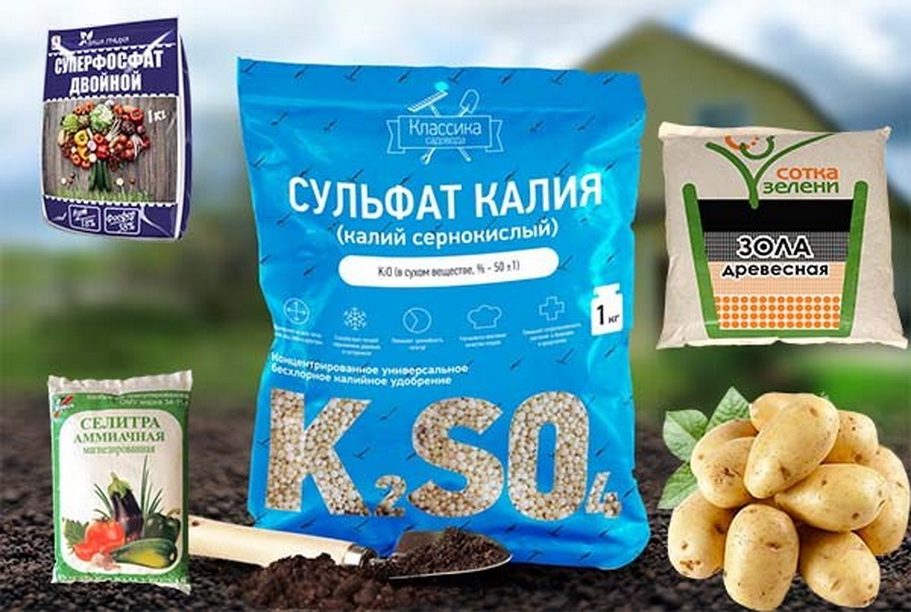
Potatoes Breeze are fed no more than three times per season:
- As soon as the shoots appear from the ground, the bed is watered with a urea solution, 500 ml of fertilizer is used for each bush.
- The second portion of fertilizer is applied during bud formation and consists of potassium sulfate (10 g) and ash (50 g).
- The third time, potatoes are fed during the period of active flowering; for this, a solution of mullein (200 g per bucket of water) and 30 g of superphosphate is prepared.
You need to be especially careful with nitrogen fertilizers: they can only be used at the beginning of planting, otherwise the above-ground part of the potato will begin to grow and develop, and not the tubers.
Loosening, weeding, hilling
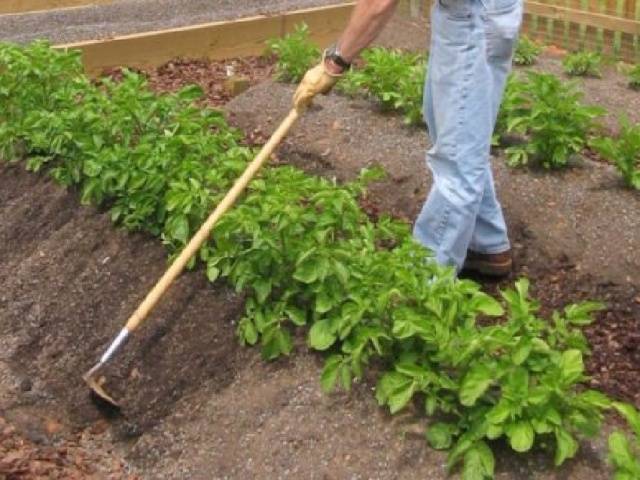
Potatoes are loosened a week after germination. At the same time, weeds are removed from the beds. Weeding should be done not only in the furrows but also between the rows, as weeds attract pests and deprive the shoots of moisture and nutrients.
Hilling is especially important in cool regions; gardeners in the southern region have long abandoned this procedure.
The first time, the shoot is raked with soil when it reaches a height of 20 cm. The second hilling is done before flowering begins. If the soil is loose and settles before the scheduled hilling, it can be repeated before the buds open.
Protection of the Breeze potato variety from diseases and pests in the table
Breeze is most often attacked by the golden nematode, and under unfavorable growing conditions, it can also become infected with late blight. Insect pests that enjoy feeding on the succulent leaves are also a threat, although Breeze's leaves are too thick for the Colorado potato beetle.
| Disease or pest | Description | Prevention and treatment |
| Late blight tops
|
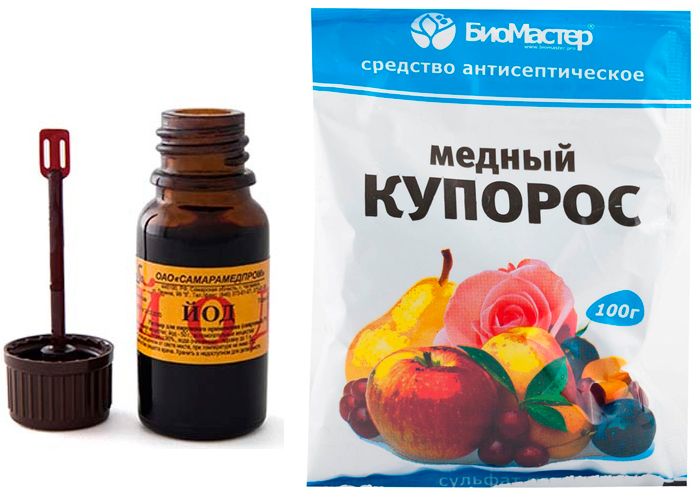
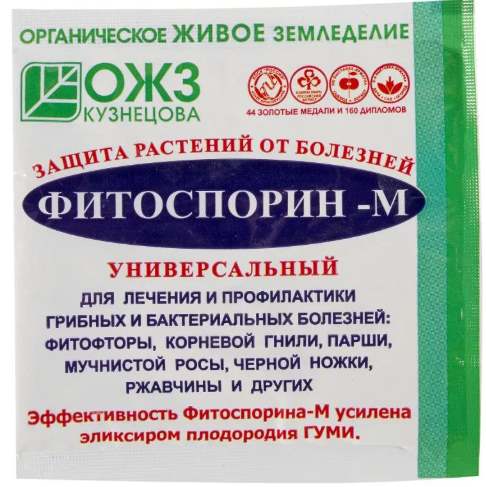
Spots appear on the leaves and shoots, and the tubers become covered with a scab that spreads over the entire surface. | Late blight is often caused by improper cultivation or preparation of tubers. To prevent the disease, it is recommended to treat the plantings with a solution of Fitosporin, and at the first signs of late blight, spray the bushes with a solution of copper sulfate (1%). The treatment is repeated every week until the signs of the disease subside. |
| Golden nematode
|
The disease is very difficult to detect, as the pests live in the soil and lay their eggs (cysts) in the roots. | Nematodes are virtually impossible to control; the tiny worms are difficult to eradicate and are extremely resilient. Therefore, prevention is crucial, including treating the soil with nitrogen-containing agents if pest infestation is suspected and using specialized treatments if it is detected. |
| Potato wireworm, Colorado beetle
|
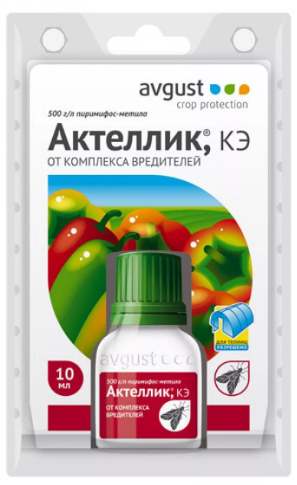
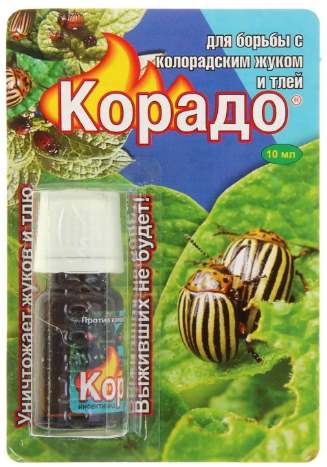
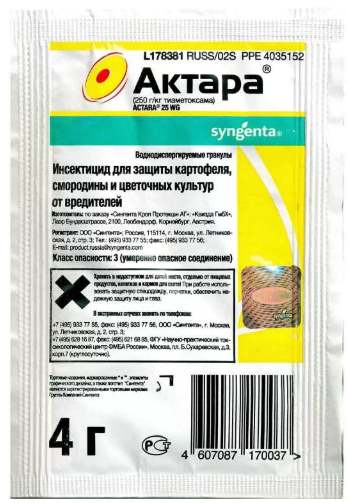
Insects damage potatoes by feeding on their juices, which significantly reduces yield. | While Colorado potato beetles and their larvae can be collected by hand when they are present in small numbers, wireworms can only be controlled with specialized pest control products. Products such as Aktara, Corado, and Actellic are suitable for exterminating these pests. |
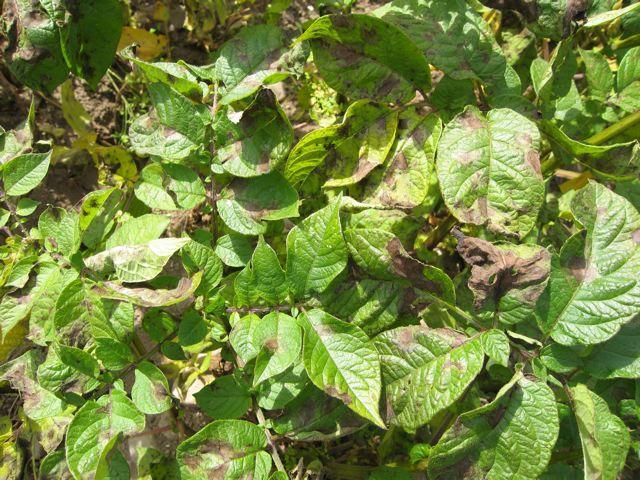
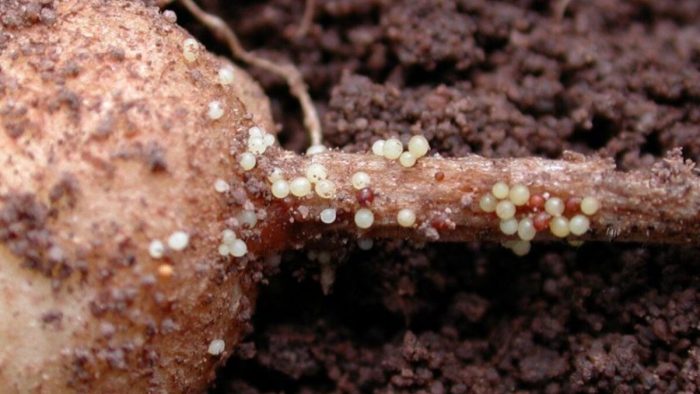
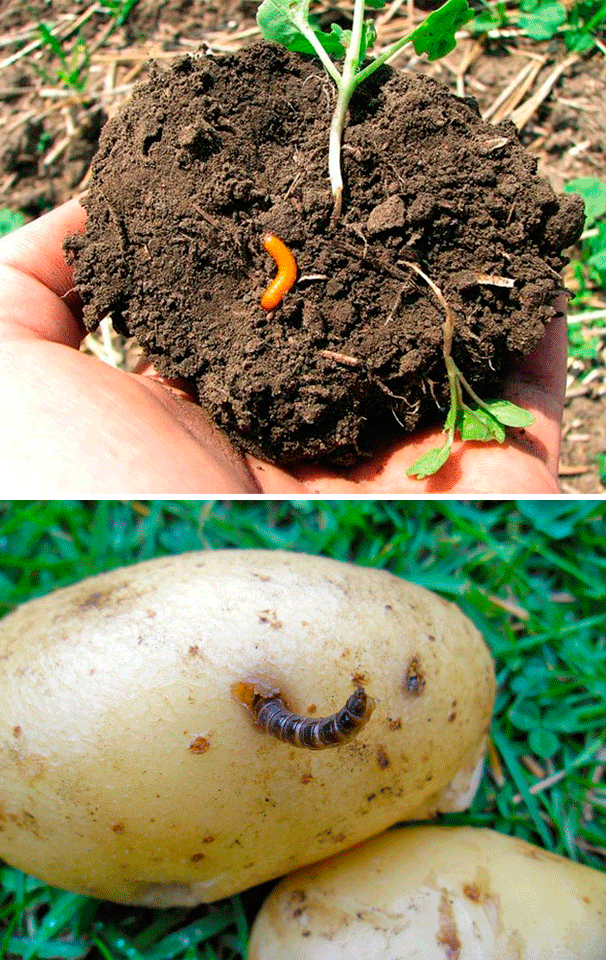
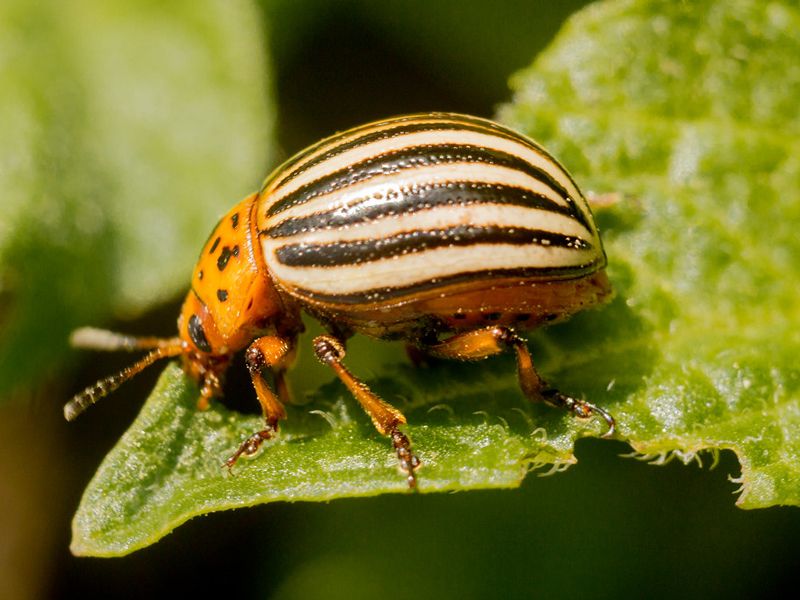
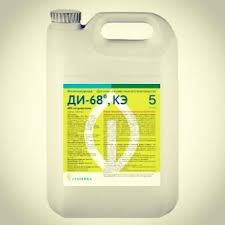
Photo gallery of pest and disease control products for the Breeze potato variety
The nuances of harvesting and storing the Breeze potato variety
Potatoes reach technical maturity 90-100 days after germination. The tops begin to dry and turn yellow, which is an unmistakable signal to begin harvesting. Incidentally, some gardeners prefer to cut off the tops two weeks before digging, leaving only 15 cm of shoots above ground.
The harvested potatoes are laid out outside in good weather (preferably a cloudy day but without precipitation), and in poor weather, they are placed under cover. The tubers dry out within a few hours. They should be sorted into several piles:
- for food (tubers with minor damage that will primarily be eaten);
- for seeds (medium-sized potatoes, smooth, uniform);
- for storage (all remaining flower beds without signs of disease or damage to the skin).
A basement or cellar with an air temperature of around 4°C and adequate ventilation is ideal for storing potatoes.
If these conditions are met, the potatoes will last until spring without losing their properties.
Comparison of the Breeze potato variety with other varieties in the table
| Variety | Ripening period (number of days to maturity) | Starch (%) | Yield (c/ha) | Weight of tubers (g)
Number of tubers per bush Color of tuber, pulp |
Shelf life (%) |
| Breeze | Mid-early** | 10-16 | 160-395 | 130-150
8-12 yellow, yellow |
97 |
| Adretta | Mid-early** | 13-18 | 450 | 100-150
10-25 yellowish, light yellow |
95 |
| Ariel | Mid-early** | 14.3-18.5 | 304-533 | 106-235
10-15 yellow, yellowish-white |
96 |
| Vega | Mid-early** | 10-16 | 230-380 | 90-120
8-12 yellow, light yellow |
99 |
| Vineta (Veneta) | Early ripening | 12.9-15.2 | 160-228 | 67-95
13 yellow, light yellow |
87 |
| Gala | Mid-early** | 12-14 | 263 | 71-120
8-15 yellow, yellow |
95 |
| Colombo | Early ripening* | 11-15 | 230-450 | 100-130
12-14 yellow, light yellow |
95 |
| Queen Anne | Early ripening* | 13.1-14.4 | 393-604 | 84-137
14-16 yellow, yellow |
93 |
| Kolobok | Mid-season*** | 11-13 | 130-250 | 90-140
15-18 yellow, yellow |
96 |
| Latona | Early ripening* | 16-20 | 400-450 | 90-140
10-15 yellow, yellow |
96 |
| Treasures | Mid-season*** | 12-18 | up to 650 | 95-250
12-18 yellow, yellow |
94 |
| Banker | Mid-early** | 15-16 | 200-350 | 70-160
10-15 soft yellow, light yellow |
90 |
| Luck | Early ripening* | 11-15 | 420-430 | 100-150
10-15 creamy yellow (brown), snow-white |
88-97 |
*Early ripening – 50-65 days.
**Mid-early – 65-80 days.
***Mid-season – 80-95 days.
****Late ripening – 110 days or more.
Real reviews from gardeners about the Breeze potato variety
The Briz potato is a favorite among gardeners for its ease of cultivation, good yield, and pleasant taste. Its only drawback is its susceptibility to nematodes and late blight, unless preventative treatments are carried out promptly.
User Elatuz, Russia, 10/16/12
This year, Red Scarlet also yielded a good crop compared to last year, as did Lilleya, but Breeze was a bit small last year and this year as well. So, I definitely won't be planting it next year. This year, we didn't hill up the potatoes, but we watered them. We generally got 5-7 per plant. Where there were 5, the tubers averaged 300 grams and the nests were up to 1,500 grams. The few plants that were hilled for comparison had 7 tubers at 90 grams and 10-15 peas; all together, they didn't even reach 700 grams. As the saying goes, less is more.
User Nadezhda1303, Obninsk, 08/31/14.
I praised the purple-spotted "Breeze" variety for its yield and size, the flesh is snow-white and tasty, but I was tired of picking out the eyes!
User Elatuz, Russia, 08/31/14.
I have a Breeze potato, both according to the description and in reality, with yellow skin and yellow flesh.
User Nadezhda1303, Obninsk, 08/31/14.
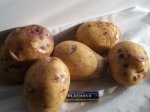
I have a "Breeze" with yellowish skin, with pale purple spots here and there, white crumbly flesh, and a rounded-flattened shape (like a thick flatbread). I'll try to take a photo when the sun comes out—the spots are hard to see.
This is my "Breeze." The biggest one was already eaten, but there were no small ones left. If this isn't a "Breeze," then what is?

User Elatuz, Russia, 08/31/14.
No, I don't have that. I got mine from seed potatoes from the Russian Garden, Belarusian-produced potatoes. But I didn't like the yield, so I removed it from my list and won't be planting it next year.
User Nadezhda1303, Obninsk, 08/31/14.
@Elatuz. I also bought "Breeze" seed (and "Zhuravlinka") from a Belarusian institute last year. I'm very happy with the "Breeze," but not with the "Zhuravlinka." They arrive here in February-March, so I'll see what they've got for me.