The Udacha potato variety boasts numerous advantages, including early ripening, thin skin, and excellent flesh flavor. Let's take a closer look at the variety's other characteristics and growing requirements.
Content
- 1 Table with characteristics of the potato variety Udacha
- 2 The origin of the Udacha potato variety
- 3 Detailed description of the potato variety Udacha
- 4 For which regions is the Udacha potato variety suitable?
- 5 Advantages and disadvantages of the Udacha potato variety
- 6 Planting Features of the Udacha Potato Variety
- 7 Caring for the Udacha potato variety
- 8 Protection from diseases and pests of the potato variety Udacha
- 9 The nuances of harvesting and storing the Udacha potato variety
- 10 Comparison of the potato variety Udacha with other varieties in the table
- 11 Real reviews from gardeners about the Udacha potato variety
Table with characteristics of the potato variety Udacha
| Parameter | Characteristic |
| General information | An early-ripening Russian variety that can adapt to any soil and is undemanding in terms of agricultural practices. |
| Ripening period | 60-70 days. After 45-50 days, you can dig (at this time, the potatoes will be of average size, about 80 g). |
| Starch concentration | 12-15% |
| Weight of commercial tubers | 120-250 g |
| Number of tubers in a bush | 10-15 pcs. |
| Productivity | 300-500 c/ha |
| Taste qualities | Good taste. |
| Marketability | 88-97% |
| Shelf life | 85-96% |
| Peel color | Creamy yellowish to brown. |
| Pulp color | Snow-white |
| Cooking class | B |
| Preferred growing regions | Northwestern, Central, Volga-Vyatka, Central Black Earth, North Caucasian, Middle Volga, Ural, Far Eastern. |
| Disease resistance | High: cancer, rhizoctonia, mosaic, golden potato nematode. Average: scab, late blight of tubers and tops.
|
| Growing specifics |
|
| Entry into the State Register | 1994 |
| Originator | Federal State Budgetary Scientific Institution "All-Russian Research Institute of Potato Farming named after A.G. Lorkh" (Kraskovo settlement, Moscow region) |
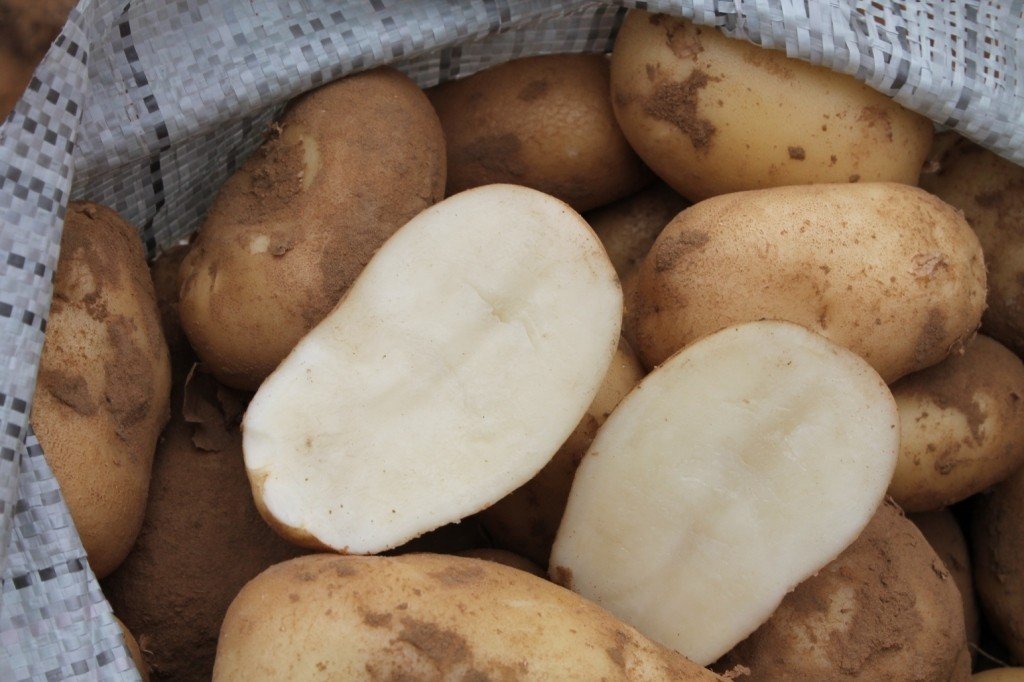
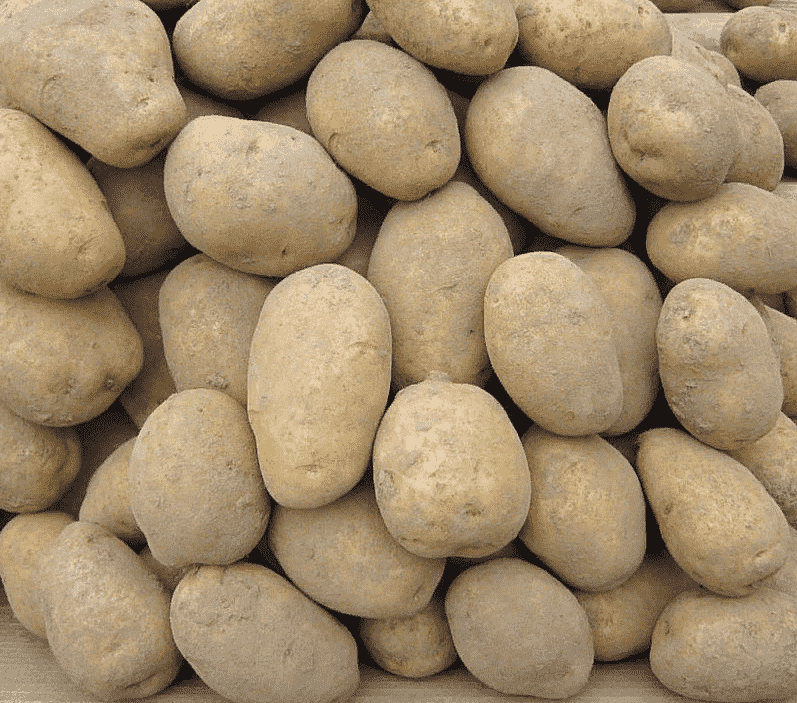
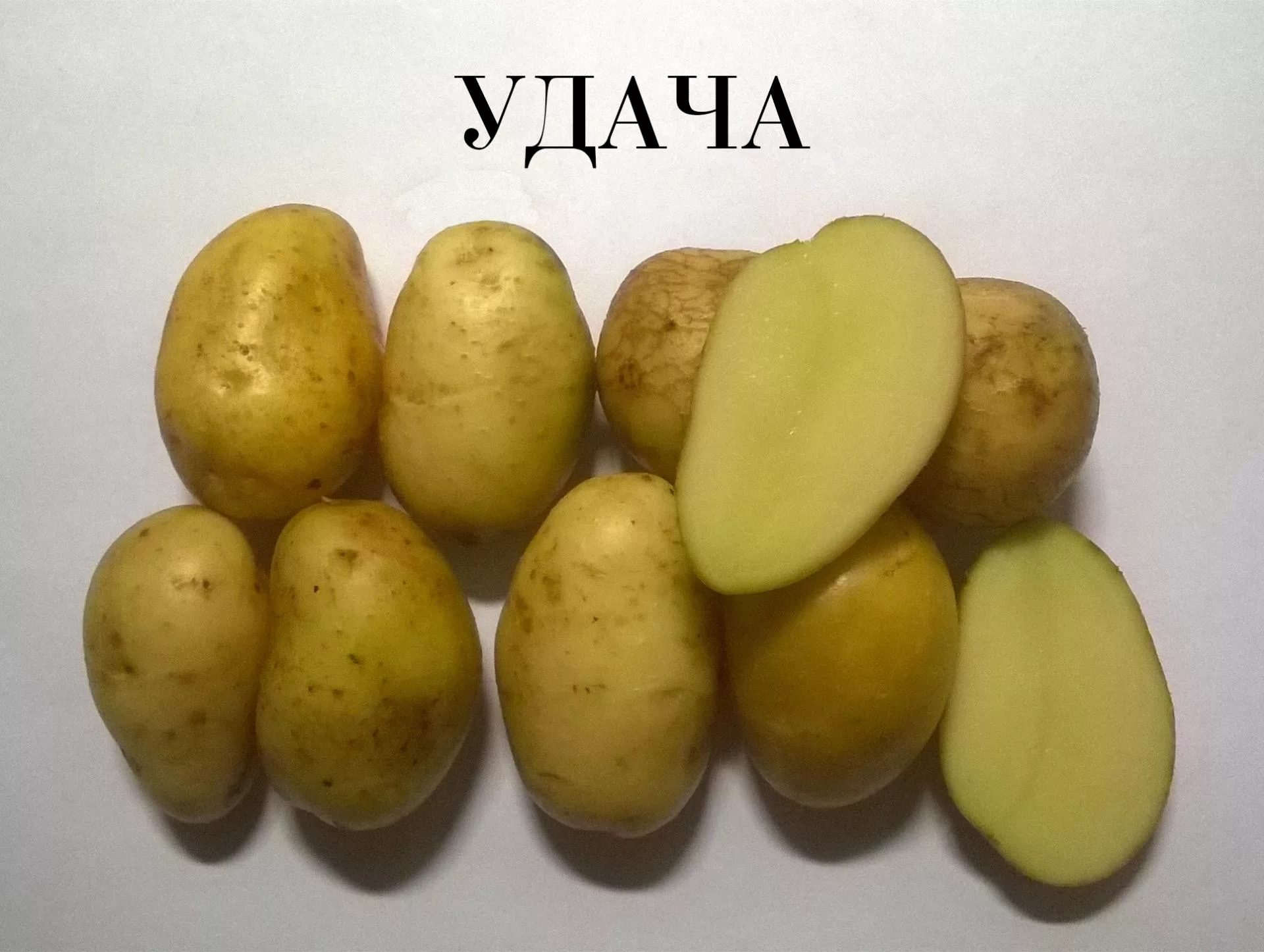
Photo of the potato variety Udacha:
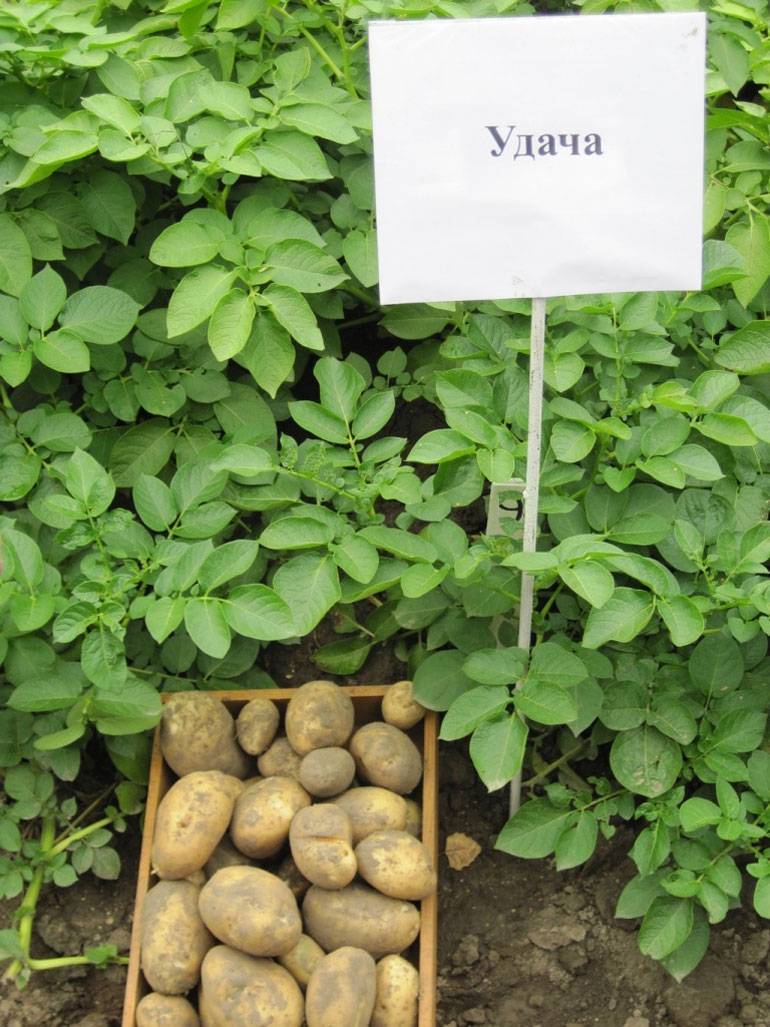
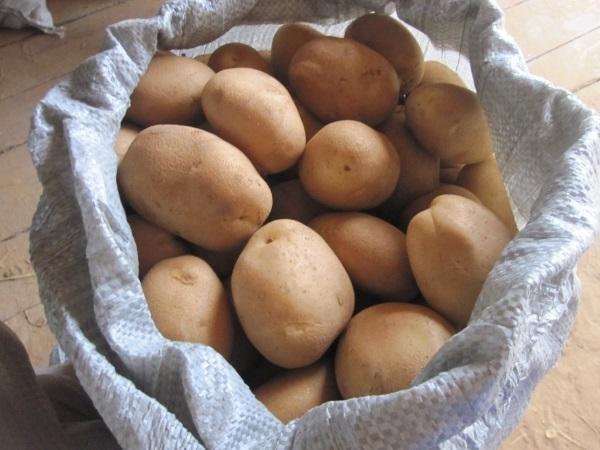
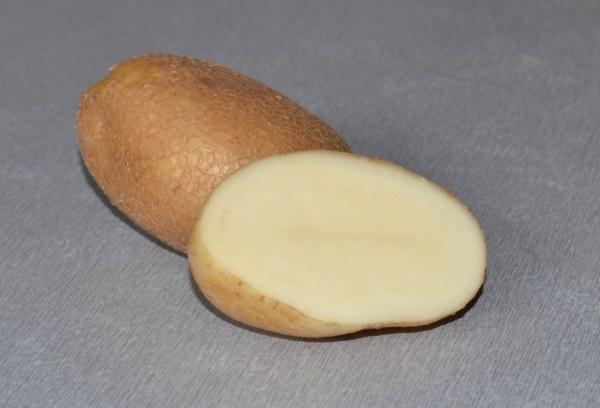
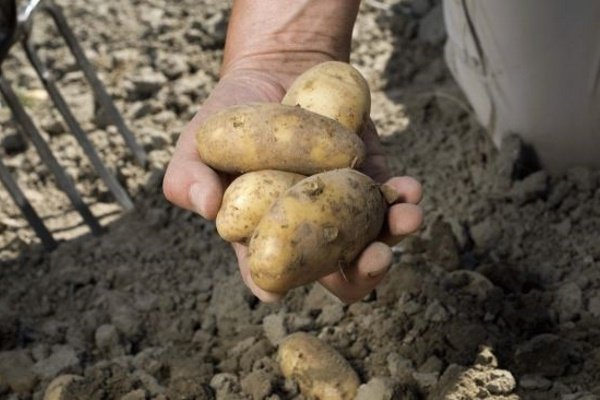
The origin of the Udacha potato variety
It appeared in the 90s thanks to Russian breeders. A. G. Lorkh potato farm, which is located in the village of Kraskovo, Moscow region.
They set themselves the task of developing a new crop that would be high-yielding, undemanding of soil and weather conditions, and yet boast excellent flavor. They succeeded in achieving their goal; the Udacha seed potato variety meets all these requirements and is considered an elite variety.
Detailed description of the potato variety Udacha
This early variety is suitable for summer and fall consumption, as well as winter storage. The tubers are quite large, with approximately the same size on a single plant. The flavor is excellent. Suitable for any type of cooking, including salads.
Let's take a closer look at the characteristics of the Udacha potato.
Bushes
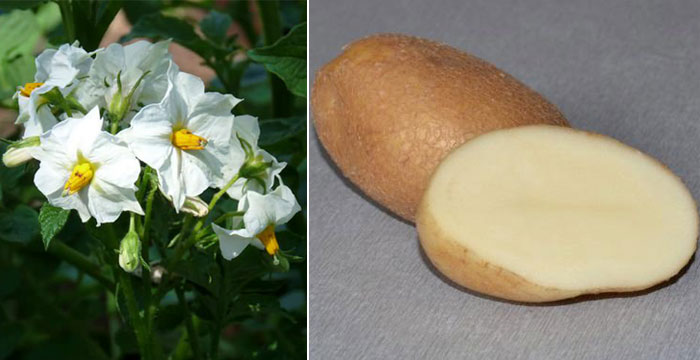
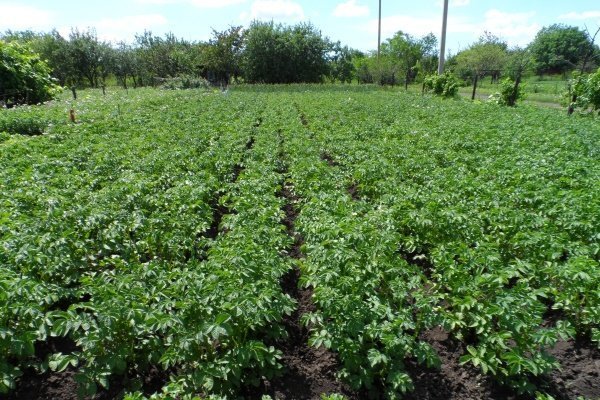
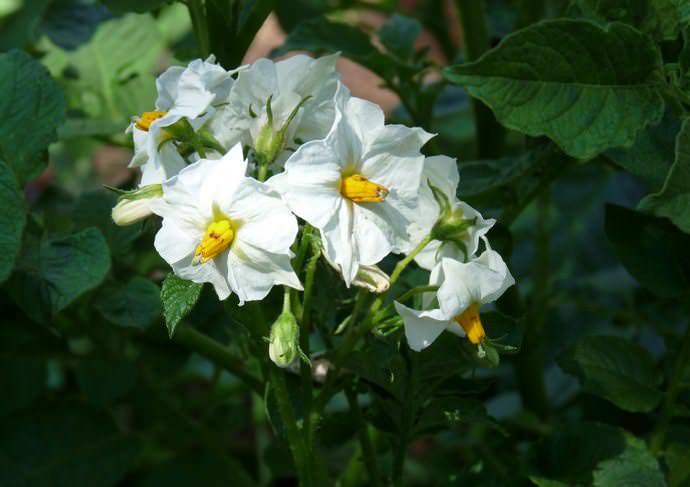
Densely foliated, they reach 45 cm in height. The leaf blades are bright green. The snow-white flowers have downward-curving sepals and are borne in small racemes.
Tubers
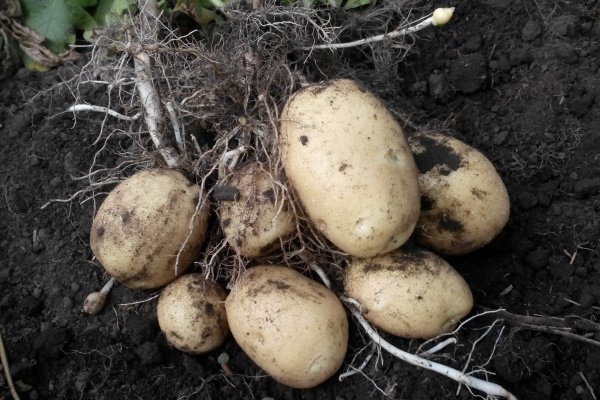
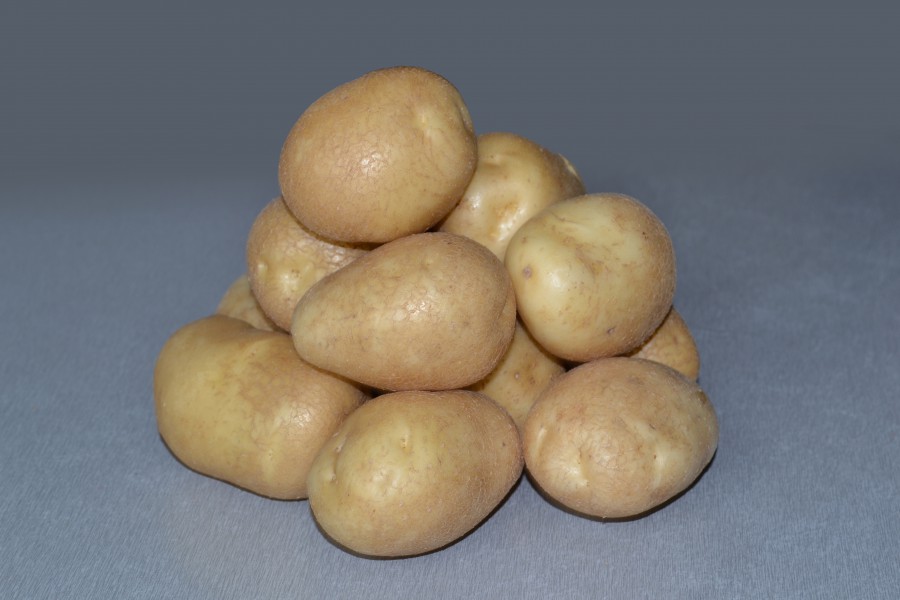
Round or oval in shape. The skin ranges from yellowish-cream to brown. It has a small number of superficial eyes.
When raw, the flesh is snow-white. After cooking, it turns slightly yellow, especially if the crop was fed potassium or chloride-rich mineral mixtures during cultivation.
Nutrients and nutritional value
The ratio of proteins, fats, and carbohydrates in the product is 10:5:85%. The energy value per 100 g is 77 kcal. Potatoes contain many useful substances (beta-carotene, vitamins E, K, B, C, potassium, phosphorus, magnesium, and others).
Productivity, ripening time
On average, 400-450 centners of potatoes can be harvested from one hectare. One bush produces 1-1.7 kg of tubers. The variety quickly adapts to any weather conditions, but yields are higher in regions with mild and moderate climates. Moreover, drought has no effect on tuber production.
Technical maturity occurs after 65-80 days. However, new potatoes are ready for consumption after just 1.5 months.
Resistance to diseases and pests
Shows good resistance to potato wart, rhizoctonia, and mosaic. Moderate resistance to scab and tuber blight. Moderate resistance to foliar blight.
The variety is susceptible to Alternaria leaf spot. The bushes may be infested by the golden nematode and the Colorado potato beetle.
For which regions is the Udacha potato variety suitable?
The variety is suitable for cultivation in any region of the Russian Federation, including the northern regions. The Udacha potato has also quickly spread throughout the CIS countries, including Ukraine and Moldova.
Advantages and disadvantages of the Udacha potato variety
The variety has the following advantages:
- tolerates drought well;
- gives a rich harvest;
- undemanding to soil;
- can be grown in any region;
- has excellent keeping quality;
- gives an early harvest;
- has excellent taste;
- has an attractive appearance, which will give it excellent commercial qualities;
- resistant to many dangerous infections.
One drawback is that this variety doesn't tolerate weeds well. If weeding isn't done regularly, the tubers will begin to shrink. Another downside is that the bushes are susceptible to certain infections and pests. However, this won't be a problem if preventative measures are taken.
Planting Features of the Udacha Potato Variety
To obtain maximum yield, certain agricultural requirements must be met.
Requirements for the landing site and its preparation
This variety grows well in any soil. However, it's important to practice crop rotation when planting it. Legumes and green manure crops make good predecessors. Potatoes should not be planted after other tomatoes, eggplants, or peppers. Furthermore, they should not be grown in the same location for two consecutive years.
In the fall, the area should be dug to the depth of a shovel blade, adding humus or compost. For every 100 square meters of area, 40-45 buckets will be needed.
Selection and preparation of seed tubers
Only healthy tubers without signs of mechanical damage are suitable for planting. Potatoes with spots, rot, cuts, etc., should be discarded.
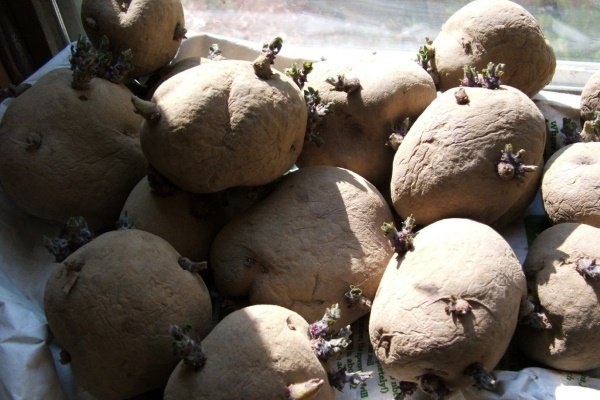
The seedlings require warming and germination. Before planting, they should be moved from the cold basement to a warm room and laid out in the sun for 2-3 days. This will allow the sprouts to emerge. Germination will result in an earlier harvest.
Planting times and rules
Planting times vary by region. In central Russia, potatoes can be planted in late April to early May. In the south, they are planted earlier, and in the north, later. The most important thing is to allow the soil to warm up, ensuring temperatures do not drop below 6–8°C.
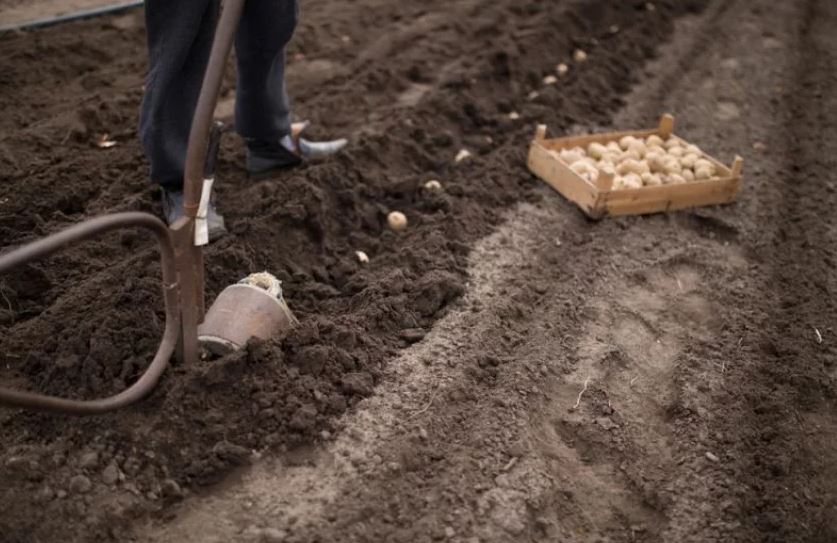
It is recommended to plant potatoes in furrows. The tubers are placed 5-7 cm deep in the soil, with the sprouts facing upward. The distance between rows is 70 cm. The distance between potatoes in a single row should be at least 35 cm.
Please note: If there are not enough tubers or they are too large, they can be divided into 2 halves and planted that way.
Caring for the Udacha potato variety
Caring for the crop is quite simple and does not require any special skills.
Watering
Although potatoes are drought-resistant, this doesn't mean they don't need watering. They should be watered at least three times during the growing season. The first watering is done 5-6 days after planting, then as needed (when the top layer of soil dries out), always in the evening. Each plant requires 10-12 liters of water.
Top dressing
Feeding schedule:
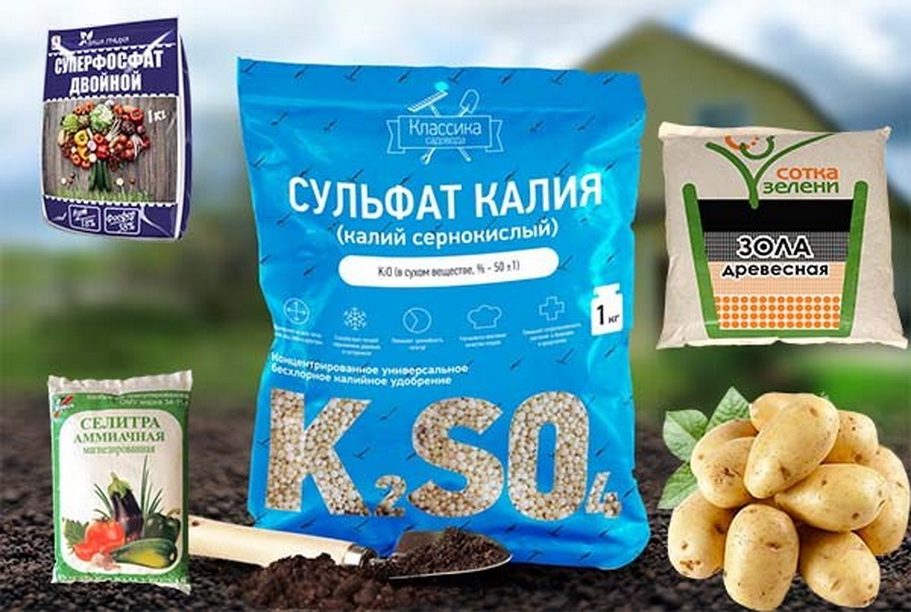
- first - 5-6 days after planting, add 1 tablespoon of urea diluted in a bucket of water;
- the second - at the beginning of flowering, use 3 tablespoons of potassium sulfate per 10 liters of liquid;
- third - after the buds open, add a solution of 1 cup of mullein, 1 tbsp. of superphosphate, 10 liters of water.
Please note! Proper fertilization will result in more tubers and reduced susceptibility to disease.
Loosening, weeding, hilling
Periodic loosening of the beds ensures better access of oxygen, moisture, and nutrients to the root system. This should be done at least twice during the growing season.
Weeding is essential when growing the Udacha variety. If not done, weeds will rob the crop of nutrients, causing the tubers to deteriorate. After weeding, mulching the beds is recommended. This will prevent weeds from growing back and will retain moisture in the soil.
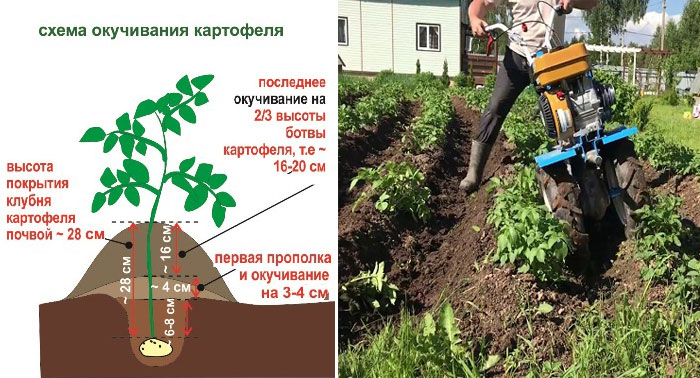
Hilling should be done three times during the growing season. The first time is when the bushes reach 12 cm. Rake the soil from between the rows so that 3-4 cm of shoots remain above the surface. The second time is during flowering. The final hilling is done when the bushes become dense and close together in rows.
Protection from diseases and pests of the potato variety Udacha
The table below presents methods of prevention and measures to combat diseases and pests that may appear on the Sarpo Mira potato variety.
| Disease/Pests | Prevention | Control measures |
| Alternaria
|
|
Use of drugs:
|
| Golden nematode |
|
|
| Colorado beetle
|
|
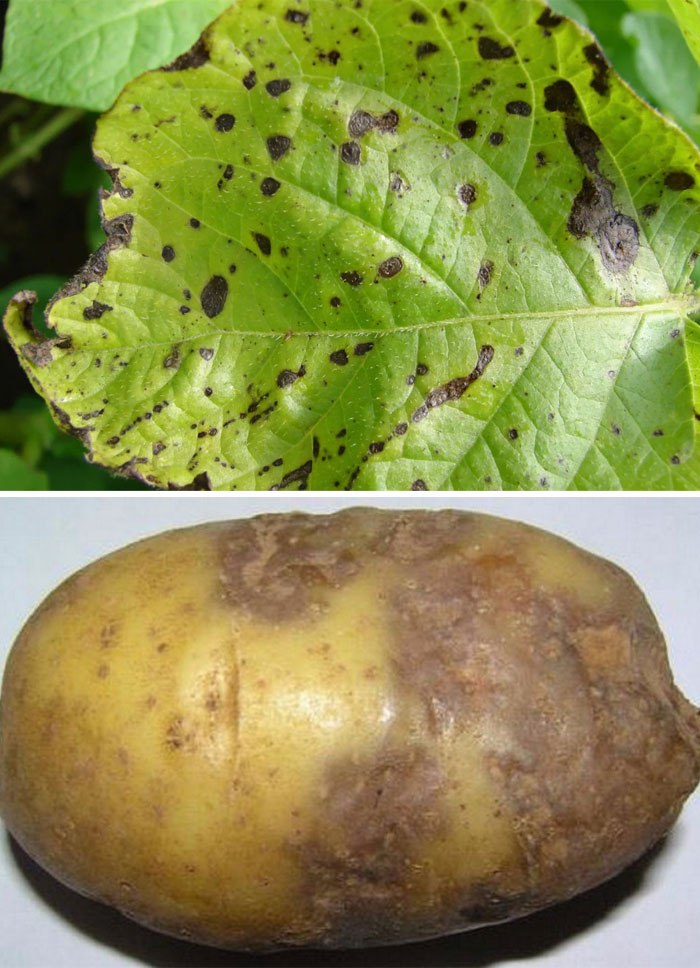
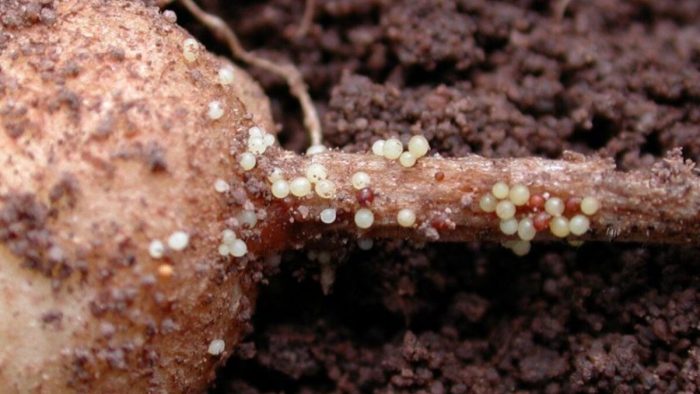
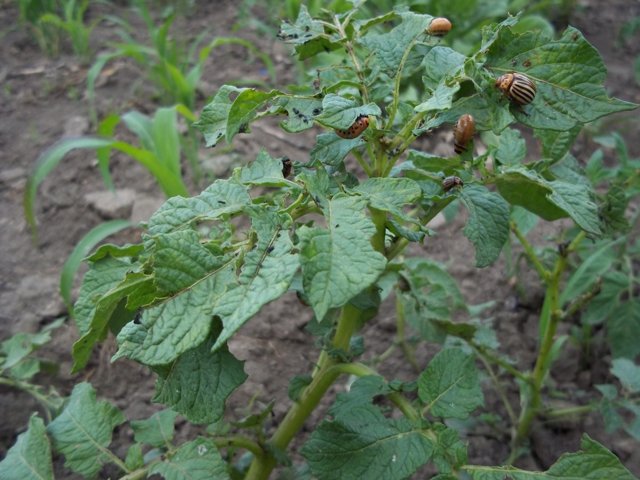
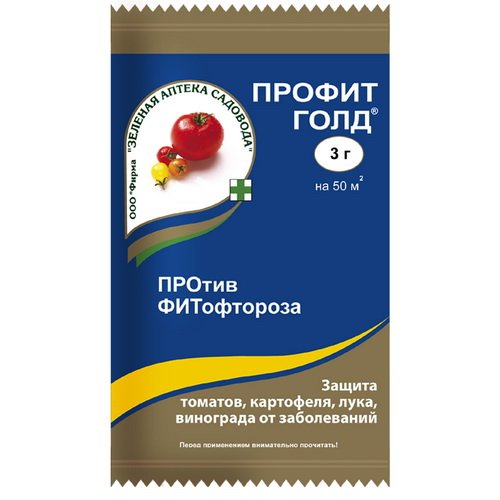
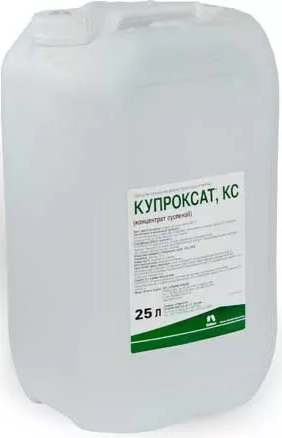
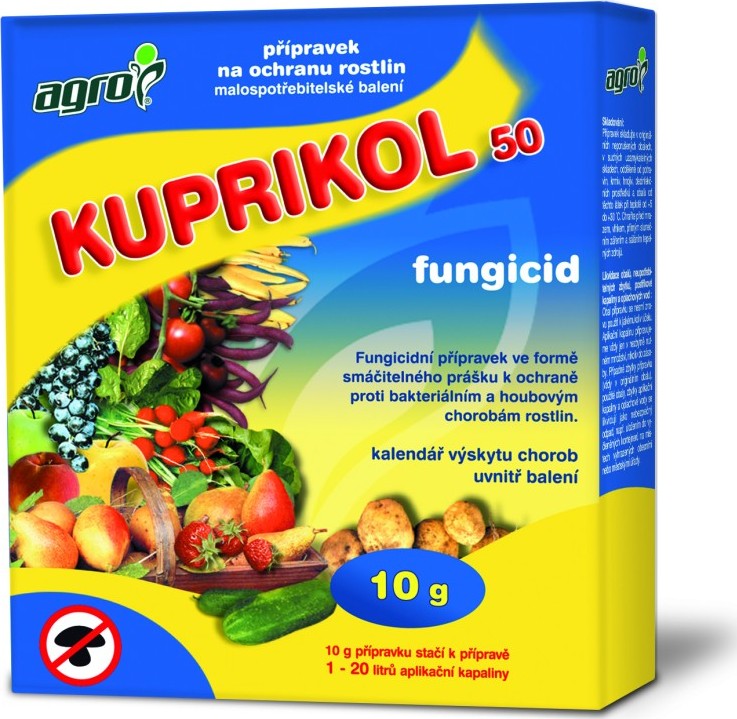
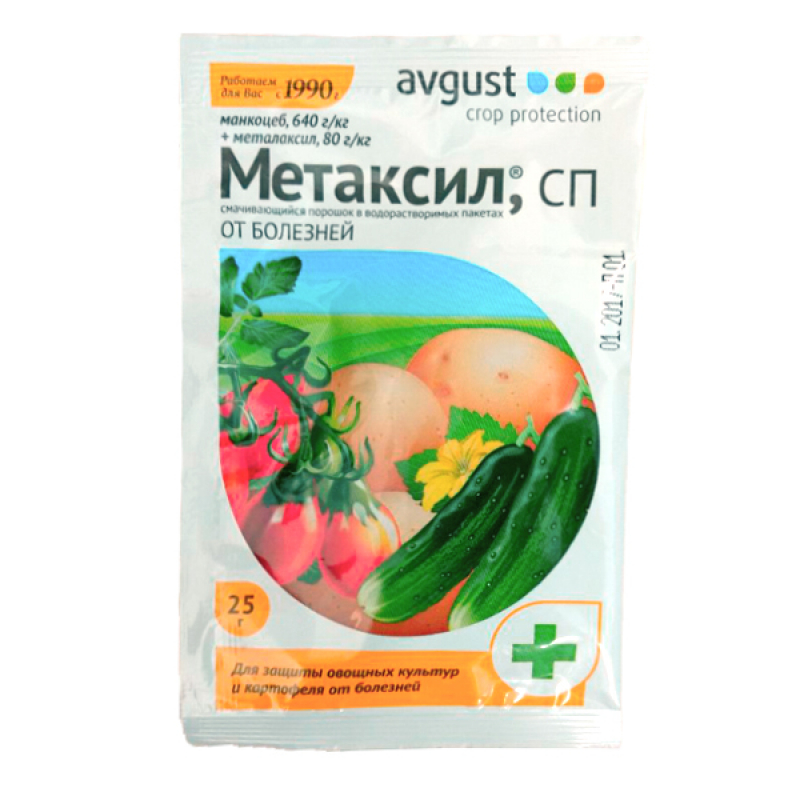
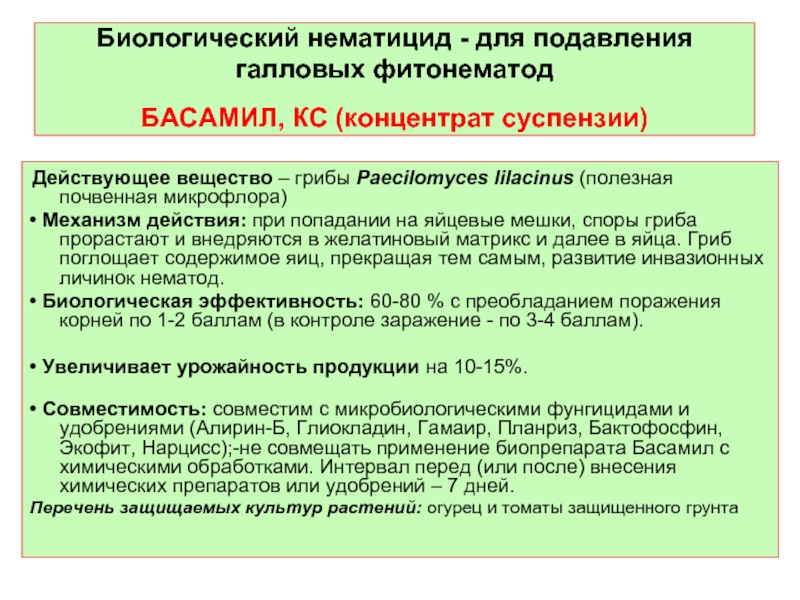
Photo gallery of preparations for combating diseases and pests of the potato variety Udacha:



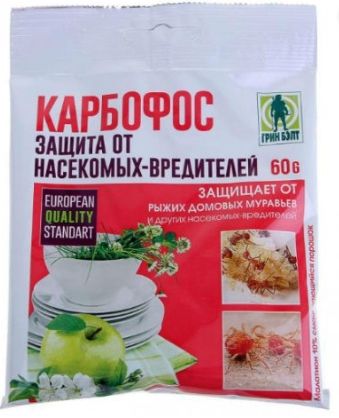
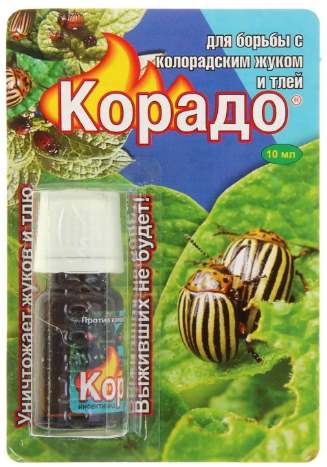
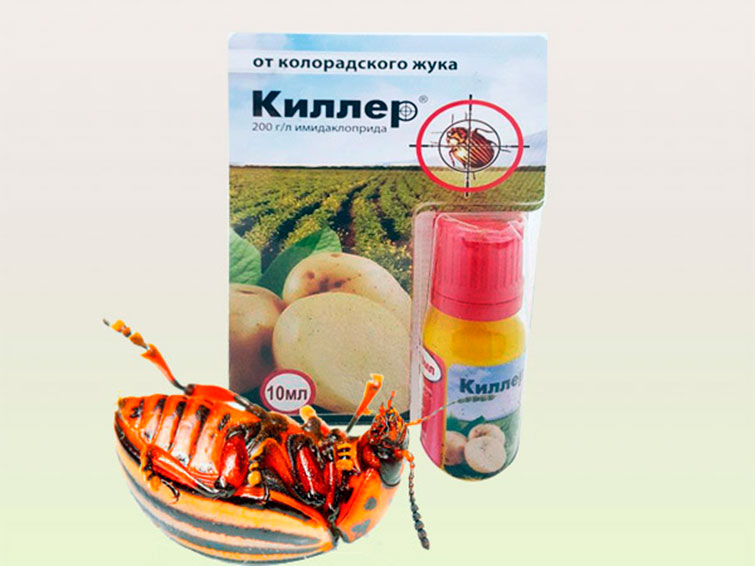
Read about common potato diseases and methods of controlling them.
The nuances of harvesting and storing the Udacha potato variety
New potatoes can be dug up for non-storage purposes after 45-50 days. At this point, the tubers are approximately 80 g in size.
For storage, the harvest can be collected after the tops have yellowed and fallen. Harvesting is done in hot, dry weather in the morning.
The harvested tubers should be sorted, discarding any diseased or damaged ones. Place them under a canopy to dry. In the evening, they should be sorted into wooden boxes and bags and transferred to a cool room with a temperature no higher than 3°C.
Comparison of the potato variety Udacha with other varieties in the table
| Variety | Ripening period (number of days to maturity) | Starch (%) | Yield (c/ha) | Weight of tubers (g)
Number of tubers per bush |
Shelf life (%) |
| Luck | Mid-early** | 11-15 | 420-430 | 100-150
10-15 |
88-97 |
| Uladar | Early ripening* | 11.5-17.8 | 127-716 | 91-180 6-11 |
94 |
| Unique | Mid-early** | 13 | 320 | 400-500
10-14 |
96 |
| Sarpo of the world | Late-ripening***** | 14-17 | 350-360 | 75-140
6-11 |
94 |
| Favorite | Mid-season*** | 12.6-16.4 | 420 | 101-136
6-12 |
93 |
| Adretta | Mid-season*** | 15-18 | 450 | 100-150 10-25 |
95 |
| Miner | Mid-early** | 14-19 | 600 | 90-140
12-18 |
97 |
| Gulliver | Early ripening* | 14-20 | 650-700 | 100-150
5-11 |
95 |
| Irbitsky | Mid-early** | 12-17 | 250-400 | 100-185
6-8 |
97 |
| Kumach | Mid-season*** | 12-18 | 241-719 | 98-260 12-25 |
98 |
*Early ripening – 50-65 days.
**Mid-early – 65-80 days.
***Mid-season – 80-95 days.
****Mid-late – 95-110 (115) days.
Real reviews from gardeners about the Udacha potato variety
The Udacha potato variety has earned many positive reviews from gardeners, not without reason. They note its excellent yield and flavor, as well as its undemanding growing conditions.
Russia, Penza, Mokshan, July 31, 2015
Hello! I'd like to leave a review of the "Udacha" potato variety.
There's a store in our town called Dobry. They sell seedlings, all kinds of flowers, plants, and seeds there. And it was there that I bought three and a half kilograms of "Udacha" seed potatoes.I cut it into as many pieces as there were eyes. In short, I planted the potatoes with the eyes. This method for growing potatoes is on my website.
I rolled each slice in ash. When seedlings appeared, I loosened the soil. Then I loosened it again. I hilled it twice. I sprayed it once with Bankol, a pesticide, against Colorado potato beetles.
When I started digging potatoes, I simply didn't expect such a harvest. They weren't potatoes, just watermelons. In short, from three and a half kilograms of seeds, I dug up six bags of potatoes. Believe it or not, it was true. This was in 2000.
Since then, I've been planting Udacha potatoes every year. I forgot the most important thing: these potatoes are delicious. And they store very well in the cellar.
Russia, Samara, January 31, 2017
I bought this potato variety four years ago and decided to plant it just for fun. I got a very good harvest. Now I grow it every year in my garden.
Russia, Vladivostok, May 12, 2018
I ordered a set of 10 mini potatoes (super elite) of the Udacha variety online; I really liked the description. The tubers arrived small, and all 10 potatoes could fit heaped in the palm of your hand.
The cost was about 200 rubles per set, plus shipping. I planted them, not really expecting a harvest. Ten Udacha potatoes yielded about half a bucket, and the tubers were smaller than average, which was very disappointing, so I didn't even bother counting them.
Next year I decided to plant these half a bucket of potatoes.
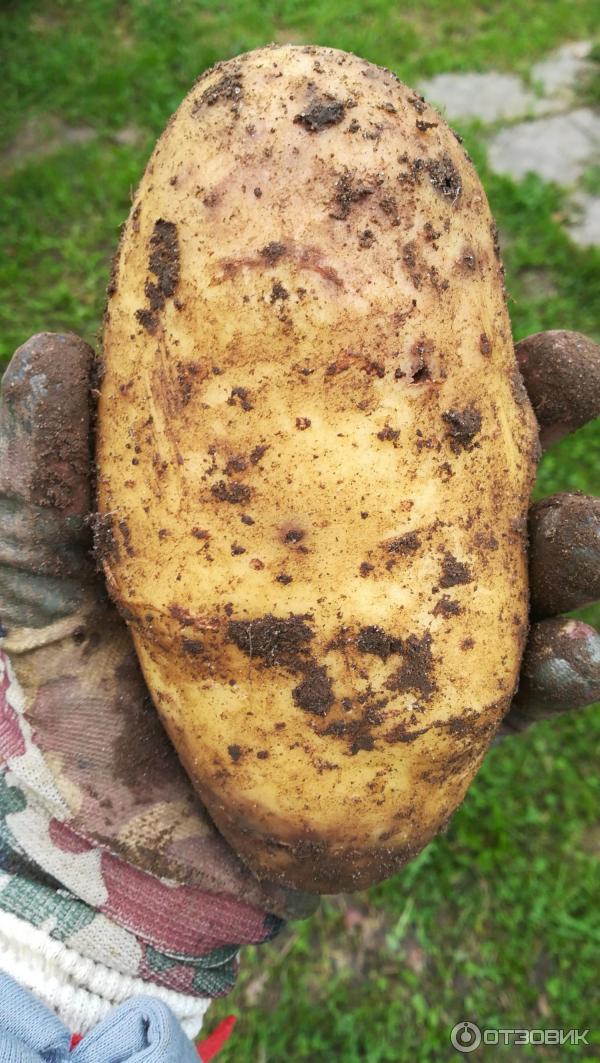
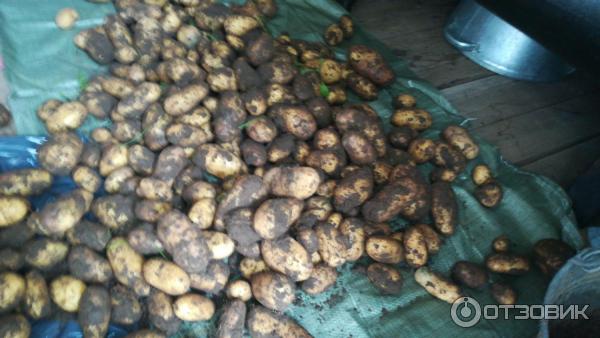
And surprisingly, in the fall, I dug up 12-15 tubers from each bush, for a total of almost 7 buckets. I also set aside the potatoes from two separate bushes, as they had 23 and 22 medium-sized tubers each, plus about four small ones. The photo of the potatoes is from these two bushes.
The flesh is white, so for those who prefer yellow, crisp potatoes, the flavor won't be very good. There weren't any particularly large tubers, mostly medium-sized ones. However, the yield, in my opinion, is very good, as you can get up to 20 bags or more from a single planted bag. While there may be higher-yielding varieties, I've seen far fewer from common local varieties.
Russia, Moscow, March 9, 2020
Hi all!
In the spring of 2019, I decided to try planting a different potato variety. I'd previously planted Sineglazka, but the yield wasn't satisfactory. My plot is located in the Taldomsky District of the Moscow Region. The planting area is about 200 square meters.
I bought seed potatoes in Ob; the product isn't cheap, but next year I'll have my own potatoes for planting.
I planted it at the beginning of May, dug up the soil, treated the tubers with ash, and cut them in half.
Over the summer, after hilling the bushes a couple of times, they emerged quite quickly and grew into large, bright green bushes with dense leaves. This variety blooms profusely, with snow-white flowers, but it's short-lived. I haven't encountered any Colorado potato beetles in my area, so I didn't have to spray them with anything.
I harvested the crop in September.
The potatoes are white, easily visible in the ground when dug up, mostly large, and productive, with each bush yielding about 800 grams of potatoes.There were few rotten potatoes, especially considering that the summer was very rainy.
The harvest turned out very tasty, the potatoes do not boil over, and when boiled they become soft and not slippery.
Good storage, at least when I took it out of the garage floor in winter I didn’t see any rotting clubs.
I recommend this variety to everyone and I plan to plant it again this year.
Russia, Armavir, May 23, 2020
Hello, dear readers, I live in a rural area, so I've tried many varieties of potatoes. This is my second year planting the Udacha variety. Last year, I can say the yield of this particular variety was excellent, and the tubers were uniform in size, with virtually no small ones. I planted them under a walk-behind tractor, with the obligatory addition of wood ash, which is very effective against wireworms, and with the addition of manure (humus). So, give it a try, it's a very good variety.