Gardeners love the Favorit potato variety for its relatively high resistance to common diseases, excellent yield, and pleasant taste.
Content
- 1 The origin of the Favorite potato variety
- 2 Characteristics of the Favorite potato variety in the table
- 3 Detailed description of the Favorite potato variety
- 4 Advantages and disadvantages of the Favorite potato variety
- 5 Features of growing the Favorite potato variety
- 6 Caring for the Favorite potato variety
- 7 Protection of the Favorite potato variety from diseases and pests (table)
- 8 The nuances of harvesting and storing the Favorite potato variety
- 9 Comparison of the Favorite potato variety with other varieties in the table
- 10 Gardeners' reviews of the Favorite potato variety
The origin of the Favorite potato variety
The Favorit variety is a Russian product. Breeders from the Lorkh All-Russian Research Institute of Potato Crops crossed two popular potato varieties: Romano and Luck and developed a fundamentally new variety ideal for cultivation in Russia's central regions. In 2014, Favorit received official recognition and was added to the register.
Characteristics of the Favorite potato variety in the table
The table below shows the main varietal characteristics of the Favorit potato:
| Parameter | Characteristic |
| Ripening period | 80-95 days. |
| Starch content | 12.6-16.4% |
| Weight of commercial tubers | 101-136 BC |
| Number of tubers in a bush | 6-12 pcs. |
| Productivity | 170-300 c/ha, maximum 420 c/ha. |
| Consumer qualities | Ideal for frying, it cooks only slightly during cooking. It belongs to the AB category. |
| Marketability of tubers | 80-96% |
| Shelf life | 93% |
| Bushes, stems, leaves | Medium-sized bushes with erect shoots, medium-sized leaves, closed blade, dark green. |
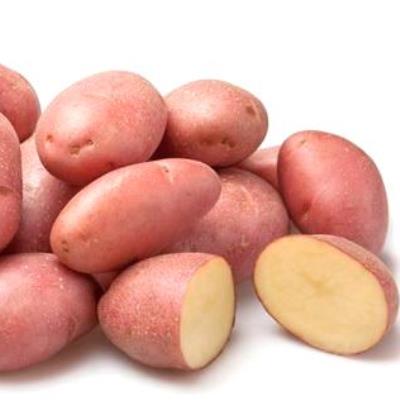
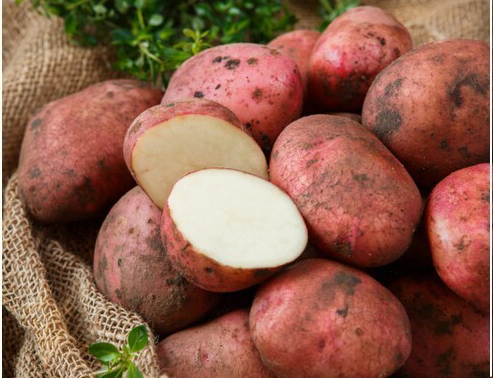
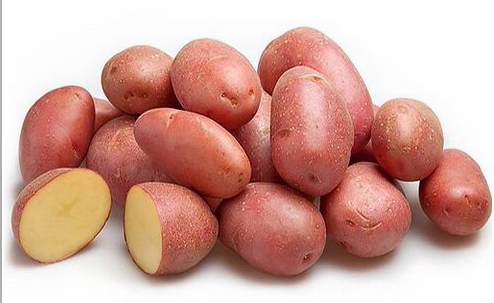
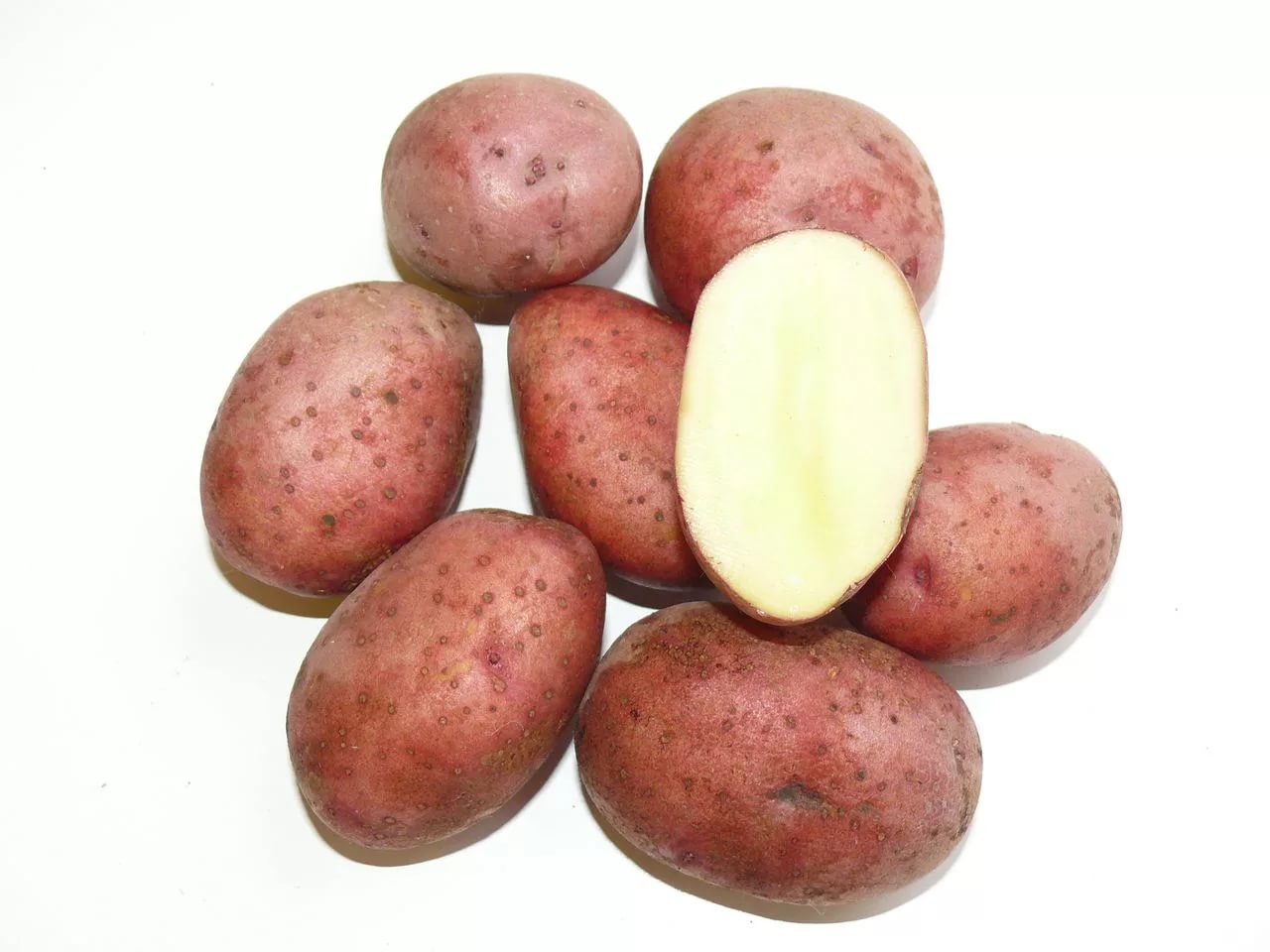
| Peel color | Reddish |
| Pulp color | Creamy |
| Eyes | The elongated tuber has a small number of small eyes on its surface. |
| Preferred growing regions | Central, Central Black Earth, Middle Volga, Lower Volga, Ural. |
| Disease resistance | The variety has absolute resistance to cancer and nematodes, but is relatively resistant to late blight, wrinkled and striped mosaic, and leaf curl. |
| Features of cultivation | An unpretentious variety that does not require special agricultural conditions. |
| 2014 |
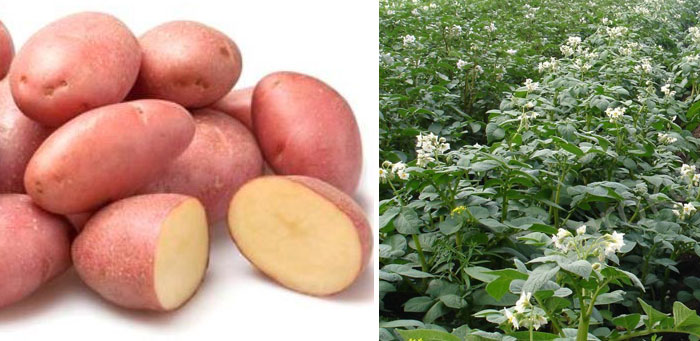
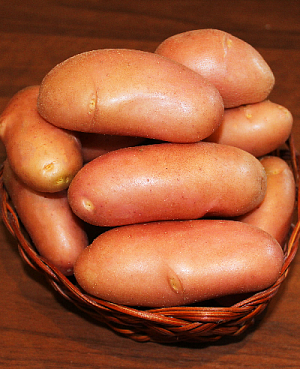
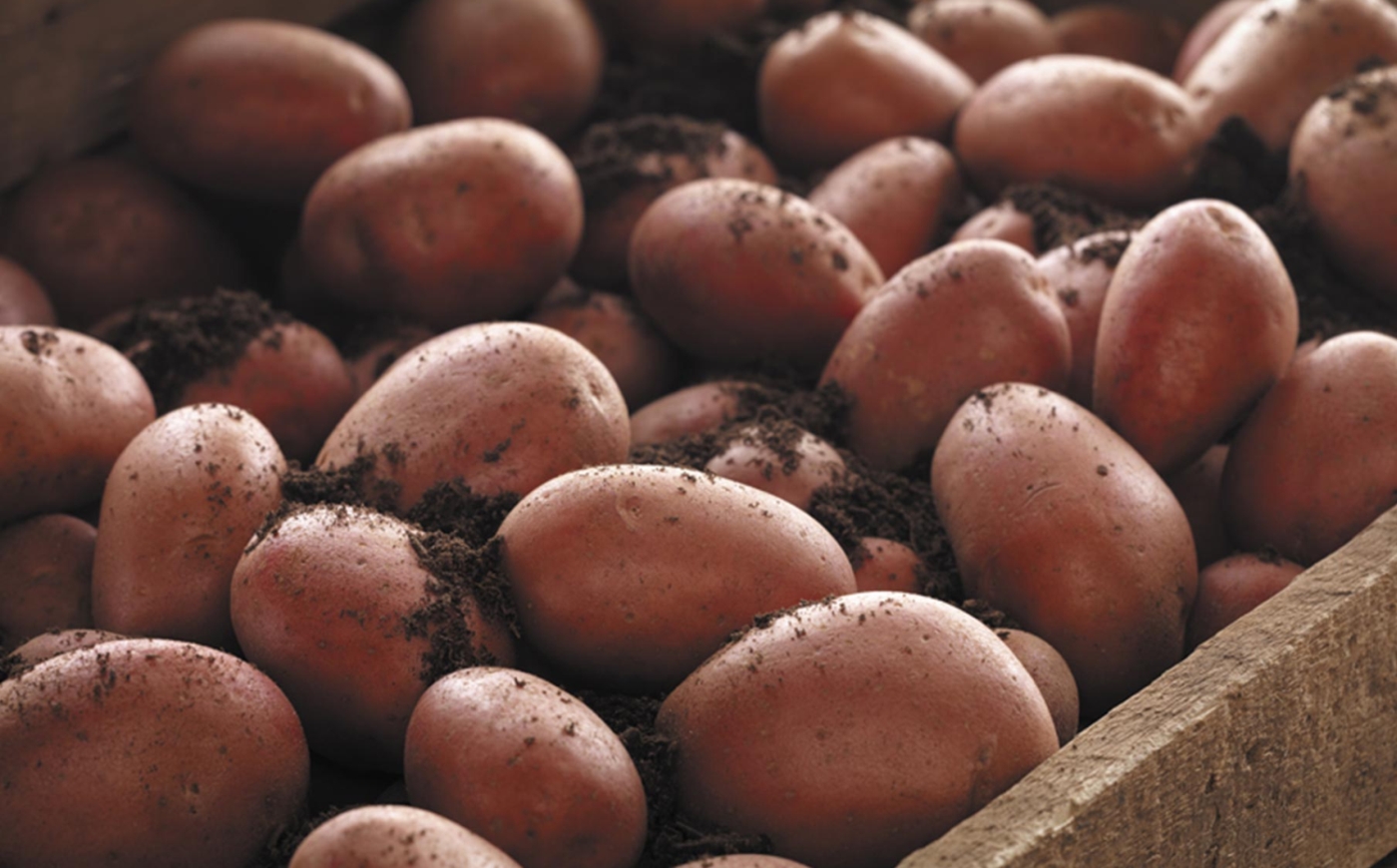
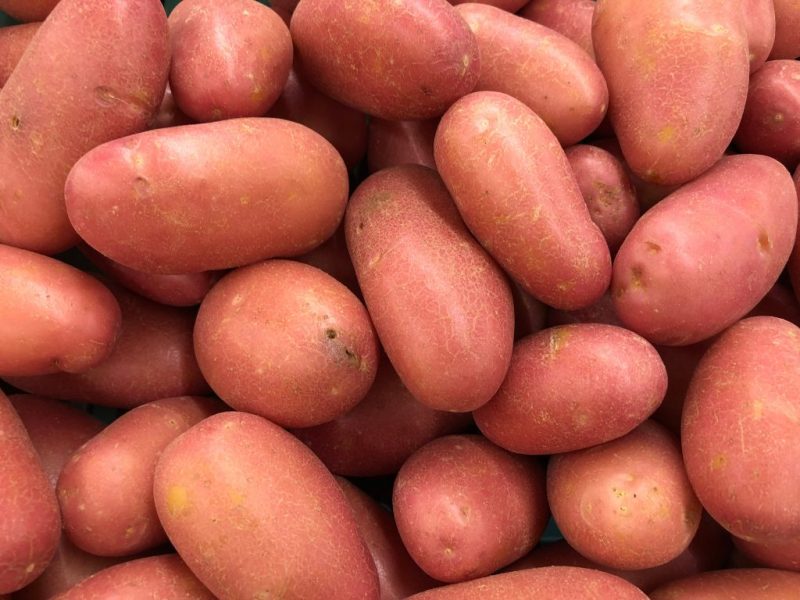
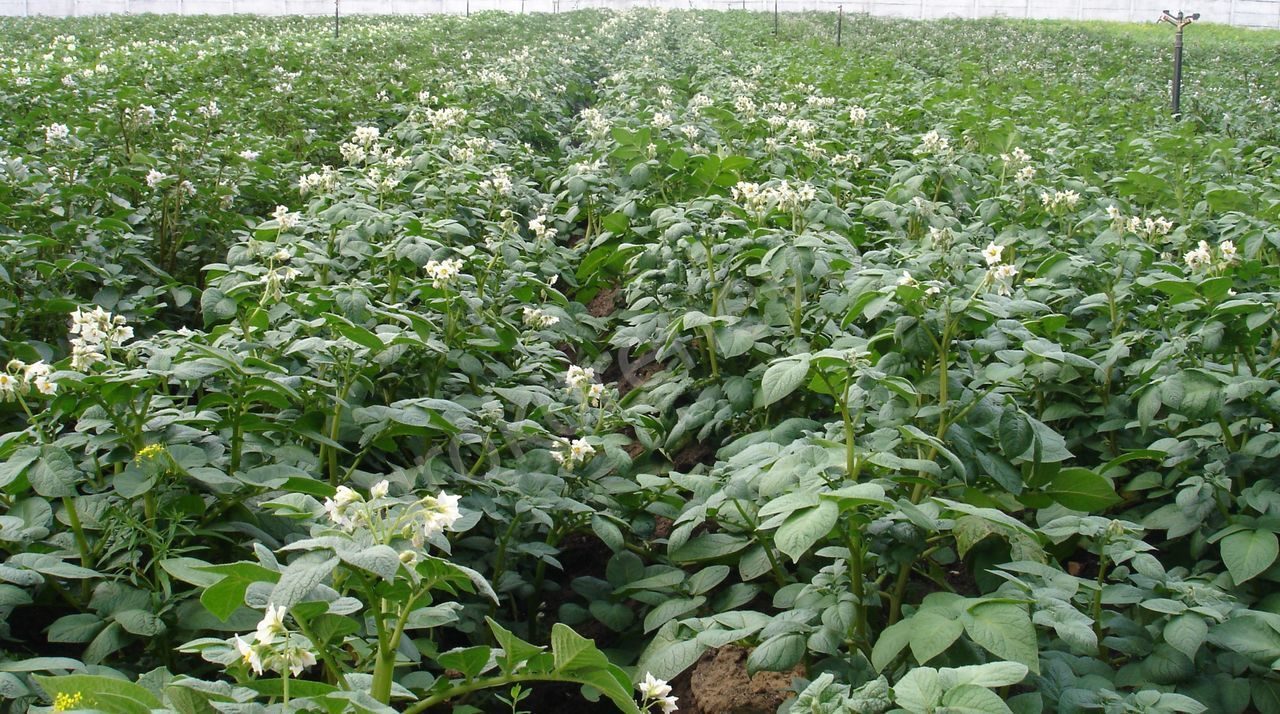
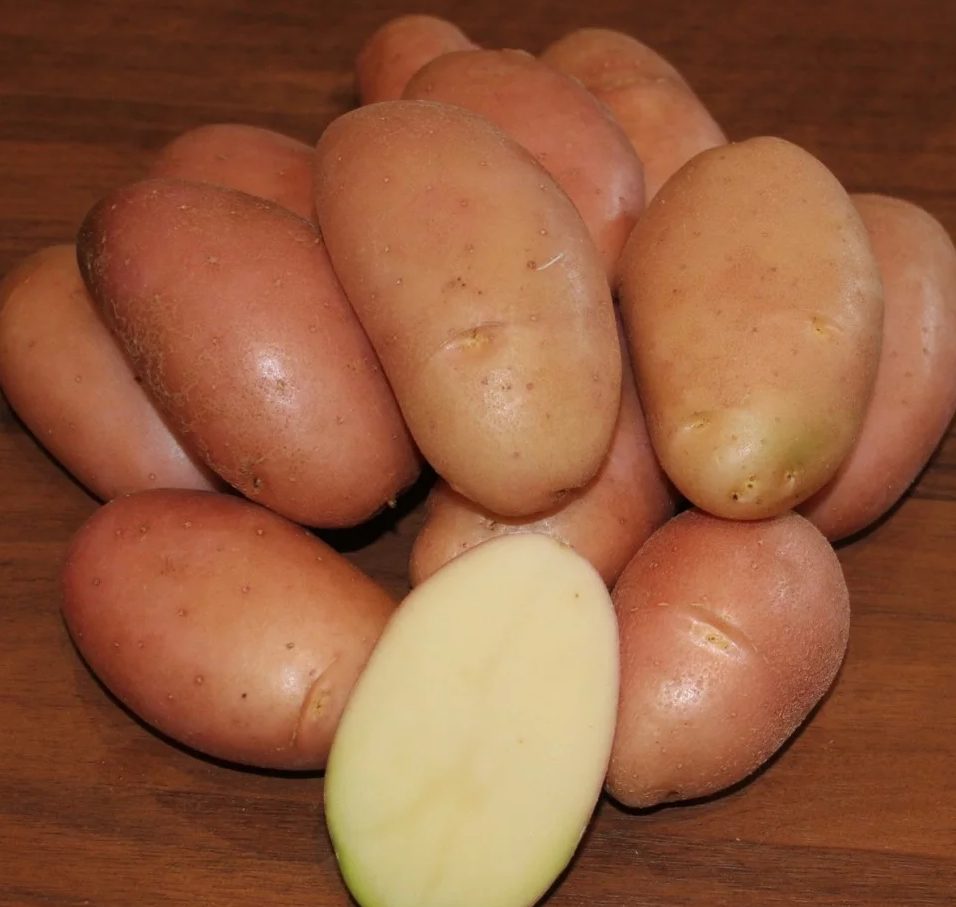
Photo of the Favorite potato variety:
Detailed description of the Favorite potato variety
The Favorite potato is no different in appearance from its hybrid counterparts.
Bushes
This mid-season potato has low shoots up to 60 cm long, a compact bush, and small, dark green leaves. Full harvest occurs 80-95 days after emergence.
Tubers
A single plant produces 6 to 12 tubers weighing up to 135 grams. They are oblong, with reddish skin and creamy flesh. There are few small, shallow eyes on the surface. Therefore, large tubers cut into pieces are not recommended for planting. The potatoes contain up to 17% starch, have moderate cooking times, do not darken for a long time after peeling, and are suitable for french fries.
In addition, it complements salads, soups and is used in the production of chips.
The dug-up tubers are highly marketable and have good shelf life, allowing the harvest to be stored for a long time without losing its flavor.
Productivity, ripening time
Favorit is a mid-season potato variety. Each plant produces up to 12 tubers weighing up to 135 g. The yield ranges from 170 to 300 c/ha. The maximum yield was 420 c/ha.
Potatoes can be dug up 95 days after planting in the ground.
Resistance of the Favorite potato variety to diseases and pests (table)
| Name of the disease | Degree of stability |
| Cancer | High |
| Globoderos | High |
| Leaf curling | High |
| Mosaic | High |
| Tuber blight | Average |
| Scab | Average |
| Rhizoctonia | Average |
| Phytophthora blight of tops | Low |
For which regions is the Favorite potato variety suitable?
The Favorit variety was bred for cultivation in the country's central regions. It demonstrates its best varietal qualities there, with excellent disease resistance and abundant yields.
Advantages and disadvantages of the Favorite potato variety
The Favorit variety has a number of advantages and disadvantages. These are presented in the table below.
| Advantages | Flaws |
|
|
Features of growing the Favorite potato variety
The Favorit variety doesn't require any specific growing conditions; care is the same as for other potato varieties. Due to the small number of eyes on the large tubers, they are not recommended for planting in cut form; all planting material should be pre-treated and sprouted.
Requirements for the landing site and its preparation
The soil for planting potatoes is prepared in the fall, supplemented with fertilizer and green manure. Well-lit areas of the plot are ideal for potato cultivation.
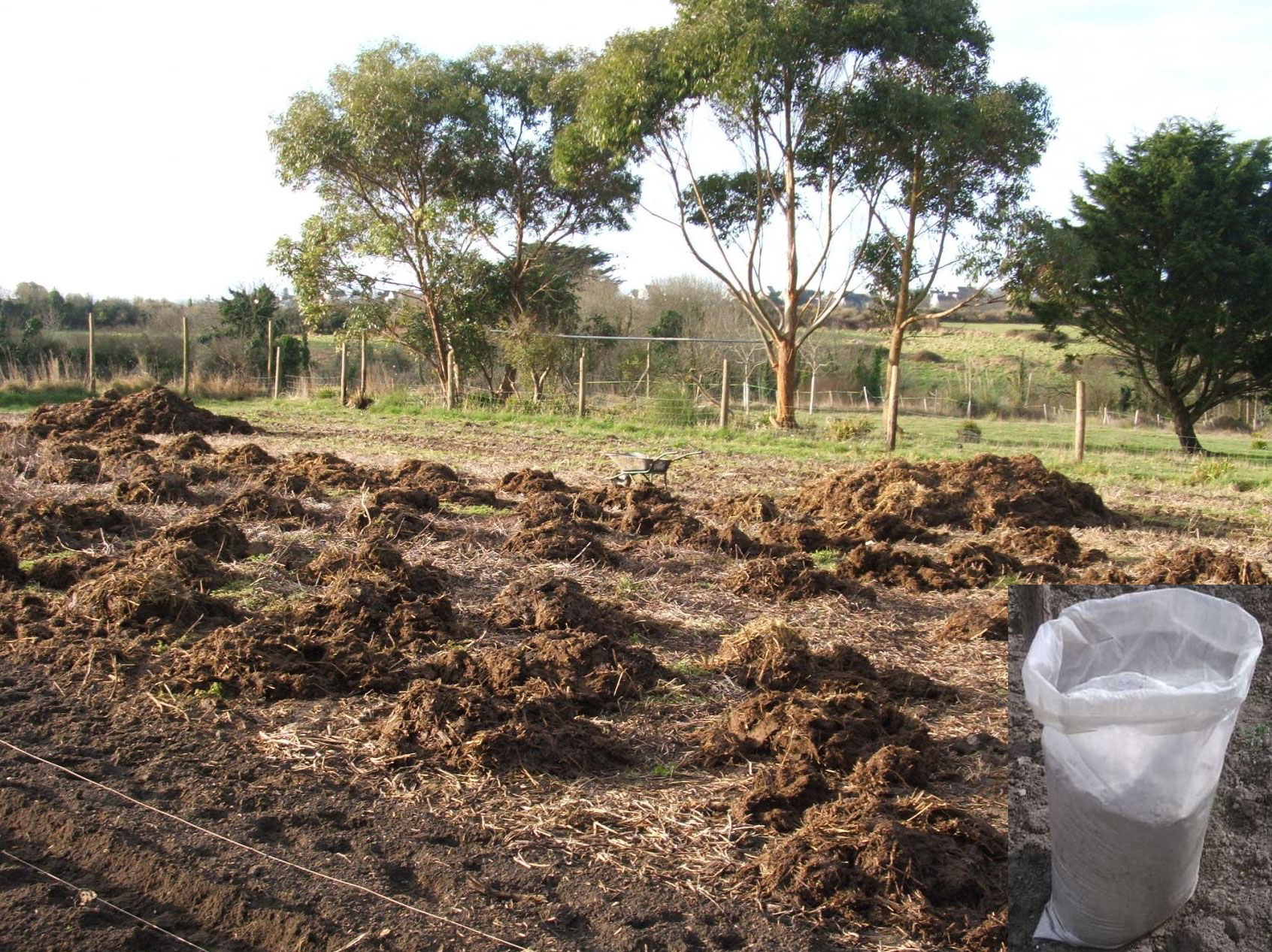
When planting, add a handful of mullein or any other nutritious organic matter to the hole if the soil is poor enough.
During the vegetative growth period, you can feed the plants with nitrogen fertilizers, and during the flowering period, add phosphorus and potassium supplements. Spraying with magnesium or boron preparations is recommended.
When choosing a planting site, it is important to consider crop rotation rules and try not to plant potatoes after unsuitable predecessors, such as tomatoes.
Selection and preparation of seed tubers
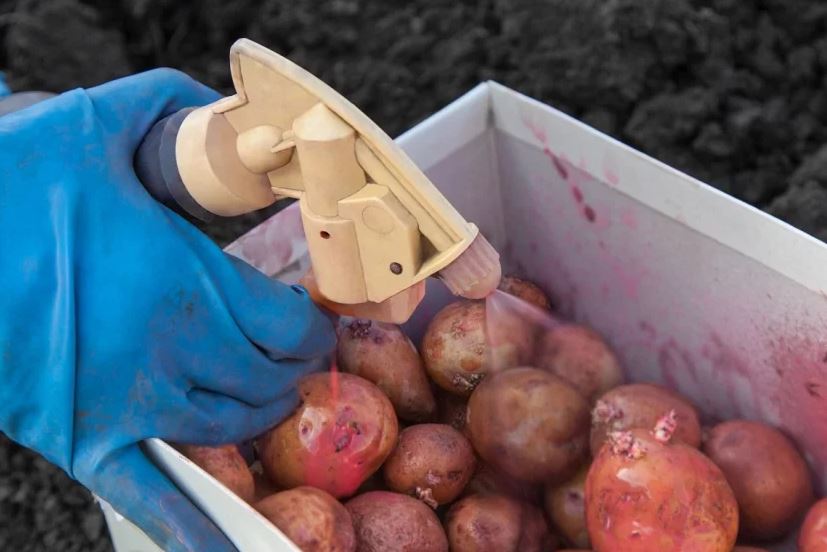
For planting, choose healthy, medium-sized tubers with no signs of damage. They should be sprouted before planting and treated with Acrobat, Fitosporin, or Kuproksat. These will help strengthen the potato's immune system and stimulate growth.
Planting times and rules
It is recommended to begin planting potatoes only when the soil warms up to 11°C. This temperature can be measured with an outdoor thermometer by burying it at the planting depth for several hours.
In the central part of Russia, work begins in early May or late April, if forecasters do not predict night frosts.
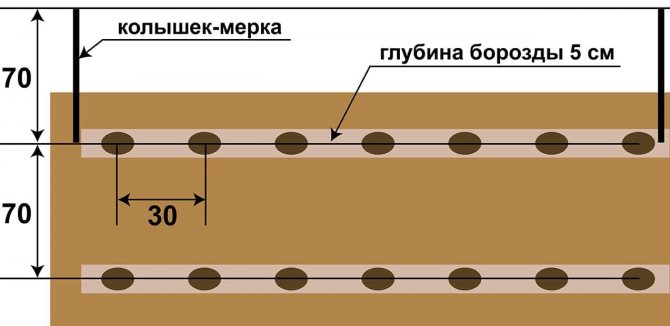
The planting depth depends on the soil type and ranges from 8 to 12 cm. The optimal distance between tubers is considered to be 30 cm, and between rows – 70 cm.
Caring for the Favorite potato variety
To obtain a rich harvest, the Favorit variety requires watering, fertilizing, hilling, loosening and weeding.
Watering
Watering Favorite potatoes should begin 10 days after germination. After that, the soil should be watered 2-3 more times per season, depending on weather conditions.
The last time the plantings need to be watered is 3-4 weeks before digging.
Water consumption is 20-40 liters per 1 sq. m.
Top dressing
Most of the fertilizer for potatoes is added in the fall; in the spring, the soil is dug up and becomes suitable for planting.
If the soil is insufficiently nutritious and has been used for several years without interruption, the tubers may grow poorly and be of little weight. In this case, additional fertilizing is necessary, combining this procedure with hilling.
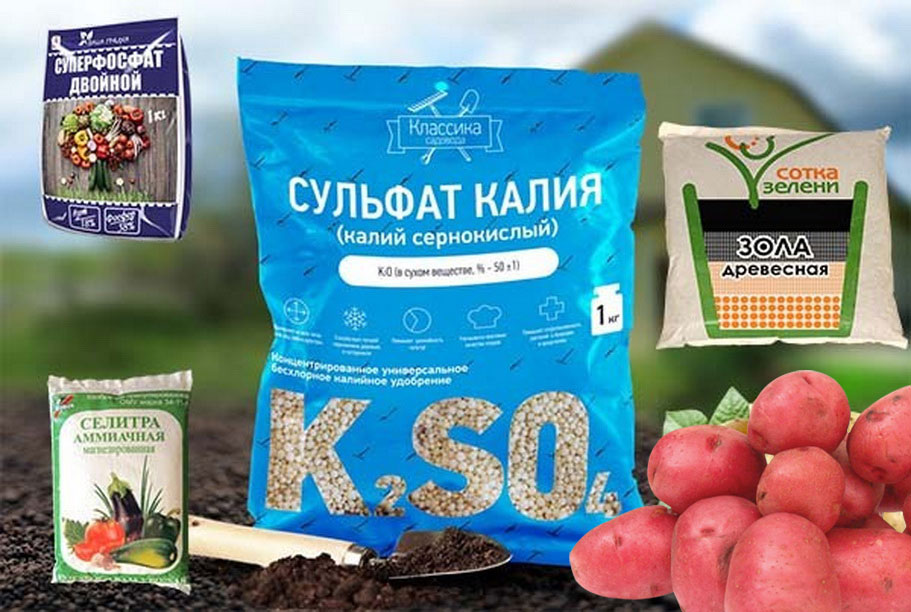
For root watering, dilute the solution according to one of the recipes below, pouring 500 ml under each bush:
- Nitrogen is mixed with potassium and phosphorus in a ratio of 2:1:1 so that the total mass does not exceed 25 g. The mixture is dissolved in 10 liters of water.
- Dissolve 3 tablespoons of wood ash and 1 tablespoon of potassium sulfate in 10 liters of water.
To increase the nutritional value of the beds, the spaces between the rows can be watered with diluted manure at a ratio of 1:10.
Loosening, weeding, hilling
A week after the first shoots appear, you need to carefully loosen and weed the beds, removing weeds even between the rows.
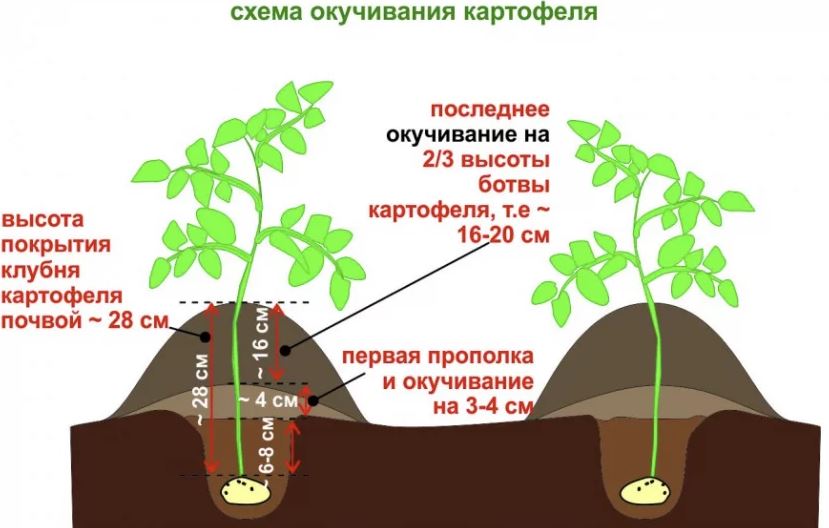
Next comes hilling. This is done twice per season:
- The first time the soil is raked up to the shoots when their height reaches 20 cm.
- It is recommended to hill up potatoes for the second time during the flowering period, increasing the height of the mound by approximately 5 cm.
Hilling helps prevent the formation of a dense crust on the surface of the bed, which impedes the penetration of moisture and air. It also destroys eggs. Colorado potato beetle and other pests.
Protection of the Favorite potato variety from diseases and pests (table)
As noted above, the Favorit variety exhibits high resistance to canker, leaf curl, and mosaic. However, under unfavorable weather conditions, overwatering, drought, or crop rotation violations, it may become susceptible to blight of the aboveground portion of the plant.
| Name of the disease | Manifestation | Treatment and prevention |
| Phytophthora blight of tops
|
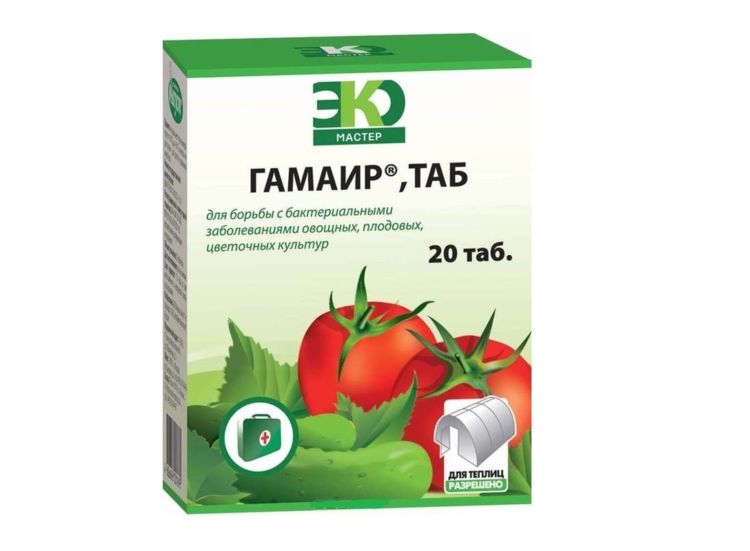
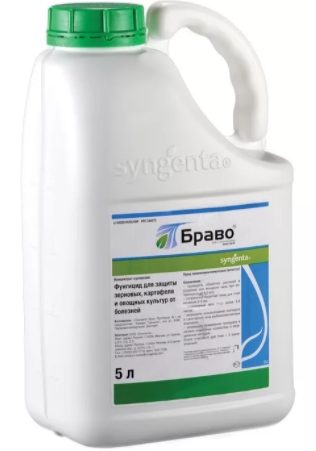
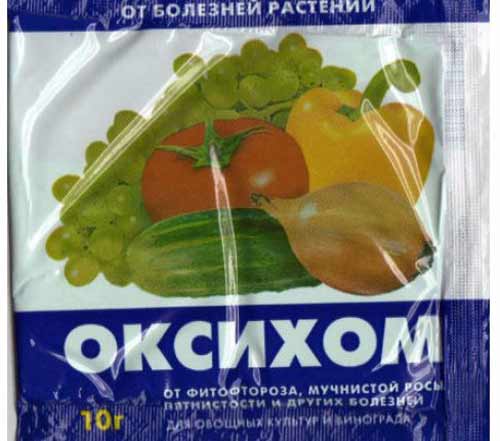
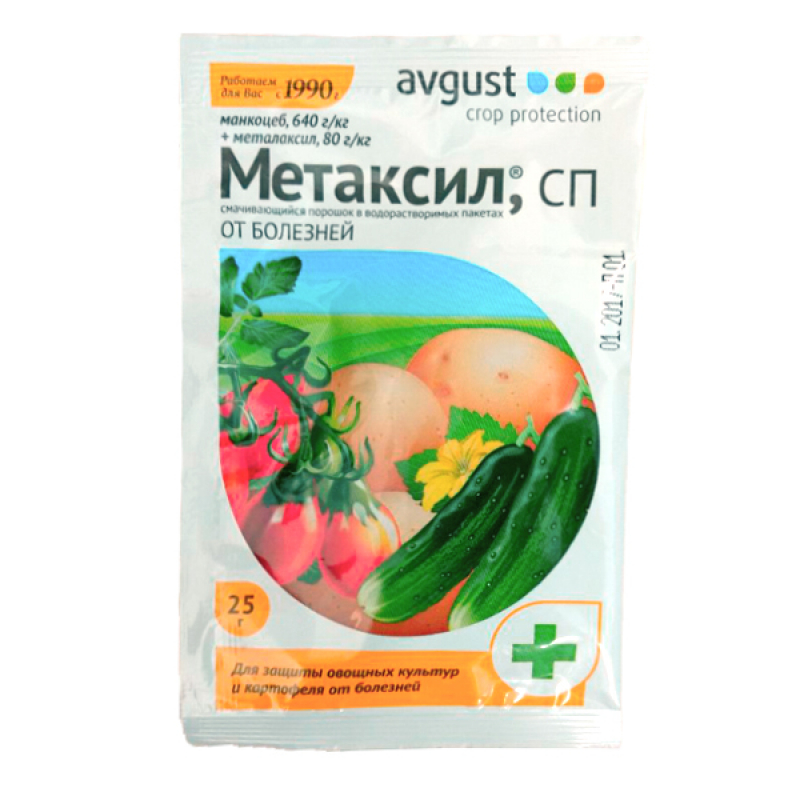
In adverse weather conditions and poor care, dark brown spots appear on the shoots, followed by wilting of the leaves. The shoots appear diseased and scorched. | To prevent disease, tubers should be treated before planting and allowed to germinate to strengthen their immune system. If signs of fungal infection appear, the crops should be treated with specialized products such as Gamair, Bravo, Oxychom, or Metaxil until symptoms disappear completely. |
| Colorado beetle
|
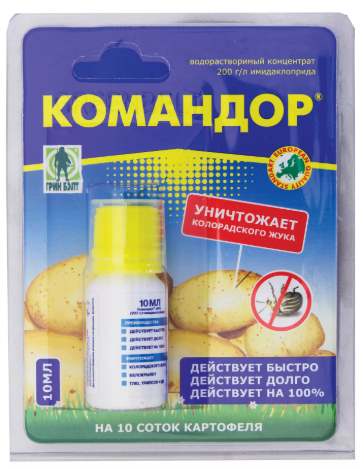
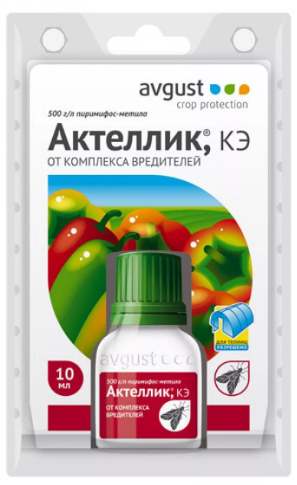
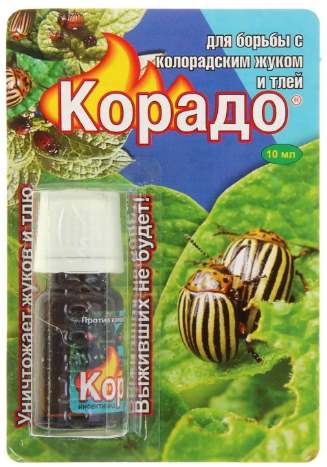
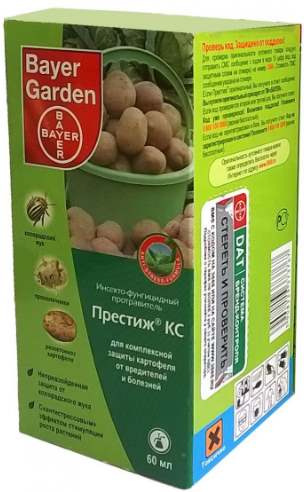
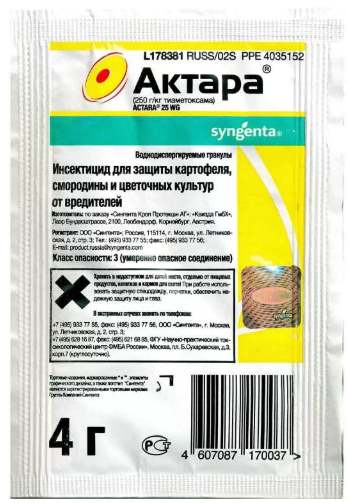
Orange clutches of larvae appear on the underside of the leaves; the leaves are eaten by adults. | If the number of pests is small, they can be collected by hand and destroyed; leaves with larvae should be torn off. If there are too many individuals, then treatment with specialized products Commander, Actellik, Corado, Prestige, Aktara will help. |
| Wireworm
|
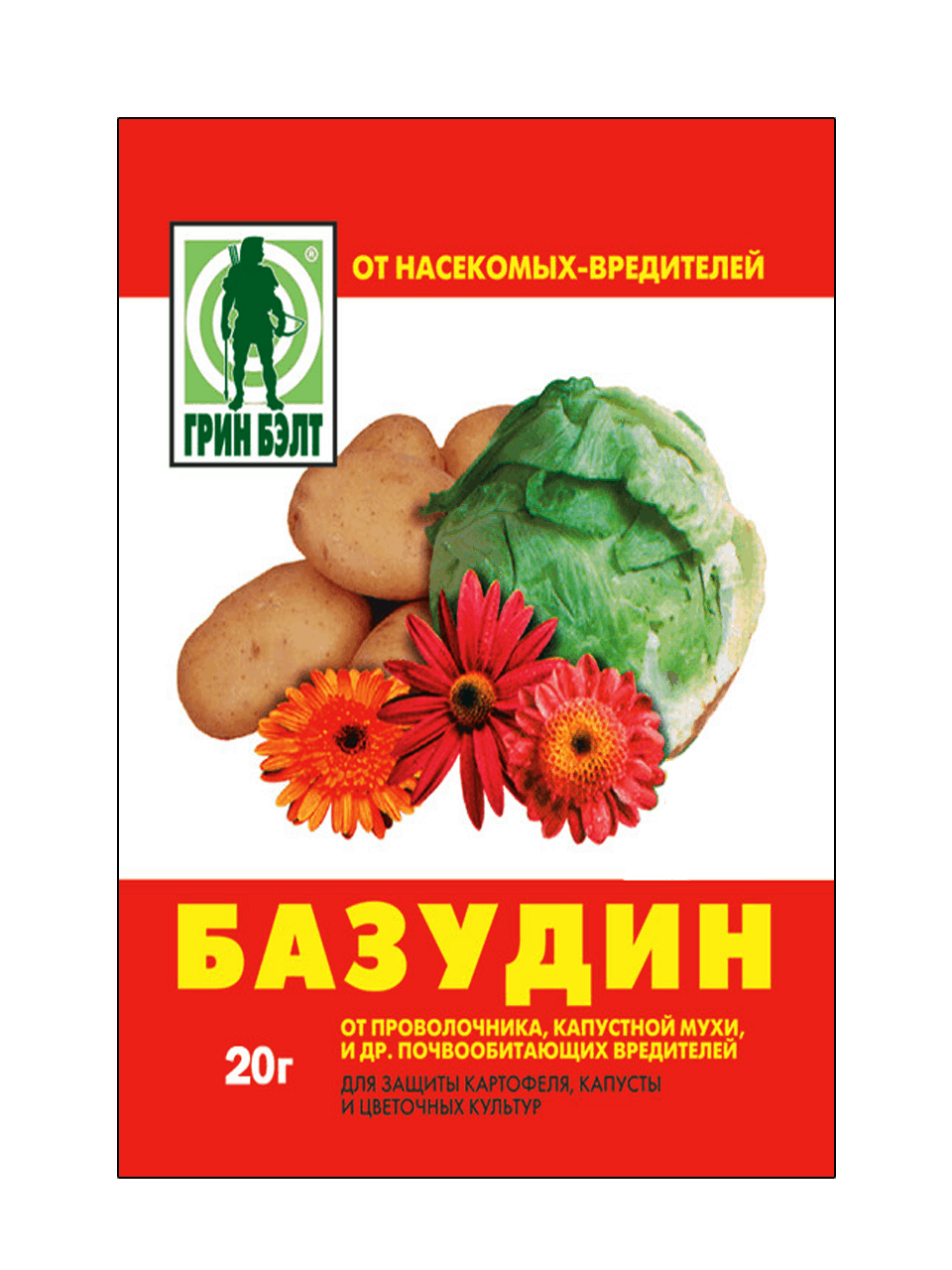
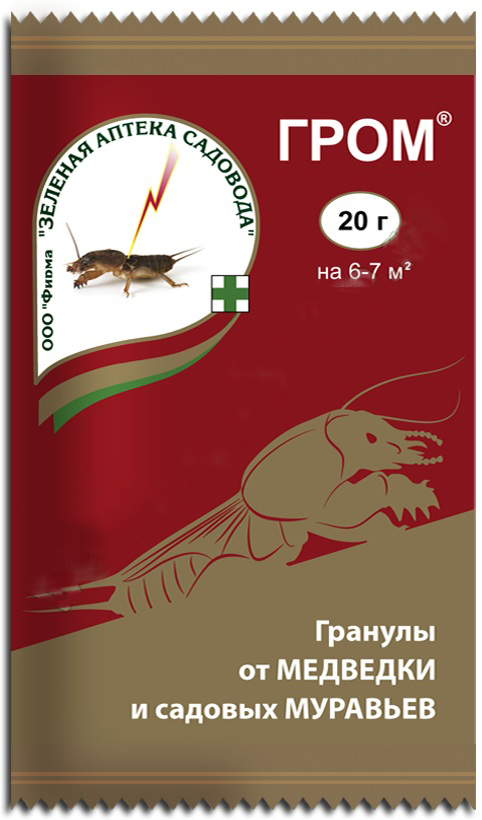
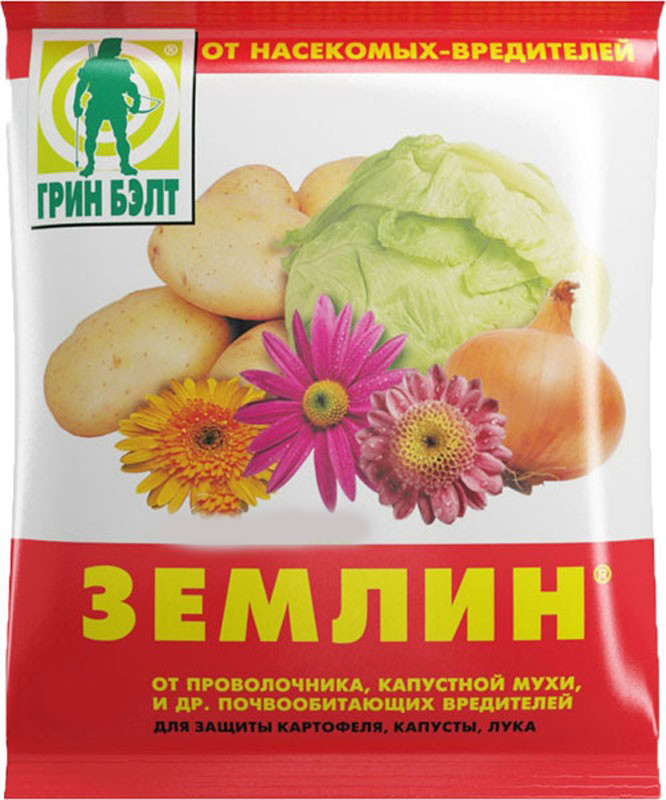
A long and dense worm that leaves behind numerous labyrinth-like passages in the tubers. | As a preventative measure, experienced gardeners recommend adding a handful of onion peels to the hole. Products such as Aktara, Bazudin, Prestige, Grom, and Zemlin will help combat the pest. |
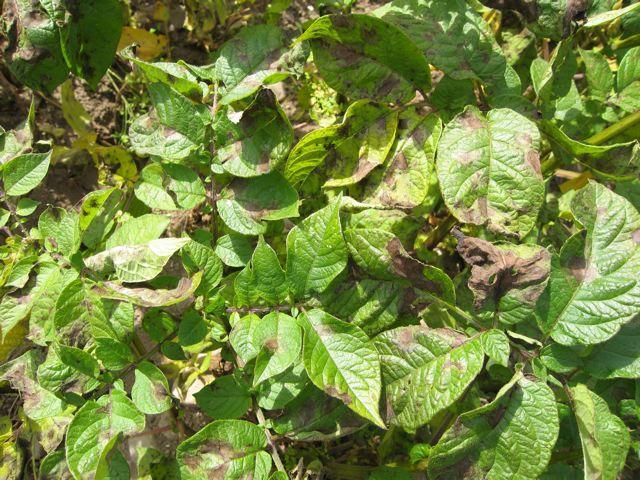
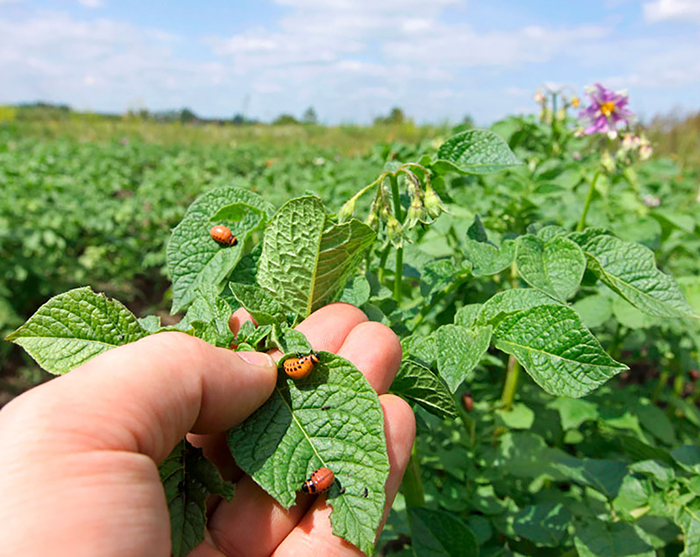
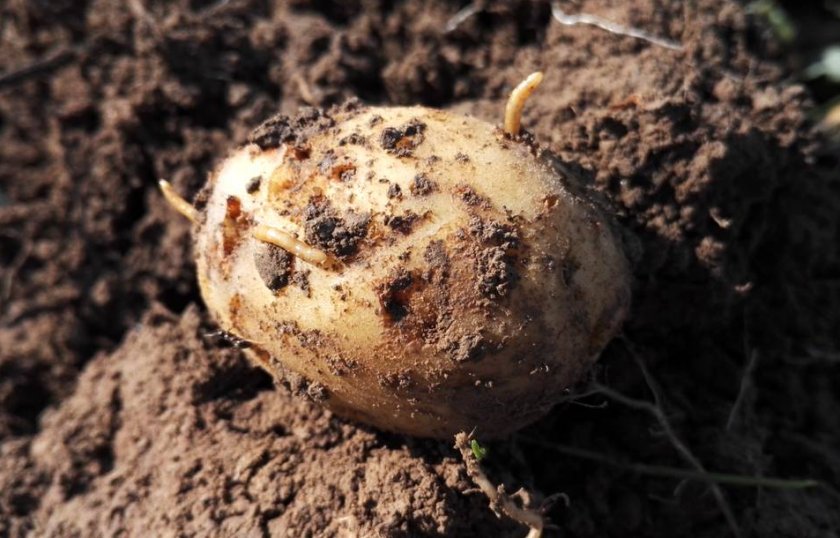
Photo gallery of pest and disease control products for the Favorit potato variety:
The nuances of harvesting and storing the Favorite potato variety
Tubers mature 80-95 days after germination. A sign of maturity is the wilting of the tops, but many gardeners cut the tops off a week before planting.
The harvested potatoes are carefully sorted, setting aside tubers for food, seeds, and damaged tubers separately.
Seed potatoes are left in the sun to green up, and tubers intended for storage are aired and dried in a shaded place for 2-3 hours, then placed in boxes or bags and sent to a well-ventilated, cool place with a temperature no higher than +4 °C.
Thanks to its good shelf life under such conditions, the Favorit harvest will easily last until the next season.
Comparison of the Favorite potato variety with other varieties in the table
| Variety | Ripening period (number of days to maturity) | Starch (%) | Yield (c/ha) | Weight of tubers (g)
Number of tubers per bush |
Shelf life (%) |
| Favorite | Mid-season*** | 12.6-16.4 | 420 | 101-136
6-12 |
93 |
| Luck | Early ripening* | 11-15 | 420-430 | 100-150
10-15 |
88-97 |
| Adretta | Mid-season*** | 15-18 | 450 | 100-150 10-25 |
95 |
| Miner | Mid-early** | 14-19 | 600 | 90-140
12-18 |
97 |
| Gulliver | Early ripening* | 14-20 | 650-700 | 100-150
5-11 |
95 |
| Irbitsky | Mid-early** | 12-17 | 250-400 | 100-185
6-8 |
97 |
| Kumach | Mid-season*** | 12-18 | 241-719 | 98-260 12-25 |
98 |
| Bast shoe | Mid-early** | 12-14 | 450-500 | 100-160
6-10 |
94 |
| Lyubava | Early ripening* | 11-17 | 288-400 | 110-210
up to 20 |
98 |
| Rodrigo | Mid-early** | 12.5-15.4 | 450 | 700-800
7-9 |
95 |
*Early ripening – 50-65 days.
**Mid-early – 65-80 days.
***Mid-season – 80-95 days.
Gardeners' reviews of the Favorite potato variety
Consumers note the excellent taste of the tubers, which have a very long shelf life. Their uniform shape and minimal eyes make them easy to peel and use in cooking.
You can watch a video review of the Favorit potato variety: