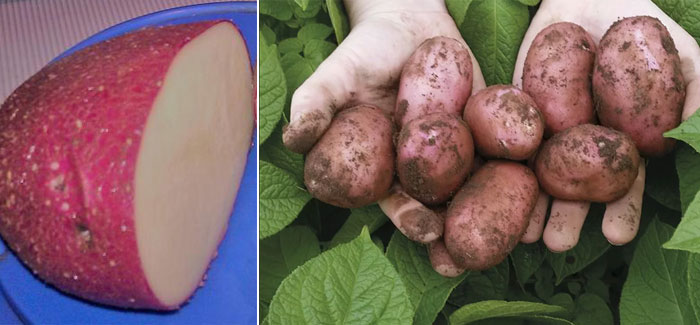
Sarpo Mira is a Hungarian-bred potato variety. Its main advantage is its resistance to late blight. It can easily grow in contaminated soil under conditions conducive to infection. Moreover, even if late blight does appear on the stems, it will not spread to the tubers.
Content
- 1 Table with characteristics of the Sarpo Mira potato variety
- 2 The origin of the Sarpo Mira potato variety
- 3 A detailed description of the Sarpo Mira potato variety
- 4 Advantages and disadvantages of the Sarpo Mira potato variety
- 5 Planting Features of the Sarpo Mira Potato Variety
- 6 Caring for the Sarpo Mira potato variety
- 7 Protection against diseases and pests of the Sarpo Mira potato variety
- 8 The nuances of harvesting and storing the Sarpo Mira potato variety
- 9 Comparison of the Sarpo Mira potato variety with other varieties in the table
- 10 Real reviews from gardeners about the Sarpo Mira potato variety
Table with characteristics of the Sarpo Mira potato variety
| Characteristic | Description |
| General characteristics | A mid-late potato variety of Hungarian origin, resistant to late blight. |
| Ripening period | 95-115 days. |
| Starch content | 14-17% |
| Weight of commercial tubers | 75-140 g |
| Number of tubers in a bush | 6-11 pcs. |
| Productivity | 350-360 c/ha |
| Consumer qualities | A CD culinary class. After cooking, it becomes crumbly. It has a pleasant and delicate flavor. It's good for mashing and baking. It can also be used for frying, boiling, and stewing. |
| Shelf life | 94% |
| Peel color | Reddish or pink |
| Pulp color | Snow-white |
| Preferred growing regions | In the Russian Federation, any. |
| Disease resistance | Shows resistance to late blight. |
| Features of cultivation | The variety is suitable for different types of soil and culinary conditions. |
| Originator | Istavaán Sárvári (Istvan Sarvari) |
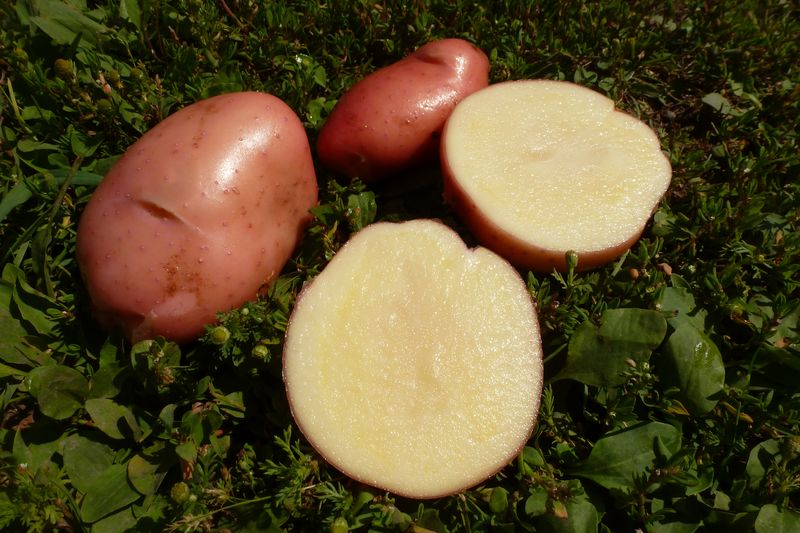
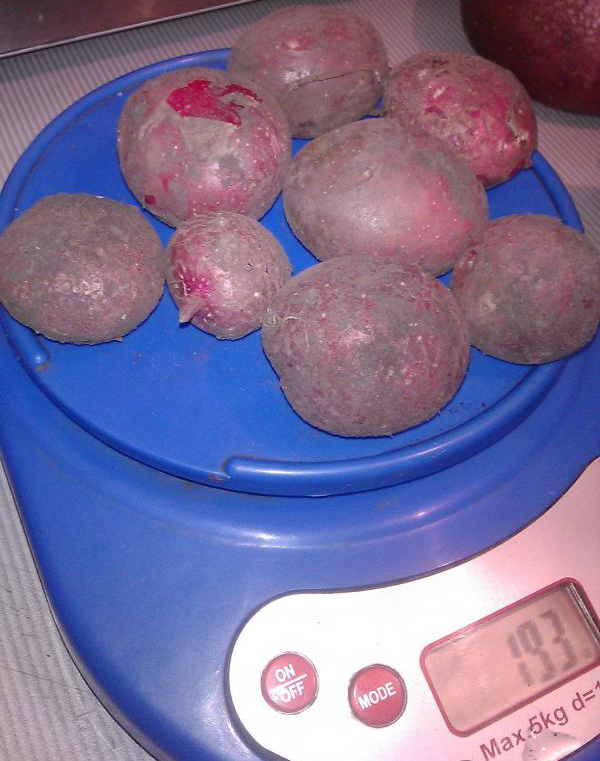
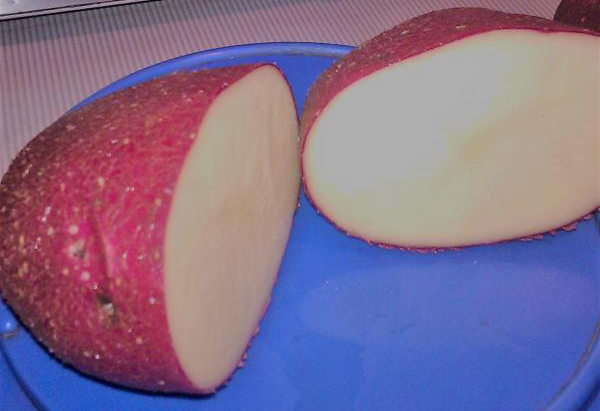
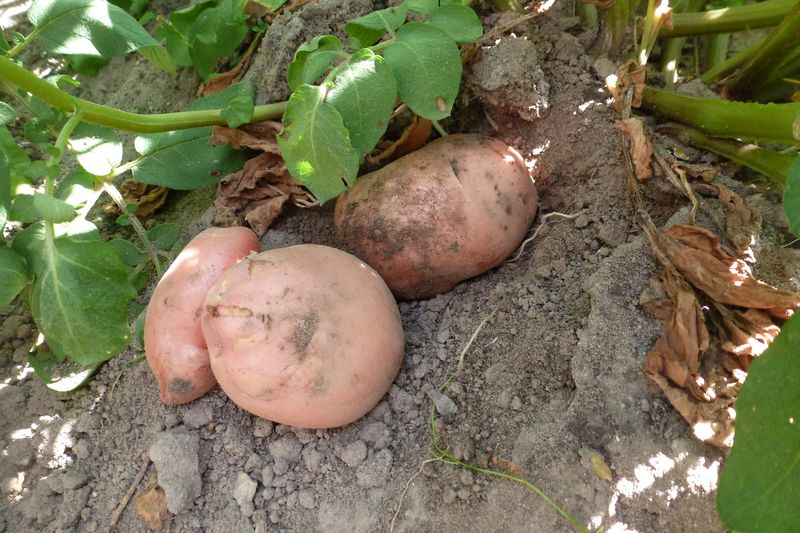
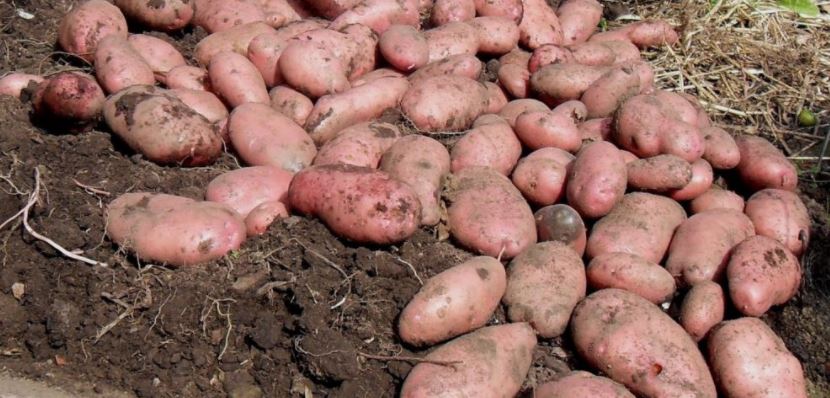
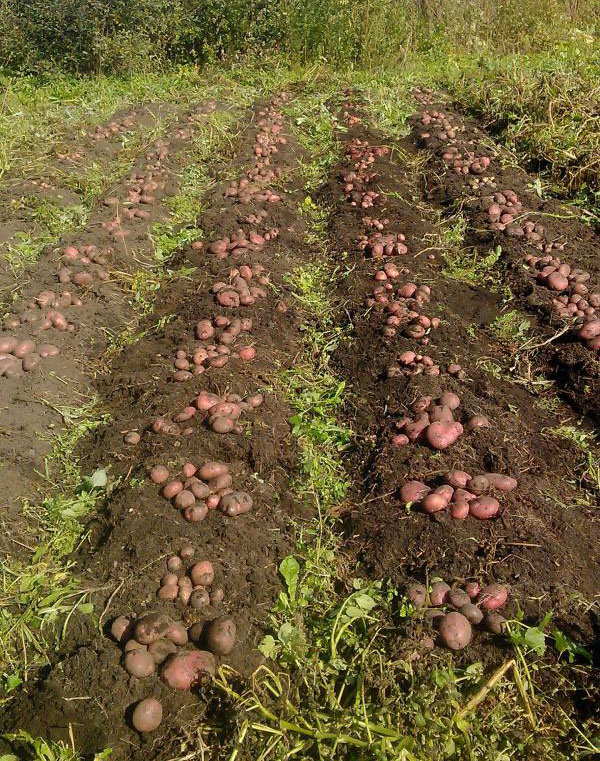
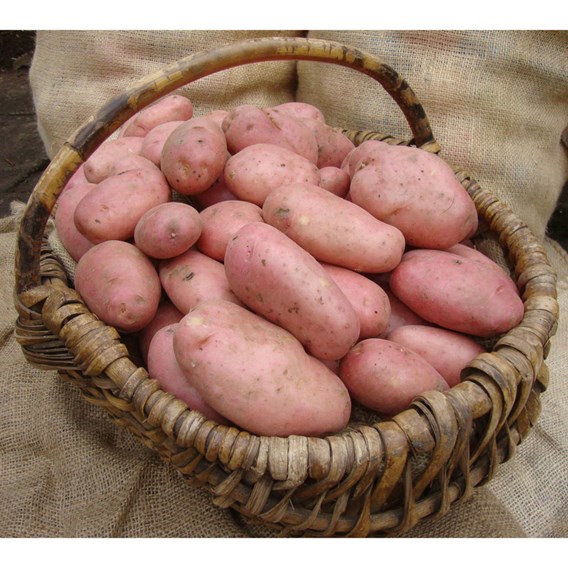
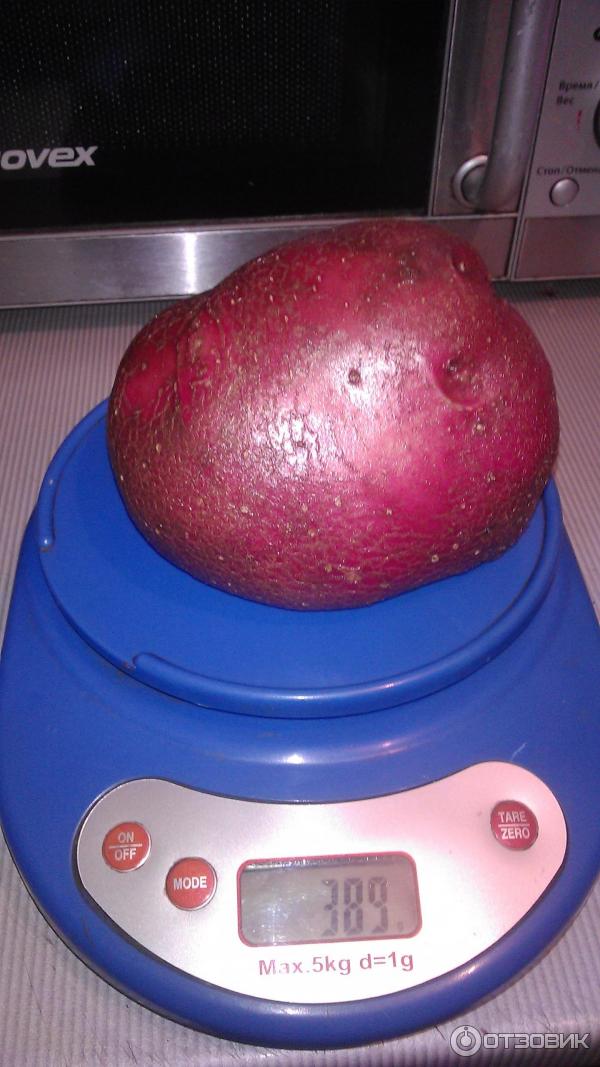
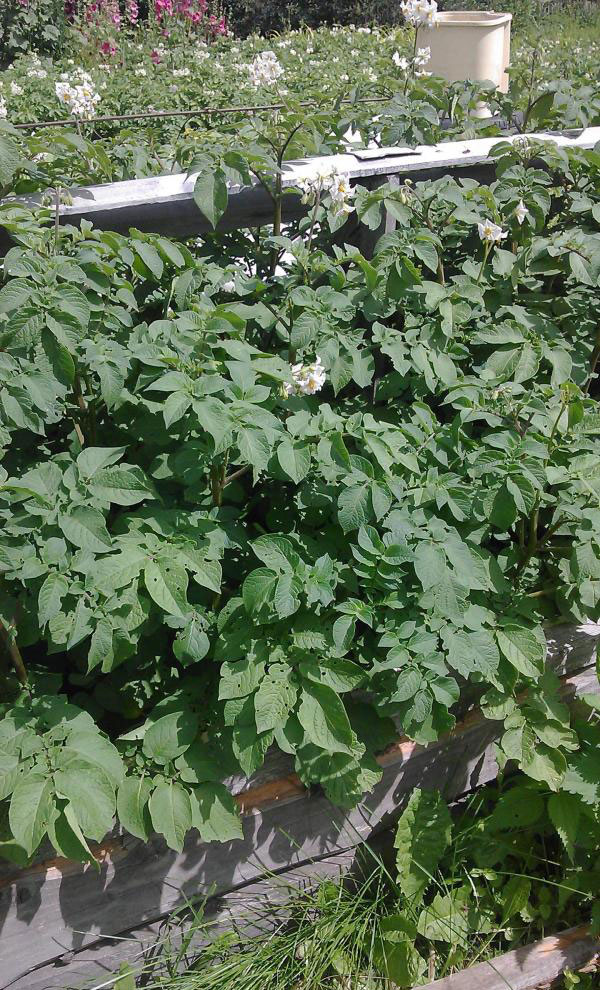
Photo of Sarpo Mira potato variety:
The origin of the Sarpo Mira potato variety
In the 1950s, a breeding program was underway in Keszthely, Hungary, to develop potato varieties that would be resistant to diseases. Sarpo Mira was one of these varieties.
It was developed by Istavan Sarvari. He received wild potato varieties from St. Petersburg. The breeder began crossing them with local Hungarian varieties. However, the program was soon shut down, but Sarvari continued breeding on his own plot of land, where he developed Sarpo Mira.
In 1990, the variety attracted interest in England. Thanks to its resistance to late blight (the potato can grow in blight-infected areas with high humidity and low temperatures for up to three months), it has gained popularity worldwide, and Russia is no exception.
A detailed description of the Sarpo Mira potato variety
Sarpo Mira doesn't require pre-planting treatment with late blight preventatives. The variety has very dense foliage, making it virtually impossible for weeds to grow through. This saves time and money on weeding and herbicides.
Tuber growth continues until frost sets in. Therefore, it's recommended to harvest as late as possible. However, it's important to note that oversized tubers may contain some voids, but this doesn't affect storage or flavor, only marketability.
Let's take a closer look at the main features of the variety.
Bushes
It forms tall, strong, non-lodging bushes with a high shoot density. This latter characteristic ensures that weeds are rare in potato beds.
Tubers
The tubers are large and oblong-oval in shape. The skin is pink or red. Small eyes, no more than 3 mm deep, may develop. The flesh is white and fairly firm.
Nutrients and nutritional value
Potatoes contain a huge amount of useful substances, including potassium, phosphorus, magnesium, vitamins, various amino acids, etc. There are less than 70 kcal in 100 g of the product.
Productivity, ripening time
On average, one hectare yields 350-360 centners of potatoes. However, under favorable growing conditions and proper agricultural practices, the yield can be even higher.
Technical maturity occurs 95-115 days after germination. However, young potatoes are ready for immediate consumption (not storage) 2-3 weeks earlier.
Resistance to diseases and pests
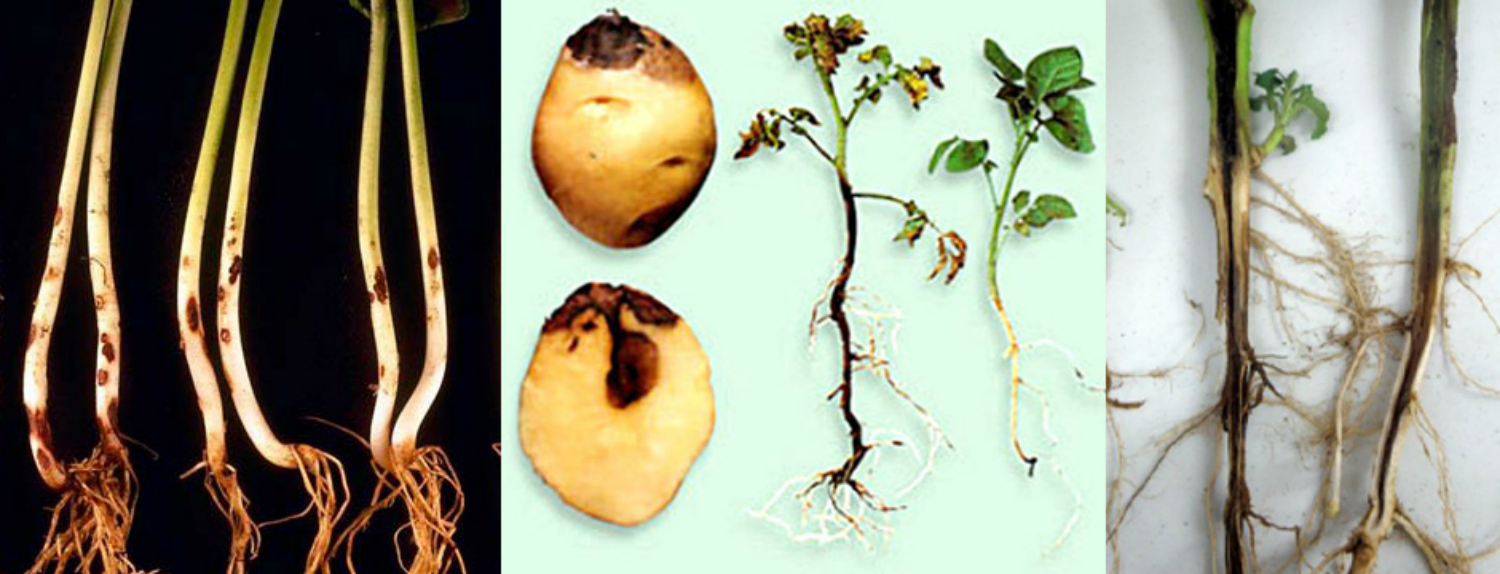
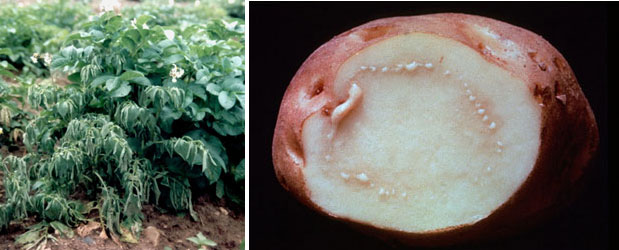
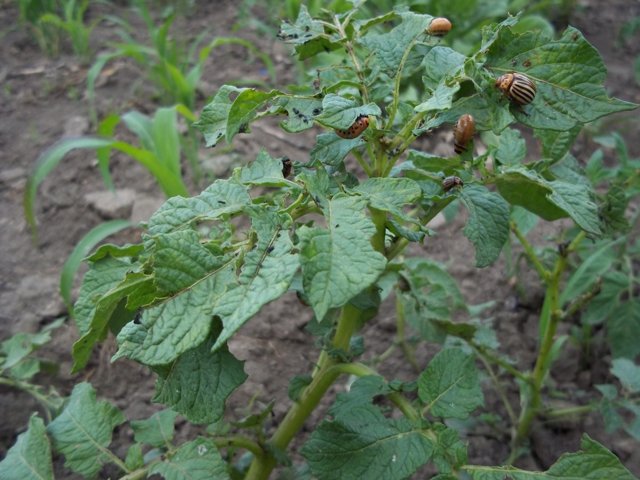
This variety exhibits good resistance to late blight of stems and roots, but is susceptible to other diseases, such as brown rot and blackleg. The Colorado potato beetle can also infest the bushes.
What regions is it suitable for?
This variety tolerates both heat and cold well. It quickly adapts to any soil, making it suitable for cultivation in any region of Russia.
Advantages and disadvantages of the Sarpo Mira potato variety
Sarpo Mira has the following advantages:
- large fruits;
- approximately identical tubers, attractive appearance;
- crop stability;
- universal use in cooking;
- long shelf life;
- resistance to late blight of tubers and tops;
- excellent taste.
The only drawback of this variety is that the harvest must be timely. Otherwise, the tubers will have holes, which reduces marketability.
Planting Features of the Sarpo Mira Potato Variety
Growing this variety is easy; even a novice farmer can handle the task.
Requirements for the landing site and its preparation
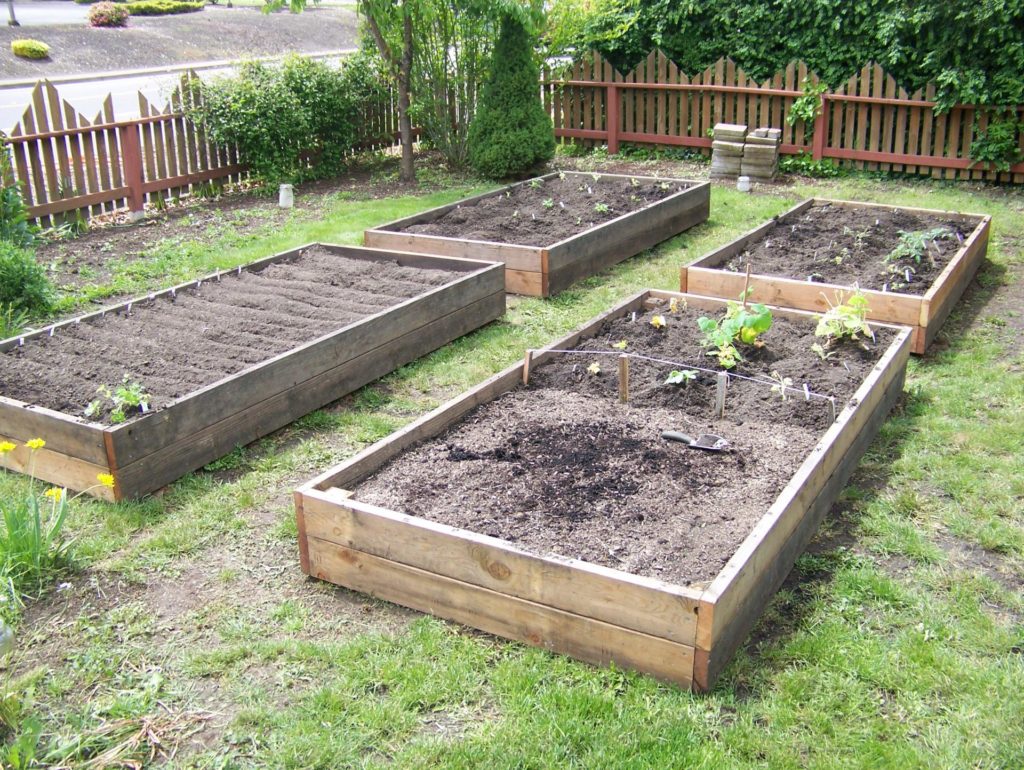
The variety doesn't have any special soil requirements. However, it thrives in nutritious, loose soil. A sunny planting site is recommended. Crop rotation is essential. Potatoes cannot be grown in the same bed for two consecutive years.
Site preparation should begin in the fall. After harvesting the previous crops, dig the soil to a depth of 5 cm. Weeds should be removed and manure applied at the same time. Another digging will be necessary in the spring before planting.
Selection and preparation of seed tubers
Only healthy tubers without signs of mechanical damage are suitable for planting. The tubers must first be germinated. To do this, place them in a warm, bright room 30 days before the planned planting date and treat them with the growth stimulants Bioglobin and Epin. The tubers are ready for planting when sprouts reach 1-1.5 cm.
Planting times and rules
In central Russia, planting can begin in the second ten days of May. In the south, this is done even earlier, and in the north, around mid-June. The soil should have time to warm up. There is no risk of recurrent frosts.
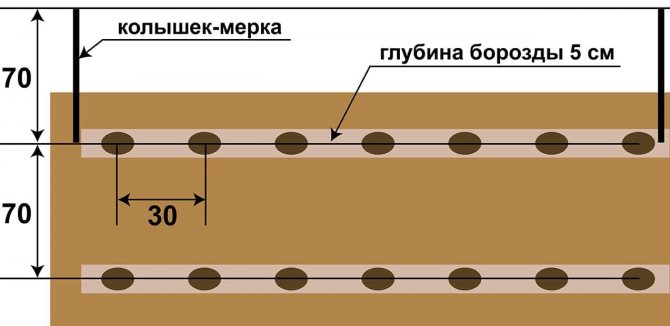
To plant tubers, dig holes or trenches 5-8 cm deep. Space potatoes 30 cm apart in a row. The distance between beds should be 70 cm.
Caring for the Sarpo Mira potato variety
Potato care is standard. It requires hilling and loosening the soil, moderate watering, the addition of nutrient mixtures, and preventative treatment against infections and insects.
Watering
During the growing season, it is recommended to water 3 times:
- after landing;
- before flowering;
- during the period of tuber formation.
If the weather is rainy, watering can be avoided. During prolonged droughts, it is recommended to increase the amount of water. Moisten the soil in the evening with warm, settled water.
Top dressing
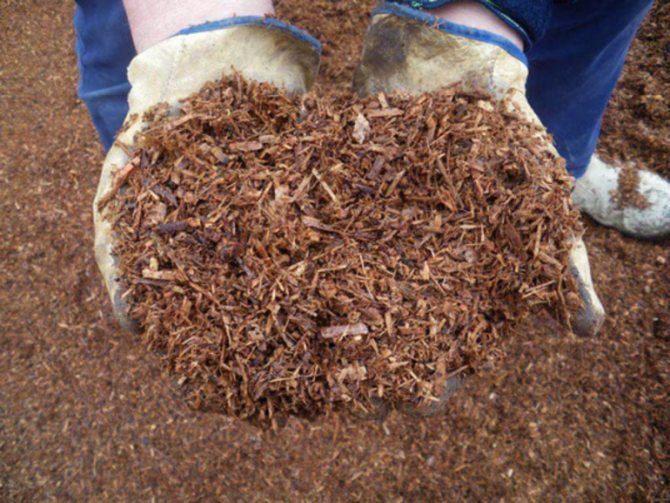
Fertilizing is recommended twice during the growing season. The first application is made during the period of active green growth. Subsequent applications of nutrient mixtures are made during the flowering period. Organic (manure, compost) and complex mineral fertilizers are used for fertilizing.
Loosening, weeding, hilling
Hilling and loosening are carried out during watering or after rain. These procedures improve the passage of nutrients, air, and moisture. Furthermore, hilling keeps the soil moist longer, promoting better root growth.
Weeding is generally unnecessary. However, if weeds do grow, it's essential. If left untreated, the grass will rob the crop of nutrients. Furthermore, weed thickets are a perfect breeding ground for infections and pests.
Protection against diseases and pests of the Sarpo Mira potato variety
The table below presents methods of prevention and measures to combat diseases and pests that may appear on the Sarpo Mira potato variety.
| Disease/Pests | Prevention | Control measures |
| Blackleg
|
|
|
| Brown rot
|
|
There are no effective means of control, so it is necessary to pay close attention to disease prevention. |
| Colorado beetle
|
|
|
The nuances of harvesting and storing the Sarpo Mira potato variety
A couple of weeks before harvest, the tops should be mown down. During this period, avoid watering the soil, even if it's very dry.
Harvest on a dry, sunny day. After digging, select only healthy tubers without mechanical damage. Place them under a canopy to dry for 2-3 days.
After this, sort the harvest into open bags and wooden boxes (without lids). Store in a cool room with a temperature of +4°C. Periodically sort the potatoes, discarding any rotten tubers.
Comparison of the Sarpo Mira potato variety with other varieties in the table
| Variety | Ripening period (number of days to maturity) | Starch (%) | Yield (c/ha) | Weight of tubers (g)
Number of tubers per bush |
Shelf life (%) |
| Sarpo of the world | Mid-late**** | 14-17 | 350-360 | 75-140
6-11 |
94 |
| Ramos | Mid-season*** | 13.4-16 | 208-364 | 100-150 8-13 |
97 |
| Rocco | Mid-season*** | 13-16 | 350-400 | 100-120
8-12 |
89 |
| Openwork | Mid-early** | 18 | 460-500 | 93-115
7-13 |
95 |
| Vineta | Early ripening* | 13-15 | 160-228 | 67-130
13 |
87-90 |
| Crane | Mid-late**** | 14-19.5 | 177-242 | 90-140 14-25 |
93 |
| Rosara | Early ripening* | 12-16 | 350-400 | 81-115
15-20 |
97 |
| Rowanberry | Mid-early** | 12-15 | 220-234 | 91-133
10-15 |
90 |
*Early ripening – 50-65 days.
**Mid-early – 65-80 days.
***Mid-season – 80-95 days.
****Mid-late – 95-110 (115) days.
Real reviews from gardeners about the Sarpo Mira potato variety
September 18, 2017
I've already written about my attempt to buy seeds online. I was completely satisfied with Gusev's Pomidom as an online store. In addition to cherry tomato and pepper seeds, I also ordered potato seeds from there, with the exotic name Sarpo Mira.
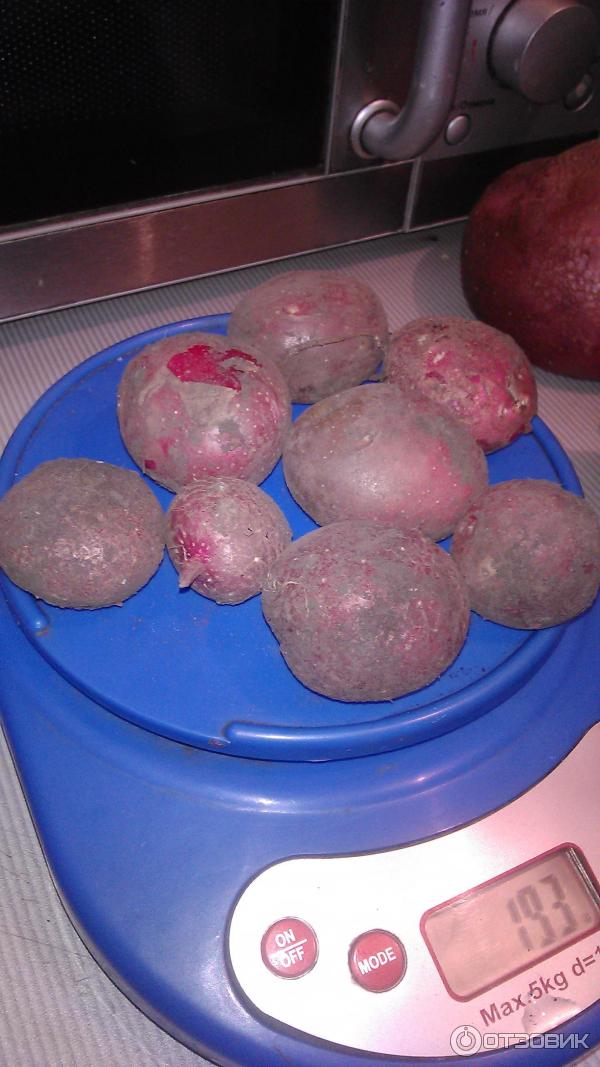
I hadn't grown potatoes from seed before, but the prospect of growing blight-resistant potatoes was intriguing. That was three years ago. My first attempt was a near-failure. The tiny potato seeds, which had sprouted quite well, produced equally tiny sprouts, which were quite difficult to keep track of. Furthermore, I'd sown the seeds in peat pellets, which dry out very quickly. By the time I planted them, only half of the two dozen or so seedlings were still alive. They died in the garden bed in midsummer, for reasons I don't even know. Only one solitary plant survived, yielding eight lilac-burgundy mini-tubers. I carefully dug them up and placed them in a cardboard box to overwinter in the coolest place in the house (I didn't dare hide this "jewel" in the cellar with the rest of the potatoes). In the photo, unfortunately, the tubers are not the same, but they were approximately the same (and their photo “disappeared” along with my husband’s previous phone number).
Since I'm quite stubborn and there were still half a packet of seeds left, I tried again the following year. The germination rate was again impressive: almost all the remaining ones sprouted, 12 sprouts survived until planting, and eight of the mini-tubers from the bushes were harvested. At the same time, I also planted eight of the previous year's tubers, which together fit in the palm of my hand. This bed really pleased me. The bushes grew very vigorously, remained green all summer, and I dug them up last, when almost all the dried tops of the other potatoes were gone. The harvest, compared to what had been planted (eight quail eggs), was simply enormous—an entire bucket of potatoes, mostly medium and large in size, with very few small ones. We liked the taste of the potatoes: lilac-burgundy on the outside, yellowish on the inside, they were quite crumbly and didn't take long to cook.
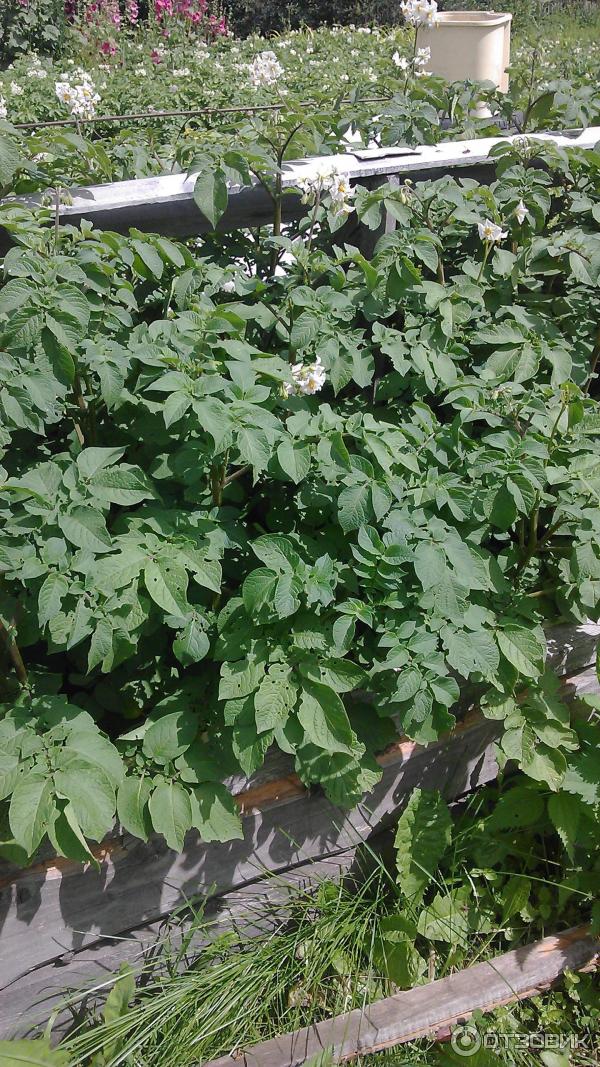
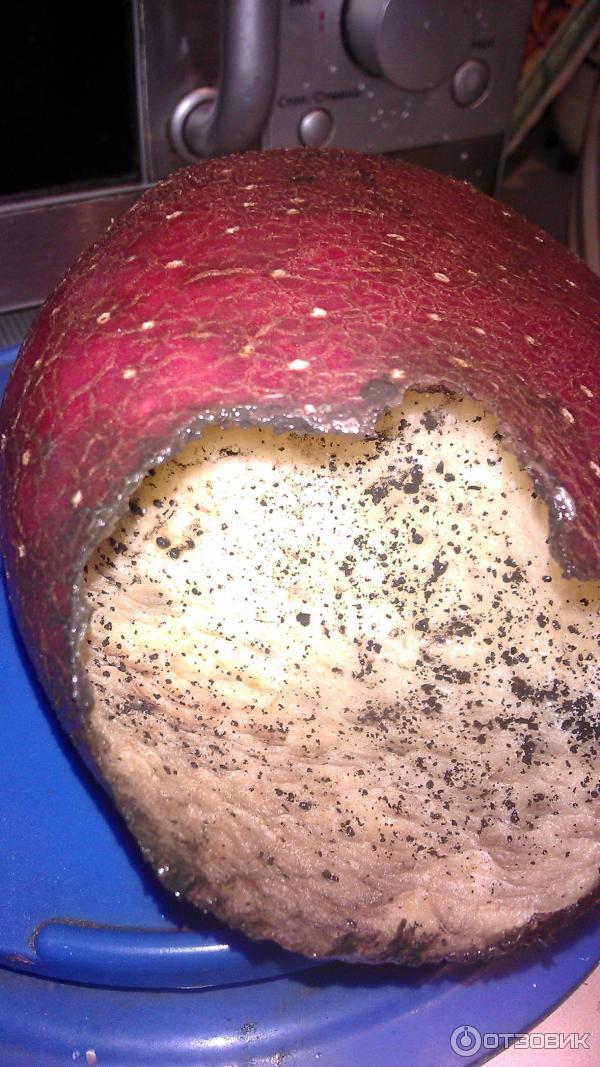
This year, I planted this variety separately in a warm bed and had high hopes for it. The bushes grew to a stunning height: vigorous, green, and bloomed with white flowers all summer long. (I tried to pluck them, but it was useless; they immediately bloomed again. Then I read online that this variety is distinguished by the fact that it continues to grow until late autumn, which can cause cavities in the tubers.)
However, around midsummer, I discovered a couple of wilted bushes, which, upon closer inspection, turned out to be eaten by mice. Basically, my hopes for a big potato harvest in the Sarpo Mira region began to fade away, because once mice have taken up residence in a garden bed, it's hard to get them out. It's a shame to poison them—my cats, even though they're of little use with mice swarming right under my nose. Last year, our Muryska passed away after thirteen years, and the remaining idiots turned out to be absolutely useless at catching mice.
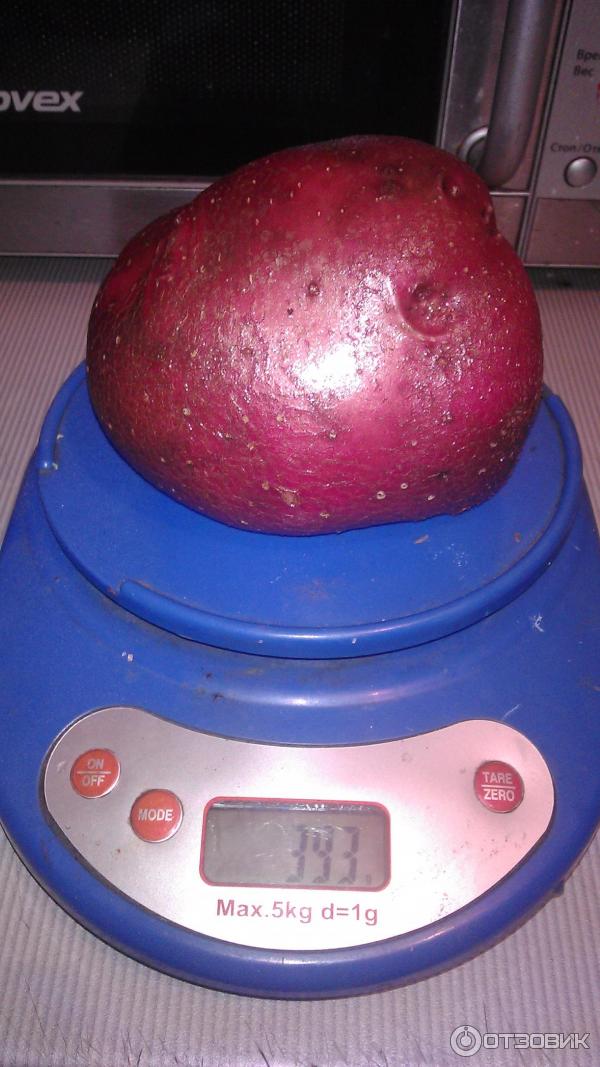
In short, due to the uninvited guests who really enjoyed these potatoes, the harvest turned out to be far less than expected. Although most of the potatoes were large, some were left with only the skins. Incidentally, we haven't yet found any voids (other than mouse-made ones), even in the largest potatoes.
Next year I'll definitely plant Sarpo Mira potatoes, but among regular potatoes, where mice don't make such a fuss as they do in a warm, boarded, multi-layered bed. We've really enjoyed this variety, so I recommend other gardeners try it, especially if late blight is a frequent problem. The tops were still vigorous and green when I dug them up, showing no signs of this affliction.
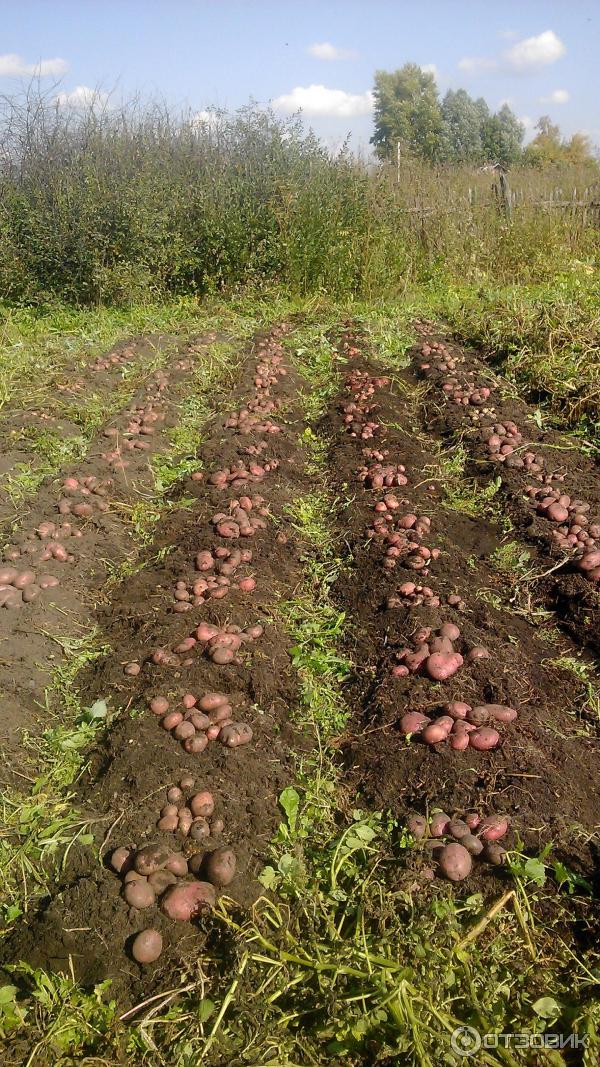
I'm adding a photo from 2019 to my review. This is now a full harvest, and we were very pleased with it. And the whole saga began with just a packet of seeds :-).

October 31, 2017, 12:09 AM
Regarding the Sarpo Mira potato variety, there was a ground frost, and all the potatoes, including the tops, died, but the Sarpo is still standing! I'm going to grow it until the snow sets in; it's been growing for 150 days now, and the tops haven't wilted. Incidentally, the potatoes are very dense and heavier than usual.
Rating: 5
October 11, 2019, 6:32 PM
Manure always spoils the flavor of potatoes, that's a given. No need to apply manure to mid-late potatoes. This variety produces a high yield not from fertilizer, but from a longer growing season! Late varieties always have a higher starch content, meaning they're soft and mushy. Sarpo Mira is an excellent variety for mashed potatoes! Don't apply any fertilizer to it at all! Feed with green manure before and after flowering. Stop watering from late July, unless there's no rain at all. You can water a couple of times in August. If you overdo it with fertilizer and water during the final stages of growth, Sarpo tubers will become hard! Change your farming methods; the taste of this variety is simply superb for mashed potato lovers!
The benchmark! The fluffiest puree!
Rating: 5
The Sarpo Mira variety produces a stable and abundant harvest. All tubers are approximately the same size, have a long shelf life, and boast excellent flavor. It's worth noting that this variety is resistant to late blight. Therefore, it can be grown in areas where there have been recent outbreaks.