
Ariel is a high-yielding variety with excellent flavor and high starch content. It quickly adapts to various climates and can be grown in virtually any region. Its tubers have an extended harvest period—the first harvest can begin as early as 45 days, with the remaining tubers harvested later. Let's take a closer look at the characteristics of this variety.
Content
- 1 Table with the main characteristics of the Ariel potato variety
- 2 Origin of the Ariel potato variety
- 3 Description of the Ariel potato variety
- 4 Advantages and disadvantages of the Ariel potato variety
- 5 Planting Features of the Ariel Potato Variety
- 6 Care
- 7 Protection from diseases and pests
- 8 The nuances of harvesting and storing Ariel potatoes
- 9 Comparison of the Ariel potato variety with other varieties in the table
- 10 User reviews of the Ariel potato variety
Table with the main characteristics of the Ariel potato variety
|
Parameter |
Characteristic |
|
General information |
A mid-early variety of Dutch selection, well adapted to the Russian climate. |
|
Ripening time |
65-70 days. The first collection can be carried out on the 45th day. |
|
Productivity |
Commercial yield: 304-533 c/ha, maximum: 662 c/ha. |
|
Marketability |
88-92%. |
|
Shelf life |
96%. |
|
Starch concentration |
14.3-18.5%. |
|
Color of pulp |
Yellowish white. |
|
Skin color |
Yellow. |
|
Weight |
106-235 BC |
|
Number of tubers on one bush, pcs. |
10-15. |
|
Taste characteristics |
Good and excellent. |
|
Class and appointments in cooking |
Table purpose. |
|
Recommended planting regions |
Central, Volga-Vyatka, Central Black Earth Region, North Caucasus. |
|
Immunity |
To many infections and pests of potatoes. |
|
Growing specifics |
Planting on light soils (sandy, black soil) is recommended. |
|
|
2021 |
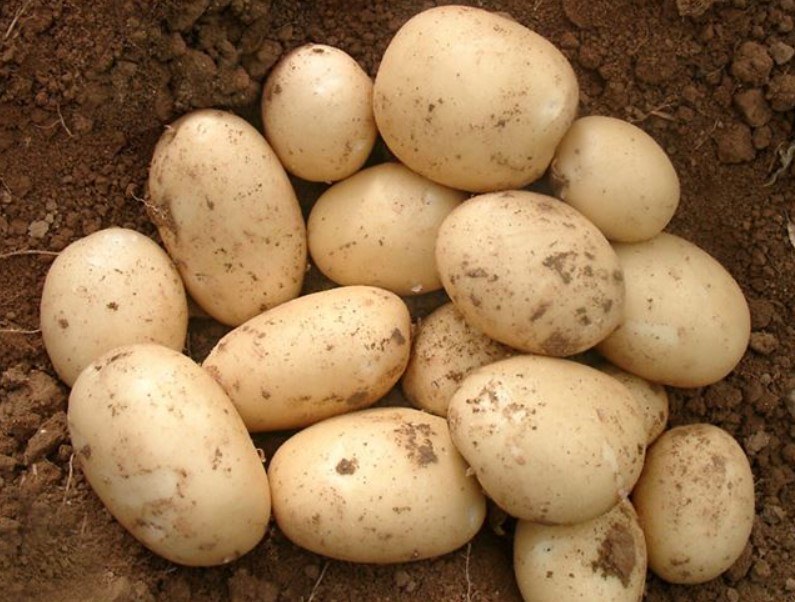
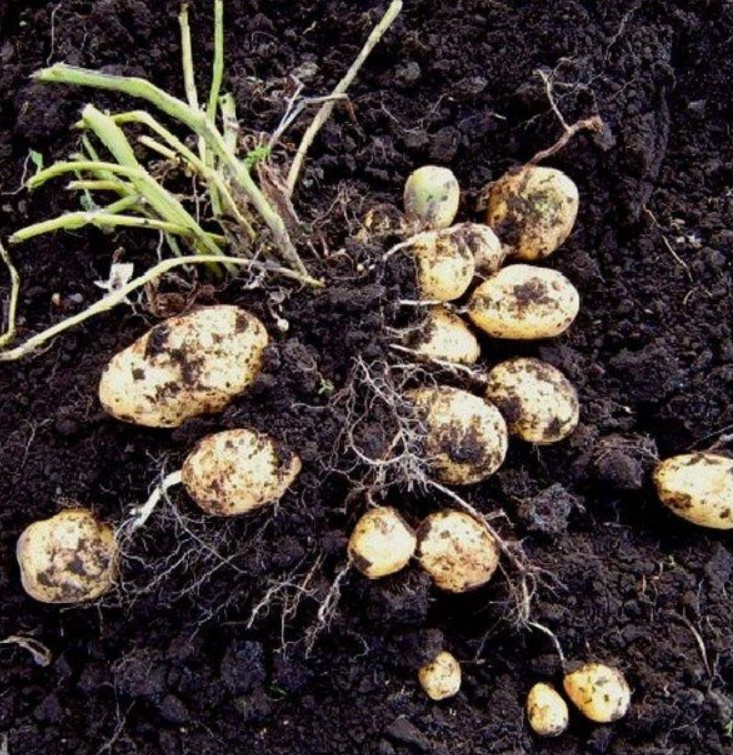
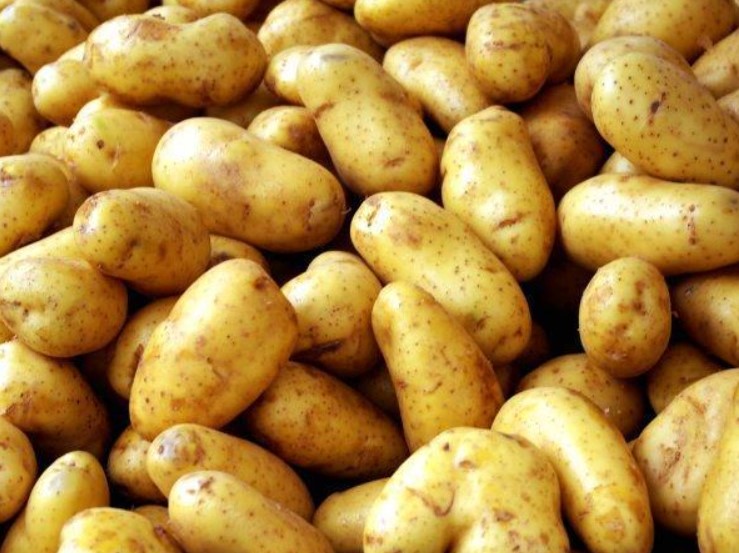
Photo gallery of the Ariel potato variety
Origin of the Ariel potato variety
The variety was developed by Dutch breeders in 2007. Agrico initiated its distribution in Russia. In 2021, the Ariel potato was included in the Russian registry.
Description of the Ariel potato variety
Let's take a closer look at the characteristics of the variety.
Bushes
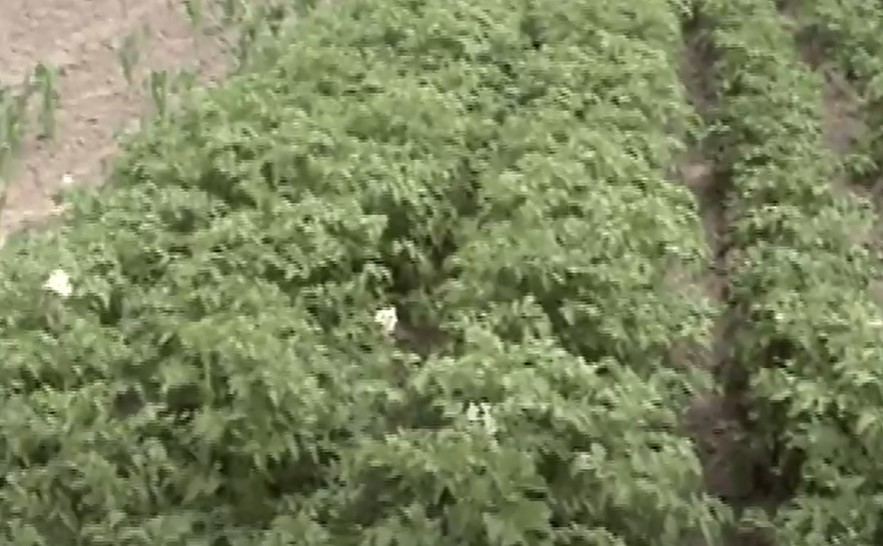
They have moderate branching and can reach medium to tall heights. The leaves are small, slightly wavy, and dark green. The flowers are white, with a yellow or bright yellow corolla.
Tubers
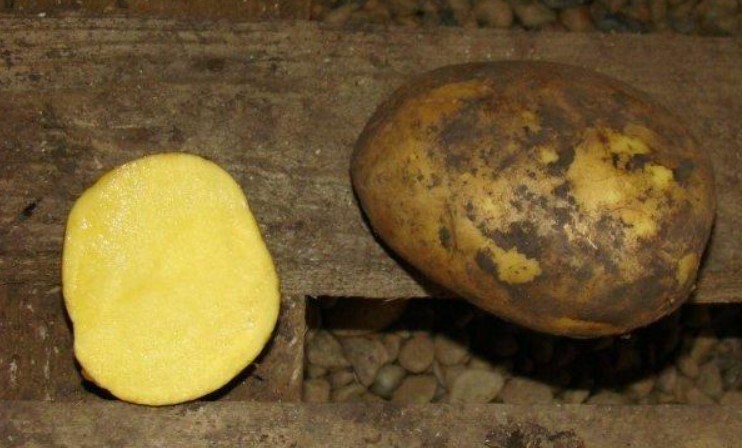
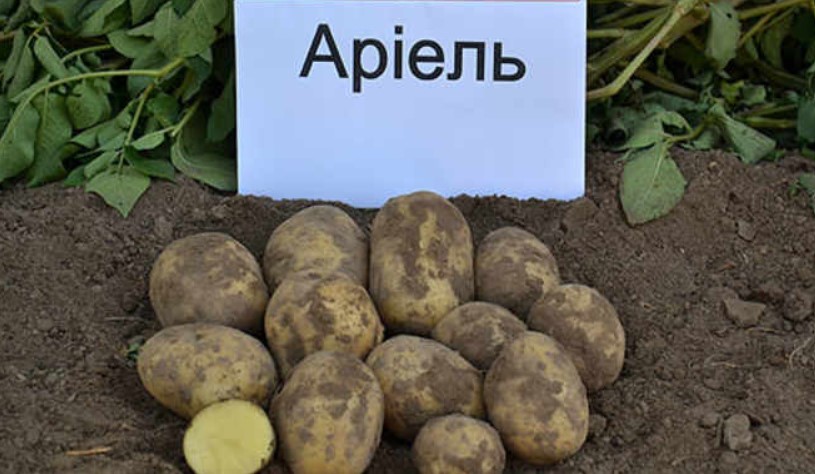
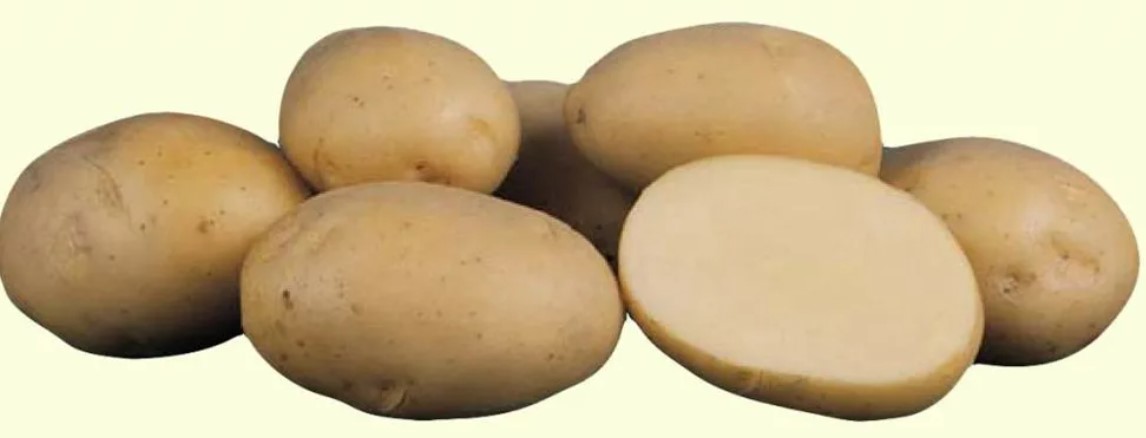
Each plant produces an average of 12 tubers. The potato skin is dark yellow, and the flesh is creamy.
Taste, nutritional value and purpose
It has a very pleasant flavor. It contains 14-18% starch, a lot of protein, and beta-carotene. It can be used to prepare a variety of dishes, from French fries to mashed potatoes. The tubers do not overcook or darken, and the flesh is soft and crumbly.
Productivity, ripening time
Ariel is an early-ripening variety. The first harvest can be harvested as early as 45 days after planting, but it's best to postpone harvesting until the end of the growing season. This variety is characterized by high yields. Depending on cultivation conditions, 1 hectare can yield between 304 and 533 centners.
Resistance to infections and pests
|
Name |
Stability indicator |
|
Cancer |
Stable |
|
Golden nematode |
|
|
Striped mosaic |
|
|
Fruit blight |
Moderate susceptibility. |
|
Phytophthora of the aboveground part |
Moderate durability. |
What regions is it suitable for?
The Ariel variety can be planted in the central and southern climates. In warmer climates, the yield will be twice as high.
Advantages and disadvantages of the Ariel potato variety
|
Pros |
Cons |
|
High yield. Ariel is one of the most prolific varieties in its price category. |
Not every soil is suitable for planting. It doesn't tolerate loam, preferring rich black soil. |
|
Easy to feed. No need for expensive fertilizers. Humus or manure work well. |
Sensitive to weeds, the area needs frequent weeding to ensure the crop ripens well. |
|
High-quality tubers. Small or damaged potatoes are rare during harvest. |
High cost. Ariel is an elite variety, so the price for it is up to 170 rubles per 1 kg of seed. |
|
High content of nutrients. |
|
|
Good resistance to potato diseases. |
Planting Features of the Ariel Potato Variety
To obtain a large number of marketable tubers, it is necessary to follow certain rules when planting.
Requirements for the landing site and its preparation
Before planting the seeds, thoroughly dig the soil to protect the new harvest from last year's pathogens. Seven days before planting the Ariel variety, loosen the soil again with a shovel and fertilize with organic matter. It's important to keep the soil moist, but not too soggy.
Selection and preparation of seed tubers
Before planting potatoes, they need to be germinated in a well-lit area until sprouts reach 2 cm in size. To prevent future problems, they need to be treated with fungicides.
Planting times and rules
In temperate climates, the Ariel variety can be planted in early May. In the south, planting can begin in late April. The soil should warm to 8–10°C. Sunny, windless weather is best for planting this variety.
It's recommended to plant the Ariel variety in light soil. Planting holes should be 10-15 cm deep. Space plants 0.4 m apart, and rows up to 0.7 m apart. Once planted, water the potatoes with warm water.
Care
The variety does not require complex care measures.
Watering
It is necessary to water regularly and in large quantities, but not to flood, especially if there is enough natural precipitation.
Top dressing
If planted in black soil, it doesn't require much fertilizing. In less nutritious soils, adding organic matter will be beneficial.
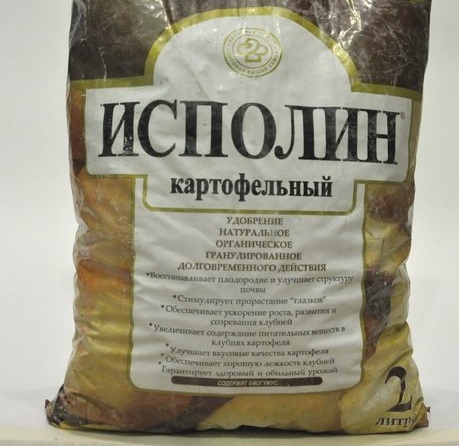
Loosening, weeding, hilling
Loosening the soil is especially important during the growth stage. It provides oxygen to the seedlings, protects against cold during sudden temperature drops, and effectively controls weeds. The first loosening should be done carefully when the seedlings emerge. Subsequently, it is necessary to loosen the soil periodically to prevent a dense crust from forming around the bushes. During rainy summers, the Ariel variety requires more frequent loosening.
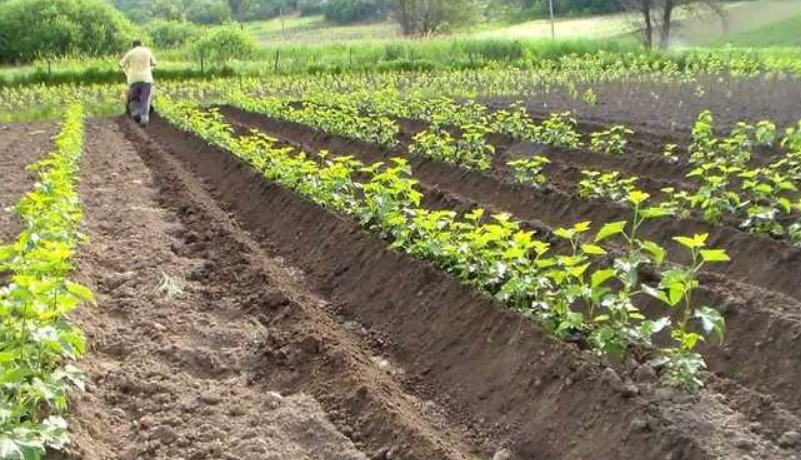
To ensure that the sprouts survive the difficult stages of ripening, it is important to hill up the Ariel variety.
- The first hilling should be carried out when the seedlings reach 7-8 cm in height. They should be completely covered with soil to protect them from frost and bacteria.
- Once the bushes have formed and reached a height of 15-18 cm, a second hilling should be performed. To do this, fill the soil up to the lower layer of foliage.
In good weather, two earthings will be sufficient. If the weather turns cold, the procedure should be repeated during the flowering period.
Protection from diseases and pests
|
Infection/pest |
How does it manifest itself? |
Treatment and prevention |
|
|
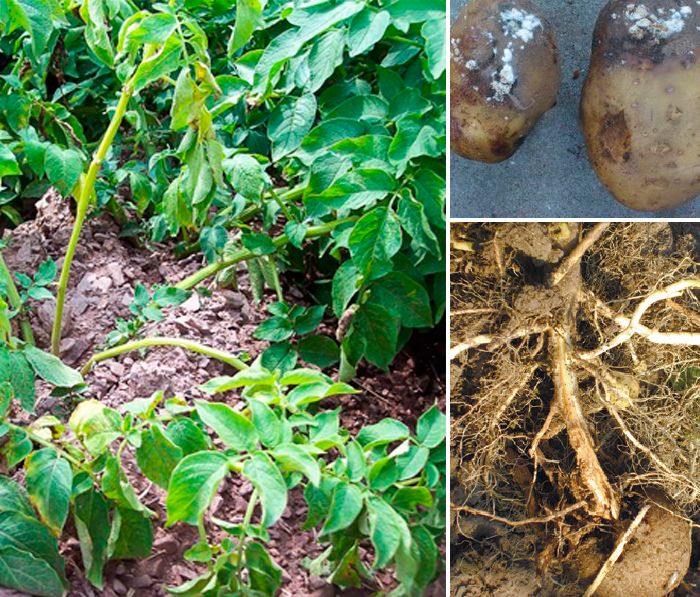
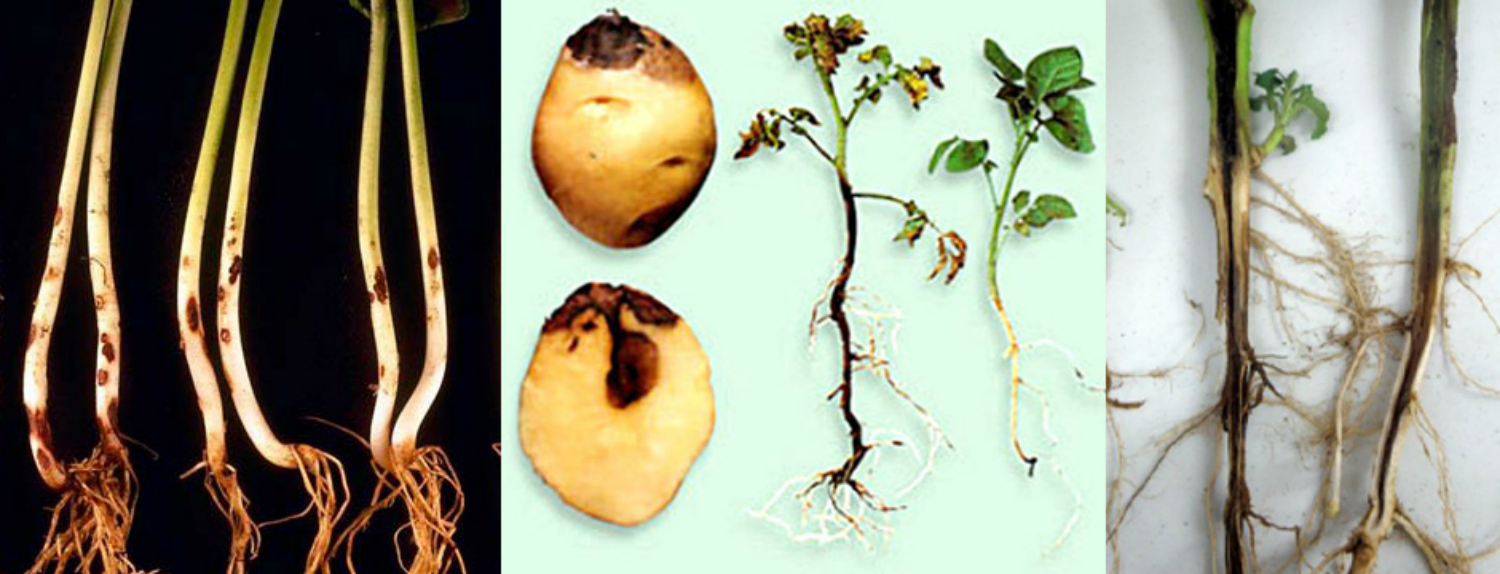
Grayish-brown, slightly sunken areas. Most often develops during storage. |
Treatment with antifungal drugs. To prevent the disease, it is necessary to treat the tubers before planting and warm them up in the sun. |
|
|
Light, putrefactive spots appear at the point of contact with the stolon. As the infection progresses, they spread further. |
Treatment with wood ash or potassium permanganate. Prevention consists of drying and hardening the tubers in the sun. |
|
|
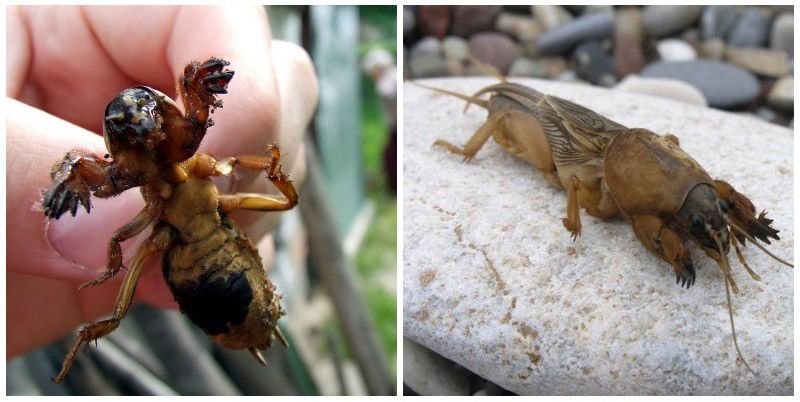
This is a large insect that lives in the soil and feeds on the roots and tubers of crops. |
Prevention involves repelling insects with onion peels and spruce branches. |
The nuances of harvesting and storing Ariel potatoes
The mass harvest begins in the second half of August. A week beforehand, the above-ground part of the potato should be removed down to the roots. This will ensure larger potatoes and a better flavor. It's recommended to harvest on a sunny day so the tubers can dry.
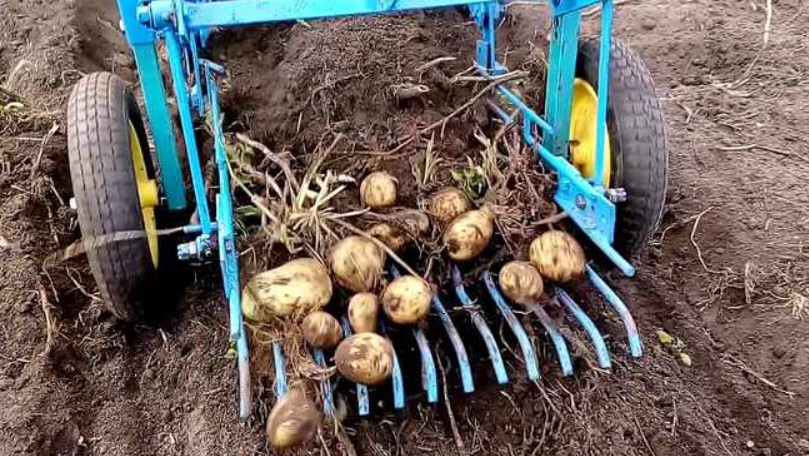
Ah, you know that You can make a potato digger with your own hands.?
Store potatoes in a cool, well-ventilated cellar. It's best to pack them in wooden crates and keep them away from other crops. Sort the tubers monthly, discarding any diseased or damaged ones.
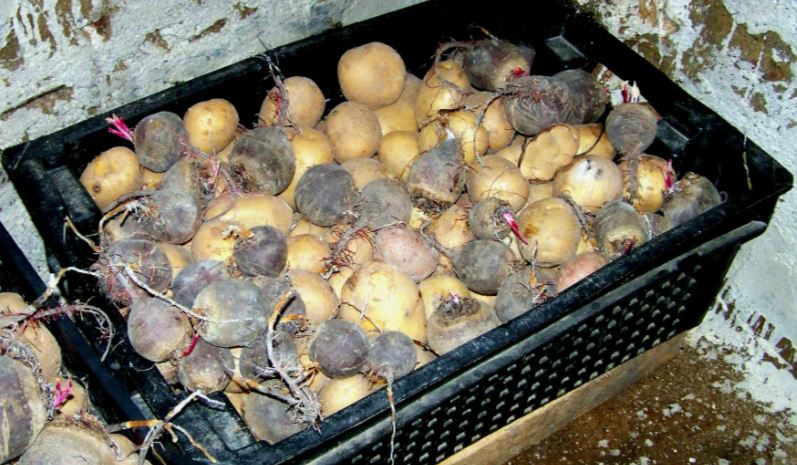
More details about different ways to store potatoes, you can read on our website.
Comparison of the Ariel potato variety with other varieties in the table
| Variety | Ripening period (number of days to maturity) | Starch (%) | Yield (c/ha) | Weight of tubers (g)
Number of tubers per bush Color of tuber, pulp |
Shelf life (%) |
| Ariel | Mid-early** | 14.3-18.5 | 304-533 | 106-235
10-15 yellow, yellowish-white |
96 |
| Adretta | Mid-early** | 13-18 | 450 | 100-150
10-25 yellowish, light yellow |
95 |
| Prime | Mid-early** | 11.2-13.4 | 170-415 | 92-148
7-12 yellow, cream |
96 |
| White Night | Mid-early** | 10.9-16.9 | 250 | 120-215
up to 12 light, creamy |
90 |
| Vega | Mid-early** | 10-16 | 230-380 | 90-120
8-12 yellow, light yellow |
99 |
| Vineta (Veneta) | Early ripening | 12.9-15.2 | 160-228 | 67-95
13 yellow, light yellow |
87 |
| Gala | Mid-early** | 12-14 | 263 | 71-120
8-15 yellow, yellow |
95 |
| Colombo | Early ripening* | 11-15 | 230-450 | 100-130
12-14 yellow, light yellow |
95 |
| Queen Anne | Early ripening* | 13.1-14.4 | 393-604 | 84-137
14-16 yellow, yellow |
93 |
| Kolobok | Mid-season*** | 11-13 | 130-250 | 90-140
15-18 yellow, yellow |
96 |
| Latona | Early ripening* | 16-20 | 400-450 | 90-140
10-15 yellow, yellow |
96 |
| Breeze | Mid-early** | 10-16 | 160-395 | 130-150
8-12 yellow, yellow |
97 |
| Jewel | Early ripening* | 10-15 | 700 | 80-150
15-20 yellow, light yellow |
94 |
| Innovator | Mid-early** | 12-15 | 320-344 | 83-147
6-11 creamy, soft yellow |
94 |
| Lapis lazuli | Early ripening* | 13.5-15.7 | Up to 270 | 92-120
6-11 yellow, white |
96-98 |
| Treasures | Mid-season*** | 12-18 | up to 650 | 95-250
12-18 yellow, yellow |
94 |
| Banker | Mid-early** | 15-16 | 200-350 | 70-160
10-15 soft yellow, light yellow |
90 |
*Early ripening – 50-65 days.
**Mid-early – 65-80 days.
***Mid-season – 80-95 days.
****Mid-late – 95-110 days.
User reviews of the Ariel potato variety
Gardeners highly rate this potato variety, noting its taste and yield.
09.09.19
The Ariel planted on May 18th is still green, the soil is moist, the temperature is very comfortable, the plant is operating, and I think it won't disappoint me. The Ariel planted on May 10th is already turning yellow, the lower leaves are drying up, the plant's workshops are closing, having exhausted their usefulness, and soon the entire plant will cease to exist. Only the starchy fruits of the leaves will remain in the tubers, warming me with accumulated sunlight during the cold winter. Sorry, I'm getting a bit poetic.
I dug up Ariel, a 4-meter plot, minus two bushes. Combined with the 4-meter plot, I harvested 45.8 kg. The yield is just over 14 kg/m². I'm shocked. The second 10-meter plot is almost completely green.
There is no scab at all this year.
So, Ariel vs. Debut, the final report. Both varieties were purchased in Korenevo, both super-elite, in adjacent beds. Ariel had more beautiful foliage, but it was the first to catch late blight and was outperformed by both Debut and the Meteor variety (the control).
Ariel's flesh is yellow, the starch content is average, the taste is good, nothing more.
Debut has lighter flesh, is starchier, and has a very good flavor. Both varieties are inferior in flavor to the Gala variety.
Debut failed to catch up with the super-plastic Meteor in terms of yield and large fruits.
I'm leaving Debut for further variety testing; Ariel isn't a fighter in loamy soils, so I'm parting with it.
And yet, Ariel is a huge step forward compared to the varieties I planted in the 90s: Ukama, Sante, etc.
I bought Riviera and Ariel
Ariel started blooming early; I dug up a chicken egg-sized potato in early June. It was all early and tasted fine, but if you're a bit slow when cooking, it can fall apart. I dug up the rest in August—the potato size remained the same, and it hadn't grown at all. It seems that was its normal natural size; it doesn't grow any larger. It's only worth growing it for early harvests.
Riviera is early, large, white, has a good taste, and doesn't overcook. However, it does have dark veins.
I grew Ariel potatoes. They taste like soap, inedible. Can I use them to grow seeds?
"I grew Ariel potatoes, they taste like soap, inedible. Can I use them for seed? I have four varieties growing nearby, and they're all great. The seeds are super-elite from Lorkh (Korenevo, Moscow Region)."
In 30 years of growing potatoes, this is a first. I planted them in soil that had been rested for a year, after green manure. No fertilizer, just watering, hilling, and fighting Colorado potato beetles. What's a shame, Ariel turned out to be the most fertile compared to Fritella, Izuminka, Meteor, and Gulliver.






Thank you. Very informative)))