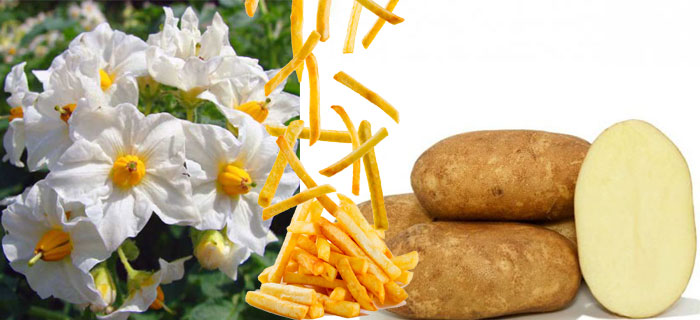
The Innovator variety is widely grown throughout Russia, both for industrial purposes and in small farmsteads and garden plots. The Innovator variety is considered one of the best for making French fries.
Content
- 1 General characteristics of the Innovator potato variety in the table
- 2 The origin of the Innovator potato variety
- 3 Detailed description of the Innovator potato variety
- 4 Advantages and disadvantages of the Innovator potato variety
- 5 Planting Features of the Innovator Potato Variety
- 6 Caring for the Innovator potato variety
- 7 Protection against potato diseases and pests (table)
- 8 The nuances of harvesting and storing the Innovator potato variety
- 9 Comparison of the Innovator potato variety with other varieties in the table
- 10 Real reviews from gardeners about the Innovator potato variety
General characteristics of the Innovator potato variety in the table
This mid-early variety is popular due to its excellent resistance to adverse weather conditions and some dangerous diseases. It also boasts excellent flavor, long shelf life, and high yields.
Key Features:
| Parameter | Characteristic |
| General information | Mid-early variety. |
| Ripening time | 60-90 days after emergence. |
| Starch concentration | 12-15% |
| Marketability of tubers | 83-147 g |
| Number of tubers on one bush | 6-11 pcs. |
| Productivity | On an industrial scale 320-330 centners per 1 hectare, in private farms 15-30 kg per 1 sq. m. |
| Class and purpose in cooking | 3-4. For frying, salads, fries, stewing and baking, for chips and mashed potatoes. |
| Taste characteristics | Good taste, does not boil over. |
| Marketability | 82-96% |
| Shelf life | 95% |
| Peel color | Creamy. |
| Color of pulp | Soft yellow |
| Eyes | Shallow, small, and sparsely located. |
| Color of inflorescences | Snow-white. |
| Suitable regions for growing | Central, Volga-Vyatka, Central Black Earth. |
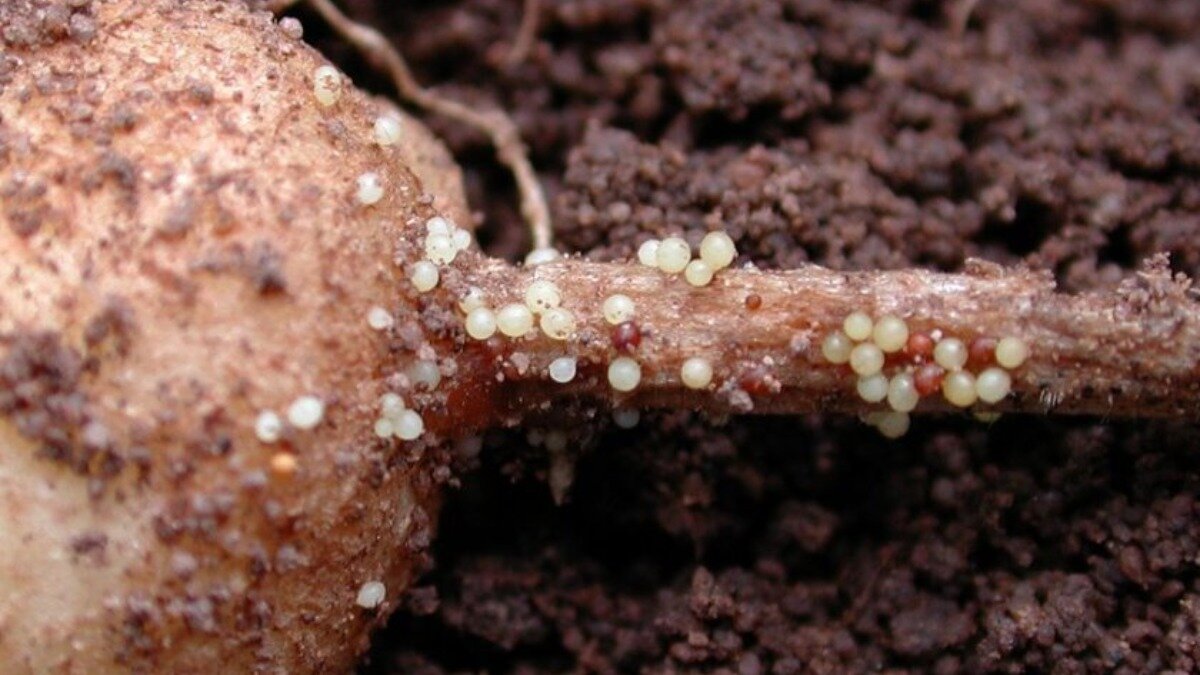
| Disease resistance | High: cancer, pale nematode. Medium: late blight, scab. Low: rhizoctonia, golden nematode. Susceptible to attacks by the Colorado potato beetle. |
| Growing specifics | Deep planting. |
| 2010 |
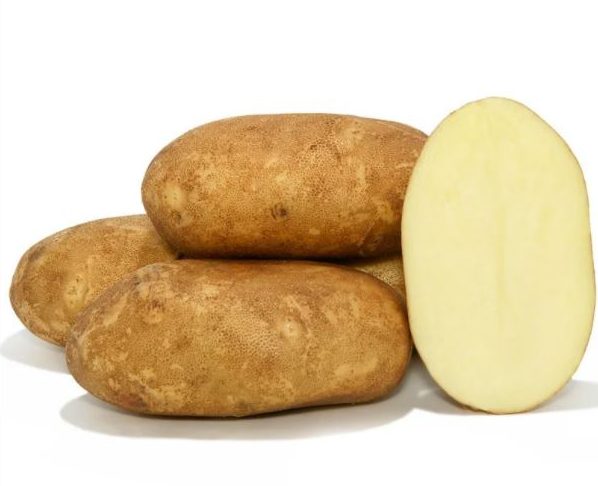
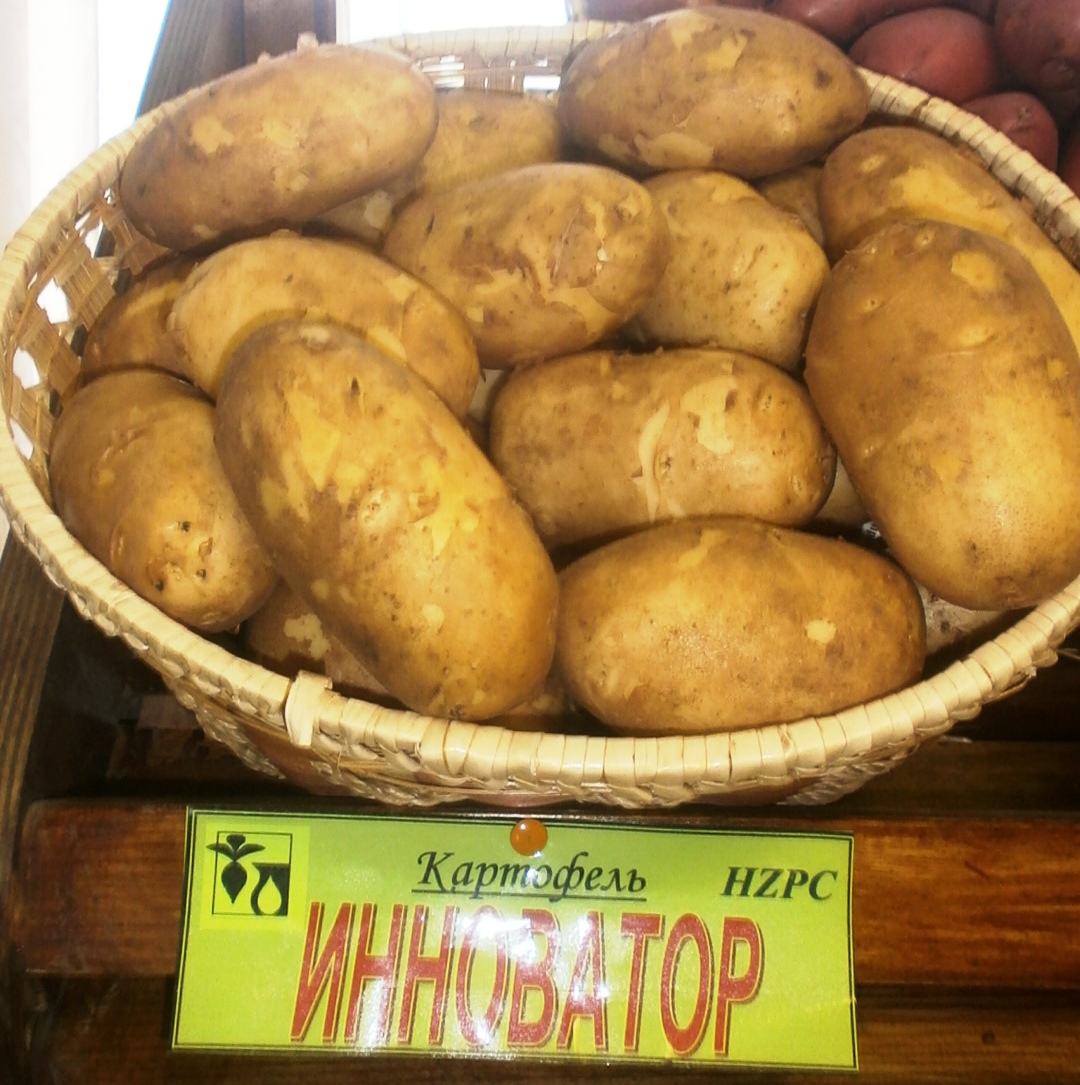
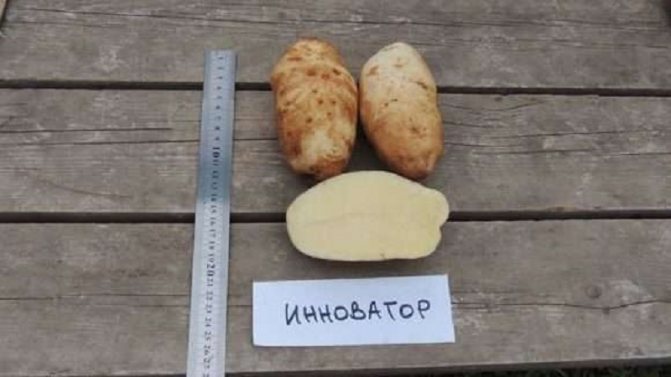
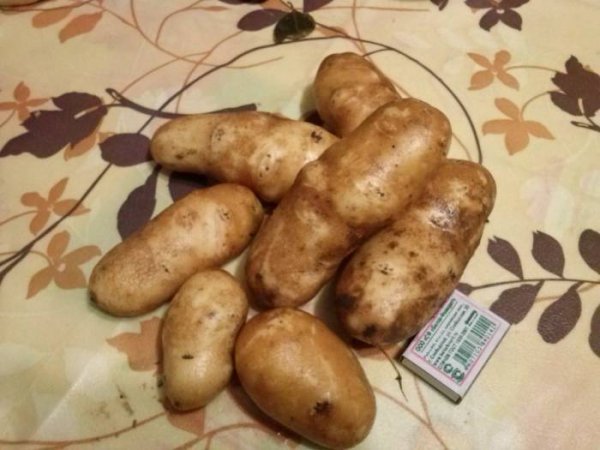
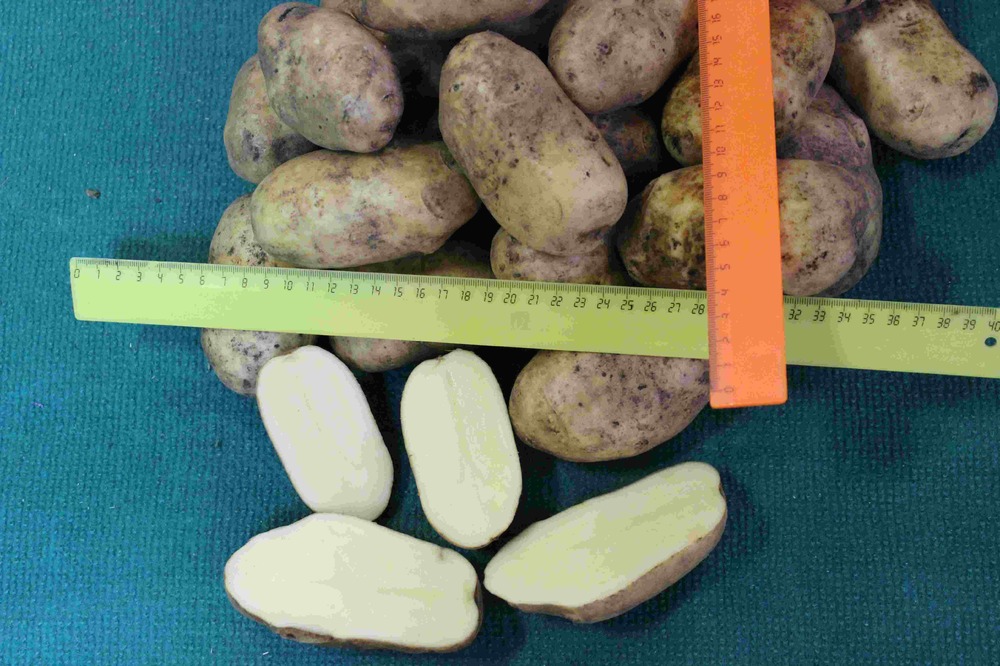
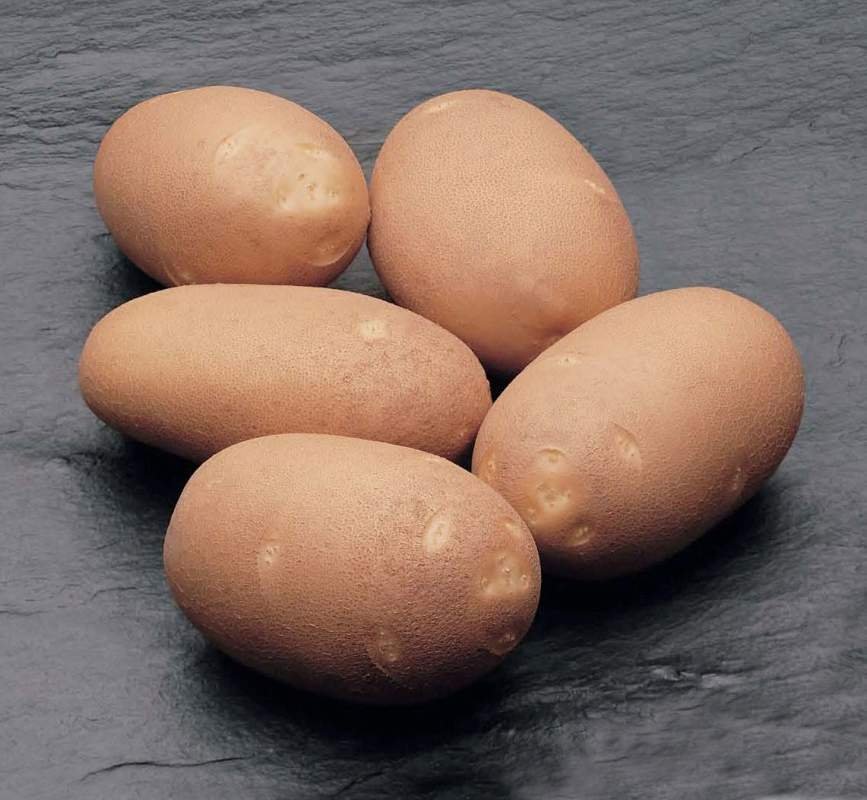
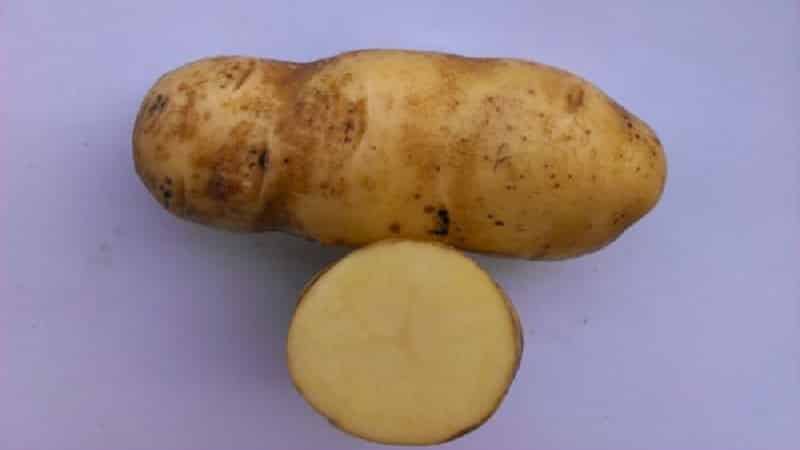
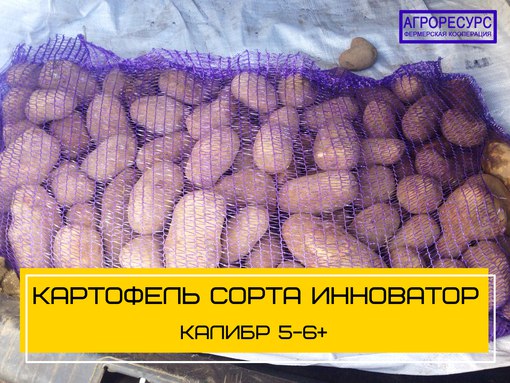
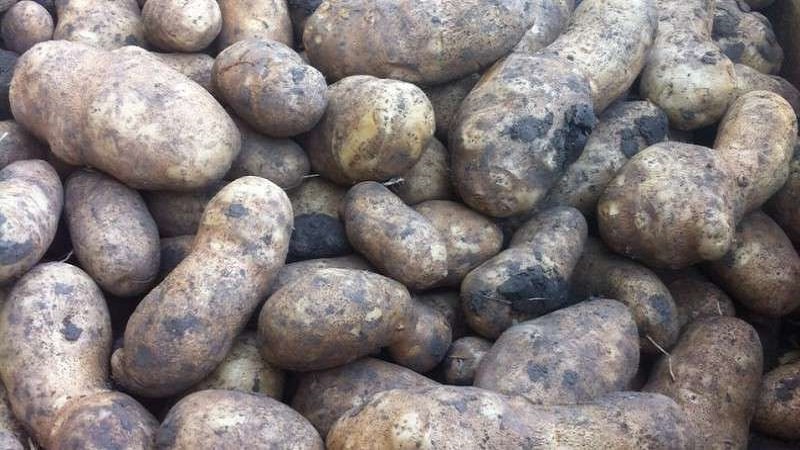
Photo of the Innovator variety:
The origin of the Innovator potato variety
Developed by HZPC Holland BV (Holland). It has been cultivated in Russia for about 20 years, but was only added to the registry in 2010. Various farms located in the Tyumen and Sverdlovsk regions, the Moscow region, Tatarstan, and Stavropol Krai are listed as domestic originators.
Detailed description of the Innovator potato variety
Let's look at the main characteristics.
Bushes
The shoots are erect and short, no more than 0.6-0.7 cm tall. The stems are spreading, with medium foliage.
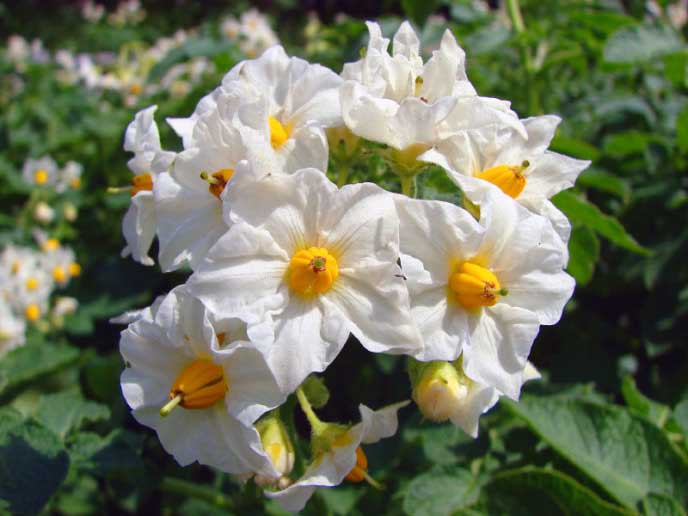
The leaf blades are large, soft emerald, with moderate waviness along the perimeter.
The flowers are large and snow-white. Berries appear rarely.
Tubers
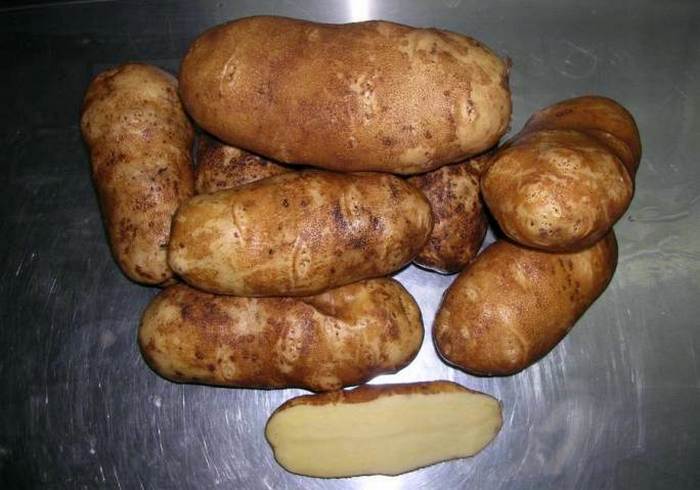
Oval, approximately the same size. The skin is light yellowish and rough. Small, shallow eyes may appear on it.
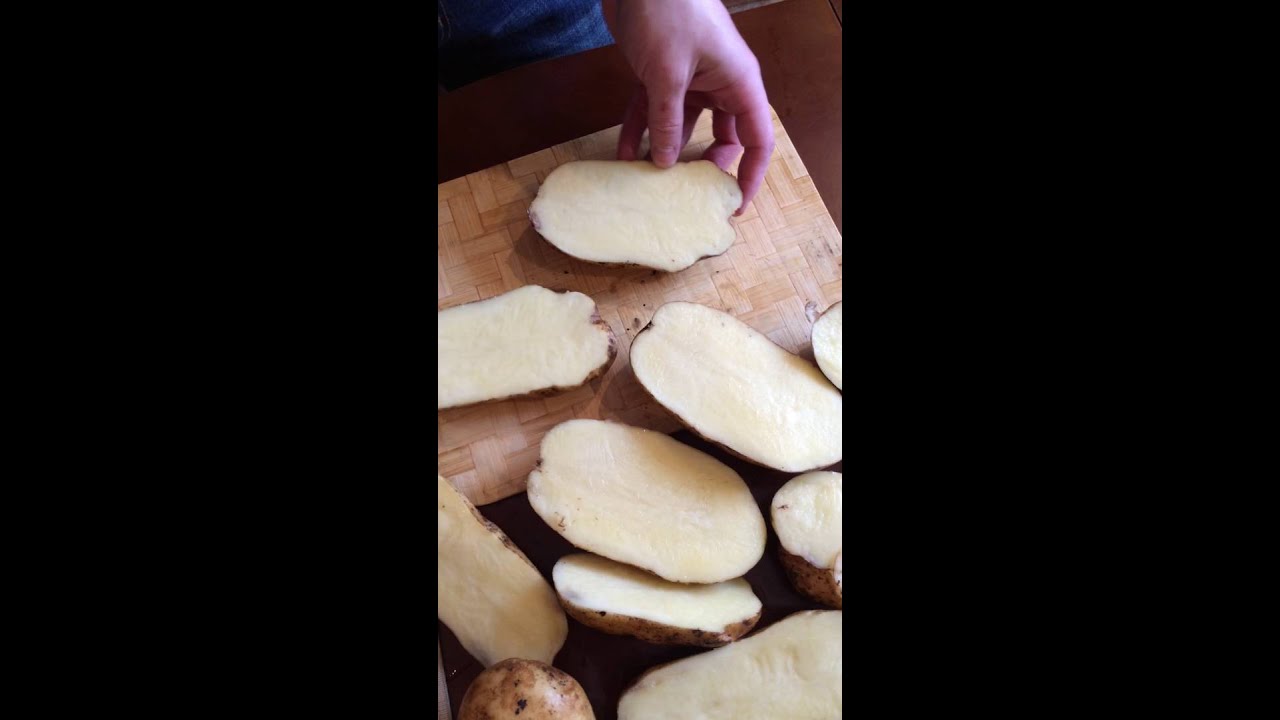
The flesh is light yellowish and firm. It is easily cooked. It retains its color after cooking or freezing.
Nutrients and nutritional value
The product contains:
- ascorbic acid;
- vitamin K;
- iron;
- potassium;
- manganese;
- copper;
- folic, nicotinic, oxalic acid;
- essential amino acids;
- saturated and unsaturated fatty acids;
- purines, etc.
The calorie content is low, 100 g of the product contains approximately 70-80 kcal.
Productivity, ripening time
It is a stable, high-yielding variety. Farmers can harvest 320-330 centners per hectare. In gardens, the yield is approximately 15-30 kg per square meter. The highest yield was recorded in the Kirov region, where 344 centners per hectare were harvested.
New potatoes are ready for consumption after just 60 days. Technical maturity occurs in 70-90 days, depending on the growing region.
Resistance to diseases and pests
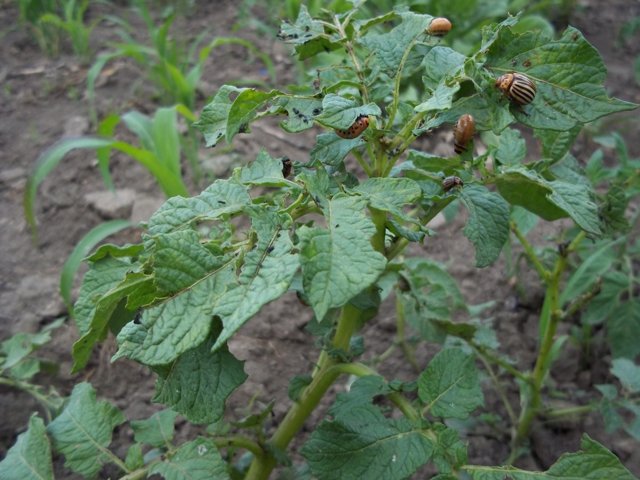
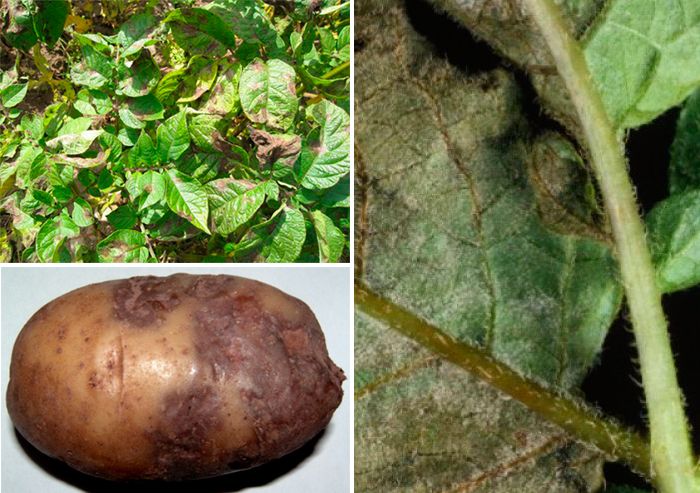
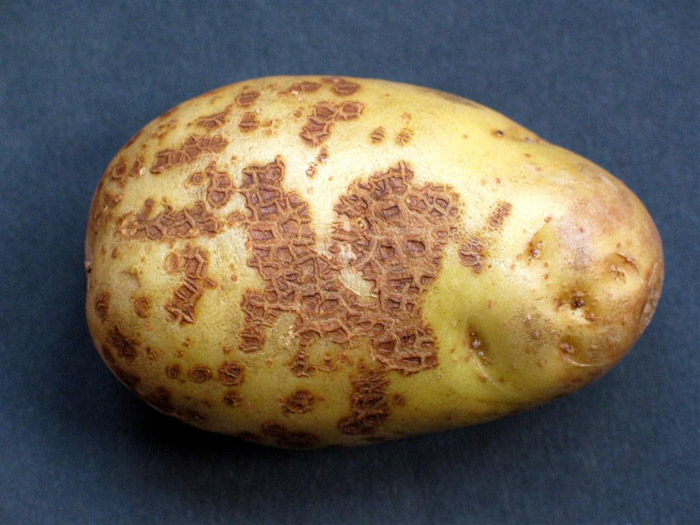
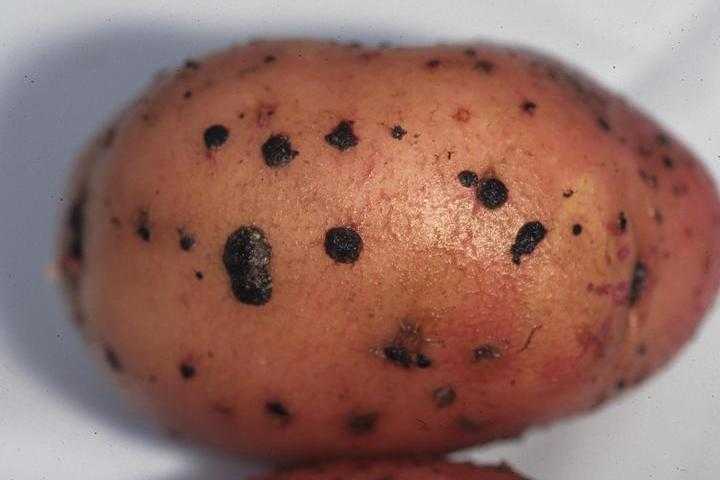
Resistant to potato wart and pale nematode. Shows moderate resistance to late blight and scab. Innovator is susceptible to rhizoctonia, Colorado potato beetle, and golden nematode.
| Name of the disease | Degree of stability |
| Cancer | High |
| Rhizoctonia | Average |
| Cyst-forming nematode | Pa 2.3 |
| Late blight of tubers and tops | Tubers: 5, 5. Tops: 7. |
| Common scab | 6.5 |
What regions is it suitable for?
Potatoes are recommended for cultivation in the Central, Volga-Vyatka, and Central Black Earth regions. However, due to their good adaptation to harsh weather conditions and drought, they are also suitable for planting in Siberia and southern Russia.
Advantages and disadvantages of the Innovator potato variety
The advantages include:
- a relatively short period between emergence and harvest;
- consistently high yields;
- excellent product characteristics (appearance, shelf life, transportation);
- no special soil requirements for cultivation;
- resistance to drought and cold.
The Innovator's disadvantages include its susceptibility to rhizoctonia, Colorado potato beetle, and golden nematode. However, with timely prevention, these problems can be avoided.
Planting Features of the Innovator Potato Variety
To get a good harvest, you need to follow certain requirements.
Requirements for the landing site and its preparation
The variety grows well in any soil, but especially in sandy loam with high fertility and neutral acidity.
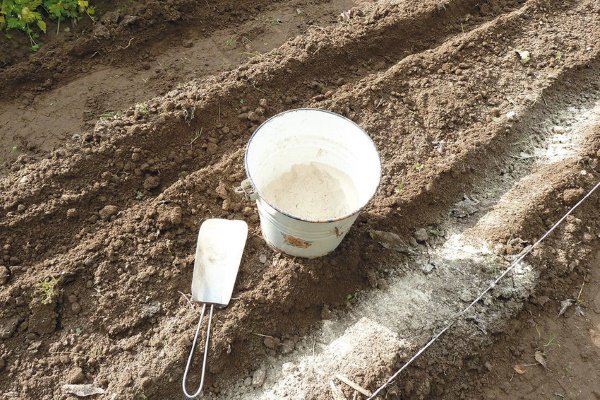
To achieve these characteristics, you need to make:
- sand or sawdust at the rate of one bucket per 1 sq. m in heavy clay soil;
- lime or dolomite flour (500/200 g per 1 sq. m) in too alkaline soil.
Please note! To prevent infections and promote better development, it is recommended to add a cup of wood ash to each hole before planting. It would also be beneficial if the soil was dug in the fall and superphosphate, manure, and compost were added.
Selection and preparation of seed tubers
Step by step actions:
- Sort the potatoes into boxes in a layer of about 3 cm.
- Spray the planting material with warm water twice a day.
- For the first week, keep the boxes at a temperature of +18°C, then lower it to +15°C.
- After 21 days, select the planting material. Suitable tubers must have formed skins and sprouted eyes. Tubers with spots or damage must not be used.
- Place the seedlings in a box filled with compost, sprout-side up. Cover the tubers with peat moss. There should be no more than four rows in a box. Periodically moisten the potatoes with a mineral solution.
- After 40 days, the tubers will be ready for planting. They can be placed in open ground beds.
Planting times and rules
Planting can begin in May, or earlier in southern regions. The most important thing is to allow the soil to warm up to 7°C.
The planting depth should be at least 10 cm. If the soil is light, then 15 cm. The distance between tubers is 35 cm, and between adjacent rows 75 cm.
Caring for the Innovator potato variety
For a bountiful and healthy harvest, not only correct planting is important, but also subsequent care.
Watering
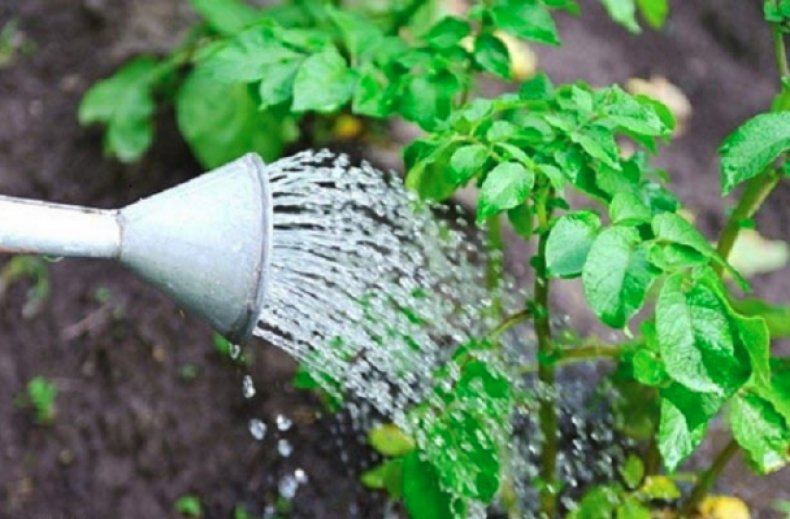
Potatoes should be watered for the first time when buds begin to form. The plants should be watered again after flowering. After this, water moderately. The top layer of soil should always be slightly moist, but not soggy, as this can lead to the development of various diseases.
Top dressing
The following can be used as fertilizer:
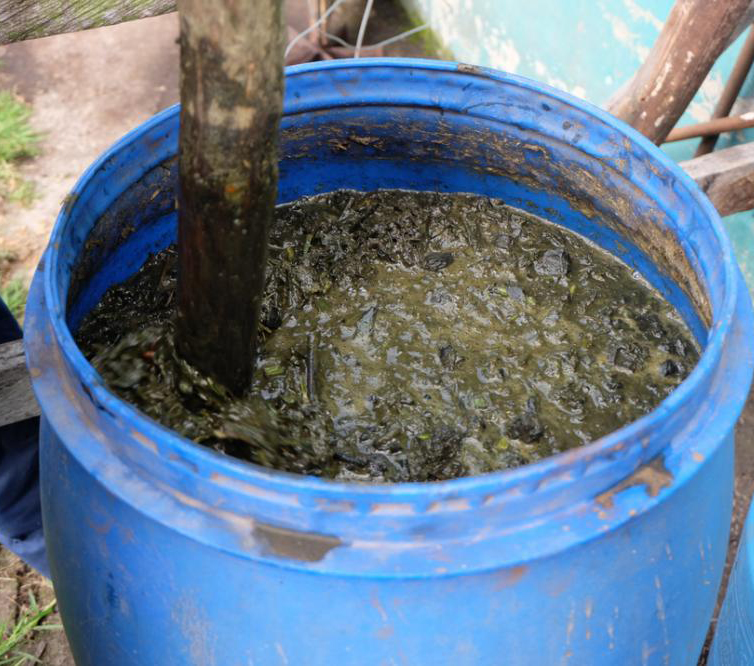
- bird droppings diluted with water 1 to 10;
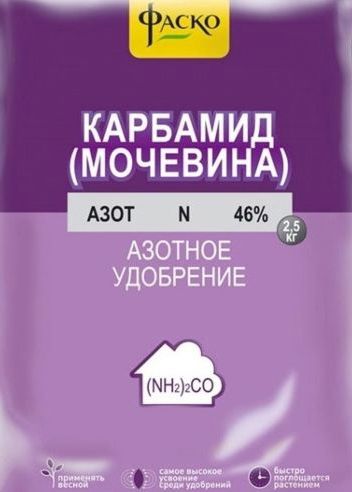
- urea (1 tbsp per 10 l);
- mullein (1 l per 10 l).
In spring, you can use complex mineral fertilizers, following the instructions on the package.
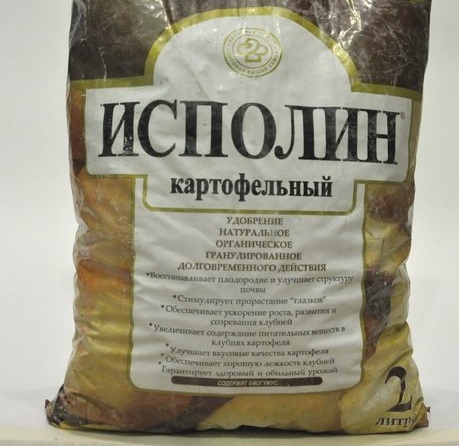
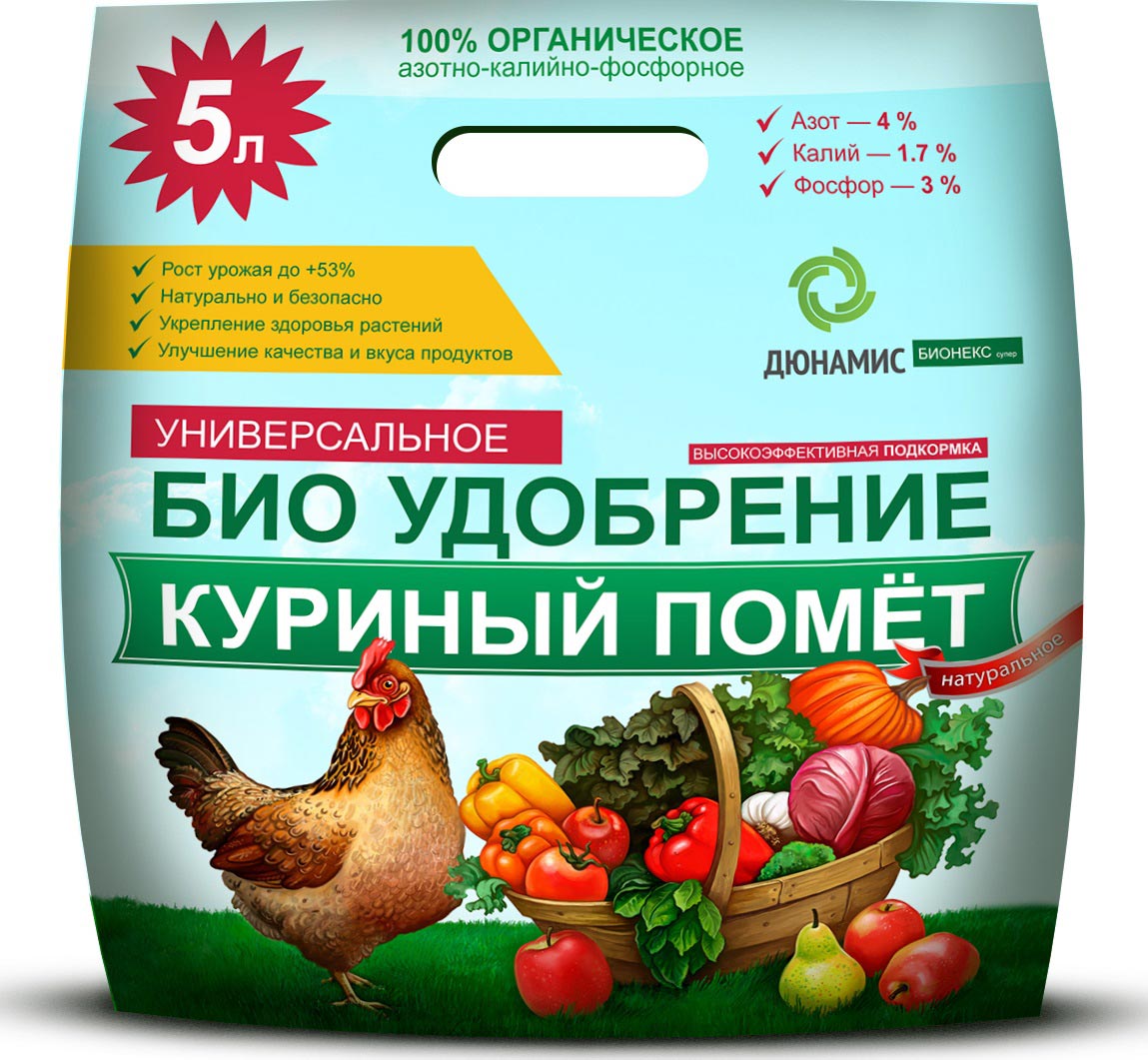
Any nutrient mixtures are poured into the spaces between rows to avoid burning the root system.
Loosening, weeding, hilling
Loosening the soil is essential to improve the flow of oxygen and nutrients to the roots. This should be done no more than three times per season.
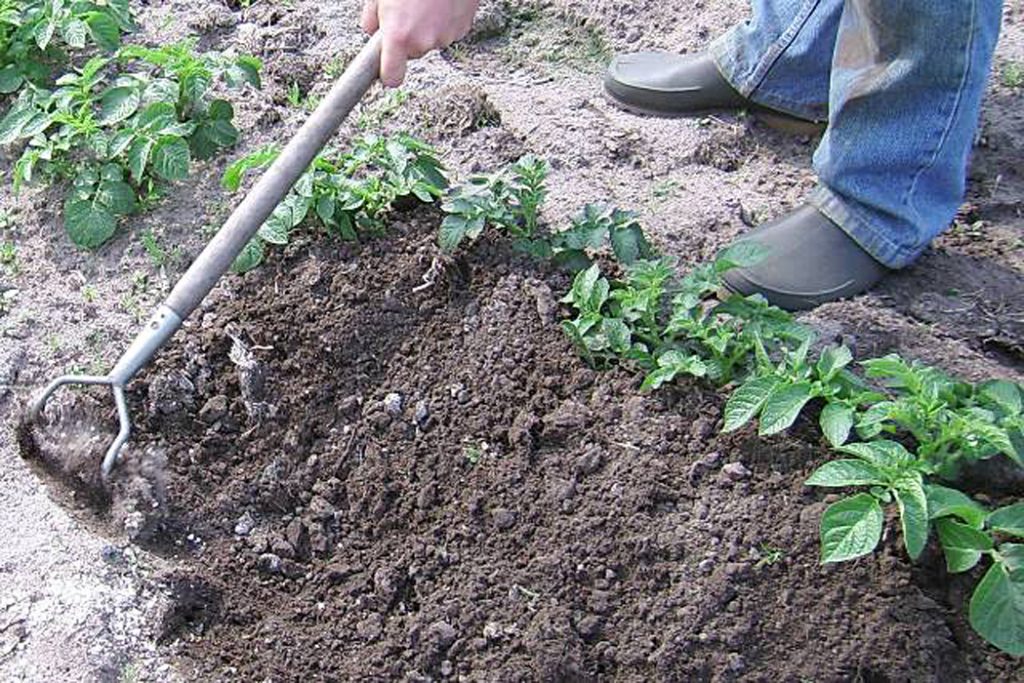
The frequency of weeding depends on how the potatoes are grown. If sprouted tubers are planted, weeding should be done three weeks after they are planted outdoors and before flowering begins. When using seeds, weeding may be necessary even before germination if weeds appear first.
Hilling should be done 3 times during the growing season:
- 3 weeks after planting;
- in another 21 days;
- before flowering begins.
Important! Hilling should be done after rain or watering. Raking soil from the space between rows toward the potatoes.
Protection against potato diseases and pests (table)
The table below presents measures for the prevention and control of infections and parasites that most often affect Innovator.
| Disease/pest | Prevention | Treatment |
| Rhizoctonia (black scab)
|
|
The disease is not treatable. The affected bush must be immediately dug up and burned to prevent the infection from spreading. |
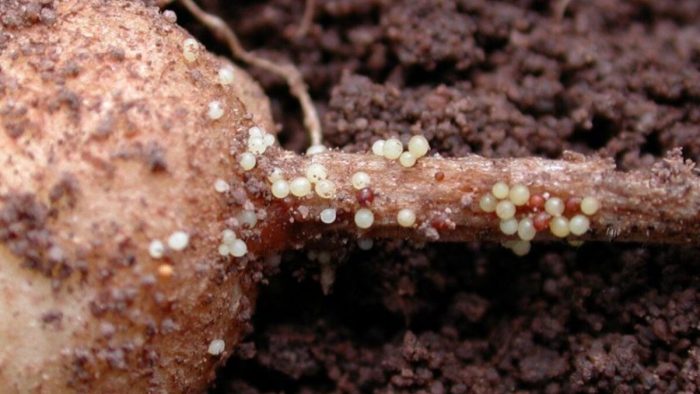
| Golden nematode |
Use of drugs:
|
|
| Colorado beetle
|
|
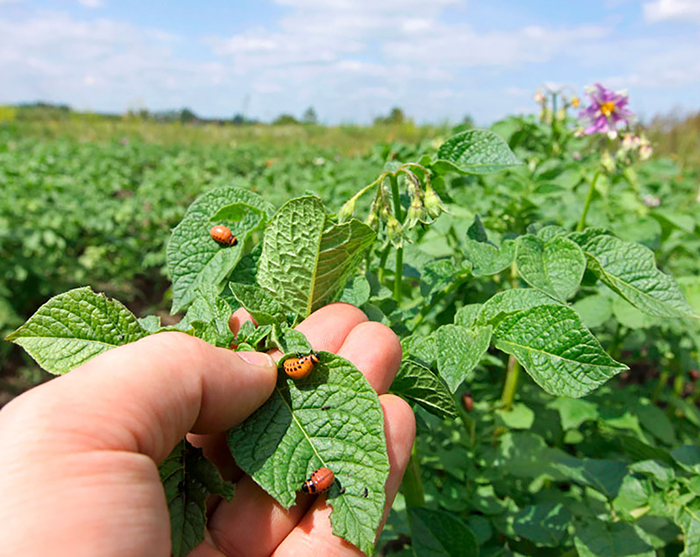
The nuances of harvesting and storing the Innovator potato variety
Before harvesting, it's important to check the technical maturity of the crop (if it's being stored). To do this, dig up one bush; the tubers should have a firm skin.
Harvesting should be done in sunny, dry weather. Dig up the tubers in the morning and spread them out in the beds until evening. Then, move them to a shaded area under a canopy and dry them outdoors for three days. Next, sort the tubers into wooden boxes and store them in a cellar or basement.
Please note! Harvest times vary by region. Preferred months are late August through September.
Comparison of the Innovator potato variety with other varieties in the table
| Variety | Ripening period (number of days to maturity) | Starch (%) | Yield (c/ha) | Weight of tubers (g)
Number of tubers per bush |
Shelf life (%) |
| Innovator | Mid-early*** | 12-15 | 320-344 | 83-147
6-11 |
94 |
| Strongman | Mid-early*** | 10-12 | 127-275 | 80-105
15-20 |
97 |
| Ilyinsky | Mid-early*** | 15.7-18 | 176-346 | 55-160 8-13 |
93 |
| Armada | Early ripening** | 17-18 | 230-370 | 96-130
9-14 |
80-85 |
| Giant | Mid-season**** | 16-19 | 290-424 | 100-140
8-13 |
97 |
| Explosive | Early ripening** | 16-17 | 156-240 | 110-150
8-14 |
95 |
| Zekura | Mid-early*** | 13-18 | 350-370 | 60-150 12-20 |
98 |
| Kolobok | Mid-season**** | 11-13 | 130-250 | 90-140
15-18 |
96 |
| Handsome | Mid-early*** | 12.4-17.8 | 169-201 | 90-170
6-10 |
97 |
| Latona | Early ripening** | 16-20 | 400-450 | 90-140
10-15 |
96 |
| Memphis | Mid-early*** | 14.2-16.7 | 330-610 | 80-160
9-11 |
94 |
| Meteor | Early ripening** | 10-16 | 210-405 | 100-150
10-12 |
95 |
| Molly | Early ripening** | 11.4-13.4 | 171-308 | 98-142
20-25 |
82 |
| Nakra | Mid-season**** | 18-22 | 203-308 | 65-160
6-11 |
95 |
| Nikulinsky | Mid-late***** (late******, up to 120 days) | 21.3 | 170-420 | 70-120
12-15 |
97 |
| Rosalind | Early ripening** | 12-17 | 203-223 | 60-115
10-16 |
94 |
| Bellarosa | Ultra-early* | 12-16 | 350-550 | 100-200
7-15 |
93-96 |
*Ultra-early – 35-50 days.
**Early ripening – 50-65 days.
***Mid-early – 65-80 days.
****Mid-season – 80-95 days.
*****Mid-late – 95-110 days.
******Late – 110 days or more.
Real reviews from gardeners about the Innovator potato variety
The Innovator variety is known for its high yield and excellent taste, as evidenced by numerous reviews from gardeners. Here are a few.
User Victoria
August 1, 2018:
I bought 4 kilograms of potatoes this year, 2018. Innovator When I planted it, I thought it wouldn't be enough. We dug up one bush at the end of July and counted 31 mature tubers and 5 immature peas. What a yield! Plus, this variety turned out to be very tasty.
…the same March 18, 2019:
Litter Innovator Very productive. We harvested 6 bags from a 4-kilogram plant this summer. Delicious mashed and fried, and baked, these potatoes are practically unrivaled. But most importantly, they don't turn tough in first courses after refrigeration. I highly recommend them!
User Nadfi
I liked Lorkh and Innovator.
The fried lorkh was a little dry (but maybe that's why I didn't use enough oil), and the baked one (in the microwave) tasted like the country potatoes I remember from my childhood. Apparently, it was a common variety :).
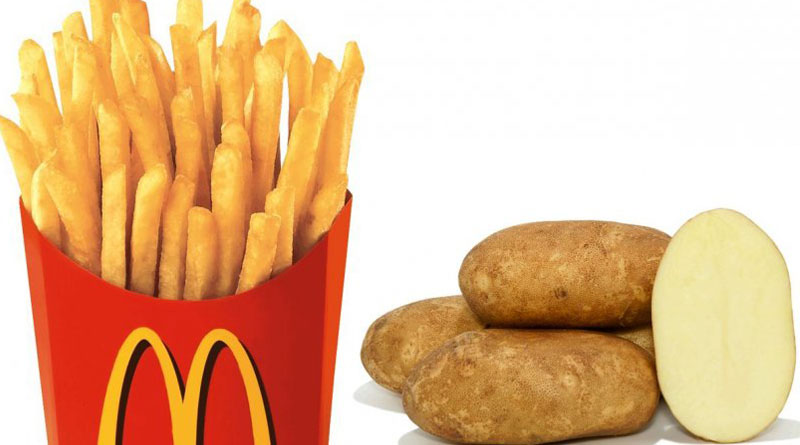
The Innovator is a firm, delicious potato. It's no wonder McDonald's makes fries out of it (I can't vouch for that, but I stumbled across that information once :).
User SvetlanaTu, Moscow
I've always wondered what kind of fries they have at McDonald's. I found a reference. It's the Innovator variety.
I even found where they grow and sell it. In Chuvashia, at the company Slava Potato.
In addition to its high yield, good shelf life, and high culinary value, the Innovator variety is also quite easy to grow; the main thing is to follow the crop's standard planting and care requirements.