Potatoes are used in a variety of dishes in virtually every corner of the planet. This vegetable is easy to grow and can be grown in any climate. It's hard to find a gardener who doesn't grow them. Today, we'll discuss the Armada potato variety, its pros and cons, and growing considerations.
Content
- 1 The origins of the Armada potato variety
- 2 Description of the Armada potato variety + table of characteristics
- 3 Advantages and disadvantages of the Armada potato variety
- 4 Planting and growing the Armada potato variety
- 5 Harvesting and storage
- 6 Comparison of the Armada potato variety with other varieties in the table
- 7 Conclusion
The origins of the Armada potato variety
Its origin is considered to be Spain. The potato was brought from that country by the English, who defeated the Spanish Armada in 1588. This is where the variety got its name, after which it spread throughout the world. The Armada potato became the basis for many breeding efforts for this vegetable.
Description of the Armada potato variety + table of characteristics
The Armada variety is early maturing. This means there's a short time between planting and harvest, just over two months. If planted in late May, the tubers can be harvested as early as August.
| Parameter | Peculiarities |
| Varietal characteristics | An early ripening table variety with elongated oval tubers. |
| Fruit ripening period | From 60 to 70 days |
| Starch concentration | 17-18% |
| Weight of one tuber, g | 96-130 |
| Number of tubers on one bush, pcs. | 9-14 |
| Yield, c/ha | The minimum value is 230, the maximum is 370. |
| Consumer features | Taste quality: 4.6-4.8 points. Universal use. Potatoes of this variety are used for making flour. They have a high potassium content. |
| Safety during storage | 80-85% |
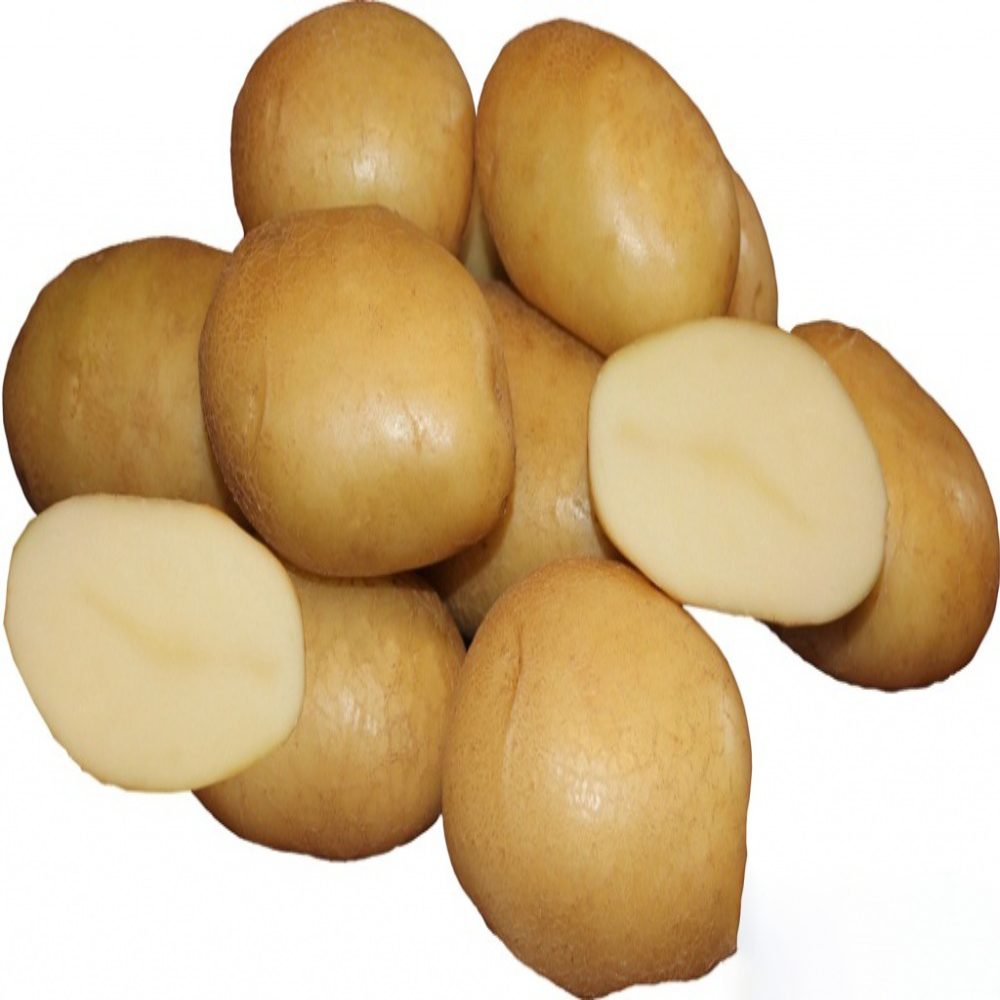
| Peel color | Beige-yellow |
| Pulp color | Light yellow |
| Suitable regions for growing | Central regions of Russia. |
| Disease resistance | The Armada variety is resistant to late blight, cancer, scab, and golden nematode. |
| Planting and growing requirements | Standard agricultural practices and guidelines are used to grow the Armada potato, but it does not tolerate drought; insufficient watering results in reduced yields. It also does not tolerate prolonged low temperatures. The maximum temperature that can be tolerated without adverse effects is -3°C. |
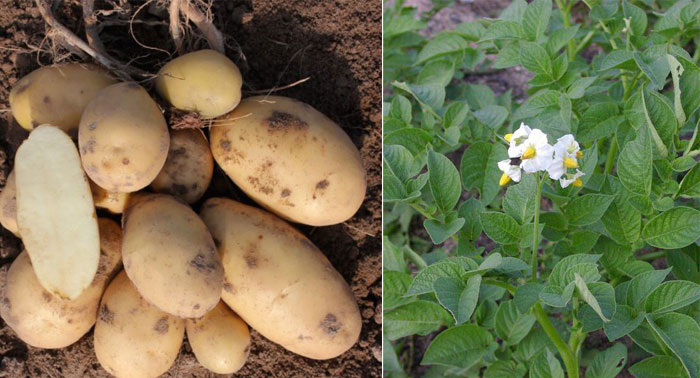
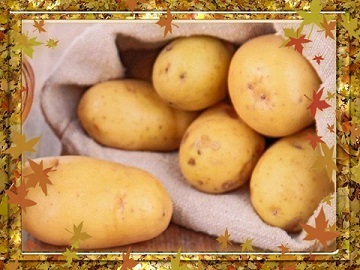
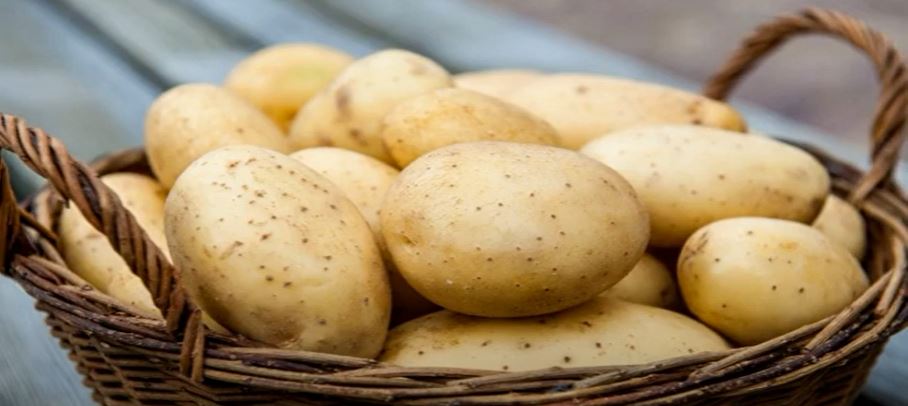
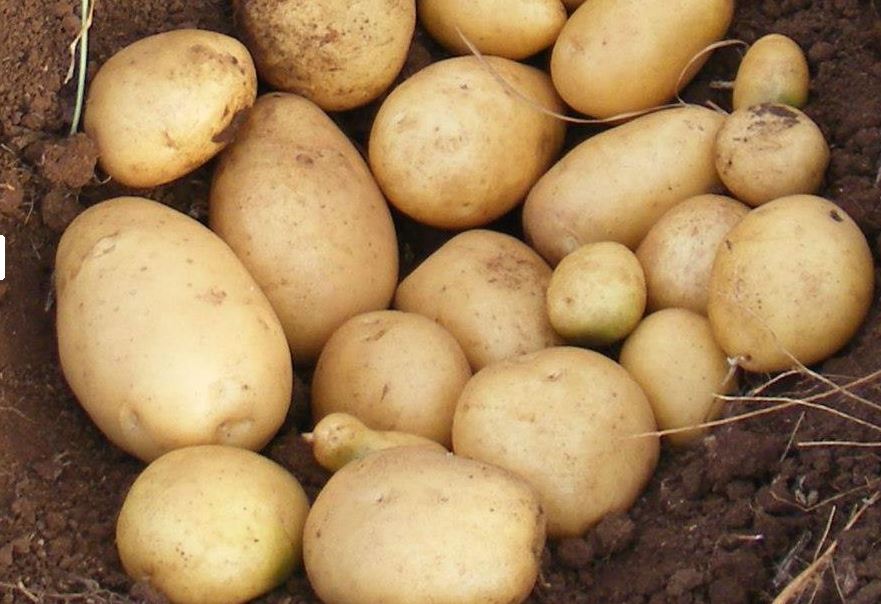
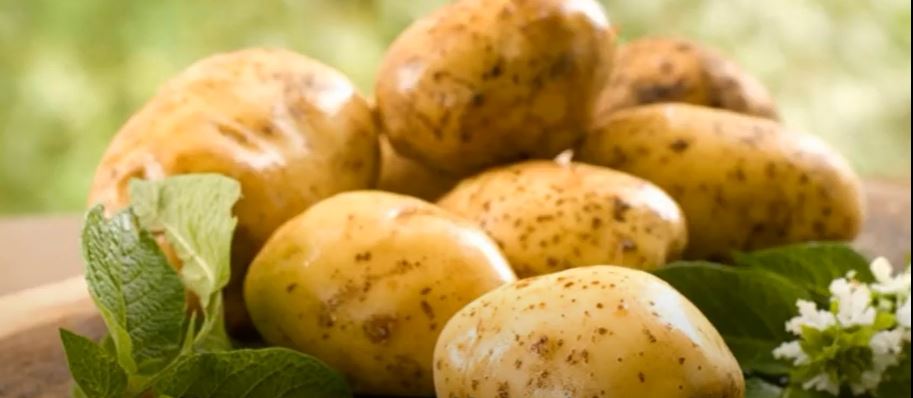
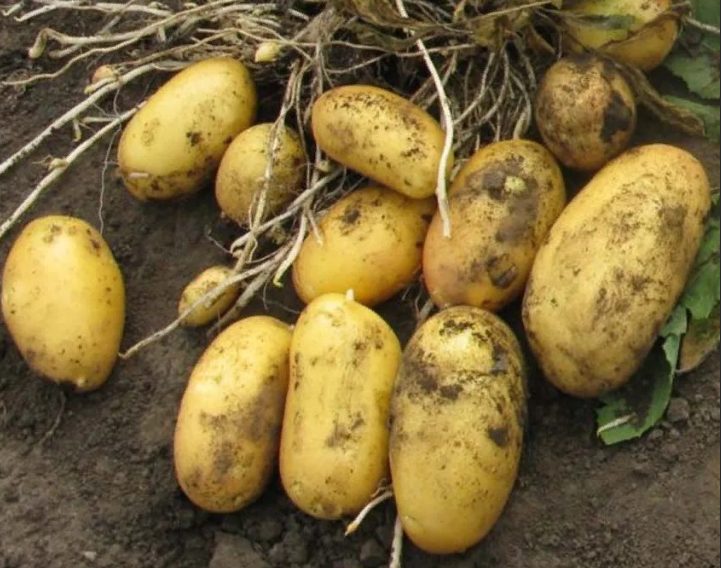
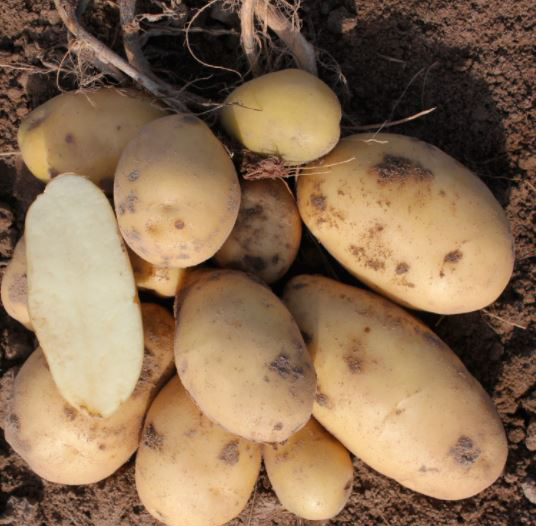
The fruits are elongated. The flesh is light yellow, and the skin is several shades darker. They have excellent flavor after any cooking. The eyes are small and shallow.
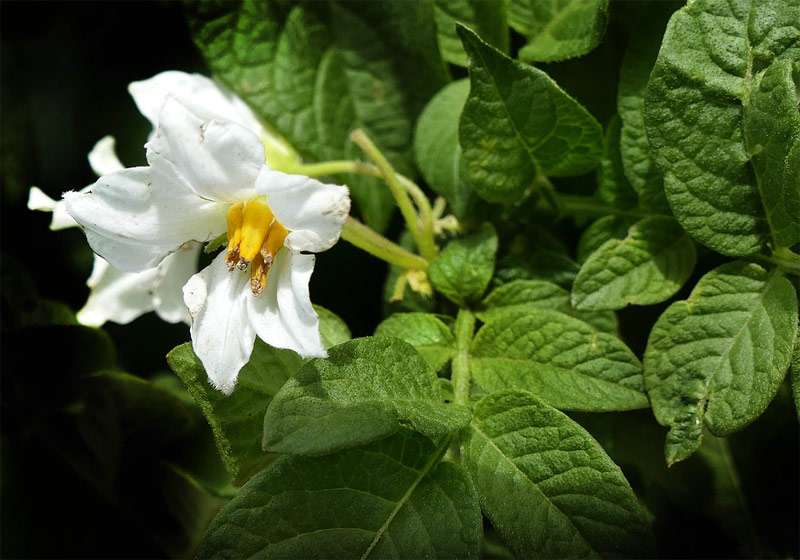
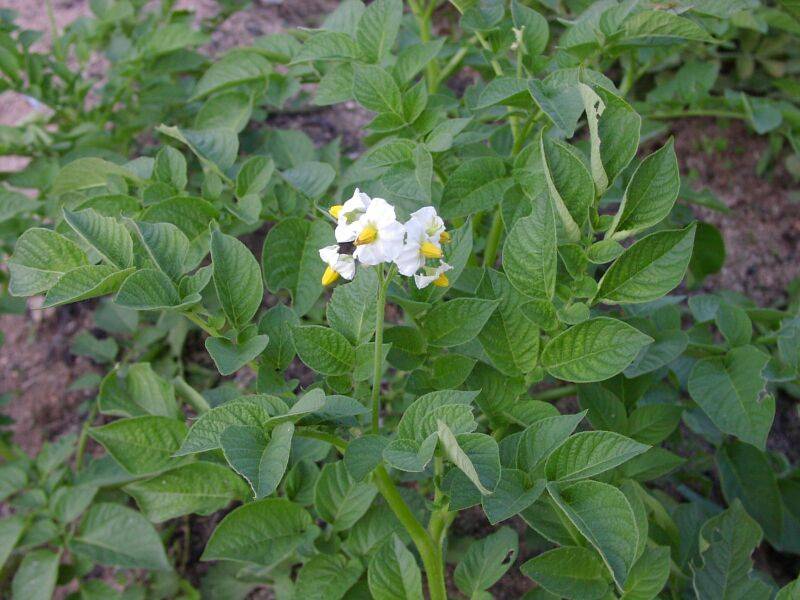
The tops grow up to 100 cm. The foliage is light emerald. The snow-white flowers consist of five petals and are collected in inflorescences at the ends of the stems.
Advantages and disadvantages of the Armada potato variety
The Armada potato has the following advantages:
- great taste;
- rapid ripening;
- easily tolerates transportation while maintaining its appearance;
- long shelf life;
- large amount of starch in the composition;
- resistance to infections and insect attacks (late blight, potato cancer, golden nematode).
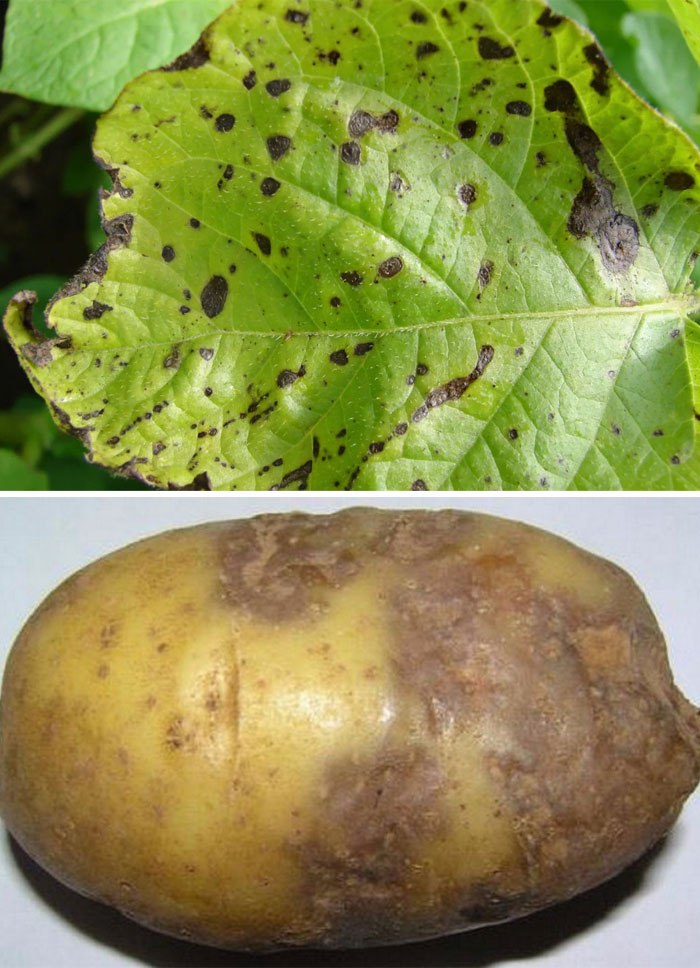
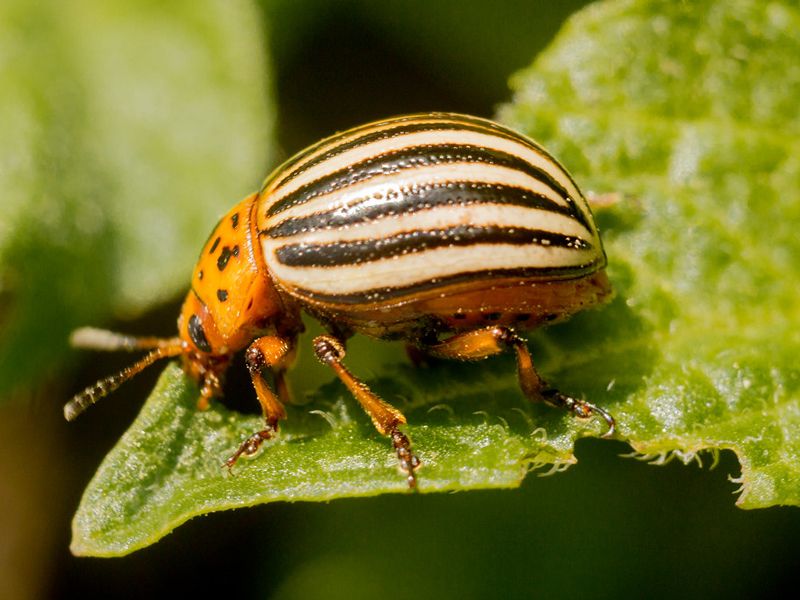
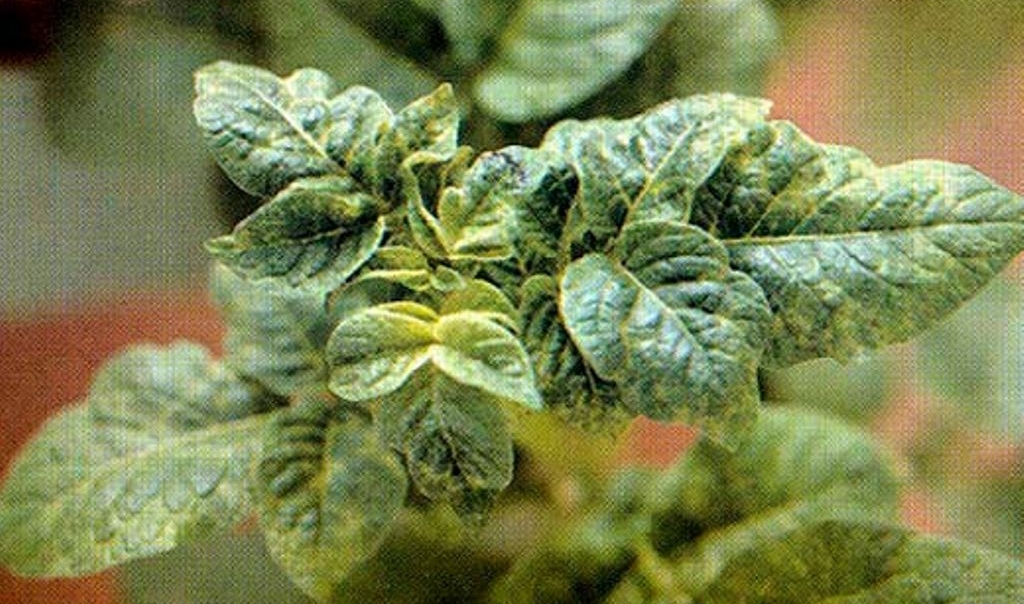
At the same time, the variety is susceptible to damage by the Colorado potato beetle, Alternaria leaf spot, and mosaic. Furthermore, it is not frost-hardy and does not tolerate drought well.
Planting and growing the Armada potato variety
Although the Armada variety is relatively easy to grow, certain requirements must still be met.
Landing site requirements
Armada should be planted in loose, fertile soil with good drainage. Avoid planting in areas with a high water table, as high humidity can cause rot. Choose an open, sunny location for planting.
Planting material and its preparation
It's recommended to buy potato seeds from specialized stores. If you buy them from someone, you can't be sure they're free of infections or have a good germination rate.
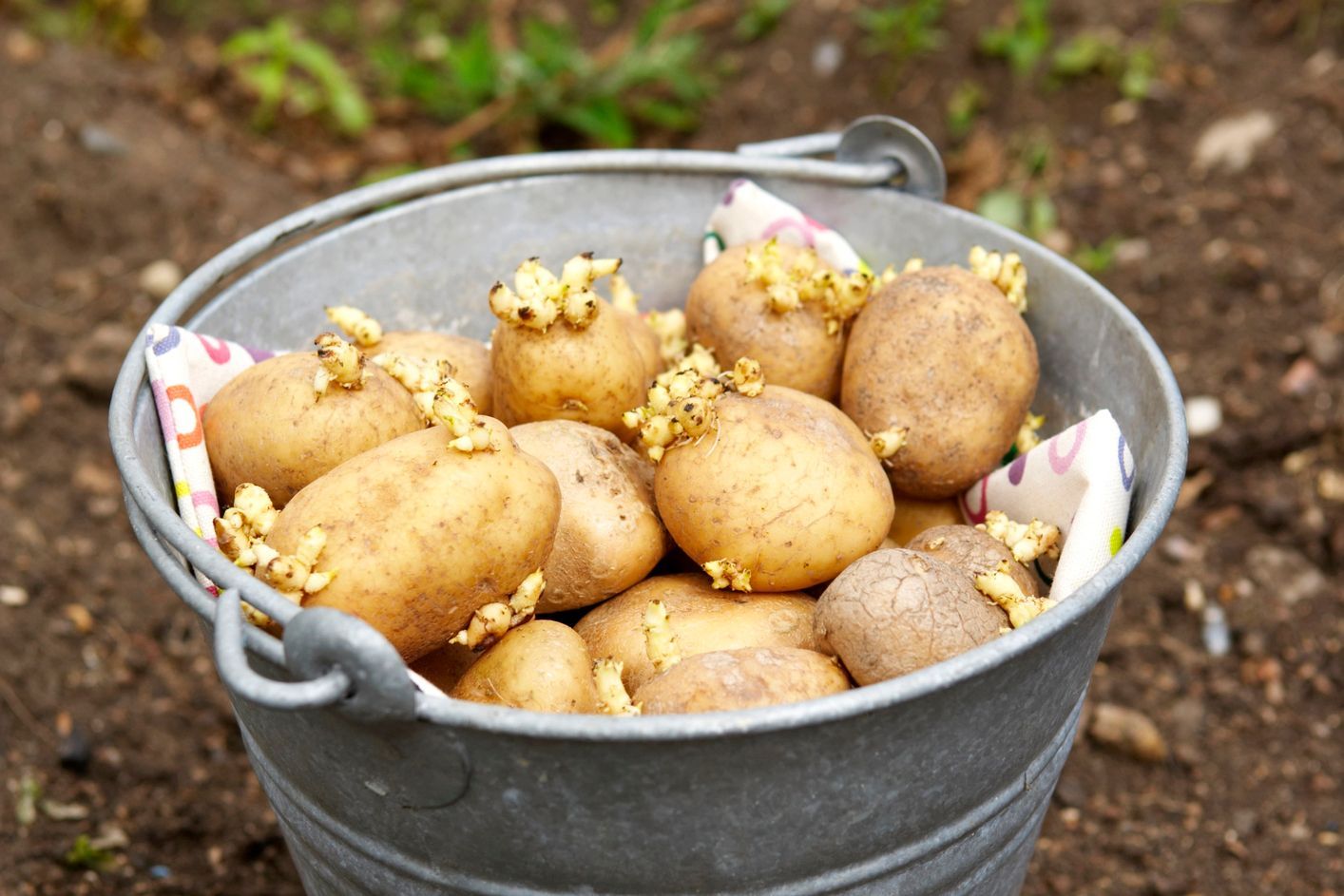
Potatoes can also be grown from tubers stored in advance from your own garden. They must be sprouted first. Three to four months before planting, spread them in a single layer in a well-ventilated room at 15 to 16°C. Turn the tubers daily until sprouts appear.
Planting times and rules
Planting can begin in mid- to late spring. If there is still a risk of night frost, it is recommended to cover the beds with non-woven fabric or plastic film.
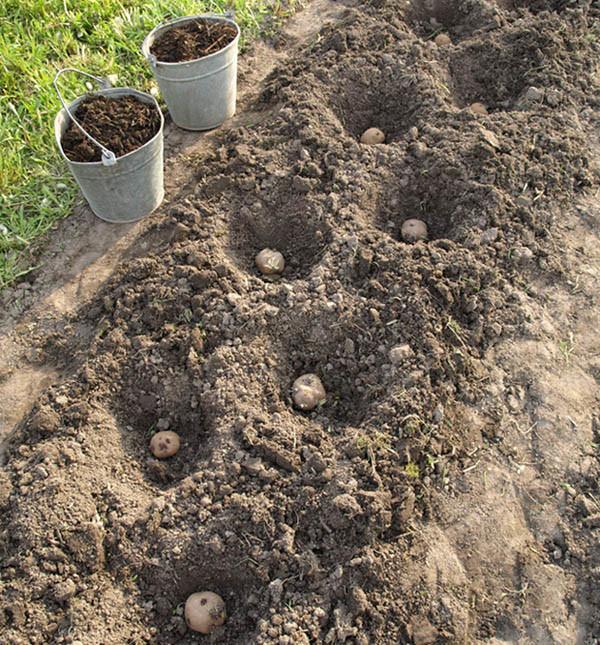
Planting holes are dug 8 cm deep. The distance between adjacent holes is 25-30 cm.
Features of variety care
Don't allow the top layer of soil to dry out. However, it's also important to avoid excessive moisture, as this can lead to tuber and stem rot.
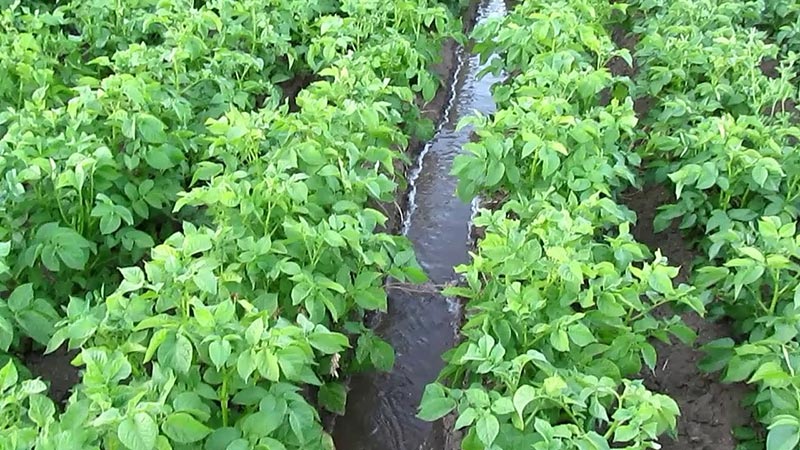
Fertilizers are applied several times during the growing season. Organic matter (usually bird droppings) and complex mineral mixtures containing nitrogen and potassium are used. The fertilizer is applied not directly under the bush, but at a distance of 15-20 cm from it.
To obtain a bountiful harvest, hilling is essential. This should be done twice during the growing season. The first time is when the shoots reach 15 cm. The second time is before flowering. Weeding should also be done at this time, as weeds rob the crop of nutrients.
Protection from diseases and pests
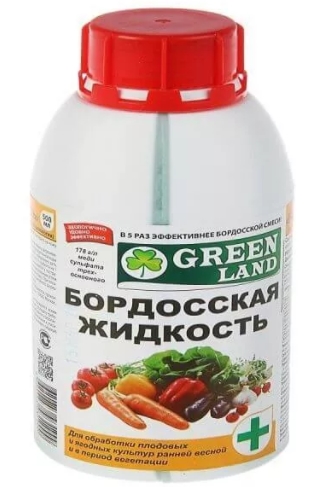
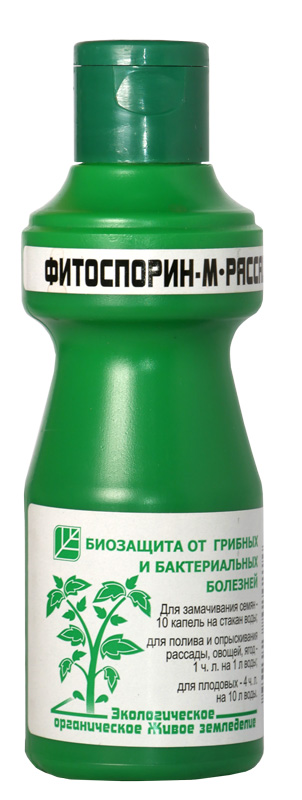
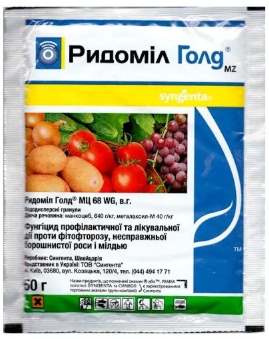
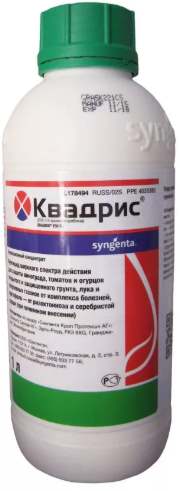
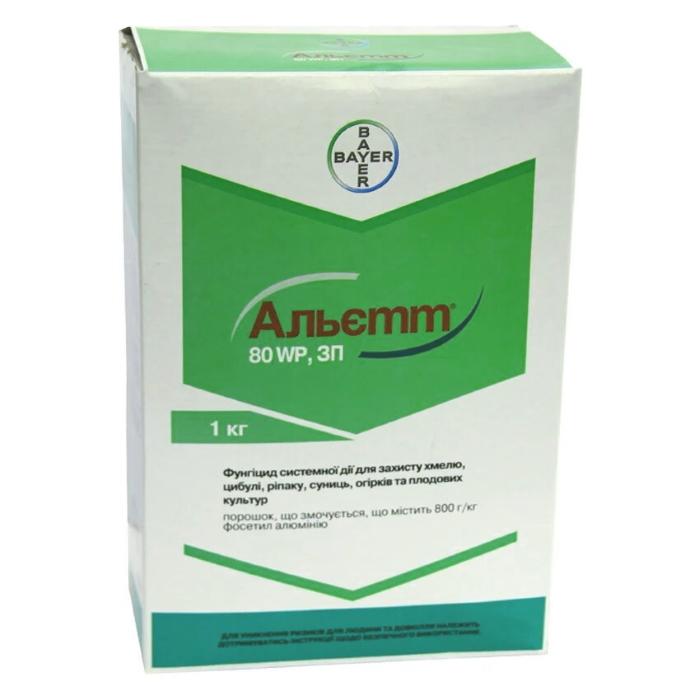
Most often, the Armada potato variety is affected mosaic and alternariaThese are fungal infections that can be controlled with fungicides such as Ridomil, Aliette, and Quadris. It's important to treat the fungi at the early stages of development with preventative measures such as Bordeaux mixture and Fitosporin.
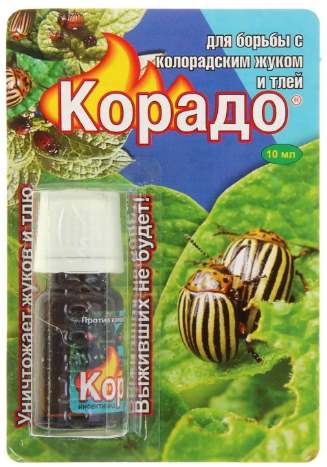
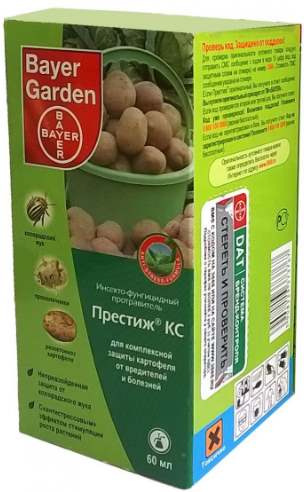
Most often, bushes are attacked by insects. Colorado beetleControl should begin immediately after the first pests are detected. Initially, they are collected by hand; if there are too many beetles, they should be treated with specialized chemicals such as Corado, Tabu, or Prestige. Read more about different ways to get rid of the Colorado potato beetle.
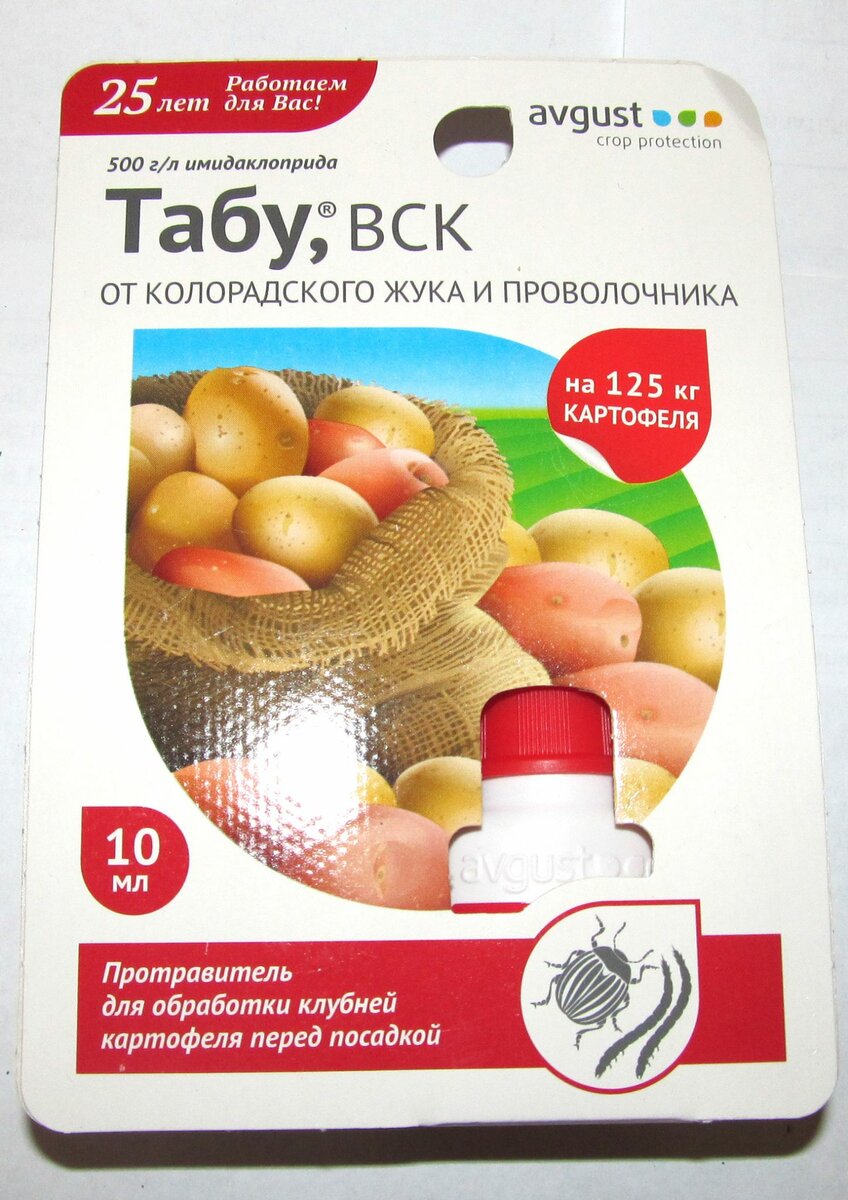
Please note! To reduce the risk of disease, pre-sowing treatment with a solution of potassium permanganate or a pre-planting solution is recommended. If the seeds were purchased from a gardening store, this is not necessary.
Harvesting and storage
You can tell when the vegetables are ready to harvest by the tops. They should be completely dry. Harvest on a dry, clear day; there should be no rain for at least a week.
After harvesting, sort the tubers. Discard any diseased or damaged ones. Dry the harvest directly in the garden bed in the sun, then store in a cool, dark, well-ventilated area.
Comparison of the Armada potato variety with other varieties in the table
| Variety | Ripening period (number of days to maturity) | Starch (%) | Yield (c/ha) | Weight of tubers (g)
Number of tubers per bush |
Shelf life (%) |
| Armada | Early ripening** | 17-18 | 230-370 | 96-130
9-14 |
80-85 |
| Ilyinsky | Mid-early*** | 15.7-18 | 176-346 | 55-160
8-13 |
93 |
| Giant | Mid-season**** | 16-19 | 290-424 | 100-140 8-13 |
97 |
| Explosive | Early ripening** | 16-17 | 156-240 | 110-150
8-14 |
95 |
| Zekura | Mid-early*** | 13-18 | 350-370 | 60-150
12-20 |
98 |
| Kolobok | Mid-season**** | 11-13 | 130-250 | 90-140
15-18 |
96 |
| Handsome | Mid-early*** | 12.4-17.8 | 169-201 | 90-170 6-10 |
97 |
| Latona | Early ripening** | 16-20 | 400-450 | 90-140
10-15 |
96 |
| Memphis | Mid-early*** | 14.2-16.7 | 330-610 | 80-160
9-11 |
94 |
| Meteor | Early ripening** | 10-16 | 210-405 | 100-150
10-12 |
95 |
| Strongman | Mid-early*** | 10-12 | 127-275 | 80-105 15-20 |
97 |
| Molly | Early ripening** | 11.4-13.4 | 171-308 | 98-142
20-25 |
82 |
| Nakra | Mid-season**** | 18-22 | 203-308 | 65-160
6-11 |
95 |
| Rosalind | Early ripening** | 12-17 | 203-223 | 60-115
10-16 |
94 |
| Bellarosa | Ultra-early* | 12-16 | 350-550 | 100-200 7-15 |
93-96 |
| Breeze | Mid-early*** | 10-16 | 160-395 | 130-150
8-12 |
97 |
| Vega | Mid-early*** | 10-16 | 230-380 | 90-120
8-12 |
99 |
| Gala | Early ripening** | 12-14 | 263 | 71-120
8-15 |
95 |
| Colombo | Early ripening** | 11-15 | 230-450 | 100-130 12-14 |
95 |
| Queen Anne | Mid-early*** | 13.1-14.4 | 393-604 | 84-137
14-16 |
93-97 |
| Labella | Early ripening** | 12-15 | 176-342 | 78-102
13-16 |
94 |
| Lilly | Mid-season**** | 11.9-13.8%. | 108-196 | 96-157
6-9 |
93 |
*Ultra-early – 35-50 days.
**Early ripening – 50-65 days.
***Mid-early – 65-80 days.
****Mid-season – 80-95 days.
*****Mid-late – 95-110 days.
Conclusion
As it turns out, Armada is distinguished by its relatively early ripening time, sufficient yield, excellent taste, ease of care, and long shelf life. The most important thing is to remember to weed and hill the beds regularly, and to water regularly, avoiding overwatering. While agronomic errors won't kill the crop, they will adversely affect the yield.