Gardeners value the Molly potato variety for its early ripening period, which allows for two harvests per season.
Content
- 1 The origin of the Molly potato variety
- 2 Characteristics of the Molly potato variety in the table
- 3 A detailed description of the Molly potato variety
- 4 Advantages and disadvantages of the Molly potato variety
- 5 Planting Features of the Molly Potato Variety
- 6 Caring for the Molly potato variety
- 7 Protection of the Molly potato variety from diseases and pests (table)
- 8 The nuances of harvesting and storing the Molly potato variety
- 9 Comparison of the Molly potato variety with other varieties in the table
- 10 Real reviews from gardeners about the Molly potato variety
The origin of the Molly potato variety
We owe the Molly variety to German breeders who set out to develop potatoes with ultra-early ripening times, and they succeeded.
In our country, Molly was officially recognized in 2007, when the variety was added to the register.
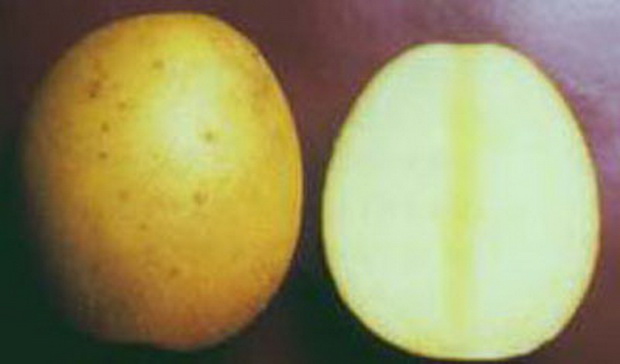
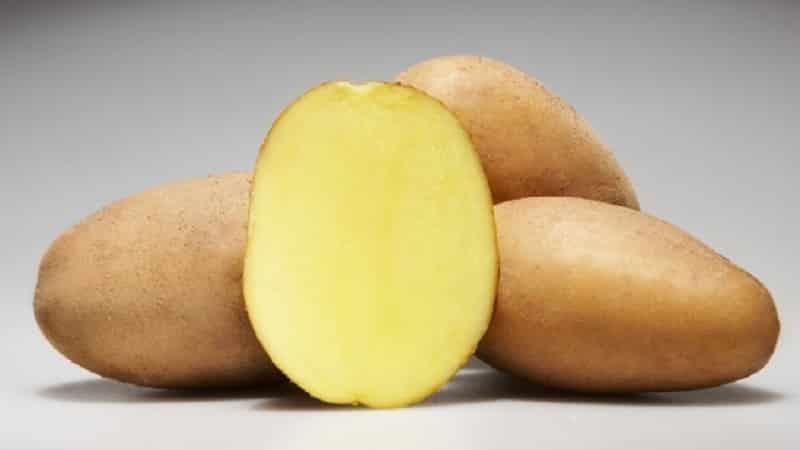
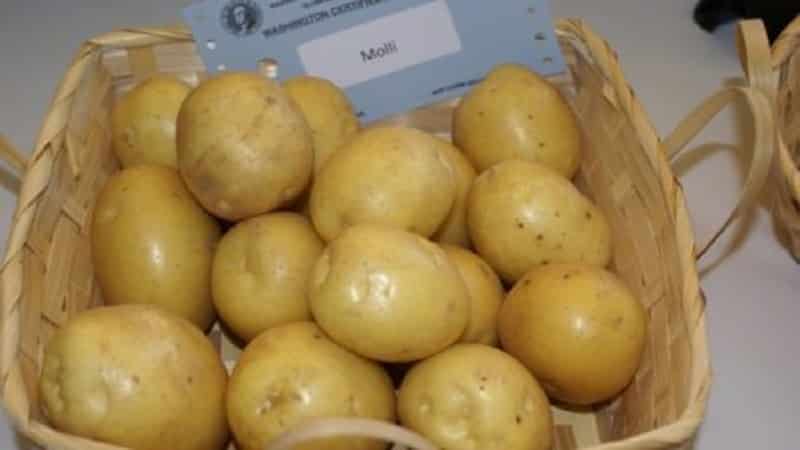
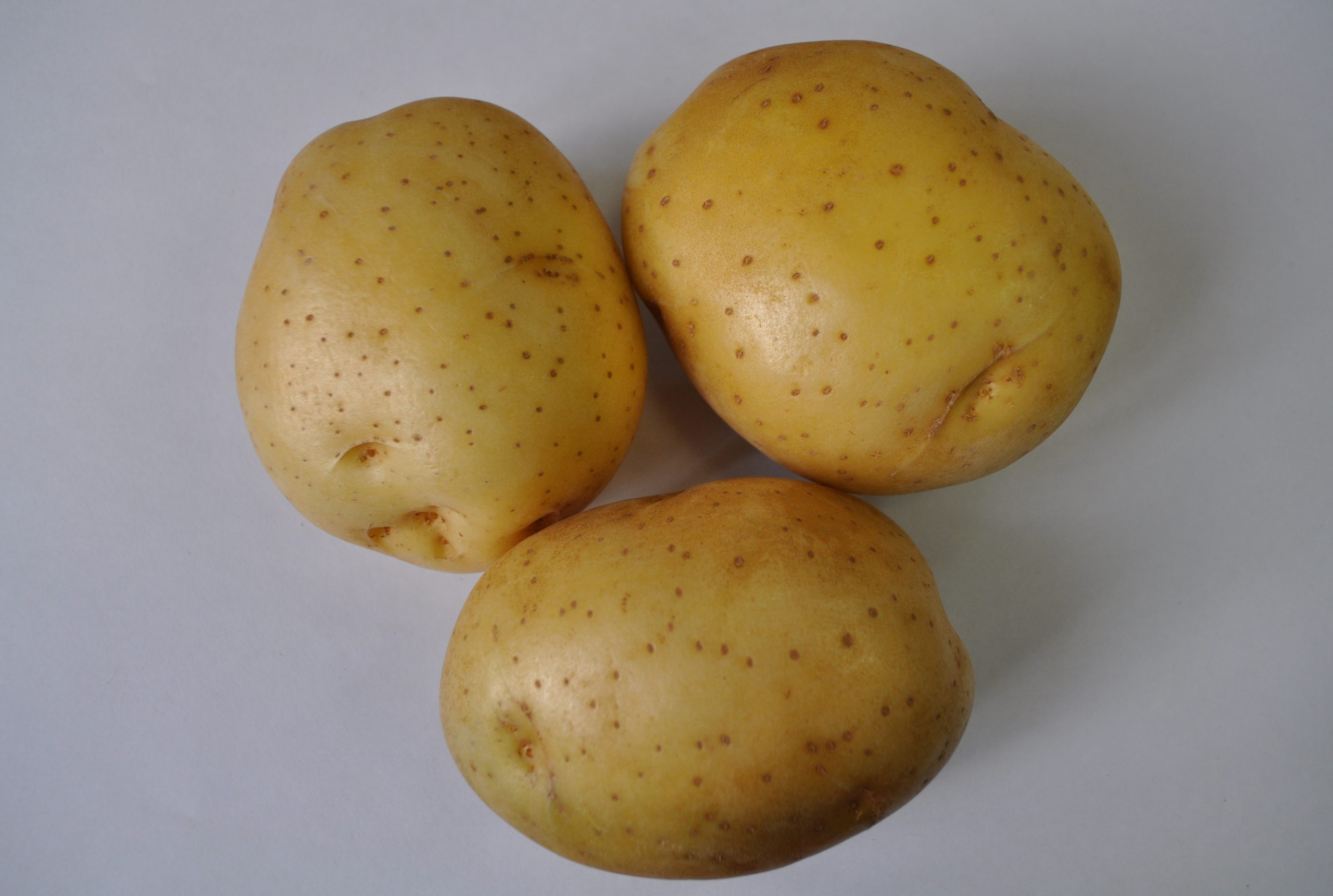
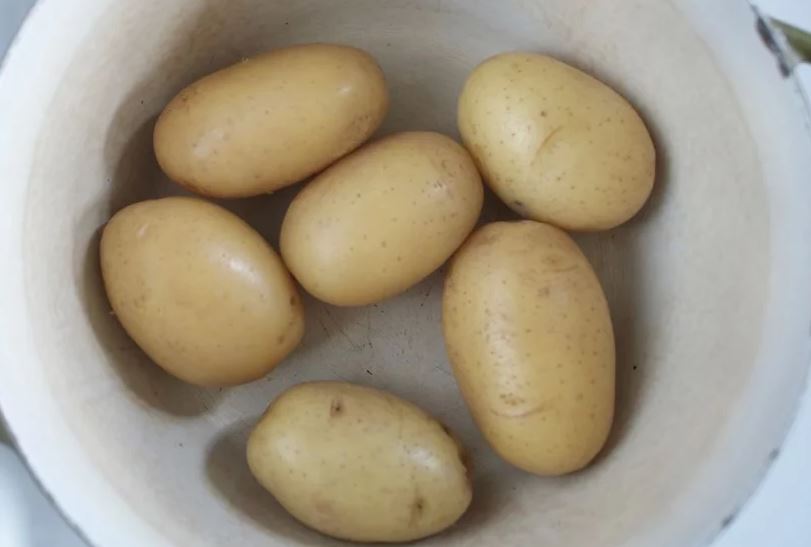
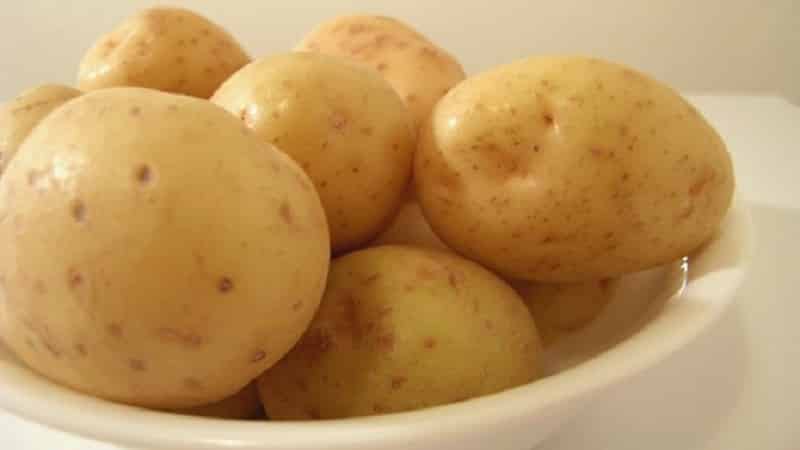
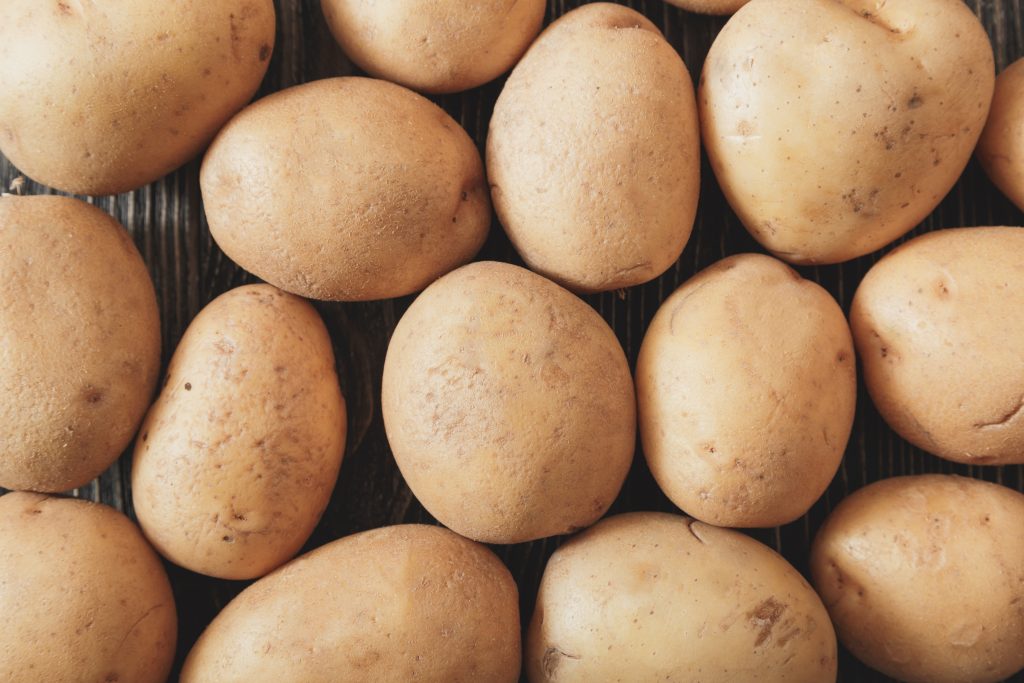
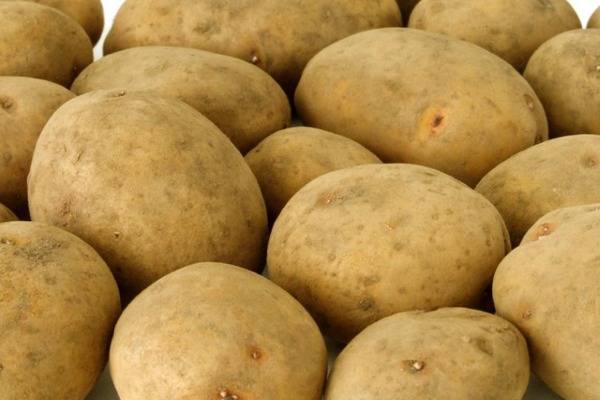
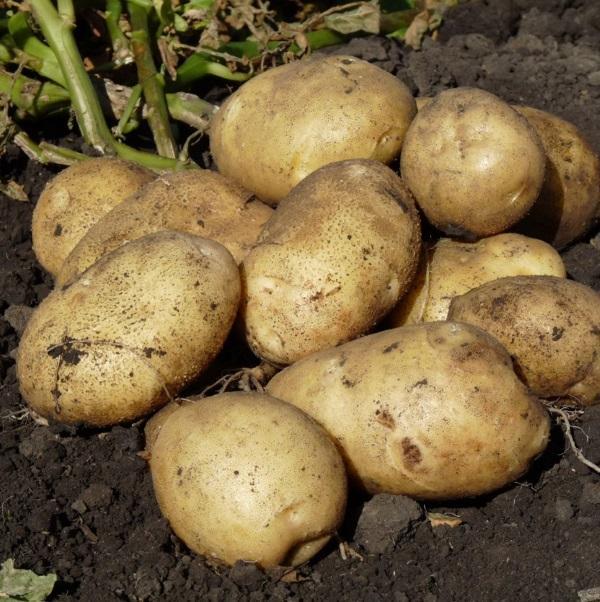
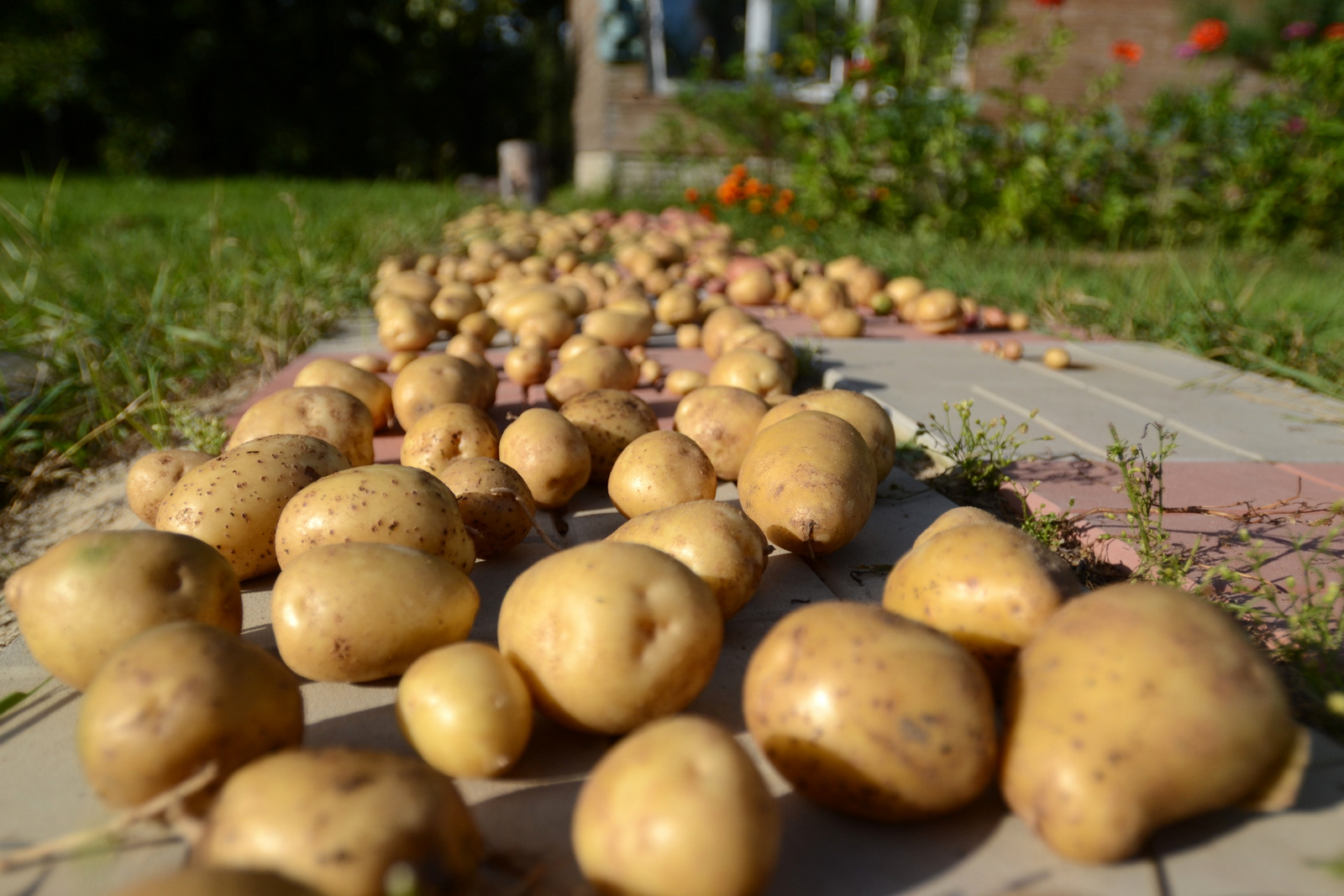
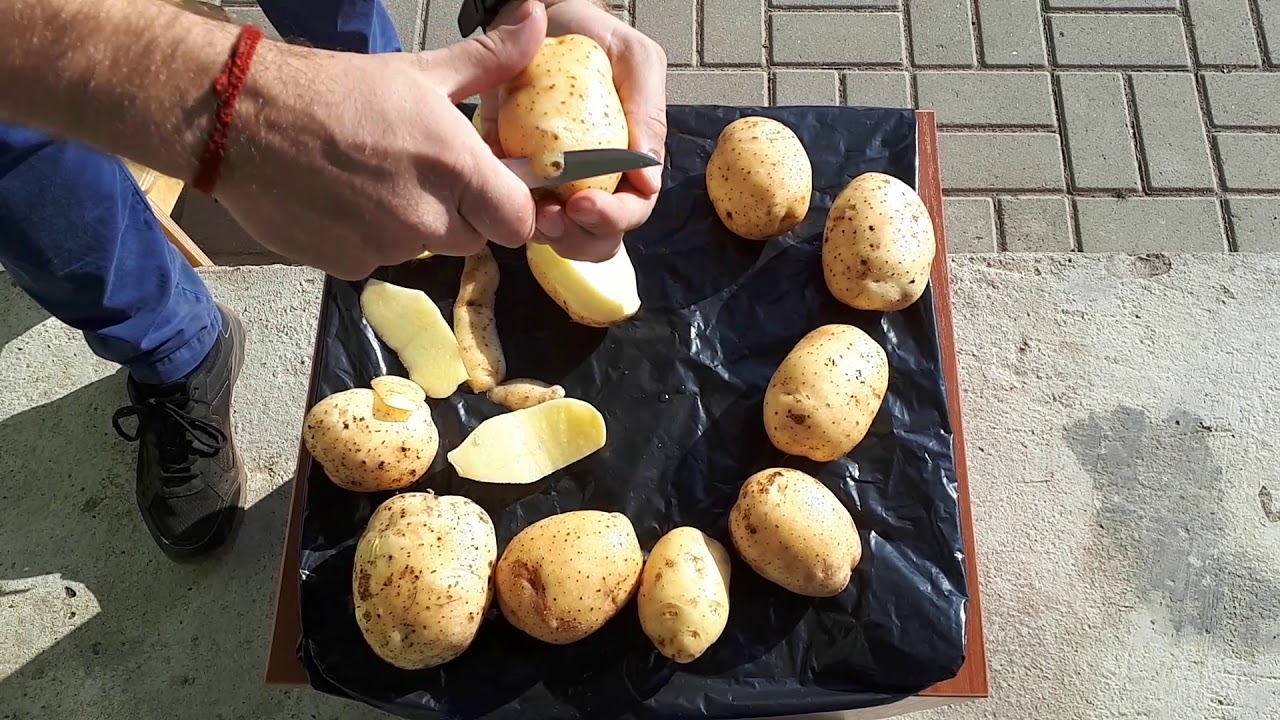
Photo of the Molly potato variety:
Characteristics of the Molly potato variety in the table
This variety is distinguished not only by its very early ripening time but also by its high yield. More detailed characteristics are presented in the table below.
| Parameter | Characteristic |
| Ripening period | 55-65 days. But after 40 days, you can dig up the first tubers. |
| Starch content | 11.4-13.4% |
| Weight of commercial tubers | 98-142 g |
| Number of tubers in a bush | 20-25 pcs. |
| Productivity | 171-308 c/ha |
| Consumer qualities | Belongs to culinary type A/B, the potatoes practically do not fall apart when cooked. |
| Marketability of tubers | 80-92% |
| Shelf life | 82% |
| Bushes, stems, leaves | The stems are spreading and semi-erect, the bush is of medium height, the leaves are medium to large in size with a slight wavy edge. |
| Peel color | Yellow |
| Pulp color | Yellow |
| Eyes | The eyes are small and shallow. |
| Preferred growing regions | Ideal for growing in the regions of Central Russia. |
| Disease resistance | Not prone to cancer, golden nematode, alternaria, fusarium, verticillium wilt, or common scab. |
| Features of cultivation | The variety is quite undemanding to soil type, but when planted early, it may require shelter. |
| 2007 |
A detailed description of the Molly potato variety
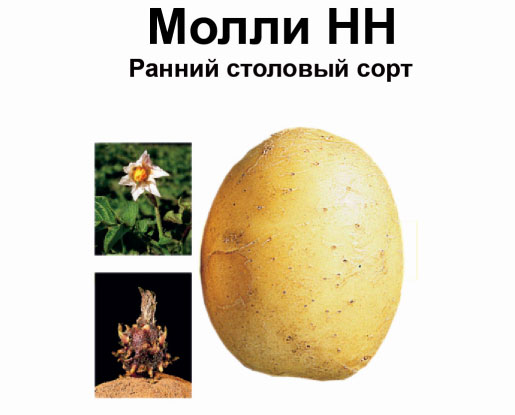
The Molly variety has a classic appearance, except for the wavy leaf edges.
Bushes
This early table variety isn't distinguished by its large bush, which grows from 50 to 70 cm. The leaves have a wavy edge and are light green. The tops are abundant and grow fairly quickly, but buds appear sparsely on the shoots. Ripening time is short. The main digging can begin 55-65 days after planting. However, after just 40 days, you can harvest the first sample and dig up a few bushes to enjoy the new potatoes.
Tubers
Gardeners love Molly for its fruitfulness. With proper care, each plant can yield up to 25 tubers, weighing between 98 and 150 g. The flesh is yellow, like the skin, but slightly lighter. The fruits are predominantly oval-round in shape. There are very few eyes, but even those present are located on the surface and are very small. The potatoes have a pleasant flavor, and they do not fall apart when cooked.
Nutrients and nutritional value
Molly potatoes contain a large amount of nutrients in their pulp.
| Substance | Content, mg per 100 g (raw) | Daily requirement, mg |
| Beta-carotene | 0.001 | 5 |
| Vitamin B1 | 0.081 | 1.5 |
| Vitamin B2 | 0.032 | 1.8 |
| Vitamin B4 | 12.1 | 500 |
| Vitamin B5 | 0.295 | 5 |
| Vitamin B6 | 0.298 | 2 |
| Vitamin B9 | 0.015 | 0.4 |
| Vitamin C | 19.7 | 90 |
| Vitamin E | 0.01 | 15 |
| Vitamin K | 0.002 | 0.12 |
| Vitamin PP | 1,061 | 20 |
| Potassium | 425 | 2500 |
| Calcium | 12 | 1000 |
| Magnesium | 23 | 400 |
| Sodium | 6 | 1300 |
| Phosphorus | 57 | 800 |
| Iron | 0.81 | 18 |
| Manganese | 0.153 | 2 |
| Copper | 0.11 | 1 |
| Selenium | 0.004 | 0.055 |
| Zinc | 0.3 | 12 |
Productivity, ripening time
The Molly variety is one of the potato record holders in terms of yield:
- The first digging can be carried out after 40 days, in which case the yield will be 140 c/ha, after the second digging this figure increases to 210 c/ha.
- In experimental fields, the yield was recorded at 308 c/ha.
Despite the early ripening period, the potatoes retain a good marketable appearance in 80-92% of cases, and also have a good shelf life for this variety – up to 82%.
Resistance to diseases and pests (table)
| Name of the disease | Degree of stability |
| Cancer | High |
| Viral infections | High |
| Alternaria | High |
| Verticillium wilt | High |
| Fusarium | High |
| Cyst-forming nematode | High |
| Late blight of tubers and tops | Average |
| Scab | Average |
What regions is it suitable for?
The Molly variety is suitable for cultivation in central Russia. It has demonstrated its best performance in the Bryansk, Moscow, Kaluga, Vladimir, Ryazan, Ivanovo, Tula, and Smolensk regions.
Advantages and disadvantages of the Molly potato variety
Like any variety, Molly has its strengths and weaknesses. We've listed them in the table below.
| Advantages | Flaws |
|
|
Planting Features of the Molly Potato Variety
The Molly variety doesn't require any special cultivation techniques. The main thing is to choose the right location and prepare the tubers. It's also crucial to monitor the weather and provide additional cover if necessary.
Requirements for the landing site and its preparation
Although Molly doesn't have any particular soil requirements, experience has shown that it grows best in light, nutrient-rich soil. The selected bed is prepared in the fall. At this time, it is recommended to dig, harrow, and add manure. With the arrival of spring, it is advisable to sow the field with green manure: oats, lupine, mustard, rye, or wheat.
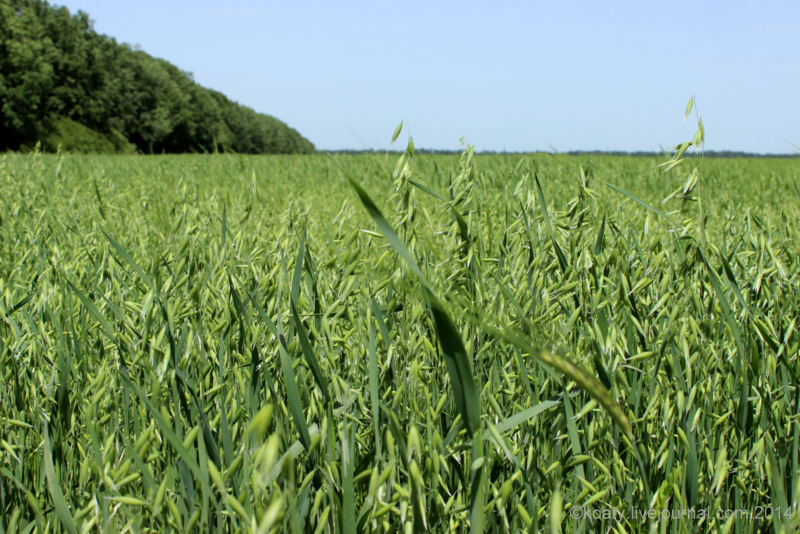
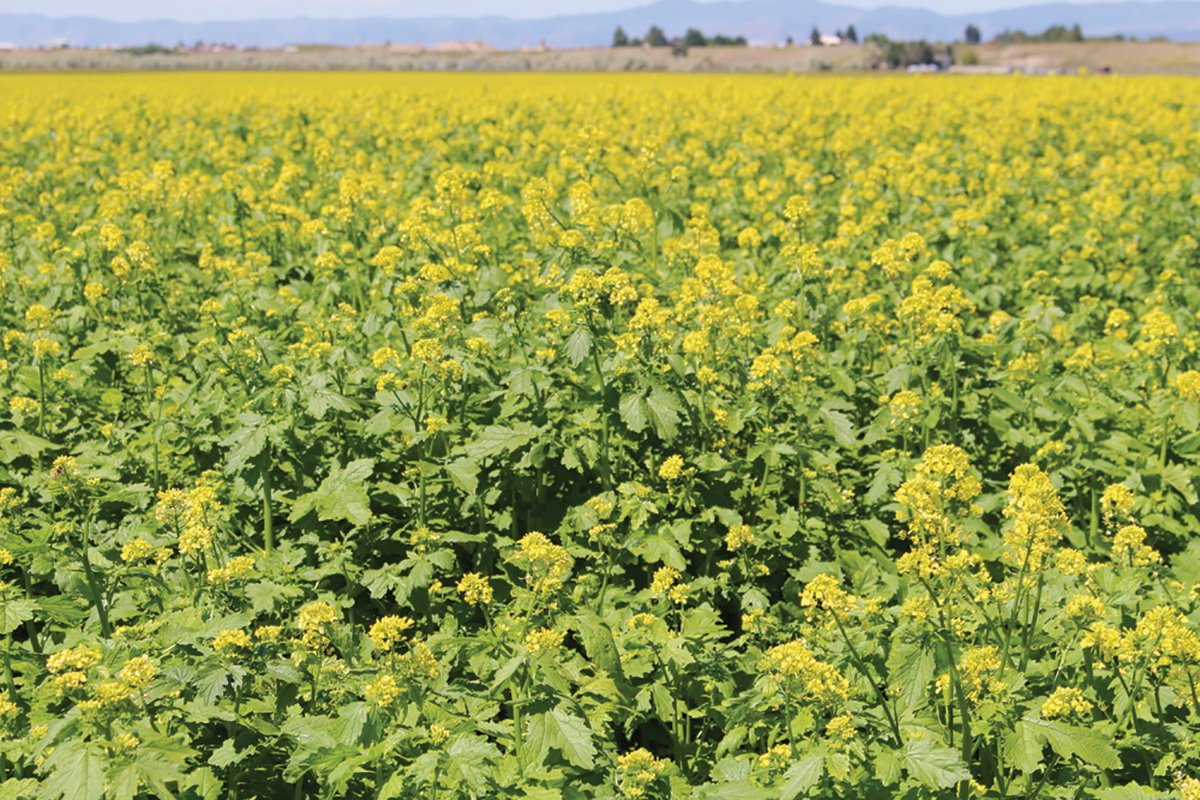
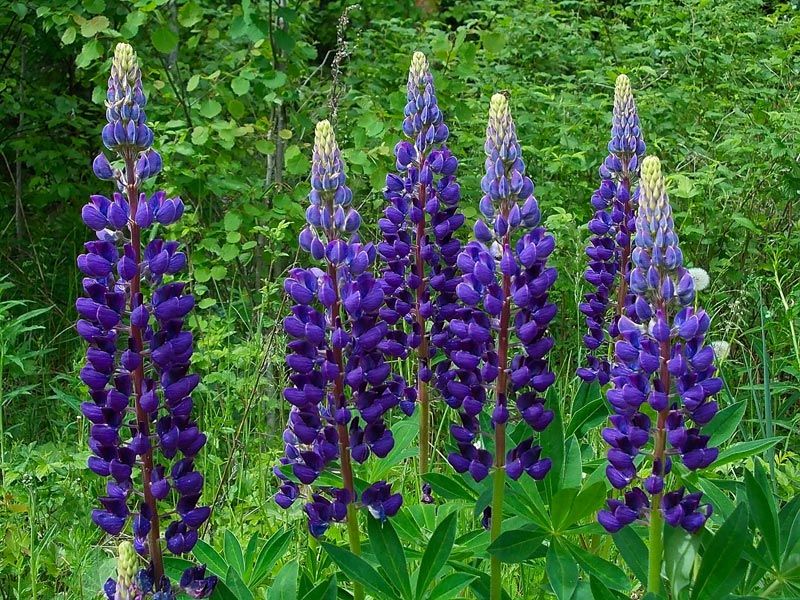
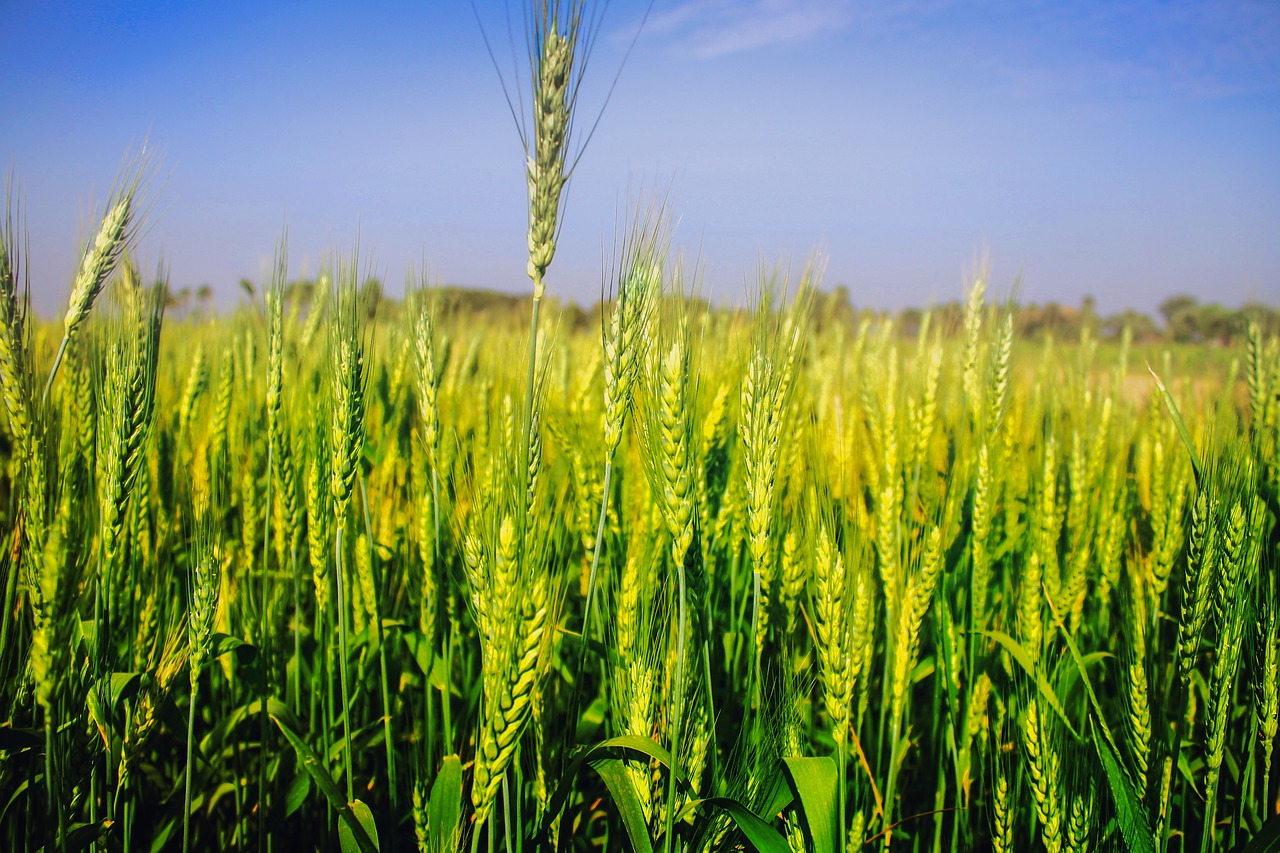
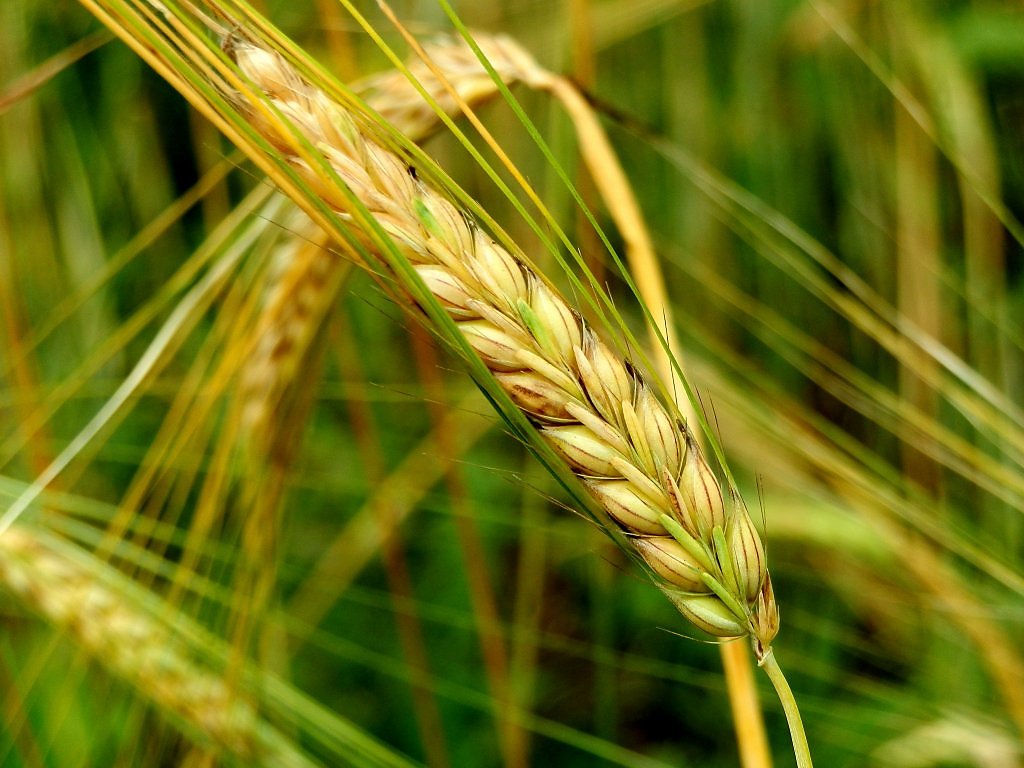
You can mow them a month after planting. There's no need to remove the remains; it's better to shallowly incorporate them into the soil. This will increase the amount of nitrogen and other beneficial macro- and micronutrients in the soil.
Selection and preparation of seed tubers
For planting, it's best to select tubers of similar size. They should be free of damage and signs of disease. Sprouting is optional, but it helps prevent the development of pathogens and accelerates germination.
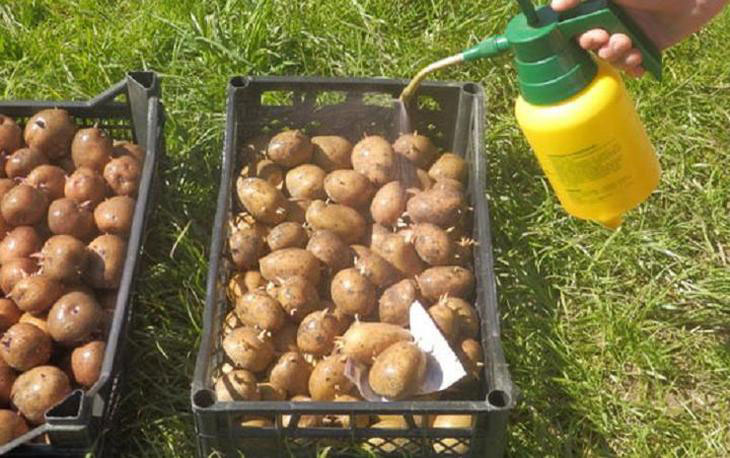
To soak the seeds, you can use Fitosporin or a solution of potassium permanganate or copper sulfate.
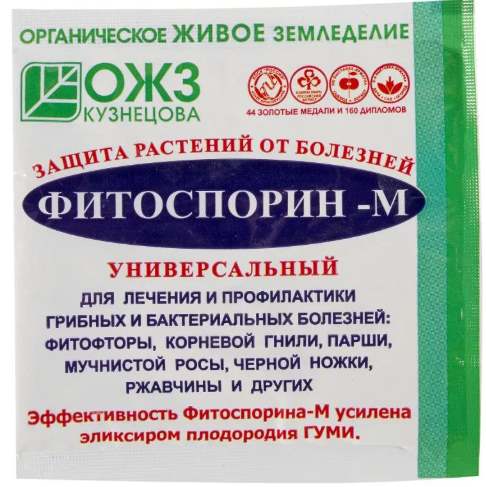
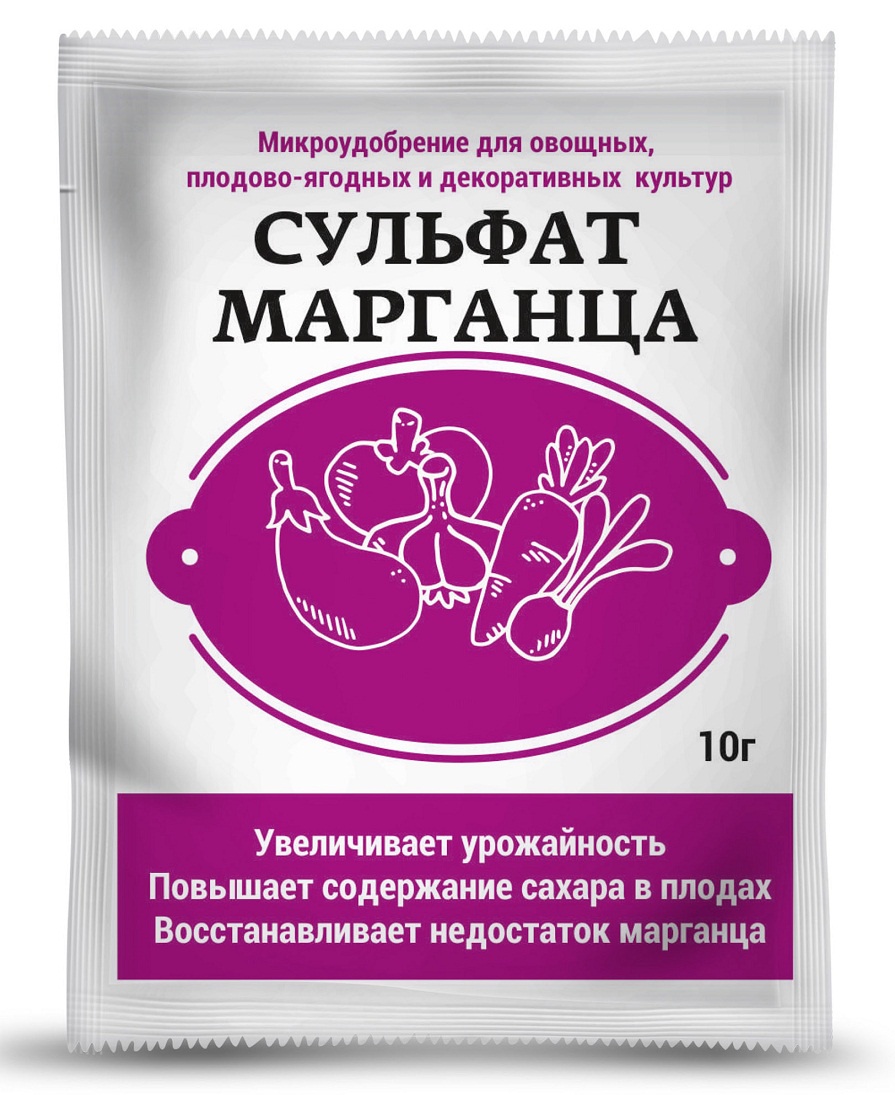
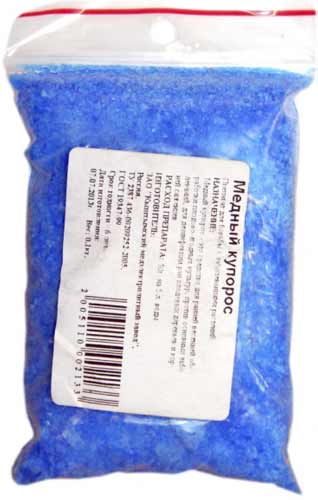
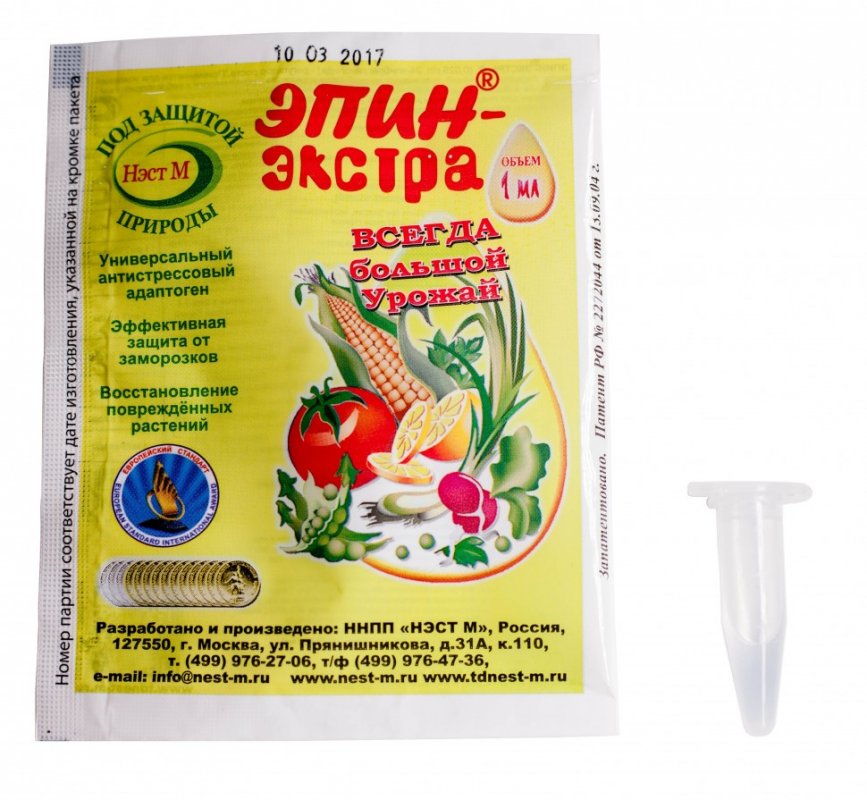
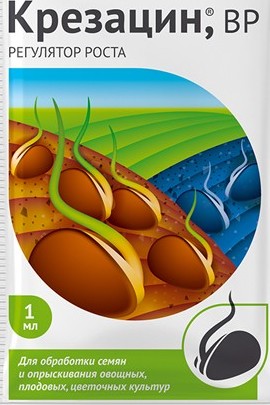
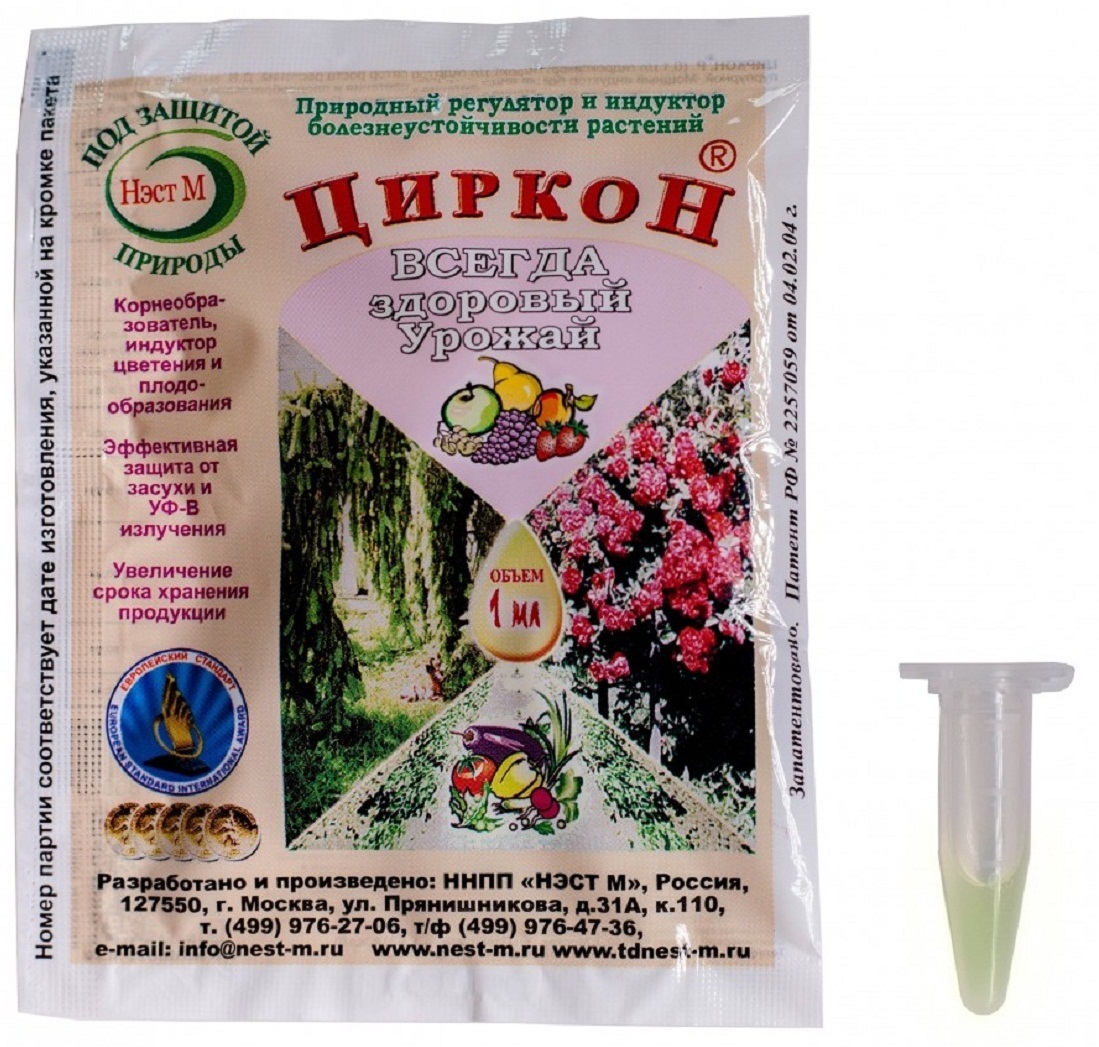
The day before planting, potatoes can be treated with Krezatsin, Epin-Extra, Albit, Zircon, or Immunocytophyte. These products are excellent growth stimulants.
Planting dates
There's no exact planting date for Molly potatoes—it's determined individually for each region. The main indicator of soil readiness is warming to 10–12°C at a depth of 10 cm. In the south, planting can begin as early as the end of April, while in the central and northern regions, this period falls in the first half of May.
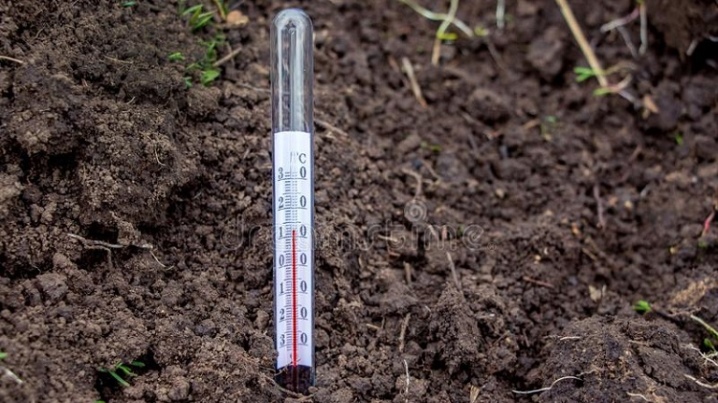
Important! To reduce the risk of frost damage to potatoes, you can initially cover them with agrofibre.
Landing rules
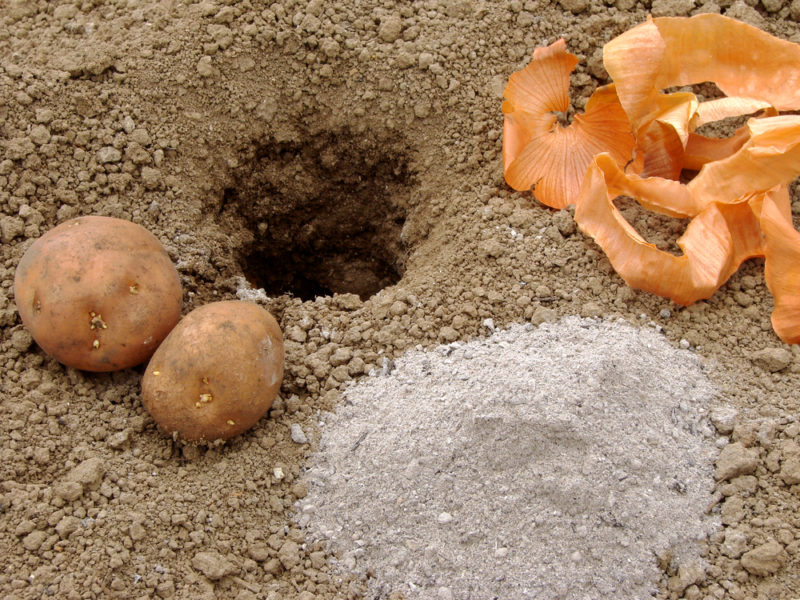
Potatoes are planted in holes 10 cm deep. The recommended distance between them is 30 cm. Leave at least 50 cm between rows. Next, add the following additives to the holes: a handful of superphosphate and ash, a few onion peels (to repel wireworms), and a few peas or beans (to repel Colorado potato beetles).
Caring for the Molly potato variety
The Molly variety requires standard care, which includes loosening, hilling, weeding, fertilizing, timely watering, and protection from pests and diseases.
Watering
The first watering is done when the sprouts have reached 10 cm. It's important to consider the quality of your soil: if it's already damp and heavy, you don't need to water.
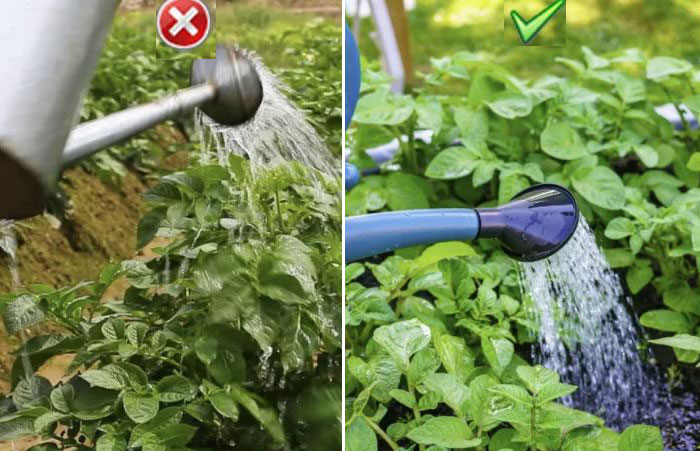
Watering should be done carefully, trying to aim exactly at the roots and not get on the tops.
You can determine that your potatoes are dehydrated by the following signs: shoots wilt, lose elasticity, their color becomes significantly lighter, buds do not open, and growth slows.
If the weather is hot and the sun shines constantly, water at a rate of 1 liter per bush. It's best to use settled, warm water.
Overwatering is no less dangerous than drought. Its main signs include darkening of leaf blades, tuber rot, and the appearance of plaque or waterlogged spots at the base of the stems.
Top dressing
The bulk of potato fertilizer is added to the soil in the fall or immediately before planting the tubers.
If the gardener did not have enough time to fertilize the soil, it can be applied after planting, combining it with hilling.
Root feeding (500 ml of solution is enough for each bush):
- In 10 liters of water, dissolve 2 parts nitrogen, 1 part potassium and 1 part phosphorus, for a total of no more than 25 g.
- Add 1 tbsp. of potassium sulfate and 3 tbsp. of wood ash to 10 liters of water.
- Add 1 tablespoon of urea to 10 liters of water.
Watering between rows is carried out with bird droppings diluted in water at a ratio of 1:10.
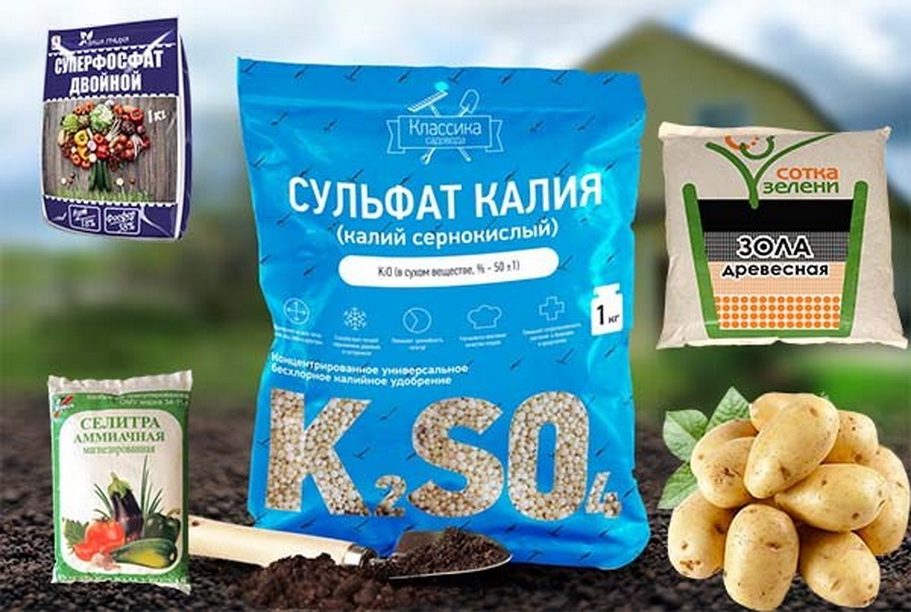
The following products are suitable for spraying:
- Dilute 2 g of humate in 10 liters of water. Approximately 3 liters of solution is required per 100 square meters, and this should be done every 14 days.
- Dilute 5 g of boric acid, 150 g of potassium monophosphate and 100 g of urea in 5 liters of water and treat the plantings every 10 days.
If there have been frosts, it is better to postpone spraying.
Important! All fertilizing should be done on damp soil after rain or watering.
Loosening, weeding, hilling
Seven days after the first sprouts emerge, you can gently loosen the soil after watering to improve aeration. If the weather has been rainy, pre-watering is not necessary. Along with loosening, remove any weeds from the bed, which can interfere with normal potato growth and development.
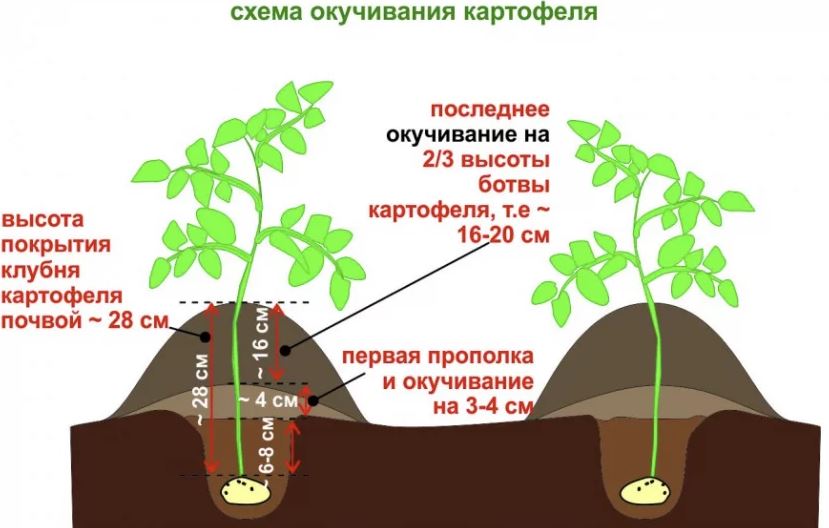
During the rest of the growing season, all that remains is hilling. This is typically done twice a season by raking soil from between the rows.
- The first time - when the sprouts reach a height of 20 cm.
- The second is during the flowering period. The height of the mound is increased by another 5 cm.
Some gardeners perform three hillings, the first time occurring during the period of mass emergence, when all the seedlings are completely covered with soil. This is typically done when there is a risk of night frost.
Hilling prevents the formation of a hard crust on the soil, improves aeration, protects tubers from temperature fluctuations, helps retain moisture in the soil, and helps destroy Colorado potato beetle eggs.
Protection of the Molly potato variety from diseases and pests (table)
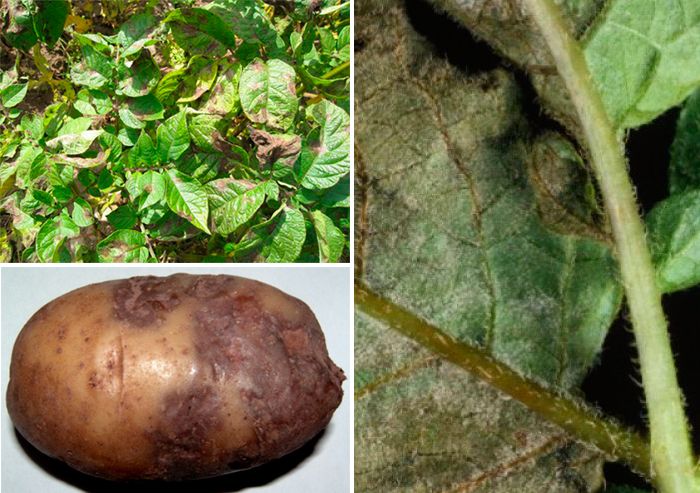
As noted above, the Molly variety exhibits high resistance to canker, Alternaria, Fusarium, Verticillium wilt, and common scab. However, improper care or inadequate preventative measures can lead to disease. The table below describes the main diseases and their control methods.
| Name of the disease | Prevention | Treatment |
| Late blight of tubers and tops
|
To prevent tuber disease, pre-germinate the planting material and treat it with a solution of Fitosporin, copper sulfate, or potassium permanganate. It's also important to remove weeds promptly, follow watering guidelines, and apply fertilizers containing potassium and phosphorus. | Diseased plantings are treated with specialized preparations: Oxychom, Gamair, Metaxil, Bravo, Planriz, Baktofit. |
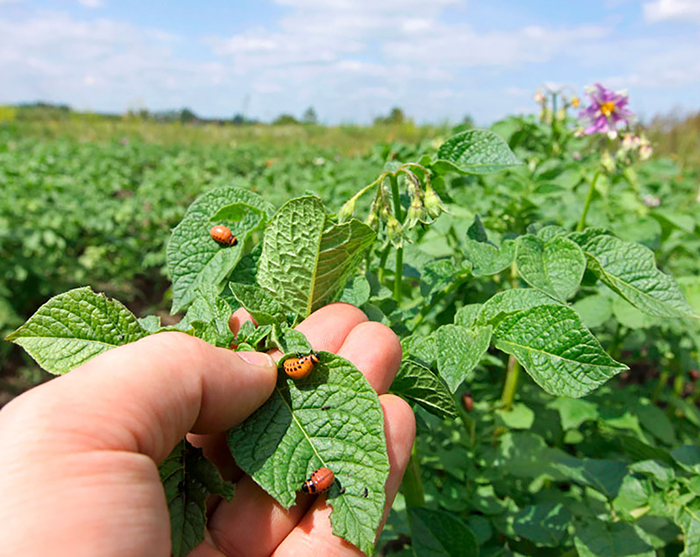
| Colorado beetle
|
Insect activity begins when the soil temperature reaches 14°C. Experienced gardeners plant potatoes earlier, before the soil warms up enough for the shoots to grow and become strong. To prevent insects from appearing, it's recommended to plant marigolds, valerian, and nasturtiums near the potatoes. Some gardeners add lemon or orange peel to the hole, as insects dislike the smell. |
The best way to get rid of beetles is to collect them by hand, place them in a jar, and cover with water (half a liter of pests per 10 liters of water). Within a week, the beetles will release a poison into the liquid, which can be sprayed on your plants (in a 1:2 ratio) to repel any other beetles that might be interested in eating your potatoes. Chemicals such as Komandor, Actellic, Corado, Prestige, and Aktara can be used to control the Colorado potato beetle. |
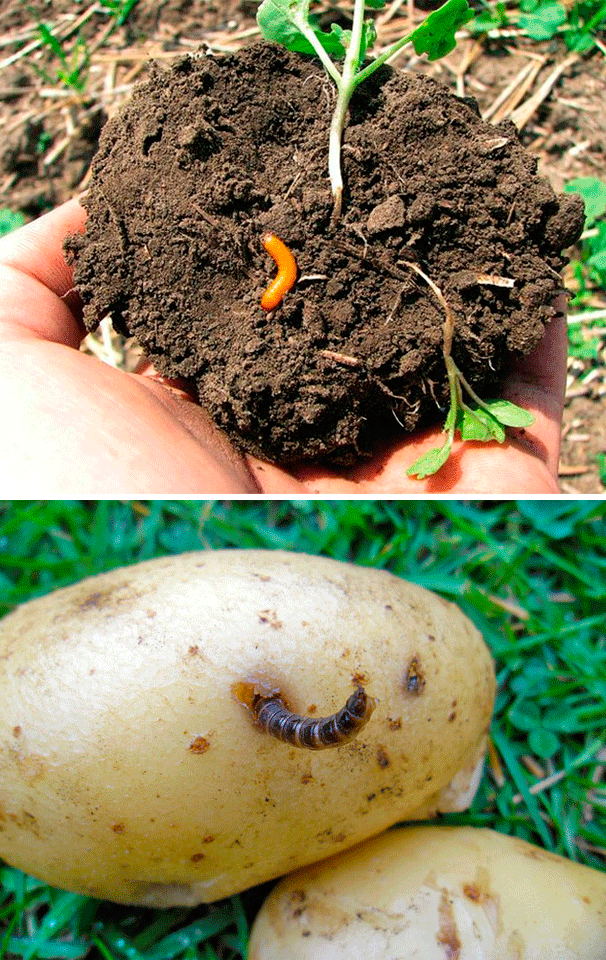
| Wireworm
|
As a preventative measure, onion peels are added to the holes when planting potatoes. | Products such as Aktara, Provotox, Prestige, Diazinon, Grom, Gromoboy, and Zemlin can help kill wireworms. Among folk remedies, a daily herbal infusion of 200 g of nettle, 100 g of dandelion, 100 g of coltsfoot, 50 g of celandine, and 10 liters of water is effective. |
The nuances of harvesting and storing the Molly potato variety
The first trial digging can be done as early as 40 days later. It doesn't require much skill or care, as these tubers will soon be eaten. However, when beginning the full harvest, more caution is needed to avoid damaging the tubers' skins.
The first sign of harvest readiness is yellowing and drying of the tops. Dry and warm weather is essential for harvesting, and wind will aid in drying the tubers.
If there are signs of disease on the leaves or stems, all the tops should be cut off before digging.
During harvest, potatoes are sorted: some tubers are used for food, others are stored. It's important to remember that early-ripening potato varieties should be eaten first; they won't keep for long.
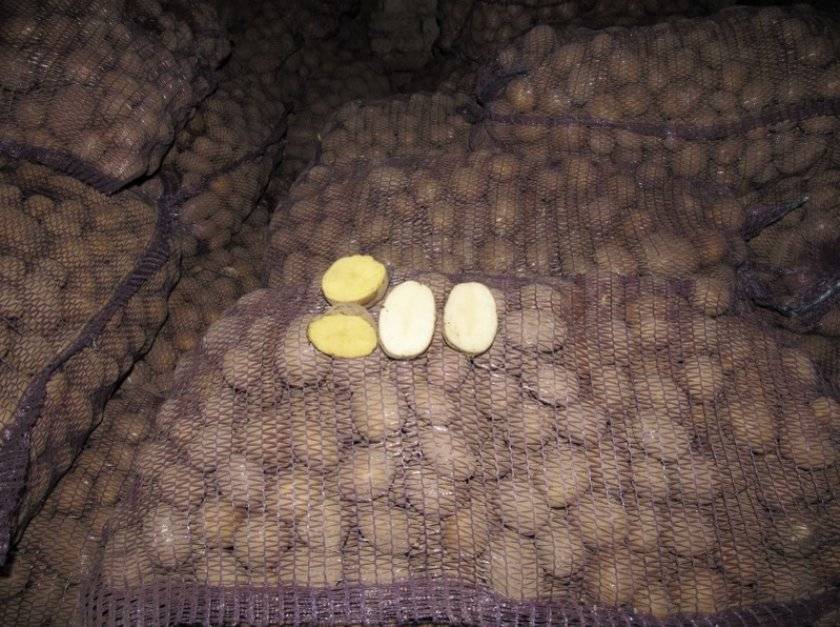
Harvested tubers should be stored in a cool, well-ventilated area with a temperature of +2…+4°C. The recommended humidity level is 90-95%.
For best storage, avoid storing potatoes on the floor. It's best to build a wooden platform or store the tubers in boxes sprinkled with sawdust. Read more in the article about How to properly store potatoes and where.
Comparison of the Molly potato variety with other varieties in the table
| Variety | Ripening period (number of days to maturity) | Starch (%) | Yield (c/ha) | Weight of tubers (g)
Number of tubers per bush |
Shelf life (%) |
| Molly | Early ripening* | 11.4-13.4 | 171-308 | 98-142
20-25 |
82 |
| Blue | Mid-season*** | 17-19 | up to 500 | 90-150
9-11 |
90-95 |
| Karatop | Early ripening* | 11-15 | 200-430 | 60-100
16-25 |
97 |
| Laura | Mid-season*** | 15-17 | 350-550 | 90-150
15-20 |
90 |
| Lina | Mid-early** | 18-18.5 | 210-540 | 105-250
7-11 |
95 |
| Merlot | Mid-early** | 14-16 | 190-504 | 90-140
6-11 |
98 |
| Nandina | Early ripening* | 12-15 | 146-322 | 72-132
8-12 |
93 |
| Red Fantasy | Mid-late**** | 15-16.3 | 253-393 | 92-140
10-12 |
96 |
| Elite | Mid-early** | 12.6-15.7 | 187-360 | 97-128
7-12 |
94 |
| Aurora | Mid-season*** | 14-17 | 250-300 | 90-150
9:30 |
94 |
*Early ripening – 50-65 days.
**Mid-early – 65-80 days.
***Mid-season – 80-95 days.
****Mid-late – 95-110 days.
Real reviews from gardeners about the Molly potato variety
Everyone who grows the Molly variety in their gardens notes its low maintenance, ease of care, and the delicious flavor of cooked dishes. But the main advantage is that it yields two crops, and the first new potatoes can be enjoyed as early as July.
User Alex Farmer
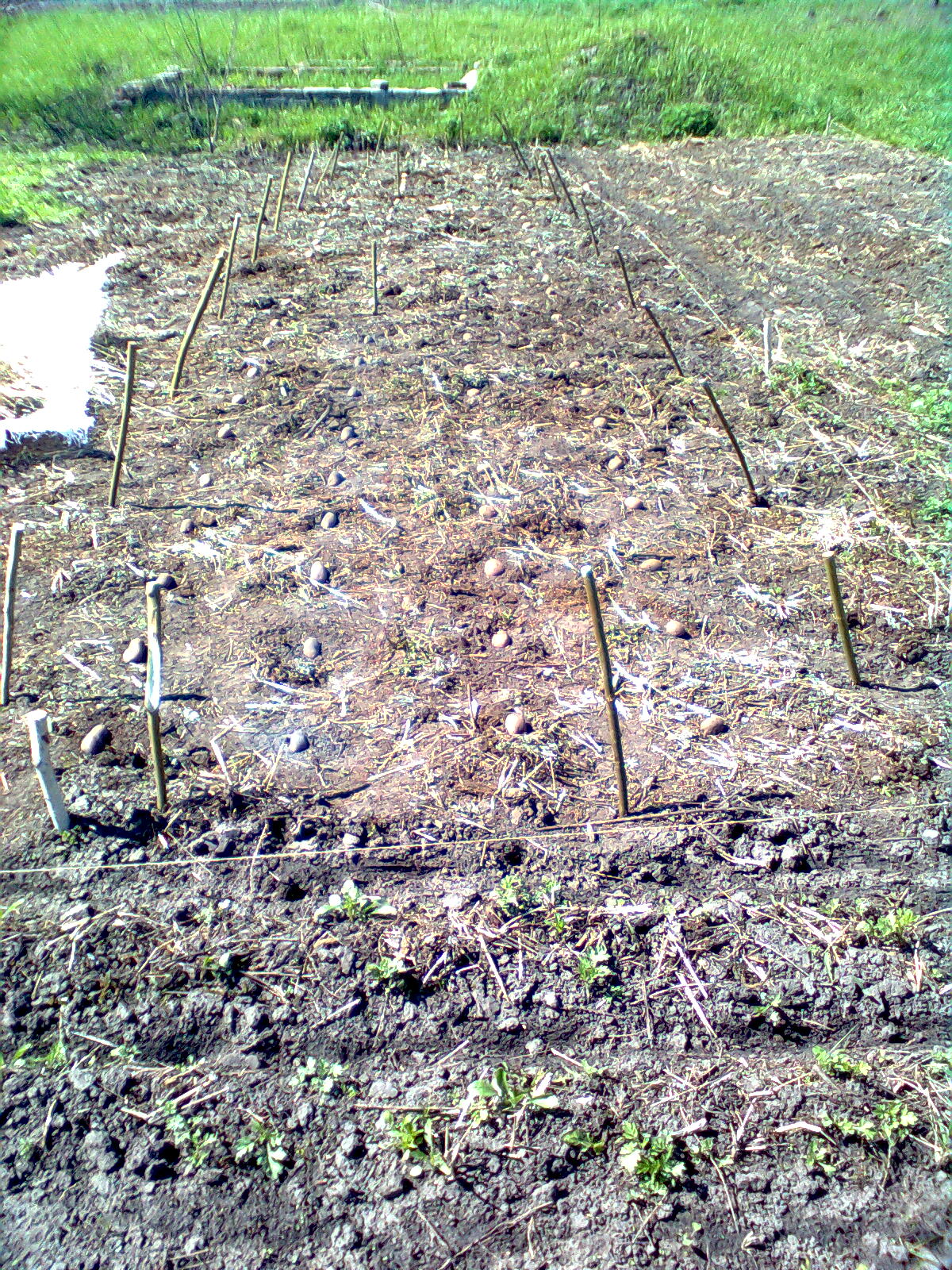
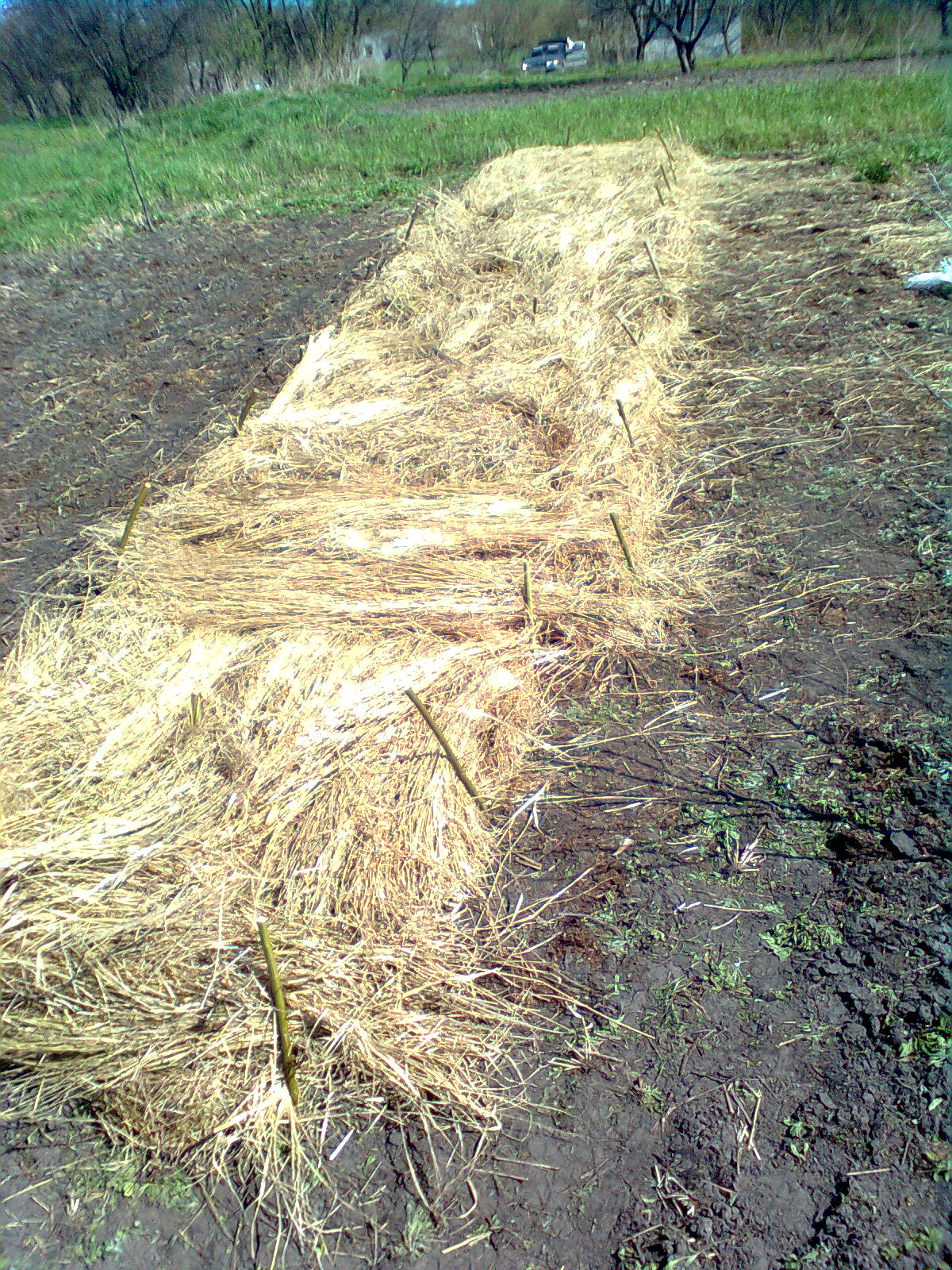
In 2012, I conducted an experiment: I grew potatoes under straw. True, it wasn't straw, but last year's wheatgrass, which I'd harvested with a sickle in the spring from a neighboring abandoned plot (the scythe couldn't reach it; it was practically all on the ground), but it's hard to call it hay.
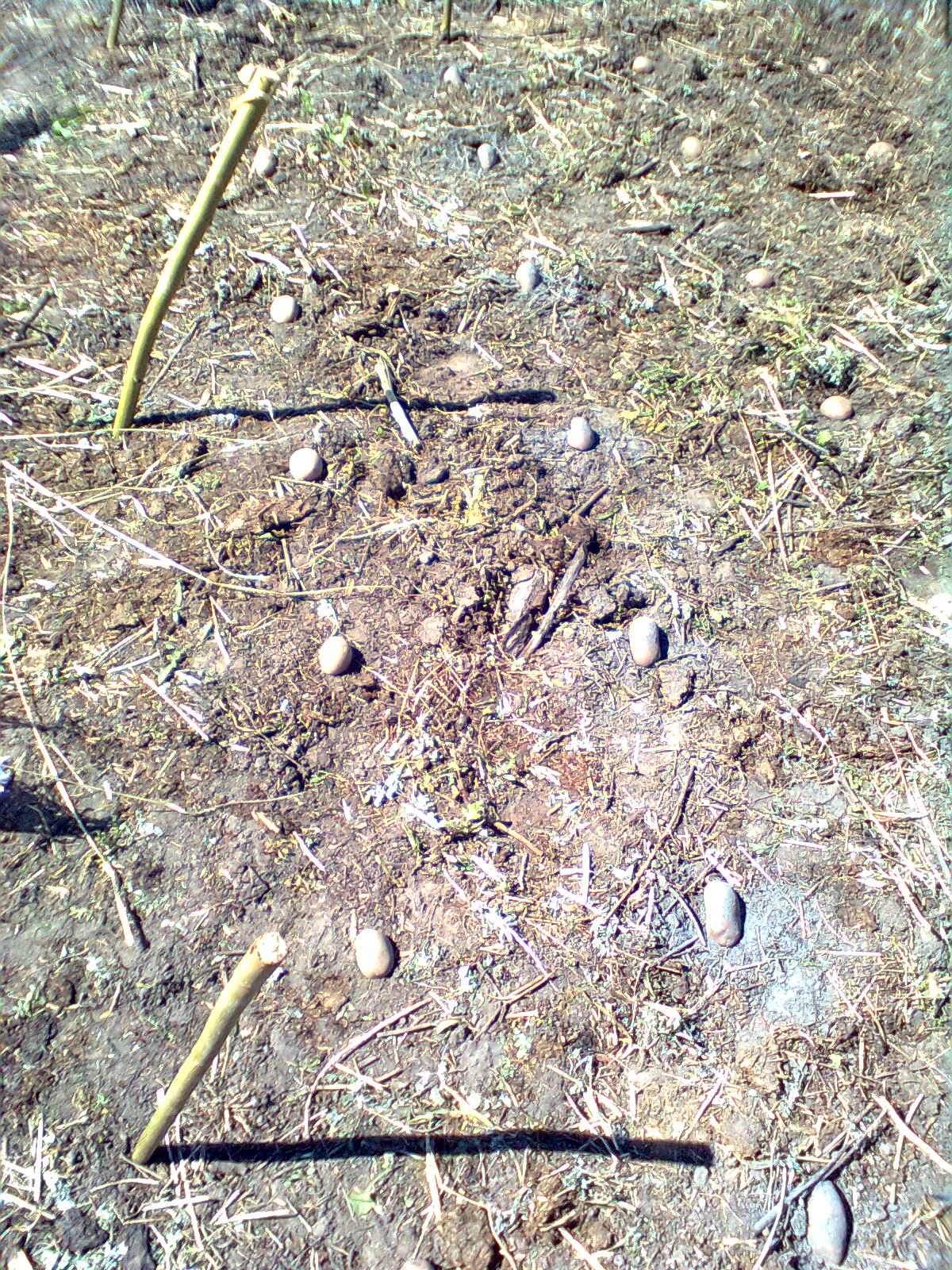
I planted only 4 rows (128 small potato halves)—there wasn't enough straw for more. The total halves were: 62 of the Belarusian Zhuravinka variety, 26 of the early Dutch variety. Molly12 Dutch Mozart potatoes, 14 of an unknown Israeli variety, which was bought at Magnit as food grade rather than seed, and 14 of an unknown pink oblong variety, also bought at Magnit, supplied there by some Moscow company. I cut the potatoes lengthwise, trying to leave an equal number of eyes on each half, dipped the fresh cuts in ash, and laid them cut-side down on the ground, then covered them with straw.
I didn't do any pre-sowing treatment of the tubers—no soaking in water with potassium permanganate, no other treatments. I separated the varieties in the rows with vertical stakes so I could tell which ones were growing where. The inclined stakes were supposed to prevent the straw from turning into "Gone with the Wind," and they served their purpose very well.
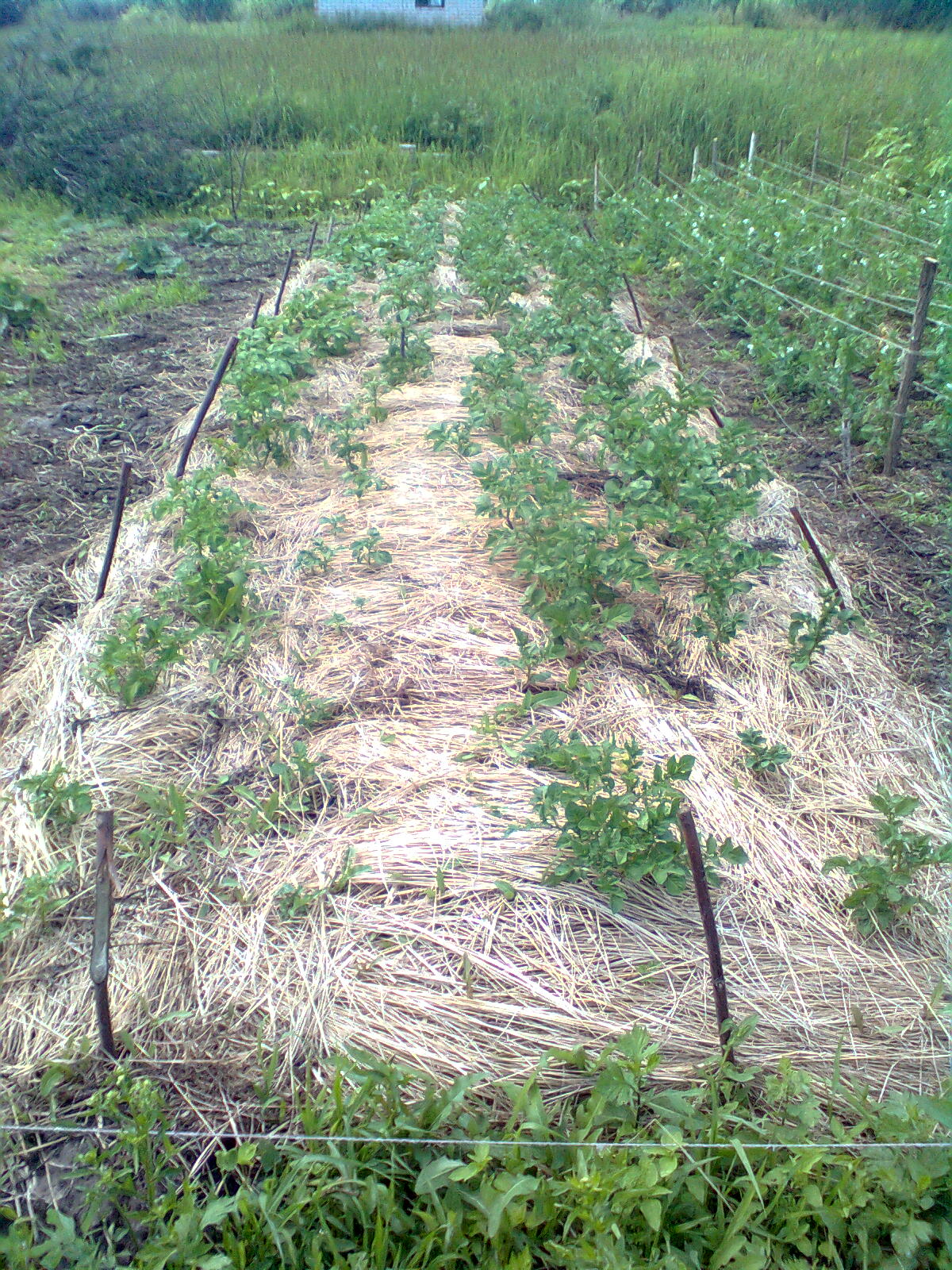
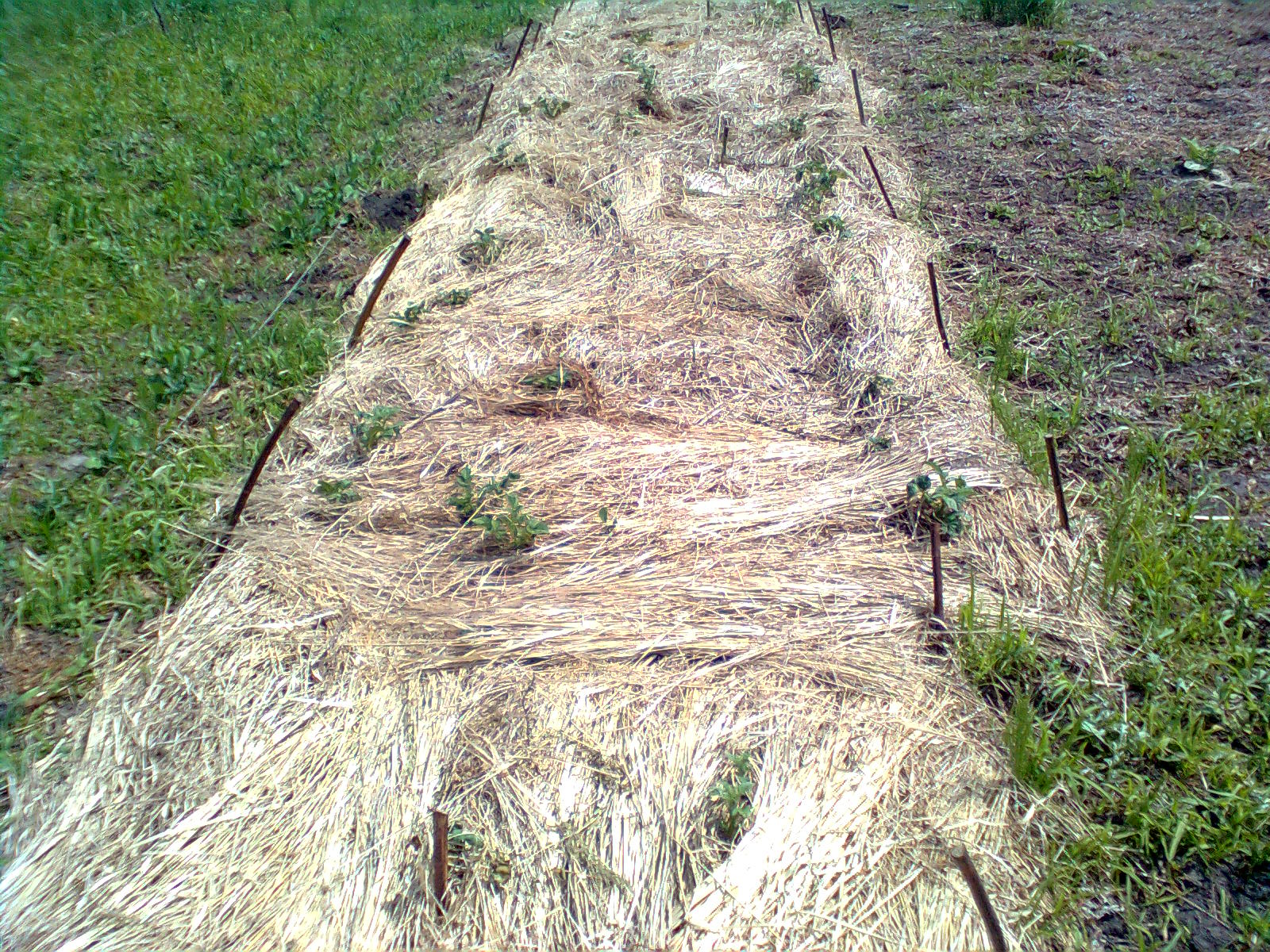
Since I didn't cut the straw, the density of the layer varied in different places, although I kept the thickness consistent throughout by eye. I "planted" the seeds on April 27th, and the sprouts began to emerge through the straw around May 20th (photo from May 30th, showing the uneven emergence; scroll through the gallery after the review). Interestingly, Zhuravinka and Molly The Mozart and an unknown Israeli variety sprouted the most evenly, with a 100% germination rate. The Mozart and an unknown Israeli variety sprouted very unevenly, but I attribute this to the straw bundles being too dense in places; the sprouts themselves were thick and strong. The unknown variety, supplied to Magnit by Muscovites, sprouted last of all. The sprouts were thin and frail, the plants themselves grew low, with tiny leaves, almost a pity to look at. The photo taken on June 14th shows a fairly current situation: two rows of Zhuravinka on the right, a row on the left. Molly, and between them, from the viewer to the nearest peg, there is a skinny Moscow one, then Mozart, and behind him an Israeli one, although it is practically invisible in this photo.
…
The weather remained fairly humid until about July 10th, and the humidity under the straw was naturally much higher. This led to an important conclusion: Molly and an unknown Israeli variety turned out to be susceptible to potato scab—most of the tubers were infected. Of course, it didn't affect the taste in any way, but I won't be growing these varieties again.
…
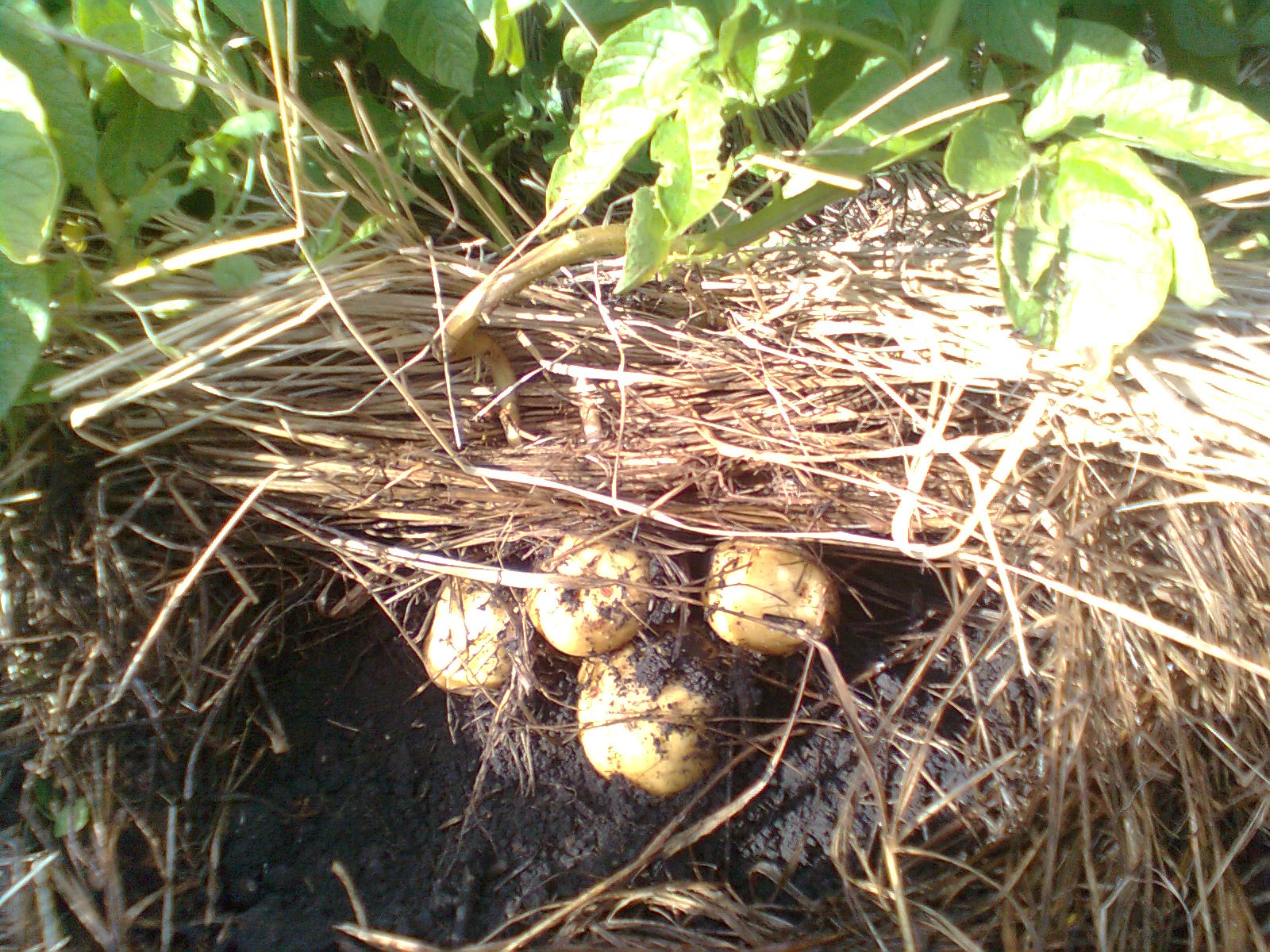
The first time I looked under one bush Molly Back on July 1st or 2nd, the tubers were a bit small back then, so I covered them with hay again to let them grow some more. On July 17th, I opened the same bush, but the three outer tubers were missing... A human couldn't have stolen them (a thief would have taken much more, or most likely all of them), moles don't eat potatoes, mice would have left the cores, so there's only one suspect left—the mole rat. I checked the bushes in various places—everywhere the tubers lay half-buried in loose soil, with numerous tunnels visible. Due to the high humidity, the tubers were dirty, as if they had been grown not under hay, but using industrial technology...
…
About the variety Molly I already wrote: the harvest was good, the tubers grow very close to the stem, looking like a bunch, but the variety is very susceptible to potato scab. Since this is an early variety, the tubers were picked and eaten in July.
Photos by Alex Farmer:
User Rusalka
My favorite variety is Molly - very, very early and productive, yellow and tasty.
User AlexVZ, Russia, Tambov
Molly - Starch content 11.4-13.4%. Good taste.
User Ryumochka, Ukraine
Still, from my own experience, I recommend looking for varieties like Bellarosa at exhibitions (very early and productive, with large tubers and good shelf life). Picasso is productive, large, and delicious. Folva is super-tasty and large-yielding. Pirol is similar to Adretta. Also, Vinetta, Povin, Jelly, and Molly. These are the varieties I've tested in my garden.
…
The Molly variety contains 11.5% starch, which is the lowest percentage.
User Aleksan9ra, Moscow region
Marina! Take them all. Molly and Gala are early varieties. They'll be perfect for you, especially if the weather gets as dry as it was last year. Start them right away and plant them as early as possible.