Gardeners value potatoes not only for their flavor and high yields, but also for their adaptability to various climates and ease of care. The Velikan variety possesses precisely these qualities.
Content
- 1 The origin of the Velikan potato variety
- 2 Description of the Velikan potato variety + characteristics in the table
- 3 Advantages and disadvantages of the Velikan potato variety
- 4 Planting Features of the Velikan Potato Variety
- 5 Caring for the Giant potato variety
- 6 Protecting the Velikan potato variety from diseases and pests
- 7 The nuances of harvesting and storing the Velikan potato variety
- 8 Comparison of the Velikan potato variety with other varieties in the table
- 9 Real reviews from gardeners about the Velikan potato variety
The origin of the Velikan potato variety
The Velikan potato is a domestically bred variety. The originator is the Lorkh Institute of Potato Farming. The variety was officially registered relatively recently, in 2013.
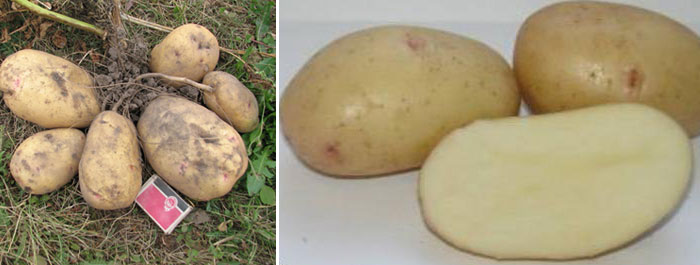
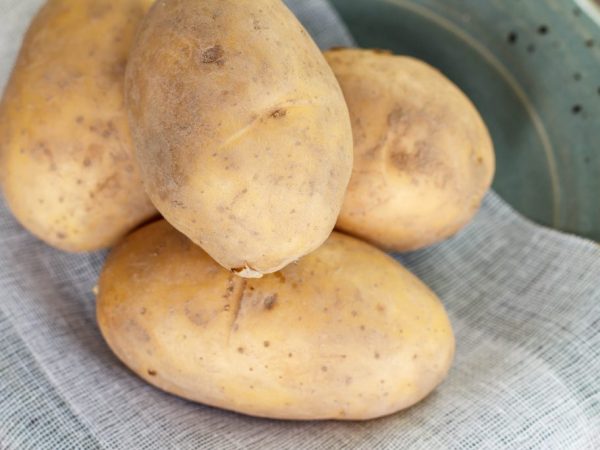
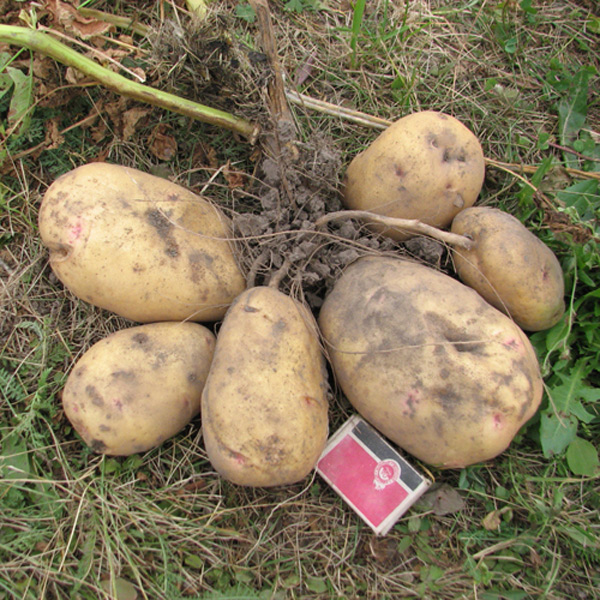
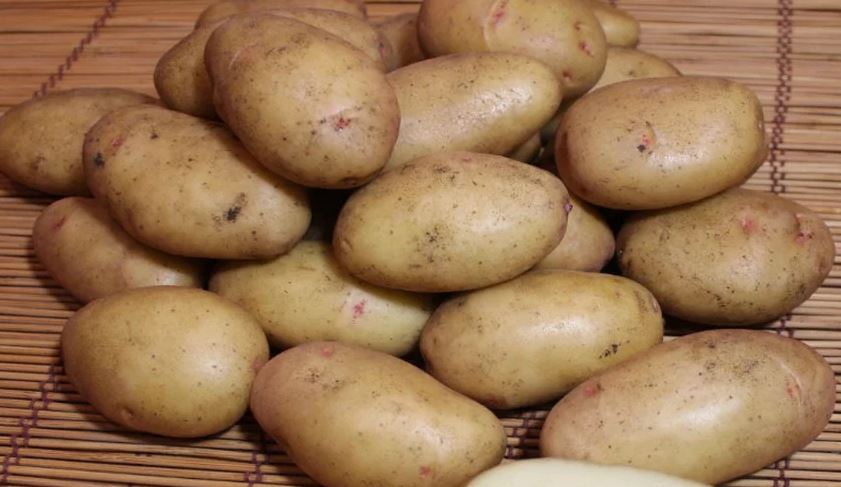
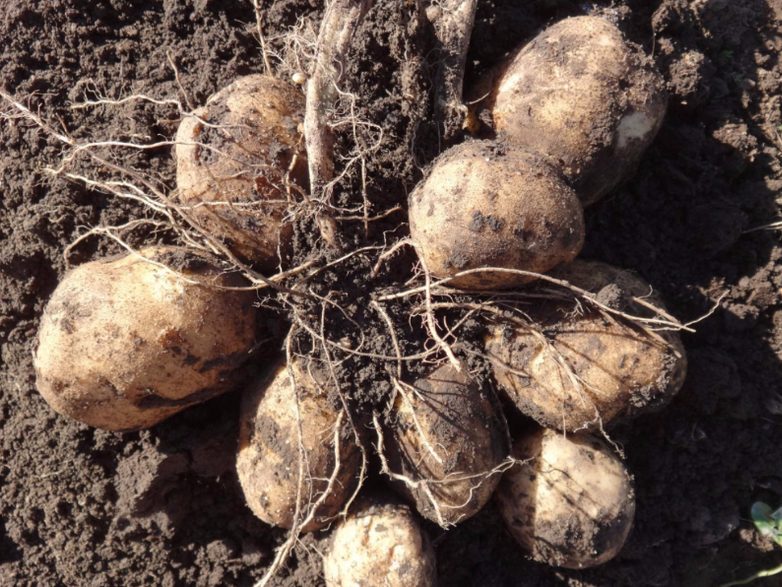
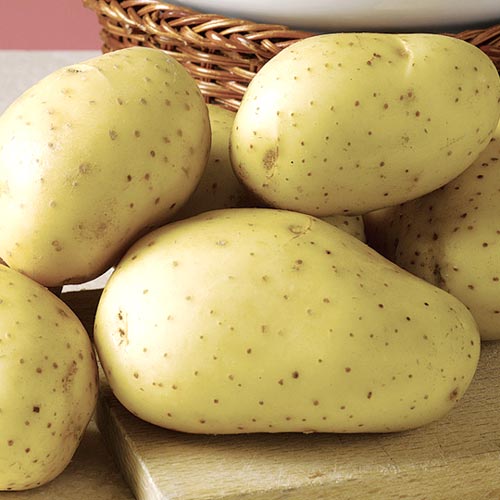
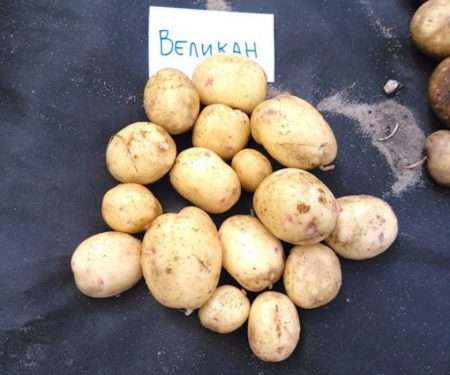
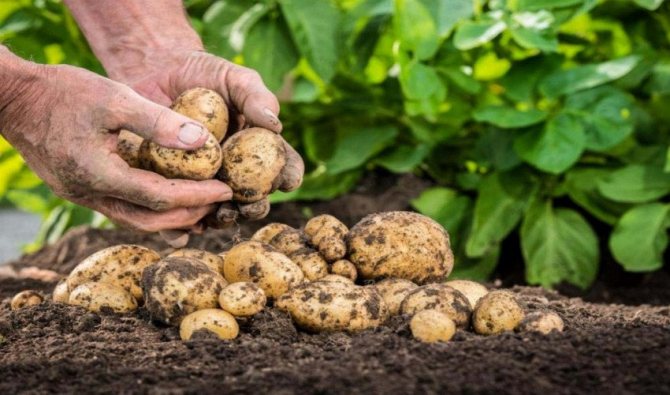
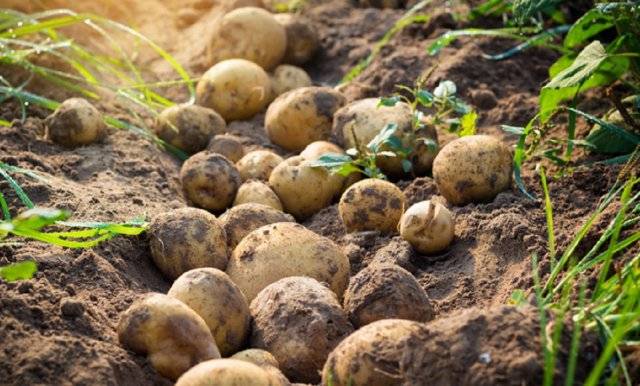
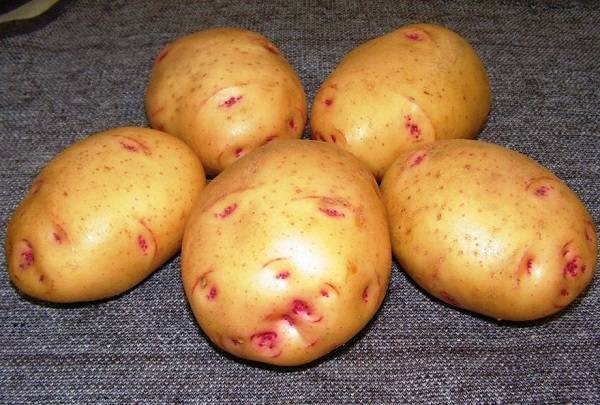
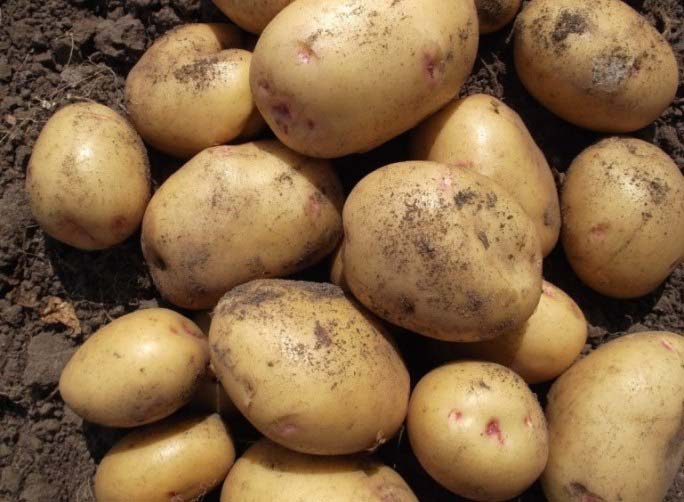
Photo of the Velikan potato variety:
Description of the Velikan potato variety + characteristics in the table
| Parameter | Description |
| How long does it take for potatoes to ripen? | The variety is mid-season; the harvest can be collected in 80-95 days. |
| Starch content in pulp | 15.9-18.9% |
| Average tuber weight | 104-1403 |
| Approximate number of tubers in one bush | 8-13 pcs. |
| Productivity | From one hectare you can definitely collect 290 centners, the average is 420 centners, the maximum is 613 centners. |
| Taste qualities | Potatoes have a wonderful flavor and are used to produce starch and chips. |
| Storage ability, shelf life | 97% |
| Peel color | Light beige |
| Pulp color | Cream |
| Growing regions | Central, Central Black Earth, Volga-Vyatka. |
| Disease resistance | Resistant to potato cancer. Moderately resistant to wrinkle and stripe mosaic, leaf curl, black scab, fusarium leaf and tuber wilt, wireworm. Not resistant to nematodes. Often attacked by the Colorado potato beetle and mole cricket. |
| Features of cultivation | To obtain a good harvest, it is necessary to prepare the soil before planting (see the section Requirements for the planting site and its preparation). |
| The organization that developed the variety | A.G. Lorkh All-Russian Research Institute of Potato Farming |
Velikan is a mid-season variety. This means that approximately three months pass between germination and harvest. This potato is quite demanding of soil, and its yield depends on its quality.

This variety is beloved by gardeners for its excellent flavor. After cooking, it doesn't become overcooked, but becomes tender and crumbly. It's suitable for a variety of cooking methods. The tubers are also used in industrial production, for example, to extract starch and make chips.
Let's take a closer look at some of the variety's characteristics.
Bushes
This cultivar forms upright bushes with a well-developed root system and medium foliage. The leaves are large, matte, and dark emerald in color. They have slightly wavy edges.
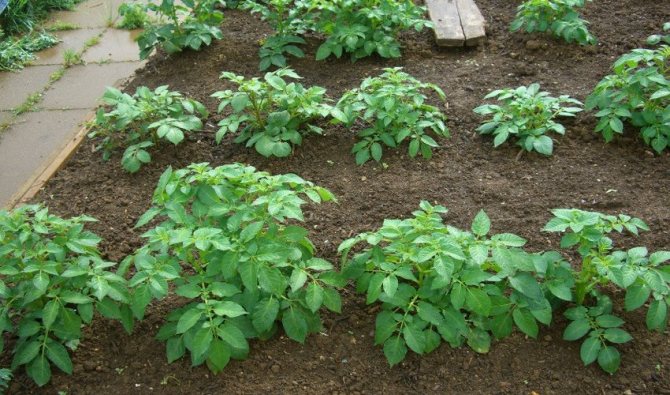
During the short flowering period, small and medium-sized inflorescences of a reddish-purple color are formed.
Tubers
The tubers are large, oval-round in shape. On a single plant, they are approximately equal in size. The skin is light beige, smooth, glossy, and of moderate density.
The eyes are few and small to medium in size, reddish in color, and shallowly set. The flesh is creamy and has a pleasant flavor. The starch content is moderate.
Nutrients and nutritional value
Potatoes contain many useful substances:
- vitamins A, B, C, E, K, PP, betaine, beta-carotene, lutein;
- macro- and microelements - potassium, calcium, zinc, selenium, manganese, phosphorus, sodium, magnesium, iron;
- fatty acids Omega-3, Omega-6;
- replaceable and essential amino acids.
Helpful information! 100 grams of this product contains approximately 70 kcal. This satisfies approximately 3-4% of a person's daily requirement.
Productivity, ripening time
This variety has a high yield. On average, 290-424 centners of potatoes can be harvested from one hectare of land. There have been cases where 912 centners of potatoes were harvested from the same area.
Technical maturity occurs within 80 days after sprouting. Potatoes are fully mature within 100 days after germination.
Resistance to diseases and pests
This variety exhibits good resistance to potato wart. It also has relative resistance to rugose and striped mosaic, leaf curl, black scab, and wireworm.
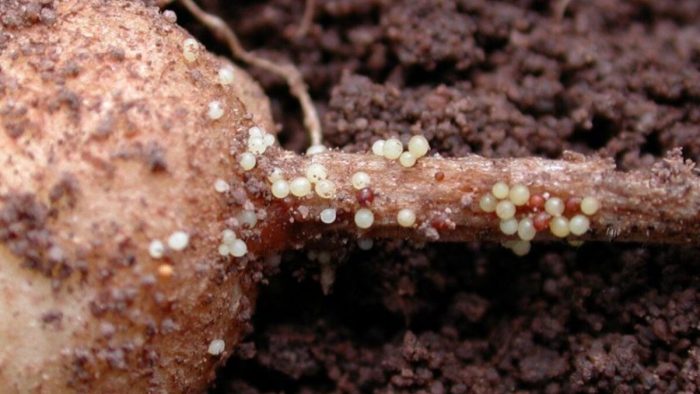
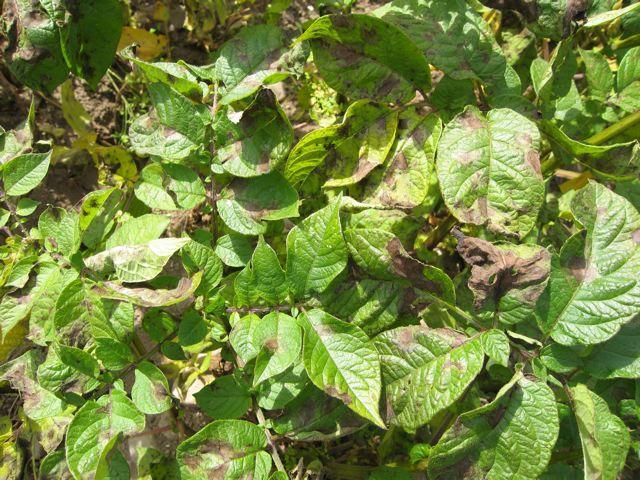
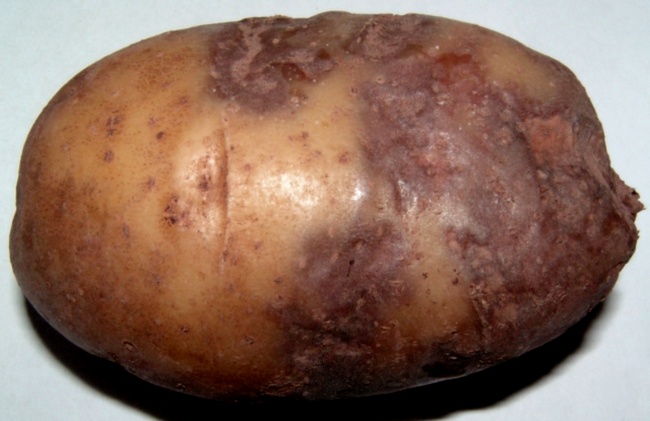
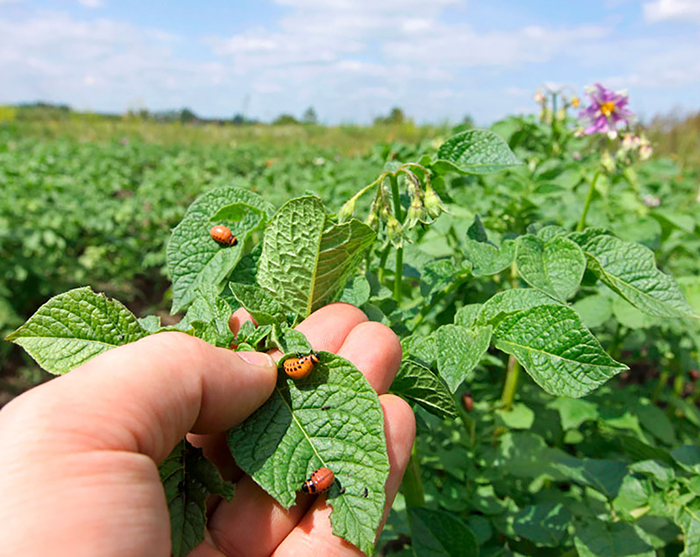
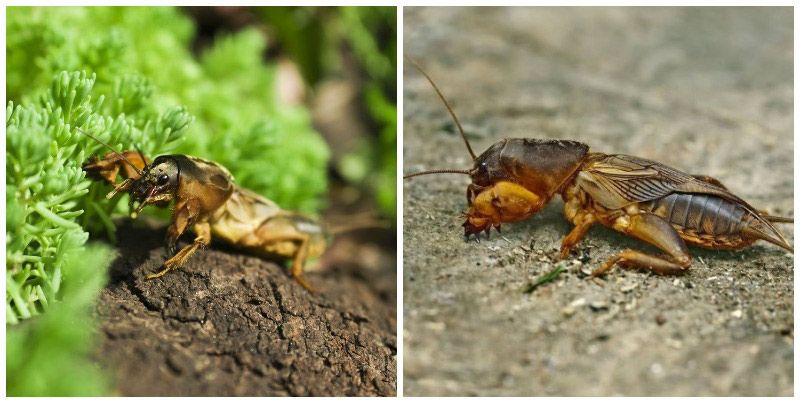
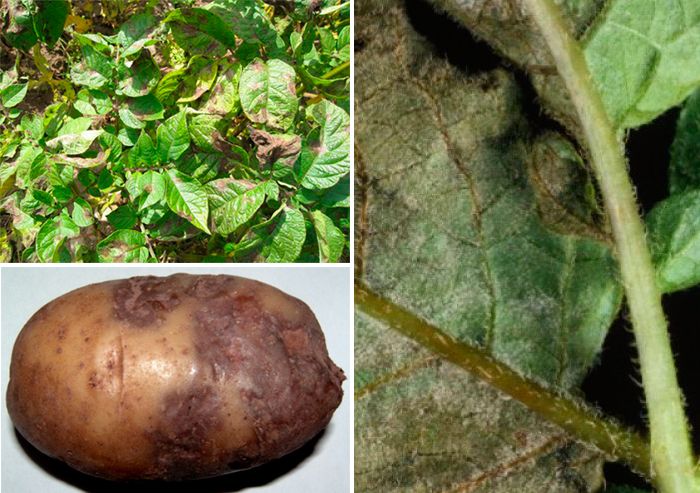
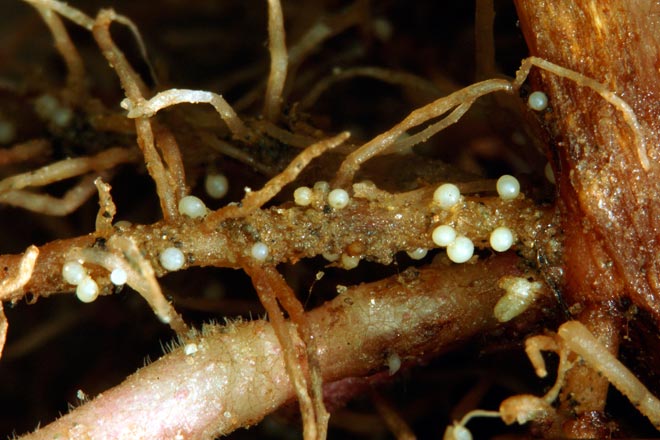
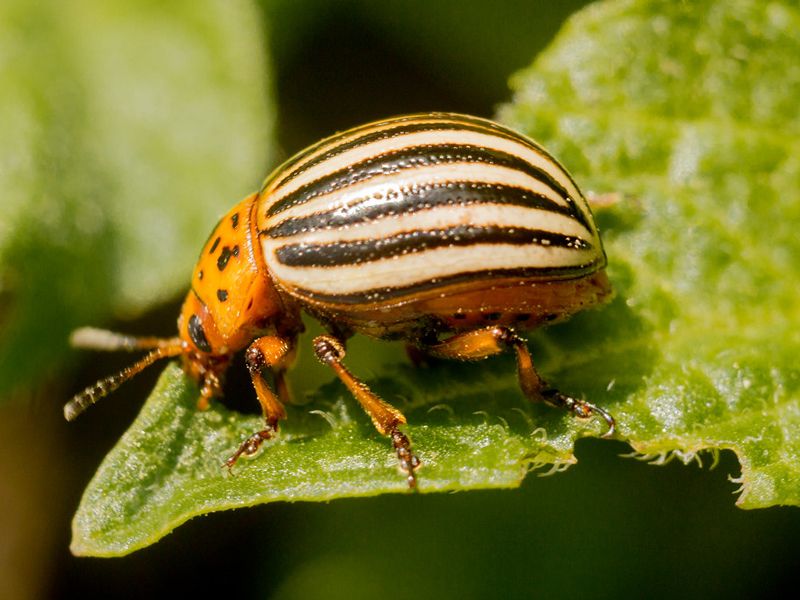
At the same time, the Giant is moderately susceptible to late blight tubers and roots. Often affected by nematodes, Colorado potato beetleIf there is a large population of mole crickets in the area, they can also cause damage to potatoes.
What regions is it suitable for?
The Velikan potato variety is recommended for planting in the Central, Central Black Earth, and Volga-Vyatka regions. It is suitable for cultivation in both commercial fields and private farms.
Advantages and disadvantages of the Velikan potato variety
The giant has the following positive qualities:
- good resistance to drought and heat;
- marketable yield and productivity;
- excellent shelf life;
- disease resistance;
- rapid adaptation to moderate and cold climates;
- large, beautiful tubers of equal size;
- excellent taste.
Disadvantages include a high risk of infestation by the Colorado potato beetle and nematodes. However, with preventative measures, the likelihood of pest infestations is minimized. Another drawback is that the Velikan is demanding of soil.
Planting Features of the Velikan Potato Variety
To increase yield, you need to follow all the rules when planting.
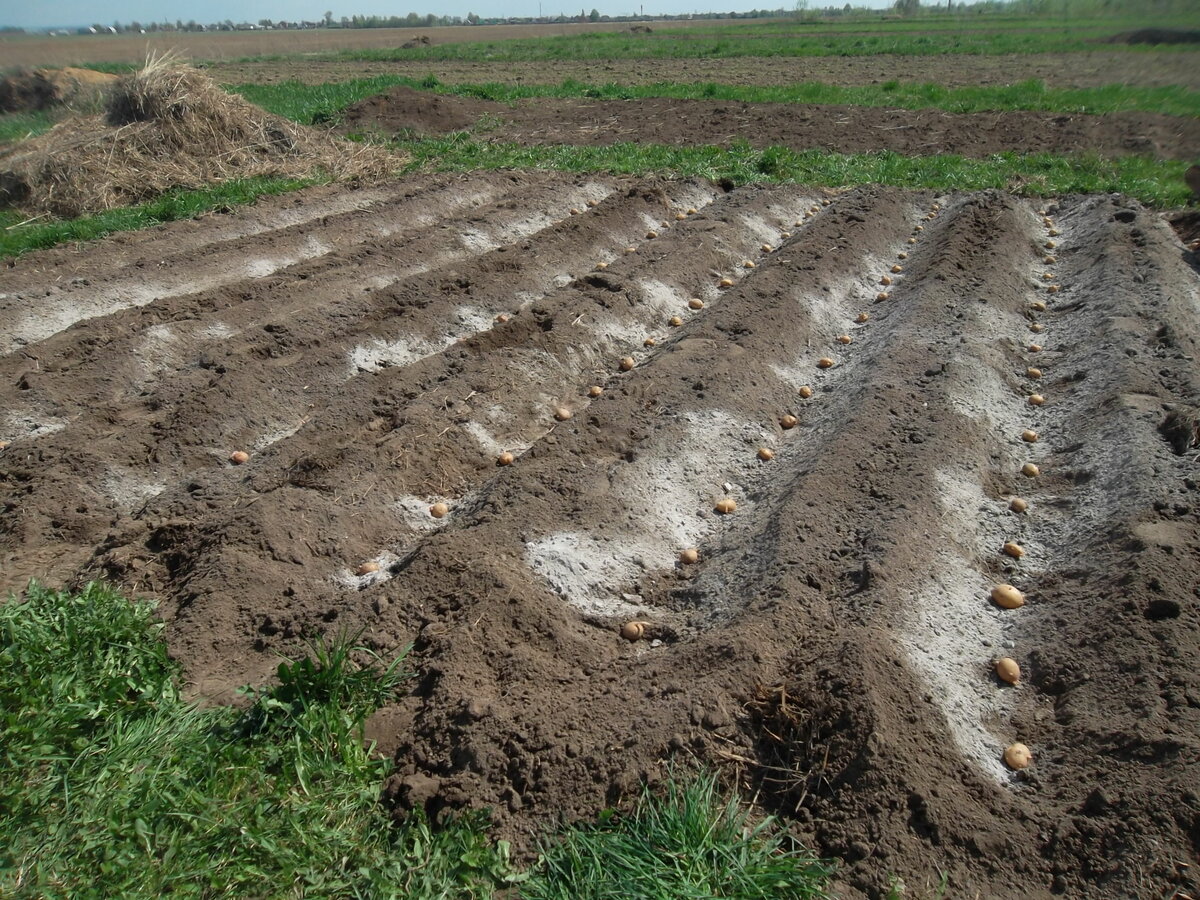
Requirements for the landing site and its preparation
When choosing a location for planting the Velikan variety, it is necessary to take into account the following nuances:
- Potatoes can be planted in the same area only after 4 years.
- If the soil is clayey, it needs to be plowed to improve permeability.
- Soil compaction can be reduced by planting green manure crops in the fall after harvesting. They also make excellent organic fertilizer. Mustard, buckwheat, and grains can also do the job.
- Potatoes can be preceded by legumes, cucurbits, and cruciferous vegetables. They should not be planted after peppers, eggplants, or tomatoes, as they share the same pests.
- The soil pH should be between 5.5 and 7. To improve soil fertility, you can add compost (2-6 kg per square meter).
- It is desirable that the place for planting potatoes be located on a hill and be well lit by the sun.
- Before planting, the soil must be disinfected. This can be done by simply scalding it with boiling water, watering it with a solution of potassium permanganate, or using fungicides. This will kill any infectious agents and pests present in the soil.
Please note! Potatoes grow poorly when planted in clay soil. The resulting crop is meager and flattened. If the soil is also too wet, this can lead to rot and fungus. To improve the soil, you can add peat and sand.
Selection and preparation of seed tubers
Only healthy tubers, free of disease and mechanical damage, are suitable for planting. Such planting material must first be greened by exposing it to light for 30 days.
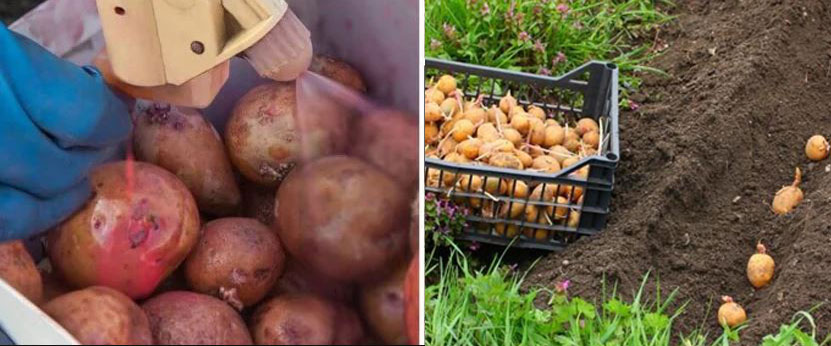
Next, the tubers are germinated. To do this, they are transferred to a bright room with a temperature of 12 to 14°C. Humidity should be high, at least 80-90%. To achieve this, the tubers need to be sprayed and turned daily.
The room temperature should be gradually lowered. By the end of germination, it should be between 4 and 6°C. This will ensure better growth of the plant during the growing season.
Germination takes 2-3 weeks. Tubers weighing 30-100 g are used. When the sprouts reach 2-3 cm, they can be planted in open ground, after being treated with a solution of potassium permanganate and a growth stimulant.
Planting times and rules
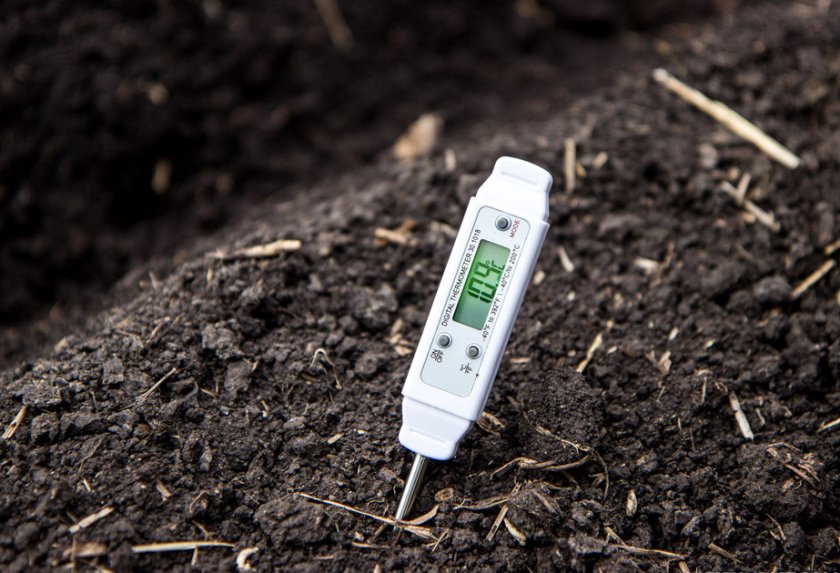
You can begin planting when the soil at a depth of 15 cm warms up to +10°C. If this is not taken into account, the tubers will simply rot.
In central Russia, planting typically begins in late April or early May. In the north, the timing shifts forward by a month. In the south, planting can begin as early as early April.
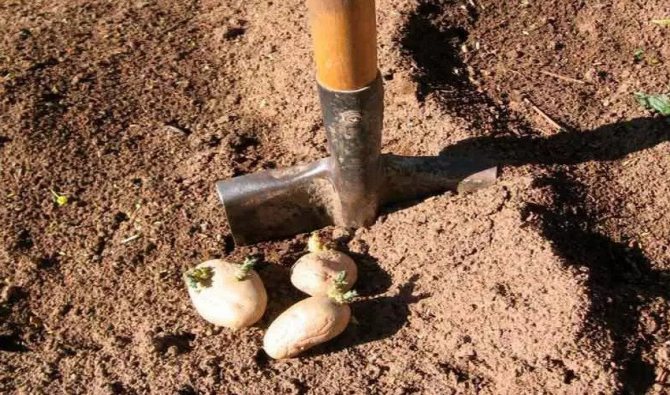
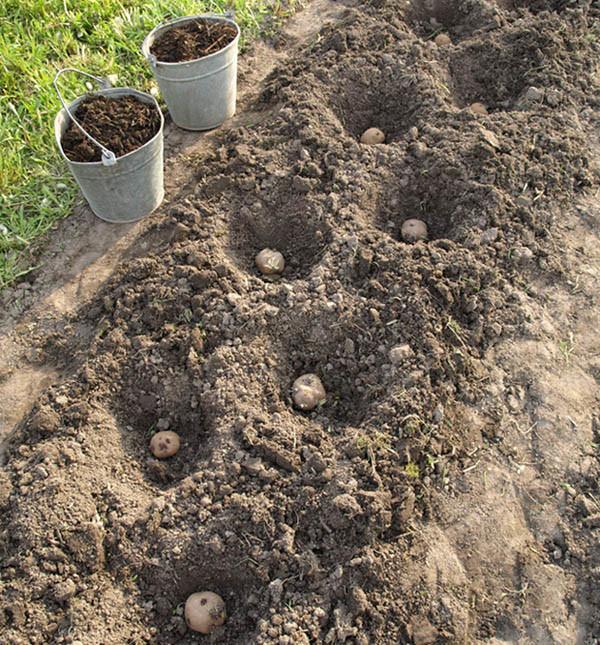
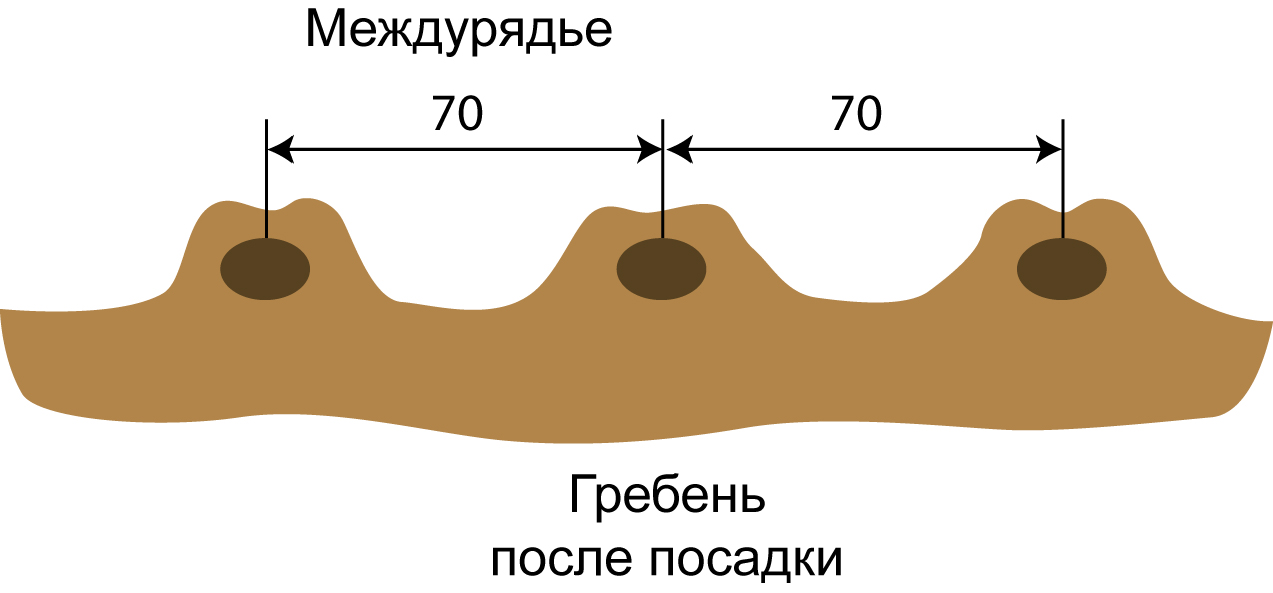
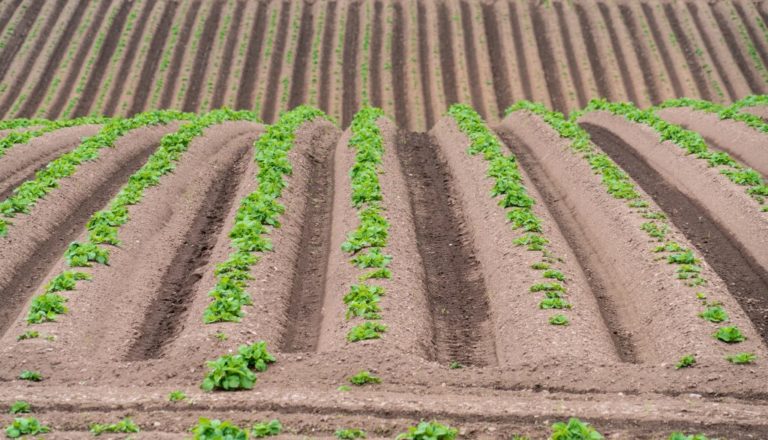
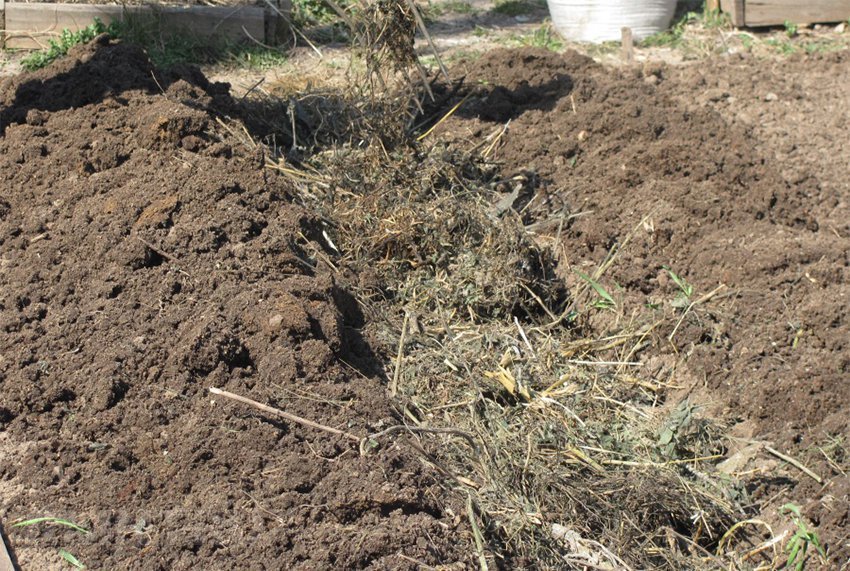
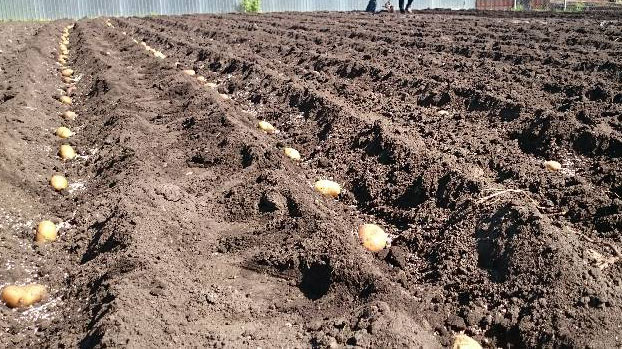
Landing can be done in three ways:
- Under the shovelHoles are dug 30-40 cm apart and 10 cm deep. A layer of compost or rotted manure is placed inside. The tubers are placed on top. They are then covered with soil and leveled.
- In the ridgesThe distance between rows is 70 cm. The ridges should run from south to north. The distance between tubers in a row is 30-40 cm. As the bushes grow, they need to be hilled.
- In the trenchThe distance between rows is 50-70 cm. The planting depth is 30 cm. Straw is placed on the bottom of the trench beforehand. A layer of compost or rotted manure is added on top. A small amount of soil is added to cover the entire trench. The tubers are placed on top, then covered with soil. It is recommended to place the trenches facing south to north.
Helpful information! In sandy and sandy loam soils, trench planting is preferable. In loam soils, potatoes are usually planted in ridges. The spade method is considered traditional and is typically used in plots where potatoes have been grown for many years.
Caring for the Giant potato variety
The variety has standard agrotechnical requirements.
Watering
The number of waterings will depend on the soil type:
- light and sandy soil - 2-3 times a week;
- clay soil - once a week.
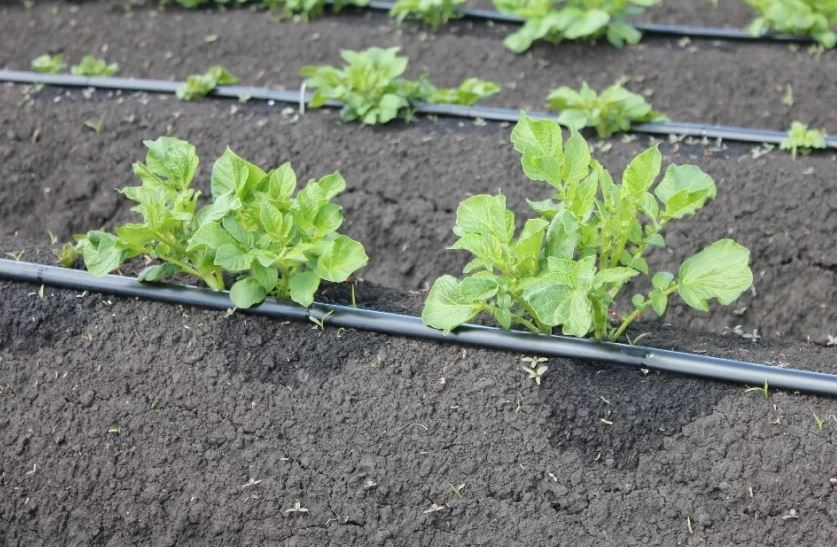
Basic rules of watering:
- the first time the soil is moistened after the first hilling;
- watering should not be done deeper than the root system (otherwise, fertilizers can be washed into the deep layers of soil);
- You should not over-water the beds, as this is a favorable environment for the development of many infections;
- The tubers need to be watered regularly, as prolonged drought may cause them to be uneven;
- If the garden bed is located in a lowland, the amount of watering can be reduced; if it is located at a height, it can be increased.
Helpful information! If the soil is dry to a depth of 5-10 cm, it can be moistened. Stop watering after flowering.
Top dressing
When choosing fertilizer for potatoes, it is necessary to take into account that it should contain the following substances:
- nitrogen for normal growth of green mass;
- phosphorus for root development and good tuber formation;
- Potassium, which is involved in intercellular exchange, produces immunity to infections.
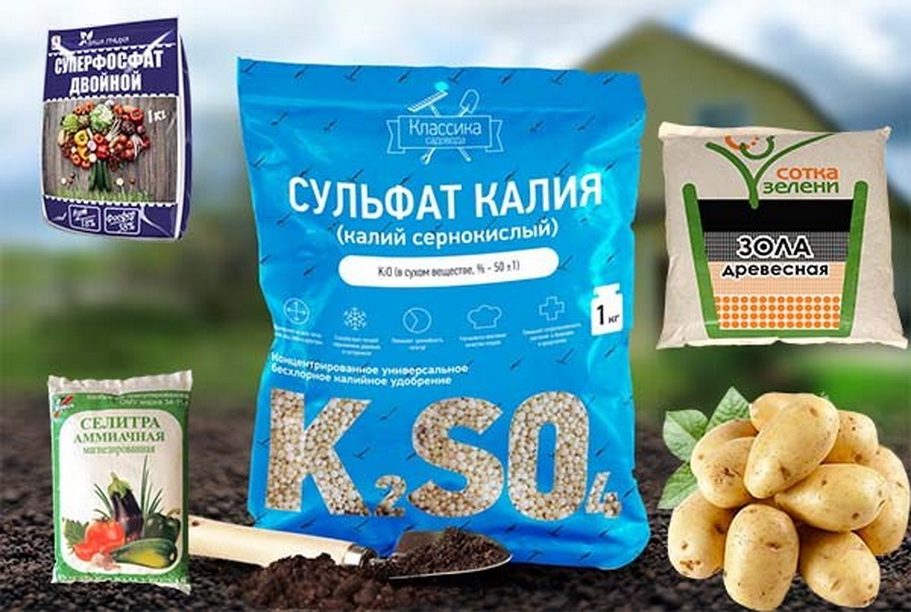
Fertilizer application scheme:
- from the moment of emergence until flowering - mixtures containing nitrogen (80-140 kg per 1 ha);
- during flowering - fertilizers with potassium (5-10 kg per sq. m).
For the Velikan potato, you can use both organic and complex mineral fertilizers.

Loosening, weeding, hilling
Velikan bushes require regular loosening. This will not only improve the soil quality but also help kill pests that have overwintered in the soil.
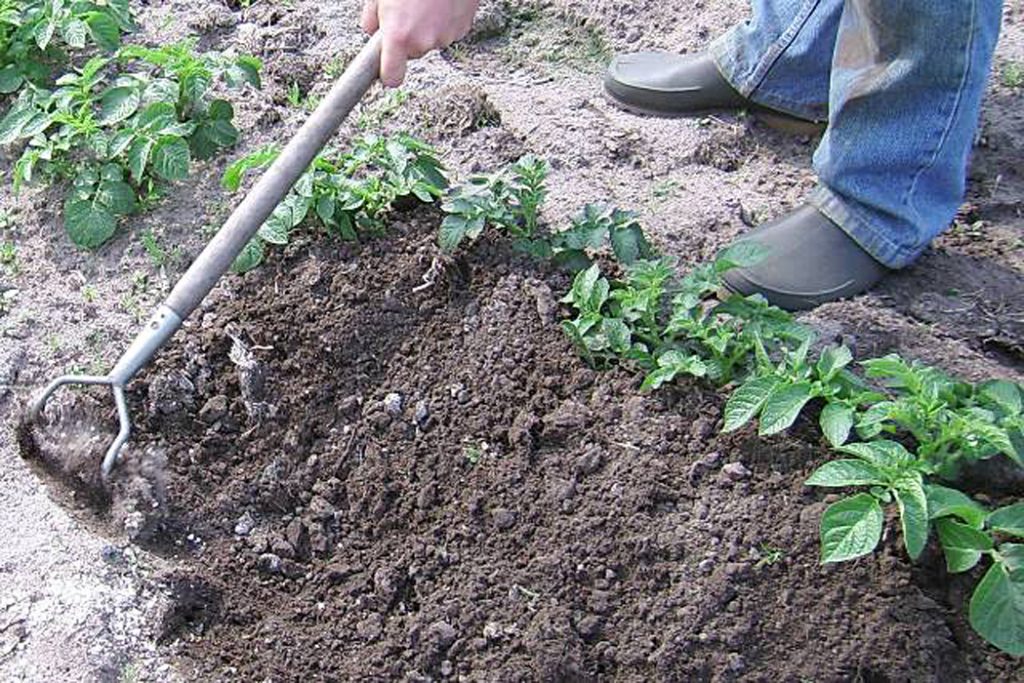
Weeds rob potatoes of nutrients. They can also harbor dangerous insects and pathogens. Therefore, weeds must be removed. Manual removal is recommended to reduce the risk of damaging the root system.
- The first hilling is done when the shoots reach a height of 10-15 cm. This allows the root system to expand, resulting in better plant development. It also helps reduce the number of foliar pests.
- The second hilling is done during flowering (approximately three weeks after the first). Soil is taken from between the rows and raked toward the bushes.
Protecting the Velikan potato variety from diseases and pests
The table below presents the main preventive measures and treatment methods for possible infections and pests that may threaten the Velikan potato variety.
| Disease, pest | Preventive actions | Control measures |
| Late blight
|
|
Use of systemic medications (Fundazol, Quadris). These are only effective in the early stages of the disease. Treatment with systemic contact fungicides (Ridomil Gold, Metaxil). |
| Nematode
|
|
|
| Colorado beetle
|
|
|
| Mole cricket
|
Use of poisonous drugs Medvetoks, Grom, Grizzly. |
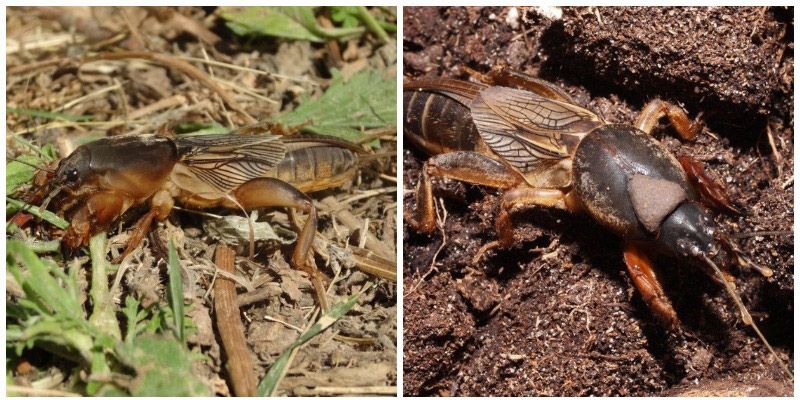
The nuances of harvesting and storing the Velikan potato variety
If potatoes are planned for immediate consumption, they can be dug up as early as 80 days after germination. When storing the crop, the tubers should remain in the ground for another 2-3 weeks without watering.
Potatoes are harvested in sunny, dry weather. Digging should be done carefully to avoid damaging the tubers. Allow them to dry in a well-ventilated, dry place for a week. After this, sort the tubers, removing any diseased or damaged ones, and placing the healthy ones in wooden boxes. Store the harvest in a cool room with a temperature of 4 to 10°C.
Comparison of the Velikan potato variety with other varieties in the table
| Variety | Ripening period (number of days to maturity) | Starch (%) | Yield (c/ha) | Weight of tubers (g)
Number of tubers per bush |
Shelf life (%) |
| Giant | Mid-season**** | 15.9-18.9 | 290-424 | 104-143
8-13 |
97 |
| Armada | Early ripening** | 17-18 | 230-370 | 96-130 9-14 |
80-85 |
| Ilyinsky | Mid-early*** | 15.7-18 | 176-346 | 55-160
8-13 |
93 |
| Explosive | Early ripening** | 16-17 | 156-240 | 110-150
8-14 |
95 |
| Zekura | Mid-early*** | 13-18 | 350-370 | 60-150
12-20 |
98 |
| Kolobok | Mid-season**** | 11-13 | 130-250 | 90-140
15-18 |
96 |
| Handsome | Mid-early*** | 12.4-17.8 | 169-201 | 90-170
6-10 |
97 |
| Latona | Early ripening** | 16-20 | 400-450 | 90-140
10-15 |
96 |
| Memphis | Mid-early*** | 14.2-16.7 | 330-610 | 80-160
9-11 |
94 |
| Meteor | Early ripening** | 10-16 | 210-405 | 100-150
10-12 |
95 |
| Strongman | Mid-early*** | 10-12 | 127-275 | 80-105
15-20 |
97 |
| Molly | Early ripening** | 11.4-13.4 | 171-308 | 98-142
20-25 |
82 |
| Nakra | Mid-season**** | 18-22 | 203-308 | 65-160
6-11 |
95 |
| Rosalind | Early ripening** | 12-17 | 203-223 | 60-115
10-16 |
94 |
| Bellarosa | Ultra-early* | 12-16 | 350-550 | 100-200
7-15 |
93-96 |
| Breeze | Mid-early*** | 10-16 | 160-395 | 130-150
8-12 |
97 |
| Vega | Mid-early*** | 10-16 | 230-380 | 90-120
8-12 |
99 |
| Gala | Early ripening** | 12-14 | 263 | 71-120
8-15 |
95 |
| Colombo | Early ripening** | 11-15 | 230-450 | 100-130
12-14 |
95 |
| Queen Anne | Mid-early*** | 13.1-14.4 | 393-604 | 84-137
14-16 |
93-97 |
| Labella | Early ripening** | 12-15 | 176-342 | 78-102
13-16 |
94 |
| Lilly | Mid-season**** | 11.9-13.8%. | 108-196 | 96-157
6-9 |
93 |
*Ultra-early – 35-50 days.
**Early ripening – 50-65 days.
***Mid-early – 65-80 days.
****Mid-season – 80-95 days.
*****Mid-late – 95-110 days.
Real reviews from gardeners about the Velikan potato variety
This variety is very popular among gardeners due to its excellent taste and low maintenance requirements. Reviews of the Velikan variety are mostly positive, but one drawback is the need for soil preparation before planting.
User Dmitry Vladimirovich Vinustov
A good variety, it forms large tubers, and when wood ash is added, it has excellent taste. The dormancy period of the tubers is average, and it requires protection from late blight in August, which guarantees an excellent harvest.
User Irina Sergeevna Bogdanova
Even in a rotten year like 2017, the potatoes grew quite well. They have a good flavor, perfect for mashing. They cook well. They didn't suffer from late blight; only the tubers were treated before planting. We'll see how they perform in 2018.
User Larisa
This variety has good germination and high yield. It's delicious and keeps all winter without spoiling.
User Irina
Overall, I wasn't disappointed with this potato variety. I have small children, so I often make mashed potatoes, and the mashed potatoes from this one are delicious and soft. I'd also like to mention the harvest; we had a very good one last year, so this variety is prolific. We'll definitely be planting the same variety this year. I don't even want to look for anything else. My advice to everyone is to buy these potatoes.