In our country, every second gardener plants potatoes. Thanks to the efforts of plant breeders, many varieties have emerged that boast excellent characteristics and are easy to grow. In this article, we'll discuss one such variety: the Bellarosa potato.
Content
- 1 The origin of the Bellarosa potato variety
- 2 Characteristics of the Bellarosa potato variety in the table
- 3 A detailed description of the Bellarosa potato variety
- 4 Advantages and disadvantages of the Bellarosa potato variety
- 5 For which regions is the Bellarosa potato variety suitable?
- 6 Peculiarities of growing the Bellarosa potato variety
- 7 Caring for the Bellarosa potato variety
- 8 Protecting the Bellarosa potato variety from diseases and pests
- 9 The nuances of harvesting and storing the Bellarosa variety
- 10 Comparison of the Bellarosa potato variety with other varieties in the table
- 11 Real reviews from gardeners about the Bellarosa potato variety
The origin of the Bellarosa potato variety
The potato's birthplace is the city of Lüneburg, located in Germany. Europlant specialists succeeded in developing a successful potato variety from seed, which has become a favorite among gardeners across the globe. Bellarosa arrived in Russia only in 2004, and two years later, the variety successfully passed all tests and trials, after which it was officially recognized and added to the register.
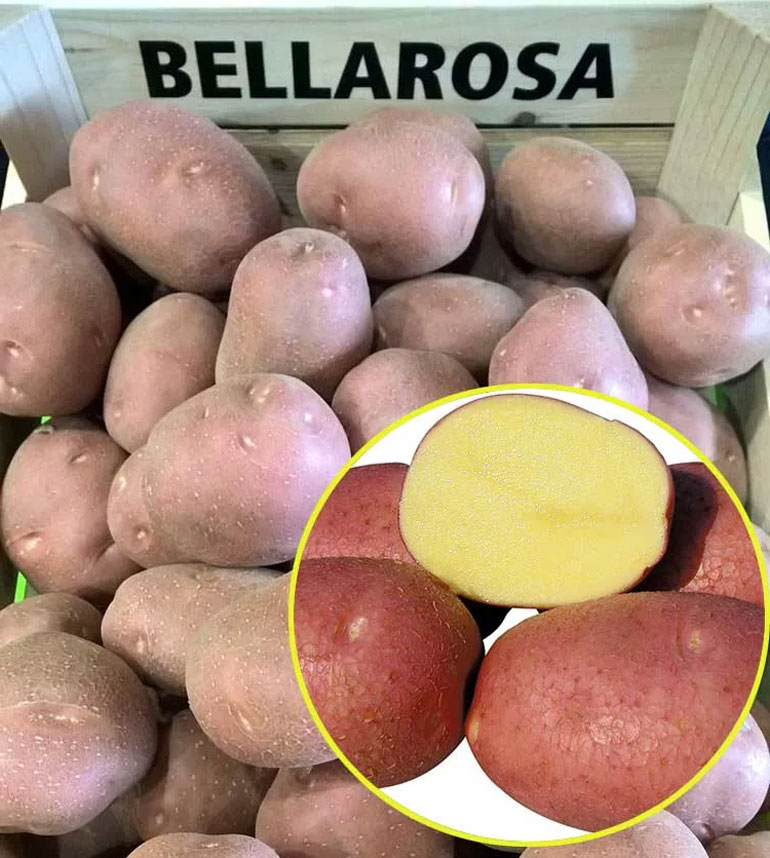
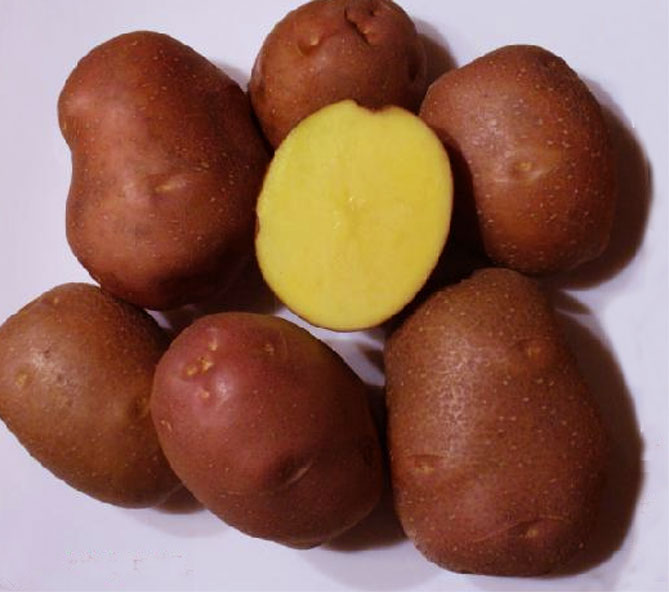
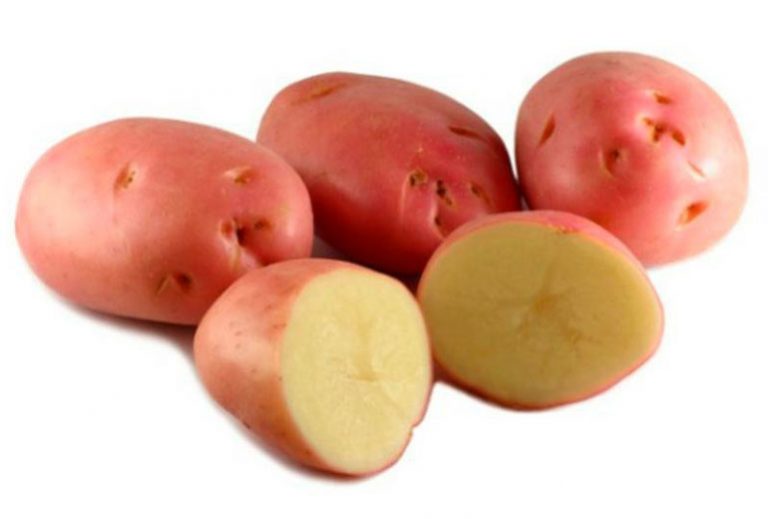
Photo of the Bellarosa potato variety:
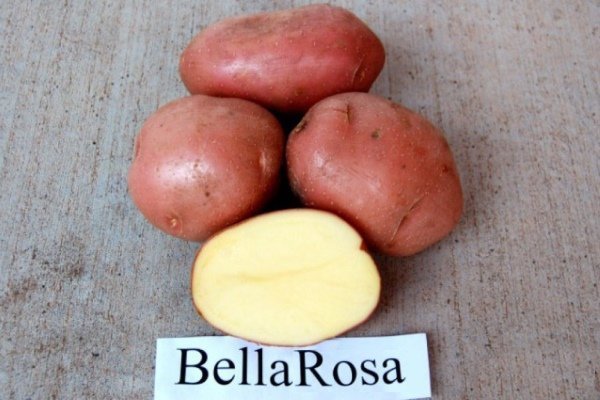
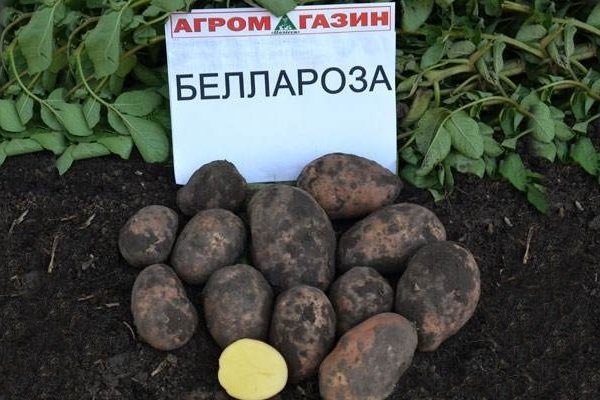
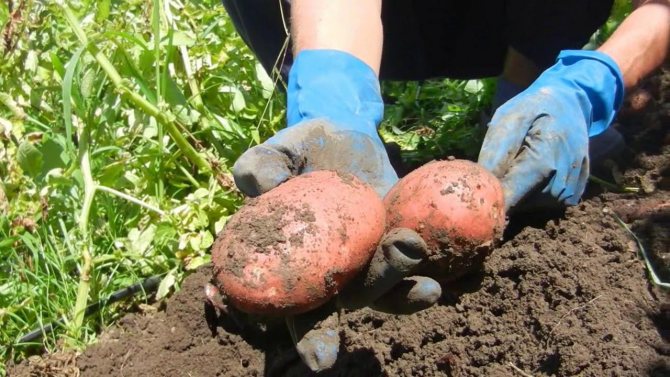
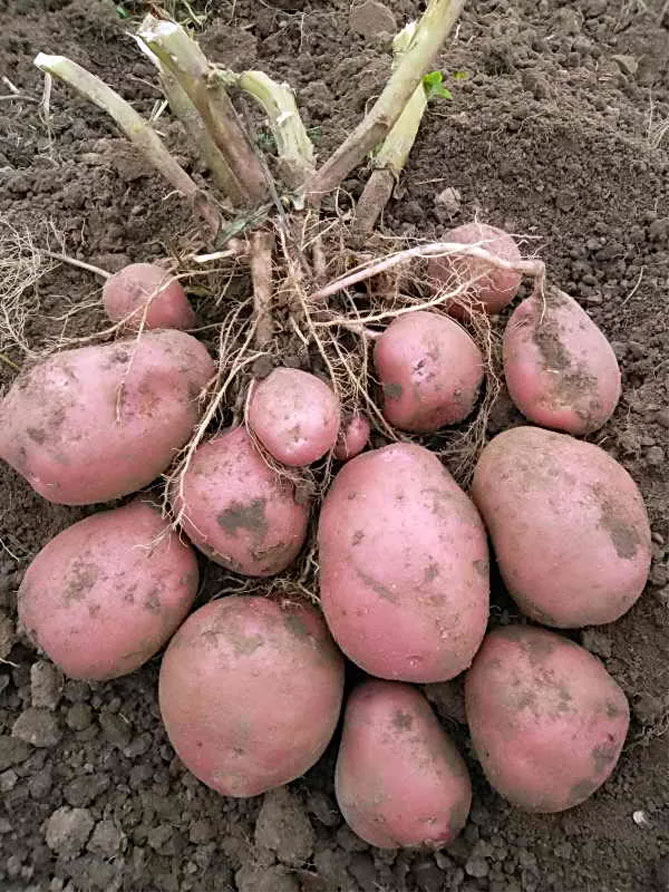
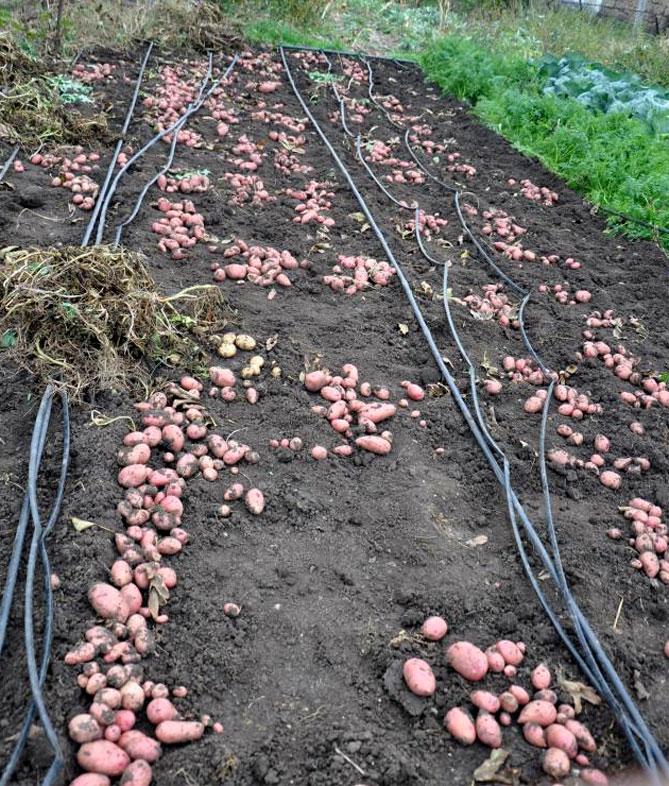
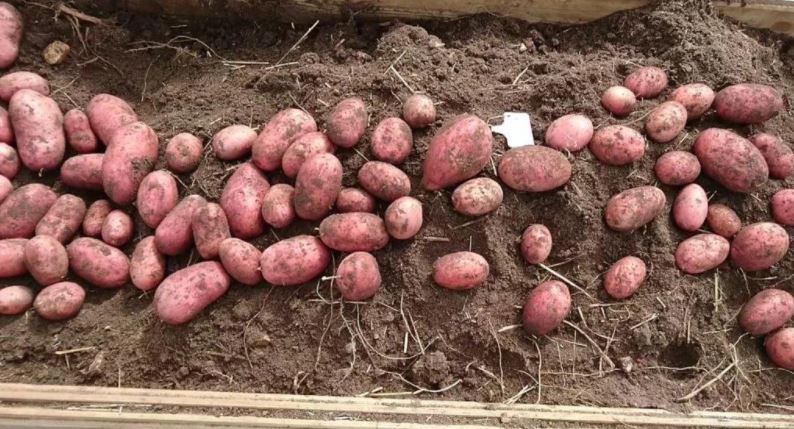
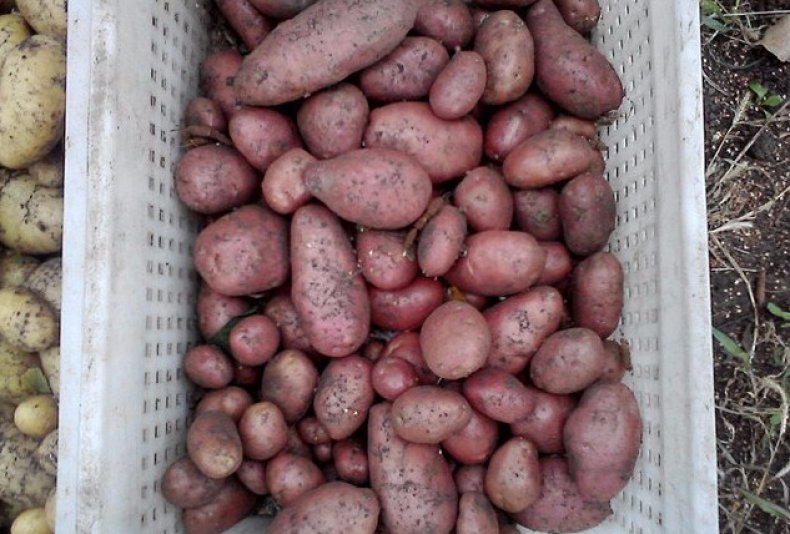
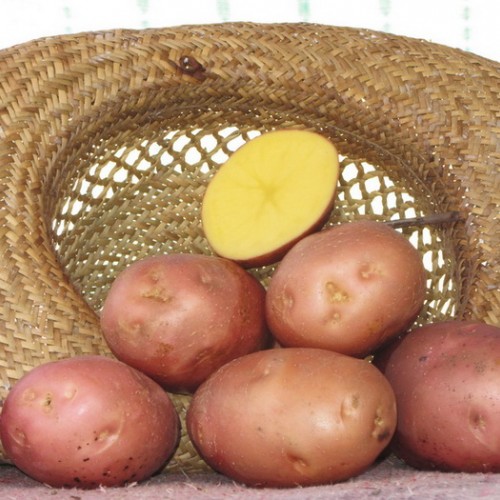
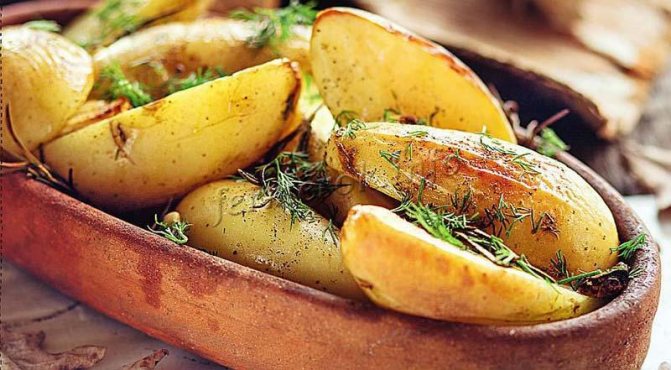
In our country, Bellarosa has become so established that today its name can be heard altered in a more understandable way, namely, White Rose, White Dew.
Characteristics of the Bellarosa potato variety in the table
| Characteristic | It ripens very early and thrives in virtually any growing conditions, including soil quality. However, it doesn't tolerate severe drought. |
| Ripening period | From 45 to 55 days from the moment the first shoots appear. |
| Harvest volume | 350-550 c/ha |
| Marketability of tubers | 82-99% of the total harvest |
| Shelf life indicator | 93-96% |
| Starch concentration | 12.6-15.7% |
| Culinary type | Belongs to type B, does not crumble during cooking |
| Pulp color | Light yellow |
| Peel color | Red |
| Tuber weight | The average weight of one tuber is from 130 to 210 g. Under good conditions, it can reach a mass of 500-800 g. |
| Number of tubers per bush | From 7 to 15 pcs. |
| Taste qualities | Among consumers, the potato received 6 out of 9 points. It is best suited for making soups and frying, as it belongs to the slightly crumbly varieties. |
| Suitable regions for growing | Northwestern, Volga-Vyatka, Central Black Earth and Ural. |
| Disease resistance | Bellarosa is not prone to the following diseases: cancer, golden nematode, leaf curl, mosaic, glandular spot, late blight, scab. |
| Flower color | Violet-red |
| Growing specifics | For best growth, it requires additional fertilizer; planting and care techniques are standard. It has a slight sensitivity to metribuzin (a herbicide). |
| 2006 |
A detailed description of the Bellarosa potato variety
Now let's look at the features of the Bellarosa variety in more detail, point by point.
Bushes
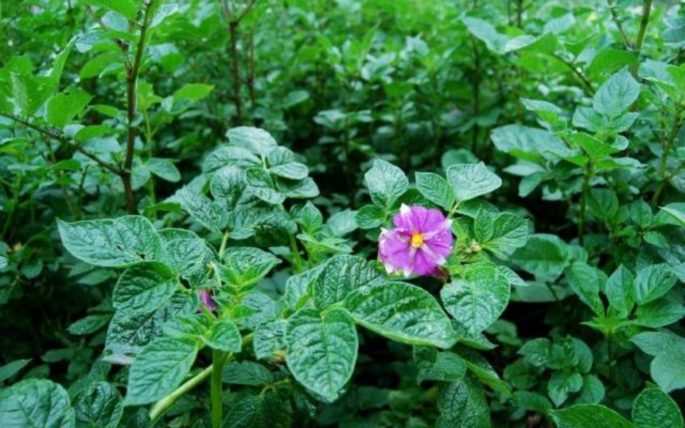
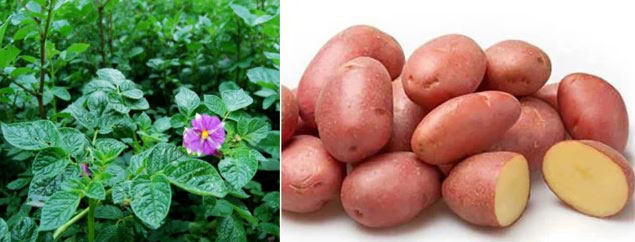
The potato plant grows up to 75 cm, covered with large leaves with barely noticeable wavy edges and small purple-red flowers. During the early stages of the growing season, the green mass develops intensively, causing the ridges to quickly become covered with leaves.
Tubers
This variety has gained widespread popularity among gardeners due to the fact that the harvest can be completed within 45-55 days of germination. The tubers ripen almost simultaneously, so they are fairly uniform in weight and size. They typically weigh between 130 and 200 grams, but with proper care, they can reach 500-800 grams.
Each plant produces 7 to 10 tubers. All are oval or round-oval in shape. The skin is reddish, with few eyes on the surface, extending up to 1 mm into the yellowish flesh. After cutting or peeling, the tubers remain dark for a long time. They are ideal for frying and making soups, as they belong to culinary type B. This means the potatoes are virtually unbreakable and hold their shape well.
Of the entire crop, up to 99% of tubers have excellent commercial characteristics, and the shelf life indicator fluctuates at the level of 93-96%.
Nutritional value and nutrients of Bellarosa potatoes
In total, potato pulp contains 20.3% dry matter.
| Name | Average concentration index |
| Starch | From 12.6% to 15.7% |
| Protein | 2.00% |
| Reducing sugars | 0.22% |
| Vitamin C | 17.8 mg per 100 g |
Productivity, ripening time
The Bellarosa variety is considered very productive. A single plant can sometimes yield up to 15 marketable tubers. Even in heavy soil and less favorable conditions, this yield is between 7 and 10 tubers per plant.
Yield indicators of the variety:
- The absolute maximum was set in Belarus and amounted to 564 c/ha, the average for the country was 406 c/ha.
- In Russia, this figure is slightly lower, ranging from 143 to 277 centners per hectare after the first digging and from 170 to 385 centners per hectare after the second. This is significantly higher than the yields of the Zhukovsky Ranniy and Nevsky varieties, for example. The average yield in our country is 169-326 centners per hectare.
- 385 c/ha were harvested in the Tambov region, which became a record in Russia.
Resistance to diseases and pests
The Bellarosa variety is easy to grow and thrives even in less favorable conditions. Furthermore, the potato has good resistance to many diseases and pests. The results of the research are presented in the table below.
| Name of the disease | Stability indicator |
| Potato cancer | Extremely high |
| Golden potato cyst nematode | Extremely high |
| Virus Y | Extremely high |
| Virus A | Extremely high |
| Leaf curling | Extremely high |
| Blackleg | High |
| Late blight (tubers and tops) | High or medium |
| Common scab | High or medium |
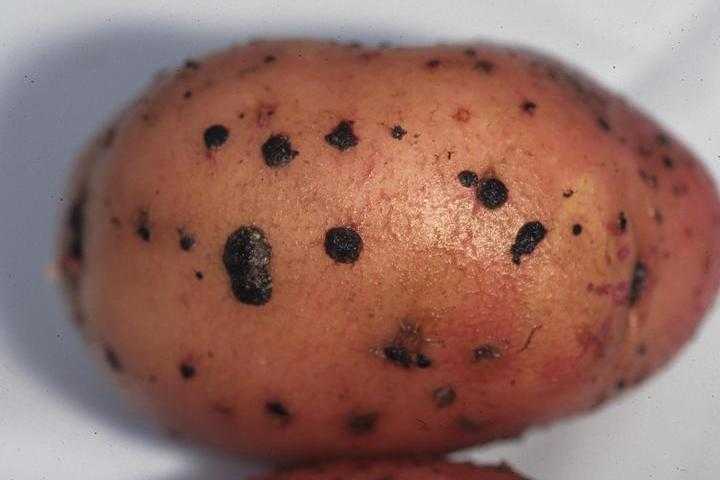
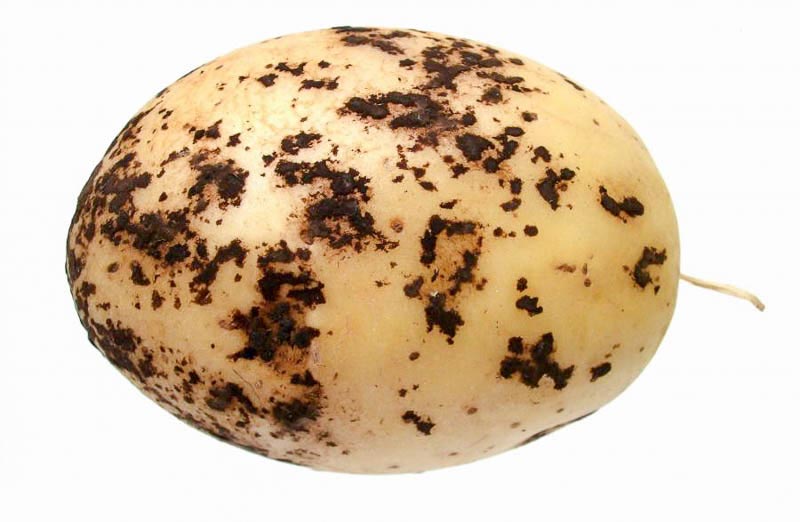
| Rhizoctonia | Medium or low |
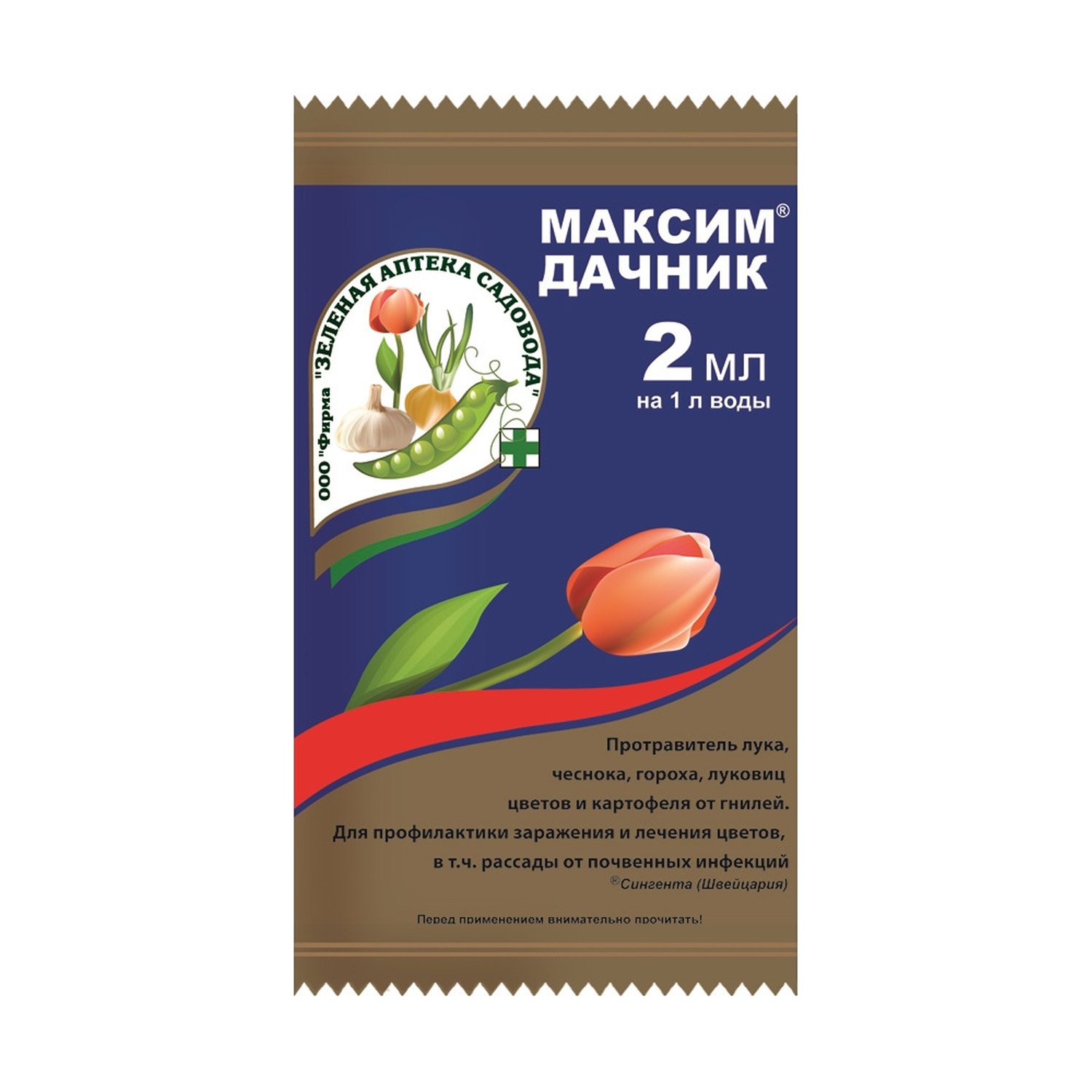
As the table shows, the Bellarosa variety is susceptible to rhizoctonia (black scab), so it is recommended to additionally treat the seed potatoes with disease prevention agents, such as the fungicide Maxim or the insecticide and fungicide Celeste Top.

Advantages and disadvantages of the Bellarosa potato variety
Bellarosa has many advantages that give it an edge over other potato varieties:
- Ripens in a short time.
- High yield rates.
- Excellent shelf life, which can last up to 8 months if the tubers are provided with all the necessary conditions.
- Unpretentiousness to weather conditions and soil quality. Many gardeners don't water potatoes at all; they grow well, satisfied with the amount of moisture provided by precipitation.
- High resistance to diseases.
- It has a pleasant taste.
- Dense skin that is difficult to damage during mechanical or manual harvesting.
However, the variety has some disadvantages, which, if known, can help avoid crop losses.
Bellarosa grows and bears fruit well in sunny areas. If light is low, the tubers will be small.
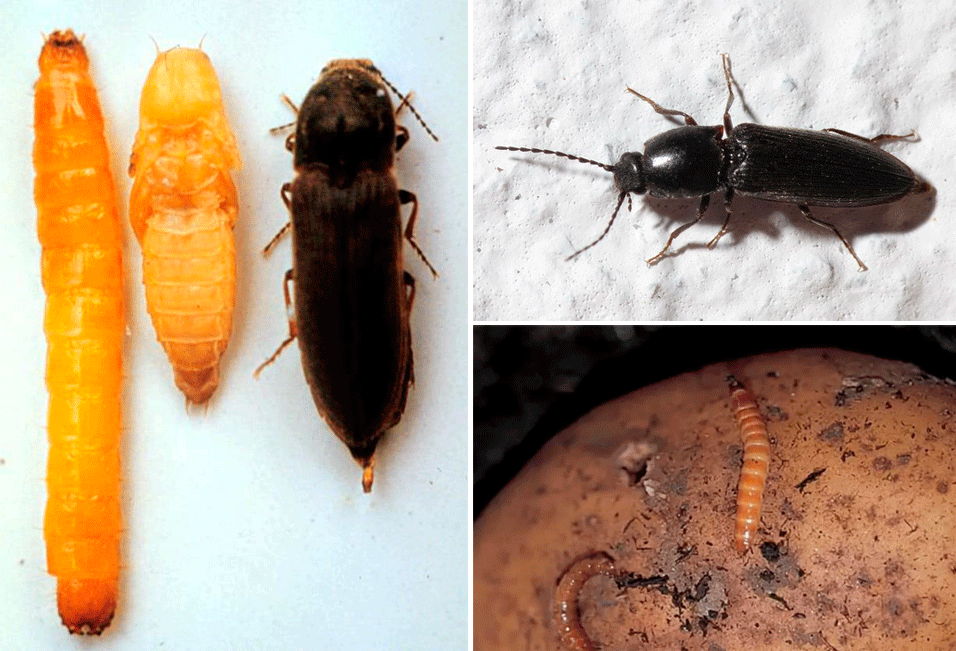
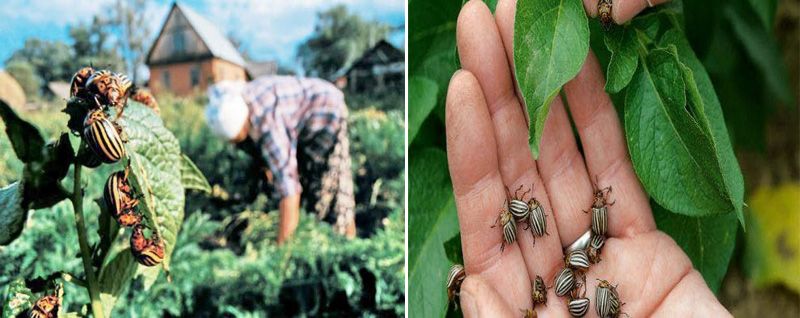
Potatoes are very fond of wireworms and Colorado beetle, so you will have to regularly check your plantings for pests and carry out preventative measures to treat the bushes.
For which regions is the Bellarosa potato variety suitable?
Bellarosa grows well in almost any conditions, but has shown the best results in the Northwestern, Volga-Vyatka, Central Black Earth, and Ural regions.
Peculiarities of growing the Bellarosa potato variety
The Belaroza variety does not require special agricultural growing conditions; it is planted according to the classic scheme and requires only a little preparatory work.
Landing site requirements and preparation
For the Bellarosa variety, it is best to choose a well-lit spot in the garden, as this potato only forms large and healthy tubers in full sun.
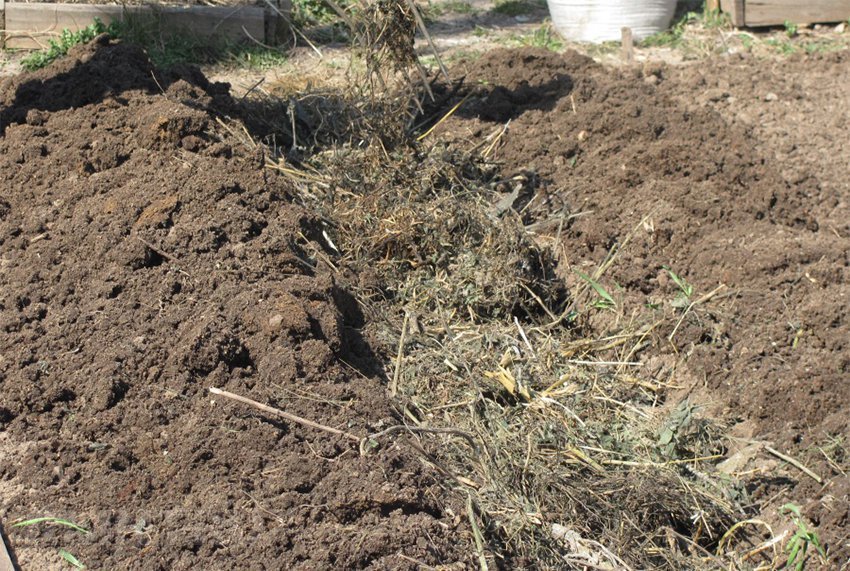 Soil preparation should begin in the fall. At this time, the soil is fertilized with compost or humus, adding 7 kg per square meter. In the spring, all that remains is to dig the soil and add fertilizers to stimulate plant growth and protect against pests. Potassium sulfate, ammonium sulfate, or ammonium nitrate can be used for this purpose.
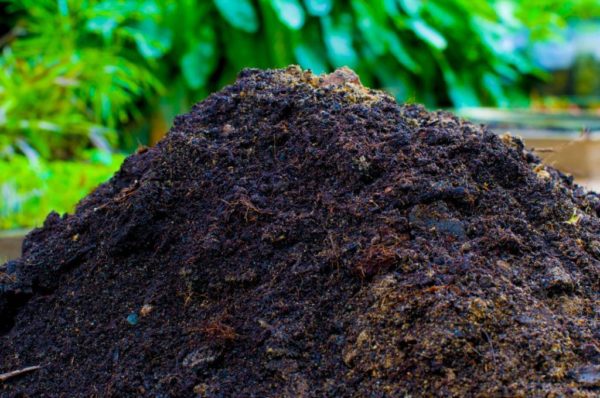
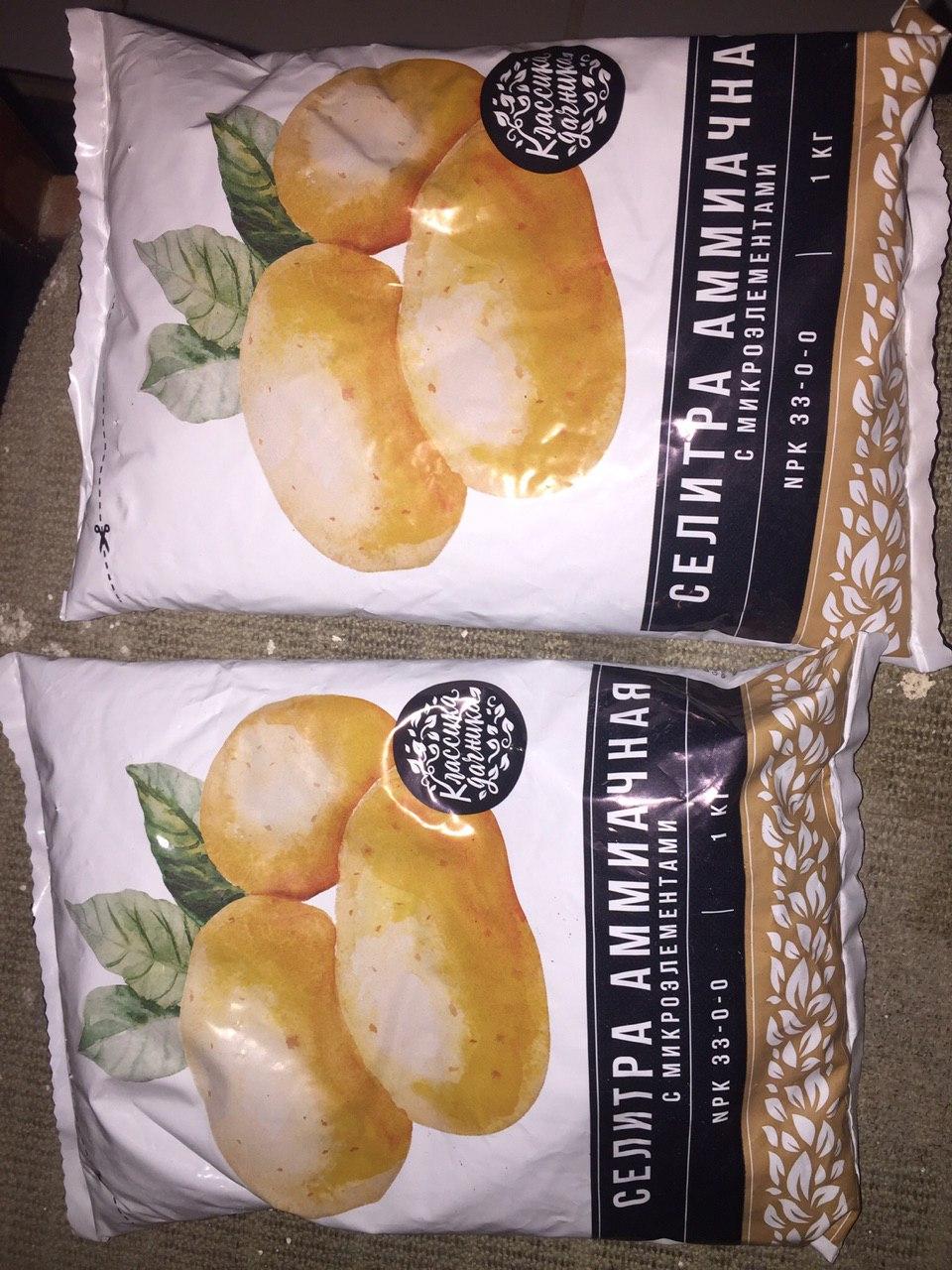
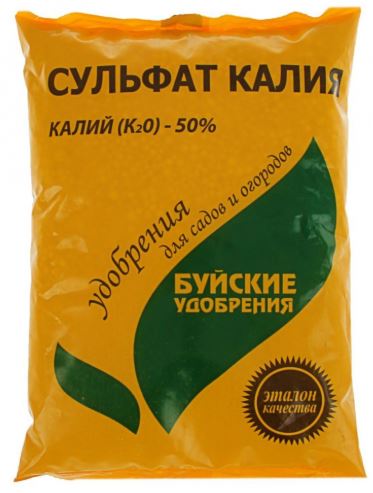
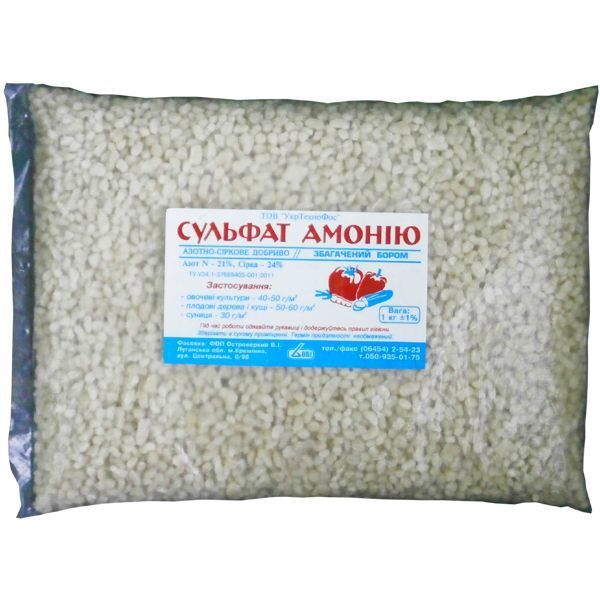
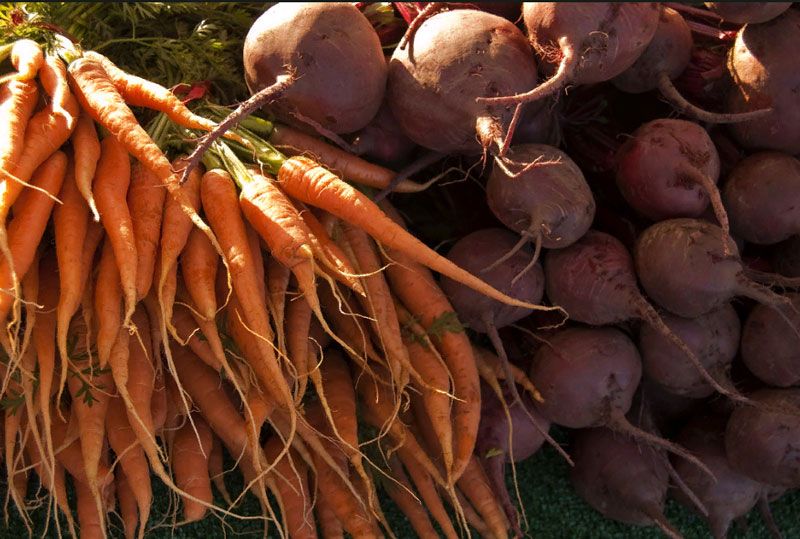
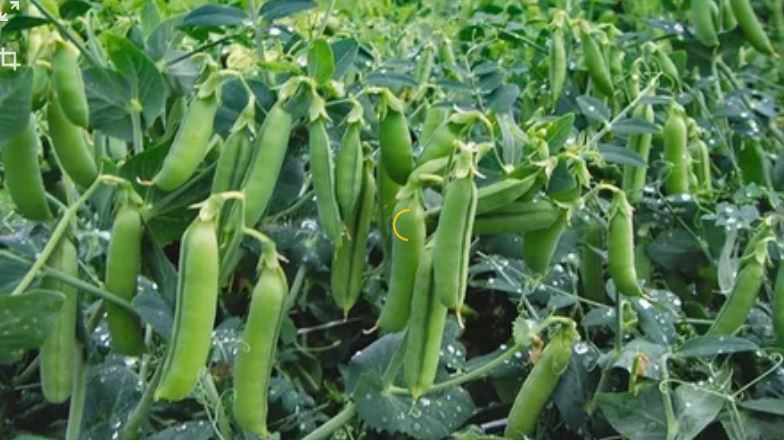
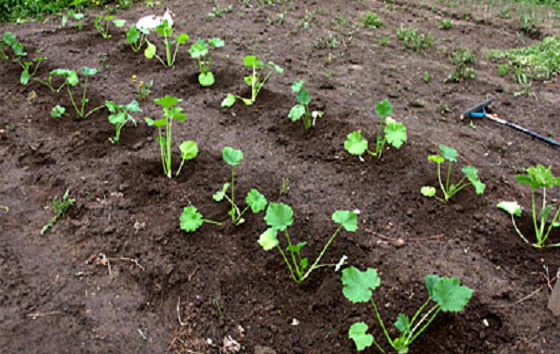
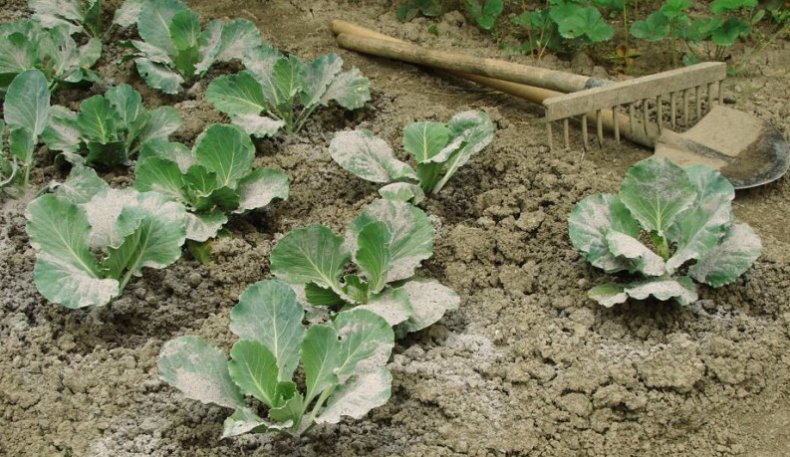
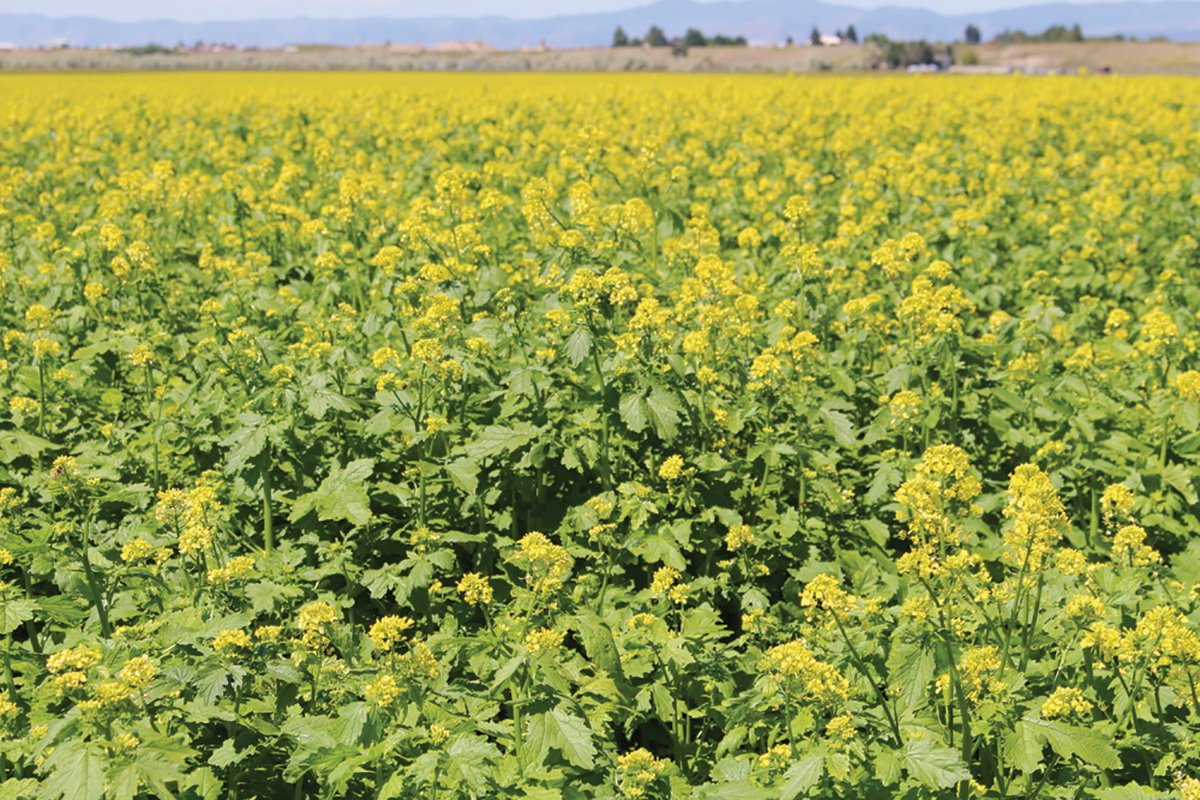
Beets, cabbage, various greens, cucumbers, and green manure are considered good predecessors for potatoes. However, we strongly advise against planting potatoes in a bed after nightshades.
Prepare the tubers approximately two weeks before planting. You can spread them out on the floor or place them in a single layer in a box. Next, keep the potatoes in a well-lit area, but with a temperature no higher than 15°C. This will stimulate sprouting.
Planting times and rules
Bellarosa potatoes are recommended for planting in the ground from April to May. The exact timing depends on the growing region. For example, in the south of the country, you can plant seeds in the garden as early as April. In the north, however, planting sometimes doesn't begin until late May or even early June. In temperate climates, planting is usually around the beginning of May.
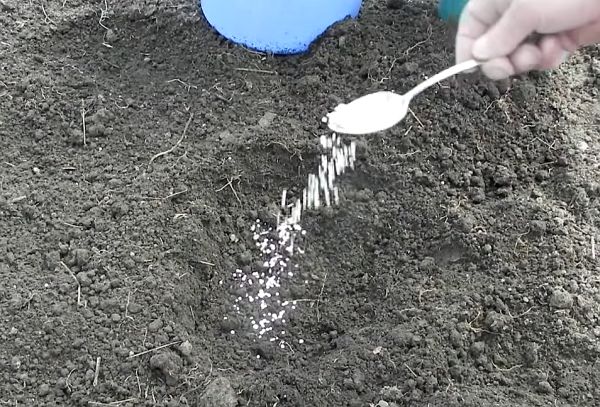
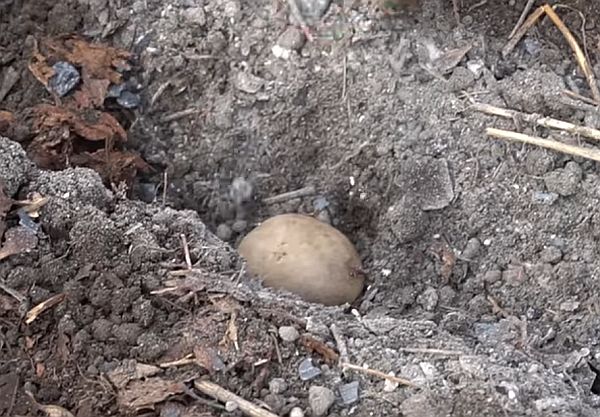
A teaspoon of potassium and phosphorus fertilizer is placed in the prepared holes. A small amount of soil is added on top and carefully mixed with the fertilizer. The tubers are then placed on this bed, and the hole is filled in. The optimal distance from the tuber to the soil surface is considered to be 10 cm.
The distance between the holes should be at least 40 cm, otherwise the developing tubers may interfere with each other as they grow. It's best to keep the row spacing at least a meter wide to make it easier to maintain and to prevent the tubers from interfering with each other.
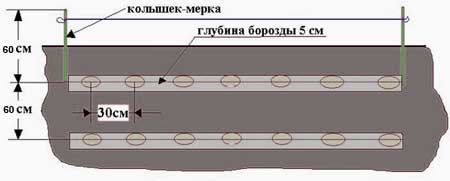
The land is considered ready for planting potatoes if:
- There is no snow or frozen crust on it.
- There is no stagnation of moisture, the instrument does not drown in “liquid”.
- When a lump of earth is compressed, it does not crumble into dust, but breaks apart into smaller pieces.
The standard potato planting scheme includes several stages:
- The grooves are marked at a distance of 85-95 cm from each other.
- Dig holes at intervals of 40 cm to a depth of a shovel blade (about 15 cm). This can be done by hand or with a harrow.
- The bottom of the hole is lined with natural fertilizer, such as a mixture of eggshells and onion peels. A phosphorus-potassium fertilizer can be used as a substitute.
- The tubers are placed in the holes with the sprouts facing up. Soil is added on top. Don't pack it down too tightly to avoid damaging the sprouts.
- After completing the work, the surface of the bed must be leveled with a rake.
Caring for the Bellarosa potato variety
Bellarosa potatoes are easy to grow and thrive even with minimal care. To ensure a high-quality harvest, loosening and hilling are recommended. These procedures improve aeration and facilitate moisture access to the roots.
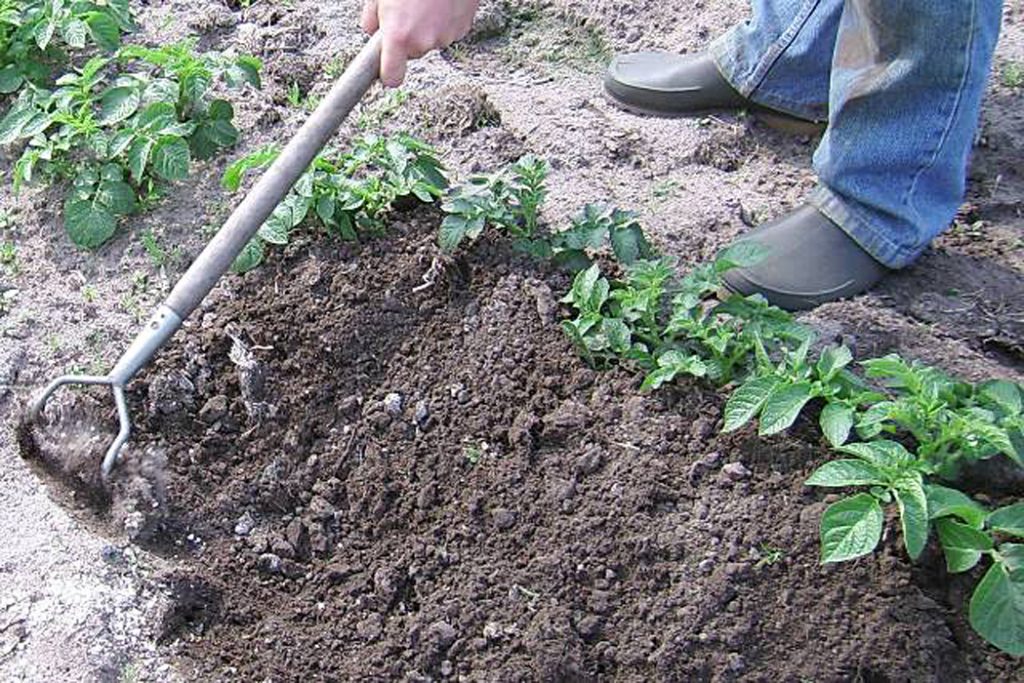
It is recommended to loosen the soil around potatoes during the period of active growth, until the shoots have grown more than 15 cm.
Watering
Experienced gardeners recommend watering Bellarosa potatoes three times throughout the season. The first time is as soon as the seedlings emerge, no more than 7 cm tall. The second time is at the beginning of flowering, and the third time is just before flowering ends.
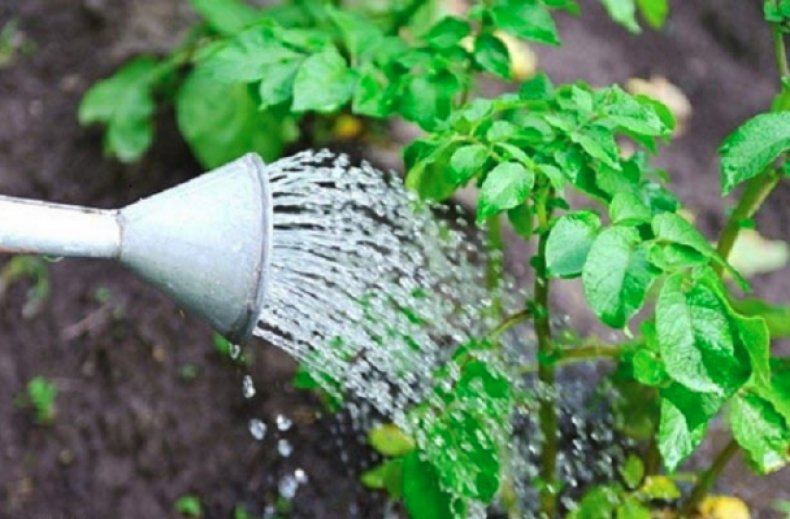
Important! Continuing to water the bed after all the buds have fallen can trigger the development of late blight.
Top dressing
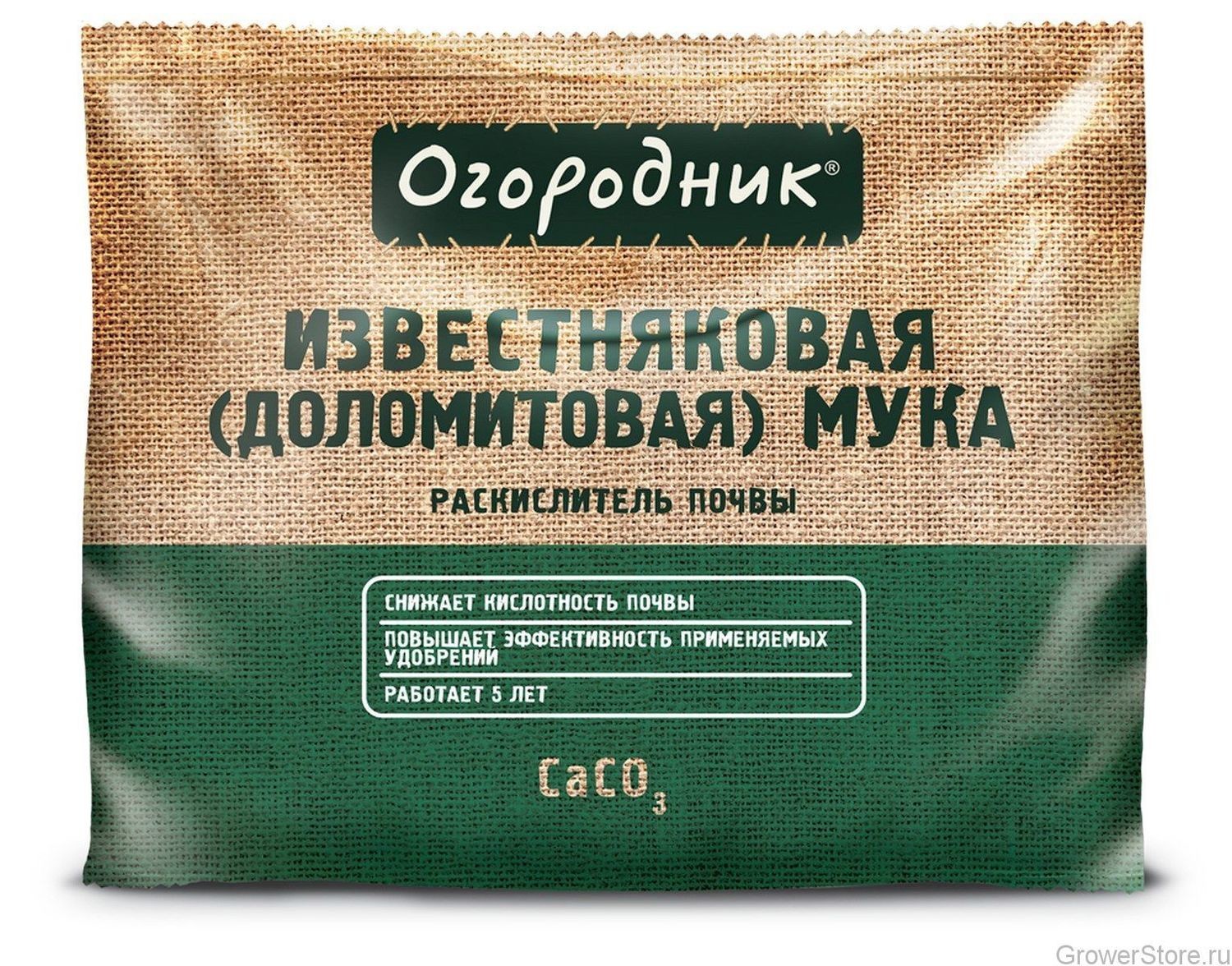
Bellarosa, like all other early-ripening varieties, requires magnesium and potassium supplements. These promote vigorous growth and rapid development. Dolomite flour is recommended, as it contains all the nutrients the plant needs.
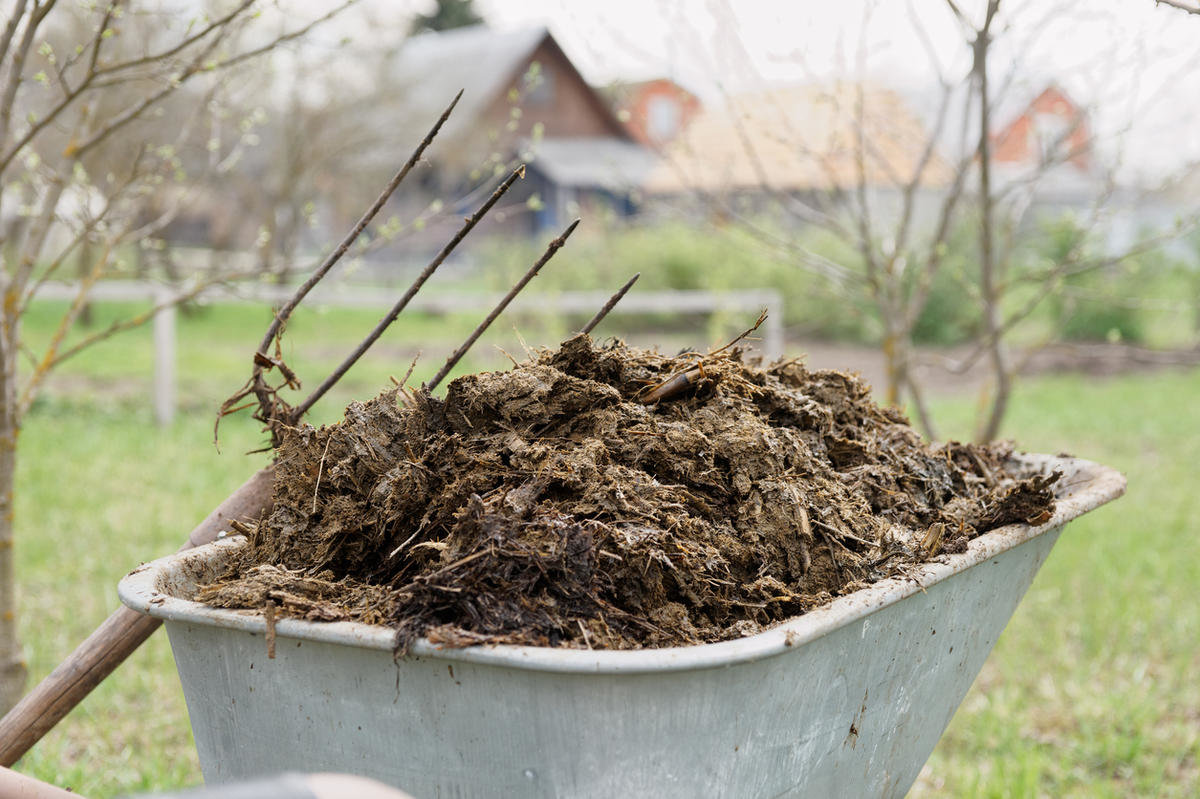
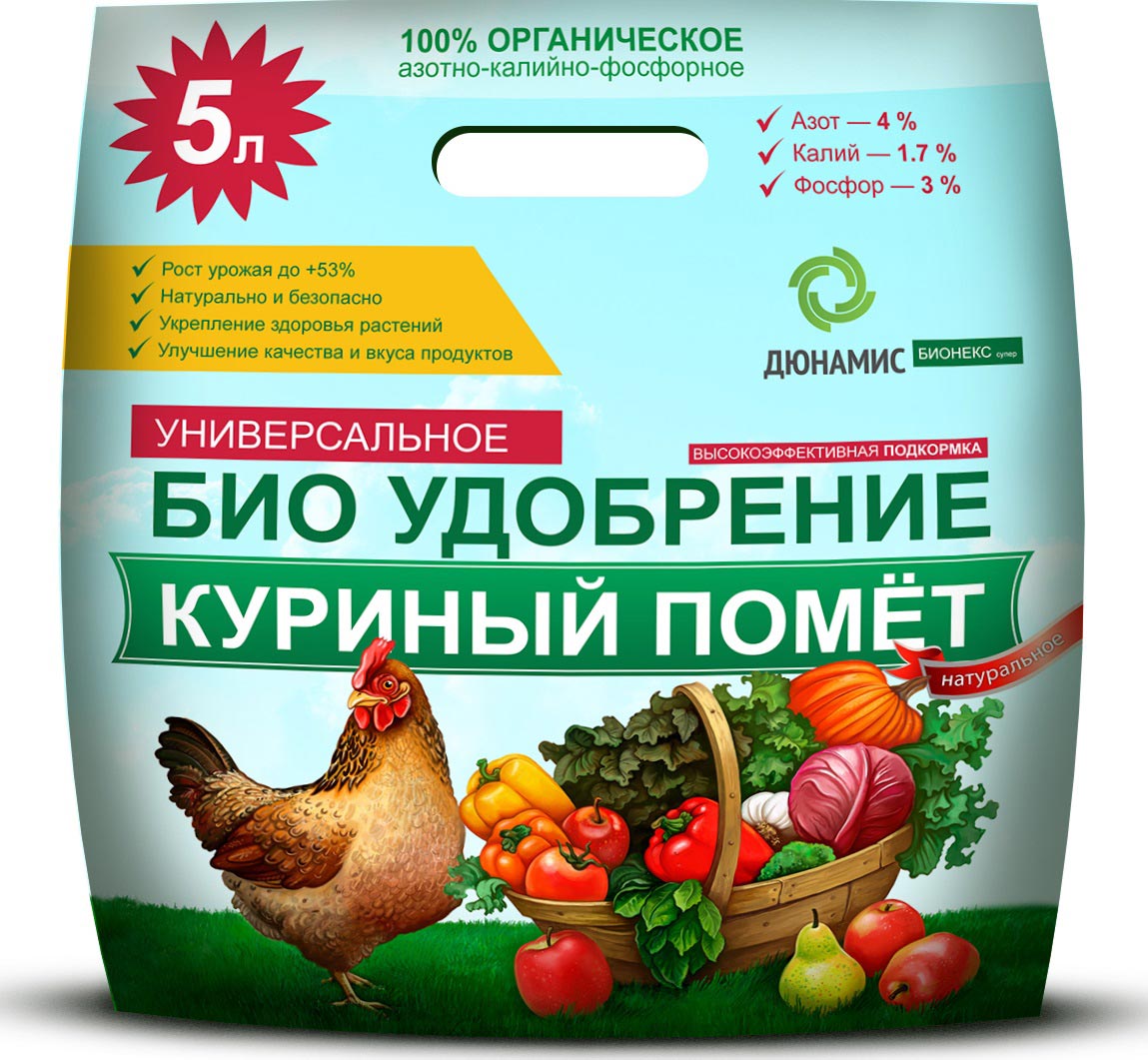
Once the first shoots emerge, the plants require organic matter, such as manure or poultry dung. Before buds begin to appear, a solution of ash and potassium sulfate should be added to the soil. During flowering, it's best to add mullein and superphosphates. These will work during the tuber maturation stage.
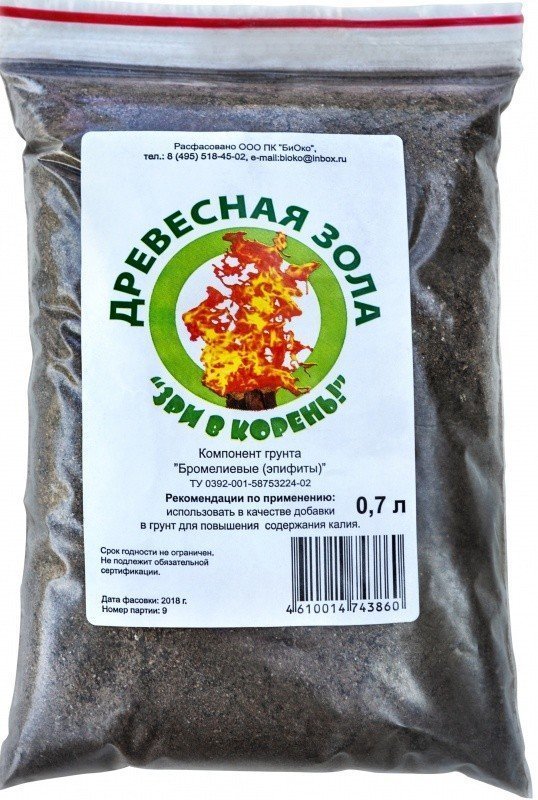
Important! All fertilizers should only be added after watering the plants, otherwise there is a high risk of burning the roots.
Hilling, loosening and weeding
It's recommended to loosen the soil during the germination period. Hilling should be done later, when the shoots reach 15-20 cm in height. Before doing this, it's important to weed the beds thoroughly, removing any weeds. Approximately 2-3 weeks after the initial hilling, it's recommended to repeat the process. This will help retain moisture in the soil and protect the tubers from sun exposure.
Protecting the Bellarosa potato variety from diseases and pests
The Bellarosa variety is highly resistant to common potato diseasesIn addition, cells regenerate quickly, so any mechanical damage to the peel is quickly covered by a new layer.
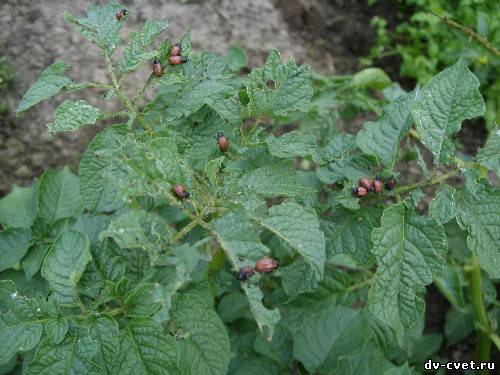
However, Colorado potato beetles and wireworms often come to feast on potatoes. Gardeners recommend taking preventative measures in advance. If pests do appear, you can treat the plants with Fitoverm, Agravertin, Boverin, or Tabu.
The nuances of harvesting and storing the Bellarosa variety
In southern regions, early potatoes can be planted twice per season. The first crop, planted in the spring, is harvested in the second half of June. After this, Bellarosa can be replanted, and the second crop can be dug up in September. This work is best done on a dry, warm day.
A clear sign that the potatoes are ready is yellowing of the tops. Some gardeners cut them off a week before digging, leaving only 15 cm above the bed. This will help the tubers ripen faster and the skin become firmer.
It is recommended to dry the harvested tubers. Before this, they are sorted, and a small portion of the harvest is set aside for immediate use or discarded.
Important! Potatoes should not be dried in direct sunlight, as this will cause the formation of a toxic compound called solanine.
The harvested crop is placed in a well-ventilated area for about a week. After this, it is inspected again for damaged tubers and stored permanently. The Bellarosa variety has a fairly good shelf life; potatoes will easily keep for up to eight months if two key rules are followed:
- periodic ventilation of the room;
- temperature not higher than +4 °C.
Comparison of the Bellarosa potato variety with other varieties in the table
| Variety | Ripening period (number of days to maturity) | Starch (%) | Yield (c/ha) | Weight of tubers (g)
Number of tubers per bush |
Shelf life (%) |
| Bellarosa | Ultra-early* | 12-16 | 350-550 | 100-200
7-15 |
93-96 |
| Breeze | Mid-early** | 10-16 | 160-395 | 130-150
8-12 |
97 |
| Impala | Ultra-early | 10-15 | 180-360 | 90-160
15-21 |
95 |
| Empress | Ultra-early | 14-16 | up to 400 | 70-145 8-12 |
91-95 |
| Charoite | Ultra-early | 14-17 | 104-269 | 100-145
8-12 |
96 |
| Karatop | Ultra-early | 11-15 | 200-430 | 60-100
16-25 |
97 |
| Colombo | Early ripening* | 11-15 | 230-450 | 100-130
12-14 |
95 |
| Evolution | Mid-early | 16-18.7 | 420-590 | 70-140 9-15 |
92 |
| Detskoselsky | Mid-early** | 15-18 | 330-450 | 110-120
7-11 |
94 |
| Lugovskoy | Mid-season*** | 12-19 | up to 514 | 85-125
8-15 |
97 |
*Ultra-early – 35-50 days.
**Early ripening – 50-65 days.
***Mid-early – 65-80 days.
****Mid-season – 80-95 days.
*****Mid-late – 95-110 days.
Real reviews from gardeners about the Bellarosa potato variety
Over the many years that Bellarosa has been growing in our country, it has gained popularity among gardeners. This is confirmed by positive reviews of the variety on various websites and forums. They note its good yield and undemanding nature regarding growing conditions.
User Oksana, Yaroslavl
It's a busy time for gardeners—harvest time. Everything lovingly planted in the spring, watered, weeded, and fertilized throughout the summer will finally be gathered and stored away.
We haven't been left out of this fruit and vegetable theme either. Previously, our dacha was just for relaxing, without any garden beds. Then we decided: why waste the land? We've been growing potatoes for several years now. Our favorite variety is Bellarosa. We plant a small plot, and the harvest is always impressive. This year, especially. The potatoes of this variety are generally large, smooth, with pink skin. They taste good. On average, we get 4-6 large potatoes from one plant.
And this year, my husband also started growing Bellarosa from seed. It's a lot of work, of course. But we'll see what happens. Next year, we should have some elite potatoes.
User sodin, Russia
We've been planting Bellarosa, among other varieties, for about seven years now. First, about the region—it's a bit of a letdown for us, a risky farming zone. The soil is clayey.
In this climate and poorly suited soil, the Bellarosa variety has proven to be the most productive. Its tubers are the largest of all the varieties in our area. However, the number of tubers produced per plant is limited.
The potatoes are tasty, cook quickly, and contain a fair amount of starch. They are susceptible to late blight, which is practically no different from other varieties.
The bushes look stronger, taller, and have a little more green mass compared to potato bushes of other varieties.
The variety degenerates quickly, so it's best to buy new planting material every year. Growing your own crop can be quite expensive.
We're not the only ones in our region who've taken a liking to this variety. I often see this particular variety of potato for sale from local farmers. Apparently, it's their most productive variety, too.
I recommend trying to grow this variety of potato in your garden.
User Termit13y, Russia, Yekaterinburg
Bellarosa potatoes are a very early variety, maturing in 60-70 days. I'm a farmer, and we've settled on early varieties. Bellarosa is one of them. But then again, the first imports of this variety to Russia were much more productive. This variety has a very stable yield. My potato tubers reached up to 800 grams per potato. About 3-5 medium-sized or large potatoes emerge from a bush. It's best to plant potato seeds before the third reproduction and buy potatoes only from very large farms. Never from small farmers or at the market. And it's better to plant early varieties because your harvest will be finished in mid-September, weather permitting. And schoolchildren will still have time to fully work the potatoes... This is a large topic, and I can't cover everything. Feel free to ask questions; I'll be happy to answer.
User ultranata61, Minsk, Belarus
The German-bred Bellarosa potato is currently the best super-early variety. It's easy to grow, drought-resistant, and produces large tubers with minimal labor, even in poor, unprepared soil. The potatoes themselves are delicious and don't turn into mashed potatoes. The skin is thin and peels easily. I don't understand why people are reporting late blight on this variety. Considering that it's super-early, with only two months between planting (say, early May) and harvest (early July), late blight and Colorado potato beetles have no time to thrive. By this point, the potatoes are ready to be dug up or at least the tops trimmed. If desired, two harvests can be had in one summer. In my experience growing early and super-early potato varieties, Bellarosa is the best.
User Lenin19176, Kyiv, Ukraine
Bellarosa potatoes are early maturing varieties, maturation from planting to the beginning of harvest formation is 60-70 days, the average tuber weight is 100-200 grams, the skin is pink, slightly rough, the flesh is light yellow.
The variety is resistant to canker and nematode pathogens, but I can't say the same about late blight. There have been years with prolonged rains and warm, humid air, and if I haven't treated before the rains, late blight really hits. Personally, I begin the first treatment when the plants reach a height of about 15 cm with Tattu, which is also excellent for tomatoes. I apply a second treatment with Quadris two weeks later and, as a final touch, with the same Quadris just before flowering. After flowering, I apply Superphosphate (100 grams per bucket of water) and spray. This promotes the flow of nutrients into the tuber itself and accelerates ripening. The variety is easy to care for and grows well in unirrigated fields. On a five-point scale, the taste quality score is a "5."
User Vikli, Ukraine, Lutsk
Bellarosa's main feature is its high yield, so my advice to those who make money from potatoes: if you haven't tried it, plant it and you'll be pleased with the harvest.
Some people praise this variety for its flavor, but no matter how many times I've tried it fried or boiled, it's just a typical yellow-centered variety. It's perfect for chips and regular frying. When boiled, the potatoes don't fall apart and are good for mashed potatoes. Bellarosa has an excellent yield—usually all the tubers are large, so it's the number one variety for sale. I've heard a lot of rumors about it being a genetic variety, etc., but I think these are just rumors and nothing more, just a well-bred variety. This variety is susceptible to late blight, so fungicides are necessary. Beetles also attack it, so insecticides are necessary. The only complaint many have is that Bellarosa doesn't keep well over winter and rots, but that depends on the person. Otherwise, it's a good and proven variety.