The Lugovskiy variety was developed from the Sineglazka potato; thanks to breeders, it achieved higher yields and longer shelf life for its tubers.
Content
- 1 Table with characteristics of the Lugovskoy potato variety
- 2 The origin of the Lugovskoy potato variety
- 3 A little about the Lugovskoy Plus potato variety
- 4 Description of the Lugovskoy potato variety
- 5 Advantages and disadvantages of the Lugovskoy potato variety
- 6 Planting Features of the Lugovskoy Potato Variety
- 7 Caring for the Lugovskoy potato variety
- 8 Protecting the Lugovskoy potato variety from diseases and pests
- 9 Harvesting and storing the Lugovskoy potato variety
- 10 Comparison of the Lugovskoy potato variety with other varieties in the table
- 11 Reviews of the Lugovskoy potato variety
Table with characteristics of the Lugovskoy potato variety
| Characteristic | A medium-sized plant with erect shoots and white flowers. |
| General information | A mid-season variety of table potato. |
| Ripening time | 70-85 days. |
| Productivity | Up to 514 c/ha |
| Marketability | High |
| Shelf life | Up to 97% |
| Starch concentration | 12-19% |
| Color of pulp | White |
| Peel color | Light pink |
| Weight of commercial tubers | 85-125 g. |
| Number of tubers per bush, pcs. | 8-15 pcs. |
| Taste characteristics | Pleasant taste |
| Class and purpose in cooking | Table use. Culinary type C. |
| Suitable regions for growing | Central, Central Black Earth, Northwestern, Volga-Vyatka, North Caucasian, Northern, Far Eastern, Siberian, West and East Siberian, Ural. |
| Disease resistance | Resistant to canker, susceptible to golden nematode. Moderately resistant to viruses and blackleg. |
| Growing specifics | It is easy to grow and resistant to temperature fluctuations. It requires regular hilling. |
| 1987 | |
| Country of origin | Ukraine |
Photo gallery of the Lugovskoy potato variety
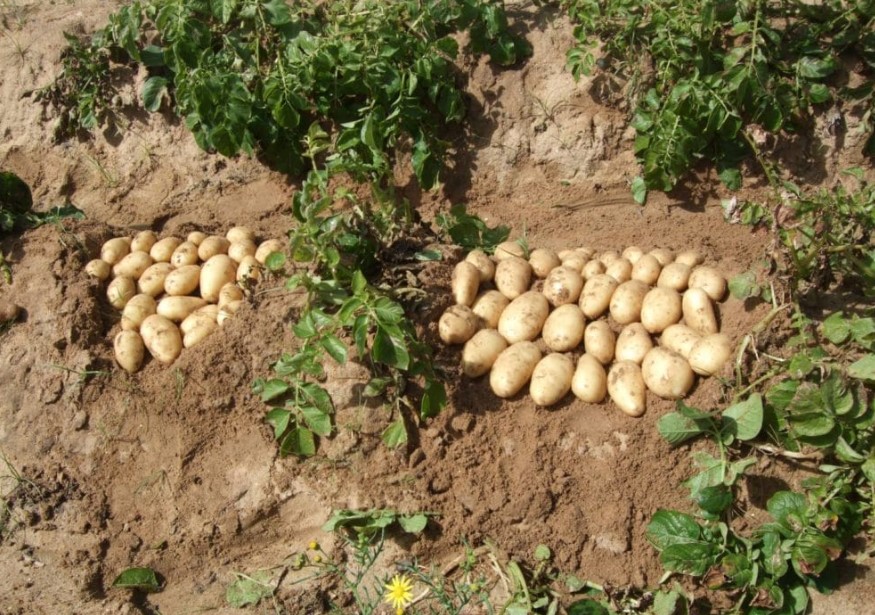
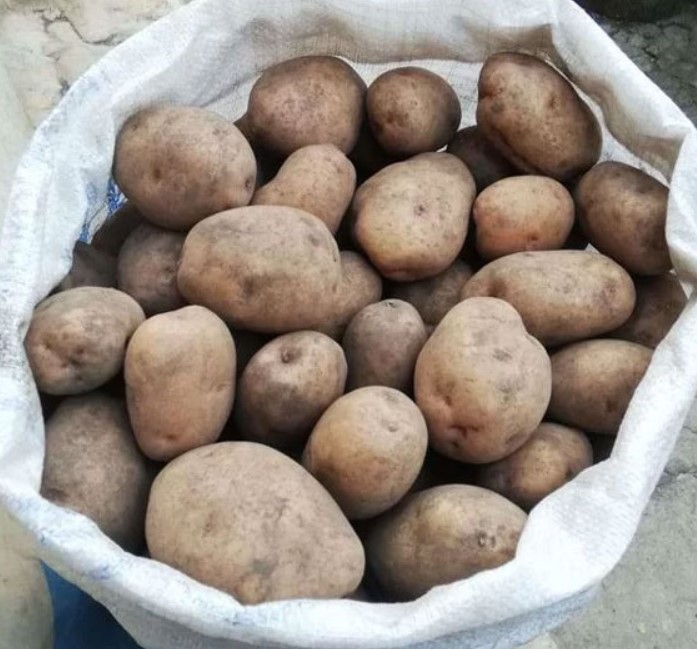
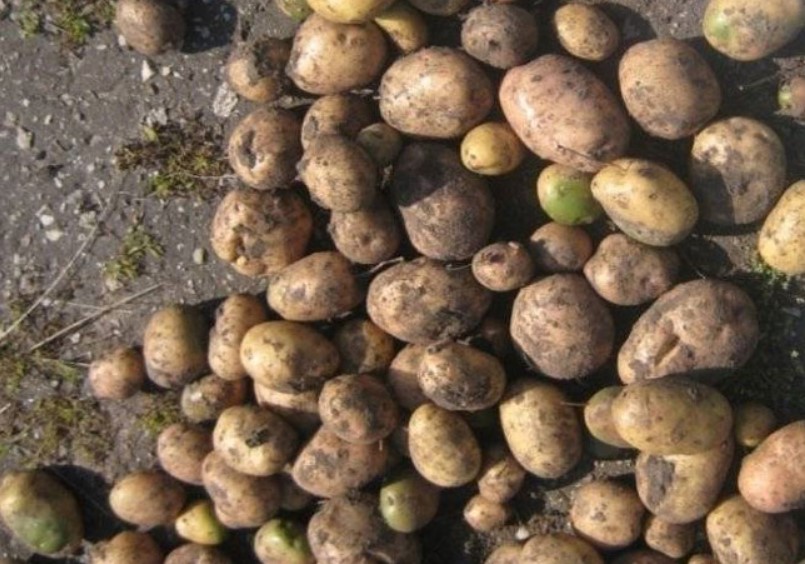
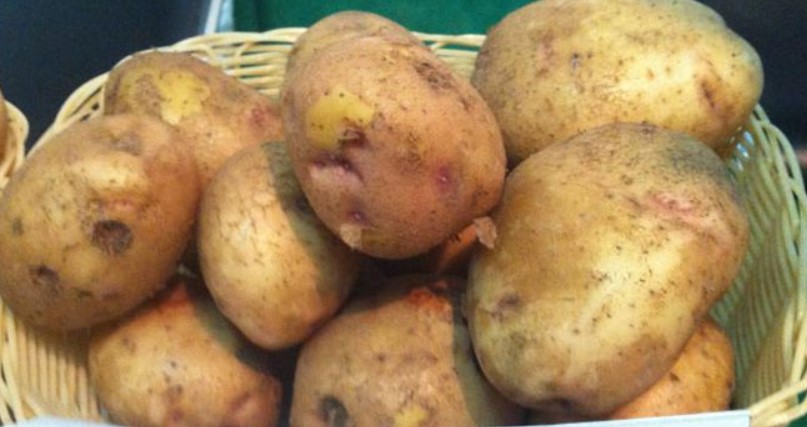
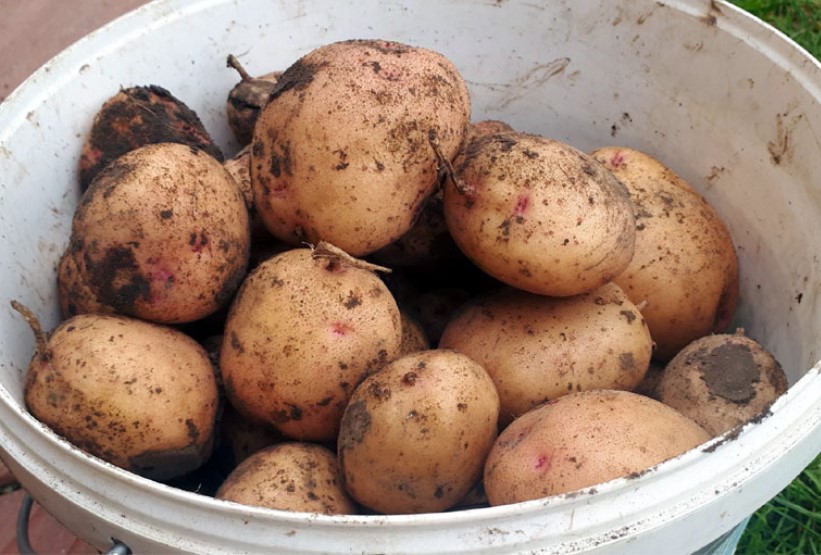
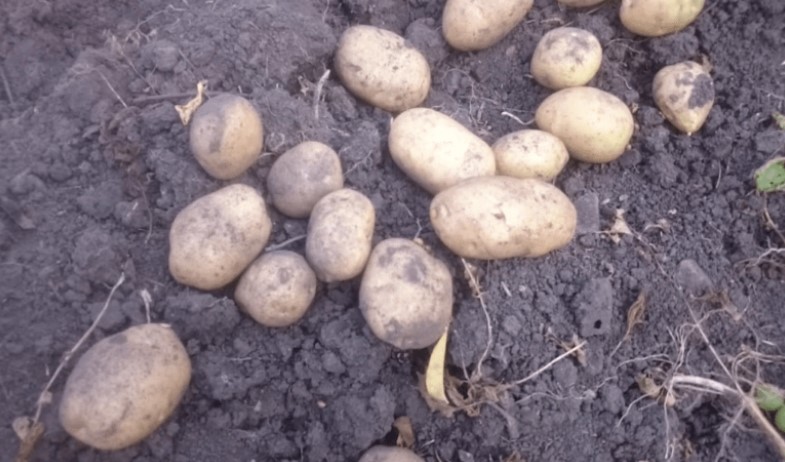
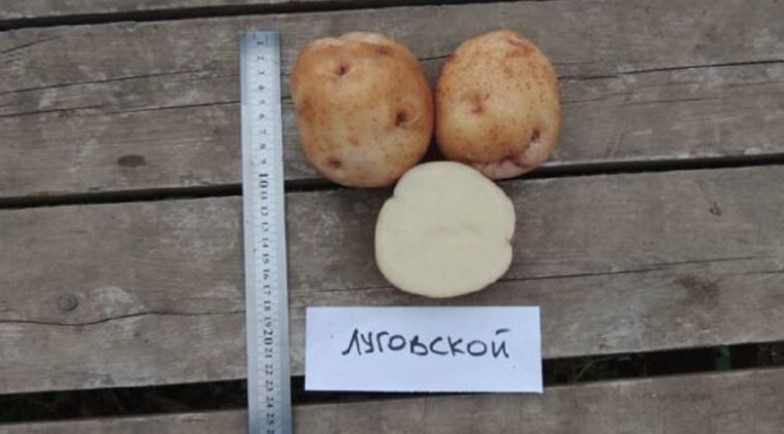
The origin of the Lugovskoy potato variety
The Lugovskoy variety was developed by breeders from Luhansk. Based on the Sineglazka potato variety, its characteristics were improved, resulting in cold resistance, increased yield, and earlier maturity.
In 1987, Lugovskoy was added to the register. Thanks to its characteristics, it produces excellent fruit in various regions, including the North and Far East.
A little about the Lugovskoy Plus potato variety
There's also a variety called Lugovskoy Plus, but there's very little information about it online. It's listed in the registry, having been registered there in 2009.
Description of the Lugovskoy potato variety
The Lugovskoy variety is unremarkable in appearance, but its yield will certainly delight every gardener.
Bushes
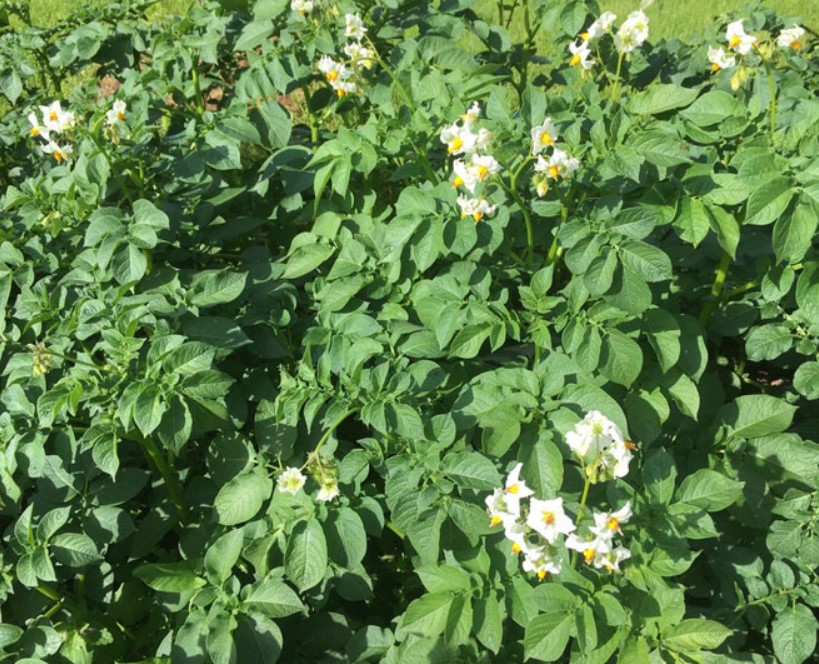
The bushes are compact, with upright, medium-sized shoots. The leaves are medium-sized, dark green, slightly pubescent, and have prominent veins. The flowers are white or beige; after they fall, berries form only in rare cases. Each bush produces 8 to 15 full-fledged, strong tubers.
Tubers
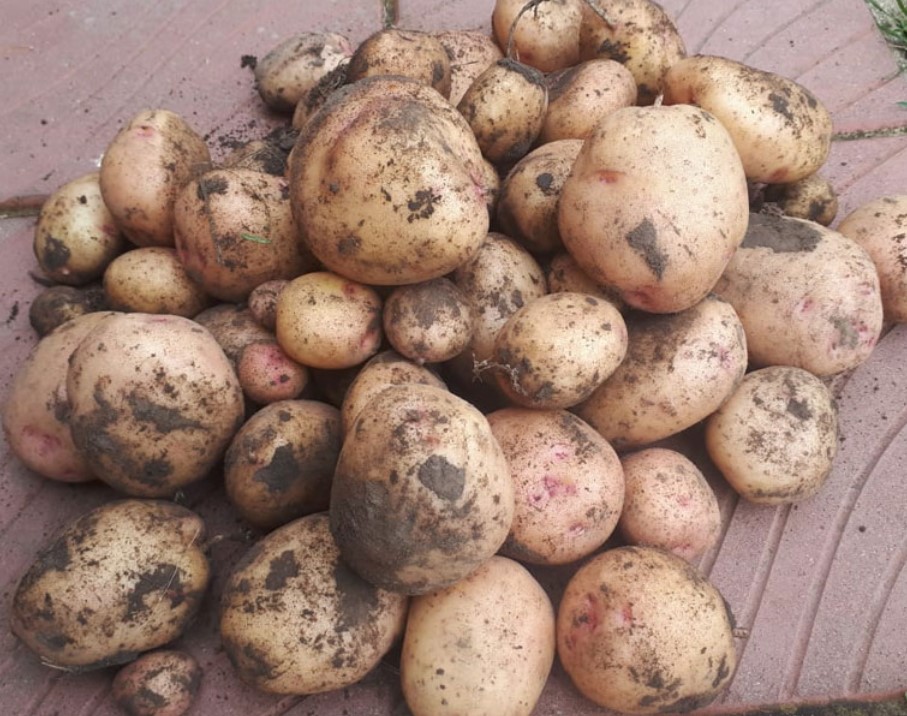
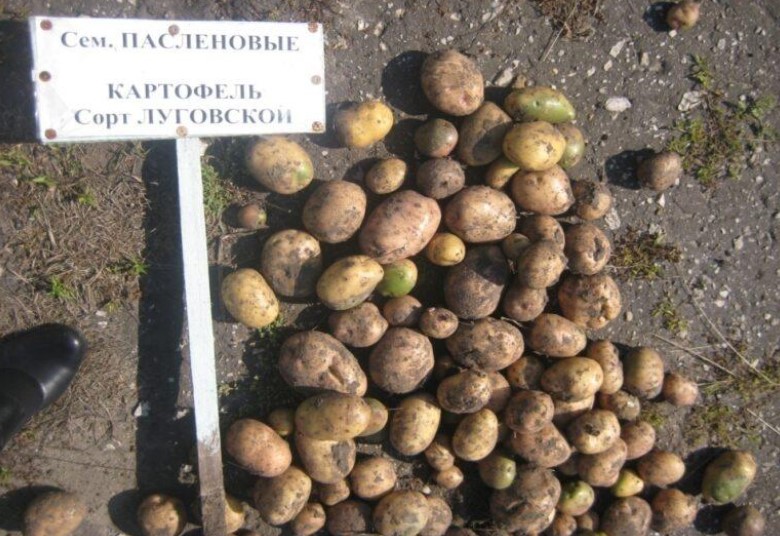
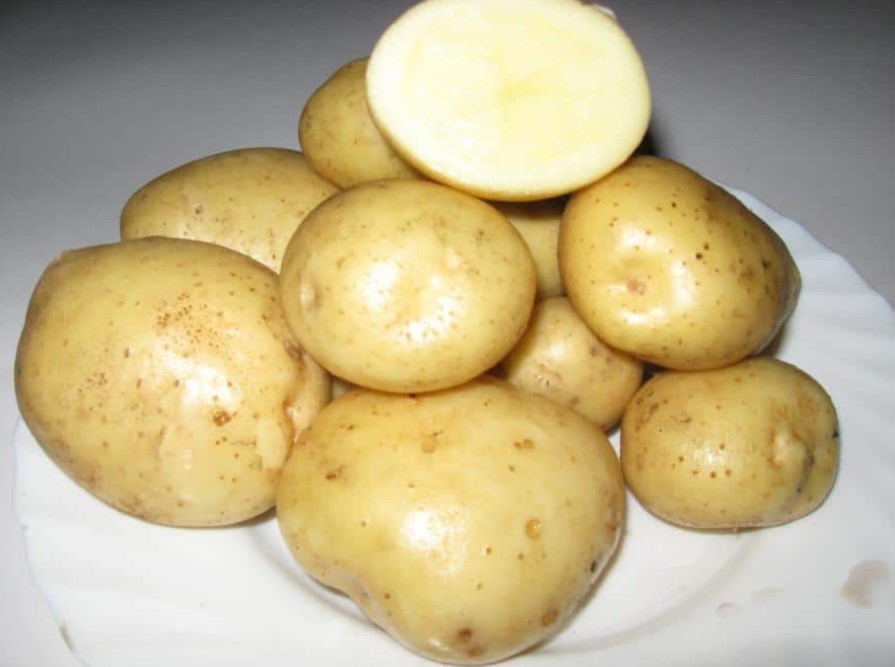
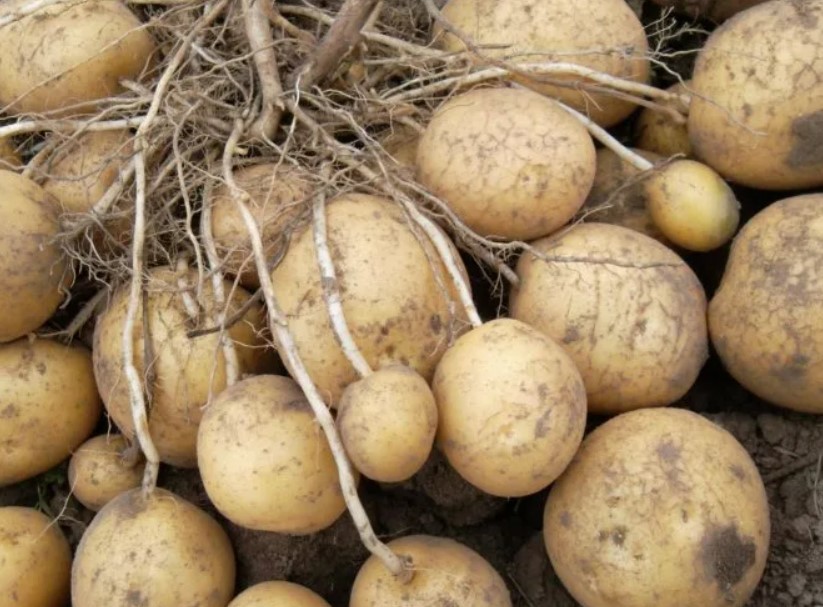
The potatoes are round, weighing between 80 and 125 g. In some cases, tubers can reach 200 g. The skin is thin and light pink. There are a few eyes on the surface of the tuber.
The flesh is white and does not darken after cutting. Its starch content is 12-19%.
Nutrients and nutritional value
Potatoes are classified as Type C culinary vegetables; they don't overcook during cooking due to their high starch content. Among their beneficial nutrients, they contain magnesium, phosphorus, zinc, sodium, and others.
Productivity, ripening time
The Lugovskoy variety is described by its originator as mid-early, with tubers maturing 70-85 days after the first shoots emerge. Potatoes can be harvested earlier, but the skin will still be too thin for long-term storage.
The maximum yield of the Lugovskoy variety is 514 centners per hectare. The average yield is approximately 350 kg per hundred square meters.
Resistance to diseases and pests
The table below shows the indicators of resistance to the main potato diseases.
| Name | Degree of stability |
| Virus (PVY) Y | High |
| Virus (PLRV) L | Moderate |
| Cancer | High |
| Golden nematode | Low |
| Alternaria | High |
| Leaf blight | Relative |
| Tuber blight | Relative |
| Common scab | Relative |
| Blackleg | Relative |
For which regions is the Lugovskoy potato variety suitable?
Lugovskoy potatoes are successfully grown in many regions of our country: Central, Central Black Earth, Northwestern, Volga-Vyatka, North Caucasian, Northern, Far Eastern, Siberian, West and East Siberian, Ural.
Advantages and disadvantages of the Lugovskoy potato variety
The Lugovskoy variety has both advantages and disadvantages. These are listed in the table below.
| Advantages | Flaws |
|
|
Planting Features of the Lugovskoy Potato Variety
The Lugovskoy potato variety does not require special preparation and care, but can be affected by late blight if overwatered.
Requirements for the landing site and its preparation
For planting potatoes, choose a well-lit area with unobstructed sunlight. It's important to avoid stagnant water and nearby groundwater, as this can lead to late blight.
Another equally important condition is not to plant potatoes in the ground after tomatoes or beets; it is best to choose a place where cucumbers, grains, or legumes were previously grown.
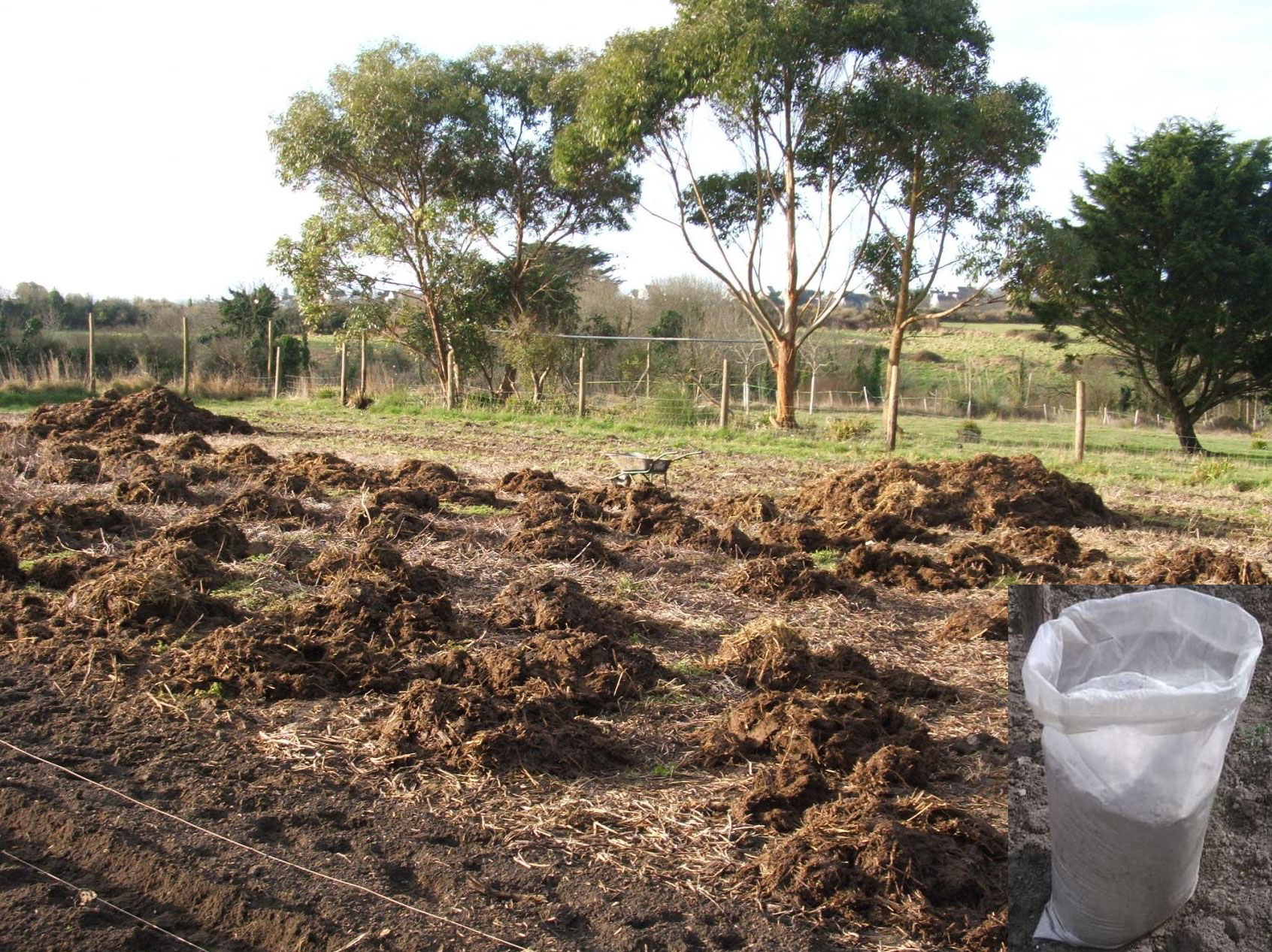
Site preparation begins in the fall, with the soil being tilled and fertilized. If the soil is highly acidic, dolomite flour or slaked lime is added.
Selection and preparation of seed tubers
Before planting potatoes, the tubers must be pre-germinated. Before this, they must be sorted to ensure that no diseased or damaged tubers are placed in the garden bed.
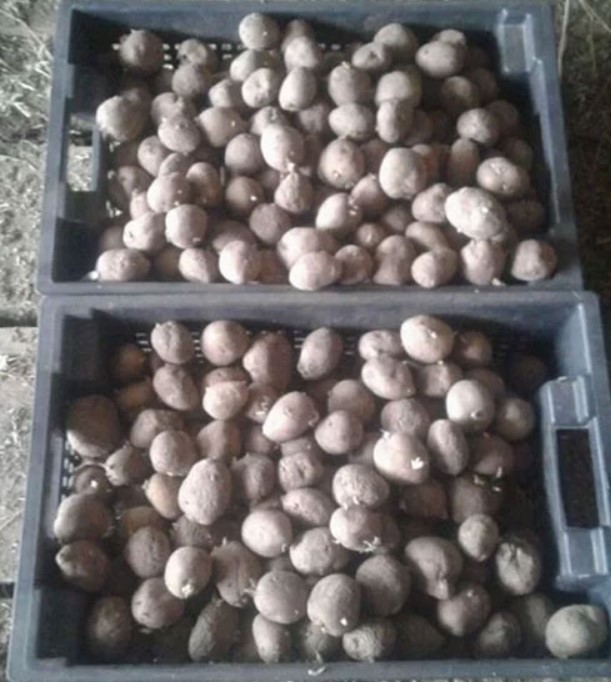
Potatoes are stored in boxes in a dark, well-ventilated area at a temperature of 12 to 18 degrees Celsius (55 to 65 degrees Fahrenheit). Higher temperatures can cause the tubers to dry out. The average sprouting period for potatoes is 35-45 days, during which time the sprouts should reach 2-4 cm in height.
Planting times and rules
The exact timing of potato planting varies by region, but the most important indicator is soil warming to 9 degrees Celsius. It's also important to consider the possibility of recurrent frosts, so if one occurs, either postpone planting or ensure the bed is covered.
In most regions, potatoes are planted in the second and third ten days of May. In the North, this period falls in early June. And in the South, planting can begin as early as April.
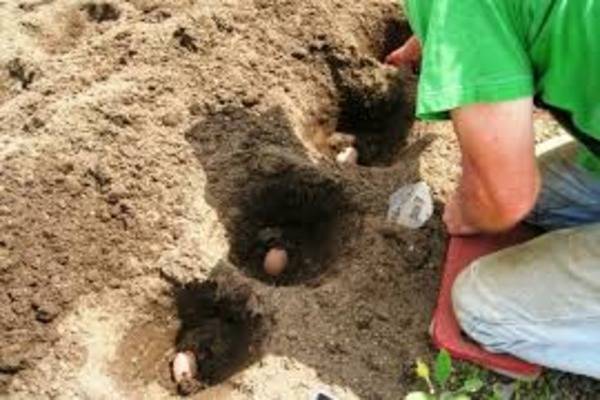
Potatoes are planted in pre-prepared holes. They should be spaced 30 cm apart, and the recommended depth is 10-15 cm.
The potatoes are carefully laid out in the bottom of the hole, sprout-side up, and covered with soil. For ease of maintenance, leave a 60-70 cm gap between the rows.
Caring for the Lugovskoy potato variety
The Lugovskoy potato is an undemanding variety, so it requires standard care: watering, hilling, fertilizing, and weeding.
Watering
It's recommended to water potatoes three times per season: during planting, during the active growth stage, and just before flowering ends. However, weather conditions should be taken into account. If temperatures are very high and the soil is cracking, additional watering may be necessary. It's important to avoid getting water on the leaves and avoid overwatering the plants after flowering, as this increases the risk of late blight.
Top dressing
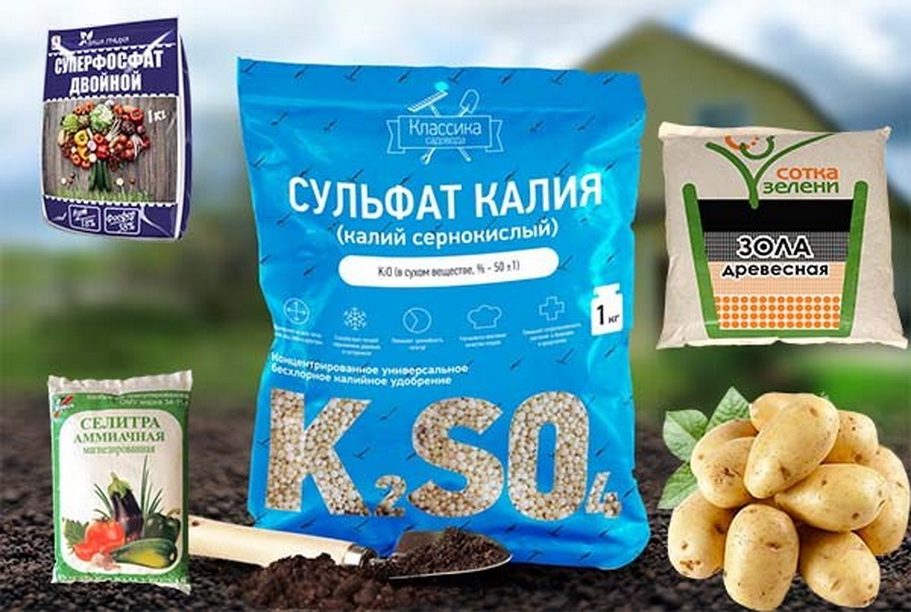
When growing Lugovskoy potatoes, it's important to properly prepare the soil in the fall and spring, otherwise the starch content can drop significantly. When planting, add a handful of ash and compost to each hole in depleted soil.
Loosening, weeding
The Lugovskoy potato's root system is close to the soil surface, so loosening the soil should be done carefully and shallowly to avoid damaging the roots. Weeds should also be removed periodically, as they compete with the plant for nutrients and attract pests.
Hilling
Due to the close proximity of the tubers to the soil surface, the Lugovskoy potato requires high-quality hilling.
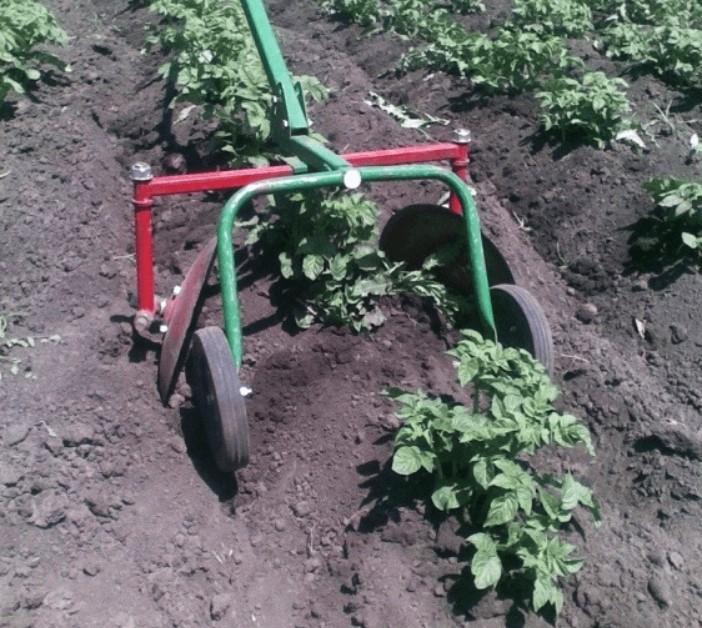
It is held three times per season:
- When the shoots have grown to 15 cm, a mound of earth 10-12 cm high is poured onto them.
- The second time, hilling is carried out after 2 weeks.
- The third hilling is carried out when the shoots reach a height of 25 cm.
Protecting the Lugovskoy potato variety from diseases and pests
The Lugovskoy variety is rarely susceptible to disease. This is mainly due to improper care, such as overwatering. The table below lists the main diseases and pests, along with methods for controlling them.
| Disease, pest | Characteristic | Prevention and treatment |
| Late blight | The stems, leaves, and tubers become covered with brown spots, and the foliage curls. The plant dies. | To prevent the disease, treat the plantings with Acrobat or Ridomil Gold. It's also important to maintain proper watering and avoid overwatering the soil. If the affected area is large, it's best to burn the bushes. |
| Golden nematode | Cysts—small golden balls—form on the root system, from which larvae later hatch. They attack the tubers, causing the plant to wither and die. | To prevent pests, plant marigolds near potatoes, and in the fall, treat the soil with boiling water and cover with plastic wrap. If pests appear, biological (Metarizin, Nematophagin, etc.) and chemical (Nematicide, Mercaptofos, etc.) treatments can be used. |
| Colorado beetle | Beetles and their yellowish eggs appear on potato leaves. | To prevent planting problems, weed and hill the soil; you can plant marigolds nearby. Pest control products can be used. |
Harvesting and storing the Lugovskoy potato variety
Experienced gardeners strongly recommend cutting back the tops two weeks before harvesting. This will help the skin harden and prevent damage during harvesting. Harvesting of Lugovskoy potatoes begins 70-85 days after emergence. It's best to do this in dry, warm weather, as the harvested crop will need to be dried under cover to prevent rotting.
How to harvest potatoes on time and correctly Read more on Top.tomathouse.com. You can create a device to help you dig up potatoes yourself.
Two to three hours after digging, the potatoes are sorted, with only the strongest and healthiest tubers stored. If they are not intended for future planting, they should not be left in direct sunlight, as this can cause the production of solanine, a compound hazardous to humans.
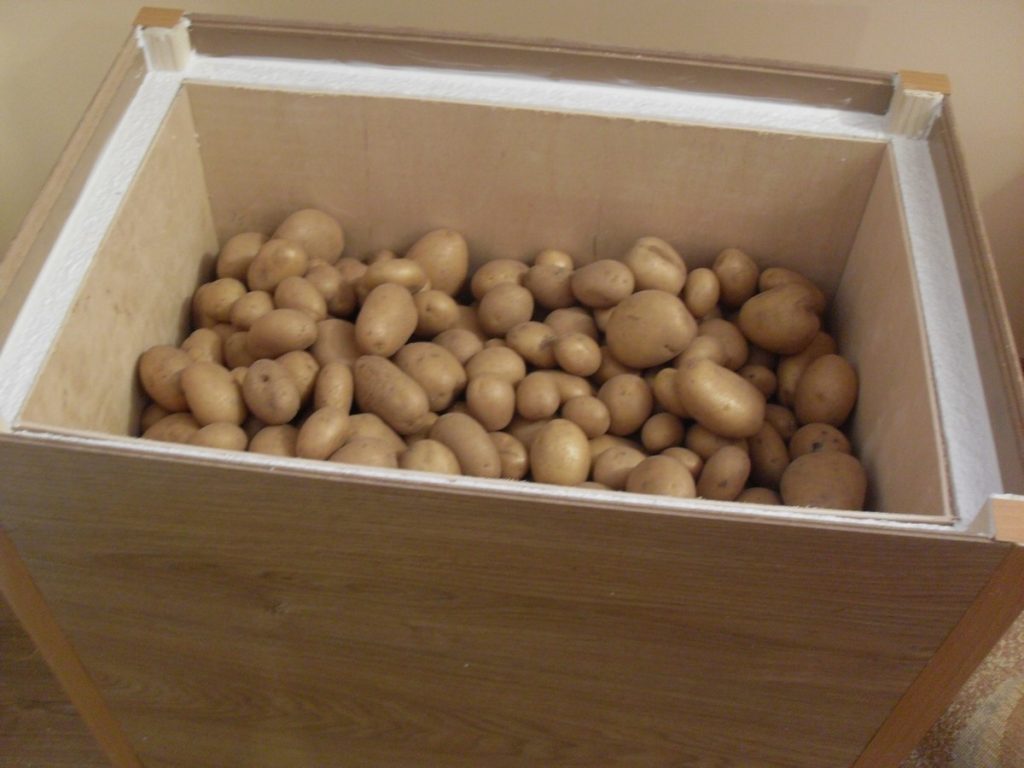
Potatoes should be stored in cloth bags, nets, or boxes in a dark, dry place with a temperature no higher than 4°C and a humidity of 70-80%. Under suitable conditions, Lugovskoy potatoes can be stored for up to 8 months.
Comparison of the Lugovskoy potato variety with other varieties in the table
| Variety | Ripening period (number of days to maturity) | Starch (%) | Yield (c/ha) | Weight of tubers (g)
Number of tubers per bush Color of tuber, pulp |
Shelf life (%) |
| Lugovskoy | Mid-season*** | 12-19 | up to 514 | 85-125
8-15 light pink, white |
97 |
| Strongman | Mid-early** | 10-12 | 127-275 | 78-105
15-20 yellow, cream |
97 |
| Nikulinsky | Mid-late**** | 12.5-21.3 | 170-410 | 70-135
12 beige, cream |
95 |
| Meteor | Early ripening* | 10-16 | 210-405 | 100-150
10-12 creamy, yellowish |
95 |
| Manifesto | Mid-early** | 13-15.4 | 165-458 | 104-132
11-15 red (pink), light yellow |
94 |
| Detskoselsky | Mid-early** | 15-18 | 330-450 | 110-120
7-11 pink, white |
94 |
| Riviera | Early ripening* | 11.5-15.9 | 189-366 | 101-177
11-12 light beige, cream |
94 |
| Charoite | Ultra-early | 14-17 | 104-269 | 100-145
8-12 light yellow, pale yellow |
96 |
| Blue | Mid-season | 17-19 | up to 500 | 90-150
9-11 creamy, soft milky |
90-95 |
| Luck | Early ripening* | 11-15 | 420-430 | 100-150
10-15 creamy yellow (brown), snow-white |
88-97 |
| Dolphin | Early ripening* | 11.2-15.1 | 170-256 | 80-132
8-12 yellow, light yellow |
90-99 |
Ultra-early – 35-50 days.
*Early ripening – 50-65 days.
**Mid-early – 65-80 days.
***Mid-season – 80-95 days.
****Mid-late – 95-110 (115) days
*****Late ripening – 110 days or more.
Reviews of the Lugovskoy potato variety
Lugovskoy is a high-yielding variety, no less than Sante, but its taste is only suitable for livestock and it is very susceptible to powdery scab.
It has been raining slantingly with gusts of wind since seven in the morning, the temperature is 12 degrees, as if it were the end of September.
Over 27 years, I've tested about 200 potato varieties. Lugovskoy has proven to be one of the best in terms of yield and flavor. The soils are gray forest soil.
A gardening circle gathered and held a potato tasting. Lugovskoy's potato was unanimously chosen as the best tasting.
We're planting Lugovskoy potatoes, and we really like them. They're great for mashed potatoes and soups, and they don't overcook. A delicious variety for white potato lovers.
Ryabinushka is a variety with almost white flesh and a high yield. But we didn't like it. We recently cooked some with Aurora, and everyone at the table, having tried the Ryabinushka, reached for the Aurora. But the taste, well, maybe someone will like it, but it has another drawback that makes me think I won't plant Ryabinushka anymore. It was one of the first to get blight. The whole field was still green, but dark spots had already appeared on the Ryabinushka. The potatoes were bought at a seed store.
Russia is currently officially testing five GM potato varieties: Nevsky Plus, Elizaveta Plus, Lugovskoy Plus, Russet Burbank Newleaf, and Superior Newleaf. And we're right there! And who knows?