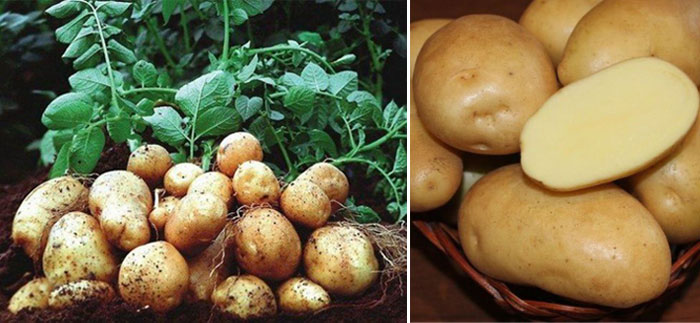
The Nikulinsky potato variety is characterized by its mid-late ripening period and is widely used in starch production. Gardeners appreciate it for its shelf-life and crisp, crisp fruits, which make a delicious mashed potato.
Content
- 1 Characteristics of the Nikulinsky potato variety in the table
- 2 The origin of the Nikulinsky potato variety
- 3 A detailed description of the Nikulinsky potato variety
- 4 Advantages and disadvantages of the Nikulinsky potato variety
- 5 Planting Features of the Nikulinsky Potato Variety
- 6 Caring for the Nikulinsky potato variety
- 7 Protection of the Nikulinsky potato variety from diseases and pests (table)
- 8 The nuances of harvesting and storing the Nikulinsky potato variety
- 9 Comparison of the Nikulinsky potato variety with other varieties in the table
- 10 Real reviews from gardeners about the Nikulinsky potato variety
Characteristics of the Nikulinsky potato variety in the table
Nikulinsky potatoes aren't known for their quick ripening time, but they have excellent shelf life and marketability. Detailed characteristics are provided in the table below.
| Parameter | Characteristic |
| Ripening period | 95-115 days |
| Starch content | 12.5-21.3% |
| Weight of commercial tubers | 70-135 g |
| Number of tubers in a bush | Up to 12 pcs. |
| Productivity | 170-294 c/ha, maximum 410 c/ha. |
| Consumer qualities | Used for making mashed potatoes and, on an industrial scale, in the production of starch and potato flour. Culinary grade BC. |
| Marketability of tubers | 71-95% |
| Shelf life | 95% |
| Bushes, stems, leaves | The bush can reach 80 cm in height, its stems are covered with elongated leaves, and purple-red flowers appear during flowering. It has a well-developed root system. |
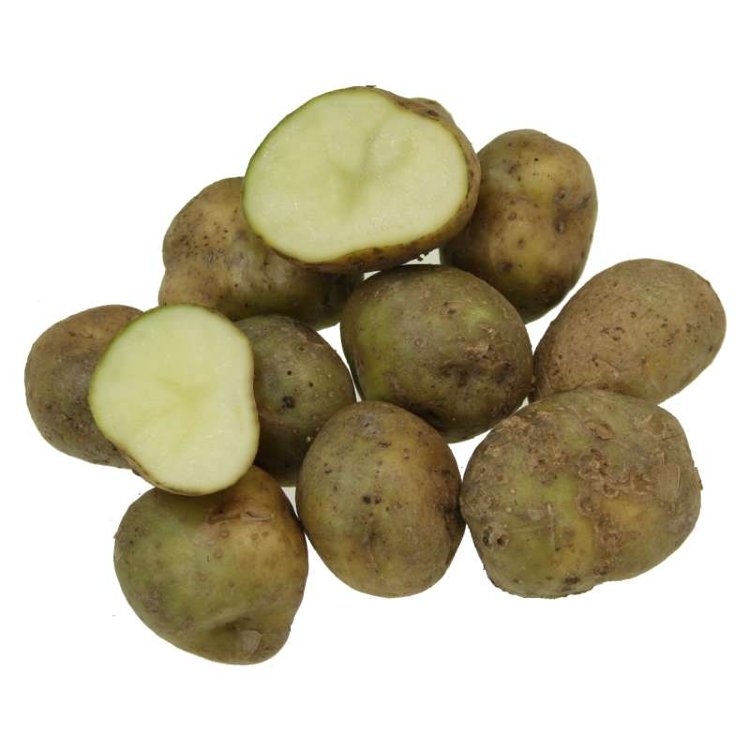
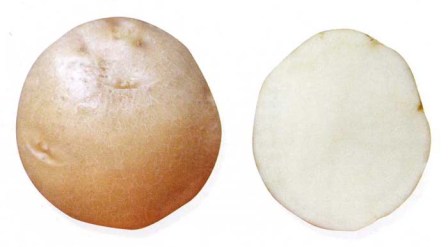
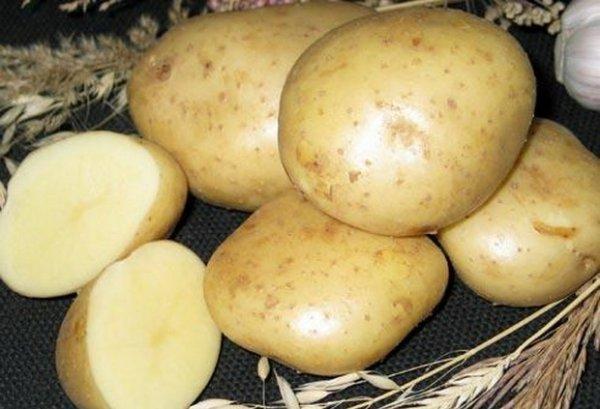
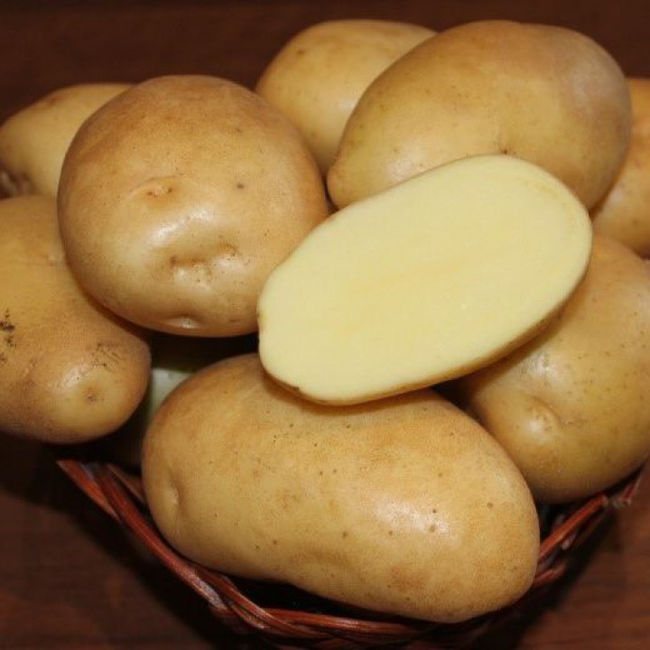
| Peel color | Beige |
| Pulp color | Cream |
| Eyes | Light beige |
| Preferred growing regions | Northern, Northwestern, Central, Volga-Vyatka, Middle Volga, Ural, West Siberian. |
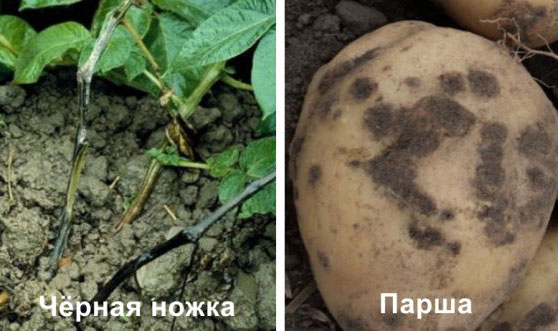
| Disease resistance | It is often affected by the Colorado potato beetle, nematodes, tuber blight, scab, and blackleg. It is resistant to canker and viruses. It exhibits moderate resistance to late blight of tops, rhizoctonia, and alternaria. |
| Features of cultivation | Before planting, potatoes need to sprout and green up in the sun. They don't require any special growing conditions. |
| 1996 |
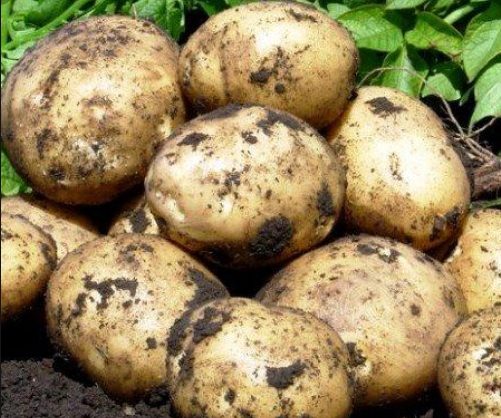
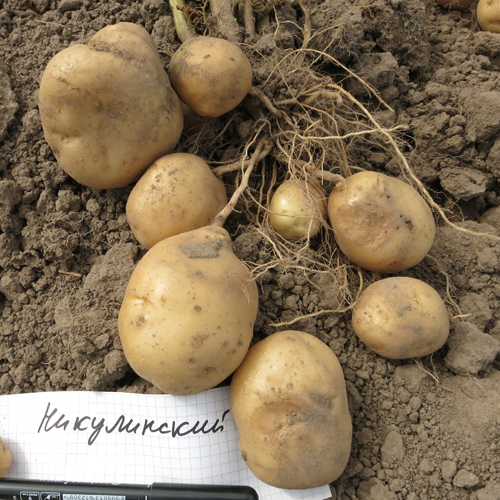
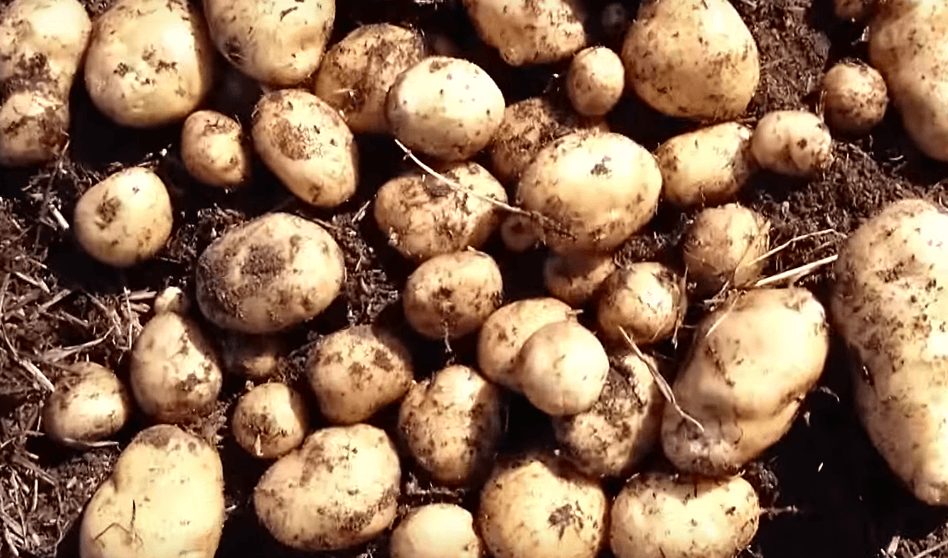
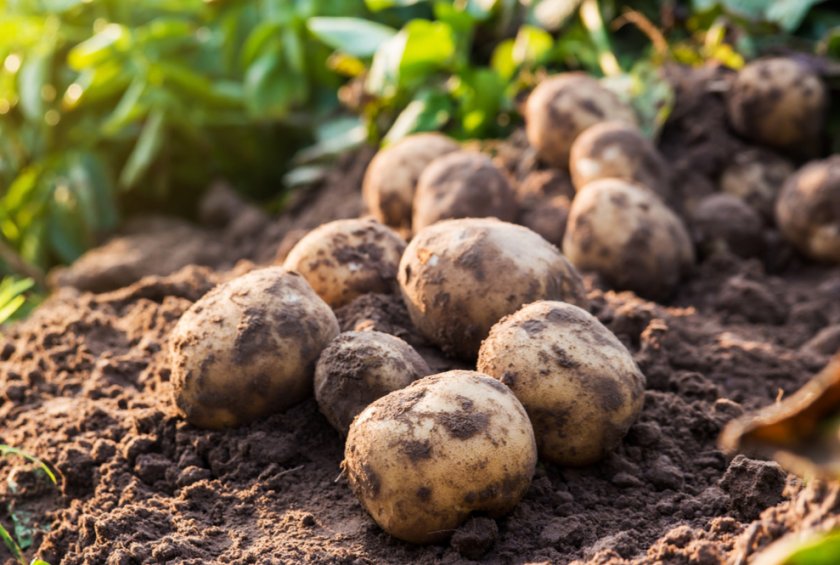
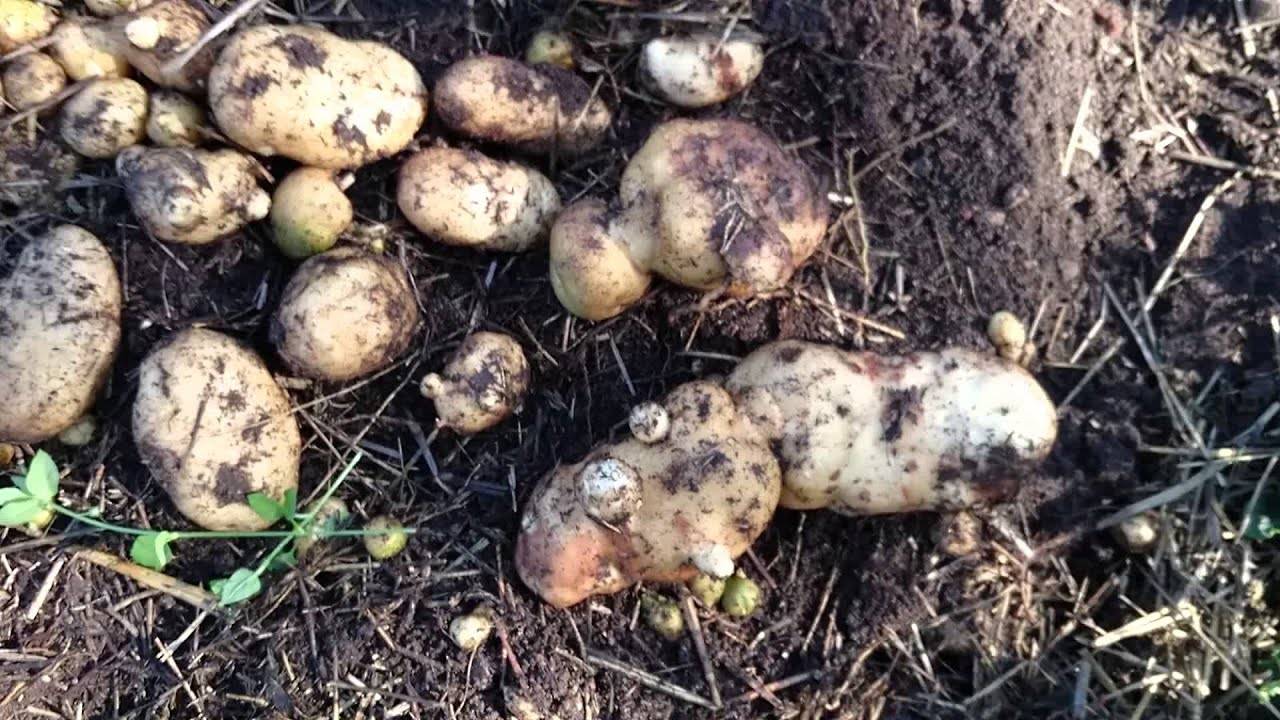
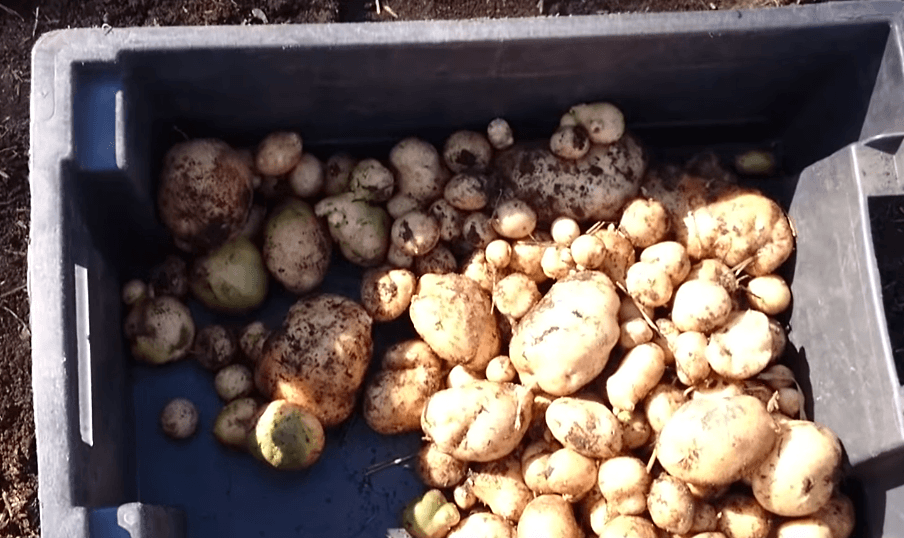
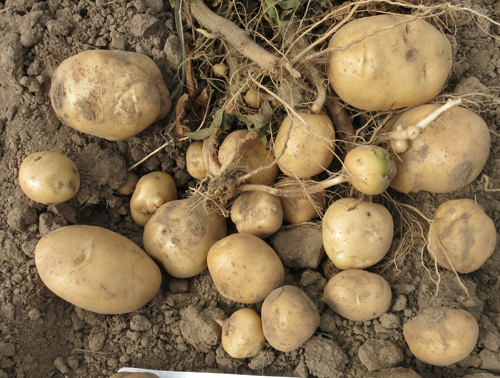
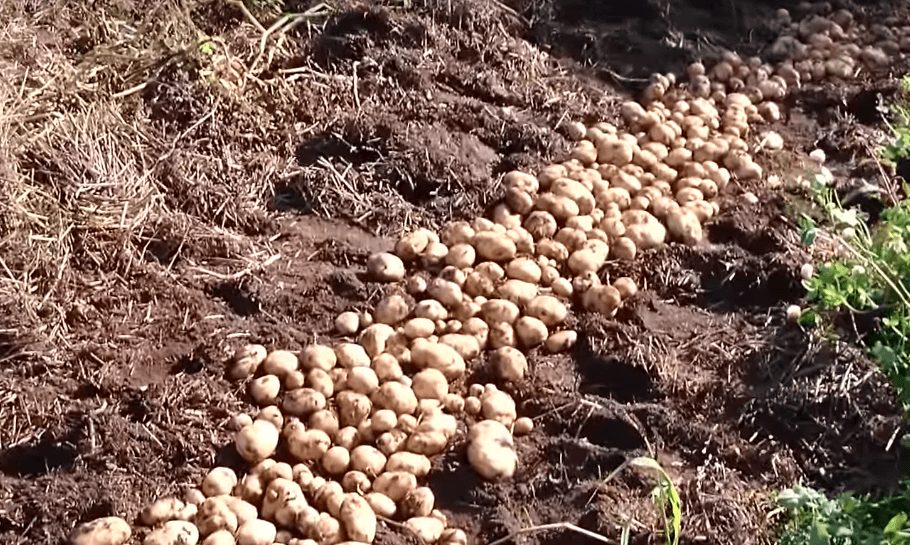
Photo of the Nikulinsky potato variety:
The origin of the Nikulinsky potato variety
As you might have guessed, this potato owes its name to the famous actor Yuri Nikulin. It was developed by breeders from the A.G. Lorkh All-Russian Research Institute of Potato Farming. In 1991, they were invited to the Soviet actor's anniversary. Knowing Nikulin's love for potatoes, they presented him with several newly bred potatoes and named the variety after him. The potato was added to the register in 1996, and since then has enjoyed popularity not only in our country but also abroad.
A detailed description of the Nikulinsky potato variety
The main feature of the Nikulinsky variety is the high starch content in the tubers, due to which they are widely used for the preparation of semi-finished products (puree, flakes, flour, granules).
Bushes
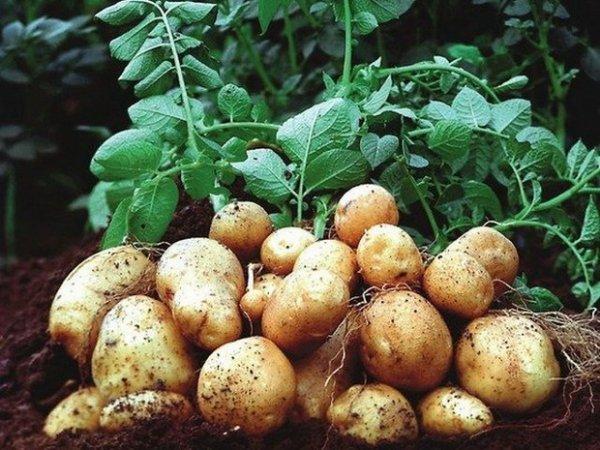
Nikulinsky potato variety is characterized by its mid-late ripening period. While the tops of other potatoes begin to wilt and turn yellow, this variety remains juicy and green. The bushes are relatively tall, with shoots sometimes reaching 80 cm in length. The leaves are numerous, elongated, and fairly closely spaced on the stems. During flowering, purple-red flowers appear. The root system is robust.
Tubers
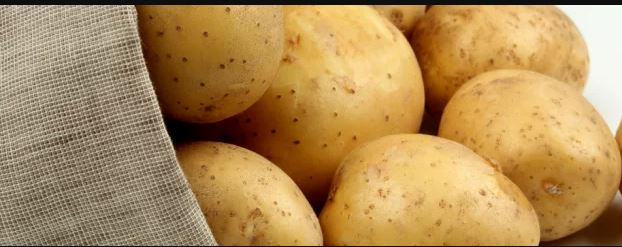
The tubers are not very large, weighing between 70 and 130 grams. They are rounded, and their beige skin, with a few eyes, is covered with a fine mesh. Each plant yields 8 to 10 potatoes, which have a marketability of 71 to 91% and are characterized by excellent shelf life (up to 95%). The flesh is creamy and softens fairly quickly during cooking.
Nutrients and nutritional value
Nikulinsky potatoes contain a large amount of nutrients.
Content of vitamins and macroelements per 100 g of tubers:
| Name | Content, mg per 100 g |
| Potassium | 586 |
| Phosphorus | 58 |
| Chlorine | 58 |
| Sulfur | 32 |
| Magnesium | 23 |
| Calcium | 10 |
| Sodium | 5 |
| Vitamin C | 20 |
| Vitamin PP | 1.8 |
| Vitamin B2 | 0.7 |
| Vitamin B5 | 0.3 |
| Vitamin B1 | 0.13 |
| Vitamin E | 0.1 |
| Vitamin B9 | 0.008 |
| Beta-carotene | 0.02 |
| Vitamin A | 0.003 |
Microelement content:
| Substance | Content, mg per 100 g |
| Iron | 0.9 |
| Manganese | 0.17 |
| Copper | 0.14 |
| Zinc | 0.36 |
| Aluminum | 0.86 |
| Rubidium | 0.5 |
| Vanadium | 0.149 |
| Bor | 0.115 |
| Lithium | 0.077 |
| Fluorine | 0.026 |
| Chromium | 0.009 |
| Molybdenum | 0.008 |
| Nickel | 0.005 |
| Iodine | 0.005 |
| Cobalt | 0.005 |
| Selenium | 0.0003 (0.3 mcg) |
Productivity, ripening time
The Nikulinsky variety has a long ripening period, which is almost 4 months.
The originator characterizes it as high-yielding:
- The average harvest volume per hectare ranges from 170 to 295 hectares.
- Farmers in the Ivanovo region achieved the absolute maximum, harvesting 410 c/ha.
Resistance to diseases and pests (table)
| Name of the disease | Degree of stability |
| Cancer | High |
| Viral infections | High |
| Alternaria | Average |
| Phytophthora blight of tops | Average |
| Rhizoctonia (black scab) | Average |
| Blackleg | Low |
| Common scab | Low |
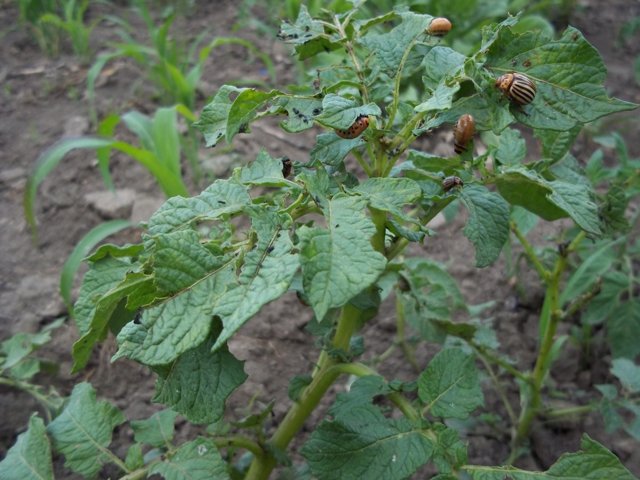
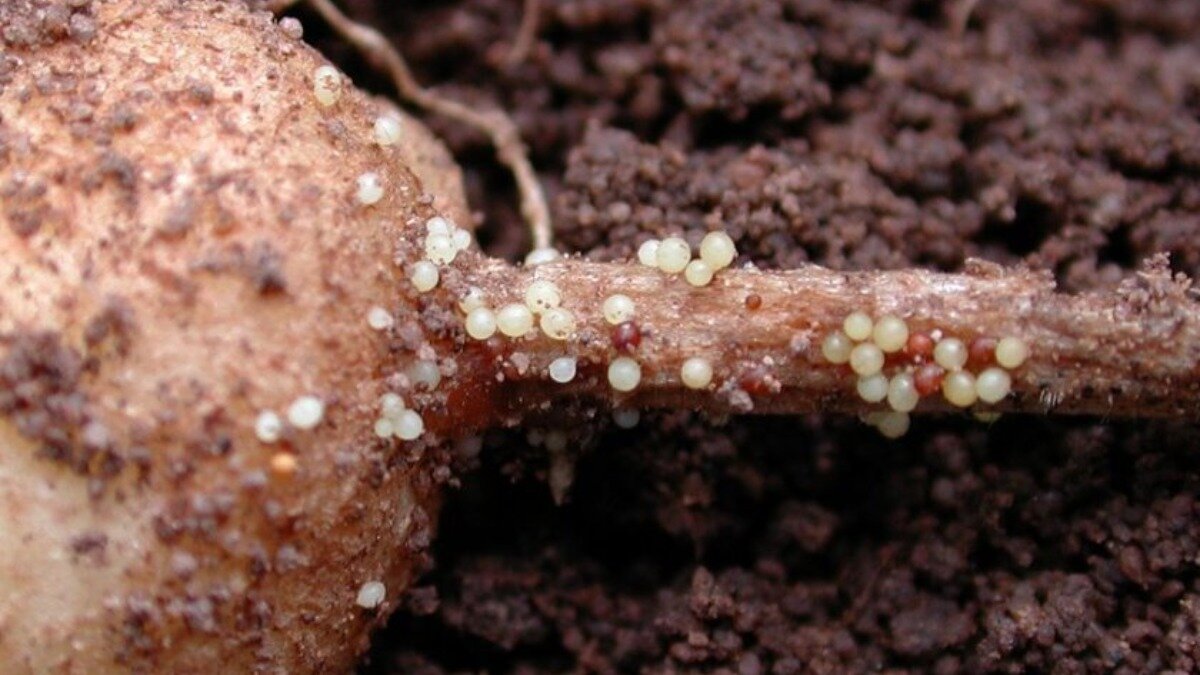
| Colorado beetle | Low |
| Nematode | Low |
| Tuber blight | Low |
What regions is it suitable for?
The Nikulinsky variety is virtually unaffected by weather conditions and temperature fluctuations. According to the registry, it will perform best in the following regions:
- Northern;
- Northwestern;
- Central;
- Volga-Vyatka;
- Middle Volga;
- Ural;
- West Siberian.
Advantages and disadvantages of the Nikulinsky potato variety
The Nikulinsky potato has a number of advantages that have made it popular among gardeners in our country.
However, there are also several significant drawbacks. We've listed them in the table below.
| Advantages | Flaws |
|
|
Planting Features of the Nikulinsky Potato Variety
Nikulinsky potatoes are grown using the classic agricultural practices common to almost all potato varieties.
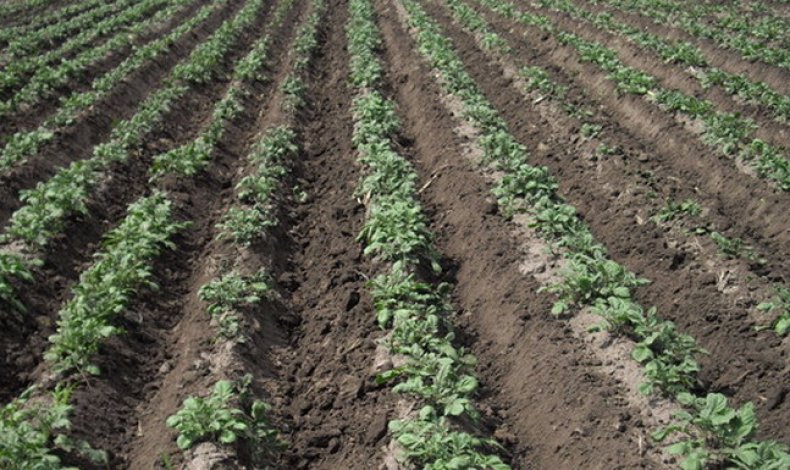
Requirements for the landing site and its preparation
Nikulinsky is best planted in a well-lit spot. It prefers moisture and warmth. Nightshade crops are poor precursors due to their shared diseases.
Ideally, the garden bed should have been pre-planted with green manure, which enriched the soil with nitrogen and reduced weed pressure. This could have been sown in the fall, but if gardeners missed the opportunity, they can begin work in the spring. The benefits will still be there.
A good harvest can be obtained when planted in any soil type, but it will achieve its best results in fertile soil or black soil with neutral pH. Experienced gardeners recommend additional mulching of the bed, as the variety thrives on moisture, and mulch helps retain it.
Selection and preparation of seed tubers
For planting, select only whole tubers of uniform size with no visible damage on the surface. Experts recommend greening the planting material. To do this, the tubers should be laid out in sunny conditions for approximately two weeks in good weather.
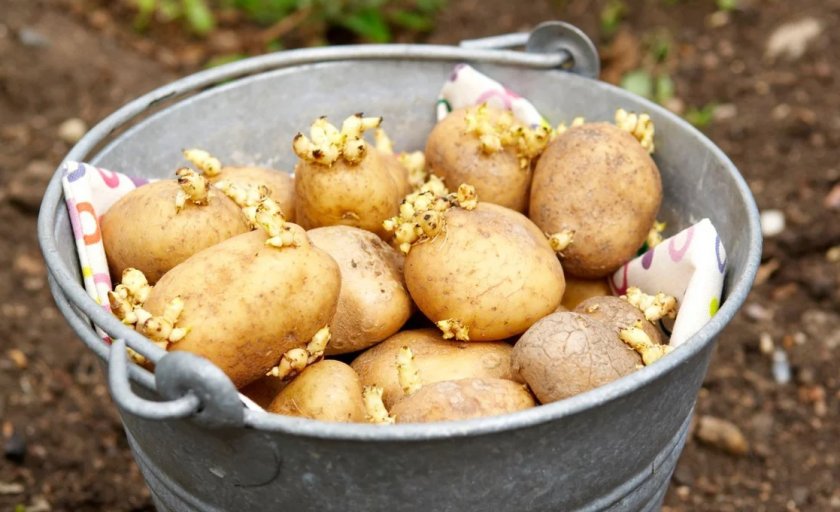
The Nikulinsky variety requires pre-germination, which lasts about a month. To stimulate shoot growth, the planting material can be treated with special preparations such as Krezatsin, Epin-Extra, Albit, Zircon, and others.
Planting dates
Although the Nikulinsky potato tolerates temperature fluctuations well, it should be planted when the temperature is stable, at least 15°C, and there is no risk of frost at night.
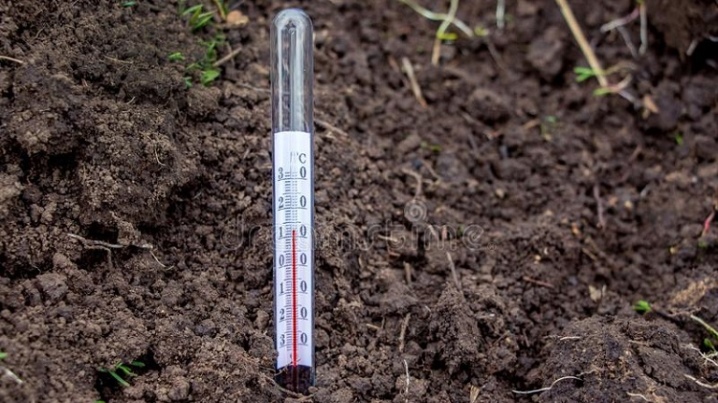
The timing is determined individually for each region. For example, in Siberia and the Urals, potatoes can be planted no earlier than the second half of May, while in the Central Russian region, many gardeners begin work as early as mid-April.
Landing rules
Potatoes should be planted at a depth of 5-10 cm, the exact depth depends on the size of the seed and the soil, namely:
- if the soil is clayey or loamy - 6 cm;
- sandy loam - up to 10 cm;
- peat, lowland - 10-12 cm;
In addition, it should be taken into account that small potatoes should not be planted deeper than 5 cm, while large ones can be planted 10 cm deeper.
Caring for the Nikulinsky potato variety
The Nikulinsky variety is relatively easy to grow, but in addition to weeding, loosening the soil, watering, and hilling, regular pest control treatments are required. This is done not with organic products, but with strong, specialized pesticides.
Watering
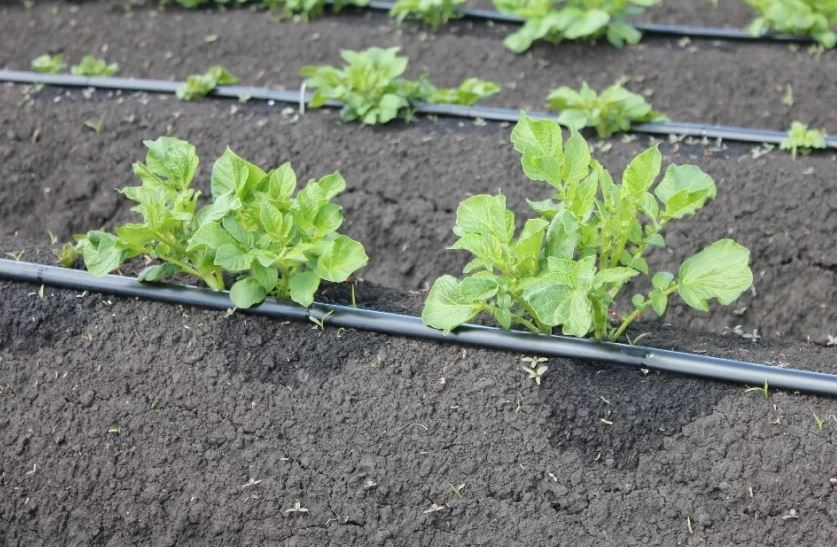
Watering depends on weather conditions. In typical summer weather, watering should be done 3-5 times per season. If it rains, watering should be reduced, otherwise the tubers will rot. However, Nikulinsky potatoes also do not tolerate drought well, causing the potatoes to become small and their development to be stunted.
Top dressing
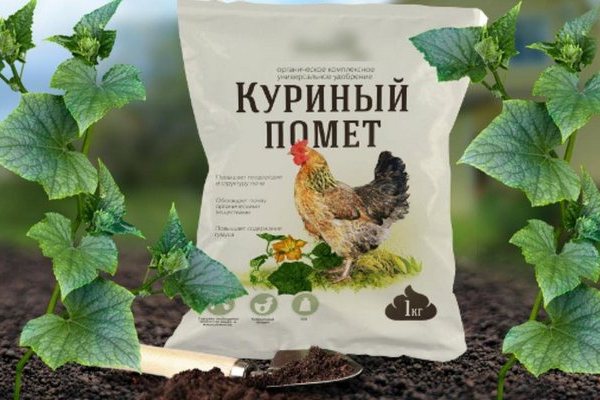
Many gardeners fertilize the soil in the fall after the gardening season ends. However, even then, potato yields will be higher with additional fertilizer. Potatoes respond best to a solution of manure or litter.
Important! Chicken manure and poultry manure should never be added to the garden bed in their fresh form; the organic matter must be rotted.
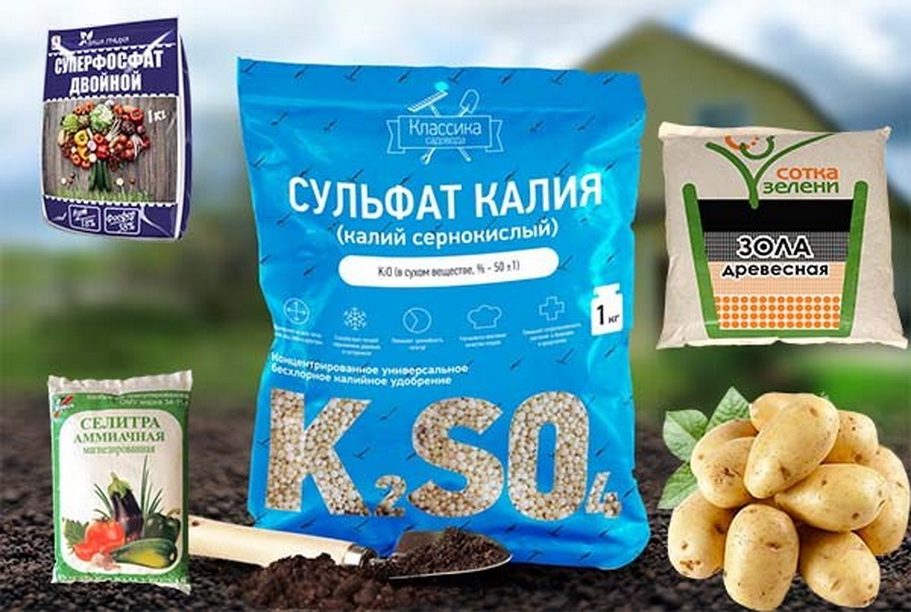
Experts recommend fertilizing potatoes 4 times per season:
- As soon as the seedlings emerge, the bed is watered with an ammonium nitrate solution at a rate of 10 g per 10 liters of water. This will require 3 to 5 liters per square meter of planting.
- After 20 days, apply the second fertilizer. For this, ferment manure mixed with water for a week. On the day of application, mix it with water at a ratio of 1:10 and water at a rate of 3 liters per square meter.
- A few days before flowering, spray with Vimpel or Energen Aqua, which are diluted according to the instructions.
- Fourteen days after flowering has finished, apply the final fertilizer with a 1:12 chicken manure solution. Each bush requires 4 to 5 liters of fertilizer.
Loosening, weeding, hilling
The first loosening can be done a week after the shoots emerge. It's also recommended to weed the beds at this time. Weeds will interfere with normal potato growth and attract insect pests.
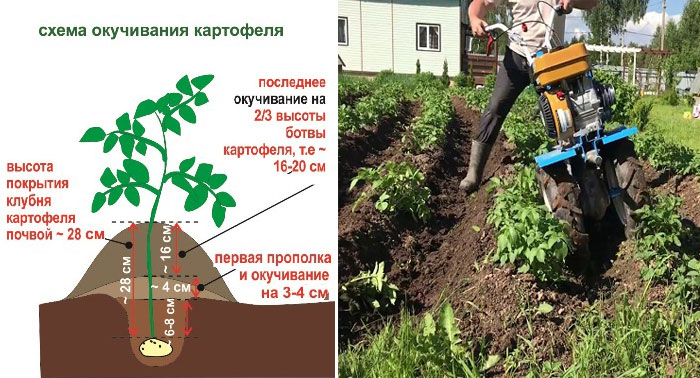
Hilling should be done before budding begins. This is done by raking soil onto the potato trunk.
Important! Never hill up dry soil, as this can cause the above-ground parts of the potato to dry out.
It is advisable to complete the hilling procedure by mulching the space between the rows using sawdust or peat.
Protection of the Nikulinsky potato variety from diseases and pests (table)
The Nikulinsky variety has good resistance to a number of diseases, but is virtually invulnerable to pests. The table below describes the main potato diseases, as well as prevention and treatment methods.
| Name of the disease or pest | Prevention | Treatment |
| Late blight of tubers and tops
|
Most often, the disease appears in cool weather after heavy rains. To reduce the risk of late blight, it is necessary to follow crop rotation rules: it is recommended to return potatoes to their original location no sooner than after 4 years. |
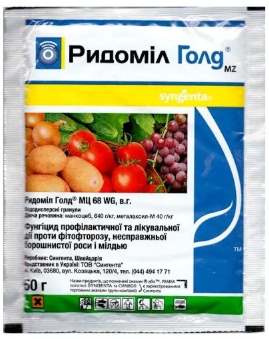
Before flowering, apply two sprays of Ridomil Gold. If late blight has already appeared on the bushes, apply two additional treatments, one week apart. |
| Colorado beetle
|
As soon as the soil warms to 14°C, Colorado potato beetles begin to appear. Nikulinsky has virtually no resistance to these insects, so it's important not to miss the moment they appear. To repel beetles, you can plant plants with a specific smell next to the potatoes - marigolds, nasturtium or valerian. |
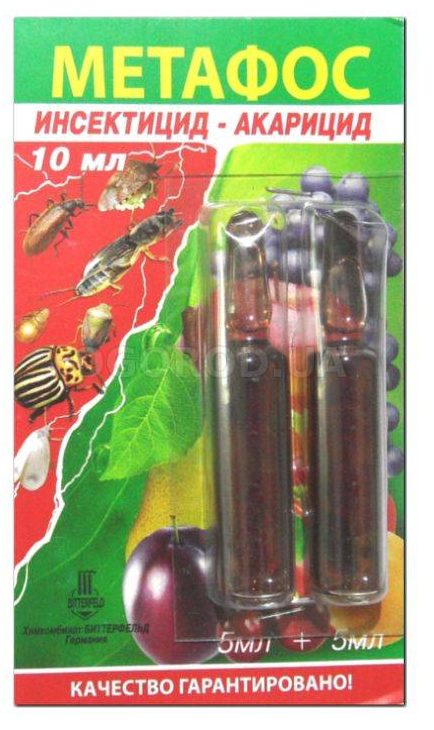
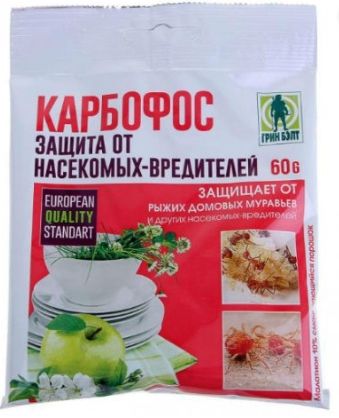
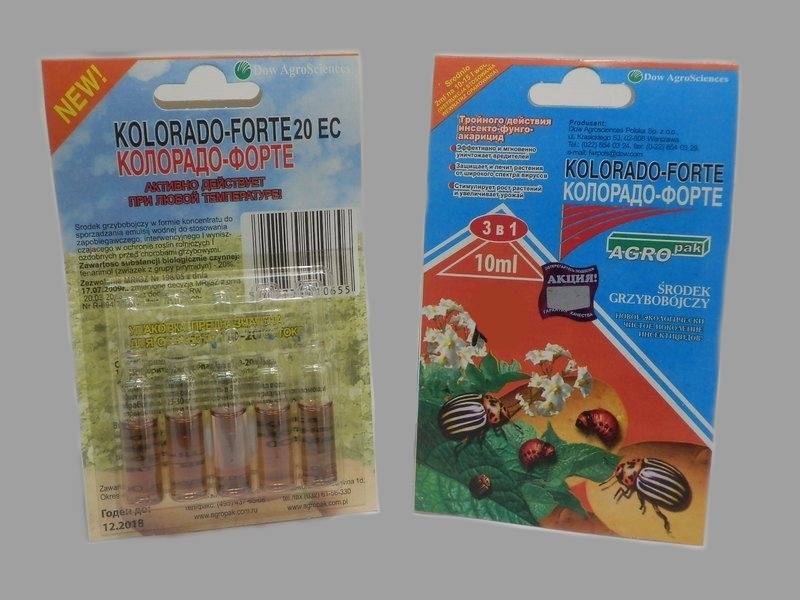
Organic beetle control methods are not suitable for the Nikulinsky variety. Only spraying with insecticides such as Metaphos, Karbofos, or Colorado will help eradicate the Colorado potato beetle. |
| Wireworm
|
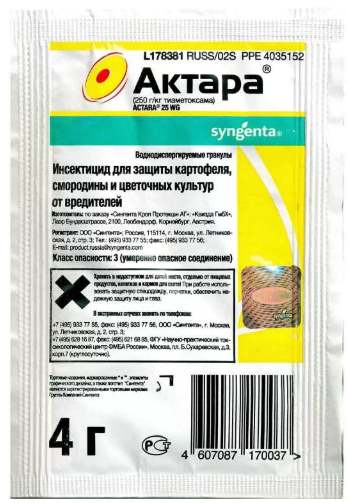
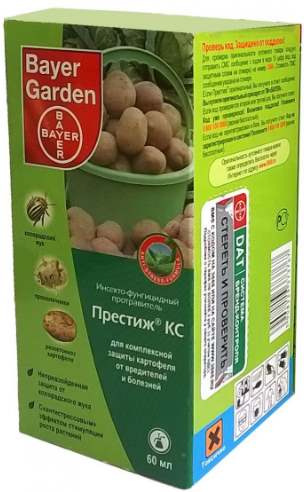
As a preventative measure, some gardeners recommend adding a handful of onion peels to each hole when planting tubers. Before planting, the soil can be treated with Aktara or Prestige. | It's virtually impossible to completely eradicate wireworms. If this beetle has appeared in large numbers on your property and laid numerous eggs, the only solution to reduce their population is Bazudin. However, due to its high toxicity, it should only be used before tubers begin to form. |
| Nematodes
|
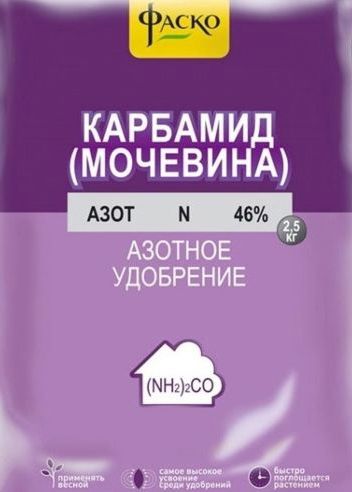
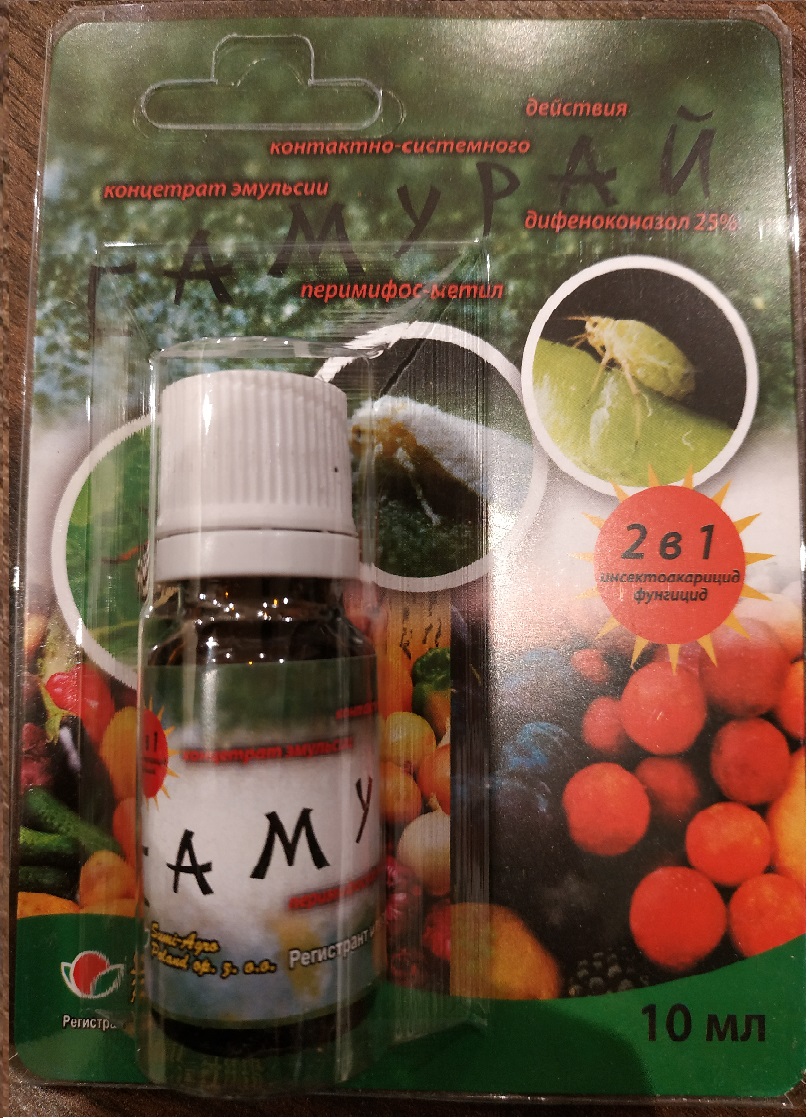
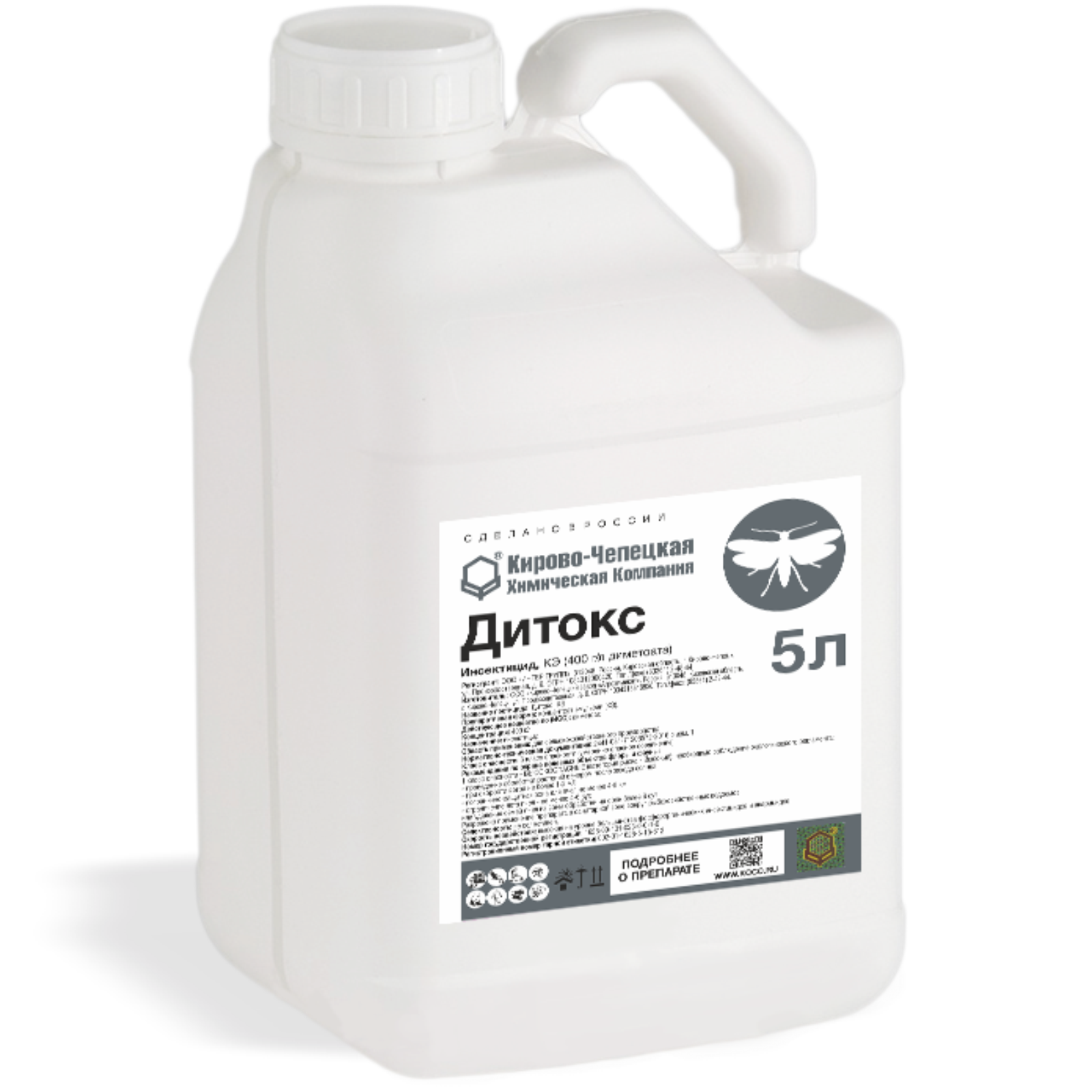
To prevent the appearance of parasites, it is recommended to add nitric acid fertilizers, such as urea or manure, to the soil in the fall and spring. | Infected bushes should be removed from the area and burned. It is recommended to treat the remaining plantings with Samurai Super or Ditox. |
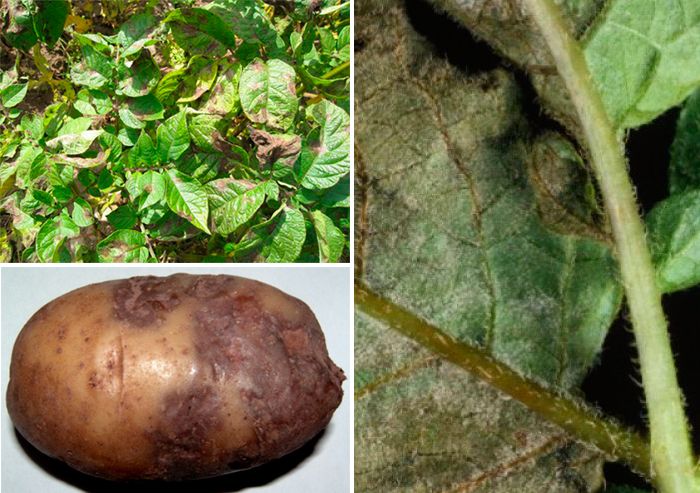
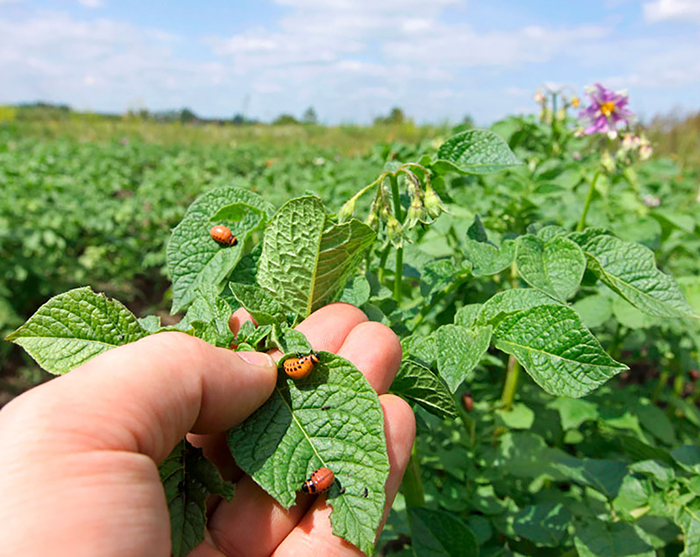
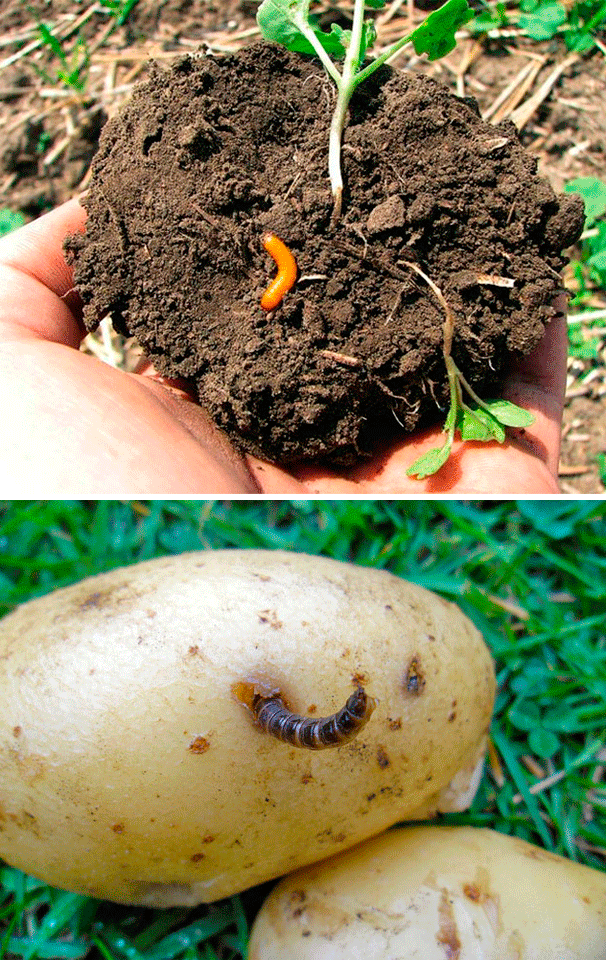
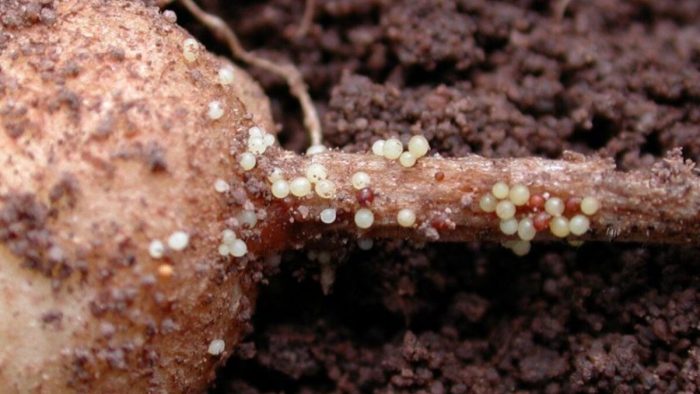
Photo gallery of pest and disease control products for the Nikulinsky potato variety:
The nuances of harvesting and storing the Nikulinsky potato variety
The Nikulinsky variety boasts a long maturation period—up to 120 days. Potatoes can be harvested beginning in late September or even early October; it tolerates low temperatures and light frosts well.
You need to start work in dry weather so that the potatoes can dry out a little.
The harvested potato crop is sorted, discarding any damaged or rotten potatoes. All marketable tubers are left to rest in a dark place and then stored permanently in a basement, cellar, or other pre-prepared location. Avoid stacking potatoes on the floor; it's best to build a raised platform of planks slightly indented from the wall.
Tip! To toughen the skin a bit and make harvesting easier, trim off the tops a few days before harvesting.
Comparison of the Nikulinsky potato variety with other varieties in the table
| Variety | Ripening period (number of days to maturity) | Starch (%) | Yield (c/ha) | Weight of tubers (g)
Number of tubers per bush |
Shelf life (%) |
| Nikulinsky | Mid-late**** | 12.5-21.3 | 170-410 | 70-135
12 |
95 |
| Armada | Early ripening* | 17-18 | 230-370 | 96-130 9-14 |
80-85 |
| Jewel | Early ripening* | 10-15 | 700 | 80-150
15-20 |
94 |
| Innovator | Mid-early** | 12-15 | 320-344 | 83-147
6-11 |
94 |
| Strongman | Mid-early** | 10-12 | 127-275 | 80-105
15-20 |
97 |
| Molly | Early ripening* | 11.4-13.4 | 171-308 | 98-142 20-25 |
82 |
| Meteor | Early ripening* | 10-16 | 210-405 | 100-150
10-12 |
95 |
| Zekura | Mid-early** | 13-18 | 350-370 | 60-150
12-20 |
98 |
| Giant | Mid-season*** | 15.9-18.9 | 290-424 | 104-143
8-13 |
97 |
| Treasures | Mid-season*** | 12-18 | up to 650 | 95-250
12-18 |
94 |
*Early ripening – 50-65 days.
**Mid-early – 65-80 days.
***Mid-season – 80-95 days.
****Mid-late – 95-110 days.
*****Late – 110 days or more.
Real reviews from gardeners about the Nikulinsky potato variety
Despite its long maturation period and susceptibility to pests, the Nikulinsky variety receives many excellent reviews from gardeners. However, some consumers are dissatisfied with the potato's taste.
User Dmitry Ch, Moscow, Serebryano-Prudsky district, Moscow region
Nikulinskaya – unknown reproduction (has been growing for at least 8 years): 3 rows of 40 bushes – 9 buckets; 1 row of 28 bushes – 1.5 buckets. Nice, even tubers. Not very large, but just right. I should definitely try another variety. I'll definitely be planting more.
Photo by user Dmitry Ch:
User AndreyV, S. Butovo, village in Kaluga Oblast.
Nikulinsky, Wizard, Fairy Tale Forever!!! :о)