The Detskoselsky potato is an early-ripening variety. It is ideal for growing in Russia—it exhibits good tolerance to cool weather and is resistant to sudden temperature fluctuations. Growing this variety produces large, uniform tubers with minimal eyes. This potato is suitable for table use and is highly valued by Russian gardeners. Let's take a closer look at the characteristics of this variety and discuss its planting and growing techniques.
Content
- 1 Characteristics of the Detskoselsky potato variety in the table
- 2 The origin of the Detskoselsky potato variety
- 3 Description of the Detskoselsky potato variety
- 4 Advantages and disadvantages of the Detskoselsky potato variety
- 5 Planting Features of the Detskoselsky Potato Variety
- 6 Caring for the Detskoselsky potato variety
- 7 Harvesting the Detskoselsky potato variety
- 8 Protection against diseases and pests of the Detskoselsky potato variety
- 9 Comparison of the Detskoselsky potato variety with other varieties in the table
- 10 Reviews of the Detskoselsky potato variety
Characteristics of the Detskoselsky potato variety in the table
|
Parameter |
Characteristics |
|
General information |
Mid-early variety with high and stable yield. |
|
Ripening time |
75-90 days from the moment of emergence of full shoots. |
|
Productivity |
330-450 c/ha. |
|
Marketability |
88-92%. |
|
Shelf life |
94%. |
|
Starch concentration |
15-18%. |
|
Cooking class |
CD. |
|
Color of pulp |
White. |
|
Peel color |
Pink, with a few small red eyes. |
|
Weight of commercial tubers |
110-120 g |
|
Number of tubers on one bush, pcs. |
7-11. |
|
Taste characteristics |
Good. They don't change during long-term storage. The flesh remains firm and doesn't darken. |
|
Culinary uses |
Table. Suitable for frying, baking, and mashing. |
|
Suitable regions for growing |
Northern, Northwestern, Central. |
|
Disease resistance |
Relative resistance to viruses, late blight, and common scab. High resistance to cancer, pathotype I. |
|
Color of inflorescences |
Snow-white. |
|
Growing specifics |
Standard cultivation techniques. Can be planted in any soil suitable for potatoes. Responds well to fertilizing. Recommended for planting after perennial grasses, winter crops, legumes, annual grasses, and flax; in sandy soil, after lupine. |
|
|
1959 |
Photo gallery of the Detskoselsky potato variety
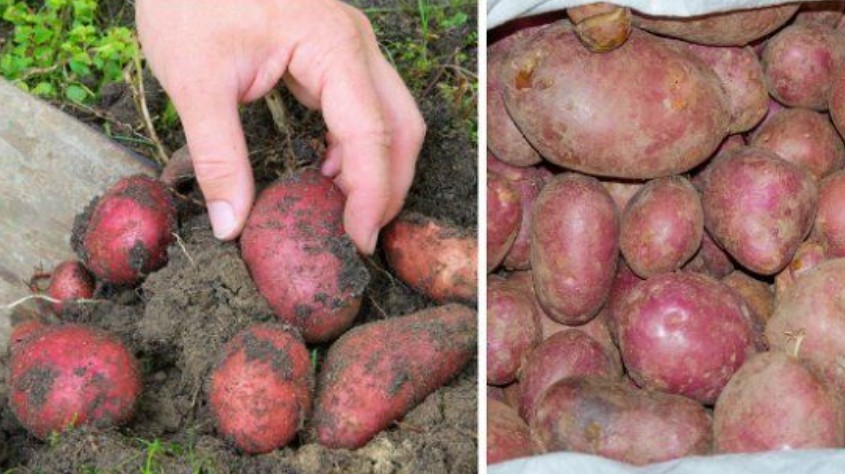
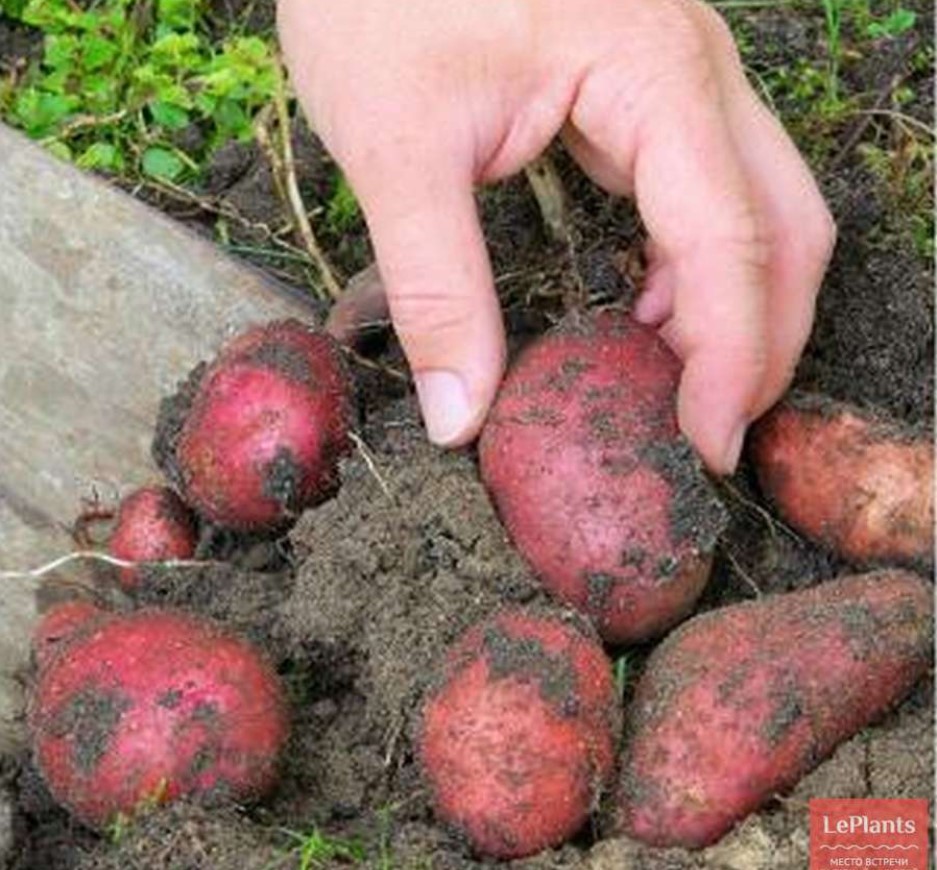
The origin of the Detskoselsky potato variety
The Detskoselsky potato variety was developed at the N.I. Vavilov All-Russian Research Institute of Plant Growing. In 1959, it was approved for use in the Northern, Northwestern, and Central regions of our country. However, it can be grown in other regions as well.
Description of the Detskoselsky potato variety
Let's consider the main characteristics of the variety in more detail.
Bushes
The Detskoselsky variety grows tall and moderately leafy. The plant's flowering period is long. During this period, the bushes are densely covered with flowers. The corollas are white with purple veins.
Tubers
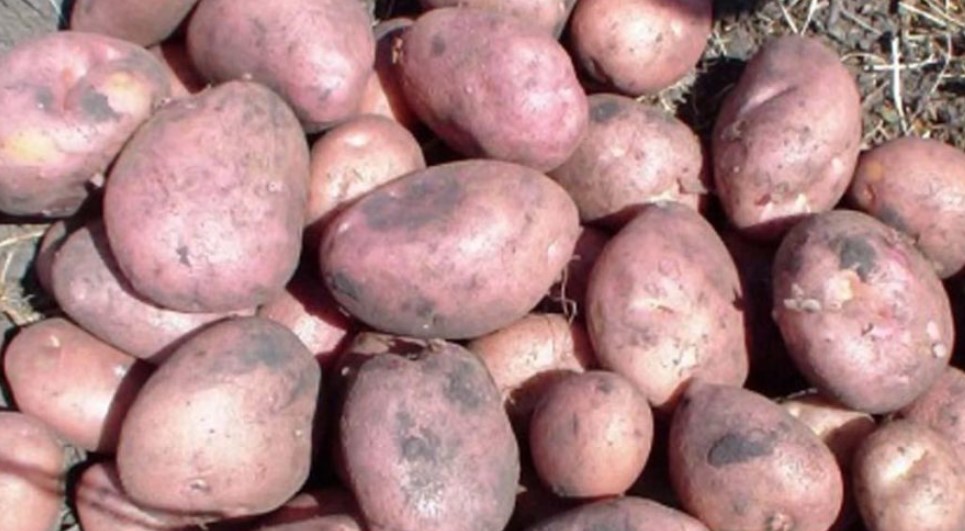
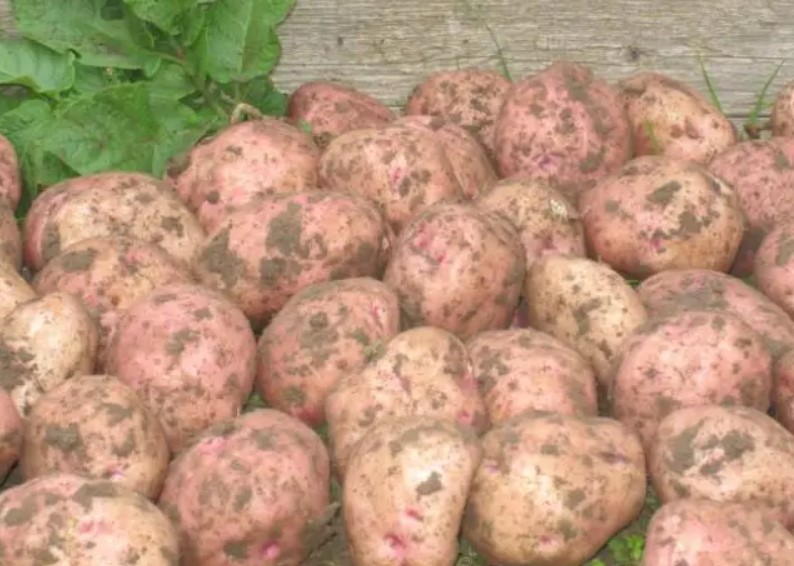
Potato tubers are flattened and oval in shape with pink skin. The average weight of a single potato is 110-120 g. The skin is smooth, with few eyes. The flesh is firm and white.
Taste qualities, application
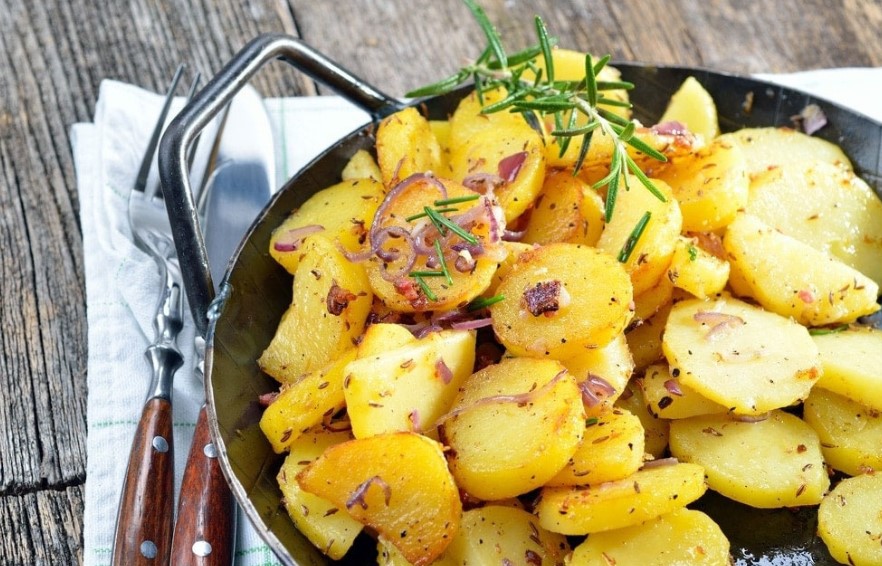
Detskoselsky is a table potato variety. It contains 15-18% starch and has excellent flavor. It can be used to prepare a variety of dishes, including mashed potatoes, fried potatoes, or baked potatoes. The flesh does not darken when exposed to air for long periods.
Productivity, ripening time
The Detskoselsky potato is a mid-early variety. Ripening occurs in 75-90 days. It produces a consistently high yield, averaging 33-45 tons per hectare.
Resistance to diseases and pests
|
Name |
Stability indicator |
|
Potato crayfish |
High. |
|
Common scab |
Relative durability. |
|
Late blight of tubers and tops |
|
|
Viruses |
|
|
Golden nematode |
Receptive. |
Advantages and disadvantages of the Detskoselsky potato variety
|
Pros |
Cons |
|
|
Planting Features of the Detskoselsky Potato Variety
This potato variety doesn't require any special growing conditions or care. However, standard agricultural practices should be followed.
Requirements for the landing site and its preparation
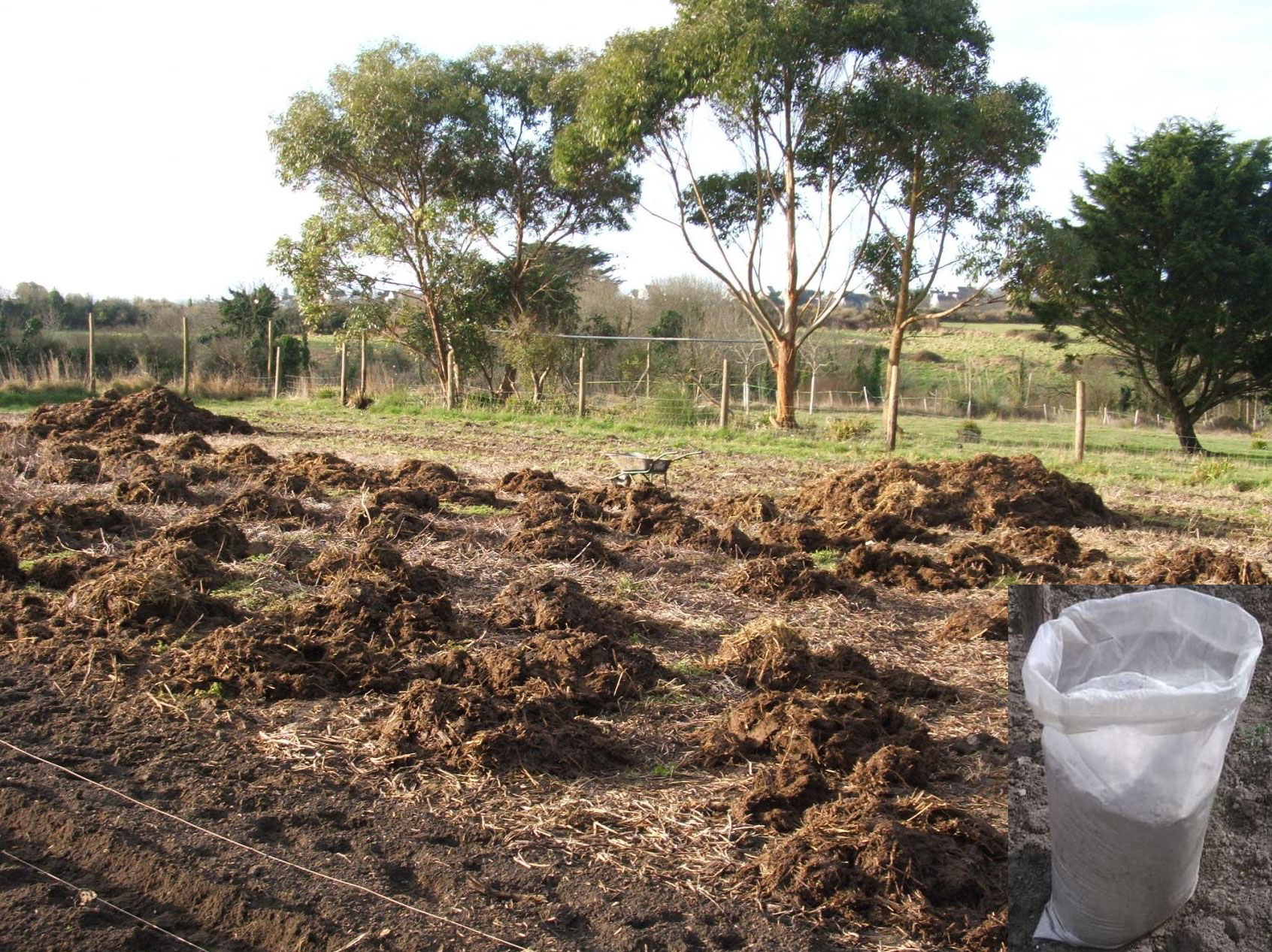
The area for planting potatoes should be in full sun. It's important to prepare the soil in advance. This is best done in the fall. To do this, dig the area and add mineral or organic fertilizer.
Selection and preparation of seed tubers
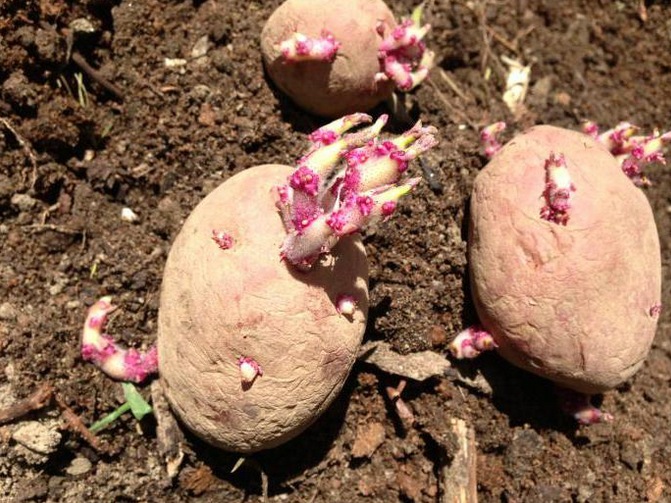
It's important to select the tubers for planting in advance. They should be free of mechanical damage, signs of disease, or rot. Before planting, it's important to germinate the tubers in a well-lit, ventilated area with optimal humidity.
Planting dates
In central Russia, tubers of the Detskoselsky variety are planted in early May, and in Siberia, from the second half of the last month of spring.
Landing rules
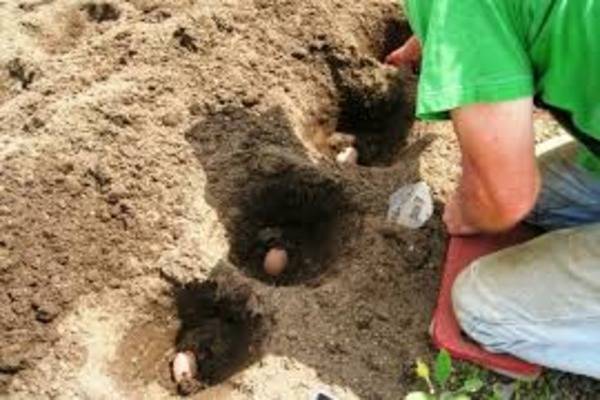
The distance between holes should be at least 35 cm, and between rows - 70 cm. Before planting tubers, add a handful of compost, 5 g of ammonium nitrate and 1 tbsp of ash.
Caring for the Detskoselsky potato variety
Post-planting care is also not particularly difficult.
Watering
Water the Detskoselsky variety as needed until flowering ends. If the weather is humid and rains regularly, watering can be omitted, as natural precipitation will be sufficient.
Top dressing
To ensure a good harvest, fertilize three times per season. Organic and mineral fertilizers can be used.
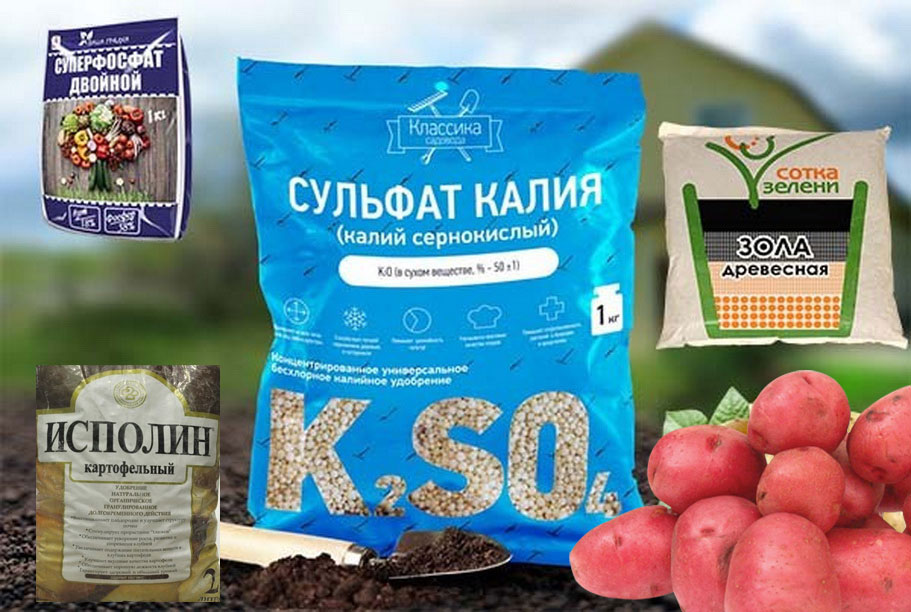
It is recommended to use the following scheme:
- The first feeding. Apply in early June, when the tops begin to actively grow. During this period, the plant requires nitrogen. Therefore, fertilizers should be chosen that contain a high amount of this element. For example, urea, ammonium nitrate, mullein, bird droppings, and so on.
- Second feeding. This is applied at the budding stage. At this stage, phosphorus-rich fertilizers (superphosphate, bone meal, and others) are used. This feeding promotes a large number of tubers.
- Third feeding. Apply during flowering. At this stage, potassium-rich fertilizers (potassium sulfate, cement dust, potassium carbonate) predominate. This will accelerate tuber ripening, ensure better transportability, and extend shelf life.
Please note! Three-stage fertilizing is mandatory even if the beds were dug over in the fall and fertilized.
Loosening, weeding, hilling
After each watering, it's important to loosen the soil. This will allow additional air to reach the plant's roots, accelerating tuber formation.
Weeding and hilling potatoes are done twice a season. To ensure a good harvest, these steps cannot be neglected.
Harvesting the Detskoselsky potato variety
It is better to harvest in dry, sunny weather so that the tubers can dry.
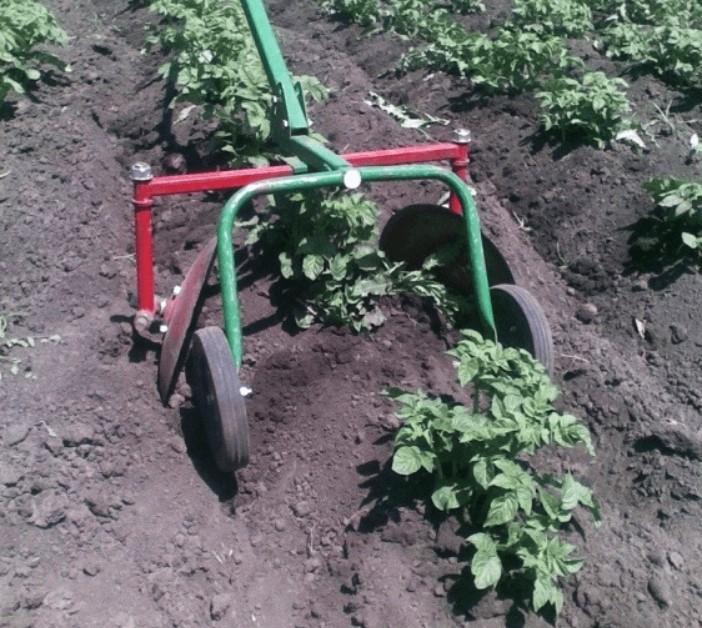
Timing for digging up potatoes And How to make a potato digger yourself You can find out on our website.
Before storing, potatoes must be sorted, rotten and defective tubers must be removed.
Detskoselsky potatoes have a fairly good shelf life. Dried and selected potatoes are placed in boxes or bags. The storage area should be dry, with a temperature of 2 to 4°C and a humidity of 70-80%.
Find out more rules for storing potatoes.
Protection against diseases and pests of the Detskoselsky potato variety
The variety is highly resistant to cancer and is weakly susceptible to viruses. late blight and common scab. However, it is not resistant to certain diseases:
|
Disease/pest |
Characteristic |
Prevention and control methods |
|
Golden nematode |
This worm is up to 2 mm long. It has a round shape and a golden or brown body surface. Detecting the insect in the early stages of infestation is quite difficult. However, the pests multiply rapidly, and within a few days of their appearance, the bushes become pale and limp. In advanced cases, they even die. |
It is recommended to use the safest pest control methods possible. These include traditional methods, as they do not involve the use of chemicals. To prevent damage, you can plant marigolds, calendula, legumes, and rudbeckia next to potato beds. |
About potato diseases and their control in the article19 Potato Diseases: Photos, Descriptions, Causes, Treatment, and Prevention.
The Detskoselsky potato variety is an excellent choice for planting in Russia. It tolerates both cold and drought. With basic farming practices, it produces consistently high yields regardless of weather conditions.
Comparison of the Detskoselsky potato variety with other varieties in the table
| Variety | Ripening period (number of days to maturity) | Starch (%) | Yield (c/ha) | Weight of tubers (g)
Number of tubers per bush Color of tuber, pulp |
Shelf life (%) |
| Detskoselsky | Mid-early** | 15-18 | 330-450 | 110-120
7-11 pink, white |
94 |
| Manifesto | Mid-early** | 13-15.4 | 165-458 | 104-132
11-15 red (pink), light yellow |
94 |
| Red Sonya | Early ripening* | 13.3-14.6 | 174-340 | 78-122
6-10 red, yellow |
93 |
| Lugovskoy | Mid-season*** | 12-19 | up to 514 | 85-125
8-15 light pink, white |
97 |
| Unique | Mid-season*** | 13 | 320 | 400-750, up to 1500
10-15 crimson, yellow |
96 |
| Sarpo of the world | Late-ripening***** | 14-17 | 350-360 | 75-140
6-11 reddish (pink), snow-white |
94 |
| Dolphin | Mid-season*** | 13.7-15.3 | 228-374 | 81-115
9-15 red, light yellow |
95 |
| Explosive | Early ripening* | 16-17 | 156-240 | 110-150
8-14 red, light yellow |
95 |
| Memphis | Mid-early** | 14.2-16.7 | 330-610 | 80-160
9-11 red, light yellow |
94 |
| Teddy bear | Early ripening* | 14.2-17.7 | 201-306, 417 | 112-126
7-11 reddish, creamy beige |
97 |
| Ilyinsky | Mid-early** | 15.7-18 | 176-346 | 55-160
8-13 red, white |
93 |
*Early ripening – 50-65 days.
**Mid-early – 65-80 days.
***Mid-season – 80-95 days.
****Late ripening – 110 days or more.
Reviews of the Detskoselsky potato variety
Good evening.
I'm very curious to see a photo of the Detskoselsky potato. The thing is, according to the description, this variety is similar to mine, which I've been growing for 14 years and call early ripening (I bought a bucket, but didn't ask about the variety). Now I'm really curious, what kind of potato is this?
which has never let me down in terms of yield! and has not degenerated!!!
In my opinion, the Detskoselsky variety is very flexible. I have been growing it for many years now, and it does not degenerate in any way. Neither the heat nor the water in the form of heavy rains, as we have seen this year, do not harm it much, like the resilient Tin Soldier.
This year we were once again delighted with an excellent harvest.And the taste... average, very good for frying and salads, does not boil down at all and the flesh is a beautiful white color.
I wouldn't say it's unstable to late blight, quite the opposite, as evidenced by more than ten years of growing it on my plot. The German variety "Princess" proved to be the least resistant in my garden this year. I was about to part with it in a rush, but decided to give it another chance for its "delicacy" and attractive appearance.
I had planted it for three seasons before and had no problems, but during this hopeless summer it let me down, although the tubers in the bush were normal, but the phytoventora in July laid down all the tops within three to five days.
The train, of course, has long since left, but I still won’t deny myself the pleasure of waving a handkerchief after it: it definitely can’t be Bryansky-Nadezhny, its peel is red, and it’s not Golubizna, its peel is yellow.
I haven't had the other varieties you mentioned, but I'm almost certain they can't be it. Some time ago, I spoke with staff at the Research Institute of Vegetable Crops about Sineglazka, asking why they haven't improved this valuable variety. It has few equals in terms of taste, and they'd like to improve the yield and tuber shape. They told me that they reject cultivars with skin the same color as Sineglazka—they're hard to see in the field and difficult to harvest. This is considered a breeding defect. Therefore, based on Olya's description, based on its external characteristics, I think it's definitely Sineglazka.
A few words about degeneration: my parents still plant Detskoselsky. The 195 variety itself is from some year, but I definitely bought the seedlings no later than 1995, so it's been around for 13 years now. They're doing well, and haven't noticed any degeneration.
Detskoselsky now, in autumn it is light pink, the flesh is white and does not darken, it is cooked slightly, and is not watery.
The bushes are of medium height, the flowers are white, there are many of them, they bloom beautifully.
Detskoselsky is truly a reliable variety in any year; it never let us down, neither in the dry and hot year before last, nor in the wet year last year, but the taste is an acquired taste.
Golubka wrote: 08/21/2022, 00:00
In my opinion, it doesn't really resemble the Detskoselsky variety. I remember it from my childhood, grown en masse in our village. It's smooth, almost oval, and light pinkish-nude on the outside.
Yes, it's not that one. My father also grew it at his dacha in the '90s, and it was exactly as you describe—smooth, elongated oval, and a pure pale pink without any spots. The main thing I remember is how watery it was compared to our other potatoes. This one, however, is starchy, all variegated, especially the red on the tops. This, along with its bulging eyes and eyebrows, makes it similar to the Early Rose, but in a foreign description I found that the latter was small or medium-sized, not gigantic.