The Impala potato has been a favorite among gardeners for over 25 years and remains one of the most popular early-ripening varieties. In this article, we'll discuss its key characteristics and describe growing guidelines for an excellent harvest.
Content
- 1 Table with characteristics of the Impala potato variety
- 2 The origin of the Impala potato variety
- 3 A detailed description of the Impala potato variety
- 4 Advantages and disadvantages of the Impala potato variety
- 5 Features of planting the variety
- 6 Caring for the Impala potato variety
- 7 The nuances of harvesting and storing the Impala potato variety
- 8 Comparison of the Impala potato variety with other varieties in the table
- 9 Real reviews from gardeners about the Impala potato variety
Table with characteristics of the Impala potato variety
| Characteristic | Description |
| General characteristics | The variety is characterized by early ripening and good drought resistance. |
| Ripening period | 55-65 days. |
| Starch content | 10.5-14.6% |
| Weight of commercial tubers | 88-150 g |
| Number of tubers in a bush | 7-15 pcs. |
| Productivity | 180-360 c/ha, maximum - 367 c/ha. |
| Taste qualities | The taste is good. |
| Marketability | 89-94% |
| Shelf life | 90% |
| Peel color | Yellow |
| Pulp color | Light yellow |
| Color of inflorescences | White |
| Cooking class | Belongs to culinary type B, boils slightly when cooked, suitable for soups, baking, stewing and frying. |
| Preferred growing regions | Northwestern, Central, Volga-Vyatka, and Lower Volga regions. Can be grown in southern regions twice a season due to its early ripening. |
| Disease resistance | Resistant to canker and nematodes. Under unfavorable conditions, it is susceptible to late blight and rhizoctinia. Moderately resistant to viruses and scab. |
| Features of cultivation | It is recommended to pre-germinate the tubers before planting. The bushes require much less nitrogen to develop vegetative mass than other varieties. The tops should be cut off 14 days before harvesting. |
| 1995 | |
| Country of origin | Netherlands |
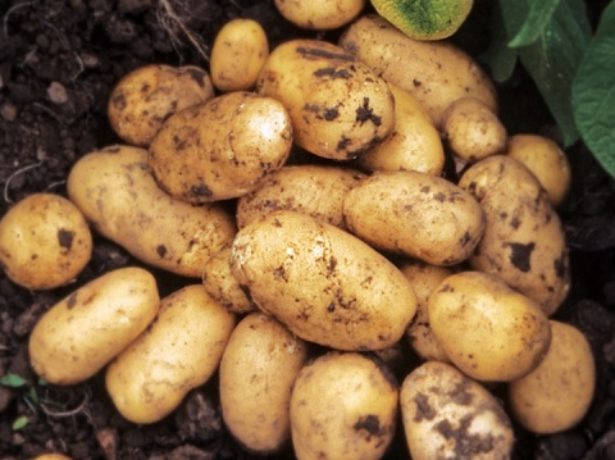
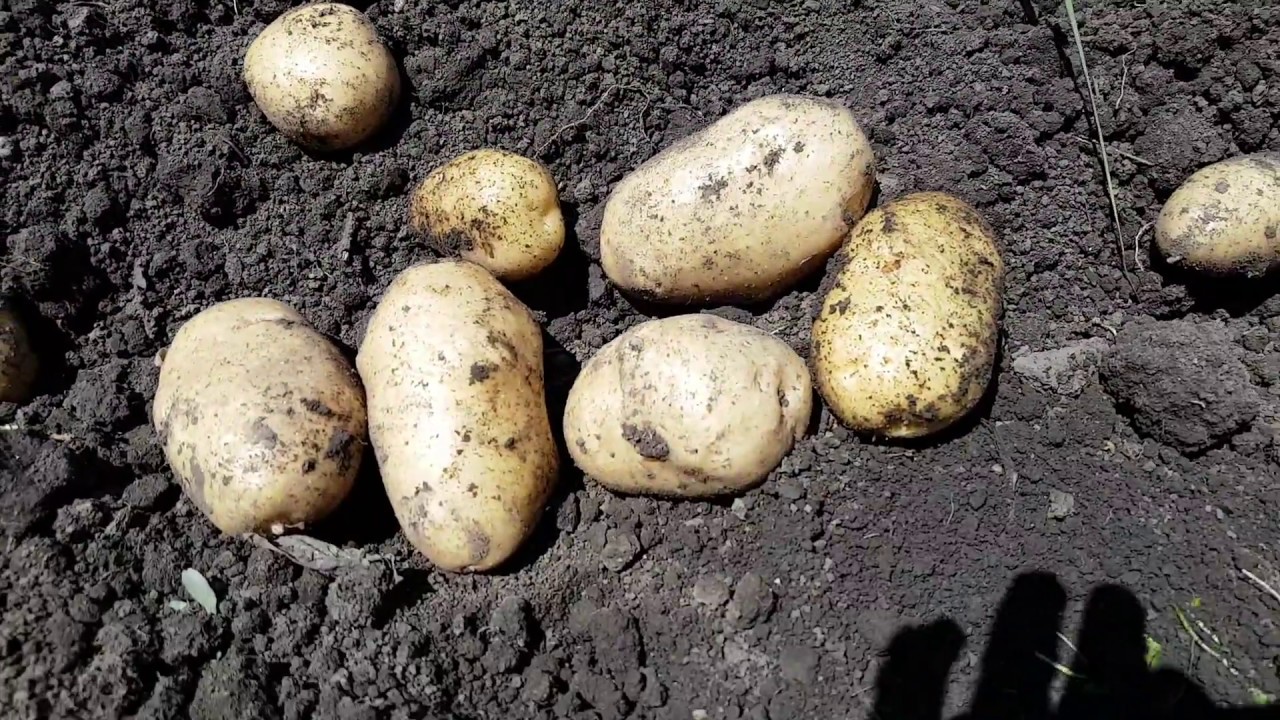
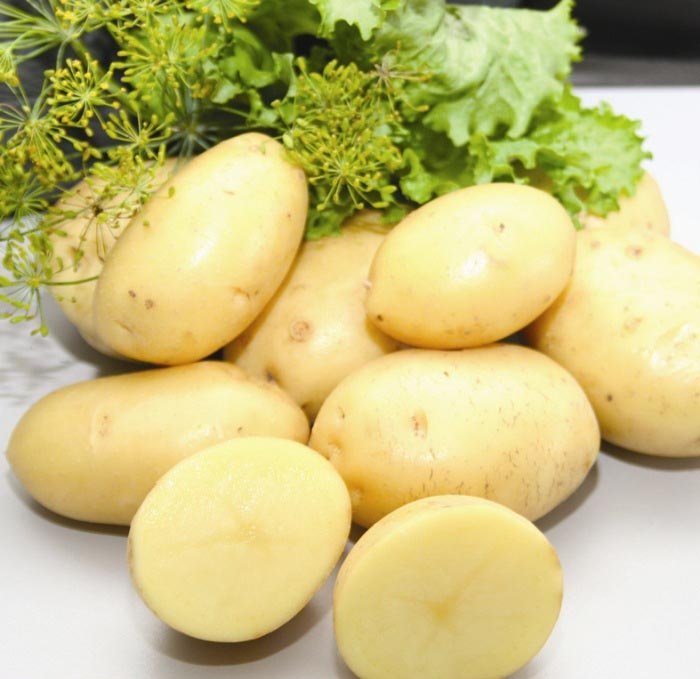
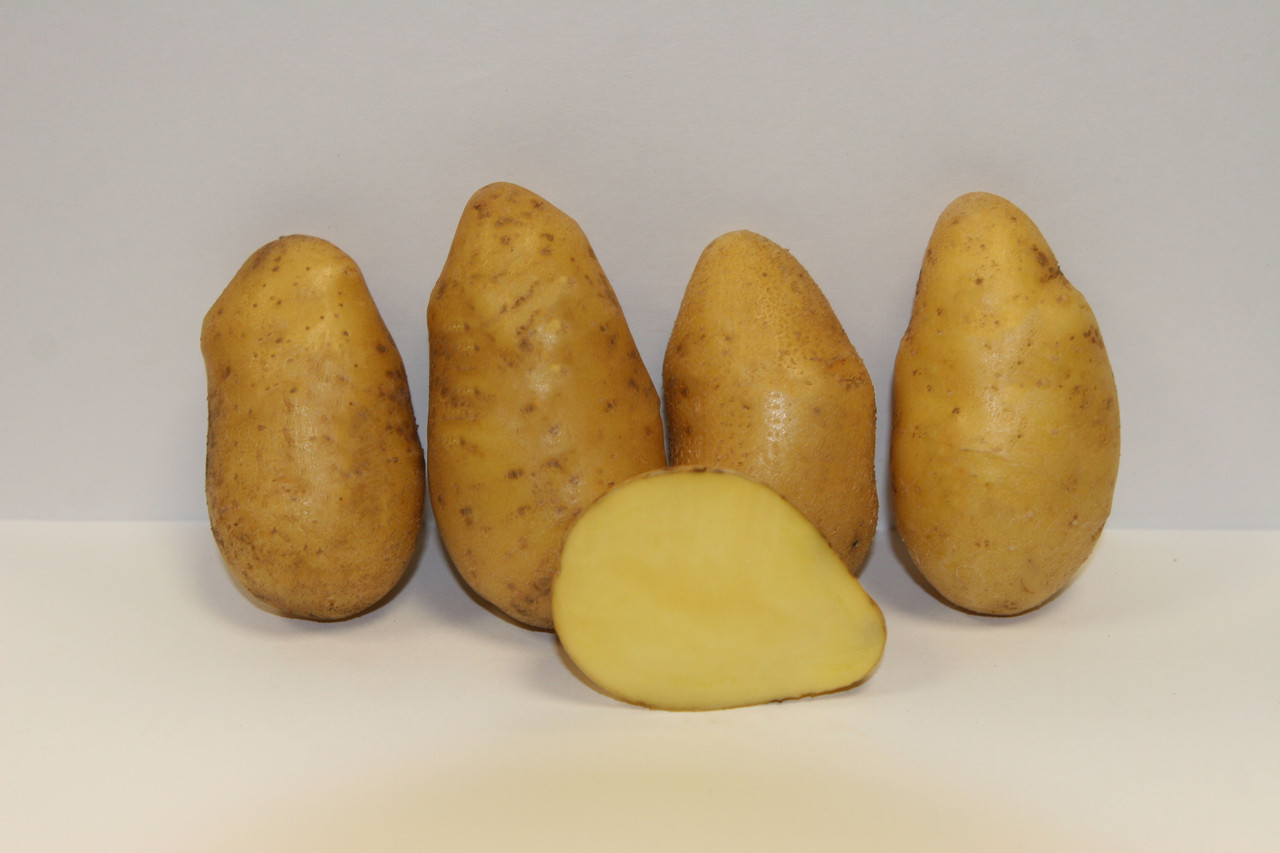
Photo gallery of the Impala potato variety:
The origin of the Impala potato variety
The Impala variety was born thanks to the efforts of Dutch breeders. It quickly gained recognition in Russia, Ukraine, and Belarus. Specialists in these countries worked on zoning and improving the varietal characteristics for their respective climates.
Incidentally, the impala is a species of antelope with yellowish-brown fur, which closely resembles the skin of the potato of the same name. Perhaps it is this visual similarity that gives the potato its name.
A detailed description of the Impala potato variety
Over its long history, the Impala variety has earned widespread recognition among gardeners worldwide. This is unsurprising, as not every potato combines early ripening, high marketability, shelf life, excellent storage, and, most importantly, excellent taste.
Bushes
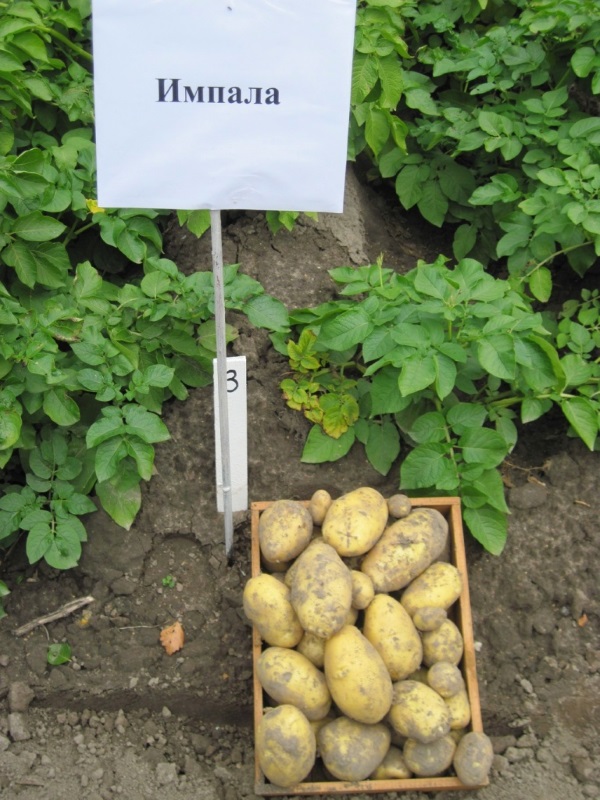
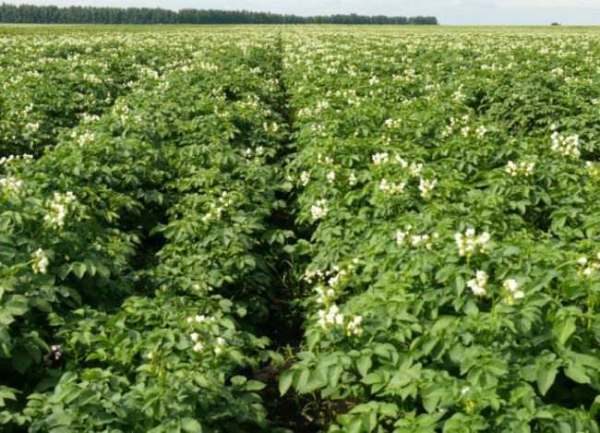
The potato plants are quite large, reaching 75 cm in height, with at least 4-5 shoots growing on each. The leaves are numerous and richly green. The flowers are white with a bright yellow center.
Tubers
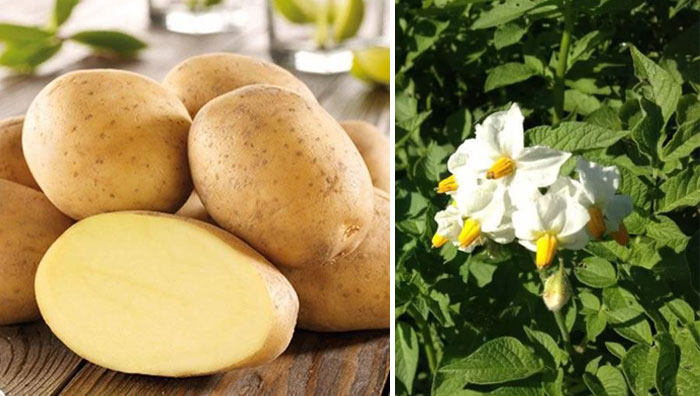
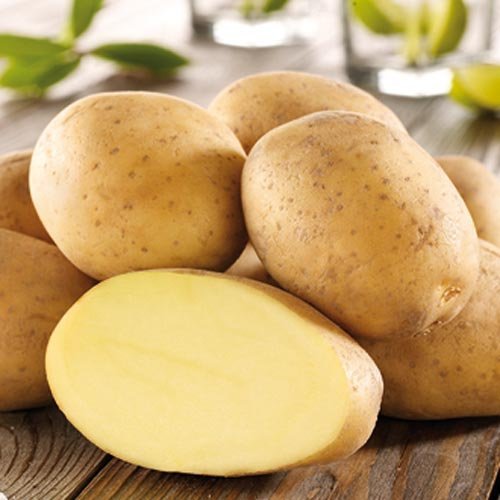
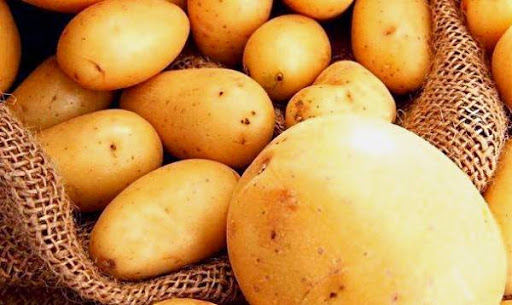
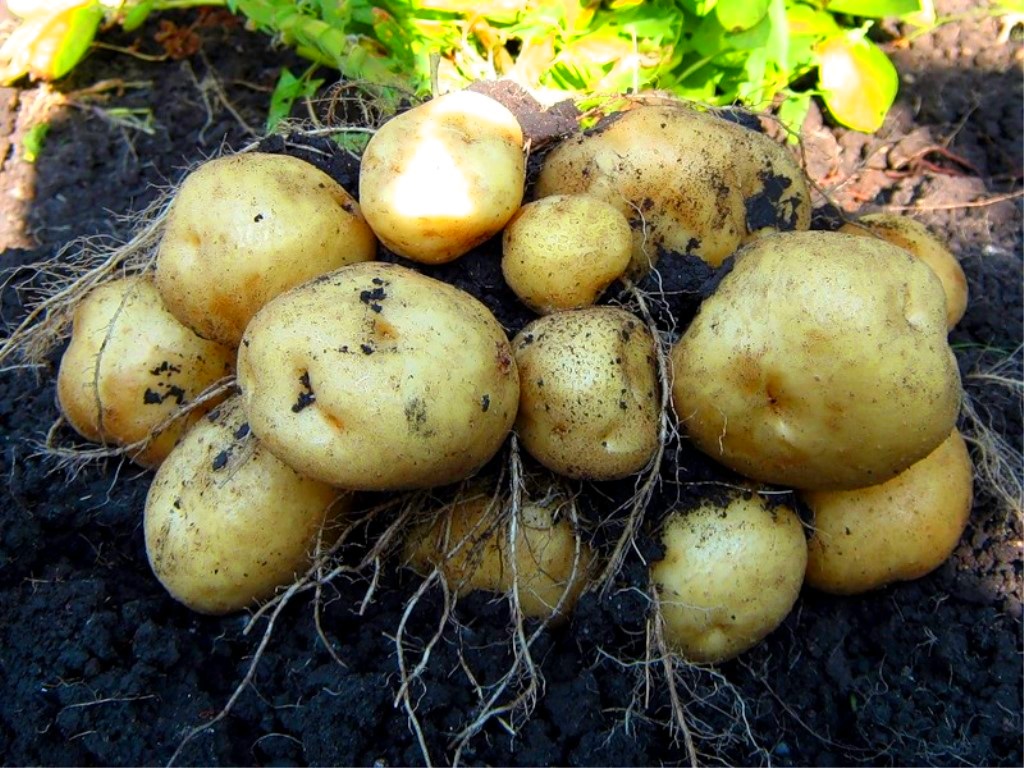
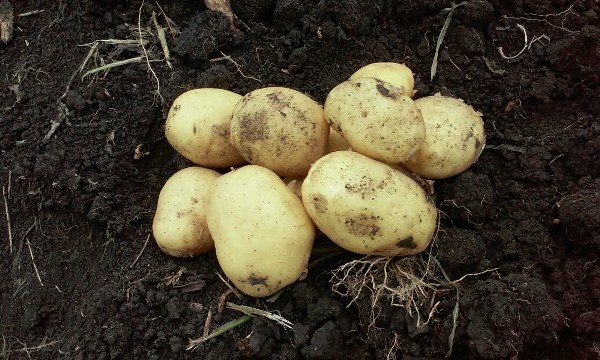
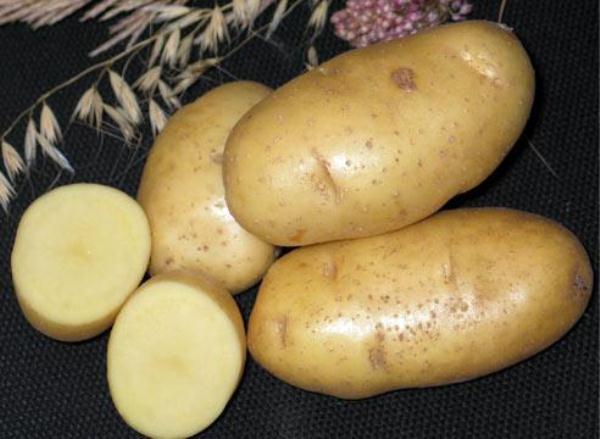
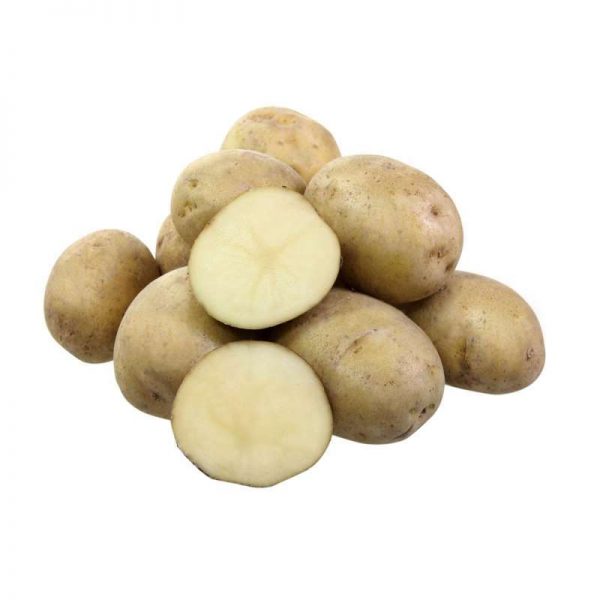
One of the variety's main advantages is its tubers. They have a perfect oval shape, smooth skin, and minimal superficial blemishes. The flesh is light yellow and very pleasant to the taste. The starch content does not exceed 14.6%. Each plant produces up to 15 tubers weighing up to 150 g.
The potatoes have a relatively long shelf life and are marketable. They don't darken or crumble during cooking. They have excellent flavor.
Nutrients and nutritional value
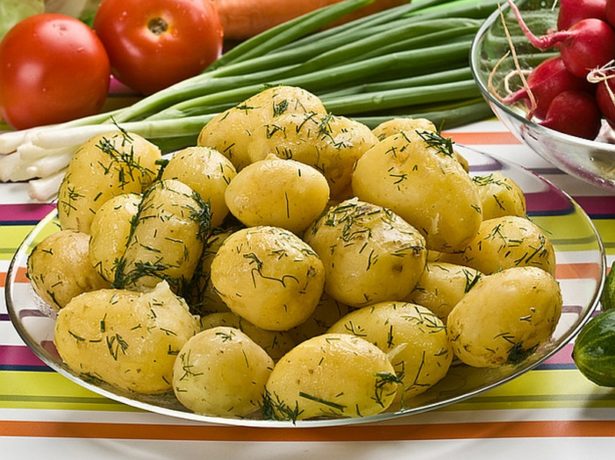
Impala potatoes contain up to 14.6% starch. They also contain a wealth of beneficial elements, including iodine, manganese, iron, carotene, B vitamins, vitamin C, biotin, niacin, and pantothenic acid. These nutrients are found only in the flesh, but their concentrations are reduced during cooking. Therefore, it's recommended to boil the potatoes whole, peeled. They should be sliced only just before serving. Fried potatoes and mashed potatoes contain the least amount of nutrients, especially the day after cooking.
Productivity, ripening time
The Impala variety is known for its high yield. Each plant produces up to 15 edible tubers.
When grown according to proper cultivation practices, the yield is 360 centners per hectare. However, in the south, gardeners can leave the tubers to ripen. After 45 days, the bush is carefully dug up, the large tubers are harvested, and the smaller ones are left for another 20 days. The main rule is to do this only in cloudy weather.
Resistance to diseases and pests
Impala has high immunity to many diseases.
| Disease | Stability indicator |
| Cancer | High |
| Nematode | High |
| Viruses | Medium to high |
| Scab | Medium to high |
| Late blight | Medium to low |
| Rhizoctonia | Medium to low |
What regions is the Impala potato variety suitable for?
In our country, the variety exhibits its best characteristics in the North-West, Central, Lower Volga and Volga-Vyatka regions.
But recently it has been widely used by gardeners from all over the southern parts of Russia, yielding a harvest twice a season.
Advantages and disadvantages of the Impala potato variety
The Impala variety has its pros and cons, which we have listed in the table below.
| Advantages | Flaws |
|
|
Features of planting the variety
Following the rules for planting Impala potatoes allows you to harvest the maximum yield at the end of the season.
Requirements for the landing site and its preparation
When choosing a site, it's crucial to consider the previous crop. All members of the nightshade family are absolutely unsuitable as predecessors for potatoes, but perennial grasses, legumes, and winter crops will prepare the soil well.
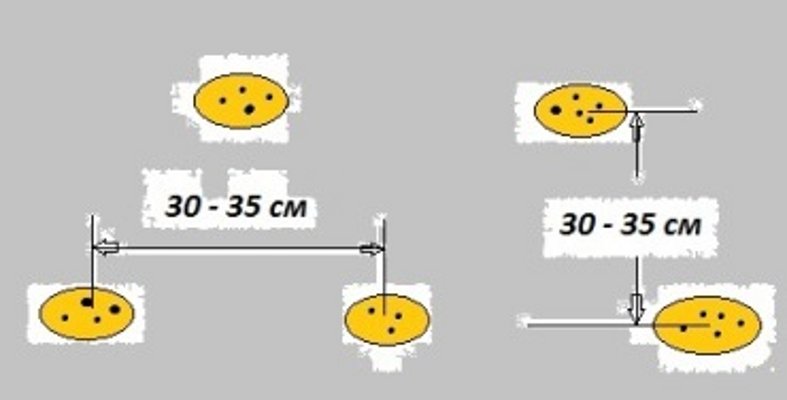
Experienced gardeners don't recommend planting potatoes in the same spot every year, as this will reduce the yield and spoil the flavor. However, limited plots don't allow for this freedom, so it's best to at least alternate planting the tubers within and between rows to give the soil a minimal chance to renew itself.
Soil preparation should begin in the fall. Dig the soil and add well-rotted manure at a rate of 5 liters per square meter. A handful of superphosphate can be added to the same area; it won't cause any harm.
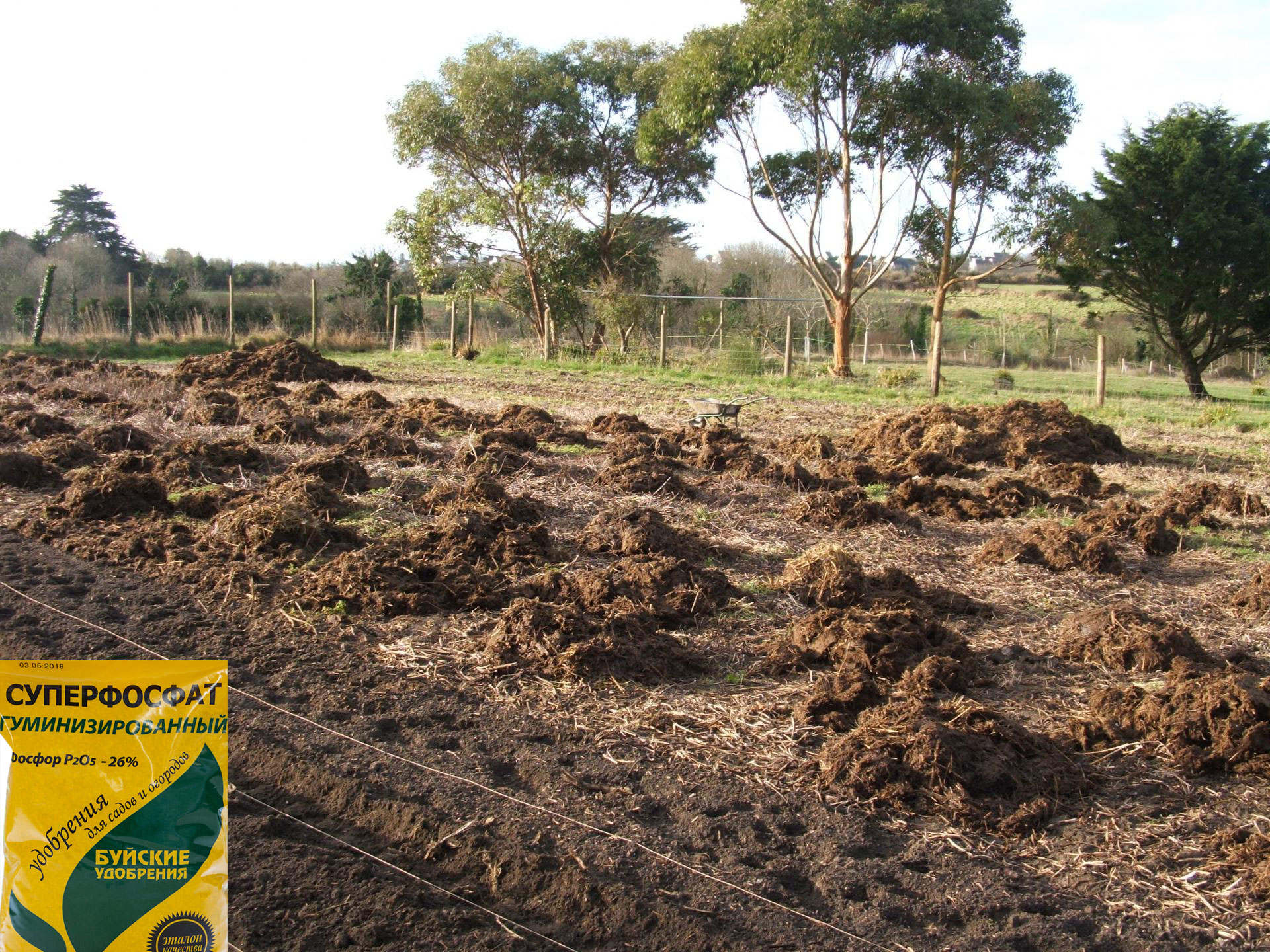
In the spring, the bed is dug up again, and rows with holes are prepared.
If the soil is too poor, then mineral fertilizers can be added to each prepared hole, the composition of which will depend on the acidity and microelement deficiency.
Selection and preparation of seed tubers
Before planting, the tubers are sorted. The best ones to keep are smooth, healthy tubers weighing between 50 and 80 grams and with plenty of eyes on the surface.
If you only have very large specimens, cut them so that each half has a sufficient number of eyes.
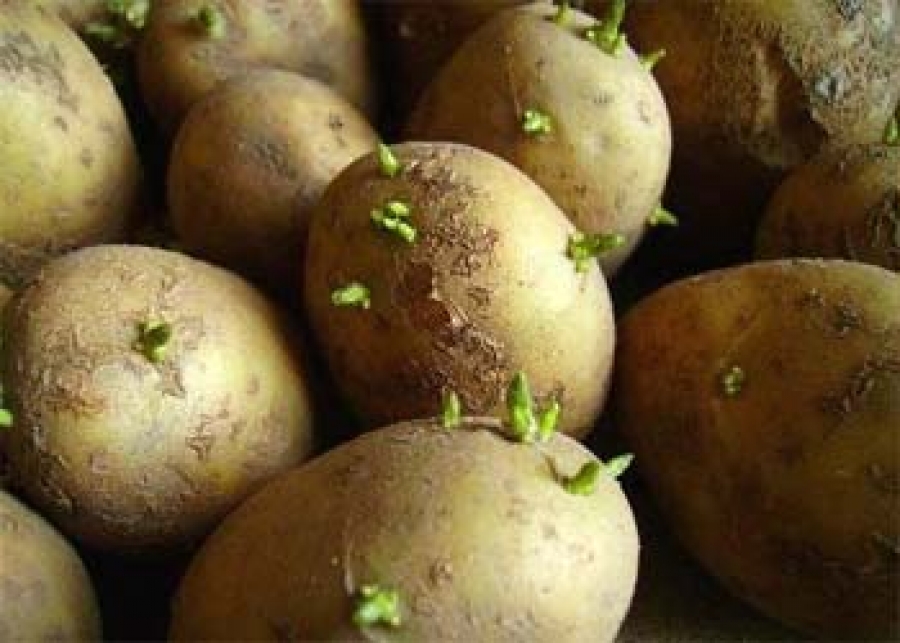
In the temperate climate, sprouting begins in late March or early April. Selected tubers are placed in a box in a bright area with a temperature of 18 to 25°C. They will remain there for a couple of days, after which it is recommended to move the planting material to another well-lit area with a temperature of 12 to 15°C. There, the potatoes will germinate for 30 days. They should be misted occasionally to maintain the required humidity level.
If you notice that one of the tubers has started to rot, remove it from the general mass and check whether you have overdone it with spraying.
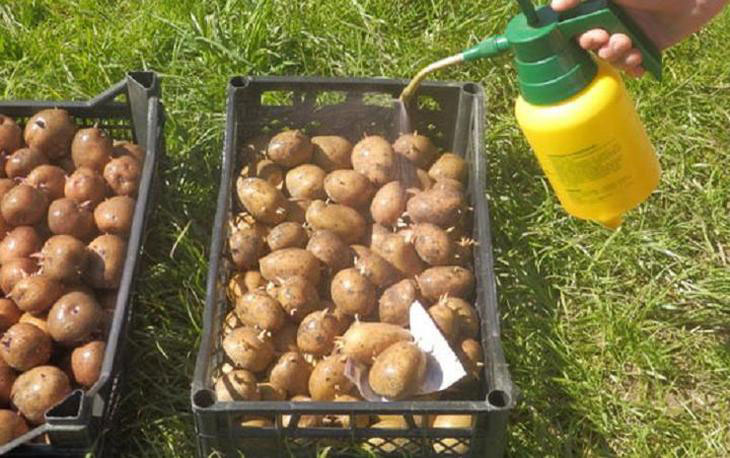
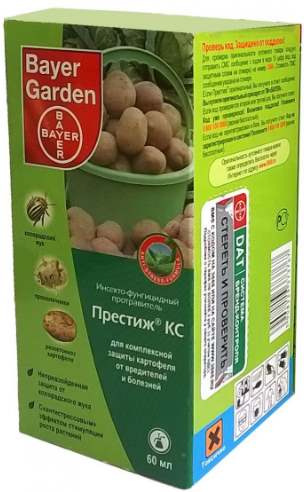
To boost immunity, many gardeners always treat planting material with solutions of Matador or Prestige preparations.
Planting times and rules
As with any variety, well-warmed soil is crucial for Impala. Its temperature shouldn't fall below 10–12°C. Otherwise, the tubers may freeze.
In the central part of the country, the start of work falls in the first ten days of May, while in the south, gardeners begin planting potatoes in raised beds under cover as early as March. This allows for double planting.
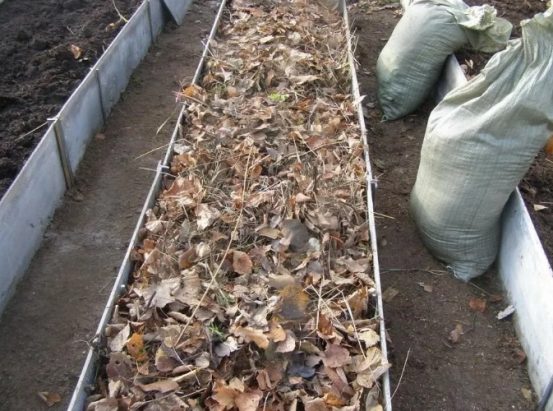
When planting, it is important to choose the right method:
- If there is still a risk of frost, but you want to plant potatoes earlier, you can use ridges or warm beds, initially covering them with a special material.
- If the work is not carried out before the due date, then regular furrows are made at a distance of 70-80 cm from each other.
The optimal distance between holes is considered to be 25-35 cm.
Potatoes are planted with the sprouts facing up at a depth of 5-9 cm. This depth depends on the soil density: the denser the soil, the closer the distance to the bed surface should be.
Caring for the Impala potato variety
Impala requires the same care as most early potato varieties. Below, we'll outline the basic guidelines for ensuring a bountiful harvest.
Watering
Because of the rapid rate at which potatoes mature, they require adequate watering. In central Russia, they are watered approximately once every 10-12 days. This requires up to 40 liters of water per square meter.
If the weather is hot, then the frequency of watering should be increased, depending on the dryness of the soil.
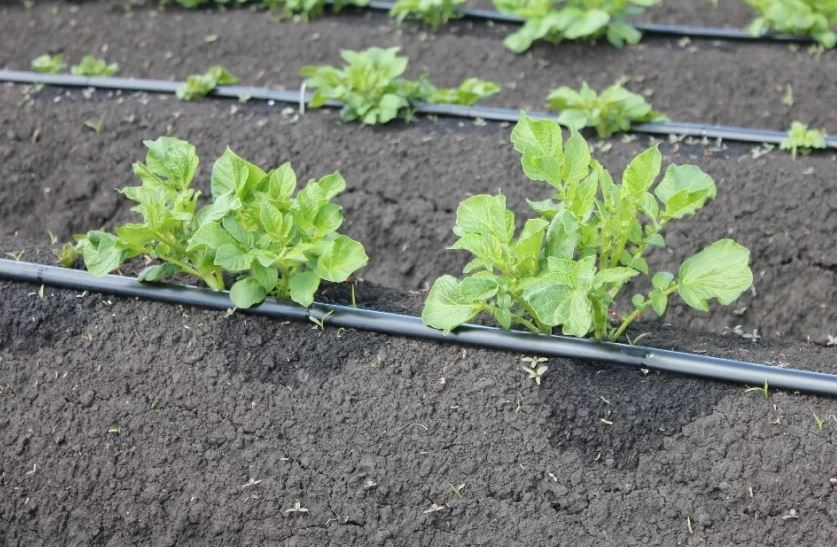
In the southern regions, drip irrigation systems are very popular, allowing for adequate watering of each plant without requiring any physical effort from gardeners.
Top dressing
For best yield, it is recommended to fertilize potatoes three times per season:
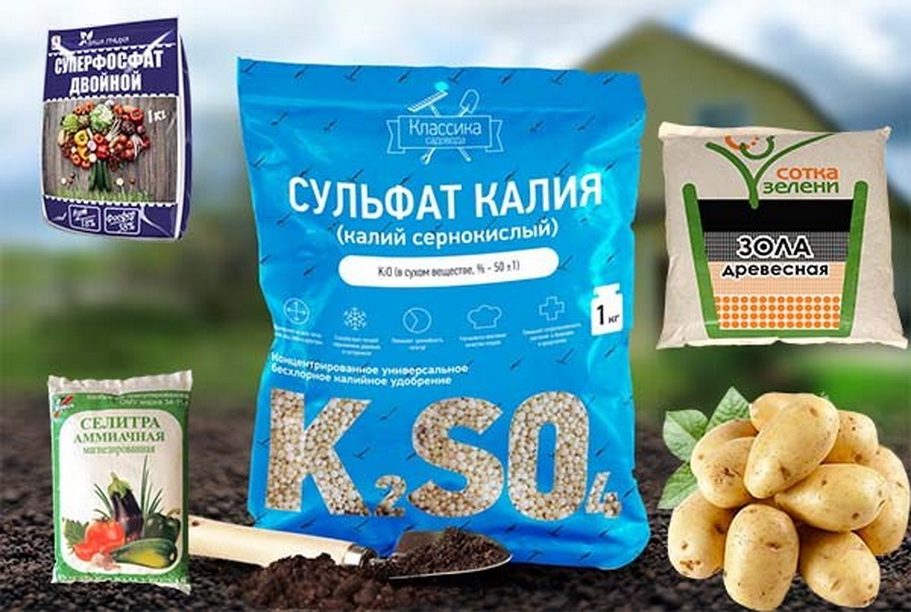
- After the seedlings emerge, add 1 teaspoon of ammonium nitrate and 300 g of compost under each bush. This mixture can be replaced with a mullein solution, prepared at a 1:10 ratio with water.
- During the formation of buds, potatoes are fed with ash (50 g) and potassium sulfate (10 g).
- As soon as the flowers fall, it is recommended to add 30 g of superphosphate and a solution of mullein (200 g per 10 l of water) under the bush.
Loosening, weeding, hilling
Ideally, weeding and loosening the soil should be done after every watering to reduce the risk of diseases and pests. However, many gardeners neglect this rule. If time is a real concern, these tasks can be carried out at least during the early stages of growth, while the plants are still relatively established.
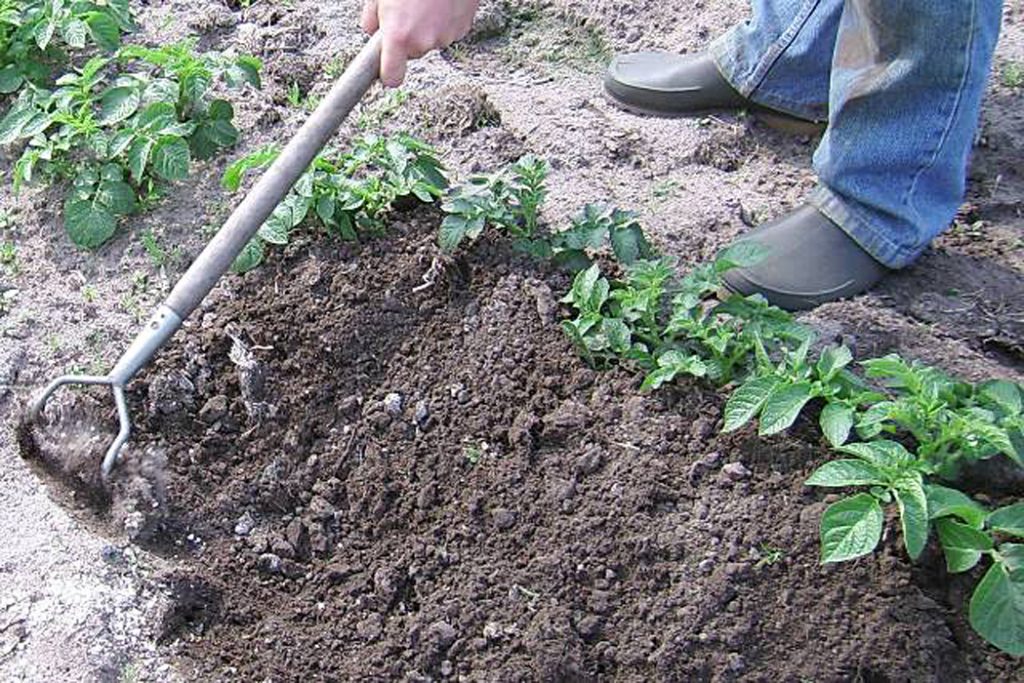
Hilling is carried out for the first time after the shoots reach a height of 20 cm. It can be repeated before flowering if the mound has sunk.
In the southern regions, gardeners do not need to hill up the Impala.
Protection from diseases and pests in the table
Impala has good disease resistance. The table below describes the most common problems and their control measures.
| Disease or pest | Description | Prevention and treatment |
| Late blight
|
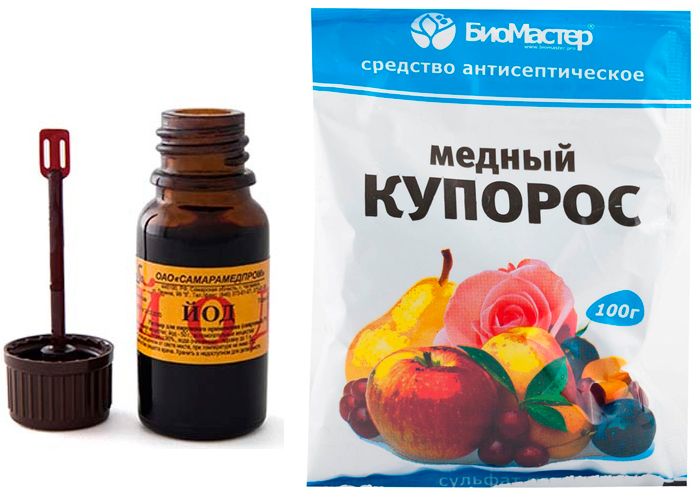
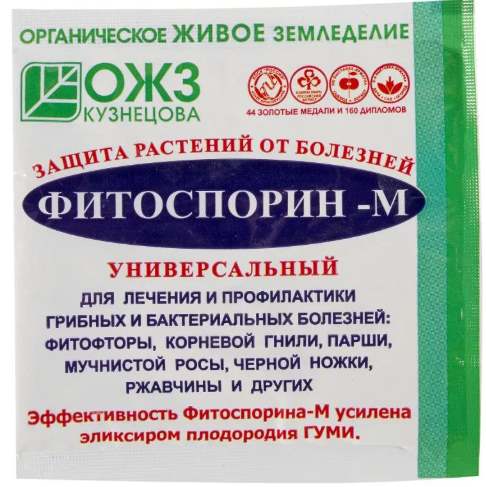
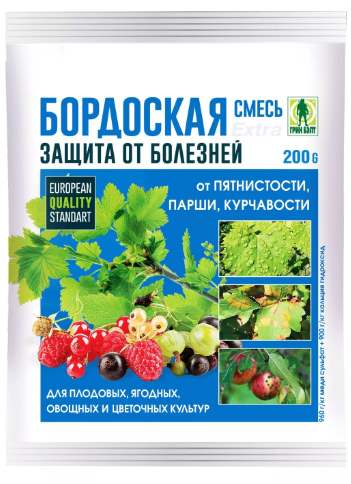
The surface of the shoots begins to become covered with spots of rot, after which the bush withers and dies. | The disease manifests itself when care instructions are not followed or under unfavorable weather conditions. A solution of Fitosporin can be used as a preventative measure and to combat the disease in its early stages. Copper sulfate (10 g per 10 liters of water) and a 1% Bordeaux mixture solution have proven quite effective. Spraying is carried out at intervals of 7-10 days until signs of the disease completely disappear. |
| Rhizoctonia
|
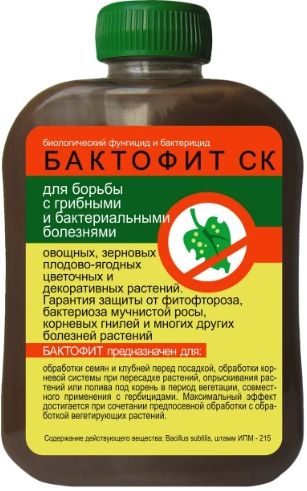
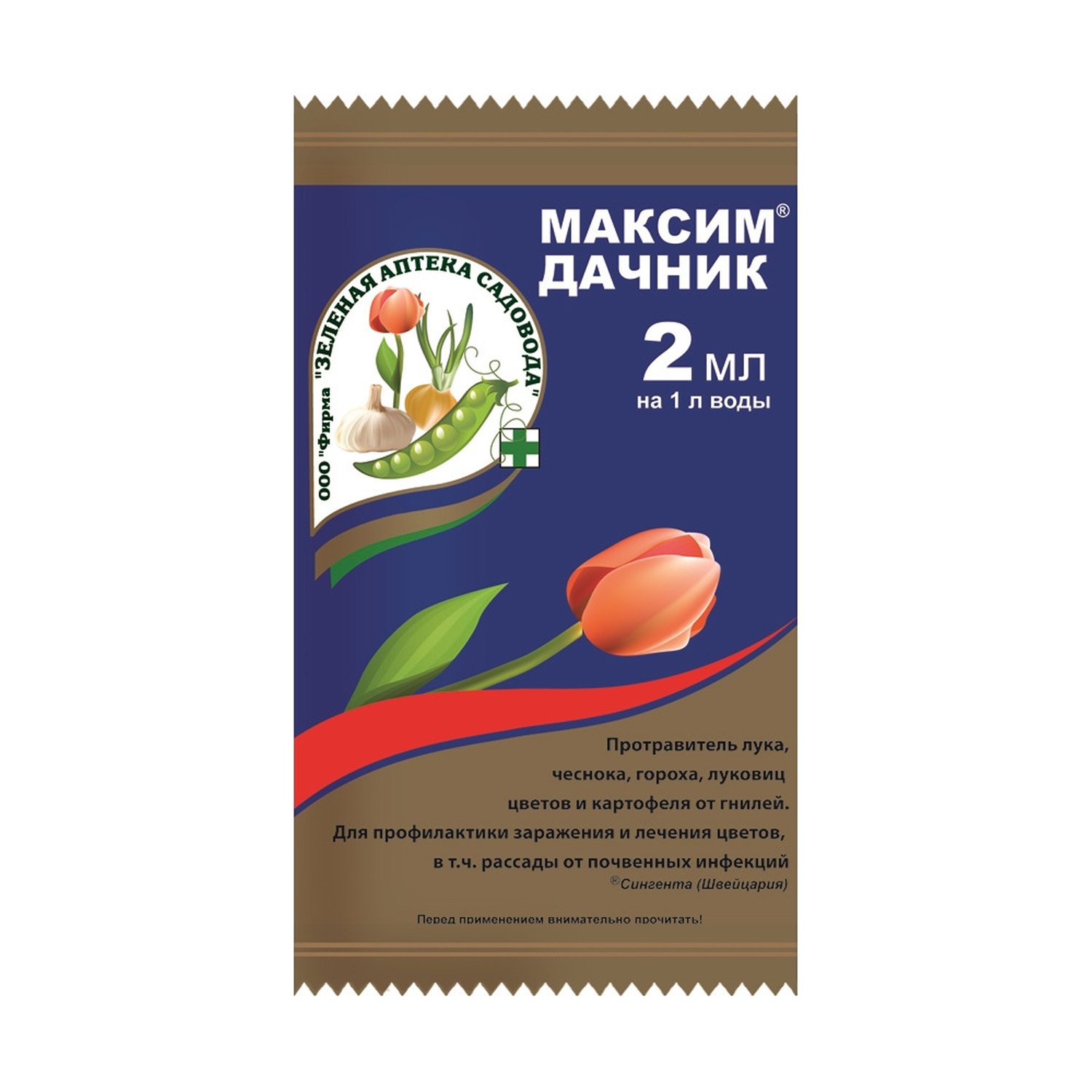
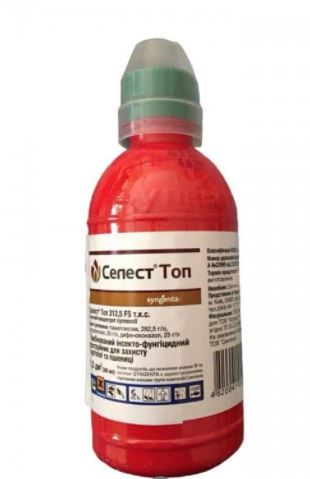
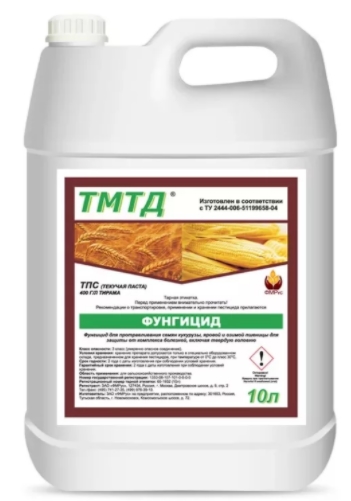
Dark growths resembling small clumps of earth appear on the bushes and tubers. If the disease is ignored, the fungus that causes it will be carried deep into the soil by the water after rainfall, and will begin to actively multiply when temperatures drop. If the disease occurs during the period of tuber formation, the tubers will become covered with ulcers. | As a preventative measure, it is recommended to treat tubers before planting with Baktofit, Planriz, Integral, and other products. If the disease has become widespread, treatment with Maxim, Celeste Top, TMTD, and Prestige can be considered. |
| Potato wireworm, Colorado beetle
|
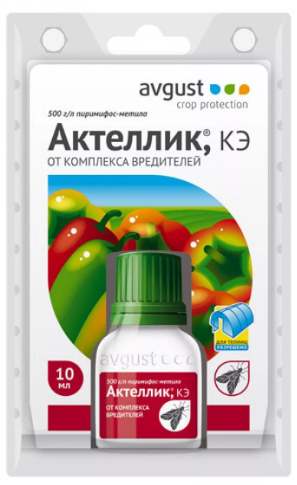
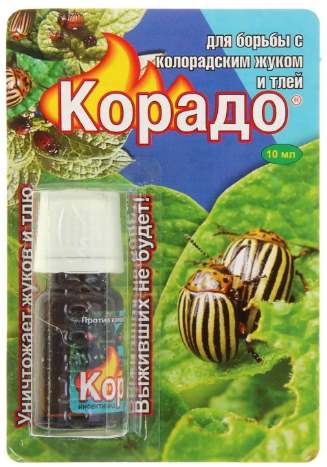
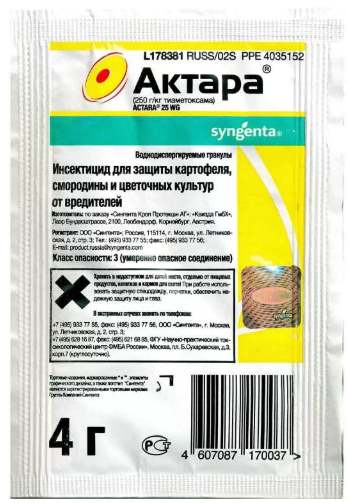
These insect pests severely weaken the potato plant's immune system, reducing not only the yield but also its quality. While the beetle sucks the sap and is clearly visible on the plants, wireworms are much more difficult to detect. | To prevent insect infestations, add a handful of onion peels to each hole. Treating the plantings with Aktara, Corado, and Actellic will help get rid of pests. |
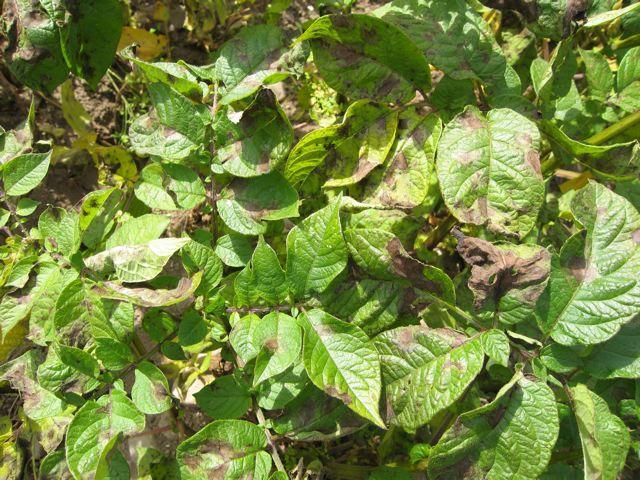
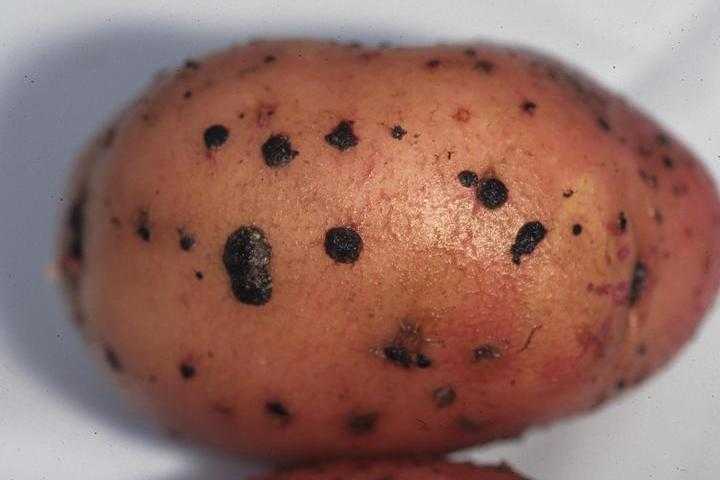
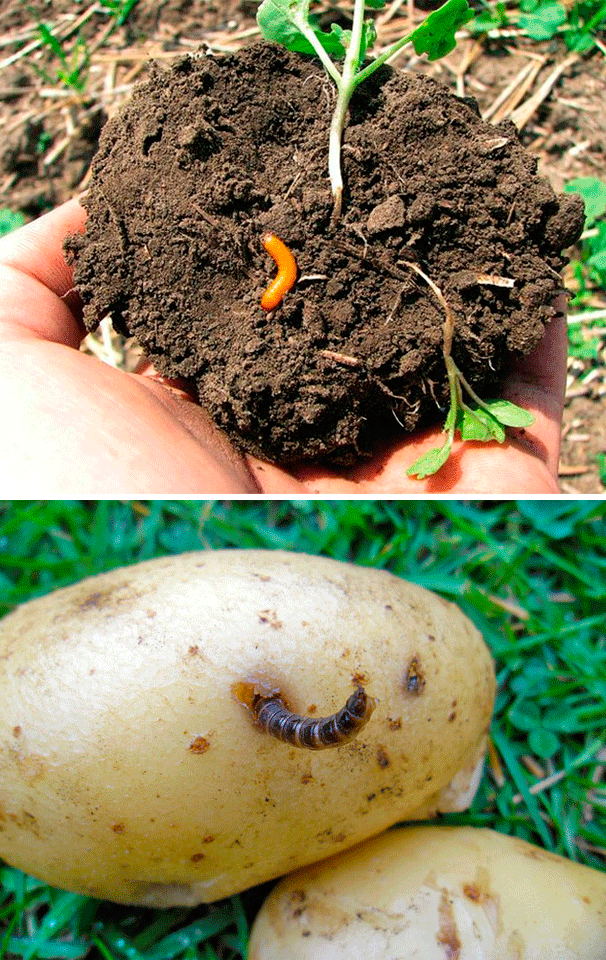
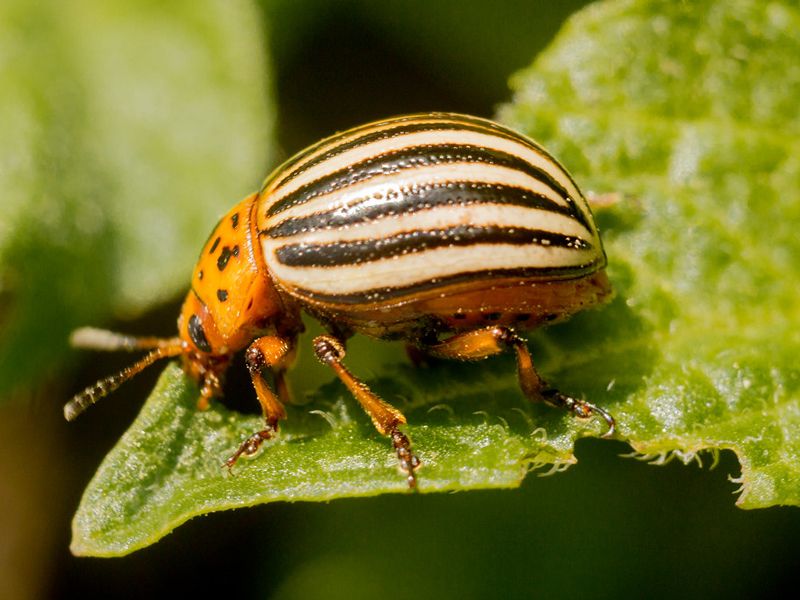
Photo gallery of pest and disease control products for the Impala potato variety:

The nuances of harvesting and storing the Impala potato variety
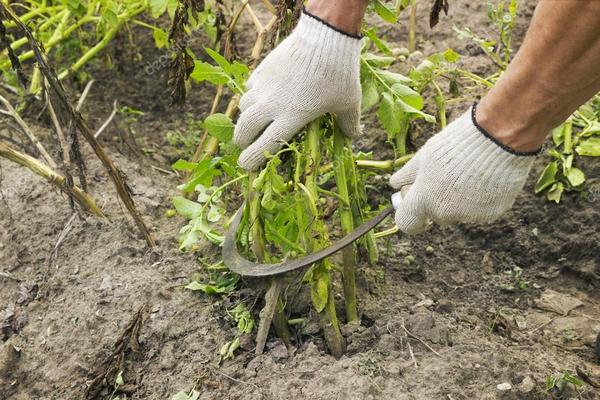
Tubers ripen 60-70 days after germination. However, two weeks before harvest, the bushes should be cut back to harden the skin and strengthen the tubers. If in doubt, you can dig up one bush and inspect the quality of the harvest.
After digging, all the tubers are sorted. The portion to be stored is placed in a ventilated area out of direct sunlight. It's important that the potatoes dry out but not turn green, which happens when exposed to sunlight.
But tubers intended for further use as planting material, on the contrary, must be kept in the sun for at least 2-3 hours to green up.
After this, the harvest is placed in boxes or bags and stored in a cellar, basement or any other place with an air temperature of +3…+4 °C.
Comparison of the Impala potato variety with other varieties in the table
| Variety | Ripening period (number of days to maturity) | Starch (%) | Yield (c/ha) | Weight of tubers (g)
Number of tubers per bush |
Shelf life (%) |
| Impala | Ultra-early* | 10-15 | 180-360 | 90-160
15-21 |
95 |
| Empress | Ultra-early* | 14-16 | up to 400 | 70-145
8-12 |
91-95 |
| Madeira | Mid-early*** | 12.5-18.6 | 202-632 | 106-136
20-30 |
94 |
| Red Scarlett | Early ripening** | 10.1-15.6 | 164-192, 270 | 56-102
up to 15 |
98 |
| Treasures | Mid-season**** | 12-18 | up to 650 | 95-250
12-18 |
94 |
| Banker | Mid-early*** | 15-16 | 200-350 | 70-160
10-15 |
90 |
| Luck | Early ripening** | 11-15 | 420-430 | 100-150
10-15 |
88-97 |
| Uladar | Early ripening** | 11.5-17.8 | 127-353 | 91-140
6-11 |
94 |
| Unique | Mid-early*** | 13 | 320 | 400-500
10-14 |
96 |
| Sarpo of the world | Late-ripening***** | 14-17 | 350-360 | 75-140
6-11 |
94 |
| Favorite | Mid-season**** | 12.6-16.4 | 420 | 101-136
6-12 |
93 |
*Ultra-early – 35-50 days.
**Early ripening – 50-65 days.
***Mid-early – 65-80 days.
****Mid-season – 80-95 days.
*****Late ripening – 110 days or more.
Real reviews from gardeners about the Impala potato variety
The Impala variety has received nothing but positive reviews. Consumers note the excellent taste of the tubers and the excellent yield. Everyone emphasizes that the potatoes are smooth and even, making them a pleasure to peel. Growing them is also problem-free. The only difficulty is that this variety isn't readily available, so you have to search for it. But it's worth the effort.
User sergyaka, Russia, Moscow, August 24, 2018
We bought these potatoes for planting from a well-known chain. We didn't do any special prep for the tubers; we planted them as is. Since our garden is currently in its last place, we're doing some intensive renovations.
We simply sampled a few early varieties, as the value of our own potatoes lies in harvesting them as early as possible. In the fall, potatoes will be available at any store for about 3 rubles.
We planted one bed of each variety, about 6-7 plants. We didn't do anything else; we had no time or energy to care for the plants. We didn't even water them. Everything was overgrown with weeds, but we were waiting for the harvest. We dug them up at the end of July. Despite our lack of care, the potatoes produced a decent, albeit small, harvest.
The only problem is that the skin on my tubers turned out a bit rough, maybe from sitting in the ground for too long. I think the yield from six plants, without any treatment or fertilizer, was quite good. There weren't many large tubers, more medium and small ones. About a bucket.
Comparison with the Zhukovsky variety
The potatoes are yellow when cut. When boiled, they have a rich potato flavor with a slightly sweet undertone. We haven't tried frying them.
I liked the variety and can recommend it for purchase.
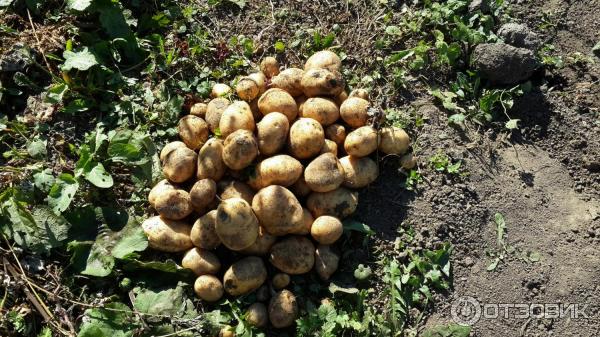
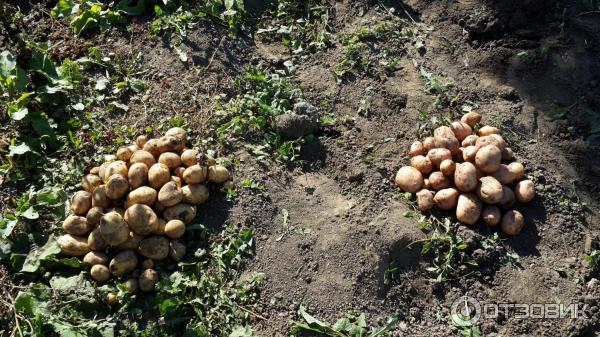
User Aliona? 07/22/2017, 08:44
I really liked the variety. Jewel(Yuvel). Very early. Good taste. I planted 3-3.5 kg...we harvested 6 buckets from a 1 meter by 7 meter bed.
Under the bush there are on average 10-12 even large potatoes and 2-3 smaller ones the size of a large chicken egg).
In another bed, Impala... I planted the same amount... we collected 4-4.5 buckets of smaller sizes and up to ten pieces. It is also very early, but the tops were lower than Jewel's and turned yellow earlier, maybe it was sick with something.
The beds are nearby, but the beetle only feasted on the Impala a little)).
We planted them on April 2nd, and both started eating on June 3rd. We protected them from frost by hilling and covering them with spunbond.I sprayed the leaves once with Carbamide and Actofit. There were no further treatments or feedings. We watered the plants three times, but there was no rain at all.
I've been planting these varieties for 3 years now...I've only just gotten around to analyzing them))).
User si555ma, July 1, 2018, 4:23 PM
Last year, in mid-July, we had just one night of cold, nasty rain, and within three days, everyone's gardens were black. For that reason, I only plant early varieties.
Surprisingly, the potatoes planted on April 20th as seedlings with 15-20 cm of tops lasted the longest. I even dug them up last, and they stayed green for a long time. They were hit by frost twice (it was -2 degrees and snow on May 10th), even though they were under cover, they still suffered, but this didn't stop them from developing good tubers. Was this because they were hardened off or because they had a head start? In terms of the relationship between fita and potatoes, the Impala variety impressed me. I didn't plant them as seedlings, but they managed to produce a harvest before the fita.
User Aleksan9ra, March 2, 2018, 9:44 AM
I grew Bryansk Delicacy for several years; I really liked it for its taste, exactly as you describe: delicious, crumbly, yellow-fleshed. But it was severely affected by various diseases, I mean the tops; it degenerated within three years. Impala is an early variety; the tubers are smooth and huge, but without watering, if the weather is dry, they crack easily. I plant Red Scarlet every year. Romano is an old variety. Kolobok A lot has already been written here, I also grew it, it was productive for the first three years.
I would recommend buying more Bellarosa and Colette.
User Andrey, 06.02.2018, 18:01
Last year, I started growing Impala from mid-March. At the end of April, I planted the seedlings under Ultrasil, and they began using them around June 20th.
The seedlings were ready for planting earlier, but the weather did not allow them to be planted.