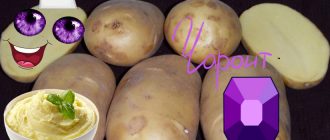
The early-ripening Empress potato proudly bears its name for good reason: its yield is impressive, and its tubers are uniform and large. It is widely used by gardeners, although it has not received official recognition and is not yet listed.
Content
- 1 Characteristics of the Empress potato variety in the table
- 2 The history of the Empress potato variety
- 3 A detailed description of the Empress potato variety
- 4 Advantages and disadvantages of the Empress potato variety
- 5 Features of growing the Empress potato variety
- 6 Caring for the Empress potato variety
- 7 Protecting the Empress potato variety from diseases and pests (table)
- 8 The nuances of harvesting and storing the Empress potato variety
- 9 Comparison of the Empress potato variety with other varieties in the table
- 10 Real reviews from gardeners about the Empress potato variety and growing it from seed
Characteristics of the Empress potato variety in the table
Below we have described the main characteristics of the Empress variety.
| Parameter | Characteristic |
| Ripening period | 55-65 days. |
| Starch content | 14-16% |
| Weight of commercial tubers | 70-145 BC |
| Number of tubers in a bush | 8-10 pcs. |
| Productivity | Up to 400 c/ha |
| Consumer qualities | A versatile table potato, it can be used in a variety of dishes and does not fall apart during cooking. |
| Marketability of tubers | 91% |
| Shelf life | 95% |
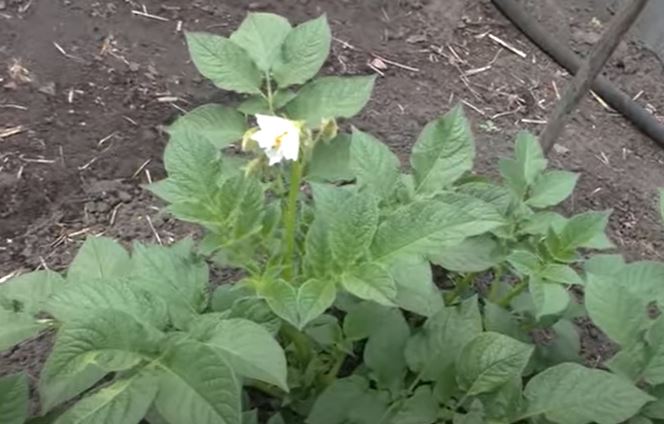
| Bushes, stems, leaves | A compact bush with erect shoots, medium-sized leaves, mostly with smooth edges, bright green. |
| Peel color | Yellow |
| Pulp color | Yellow |
| Eyes | There are practically no eyes on the surface. |
| Preferred growing regions | Suitable for growing in all regions. |
| Disease resistance | Shows resistance to scab, nematodes, viruses and late blight. |
| Features of cultivation | It ripens early and yields two crops from a single plant. The plants are very compact, so when planting elite tubers, you can leave a distance of 15 cm between them. |
| Originator | The potato was bred and produced by SeDeK specialists and is therefore sold exclusively through them. The variety has not yet been registered. |
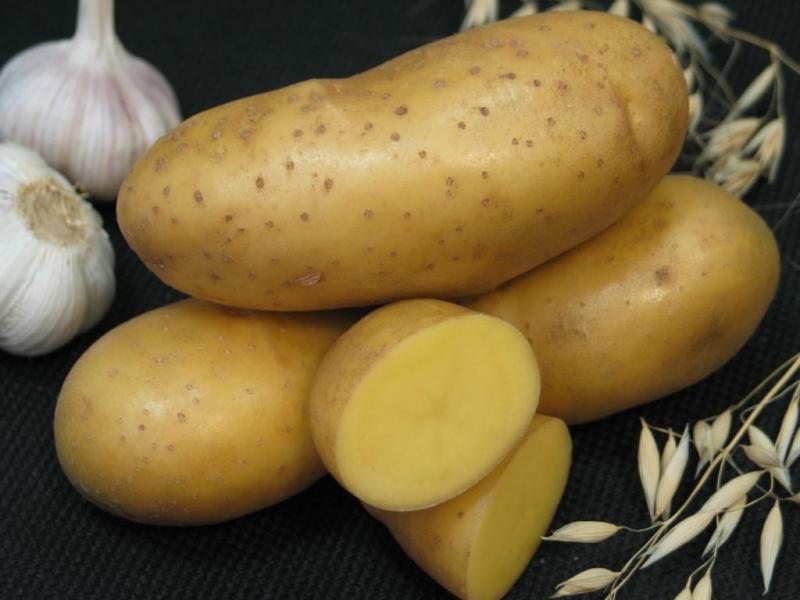
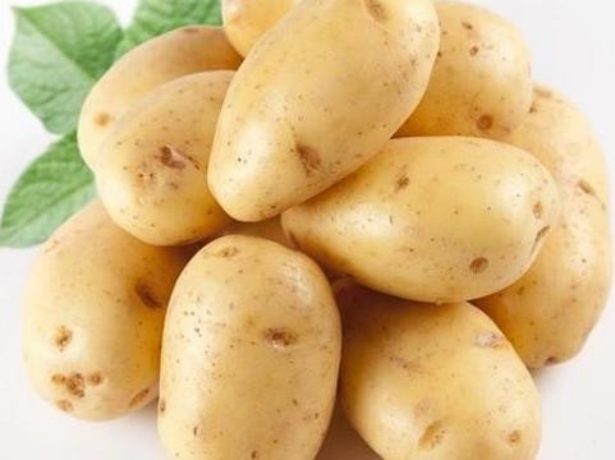
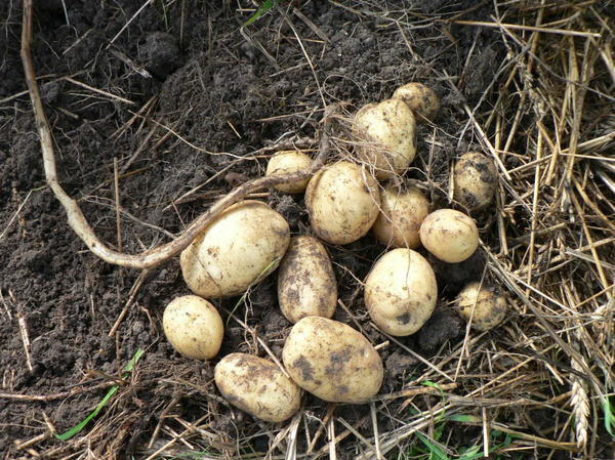
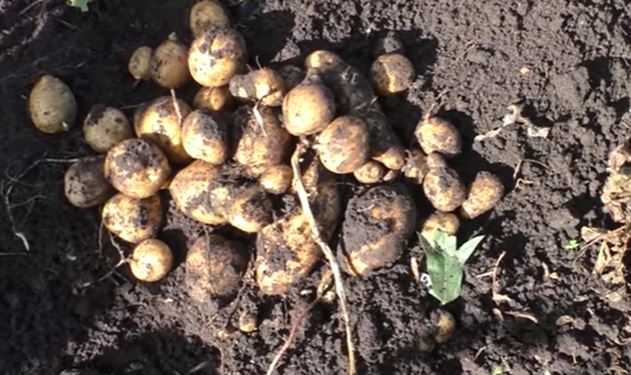
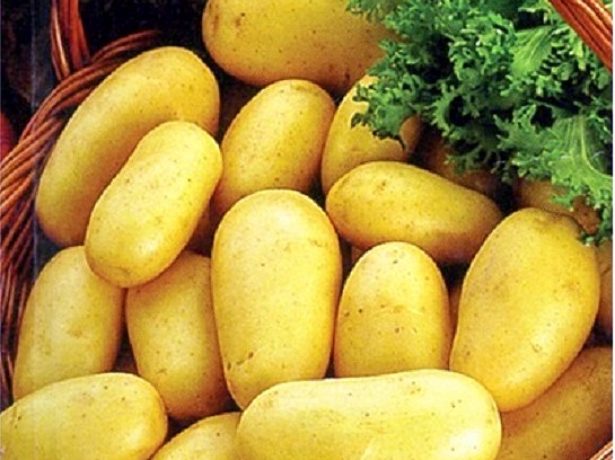
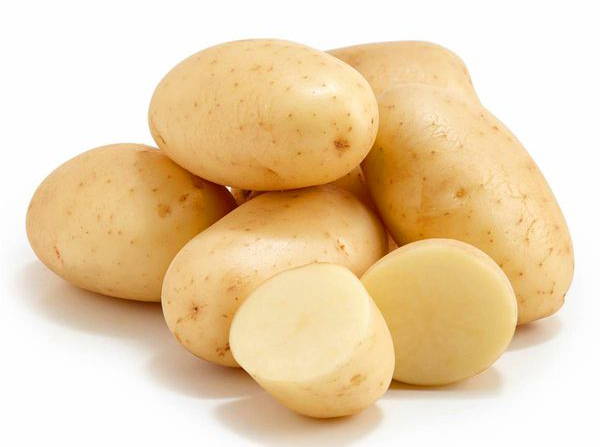
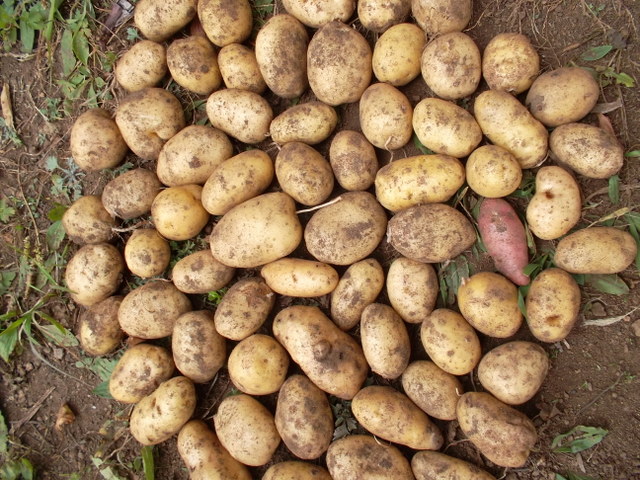
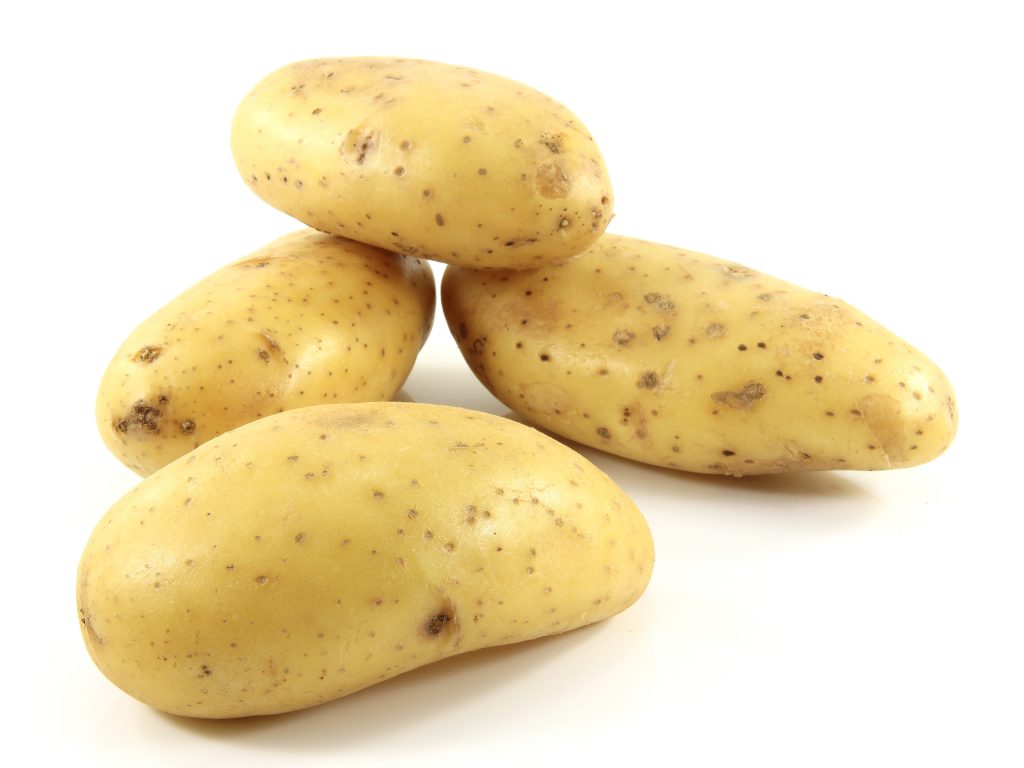
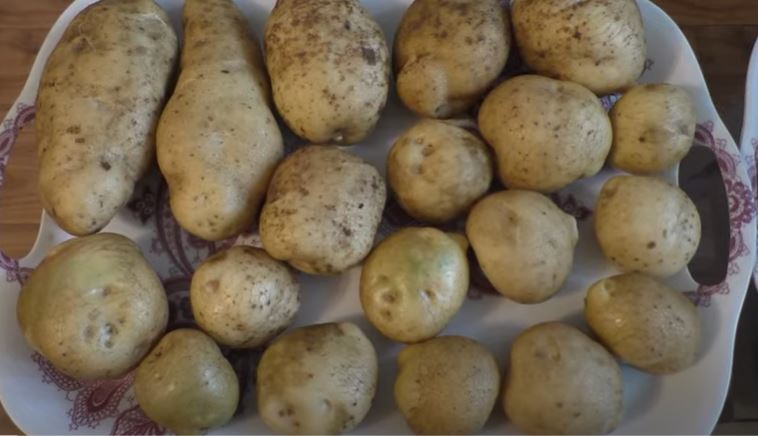
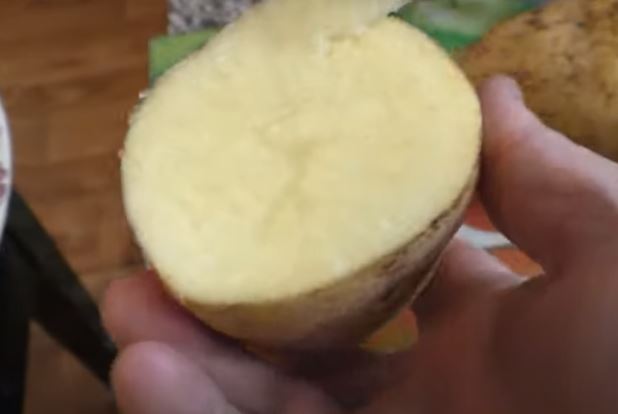
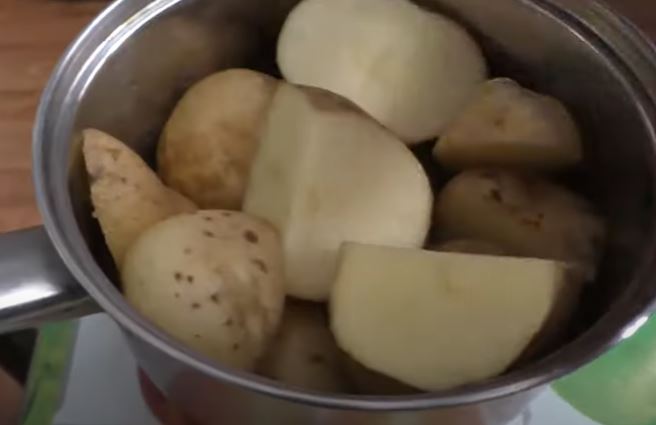
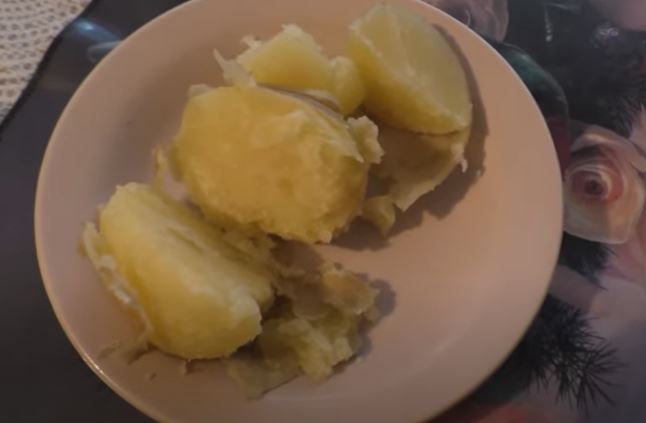
Photo of the Empress potato variety:
The history of the Empress potato variety
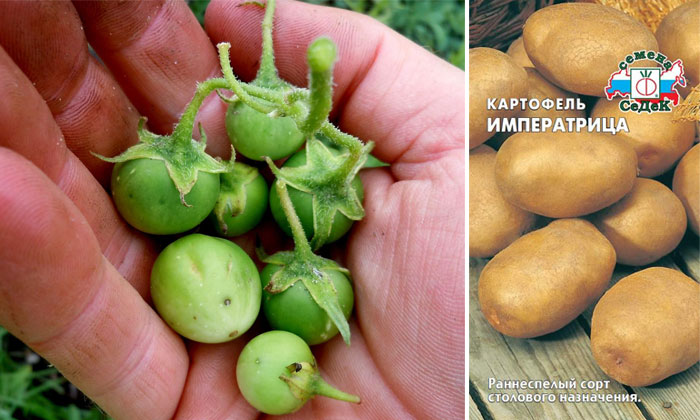
Several years ago, SeDeK's breeders set out to develop a potato variety suitable for various regions, while also offering increased pest resistance and early ripening. This is how the Empress variety was born. However, tubers are difficult to find commercially today, so the company most often offers seed and cultivation of this super-elite planting material.
A detailed description of the Empress potato variety
The Empress variety has a very neat appearance due to its small plantings. This distinguishes it from other early varieties of the potato family.
Bushes
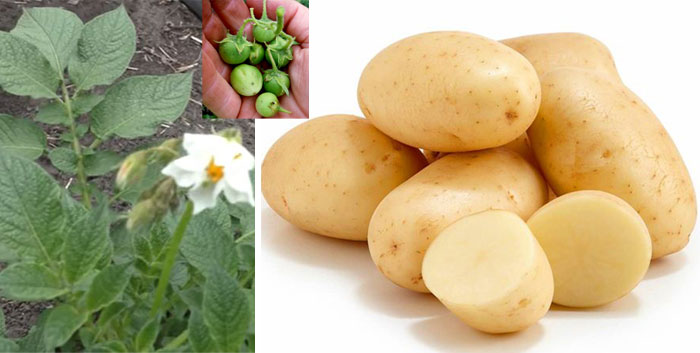
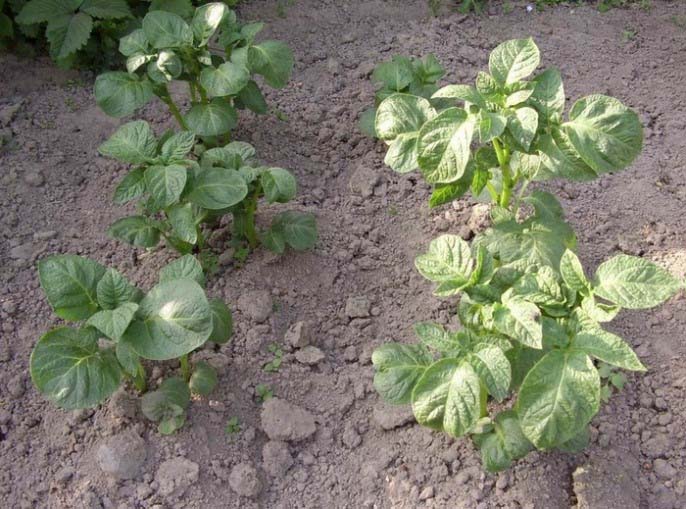
The bushes are very compact, barely reaching 60-70 cm in height. The shoots are erect. Spiral-arranged, odd-pinnate foliage covers their surface. During flowering, white buds appear, which can later self-pollinate.
Tubers
The variety's characteristics dictate that a single plant produces 8 to 12 tubers at a time. Both the flesh and skin are yellow. Several small, shallow eyes are located on the potato's surface.
The tubers are smooth, oblong-oval, and weigh between 70 and 145 g. Marketability and shelf life are quite high, reaching 91-95%.
The Empress's main feature is its ability to produce tubers twice in a single season. After the seedlings emerge, 65-70 days later, it's recommended to carefully dig up the base of the plant and harvest the largest potatoes. Then, rake the soil back into the soil and allow the plant to continue growing.
The remaining tubers, along with newly emerged ones, will fully develop by autumn. This ability is due to the fact that the Empress's vegetative mass has a long growth period and never wilts early, allowing the tubers to grow and fill out until September.
Potatoes are used as table vegetables; thanks to their high starch content (up to 16%), they are suitable for various culinary dishes, but do not fall apart when cooked.
Nutrient Content:
| Name | Concentration, grams |
| Squirrels | 2 |
| Fats | 0.4 |
| Carbohydrates | 16.3 |
| Dietary fiber | 1.4 |
| Water | 79 |
Productivity, ripening time
The compact Empress bushes can be planted close to each other, which results in a high yield per hundred square meters – up to 400 kg.
After germination, harvesting is possible in 55-70 days. However, after just 40 days, you can do a trial dig and harvest a few fresh potatoes to enjoy the flavor of your first harvest. If you use premium tubers grown from seed, this yield can at least double.
Once you've selected the large tubers, you can leave the rest to ripen. After the first harvest, with careful cultivation, the tubers will last until September, where they'll produce a second crop by fall.
Resistance to diseases and pests (table)
| Name of the disease | Degree of stability |
| Phytophthora | High |
| Nematode | High |
| Scab | High |
| Viruses | High |
| Colorado beetle | Average |
For which regions is the Empress potato variety suitable?
The Empress variety ripens very quickly; the first harvest can be collected within 55-70 days after germination. Therefore, it can be grown at the right time in almost any region.
But most often it is chosen by gardeners in central Russia and the southern regions.
Advantages and disadvantages of the Empress potato variety
The Empress variety, like all other potatoes, has its advantages and disadvantages. These are listed in the table below.
| Advantages | Flaws |
|
|
Features of growing the Empress potato variety
The Empress variety is quite unpretentious when grown from tubers, but requires some effort from those who decide to grow super-elite tubers from seeds.
Growing Empress potato variety from seeds
Growing potatoes from seeds allows you to obtain super-elite tubers, which will then produce an excellent potato harvest.
Empress isn't the easiest variety to grow. According to consumer reviews, the seed germination rate is only about 50%.
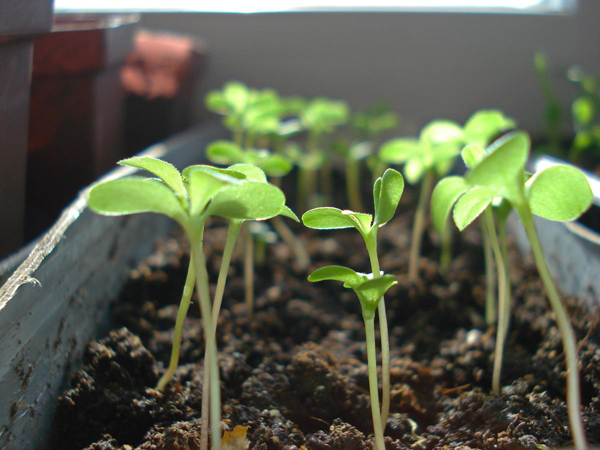
The painstaking work of sowing seeds begins 60 days before planting seedlings in the ground and is carried out in several stages:
- SoakThe prepared seeds are dipped in a weak solution of potassium permanganate for 30 minutes, after which they are thoroughly dried.
- Soil preparationTo sow potatoes, you will need light, fertile soil consisting of three parts peat, two parts turf, one part sand, and one part humus.
- ActivationTo speed up growth and strengthen the seeds' immunity, you can treat them with Epin.
- SowingPrepared soil mixture is poured into a plastic container, sprayed with water, and then the seeds are scattered on top. They are then covered with a thin layer of soil. Potato seeds are very small and difficult to work with. However, experienced gardeners recommend preparing in advance and trying to sow them in rows rather than in a solid carpet.
Once the work is complete, cover the container with plastic wrap and place it in a warm place. After three weeks, the first shoots will begin to emerge. After this, the plastic wrap or lid can be removed; the greenhouse effect will no longer be necessary. Be prepared for the fact that not all seeds will germinate.
It's crucial to choose a well-lit location for growing, otherwise the seedlings will become elongated. As soon as the shoots develop 2-3 full leaves, they are pricked out into individual containers.
Seedlings should be planted in the garden bed no earlier than the second ten days of May, when there is no threat of night frosts.
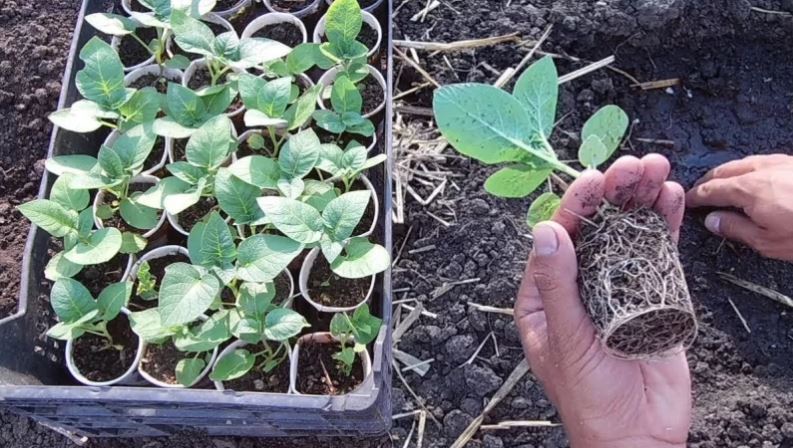
Read more in the article about growing potatoes from seeds.
Potato growing calendar from seeds
| Late February - early March | Sowing seeds |
| April | Carrying out picking into separate containers |
| Mid-May - early June | Planting seedlings in a garden bed |
| June-August | Carrying out care procedures for seedlings |
| Mid-August - early September | Digging up the sets |
Requirements for the landing site and its preparation
The Empress variety isn't particularly picky about the soil it grows in. Experienced gardeners advise allowing the soil to rest before planting potatoes again.
However, many gardeners do not have the opportunity to transplant the crop to another location, so it is permissible to alternate planting potatoes in rows and between rows.
The soil for planting Empress should be prepared in the fall. At the end of the season, it is fertilized with rotted manure at a rate of 15 liters per square meter, after which the bed is dug. Some gardeners prefer to plant them with green manure, then mow them down before the onset of frost and leave the tops in the bed.
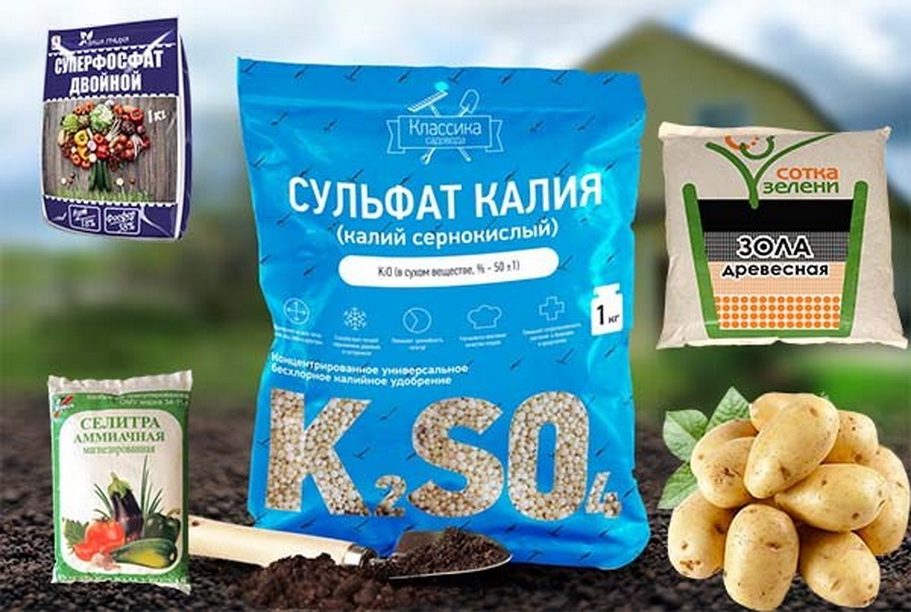
If it is not possible to use organic fertilizer, then 6 tablespoons of saltpeter or 200 g of superphosphates can be added per square meter.
If all this work was done in September-October, then there will be no need to apply additional fertilizers in the spring.
Selection and preparation of seed tubers
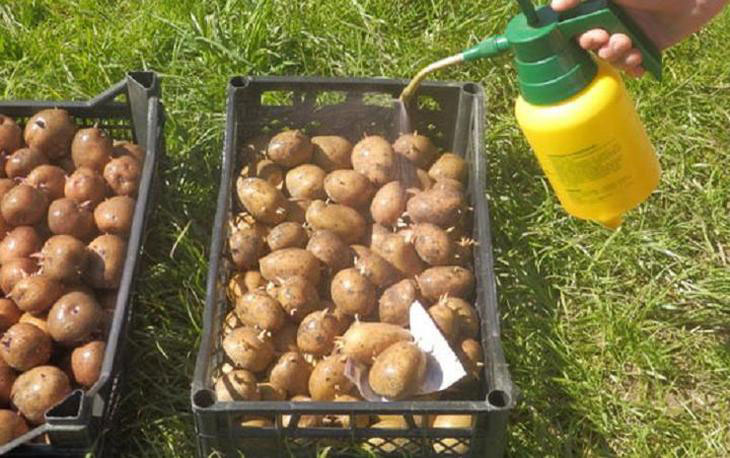
Seed tubers are selected for planting in the fall. In the spring, about a month before planting, they are removed from the cellar and placed in a warm, well-lit room with very high humidity. Similar conditions can be achieved by placing the potatoes in a box with damp sawdust. Rotate and spray them periodically. This will help activate internal chemical processes and accelerate shoot growth. For the same purpose, you can treat the tubers with Fitosporin or Acrobat.
Timing and rules for planting the Empress potato variety
The planting timing of the Empress variety depends directly on the region. In the south, some gardeners sow their fields as early as April. In the north, they begin planting potatoes towards the end of May. And in central Russia, planting traditionally falls during the May holidays.
Empress is distinguished by its compact size, allowing only 15 cm between planting holes for the elite tubers. The root system doesn't spread out along the perimeter, but rather extends deep into the soil. The shoots are short and don't spread out. Therefore, the bushes hardly compete with each other for moisture and nutrients. The distance between rows can also be reduced to 35-45 cm.
Caring for the Empress potato variety
If you take proper care of the Empress variety, you can start sampling the planted potatoes in just 60 days.
Watering
Empress prefers moist soil, like all other early-ripening varieties. Enough water is needed to ensure large, beautiful tubers form.
The first watering can be done 10 days after moving the plants outdoors. After that, water as needed. Some gardeners even install a drip irrigation system.
Top dressing
Sometimes bushes may begin to turn yellow and wither prematurely, even before the flowering period has ended. This may indicate a nutrient deficiency in the soil. Therefore, it is recommended to maintain the plantings throughout the entire growing season.
- When the vegetative mass is growing, you can add Kemira, diluted according to the instructions, to the bed – it will saturate it with useful microelements: nitrogen, phosphorus, and potassium.
- During the formation of buds, 500 ml of a solution of potassium sulfate (1 tbsp), ash (3 tbsp) and water (10 l) is poured under each bush.
- Once the flowers bloom, you can nourish the potatoes with a solution of water (10 l) and superphosphate (2 tbsp). Apply 500 ml per plant.
Loosening, weeding, hilling
To ensure adequate oxygen supply to the seedbed, it's recommended to loosen the soil periodically. This should be done 7-10 days after the seedlings emerge. Weeding is also recommended at this time, as weeds can harbor pests and diseases.
It is necessary to hill up the plantings twice per season:
- When the shoots reach a height of 20 cm, carefully rake the soil onto the bush. Completely covering the stem is acceptable.
- During the flowering period, the existing mound will need to be increased by another 5-7 cm.
Hilling increases the flow of nutrients and moisture to the stems, and the roots are protected from overheating and freezing within the earthen mound. Furthermore, gardening tools destroy insect pest larvae in the soil.
Protecting the Empress potato variety from diseases and pests (table)
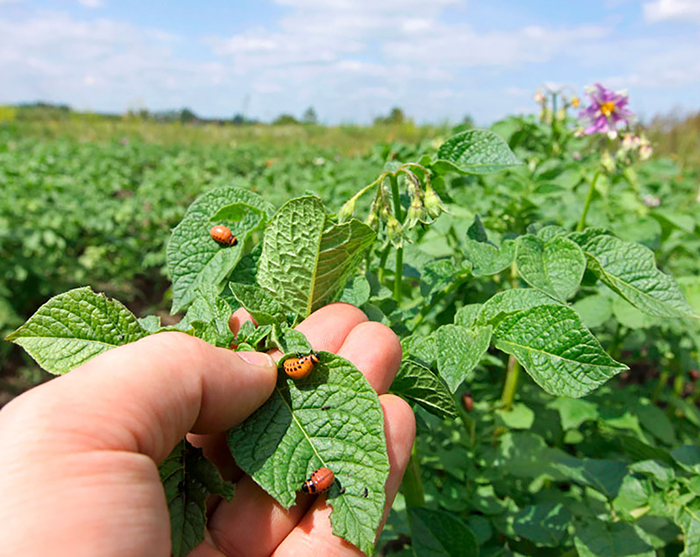
The Empress variety has good resistance to many common potato diseases. It is resistant to scab, late blight, viral diseases, and nematodes. However, it is often vulnerable to the voracious Colorado potato beetle.
| Name of the disease | Manifestation | Treatment and prevention |
| Colorado beetle
|
This striped pest can destroy potato crops in a matter of days if not addressed promptly. It's not the beetle itself that's dangerous, but also its larvae, which it lays on the underside of leaves. | You can make poison from the beetles themselves by collecting them in a jar, adding water, and letting them sit for several days. Colorado potato beetles secrete a toxic substance that repels other beetles. But some gardeners prefer to use proven products: Commander, Actellic, Corado, Prestige, Aktara. If the beetle population is small, you can try to destroy the beetles and their larvae manually. |
The nuances of harvesting and storing the Empress potato variety
The first tubers ripen within 70 days of germination. The bush is carefully dug up, but there's no need to remove it from the ground—Empress will produce a second harvest if the plantings aren't damaged. Only large, ripe potatoes should be removed. Then the roots are covered with soil again and left in the bed until the second half of August.
We clean on time, We make a device to help dig potatoes ourselves.
Early potatoes should be eaten first, and the harvest collected closer to autumn can be stored.
The entire harvest is dried in the open air. It's important to ensure that exposure to sunlight does not exceed two hours if you plan to use the potatoes for cooking. If you're growing seed potatoes, however, they should be exposed to the sun for longer to initiate the greening process.
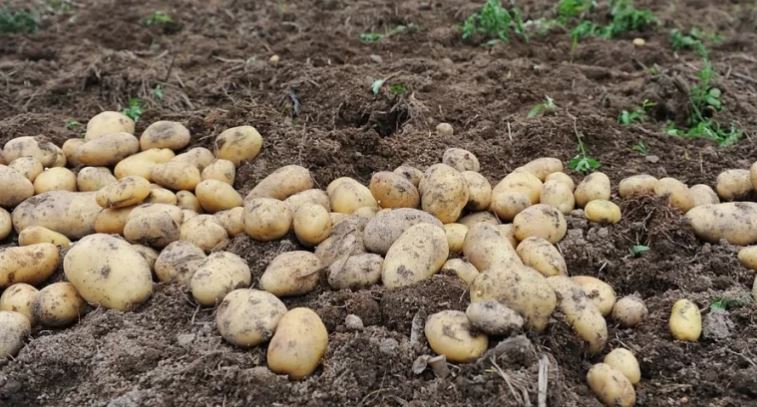
The entire harvest must be stored in a well-ventilated area where the air temperature fluctuates around +3°C.
Read more in the article about methods and rules for storing potatoes.
Comparison of the Empress potato variety with other varieties in the table
| Variety | Ripening period (number of days to maturity) | Starch (%) | Yield (c/ha) | Weight of tubers (g)
Number of tubers per bush |
Shelf life (%) |
| Empress | Early ripening* | 14-16 | up to 400 | 70-145
8-12 |
91-95 |
| Madeira | Mid-early** | 12.5-18.6 | 202-632 | 106-136
20-30 |
94 |
| Red Scarlet | Early ripening* | 10-15 | 270-277 | 90-150
up to 15 |
98 |
| Treasures | Mid-season*** | 12-18 | up to 650 | 95-250
12-18 |
94 |
| Banker | Mid-early** | 15-16 | 200-350 | 70-160
10-15 |
90 |
| Luck | Early ripening* | 11-15 | 420-430 | 100-150
10-15 |
88-97 |
| Uladar | Early ripening* | 11.5-17.8 | 127-716 | 91-180
6-11 |
94 |
| Unique | Mid-early** | 13 | 320 | 400-500
10-14 |
96 |
| Sarpo of the world | Late-ripening**** | 14-17 | 350-360 | 75-140
6-11 |
94 |
| Favorite | Mid-season*** | 12.6-16.4 | 420 | 101-136
6-12 |
93 |
| Adretta | Mid-early** | 15-18 | 450 | 100-150
10-25 |
95 |
*Early ripening – 50-65 days.
**Mid-early – 65-80 days.
***Mid-season – 80-95 days.
****Mid-late (Late-ripening) – 95-110 (115) days.
Real reviews from gardeners about the Empress potato variety and growing it from seed
Consumers note the excellent taste of the Empress potato, as well as its unique ability to harvest twice. The only drawback is the low seed germination rate.
User Seldereichik, Kazakhstan
This year I sowed "Empress" from SeDeK. The germination rate was 50%, but another 50% died as seedlings. I planted it in the open ground along with other seedlings (late May). The packet of seeds yielded about half a kilo of potatoes, the size of a small egg, which I saved for sowing next year. P.S. Another joy: two tomato plants grew from that packet, and they're quite tasty and productive. Those are some damn potatoes.
User Lana Siv, Kemerovo
I grew 'Empress' from seeds (I don't remember the manufacturer) for three years. It tastes good, but the potatoes are small. The green tops stay green for a long time in the fall, and the potatoes don't have time to ripen. I don't plan to plant them next year.
This year we were flooded with rain, and the potatoes (Tuleevsky) were full of holes.
User: Tasty Garden, Barnaul