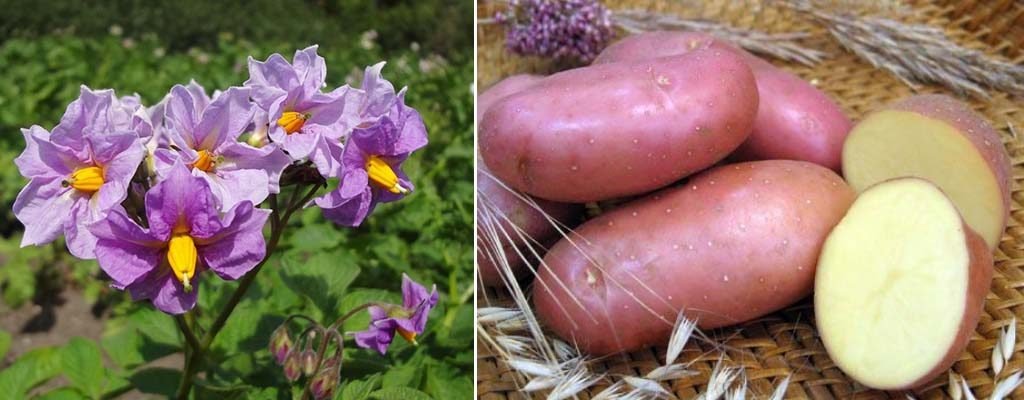
The Red Scarlett potato gets its unusual name from its distinctive skin color. This phrase, translated from English, means "rich red, intense scarlet." It is this distinctive feature that sets this potato apart from other varieties. Besides its unusual color, the Red Scarlett boasts excellent varietal characteristics and is easy to grow. We'll cover all of this in detail in this article.
Content
- 1 The origin of the Red Scarlett potato variety
- 2 Characteristics of the Red Scarlett potato variety in the table
- 3 A detailed description of the Red Scarlett potato variety
- 4 Advantages and disadvantages of the Red Scarlett potato variety
- 5 Features of growing the Red Scarlett potato variety
- 6 Caring for the Red Scarlett potato variety
- 7 The nuances of harvesting and storing the Red Scarlett potato variety
- 8 Comparison of the Red Scarlett potato variety with other varieties in the table
- 9 Real reviews from gardeners about the Red Scarlet potato variety
The origin of the Red Scarlett potato variety
Red Scarlett is rightfully considered one of the best potato varieties for its taste. It was developed thanks to the efforts of Dutch breeders, although Russian specialists later joined in, working on regionalization and improving its characteristics.
Some believe the variety got its name from the popularity of the book Gone with the Wind. The novel's two main characters are named Rhett and Scarlett. And as we've already mentioned, the variety itself is distinguished by its pinkish-red skin, which sounds like "red scalet" in English (with a long "a").
Characteristics of the Red Scarlett potato variety in the table
The table below lists the main characteristics of Red Scarlett potatoes:
| Parameter | Characteristic |
| Ripening period | 70-80 days, the first digging can be done after 45 days (early ripening). |
| Starch content | 10.1-15.6% |
| Weight of commercial tubers | 56-102 BC |
| Number of tubers in a bush | 9-15 pcs. |
| Productivity | 164-192 c/ha, maximum - 270 c/ha. |
| Consumer qualities | Belongs to the culinary type AB, so it is most often used for frying, salads, soups, and baking. It does not cook well when boiled. |
| Marketability of tubers | 82-96% |
| Shelf life | 98% |
| Bushes, stems, leaves | It features low, compact bushes with upright shoots that quickly gain strength. The foliage is rich green, and the flowers are purple. |
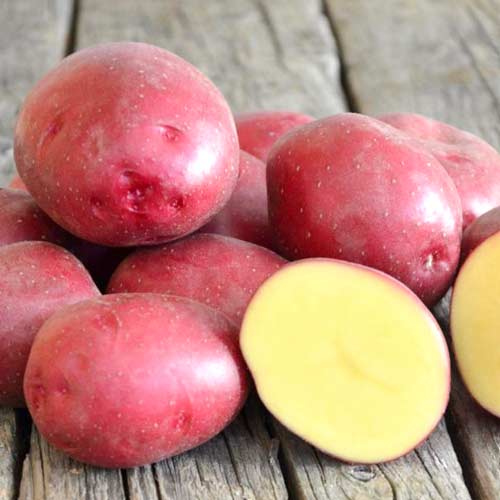
| Peel color | Red-violet |
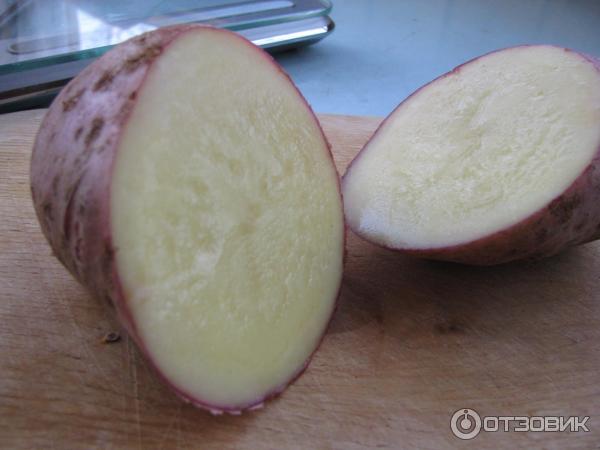
| Pulp color | Yellowish |
| Eyes | The eyes are very small, extending no more than 1.3 mm into the flesh. |
| Preferred growing regions | Northwestern, Central, Volga-Vyatka, Central Black Earth, Middle Volga, West Siberian. |
| Disease resistance | High resistance to cancer, nematodes, and viruses. Moderate resistance to tuber blight. Low resistance to scab, Alternaria, and foliar blight. |
| Features of cultivation | The first tubers can be harvested 45-55 days after germination. It does not require complex cultivation techniques. It is highly sensitive to metribuzin. |
| 2000. | |
| Country of origin | Netherlands. |
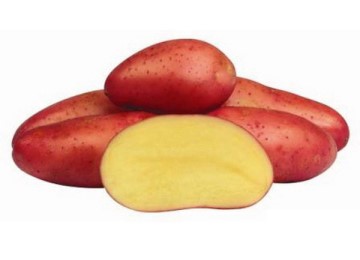
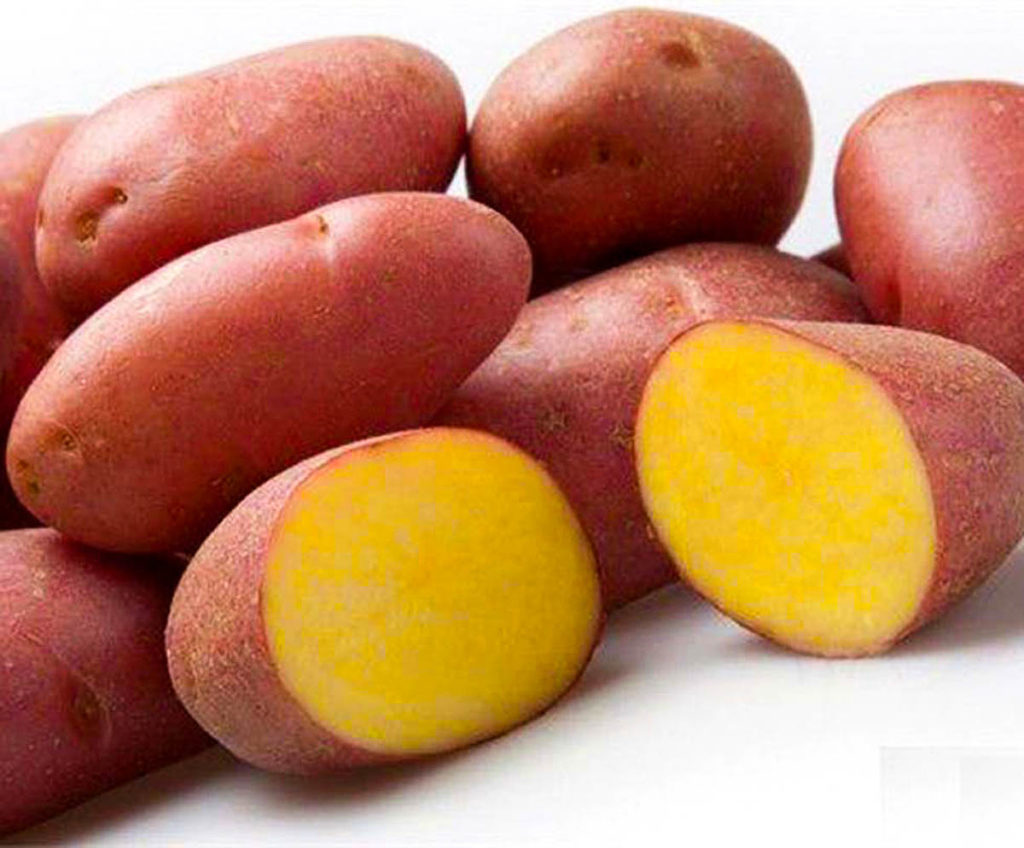
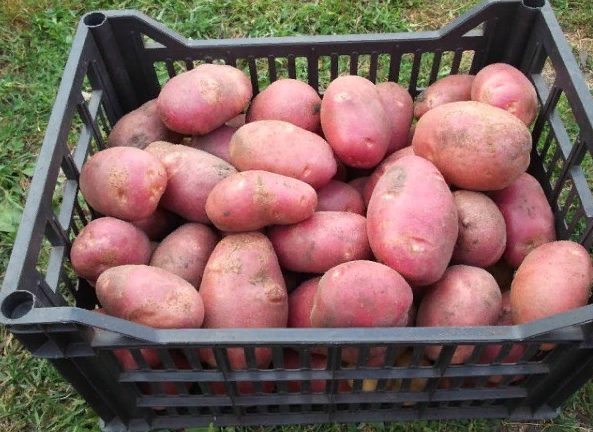
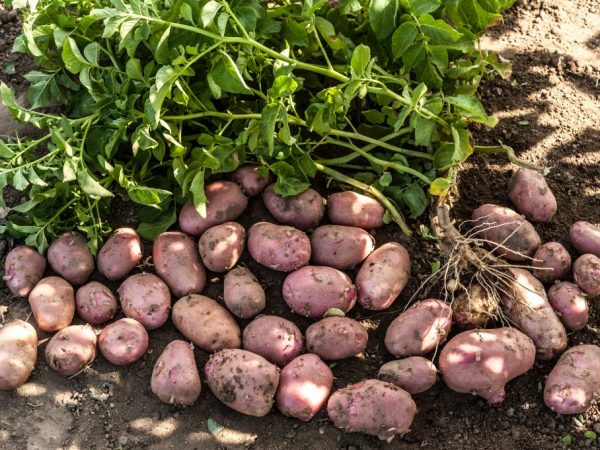
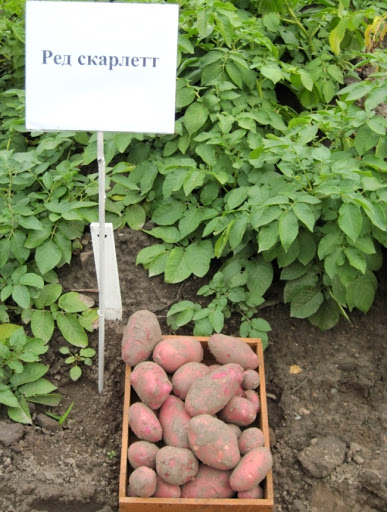
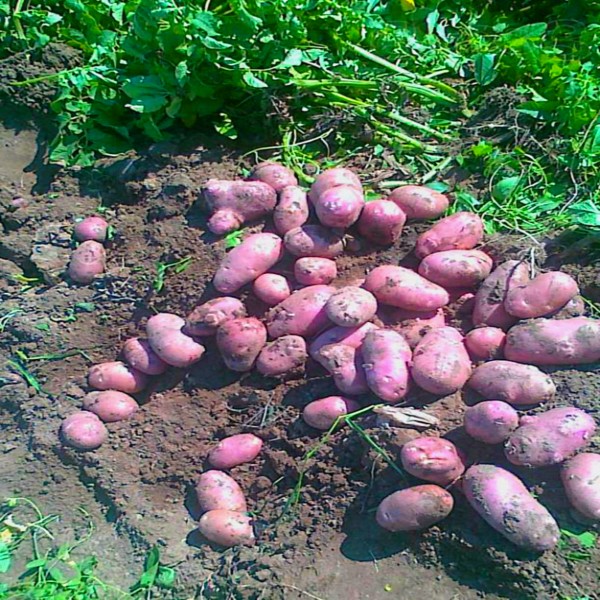
Photo gallery of the Red Scarlett potato variety:
A detailed description of the Red Scarlett potato variety
Red Scarlett is characterized by its early ripening period; the first harvest can be done as early as 45 days after planting. Full maturity occurs within 70-80 days. Moreover, care is straightforward; simply follow standard growing practices.
Bushes
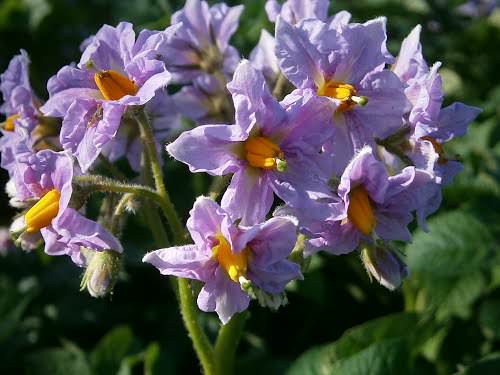
The bushes are compact and low-growing, with upright, medium-vigorous shoots. The leaves are medium-sized, with a matte, rich green surface and subtle ripples. The flowers are purple. Each bush produces 9 to 15 tubers.
Tubers
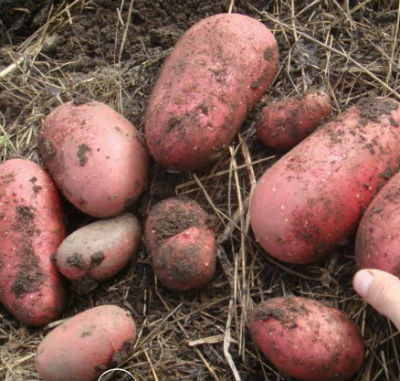
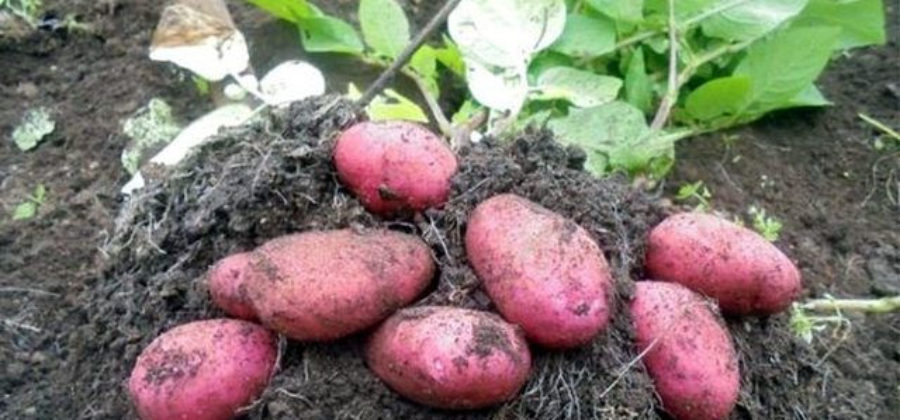
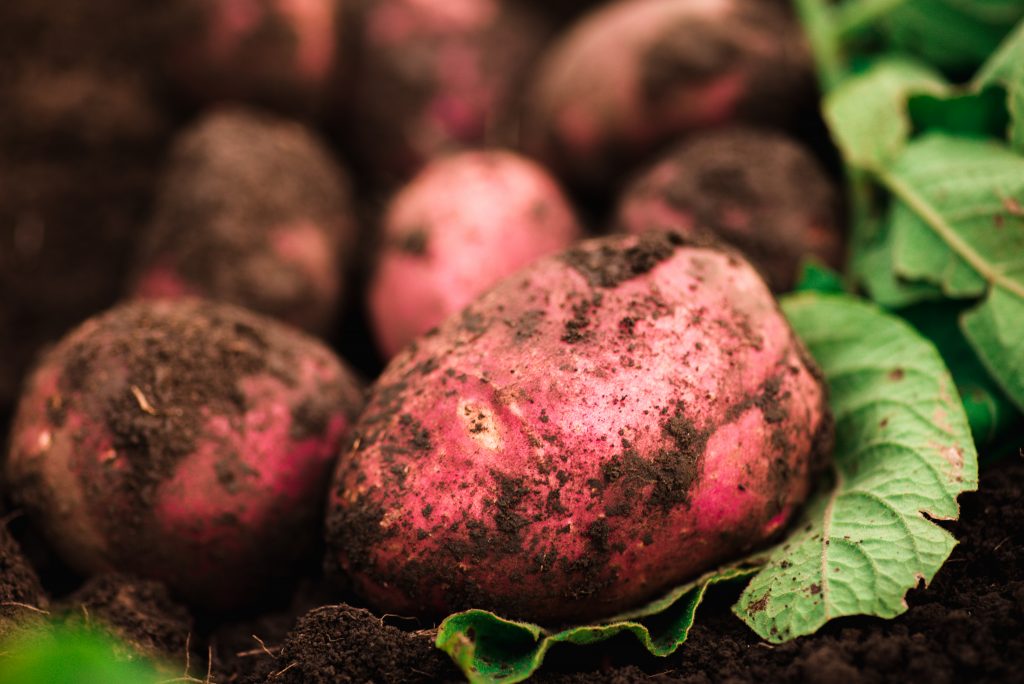
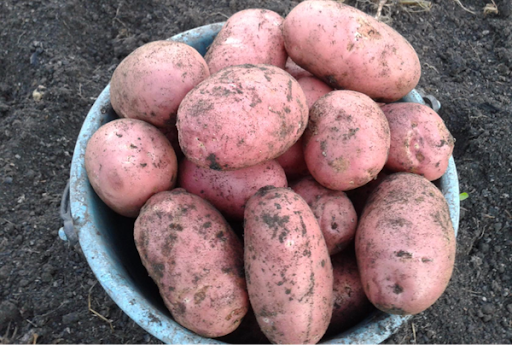
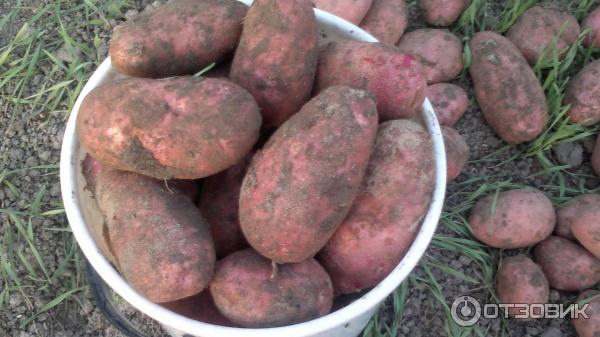
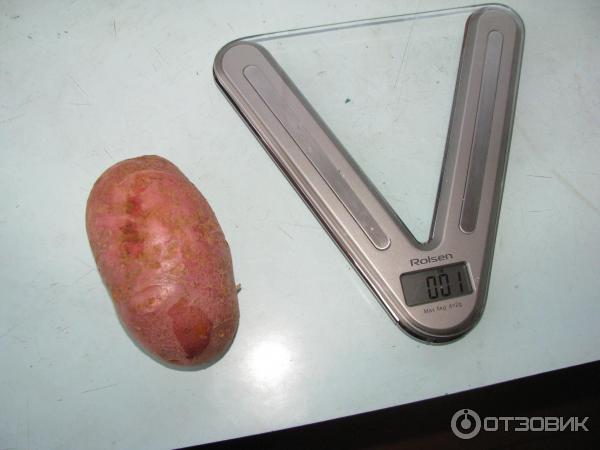
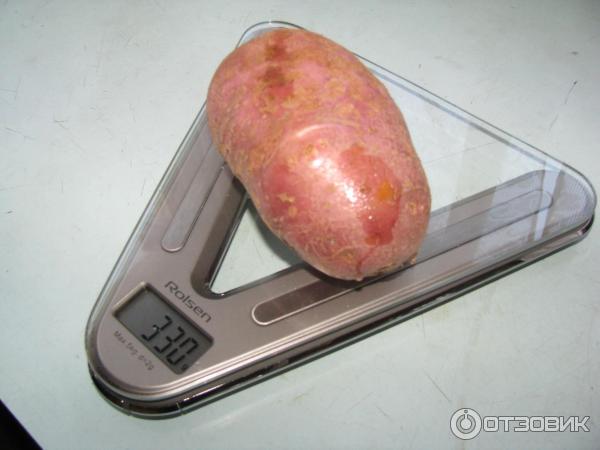
The tubers are attractive: round-oval, smooth, and even, with a few eyes and pinkish-red skin. The flesh is yellowish and very tasty.
The potatoes are slightly overcooked and belong to the AB cooking type. The flesh does not darken or change color during cooking.
The variety's marketability and shelf life are quite high, allowing it to store well and withstand transportation without damage. Furthermore, the tubers are resistant to mechanical damage during harvesting.
There is not a lot of starch, no more than 15%, so the tubers are dense and slightly floury.
Productivity, ripening time
The volume of harvested crop directly depends on the region where the potatoes are grown and the quality of the soil.
The average yield in our country is approximately 200 centners per hectare. However, harvesting can begin as early as 45 days after germination. The first digging yields up to 84 centners per hectare. The second digging increases this figure to 108 centners per hectare.
The maximum result was obtained in the Smolensk region, where the Red Scarlett variety yielded 270 c/ha.
In Belarus, where growing conditions are much more favorable, the yield reaches 456 c/ha, but in 2004 the absolute maximum was recorded, amounting to 725 c/ha.
Resistance to diseases and pests (table)
| Name of the disease | Degree of stability |
| Cancer | High |
| Nematode | High |
| Virus Y | High |
| Tuber blight | Average |
| Alternaria | Low |
| Scab | Low |
| Phytophthora blight of tops | Low |
What regions is it suitable for?
The Red Scarlett variety is easy to care for and adapts easily to a variety of growing conditions, making it ideal for many regions of the country (Northwest, Central, Volga-Vyatka, Central Black Earth, Middle Volga, and West Siberia). In southern Russia, with proper cultivation techniques, a harvest can be produced twice per season.
Red Scarlett does not tolerate temperature fluctuations and high humidity very well. Therefore, it is not recommended for growing in cooler regions.
Advantages and disadvantages of the Red Scarlett potato variety
The Red Scarlett variety has a number of advantages and disadvantages. These are presented in the table below.
| Advantages | Flaws |
|
|
Features of growing the Red Scarlett potato variety
Red Scarlett potatoes can be grown in two ways:
- from seeds;
- from tubers.
Growing potatoes from seed is labor-intensive. It's only worthwhile if the variety is very rare or the cost of the tubers is prohibitive. The first harvest shouldn't be used for food—these are the super-elite tubers you'll plant the following season.
If you choose a reputable producer, it's much easier to buy ready-to-plant tubers. If you follow the growing instructions, you'll get an excellent harvest.
Requirements for the landing site and its preparation
Red Scarlett responds best to loose soil with low acidity.
Soil that is too dense will need to be loosened periodically to maintain aeration at the proper level.
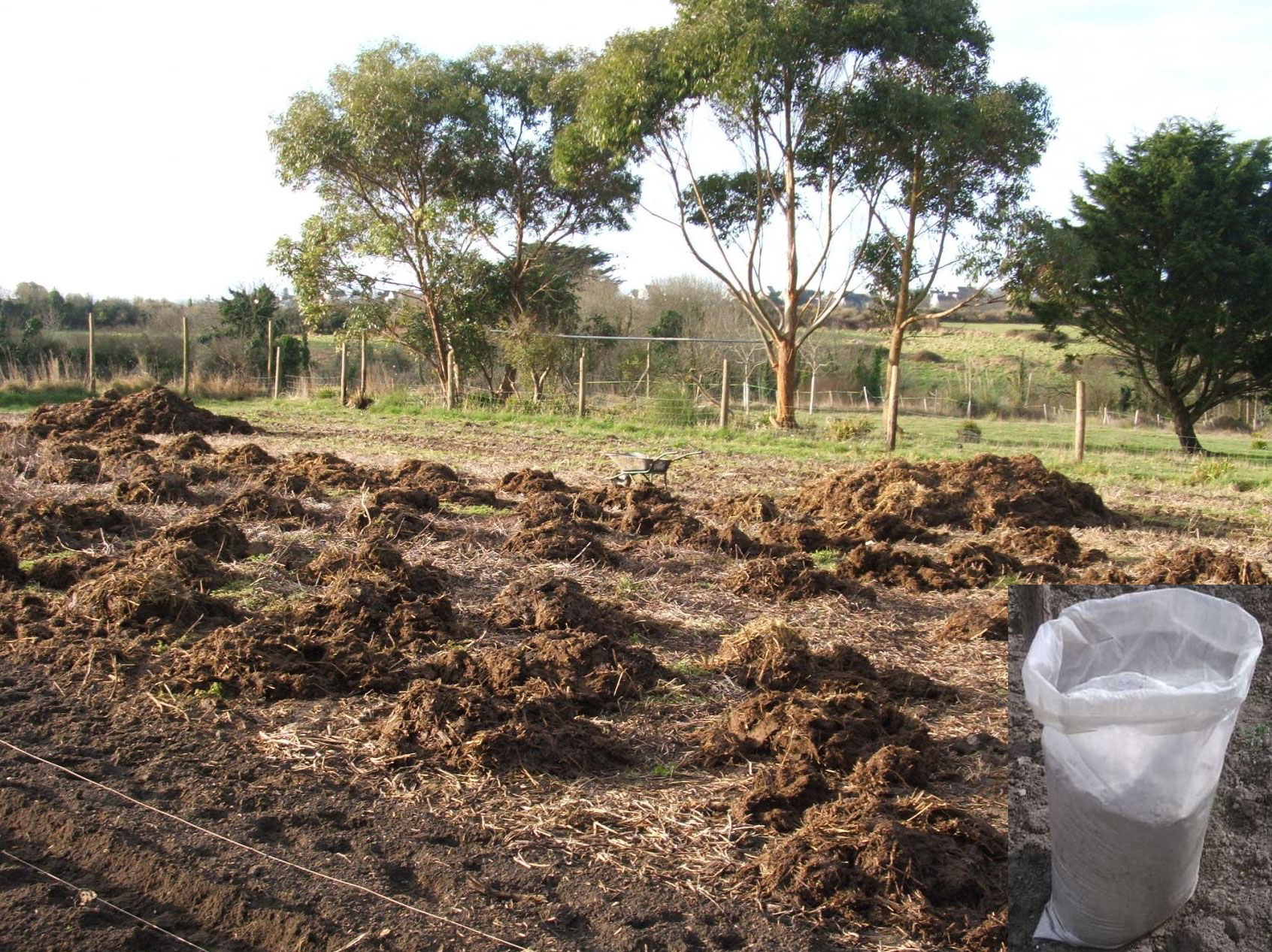
The bed is prepared in the fall, when compost is added and the soil is dug. As soon as the weather warms up and the soil is ready to be worked, the soil is dug again. This is the only way to ensure the potatoes don't suffer from a lack of oxygen, nutrients, and water. To stimulate development during the early stages of potato growth, you can add any nitrogen-potassium fertilizer to the soil.
Once the soil is prepared, mark out the future rows. It's best to alternate planting potatoes within and between rows each year. Ideally, you should rotate the potato placement every year for four years.
Selection and preparation of seed tubers
Before planting, it's recommended to prepare the tubers in advance. The Red Scarlett variety doesn't tolerate division; they simply sprout. The room should be well-lit.
To do this, lay out plastic wrap or thick cloth in a warm place with a temperature of 15°C, and place the potatoes on top in a single layer. The lighter the area, the more viable the sprouts will be.
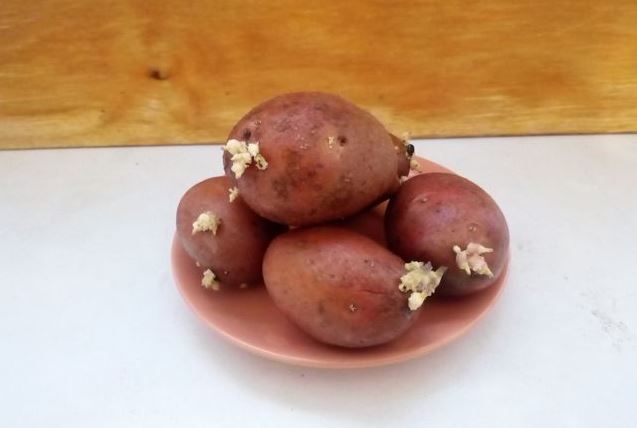
It is recommended to turn the potatoes over every two days so that they warm up and are exposed to light evenly.
After about 7 days, eyes will begin to appear on the surface. If this doesn't happen, the tuber should be shock-heated to 40°C.
You can start planting when the sprouts reach 2 cm in length.
Some gardeners prefer to additionally treat the tubers with specialized solutions that stimulate growth and strengthen the immune system. Solutions such as Fitosporin, Acrobat, and other solutions can be used for this purpose.
Planting times and rules
The main indicator of soil readiness for potatoes is a soil temperature of +12°C at a depth of 9 cm. Measuring this is easy—simply insert a garden thermometer into the soil to the desired depth overnight.
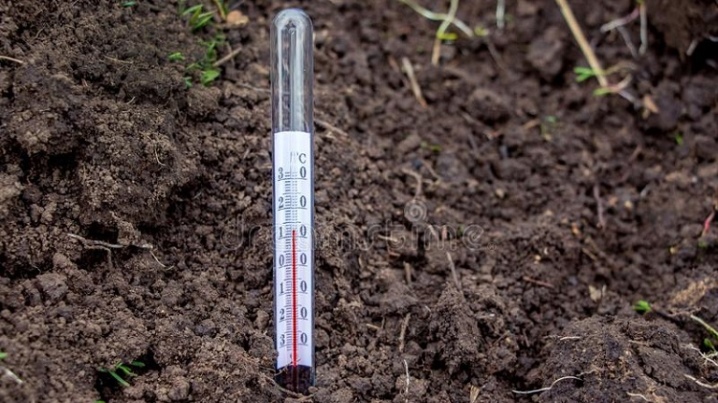
Red Scarlett is sensitive to cold snaps, so plant it only when there's no threat of night frost. If you're unsure, or the weather forecast is unclear, it's best to hold off. Even potatoes planted in early June will ripen by August.
Caring for the Red Scarlett potato variety
Caring for the Red Scarlett variety comes down to a few simple rules:
- timely watering;
- application of fertilizers;
- loosening and weed removal;
- hilling of plantings.
Watering
To fully develop the varietal characteristics, Red Scarlett potatoes should not experience moisture stress, especially during flowering and when tuber formation is active. Therefore, watering is recommended when the topsoil begins to dry out. In hot weather, water frequently, while in cool, rainy weather, water sparingly.
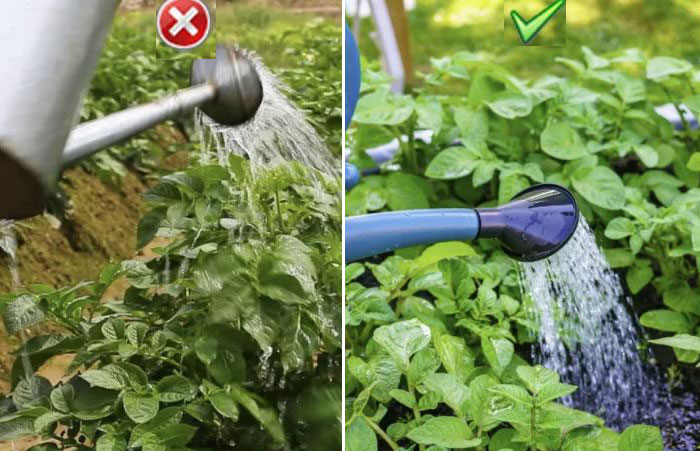
Some gardeners install a drip irrigation system that regulates the soil moisture level in their absence.
Watering should be stopped completely only 15-20 days before harvesting, otherwise the tubers will taste watery, their shelf life will be reduced, and the risk of developing various diseases will increase.
Top dressing
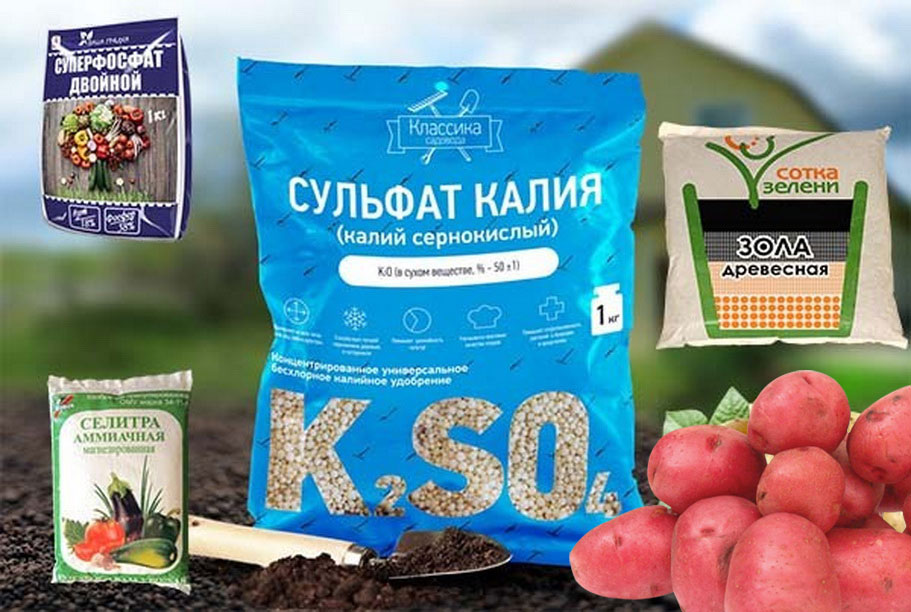
During the entire growth period, it is recommended to apply fertilizer twice:
- Thirty days after planting the tubers, add a nutrient mixture of 2 teaspoons of urea, the same amount of potassium sulfate, and 4 teaspoons of superphosphate to the bed. This amount is enough for 1 square meter.
- The second feeding is applied before budding begins.
If the soil is poor in beneficial microelements and potatoes are planted in it year after year, then a third feeding can be carried out.
Loosening, weeding
To improve soil aeration, it needs to be loosened periodically. Weeding should also be done at this time. Weeds not only drain water and nutrients from the soil, but also attract pests and often cause root damage to tubers.
Weeds need to be removed not only around the bushes, but also between the rows.
Hilling
Hilling up plantings helps protect roots from sunlight and temperature fluctuations. Furthermore, the mound of soil retains moisture and increases the surface area for the shoots to absorb nutrients.
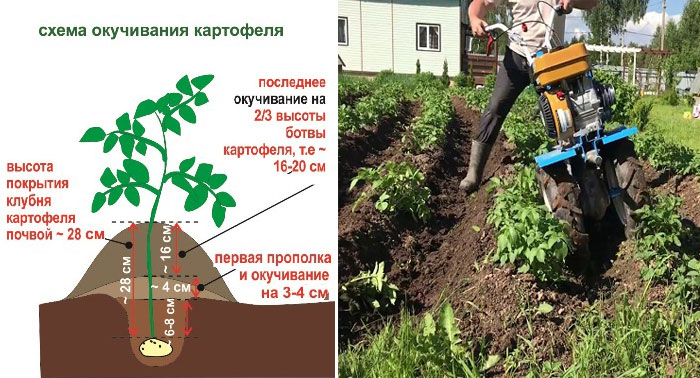
The first hilling is carried out when the bushes reach a height of 10-12 cm. It is permissible to rake the soil so that the entire shoot is covered or only the upper leaves remain protruding.
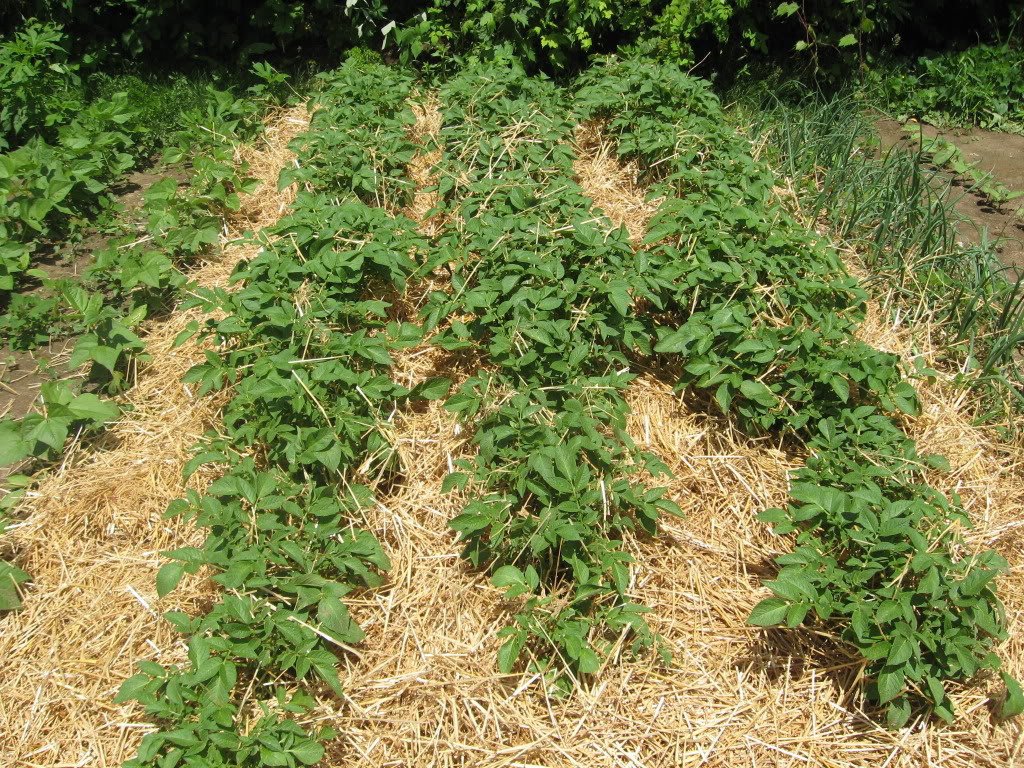
The second hilling is done when the bush reaches 40 cm in height. If you only visit the site on weekends, we recommend additionally mulching the plantings with tops, hay, or sawdust. This will help the soil retain more moisture, which is essential for the plant during tuber formation.
Protection from diseases and pests (table)
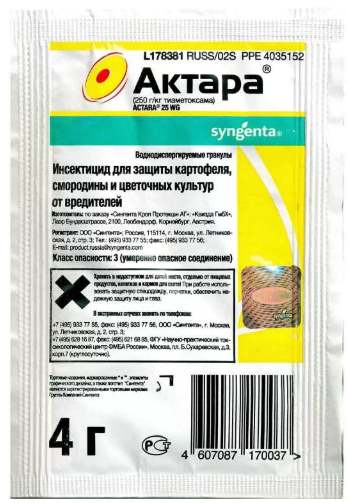
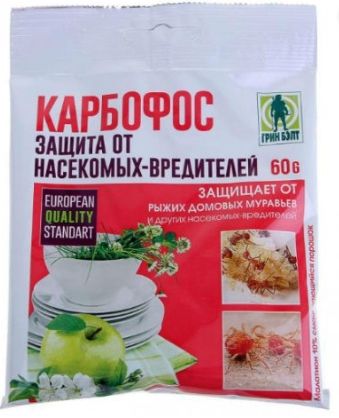
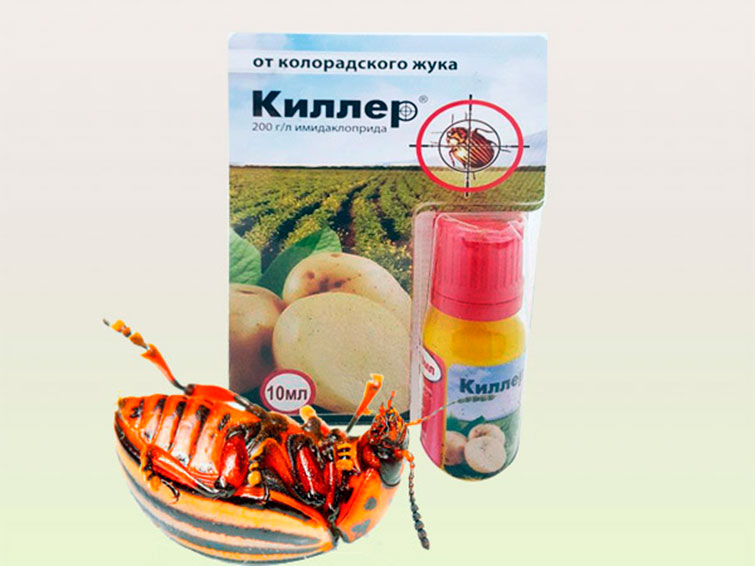
Red Scarlett is often attacked by the Colorado potato beetle and mole crickets, and is susceptible to scab and late blight. Prevention and control methods are presented in the table below.
| Name of the disease | Manifestation | Treatment and prevention |
| Colorado beetle
|
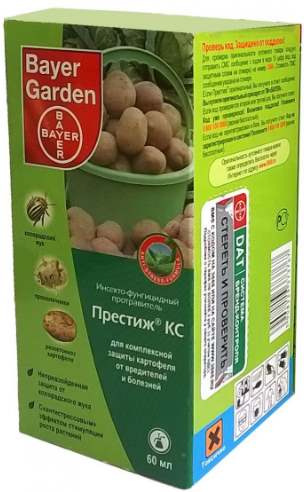
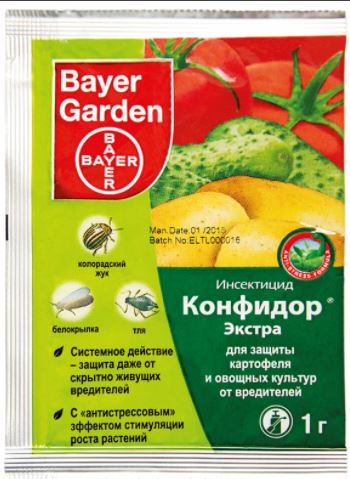
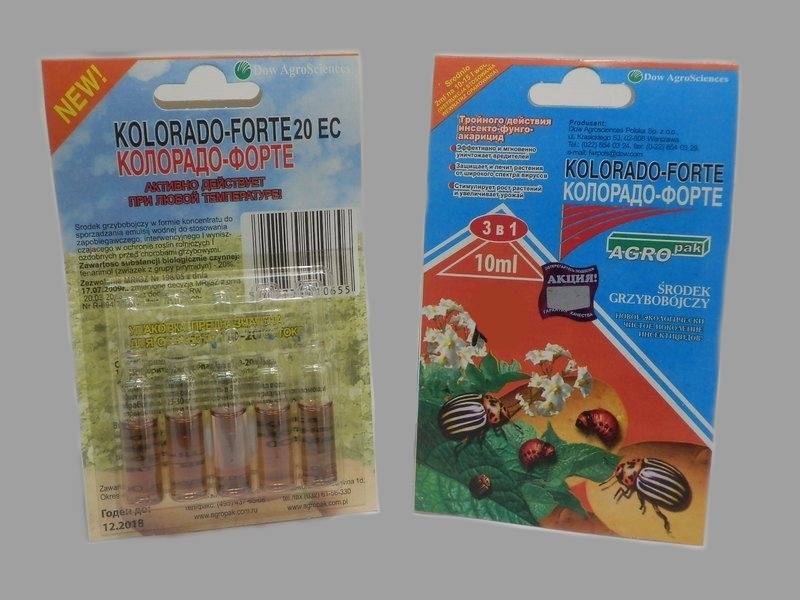
A striped beetle that feeds on leaves and produces bright orange larvae. It can destroy entire plantations of foliage in a short period of time. | Small numbers of pests are collected by hand, and leaves containing larvae are plucked and destroyed. For larger infestations, specialized products such as Aktara, Killer, Karbofos, Prestige, and others can be used.
As a folk remedy, you can try spraying with a tar solution (100 g per 10 liters of water). |
| Mole cricket
|
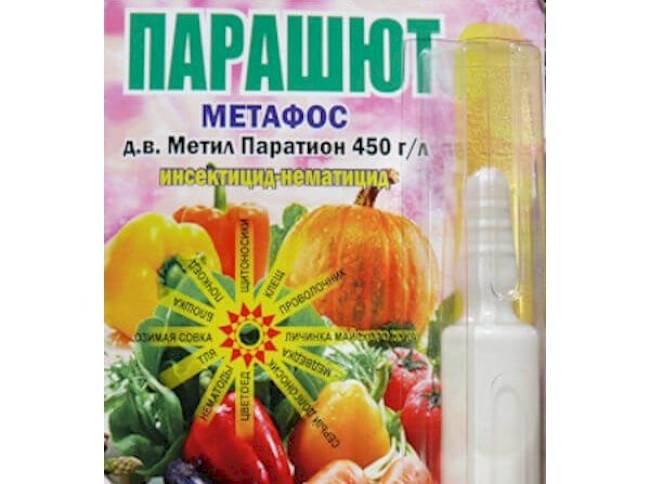
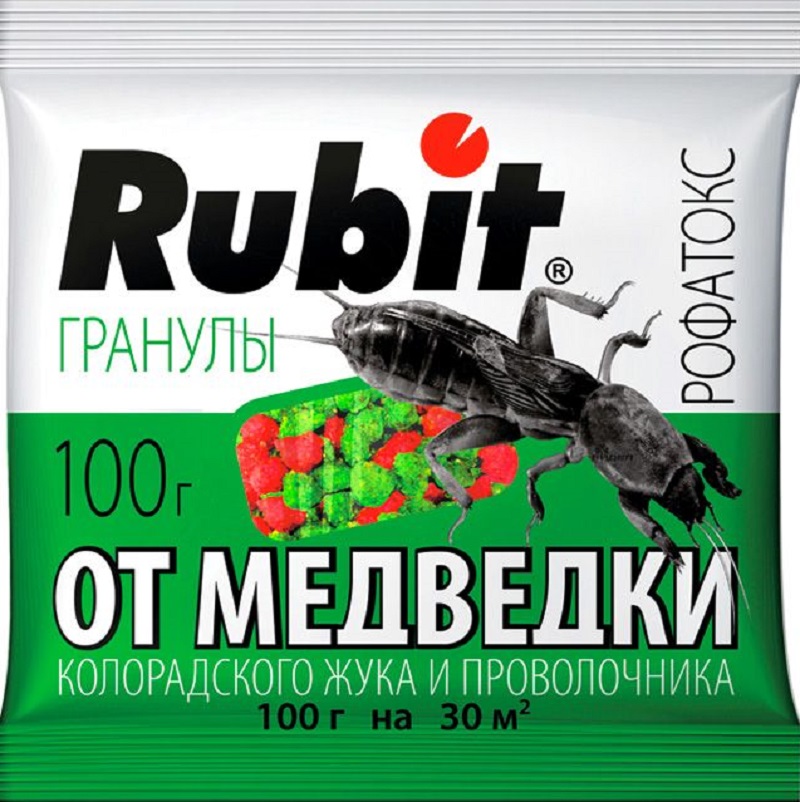
Lives in the ground, cuts roots, and feeds on tubers. | Due to the pest's high adaptability, treatments must be alternated. Folk remedies generally don't produce the desired results. Therefore, it's better to use specialized products such as Parachute, Rembek, Rubit, and others. |
| Late blight
|
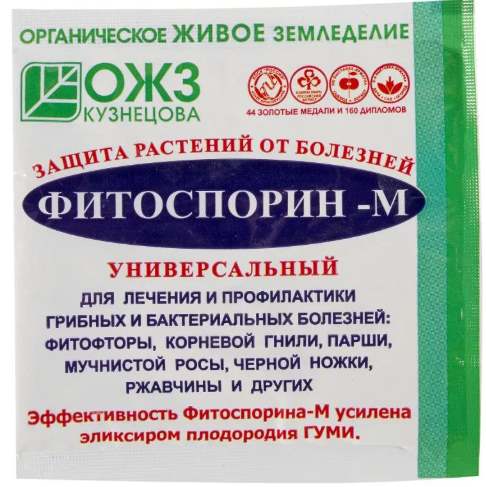
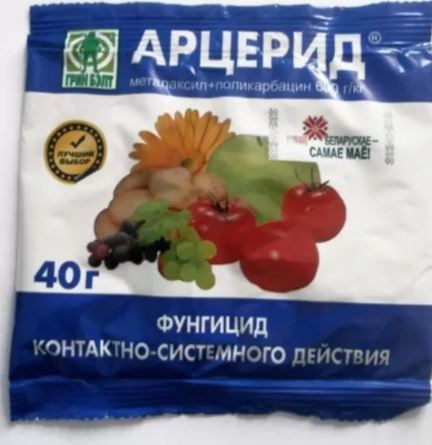
It becomes active during the budding period and manifests itself as dark spots on the shoots, which can then become covered with a white coating. | It can appear due to poor care or adverse weather conditions. Copper sulfate can be used for prevention and at the first signs of the disease. 2 g diluted in 10 liters of water, spraying is repeated every 10 days. Among specialized products, the following drugs are highly effective: Revus, Acrobat, Ordan, Fitosporin. |
| Scab
|
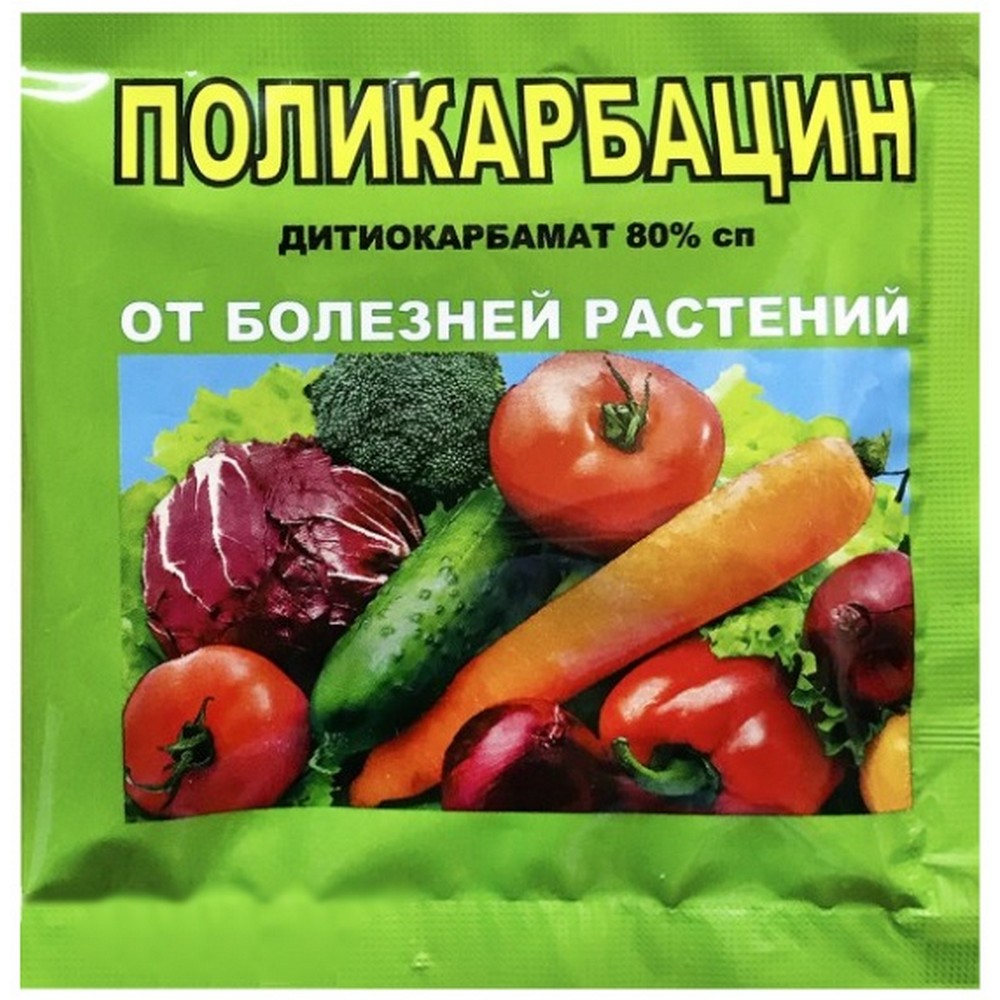
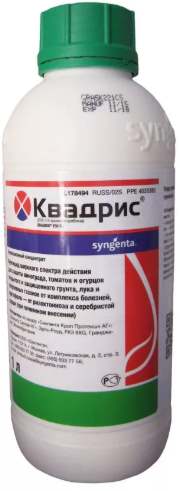
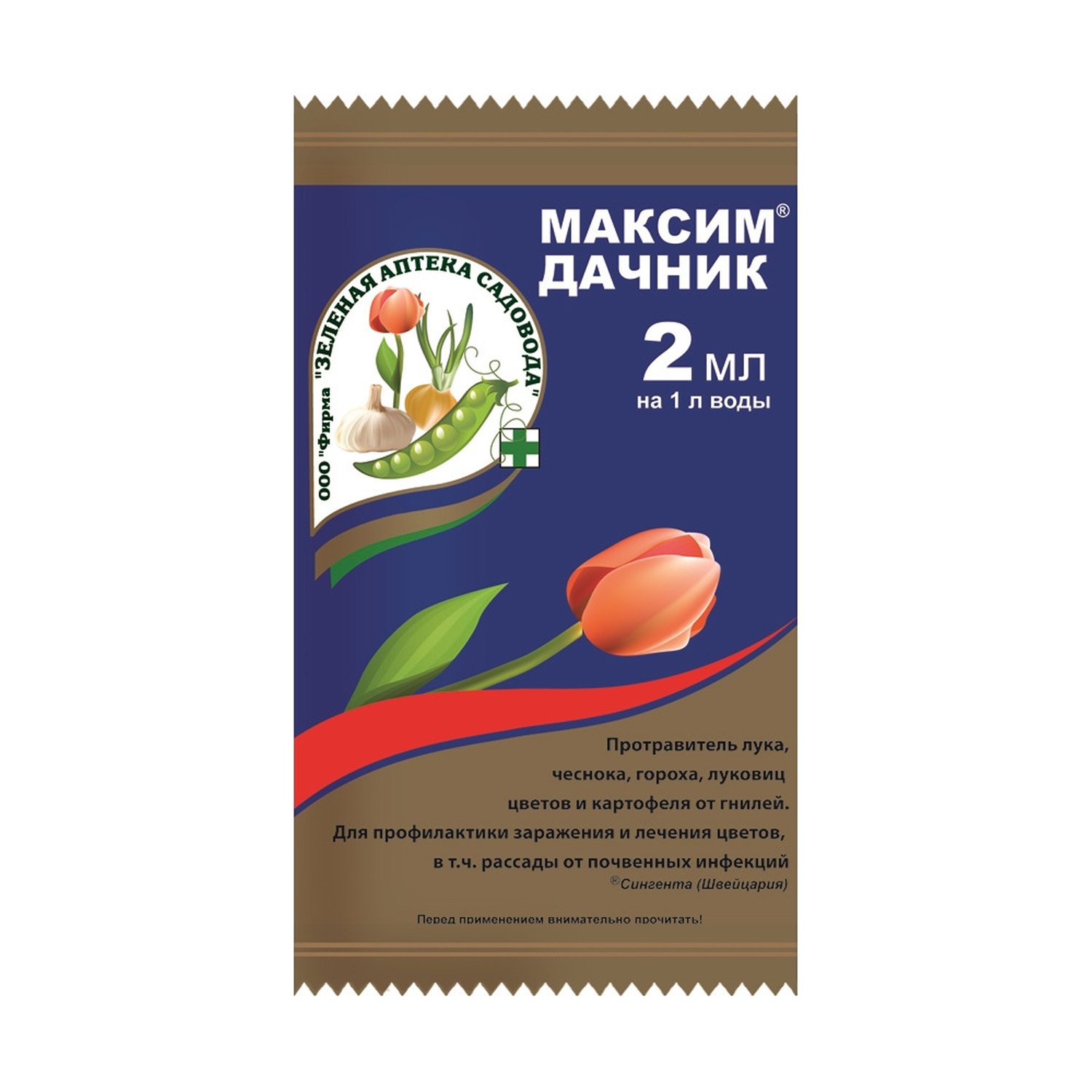
The tops become covered with ulcers that begin to rot. Raised, often rough spots appear on the tubers. | The main way to prevent scab is pre-treatment of tubers and adherence to growing practices. Detecting scab is difficult, often only occurring after harvest. Therefore, the main control methods are prevention-focused: treating the soil with Quadris, tubers before storage with Maxim, and treating potatoes with Fitosporin, Prestige KS, and Agat-25 before planting. |
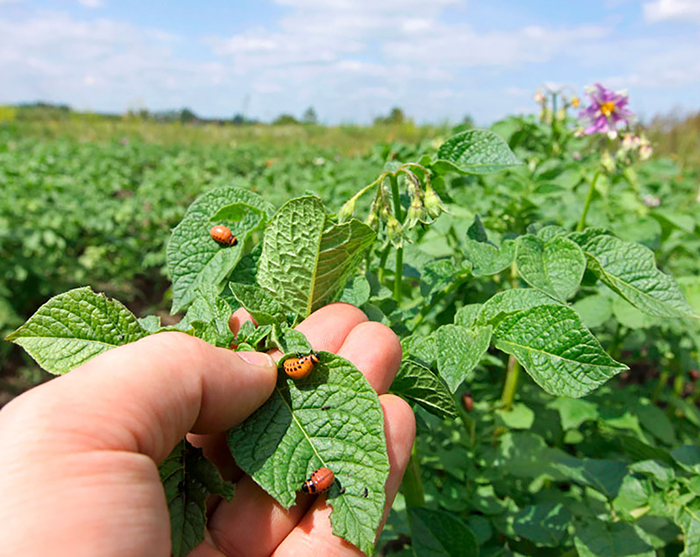
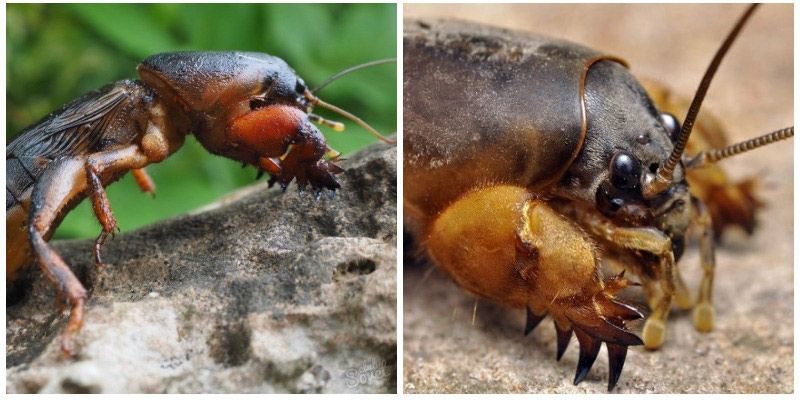
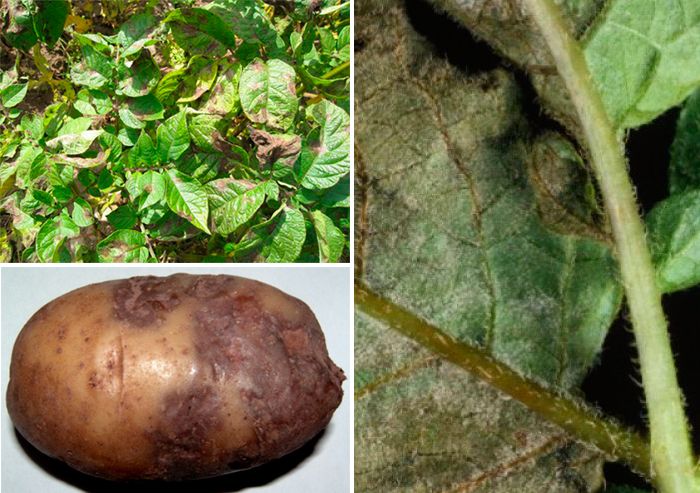
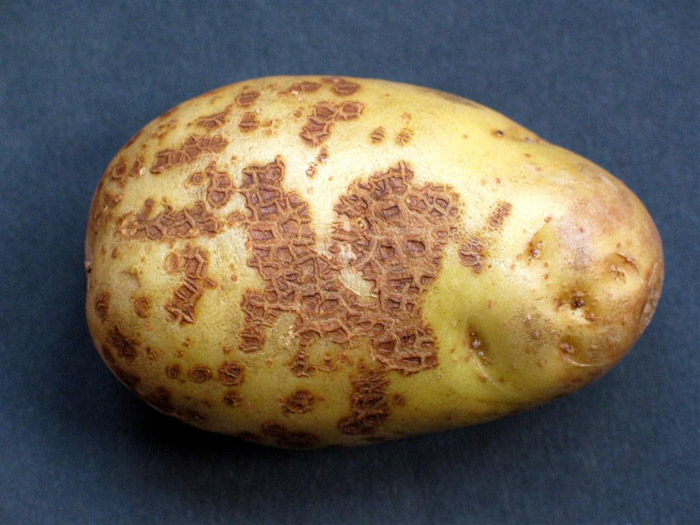
Photo gallery of pest and disease control products for the Krepysha potato variety:


The nuances of harvesting and storing the Red Scarlett potato variety
Red Scarlett is an early-ripening variety. Under favorable weather conditions and with proper care, the potato ripens in just 55 days after planting. However, the official maturity date specified by the cultivar is 70-80 days.
Some gardeners prefer to mow the potato tops a few weeks before harvesting. Indeed, this method helps the tubers develop a thicker skin, which not only improves the potato's shelf life but also reduces the risk of mechanical damage during harvesting.
The harvested crop is sorted and stored under cover to dry. Leaving potatoes in the sun unless they are intended for future planting is strictly prohibited, as it will cause them to synthesize the toxic substance solanine.
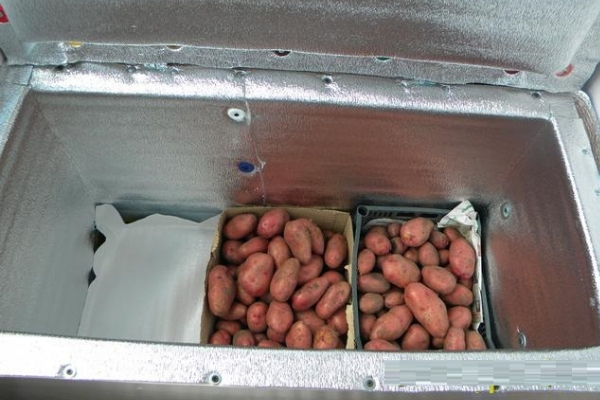
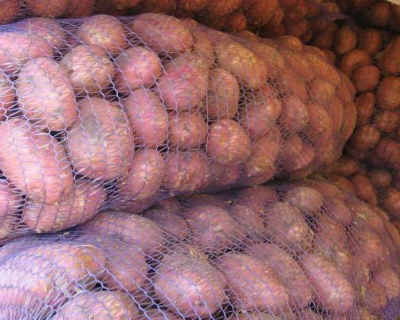
Next, the tubers are placed in bags or boxes and stored in a well-ventilated area at a temperature of +2…+4°C. Under the right conditions, Red Scarlett can be stored for 5-6 months.
Read the article about How to properly store potatoes.
Comparison of the Red Scarlett potato variety with other varieties in the table
| Variety | Ripening period (number of days to maturity) | Starch (%) | Yield (c/ha) | Weight of tubers (g)
Number of tubers per bush |
Shelf life (%) |
| Red Scarlett | Early ripening* | 10.1-15.6 | 164-192, 270 | 56-102
up to 15 |
98 |
| Treasures | Mid-season*** | 12-18 | up to 650 | 95-250
12-18 |
94 |
| Banker | Mid-early** | 15-16 | 200-350 | 70-160
10-15 |
90 |
| Luck | Early ripening* | 11-15 | 420-430 | 100-150
10-15 |
88-97 |
| Uladar | Early ripening* | 11.5-17.8 | 127-353 | 91-140
6-11 |
94 |
| Unique | Mid-early** | 13 | 320 | 400-500
10-14 |
96 |
| Sarpo of the world | Late-ripening**** | 14-17 | 350-360 | 75-140
6-11 |
94 |
| Favorite | Mid-season*** | 12.6-16.4 | 420 | 101-136
6-12 |
93 |
| Adretta | Mid-early** | 13-18 | 450 | 100-150
10-25 |
95 |
| Miner | Mid-early** | 14-19 | 600 | 90-140
12-18 |
97 |
*Early ripening – 50-65 days.
**Mid-early – 65-80 days.
***Mid-season – 80-95 days.
****Late ripening – 110 days or more.
Real reviews from gardeners about the Red Scarlet potato variety
Consumers note that Red Scarlett has a pleasant flavor and produces a good yield when grown correctly. However, many have encountered the fact that Red Scarlett potatoes do not store well and are often susceptible to rot.
User Elenn, Russia, Tomsk, September 8, 2015
I'll admit it right away: I'm a potato fanatic. I could eat them every day. No pasta or risotto can compare to boiled potatoes for me, if I have some salted fish, milk mushrooms in sour cream, or sauerkraut to go with them.
However, in the "potato question," two things are important to me: the second is that it exists, and the first is that it tastes good. You could, of course, say, "He eats nothing but potatoes, and yet he's still pretending to be a gourmet." But it is what it is.
In my opinion, potatoes should be: a/starchy and crumbly; b/with yellow flesh; large and smooth, so that peeling is not a hassle.
We have a small vegetable garden, and potatoes occupy a place of honor. For the first few years, we planted random, small potatoes from the neighbors. Then we bought a bucket of a varietal (or at least that's what the seller told us) at the market—the "Nevsky" variety. We weren't thrilled, but it was definitely better than the previous one. So we started searching for information on zoned varieties (we live in Western Siberia) and, at the same time, where we could buy them. That's how we became friends with the "Tuleevsky" variety. For several years, it faithfully produced a decent harvest of quite tasty potatoes, but then, as they say, "degenerated."
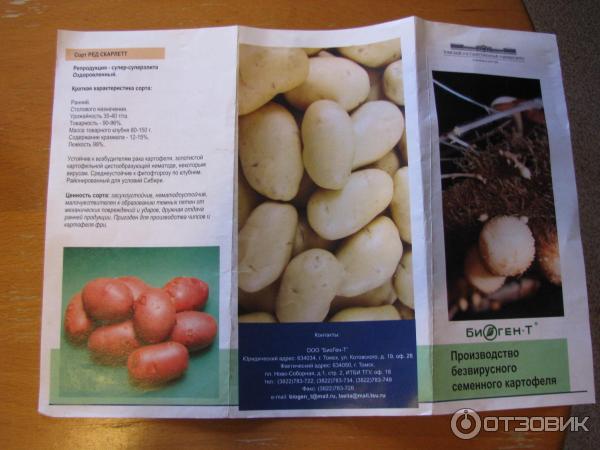
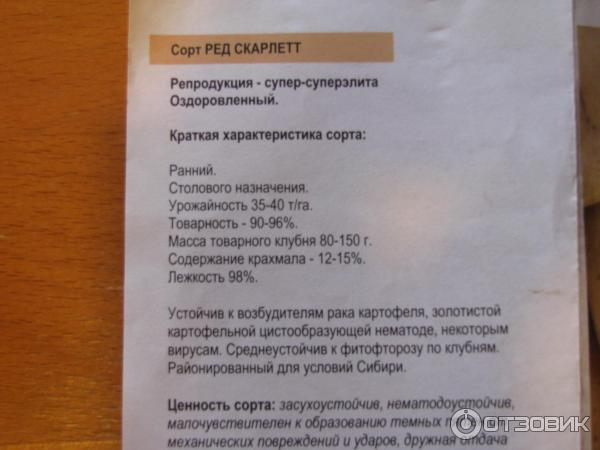
Last year, at the fall fair, I bought one kilogram of Red Scarlett tubers—I liked the description. "Starchiness: up to 11-15%, tuber weight 100-150 g, super-super-elite*" (I'll explain what "super-super-elite" means below). Manufacturer: Biogen-T (a company affiliated with the biological institute of Tomsk State University, the oldest university beyond the Urals).
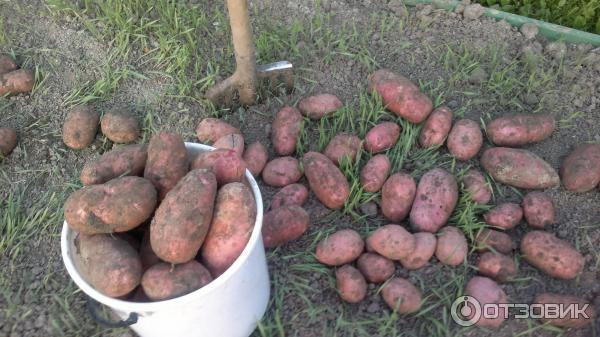
We planted at the usual time and cared for them no better than usual. In the end, from a kilogram of seed (10 tubers – 10 plants), we dug up four 12-liter buckets of premium potatoes (not a single small or crooked one).
Large, smooth, dark pink... You could eat them raw. But we held back.) We selected some for seeds, put some in boxes, and I immediately boiled a few tubers to try them out.
"Scarlett" didn't disappoint, it turned out to be an appetizing yellow, moderately crumbly and very tasty, we ate it and didn't even remember about the butter.Overall, if you love potatoes as much as I do, I highly recommend the Red Scarlett variety!
How to obtain seed material
1 year - mini-tubers, varietal material free from diseases, are grown from seeds.
Year 2 - mini-tubers are planted in the ground and the super-super-elite ones are dug up.
Year 3 - one "super" leaves - the seed material is considered super elite.
Year 4 - the second "super" leaves - now it's just the elite.
Year 5 – the first reproduction of the elite, diseases may appear, it’s time to update the planting material.
User Yulita, Russia, Leninsk-Kuznetsky, August 29, 2015
We've been growing the Red Scarlet potato variety for three years now. Previously, we only grew the Tuleyevsky variety. However, the yields kept getting smaller each year. Ultimately, we decided to abandon this variety. We purchased Red Scarlet seeds from a specialty gardening store. For our first attempt, we limited ourselves to ten kilograms of seed. And since it's an early variety, we weren't in a rush to plant. The potatoes were finally planted around mid-June.
After two weeks, seedlings began to emerge. And within a month, the plot was graced with robust, medium-height potato plants. Now, the most important part! The yield of this variety exceeded all our expectations. From ten kilograms of planting material, we managed to harvest 38 buckets of high-quality potatoes. The tubers are uniform, flawless. The taste is excellent. I highly recommend trying them. You won't regret it!
User Fisher VP, Russia, Stavropol, July 30, 2015
I've never done any gardening myself. I never really had the time, as I worked for a long time, then the market garden. Prices, damn them, forced me to. I didn't really expect much of a harvest. I dug up just a 4x4 patch of soil. The "soil" consisted of construction waste, including broken bricks, rebar, broken glass, concrete chunks, and loam mixed with something vaguely resembling black soil in color.
I sprinkled all this with a 3-liter jar of wood ash and a week later went to the local market. I bought 3 kg of Red Scarlet potatoes from a Korean woman for 70 rubles. At home, after scouring various websites, I washed everything and immersed it in a container with a potassium permanganate solution for 40 minutes. As a result, the "seeds" sat for about three times longer and turned brown. So, I cured the seeds by burning them. They sat for another week until the rain stopped, and I planted the potatoes. I chose a planting depth of one and a half matchboxes (7.5 cm). Taking into account the literature I'd studied, which echoes Russian-Dutch technology, I added a tablespoon of ash to each hole, then 0.5 liters of potassium permanganate solution, and placed the potato on top. I ended up planting four potatoes per square meter. In the end, I placed my 50 potatoes in 13 square meters.
I covered the beds with last year's grass to a height of about 5 cm... After about 25 days, the tops began to sprout. Eventually, I added 0.5 liters (two mugs) of pink potassium permanganate solution under each bush every week until flowering. I once spent 48 rubles, because Colorado potato beetles began showing an interest in my plantings. After about three weeks, I went to the "garden." The beetles were freely walking on the tops and the surrounding soil. In the second half of July, I went to the garden.
I wanted to check what had already grown. The tops were already black and dried out. And they bloomed only after a two-week interval. There was no consistent flowering at all. After every rain and when the soil dried out, I immediately hilled them up, building up the soil around the planting. As a result, I ended up with pyramid-shaped plants because the planting wasn't dense.
I dug up 2 kg from the first four bushes. It worked out like this: I placed 4 potatoes, each weighing 50 grams, in 4 holes—I weighed them before planting (50 x 4 = 200 grams).
The yield from four bushes was 2 kg (0.5 kg per bush). This resulted in a yield increase of 1.8 kg per square meter, and a yield increase of 450 grams per bush.
I dug up all 50 of my potato plants and harvested 21.4 kg of potatoes—ripe, pink, clean, and free of any internal diseases. And what a taste! Let me explain again: I planted 3 kg and dug up 21.4 kg.
Now, calculate how many potatoes you can harvest from one hundred square meters (10 m x 10 m)
Now I've decided to plant potatoes using another interesting technology. I think I can harvest at least 800 grams from each bush with a seed consumption of 50/60 grams per bush.
And one more thing: dear "gardeners and vegetable growers," don't fool people into thinking that only sprouted potatoes can be planted. THAT'S A MYTH!!! Think back or go to the field once when they plant potatoes with planting machines. Can you imagine what happens to the sprouts when they plant hundreds of hectares at once? It's complete nonsense—potatoes with sprouts.
I took this factor into account when planting, and my seed material did not have sprouts. Total expenses: 70 rubles for seeds, 48 rubles for a remedy against garden evil spirits, 150 liters of water from April to the end of June (at a price of 5.70 rubles per 1 cubic meter = 0.90 kopecks), 3 grams of manganese powder. Today, the price of such potatoes is 30 rubles. 70 + 48 + 0.90 = 118.90 rubles. The cost of dug up potatoes: 21.4 x 30 = 642 rubles. Net income was: 642 - 118.90 = 523 rubles 10 kopecks.
PS: In a week, I'll plant 30 bushes for autumn; there will be three varieties. I live in the North Caucasus; here, even in November, we run around in shirtsleeves. No one else is planting them. I need to conduct an experiment. The growing season should be enough.
User anygma, Ukraine, Luhansk, October 16, 2020
I'd like to write a review of this potato variety from a consumer perspective. My review won't cover growing instructions, but I will describe its taste and nutritional qualities.
Every fall, we stock up on potatoes for the winter. Our cellar is weak and damp, so not every variety can withstand this test. In this regard, this variety is unmatched: it keeps very well, is resistant to rot, and maintains its marketable appearance until February, and perhaps even longer. It presents a presentable appearance at the point of sale, attracting attention; it's a fairly large variety with a minimal number of eyes.
That's where the positives end, I think. The flavor of Red Scarlett leaves much to be desired. I'd recommend it only to those who like soups that are overly mushy and thick; it's not good for anything else. I use the potatoes for soups, often frying or mashing them, or baking them in the oven. Unfortunately, these potatoes haven't enhanced any dish. The potatoes are very mushy and incredibly dry. That is, they're not suitable for frying; they turn into mush even after soaking them first. The puree is dry and unpleasant, although lumpy. Too much oil doesn't help. I like my soups clear and light, and Red Scarlett doesn't contribute to that at all, turning any liquid into a cloudy paste. The flavor is neutral, completely lacking in definition; you could say there's no gastronomic pleasure in the dishes.
They peel quite well, which is also important to me, since I have a large family and need to process half a bucket of potatoes in a short time and without a huge amount of effort. But there are varieties that are much easier to peel, that's a fact.
The potatoes are yellow inside, which is also an acquired taste, in my opinion.
I don't know how this variety performs in agricultural technology, but as a product, it's absolutely disgusting. I don't recommend it to anyone; I avoid it now.