Dutch potato varieties have long been beloved and trusted by Russian gardeners. Latona is an early-ripening variety with excellent characteristics.
Content
- 1 History of creation and description of the variety + table
- 2 For which regions is the Latona variety suitable?
- 3 Advantages and disadvantages of the Latona potato variety
- 4 Features of planting the Latona variety
- 5 Features of caring for the Latona potato variety
- 6 Protection of the Latona variety from diseases and pests, prevention (table)
- 7 Harvesting and storing the Latona potato variety
- 8 Top.tomathouse.com warns: difficulties in growing the Latona potato variety
- 9 Comparison of the Latona potato variety with other varieties in the table
- 10 Real reviews from gardeners about the Latona potato variety
History of creation and description of the variety + table
This variety was developed thanks to the efforts of breeders from HZPC-Holland. Despite its foreign origins, it grows well in central Russia, Moldova, Ukraine, and Belarus.
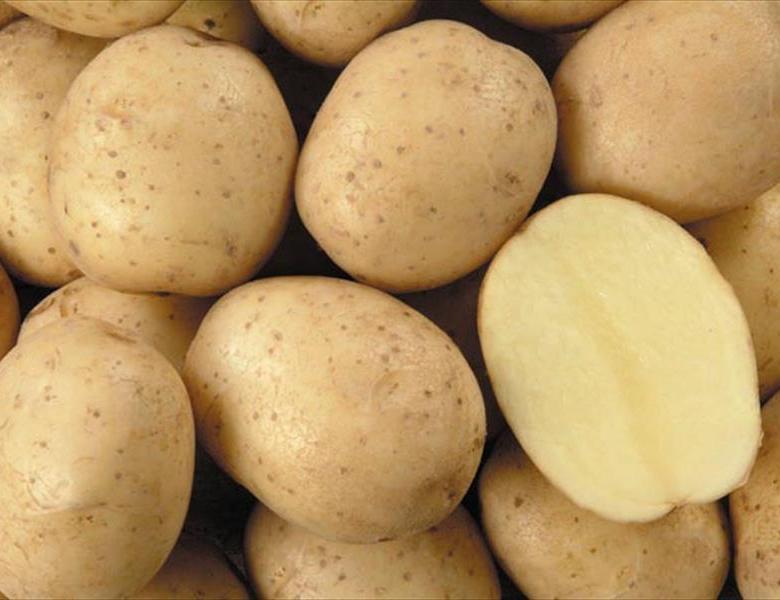
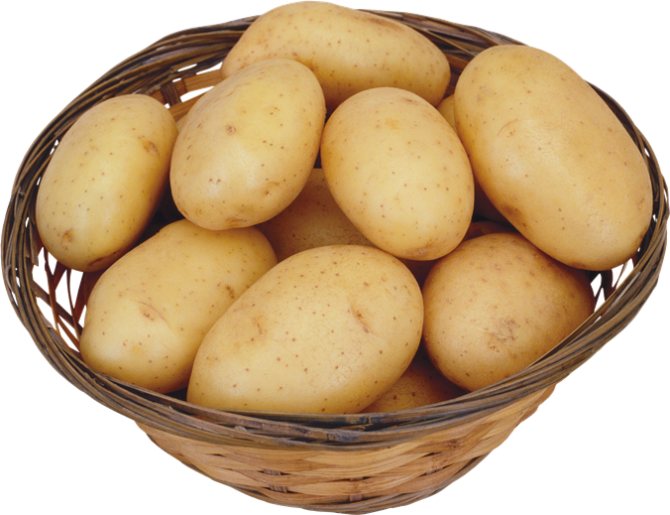
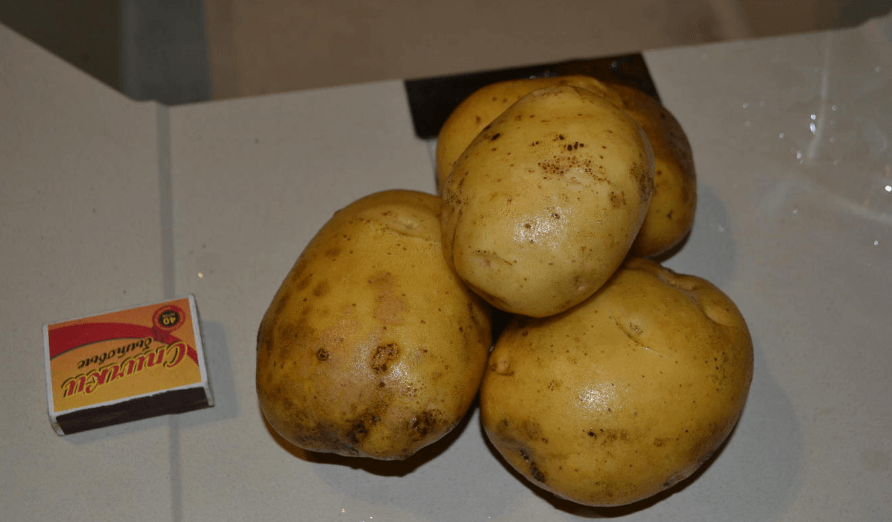
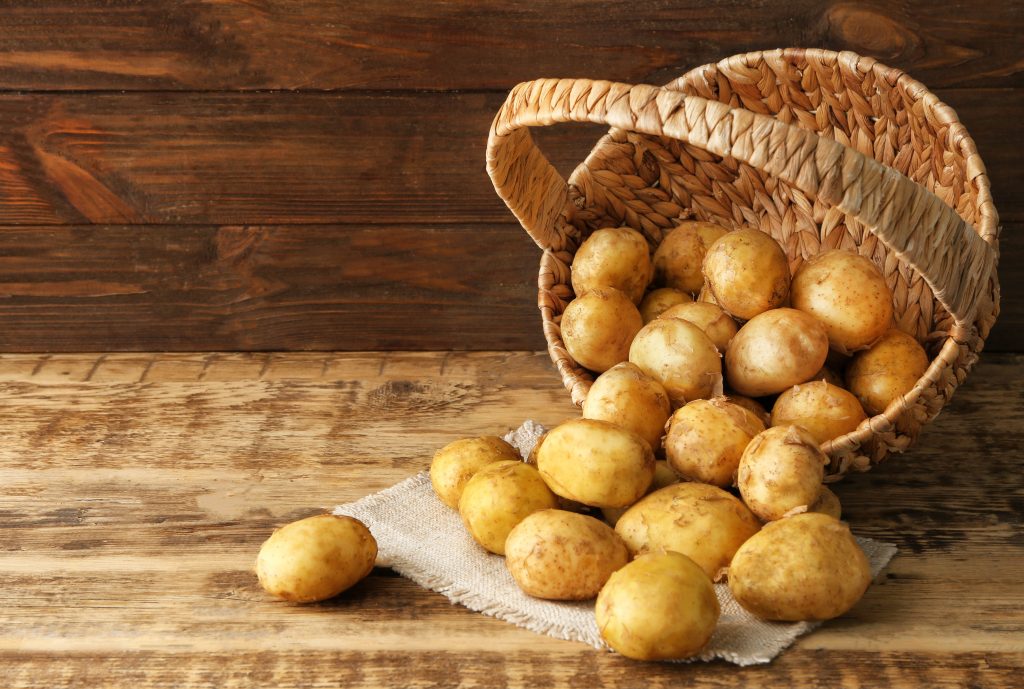
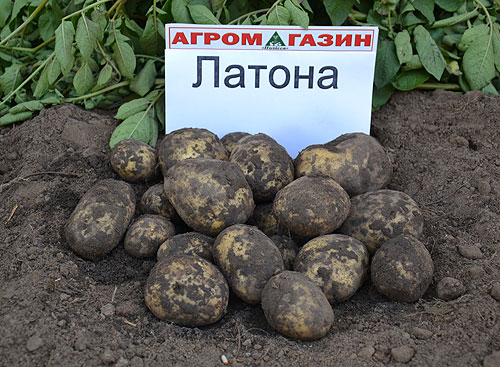
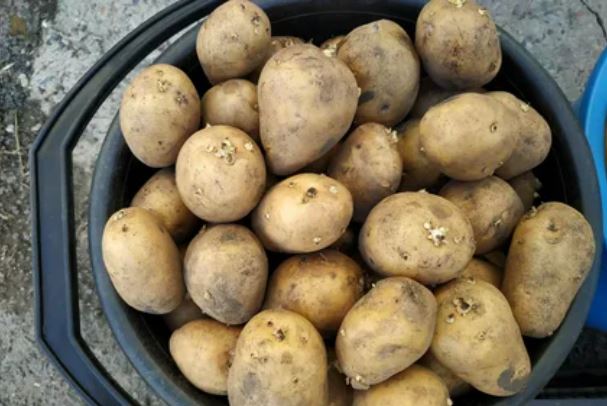
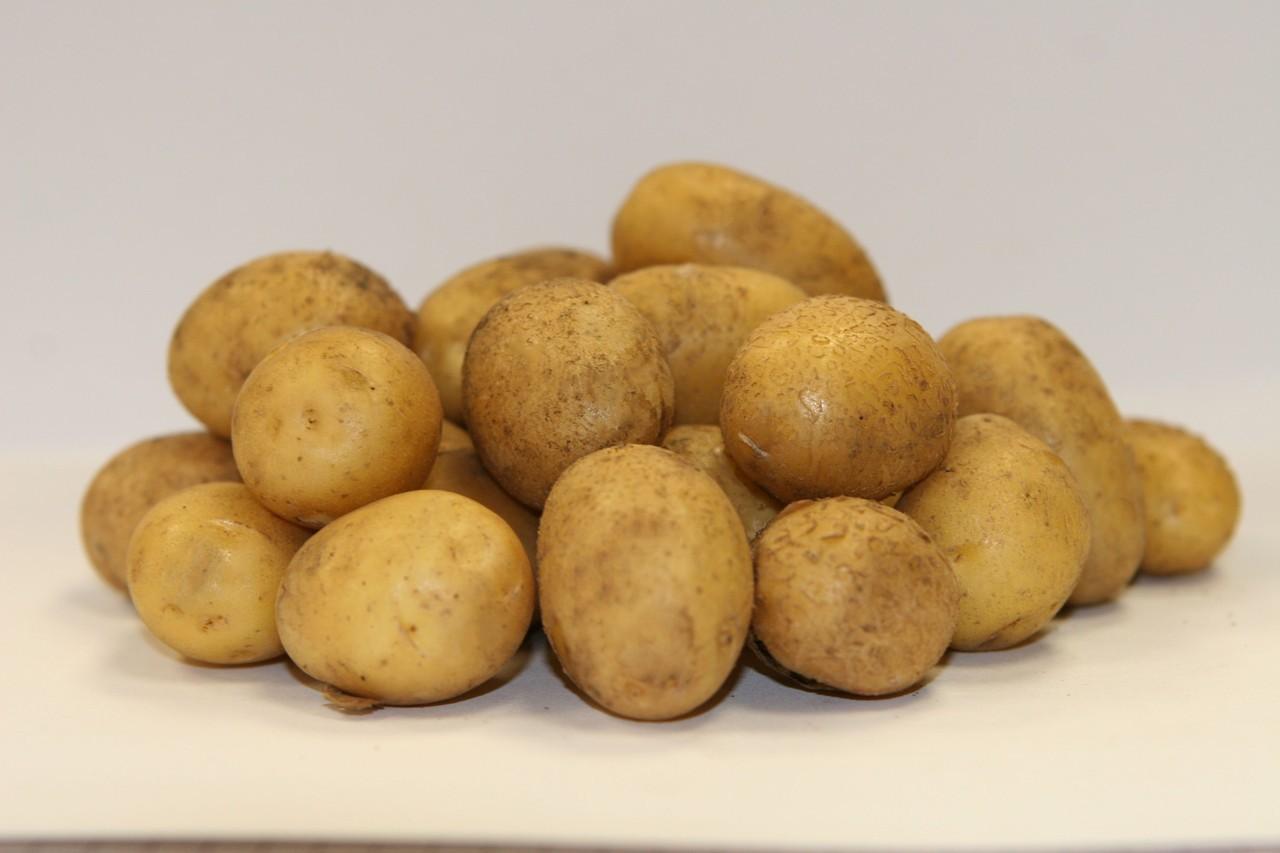
| Parameters | Characteristic |
| Purpose of the Latona variety | A table variety that produces more than 95% of the harvest suitable for consumption. |
| Ripening time | This is an early-ripening variety. It takes about 75 days from planting to full ripening of the fruit. Digging is done after 45 days. |
| Starch concentration | From 16 to 20% |
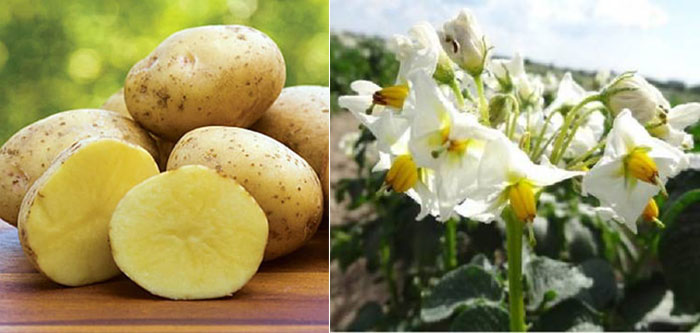
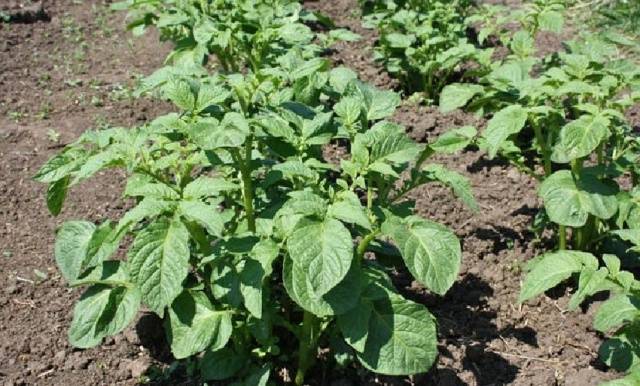
| Appearance of plantings | The bush grows tall and lush, with straight stems. Numerous leaves appear, creating shade around the roots and helping to retain moisture in the soil. |
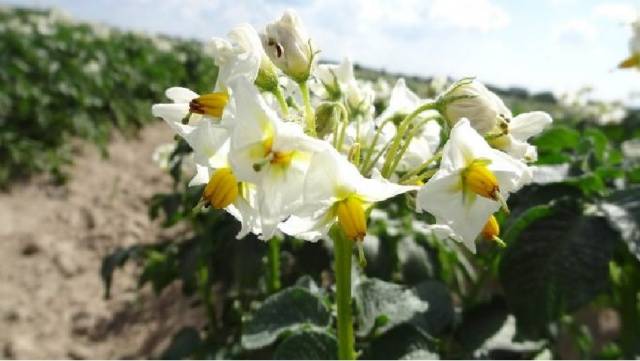
| Bloom | Flowering is sparse, and sometimes inflorescences do not form at all, which does not indicate poor planting quality and does not reduce the yield. |
| Leaves | Large, dark green. Lush foliage allows for minimal watering. |
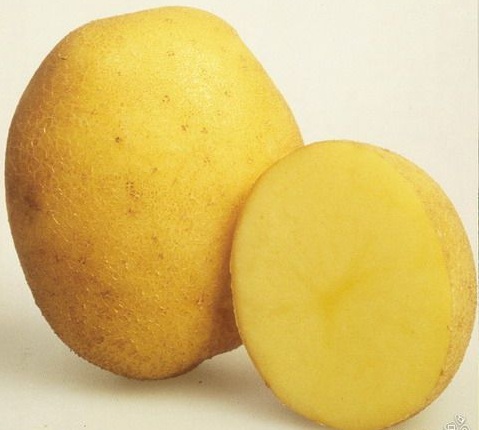
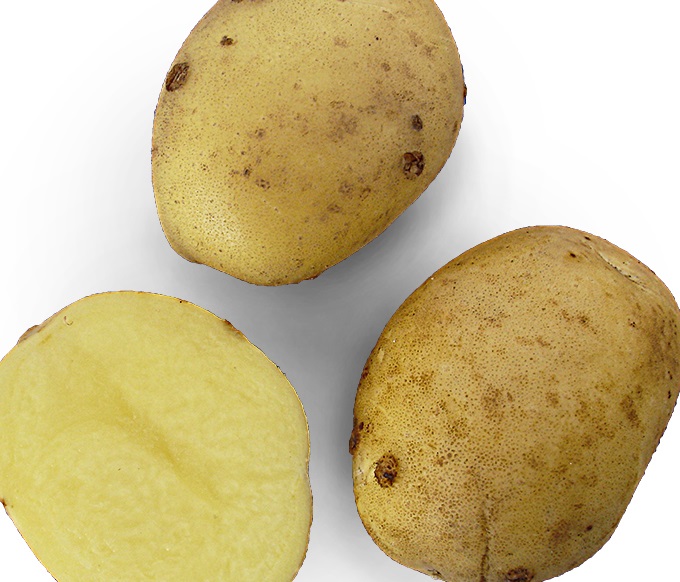
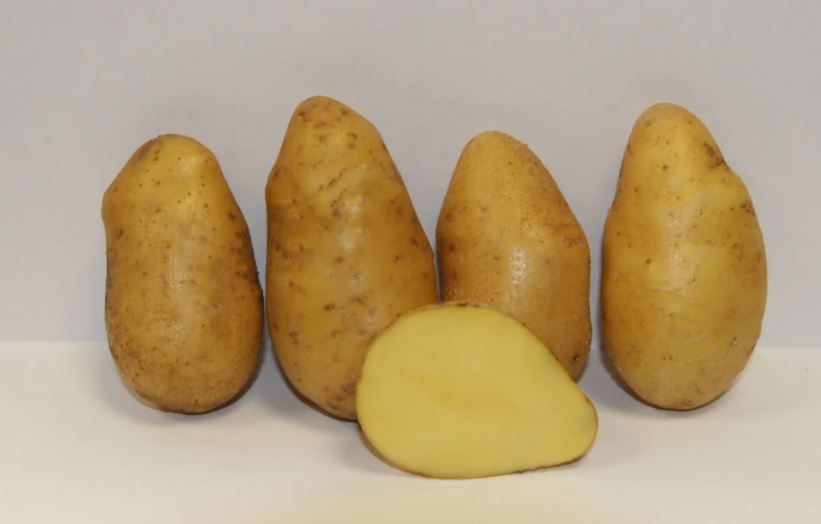
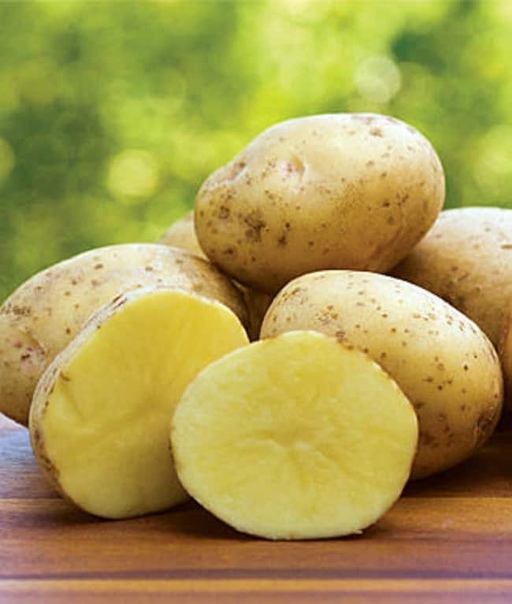
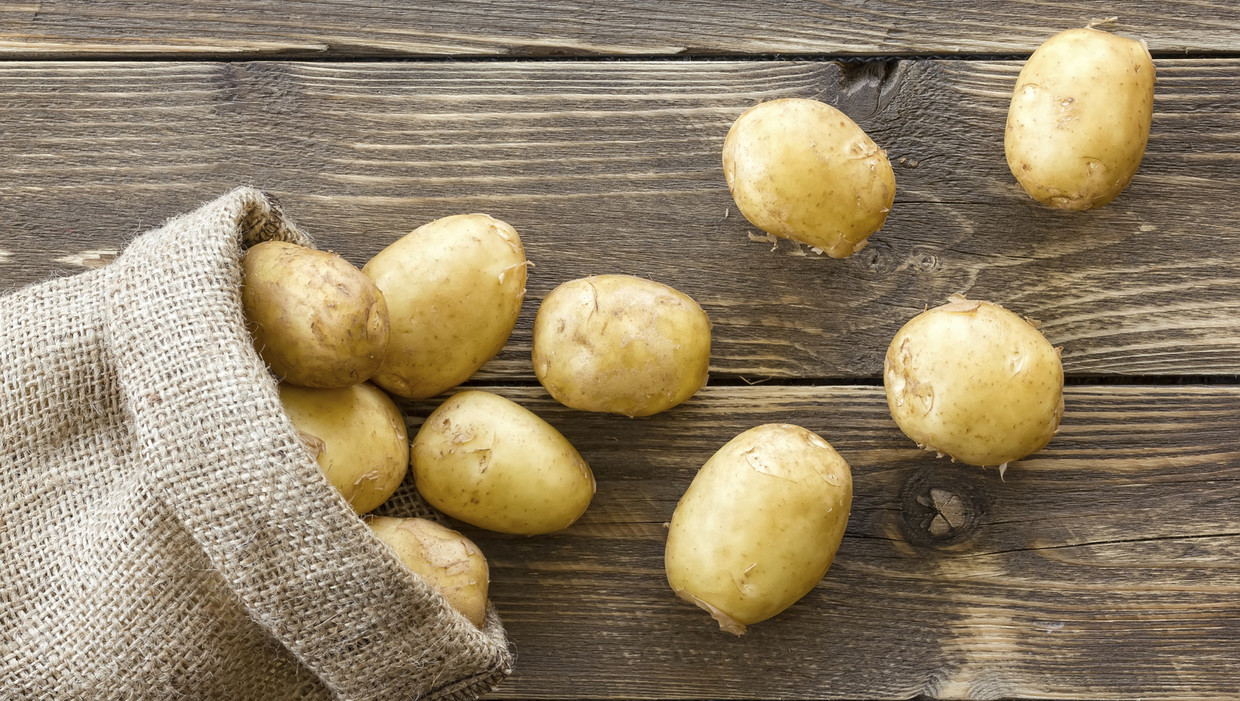
| Tubers | The fruits are uniform in shape, with a smooth, yellowish surface and a round-oval shape. The skin is very thin when harvested early, but it becomes rougher with time in the ground. Each bush produces up to 15 tubers, weighing between 90 and 140 g. |
| Productivity | One bush produces up to 2.5 kg of tubers. |
| Weather conditions requirements | It tolerates changing weather conditions well due to its high adaptability. It produces a good harvest both in high humidity and in drought. |
| Soil for growing | Potatoes have no preferences regarding soil quality or composition. They are suitable for growing in open areas. |
| Resistance to pests and diseases | High resistance to nematodes, does not get cancer, late blight and dry rot. |
| Usage | The variety has a high shelf life and can be stored well until spring if the tubers are dried to prevent condensation from forming on them. |
| Features of taste | Maintains its original shape when boiled and cooked in other ways, and the taste is rated 4.9 out of 5. |
| Resistance to mechanical stress |
The harvest survival rate is 97%. It withstands the impacts experienced during transportation well. |
For which regions is the Latona variety suitable?
In Russia, the Latona variety is ideal for growing in the Central, Central Black Earth, and Northwestern regions. It is also used by gardeners in Ukraine, Moldova, and Belarus.
Advantages and disadvantages of the Latona potato variety
Based on the experience of a large number of vegetable growers, we have prepared a table listing the main advantages and disadvantages of the Latona variety.
| Advantages | Flaws |
| Not susceptible to mechanical damage, suitable for mechanical planting and harvesting. | Low resistance to scab. |
| Early ripening. | The skin becomes rough if the recommended harvest time is exceeded. |
| High shelf life. | |
| Tolerates transportation well. | |
| The tops die off gradually, which ensures uniform ripening of the tubers. | |
| Does not react to weather changes. |
Features of planting the Latona variety
The exact planting time depends on the weather conditions in the region. It is recommended to begin in the spring, when the soil has warmed to a depth of 15 cm. There will still be enough moisture for normal tuber development.
If rainfall is rare in your region, you'll need to provide artificial irrigation. There are several basic methods for planting tubers, each suitable for a different soil type and weather conditions. The only requirement is maintaining the correct spacing between rows to ensure the plants receive sufficient light and moisture.
Landing site requirements
This variety prefers light soil rich in beneficial micronutrients. Therefore, when preparing the beds in the fall, it's necessary to add nitrogen and potassium fertilizers. Organic matter, such as manure, can also be used as fertilizer. In the spring, all that's left to do is loosen the top layer of soil.
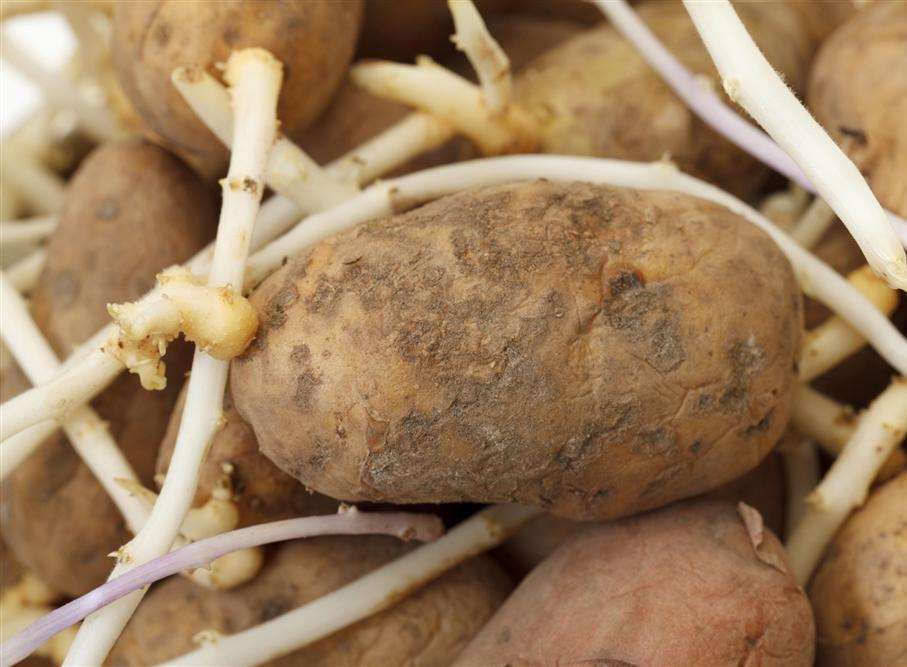
Important! Potatoes that have sprouted during storage are absolutely not suitable for planting if they develop long, white shoots (etiolated) that turn black and die once exposed to the outdoors.
Potatoes thrive in the sun, so it's best to choose well-lit locations for planting them. This is the only way to get the highest-quality harvest. Experience shows that in the shade, the number of tubers that develop can be reduced by almost half.
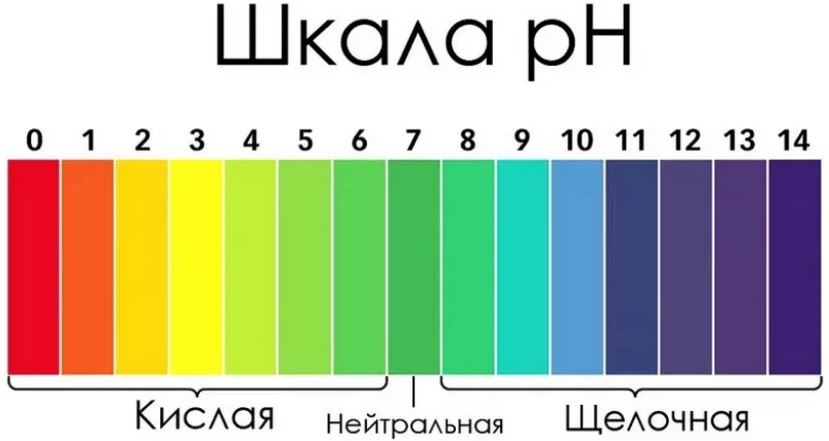
The recommended soil acidity level is 5.8-6.5 pH.
Crop rotation rules
Potatoes are not recommended for planting with other crops, as this can increase the risk of various viruses, bacteria, and pests. However, the presence of legumes nearby has a positive effect on their development. It's advisable not to plant potatoes in the same area every year. Ideally, the interval between plantings should be approximately three years.
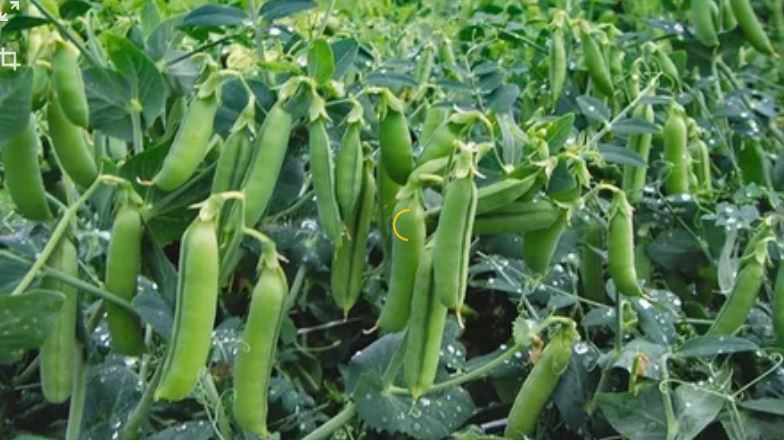
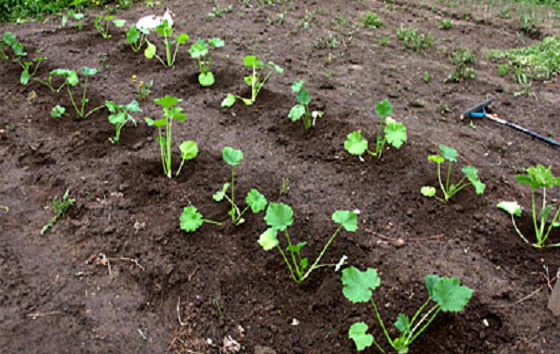
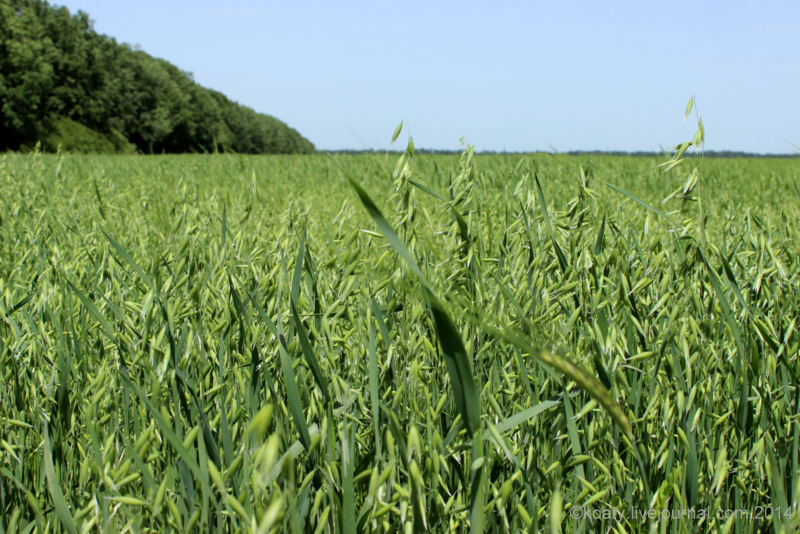
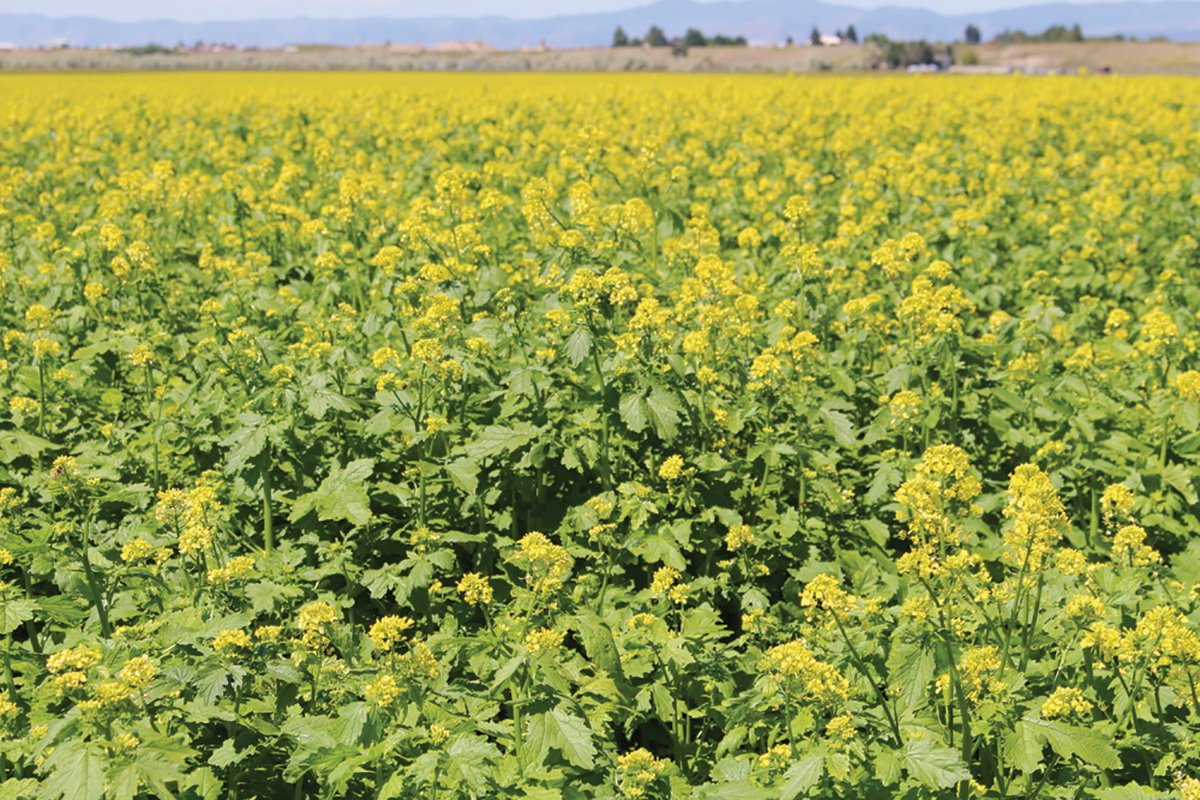
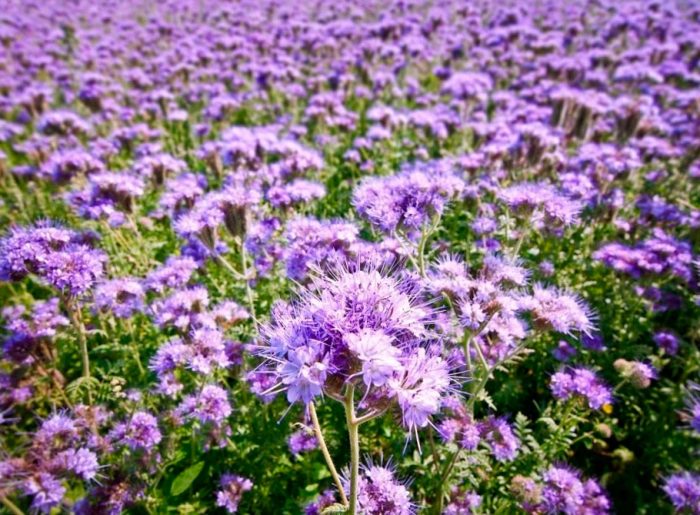
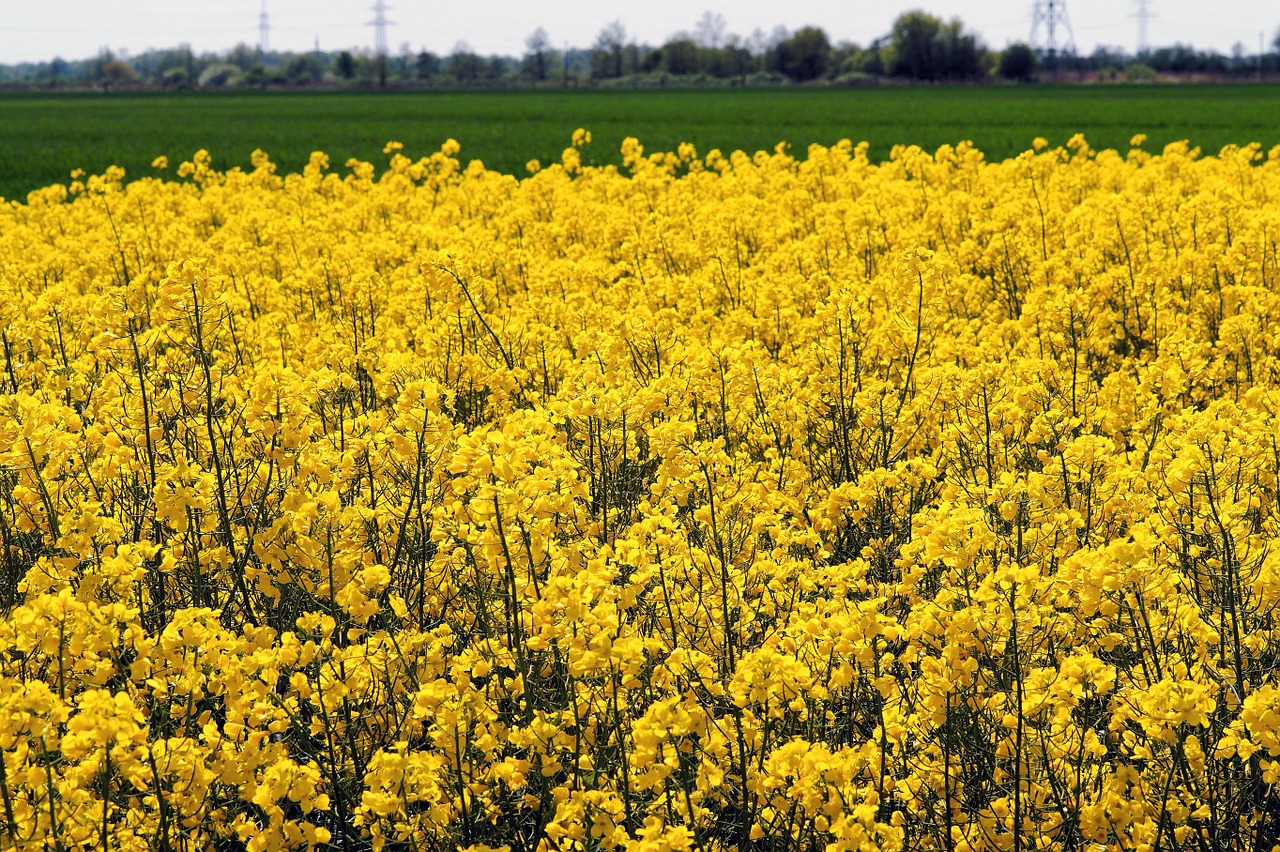
Good predecessors include green manure (oats, mustard, phacelia and rapeseed), as well as legumes and pumpkin crops.
It is not recommended to plant potatoes after any nightshade vegetables, which include tomatoes, eggplants, peppers, and others.
After potatoes, the bed can be used to grow cucumbers, zucchini, pumpkin, cabbage, onions, squash, peas, soybeans and beans.
Preparation of planting material
Planting material can be prepared 15-20 days before planting. To do this, transfer the tubers from storage to a warm, well-lit area. The temperature should not fall below 15°C. It is recommended to store the potatoes in wooden crates, with no more than two layers in each. This will ensure uniform heating, which will cause the buds on the surface to activate simultaneously. If the tubers appear limp, this indicates insufficient moisture during storage. They will need to be periodically misted.
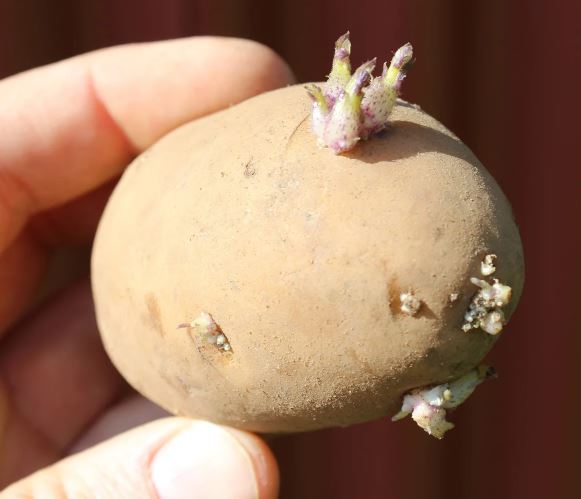
As soon as the first shoots, up to 3 cm long, appear, the tubers can be planted in the ground. Germination can take 2 to 4 weeks, depending on the room temperature: the higher the temperature, the faster the process will be.
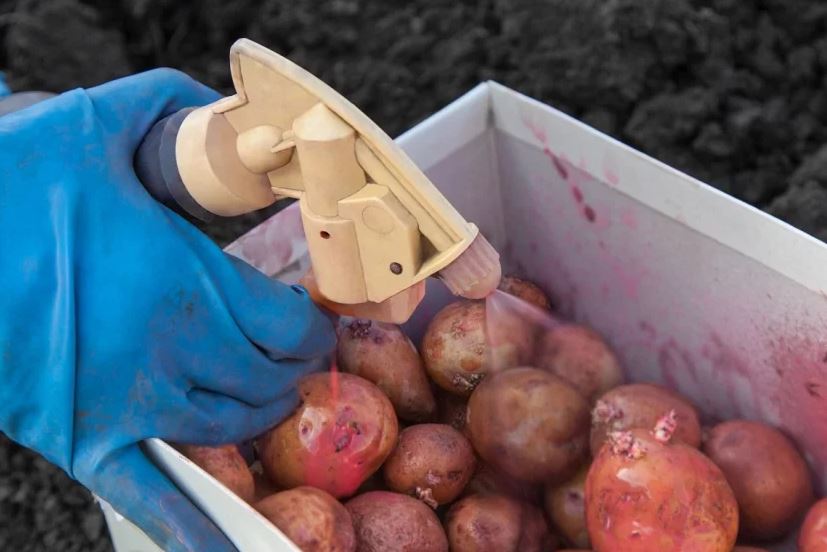
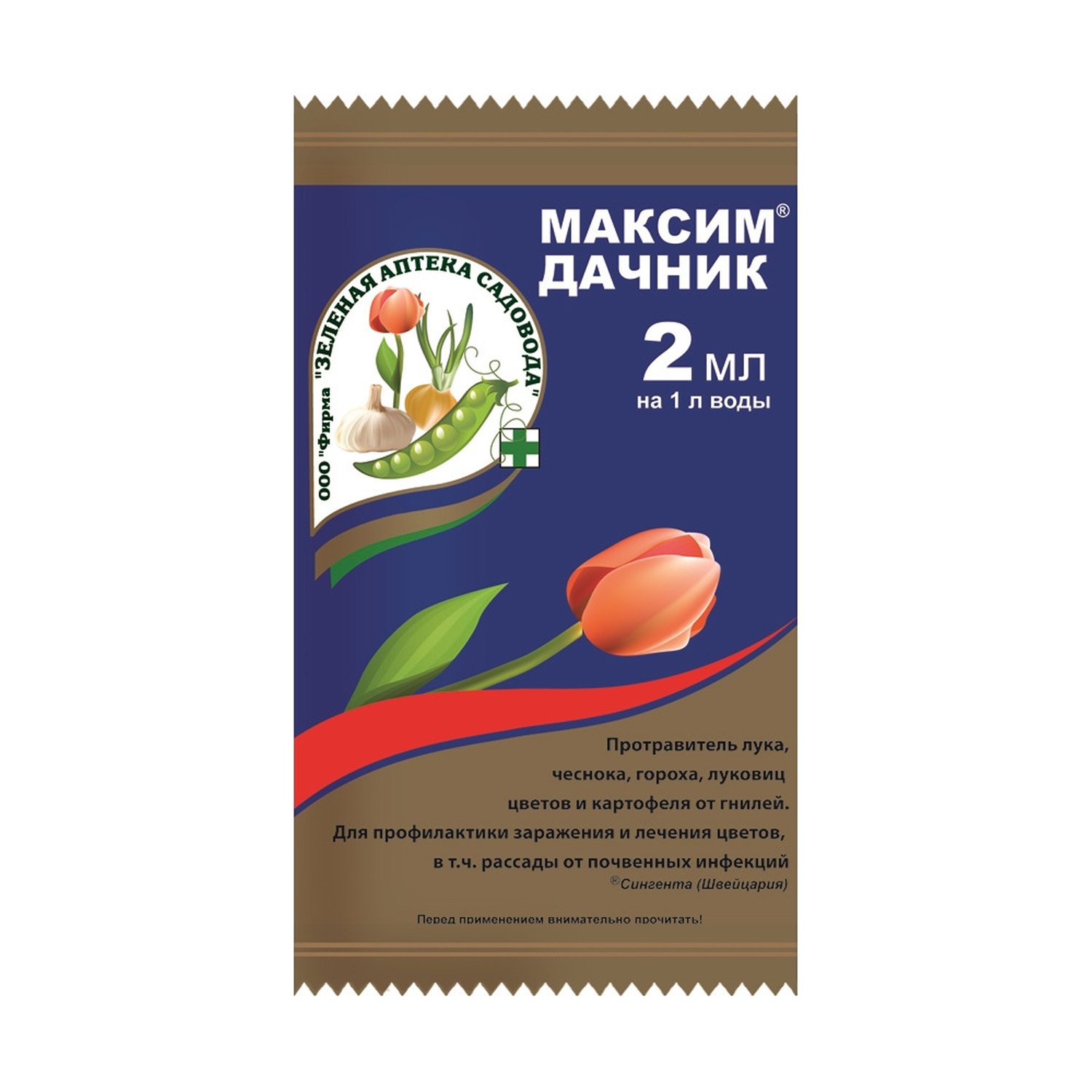
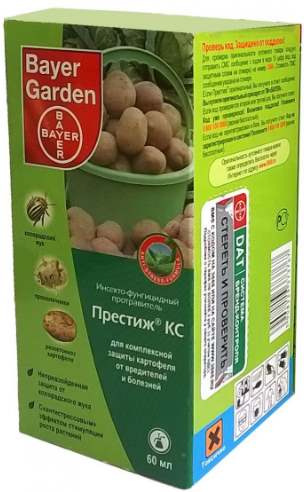
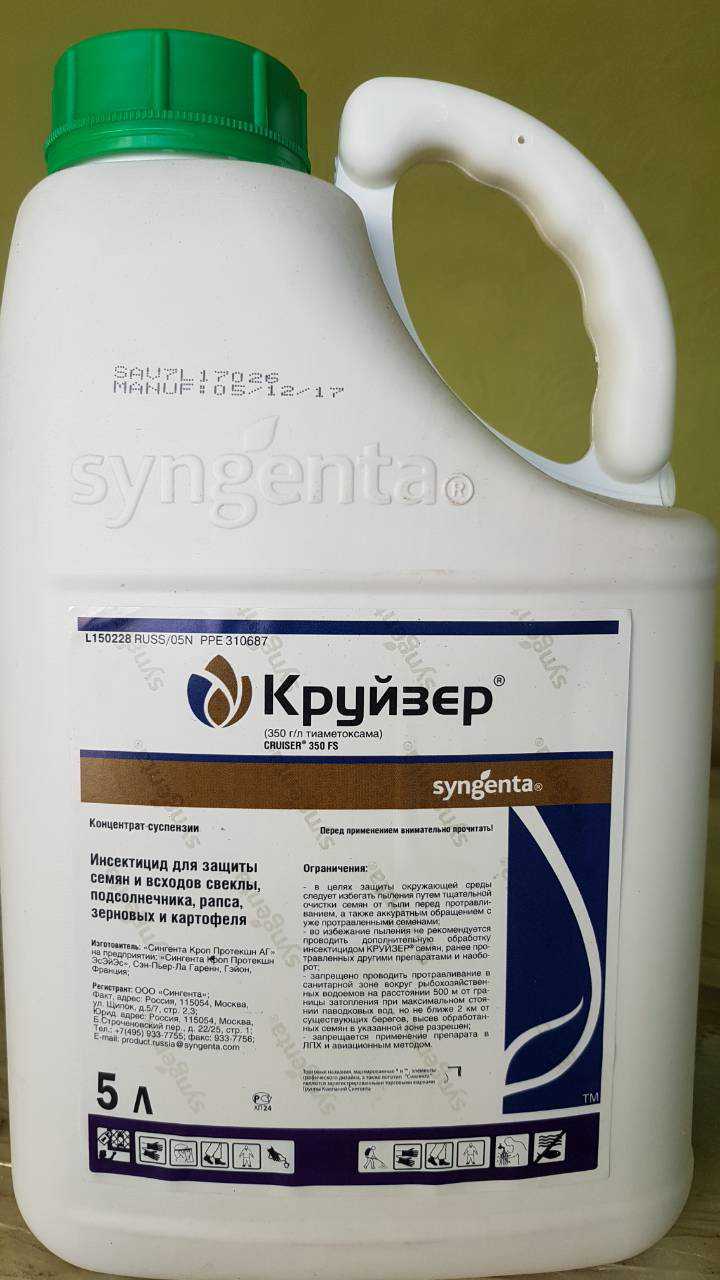
Some gardeners additionally treat tubers with growth stimulants or insecticides. Among the most popular treatments are the following:
- PoteytinIt is a growth stimulant that stimulates sprout formation on tubers. The manufacturer produces the product as a solution in ampoules. Just two ampoules are enough to treat 120 kg of planting material. It can be used in conjunction with other protective agents.
- PrestigeThis is a seed dressing. It is used to protect tubers and tops from insect pests (mole crickets, Colorado potato beetles, aphids, and wireworms). It remains effective for up to 2 months after treatment.
- MaximHelps prevent the development of fungal diseases, including silver scab, phoma, fusarium, rhizoctonia, and late blight. Combines well with stimulants. Approximately 70 ml of the product is required for 100 kg of tubers.
- CruiserA relatively new product that provides double protection for potatoes. It not only prevents root rot but also helps reduce the risk of Colorado potato beetle infestations. 70 ml of the product is enough to treat 100 kg of tubers.

Rules for processing:
- It's best to use two pairs of hands for this process, so invite someone to help beforehand. It's difficult to do alone.
- The selected healthy tubers are laid out in a single row on a pre-spread piece of polyethylene film, after which they are sprayed with the selected preparations.
- You can stop working when the entire surface of the potatoes is evenly moistened.
- Next, two people hold the film by opposite corners and gently shake it to mix the tubers and moisten the dry sides. This must be done with extreme care to avoid damaging the delicate sprouts.
Planting dates
For potatoes, planting time is a crucial factor in achieving a bountiful harvest. It is determined individually for each region. For example, in southern regions, planting begins on March 20 (Krasnodar Krai, Crimea), in northern regions – from late May, and in central Russia – from April 25 to May 1. Weather conditions should be taken into account, as they can vary from year to year, even within the same latitude.
Methods and instructions for proper planting of the Latona variety
For best adaptation and germination, potatoes should be planted 8-10 cm from the bed surface. Ideally, they should be planted in moist soil that has warmed to between 5 and 15°C. For the Latona variety, it's important to maintain a minimum distance of 60 cm between rows and at least 25 cm between tubers.
Important! If the tubers are very large, weighing more than 150 g, cut them in half before planting. The optimal size is considered to be 60-100 g, which is sufficient to provide the future plant with the necessary amount of nutrients.
Trench method
This method is suitable for areas with sandy or light black soil. Avoid trenching on slopes or in low-lying areas where water stagnates. The tubers will easily rot in such conditions.
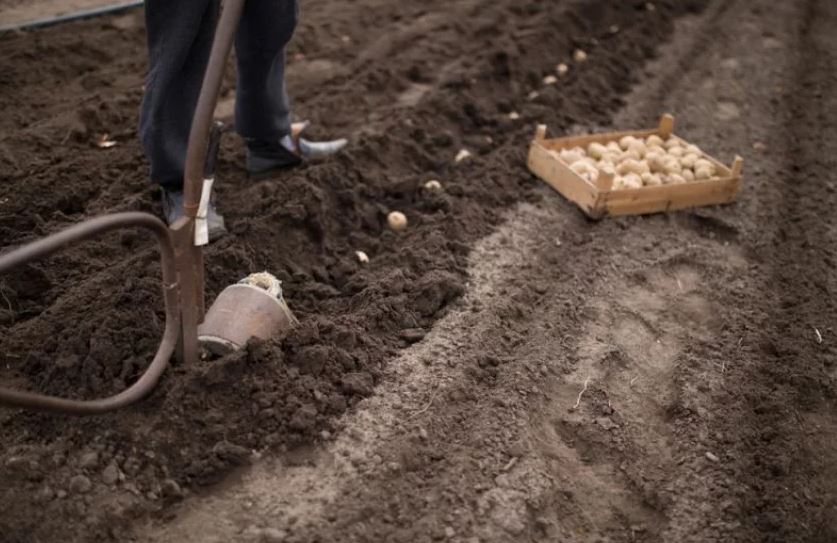
Trenches are dug to a depth of 20-25 cm after the field has been plowed and leveled. Potatoes are laid out at the recommended intervals and then covered with soil.
Comb method
It's used in problem areas where groundwater is too close to the surface, causing waterlogging and heavy, clayey soil. A dense crust forms on the beds, preventing air and moisture from penetrating deep into the soil.
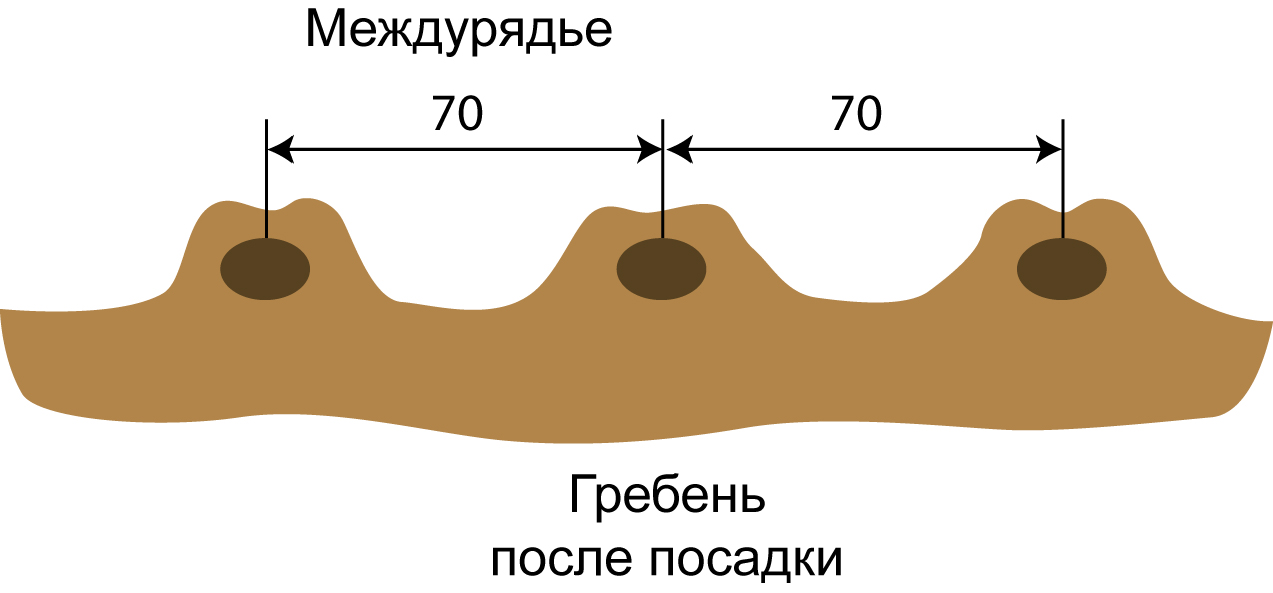
Therefore, gardeners form ridges—longitudinal mounds of earth whose length can vary depending on the size of the field. The height of such a mound should be at least 20 cm, and the distance between them should be 60 cm.
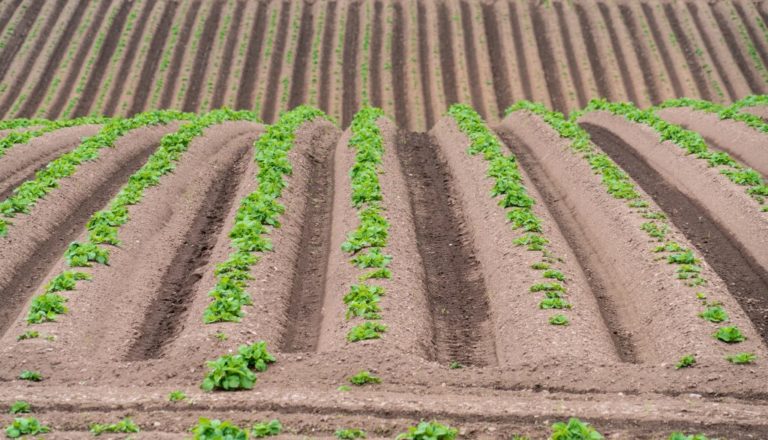
This method doesn't require hoes or shovels; the tubers are simply planted as deeply as possible in the loose soil on the ridges. If you have a cultivator or a walk-behind tractor, they'll make the job much easier.
It should be remembered that earthen ridges lose moisture quite quickly, so it is not recommended to construct them in regions with high air temperatures and in areas with sandy soil.
The smooth way
This method refers to the classic way of planting potatoes, where the tubers are planted in holes dug in a row around the perimeter of the field. It's easiest to do this with two people—one digs, while the other places the tubers into the holes, sprout-side up. Moving to a parallel row, the adjacent holes in the other row are filled with soil from the newly dug hole.
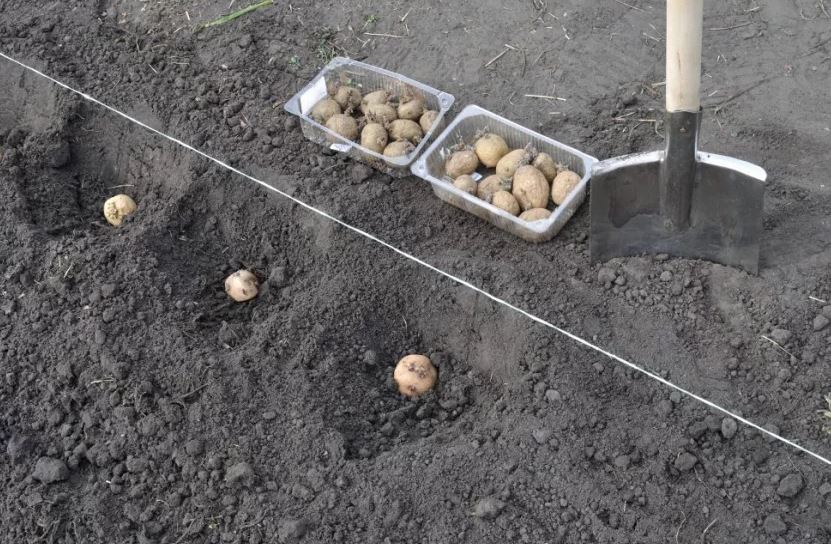
This method is recommended for use in a small, sunny area with loose soil.
Features of caring for the Latona potato variety
The Latona variety is easy to care for and doesn't require much maintenance. Simply remove weeds promptly, mound the bushes, apply the necessary fertilizer, ensure proper watering, and take care to prevent diseases and pests.
Important! To ensure uniform row formation, mark the rows using stakes and string, along which you dig holes. This arrangement will make cultivating and caring for these plantings much easier.
Watering
In temperate climates, when tubers are planted in moist soil in the spring and receive occasional rainfall in the summer, potatoes don't need additional watering. However, in southern regions, additional moisture will be needed. The first watering is during flowering, and the second two weeks later, when the fruits begin to form.
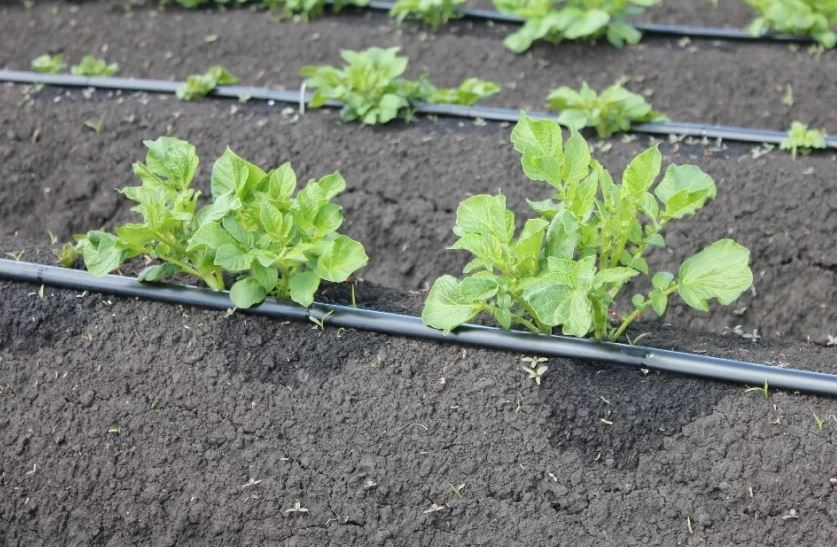
Watering options:
- Root irrigation is carried out using the ditch method, in which irrigation channels (ditches) are dug between the rows parallel to the potato rows.
- Drip irrigation. Its main advantage is the uniform flow of water to each plant. It can be used on both flat and sloping areas. You can build a drip irrigation system yourself or purchase a ready-made one from a specialist store.
- In regions with hot climates, sprinkler irrigation is often used. It's not suitable for regions with cool, damp summers, as droplets remaining on the leaves can cause rot and other diseases.
Loosening, hilling, mulching
Weeding potatoes is recommended three times per season. The final weeding is combined with hilling, after which the plants are left to grow freely and gradually close in between rows. After this, mechanical weeding should be avoided, as a sharp blade can damage the trunk or developing tubers.
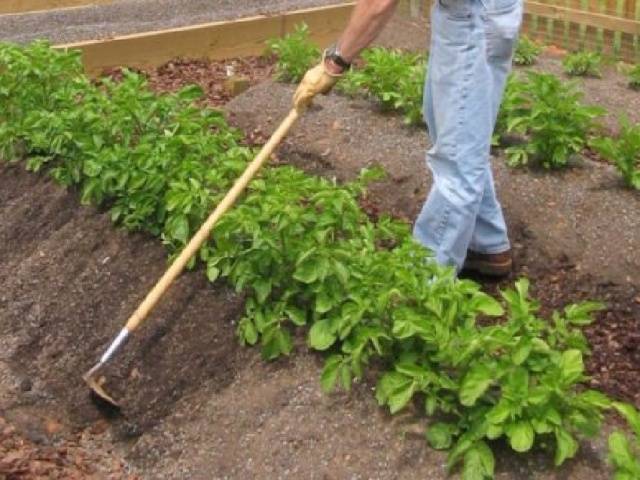
A Fokin flat cutter and a classic hoe are ideal tools. The optimal height of the mound that emerges after hilling is 30 cm. This helps protect the root crops from the sun's rays and also stimulates the development of additional stolons.
Top dressing
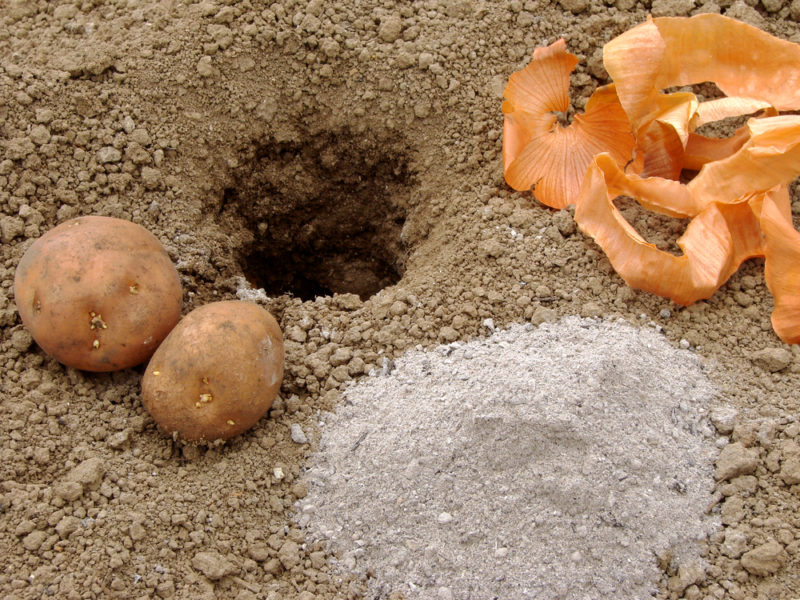
It is recommended to fertilize potatoes several times per season:
- When planting. Before placing the tubers in the hole, add half a cup of wood ash and 1 tablespoon of nitrophoska.
- When the tops reach a height of 15-20 cm, apply an organic fertilizer consisting of 1 liter of mullein infused for a week in 10 liters of water. Water each bush with 0.5 liters of the fertilizer.
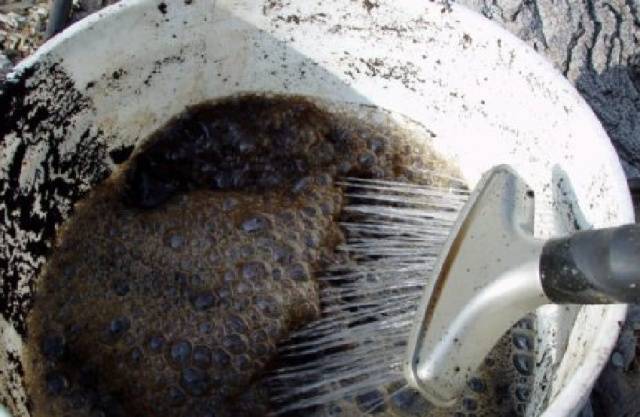
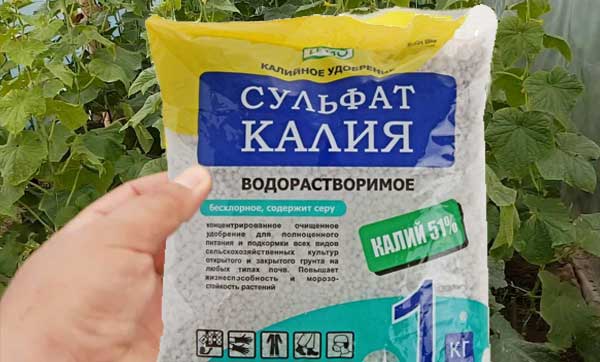
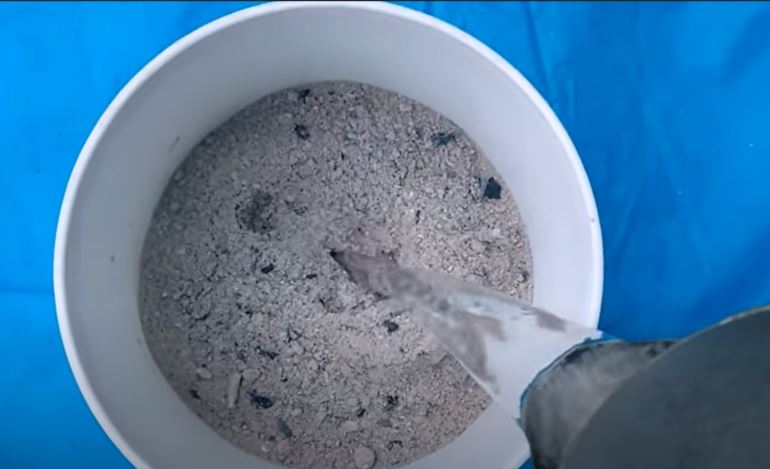
- During flowering, apply root fertilization with potassium sulfate (1 tablespoon + 10 liters of water) or an ash solution steeped for 5 days (3 tablespoons of ash + 1 liter of water). Apply 0.5 liters per bush.
Protection of the Latona variety from diseases and pests, prevention (table)
The Latona variety is highly disease-resistant, but to maximize its potential, preventative measures and growing guidelines are essential. Therefore, gardeners recommend pre-treating the tubers before planting.
| Disease or pest | Characteristic | Methods of prevention and destruction |
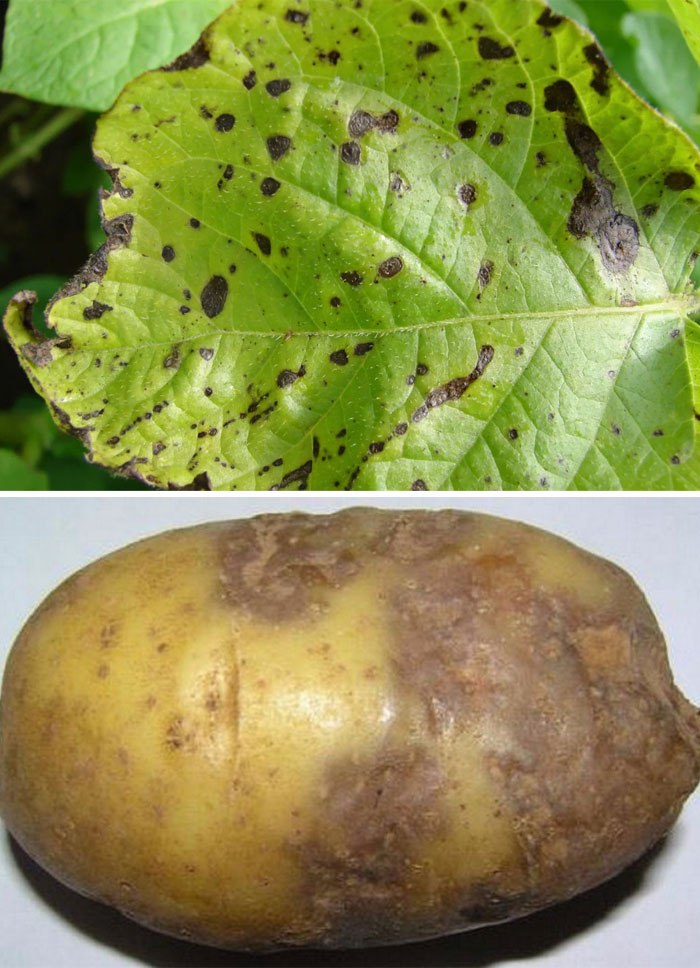
| Late blight (Phytophtora infestans)
|
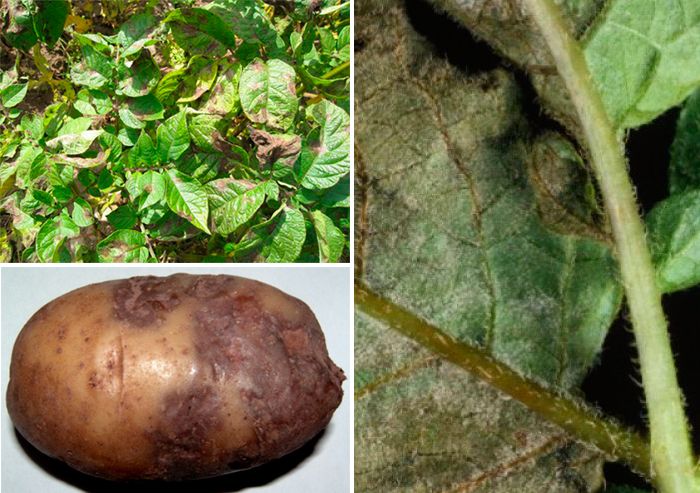
It's very common among members of the nightshade family. It thrives in cool, damp weather and, if left untreated, can destroy half the entire crop. The disease can be recognized by raised, "fluffy" spots of grayish-green or yellow color that appear on the underside of the leaf blade. Stems and shoots become covered with dark brown, elongated spots. Damage can also be detected on the tubers: brownish veins form in the flesh, extending in thin rays from the skin toward the center. |
The plant is treated with fungicides such as Metaxil or Hom. These prevent the development of the fungal cell wall. These agents are also used as a preventative measure on the leaves. Treatment is recommended to begin after the first leaf appears and can be continued throughout the growing season. Treatment begins at the first signs of disease, with the frequency of treatments varying from one to five times depending on the affected area. The interval between treatments is one to two weeks. Experienced gardeners also recommend using garlic infusion as a preventative measure. |
| Alternaria solani
|
A very common disease among potato crops. Brownish-gray spots with concentric zones begin to appear on the leaves. Their surface becomes covered with a velvety coating. If the disease is not stopped in time, it will quickly spread to the tubers, which will become covered with small brown spots. |
The contact fungicide Polyram DF has proven highly effective in combating Alternia wilt. It contains approximately 80% metiram. Other products containing the same active ingredient can also be used. |
| Common scab
|
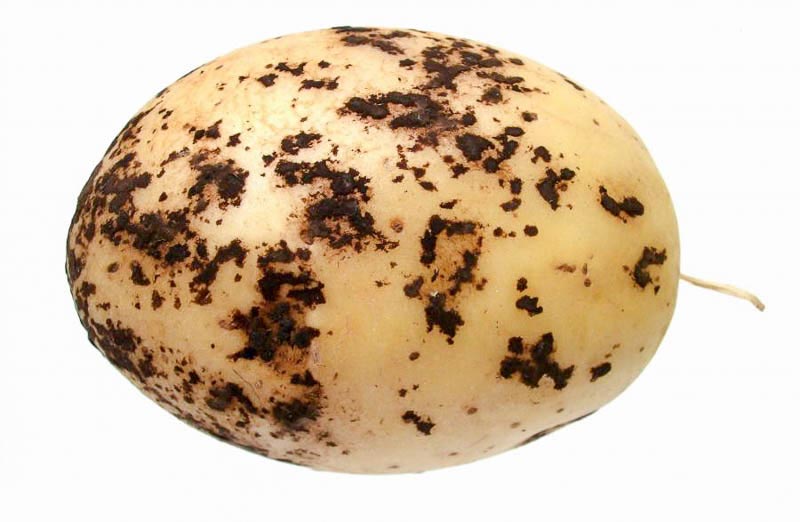
This fungus spreads very quickly and adversely affects not only the growth of the plant but also the taste of the tubers: they become bland and lose their shelf life. The difficulty lies in the fact that diagnosing the disease in its early stages is virtually impossible, as the fungus shows no signs of infection on the above-ground portions of the plant. |
As a preventative measure, treat the tubers with Polycarbacin after harvest. Repeat treatment two weeks after planting. In case of plant disease, Mancozeb is used, diluted in water according to the spray instructions. |
| Wireworm
|
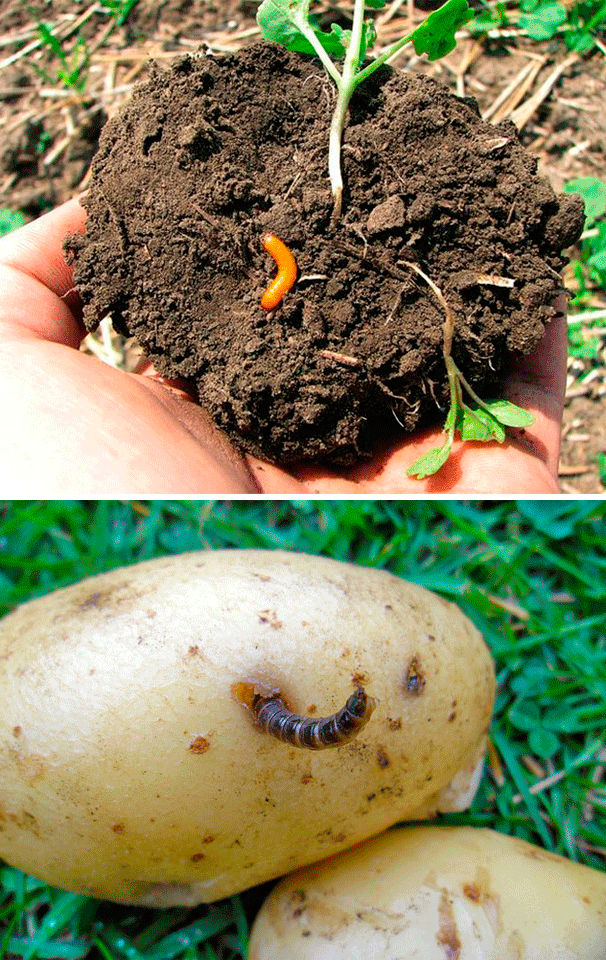
These small brown worms, no more than 3 cm long, are the larvae of the click beetle. The click beetle itself grows up to 5 cm and has a black, elongated body. |
Pests are repelled by strong odors, so nitrogen-containing fertilizers are used to control them. Add 30 g of ammonium sulfate, 20 g of ammonium nitrate, or 30 g of ammonium chloride per square meter of plantings. Among specialized products, Aktara is highly effective. Dissolve 1 g of the product in 10 liters of water to treat the planting material, or apply it dry when preparing the holes. Planting legumes, calendula, or mustard nearby can also help prevent pest infestations. |
Colorado beetle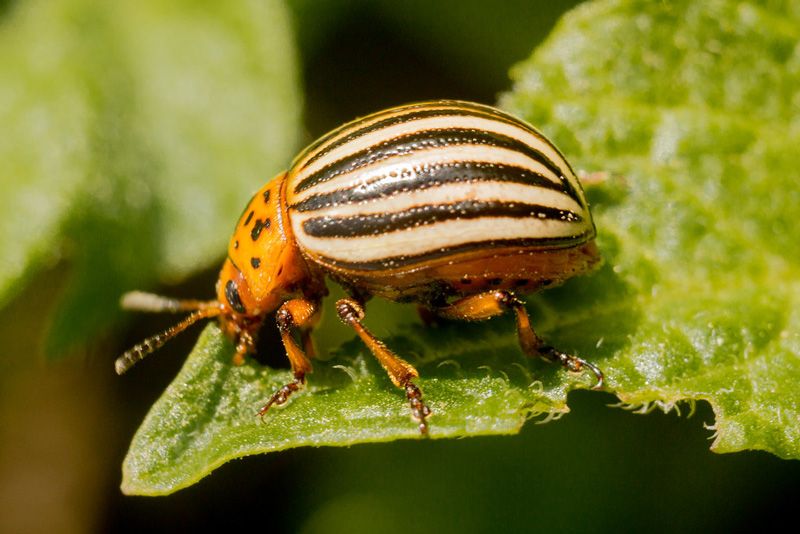 |
Activity begins in the spring; not only the above-ground parts of the potato, but also the tubers suffer from the beetle and its voracious larvae. | Traditional methods of control include baiting the beds with crushed potatoes. Spraying the bushes with urea diluted at 100 g per 10 liters of water is also effective. Some gardeners prefer dusting the plantings with ash and mulching the rows with onion peels. Among specialized pesticides, many prefer Confidor, which is diluted according to the instructions. |
Harvesting and storing the Latona potato variety
It's recommended not to dig up potatoes before the due date. However, for fresh consumption, the required harvest can be harvested as early as summer.
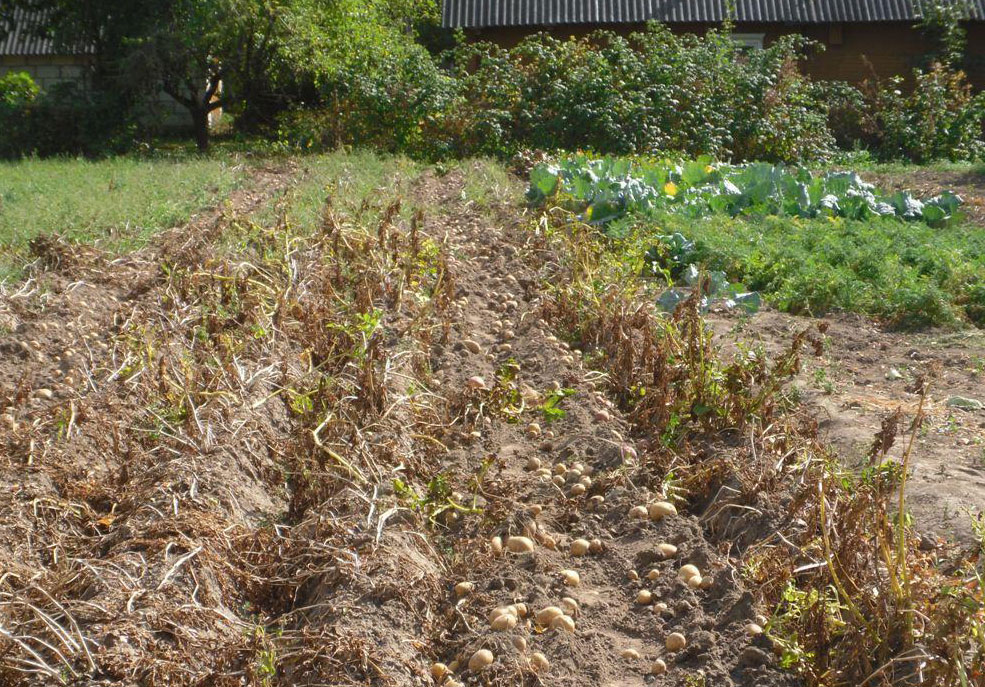
But the bulk of the harvest should still be dug up only when all the bushes have yellowed and dried out. This way, your harvest will reveal all its best varietal qualities and will be able to be stored for a long time.
How and when to collect
The Latona variety is an early-ripening variety, so you can begin harvesting the tubers earlier than with traditional potato varieties. This typically occurs in late June or early July, depending on weather conditions and the growing region. In northern latitudes, harvesting begins in the second half of September. The yellowing and wilting of the tops indicates the tubers are ready.
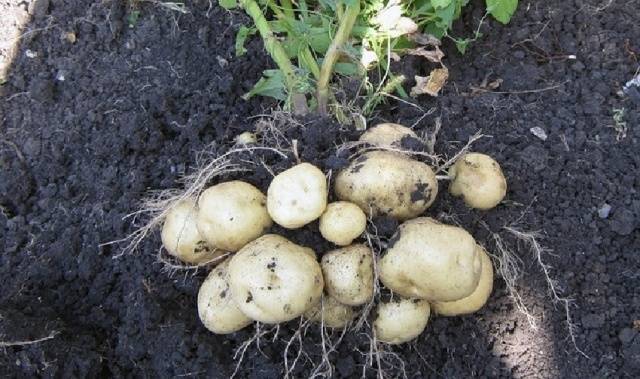
Potatoes must be dug up carefully to avoid damaging the tubers. It's best to work with two people: one person gently pulls out the tops, while the other digs them out of the ground. For convenience, the tubers are immediately placed in a bucket.
Read, when to dig potatoes on our website. Also, if you're tired of digging potatoes with a shovel, we recommend our article How to make a potato digger yourself.
Storage characteristics and shelf life of the Latona variety
Freshly dug potatoes should be sorted and dried in the sun for 2 hours. Drying longer than this should be avoided to prevent the formation of solanine. After this, the tubers are stored in a cool room with a temperature of 5°C and humidity no higher than 90%. Wooden boxes, bags, or nets can be used as suitable containers. The key to successful storage is ensuring ventilation between the tubers. To achieve this, the potato layer should be no more than 50 cm thick, otherwise the lower part of the crop will suffocate. Avoid placing boxes and bags directly on the ground; it's best to create a platform, slightly offset from the wall.
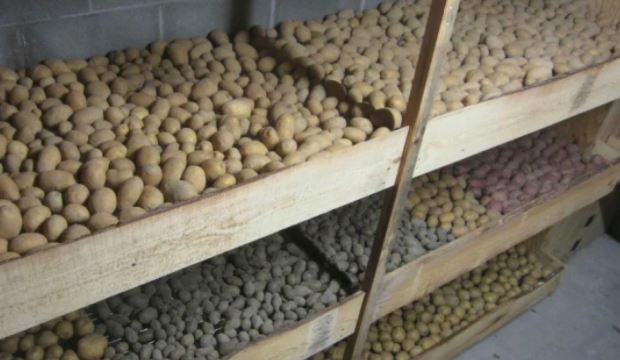
The room should be periodically ventilated, and the tubers should be regularly inspected for damage. If any damaged tubers are discovered, they should be removed, and the neighboring tubers should be carefully examined to ensure the disease has not spread.
Read about ways to store potatoes at home and in the country.
Top.tomathouse.com warns: difficulties in growing the Latona potato variety
Our website http://top.tomathouse.com warns that it's not recommended to plant the Latona variety alongside other crops, creating monocropped plantings. This results in pests being more easily transferred from one crop to another, significantly increasing the risk of their occurrence. Furthermore, it's not advisable to grow potatoes in the same spot every year. This depletes the soil, and the crop loses some of its varietal qualities. The optimal interval between potato plantings in the same bed is considered to be three years.
Rules for spring planting of potatoes:
- Don't bury the planting material too deeply. The deeper you plant the tubers, the fewer fruits you'll produce, but the tops will be lush and green.
- Lightly break off the tops. Leaf formation and stem growth require a lot of nutrients, which are essential for developing tubers. To ensure large and tasty tubers, lightly break off the tops 7-14 days after flowering begins.
- Blackened parts of the plant affected by late blight must be removed from the bush and burned.
- To repel insect pests, plant plants with a strong aroma around the perimeter of the area - marigolds, calendula, coriander, nasturtium, tansy and others.
- A bad neighborhood for potatoes is the presence of a sunflower field next to it.
Comparison of the Latona potato variety with other varieties in the table
| Variety | Ripening period (number of days to maturity) | Starch (%) | Yield (c/ha) | Weight of tubers (g)
Number of tubers per bush |
Shelf life (%) |
| Latona | Early ripening** | 16-20 | 400-450 | 90-140
10-15 |
96 |
| Rosalind | Early ripening | 12-17 | 203-223 | 60-115
10-16 |
94 |
| Bellarosa | Ultra-early* | 12-16 | 350-550 | 100-200
7-15 |
93-96 |
| Breeze | Mid-early*** | 10-16 | 160-395 | 130-150
8-12 |
97 |
| Vector | Mid-late**** | 12-14.6 | 450-700 | 90-150
14-15 |
95 |
| Vega | Mid-early | 10-16 | 230-380 | 90-120
8-12 |
99 |
| Explosive | Early ripening | 16-17 | 156-240 | 110-150
8-14 |
95 |
| Gala | Early ripening | 12-14 | 263 | 71-120
8-15 |
95 |
| Ilyinsky | Mid-early | 15.7-18 | 176-346 | 55-160
8-13 |
93 |
| Memphis | Mid-early | 14.2-16.7 | 330-610 | 80-160
9-11 |
94 |
*Ultra-early – 35-50 days.
**Early ripening – 50-65 days.
***Mid-early – 65-80 days.
****Mid-late – 95-110 days.
Real reviews from gardeners about the Latona potato variety
Let's look at gardeners' reviews of the Latona variety, taken from various forums.
User @Kama@ from the Kemerovo region
Latona is a very tasty potato. The yield is always reliable. I've had it for 10 years, maybe more. I try new varieties every year – some degenerate, others I don't like the taste of, others are painful. But Latona never fails... If you grow Latona, it has one quirk – it almost never flowers, so don't worry – you'll get a harvest. It also doesn't like fluctuations in soil moisture. If it's dry for a long time and then very wet, it can burst (but this happens once every 10 years), depending on the tuber ripening period, etc. Another quirk is that its tuber ripening occurs in the last two weeks. I plant my own tubers. I select seeds from the best bushes when digging, which may be why it hasn't degenerated in 12 years.
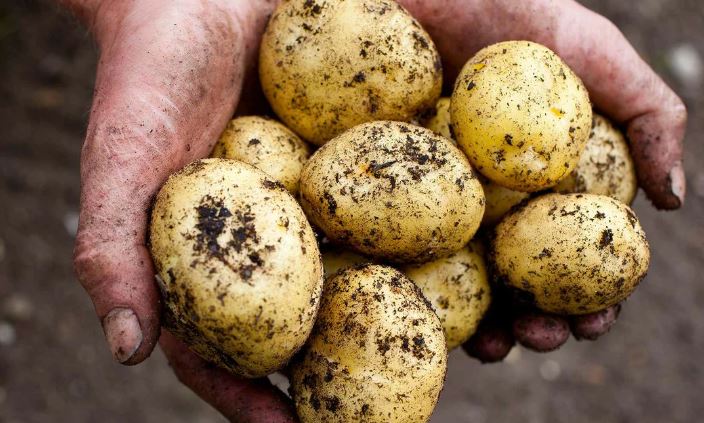
Impala is similar to Latona, but Latona is 100% superior in flavor. Impala is good for cooking, but better with spices. Latona, on the other hand, is amazing for mashed potatoes…
User KpokoguJI
Besides the Lina variety, there's also the Dutch potato variety Latona. Average tuber weight is 115 grams, yield is 2-2.5 kg per bush, starch content is 14%, marketability is 81.5%. It is resistant to cancer and nematodes. The tuber skin is yellow, the eyes are white, the flowers are white, the flesh is light yellow, and the taste is good.