The early potato variety Rosalind has become widely popular among gardeners due to its good yield, shelf life, and ease of care.
Content
- 1 The origin of the Rosalind potato variety
- 2 Characteristics of the Rosalind potato variety in the table
- 3 Detailed description of the Rosalind potato variety
- 4 Advantages and disadvantages of the Rosalind potato variety
- 5 Planting Features of the Rosalind Potato Variety
- 6 Caring for the Rosalind potato variety
- 7 Protection of the Rosalind potato variety from diseases and pests (table)
- 8 The nuances of harvesting and storing the Rosalind potato variety
- 9 Comparison of the Rosalind potato variety with other varieties in the table
- 10 Real reviews from gardeners about the Rosalind potato variety
The origin of the Rosalind potato variety
More than 20 years ago, a new potato variety, named Rosalind, was developed in the fields of German breeders at EUROPLANT Pflanzenzucht GmbH. It was recognized in Russia in 2002, when it was added to the register. However, in 2016, for various reasons, the originator relinquished the patent, and the variety was removed from the state register in our country.
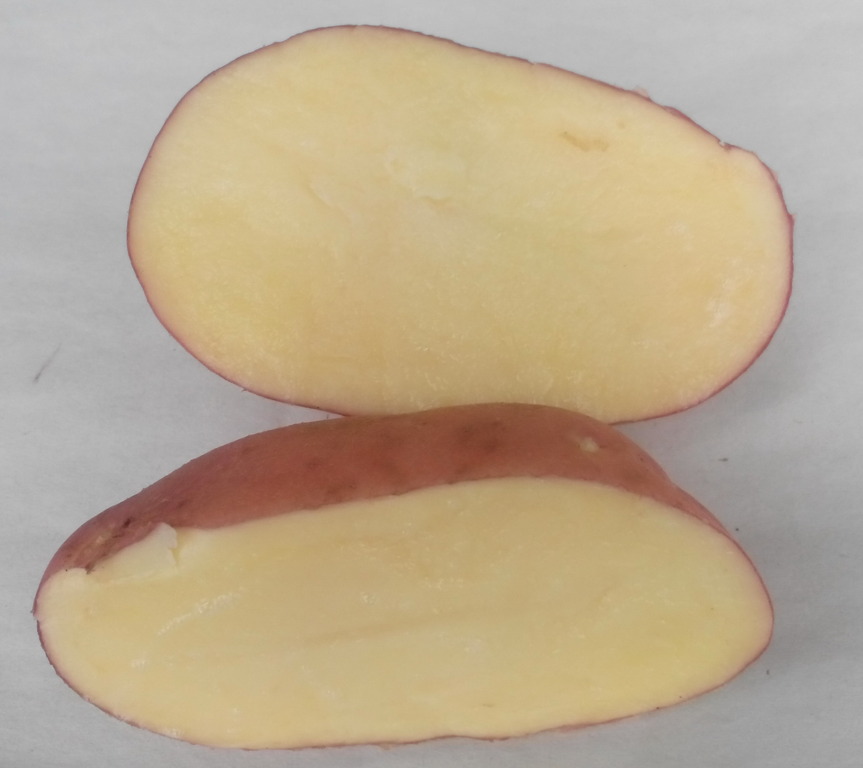
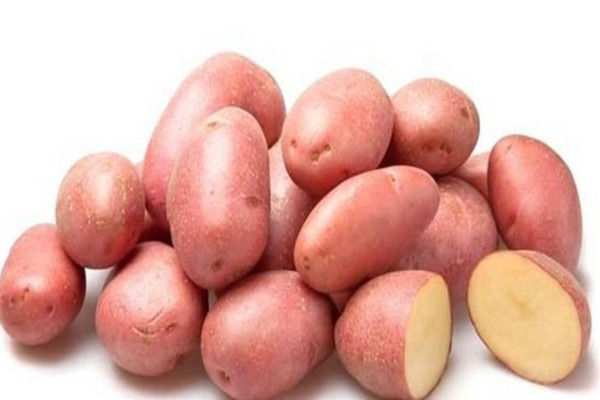
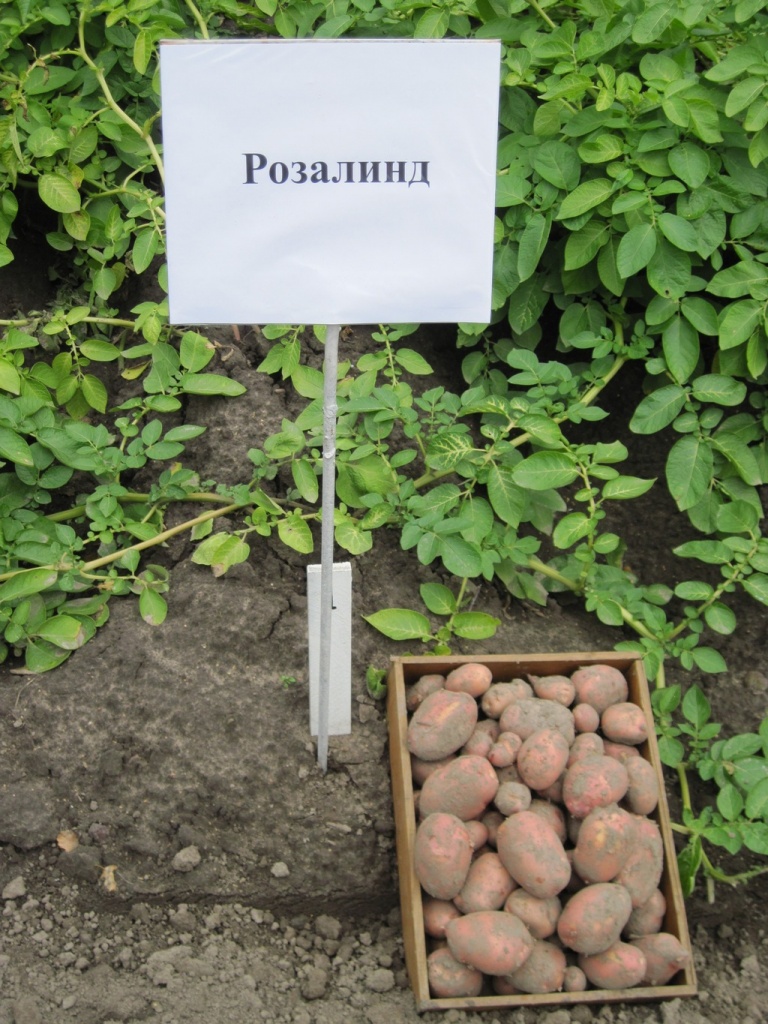
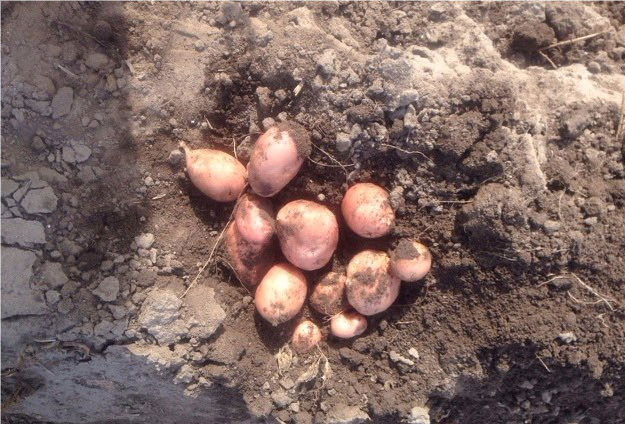
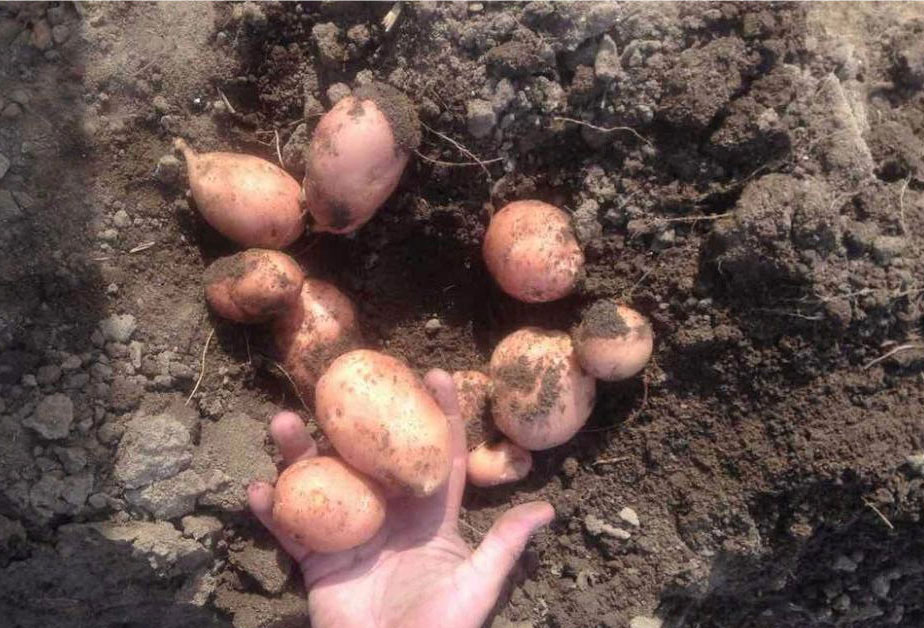
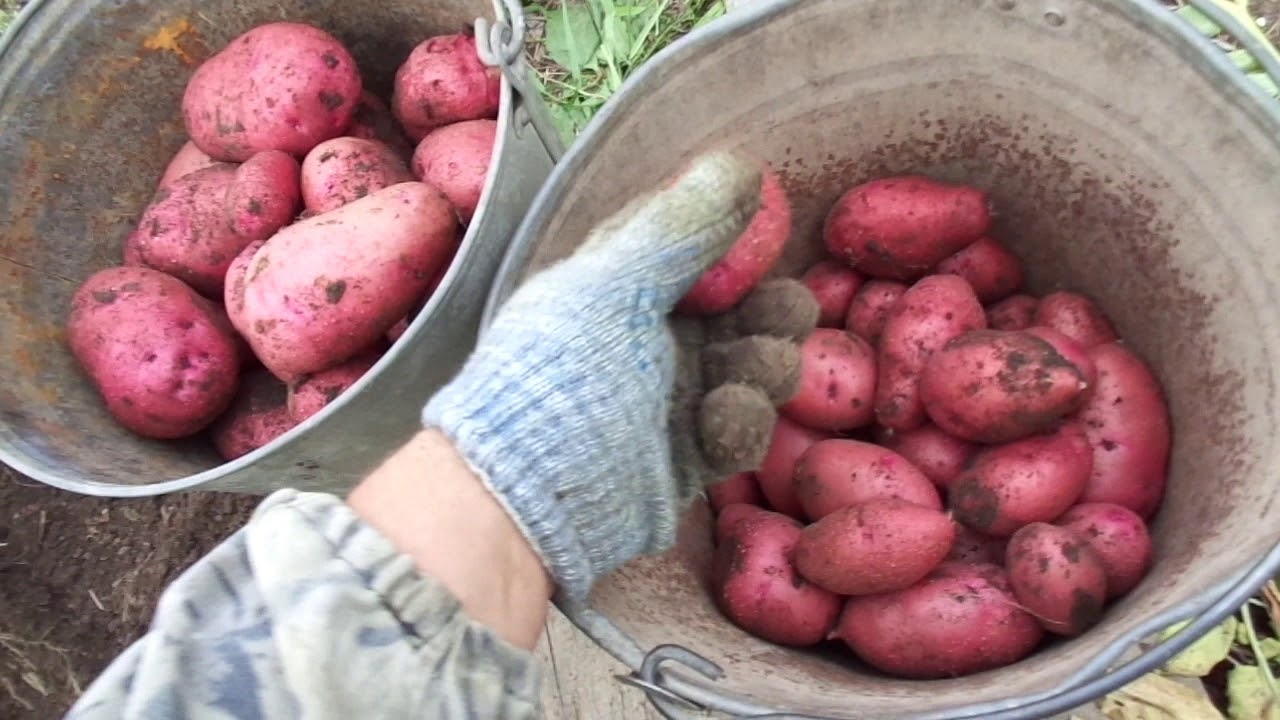
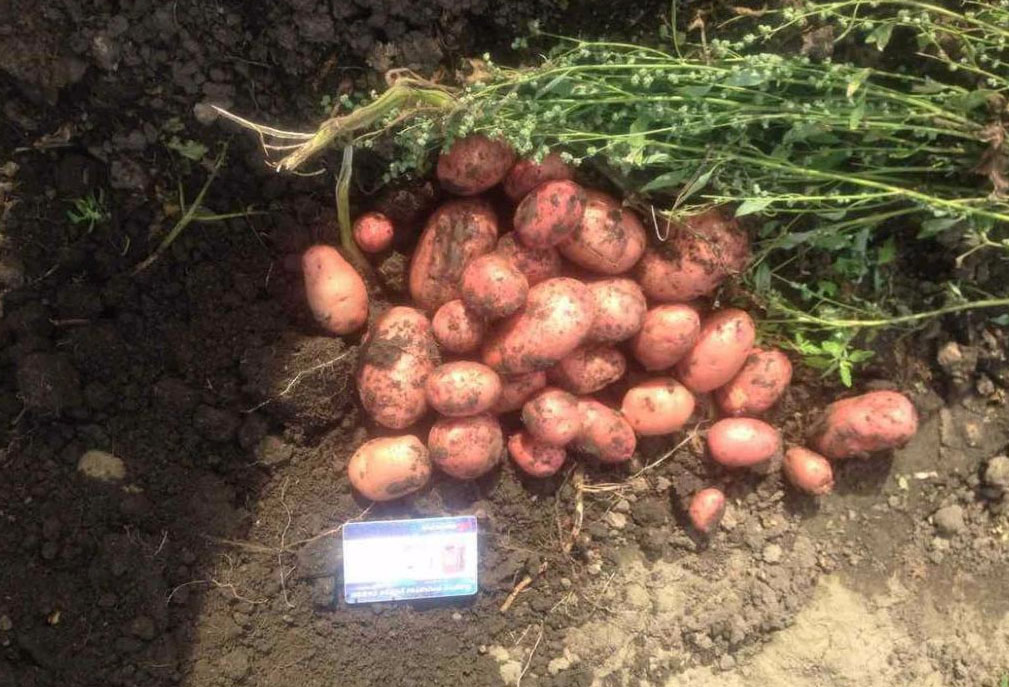
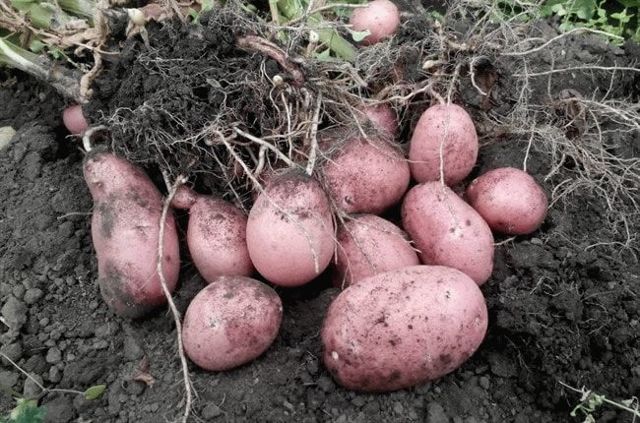
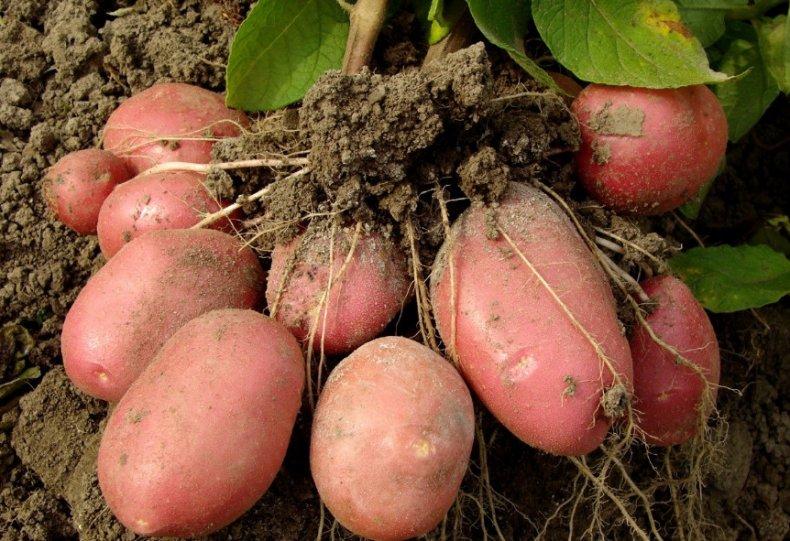
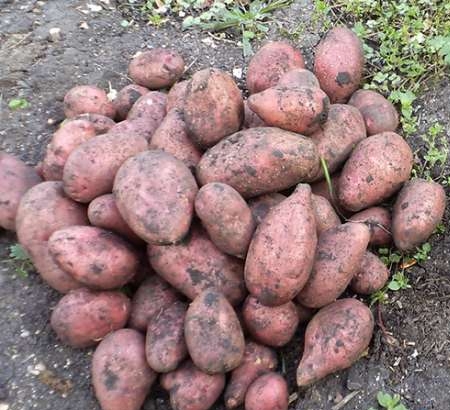
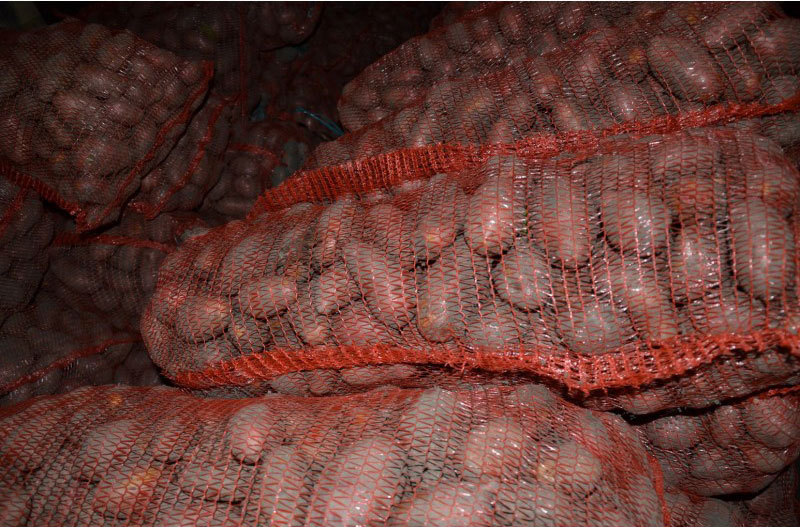
Photo of the Rosalind variety:
Characteristics of the Rosalind potato variety in the table
| Parameter | Characteristic |
| Ripening period | 50-65 days. |
| Starch content | 12-17% |
| Weight of commercial tubers | 60-115 g |
| Number of tubers in a bush | 10-16 pcs. |
| Productivity | 203-223 c/ha |
| Consumer qualities | Belongs to culinary type B, has a medium degree of friability when cooked. |
| Marketability of tubers | 89-94% |
| Shelf life | 94% |
| Bushes, stems, leaves | The bushes grow up to 1 meter tall, and the green leaves often have slightly wavy edges. Opening buds don't stay on the bushes for long and soon fall off. |
| Peel color | Reddish |
| Pulp color | Yellow |
| Color of buds | Violet-red |
| Eyes | Present in small quantities, located on the surface of the fruit. |
| Preferred growing regions | The best varietal performance was demonstrated in the Central, Volga-Vyatka, Central Black Earth, North Caucasus, and East Siberian regions. |
| Disease resistance | Not prone to cancer, golden nematode, leaf curl and rugose mosaic. |
| Features of cultivation | The variety is distinguished by excellent adaptability to various weather conditions and high resistance to cold snaps. |
| From 2002 to 2016 |
Detailed description of the Rosalind potato variety
Now let's take a closer look at the characteristics of the Rosalind variety.
Bushes
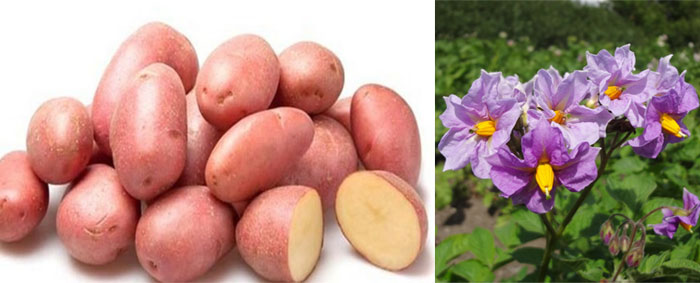
The Rosalind variety is distinguished by its semi-erect bushes, growing up to 1 meter tall. The shoots bear sparse leaves, their blades smooth and open, often edged with a wavy margin.
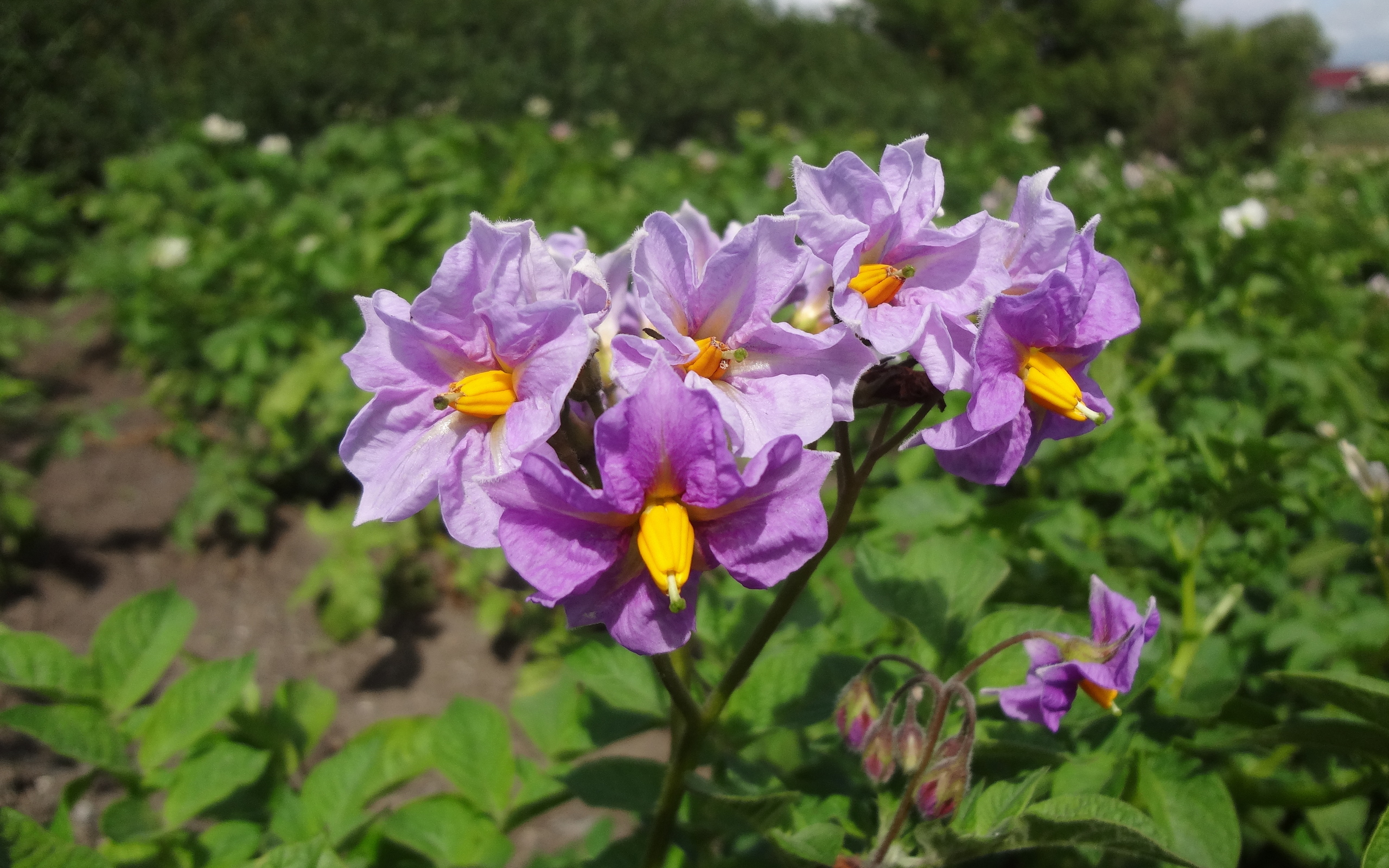
During the flowering period, buds with purple-red petals appear on the bushes, but they fall off very quickly, sometimes without even having time to fully open.
Tubers
The fruits are elongated, round-oval in shape. The flesh is yellowish, and the skin is reddish. There are very few eyes, which don't interfere with peeling because they don't extend deep inside.
During cooking, the crumbliness is average, so experts have classified the variety as culinary type B, and it is considered table.
Nutrients and nutritional value
Rosalind tubers contain a significant amount of nutrients. The concentrations are presented in the table below (calculated per 100 g of product).
| Element | Concentration (mg) | Daily requirement (mg) |
| Beta-carotene | 0.001 | 5 |
| Vitamin B1 | 0.081 | 1.5 |
| Vitamin B2 | 0.032 | 1.8 |
| Vitamin B4 | 12.1 | 500 |
| Vitamin B5 | 0.295 | 5 |
| Vitamin B6 | 0.298 | 2 |
| Vitamin B9 | 0.015 | 0.4 |
| Vitamin C | 19.7 | 90 |
| Vitamin E | 0.01 | 15 |
| Vitamin K | 2 | 120 |
| Vitamin PP | 1,061 | 20 |
| Zinc | 0.3 | 12 |
| Selenium | 0.004 | 0.055 |
| Iron | 0.81 | 18 |
| Potassium | 425 | 2500 |
| Copper | 0.11 | 1 |
| Calcium | 12 | 1000 |
| Magnesium | 23 | 400 |
| Manganese | 0.153 | 2 |
| Sodium | 6 | 1300 |
| Phosphorus | 57 | 800 |
Productivity, ripening time
The Rosalind potato is considered an early-maturing variety; the first harvest can be collected as early as 50 days after germination, with a maximum maturity period of 65 days. The average potato yield per hectare is 210 centners.
Resistance to diseases and pests (table)
The Rosalind variety isn't exceptionally resistant to all potato diseases, but it is immune to nematodes, potato canker, and viruses. The characteristics are listed in the table below.
| Name | Degree of stability |
| Nematode | High |
| Potato cancer | High |
| Viral infections | High |
| Late blight | Average |
| Colorado beetle | Average |
| Wireworm | Average |
What regions is it suitable for?
The Rosalind variety has a fairly large growing area, but it has demonstrated its best qualities in the Central, Volga-Vyatka, Central Black Earth, North Caucasus, and East Siberian regions.
Advantages and disadvantages of the Rosalind potato variety
Rosalind has a number of advantages that distinguish it from other potato varieties:
- In warm regions, the harvest can be collected twice if the first tubers are planted immediately after the snow melts, hilled up and covered if necessary.
- Potatoes quickly adapt to any soil and are not affected by changing weather conditions.
- It is practically not susceptible to potato nematode.
- The tubers ripen at the same time.
- By adjusting the cooking time, you can control the degree of friability of the potatoes.
- Pleasant taste.
- It grows well even with minimal care in the absence of hilling, loosening and watering, for example, in industrial conditions.
- It has a high yield.
- Thanks to the thick skin, the tubers are practically not subject to damage during harvesting and transportation.
The disadvantages of the variety include the following:
- Rosalind is a tasty morsel for wireworms, Colorado potato beetles, and golden nematodes, so it is necessary to carry out preventative measures to combat pests in a timely manner.
- In overly wet soil and under unfavorable conditions, potatoes often become infected with late blight.
Planting Features of the Rosalind Potato Variety
Rosalind potatoes are not particularly demanding in cultivation, but if all the typical potato growing requirements are met, the harvest will certainly please.
Requirements for the landing site and its preparation
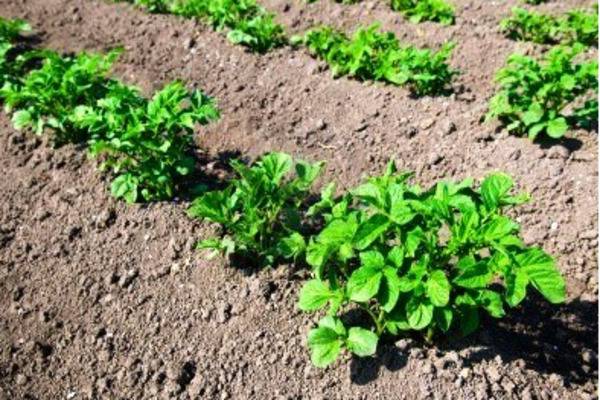
The variety doesn't have specific soil requirements. However, experience has shown that plantings thrive in loose, fertile soil. This provides aeration and retains water in the bed. If your soil is too sandy or clayey, additional preparation may be necessary.
It's recommended to treat the soil beforehand. To repel wireworms and disinfect the bed, sprinkle 500 grams of Aktara or Fors per 100 square meters. The closer the granules are to the roots of the future plantings, the better.
Selection and preparation of seed tubers
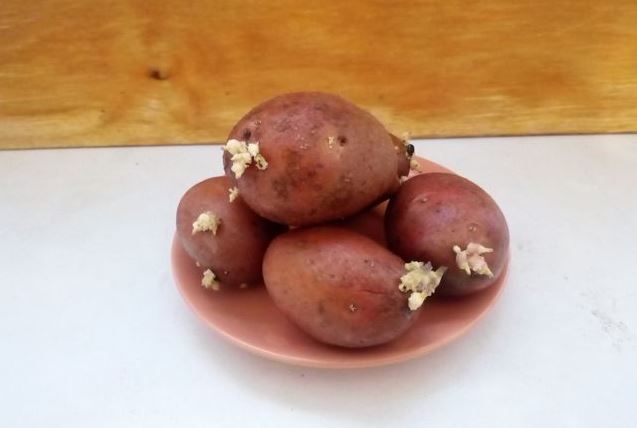
Experienced gardeners recommend sprouting the tubers before planting. To do this, place them in boxes mixed with damp sawdust for 10 days. Store them at 14–16°C. The planting material is considered ready when the sprouts reach 4 cm in length. To protect the tubers from fungi and bacteria, it is advisable to pre-treat them with Fitosporin-M and Colfugo Super.
Planting dates
Rosalind potatoes can be planted when the soil has warmed to between 5 and 8°C. In some regions, this period falls in the second half of April, while in others, it will be necessary to wait until early May.
Landing rules
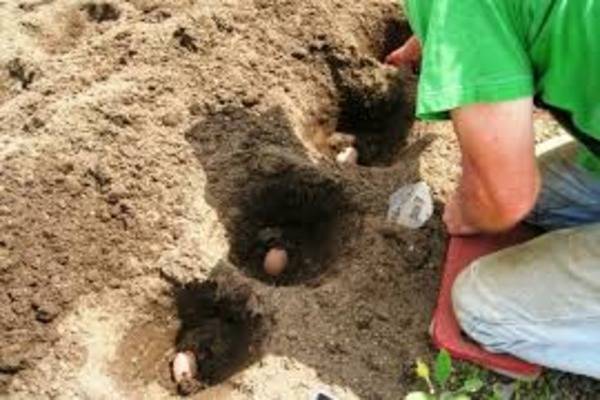
The tubers are planted in pre-dug holes the depth of a spade. The optimal distance between them is 30 cm, and it's best to leave at least 70 cm between rows.
Caring for the Rosalind potato variety
Rosalind responds gratefully to the care. If you apply the right fertilizers, water, and hill up the potatoes in a timely manner, you can increase the yield by about 20%.
Watering
Each bush will require 3 to 5 liters of water. The amount should be adjusted based on the weather and soil conditions: the heavier the soil, the less water will be needed. Avoid allowing moisture to stagnate near the roots. Particular attention should be paid to the quality and quantity of watering during the flowering period – the beds should be sufficiently moist at this time.
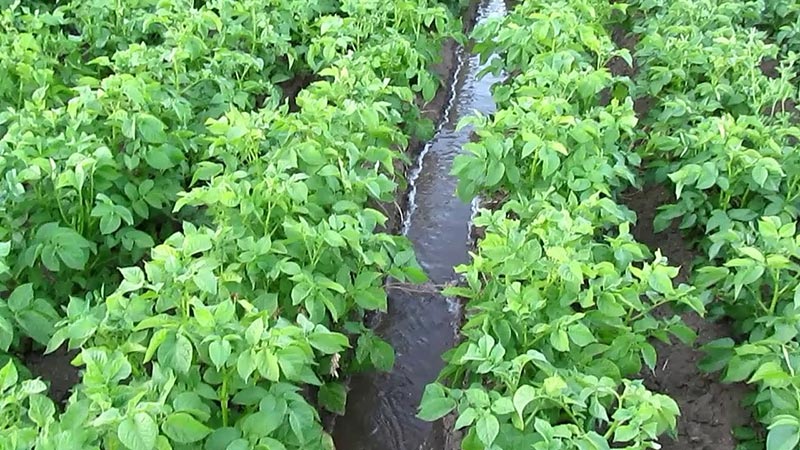
Tip! Experienced gardeners recommend watering using furrows dug between rows and pouring water into them, not under the bush.
Top dressing
You can start fertilizing potatoes at the stage of creating holes by adding a little ash.
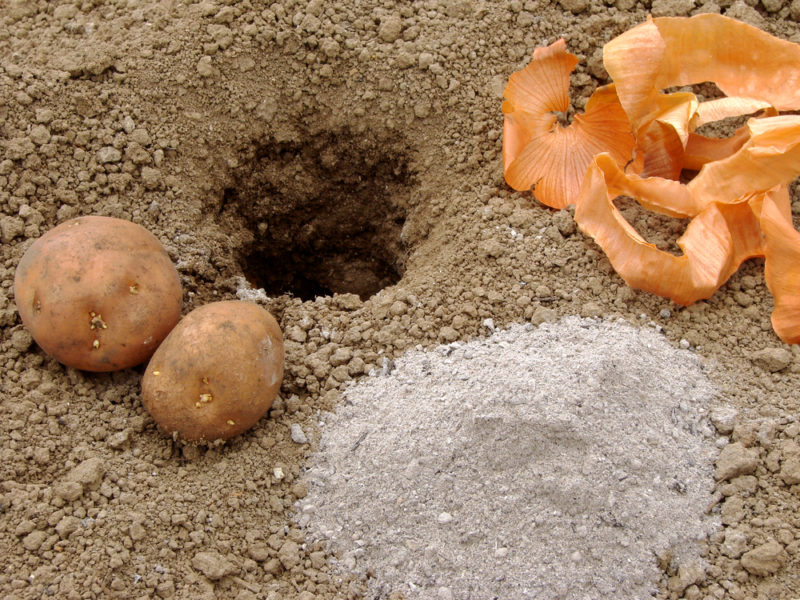
However, during the period of active growth, to obtain a larger harvest, it is recommended to apply fertilizers in three stages:
- After emergenceDissolve 15 g of urea and 500 ml of mullein in 10 liters of water. This mixture will stimulate shoot growth and vegetative mass formation.
- When buds appearDissolve 15 g of potassium sulfate, 500 g of ash, and 15 g of superphosphate in 10 liters of water. This fertilizer will stimulate tuber formation.
- 3 weeks before harvestA solution of 10 liters of water, 30 g of superphosphates, and 25 ml of liquid manure is used.
Important! Do not exceed the recommended amount of fertilizer when preparing fertilizer, as this may adversely affect the quality of the harvest.
Loosening, weeding, hilling
After the seedlings emerge, weed the beds and remove all weeds. Not only do weeds draw a significant portion of the nutrients, but they also attract insect pests. To prevent a hard crust from forming on the surface of the soil, shallow loosening is recommended after watering.
The Rosalind variety is hilled twice per season.
- The first time is when the seedlings emerge. The soil is carefully raked to the base of the plant, which improves aeration, protects the tubers from the weather, and retains moisture.
- The second time - after 3-3.5 weeks.
Protection of the Rosalind potato variety from diseases and pests (table)
Despite its resistance to some diseases, the Rosalind variety can be susceptible to others. We've outlined prevention and control methods in the table below.
| Disease | Prevention | Treatment |
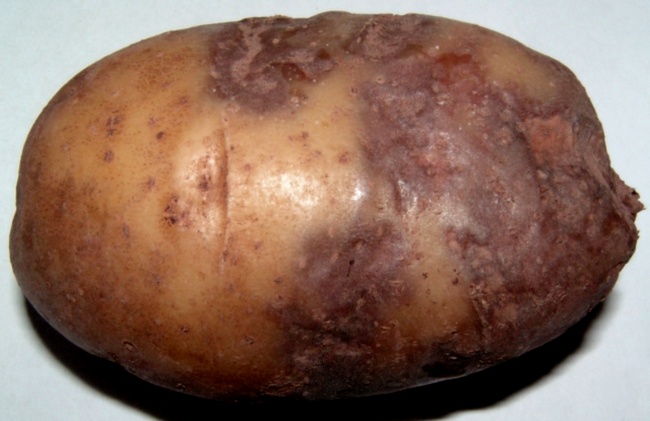
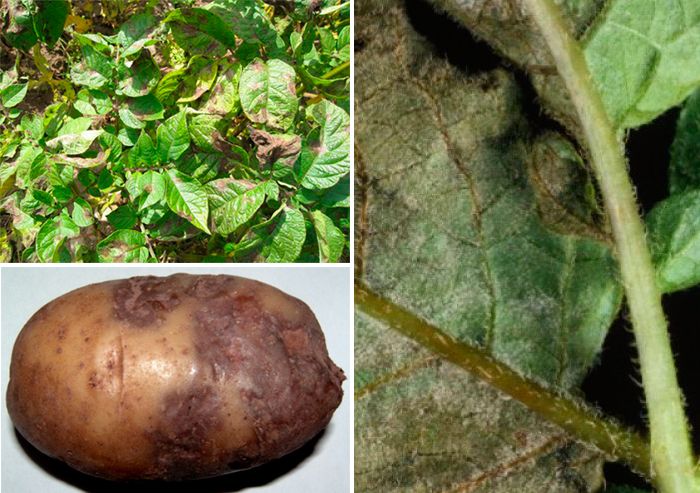
| Late blight of tops and tubers
|
The disease is often caused by improper cultivation practices. To prevent late blight, it is necessary to monitor irrigation volumes, adhere to crop rotation guidelines, weed and loosen the soil, and pre-disinfect planting material (with potassium permanganate, Fitosporin, or Oxyhumate). | If the disease has already manifested itself, then the affected areas must be cut off and burned, and the plantings must be sprayed with Oxychom, Ridomil, Gamair, Metaxil, Bravo, Planriz. |
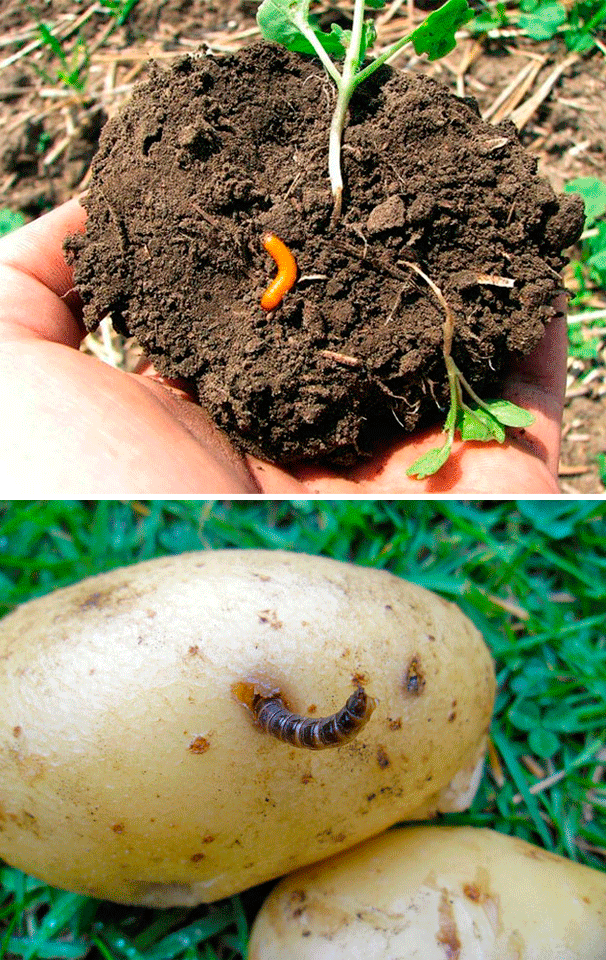
| Wireworm
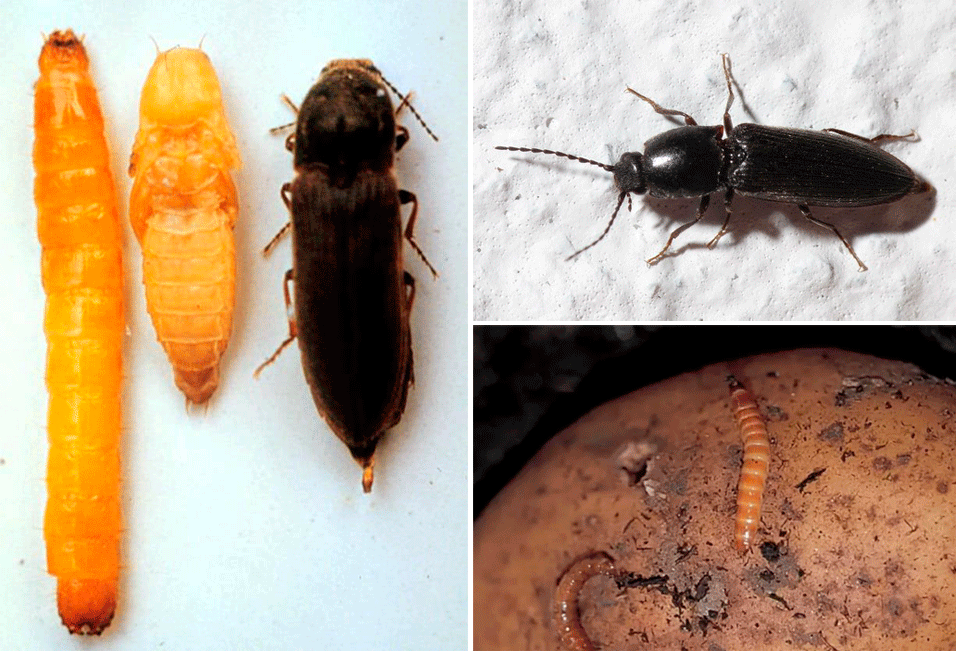
|
To prevent wireworm infestations, add a handful of onion peels or a teaspoon of mustard powder to the planting hole. Some gardeners create bait traps from boards or pieces of plastic coated with sugar syrup. | Specialized products such as Aktara, Bazudin, Prestige, Grom, and Zemlin will help eliminate the pest once it has appeared. Alternatively, you can use a 24-hour solution of 10 liters of water, 400 g of nettle, 200 g of dandelion, 200 g of coltsfoot, and 100 g of celandine. |
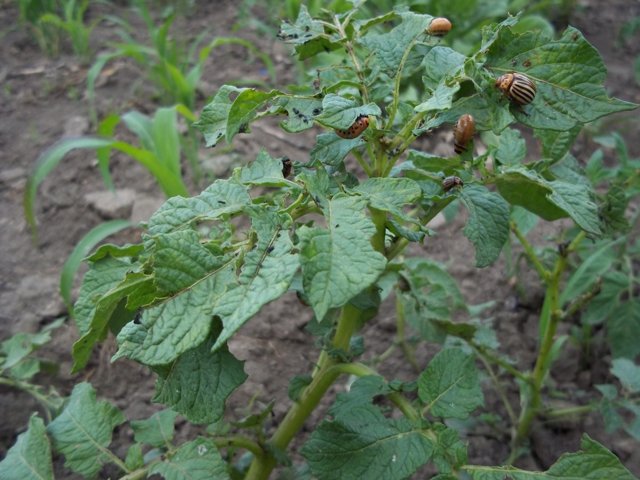
| Colorado beetle
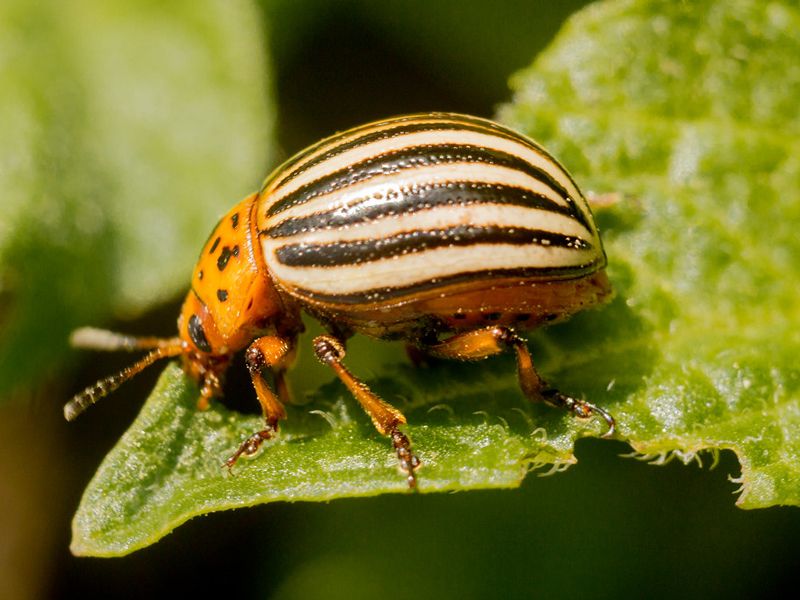
|
Planting flowers with a pungent scent nearby, such as marigolds, valerian, nasturtium, and others, will help repel beetles. Some gardeners buy predatory flying insects, such as dragonflies, but they require a large number to be effective. They can also destroy beneficial garden creatures. | Prestige can be used to control the pest, but you can also collect the beetles in a jar, cover them with water, and let them sit for several days. The insects will secrete their own toxin, and plants sprayed with this solution will no longer be attractive to the striped pests. |
The nuances of harvesting and storing the Rosalind potato variety
The first harvest can be dug up in July. However, full ripening does not occur until August. Harvested potatoes should be carefully cleaned of any adhering soil, placed on a prepared cover in a shaded area, and left there for 3-4 days. Damaged tubers, those showing signs of disease, or damaged outer skin should be removed from the pile.
Important! Do not leave dug-up tubers in the sun for more than 2 hours, otherwise they will start producing solanine, which is toxic to humans.
It's recommended to store potatoes in a cool, well-ventilated area with a temperature of 2–3°C and humidity of 70–80%. If you don't have a basement or cellar, you can create suitable conditions on an insulated balcony, for example, by placing the harvest in double boxes with a foam layer between the walls. Under suitable conditions, potatoes can last up to 6 months.
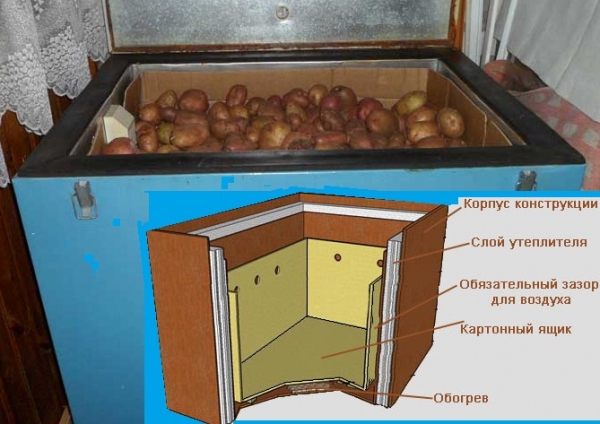
Read more in the article about rules for storing potatoes and methods.
Comparison of the Rosalind potato variety with other varieties in the table
| Variety | Ripening period (number of days to maturity) | Starch (%) | Yield (c/ha) | Weight of tubers (g)
Number of tubers per bush |
Shelf life (%) |
| Rosalind | Early ripening* | 12-17 | 203-223 | 60-115 10-16 |
94 |
| Master | Mid-early** | 13-15 | 227-350 | 80-120
8-12 |
94 |
| Kamensky | Early ripening* | 12-17 | 185 | 110-130
15-25 |
97 |
| Kemerovo resident | Mid-early** | 15.5-16.4 | 165-387 | 110-155
7-10 |
94 |
| Lady Claire | Mid-early** | 15 | 140-270 | 80-120 8-12 |
94 |
| Mondeo | Late-ripening**** | 12-16 | 152-374 | 105-150
8-15 |
96 |
| Svitanok of Kyiv | Early ripening* | 18-19 | 200-460 | 90-120
8-12 |
95 |
| Tuleyevsky | Mid-season*** | 14-16 | 400-500 | 150-270
10-25 |
90 |
| Isle of Jura | Mid-early** | 12-16 | 250-415 | 120-180 8-11 |
95 |
| Spring | Early ripening* | 12-16 | 300-600 | 80-140
9-15 |
90-94 |
*Early ripening – 50-65 days.
**Mid-early – 65-80 days.
***Mid-season – 80-95 days.
****Late (late-ripening) – 110 days or more.
Real reviews from gardeners about the Rosalind potato variety
All gardeners who have planted Rosalind at least once in their garden highly recommend it due to its tasty and abundant harvest, as well as its undemanding nature in terms of weather and soil quality.
User Natalia, Seversk
In the spring, I ordered Rosalind and Arosa potato seeds from makar445. The Arosa yielded almost an "0" (I wish I hadn't bought it at all). Rosalind is much better—I dug up 10 buckets of it alone. It's delicious. It's absolutely fantastic! I planted half a bucket of Arosa (what hadn't completely dried out or spoiled before planting the 8 kg). And a bucket of Rosalind. Honestly, when I was planting it, I thought maybe I'd just throw it away and not bother with the potatoes (it just so happened I didn't have any other seeds). I ended up digging up 10 buckets of practically nothing but Rosalind (not counting that I've been digging since August). Arosa didn't need digging at all.
User Alencha
My harvest was as follows: from 36 tubers smaller than a chicken egg (about 2 kg?) of the Rosalind variety, I got a little over 50 kg. Plus for seed. The tubers are almost all large and very large; I had a hard time choosing the smaller ones for seed. The taste is ordinary, in my opinion.
…
Here's Rosalind, the flesh is creamy. It turns out it's really, really delicious baked; I baked it in foil like a "baby potato."
User Elvira, Tomsk, Vershinina-Uchebnaya Street area
Yes, Rosalind is a very good variety. Well, Rosana is also similar.
User rim_murza
In 2014, Rosalind Elite went from 1 kg to 8 kg. Tasty, starchy. In 2015, the harvest was poor.
User Sofia, Ukraine, Luhansk
Rosalind's potato plant blossomed yesterday.
An early variety. Planted on Bublik's advice on April 20th. And as stated, it sprouted on May 9th. I spared Svitanok Kyivsky, which made it into the Guinness Book of Records for its exceptional flavor, and planted it on May 1st. It's also about half the height of Rosalind. I found my first beetles (5 of them).