It's hard to find a garden plot without potatoes. There are a huge number of varieties of this crop. Each is adapted to specific climates, has its own flavor profile, and has its own disease resistance. Explore the characteristics of the new Prime variety.
Content
- 1 Characteristics of the Prime potato variety in the table
- 2 The origin of the Prime potato variety
- 3 A detailed description of the Prime potato variety
- 4 Advantages and disadvantages of the Prime potato variety
- 5 Planting Features of the Prime Potato Variety
- 6 Caring for the Prime potato variety
- 7 Protecting the Prime potato variety from diseases and pests
- 8 The nuances of harvesting and storing the Prime potato variety
- 9 Comparison of the Prime potato variety with other varieties in the table
- 10 Real reviews of the new Prime potato variety
Characteristics of the Prime potato variety in the table
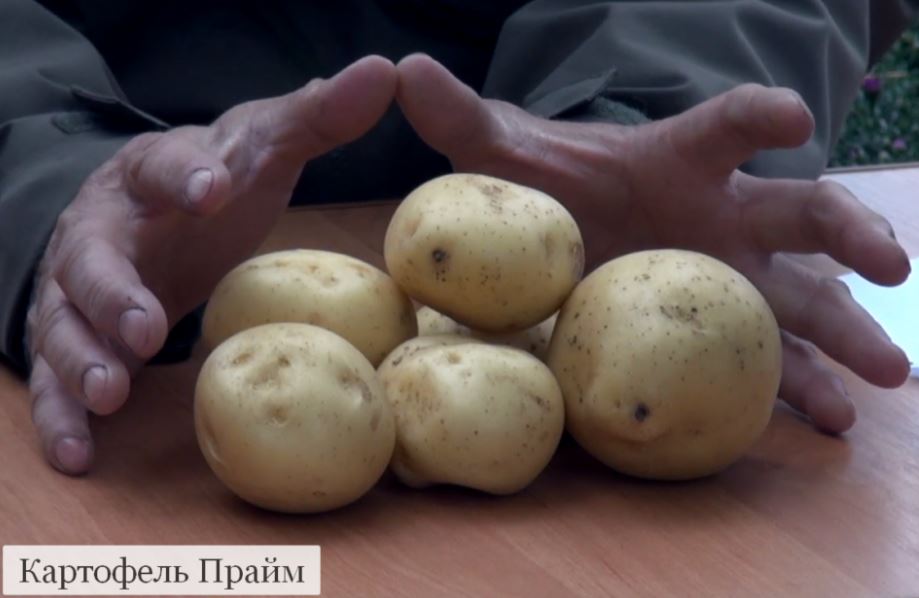
Although this variety was bred relatively recently, it has already gained popularity not only among private gardeners but also among farmers. This is due to its ability to quickly adapt to harsh weather conditions, setting tubers even during prolonged drought. Compared to foreign varieties, it is more resistant to a number of dangerous potato diseases and has an excellent taste.
| Parameter | Characteristic |
| General information | A mid-season variety that produces uniform shoots. |
| Ripening time | 80-95 days |
| Starch content | 11.2-13.4% |
| Weight of commercial tubers | 92-148 g |
| Number of tubers in a bush | 7-12 pcs. |
| Productivity | 170-341 c/ha, maximum 415 c/ha |
| Class and purpose in cooking | AB. This versatile potato masher is suitable for boiling, frying, stewing, baking, and salads. It is not suitable for mashing potatoes. Tasting score 4.7-4.8. |
| Marketability | 84-97% |
| Shelf life | 96% |
| Bushes, stems, leaves, flowers | The bush can reach 60-65 cm in height, the stems are covered with dark green leaves with a wavy edge. During flowering, white flowers appear. The anthocyanin coloration of the inner surface of the corolla is either absent or weak. The root system is well developed. |
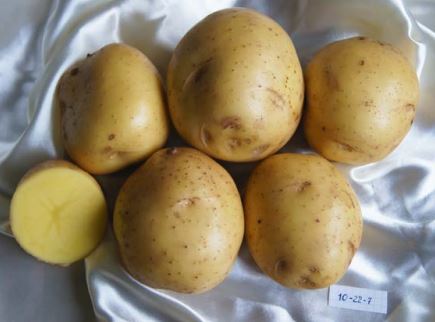
| Peel color | Pale yellowish |
| Color of pulp | Yellowish or creamy |
| Eyes | Light beige surface |
| Preferred growing regions | North-West, Central, Volga-Vyatka. |
| Disease resistance | High resistance to rugose and striped mosaic, golden cyst nematode, common scab, potato cancer, moderate susceptibility to late blight of tops and tubers. |
| Features of cultivation | Standard agricultural technology. |
| 2019 |
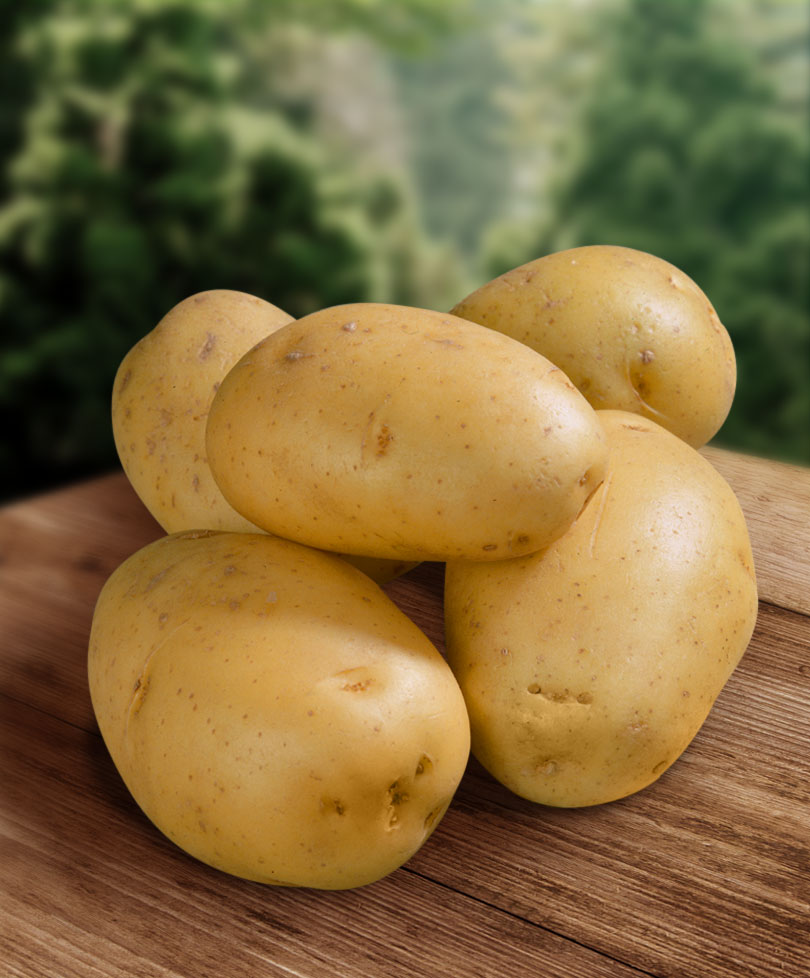
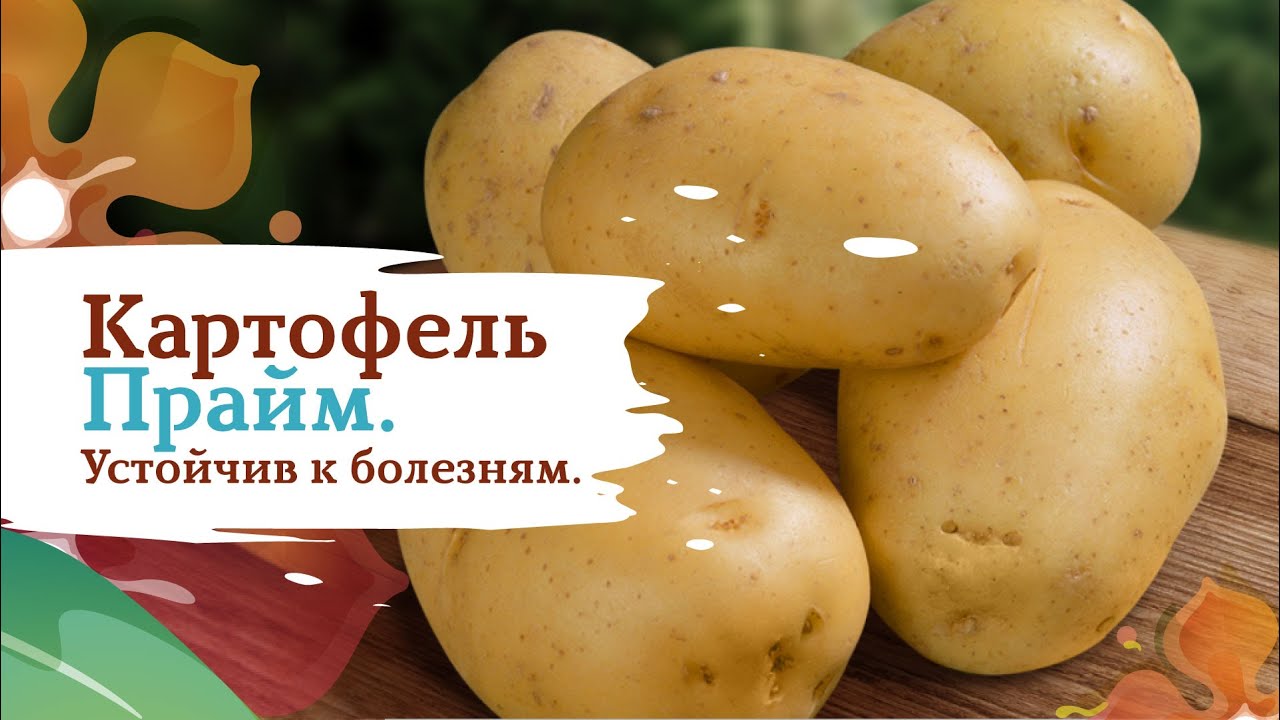
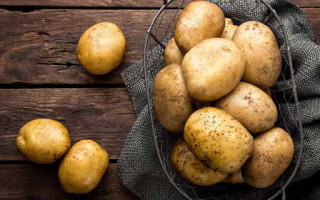
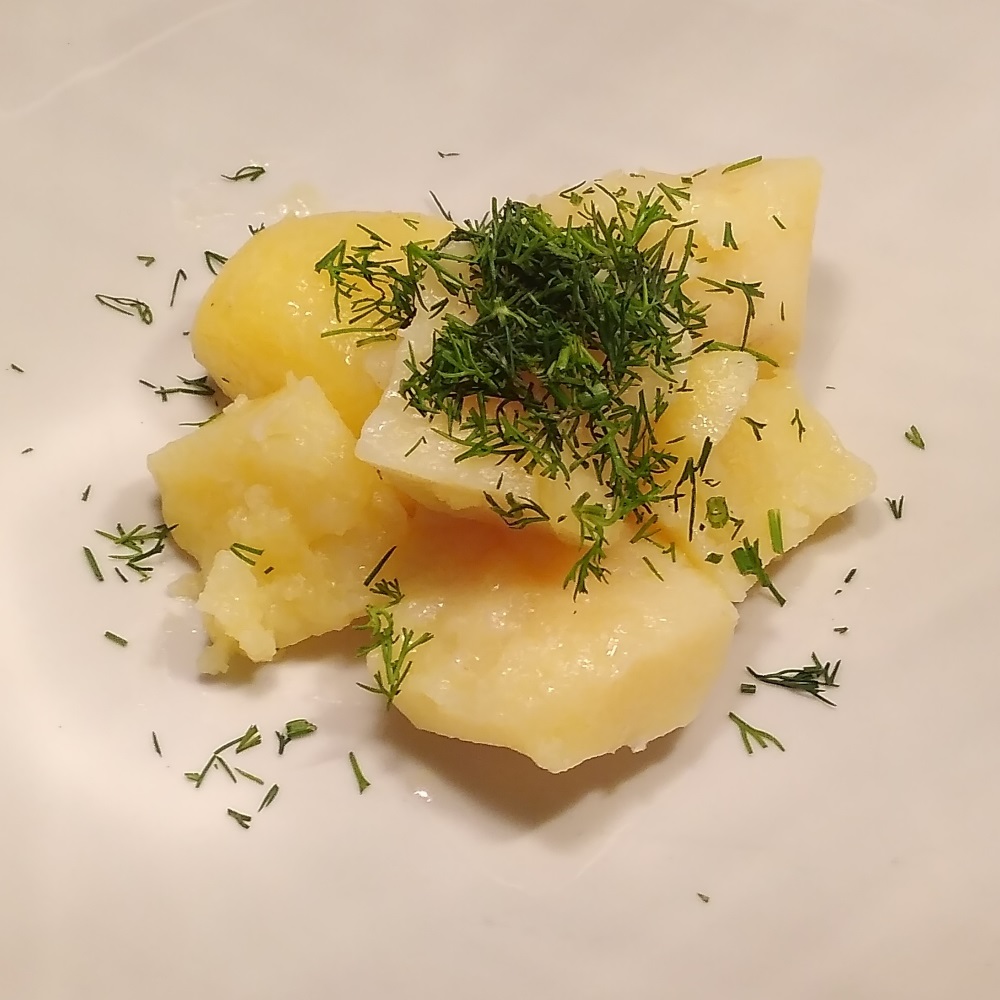
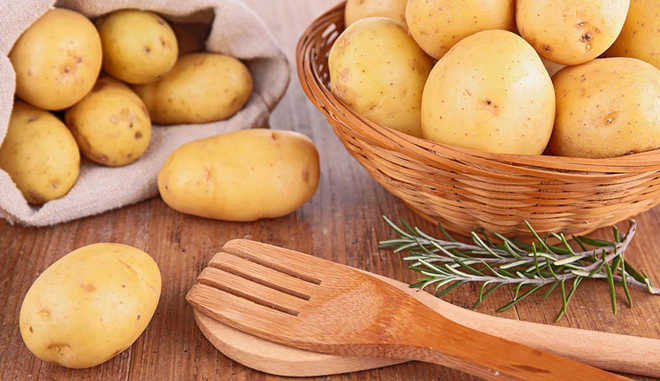
Photo of the Prime potato variety:

The origin of the Prime potato variety
This variety was recently developed by domestic breeders from Doka Gene Technologies LLC. It was included in the State Register in 2019.
A detailed description of the Prime potato variety
Let's take a closer look at the excellent features of Prime potatoes.
Bushes
The bushes are small with upright stems, rarely reaching more than 60-65 cm in height. The leaf blades are dark emerald in color and have a slight wavy pattern around the perimeter.
Tubers
The fruits are elongated oval in shape. The flesh is yellowish or creamy when cut.
The skin is yellow and dense. It is resistant to mechanical damage and does not crack. The eyes are small and shallow.
Nutrients and nutritional value
Contains many beneficial elements. This variety contains large amounts of carotene and ascorbic acid. The energy value of 100 g of the product is approximately 70 kcal.
Productivity, ripening time
The potato is a mid-season variety. This means that new potatoes can be harvested as early as 65 days after the first shoots emerge. Technical maturity occurs in 80-95 days.
The variety boasts excellent yields. Average yields range from 300-380 centners per hectare. However, there have been cases where up to 415 centners were harvested from the same area.
Resistance to diseases and pests
The variety shows high resistance to:
- wrinkled and banded mosaic;
- golden nematode;
- cancer.
Resistance to late blight is average to low.
The most common pest affecting this variety is the Colorado potato beetle. Particular attention should be paid to preventing its onset. Wireworms and aphids should also be avoided.
What regions is it suitable for?
This variety was developed specifically for the Central region. However, if proper agronomic requirements are met, it can be grown throughout Russia.
Advantages and disadvantages of the Prime potato variety
Prime has the following advantages:
- early and uniform ripening;
- excellent commercial performance, ability to withstand even long-term transportation;
- resistance to many dangerous infections and pests;
- attractive appearance, tubers of approximately the same size;
- high content of carotene and vitamin C;
- the possibility of long-term storage of the harvest after harvesting;
- good resistance to any climatic conditions, prolonged drought.
The disadvantages include a low starch concentration, and the fact that this variety is not recommended for making puree.
Planting Features of the Prime Potato Variety
Growing this variety shouldn't be a problem. Standard agricultural practices are sufficient.
Requirements for the landing site and its preparation
Prime will yield a good harvest when planted in fertile and nutritious soil. However, it shouldn't be grown in the same spot two years in a row. Before planting, it's recommended to do the following preparatory work:
- In the fall, dig up the area and add rotted manure or compost.
- In spring, scatter mineral fertilizers over the beds, then harrow them.
Please note! This type of work will ensure sufficient nutrients in the soil. Subsequently, there will be no need for additional fertilizers.
Selection and preparation of seed tubers
Only healthy tubers with no signs of infection or mechanical damage can be used as planting material. Before planting them in open ground, they require special preparation. This involves sprouting the planting material and treating it with special preparations.
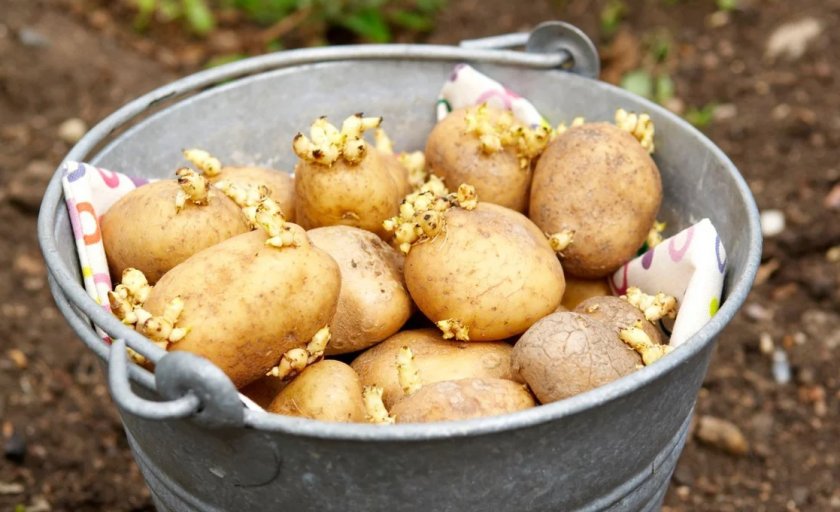
What you need to do:
- Select healthy tubers of medium size.
- In a bright room at a temperature of +15…+17°C, lay them out in one layer so that they sprout.
- Germinate the planting material for a month. Ventilate the room daily, sort the potatoes, and remove any tubers that are starting to rot.
- Treat with Baktofit and Integral preparations.
Please note! The tops of large tubers can also be used as planting material. Immediately after harvest, they are cut off, dried, and stored in sand. In the spring, they can be sprouted with the whole tubers.
Planting times and rules
The timing of planting depends on the planting region. For example, in the Central region, this can be done in the second ten days of April. In the south, it's earlier, and in the north, it's later. The most important thing is that the air temperature remains consistently above 10°C.
Step-by-step landing:
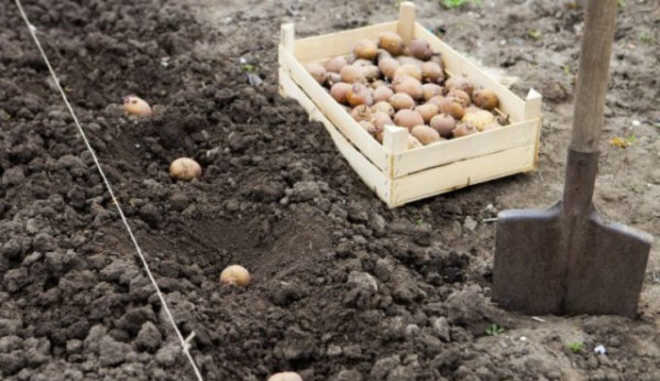
- To obtain even beds with uniform distribution of tubers, mark out the area using a stretched fishing line.
- Dig trenches or holes along the marking line. The depth depends on the soil type. In light soil, the depth should be 10 cm, and in heavy soil, 7-8 cm.
- Add dry, rotted manure, compost or wood ash to the bottom.
- Place the planting material in the holes or distribute it evenly in the trenches.
- Cover the tubers with substrate and harrow.
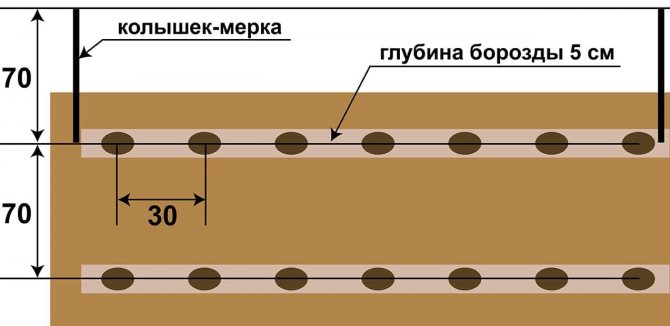
For reference! The distance between potatoes in a row should be 35 cm. The distance between beds is 70-75 cm. The area must be well-lit.
Caring for the Prime potato variety
This variety is easy to care for. Even a novice gardener can handle it.
Watering
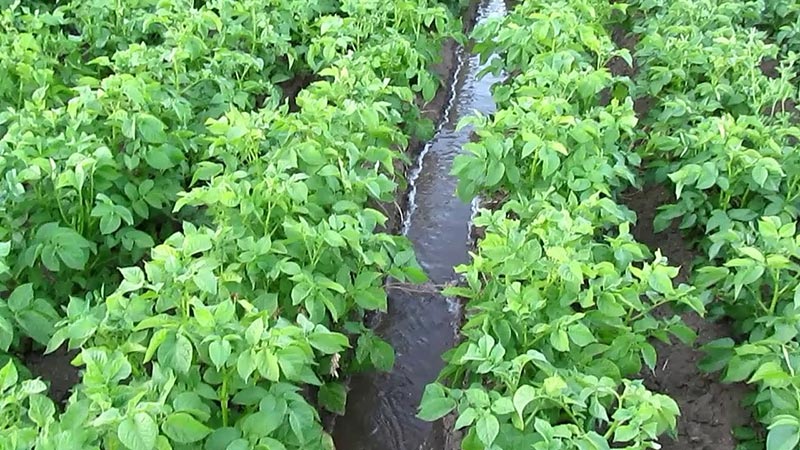
During the growing season, three waterings at a rate of 2-3 buckets per plant will be sufficient. During prolonged droughts, water more frequently to prevent the topsoil from drying out and cracking. Water into trenches next to the beds created after hilling.
Top dressing
Fertilizers should be applied twice per season:
- when the seedlings reach a height of 15 cm;
- 20 days after the first application.

The following can be used as fertilizer:
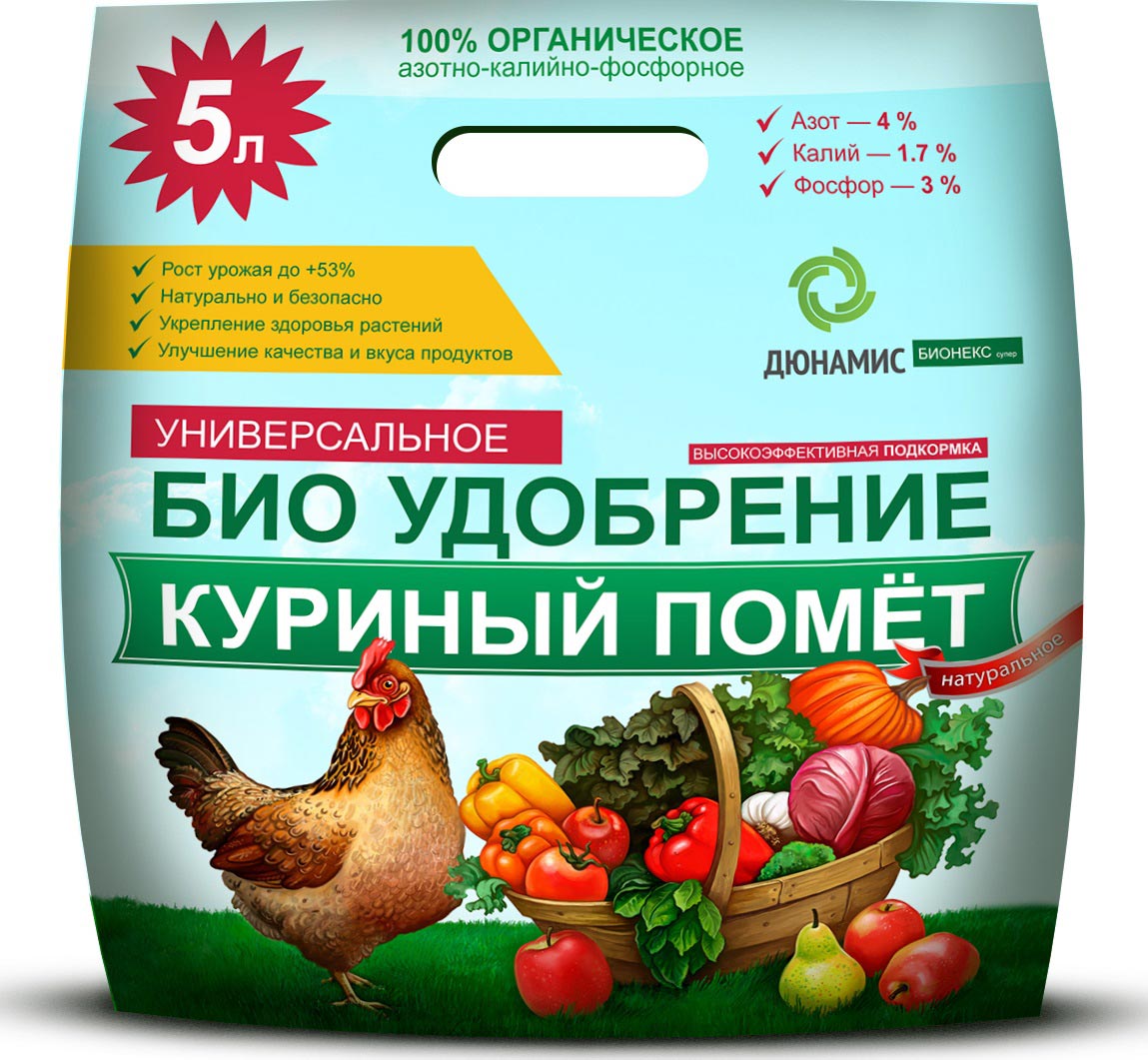
- bird droppings (15 g per bush);
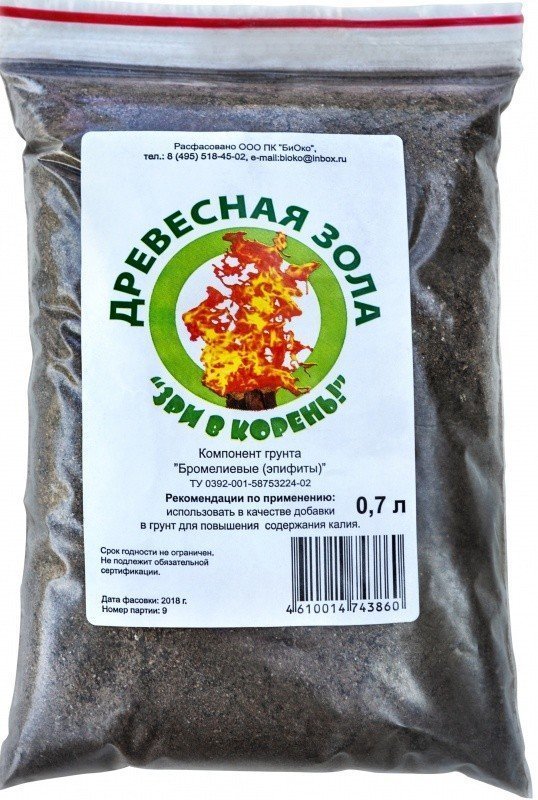
- wood ash (2 handfuls per crop);
- complex mineral fertilizer (2-3 tsp per bush).
Please note! These fertilizers should be applied even if the soil was fertilized before planting.
Loosening, weeding, hilling
Loosening the soil should be done before the first shoots emerge. Firstly, it destroys weed seeds and secondly, it improves the flow of oxygen and nutrients. Furthermore, loose soil warms up much faster.
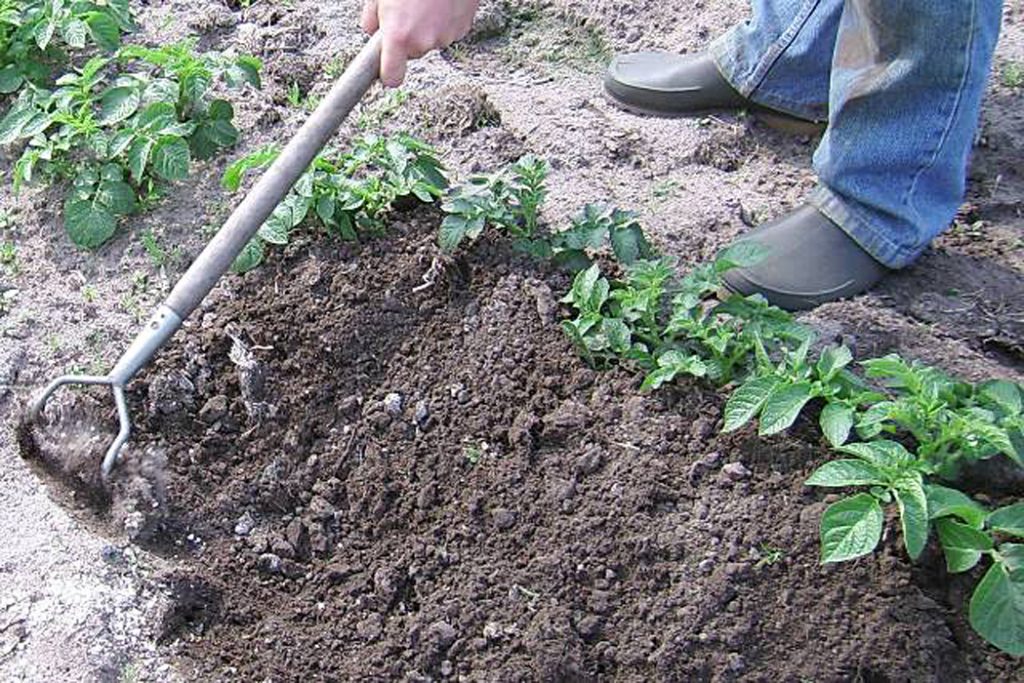
Weeding must be done regularly. Otherwise, the growing weeds will rob the crop of its nutrients.
Hilling should be done three times during the growing season:
- after sprouting;
- after 15 days;
- in another 15 days.
Important! Hilling is not recommended during drought. During this period, only loosening between rows is allowed.
Protecting the Prime potato variety from diseases and pests
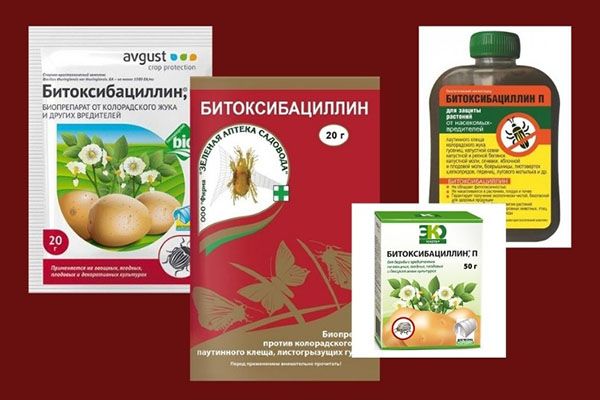
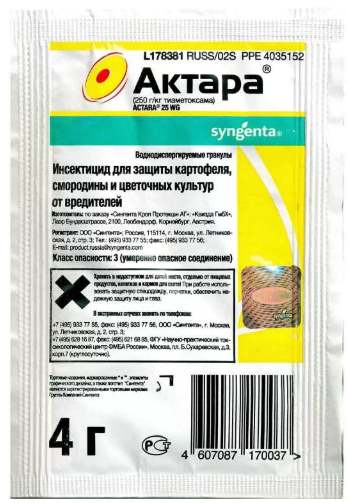
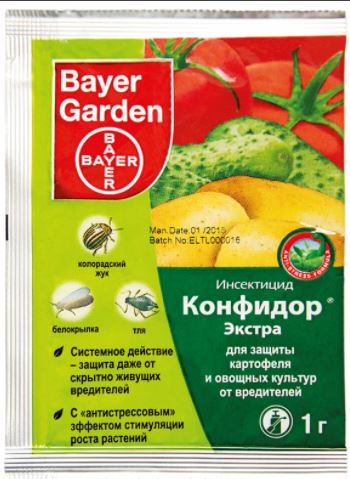
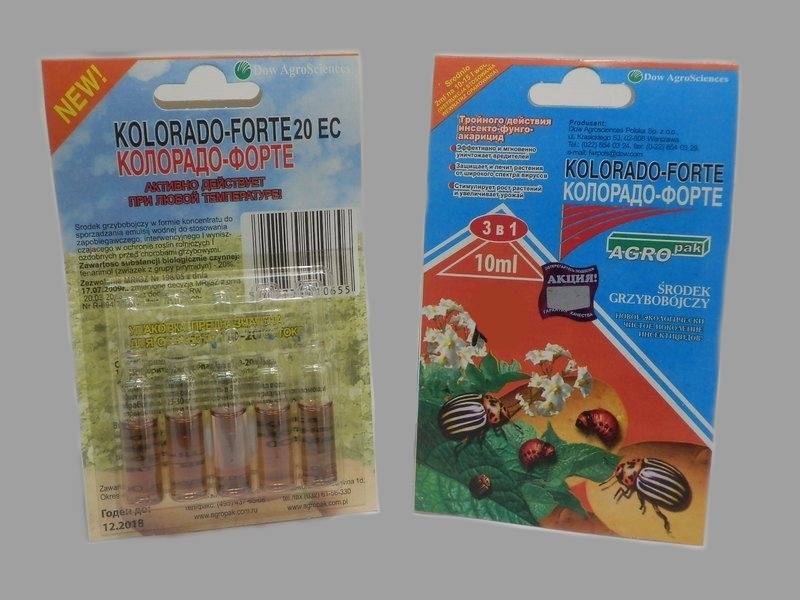
The table provides recommendations for the prevention and control of pests dangerous to Prime.
| Name of the pest | Prevention | Treatment |
| Colorado beetle
|
|
|
Wireworm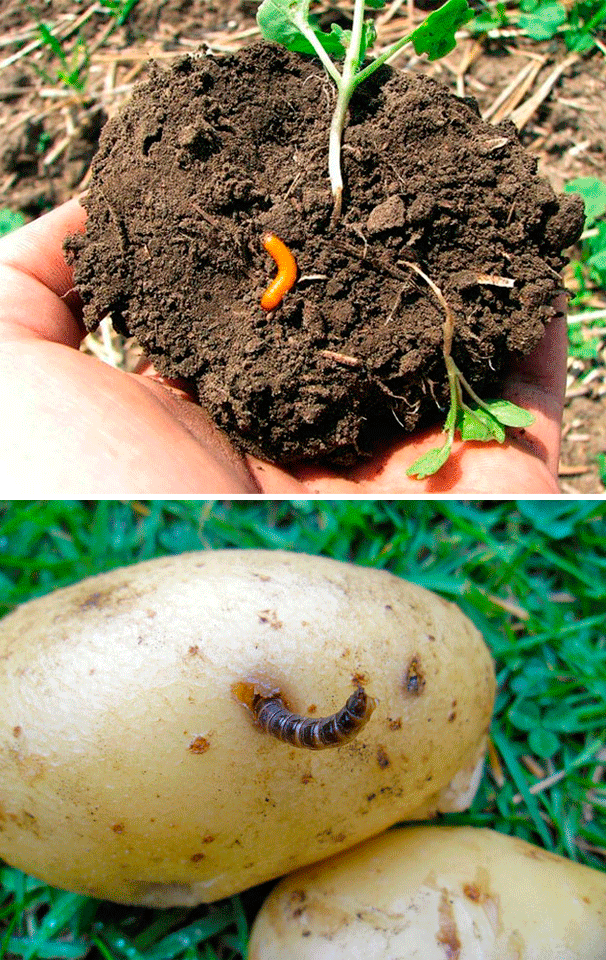 |
|
|
| Aphid
|
|
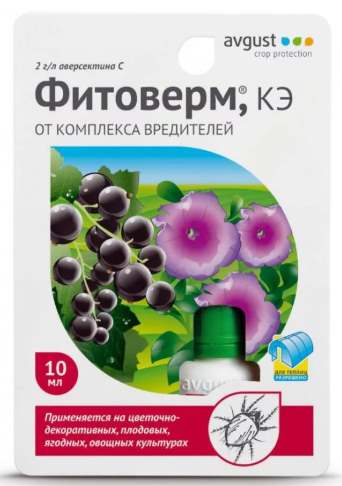
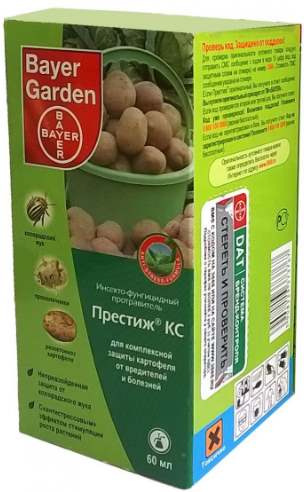
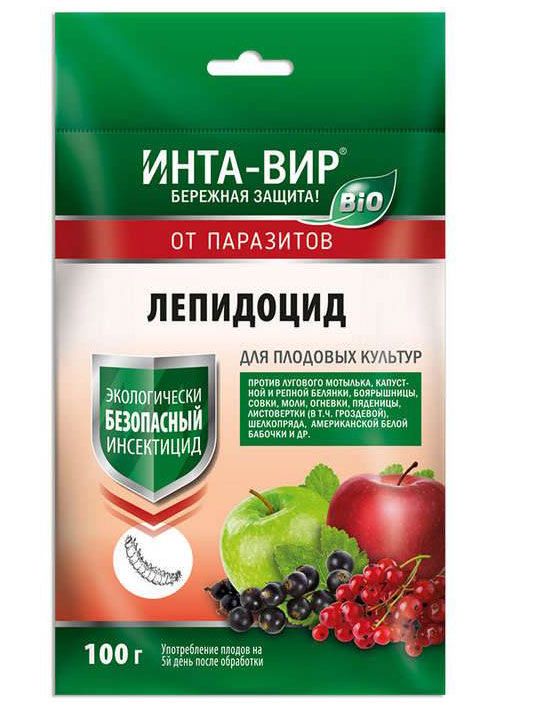
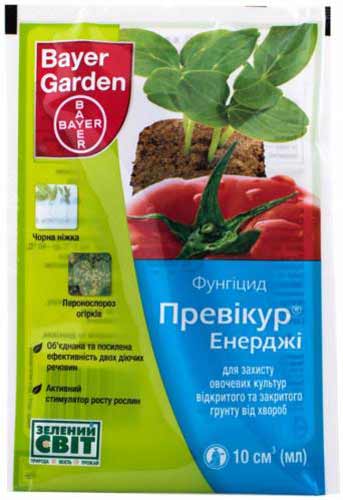
Treatment with Fitoverm, Intavir, Previkurt. |
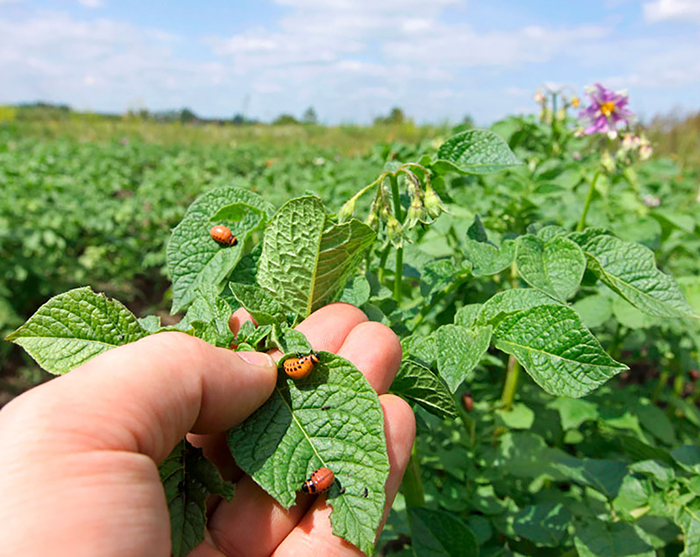
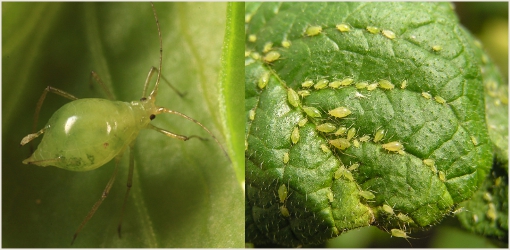
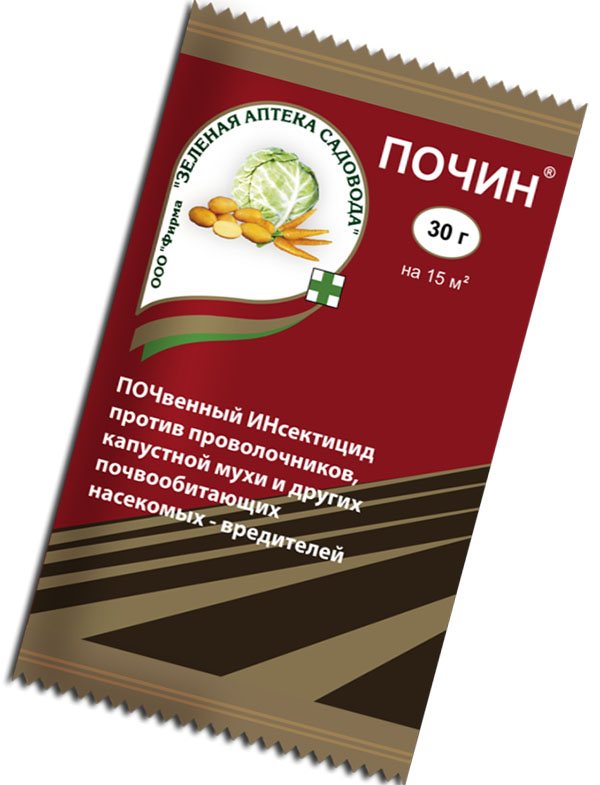
Photo gallery of pest and disease control products for the Prime potato variety:

The nuances of harvesting and storing the Prime potato variety
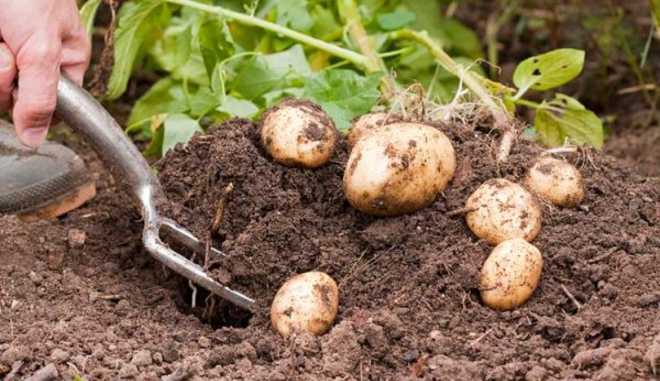
Harvesting should begin on a dry, clear day in the morning. After digging, the tubers are laid out directly on the bed to dry. That evening, they should be moved under cover to protect them from precipitation. Drying continues for another three weeks.
After the specified time, select only healthy, undamaged potatoes. Pack them into bags or wooden crates. Store in a cool, dark, well-ventilated area for further storage.
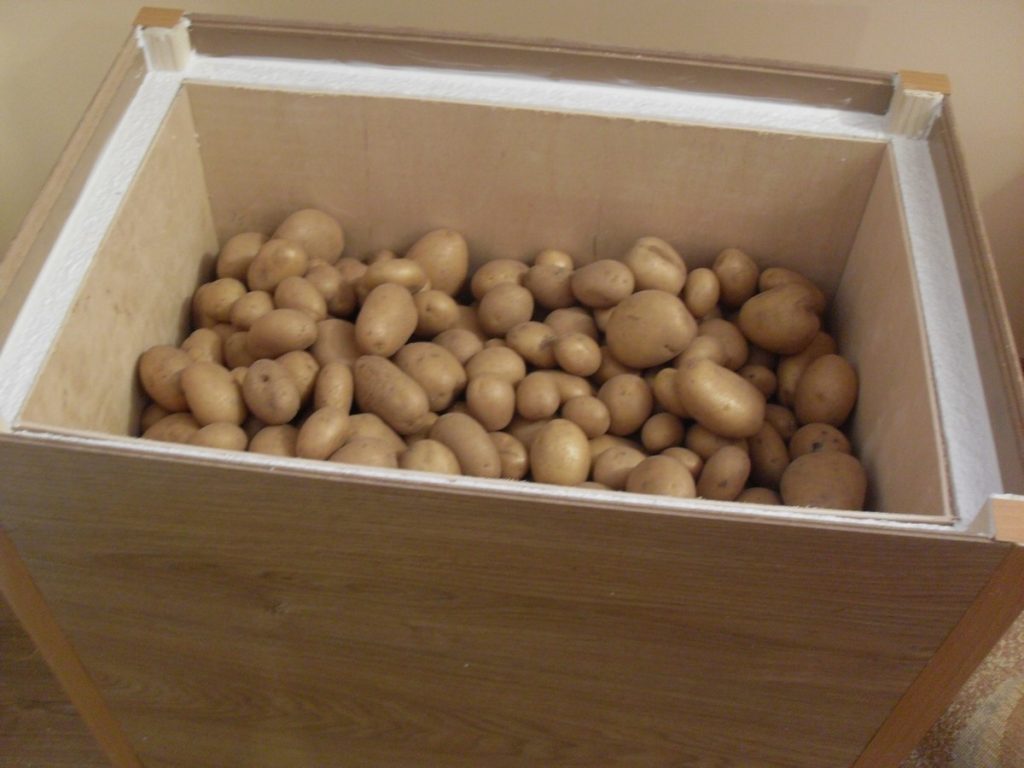
As it turns out, planting and caring for the Prime potato variety is quite simple. Gardeners who grow it in their gardens report that it produces a good, tasty harvest even in harsh summers. The most important thing is to follow basic farming practices.
Comparison of the Prime potato variety with other varieties in the table
| Variety | Ripening period (number of days to maturity) | Starch (%) | Yield (c/ha) | Weight of tubers (g)
Number of tubers per bush |
Shelf life (%) |
| Prime | Mid-season** | 11.2-13.4 | 170-415 | 92-148
7-12 |
96 |
| Ilyinsky | Mid-early** | 15.7-18 | 176-346 | 55-160
8-13 |
93 |
| Armada | Early ripening* | 17-18 | 230-370 | 96-130
9-14 |
80-85 |
| Giant | Mid-season*** | 16-19 | 290-424 | 100-140 8-13 |
97 |
| Explosive | Early ripening* | 16-17 | 156-240 | 110-150
8-14 |
95 |
| Zekura | Mid-early** | 13-18 | 350-370 | 60-150
12-20 |
98 |
| Kolobok | Mid-season*** | 11-13 | 130-250 | 90-140
15-18 |
96 |
| Treasures | Mid-season*** | 12-18 | up to 650 | 95-250 12-18 |
94 |
| Luck | Early ripening* | 11-15 | 420-430 | 100-150
10-15 |
88-97 |
| Nikulinsky | Mid-late**** | 12.5-21.3 | 170-410 | 70-135
12 |
95 |
*Early ripening – 50-65 days.
**Mid-early – 65-80 days.
***Mid-season – 80-95 days.
****Mid-late – 95-110 days.
Real reviews of the new Prime potato variety
Since the Prime potato variety is brand new, there are no gardener reviews on forums yet. However, bloggers are already starting to share their experiences with us. There are video reviews of this variety on YouTube; check them out:
Here's what the creators (Doka Gene) say about their variety:
All the varieties we bring to market (Carmen, Prime, Flamingo, Indigo, and Real) are high-yielding, with potential yields reaching up to 70 t/ha. A distinctive feature of our selection is the premium quality varieties with perfectly uniform tubers, shallow eyes, and shiny skin.
…
Over the past few years, we've developed more than 10 new potato varieties, distinguished by their tuber size and resistance to pathogens. Among the most well-known are Prime and Kalinka.