It's commonly believed that potatoes only begin to fall apart when they contain a lot of starch. But that's not entirely true. In fact, they fall apart when the balance between protein and starch is disrupted. The greater the difference, the more mushy the potato will be.
Early-ripening varieties typically have low starch content, so they rarely crumble during processing. The lighter the color of the flesh, the more starch it contains.
The amount of starch often depends on the quality of the soil, the fertilizer used, and the care provided. However, it will in no case exceed the amount specified by the manufacturer for a particular variety.
Some novice gardeners continue to add nitrogen fertilizers to the soil during the tuber formation stage. This is absolutely unacceptable, as it will make the potatoes watery, tasteless, and difficult to cook. They can also accumulate nitrates, which have a negative impact on the body.
There are several ways to achieve maximum crispness in potatoes. However, it's important to remember that if a variety has a starch content of 9%, no amount of careful care will increase that amount. However, the following procedures will help the potato develop its best varietal characteristics:
- Germination of planting material before planting for three weeks.
- Covering after planting in open ground at the initial stages of growth.
- Application of foliar feeding.
- Proper soil preparation, increasing its fertility.
To choose crumbly varieties, you need to consider their cooking type. For example, A is a potato that doesn't boil over at all, B is a versatile potato, C is a potato that cooks well and quickly, and D is a potato that crumbles when cooked. Therefore, if you want good mashed potatoes, you should choose varieties like BC, C, CD, and D.
Content
The best early, crumbly potato varieties with white flesh
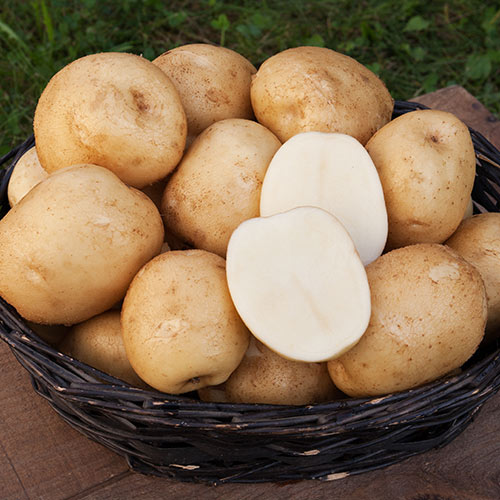
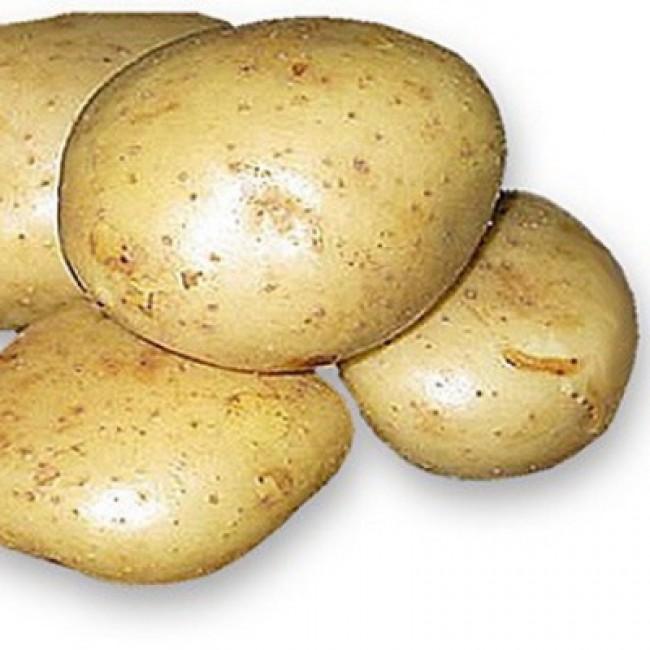
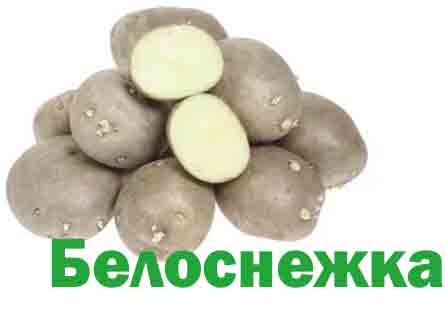
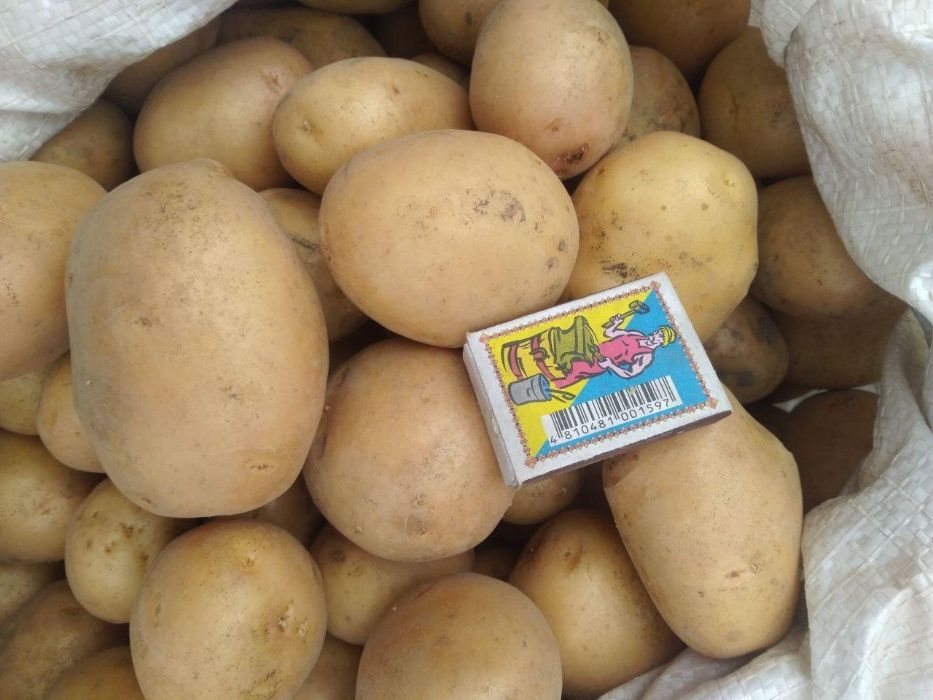
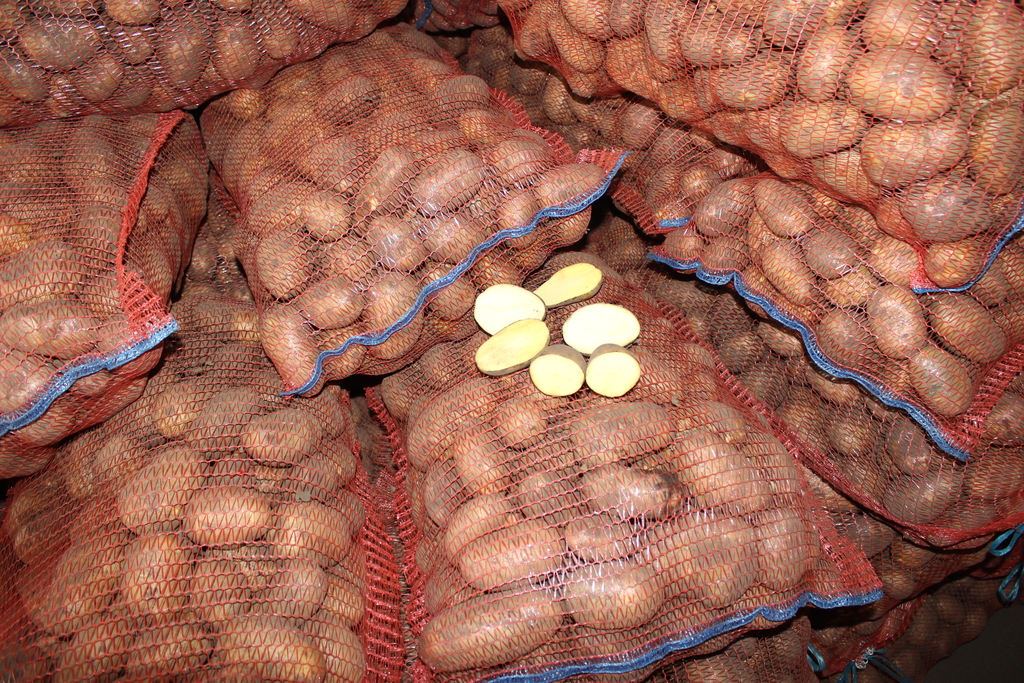
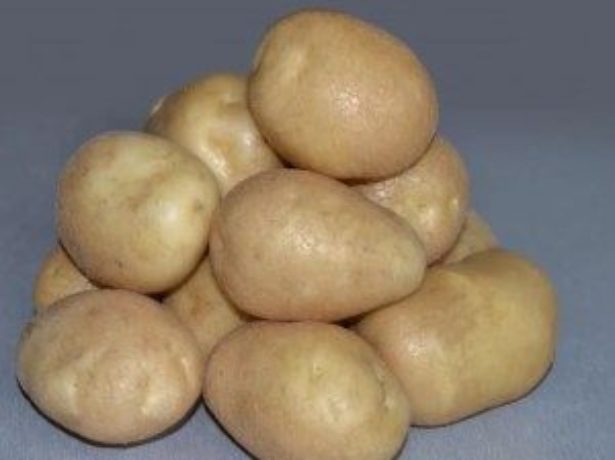
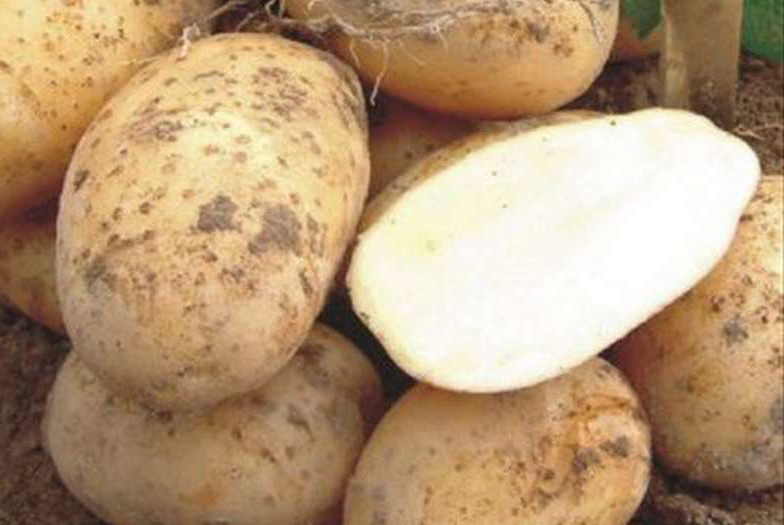
Snow White (Russia)
- Ripening period: 70-80 days (mid-early).
- TubersOval-shaped, yellowish skin with small eyes. White, tasty flesh. Tuber weight 65-117 g.
- Starch content: 15.5-19.9%, 4-5.2% higher than the standard.
- Culinary type: CD
- Productivity: 162-242 c/ha, maximum 356 c/ha.
- Disease resistance: resistant to cancer, late blight of tops, immune to late blight of tubers, susceptible to nematodes.
- Growing regions: Central, Far Eastern.
- Advantages: high shelf life (96%), resistance to late blight.
- Flaws: average marketability (77-98%).
Photo gallery of the Snow White potato variety:
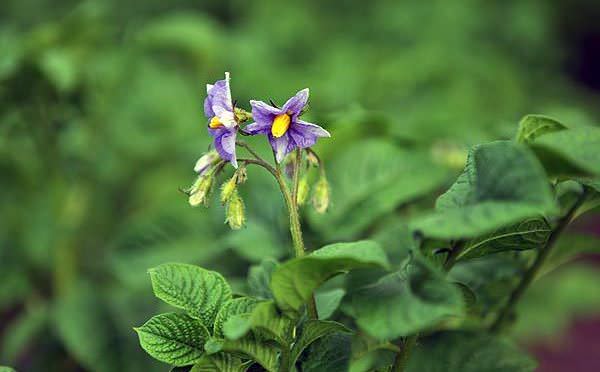
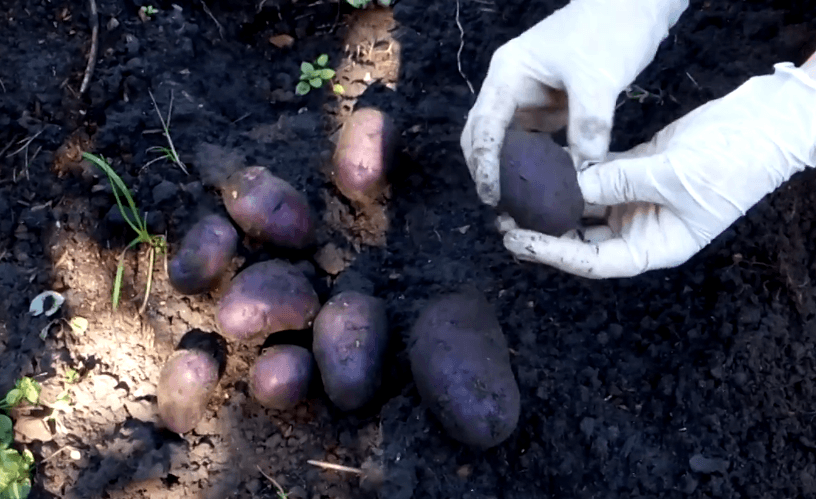
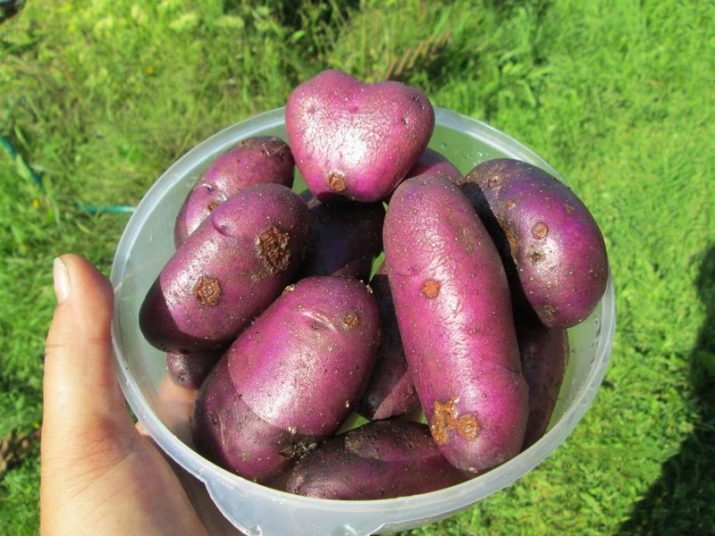
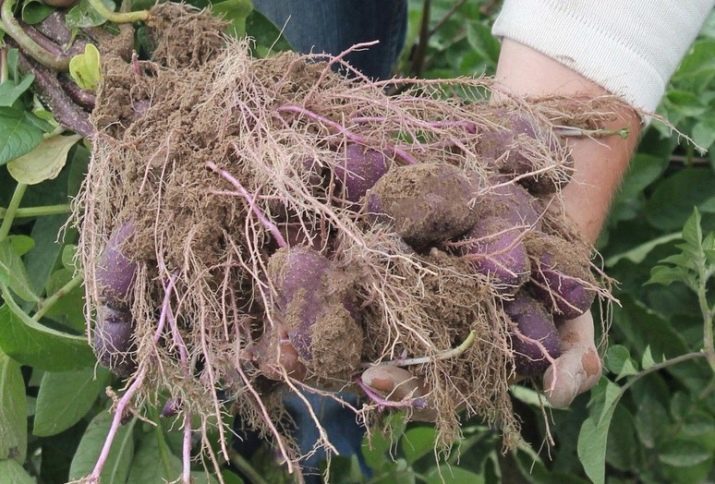
Vasilek (Russia)
- Ripening period: 70-90 days (mid-early).
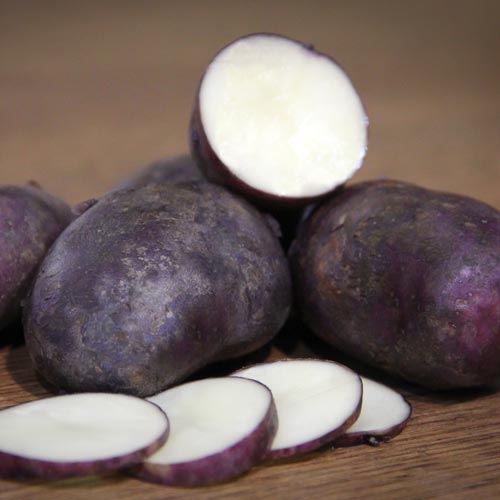
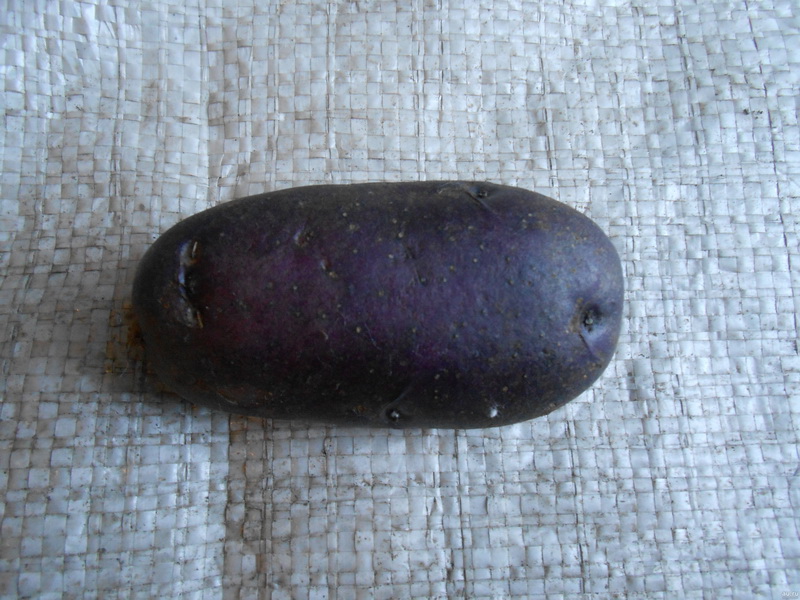
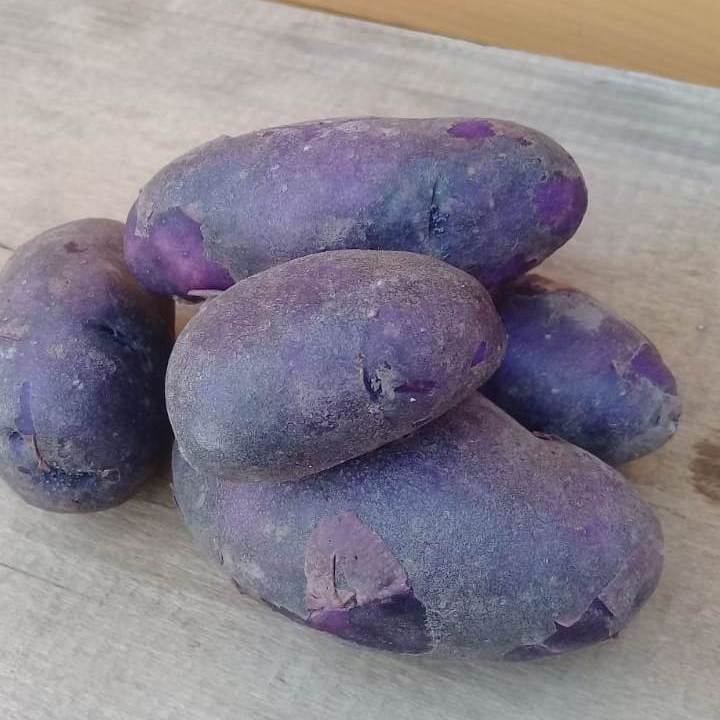
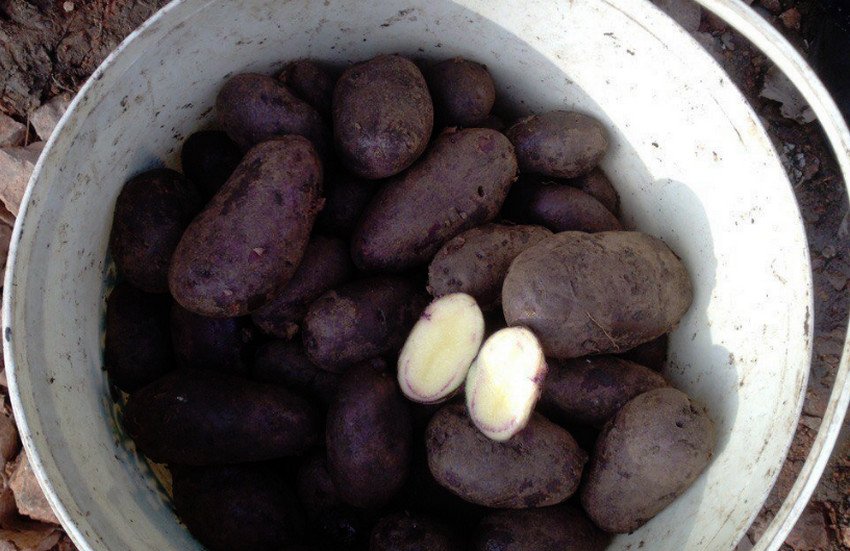
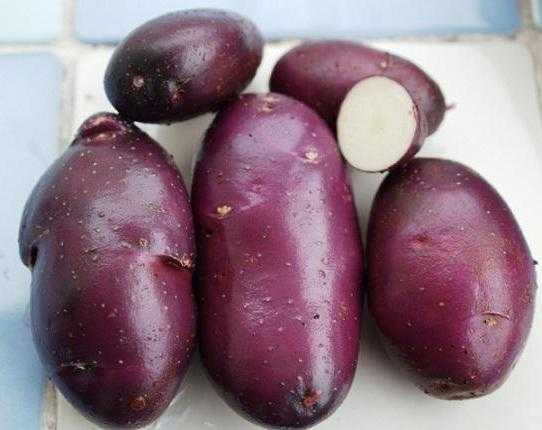
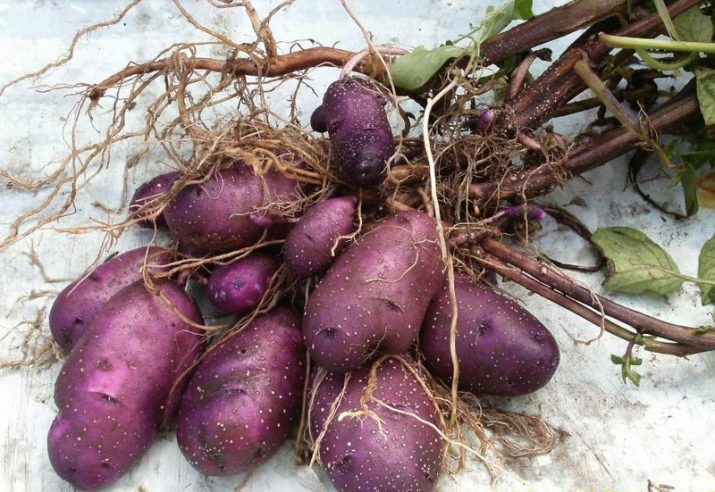
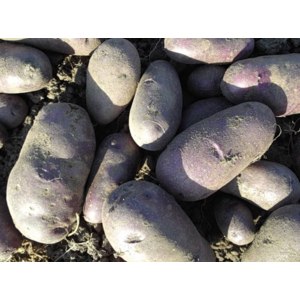
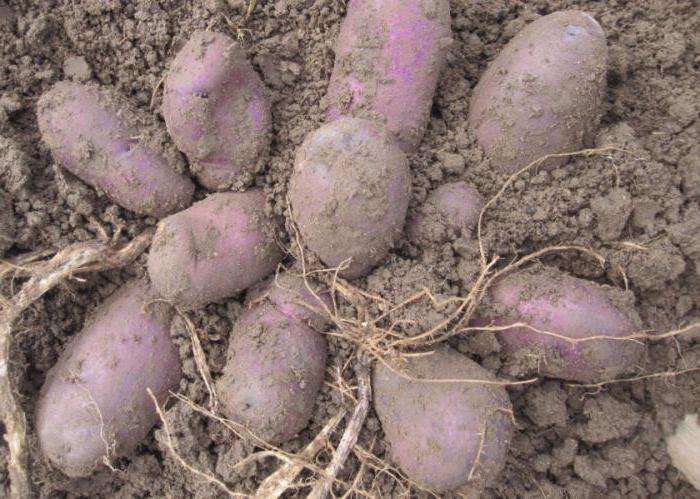
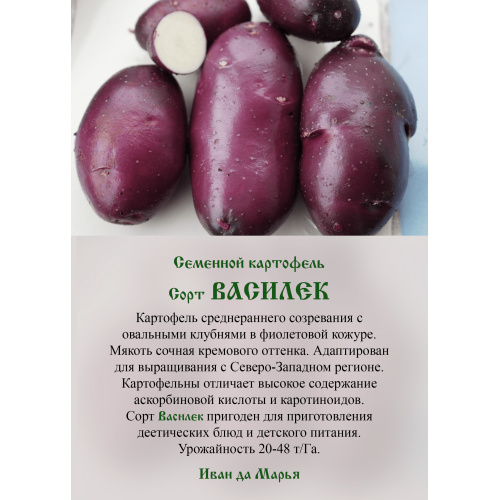
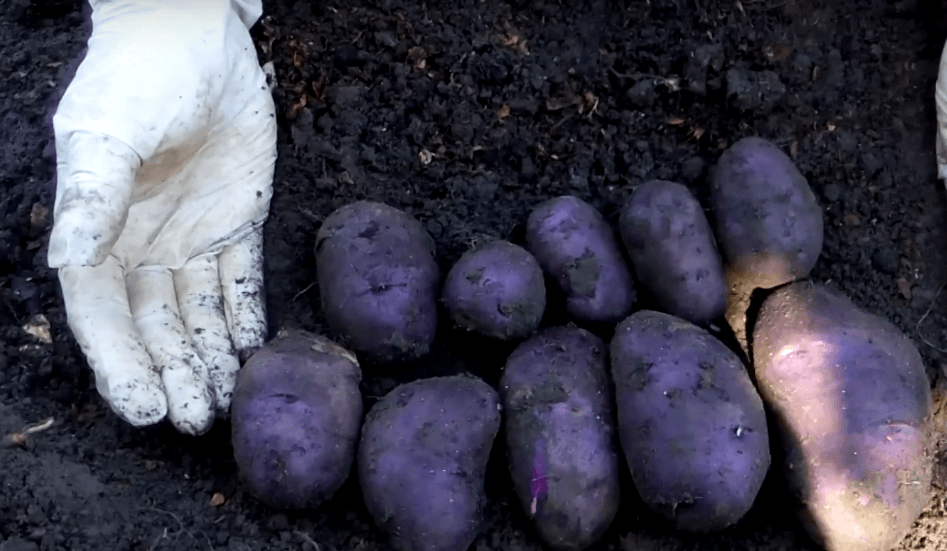
- Tubers: elongated-oval, smooth, with thin blue-violet skin, weighing 77-112 g. The flesh is white to cream.
- Starch content: 12.6-15.9%, 0.4% higher than the standard.
- Culinary type: Sun
- Productivity: 93-256 c/ha, maximum - 482 c/ha.
- Disease resistance: resistant to cancer, relatively resistant to late blight, moderately resistant to rugose and striped mosaic, susceptible to nematode.
- Growing regions: Central.
- Advantages: good taste, high shelf life (96%).
- Flaws: average marketability (71-94%).
Photo gallery of the Vasilek potato variety:
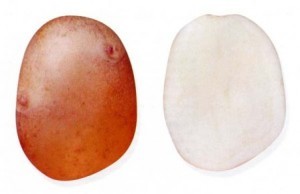
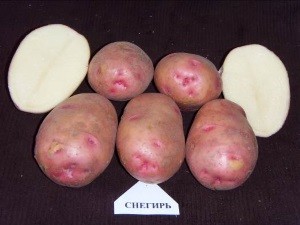
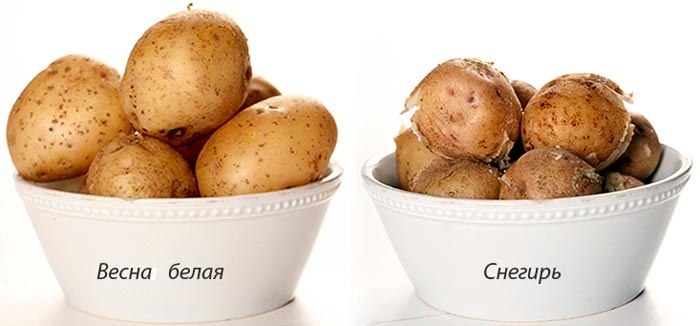
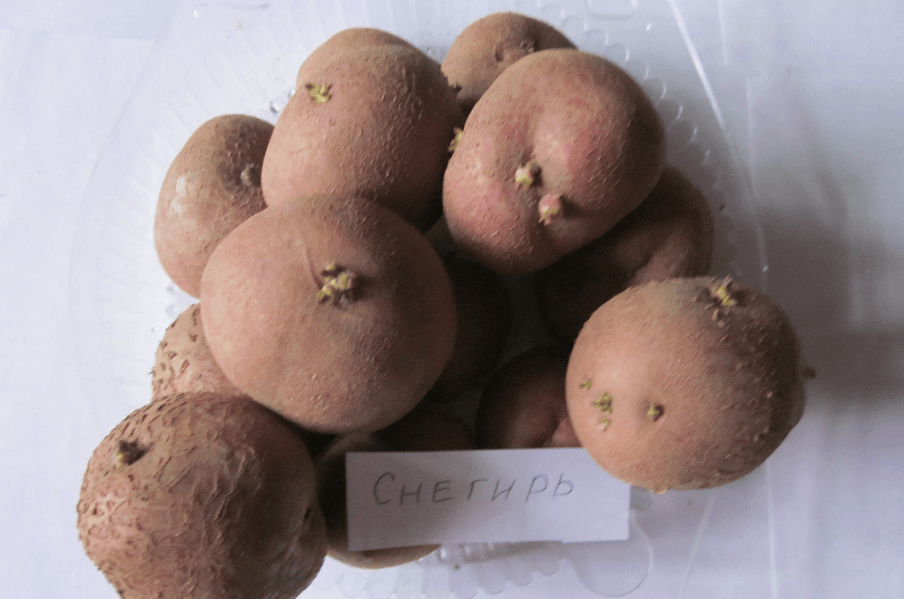
Bullfinch (Russia)
- Ripening period: 55-65 days (early maturing).
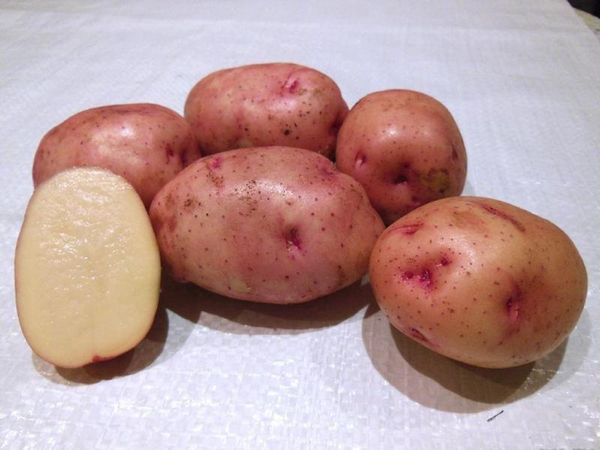
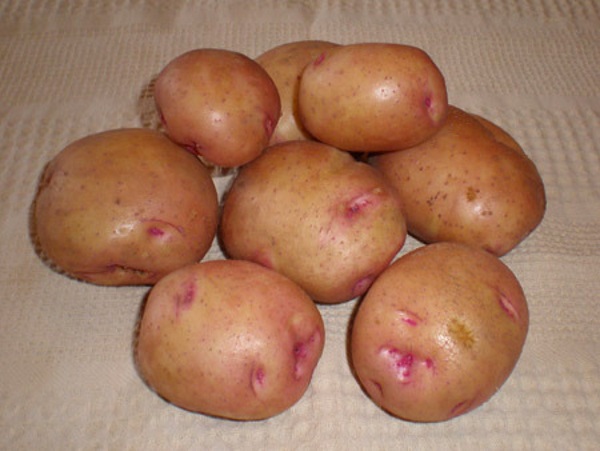
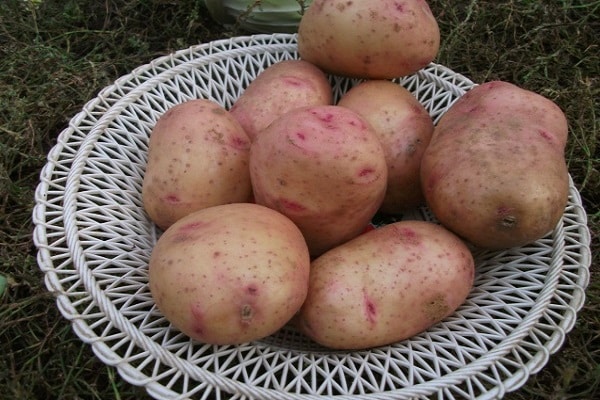
- Tubers: relatively small, weighing from 50 to 90 g, round-oval in shape with light flesh and pinkish skin.
- Starch content: 15.7-16%, 0.3-0.6% higher than the standard.
- Culinary type: Sun
- Productivity: 180-271 c/ha.
- Disease resistance: resistant to nematodes, cancer, moderately susceptible to late blight.
- Growing regions: Northern, Northwestern, Central, Volga-Vyatka, Central Black Earth, Middle Volga, Ural, Far Eastern.
- Advantages: high resistance to diseases, good taste, high yield and shelf life (95%).
- Flaws: not a very high marketability rate (65-85%).
Photo gallery of the Snegir potato variety:
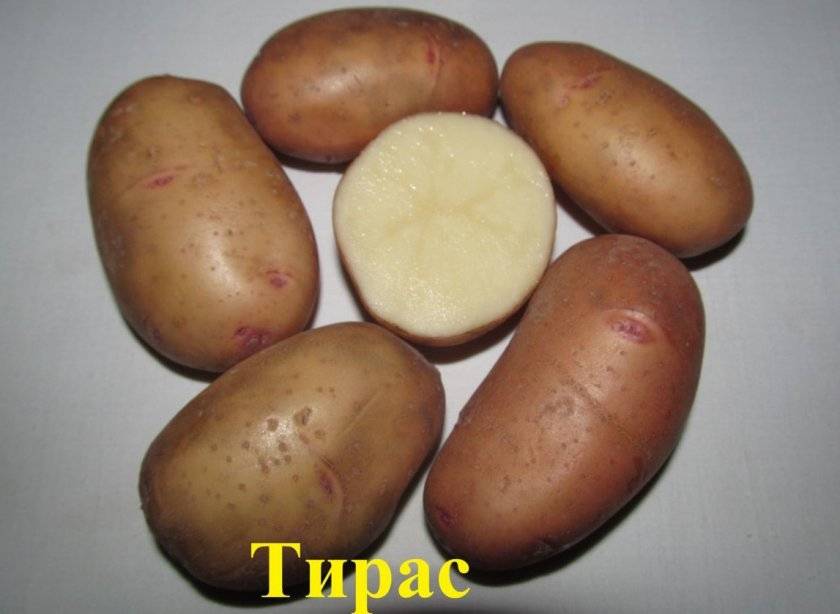
Tiras (Ukraine)
- Ripening period: 70-80 days (early maturing, since the first harvest can be collected already on the 38th day).
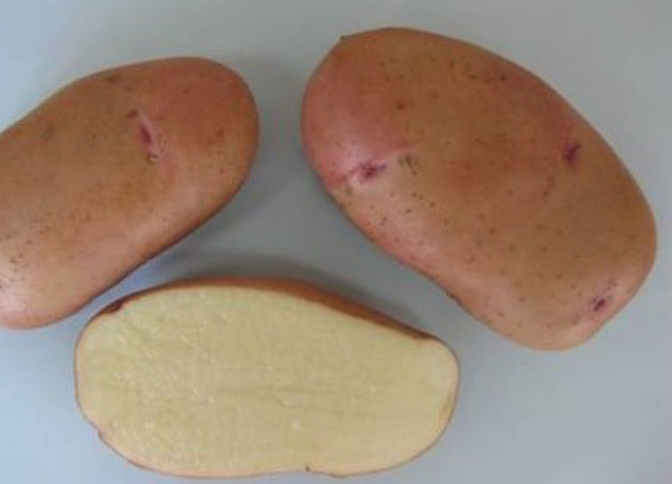
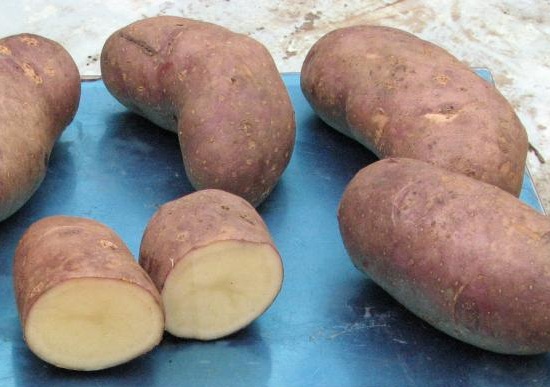
- Tubers: oblong-oval, smooth, pink skin, numerous but shallow eyes. Weight reaches 130 g. The flesh is light.
- Starch content: 13-15%.
- Culinary type: IN
- Productivity: up to 460 c/ha.
- Disease resistanceThe variety is resistant to common scab, cancer, nematodes, but is prone to late blight and leaf curl virus.
- Growing regions: Northern, Northwestern, Central, Volga-Vyatka, Central Black Earth, North Caucasian, Middle Volga, Lower Volga, Ural, West Siberian, East Siberian, Far Eastern.
- Advantages: suitable for all regions, drought-resistant, can be grown on poor soils.
- Flaws: there are varieties that are more resistant to diseases.
Important: Reviews of this variety say that it cooks quickly, but it is still not very crumbly.
Photo gallery of the Tiras potato variety:

The best mid-season and late-ripening, crumbly potato varieties with white flesh
Sineglazka (Russia)
- Ripening period: 70-90 days (mid-season).
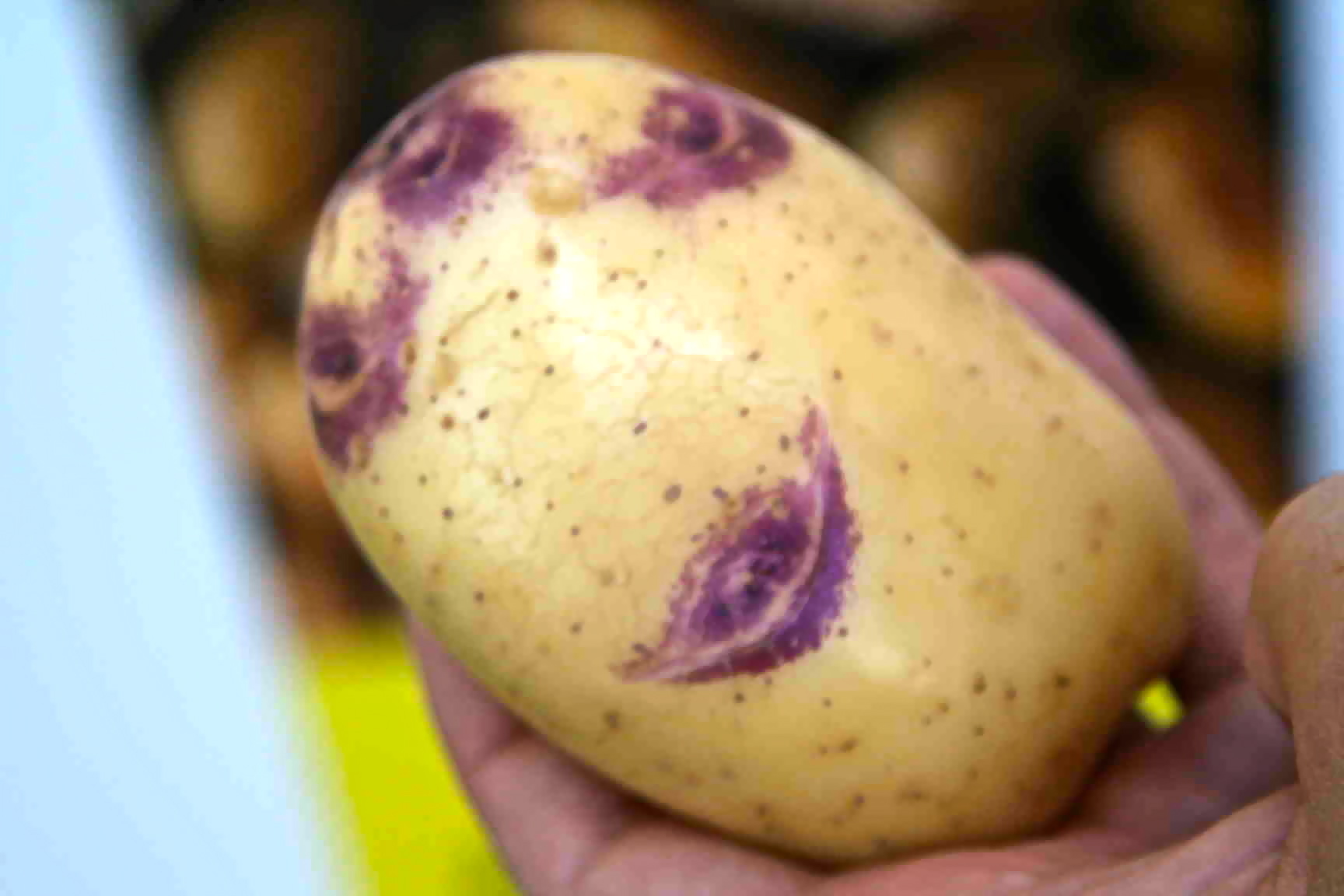
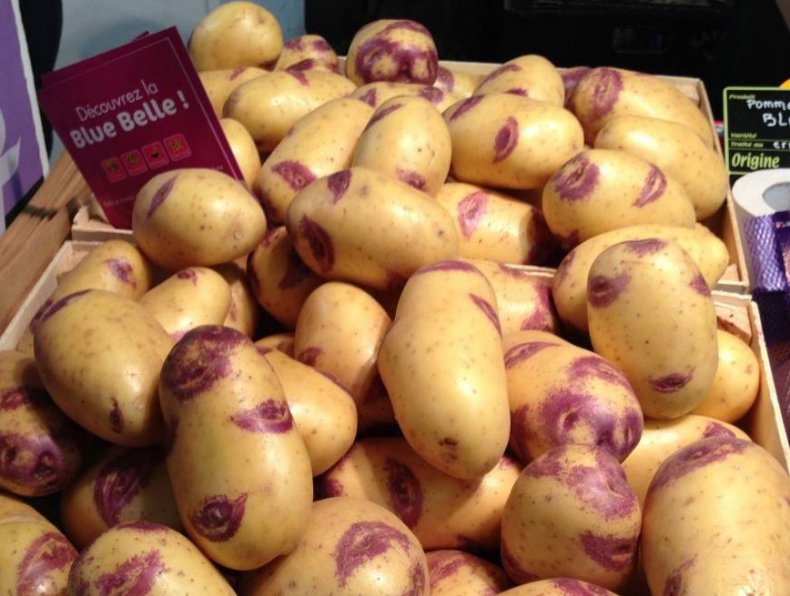
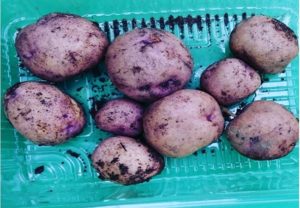
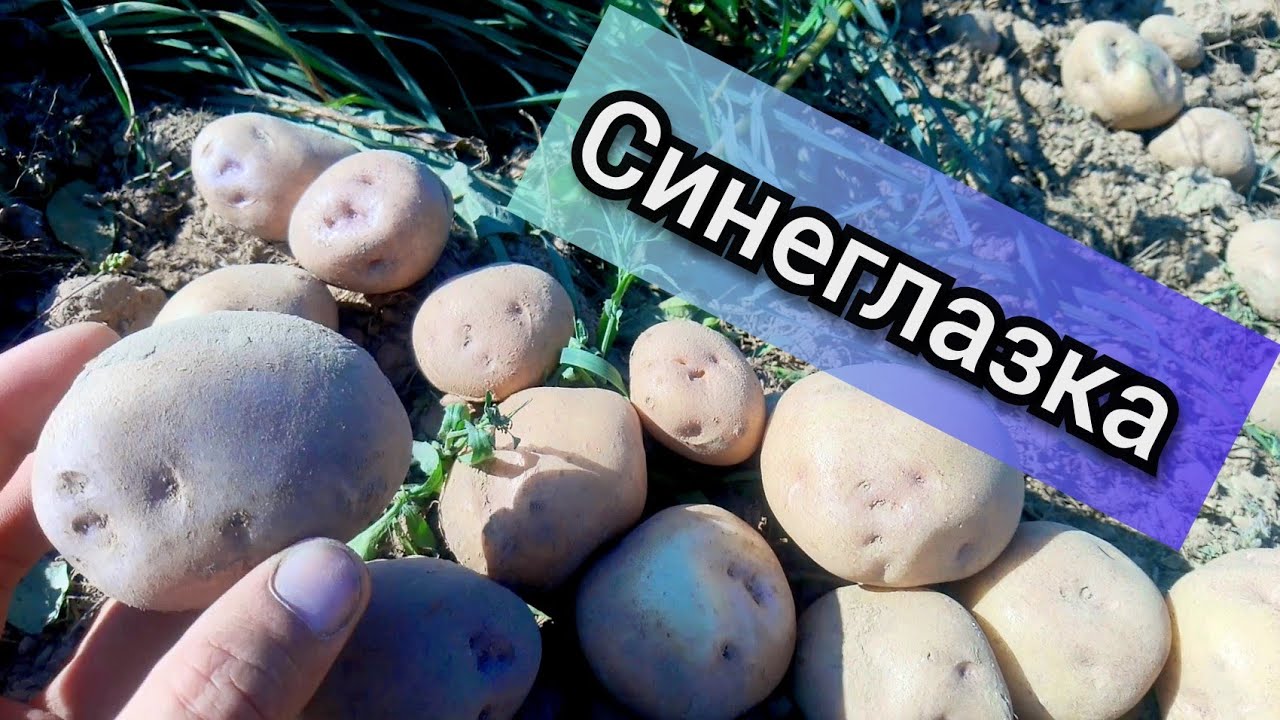
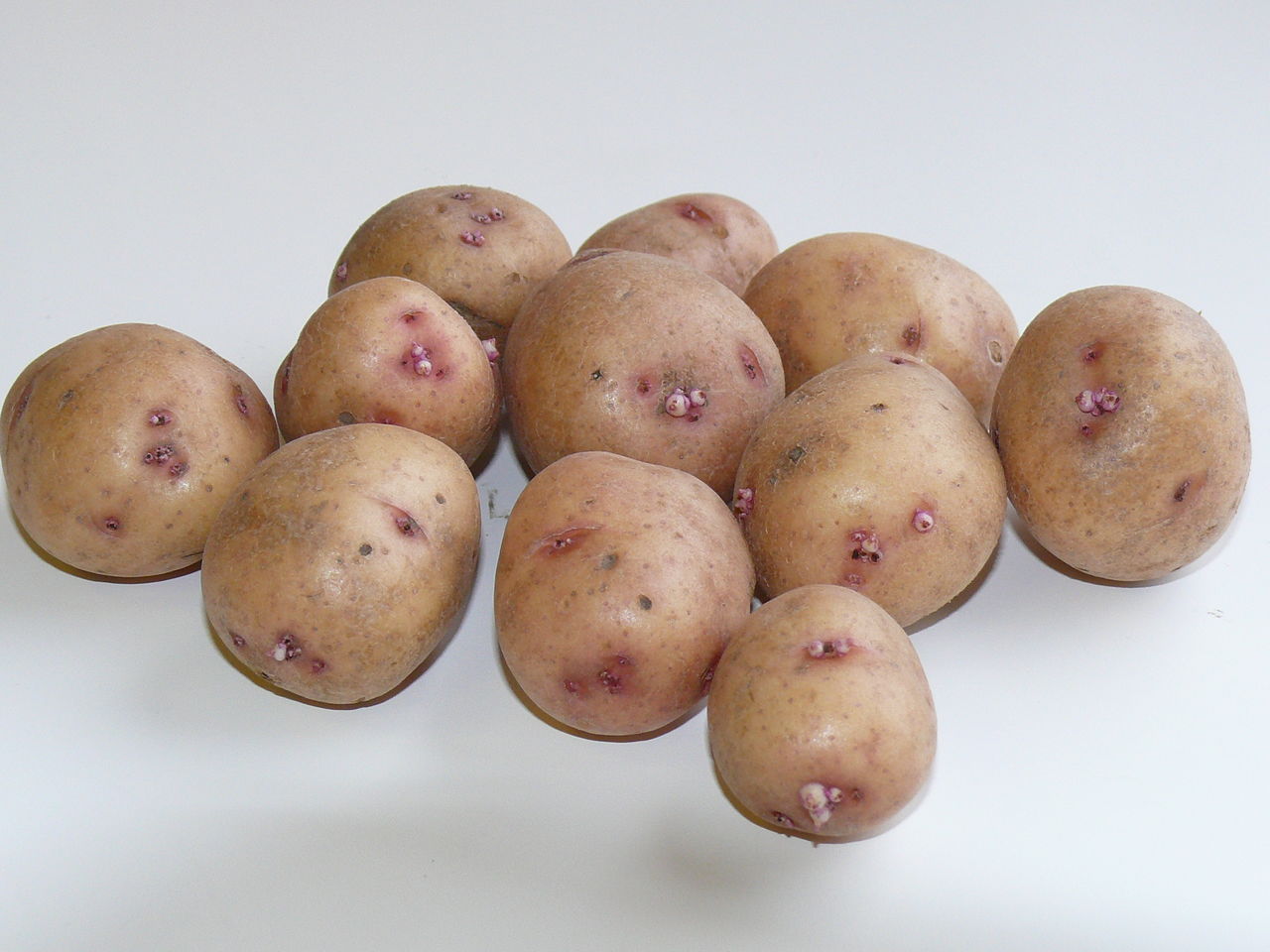
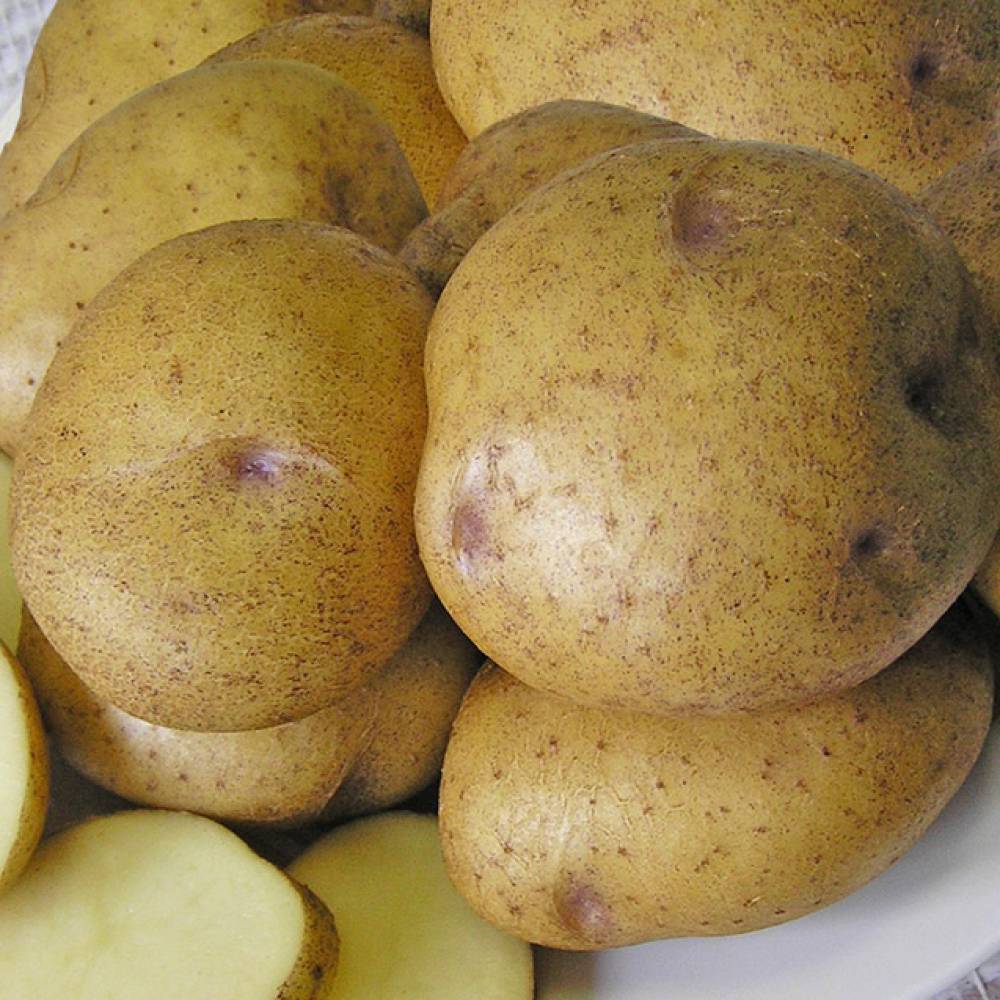
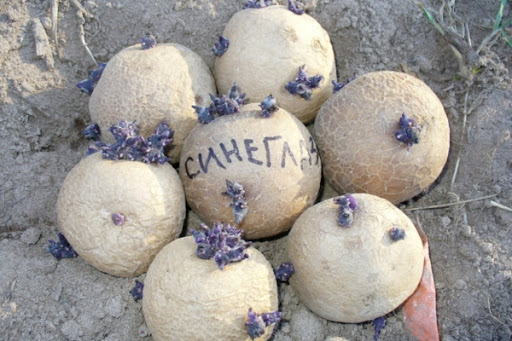
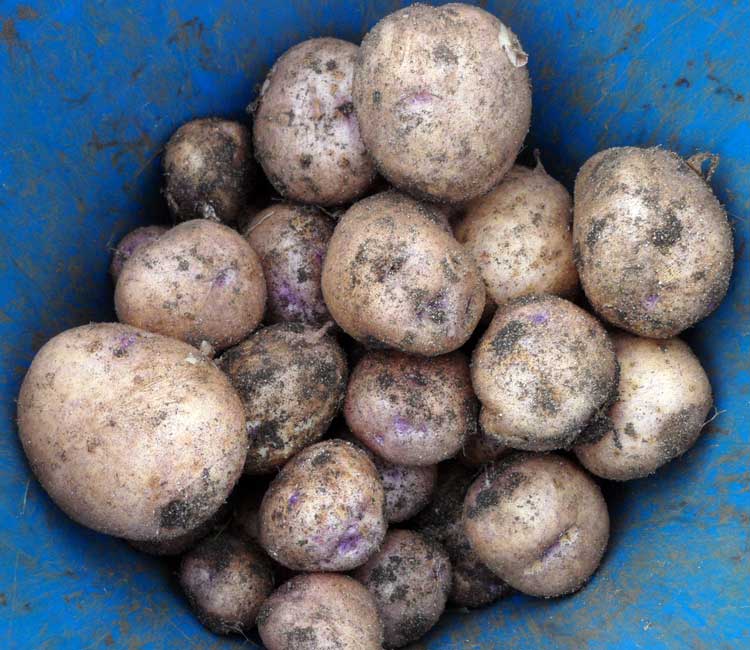
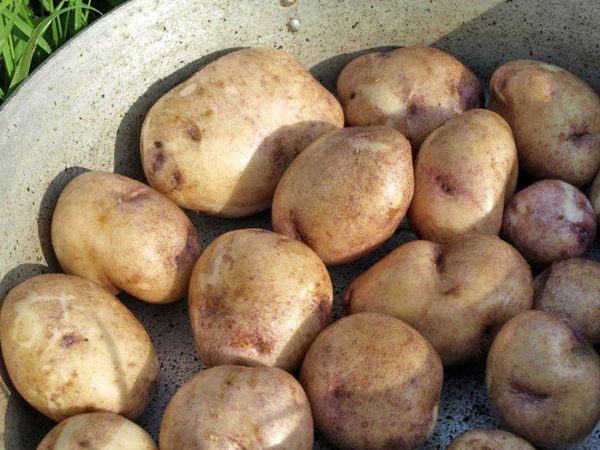
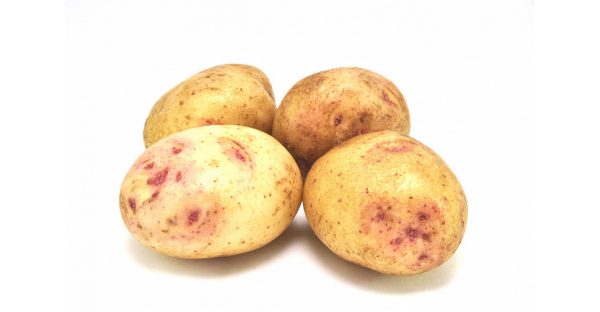
- TubersOval-round, with a thin but very dense yellowish-pink skin. The variety gets its name from the blue eyes on the surface. Tuber weight is 70-195 g.
- Starch content: 11-14%.
- Culinary type: AB
- Productivity: 120-293 c/ha, maximum - 478 c/ha.
- Disease resistance: resistant to cancer, scab, late blight, susceptible to nematodes.
- Growing regions: Central.
- Advantages: easy to care for, high yield, good shelf life (93%)
- Flaws: not very good marketability (75-88%).
ImportantAlthough the Sineglazka variety is classified as medium-crumbly, we've included it in this article because many users find it very soft and say there's no better or tastier mash than this potato!
Photo gallery of the Sineglazka potato variety:
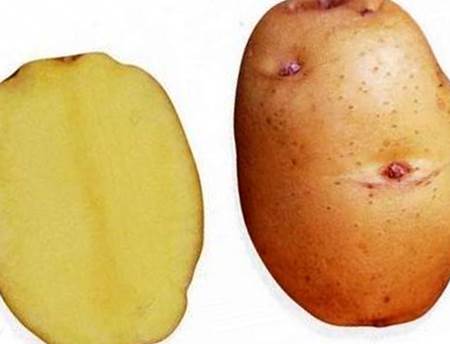
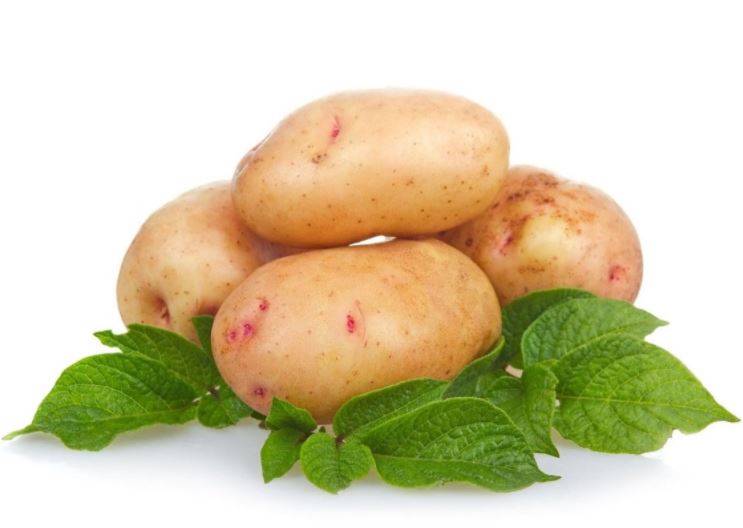
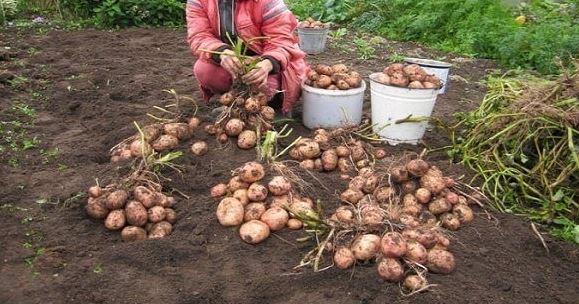
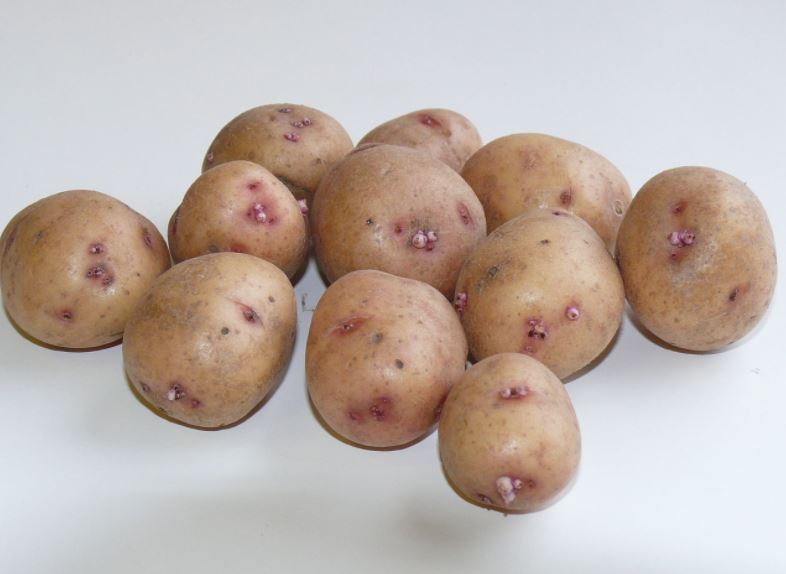
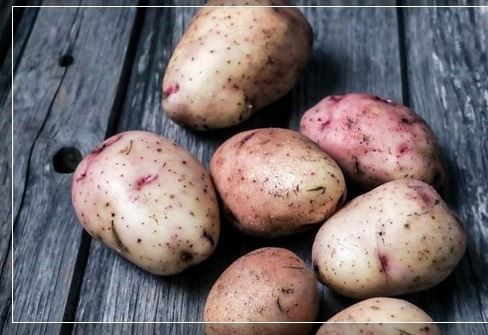
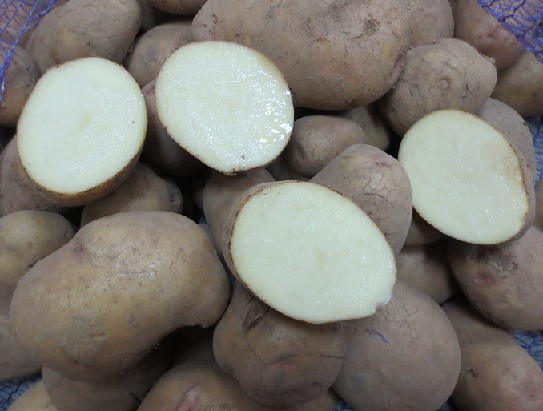
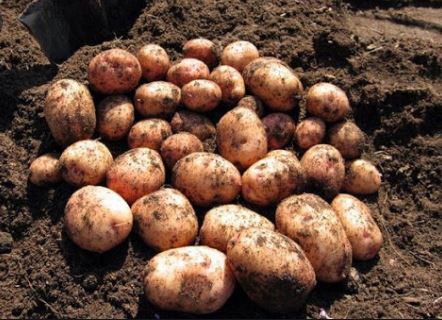
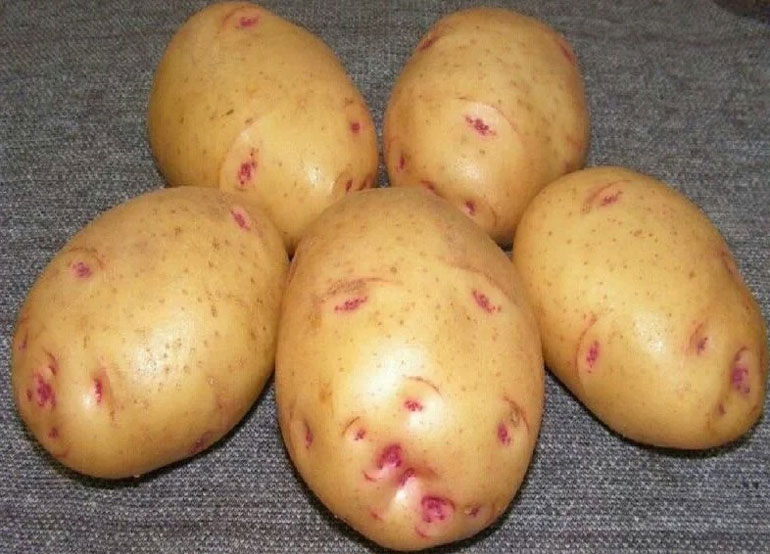
Aurora (Russia)
- Ripening period: 70-90 days (mid-season).
- Tubers: oval, yellow skin with a few reddish eyes. Weight 93-128 g.
- Starch content: 13.5-17.3%.
- Culinary type: Sun
- Productivity: 214-396 c/ha.
- Disease resistance: highly susceptible to cancer, nematodes, moderately susceptible to late blight of tops and tubers.
- Growing regions: Northern, Northwestern, Central, Volga-Vyatka, Central Black Earth, North Caucasian, Middle Volga, East Siberian, Far Eastern.
- Advantages: good yield, undemanding to growing conditions, high shelf life (94%).
- Flaws: relatively long germination, average marketability (80-93%).
Photo gallery of the Aurora potato variety:
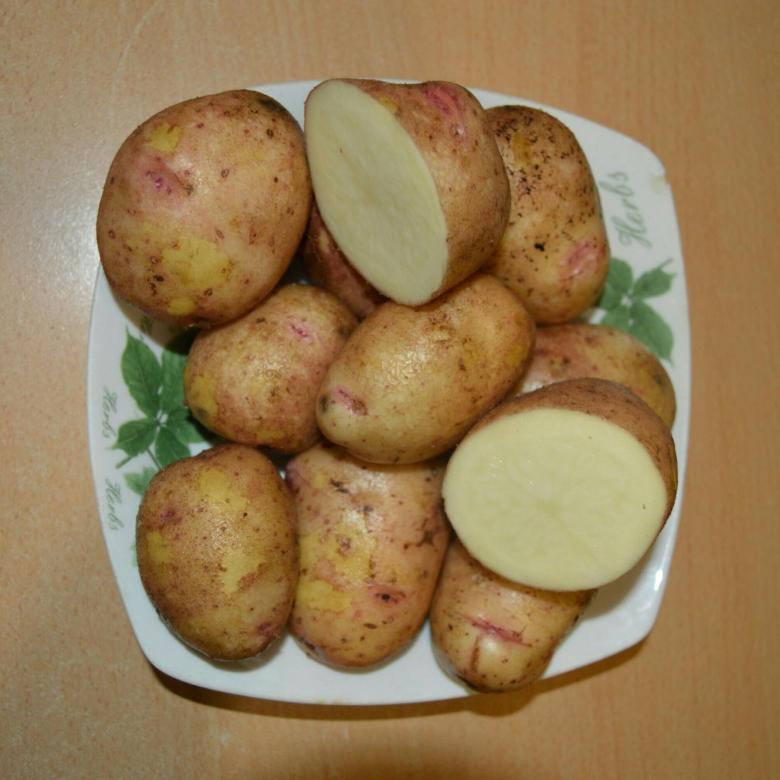
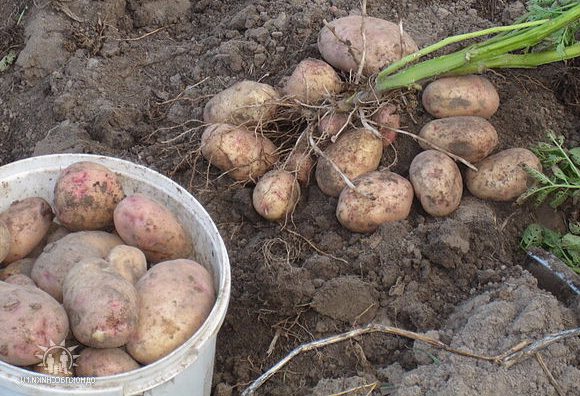
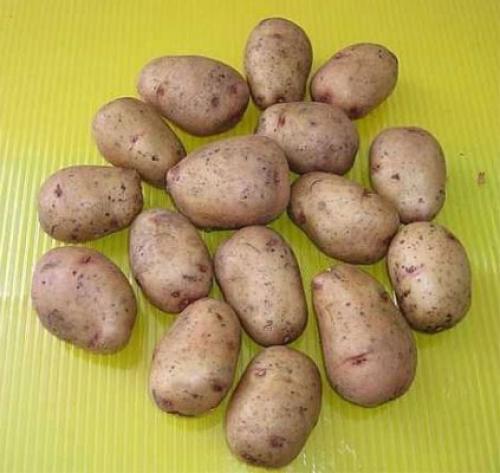
Herald (Russia)
- Ripening period: 80-100 days (mid-season).
- Tubers: round, weighing 48-140 g, cream-colored skin, mesh texture.
- Starch content: 11.2-18%, 0.6-1.6% higher than the standard.
- Culinary type: Sun
- Productivity: 158-307 c/ha.
- Disease resistance: resistant to cancer, viruses, can be severely affected by late blight.
- Growing regions: Central.
- Advantages: stable yield, good taste of tubers, resistance to mechanical damage, good keeping quality (94%).
- Flaws: average marketability (77-93%), not resistant to late blight.
Photo gallery of the Vestnik potato variety:
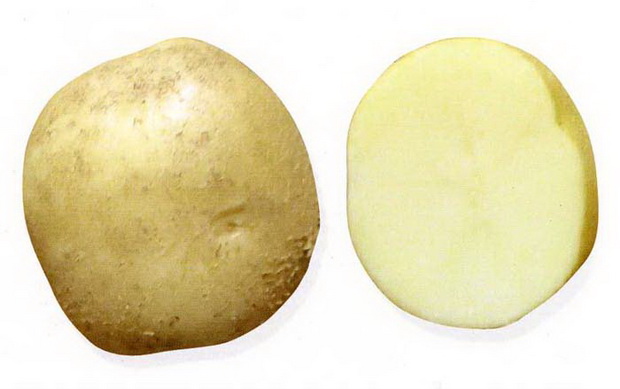
The best early, crumbly potato varieties with yellow flesh
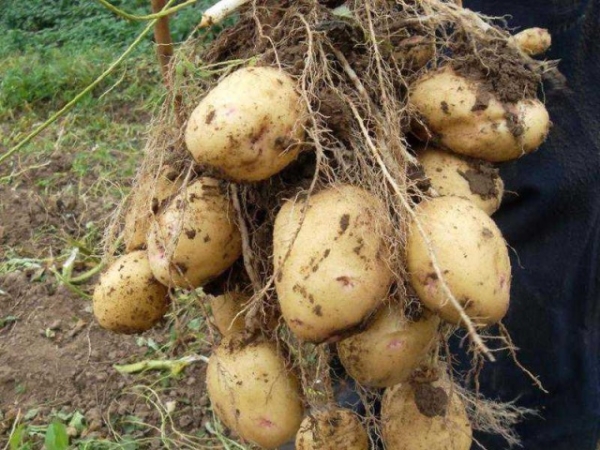
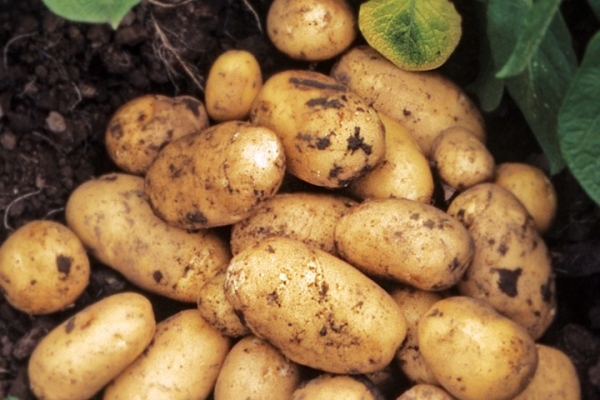
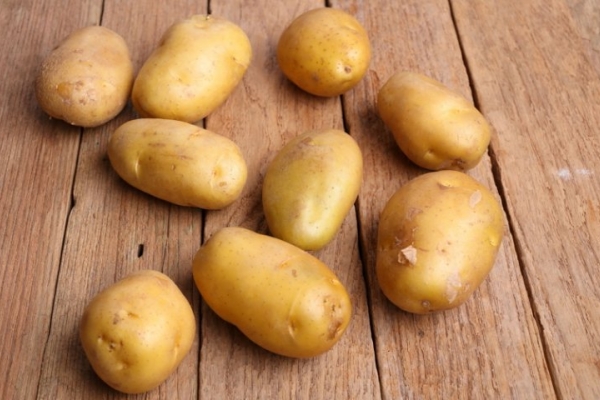
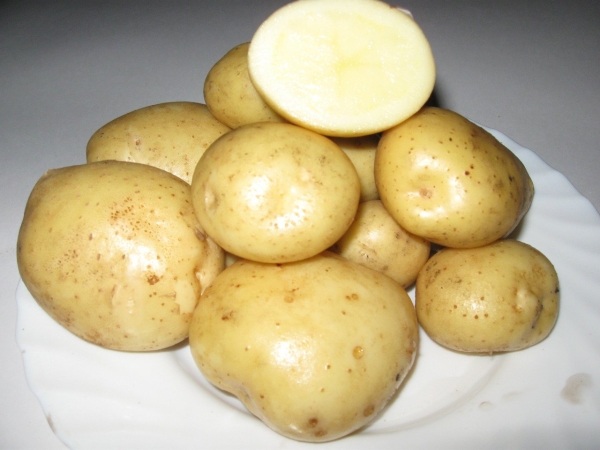
Adretta (Germany)
- Ripening period: 70-80 days (mid-early).
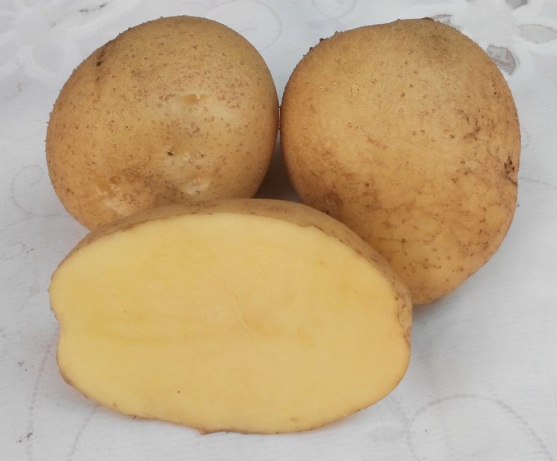
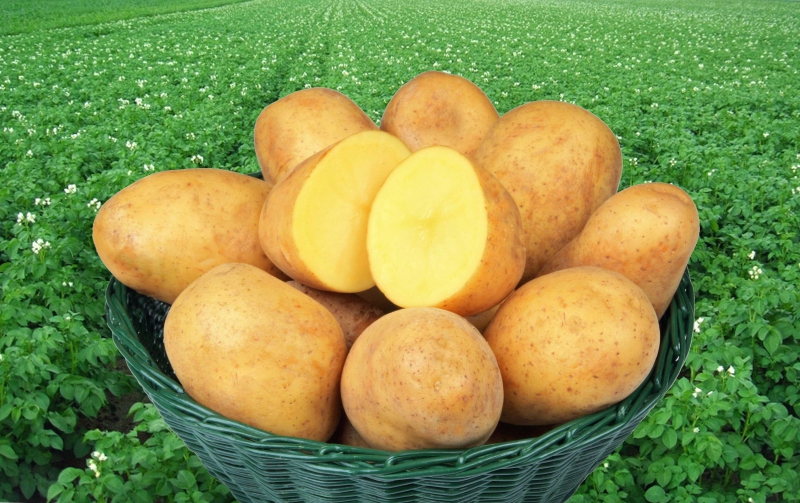
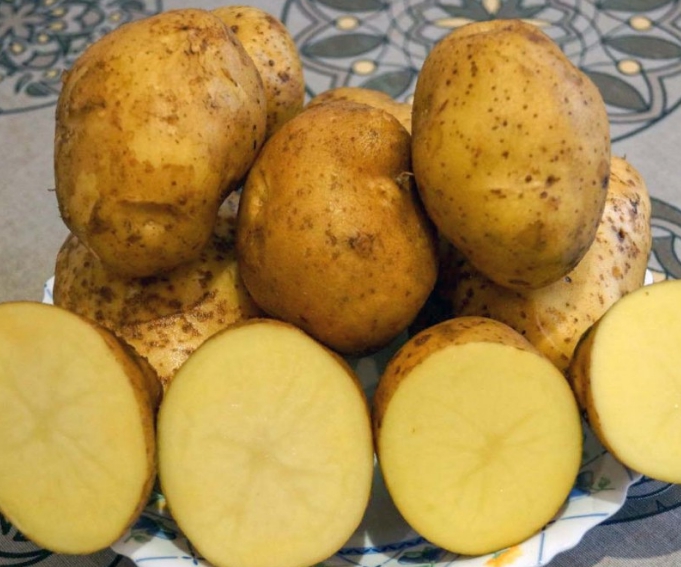
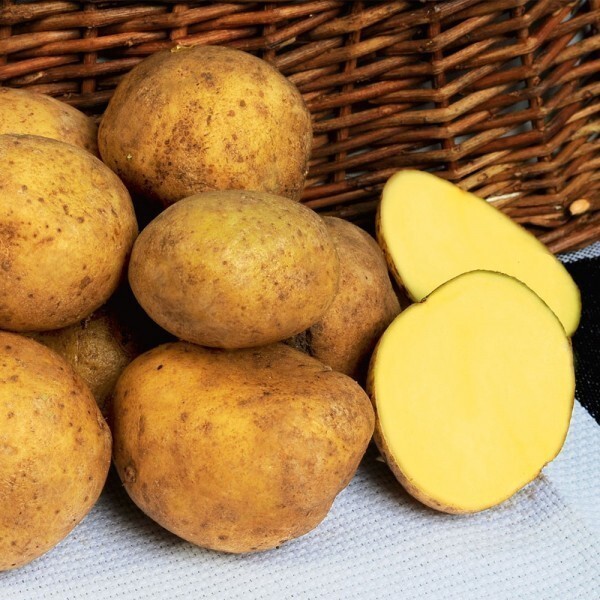
- Tubers: elongated, oval-shaped. The skin is yellowish, slightly rough. The flesh is light yellow. Tuber weight is 100-150 g.
- Starch content: 13-18%.
- Culinary type: C, not prone to change in pulp color during cooking.
- Productivity:
- Disease resistance: resistant to cancer, relatively resistant to viruses, susceptible to late blight, common scab, rhizoctonia.
- Growing regions: Middle Volga, West Siberian, Far Eastern.
- AdvantagesRapid top development, early tuber formation, excellent flavor. The tubers are crumbly, ripen early, and easy to peel.
- Flaws: not very good resistance to diseases, average keeping quality.
Photo gallery of the Adretta potato variety:
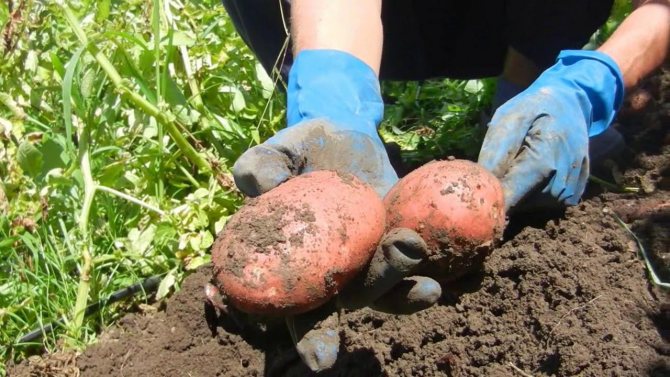
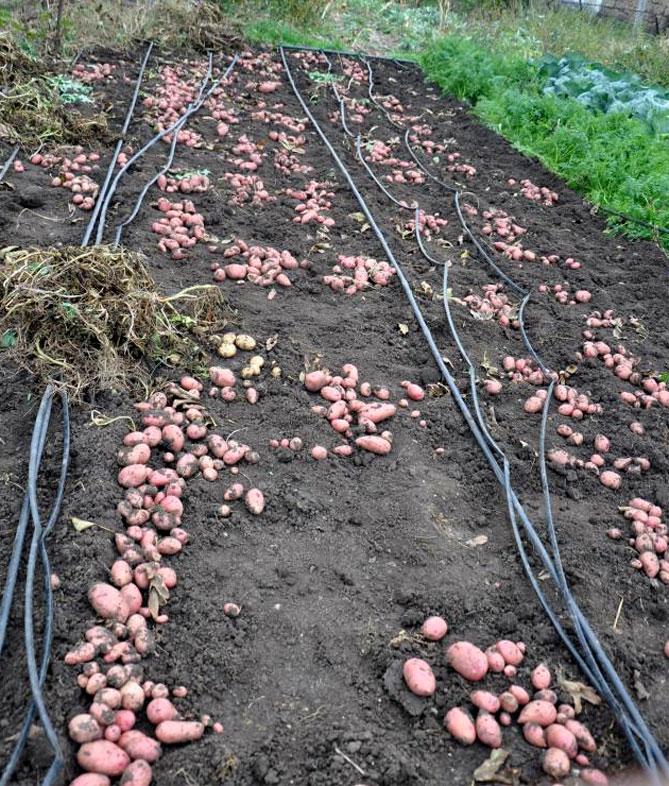
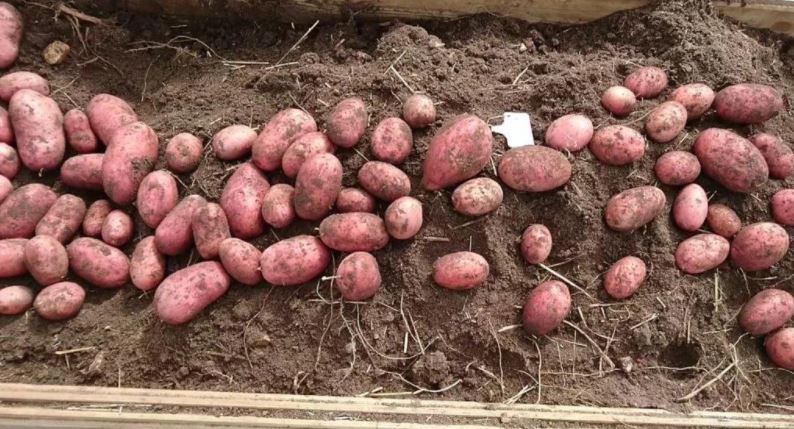
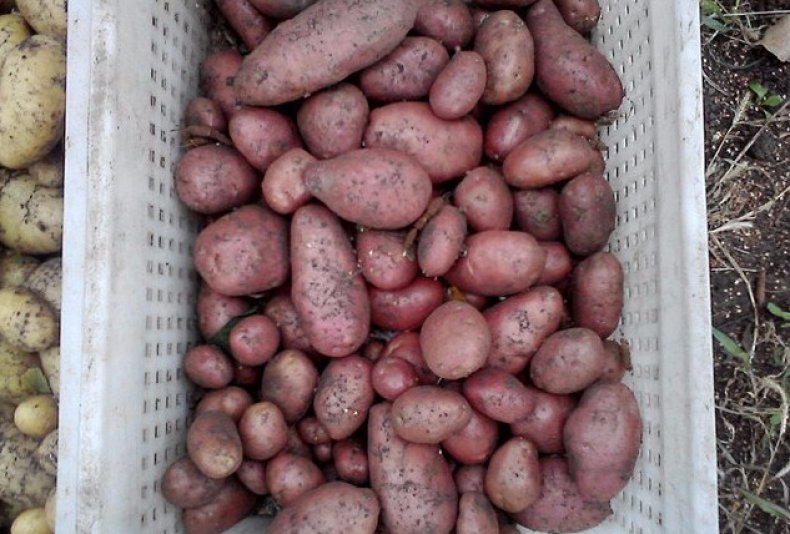
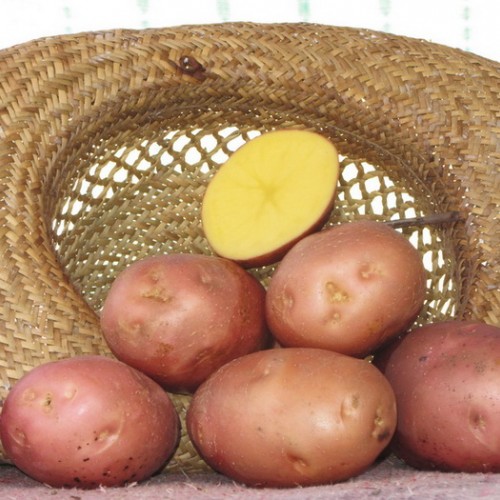
Bellarosa (Germany)
- Ripening period: 45-55 days (ultra-early). In southern regions, the harvest can be collected twice per season.
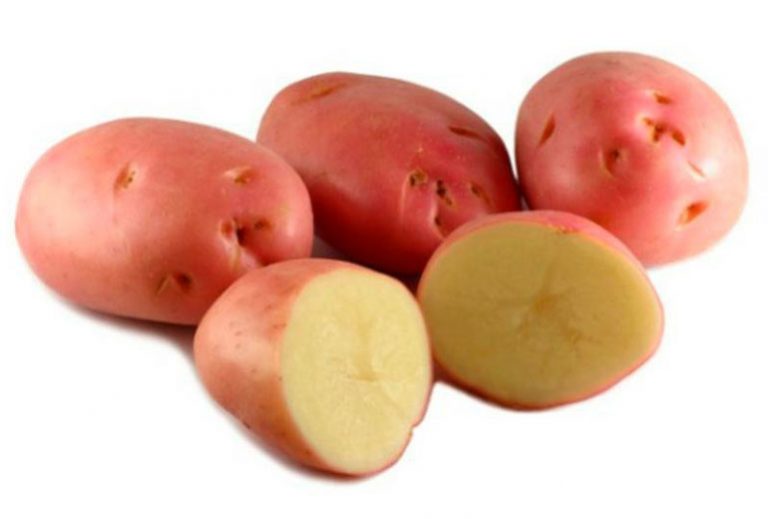
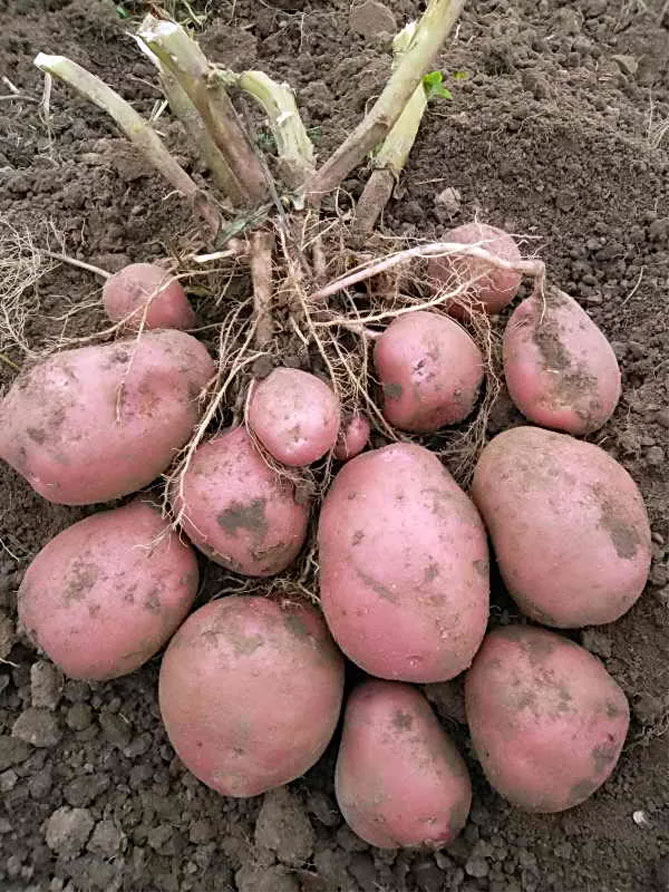
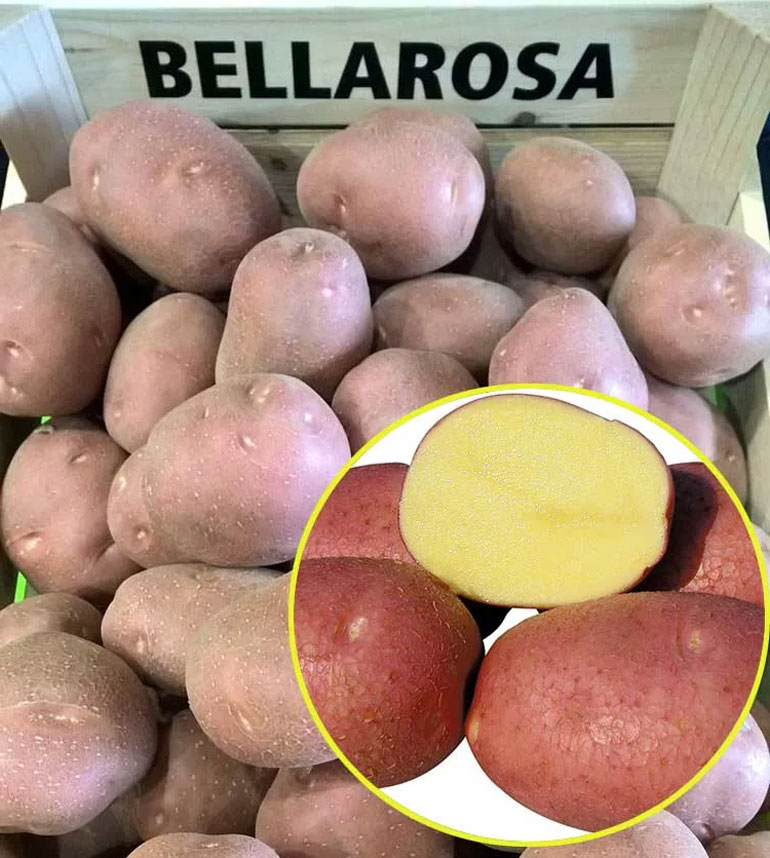
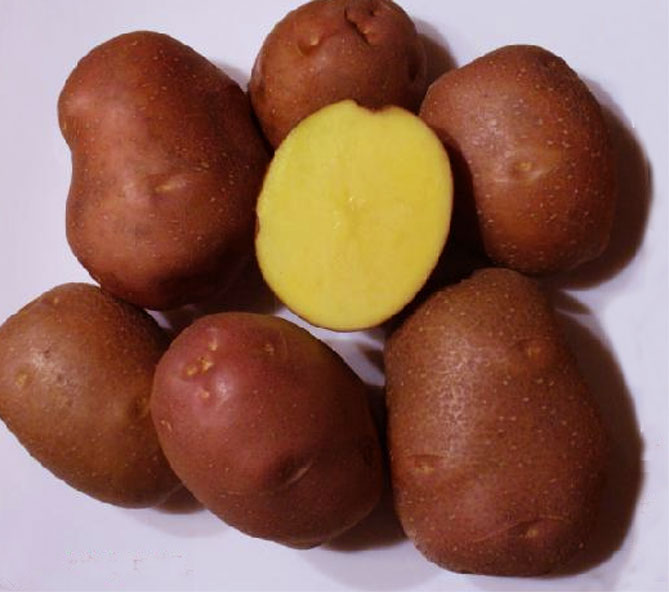
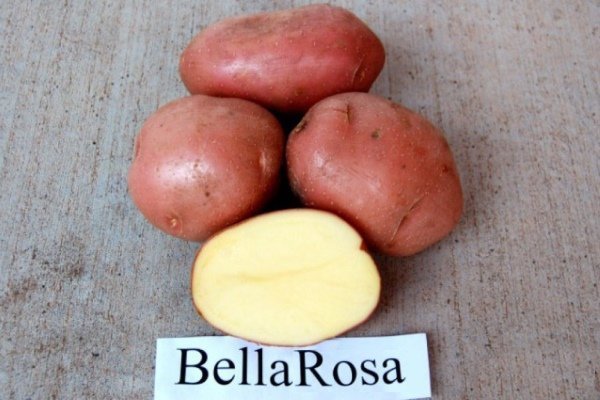
- Tubers: oval-round, fairly large, weighing 117-207 g. The skin is dense, reddish, the eyes are a medium-deep purple hue. The flesh is yellow.
- Starch content: 12.6-15.7%.
- Culinary type: IN
- Productivity: 169-326 c/ha, maximum 385 c/ha.
- Disease resistance: resistant to cancer, viruses, nematodes, susceptible to late blight.
- Growing regions: North-West, Volga-Vyatka, Central Black Earth, Ural.
- Advantages: good taste, high yield, undemanding to weather conditions, disease resistance, drought-resistant, excellent keeping quality (93%).
- Flaws: uneven shape of tubers, skin is easily damaged during digging, average marketability (82-95%).
Important: The Bellarosa variety is also generally not considered to be a loose variety, but if you choose very early (you can get two harvests per season), unpretentious (produces a good harvest even without care) and at the same time tasty varieties, you can give it preference.
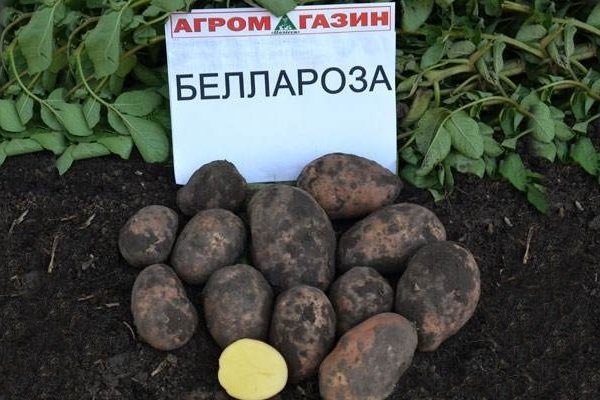
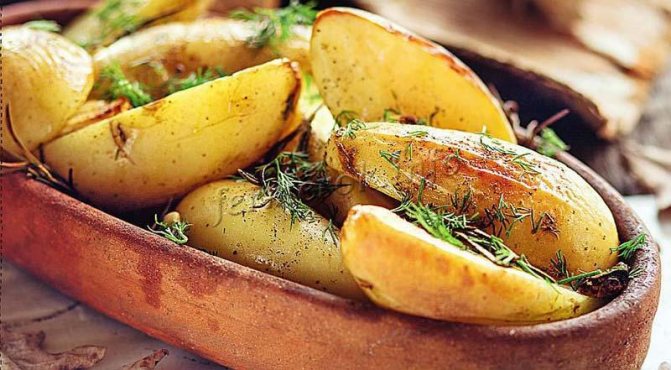
Photo gallery of the Bellarosa potato variety:
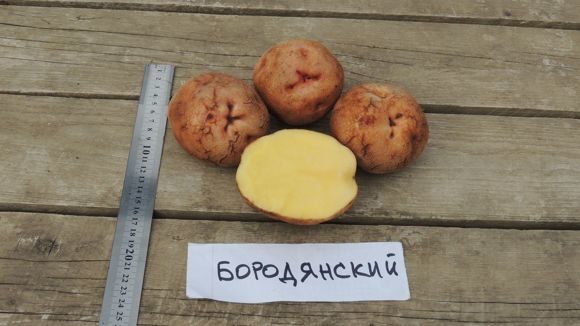
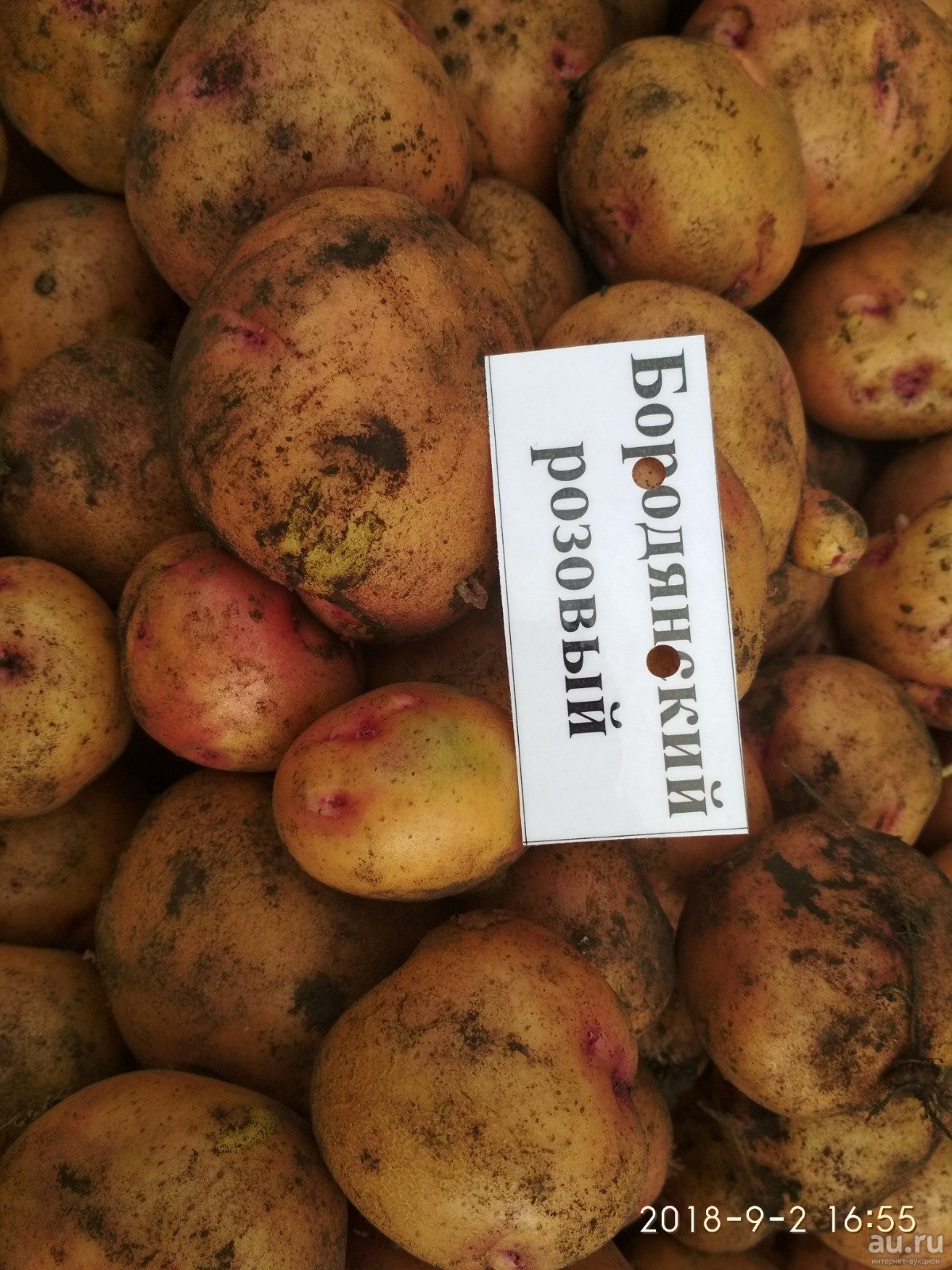
Borodyansky pink (Ukraine)
- Ripening period: 65-75 days (mid-early).
- Tubers: round shape, surface not too smooth, skin pink, weight 90-140 g. Flesh yellow or cream.
- Starch content: 14-19%.
- Culinary type: CD
- Productivity:
- Disease resistance: resistant to cancer, susceptible to viruses, scab, macrosporiosis, late blight of tubers and tops, rot during storage.
- Growing regions: East Siberian, Far Eastern.
- Advantages: shelf life from medium to high (85-98%).
- Flaws: poor disease resistance.
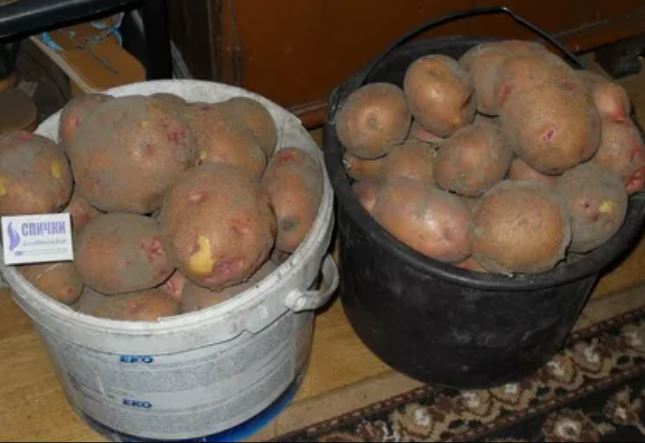
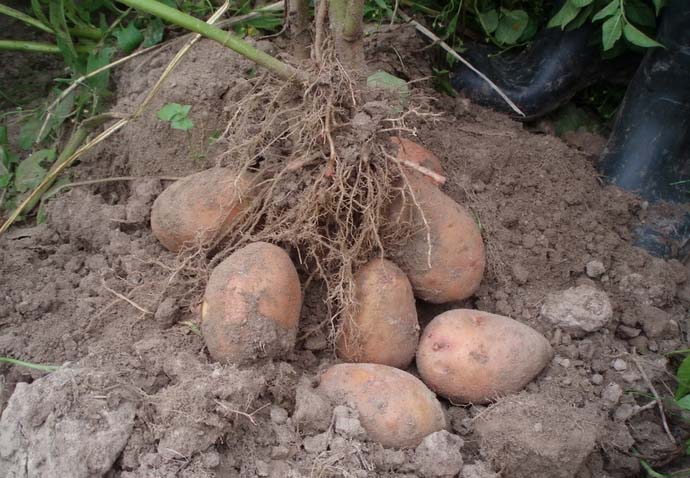
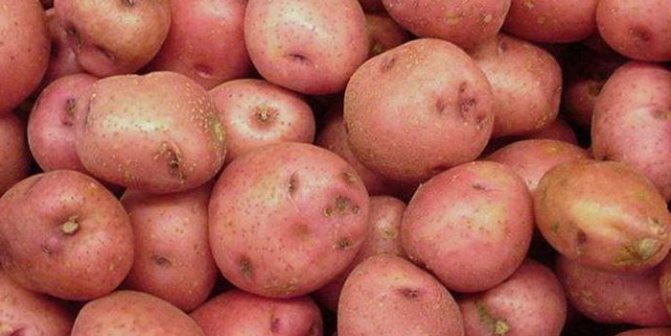
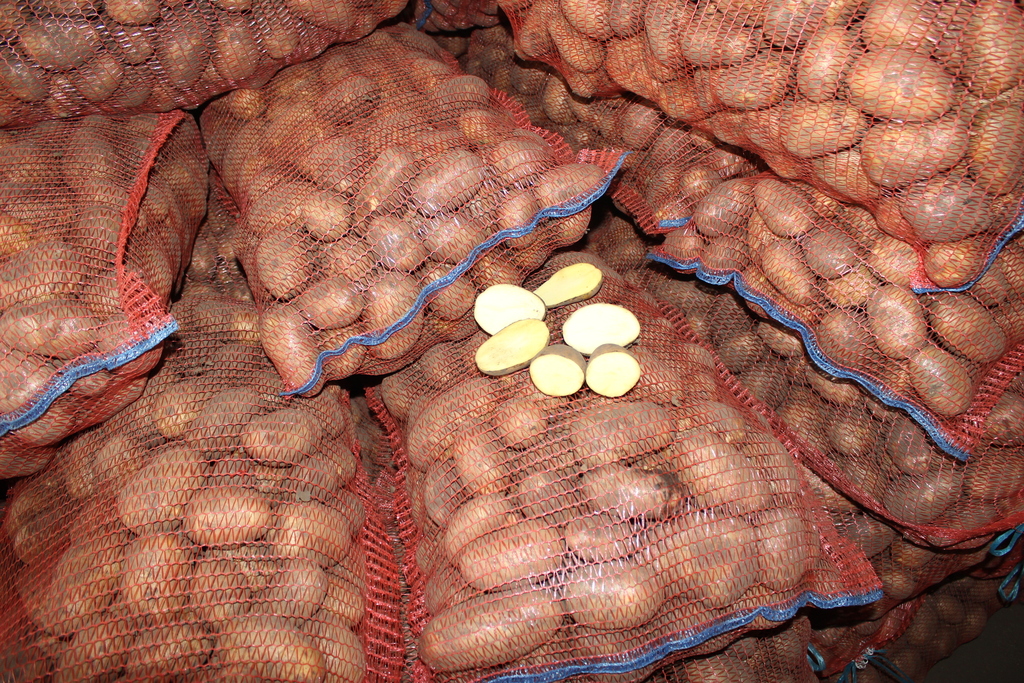
Photo gallery of the Borodyansky Pink potato variety:
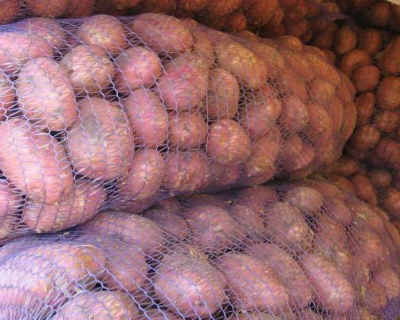
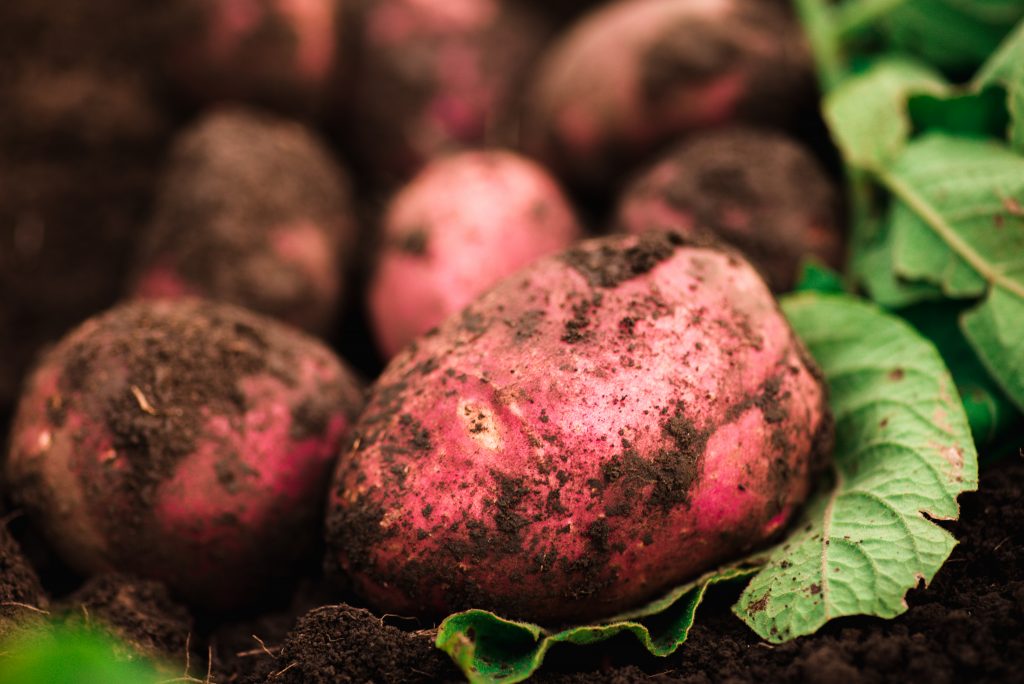
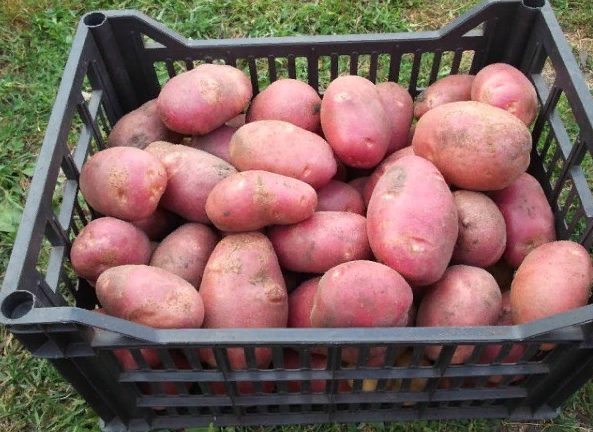
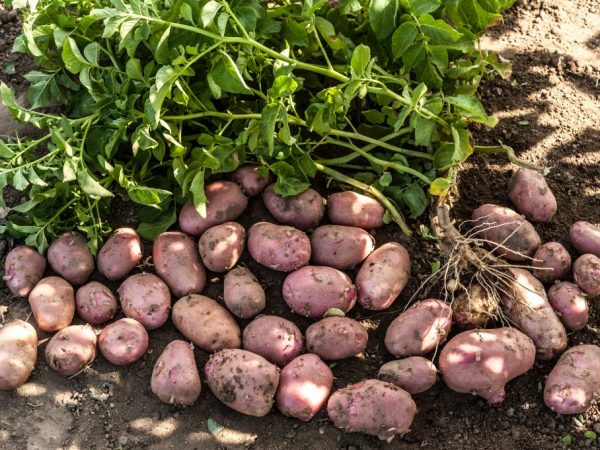
Red Scarlett (Netherlands)
- Ripening period: 70-80 days (early maturing, since you can dig up already on the 45th day).
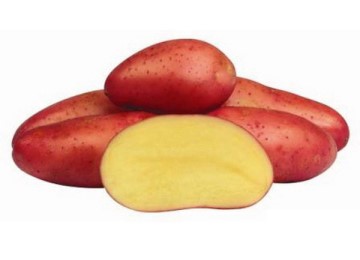
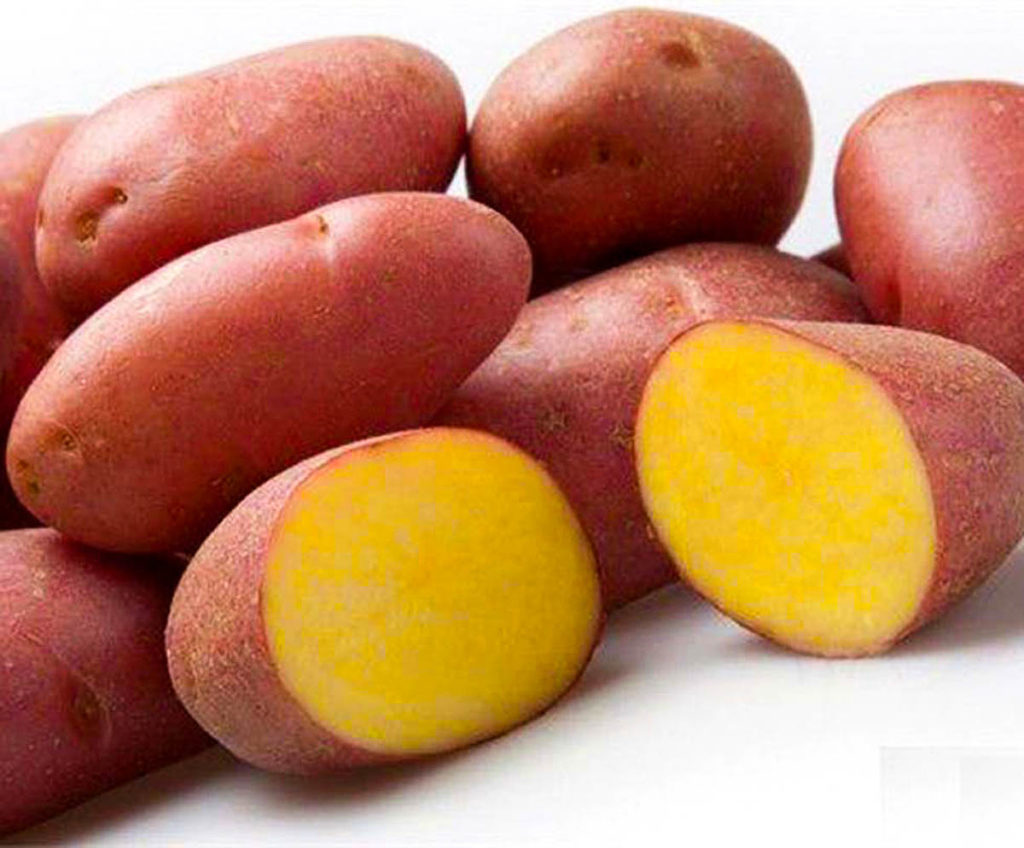
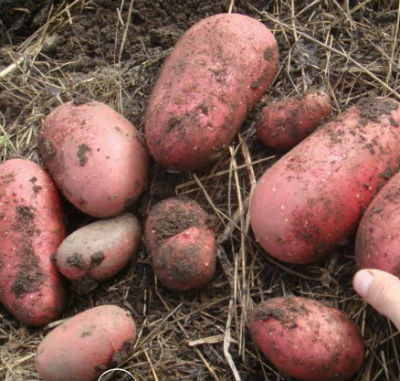
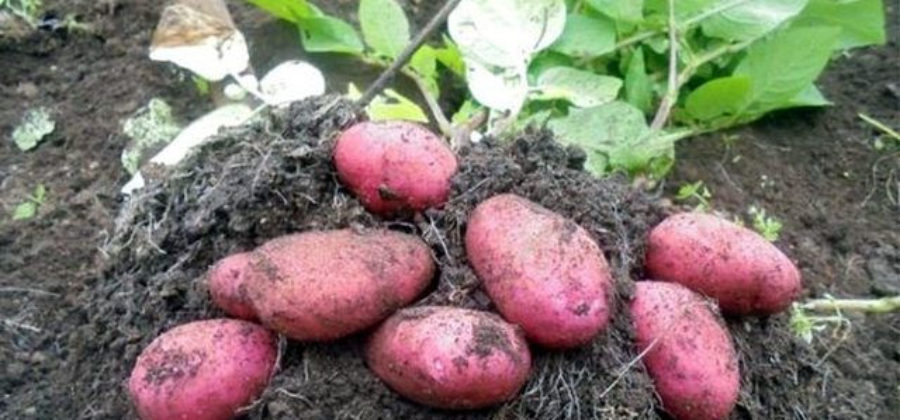
- Tubers: elongated-oval, with small eyes. The skin is red. The flesh is yellow. The marketable tuber weighs 56-102 g.
- Starch content: 10.1-15.6%, below the standard by 0.1-0.4%.
- Culinary type: IN
- Productivity: 164-192 c/ha.
- Disease resistance: high resistance to cancer, nematodes, low resistance to late blight of tops, average resistance to late blight of tubers.
- Growing regions: Northwestern, Central, Volga-Vyatka, Central Black Earth, Middle Volga, West Siberian.
- Advantages: drought resistance, high shelf life of tubers (96%).
- Flaws: average taste, low yield, average marketability (82-96%).
ImportantThe Red Scarlett variety is a versatile one, but it deserves a mention in this article due to reviews from vegetable growers who consider it tasty, crumbly, and are pleased with the quality of the puree that comes from this potato.
Photo gallery of the Red Scarlett potato variety:
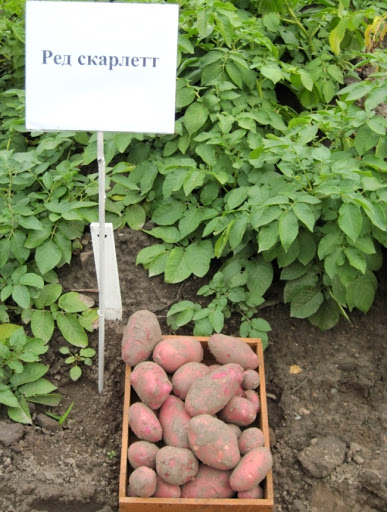
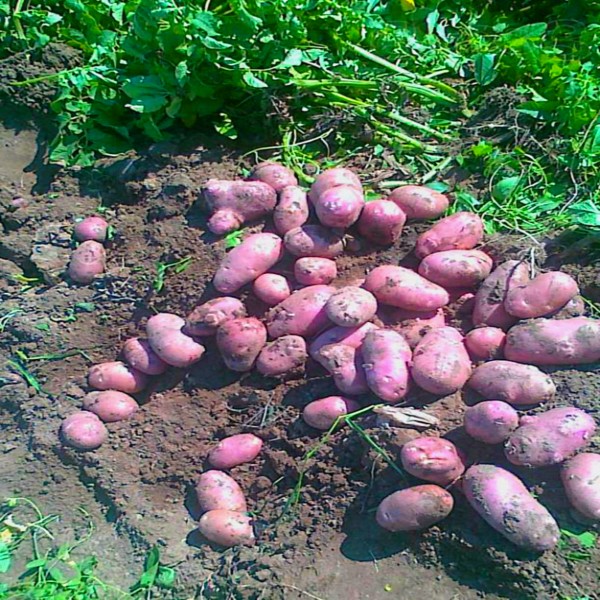
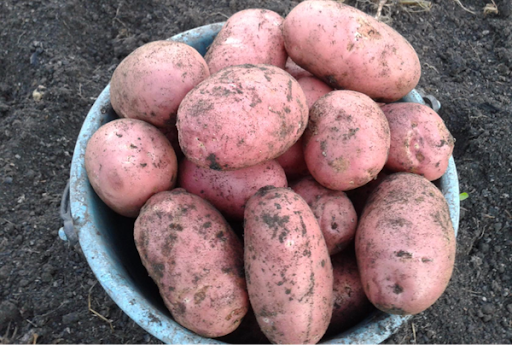
Read more about the variety in the article Red Scarlett Potato: Variety Description, Comparison, Photos, Reviews
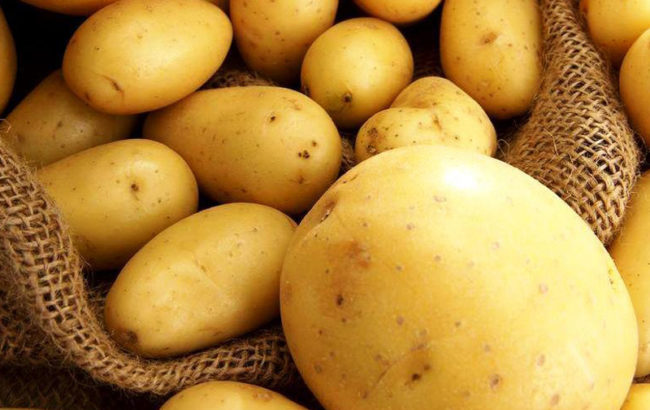
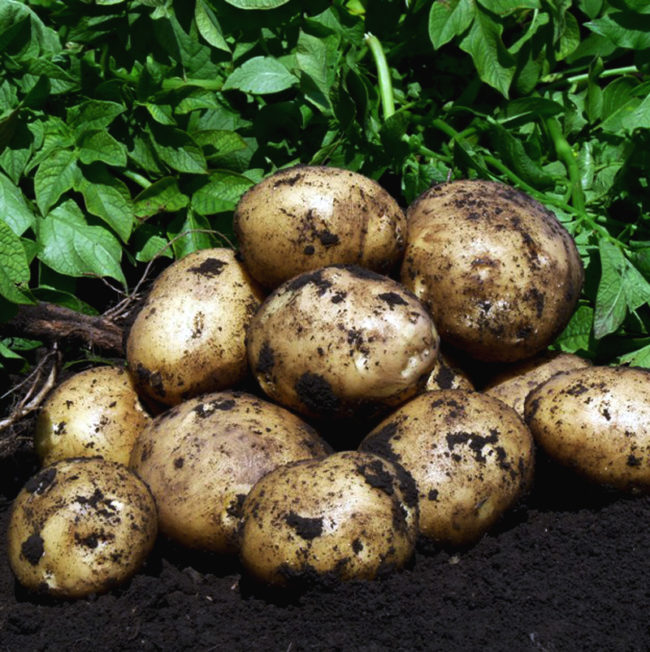
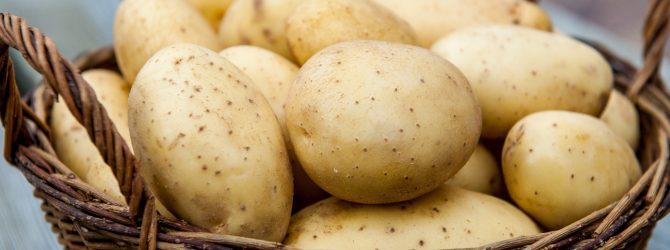
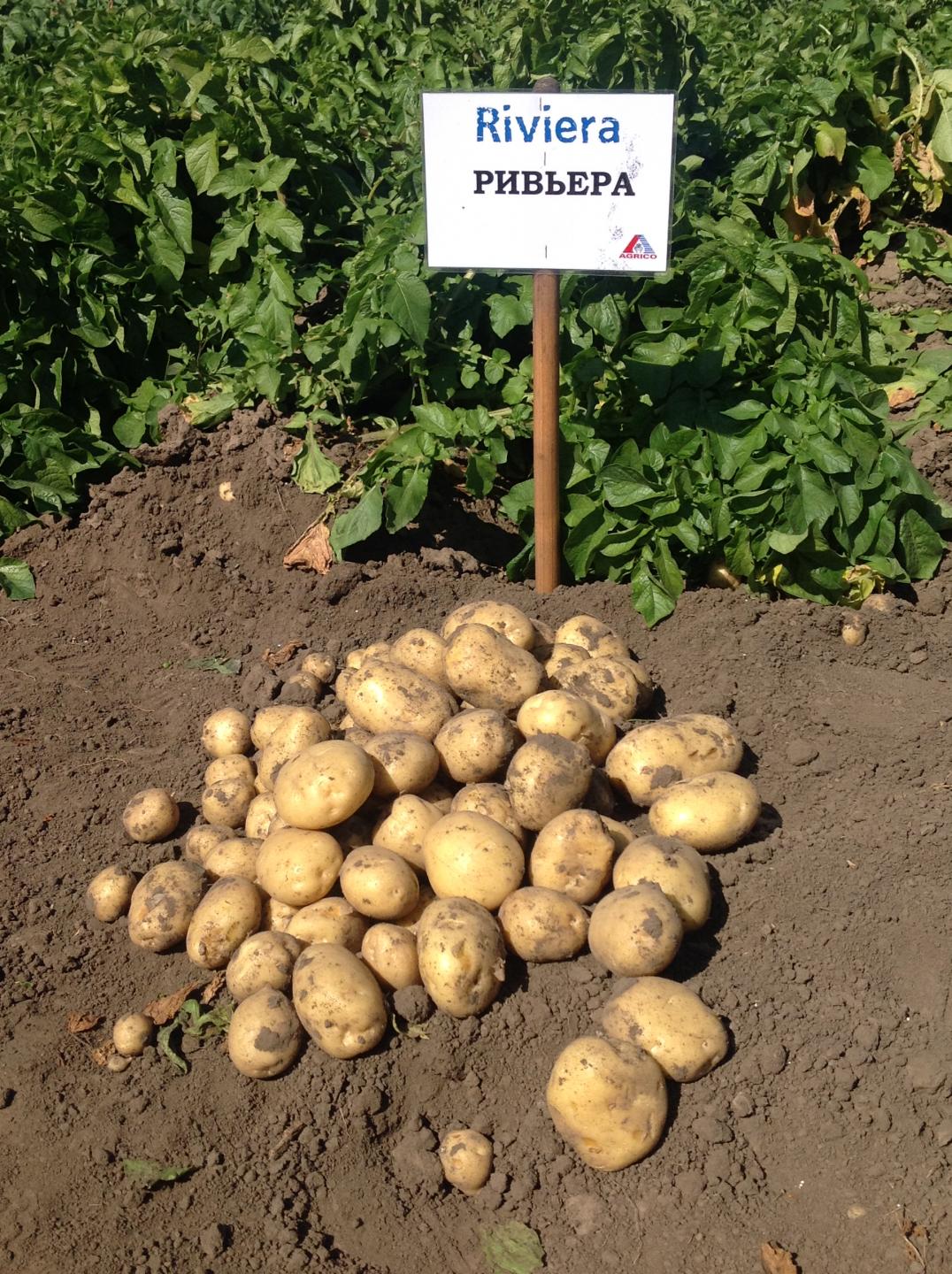
Riviera (Netherlands)
- Ripening period: 70-80 days (early maturing, since the first harvest can be collected after 45 days).
- Tubers: oval-shaped, beige skin, few eyes, not too deep, weight 101-177 g. Bright yellow flesh.
- Starch content: 11.5-15.9%.
- Culinary type: BС
- Productivity: 189-366 c/ha, maximum 465 c/ha.
- Disease resistance: resistant to cancer, nematode, striped mosaic, susceptible to late blight.
- Growing regions: Central, Central Black Earth, North Caucasian.
- Advantages: resistance to drought, mechanical damage, good taste, high shelf life (94%).
- Flaws: average marketability (80-96%), not resistant to late blight.
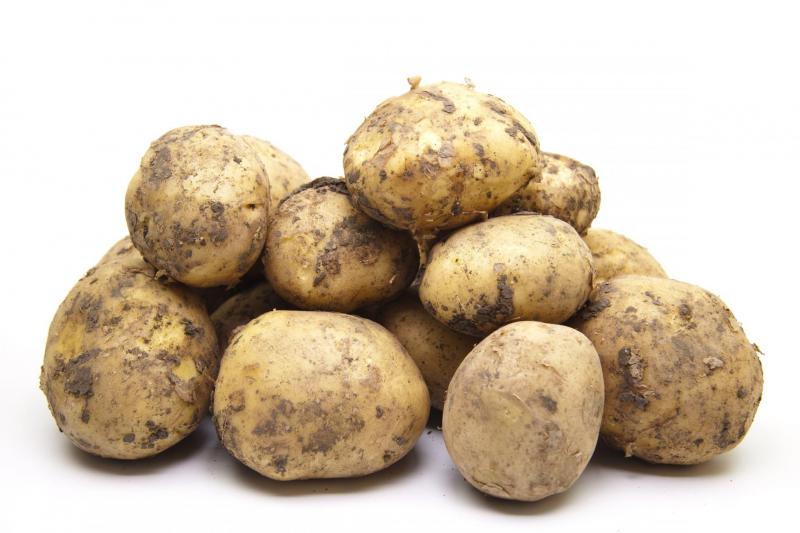
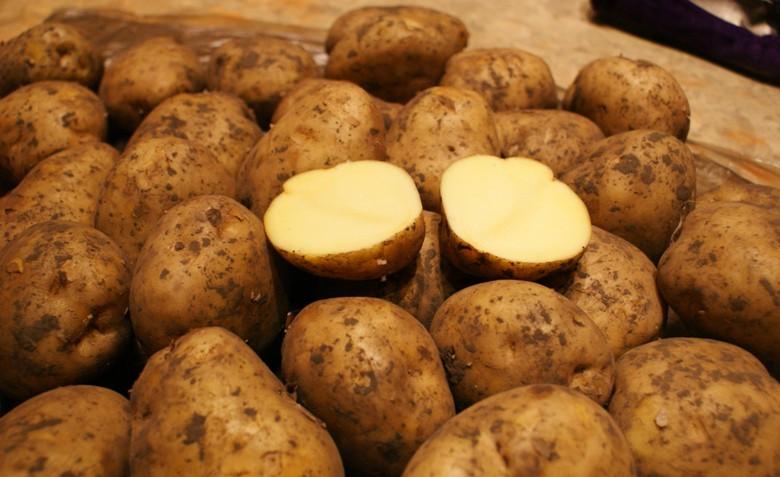
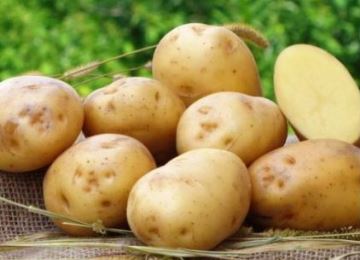
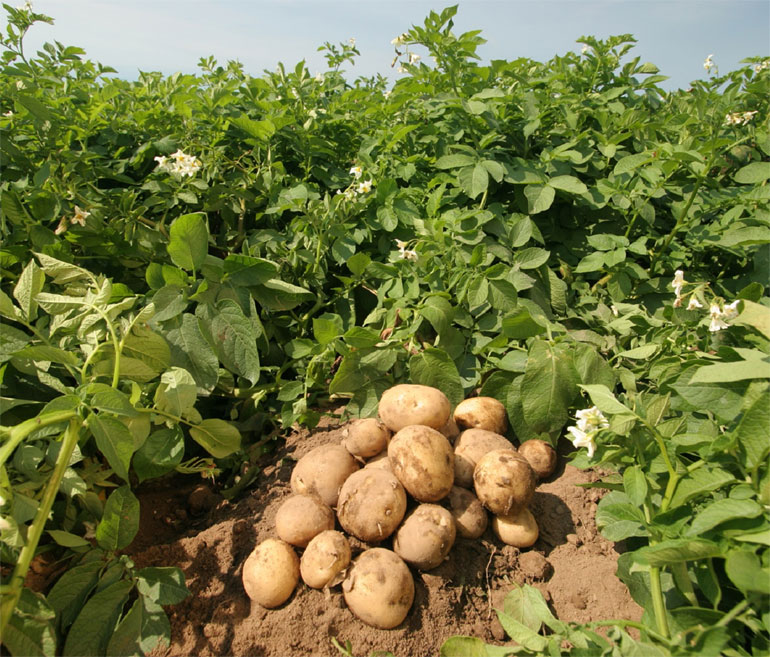
Photo gallery of the Riviera potato variety:
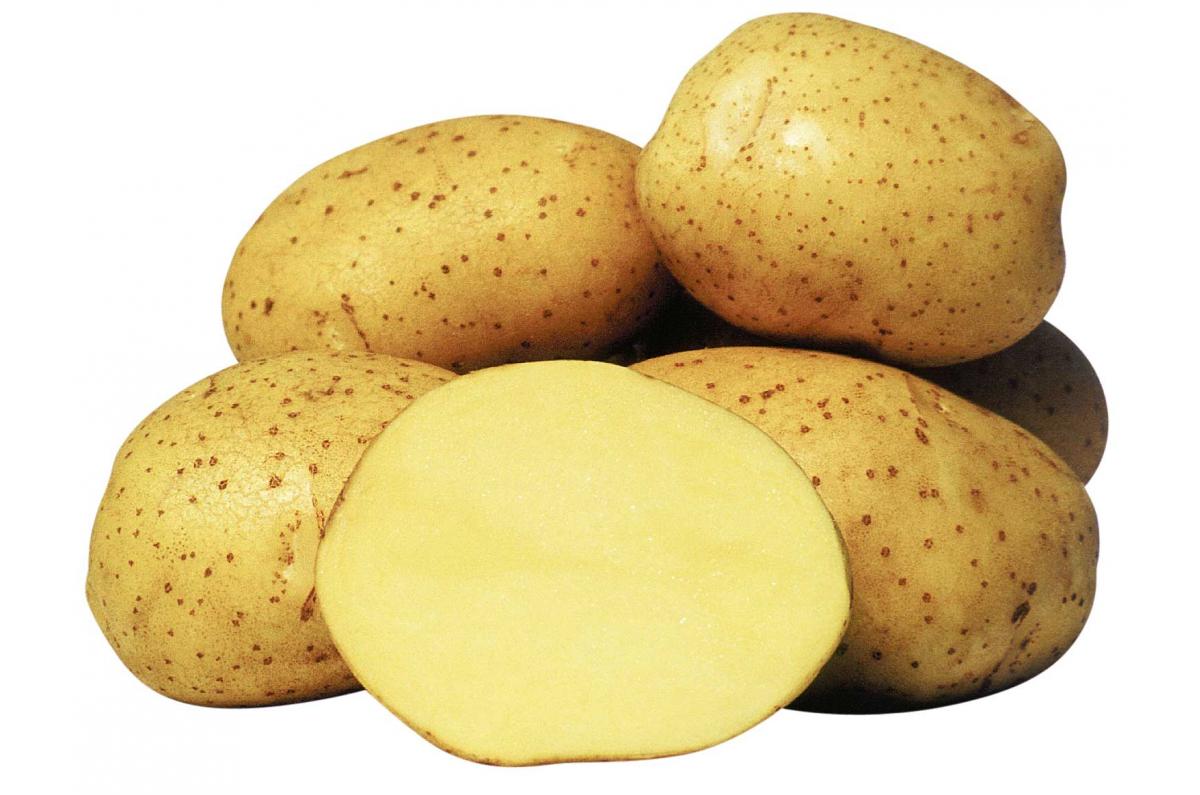
Charoite (Russia)
- Ripening period: 50-60 days (considered ultra-early, since the first harvest can be collected already on the 45th day).
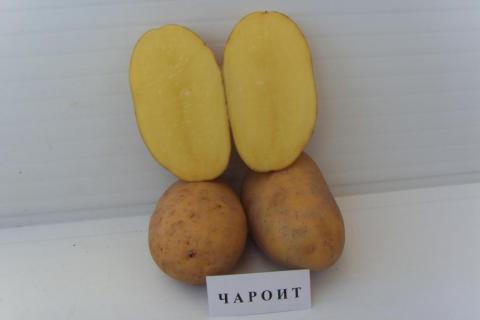
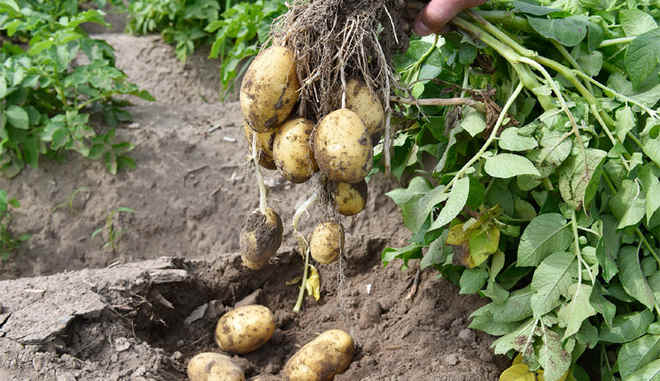
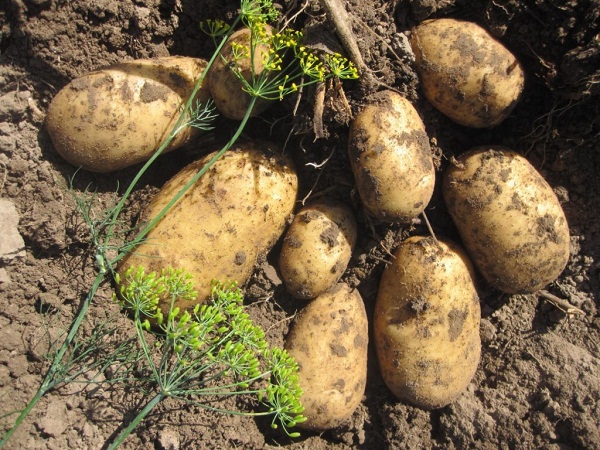
- Tubers: oblong-oval, light yellow skin with a minimal number of shallow eyes. Weight 100-143 g. Light yellow flesh.
- Starch content: 14.3-17%.
- Culinary type: CD
- Productivity: 228-321 c/ha, maximum - 382 c/ha.
- Disease resistance: resistant to cancer, moderately resistant to late blight and striped mosaic, susceptible to nematodes.
- Growing regions: Northern, Northwestern, Central, Lower Volga, Ural, West Siberian, East Siberian.
- Advantages: high shelf life (98%), excellent taste, good disease resistance.
- Flaws: marketability from average to high (82-98%).
Photo gallery of the potato variety Charoit:
The best mid-season and late-ripening, crumbly potato varieties with yellow flesh
Bronnitsky (Russia)
- Ripening period: 80-95 days (mid-season).
- TubersOval, with smooth yellow skin. Small eyes, few on the surface. Tuber weight 90-120 g. Yellow flesh, darkening when cooked.
- Starch content: 16-18%.
- Culinary type: CD
- Productivity: 300-540 c/ha.
- Disease resistance: resistant to scab, black leg, viruses and alternaria, moderately resistant to late blight of tops and tubers, susceptible to rhizoctonia.
- Growing regions: Northern, Northwestern, Central, Middle Volga.
- Advantages: excellent yield, good resistance to diseases.
- Flaws: average shelf life (93%) and marketability (85-92%).
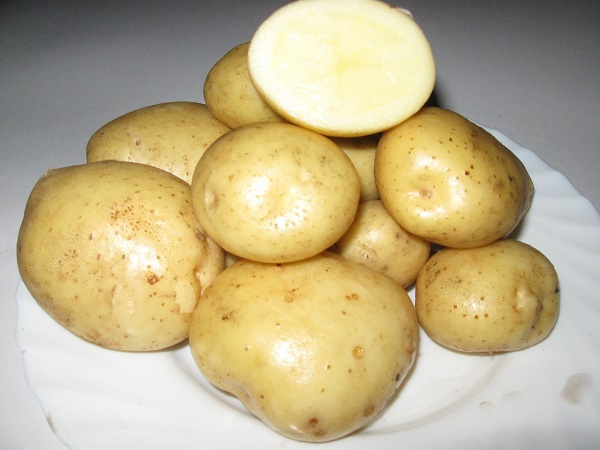
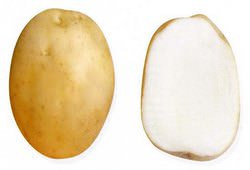
Photo gallery of the Bronnitsky potato variety:
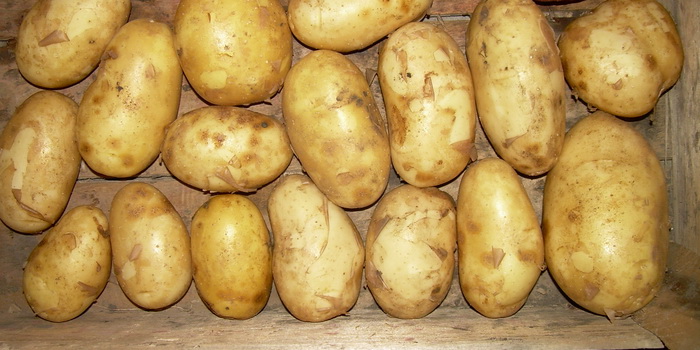
Golubizna (Russia)
- Ripening period: 90-110 days (mid-late).
- Tubers: round-oval. The skin is rough, beige. Tuber weight can reach 140 g. The eyes are very small, shallow.
- Starch content: 17-19%.
- Culinary type: C
- Productivity: 400-500 c/ha.
- Disease resistance: high resistance to cancer, average resistance to scab, viruses, rhizoctonia, nematodes, late blight.
- Growing regions: Central, Volga-Vyatka, Central Black Earth, North Caucasian.
- Advantages: very high yield, excellent taste, high marketability (91-95%) and shelf life (90-95%), drought-resistant.
- Flaws: the possibility of hollowness (emptiness inside the tuber) in certain seasons.
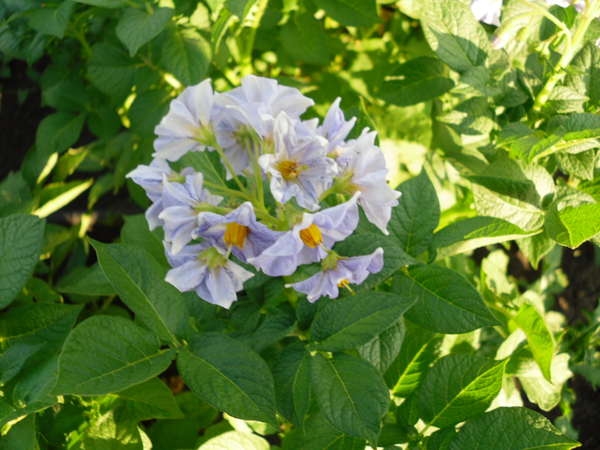
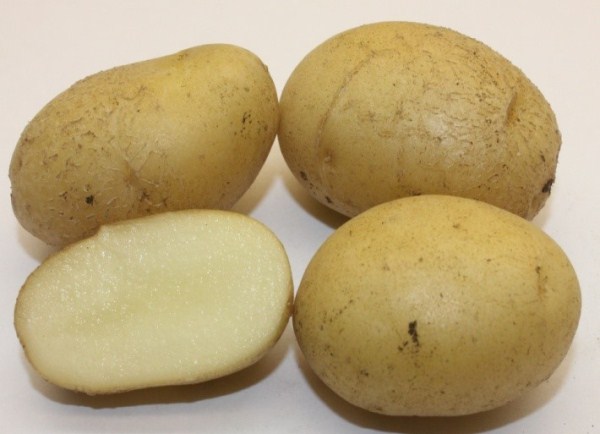
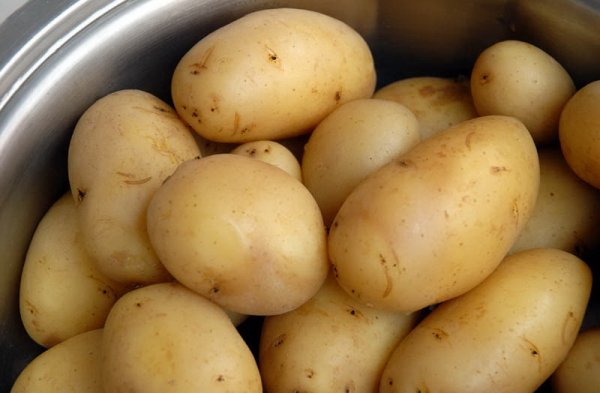
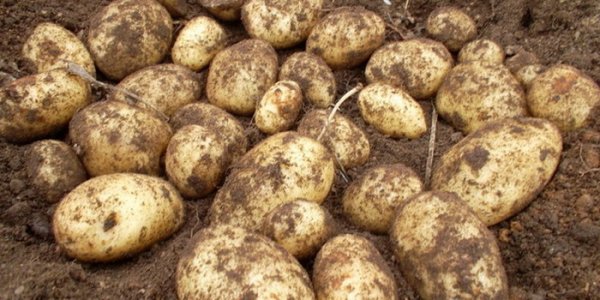
Photo gallery of the Golubizna potato variety:
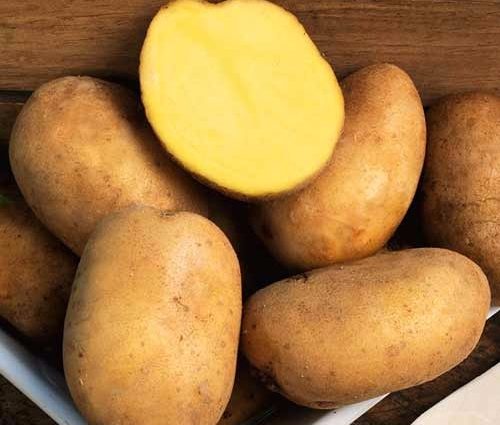
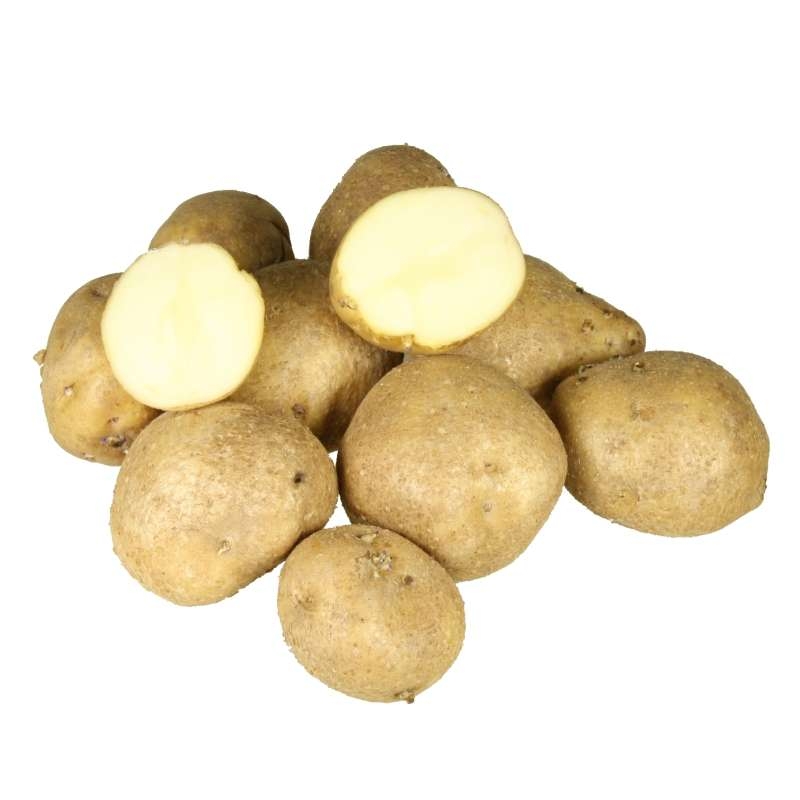
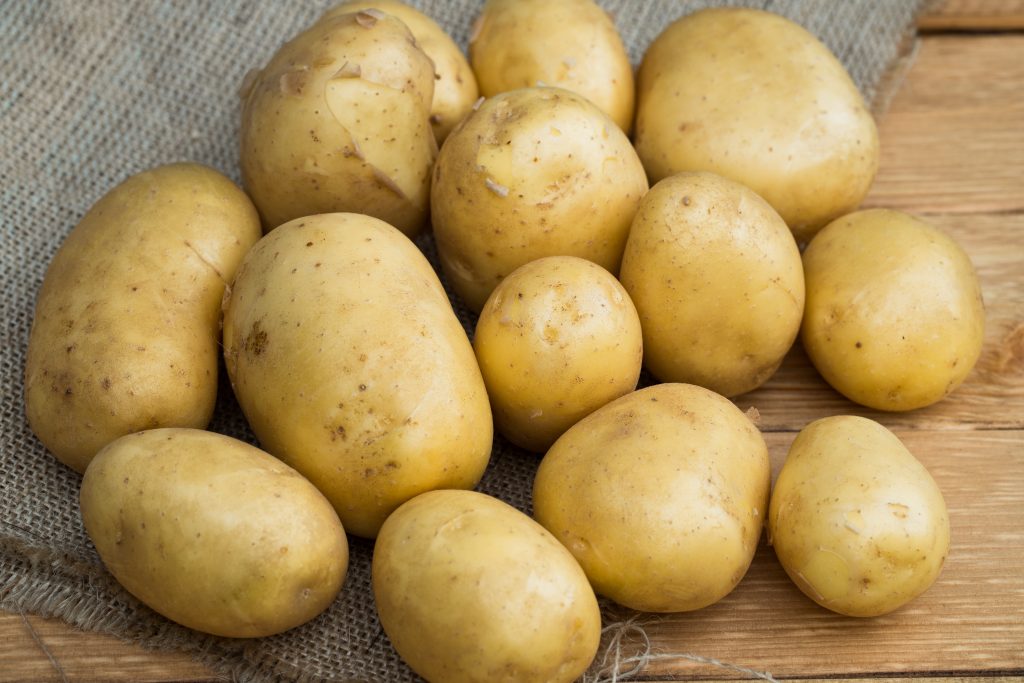
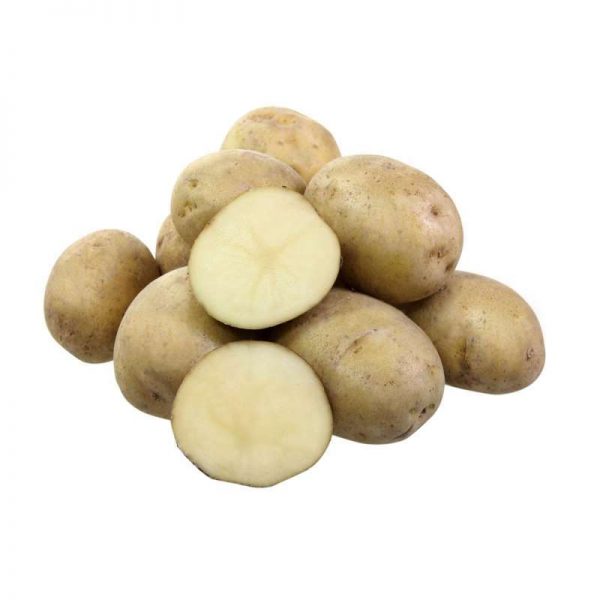
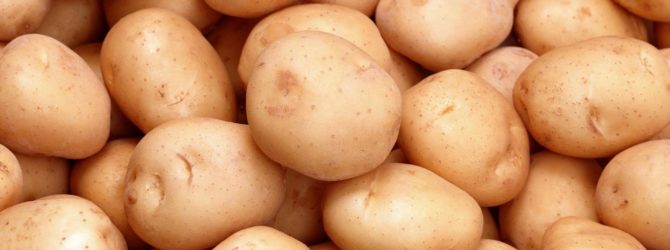
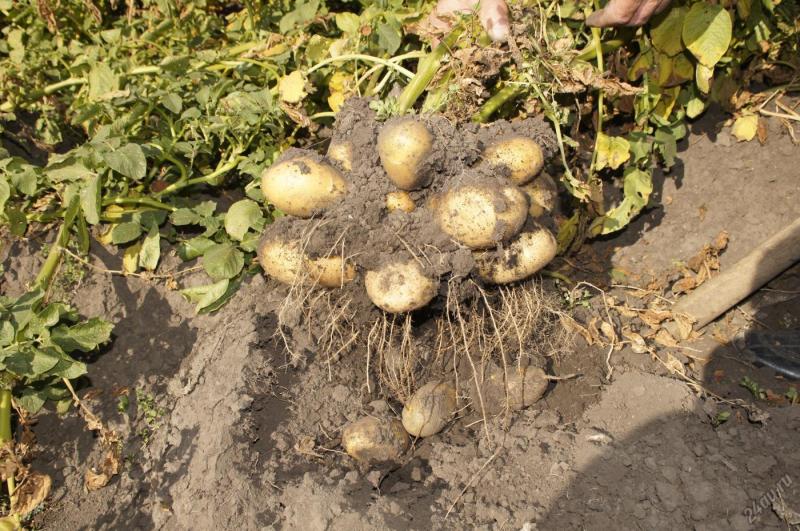
Lasunak or Lasunok (Belarus)
- Ripening period: 80-120 days (late ripening).
- Tubers: very large, round-oval, with creamy flesh, rough skin, light yellow, eyes of medium depth, weight up to 200 g.
- Starch content: 15-22%.
- Culinary type: C
- Productivity: up to 450 c/ha.
- Disease resistance: resistant to cancer, tuber blight, most viruses, moderately resistant to leaf blight, scab, rhizoctonia, black leg, susceptible to virus "X".
- Growing regions: Northwestern, Central, Volga-Vyatka, Central Black Earth, North Caucasian.
- Advantages: high yield, suitable for the production of dry puree, chips, frozen potatoes, alcohol, starch, large tubers.
- Flaws: good shelf life only if stored at a temperature of +1-2°C, otherwise the tubers wake up early.
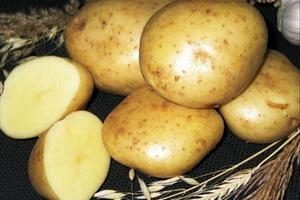
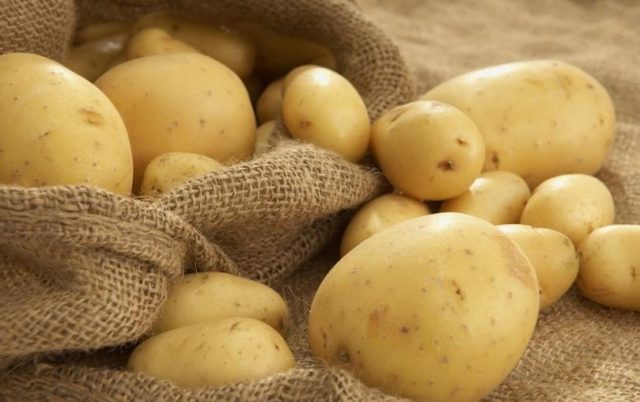
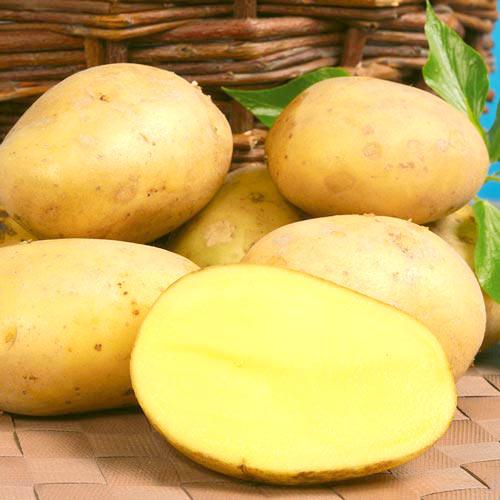
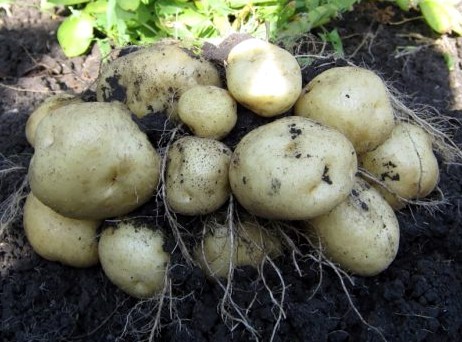
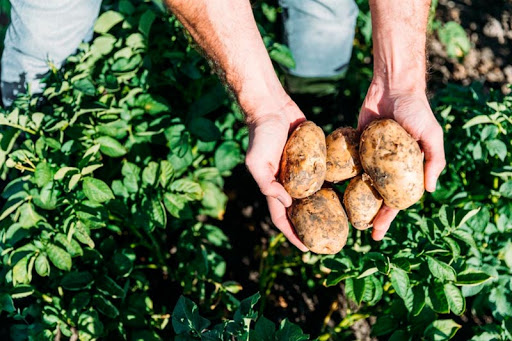
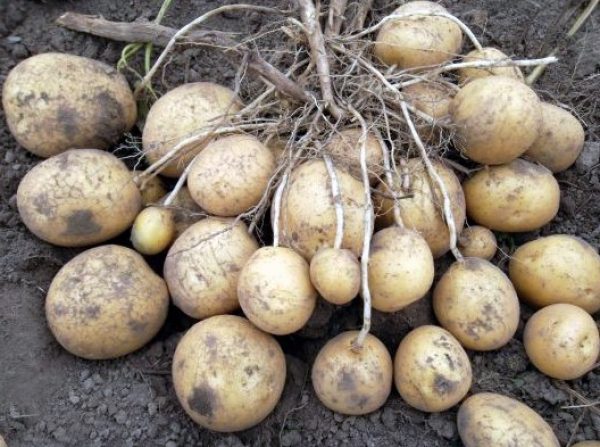
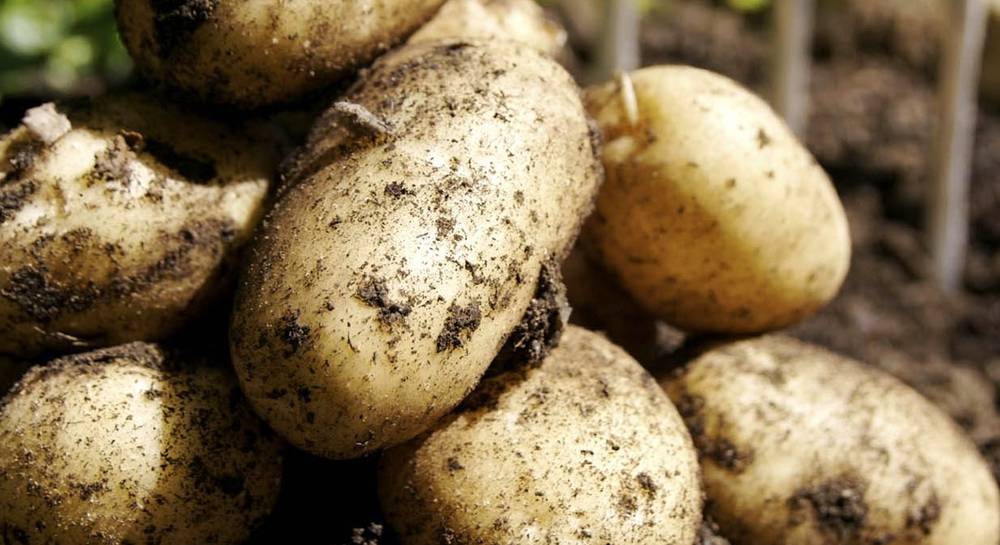
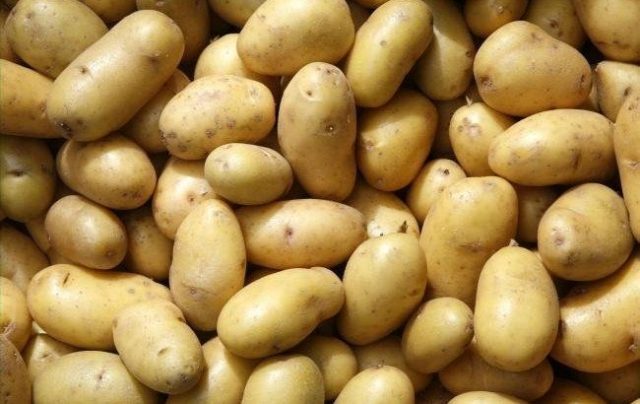
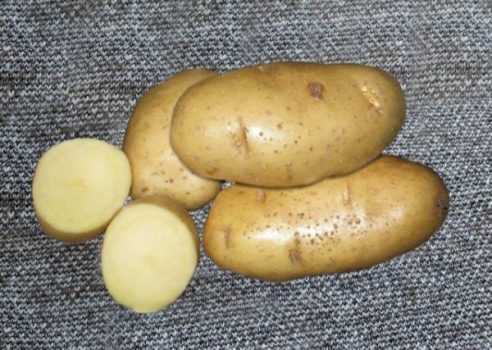
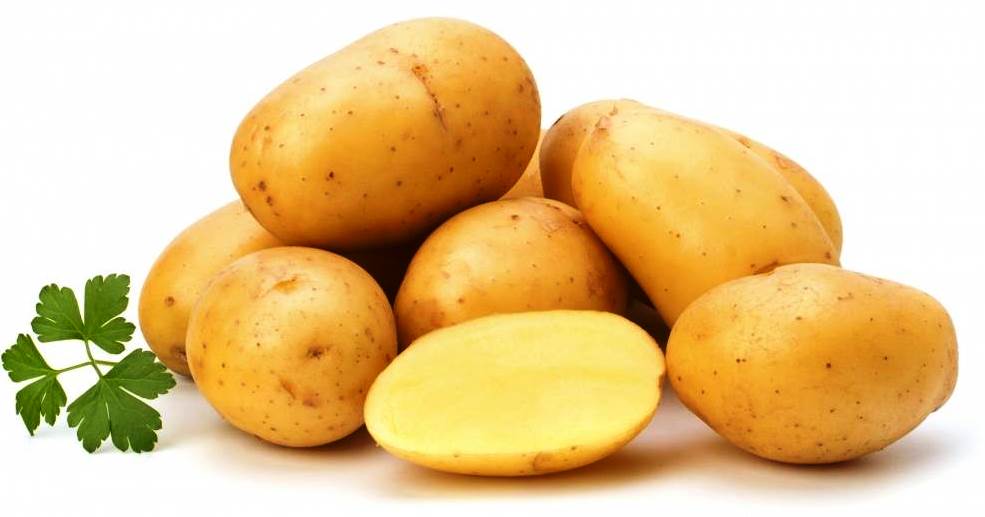
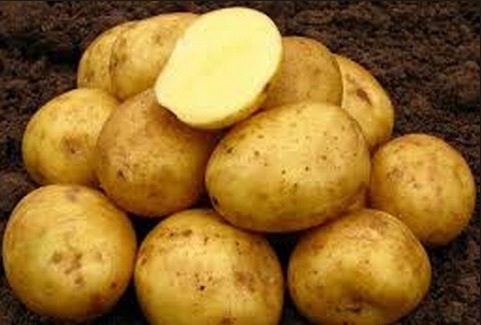
Photo gallery of the Lasunok potato variety:
Tempo (Belarus)
- Ripening period: 110-120 days (late ripening).
- Tubers: fairly large, weighing 103-175 g. The skin is yellow, rough, the eyes are medium-sized, up to 4 mm. The flesh is light yellow.
- Starch content: 19-22%.
- Culinary type:D
- Productivity: 350-460 c/ha.
- Disease resistance: resistant to cancer, moderately resistant to late blight of tops and tubers, moderately susceptible to viruses and scab, susceptible to nematodes.
- Growing regions: North-West, Central, Central Black Earth.
- Advantages: high yield, good disease resistance, resistant to bad weather conditions, easy to transport.
- Flaws: watering requirements.
Photo gallery of the Temp potato variety: