The Nevsky potato is very popular among gardeners for its low maintenance and ease of care. When grown properly, it produces an excellent harvest with superior characteristics.
Content
- 1 Table with characteristics of the Nevsky potato variety
- 2 The origin of the Nevsky potato variety
- 3 A detailed description of the Nevsky potato variety
- 4 Advantages and disadvantages of the Nevsky potato variety
- 5 Planting Features of the Nevsky Potato Variety
- 6 Caring for the Nevsky potato variety
- 7 Protection of the Nevsky potato variety from diseases and pests in the table
- 8 The nuances of harvesting and storing the Nevsky potato variety
- 9 Comparison of the Nevsky potato variety with other varieties in the table
- 10 Real reviews from gardeners about the Nevsky potato variety
Table with characteristics of the Nevsky potato variety
| Characteristic | Description |
| General characteristics | It adapts well to various weather conditions, tolerates drought well, responds gratefully to fertilizing, and is practically not susceptible to late blight. |
| Ripening period | 75-100 days |
| Starch content | 10-12% |
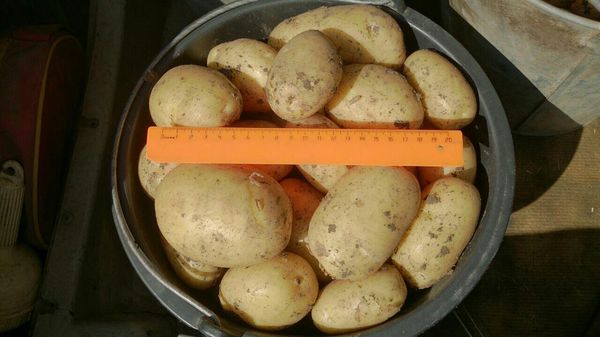
| Weight of commercial tubers | 90-130 g. |
| Number of tubers in a bush | 8-15 pcs. |
| Productivity | 380-500 c/ha |
| Marketability | 90-95% |
| Shelf life | 95% |
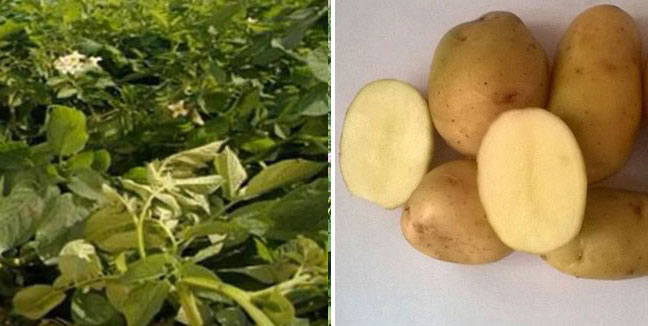
| Peel color | Beige |
| Pulp color | White |
| Color of inflorescences | White |
| Culinary type | A. It doesn't cook well, so it's suitable for making soups or salads, but it's not recommended for mashed potatoes or casseroles. |
| Consumer and taste qualities | It doesn't cook well and is suitable for soups or salads, but is not recommended for mashed potatoes or casseroles. The flavor is satisfactory and good. |
| Preferred growing regions | Northern, Northwestern, Central, Volga-Vyatka, Central Black Earth, North Caucasian, Middle Volga, Lower Volga, Ural, West Siberian, East Siberian, Far Eastern. |
| Disease resistance | It has good resistance to cancer, scab, rhizoctonia, black leg, rarely suffers from late blight, but is prone to nematodes. |
| Features of cultivation | The tubers are very sensitive, so they need to be sprouted before planting, taking care not to damage the sprouts or skin. Only whole seeds should be planted. |
| 1982 | |
| Country of origin | Russia |
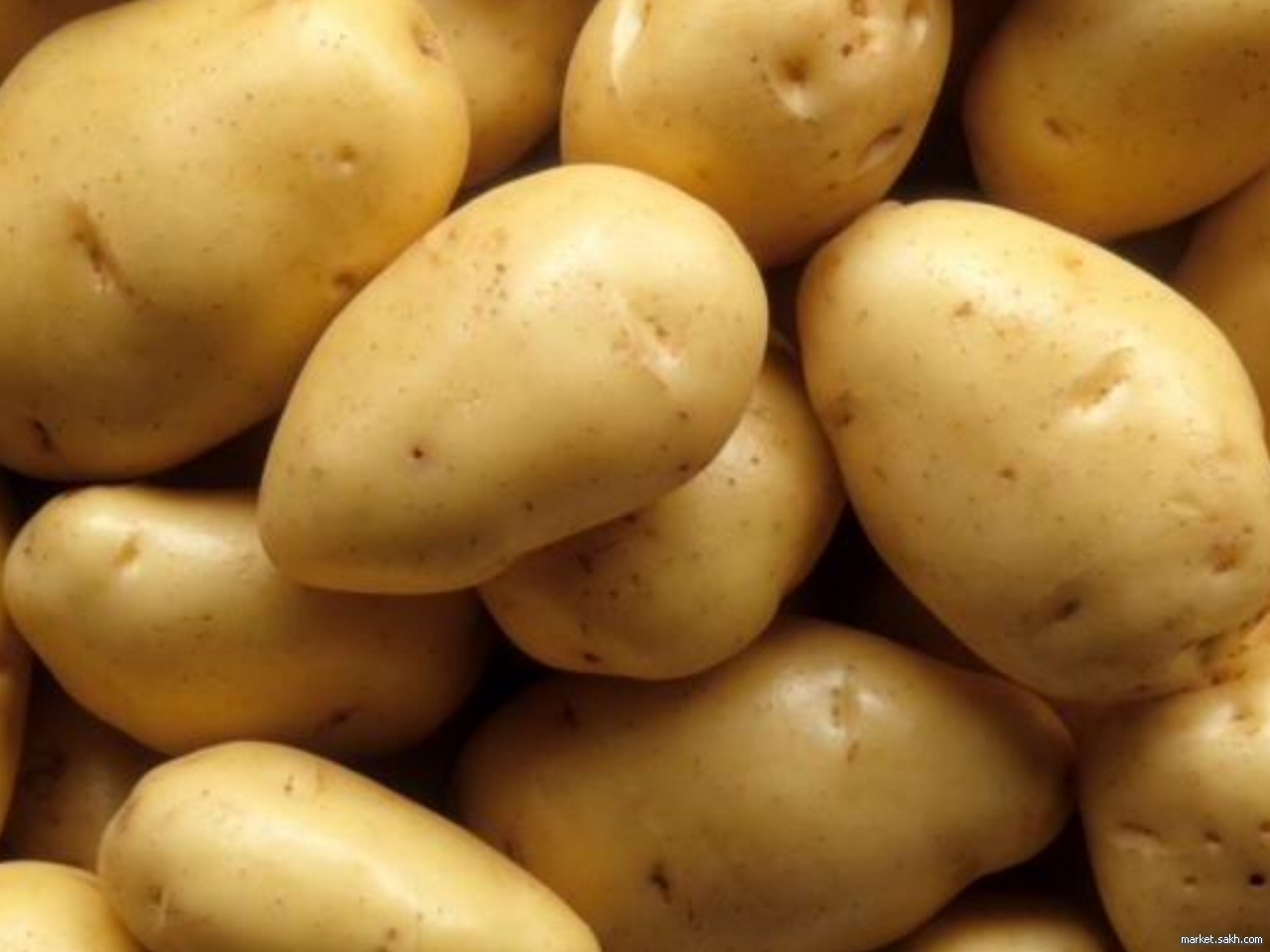
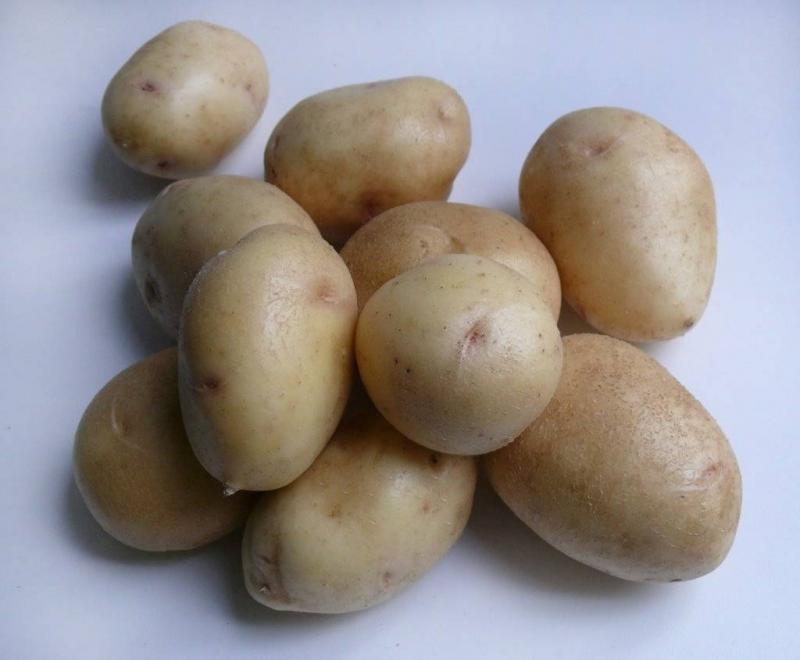
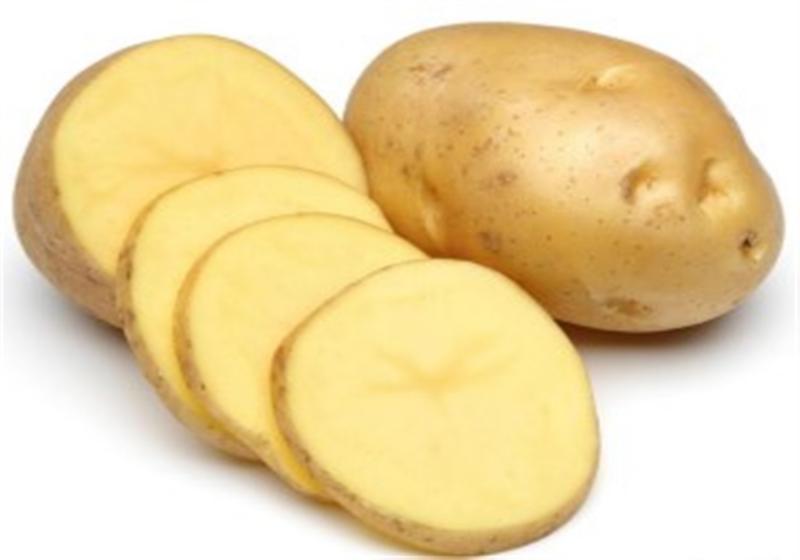
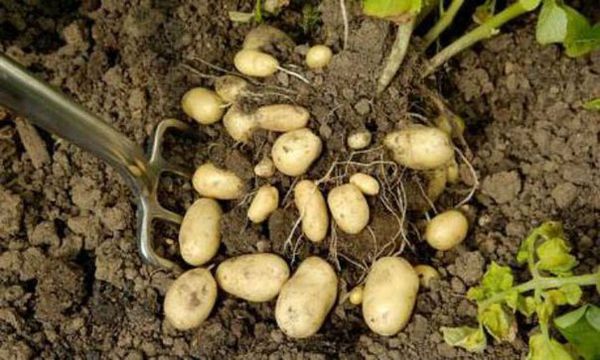
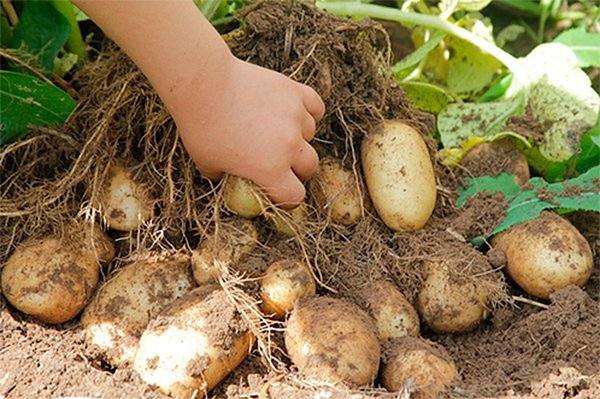
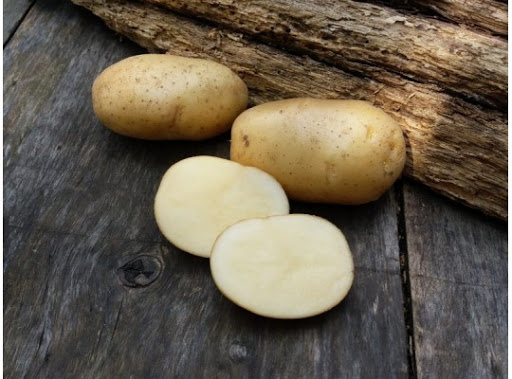
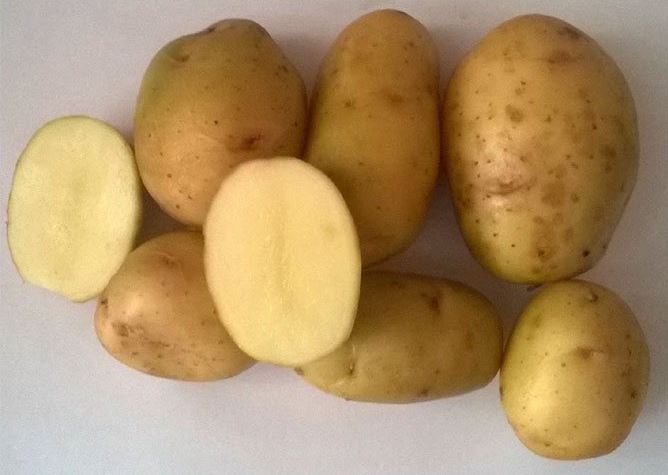
Photo gallery of the Nevsky potato variety:
The origin of the Nevsky potato variety
This variety was developed by our compatriots from the Northwestern Research Institute of Agriculture in 1976. Breeders crossed two varieties with good performance: Veselovsky and Kandidat. After this, its characteristics were refined for almost six years, the potato was regionalized, and by 1982 it was recognized and added to the register. Since then, Nevsky has been considered a classic among gardeners.
A detailed description of the Nevsky potato variety
Nevsky is characterized by a medium ripening time; harvesting can begin as early as 75 days after germination. The variety is compact, easy to grow, and highly productive.
Bushes
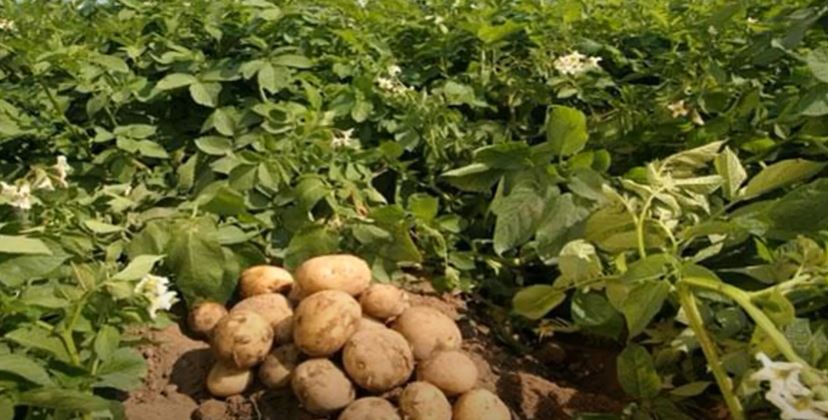
The bushes are low, but the shoots are numerous, barely reaching 60 cm in height. The leaves are glossy, dark green, and very large. This leaf blade structure reduces evaporation and retains moisture, helping the plant survive dry periods without losing its properties.
In addition, when leaves are eaten by various pests, the blade can be restored after treatment.
During the flowering period, white buds appear, but they fall off very quickly.
Tubers
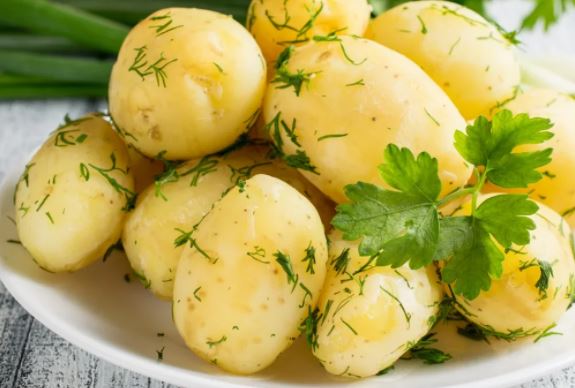
The tubers are round-oval, weighing up to 130 g. The skin is smooth and beige, with small, pinkish-tinted spots on the surface. The flesh is white and doesn't cook well, which is why the potato is classified as a food group A and is not recommended for mashed potatoes.
Each bush produces 8 to 15 potatoes with a marketability of up to 95% and the same shelf life.
Nutrients and nutritional value
Nevsky potatoes contain 10 to 12% starch. 100 grams of the product contain approximately 77 kcal. Furthermore, each tuber contains beneficial micro- and macronutrients and vitamins (iodine, fluorine, manganese, cobalt, magnesium, sodium, phosphorus, potassium, calcium, vitamin C, B9, B4, B3, and others).
Some beneficial properties are lost after cooking. It's recommended to cook potatoes whole and cut them only before serving—this reduces the loss of water-soluble vitamins from the flesh.
Productivity, ripening time
The Nevsky variety is characterized by high yields, which under favorable conditions can reach slightly over 500 centners per hectare. Gardeners harvest 8 to 15 tubers from each plant, weighing approximately 1.5 kg in total.
Resistance to diseases and pests in the table
Nevsky has high immunity to many diseases.
| Disease | Stability indicator |
| Cancer | High |
| Scab | High |
| Viral mosaic | High |
| Blackleg | High |
| Wet rot | High |
| Phytophthora blight of tops | Above average |
| Tuber blight | Above average |
| Nematode | Below average |
For which regions is the Nevsky potato variety suitable?
Nevsky potatoes are planted with equal success in the central regions of Russia, Siberia, and the Urals. The key is to choose the right planting time, as they do not germinate well in cold soil.
Advantages and disadvantages of the Nevsky potato variety
The Nevsky variety has a number of advantages and disadvantages, which we have described in the table below.
| Advantages | Flaws |
|
|
Planting Features of the Nevsky Potato Variety
The Nevsky variety has some growing peculiarities, which, if known, can help you avoid common mistakes and get an excellent harvest.
Requirements for the landing site and its preparation
Potatoes need a well-lit location without excessive shade from fences, buildings, or trees. Sandy loam or loamy soil is considered the best soil for Nevsky.
When planting this variety, it's crucial to follow crop rotation rules to reduce the risk of disease and increase yield. Poor predecessors include nightshade crops, sunflowers, and sargo. It's best if the bed previously grew peppers, peas, corn, garlic, beets, and cucumbers.
The soil for the garden bed is prepared in the fall by digging it in with lime (1 glass per square meter).
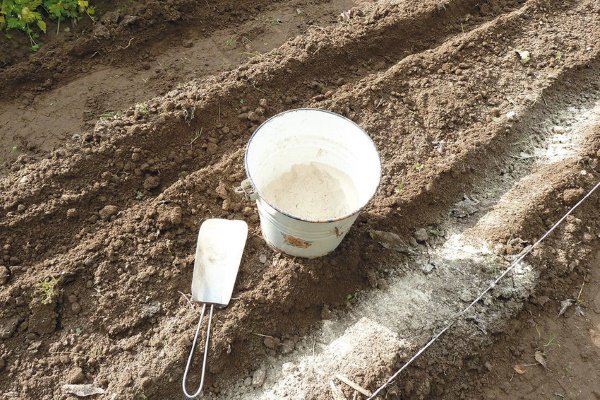
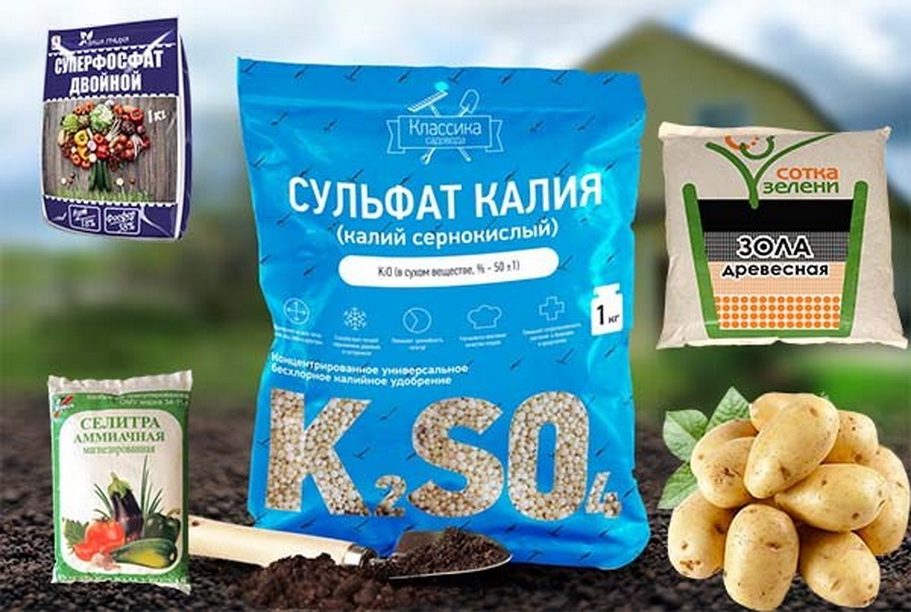
In the spring, the digging is repeated, but a different fertilizer is added to the same amount of soil: a glass of ash, 1 tablespoon of superphosphate, 1 teaspoon of potassium sulfate and 2 tablespoons of nitrophoska.
Depending on the type of soil, you will need to add different fertilizers:
- a bucket of peat is added to the sand;
- in clay soil - a bucket of peat or humus;
- in peat - a bucket of sand and humus.
Selection and preparation of seed tubers
The Nevsky variety's seed preparation requires careful consideration. The future yield directly depends on the quality of the tubers.
Only healthy tubers without the slightest signs of damage are suitable for planting; their weight should be no less than 60 g, but no more than 80 g.
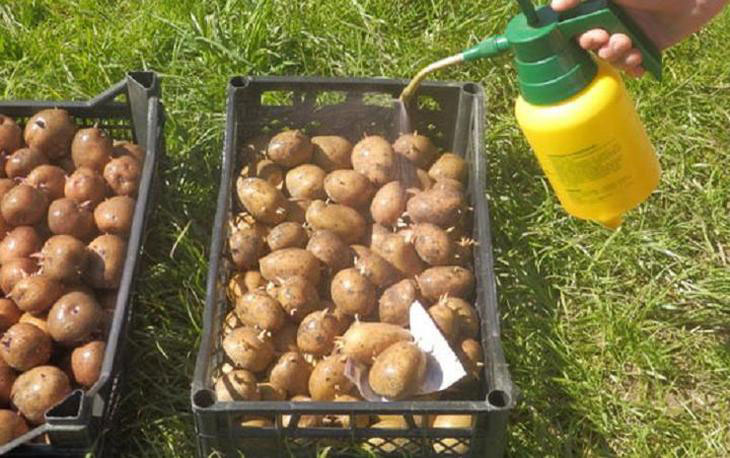
Before planting, all tubers need to be germinated. To do this, soak them for a few minutes in a weak solution of potassium permanganate, then dry them and store them in boxes. They are then placed in a warm, well-ventilated area until planting time.
If the weather has not yet evened out and the sprouts have begun to grow rapidly, the potatoes can be moved to a cool place to slow down the growth process.
The optimal length of sprouts to begin with is considered to be 2-3 cm – at this length they are less likely to be damaged during planting.
To strengthen the immune system, you can treat the tubers with special preparations, such as Matador or Prestige. Prepare the solution according to the instructions on the packaging.
Planting times and rules
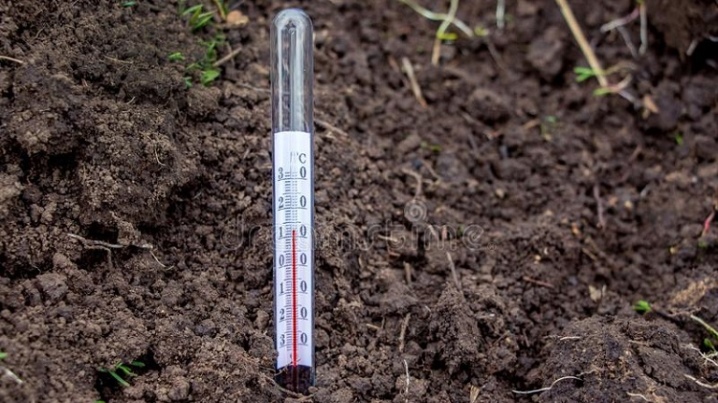
The Nevsky variety isn't an early variety, so it's best not to delay planting it. However, planting it too early is also dangerous, as the potatoes could freeze. You can begin planting when the soil warms to 10–12°C. However, the weather forecast shouldn't indicate any upcoming cold snaps overnight.
In the middle zone, planting is carried out in the first half of May.
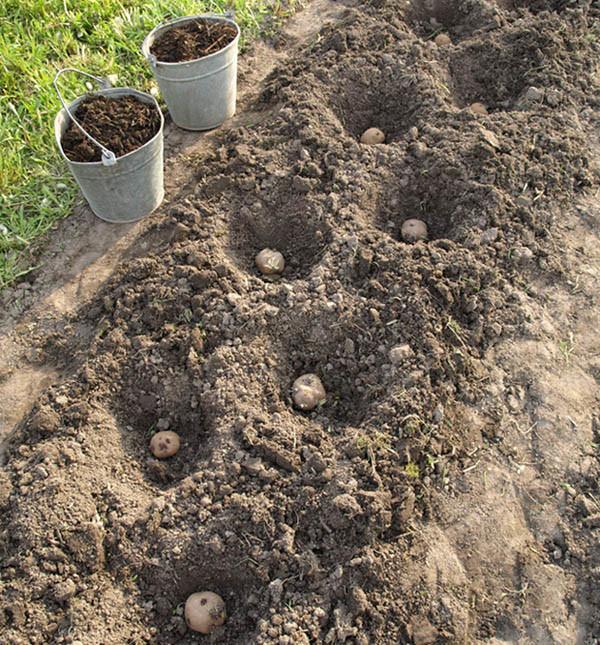
Potatoes can be planted in either furrows or ridges. Each gardener chooses their own planting pattern. The key is to maintain a minimum distance of 30 cm between the holes. The path width should be 50-70 cm, and the planting depth 20 cm.
Caring for the Nevsky potato variety
Caring for the Nevsky variety comes down to following a number of simple rules: watering, weeding, hilling, and fertilizing.
Watering
The Nevsky potato is well adapted to a variety of growing conditions and tolerates low moisture levels thanks to its large leaves. These leaves can curl if the soil is low in water, reducing evaporation. The glossy surface of the leaves reflects sunlight, preventing it from reaching the tubers.
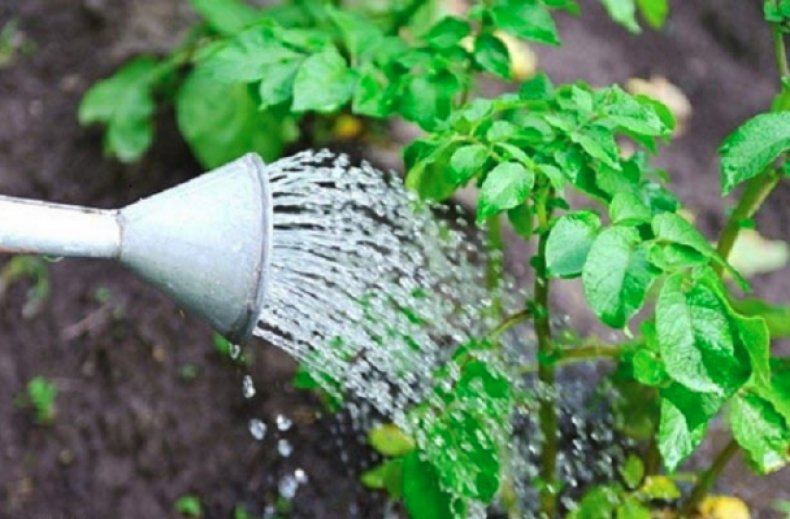
However, in hot weather, it is still recommended to water, depending on the condition of the soil.
The only thing this variety doesn't tolerate is stagnant water around the roots, so it's best to avoid planting it in low-lying areas. If there's no other suitable location, consider building raised beds to protect the soil.
Watering should be stopped 2 weeks before harvesting.
Top dressing
The Nevsky variety doesn't require fertilizing if the soil was properly prepared in the fall. However, if the soil is poor and crop rotation is not possible, fertilizer is essential.
During the early stages of vegetative growth, you can water the plants with a urea solution at a rate of 1 tablespoon per 10 liters of water. Each plant will require 500 ml of solution.
During the budding period and at the beginning of flowering, you can use superphosphates (1 tbsp. per 10 liters of water).
Loosening, weeding
The beds are weeded for the first time 7-10 days after planting the tubers. The soil is also loosened at this time. Weeding should be repeated as weeds appear. Removing them is crucial, as weeds not only spread diseases and attract pests, but also draw away a significant amount of nutrients.
Hilling
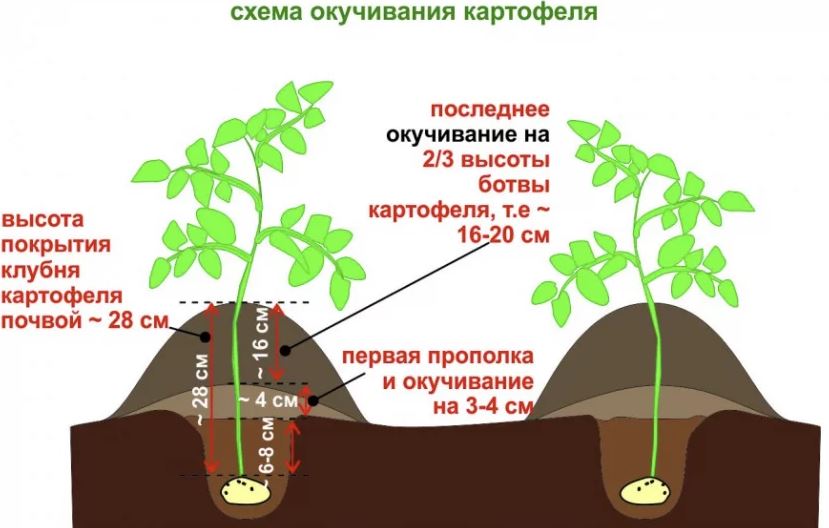
Although there is currently a lot of debate about hilling, and some gardeners have abandoned it for various reasons, practice shows that it helps increase the yield of a variety by 20%.
- The first time the plantings are hilled is when the shoots reach a height of 10-15 cm. The soil is carefully raked onto the bush, forming a mound with the shoot in the center. It's okay if the shoot is completely hidden within the mound after the first hilling.
- The second time is three weeks later. This helps protect the roots and tubers from pests, retain moisture within the bed, and prevent exposure to the scorching sun.
Protection of the Nevsky potato variety from diseases and pests in the table
The Nevsky potato variety boasts good immunity. Its main characteristic is low susceptibility to late blight. However, the variety is vulnerable to nematodes.
| Disease or pest | Description | Prevention and treatment |
| Late blight
|
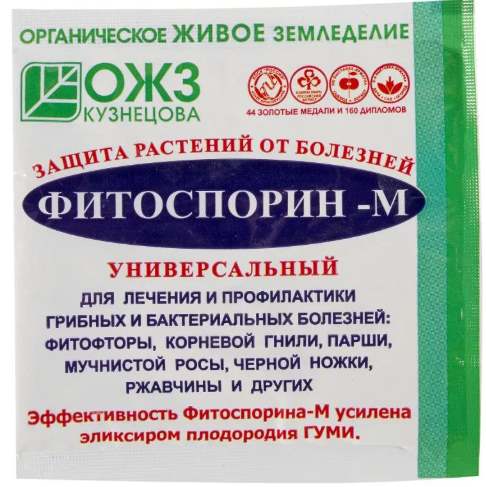
Dark brown spots appear on shoots and tubers. On the upper parts of the plants, they may soften, while on the lower parts, they typically harden and become scab-like. | For prevention, tubers are treated with specialized solutions, such as Fitosporin, before planting. Already grown bushes can be sprayed with a solution of copper sulfate (10 g per 10 liters of water). |
| Golden nematode
|
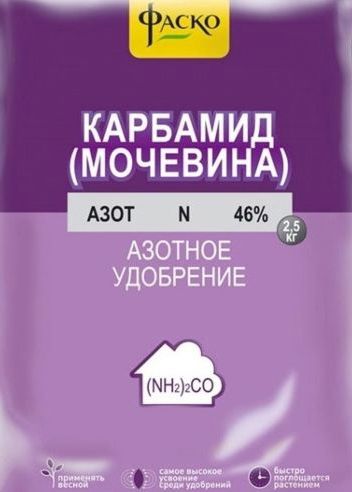
Cysts—the ball-shaped eggs of the female nematode—appear among the plant roots. The hatched worms are very difficult to kill, and the disease is difficult to diagnose. | To prevent nematode infestations, it's important to follow crop rotation rules, apply urea to the soil, which is a pesticide, and treat the tubers before planting. Infected plants cannot be saved; they must be dug up and burned. At the end of the season, the soil will need to be treated with strong pesticides, such as Thionazin. |
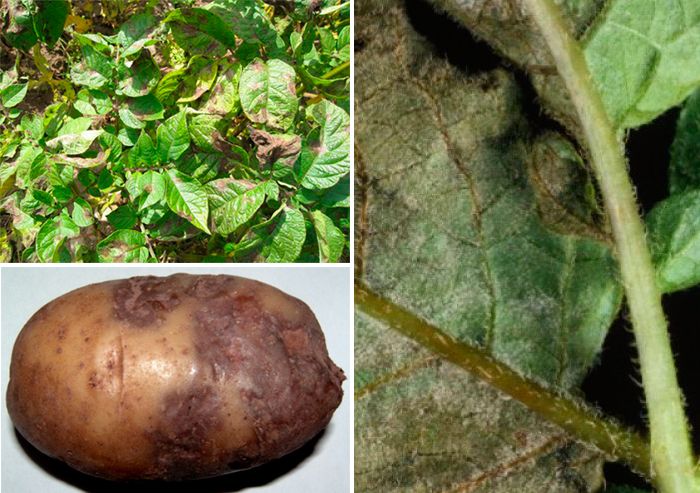
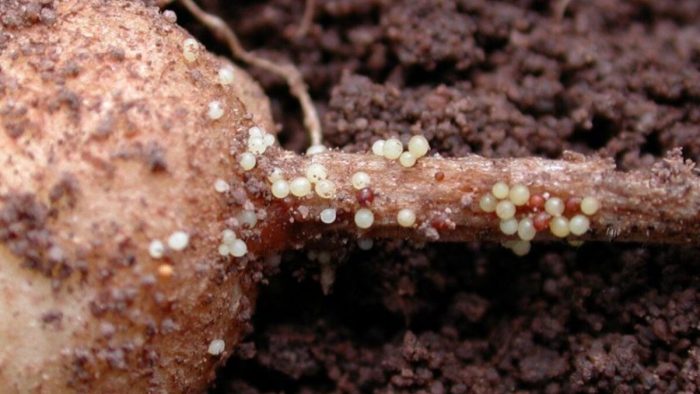
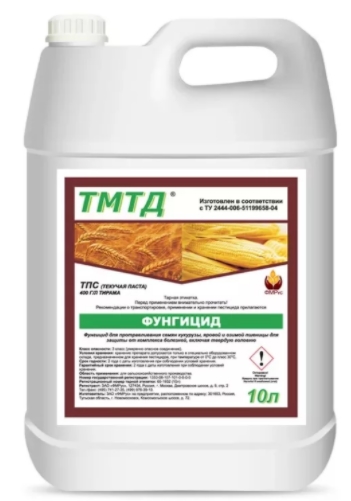
Photo gallery of preparations against diseases of the Nevsky potato variety:
The nuances of harvesting and storing the Nevsky potato variety
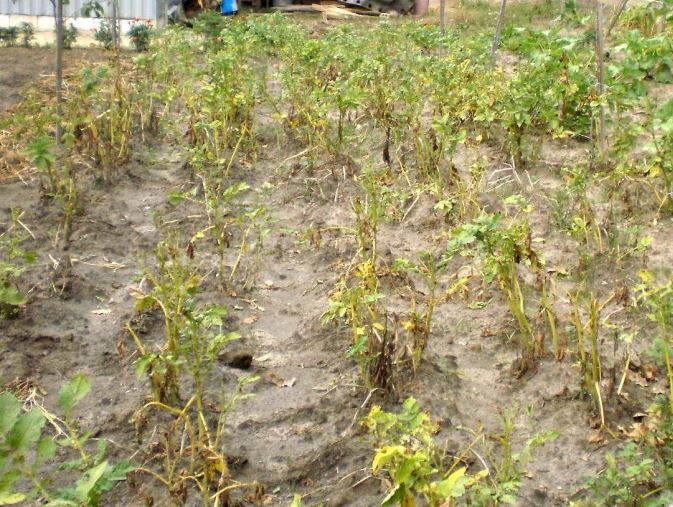
Changes in the tops can be observed as early as mid-July; they begin to droop and turn pale. In August, the shoots wilt, dry out, and turn yellow. This behavior is a sure sign that the potatoes are ripe and ready to be dug up.
The tubers, once removed from the soil, are placed on pre-prepared plastic film to dry, so it's best to begin the process in dry weather. Only potatoes that won't be eaten should be left in the sun for more than two hours. Exposure to sunlight causes them to form solanine, a substance toxic to humans.
Once the tubers have dried, they need to be sorted. Some will be used for seeds, damaged potatoes will be eaten first, and healthy ones will be placed in bags or boxes for winter storage. For this purpose, it's best to choose a cool, well-ventilated room with a temperature no higher than 8°C. Thanks to their good shelf life and marketability, Nevsky potatoes will last until spring.
Comparison of the Nevsky potato variety with other varieties in the table
| Variety | Ripening period (number of days to maturity) | Starch (%) | Yield (c/ha) | Weight of tubers (g)
Number of tubers per bush Color of tuber, pulp |
Shelf life (%) |
| Nevsky | Mid-early** | 10-12 | 380-500 | 90-130
12-15 beige, white |
91-96 |
| Armada | Early ripening* | 17-18 | 230-370 | 96-130
9-14 beige-yellow, light yellow |
80-85 |
| Assol | Early ripening* | 12-16 | up to 345 | 80-120
8-12 light yellow, cream |
92 |
| Giant | Mid-season*** | 15.9-18.9 | 290-424 | 104-143
8-13 light beige, cream |
97 |
| Zekura | Mid-early** | 13-18 | 350-370 | 60-150
12-20 sandy, light yellow |
98 |
| Meteor | Early ripening* | 10-16 | 210-405 | 100-150
10-12 cream, light yellow |
95 |
| Lorkh | Mid-late | 15-20 | 250-350 | 90-120
9-11 light beige, white |
88-92 |
| Teddy bear | Early ripening* | 14.2-17.7 | 201-306, 417 | 112-126
7-11 reddish, creamy beige |
97 |
| Nikulinsky | Mid-late**** | 12.5-21.3 | 170-410 | 70-135
12 beige, cream |
95 |
| Riviera | Early ripening* | 11.5-15.9 | 189-366 | 101-177
11-12 light beige, cream |
94 |
*Early ripening – 50-65 days.
**Mid-early – 65-80 days.
***Mid-season – 80-95 days.
Real reviews from gardeners about the Nevsky potato variety
Consumers note that the Nevsky variety never disappoints with its harvest. The tubers are smooth and easy to peel, but they don't produce puree. Furthermore, it's one of the few varieties that is virtually immune to late blight.
User Diego74, Russia, Uysky District, January 11, 2017
Good day, friends! This review is more for gardeners, specifically about the Nevsky potato variety. We'd previously planted similar varieties, but the yield wasn't always good. We needed to replace the tubers, and we were tired of peeling the small ones. We decided to try new varieties, searched online, read descriptions and reviews, and settled on this one. Then we bought another similar variety. We ordered Nevsky online from Russky Ogorod (Russian Garden). They sent us a small 2-kilogram bag, the potatoes about the size of a chicken egg.
Regarding planting, we never plant too early, usually around May 10th to 15th, which is a perfectly acceptable timeframe. This variety is considered an early ripening variety. The seedlings emerged in about two weeks; the tops are almost waist-high, a rich green color, and perfectly smooth, making them difficult to walk on. There were no beetles at all the first year, which was very pleasing. A few appeared in the second year, but we didn't treat them with chemicals. We harvested them twice, and then they were gone. We weeded and loosened the soil as needed. We dug at the end of September.
I would like to highlight the advantages of this variety:
+ Large potatoes, smooth, with blue eyes, the soil comes off them easily.
+ High yield of the variety (in my case, two kilograms yielded two bags).
+ Excellent taste, yellowish-white, grainy.
+ Doesn't fall apart when cooked.
+ Stores well.
+ There are no crooked root crops, and it is rare for infection to attack it.
+ Thin skin is easy to clean
Cons:
— Green potatoes are falling.
I'd also like to point out that this variety isn't picky about soil, as long as it has plenty of moisture. It's very popular among farmers and gardeners.
You can find it everywhere at markets, mostly sold by gardeners like us! Thank you all for watching, and may you have a bountiful harvest!
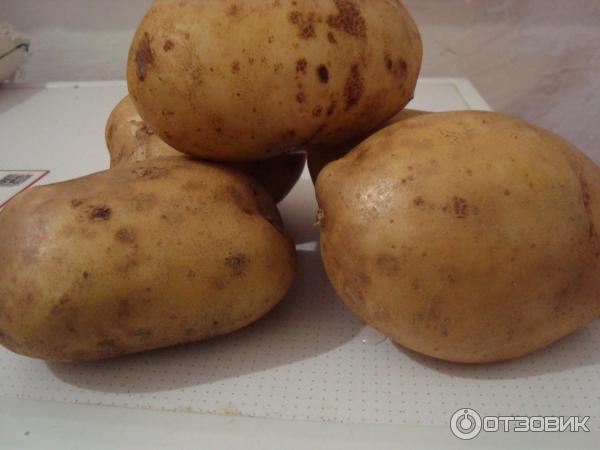
User tutsa, Russia, Moscow, January 15, 2017
Many gardeners probably grow potatoes. I mainly cultivate proven varieties. The Russkiy Ogorod "Nevsky" potato is my favorite. I like this variety for its high yield, excellent flavor, and early ripening tubers.
Last year I dug up quite a lot of potatoes. I got one and a half kilograms of tubers from one bush. I don't plant very many potatoes. My garden takes up only 400 square meters of land. I set aside 100 square meters for potatoes. Last year I dug up about 400 kilograms of potatoes.
The Nevsky potato is a mid-early variety. I dig up the first tubers just 2.5 months after planting them. I plant the tubers in early May. By this time, the weather is already warm and pleasant. This variety develops lush tops. The plants grow quite tall with white flowers.
I dig up my potatoes in mid-August. A single plant produces up to 15 tubers. They're mostly medium-sized. The tubers are elongated and have thin, yellow skin. These potatoes are delicious. They make a delicious mashed potato. I add them to soups and main courses. This variety also stores well until spring.
User Antanel, Russia, 02/07/2018
In an attempt to select potato varieties suitable for our Moscow region conditions, we tried growing Nevsky potatoes.
I don't know why, but this potato variety is considered elite. We bought it at a garden center. We bought it in the fall, not at the beginning of the season, when seed prices are very high. We set aside the smallest tubers from the purchased potatoes for seed.
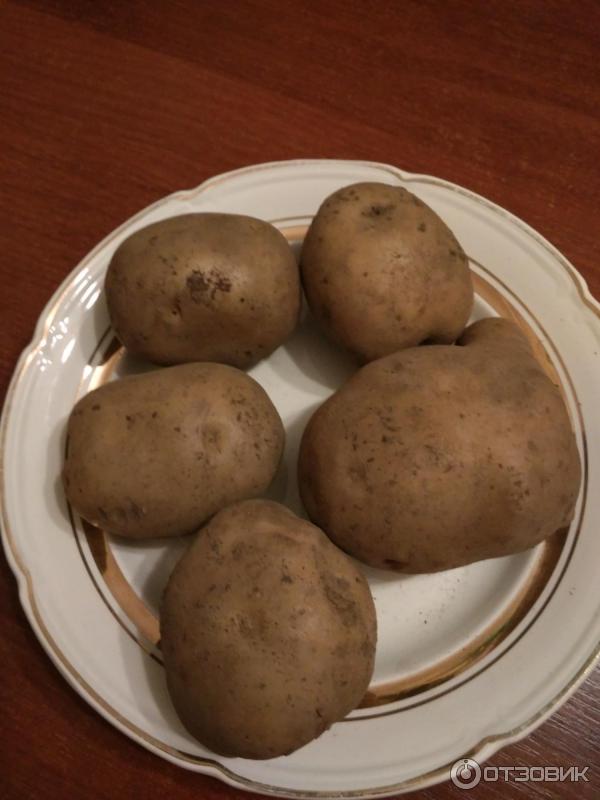
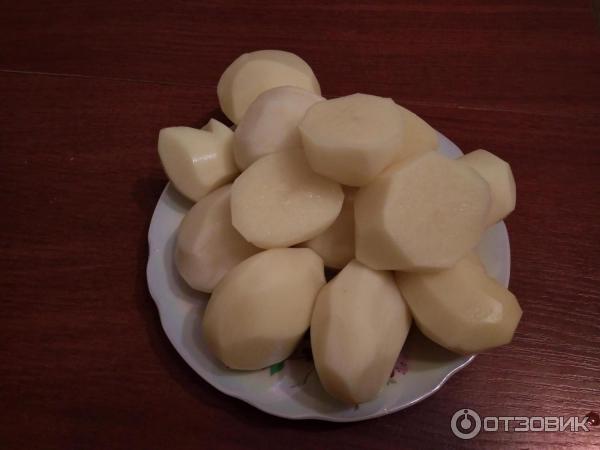
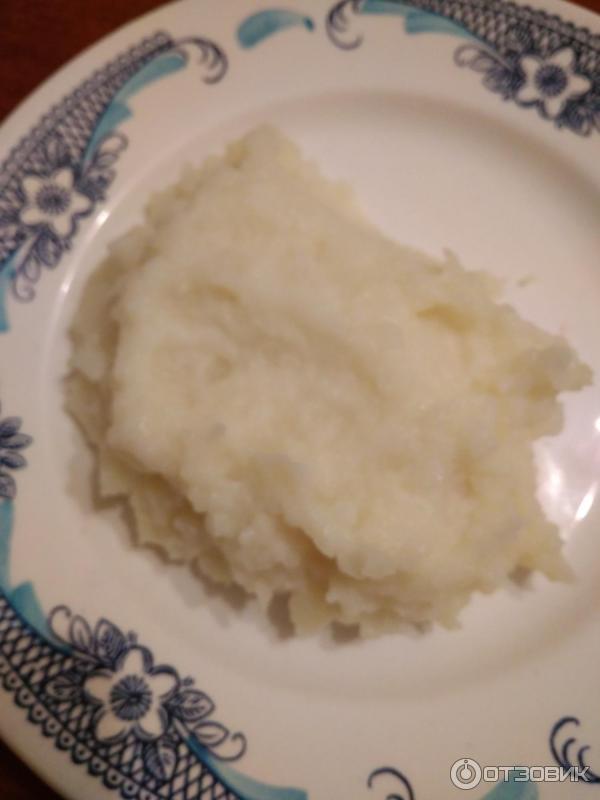
The potatoes are slightly yellowish in color. They cook well, but they also absorb a lot of water.
The tubers are relatively smooth, but some imperfections are still present. There are no holes or voids inside.The taste is quite good, the puree turns out simply amazing.
I can't say it's the best variety I've ever tried, but I plant it as a sure bet.
https://otzovik.com/review_6021105.html
User nadjas, Moscow-Krasnogorsk, December 17, 2004 This not-so-lucky summer, my dad and I planted Nevsky and Zhukovsky varieties. The Nevsky turned out better, and much better than potatoes bought at the market, not from seed. So, from this year on, we'll be planting only from seed. We'll be buying them at VDNKh. User OLGA, ST. PETERSBURG, 12/18/2004 Anna, I have pure loam. I've reduced my potato planting to a minimum, so to be on the safe side (the climate in St. Petersburg... :?), I've been planting three varieties lately: Lugovskoy, Petersburg, and Nevsky. One variety tolerates drought well (we have it here too!), the other tolerates wet summers, and Nevsky actually tolerates both. I bought Finnish elite, Dutch super-elite, our super-super-elite... It's all just pampering! Or maybe it's not for St. Petersburg! PS: from fertilizers, rotted manure and a little Kemira-potato.
I don't like Nevsky either. It's productive, but like soap. It's like fodder. I liked Impala and Udacha last year. Aurora was also good. Udacha is the tastiest.
Well spotted! My potatoes grow on a plot of land where a large barn stood for almost 40 years.
An excellent variety. I've been growing it for many years. The yield is always excellent. Many criticize the taste of this potato, calling it fodder. I'll put it this way: you simply don't know how to grow it. For potatoes to be tasty, they need a lot of ash. I use ash that I specially prepare. I collect branches from fruit trees and grapes after pruning and burn them. It makes an excellent fertilizer. I add it to the hole during planting, and throughout the season I spray the bushes with an ash infusion in whey.
I've been familiar with this variety for many years. I grow different varieties and really enjoy experimenting with new ones. But I always find a place for 'Nevsky.' It produces a good harvest even in the most difficult seasons. It rarely gets sick. If the summer is rainy, it's the only one not affected by late blight. I recommend it to everyone, especially those who don't have any experience growing potatoes.
The Nevsky variety is excellent and high-yielding. Its pink eyes are unmistakable. It ripens early, so it needs to be taken out of storage for vernalization at the end of February in southern regions. I remember a water main break that caused water to flood the basement, and the seeds had to be rescued on February 2nd, so naturally, vernalization arrived early. By the time they were planted, the seedlings had turned into vines. The neighbors laughed, and I was angry because I couldn't get the vines to fit into the furrows I'd cut. Then something went wrong again. Others were just starting to see seedlings, and I needed to clean the beetle's eyes. The neighbors had a beetle, and I was in full bloom. And I needed to water. I didn't mention that we had 400-square-meter plots in one area, and all the mechanized operations were carried out according to technology. But my technology was much more advanced. The long-awaited day arrived—harvest time. After the first 10 meters, I had to enlist three helpers. They dug and bagged the potatoes, while I simply hauled them in the car. We worked for two days. The harvest amounted to over four tons. Believe it or not, this is how it happened. And you argue, Nevsky, Nevsky. A wonderful variety by all accounts. It's a bit of a dislike here because it's white and... a bit large when properly cared for. But in such cases, I say: better to have too much white than too little pink.
It's all a matter of luck. About five years ago, I bought three buckets of Nevsky this way. I planted them. It was simply fantastic. One bush, one bucket. I gave the potatoes to all my relatives. I sold them. Of course, I ate them myself. And still, in the spring, there was a ton left. But then, suddenly, the yield was gone. I planted another variety in a similar way, BUT it's still not the same. So, yes, there are potatoes in the fall, but not many. So, I got lucky once, and that's all. Now, only elite seed material produces a good harvest.
The soil where the barn once stood is almost 100% humus. I'm planting Udacha, some "local village" variety, and Nevsky. I'm getting an excellent harvest, and all the potatoes keep perfectly in the cellar from season to season. My Nevsky doesn't grow like soap, but rather, it's quite tasty.