The Lorkh potato is a popular classic variety that has been grown in Russian gardens for over 100 years.
Content
- 1 Table with characteristics of the Lorkh potato variety
- 2 The origin of the Lorkh potato variety
- 3 Description of the Lorkh potato variety
- 4 Nutrients and nutritional value
- 5 Advantages and disadvantages of the Lorkh potato variety
- 6 Planting Features of the Lorkh Potato Variety
- 7 Caring for the Lorkh potato variety
- 8 Protecting the Lorkh potato variety from diseases and pests
- 9 Harvesting and storing the Lorkh potato variety
- 10 Top.tomathouse.com's tips on growing the Lorkh potato variety
- 11 Comparison of the Lorkh potato variety with other varieties in the table
- 12 User reviews of the Lorkh potato variety
Table with characteristics of the Lorkh potato variety
| Characteristic | A productive potato variety with a long history. |
| General information | Tall, mid-late variety with excellent marketability of fruits. |
| Ripening time | 110-120 days |
| Productivity | 250 c/ha. |
| Marketability | 88-92% |
| Shelf life | High |
| Starch concentration | 15-20% |
| Color of pulp | White |
| Peel color | Light beige |
| Weight of commercial tubers | 90-120 g |
| Number of tubers per bush, pcs. | 10-12 pcs. |
| Taste characteristics | Excellent taste |
| Class and purpose in cooking | Table, used for starch production, feed. Class C |
| Suitable regions for growing | Northwestern, Central, Volga-Vyatka, Central Black Earth, North Caucasian, Middle Volga, Lower Volga, Ural, West Siberian |
| Disease resistance | Resistant to viruses, occasionally suffers from rhizoctonia, susceptible to late blight and golden nematode. |
| Growing specifics | Does not tolerate over-watering well and does not require abundant fertilizing. |
| 1931 | |
| Country of origin | Russia, Moscow |
Photo gallery of the Lorkh potato variety
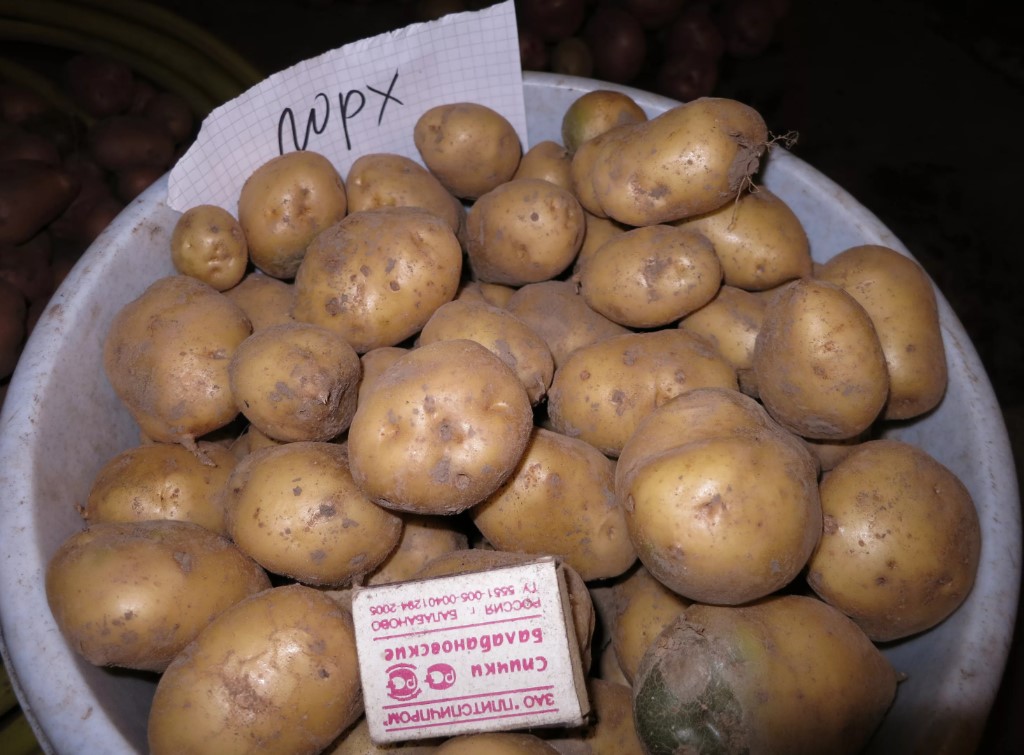
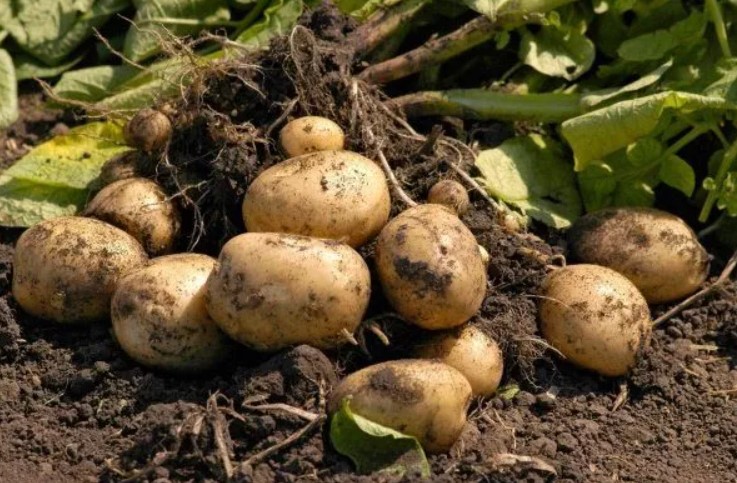
The origin of the Lorkh potato variety
The Lorkh variety was known to gardeners as early as 1922, developed by breeders at the Korenevskaya Breeding Station in the Moscow Region. Today, this institution bears the name of the scientist and breeder A.G. Lorkh, who was responsible for the variety's development.
In 1931, the potato was added to the register and received official recognition in our country. It is grown in various regions, as it adapts well to a variety of climatic conditions.
Description of the Lorkh potato variety
The Lorkh potato variety is prized by gardeners not only for its taste but also for its frost resistance, which is important for many regions of the country where recurrent frosts can be a common occurrence.
Bushes
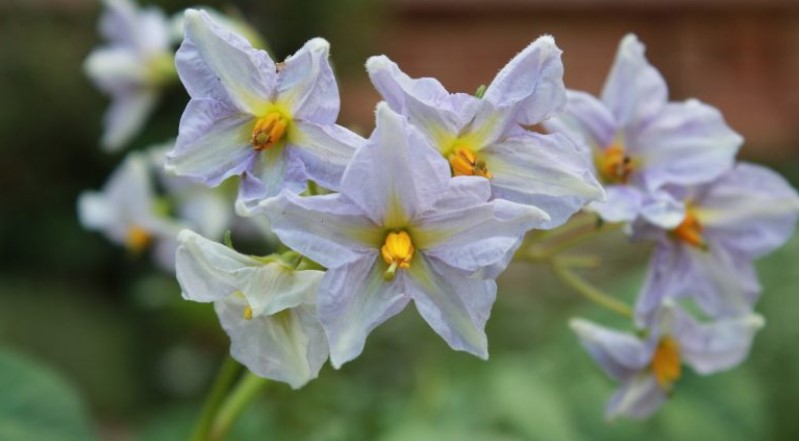
The bushes are tall, with shoots reaching 80 cm in height. They grow in a moderately spreading manner, consisting of five thick and firm shoots. The leaves are medium-sized, light green, and slightly pubescent. The flowers are single, red-violet with a yellow center.
Tubers
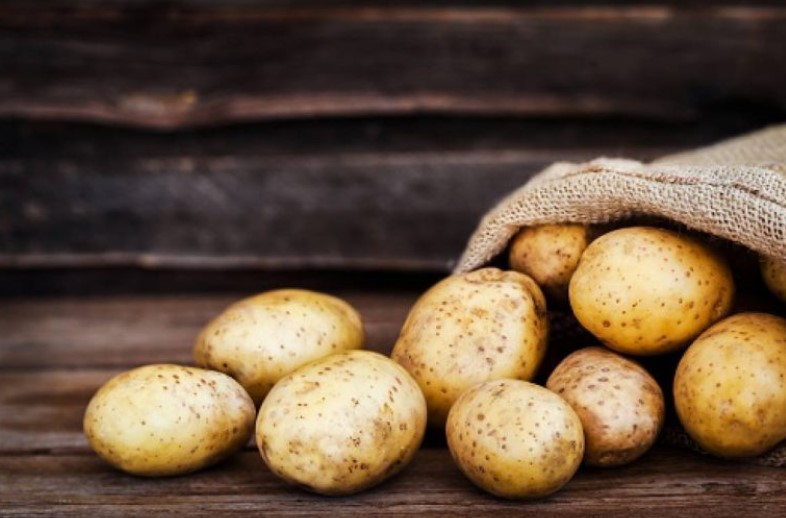
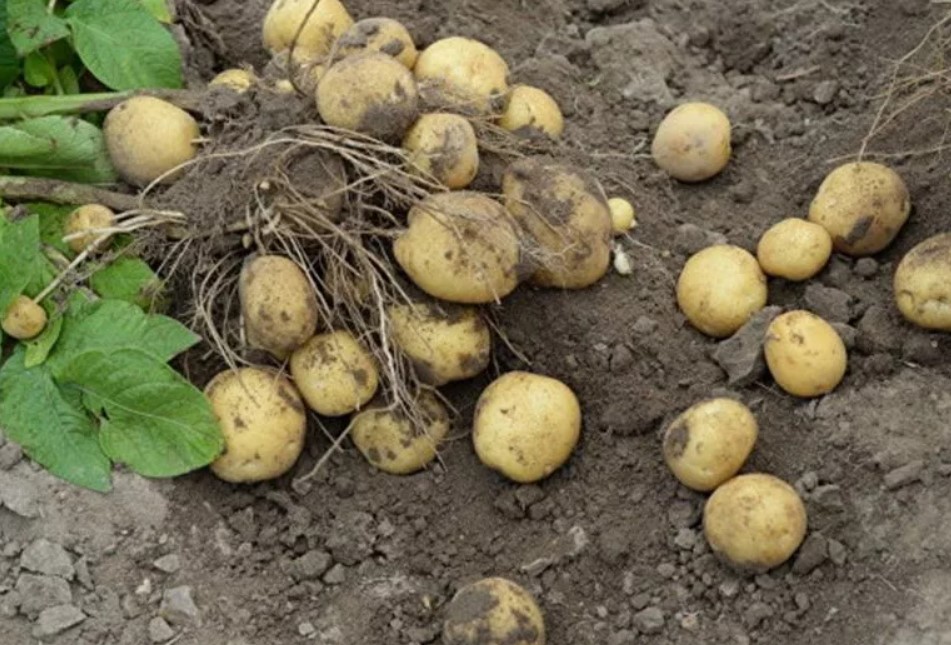
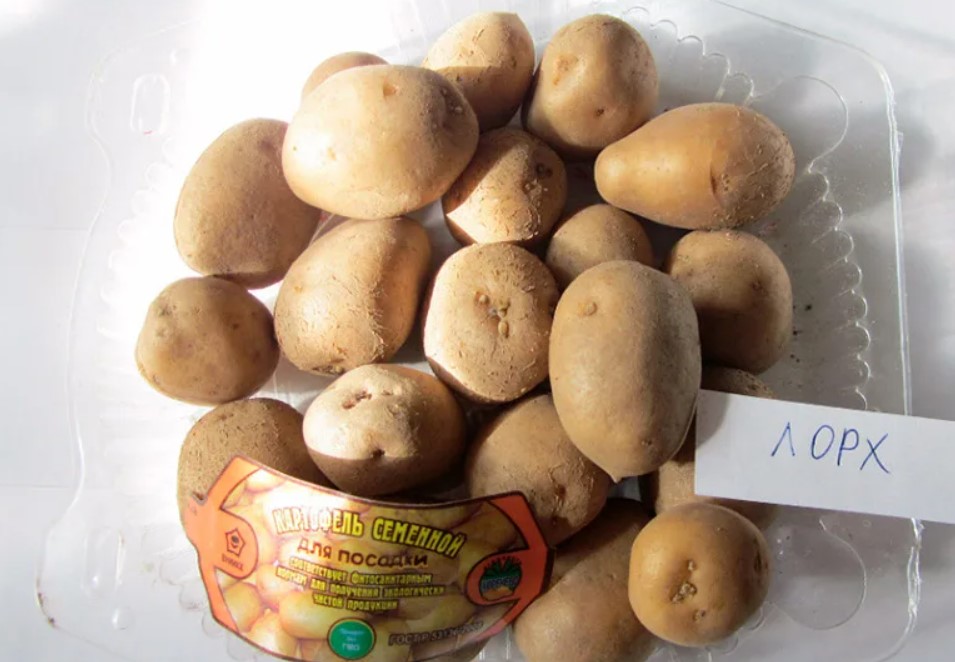
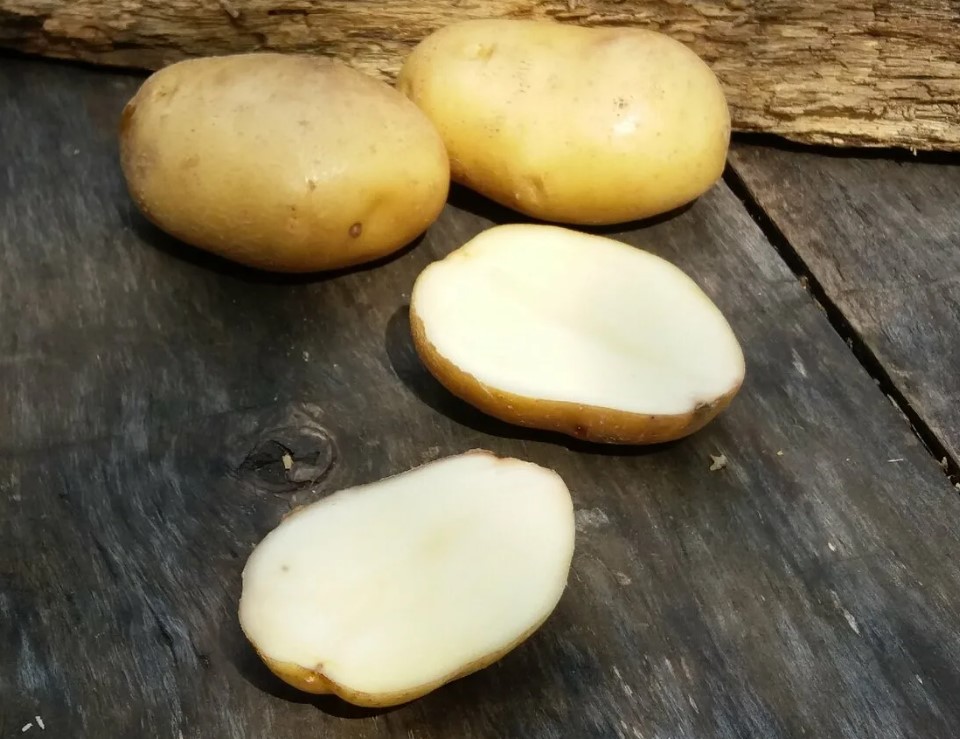
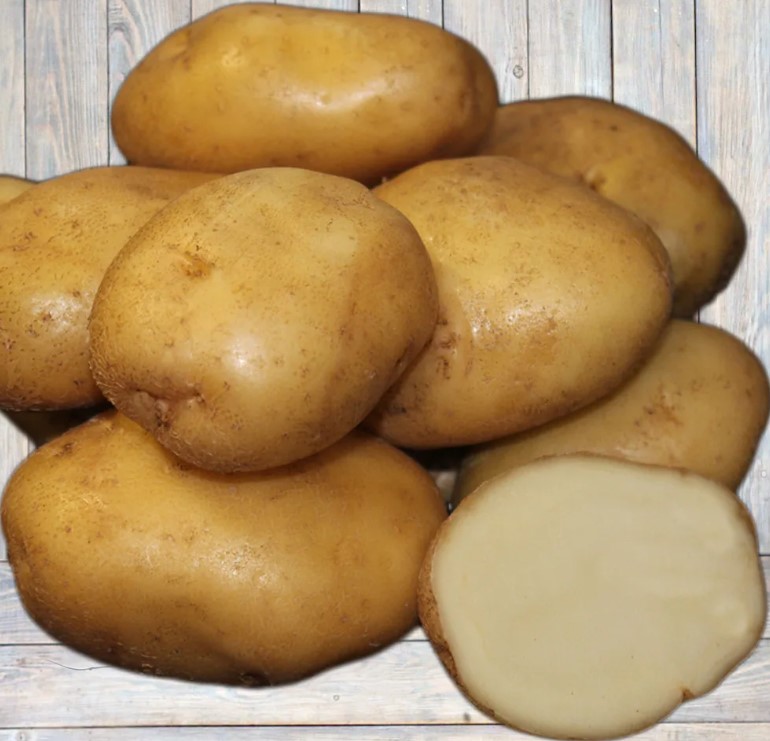
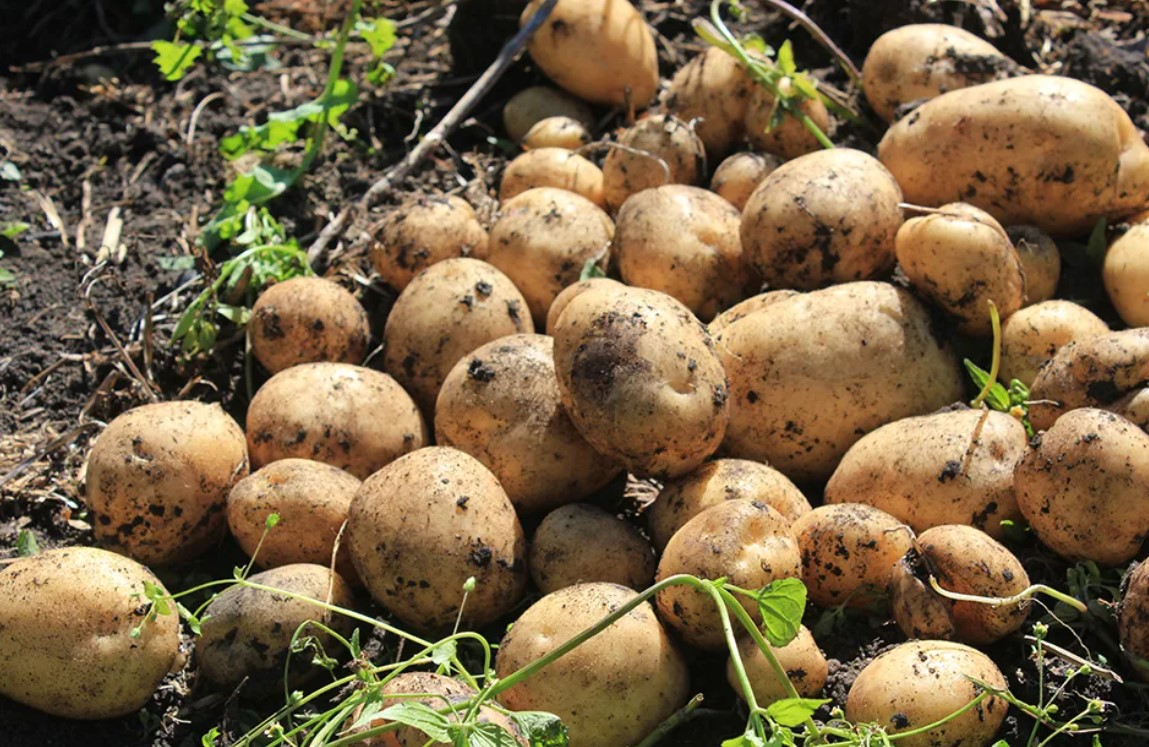
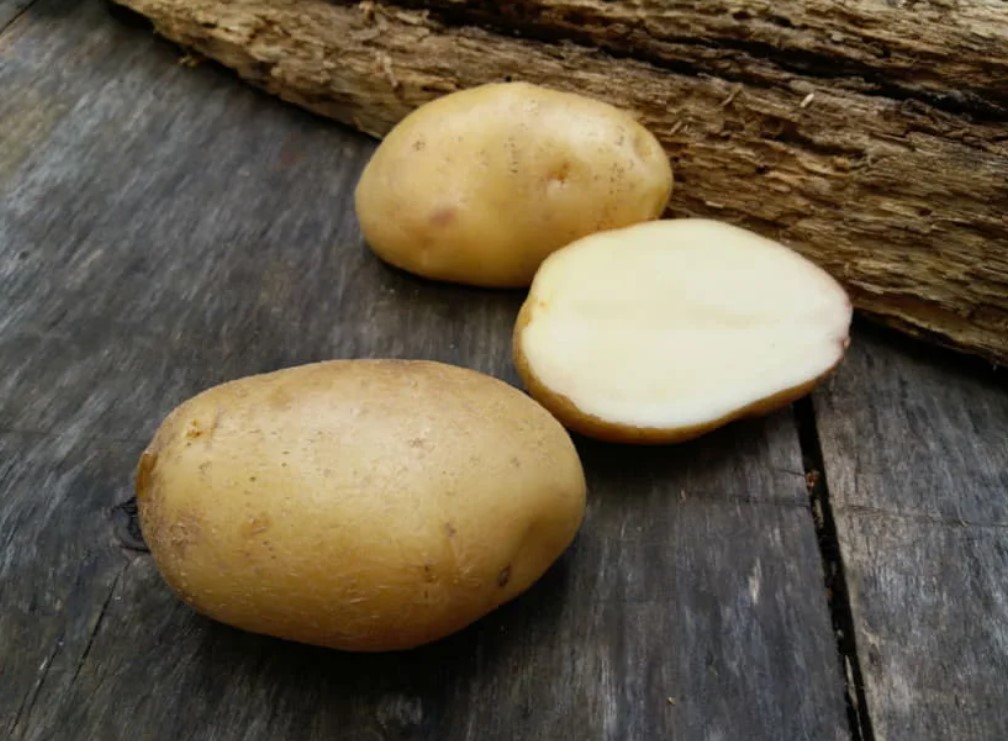
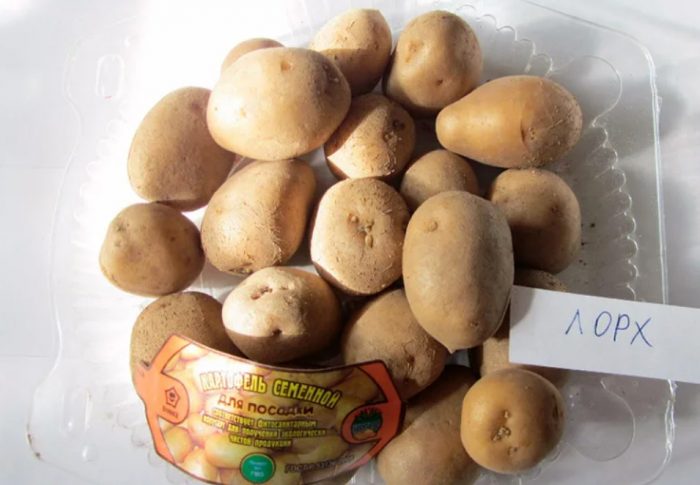
The tubers are round-oval in shape, weighing between 90 and 120 g. Each hole produces 10 to 12 potatoes. The skin is light beige, and the flesh is white. Small eyes are located on the surface.
Nutrients and nutritional value
Lorkh potatoes contain a relatively high amount of starch—up to 20%—and are therefore used for industrial production. They also contain potassium, magnesium, B vitamins, phosphorus, sodium, and other nutrients.
Productivity, ripening time
The first shoots of the Lorkh potato appear within 14 days of planting, and full maturity occurs within 120 days. The yield is 250 c/ha, but under favorable conditions it can reach 350 c/ha.
Resistance to diseases and pests
The Lorkh potato does not have a strong immune system; disease resistance is listed in the table below.
| Name | Degree of stability |
| Virus (PVY) Y | High |
| Virus (PLRV) L | High |
| Cancer | Low |
| Golden nematode | Low |
| Common scab | Moderate |
| Leaf blight | Low |
| Tuber blight | Low |
| Rhizoctonia | Moderate |
For which regions is the Lorkh potato variety suitable?
The Lorkh variety has good frost resistance, making it suitable for cultivation in a variety of regions. It is zoned for cultivation in the Northwestern, Central, Volga-Vyatka, Central Black Earth, North Caucasus, Middle Volga, Lower Volga, Ural, and West Siberian regions.
Advantages and disadvantages of the Lorkh potato variety
The Lorkh variety has advantages and disadvantages, listed in the table below.
| Advantages | Flaws |
|
|
 Planting Features of the Lorkh Potato Variety
The Lorkh Kazan variety is considered by its originator to be mid-late, so there are some nuances to planting it, which we will discuss below.
Requirements for the landing site and its preparation
For planting Lorkh potatoes, it's best to choose well-lit areas of the garden where groundwater is not close to the surface. To prevent waterlogging, it's recommended to ensure good soil drainage.
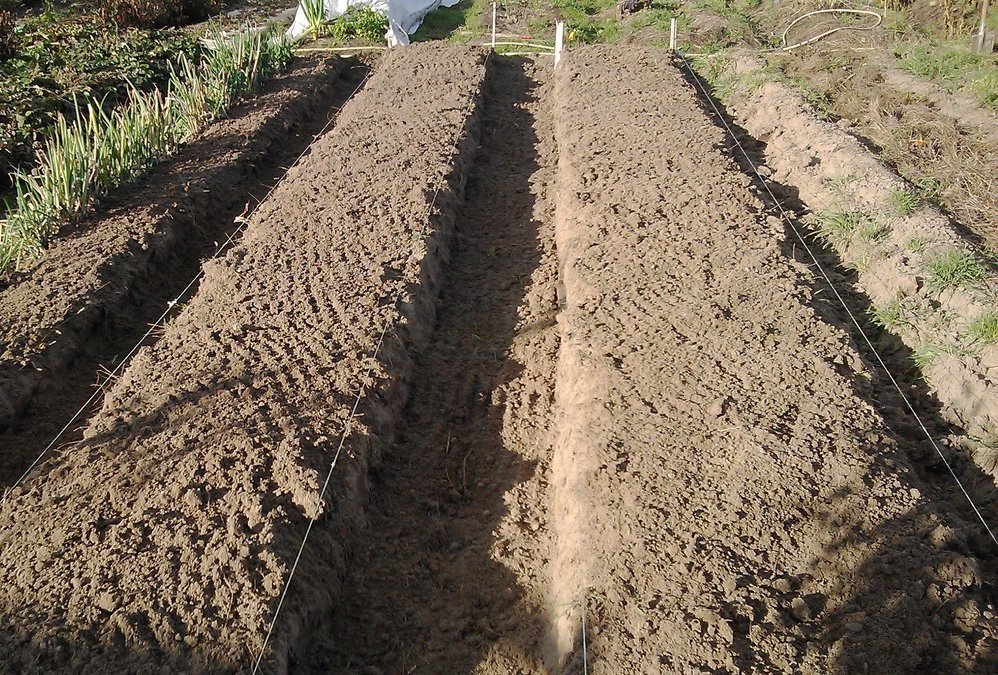
The plot is prepared in the fall, approximately 30 days after the potatoes are dug up. The following procedures are performed:
- Manual or mechanical digging.
- Removing tops, weeds and their roots.
- Adding alkali to acidic soil.
- Adding organic matter.
When fertilizing, it is important not to overdo it with nitrogen, otherwise all the energy will go to the growth of the above-ground part of the plants.
In the spring, the soil will be re-fertilized with ammonium nitrate added.
Selection and preparation of seed tubers
For planting, it's best to select uniform tubers weighing 60-70 degrees. Since potatoes are a mid-season crop, they should be planted with sprouts already formed. Ideally, the sprouts should be no more than 4 cm long, otherwise they may fall off or become damaged during planting.
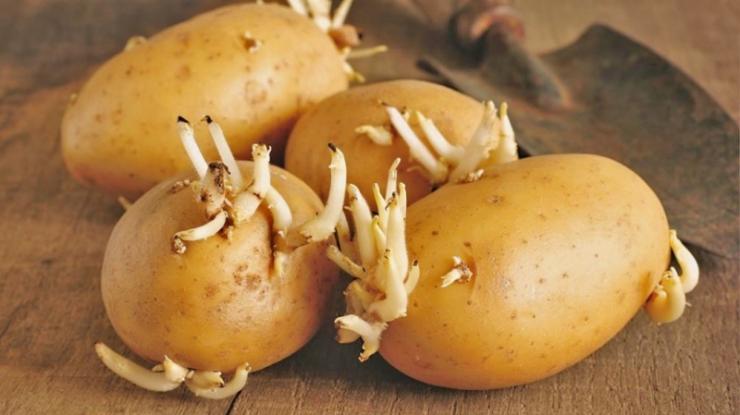
To sprout potatoes, remove them from the cellar 45 days before planting and place them in boxes in a room with a temperature of 15 degrees Celsius. If the sprouts haven't grown within the allotted time, provide additional lighting.
Two weeks before, the seed material begins to harden, taking the boxes outside and leaving them there for increasingly longer periods of time.
Planting times and rules
Potatoes are planted when the soil has warmed to 8 degrees Celsius. Lorkh is less susceptible to recurrent frosts than heat-loving varieties, so in the central part of the country, planting begins in early May.
According to popular belief, you can start planting potatoes when birch leaves have become the size of a nickel.
Caring for the Lorkh potato variety
The Lorkh potato is considered to be quite easy to grow and therefore does not require any special care.
Watering
Water the soil during potato planting; after that, no additional soil moisture is needed, as Lorch does not tolerate excessive waterlogging. If the weather is hot and the soil is very dry, watering is acceptable, especially during the budding period.
Top dressing
If fertilizers and top dressing were added to the soil during digging in the fall and spring, then there is no need to add them during the season.
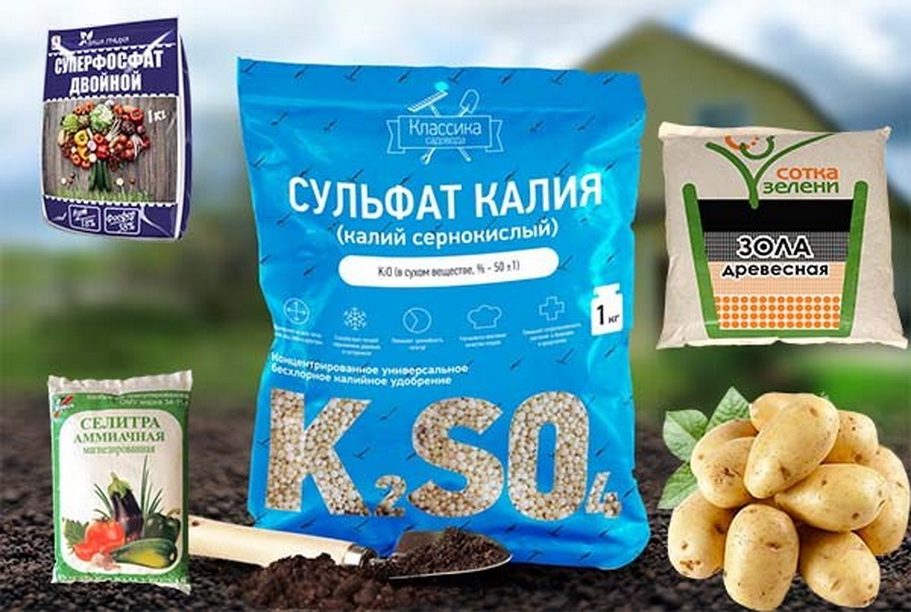
If the soil is poor in minerals, you can apply them 3 times per season:
- Add organic matter 2 weeks after planting.
- During tuber formation, use a mixture of potassium sulfate, superphosphates and potassium fertilizers.
- Apply complex fertilizers 21 days before harvesting.
Loosening, weeding
To improve soil aeration, loosen the soil around the plantings once or twice a season. Weeding is also recommended at this time to prevent pests. Weeds also compete with crops for water, light, and nutrients, so it's important to remove them promptly.
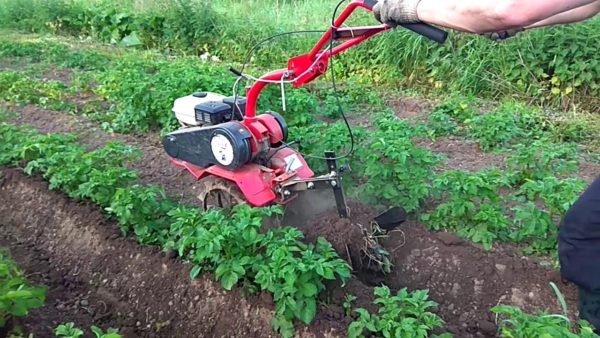
Hilling
Hilling involves spreading soil over the stem to form a mound. This procedure is performed three times per season:
- When the height of the shoots reached 20 cm.
- 21 days after the first procedure.
- After the shoots reach a height of 25 cm (10-14 days after the second hilling).
Protecting the Lorkh potato variety from diseases and pests
The table lists the main diseases and pests of Lorkh potatoes.
| Disease, pest | Characteristic | Prevention and treatment |
| Late blight | A fungal disease that manifests itself as the formation of brown spots on leaves and tops. | The disease manifests itself when watering is improperly administered and when humidity is high. Prevention involves avoiding overwatering and treating the plantings with a solution of potassium permanganate or boric acid. At the first sign of the disease, spray the plants with Oxyhumate or Exiol. |
| Rhizoctonia | Initially, black spots appear on the leaves, after which the disease spreads rapidly, affecting the tops and tubers. | To prevent the disease, follow all planting and care guidelines. Treatment is carried out with Agat-25 or Baktofit. Diseased plants are destroyed. |
| Colorado beetle | Adults and their orange eggs are visible on the leaves. | Insects are collected manually. In case of widespread infestation, treatment with Actellic or Decis can be used. |
| Golden nematode | The root system is damaged, resulting in the death of the plants. The tops dry out, and the leaves curl. | There are no means of combating nematodes; the affected bush is dug up and destroyed, and the remaining plantings are treated with Heterophos or Aldicarb. |
Harvesting and storing the Lorkh potato variety
Experienced gardeners recommend cutting back the tops two weeks before harvesting, as this can cause the tubers to harden and the eyes to dry out. It's best to dig up potatoes in dry, sunny weather so they can air-dry later. Always harvest in a shaded area, as sun exposure can cause the tubers to turn green, which is unsuitable for consumption.
All tubers must be sorted before being sent for storage, removing damaged or rotten potatoes.
We dig up potatoes on time And store correctly. Making your own cleaning supplies.
Lorkh potatoes are known for their excellent shelf life. Their thick skin reduces the risk of mechanical damage and allows for long-term storage. Under suitable conditions, potatoes can last up to 8 months without loss of quality. Once completely dry, they are placed in boxes or bags and stored in a dry room with a temperature of 2-4°C (37-43°F). Ideally, the room should have a humidity level of 70-80% and adequate ventilation.
Top.tomathouse.com's tips on growing the Lorkh potato variety
A very productive variety, frost-resistant. The potatoes have a pleasant flavor and are excellent for baking.
Comparison of the Lorkh potato variety with other varieties in the table
| Variety | Ripening period (number of days to maturity) | Starch (%) | Yield (c/ha) | Weight of tubers (g)
Number of tubers per bush Color of tuber, pulp |
Shelf life (%) |
| Lorkh | Mid-late**** | 15-20 | 250-350 | 90-120
9-11 light beige, white |
88-92 |
| White Night | Mid-early** | 10.9-16.9 | 250 | 120-215 up to 12 light, creamy |
90 |
| Meteor | Early ripening* | 10-16 | 210-405 | 100-150
10-12 cream, light yellow |
95 |
| Nevsky | Mid-early** | 10-12 | 380-500 | 90-130 12-15 beige, white |
91-96 |
| Strongman | Mid-early** | 10-12 | 127-275 | 78-105
15-20 yellow, cream |
97 |
| Nikulinsky | Mid-late**** | 12.5-21.3 | 170-410 | 70-135 12 beige, cream |
95 |
| Armada | Early ripening* | 17-18 | 230-370 | 96-130
9-14 beige-yellow, light yellow |
80-85 |
| Giant | Mid-season*** | 15.9-18.9 | 290-424 | 104-143
8-13 light beige, cream |
97 |
| Assol | Early ripening* | 12-16 | up to 345 | 80-120
8-12 light yellow, cream |
92 |
| Innovator | Mid-early** | 12-15 | 320-344 | 83-147
6-11 creamy, soft yellow |
94 |
| Zekura | Mid-early** | 13-18 | 350-370 | 60-150
12-20 sandy, light yellow |
98 |
| Vega | Mid-early** | 10-16 | 230-380 | 90-120
8-12 yellow, light yellow |
99 |
*Early ripening – 50-65 days.
**Mid-early – 65-80 days.
***Mid-season – 80-95 days.
****Mid-late – 95-110 days.
User reviews of the Lorkh potato variety
Lorkh's taste rating is excellent. The overwhelming majority of modern varieties are as far removed from it in terms of taste as the moon. In the register of varieties with excellent taste, there are only a few.
Unfortunately, Lorkh is not at all resistant to canker. But if you're lucky, it produces a good harvest in black soil. My dad grew Lorkh and Sineglazka on his plots in the village, and he was amazed that the collective farm's potatoes were poorly grown, completely overgrown with weeds, yet the harvest was much greater than that of private farmers. The answer is simple: the collective farm planted Nevsky and used crop rotation. So Lorkh fell out of favor.
Hi all!
Here is my review of the potato:
I bought two varieties: Golubizna and Lorkh (mini-tubers)
Before planting, all the potatoes were treated with "Taboo": there were no Colorado potato beetles (although the neighbors treated their potatoes twice during the summer)
I really liked the Golubizna variety: the tubers are very beautiful in appearance, even, there are almost no small parts,
We planted 2 kg and harvested about 60 kg. The taste is very good, it boils well, and is only suitable for puree.
Lorkh (mini-tubers) - 10 small ones, a little over 20 kg has grown, and more than half
Large tubers (you can't save them for seeds unless you cut them). The taste is very good, very soft, only for puree.
Good afternoon. The Lorkh potato variety is a very tasty one, but its yield leaves much to be desired. According to all reference books, it yields up to 1 kg per plant, while Adretta, for example, yields up to 2 kg. There are now many varieties that are much more productive and more disease-resistant. Lorkh is legendary! Lorkh is heavily affected by scab, while Adretta is susceptible to late blight and scab. In the south, modern red varieties—R. Scarlet, Rosara, etc.—produce better results, but the most important thing is to import seeds from the north, as here they degenerate over the course of the season and are susceptible to all the diseases that can affect potatoes. Each region needs its own varieties, as do every gardener. We plant early and mid-season varieties to ensure we have time to harvest two crops. This yields much more in kg than planting a late variety only once. This also allows us to reduce the number of plants we need to plant. In general, to plant potatoes you need to take everything into account - varieties, effort, and costs.