The German variety Alvara has thrived in various regions of our country. Gardeners love it for its easy cultivation and high yields. In this article, we'll cover Alvara's key characteristics, as well as planting, care, and storage tips.
Content
- 1 Table with characteristics of the Alvara potato variety
- 2 The origin of the Alvara potato variety
- 3 Description of the Alvara potato variety
- 4 Advantages and disadvantages of the Alvara potato variety
- 5 Planting Features of the Alvara Potato Variety
- 6 Caring for the Alvara potato variety
- 7 The nuances of harvesting and storing the Alvara potato variety
- 8 Comparison of the Alvara potato variety with other varieties in the table
- 9 Real reviews from gardeners about the Alvara potato variety
Table with characteristics of the Alvara potato variety
| Characteristic | Description |
| General characteristics | A mid-early variety with excellent culinary qualities. Grows well in all soil types and responds well to fertilization. |
| Ripening period | 65-80 days. |
| Starch content | 12.8-14.1% |
| Weight of commercial tubers | 90-104 g |
| Number of tubers in a bush | 8-14 pcs. |
| Productivity | 295 c/ha, maximum 440 c/ha |
| Consumer qualities | Consumers rated the potato 4.8 out of a possible 5. This variety is suitable for all types of dishes and is used on an industrial scale to make chips, processed foods, and more. |
| Marketability | 81-90% |
| Shelf life | 90% |
| Peel color | Reddish |
| Pulp color | Light yellow |
| Preferred growing regions | North-West, North Caucasian. |
| Disease resistance | Shows resistance to late blight, cancer and nematodes. |
| Features of cultivation | Maximum yield is achieved in fertile soil. Pre-planting sprouting of tubers and application of fertilizer are recommended. |
| Originator | Saatzucht fritz lange KG |
| 1999 |
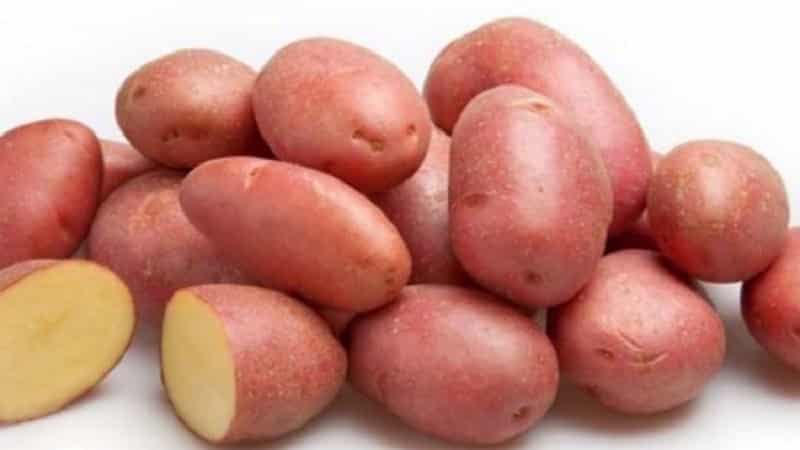
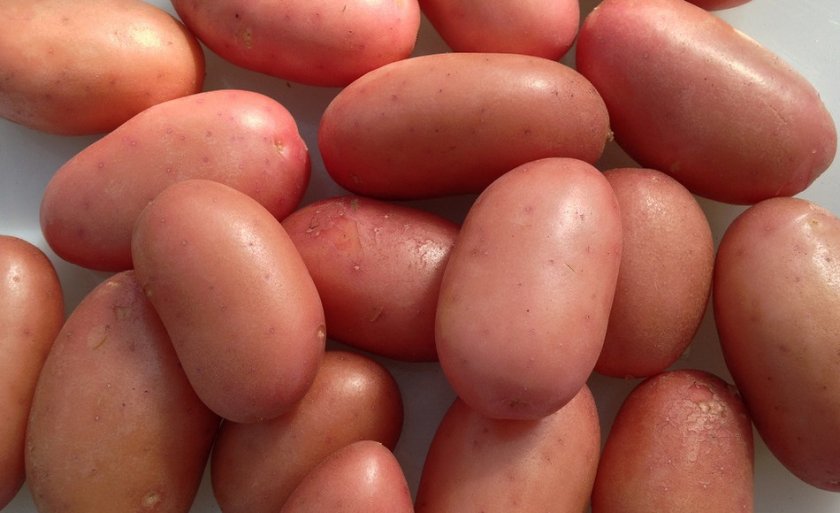
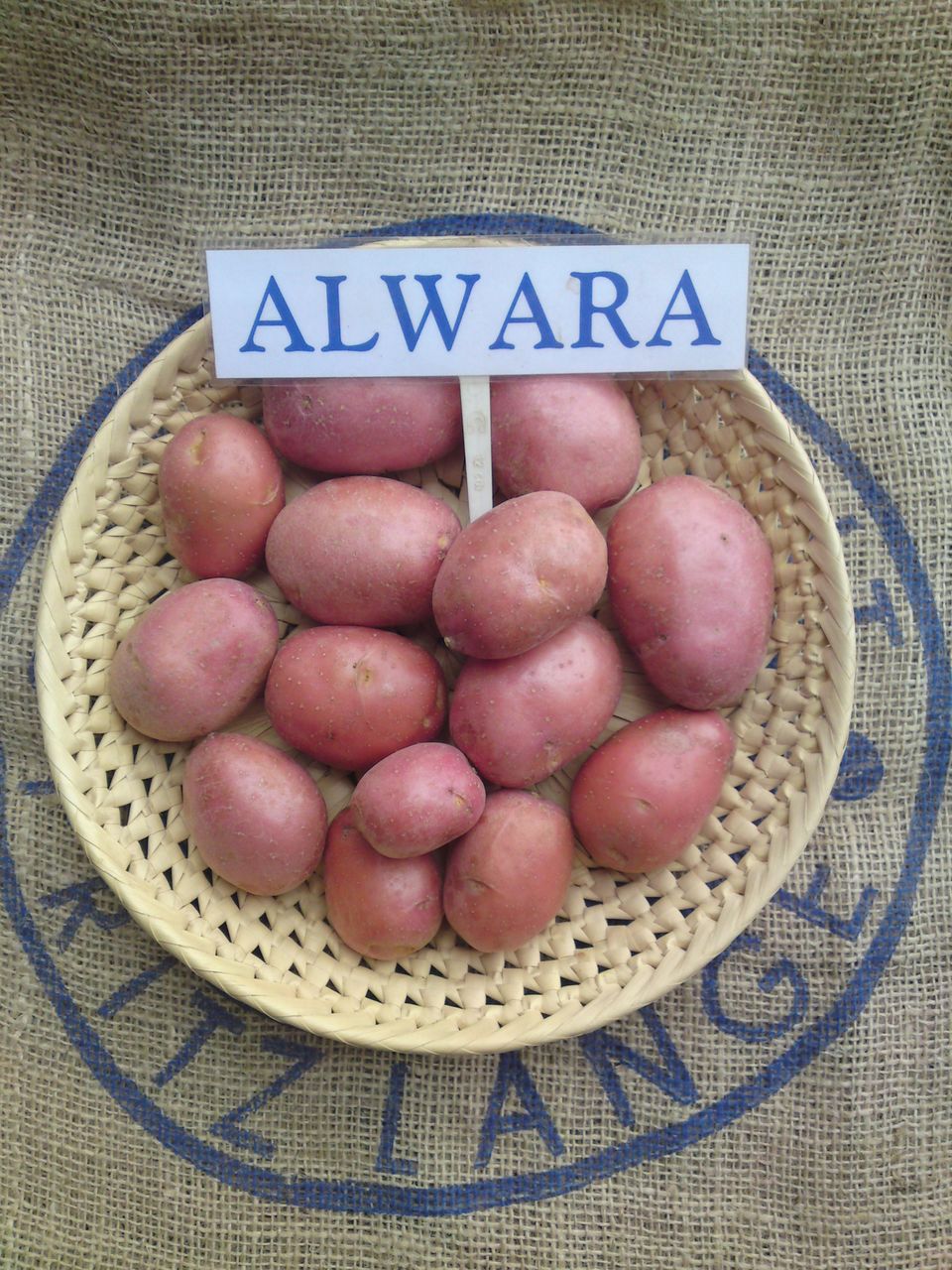
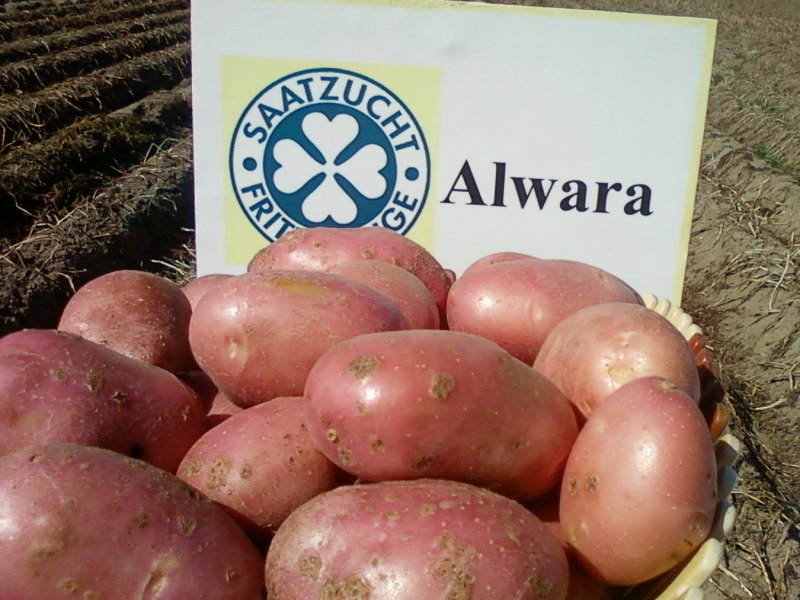
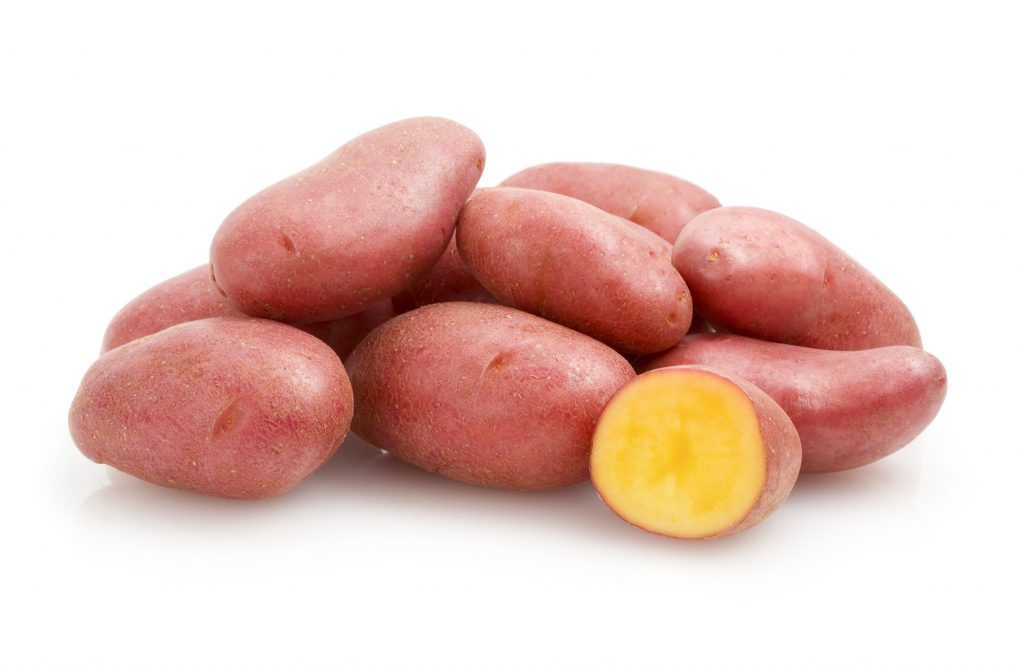
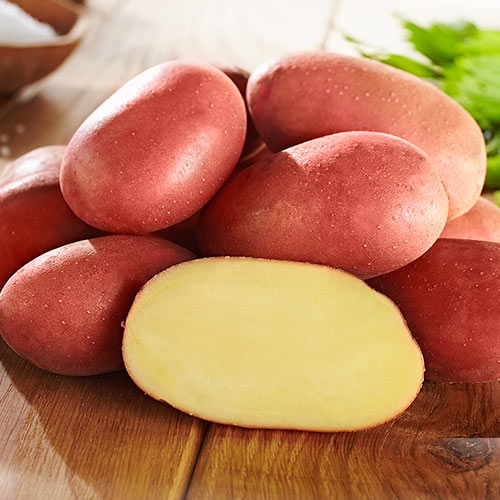
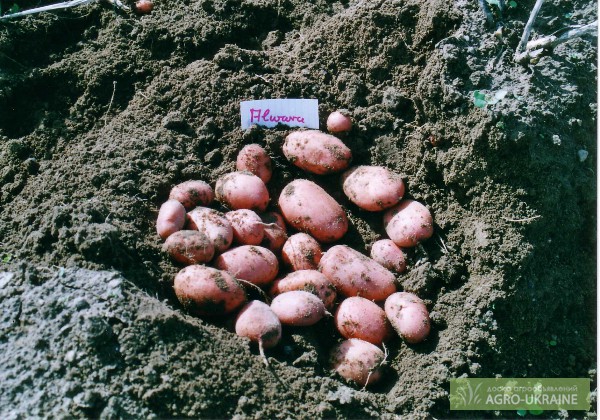
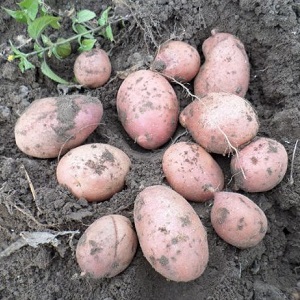
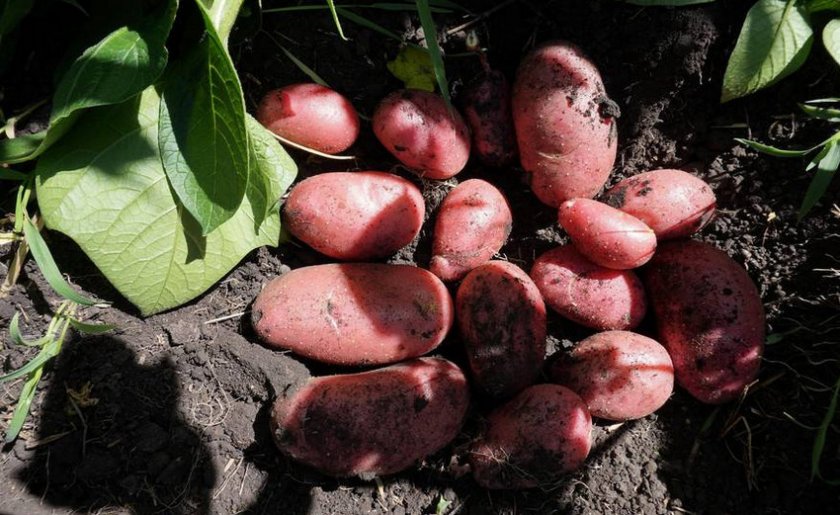
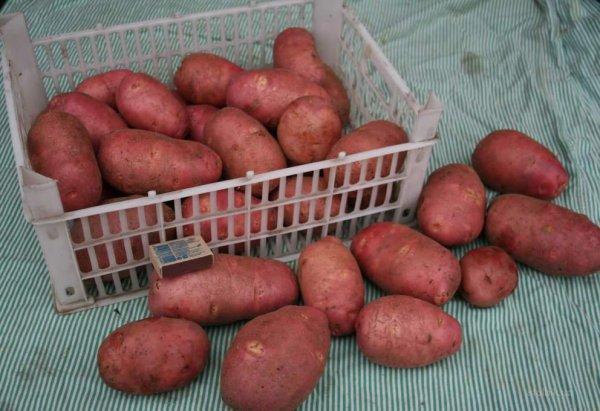
Photo of the Alvara potato variety:
The origin of the Alvara potato variety
We owe this new potato variety to the Lange brothers, German breeding specialists. Over the course of 10 years, they crossed select tubers with ideal characteristics to develop the Alvara variety in 1975. It arrived in Russia only in the late 1990s, and in 1999 it was officially recognized and added to the State Register.
Description of the Alvara potato variety
The Alvara variety is characterized by a medium ripening time. The harvest can be collected within 65-80 days after the shoots emerge. Thanks to its well-developed root system and low maintenance, a single plant can produce up to 14 healthy tubers at a time.
Bushes
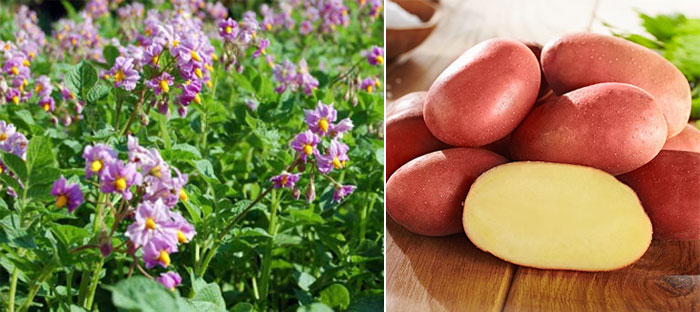
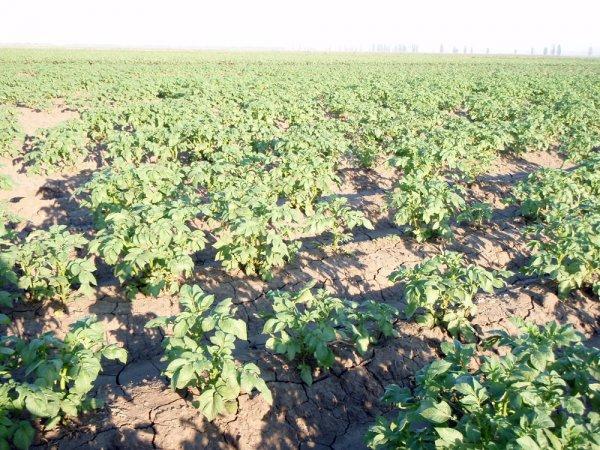
Alvara bushes grow quite tall, with mostly upright stems. The leaves are small, varying in shades of green, and often have wavy edges. The root system is robust. The flowers are small, with purple-red corollas.
Tubers
The potatoes are distinguished by their perfect oval shape. The skin is red. Its smooth surface may contain a small number of very small eyes, which extend almost directly into the skin. The flesh is light yellow and does not turn black for a long time after being cut.
The weight of a single tuber ranges from 90 to 104 g. Potatoes are widely used in the production of chips and other semi-finished potato products. The tubers have excellent marketability (up to 90%) and shelf life, allowing them to be stored for a long time after harvest.
Taste qualities
Alvara potatoes have received very high consumer ratings for their taste—4.8 out of 5. They are noted for their firmness during cooking and their shape, making them ideal for soups and salads. Their high starch content makes them excellent chips for industrial use, as well as many other semi-finished products (flour, flakes, etc.).
Productivity, ripening time
The Alvara variety has a high yield.
- The average yield after state testing was 295 c/ha.
- The maximum yield was reached in the Kaliningrad region, reaching 440 centners per hectare. This figure exceeds the established standard by 122 units.
- There is evidence that it was possible to collect up to 500 centners of harvest from 1 hectare, but there is no documentary evidence to support this information.
Full ripening of the fruits occurs 65-80 days after the first shoots appear in the garden.
Resistance to diseases and pests
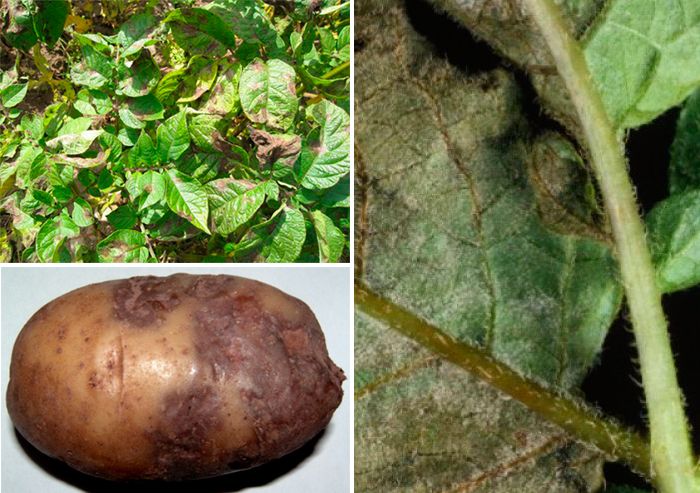
Potatoes have good resistance to many diseases common to nightshade crops. See the table for more details.
|
Disease |
Stability indicator |
|
Viruses |
High |
| Scab |
High |
|
Cancer |
High |
| Golden potato cyst nematode |
High |
|
Late blight of tubers and tops |
Average |
For which regions is the Alvara potato variety suitable?
Alvara tolerates a wide range of temperatures and grows well throughout almost all of our country. However, maximum productivity has been achieved in the Central, Northwestern, and North Caucasus regions.
Advantages and disadvantages of the Alvara potato variety
The Alvara variety has many advantages and only one minor drawback. A description is provided in the table below.
| Advantages | Flaws |
|
|
Planting Features of the Alvara Potato Variety
The Alvara variety doesn't require any special agricultural techniques for growing. The more carefully you approach the process of planting and caring for potatoes, the greater the harvest you'll get at the end of the season.
Requirements for the landing site and its preparation
Like all other nightshade crops, the Alvara potato is no exception and prefers to grow in well-lit areas. It will be an additional benefit if shrubs grow around its perimeter to protect the plantings from drafts and cold winds.
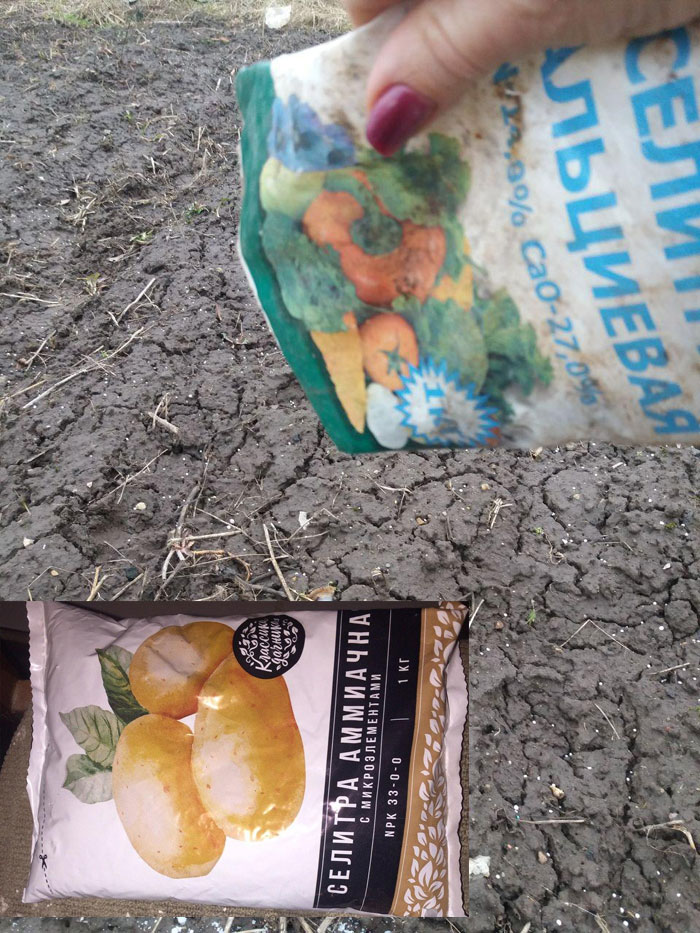
The variety has no special soil requirements. It performs well in loam, black soil, and all other soil types.
However, experienced gardeners recommend fertilizing the soil to improve its fertility and increase harvest yields. Preparation should begin in the fall. It involves several stages:
- The soil is dug to a depth of 20 cm, either mechanically or manually.
- Remove all weeds. Some experts recommend against breaking up any remaining clumps of soil, as this will cause the weeds to freeze faster.
- Add organic fertilizer, such as compost, which can be combined with phosphorus-potassium fertilizers.
Instead of fertilizing with organic matter, the field can be sown with green manure. These companion plants enrich the soil with nitrogen, control weeds, and improve soil aeration.
Selection and preparation of seed tubers
Many novice gardeners make a common mistake and choose small or medium-sized tubers for planting. But to get an excellent harvest, the tubers must be the best: uniform, large, and free of any signs of damage or disease. Sorting is done in the fall, and the selected tubers are stored in a cool place where they cannot germinate.
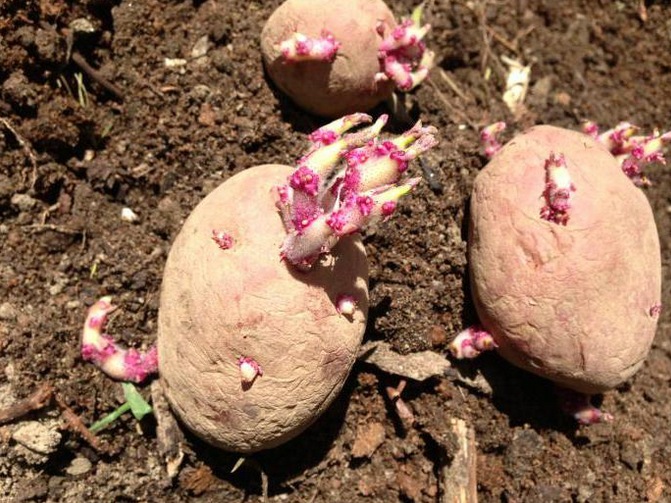
The Alvara variety requires pre-germination. Germination begins 2-3 weeks beforehand. The seedlings are placed in boxes with damp sawdust and placed in a warm place. The optimal seedling size is between 5 mm and 25 mm.
Some gardeners recommend cutting the potato into several segments, leaving at least one shoot in each. This will increase the seed production.
To protect tubers or their parts from possible pests and stimulate growth, they must be treated with Fitosporin or Prestige.
Planting times and rules
There's no exact date for planting potatoes. Even within a single region, it will vary depending on weather conditions. However, it's generally accepted that they can be planted as early as late April or early May. By this time, the soil has time to warm up and the seeds have time to germinate. The key is to avoid night frosts and keep the average daily temperature above 10°C.
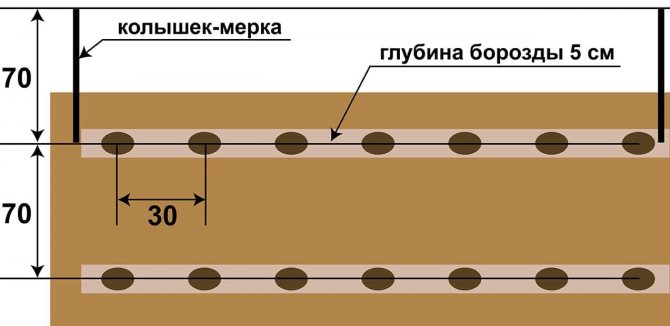
Regardless of whether you plant potatoes in ridges, holes or furrows, it is necessary to maintain the optimal distance:
- For tubers it is 35-40 cm.
- For row spacing – 60-70 cm.
It's not recommended to plant potatoes too deeply, as this will slow down their growth. A 5-6 cm (2-3 inches) deep soil depth is sufficient.
There's also no consensus on how to apply fertilizer to the hole. Experts insist that additional fertilizer isn't necessary if the soil has been fertilized since the fall. However, many gardeners prefer to be on the safe side and add a pinch of nitrogen, phosphorus, and potassium to the holes. Or they use compost and ash if they prefer organic matter.
Caring for the Alvara potato variety
Caring for the variety includes loosening, weeding, watering, fertilizing, and treatment against diseases and pests.
Watering
Alvara is highly drought-resistant. Even if you only visit the garden on weekends, it won't wither without additional watering.
But if the soil dries out to a depth of 6-8 cm, it becomes extremely difficult for plants to extract nutrients. Therefore, watering is recommended. In temperate climates, this is done several times a season if rain doesn't help. In the south, watering frequency increases.
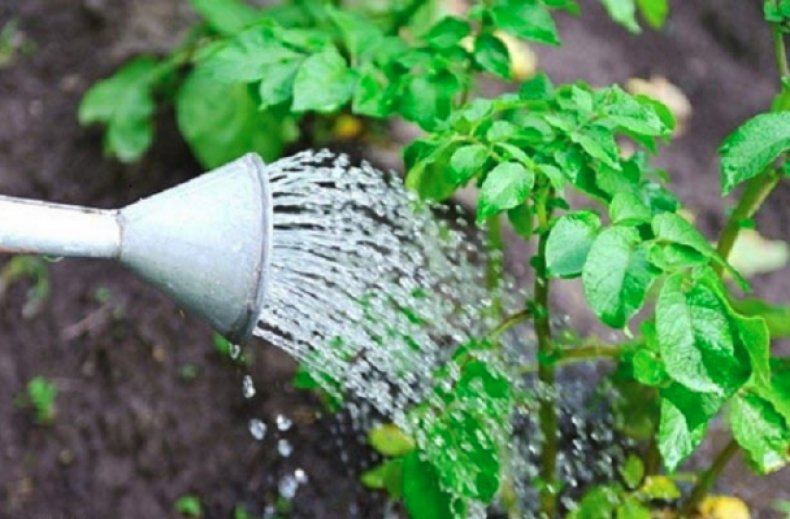
At least half a bucket of water should be poured under each bush. Watering is especially important during flowering and tuber formation.
Top dressing
If your soil is fertile enough and fertilizer was added to it in the fall, then you won’t need to add any additional fertilizer.
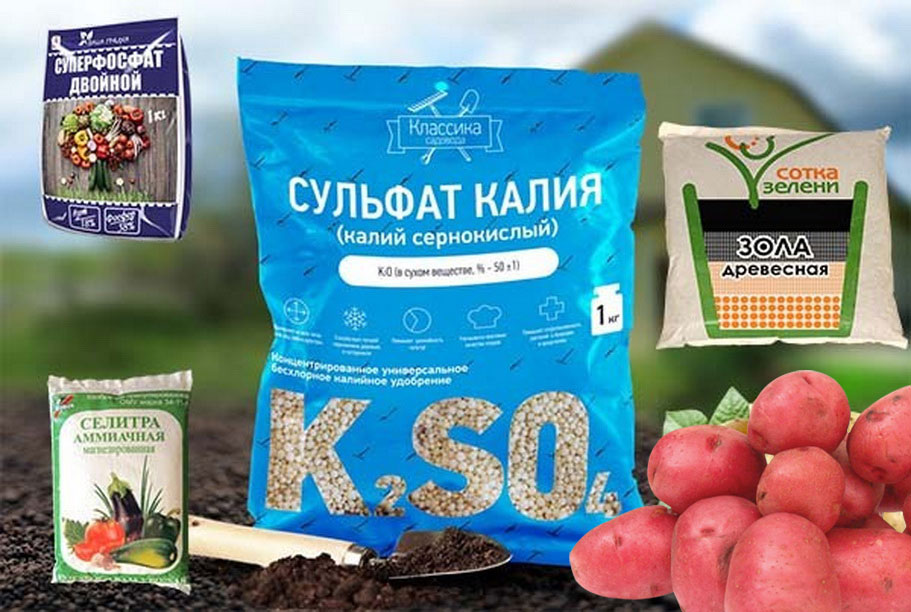
But there are areas where the soil isn't particularly rich in nutrients, especially if it's used for planting potatoes year after year. In such cases, it's necessary to support the crops with fertilizer.
This is done twice per season:
- During the period of active growth, nitrogen-containing fertilizer is added, for example, urea or a solution of rotted manure or droppings.
- During the period of bud formation before flowering, potatoes are fed with phosphorus-potassium mixtures, for example, ash solution or superphosphates with potassium sulfate.
You can purchase specialized products that are designed to strengthen tubers, boost immunity, and increase yields.
Loosening, weeding, hilling
To ensure that the shoots emerge from the ground more quickly and become stronger, the first careful loosening of the soil is carried out a week after planting the potatoes.
At the same time, remove all weeds, including those between rows. Experienced gardeners recommend doing this after every rain until the shoots have strengthened.
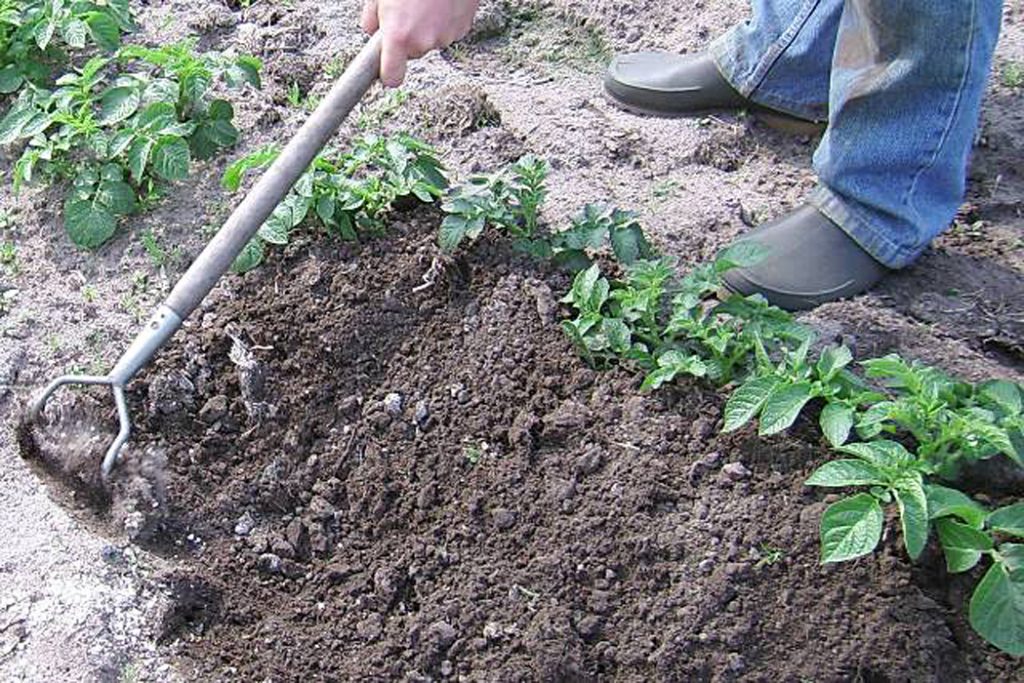
Once the stems reach 20 cm in length, you can begin hilling. The soil is raked up to the base of the stem, ensuring it covers part of it. Hilling is repeated after two weeks.
In hot regions where the soil is too dry and there is little moisture in it, hilling can be omitted.
Protection from diseases and pests in the table
Alvara has a fairly strong immunity, which is only vulnerable to late blight of the tops and tubers. If you have a mixture of potato varieties in your garden, you may be susceptible to Colorado potato beetles and wireworms.
| Disease or pest | Description | Prevention and treatment |
| Late blight |
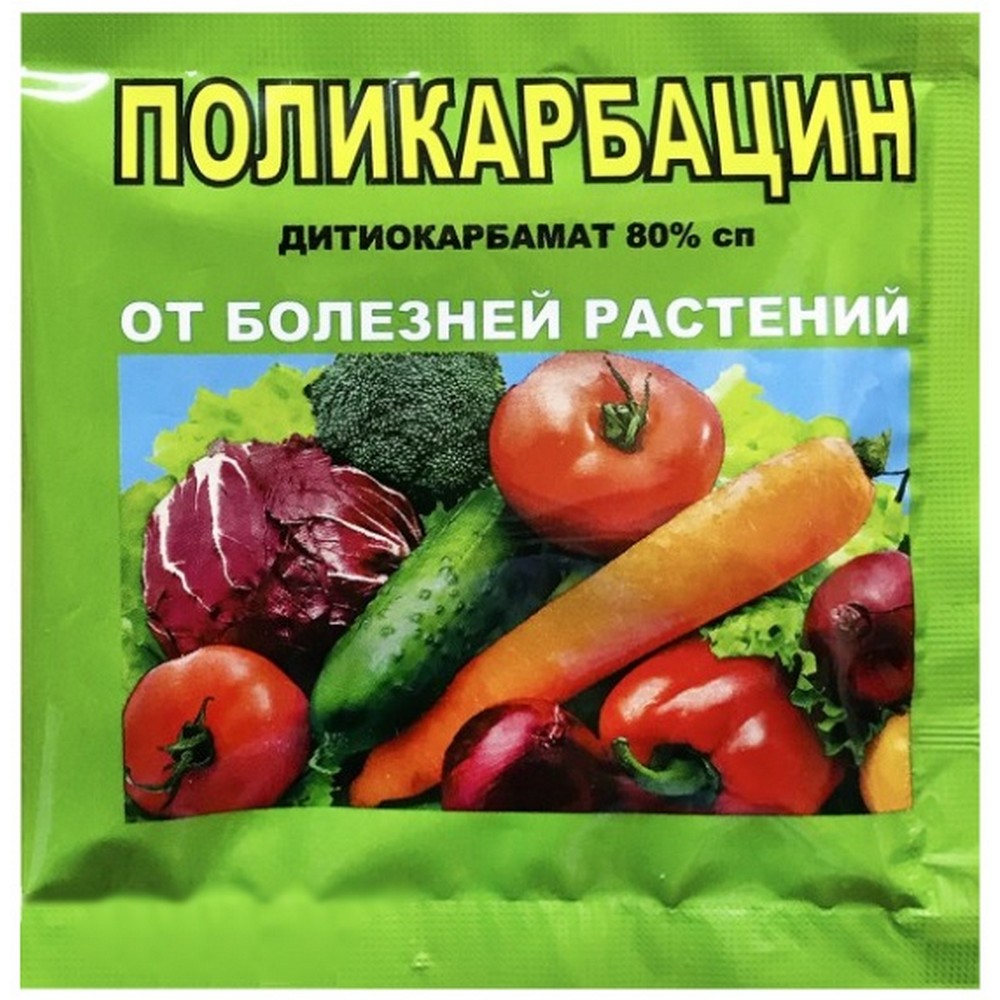
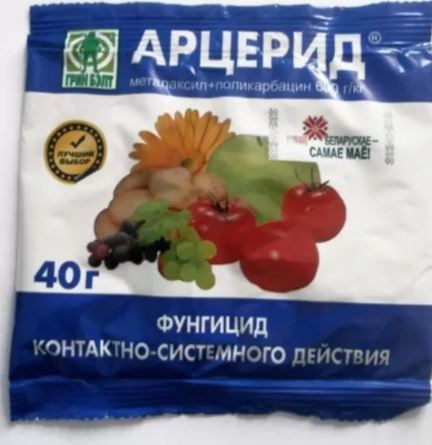
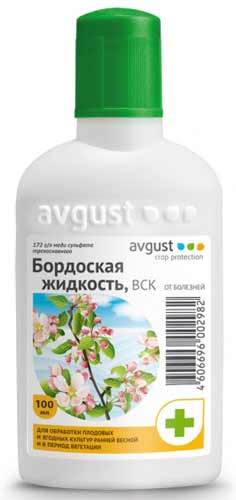
This occurs as a result of improper planting practices, such as planting bushes too close together. Brown, rotten spots form on various parts of the plant. | To prevent late blight, it is recommended to follow planting and crop rotation rules. It is essential to germinate tubers and treat them before planting. If infected, treat with Bordeaux mixture. In wet weather, spray with Polycarbacin and Arcerid. These preparations should be diluted according to the instructions. |
Colorado beetle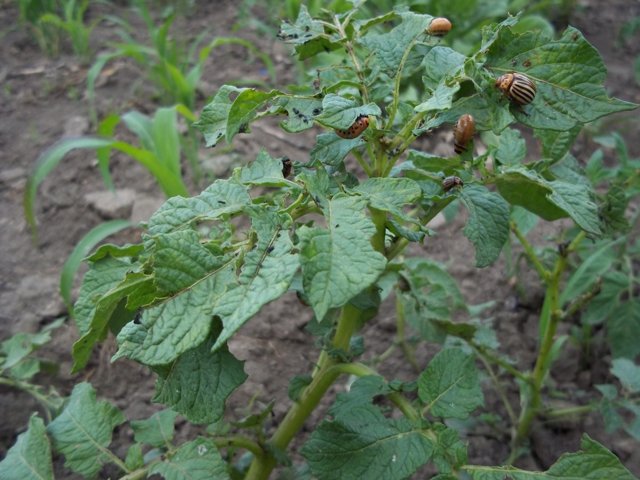 |
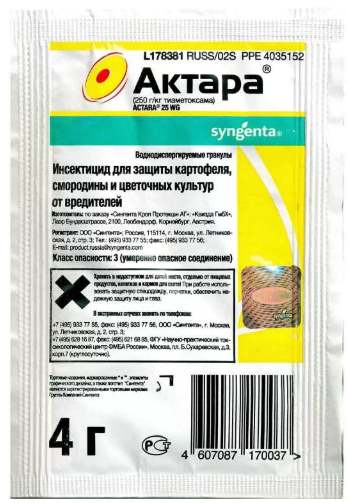
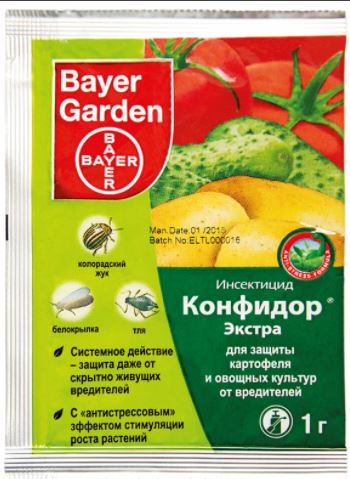
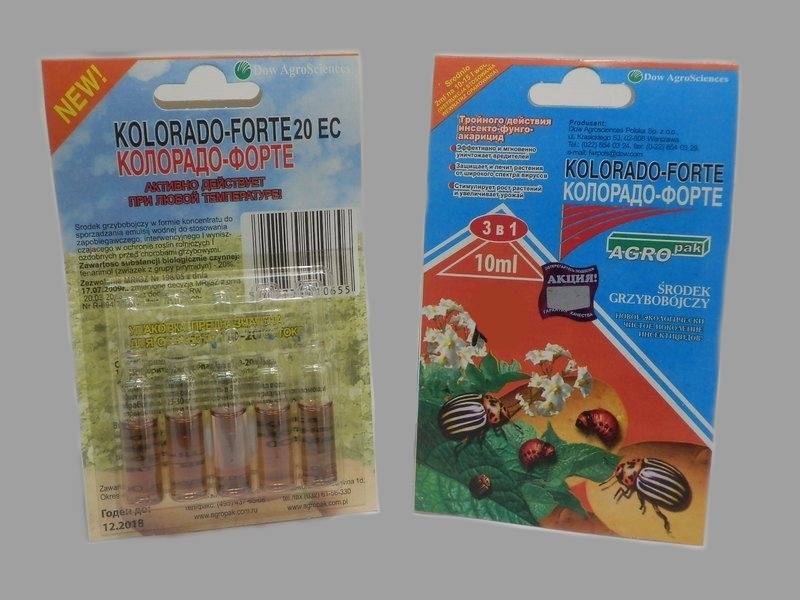
The beetle lays its eggs on the underside of the leaf, and the colony can destroy the entire planting in a short period of time if control is not started in time. | The beetles are collected by hand. Some gardeners prefer to place them in jars and cover them with water. After a few days, the solution becomes toxic due to the insects' venom. The diluted mixture is used to treat crops. For large infestations, insecticide treatment is recommended: Sonnet, Prestige, Aktara, Confidor, or Colorado-Forte. |
Potato wireworm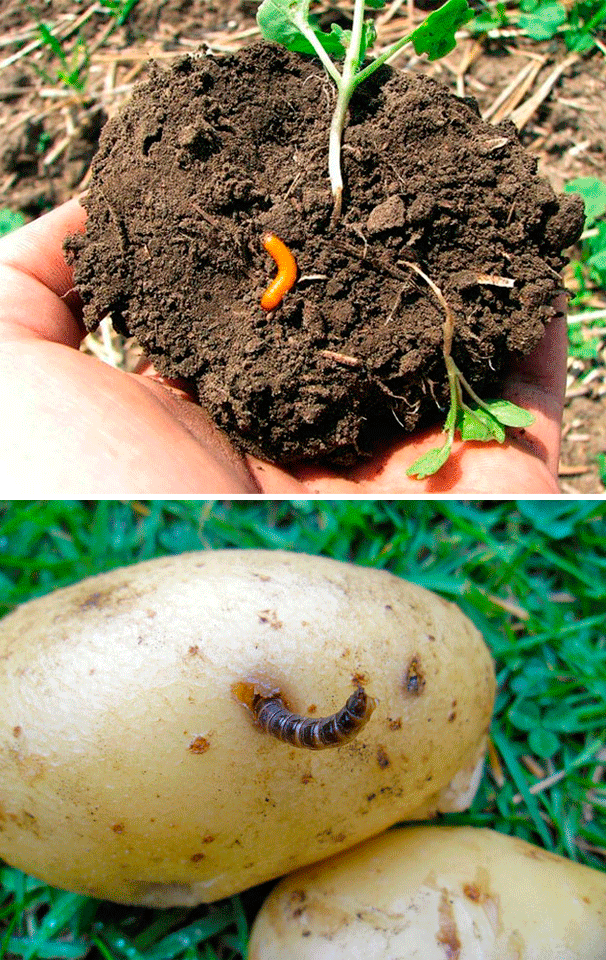 |
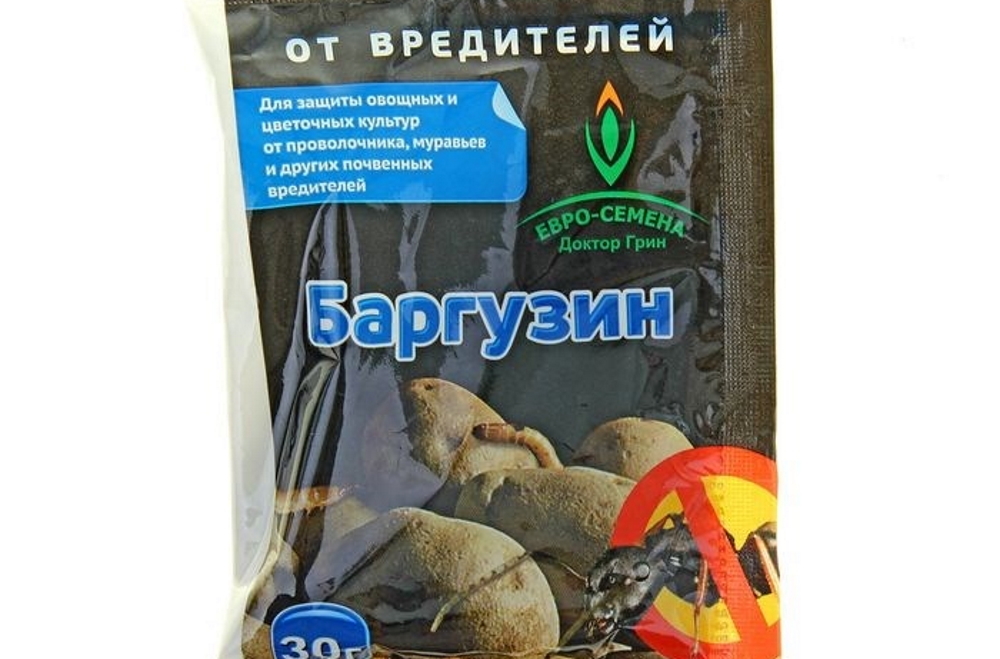
A very dense and thin worm makes numerous tunnels in the flesh. | To prevent this from happening, you can add a handful of onion peels to the hole when planting. To combat the pest, the preparations Bazudin or Nemabact are used. |
Photo gallery of pest and disease control products for the Alvara potato variety:


The nuances of harvesting and storing the Alvara potato variety
Gardeners begin harvesting in late August or mid-September. By this time, the tops are usually wilted, but if they're still green and healthy, it's recommended to mow down all the greens two weeks in advance. This will help the tubers strengthen and the skins become slightly rougher.
The tubers on the bush are very compact, making Alvara potatoes easy to harvest.
The potatoes are laid out in a pre-prepared area to dry. Leaving them in the fresh air for just a few hours is sufficient. Avoid leaving them in the open air for longer, especially in direct sunlight, as exposure to sunlight can cause the formation of solanine, which is toxic to humans.
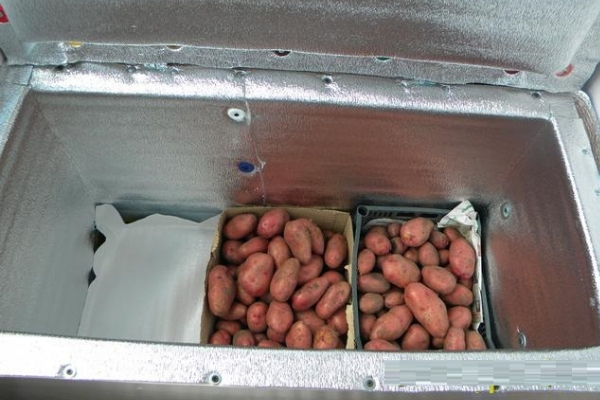
Next comes sorting. Small and damaged tubers are set aside; these should be eaten first. The smoothest and most beautiful potatoes are harvested for seeds, while the rest are kept for food.
Potatoes are best stored in a basement, where the air temperature is between +2 and +4°C. The recommended humidity level is 90-92%.
If these conditions are met, the tubers will not lose their taste until spring.
Read more in the article How to properly store potatoes.
Comparison of the Alvara potato variety with other varieties in the table
| Variety | Ripening period (number of days to maturity) | Starch (%) | Yield (c/ha) | Weight of tubers (g)
Number of tubers per bush |
Shelf life (%) |
| Alvara | Mid-early** | 13-15 | 295-540 | 90-110
8-14 |
90 |
| Bellarosa | Ultra-early | 12-16 | 350-550 | 100-200
7-15 |
93-96 |
| Explosive | Early ripening* | 16-17 | 156-240 | 110-150
8-14 |
95 |
| Ilyinsky | Mid-early** | 15.7-18 | 176-346 | 55-160
8-13 |
93 |
| Manifesto | Mid-early** | 13-15.4 | 165-458 | 104-132
11-15 |
94 |
| Memphis | Mid-early** | 14.2-16.7 | 330-610 | 80-160
9-11 |
94 |
| Teddy bear | Early ripening* | 14.2-17.7 | 201-306, 417 | 112-126
7-11 |
97 |
| Labella | Early ripening* | 12-15 | 176-342 | 78-102
13-16 |
94 |
| Red Scarlett | Early ripening* | 10.1-15.6 | 164-192, 270 | 56-102
up to 15 |
98 |
| Red Sonya | Early ripening* | 13.3-14.6 | 174-340 | 78-122
6-10 |
93 |
| Rosalind | Early ripening* | 12-17 | 203-223 | 60-115
10-16 |
94 |
| Sarpo of the world | Late-ripening***** | 14-17 | 350-360 | 75-140
6-11 |
94 |
Ultra-early – 35-50 days
*Early ripening – 50-65 days.
**Mid-early – 65-80 days.
***Mid-season – 80-95 days.
****Mid-late – 95-110 days.
*****Late ripening – 110 days or more.
Real reviews from gardeners about the Alvara potato variety
Alvara potatoes have received high praise for their taste. Many consumers note that, despite their susceptibility to late blight, they resiliently survive the season and produce an excellent harvest.
User svhv
I plant the Alvara potato variety every year. A single plant produces numerous tubers, resulting in large potatoes that don't rot or spoil in winter. However, to ensure good yields, you shouldn't plant them in the same spot every year; the soil needs to "rest." By following this rule, I believe any potato variety will increase its yield.
User Moroz
So, two varieties, Alvara and Labadia, were tested under Spartan conditions in 2013. Without tilling, without watering, without fertilizers, Alvara and Labadia were impressive. A yield of 1:4 in our conditions, under these conditions, can be considered quite good. This year, it rained all summer, and the garden was a swamp, but this year these varieties also performed well, again without any fuss. We were looking for varieties that would not degenerate. Alvara is definitely a low-degenerating variety.
User Andreevna, Cherepovets
Alvara is a German selection... Well, that's about it, it varies from year to year, but generally, it's always large.
User EVGENIYA
For example, the Alvara variety can be used for growing on an industrial scale and is suitable for making chips.