The topic of pig mushrooms continues to spark heated debate among mushroom pickers. Some insist that pig mushrooms are extremely poisonous due to their toxic effects on kidney function, while others stubbornly argue that our ancestors survived the war on these and other mushrooms and certainly didn't die from kidney problems. What pig mushrooms really are, and whether they're truly dangerous, you'll find out in this article.
Content
- 1 Pig Mushrooms: General Description
- 2 Four species of pig mushrooms from the genus Paxillus with photos and descriptions in tables
- 3 Two species of pigs, classified in a separate genus, Tapinella, with descriptions and photos.
- 4 Caloric content of pig mushrooms
- 5 Composition of pig mushrooms
- 6 The benefits and harms of piglets
- 7 How to prepare pig mushrooms for cooking
- 8 What can you confuse pig mushrooms with?
- 9 Symptoms of pig mushroom poisoning and what to do
- 10 Mushroom pickers' reviews of the edibility of pig mushrooms
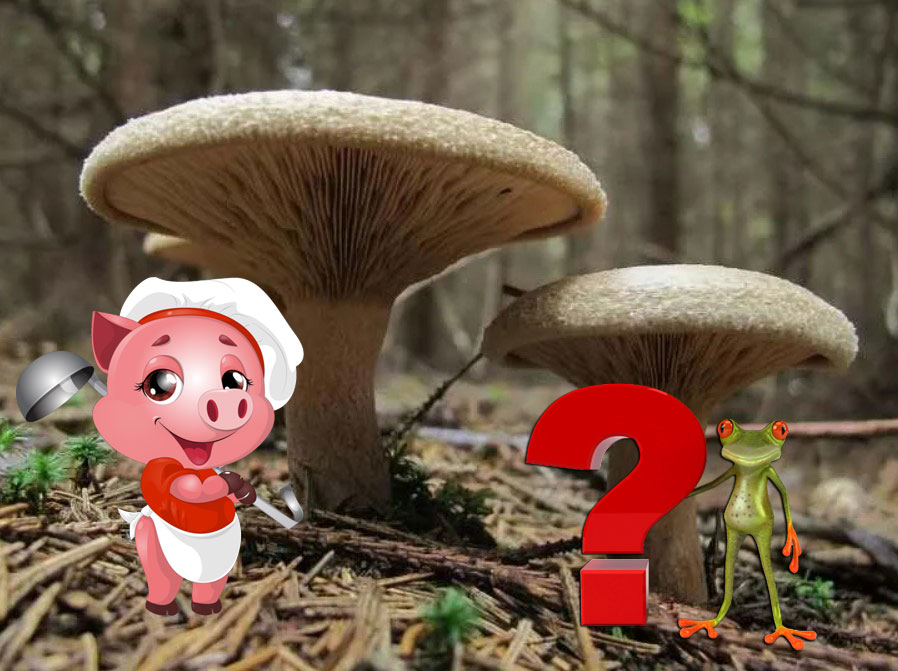
Pig Mushrooms: General Description
Pig mushrooms are considered inedible, but in the Soviet Union they were considered conditionally edible and were eaten. It was later proven that the poison muscarine synthesized in the mushrooms is as effective as the fly agaric, and the lectin they contain is toxic to humans in large quantities and persists even after prolonged cooking.
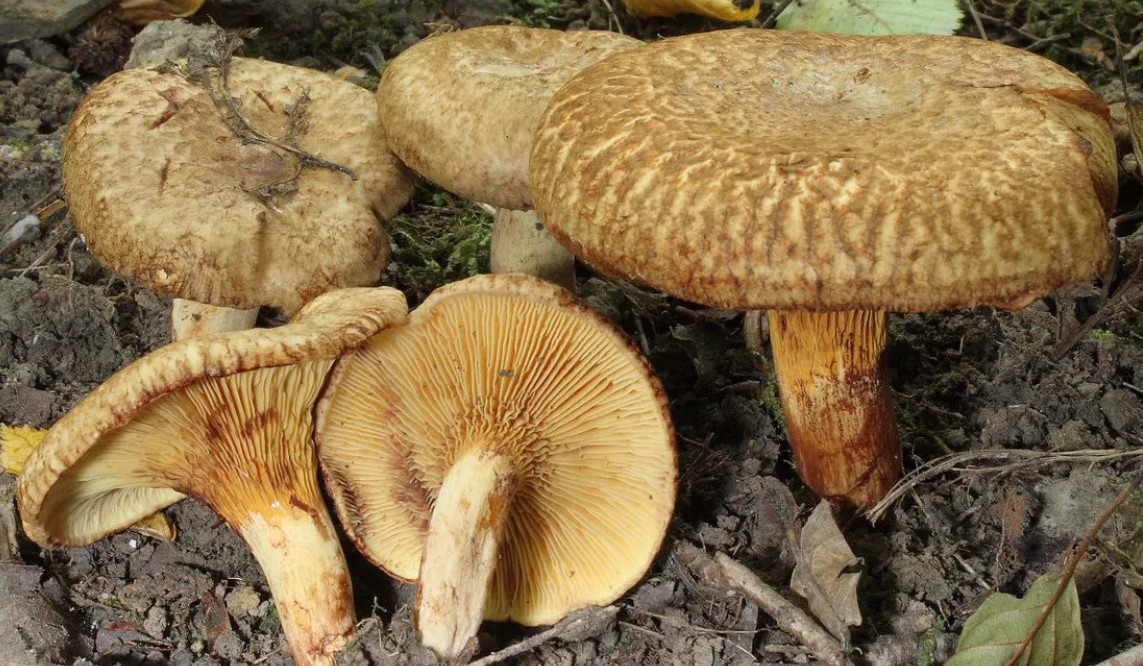
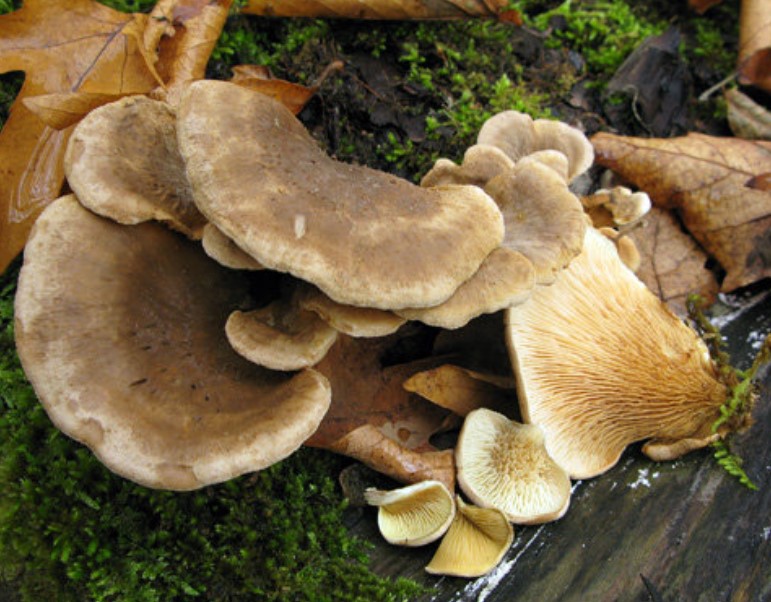
Pig mushrooms are relatively large. The cap, up to 15 cm in diameter, is colored brown and orange, funnel-shaped, and has a fleshy stem up to 8 cm tall, widening toward the top.
Mushrooms grow in coniferous and deciduous forests, both on the ground and on tree trunks as a saprobe. They prefer swampy, moist areas and do not grow on chalky soil. However, they thrive in polluted areas where no other normal mushroom can survive.
There are approximately 35 species of pigs, belonging to different genera; some are more common than others. Some specimens are highly toxic. Below are descriptions of the most common species of pigs, belonging to two genera.
Four species of pig mushrooms from the genus Paxillus with photos and descriptions in tables
Paxillus is called Svinushka in Russian.
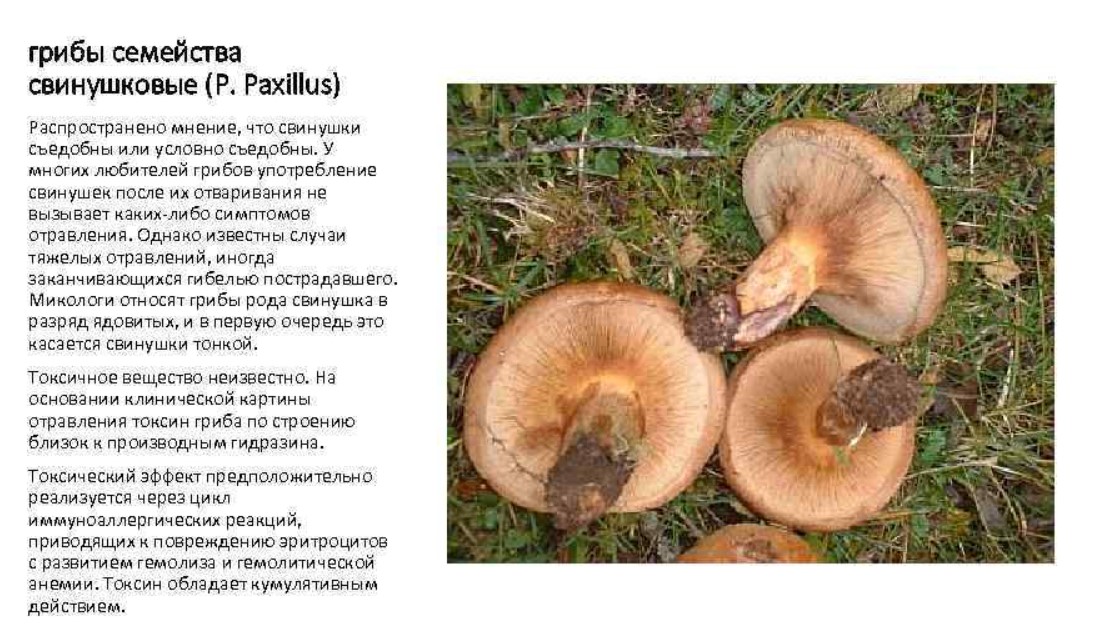
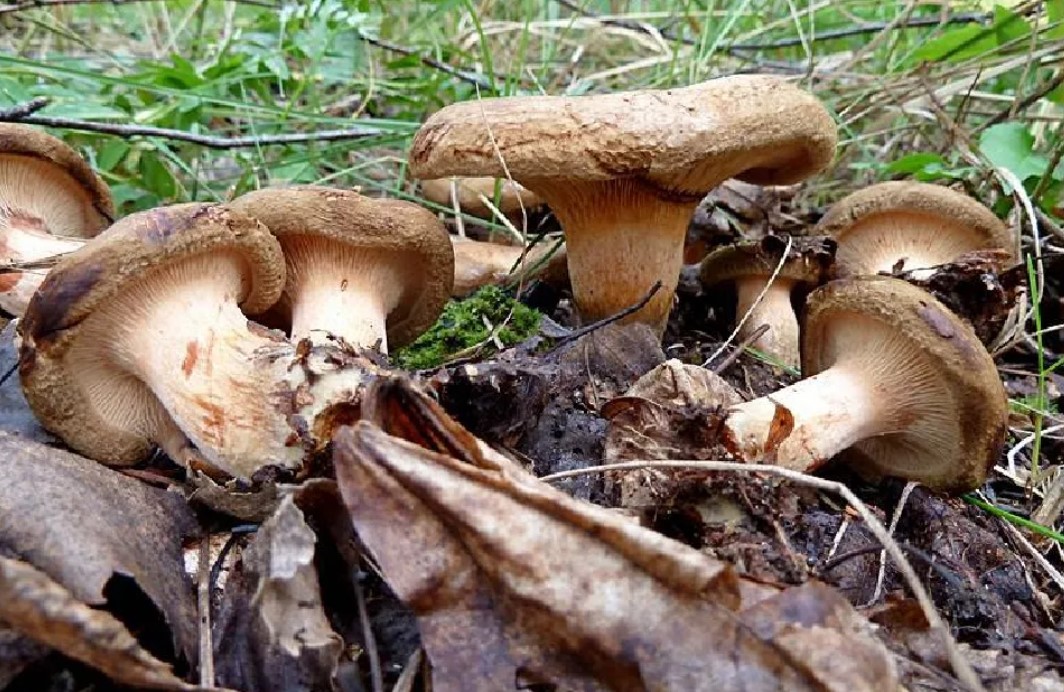
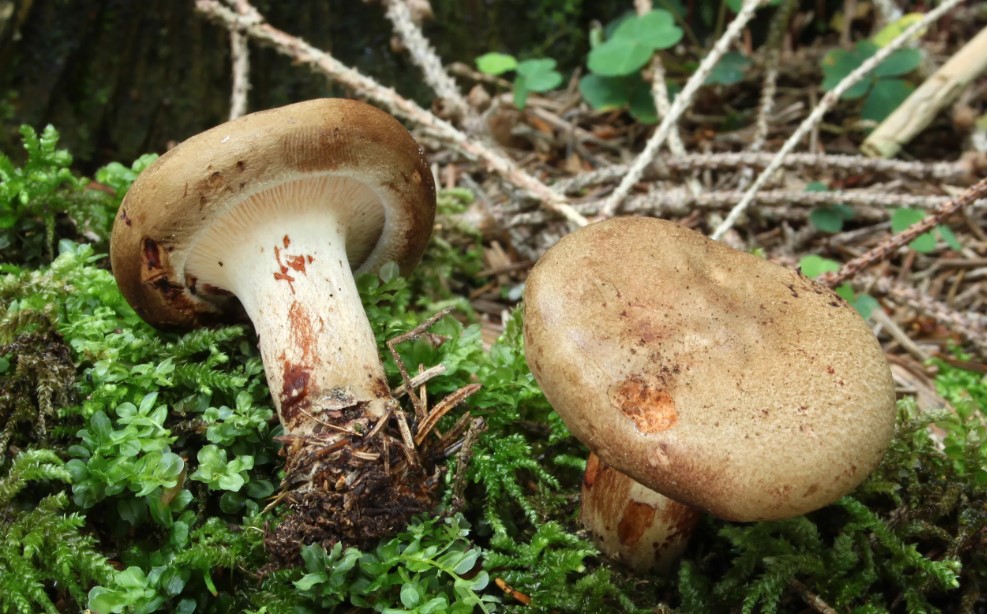
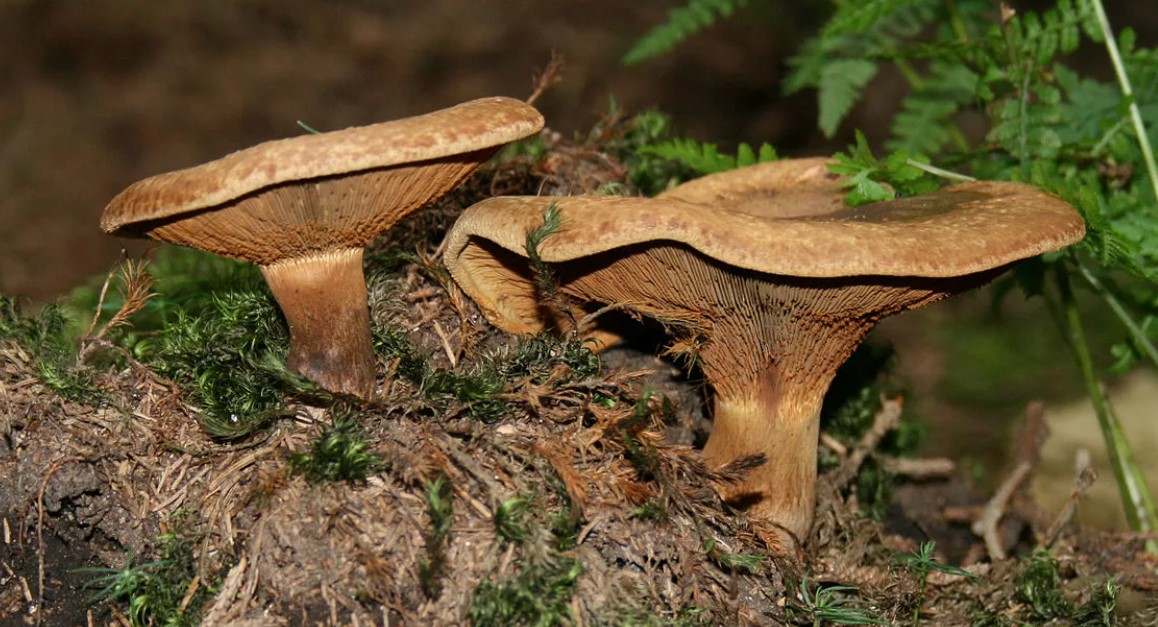
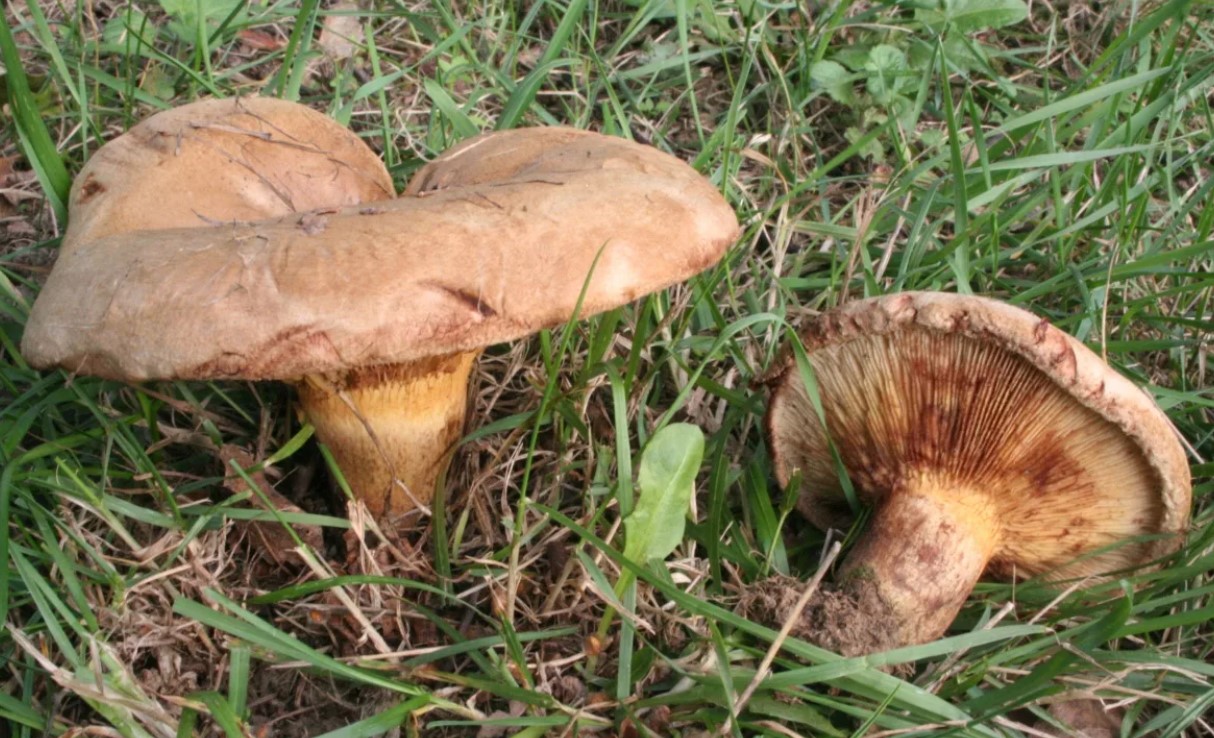
Slender pig (Paxillus involutus)
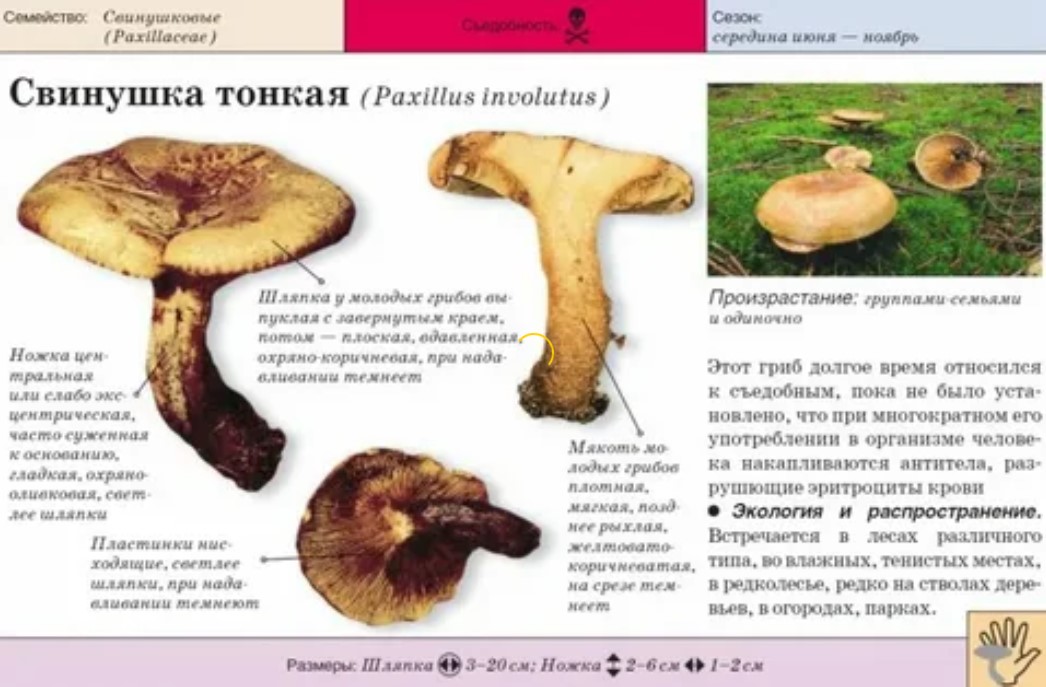
| View | Description | Peculiarities | Edibility | Where is it common? |
| Thin pig | The cap is initially olive-brown, later turning rusty-brown with a grayish tint. The diameter is up to 20 cm. The flesh is yellowish, dense, and turns brown with age. | It grows on the outskirts of swamps next to oaks and birches from June to October. | Poisonous | Found in Russia, Eastern, Southern and Central Europe. |
Photo gallery of thin pig
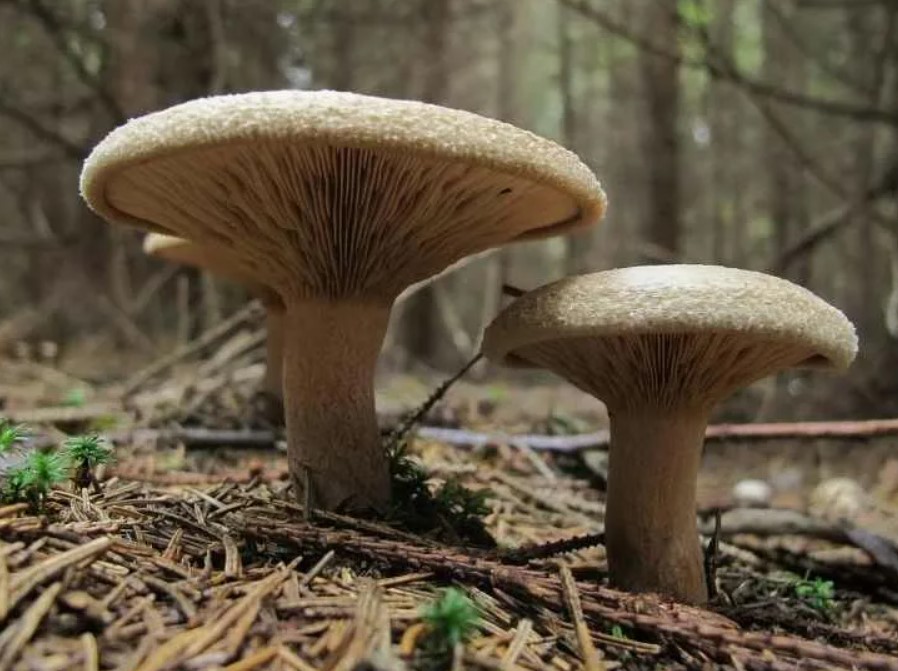
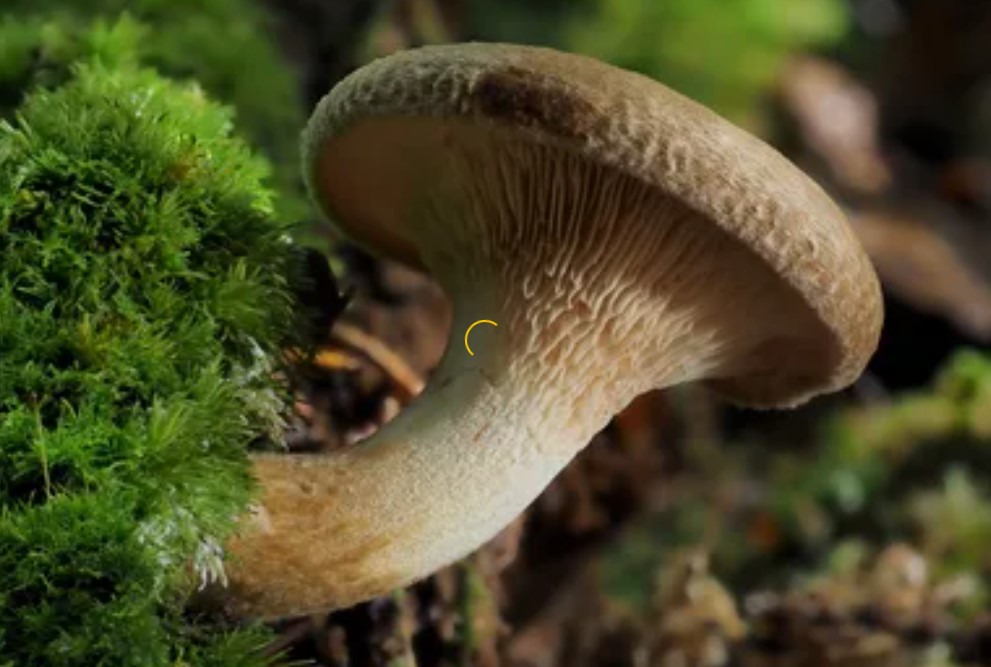
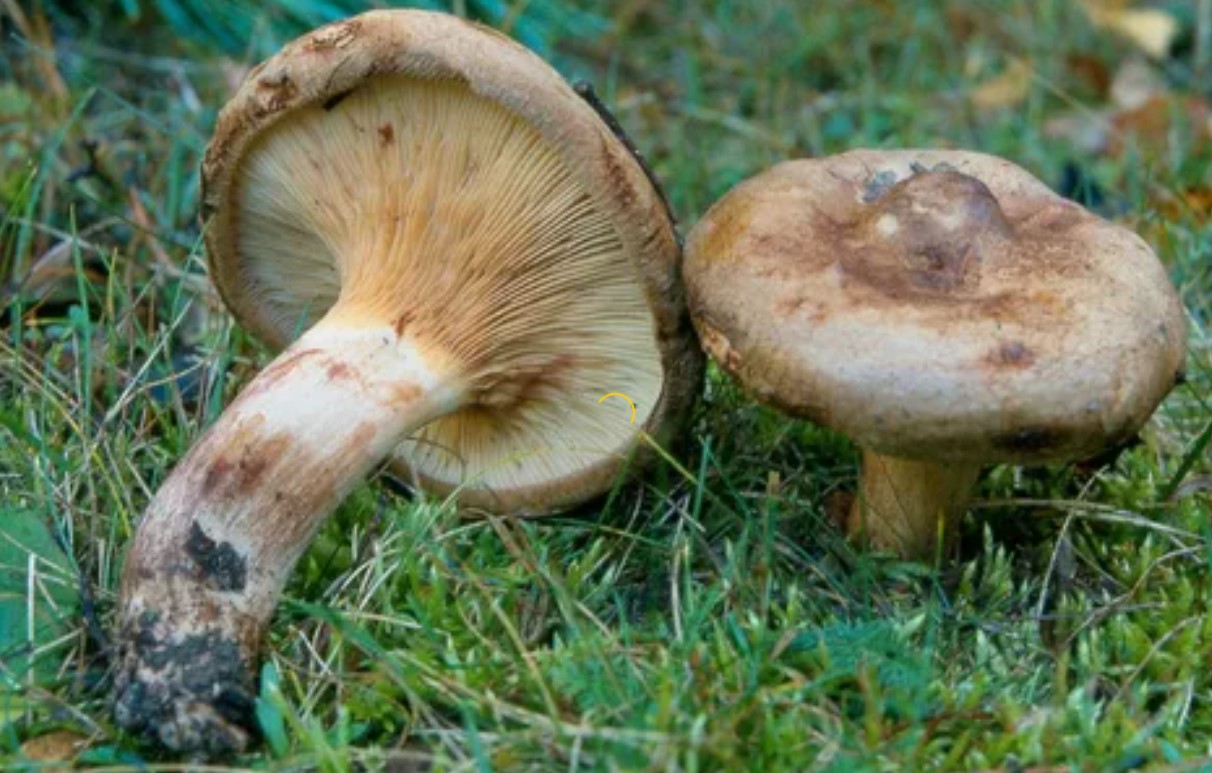
Alder pig (Paxillus rubicundulus)
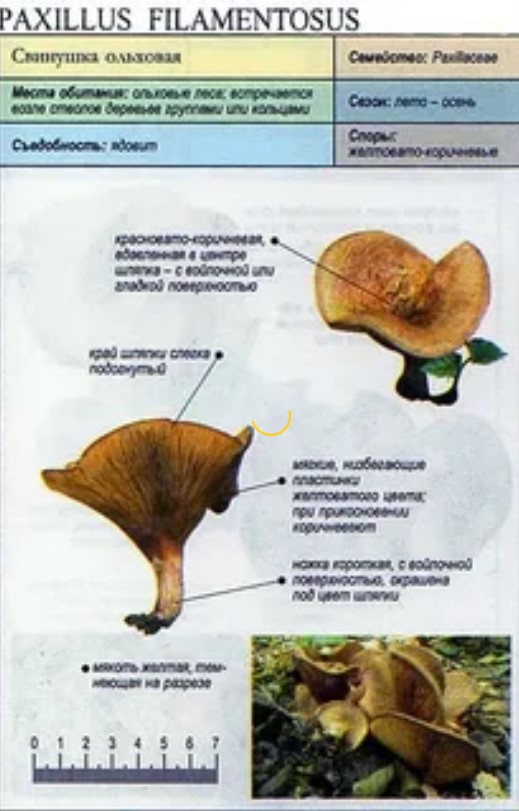
| View | Description | Peculiarities | Edibility | Where is it common? |
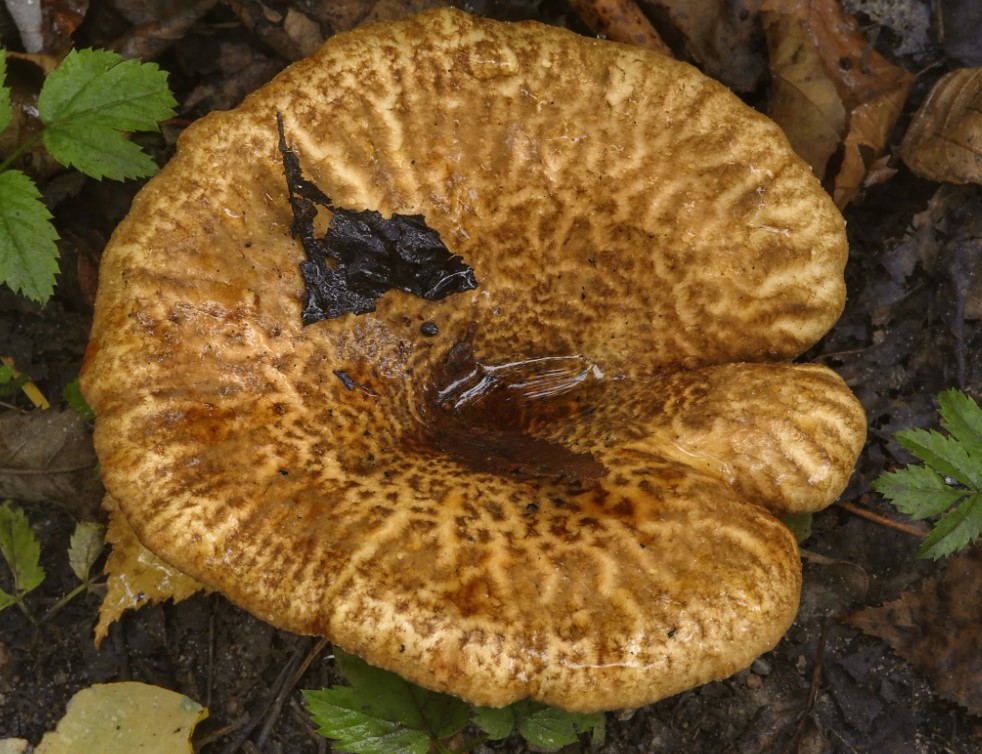
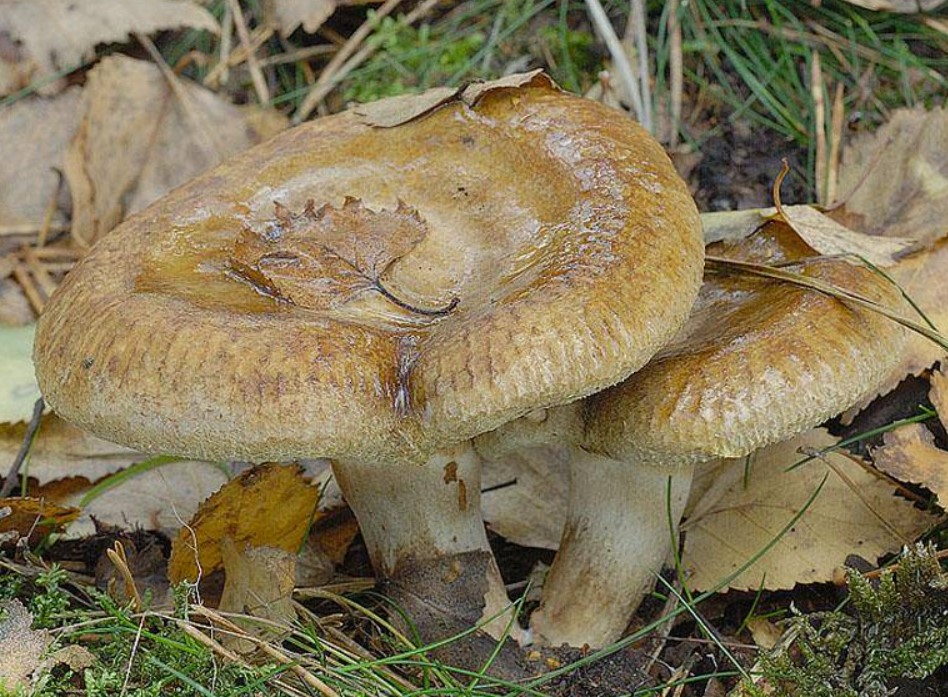
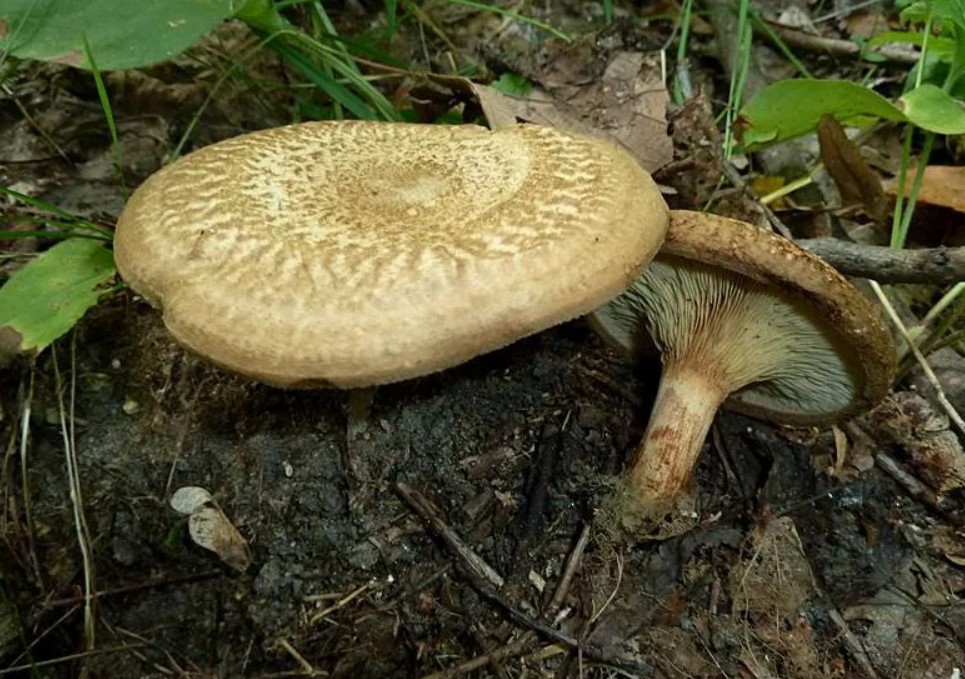
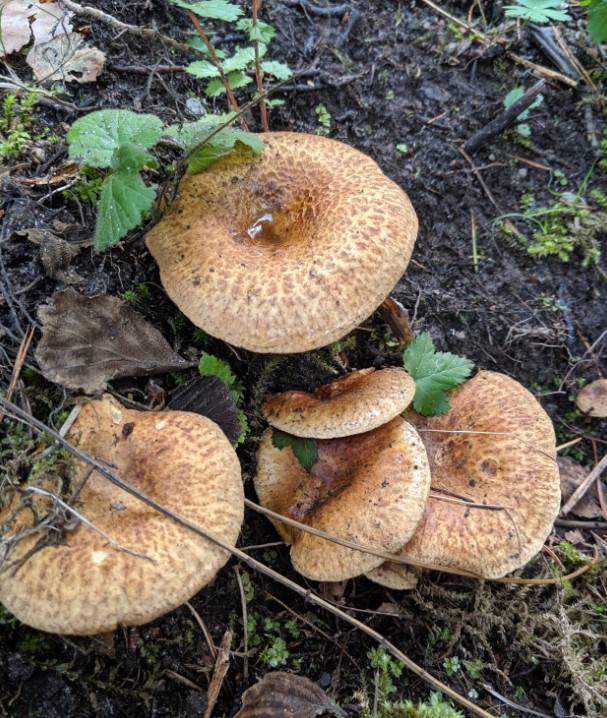
| Alder pig | The cap is funnel-shaped, about 10 cm in diameter. The color is yellowish-brown with ochre zones on the surface. The skin is dry, with scaly cracks. The stems are short, no more than 5 cm. | It has no smell and bears fruit from June to September. | Poisonous | Distributed in Russia, Belarus, Poland, Germany, France, Italy, Romania, Spain, etc. |
Photo gallery of the alder pig
Ammonia pig (Paxillus ammoniavirescens)
| View | Description | Peculiarities | Edibility | Where is it common? |
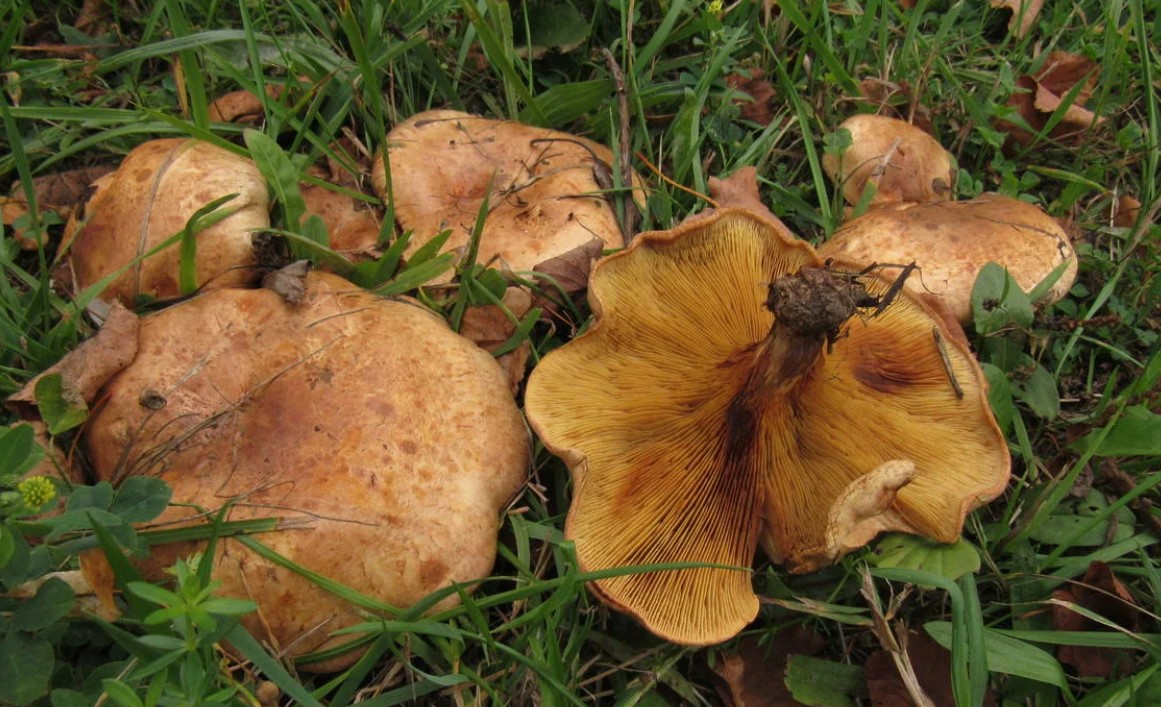
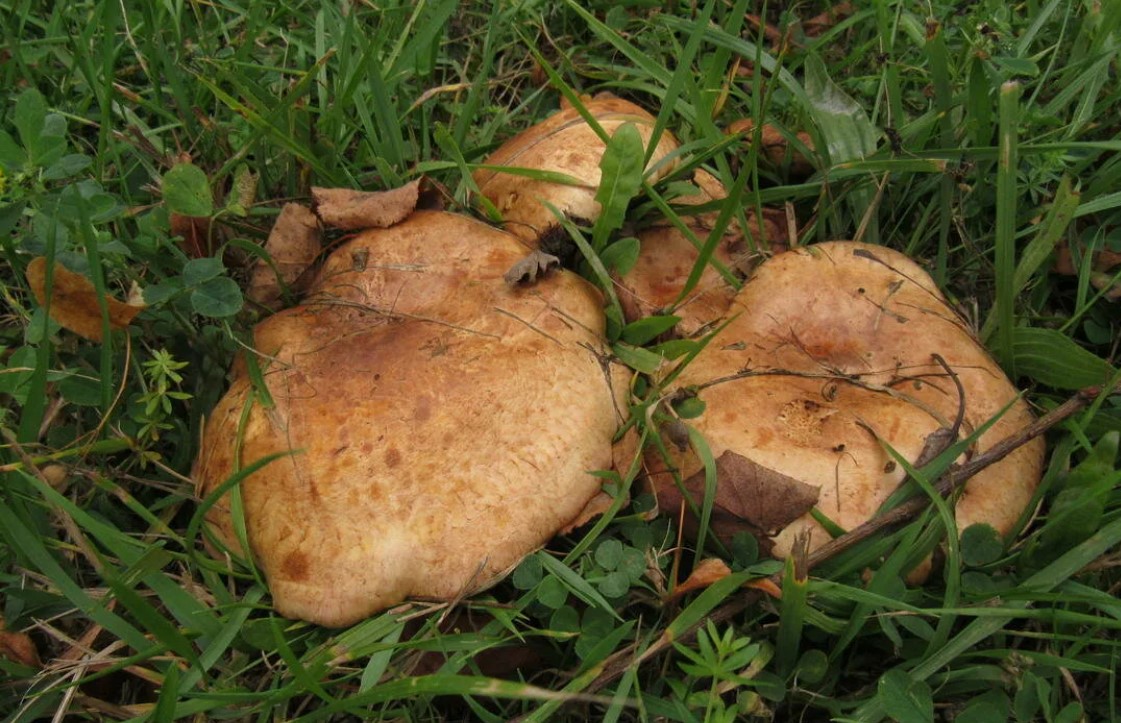
| Ammonia pig | A small mushroom with a cap no more than 13 cm in diameter. The color is beige-brown with an olive tint. | It is found in city parks where coniferous or deciduous trees can be found. It bears fruit in the fall. | Poisonous | North African countries, England, Germany, Portugal, Spain, Italy, Sweden. |
Photo gallery of the ammonia pig
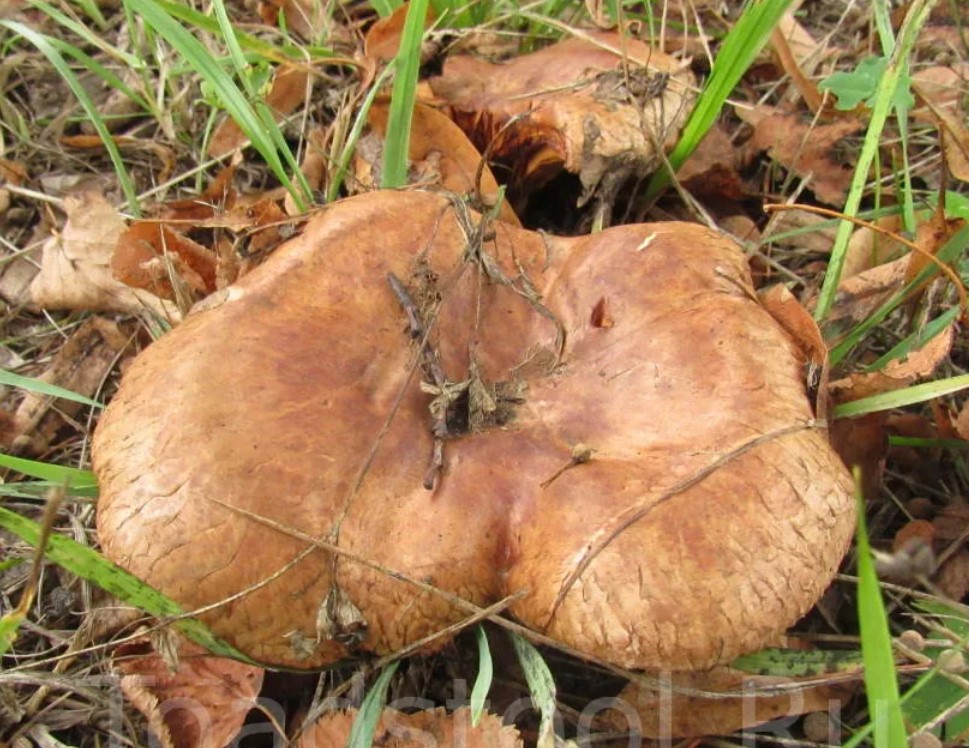
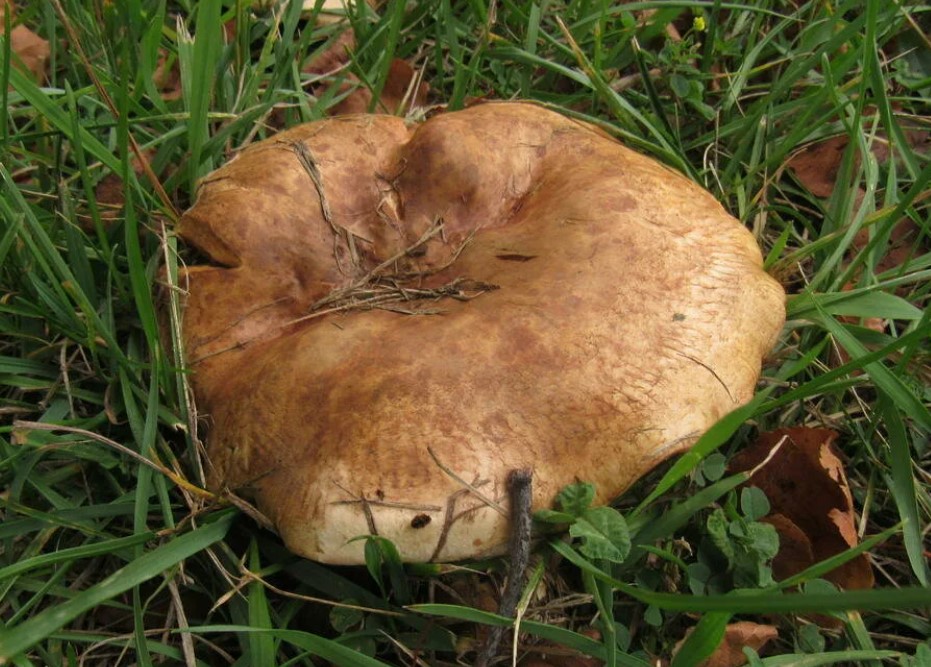
Spore-bearing pigs (Paxillus obscurisporus)
| View | Description | Peculiarities | Edibility | Where is it common? |
| Spore-bearing pigs | The cap diameter is 7-35 cm, golden-brown. The shape changes from convex to flattened as it grows. | Fruiting occurs from summer to late autumn. Damaged stems turn reddish-brown. | Poisonous | They grow in many countries, preferring coniferous, linden, and oak forests. They are also found in open pastures. |
Photo gallery of the spore-bearing pig
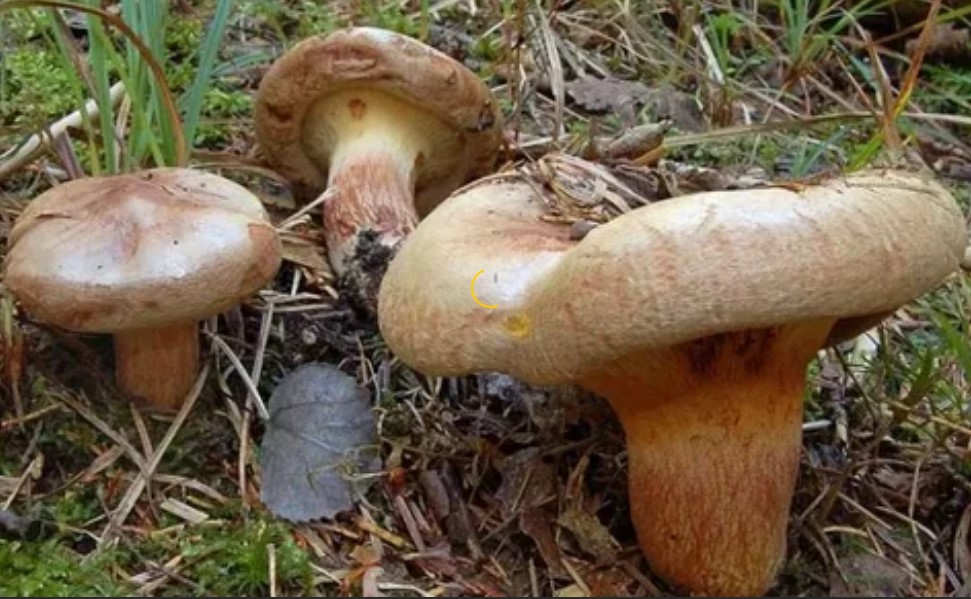
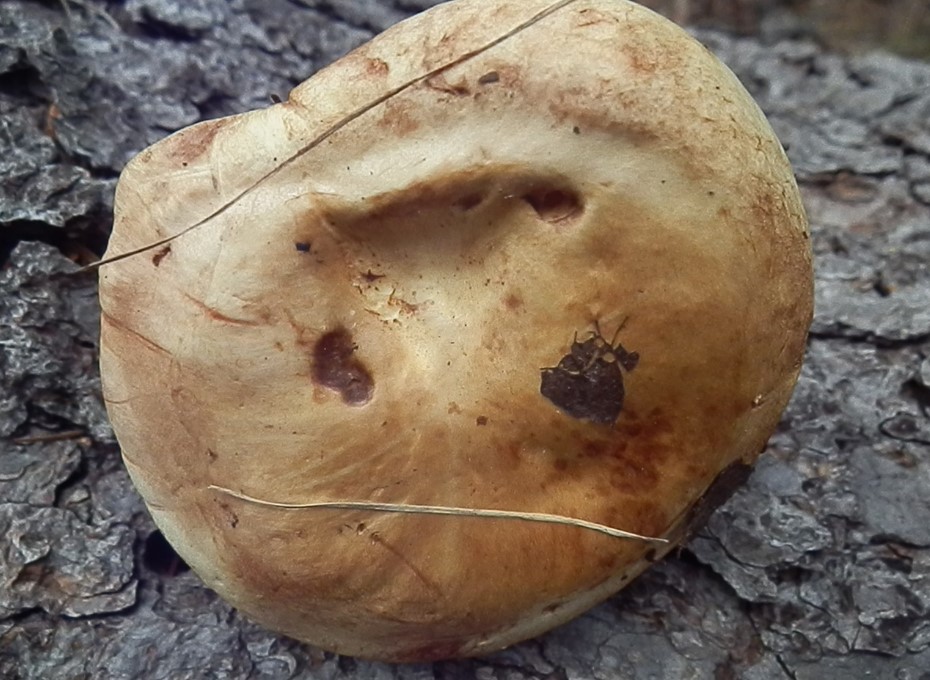
2 species of pigs, allocated to a separate genus Tapinella with descriptions and photos
Tapinella, or Swinukha, is a genus of mushrooms in the family Swinuhovaceae. The genus name Tapinella comes from two words: tap, meaning faucet, and nе́lla, meaning copy, which, translated into Russian, means “similar to a faucet” (water tap).
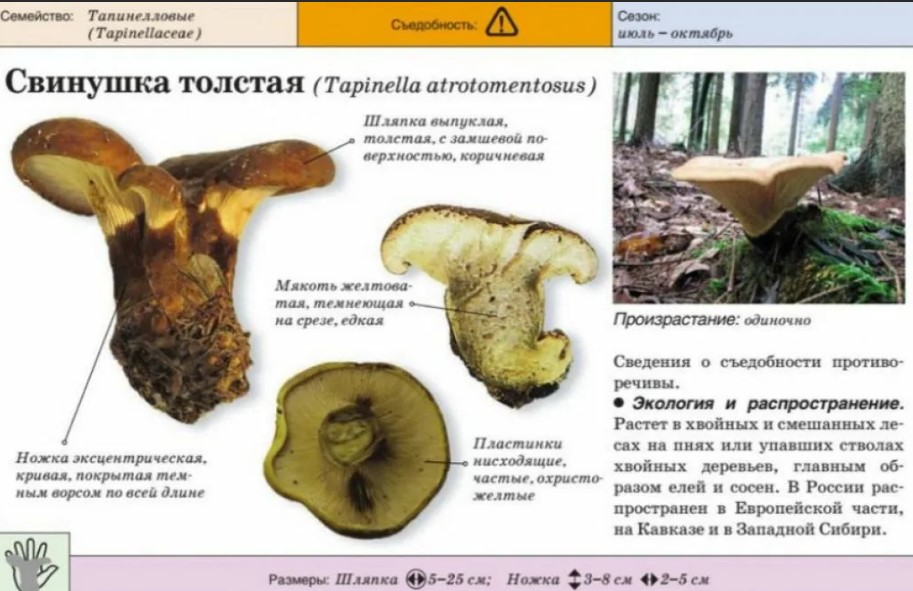
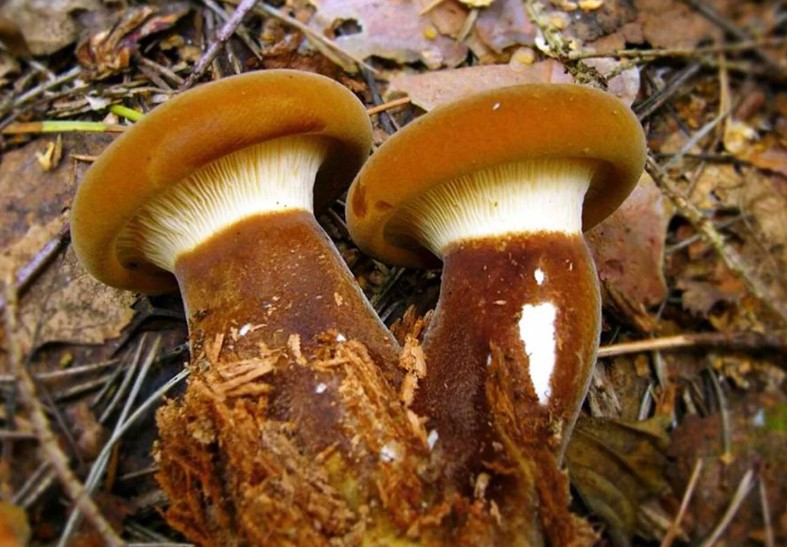
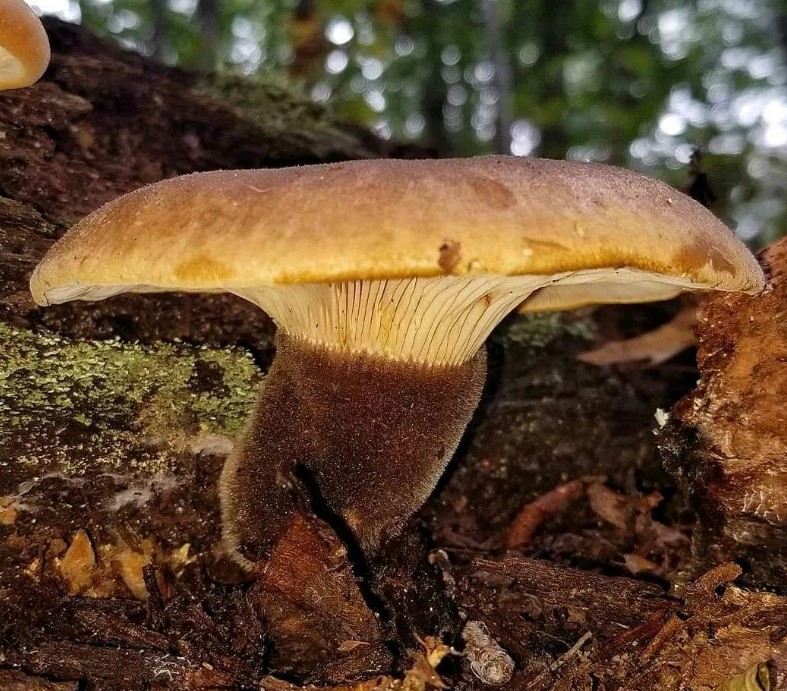
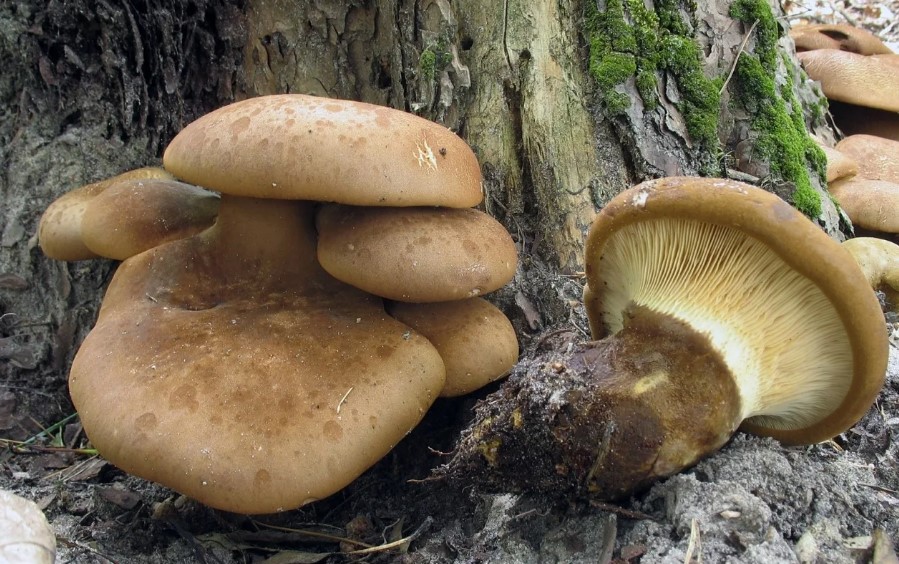
Fat pig (Tapinella atrotomentosa)
| View | Description | Peculiarities | Edibility | Where is it common? |
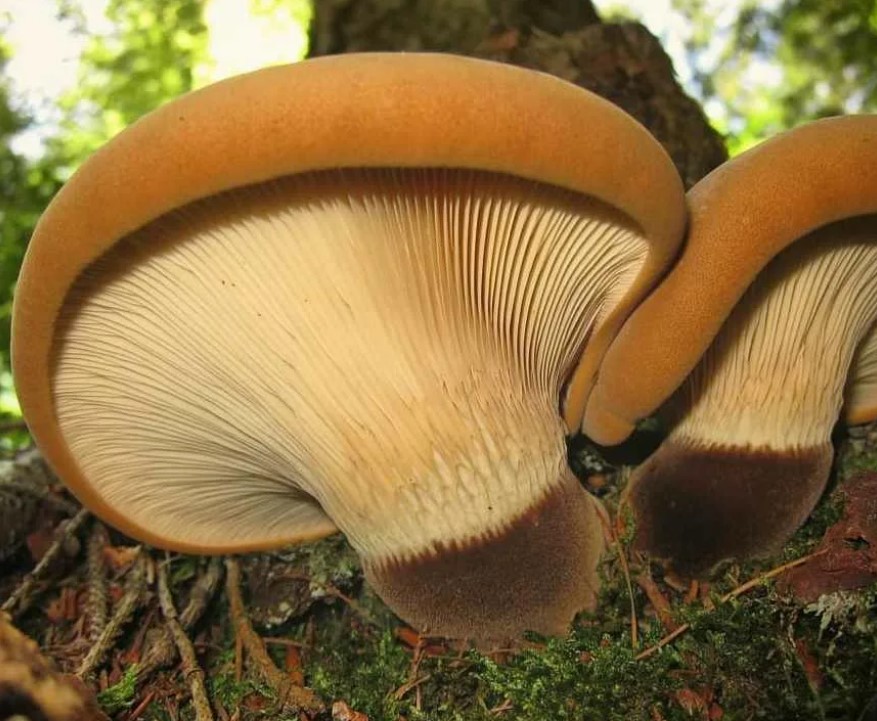
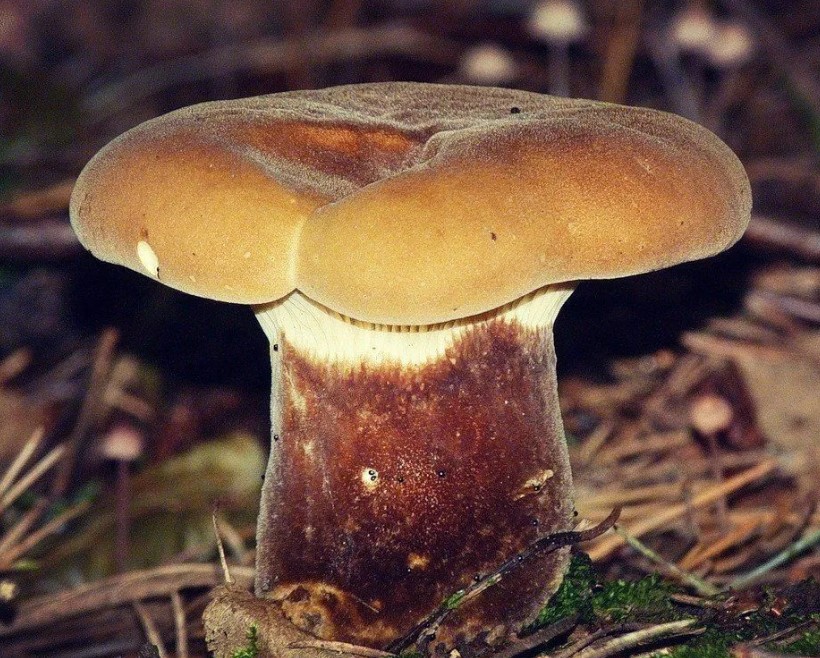
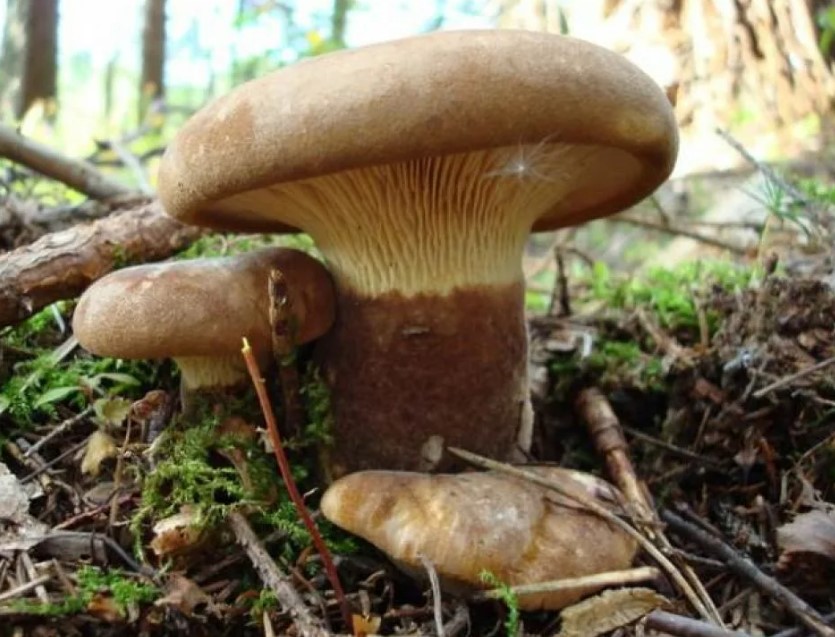
| Fat pig | The cap is up to 20 cm in diameter, with folded edges. The shape may be disproportionate. The color is brownish-brown, the skin is felty, and may crack. The stems are dense and hairy. | Grows in coniferous forests, found in upturned stumps. A rare species. | Inedible | European countries with a temperate climate. |
Photo gallery of the thick pig
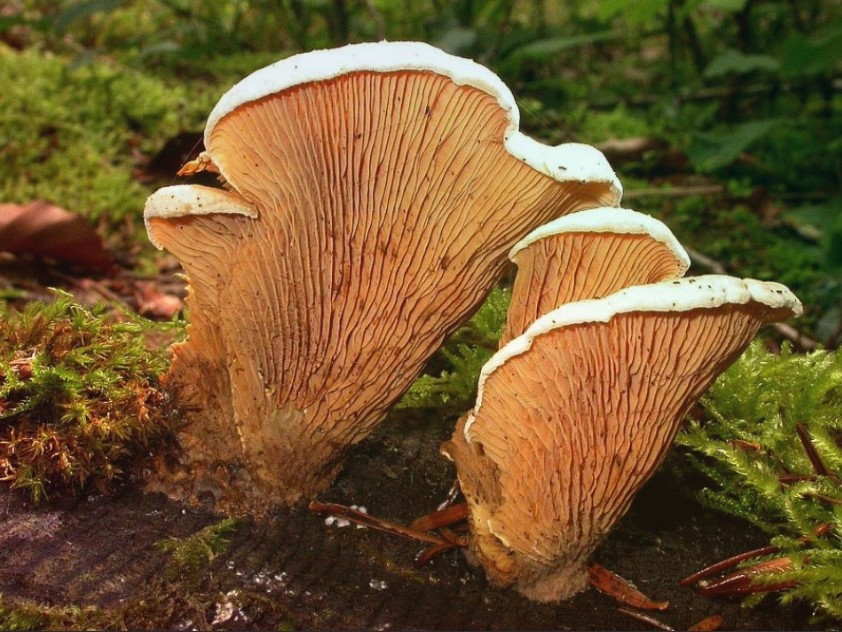
Eared pig (Tapinella panuoides)
| View | Description | Peculiarities | Edibility | Where is it common? |
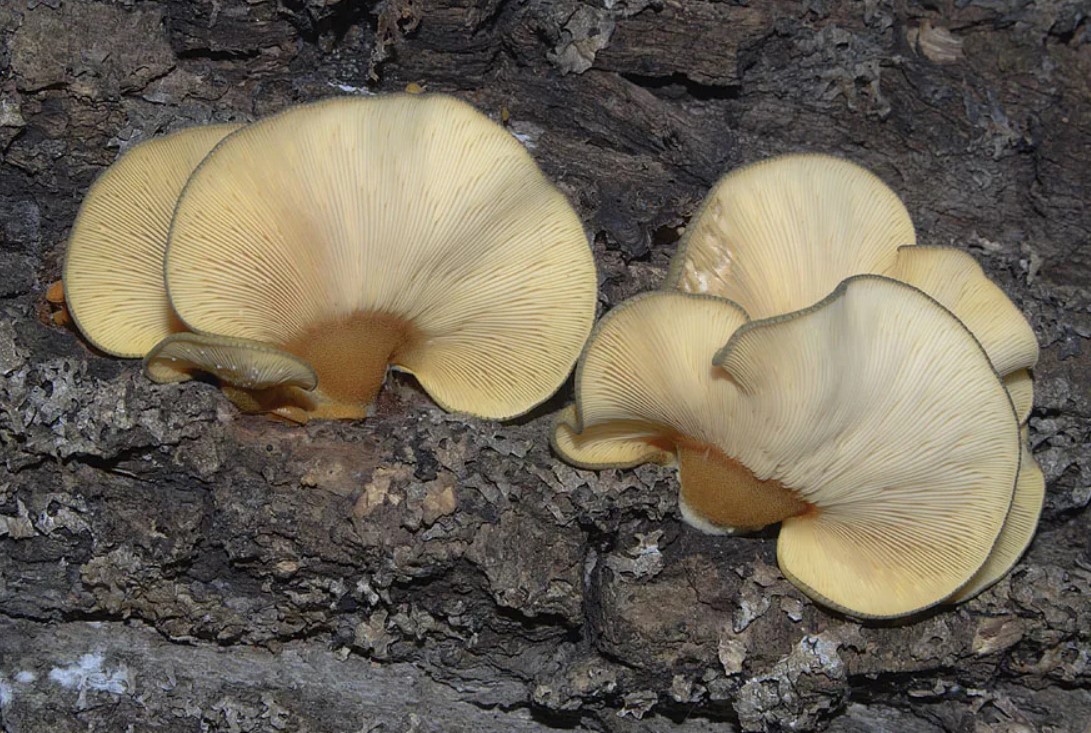
| Eared pig | The cap is up to 15 cm in diameter, with serrated and wavy edges. The stem is virtually absent, blending in with the top. The color is creamy yellow. | It loves dead wood, and sometimes the fungus even appears on old wooden buildings. | Inedible | Russia, Kazakhstan |
Photo gallery of the eared pig
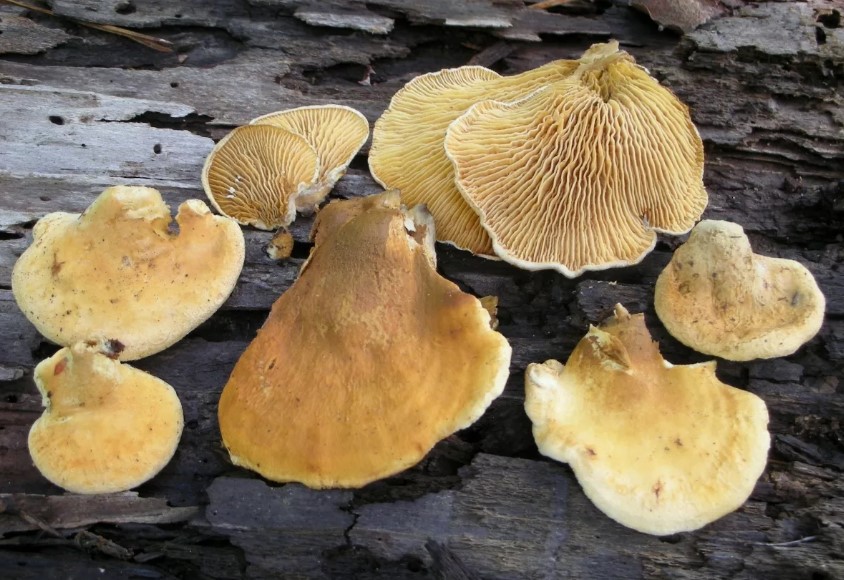
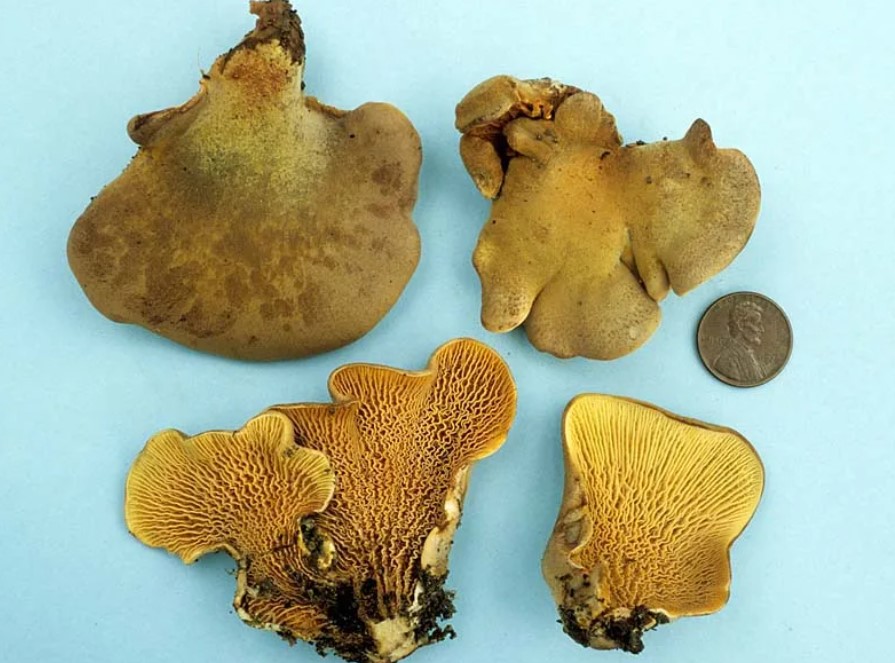
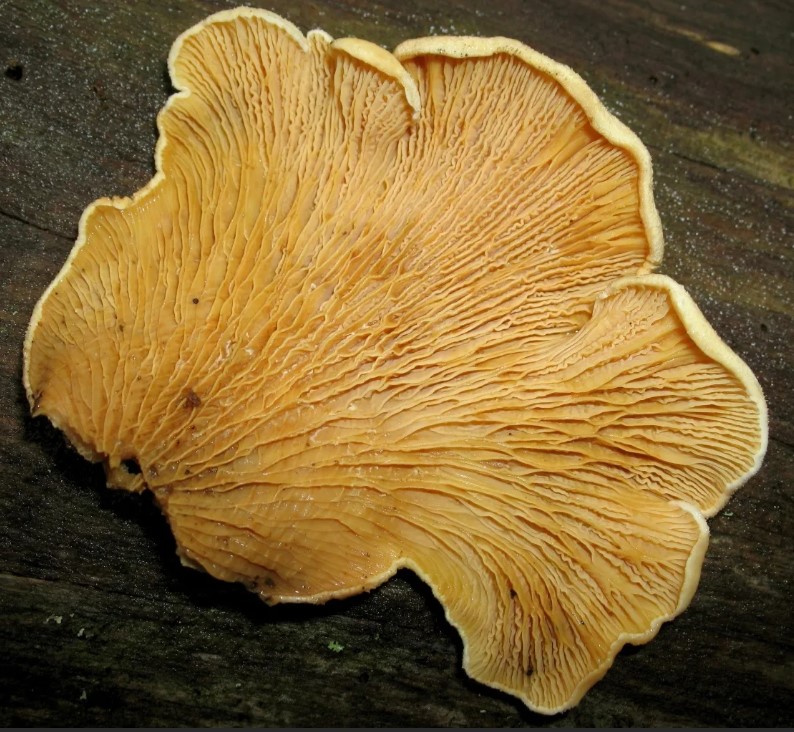
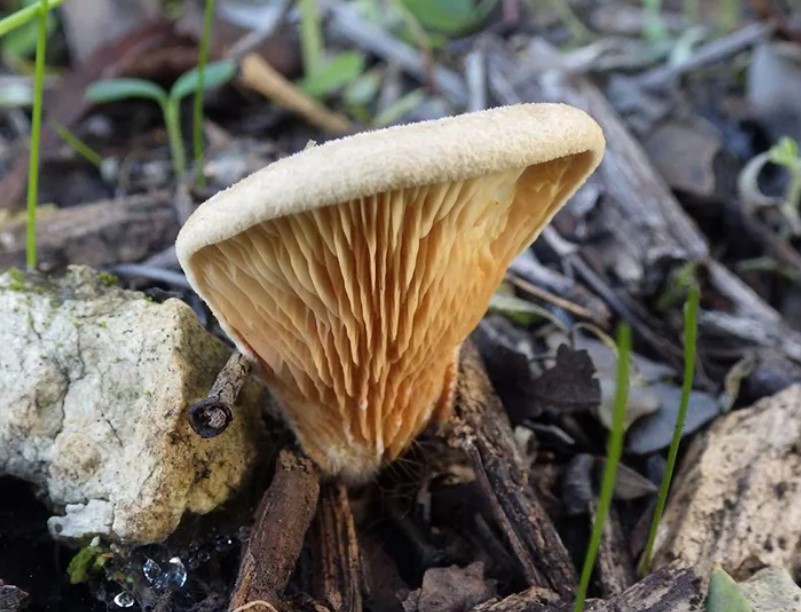
Caloric content of pig mushrooms
100 g of fresh piglets contain:
- 30 kcal;
- 3.7g protein;
- 1.7 g fat;
- 1.1 g carbohydrates.
Composition of pig mushrooms
Mushrooms also contain:
- amino acids;
- vitamins C, B, A, PP;
- magnesium;
- fiber;
- zinc;
- iodine;
- fluorine;
- potassium;
- phosphorus;
- lecithin.
The benefits and harms of piglets
Despite the mushroom's status as poisonous, many continue to consume it in small quantities. It's believed that pig mushrooms have many beneficial properties due to their high vitamin and mineral content:
- strengthening the immune system;
- lowering cholesterol levels;
- control of fat cell growth;
- cleansing the gastrointestinal system;
- fight against insomnia;
- strengthening the musculoskeletal system;
- normalization of hormonal levels.
Furthermore, pig mushrooms contain a unique substance called atromentin. It is known to kill leukemia cells in patients with blood and bone marrow cancer. However, it's important to remember that pig mushrooms must be properly prepared and consumed in strict dosage.
But the harm pigs can cause to humans cannot be discounted. They contain a dangerous toxin that isn't eliminated from the body but accumulates, causing the destruction of red blood cells. This, in turn, leads to serious problems with the immune system, gastrointestinal tract, kidneys, and liver.
Eating fresh mushrooms is strictly prohibited, as this will inevitably lead to poisoning, even death.
How to prepare pig mushrooms for cooking
The first thing to do after picking the nigella mushrooms is to clean them. This must be done immediately, otherwise they are absolutely unfit for consumption.
The procedure for preparing piglets is as follows:
- dirt is removed, part of the leg is cut off;
- mushrooms are soaked for 25-40 minutes in cold water;
- the film is removed from the surface of the mushroom, the sticky layer is removed;
- the piglets are soaked again for 2 hours;
- the water is changed, the mushrooms are boiled for 30 minutes;
- The broth is drained and the mushrooms are soaked in water again for half an hour.
Only after all these steps can you begin cooking the mushrooms. The water left after boiling the mushrooms should never be used for cooking, as it contains dangerous toxins.
What can you confuse pig mushrooms with?
It's very difficult to confuse pig mushrooms with other mushrooms, but novice mushroom pickers might mistake the following mushrooms for pig mushrooms:
- Oyster mushroomsThey are found on stumps and trees, like pig mushrooms. However, the oyster mushroom has a smooth edge and no indentation in the center of the cap. The mushroom is edible.
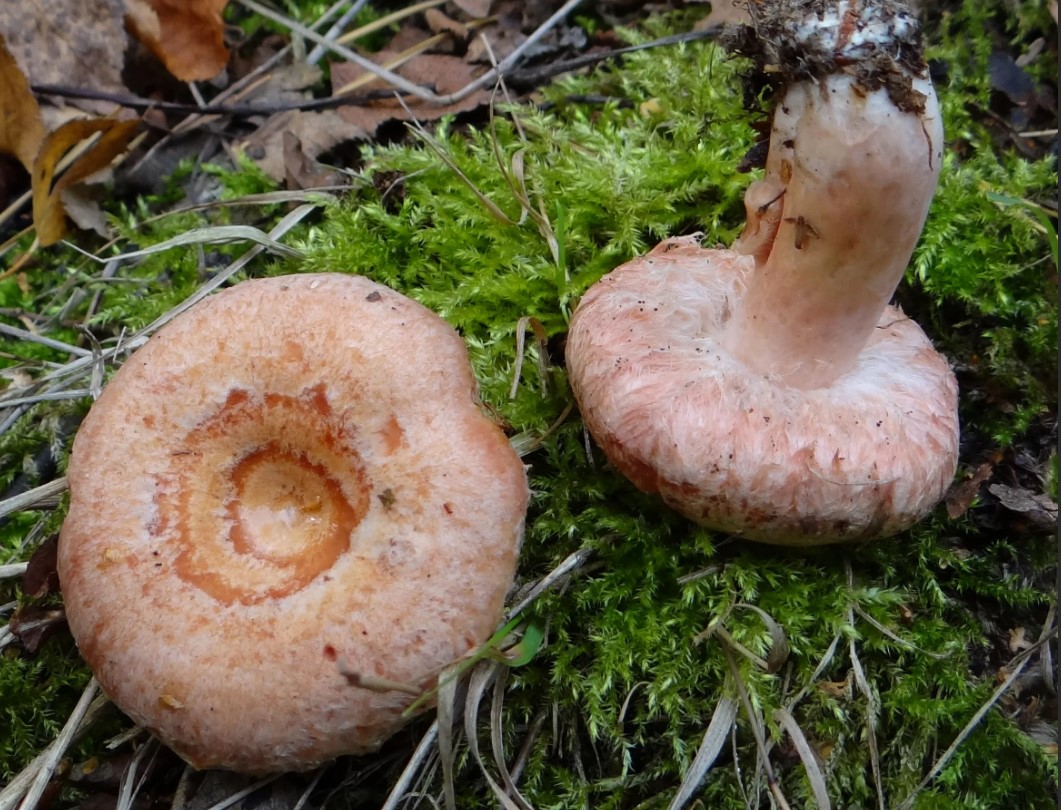
- Volnushki (Lumbrella Volnushki). This mushroom is very large, with a cap diameter of about 15 cm. The cap has pubescent edges that curve downward. The flesh is white, sometimes with a pinkish tint. This mushroom is conditionally edible and can only be eaten after prolonged cooking.
Symptoms of pig mushroom poisoning and what to do
The first symptoms of pig mushroom poisoning can be detected within 1-3 hours. Initially, stomach cramps, dizziness, and nausea appear, followed by vomiting. In some cases, hallucinations may develop.

Common symptoms of poisoning include:
- vomiting and nausea;
- confusion;
- diarrhea;
- increased salivation and sweating;
- pain in the stomach and intestines;
- pale skin;
- difficulty breathing.
There is no antidote. Immediate detoxification is necessary. The patient should be given as much water as possible, inducing vomiting, and seek immediate medical attention.
If this isn't done promptly, irreversible processes will begin in the liver, kidneys, and intestines. Cell membranes will be destroyed, hemoglobin levels will drop, and dehydration will occur. There's a high risk of developing thrombohemorrhagic syndrome, which causes brain damage.
Mushroom pickers' reviews of the edibility of pig mushrooms
Whether or not to eat the thin pig mushroom is a long discussion that periodically arises on mushroom forums.
In short, the theses are as follows:
1. People have been eating the pig mushroom for centuries without a second thought. I ate it all my childhood, and my parents ate it, and their parents did too. It was practically the main mushroom.
2. Someone (who is unknown) at the end of the last century demonstrated that the pig mushroom contains certain antigens that trigger the body's production of antibodies, and based on this, he developed the theory that the pig mushroom is poisonous, even deadly. Since then, by decree of the Presidium of the Supreme Soviet of the USSR, the pig mushroom has been classified as a poisonous mushroom.
3. People who knew about this (point 2) have mostly stopped eating pig mushrooms, following the principle "who knows, maybe it's true." Me included. That's why there's a lot more pig mushrooms in the forests.
4. Many considered the decree on the poisonousness of the pig mushroom to be excessively far-fetched and continue to eat it, guided by the fact that before everyone always ate it and did not know any problems.
5. Whether to eat pig mushrooms or not is a personal choice. For example, I feel more at peace not eating them. And in general, I'm more interested in mushrooms from a scientific rather than a gastronomic perspective, so I don't suffer at all from this omission.
City: Moscow Domodedovo, September 15, 2011
And what do you say about the piglets, dear Malyshok?
I'll say that you shouldn't eat them.These are not fairy tales from European mycologists, but real research on our own mushrooms conducted in our institutes.
The harm isn't in the muscarine it contains, which is also present in milk thistle, but in the agglutinins, which accumulate over time in the liver and bone marrow, gradually destroying both the liver and the bone marrow, along with red blood cells. The time it takes varies for everyone, but the result is the same.
The studies were conducted not only on invertebrates, but also on higher mammals.
So I don't recommend it.
Sorry, I couldn't resist :fund02069:
This is in no way a call to eat thin pig, and whether to eat it or not is everyone’s own choice!
Nevertheless, this question: "To eat or not to eat?" arose a week ago when yet another layer of young, fat, and delicious pig mushrooms emerged on our garden plot, and I began actively searching the internet for an answer. I found only similar questions and one duplicated article, the main thesis of which was that "pig mushrooms change the blood formula" and "every next mushroom can be your last."
Let me start by saying that in my family, we always collected and ate pig meat, and everyone loved it, mostly fried, sometimes salted. No one ever had any problems.
We didn't always pick these mushrooms in a real forest, although we did there too. We also picked them, for example, along the road from the dacha to the train station in a forest belt, which could rather be called a forest or a "green gardening zone," and, of course, on our dacha plot, where it grows actively.
We first heard about the pig mushroom being dangerous about 10 years ago, but all we heard boiled down to highly contradictory statements in the media about either its increased toxicity or its increased radioactivity, which allegedly led to cases of poisoning... In short, other than the fact that pig mushrooms are now undesirable to eat, we didn't find anything else out of the ordinary.
Naturally, such a vague prohibition on eating piglets was ignored, especially since personal experience told us otherwise, and we continued to collect piglets, fry or salt them, and eat them.
The previous couple of years, the mushroom season didn't work out for me, so we didn't eat anything except store-bought champignons.
And then this year, the pig mushrooms started appearing. It's one thing to eat them year after year without paying attention to new scientific research, but now, it seems, there's been a break. Besides, all the mushroom experts on the forum are against the pig mushroom, which, as it turns out, is now listed as a poisonous mushroom right after the BP and poisonous fly agarics.
There's nothing concrete on the internet, though... I mean something like they ate it and got poisoned (I did find info about two old cases of poisoning, from the time when pig meat was still legal, but both involved salted pig meat bought at the market that wasn't exactly fresh, that is, overgrown and rotten, cooked in an unknown way, and eaten at one time in quantities of 0.5 kg per person. :232: But that doesn't count.)
In general, I was tormented by doubts for a day, and the piglets were soaking.
Finally, under my mother’s influence: “We’ve been eating them all our lives and you’ve been gobbling them up since you were 5”, “they’re so delicious”...
I've made up my mind. :victory:
We boiled them (soaked for a day) for about 20 minutes, drained the water, fried them with onions, garlic and sour cream.
Everyone ate, and no one has had any consequences since September 11th.
P.S.: Of course, this is not about the complete safety of thin pig, but about personal choice, especially since the individual characteristics of the body must also be taken into account.
By the way, when they were salted, they weren't soaked, but washed thoroughly in several waters, then boiled (you can do it a couple of times for 10-15 minutes) and then salted.