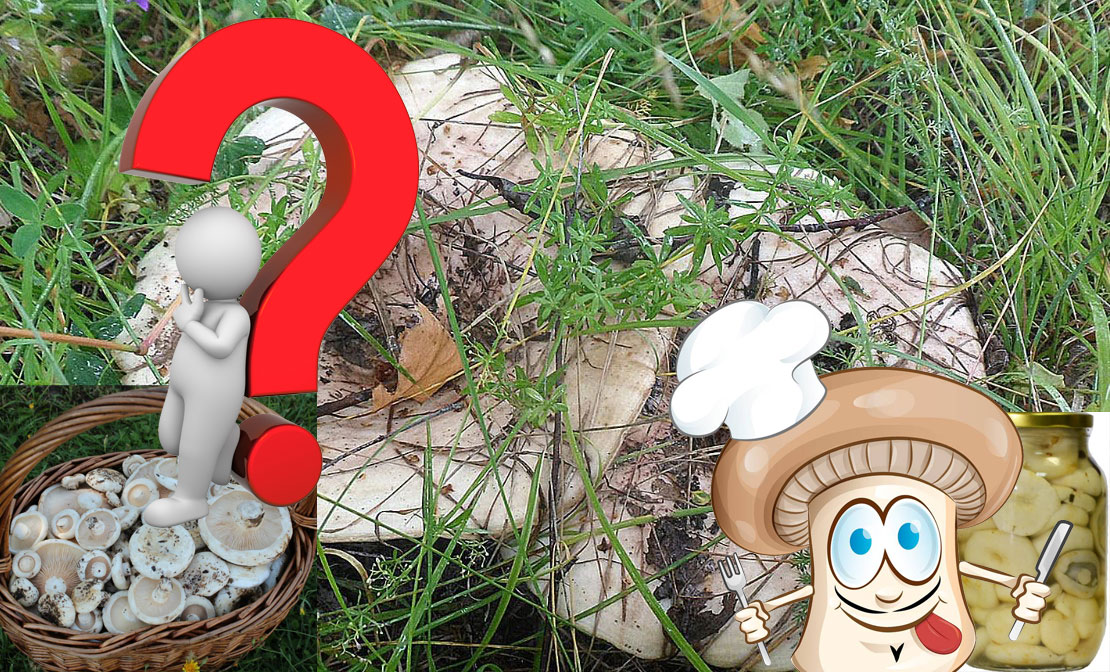
Milk mushrooms are very popular, especially delicious when pickled. Picking them is a pleasure if you know where to find them and how to recognize them.
Opinions about the aspen milk mushroom vary in different countries:
- In Western Europe, it is considered inedible due to its pungent taste.
- Some countries even consider it poisonous.
- The French Wikipedia says: This mushroom is not edible due to its bad taste.
In this article we will answer the question: Is the aspen milk mushroom edible or not?
Content
- 1 Description of the aspen milk cap (Lactarius controversus)
- 2 How the poplar milk cap changes with age
- 3 Where and when does the aspen milk mushroom grow?
- 4 What mushrooms can be confused with the aspen milk cap?
- 4.1 Milk mushroom (Lactarius resimus)
- 4.2 White milkweed (Lactarius musteus)
- 4.3 Lactarius pallidus (Pale Milkcap)
- 4.4 Watery-zone milkweed (Lactarius aquizonatus)
- 4.5 Felt milk cap, fiddlehead milk cap (Lactarius vellereus)
- 4.6 Parchment milk cap (Lactarius pergamenus)
- 4.7 Bertillon's Milkweed (Lactarius bertillonii)
- 4.8 Peppery milk mushroom (Lactarius piperatus)
- 4.9 Blue breast (Lactifluus glaucescens)
- 4.10 White volnushka (Lactarius pubescens)
- 5 How edible is the aspen milk mushroom?
- 6 Nutritional qualities of aspen milk mushrooms
- 7 The benefits and harms of aspen milk mushrooms
- 8 Aspen milk mushroom recipes
- 9 How to preserve aspen milk mushrooms raw
- 10 Reviews of the aspen milk mushroom
Description of the aspen milk cap (Lactarius controversus)
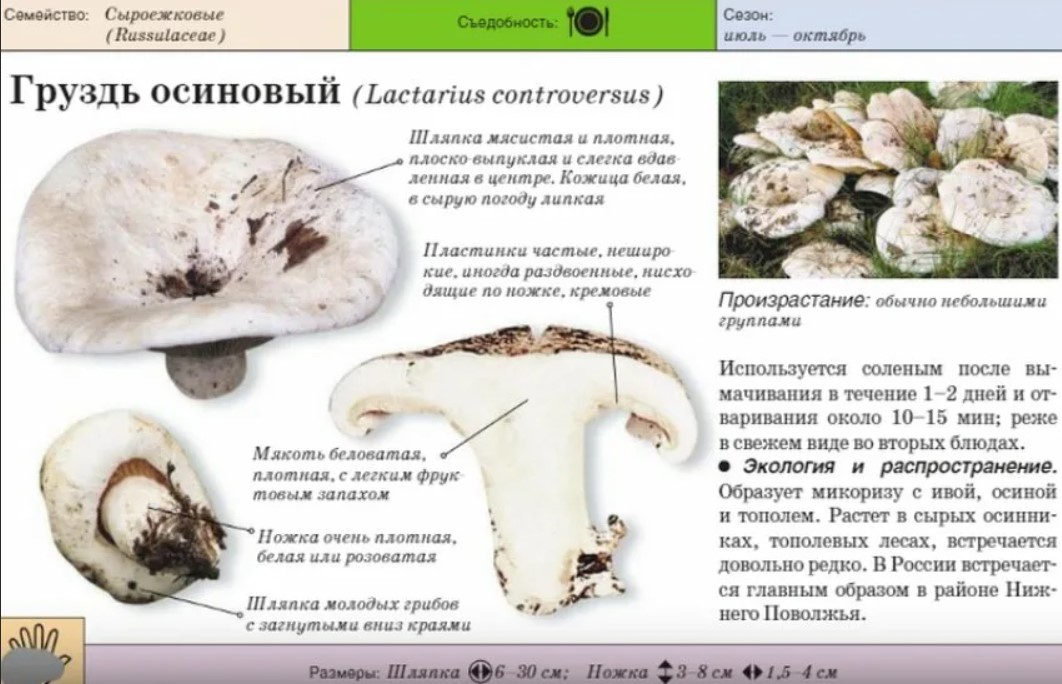
Let's look at the description of the aspen or poplar milk mushroom, which in Latin is called Lactarius controversus.
hat
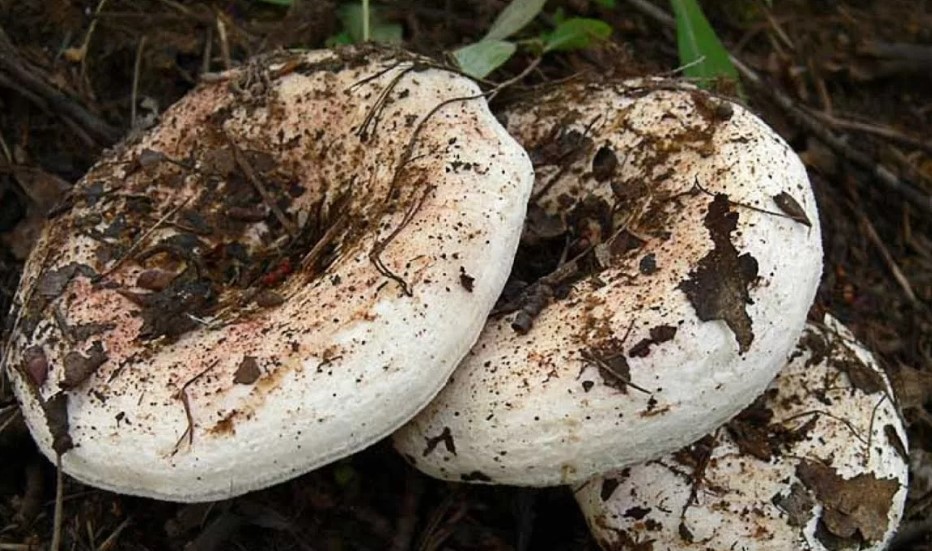
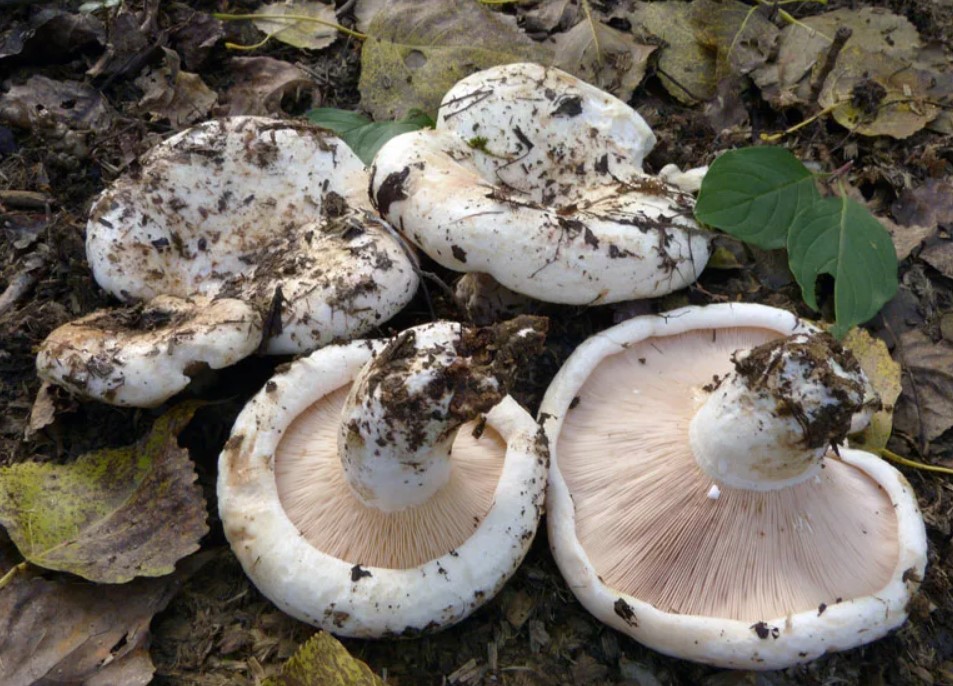
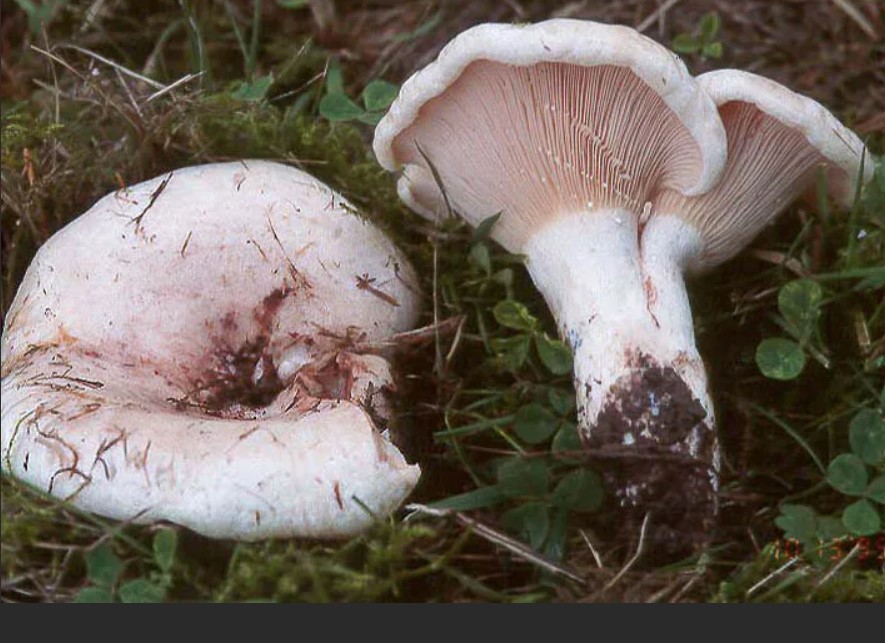
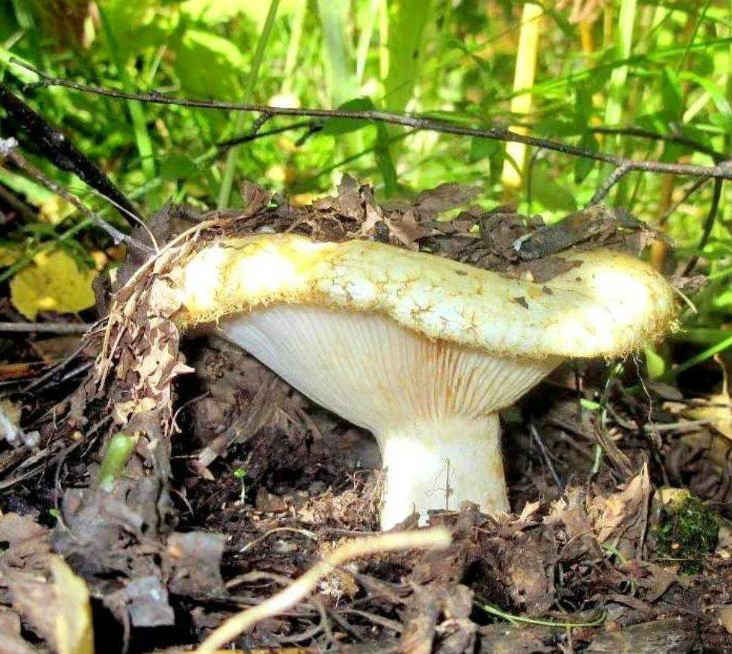
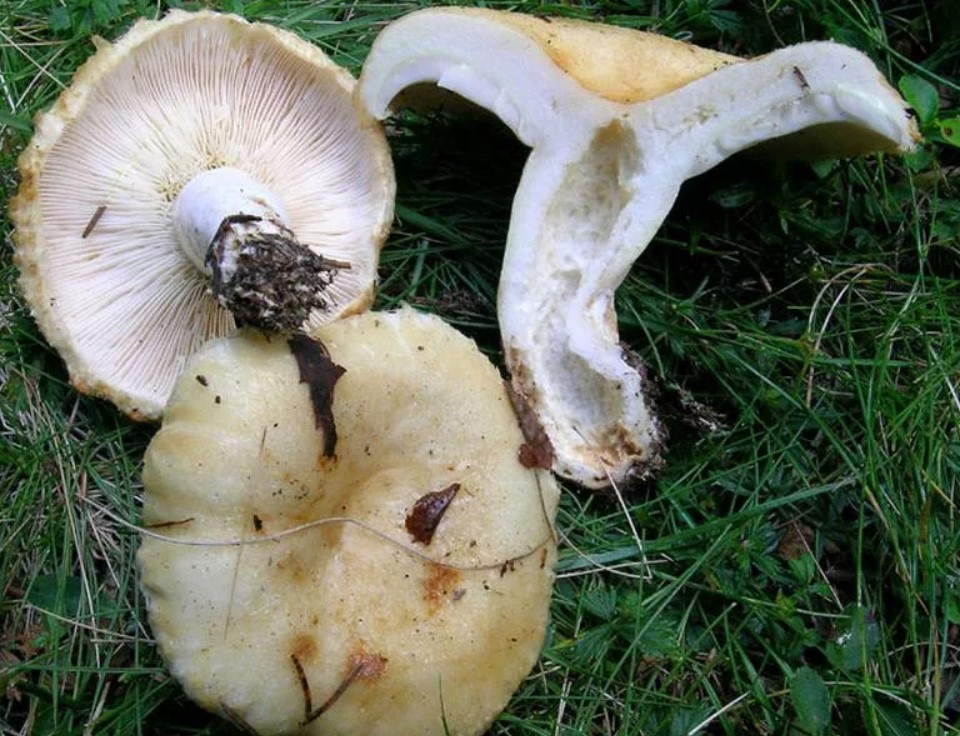
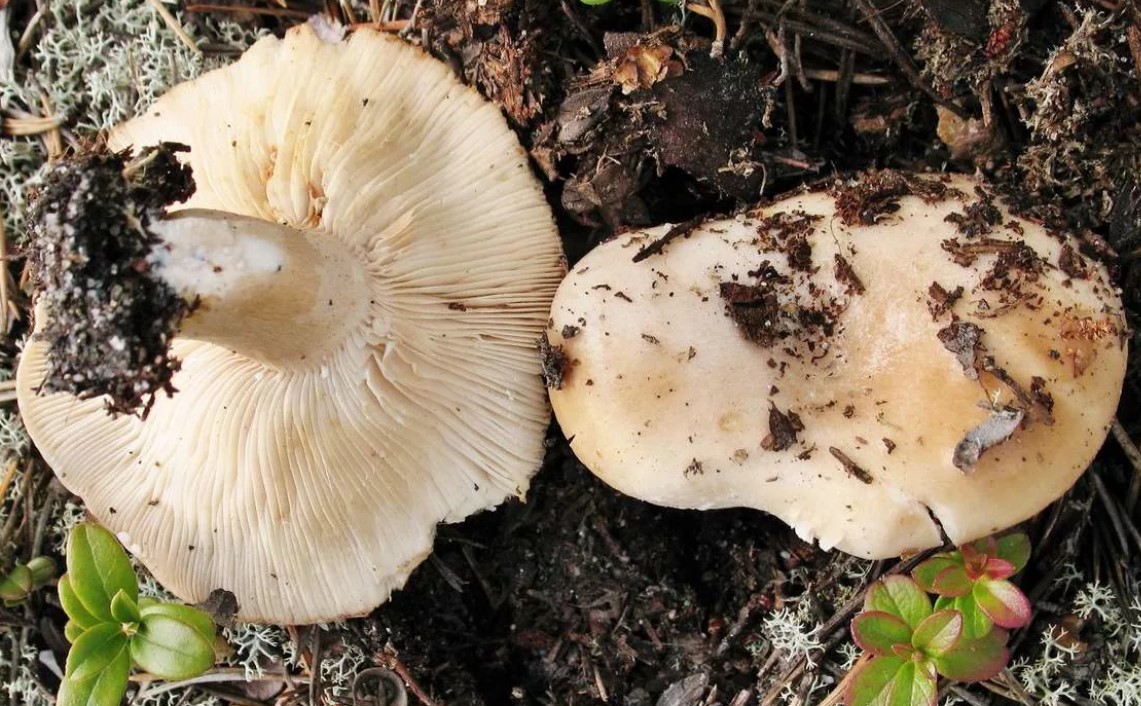
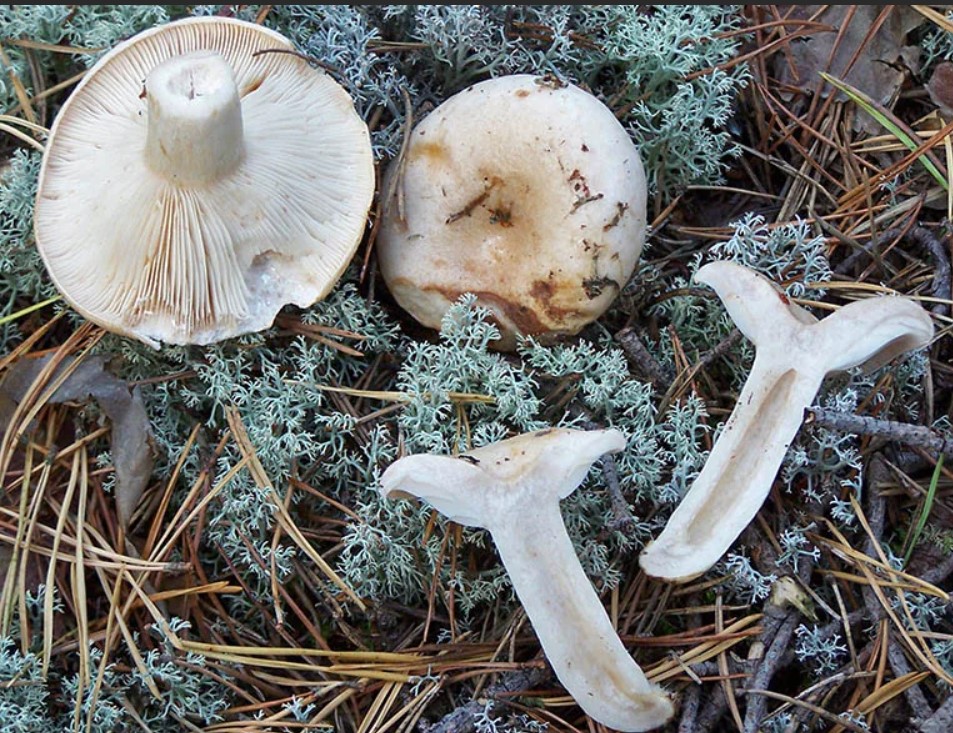
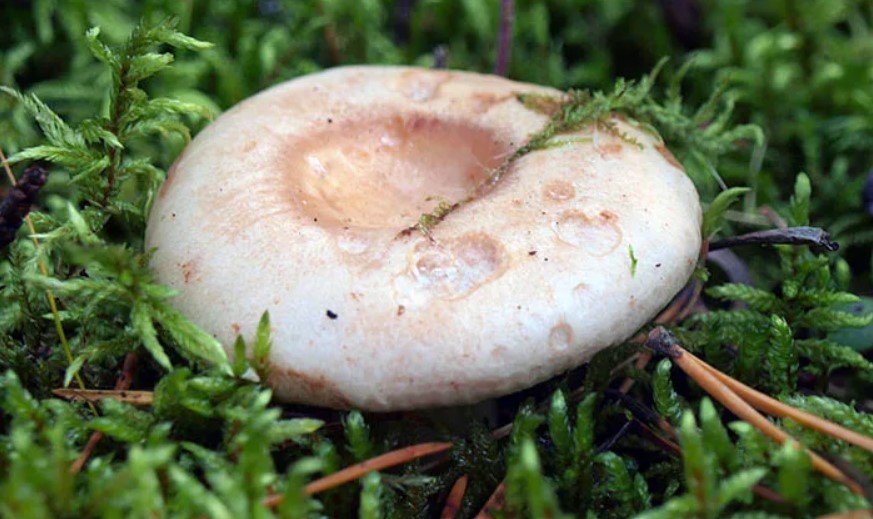
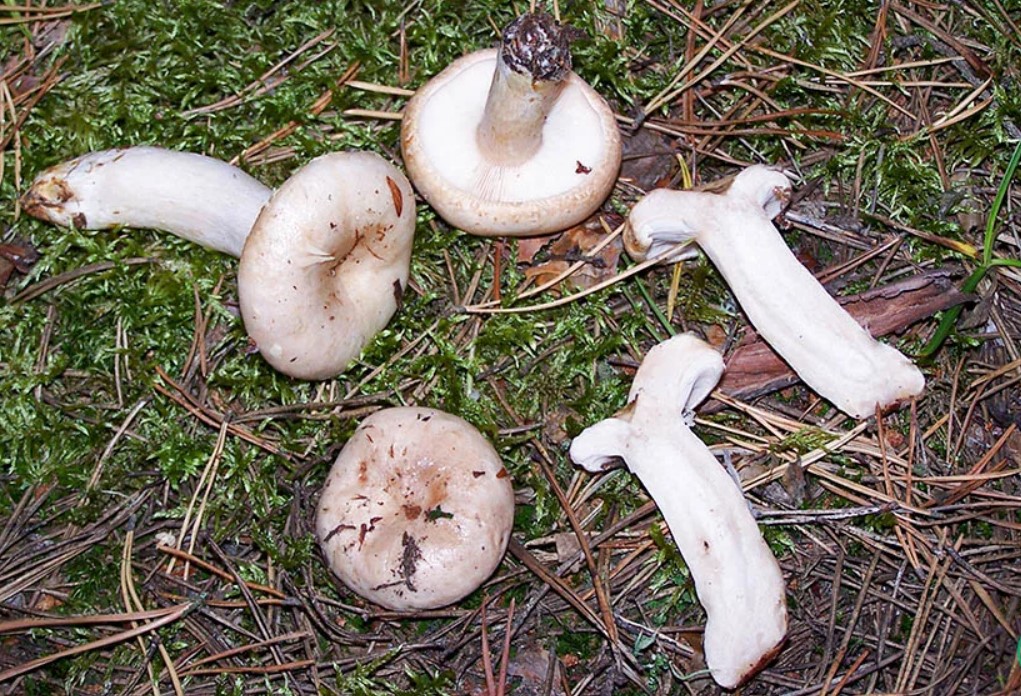
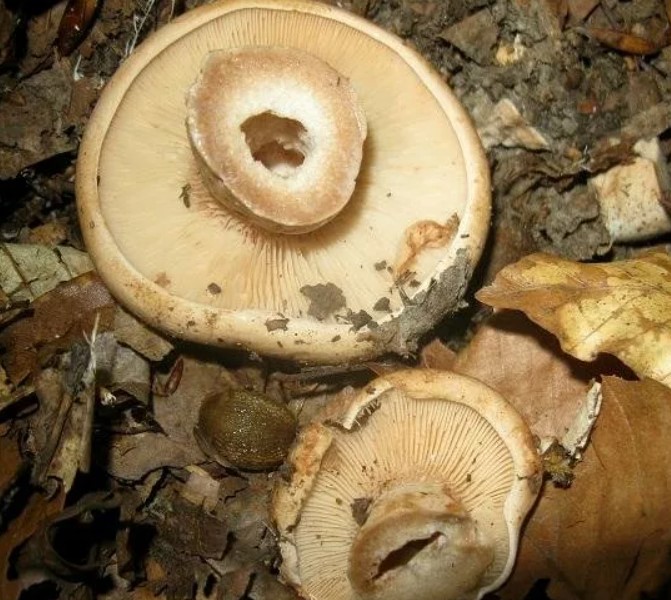
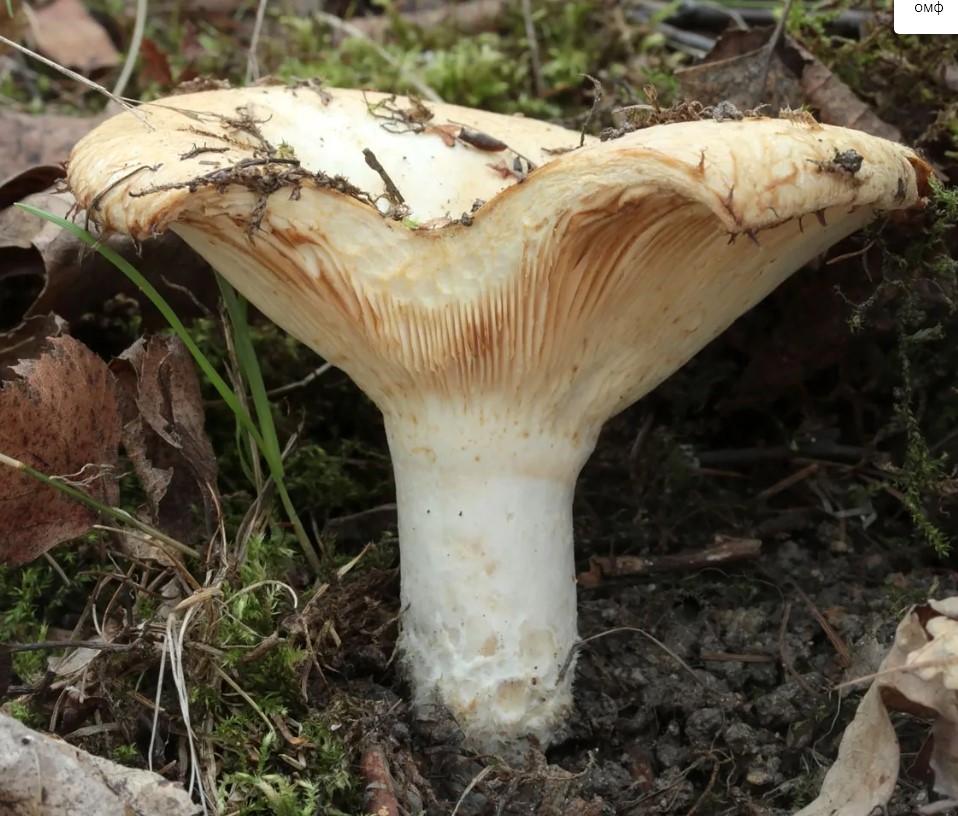
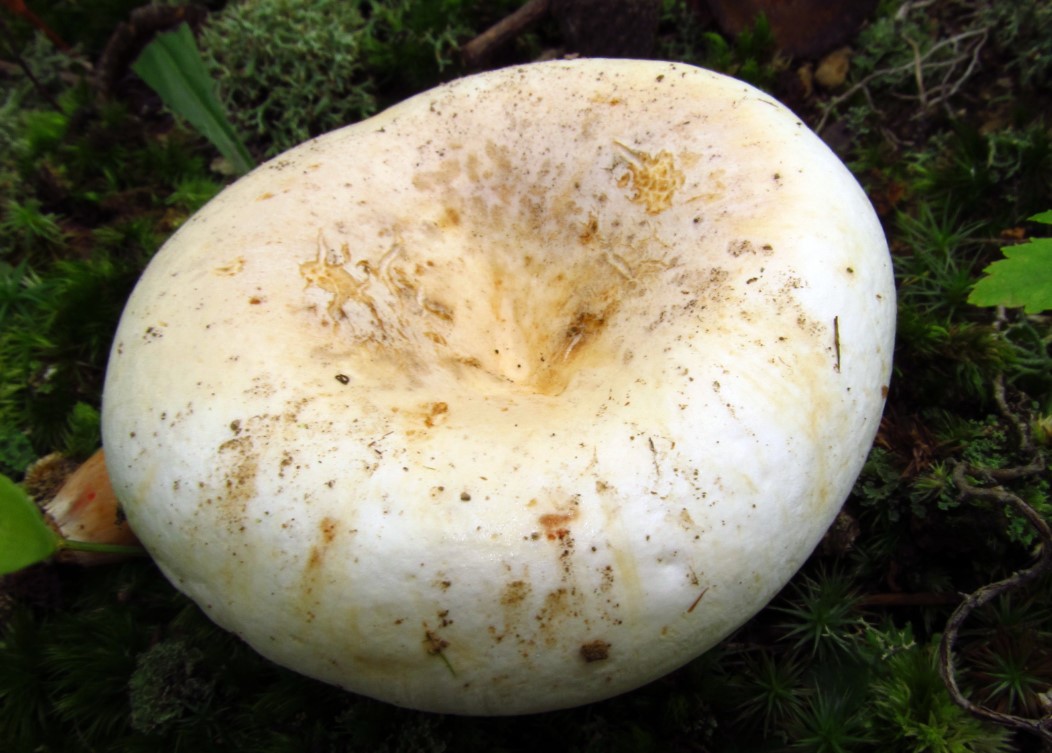
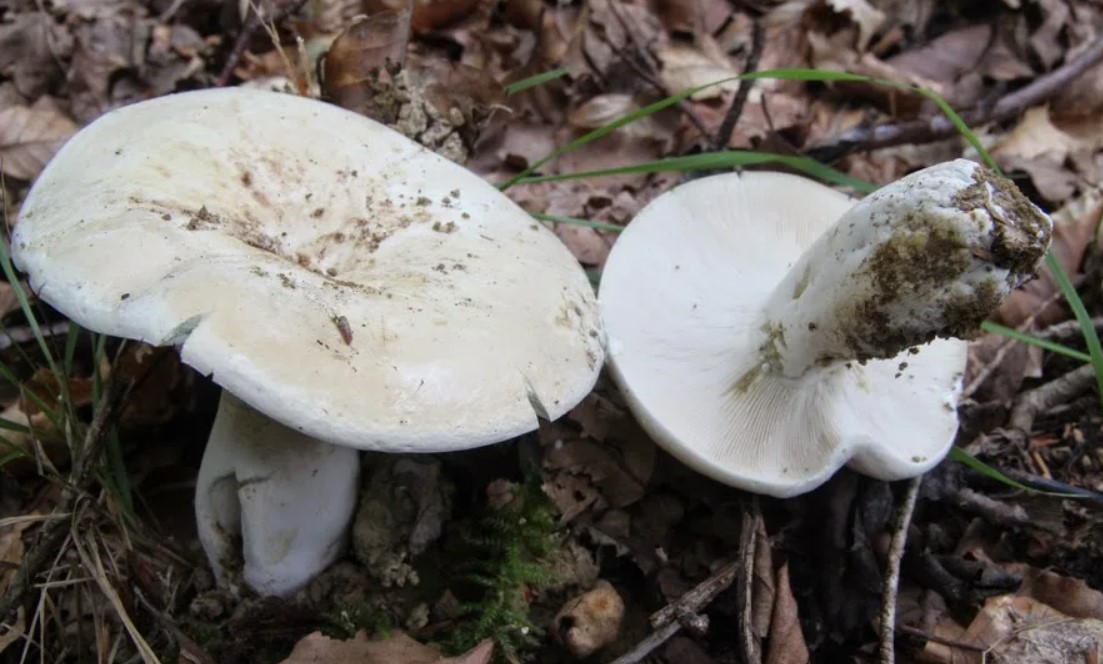
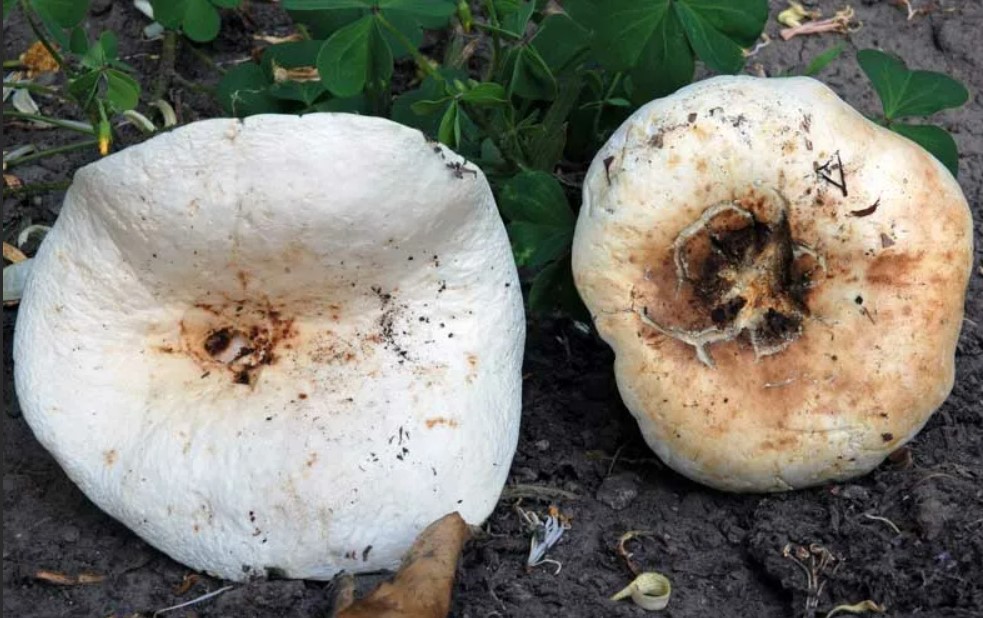
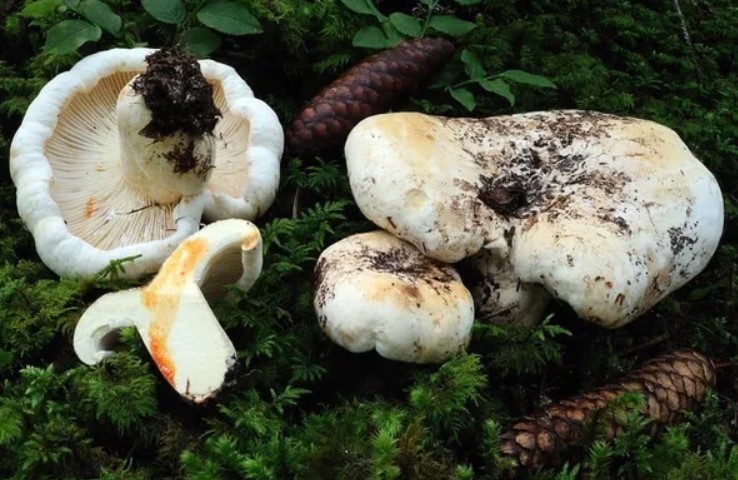
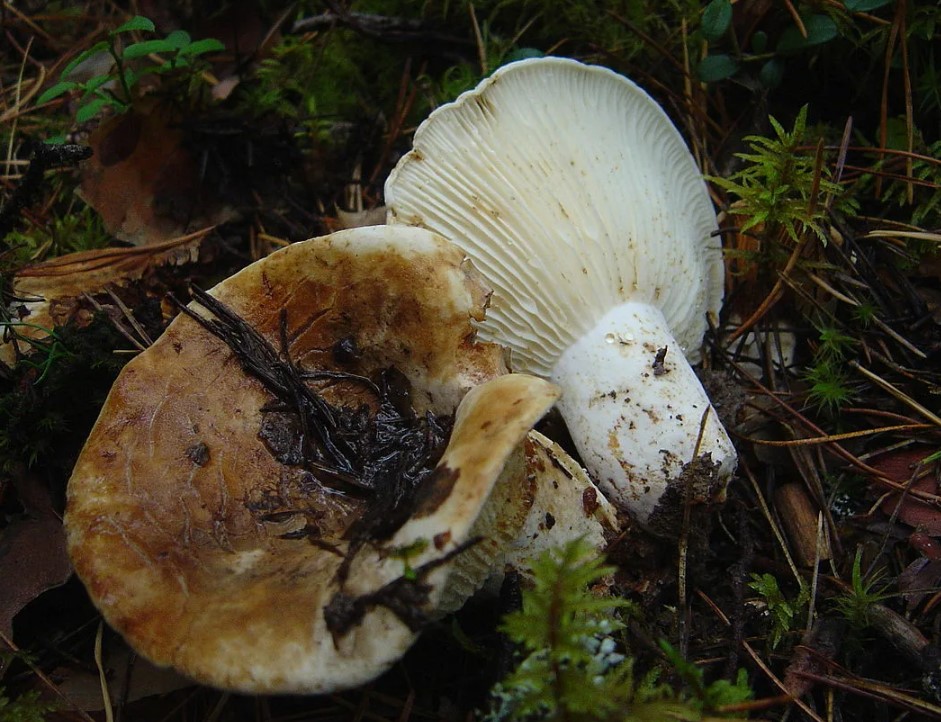
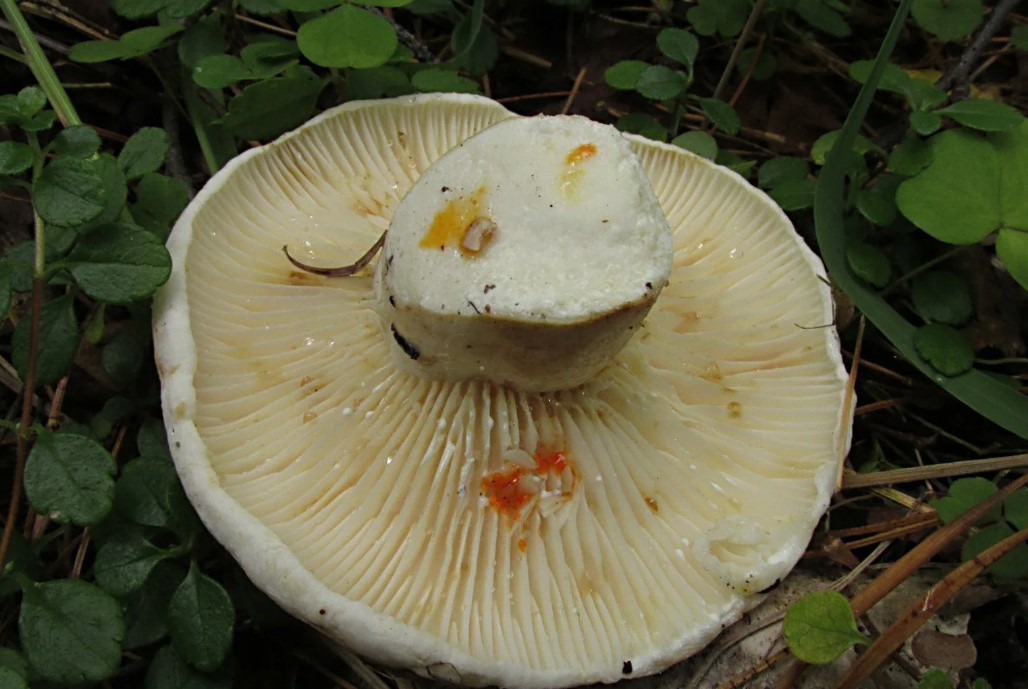
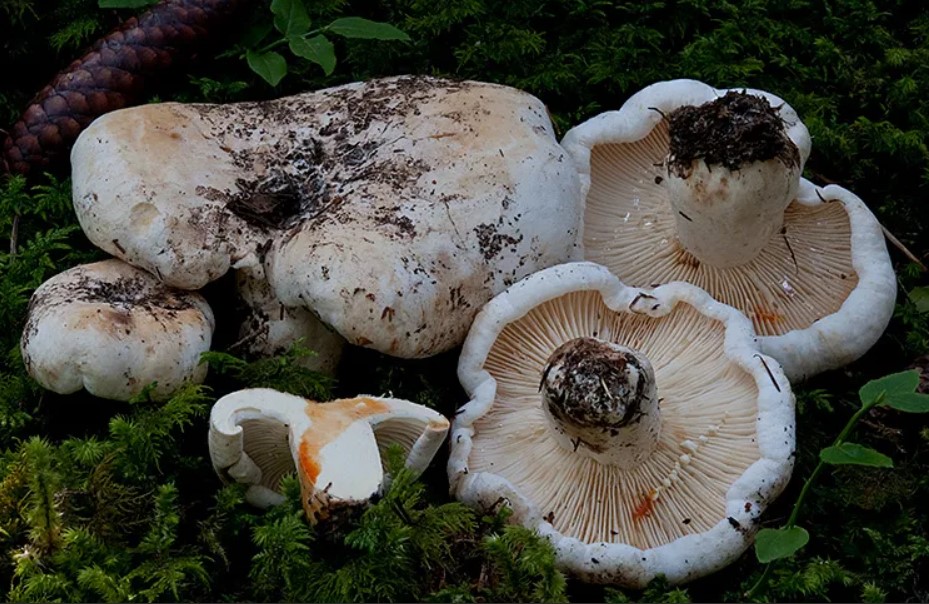
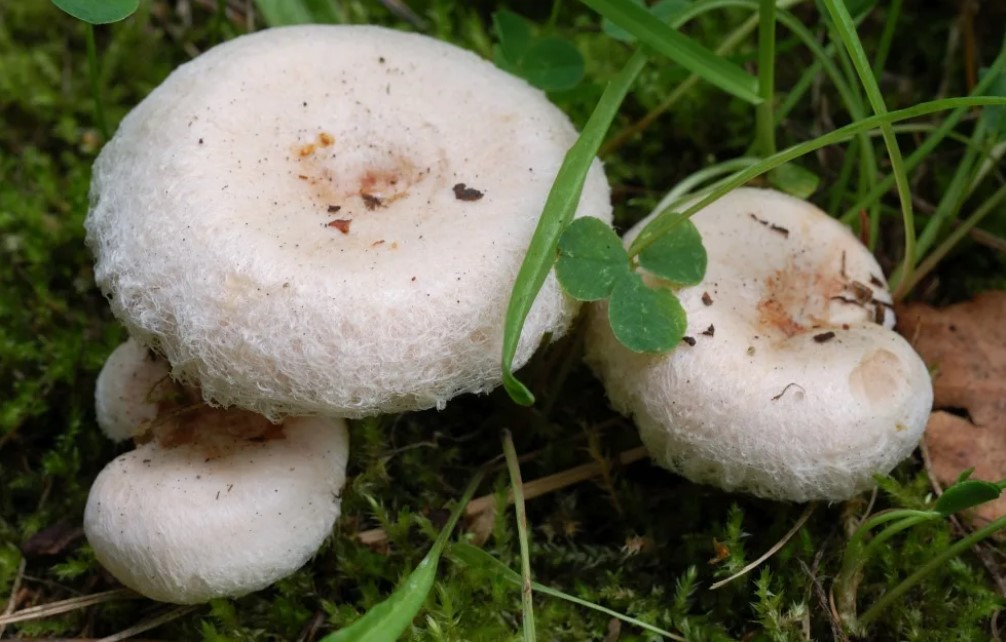
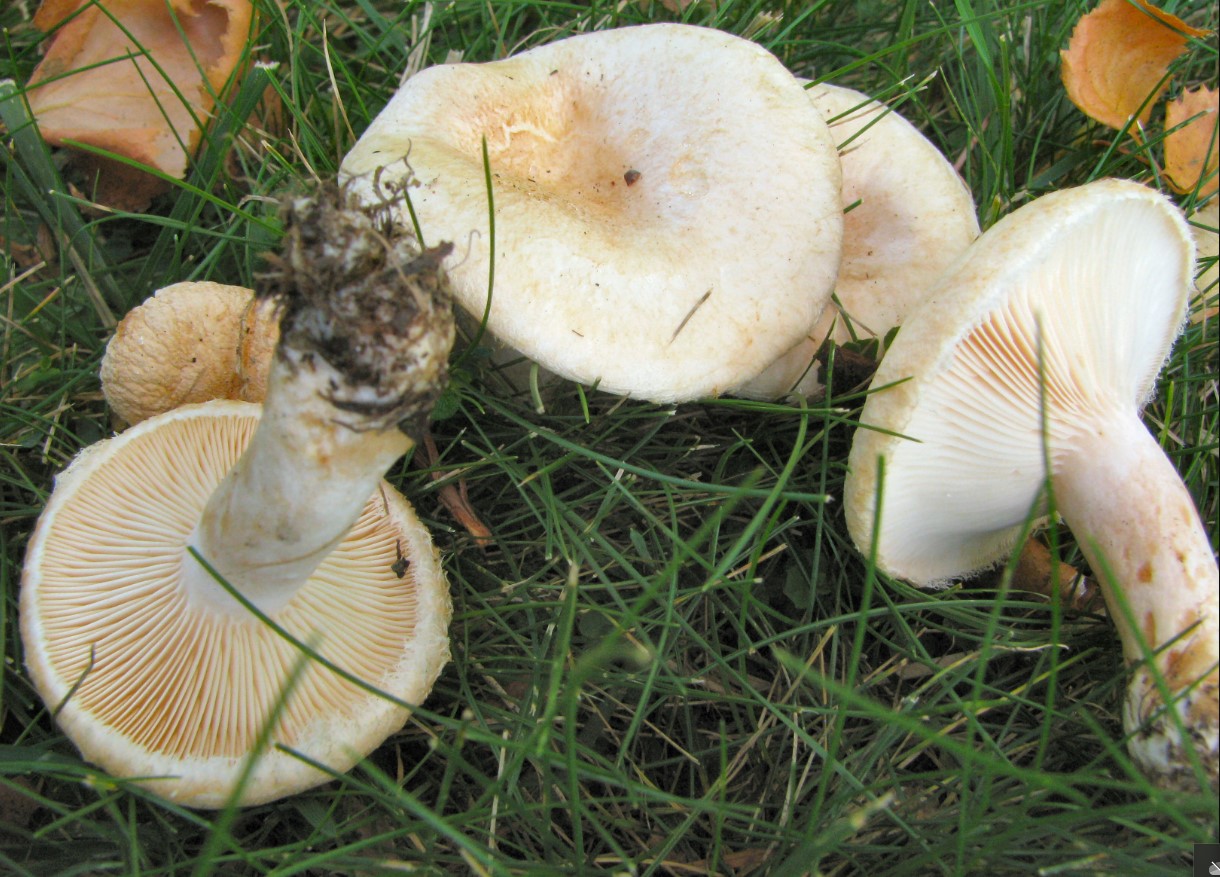
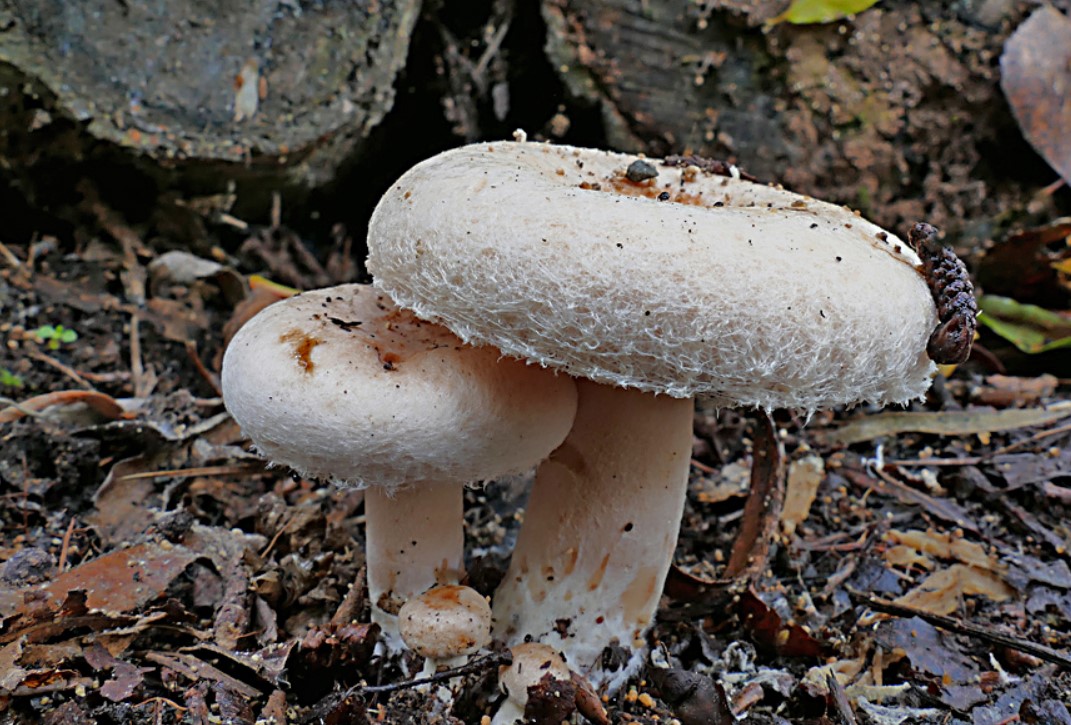
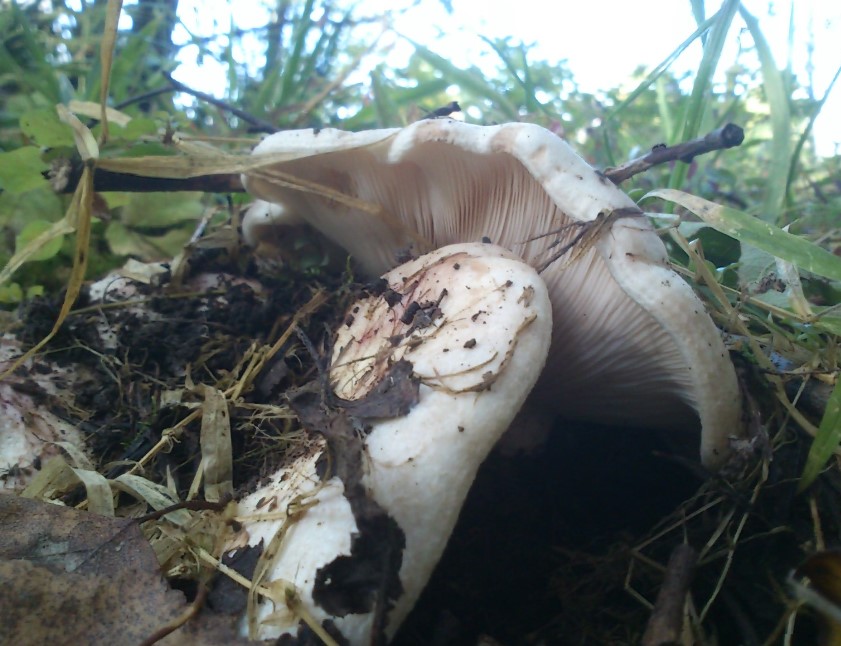
The cap diameter varies from 6 to 30 cm. When young, it is convex, later becoming funnel-shaped, with curled, slightly fringed edges. The cap is milky in color, with pinkish streaks sometimes present on the surface. The skin becomes sticky in damp weather. Old mushrooms are light orange.
Records
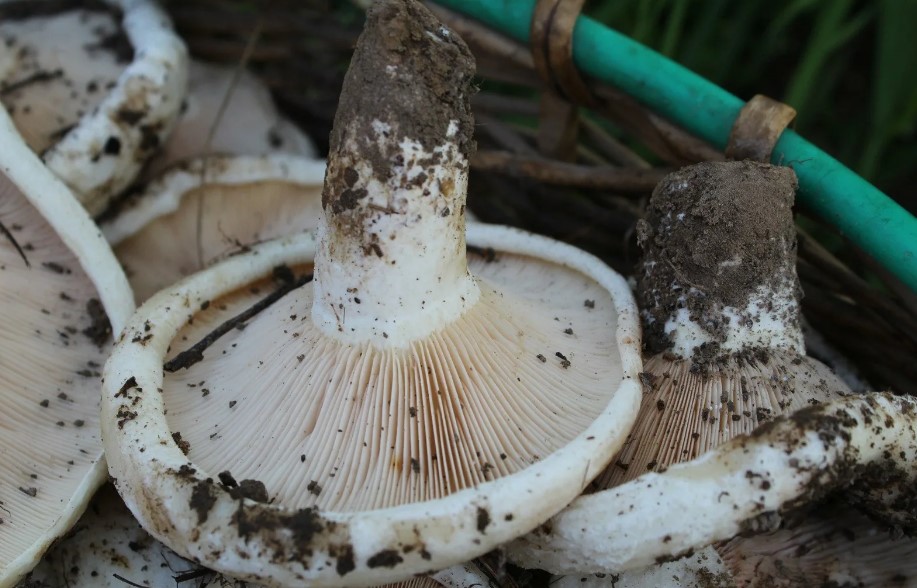
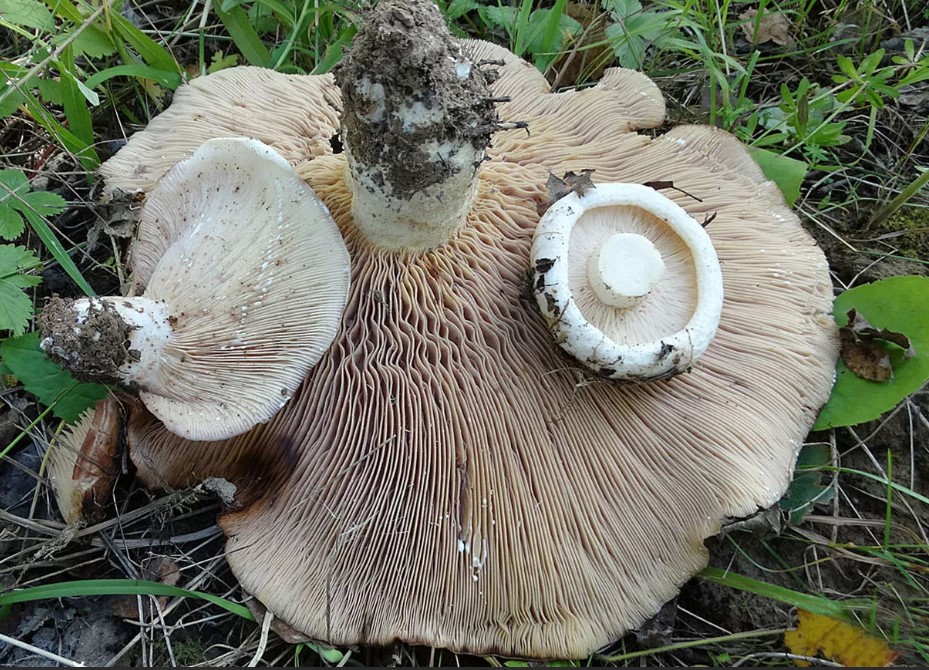
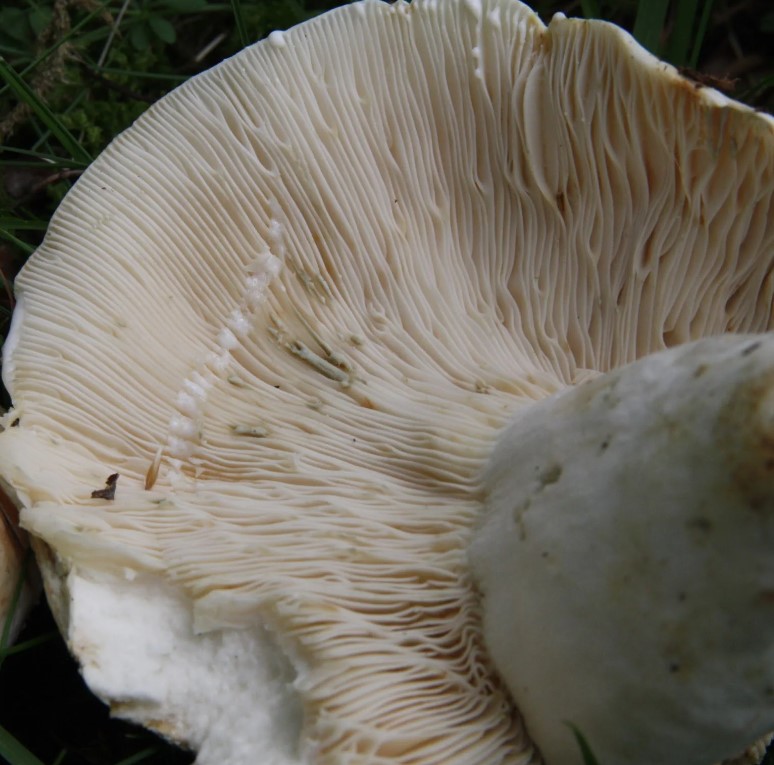
The color is creamy or pinkish, they can be forked, descending along the stem.
Leg
The stem is cylindrical, reaches 8 cm in height, is about 2-3 cm in diameter, and is the same color as the cap.
Pulp
The pulp is dense, white, and when cut, it releases a bitter, milky white juice.
Spore powder and spores
The spore powder is pinkish in color, the spore shape is round, the surface is folded.
Milky juice
The juice is abundant, white in color, and does not change when exposed to air. The taste is caustic and bitter.
Photo gallery of aspen milk mushrooms
How the poplar milk cap changes with age
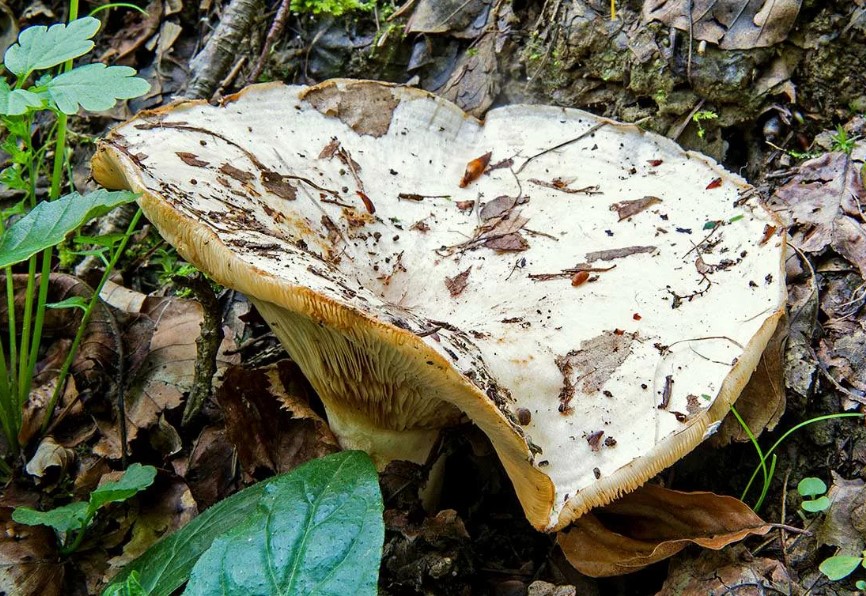
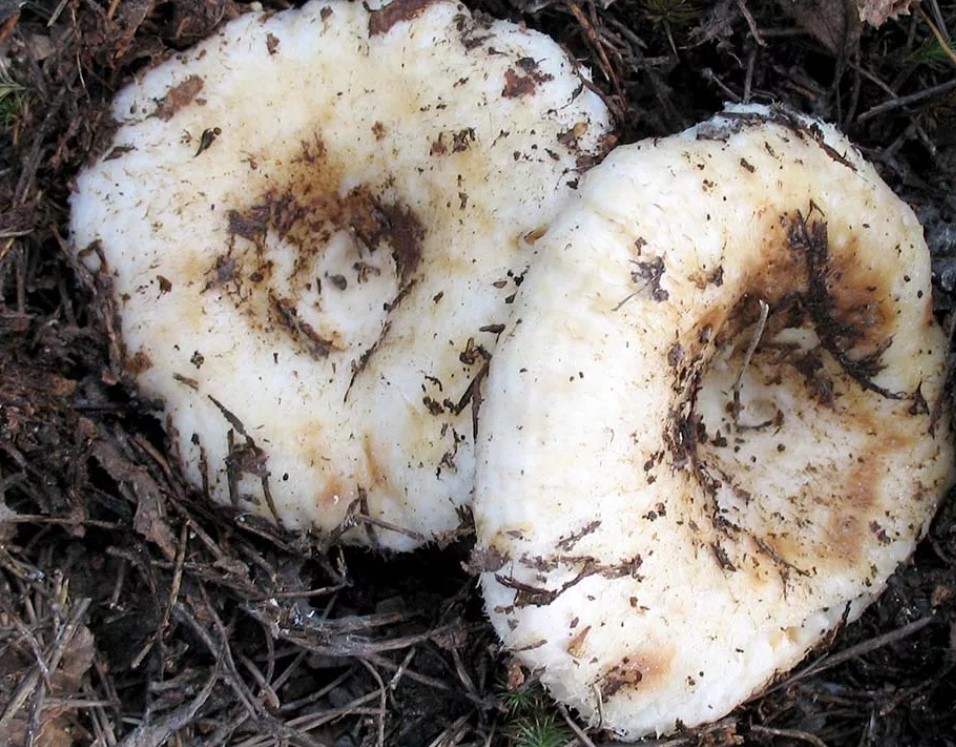
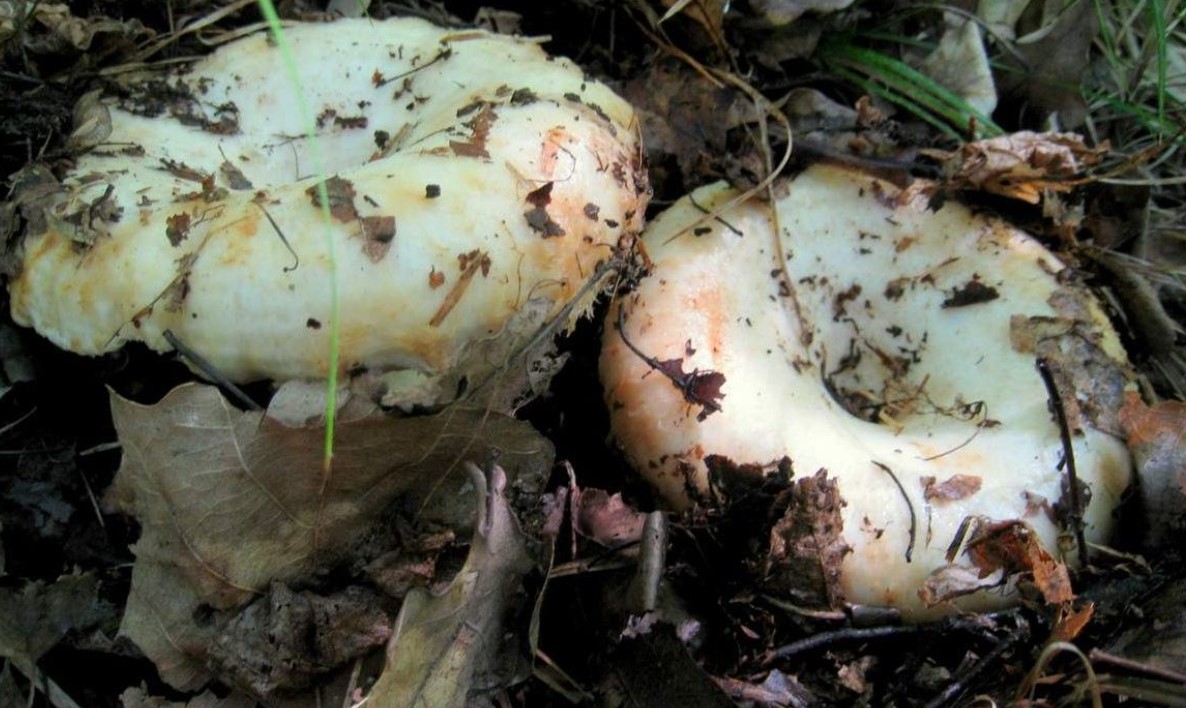
Young and old milk mushrooms can be distinguished by their appearance. Younger mushrooms are lighter in color and smaller in size. Mature specimens become yellowish-orange in color, and the skin may become covered with brownish streaks. The cap initially becomes flattened and then becomes indented in the middle.
Where and when does the aspen milk mushroom grow?
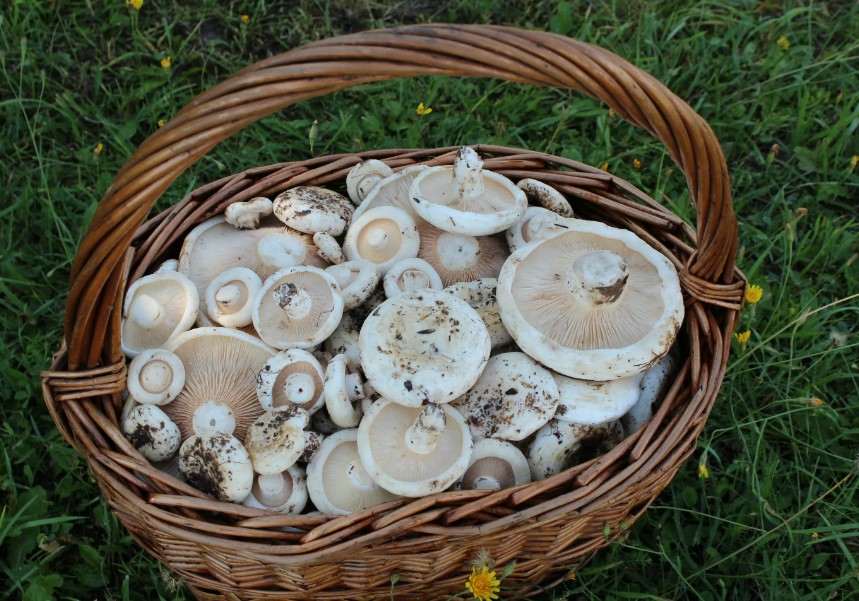
The aspen milk cap can be found in deciduous and mixed forests. It is extremely rare in coniferous forests. It prefers to grow with poplar, aspen, or willow.
The fruiting period begins in July and lasts until October. Mushrooms grow in small clusters; they rarely grow singly or in large groups.
In our country, the main breeding ground for milk mushrooms is the area at the mouth of the Volga basin, downstream.
For more information on other types of milk mushrooms, see the following articles:
- Milk mushrooms (milk caps): 67 species, photos, what they look like, when and how to collect them, what forests they grow in
- Black Milk Mushroom: 22 Photos, Description, Edible or Not, What It Looks Like, and Where to Find It
What mushrooms can be confused with the aspen milk cap?
The aspen milk cap has several look-alikes, which are often confused with it by novice mushroom pickers.
Milk mushroom (Lactarius resimus)
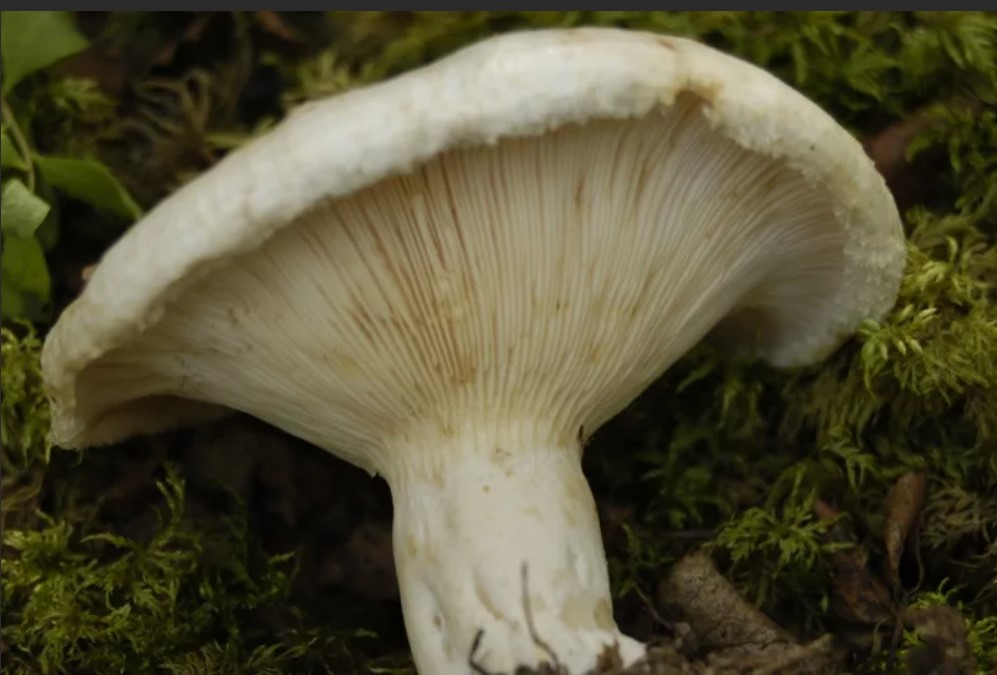
The difference between a true milk mushroom and an aspen milk mushroom is its color. The former is yellowish-white with concentric zones. Furthermore, the milky sap changes color from white to sulfur-yellow when exposed to air. A true milk mushroom has a cap 20 cm in diameter, funnel-shaped with inverted edges. The stem is up to 8 cm tall and cylindrical.
Photo gallery of real milk mushrooms
White milkweed (Lactarius musteus)
The cap is 10 cm in diameter, the skin is yellowish-white, and the spore powder is pale yellow. Unlike the aspen mushroom, the white mushroom retains dark spots when the flesh is pressed.
Photo gallery of the white milkweed
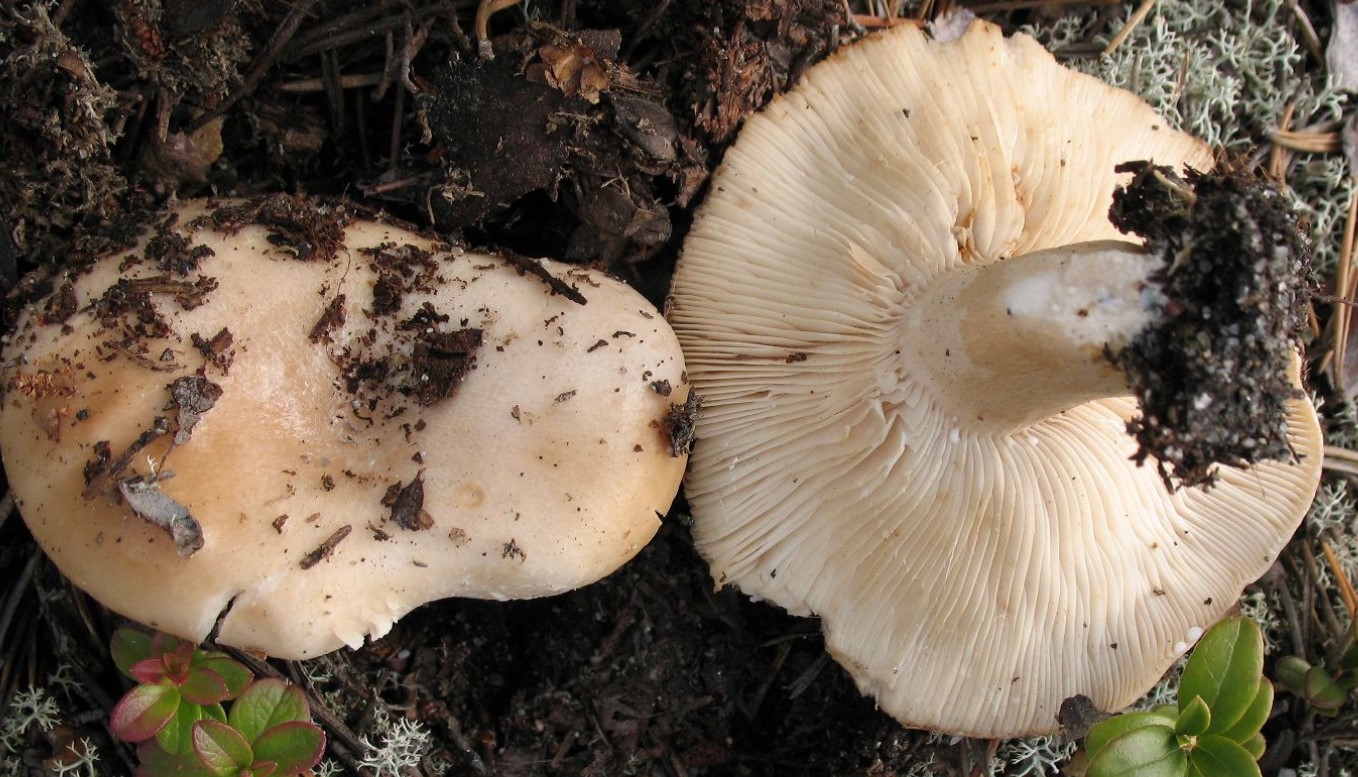
Lactarius pallidus (Pale Milkcap)
The mushroom is distinguished by its light-ochre cap, up to 12 cm in diameter, and a hymenophore with gills extending down the stem. The stem reaches 9 cm in height, and the milky juice has a pleasant aroma but is not bitter in taste.
Photo gallery of the pale milkcap
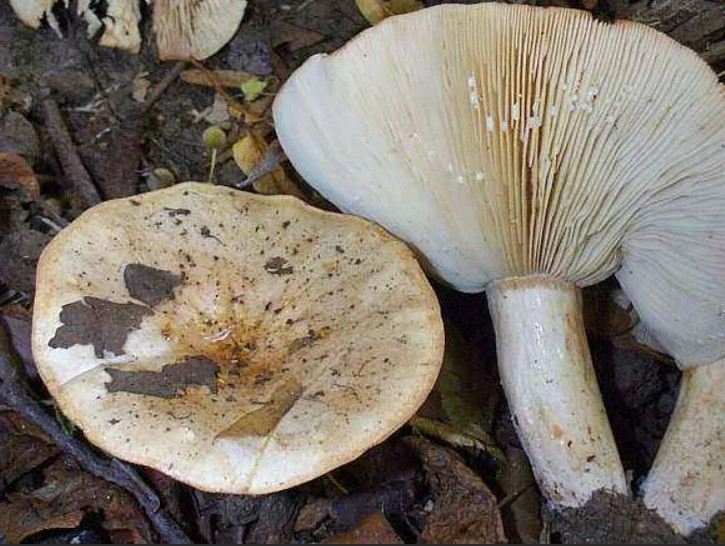
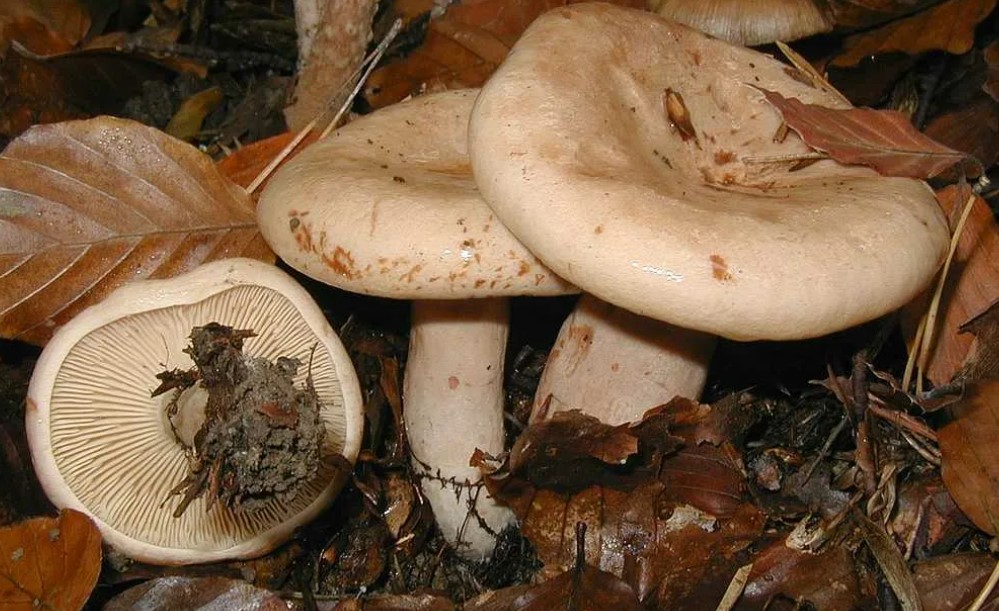
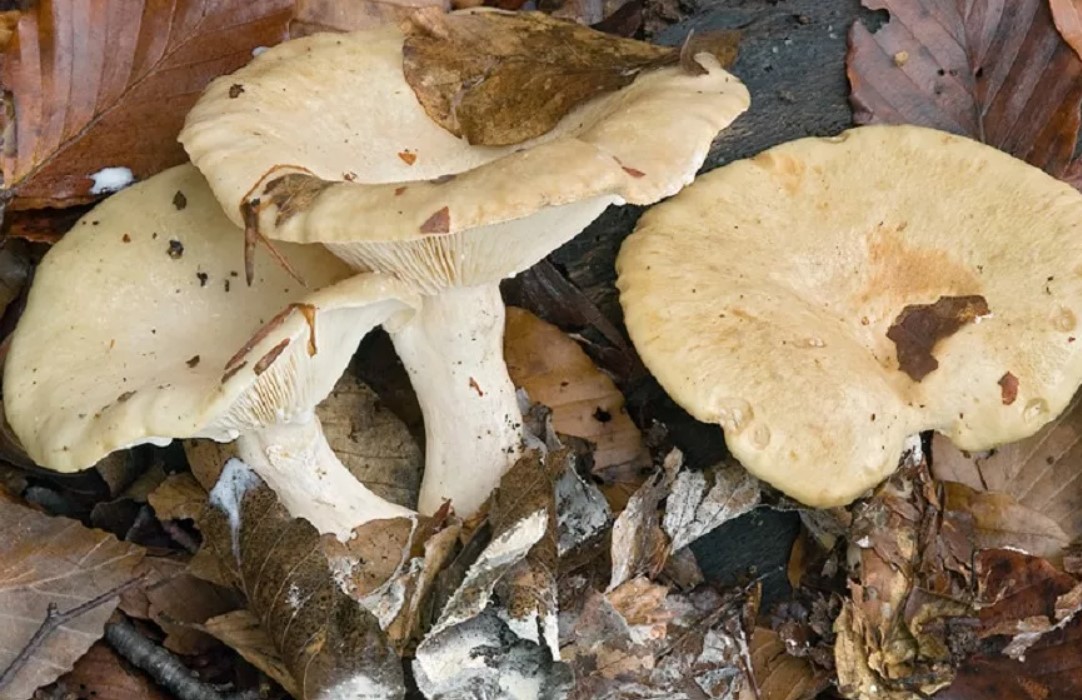
Watery-zone milkweed (Lactarius aquizonatus)
The cap of the watery-zoned milk cap is no more than 20 cm in diameter. It's yellow and has concentric light zones. Its main difference from the poplar milk cap is its milky sap, which darkens when exposed to air. Pay attention to this! The stem of this mushroom is up to 6 cm tall and has yellow indentations.
Photo gallery of watery-zonal milk mushroom
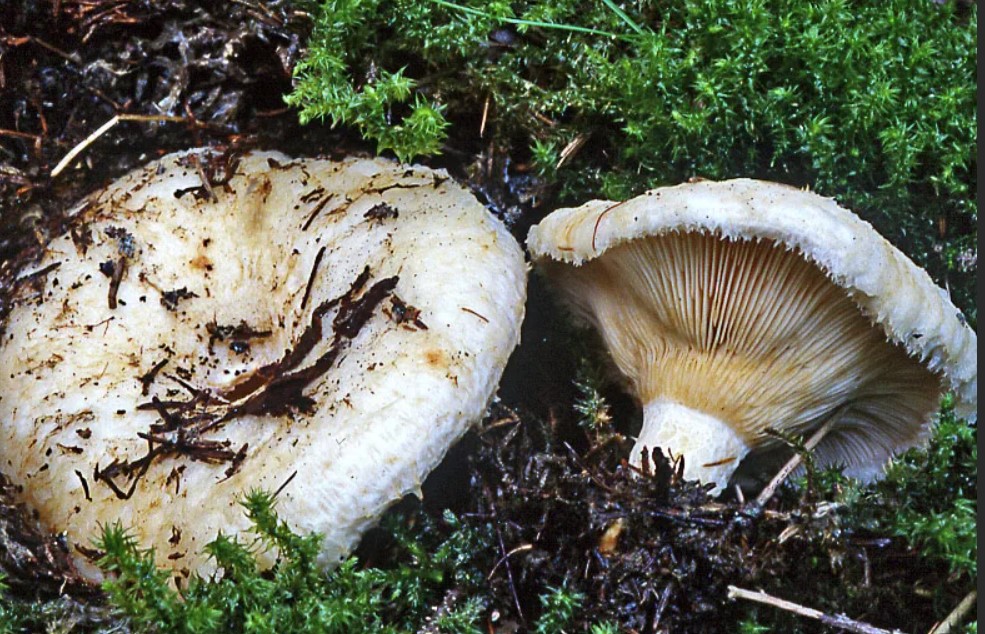
Felt milk cap, fiddlehead milk cap (Lactarius vellereus)
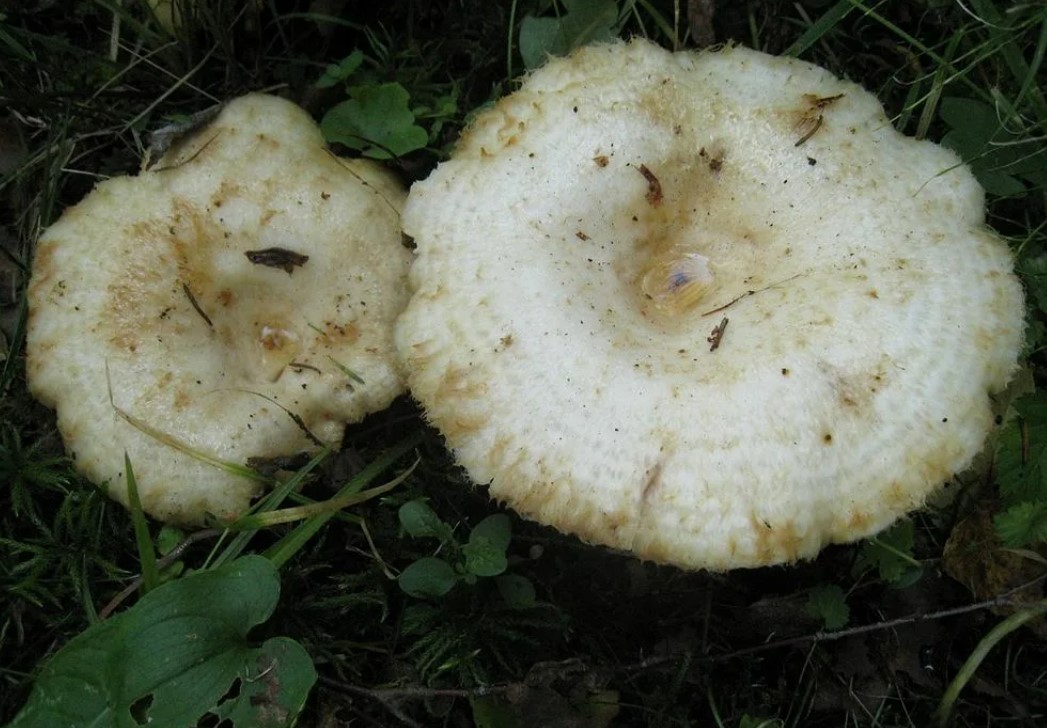
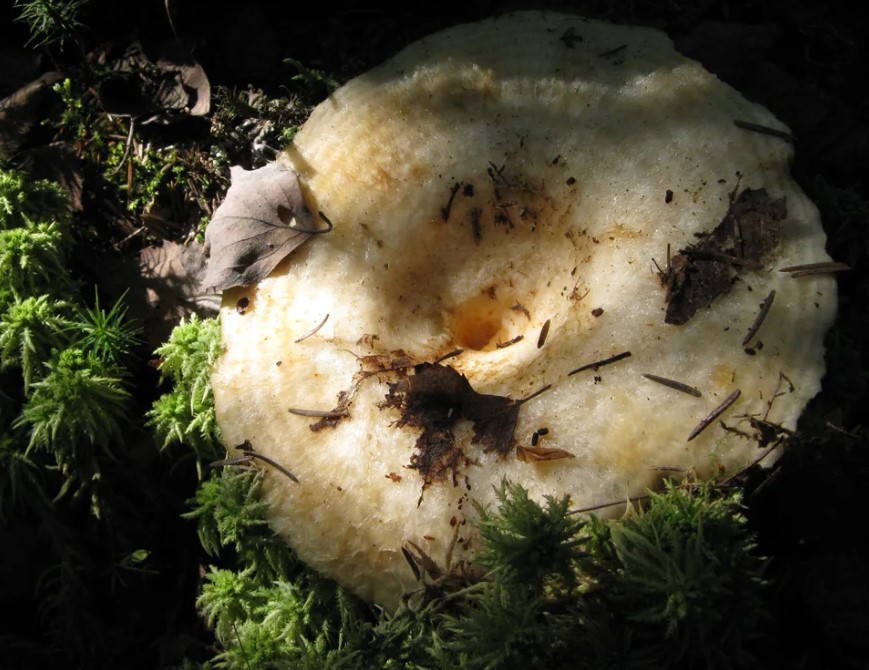
This mushroom has a round white cap, slightly larger than the watery-zoned milk cap we just described, reaching up to 25-26 cm. In older specimens, the skin becomes red or yellow with ochre spots. This is the main difference from the aspen milk cap. The stem, up to 8 cm long, is white. The surface is felted, like the cap. The fiddlehead milk cap is found in both coniferous and deciduous forests.
Photo gallery of the violin
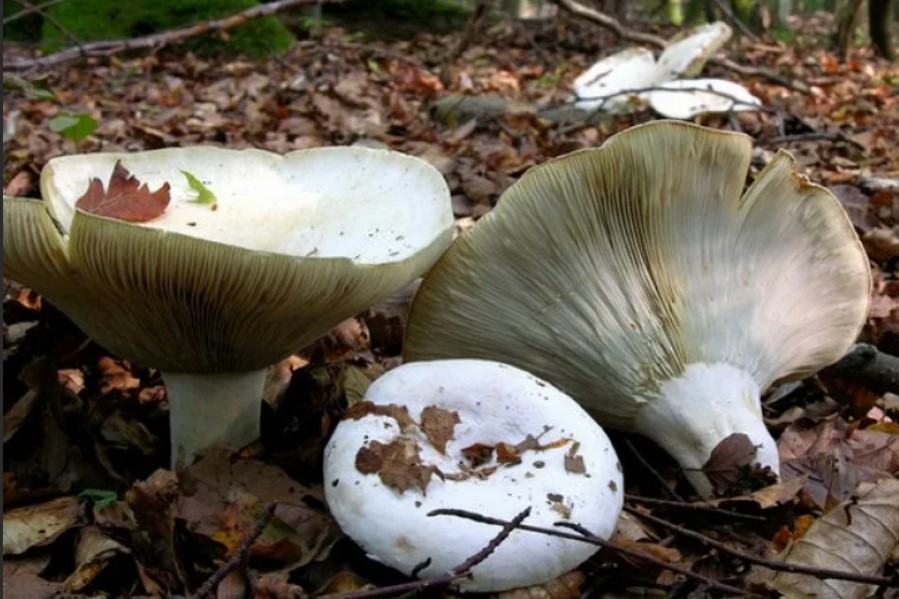
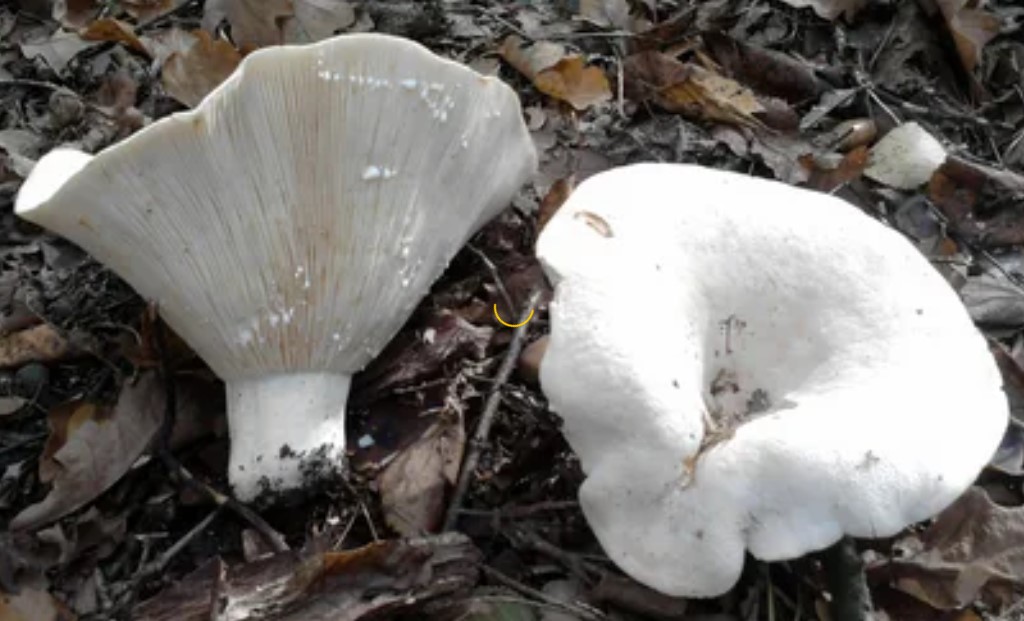
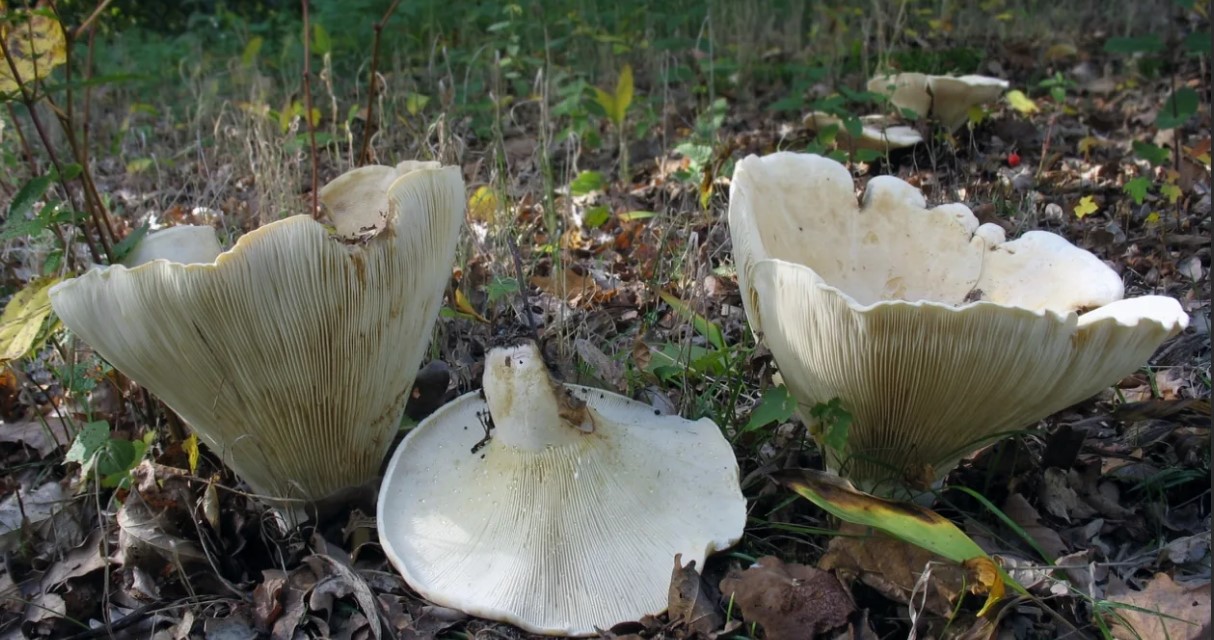
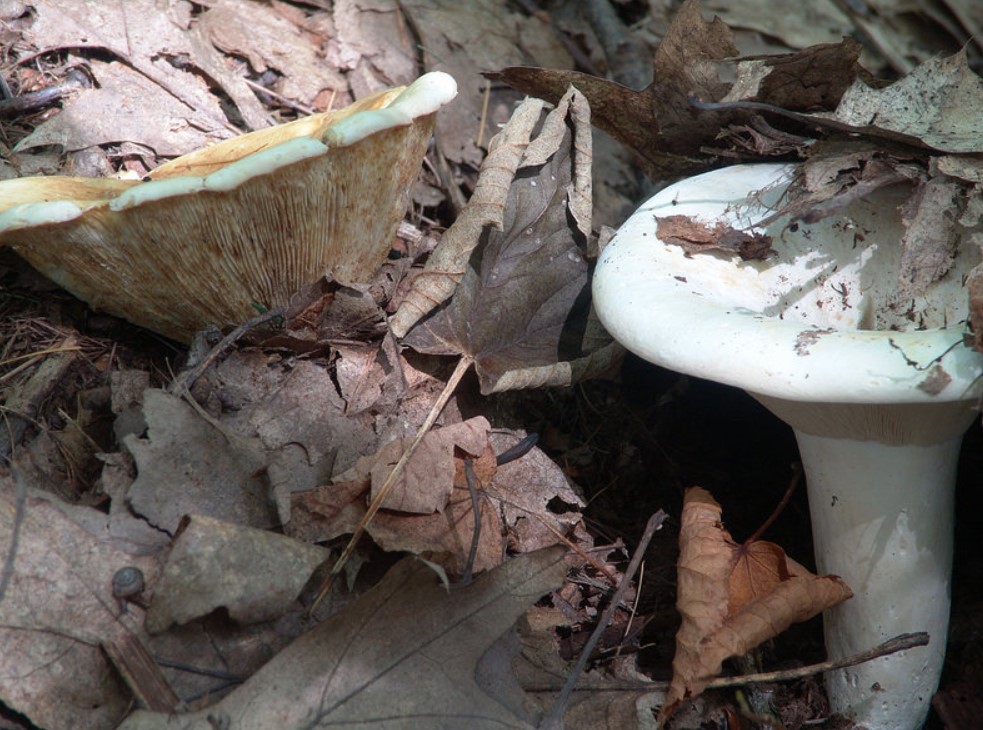
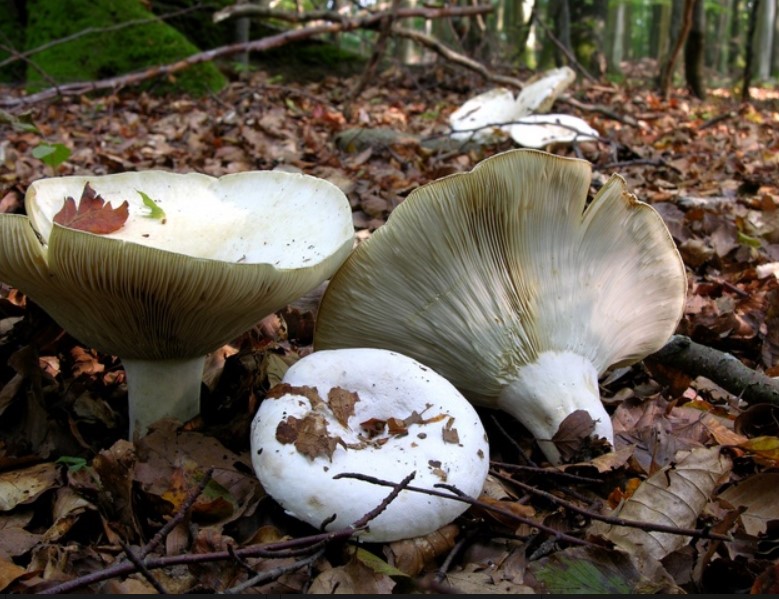
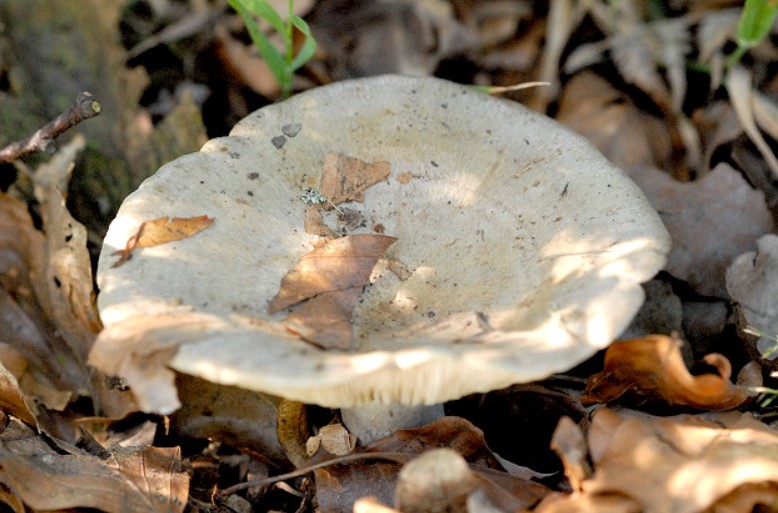
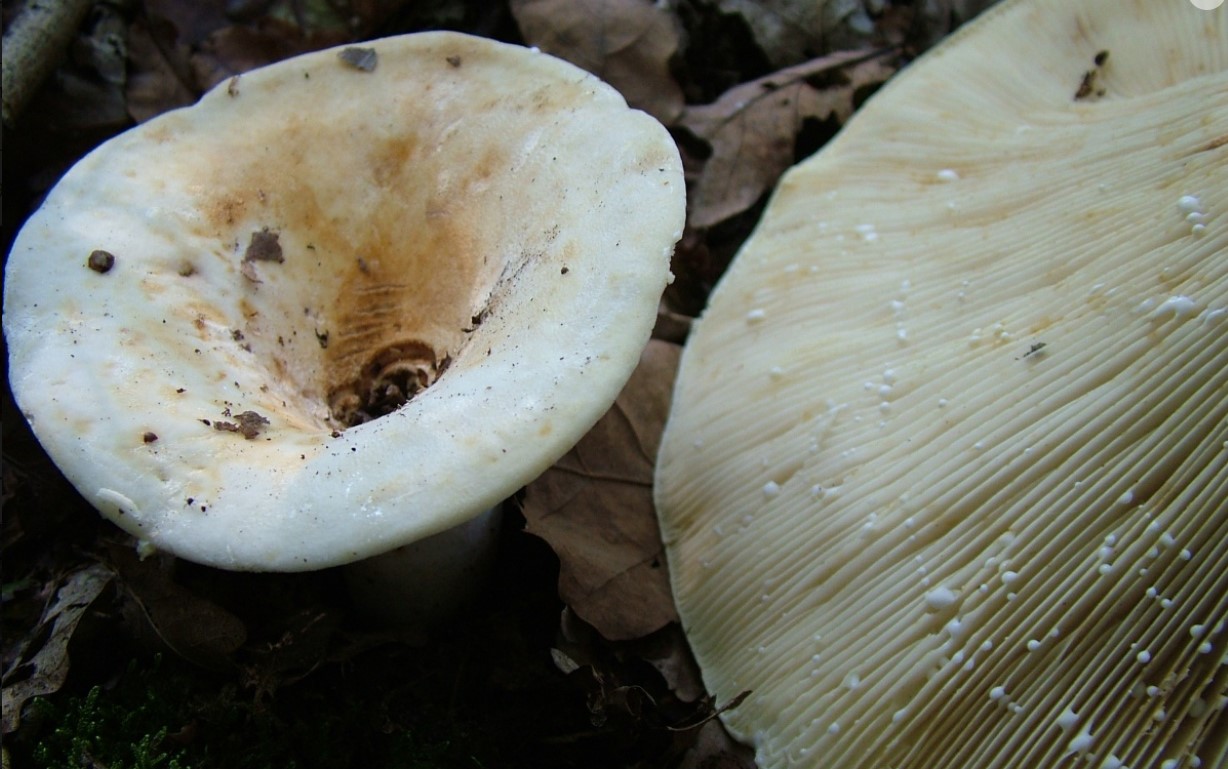
A small mushroom with a cap no more than 10 cm in diameter. The cap is white, later turning yellowish. The stem is long, unlike that of the aspen milk cap, white, and tapers at the base. The skin is wrinkled.
Photo gallery of the parchment milk cap
Bertillon's Milkweed (Lactarius bertillonii)
The cap is fleshy, white, and up to 20-30 cm in diameter. Brownish spots appear on it with age. The milky sap gradually turns yellow when exposed to air, distinguishing it from the aspen milk cap. The stem is also distinctive: in the Bertillon's milk cap, it is thick, flattened, widened at the top, and slightly lighter in color than the cap.
Photo gallery of the milkman Bertillon
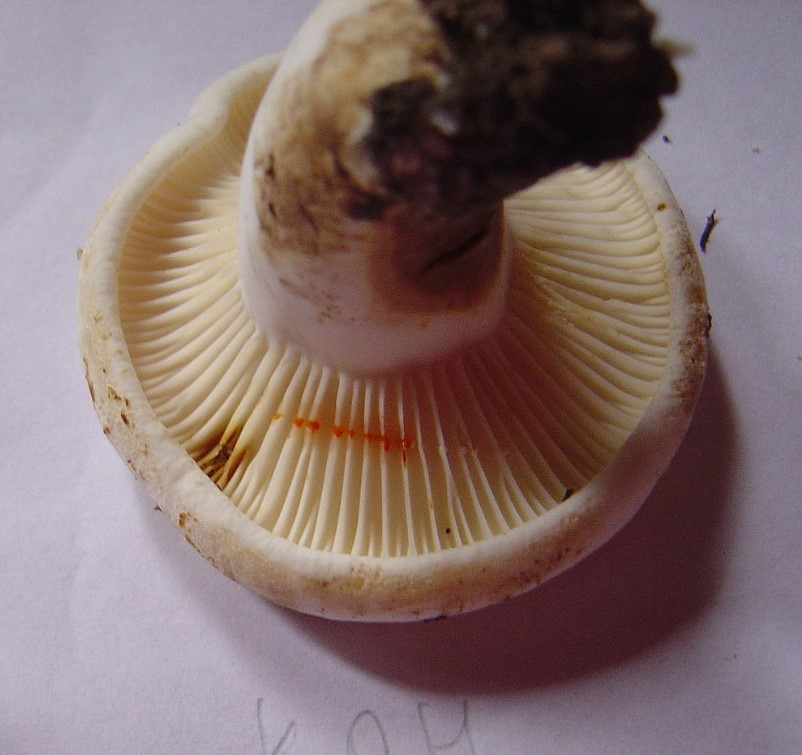
Peppery milk mushroom (Lactarius piperatus)
The cap diameter ranges from 6 to 18 cm, changing from convex to funnel-shaped over time, with the curved edges straightening out and becoming wavy. The skin is creamy, with reddish spots and cracks on the surface, distinguishing it from the aspen milk cap. The stem is up to 8 cm tall, and the spore powder is white.
Photo gallery of peppery milk mushrooms
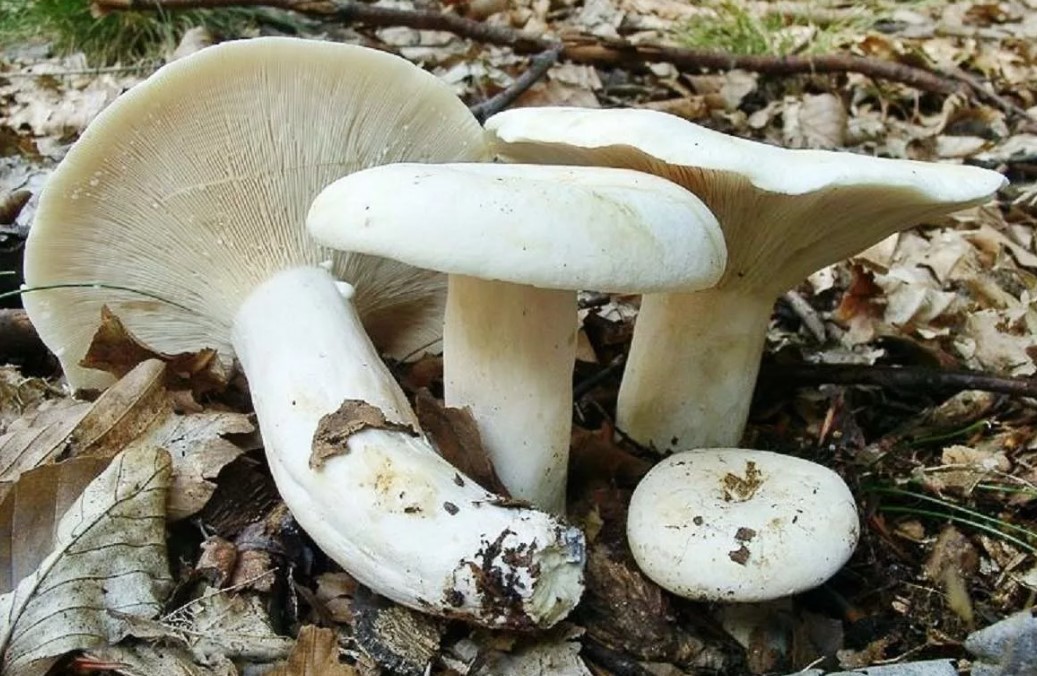
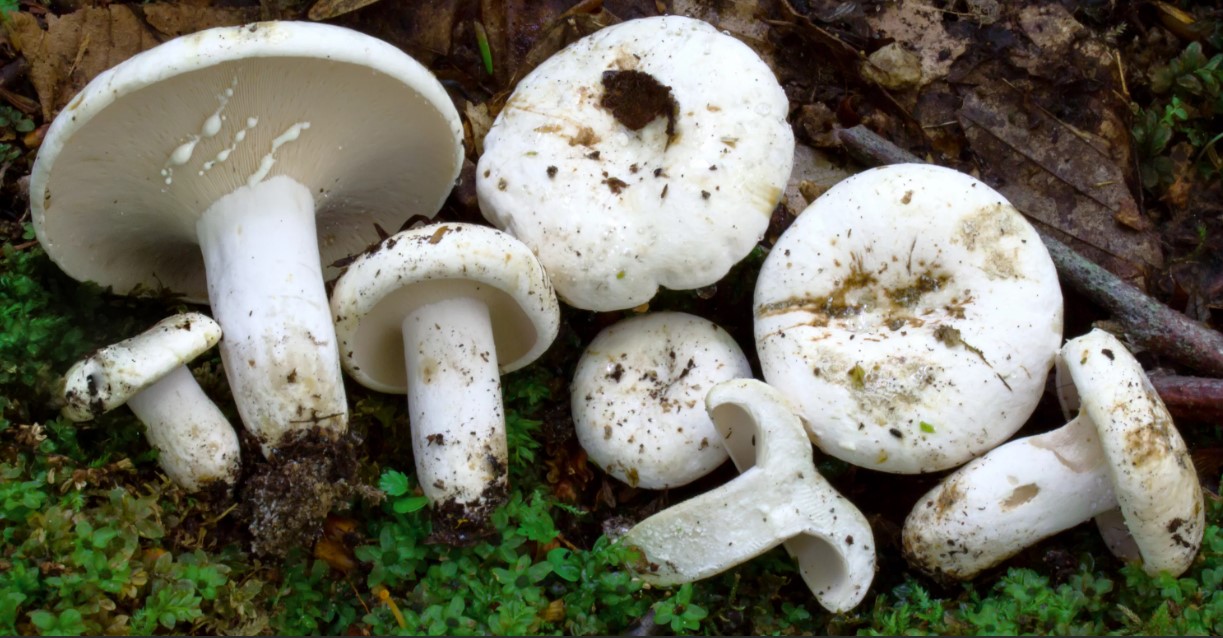
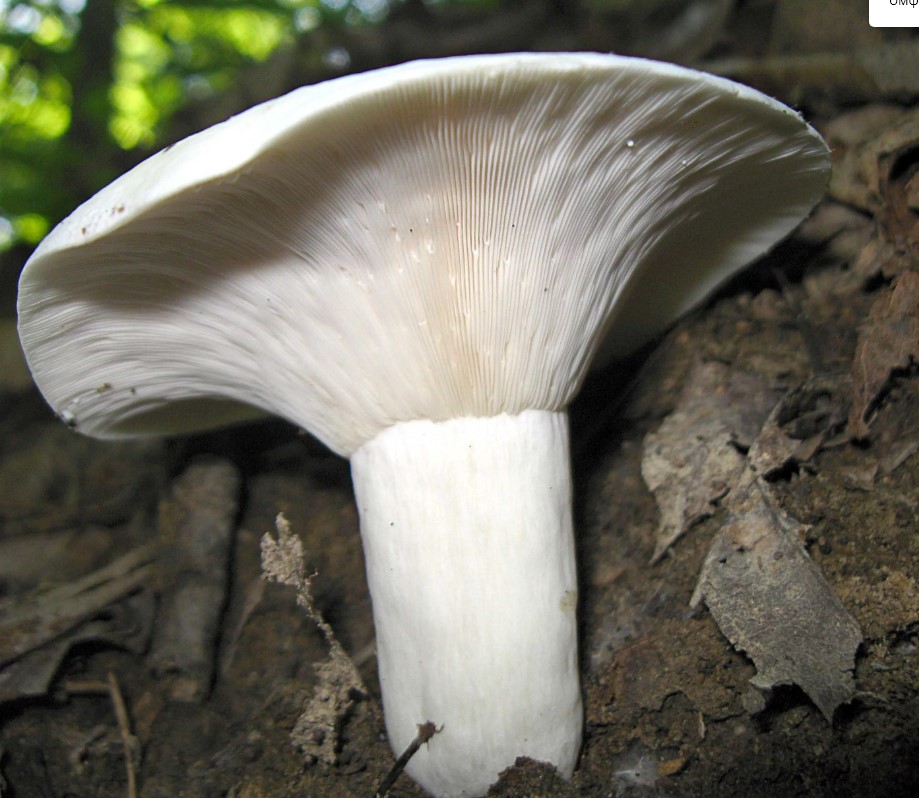
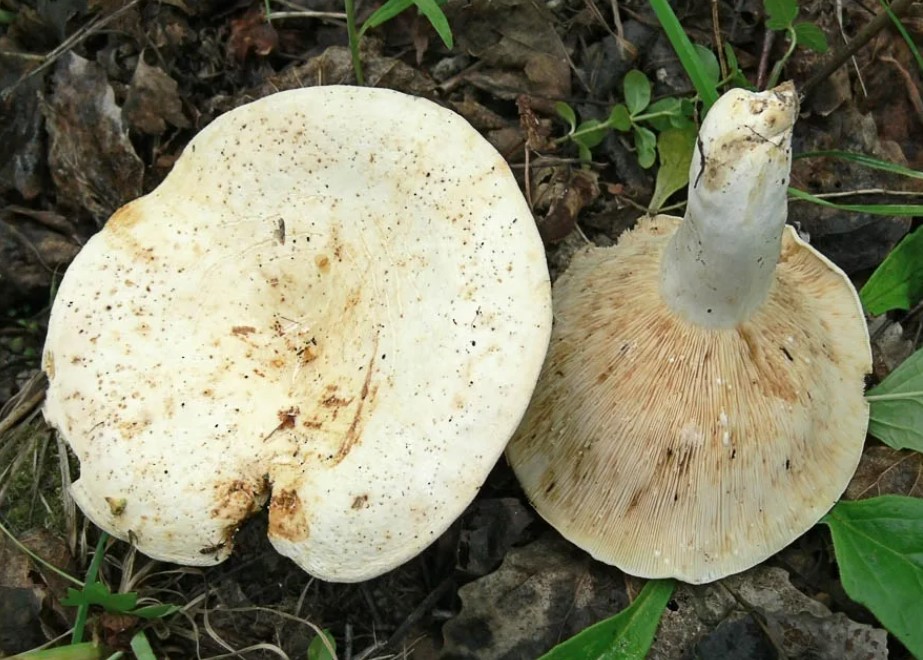
Blue breast (Lactifluus glaucescens)
An agaric mushroom with very narrow, cream-colored gills. The cap is milky-white, developing ocher spots over time, a feature rarely seen in aspen mushrooms. The flesh is dense, and the white, milky sap turns greenish-gray when exposed to air and coagulates. The aroma is sweet.
Photo gallery of bluish milk mushroom
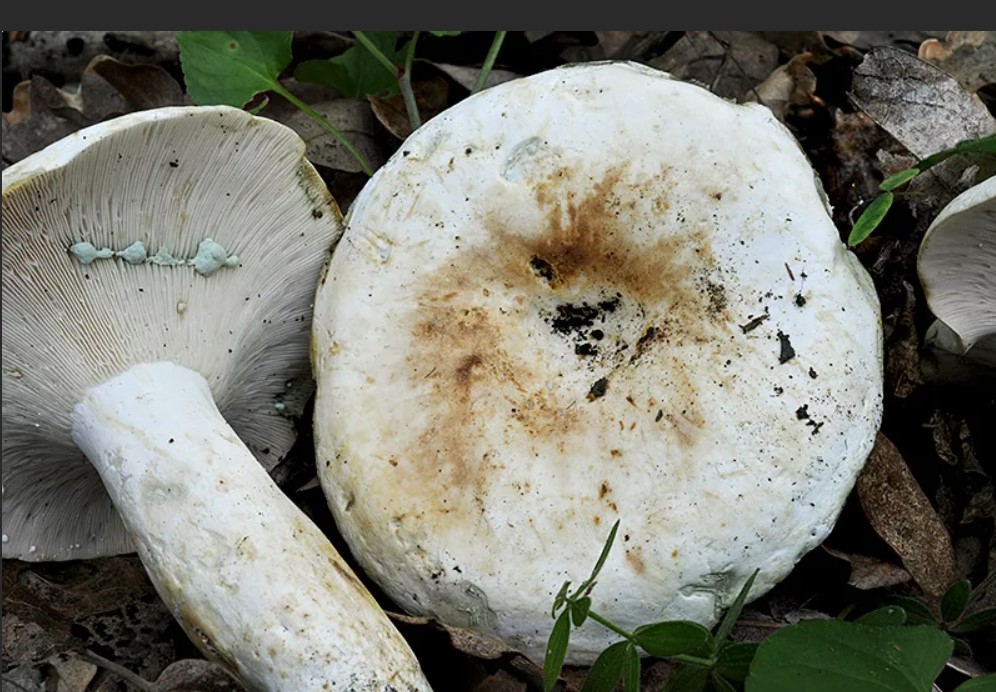
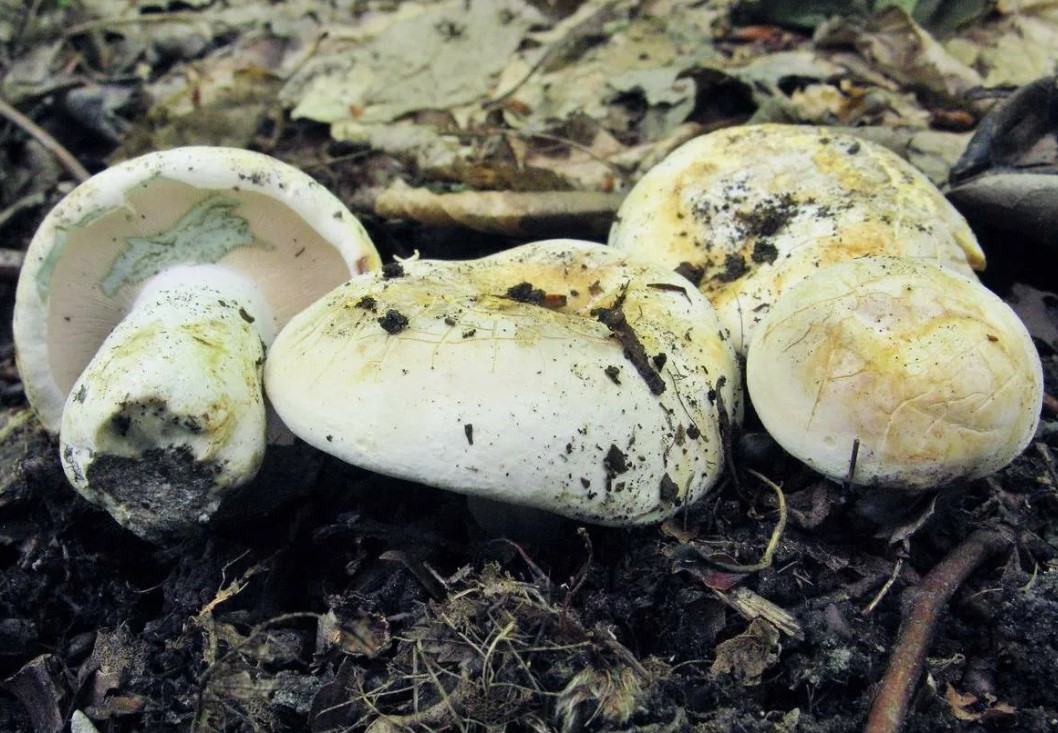
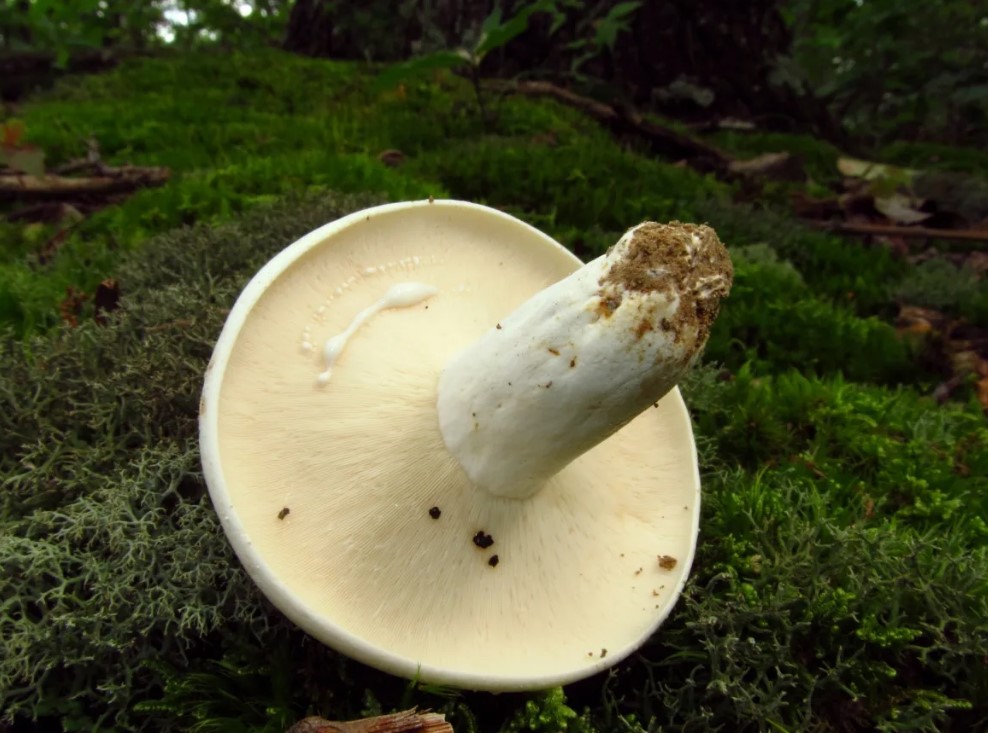
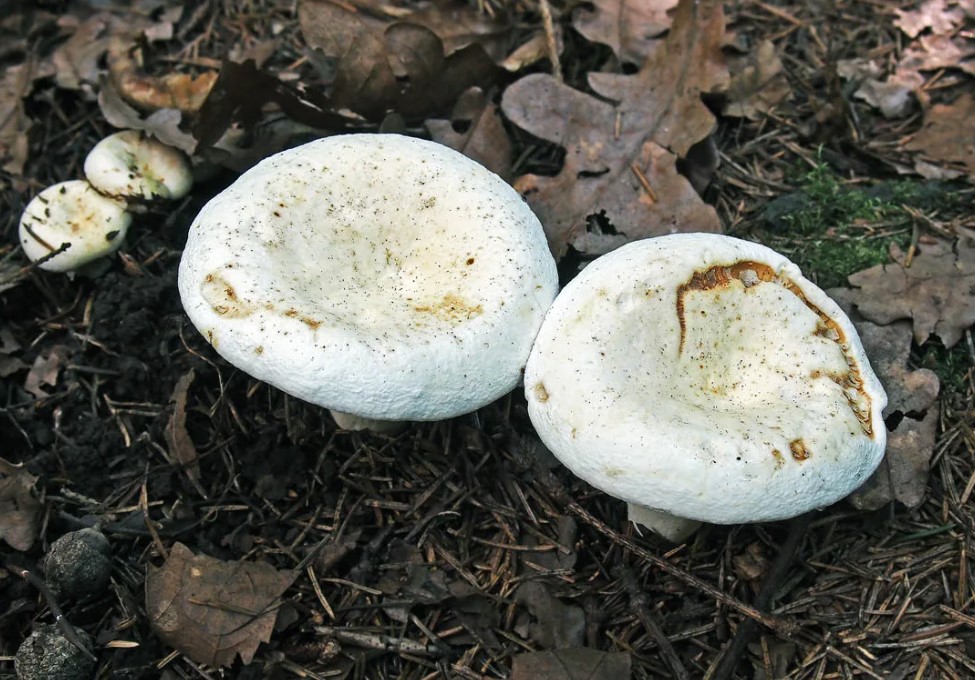
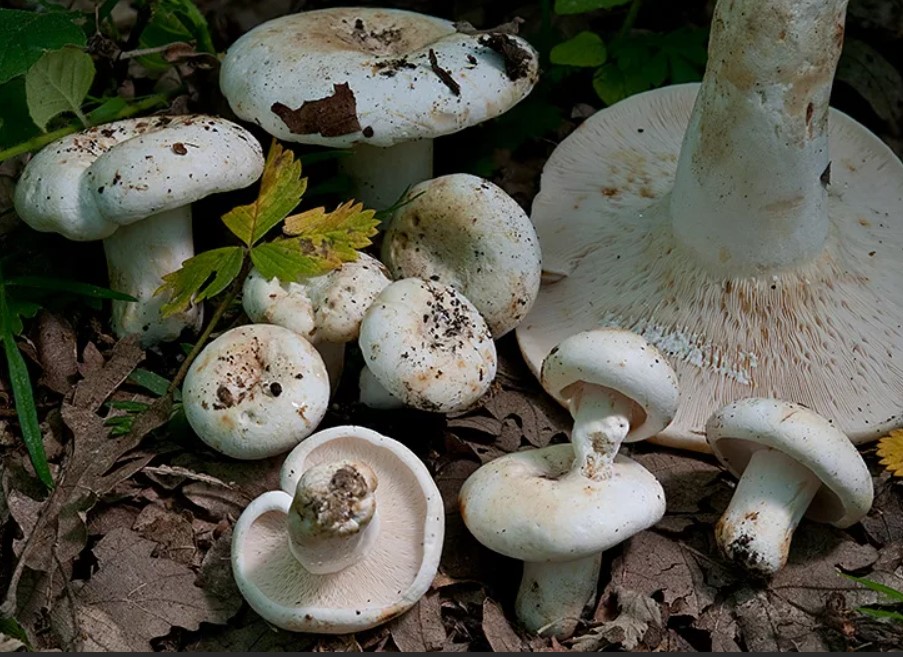
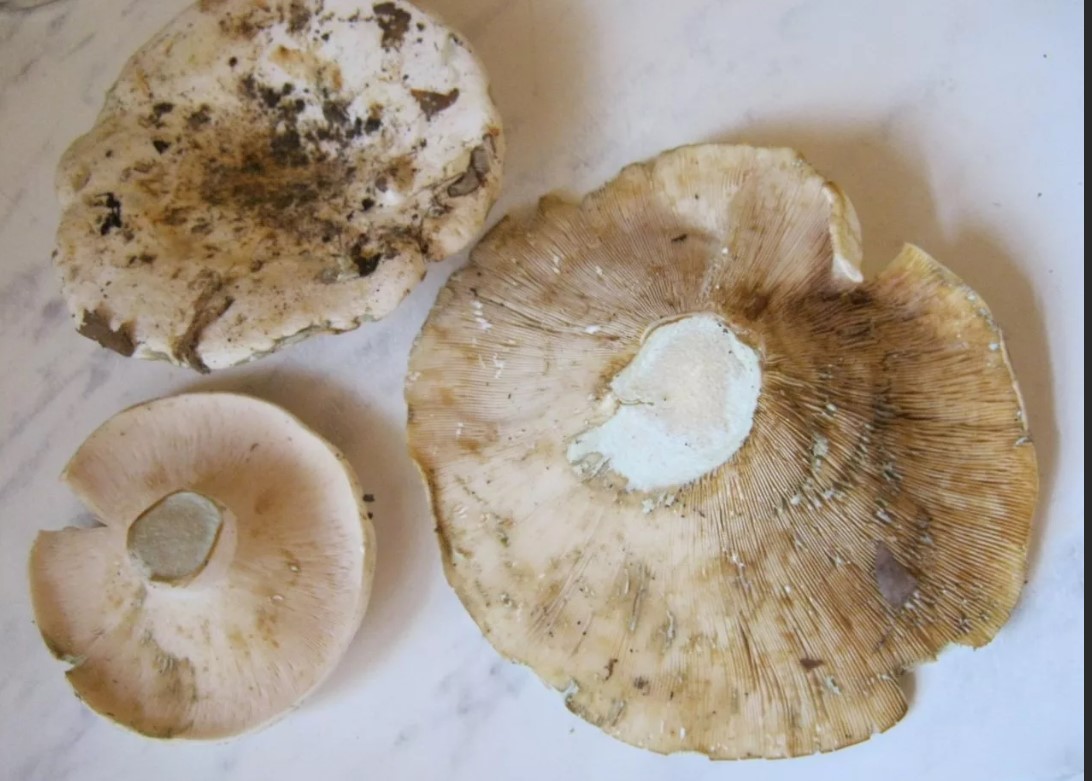
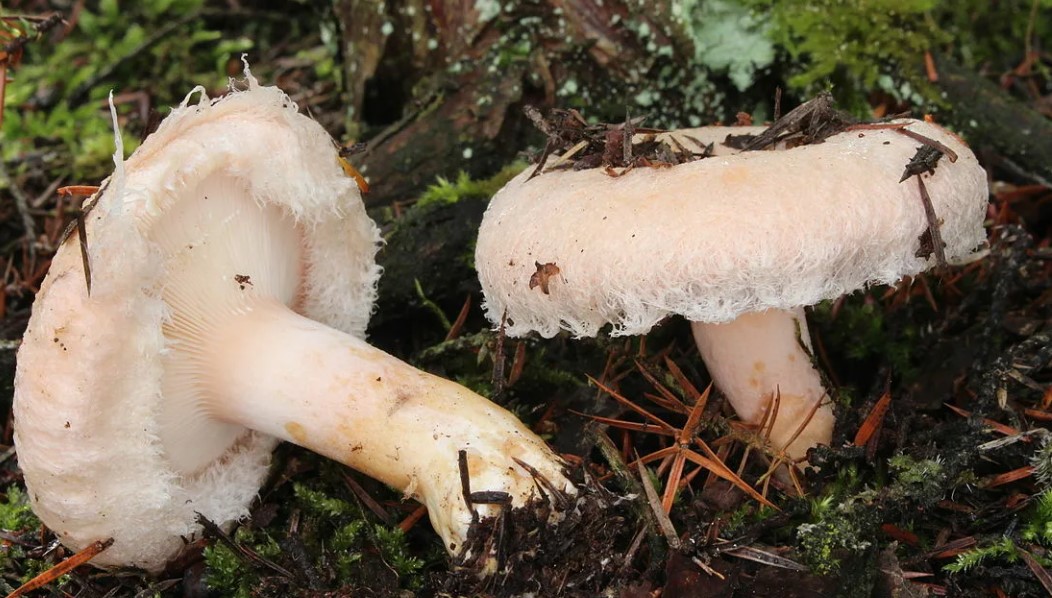
White volnushka (Lactarius pubescens)
A relatively small mushroom, the cap is 4-8 cm in diameter, and its shape ranges from prostrate to funnel-shaped. The skin is white, the center is darker than the edge, and the surface is heavily pubescent. The stem is 2-4 cm tall, becoming hollow with age. The mushroom turns yellow with age.
Photo gallery of the white milk cap
How edible is the aspen milk mushroom?
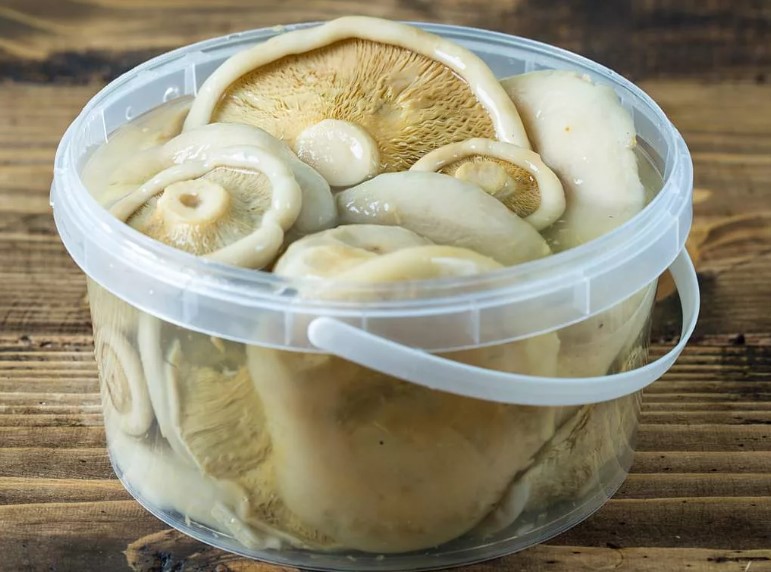
According to the Russian Wikipedia, the aspen milk cap is considered conditionally edible. This means it should definitely not be eaten raw, and it requires some preparation before cooking, such as soaking it in salted water.
Nutritional qualities of aspen milk mushrooms
Aspen milk caps are a low-calorie food. 100 g contains:
- 0.5 g fat;
- 0.8 carbohydrates;
- 1.8 g protein;
- 16 kcal.
Mushrooms contain vitamin B, which has a beneficial effect on the functioning of the nervous system.
The benefits and harms of aspen milk mushrooms
Aspen milk mushrooms have the following beneficial properties:
- Low calorie content.
- Low glucose content, therefore, suitable for people with diabetes.
- The presence of substances that help in the fight against tuberculosis.
But like any product, aspen milk mushrooms have their drawbacks:
- The flavor is revealed only when salted.
- They are poorly absorbed.
- Causes intoxication if not prepared correctly.
Aspen milk mushroom recipes
Milk mushrooms are conditionally edible. They should not be eaten without proper preparation, as this can cause indigestion.
Preparing aspen milk mushrooms for cooking
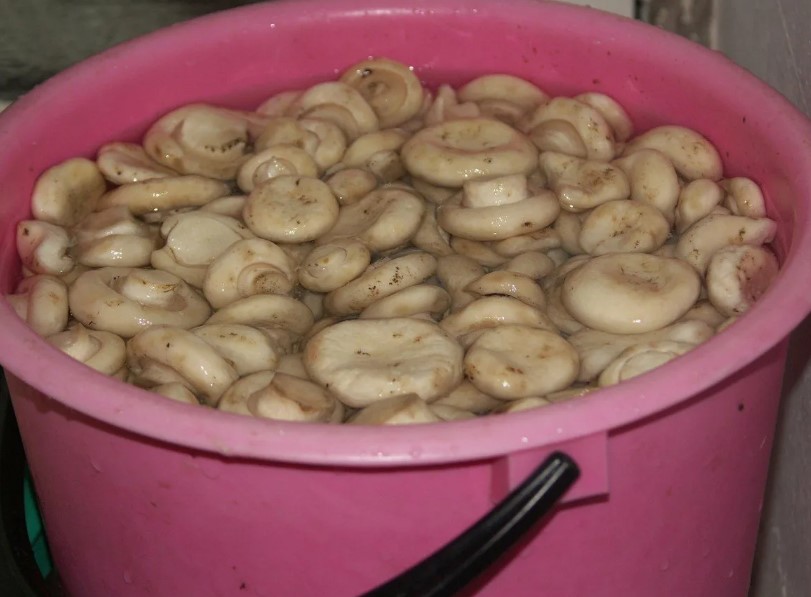
Preparing aspen milk mushrooms for further culinary activities occurs in 3 stages:
- Selection of strong and good mushrooms; all suspicious or wormy specimens should be thrown out.
- Cleaning milk mushrooms from sand and forest debris using a sponge or brush.
- Soak in salt water for 48 hours, changing the water at least twice a day.
How to pickle aspen milk mushrooms
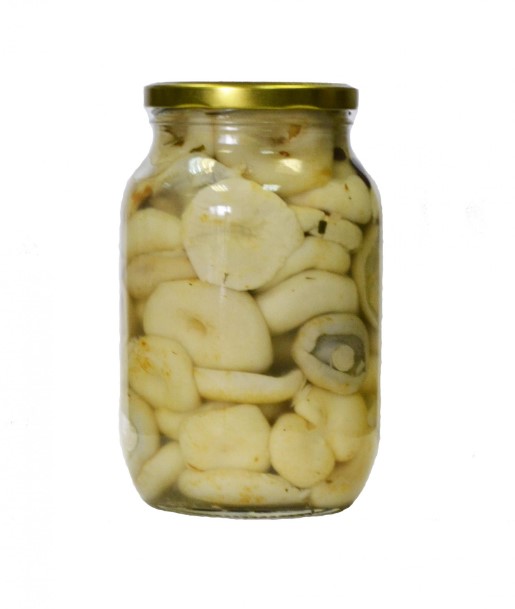
Boil the prepared milk mushrooms for 10 minutes, cool, and place them cap-side down in the chosen container. Season each layer with salt. Horseradish, dill, or a cherry leaf can be added if desired.
Place a weight on top, and after 5-10 days, juice should appear. Then, transfer the mushrooms to jars and cover with the same juice. If there's not enough, make an additional brine solution at a rate of 1 teaspoon per 1 liter of water. Store the finished pickles in a cool, dark place.
Boiling milk mushrooms
Soak the mushrooms in water, add salt, a few bay leaves, and cook for 15 minutes. Then drain in a colander.
Frying milk mushrooms
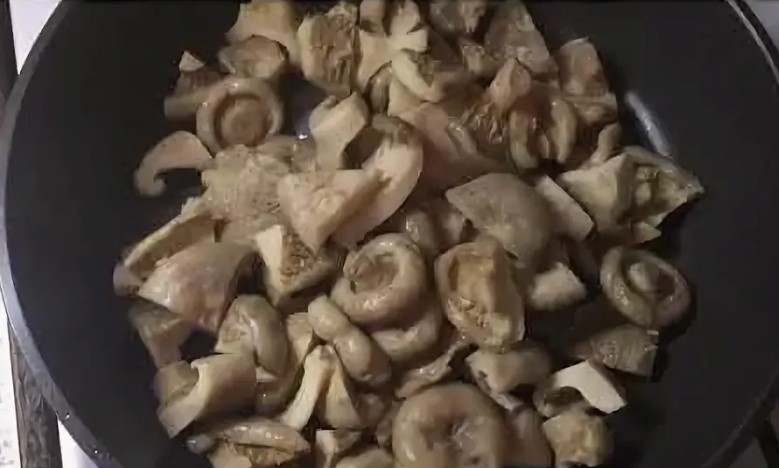
Soak the milk mushrooms in water, cut them into small pieces, and place them in a well-heated frying pan. Fry over low heat, covered, for about 15 minutes. Then remove the lid, increase the heat slightly, and fry until golden brown.
How to preserve aspen milk mushrooms raw
Raw milk mushrooms can only be preserved if frozen properly. To do this, the mushrooms are cleared of forest debris (soil, pine needles, etc.), soaked in a salt solution for 48 hours, changing the water periodically to prevent fermentation. Then, they are placed in containers and stored in the freezer.
You can also put boiled or fried mushrooms in the freezer, and then you will have a practically ready-made dish at the end.
Reviews of the aspen milk mushroom
This mushroom is quite a contradiction in terms: despite its fleshy white flesh and the pleasing pinkness of its pristine gills, its cap (and sometimes even its foot) is as grimy from birth as a pig. So the joy of finding such a hefty mushroom is coupled with the knowledge that you'll have to clean this grimy wonder.
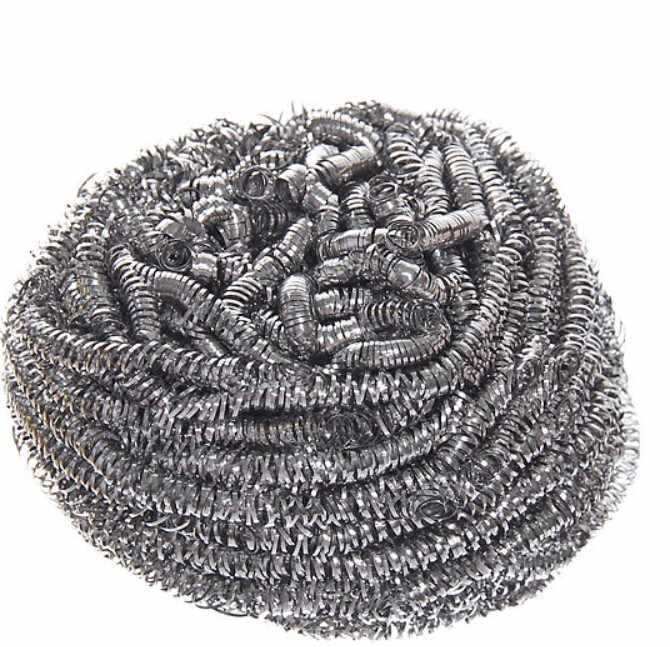
By the way, I'll tell you how I wash them. Before soaking, I wash them gently under running water with a soft dish sponge. Whatever comes off is good. After soaking, I give them a final scrub with a metal sponge (a wad of spiral-wrapped metal), again under running water. This sponge is great because it gently removes the skin, along with any ingrained dirt. And the sponge's flexibility allows you to clean the most stubborn spot—the hollow in the center of the cap. When buying a sponge, choose one that can be easily crushed in your hand. Some are too hard and won't work.
The first photo shows two mushrooms: the grimy top of one and the delicate bottom of the other.
On the second one there is a sponge.
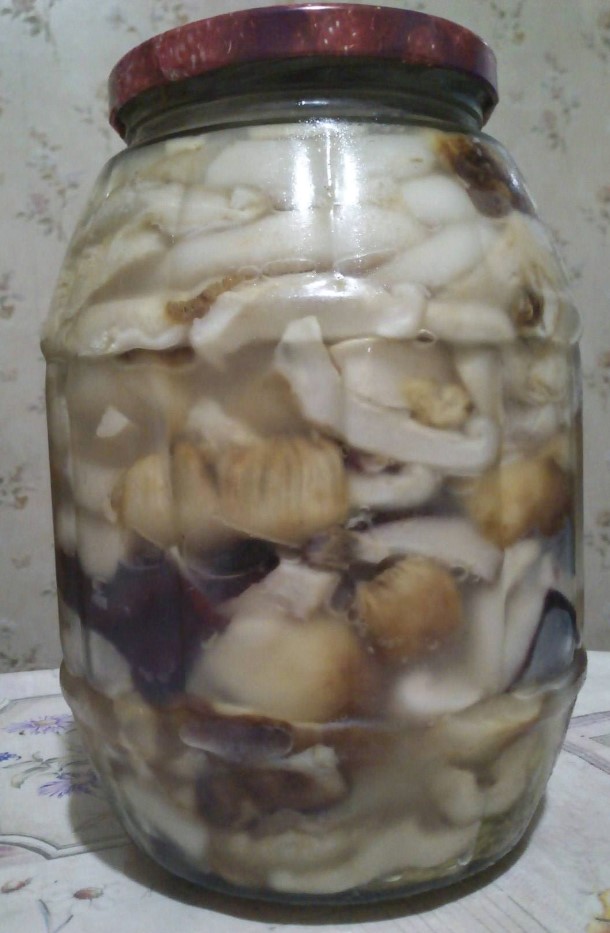
There's a mix in the jar. The white ones are aspen milk mushrooms, the brown ones are russula, and the dark ones are black milk mushrooms.
Everything has already been eaten.
From memories.
The guests at the table clearly ignored the black and red milk mushrooms, choosing the white aspen milk mushrooms instead. My comments on the virtues of the red and black milk mushrooms were met with a lukewarm response. After politely devouring a colorful mushroom, they returned with gusto to the aspen ones.
A great mushroom for pickling. Meaty, white. But spices are needed in abundance.
Quote(pgv @ Aug 20 2020, 14:54)
Is it worth it?
It's not easier to collect russula mushrooms; you can either salt them or fry them.Well, soaking is not a problem, change the water in the morning and evening for 2-3 days, then put it in a bucket and add salt... then, to taste. And wait 40 days.
P.S. I placed the previous 2 buckets on the balcony until autumn…..
Quote(esculap @ Aug 20 2020, 14:46)
This is an aspen milk cap, also known as a poplar milk cap. It can be the size of a large plate and usually grows in large clusters. It has a distinctive pinkish hue. We happened to stumble upon a "plantation" in the Shumerlinsky district. We carried off as many as we could. It's also a bit bitter. You need to soak it well, then boil it, and then salt it.
*Should I boil the milk mushrooms? They'll taste like paper.