Growing zucchini isn't difficult if you approach it responsibly. Planting zucchini seeds outdoors in the spring is a great way to grow this crop. However, it's important to follow the rules, which we'll discuss in this article. It's also important to keep an eye on the timing, so keep an eye on the calendar!
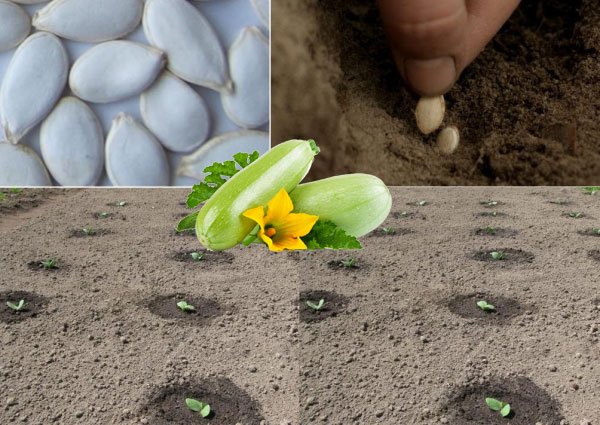
Content
- 1 Is it possible to plant zucchini seeds in open ground?
- 2 Germination of zucchini seeds in open ground
- 3 Timing for planting zucchini seeds in open ground
- 4 Choosing a location for planting zucchini in open ground
- 5 Preparing a bed for planting zucchini in open ground
- 6 Rules for planting zucchini seeds in open ground
- 7 Tips from Top.tomathouse.com on growing zucchini outdoors
Is it possible to plant zucchini seeds in open ground?
Zucchini is considered an easy-to-grow crop; it grows quickly and requires little care. The key is choosing the right planting method. How, and even if so, is it possible to directly plant zucchini seeds in open ground? Yes, it is possible, and in this article, we'll explain how. But first, there are a few things you might need to know.
- In regions with a prolonged spring and the risk of recurrent frosts, it will be necessary to provide cover for the seeds to prevent them from dying. If this is not possible, it is better to choose seedling cultivation.
- If you really want to harvest in 2-3 weeks compared to the usual time frame, you can plant zucchini seedlings.
- When a plot is infested with small pests like voles, leaving seeds in the ground is risky. They'll likely be eaten immediately. Therefore, the only viable way to get a harvest is to plant zucchini from seedlings.
Germination of zucchini seeds in open ground
Seed germination depends on the soil temperature and the sowing method chosen.
- Untreated seeds planted in a garden bed will produce the first shoots in 7 days.
- Seeds dusted with manure or soaked in a growth stimulator will sprout in 4-5 days.
The colder the soil, the longer the zucchini will sit there without moving. And if frost sets in, it may die altogether.
If after 7 days not a single sprout has appeared on the surface, then planting must be done again.
Timing for planting zucchini seeds in open ground
The exact date for planting zucchini depends on many factors.
Depending on the timing and purpose
- If early varieties are selected, sowing is carried out in April.
- Late-ripening varieties are planted no earlier than the second half of May.
If the goal is to harvest a crop with good shelf life, then you need to choose varieties with late ripening periods.
- Zucchini grown by domestic breeders ripen quickly and are best used in the central and northern zones of the country.
- Foreign varieties have a longer growing season and are suitable for more southern regions.

By region
When calculating the exact date for sowing zucchini, it is important to take into account the region's weather conditions to avoid being left without a harvest.
In central Russia and the Moscow region, planting zucchini with dry seeds is carried out no earlier than May 20-25, when the threat of night frosts has passed, and can extend until early June.
In northern regions, an early- or mid-season variety should be chosen to ensure harvesting before the first frost. Seeds are sown in the first ten days of June. In Siberia and the Urals, night frosts are a thing of the past only by June 10th. Therefore, zucchini planting should begin no earlier than mid-June.
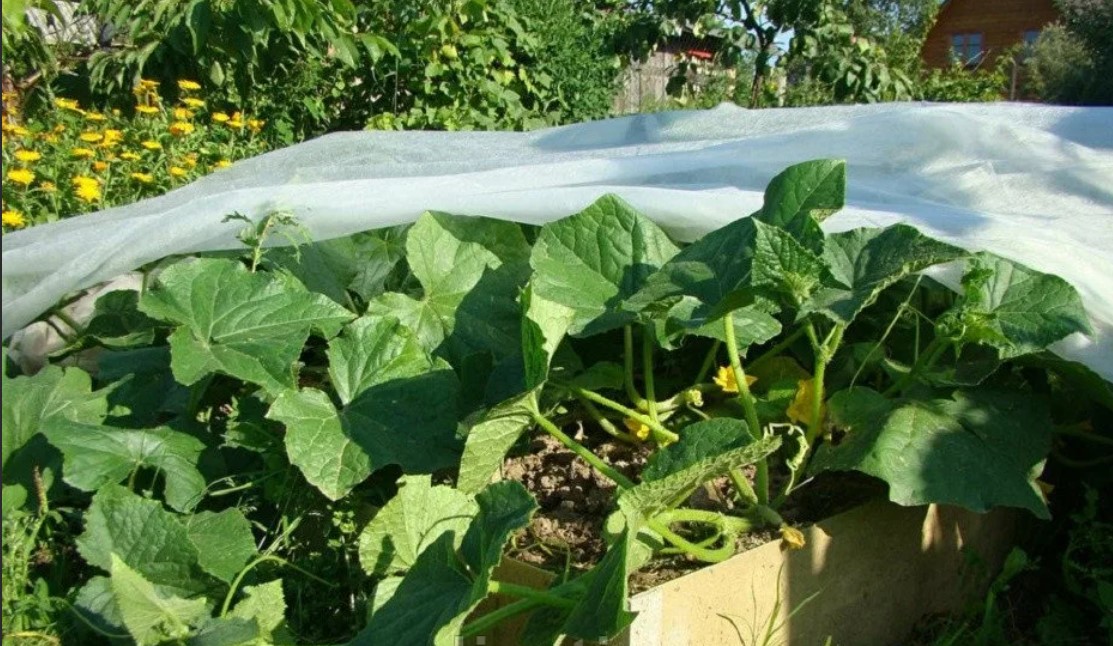
If you want to get the harvest a little earlier, you can plant it in a bed covered with film.
Zucchini planting dates for some regions are given in the table below.
| Central part (Moscow, Ufa, Chelyabinsk and other regions of similar latitude) | Under film cover after May 10. |
| Perm, Yekaterinburg and other northern regions | Under film cover from May 15, provided that early maturing varieties are selected or seedlings are used. |
| Saratov, Voronezh regions | After April 10th. |
| Krasnodar Krai, Volgograd, southern Ukraine | After March 10th. |
If you have a rough date for planting zucchini, subtract 25-30 days from it. This date will be the initial stage for sowing the seeds for seedlings.
When to plant zucchini seeds in open ground according to the lunar calendar for 2024
Many gardeners always follow the advice of the Lunar Calendar when preparing for planting. It lists favorable and unfavorable planting dates based on the current lunar phase. The table below shows the Lunar Calendar's recommendations for favorable and unfavorable days for planting zucchini.
| Month | April | May | June |
| Favorable days | 5 (from 14:12)-7 (until 14:24), 9 (from 9:20 p.m.)-16 (until 05:24), 21 (from 06:08)-22, 25. | 2 (from 21:52)-4 (until 23:40), 9 (until 06:22)-13 (until 13:35), 18 (from 13:22)-22 (until 16:52), 30 (from 03:32)-31. | 3 (from 08:54 a.m.) -5 (until 15:37 p.m.), 7 (from 15:37)-9 (until 22h 27m), 14 (from 21h 11m)-20, 26 (from 09:07 a.m.)-28 (until 11:51 a.m.), 30 (from 15:01 p.m.). |
| Unfavorable and prohibited days | 3 (from 12:07 pm) - 5.04 (until 14:12 pm), 7 (from 9:20 p.m.), 8, 9 (until 21:20), 16 (from 05:24)-18 (until 17:09), 23, 24, 30 (from 18:20) | 1-2 (until 21:52), 7 (from 06:22), 8, 9 (until 06:22),13 (from 13:35)-15, 22 (from 16:52), 23, 24 (until 16:22), 28-30 (until 03:32) | 5 (from 15:37), 6, 7 (until 15:37), 9 (from 22:27)-12 (until 08:39), 21 (from 04:07), 22, 23 (until 04:07), 24 (from 06:14)-26 (until 09:07) |

Choosing a location for planting zucchini in open ground
Zucchini thrives on plenty of light, so the planting site should be well-lit. However, it should also be shaded from the midday sun by a wall, fence, or other plantings.
When choosing a site for planting zucchini, you must adhere to the following recommendations:
- The bed is protected from drafts and cold winds on all sides.
- The soil should have a low or neutral pH. If the pH is high, the soil will need to be deacidified, otherwise the zucchini will grow slowly.
- You should not choose a site where groundwater is too close or where water constantly accumulates after precipitation.
- You should not plant zucchini in soil where chlorine-containing fertilizers have recently been added.
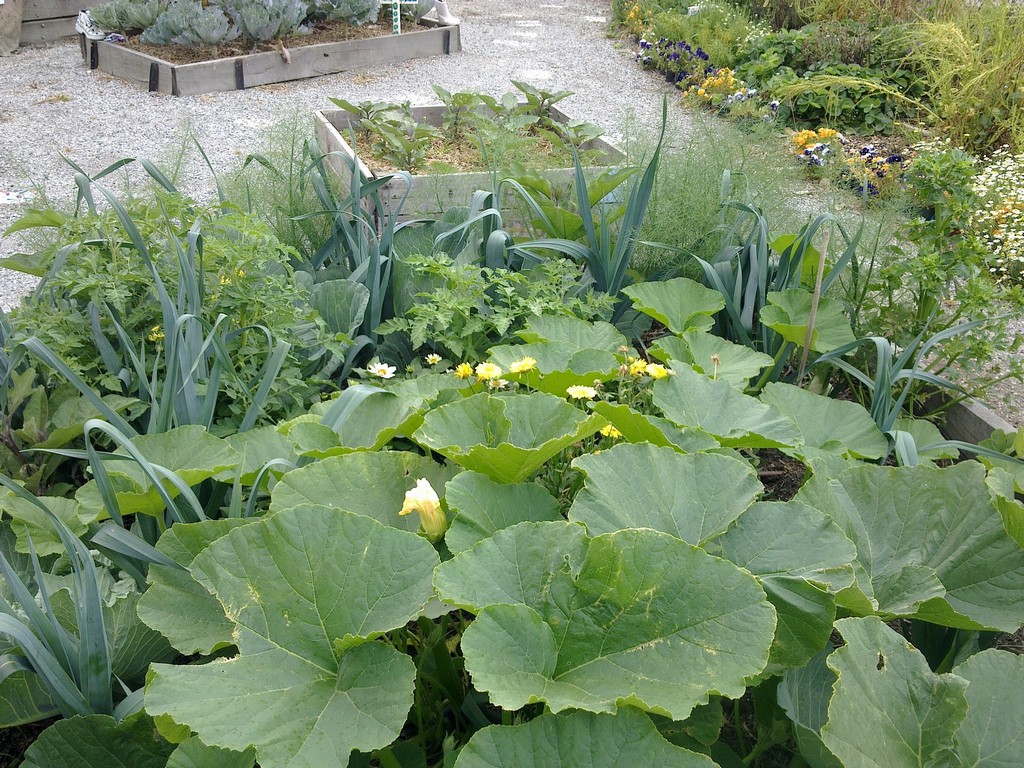
It is very important to take into account crop rotation rules when choosing a location for zucchini.
- Don't plant zucchini next to plants from the Cucurbitaceae family. Not only will they absorb the same nutrients from the soil, but they will also share pests.
- Zucchini shouldn't be kept in the same bed for two consecutive seasons. Ideally, 3-4 years should pass.
- It’s good if before the zucchini there were beans, carrots, beets, onions, cabbage, potatoes and various greens in the garden bed.
Preparing a bed for planting zucchini in open ground
How to properly plant zucchini seeds? First, it's best to prepare the soil for planting in advance. Ideally, this was done in the fall. If not, then you need to prepare the bed four weeks in advance (or at most two to three weeks). Follow this procedure:
- The soil is dug to a depth of 30 cm (a shovel blade).
- Add 15 g of ammonium nitrate, 20 g of potassium sulfate and 30 g of superphosphate per square meter.
Important! There's no need to add ammonium nitrate in the fall; it only works in the spring!
- Organic fertilizers are added: nettle infusion, compost, humus, mullein.
- Before planting, the soil must be loosened with a rake.
Warm bed
Zucchini thrive on warmth, so the soil for planting them should be at least 15 degrees Celsius. But if you're impatient, or the region's conditions aren't ideal, you can create a heated bed. Compost or weeds will act as a heat generator.
A hole about 60 cm deep is dug in the ground. It is half-filled with weeds (such as nettles) or compost. The hole is then filled with soil and watered with the fermented weed solution.
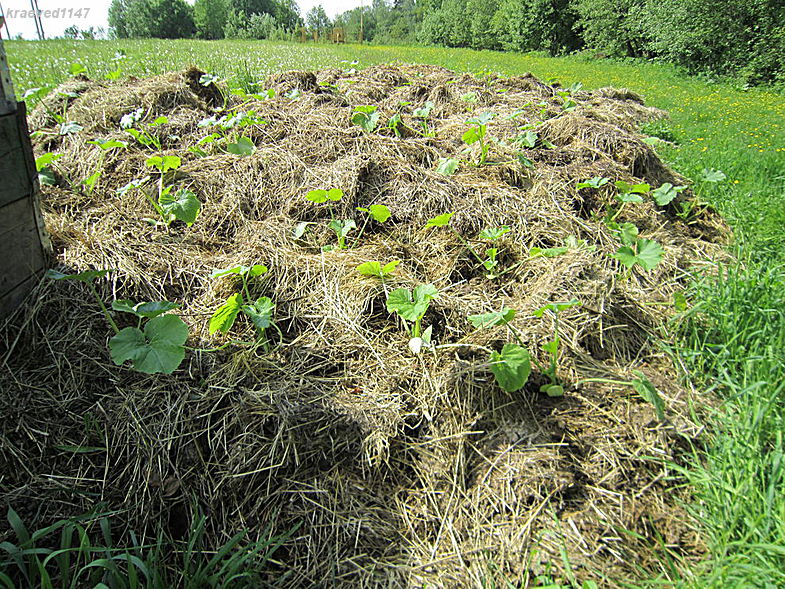
Another great way to grow a bountiful harvest of zucchini with minimal effort is to plant them in a compost bed. Many gardeners simply place the seeds in the compost pile.
Growing on a bed of nettles is a popular method. The plant is harvested in the spring, chopped slightly, and placed either in a pre-dug hole or directly on the ground. This method has a significant advantage: it minimizes the risk of pests.
Rules for planting zucchini seeds in open ground
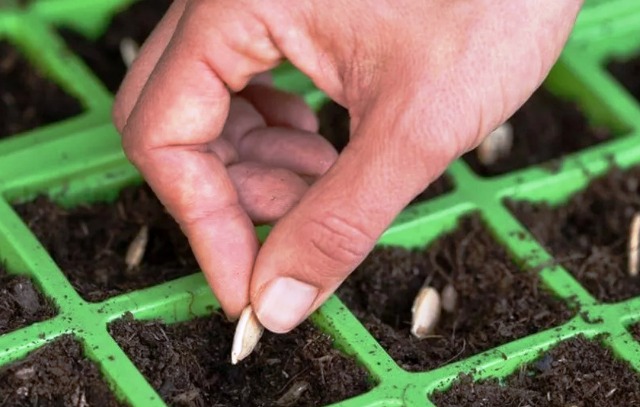
A squash seed has two ends—one blunt and one sharp. Beginning gardeners invariably wonder how to properly place it in the soil, which end to bury and which to leave close to the surface. In fact, according to plant breeders, it's best to place the seed horizontally, on its edge. This position reduces the risk of rotting, as water drains down the sides, and it's much easier for the cotyledon leaves to straighten out.
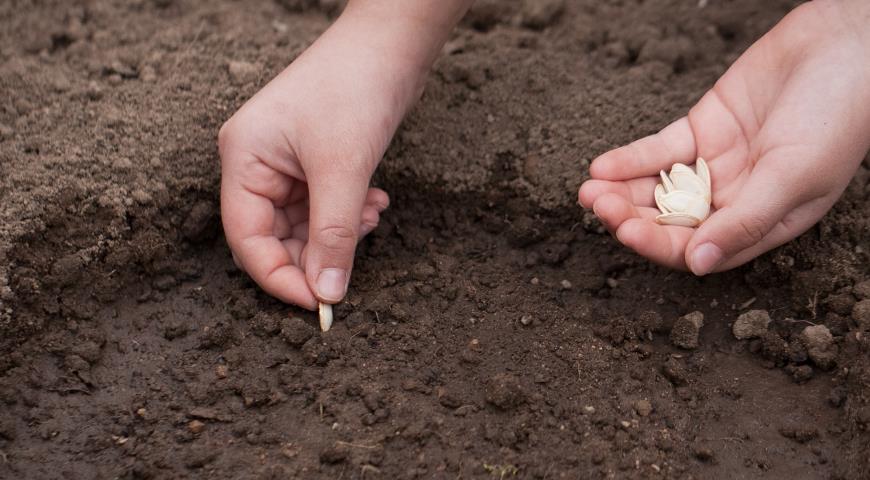
The planting depth of zucchini depends on the soil conditions. If the soil is light and loose, the seeds can be planted 5-7 cm deep. However, in loamy soils, zucchini have a harder time breaking through, so the seeds are planted 3-5 cm deep.
There should be no more than one seed per hole. Even if there were several when planting, only one shoot, the strongest and most viable one, should be left.
The planted zucchini are watered and the surface of the bed is mulched. This will help prevent excess moisture evaporation and reduce the rate of weed growth.
To speed up germination, you can cover the bed with plastic film. As soon as the plants emerge from the soil, the covering should be removed immediately.
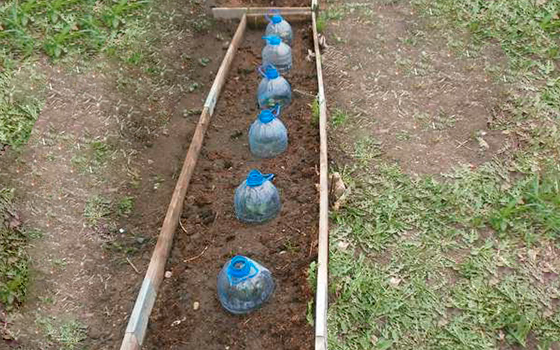
If there is a risk of recurrent frosts, the bed is insulated with film or cut bottles for each hole.
Now let's take a step-by-step look at what zucchini needs and doesn't need before planting seeds directly into open ground.
Do I need to soak zucchini seeds when planting them outdoors?
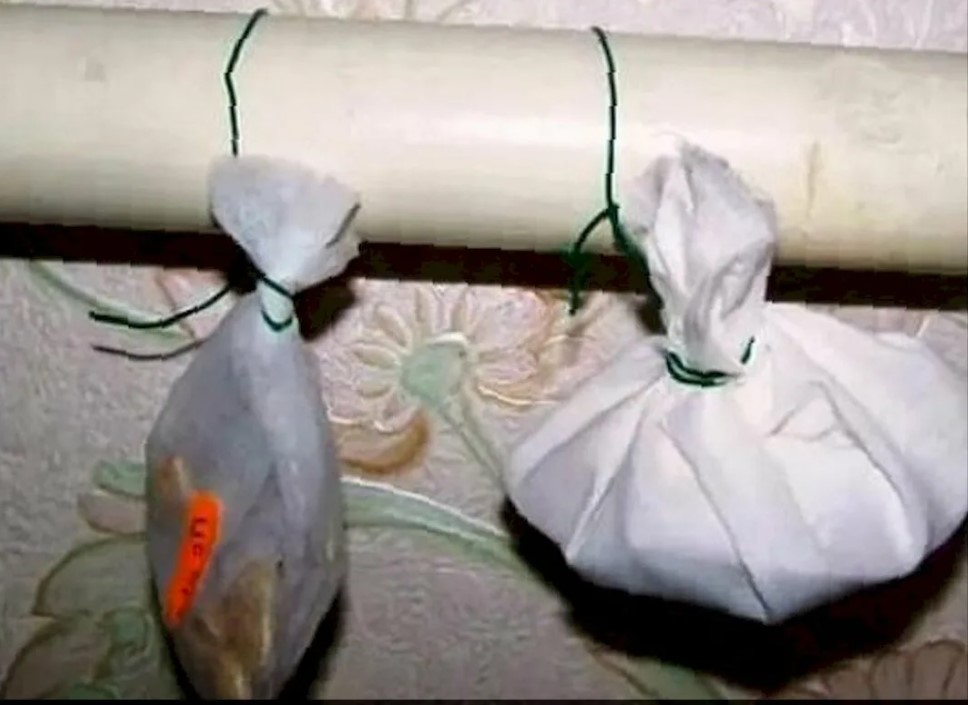
If you're planting seeds directly in open ground, pre-soaking is not necessary. Wet and sprouted seeds are more susceptible to low temperatures; a subsequent frost will kill them even under cover. It's best to pre-warm them by placing them in a bag and placing them on a radiator overnight.
If you plan to plant zucchini seedlings, you can soak them. There are several options.
- Place the seeds in a glass of warm, previously settled water for 2-3 hours.
- Soak the seeds in any stimulating solution for the time indicated in the instructions.
- Place the seeds in a damp cloth, cover with film and place in a warm place until the seeds begin to sprout.
Important! When working with zucchini, always use settled water at room temperature; the crop does not tolerate cold or chlorine.
Planting distance for zucchini seeds in open ground
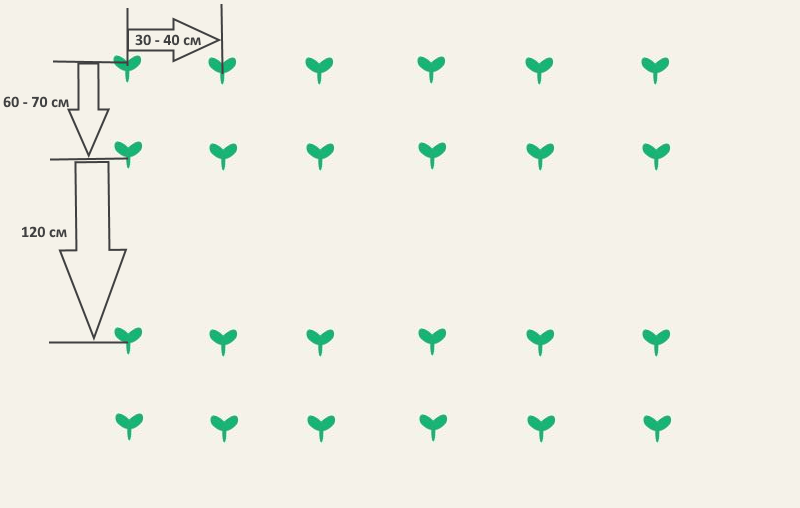
In open ground, zucchini are planted in pre-prepared holes, spaced 65-75 cm apart depending on the variety. Zucchini is a vigorous plant, so there's no need to plant too densely. This can cause competition between plants for nutrients and light, which will adversely affect the quality of the harvest.
Planting depth of zucchini seeds in open ground
The depth of seed planting depends on the quality of the soil. If it's very loose and light, you can plant the seed to a depth of 7 cm. Over time, the soil will settle with watering, but the distance to the surface will still decrease.
If the soil is of classic composition, the recommended planting depth is 3-4 cm.
Tips from Top.tomathouse.com on growing zucchini outdoors
- You can plant 2-3 seeds in each hole, so that later you only leave one of the strongest shoots.
- It is best to place the seed on its edge – this will make it easier for it to break through to the surface of the soil and get rid of the seed coat.
- Planting is carried out in moist soil; if you water immediately after planting, a crust will form on the bed, slowing down the growth of shoots.
- Hybrid varieties of zucchini can be planted one per hole; they have a higher germination rate.
- It is advisable to sow in the morning or in cloudy weather, when there is no solar activity.
- If there's a risk of frost in the region, the bed should be covered with plastic. You can cut up a plastic bottle and use it to cover each hole individually.
You might be interested in:
- When and how to plant zucchini seedlings: timing, rules, tips;
- How to distinguish between melon, cucumber, watermelon, squash, and pumpkin seedlings;
- Growing zucchini outdoors: best varieties, planting, methods;
- How to water zucchini in open ground and a greenhouse so they grow faster and don't rot.