The art of growing zucchini requires knowledge of the specifics of their cultivation (in a greenhouse or open ground), the phase of plant development, soil characteristics, as well as weather and climatic conditions.
Content
- 1 General rules for watering zucchini
- 2 The correct way to water zucchini in open ground at different stages
- 3 Watering zucchini in a greenhouse
- 4 The right soil moisture level for zucchini development
- 5 How does overwatering affect zucchini?
- 6 Consequences of insufficient watering of zucchini
- 7 Methods for watering zucchini in open ground and greenhouses
General rules for watering zucchini
The practice of cultivating zucchini has allowed us to develop a number of general recommendations:
- Watering is done in the evening or morning hours (during minimal solar activity).
- Water the roots, preferably using a spray bottle. Avoid getting water on the green parts of the plant.
- It is recommended to ensure that the soil moisture depth is at least 40 cm, avoiding over-watering or insufficient moisture.
- When watering, it is necessary to take into account the composition of the soil: sandy or sandy loam soil should be watered more often, clayey and loamy soil – less often.
- Water must meet agricultural requirements for temperature and chemical composition.
- During the flowering and fruit growth period, the frequency of watering and the amount of moisture are increased, while simultaneously using fertilizers.
- It's best to apply mulch after loosening the soil. Mixtures of straw, sawdust, peat, and compost are ideal. The recommended layer thickness is 5-7 cm. Mulch application is especially important during the period when zucchini plants begin to actively grow.
The correct way to water zucchini in open ground at different stages
Watering schedules vary depending on the plant's developmental stages. Soil composition and weather conditions are also taken into account. At temperatures of 35°C and above, watering frequency increases to once every three days. During rainy weather, additional watering is unnecessary.
The volume of moisture is calculated based on the following indicators:
- the required depth of moisture depending on the growing season;
- granulometric composition of the soil and its initial moisture level;
- selected irrigation method.
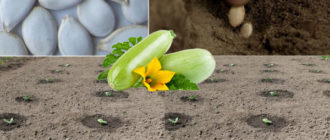
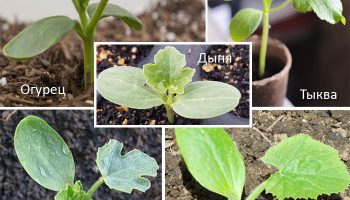
When planting zucchini seeds
Sprouts appear 7-10 days after sowing. During this time, the soil should be kept constantly moist.
When planting zucchini seedlings
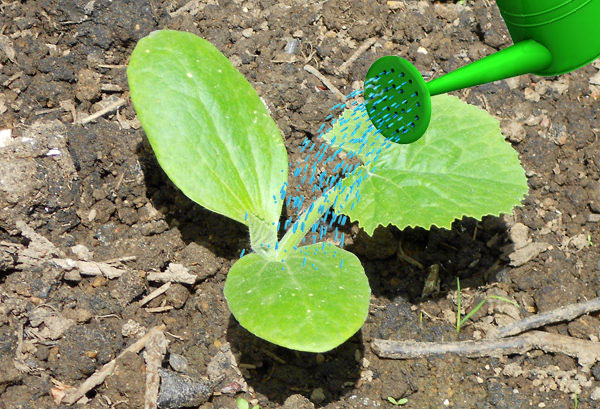
After planting in open ground, begin watering the seedlings with warm water 3-4 days after they have rooted. It is recommended to use a watering can, using 2-3 liters per plant. Watering should be done at the roots, every 4-5 days. To improve the soil's absorption properties, it is advisable to hill the seedlings and cover them with peat or soil. Mulching with peat and humus or straw is beneficial. In hot weather, watering and mulching are combined.
During flowering
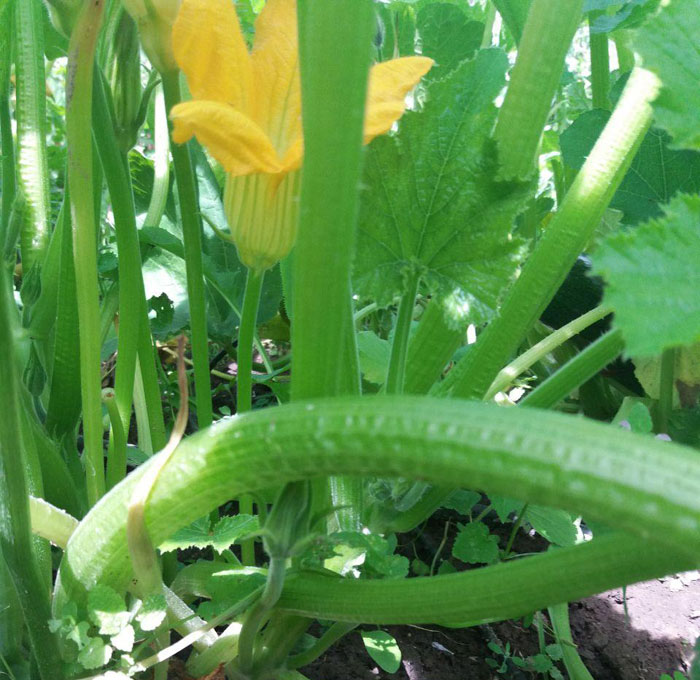
After buds form, water twice a week, using an average of 8-10 liters per watering. Weather and soil conditions must be taken into account. Water should reach the plant's roots, adequately moistening them.
During the fruiting period
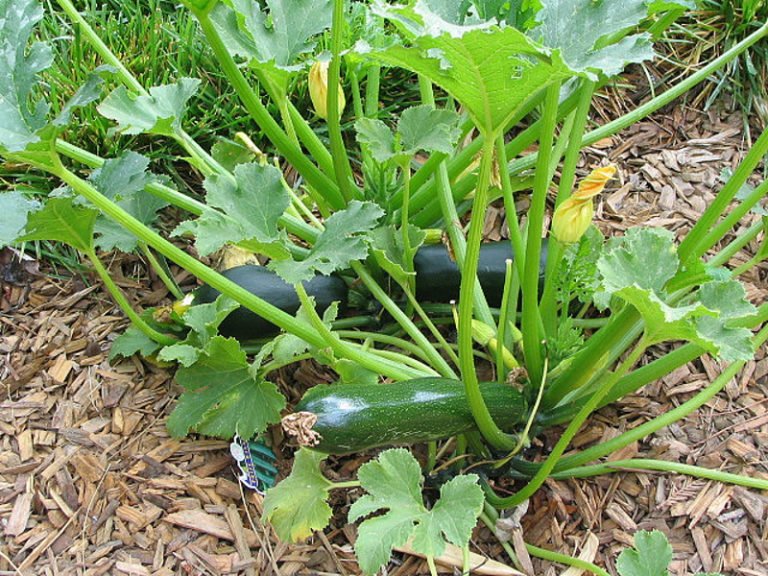
Approximately 2-3 weeks after flowering begins, during the fruiting period, increase the frequency of watering, as well as the amount of water applied. To moisten the soil to a depth of 30-40 cm, pour a bucket of water (8-10 liters) under the bush twice a week. However, it's important to take weather conditions into account and adjust accordingly.
Features of watering in hot weather
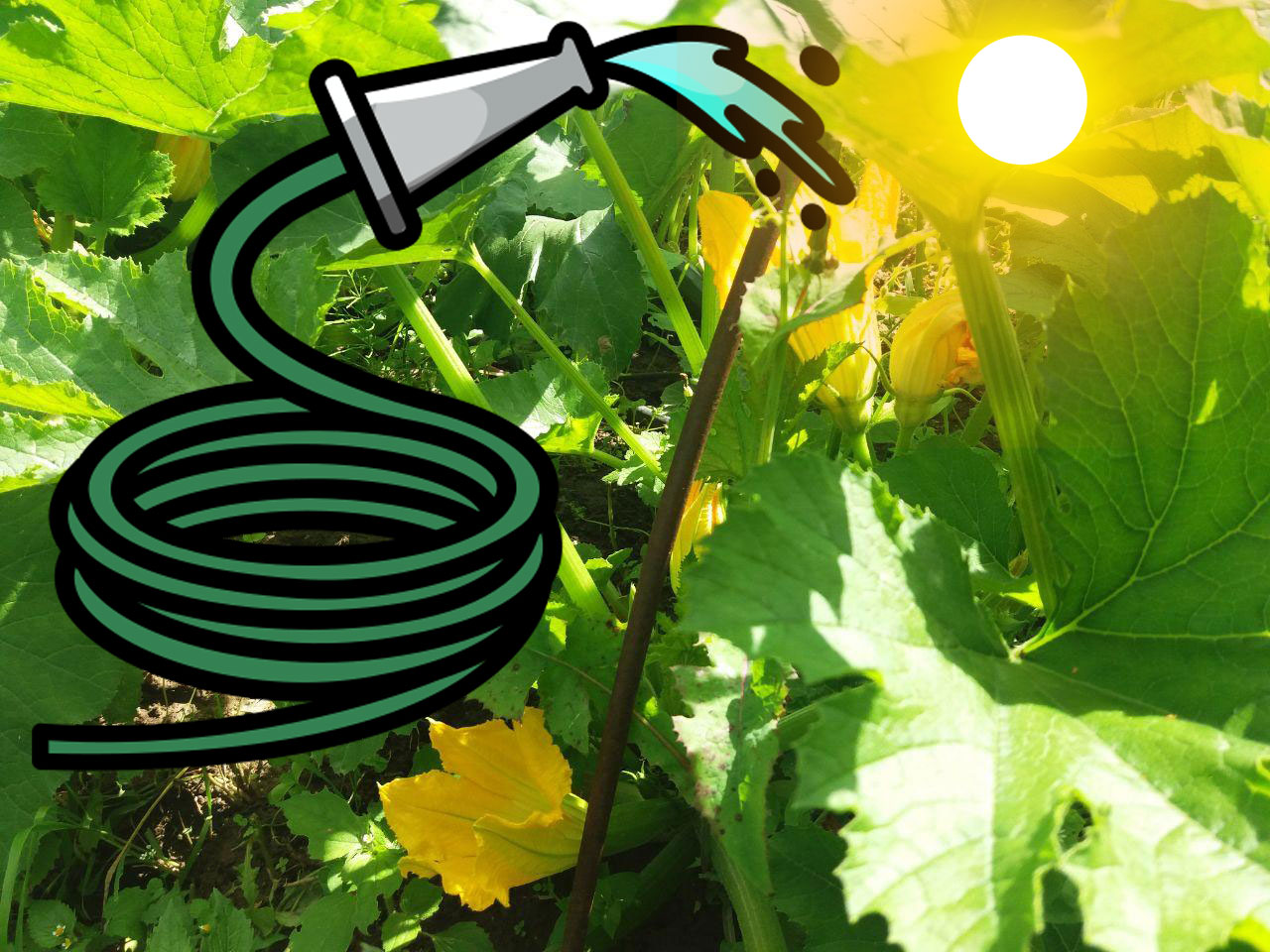
It's best to water plants in the morning (6:00 AM to 9:00 AM) or evening (after sunset) under the bush. Avoid getting wet on the leaves. The water should be at room temperature.
Abundance of watering in normal weather
On average, 12 liters of warm and settled water are required per 1 m2, which equates to 2-3 liters per mature bush. Watering is done weekly, including during the flowering period.
Watering with fertilizing
Growing zucchini requires constant application of organic and mineral fertilizers. The first application should be made two weeks after planting the seedlings in the ground.
During fruit ripening, foliar feeding is preferred. Foliar feeding is recommended in the evening after sunset.
Watering zucchini in a greenhouse
After planting the zucchini, the beds are covered with plastic sheeting with holes punched through them for watering. The recommended watering frequency is four times a month. Irrigation is stopped a week before the expected harvest.
The right soil moisture level for zucchini development
The soil moisture penetration after moistening should be 30-40 cm. Soil moisture content (water capacity) should be within 80-90%.
The amount of liquid used for irrigation is influenced by:
- weather conditions;
- the degree of soil moisture before irrigation;
- method of introducing moisture;
- granulometric composition of soil;
- stage of plant ontogenesis
How does overwatering affect zucchini?
Excess moisture hinders gas exchange in the roots, resulting in the death of root hairs.
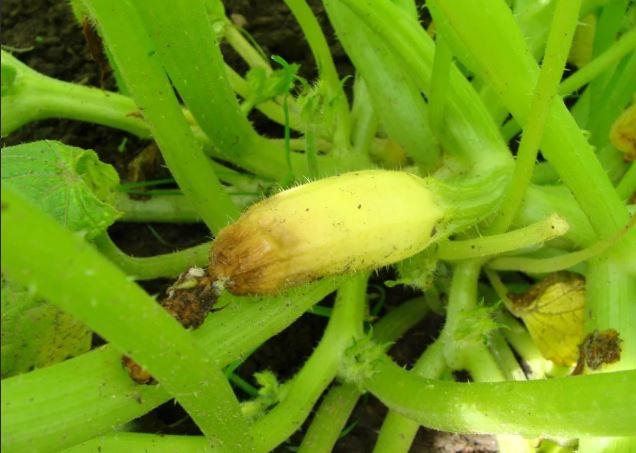
Typical consequences of overwatering:
- the addition of fungal infections (rotting of green parts of the plant);
- reducing the amount of carbohydrates in fruits;
- slowing down of crop growth.
Consequences of insufficient watering of zucchini
Moisture deficiency makes itself felt to the greatest extent in the first half of the growing season:
- the formation of predominantly male flowers is observed;
- the growth of roots in depth begins to dominate;
- small zucchini are formed;
- inhibition of plant ontogenesis is observed;
- the taste of the fruit deteriorates.
Methods for watering zucchini in open ground and greenhouses
The choice of irrigation methods and techniques is determined by a combination of conditions:
- natural:
- climatic (wind rose, amount of precipitation, air temperature and humidity);
- soil (moisture absorption rate, filtration coefficient, salinity level);
- relief;
- hydrological (depth of groundwater, level of its mineralization, degree of soil drainage);
- biological (duration of the growing season, specifics of the ontogenesis of the green part of the plant and its root system);
- anthropogenic:
- water management;
- economic.
Requirements for choosing an irrigation method
Irrigation methods should include the ability to:
- high labor productivity;
- uniform moistening of arable land;
- widespread use of mechanization in the process of caring for plant crops;
- rational use of water resources.
Watering with a watering can and hose
Manual watering with a watering can is used to irrigate small areas. A nozzle is used to water the green parts of the plant.
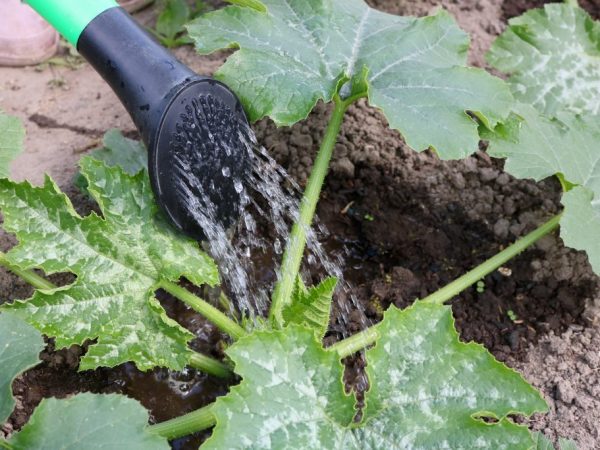
When watering with a hose, it's essential to use a spray nozzle. When growing zucchini, use room-temperature water. Watering is recommended in the evening.
Dosed watering using plastic bottles
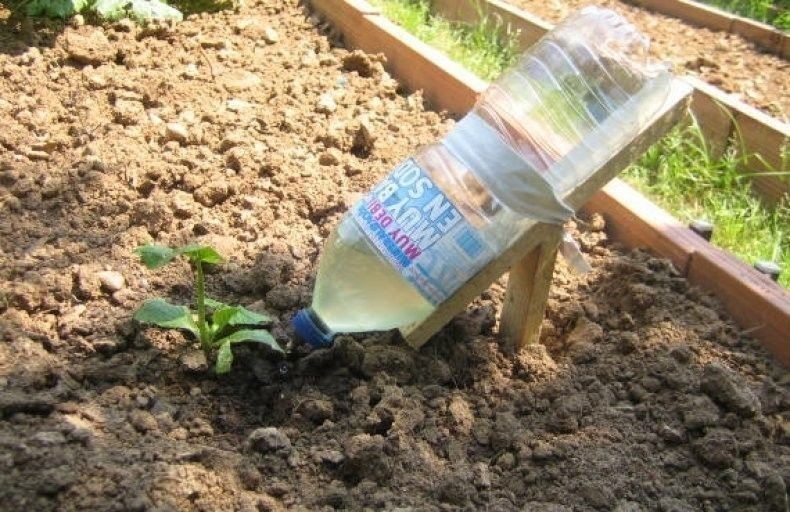
First, prepare the equipment. The bottoms of the bottles are cut out, then 4-6 holes are made in the caps using an awl. Then:
- At a distance of 20 cm from the zucchini, a hole 10-12 cm deep is dug, into which the bottle is placed with the neck down.
- The bottle is tilted at an angle of 45° and filled with water.
Watering with a "wick"
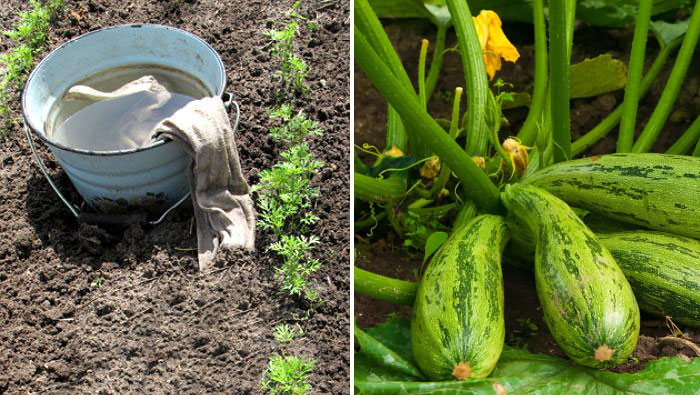
The technique involves using any containers (buckets or basins) filled with water and placed 1.5-2 meters apart. A length of fabric is formed into a rope, one end of which is placed in the container, and the other is buried in the garden bed to a depth of 10-12 cm.
Jet irrigation with a hose
The method is cost-effective. Holes are drilled in the hose so that they are located opposite the growing zucchini, after which the hose is buried shallowly and connected to the water supply.
Subsurface irrigation
This is an industrial irrigation method. Steel or plastic pipes with holes drilled into them are buried between rows to a depth of 30-40 cm, after which the water supply is connected.
Sprinkling
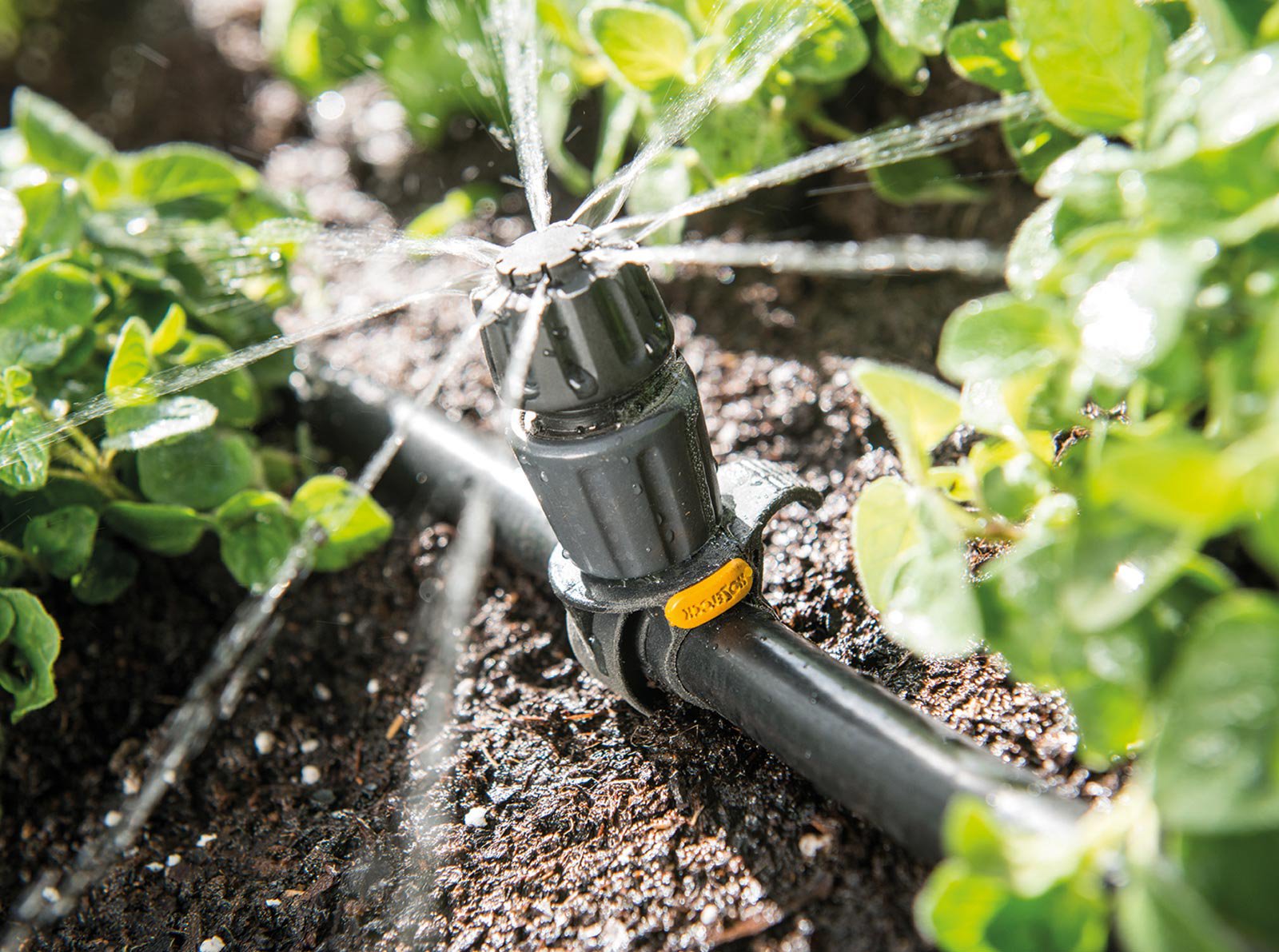
The industrial method is used on large farms. This type of irrigation requires complex and expensive equipment. It operates by pumping water through a pipeline under high pressure, causing fine droplets to form in the nozzles and disperse as mist. The advantages of sprinkler irrigation include relatively low water consumption and uniform distribution. In addition to its high cost, its disadvantages include significant evaporation.
Gravity-flowing
Also refers to industrial irrigation techniques. It includes two types:
- estuary - the area of the site is completely flooded;
- Furrow - water flows between the rows.
The advantages of this method include its low cost and relatively high productivity. Its disadvantages include uneven water supply and significant overconsumption.
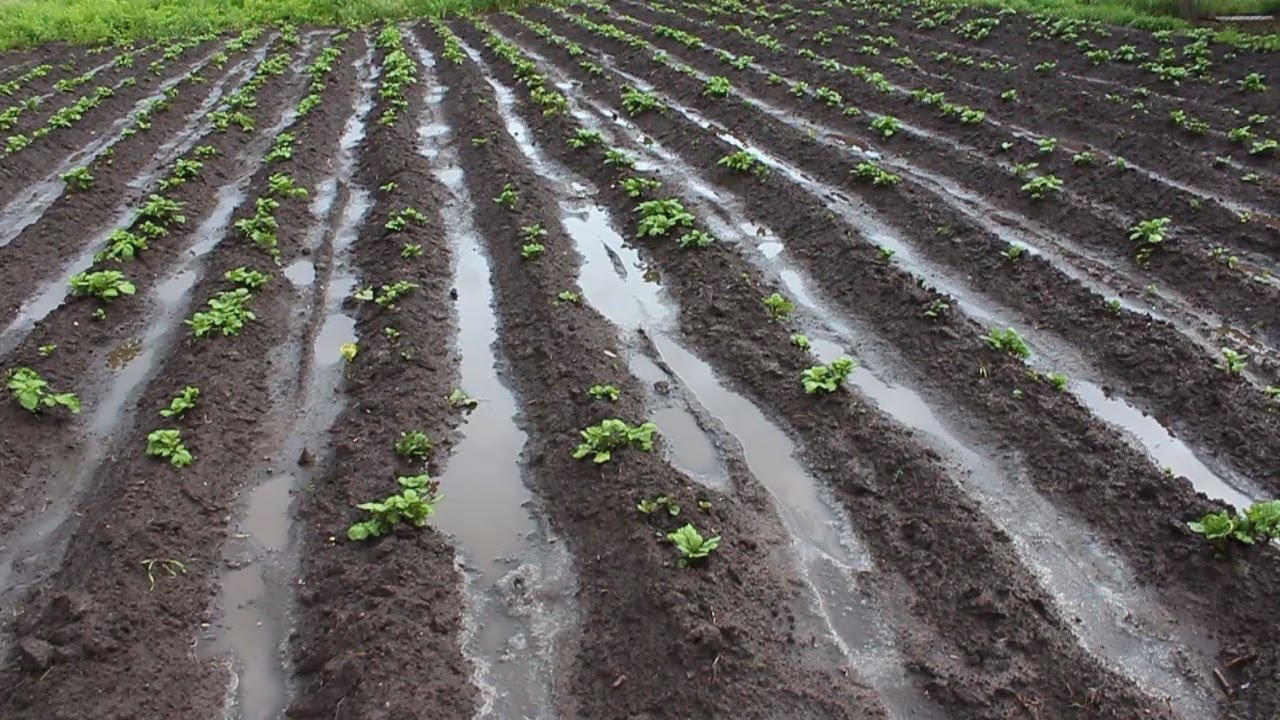
The limitations of the estuary method include the formation of a crust in the soil layer.
Drip
Watering is possible using tapes and drippers.
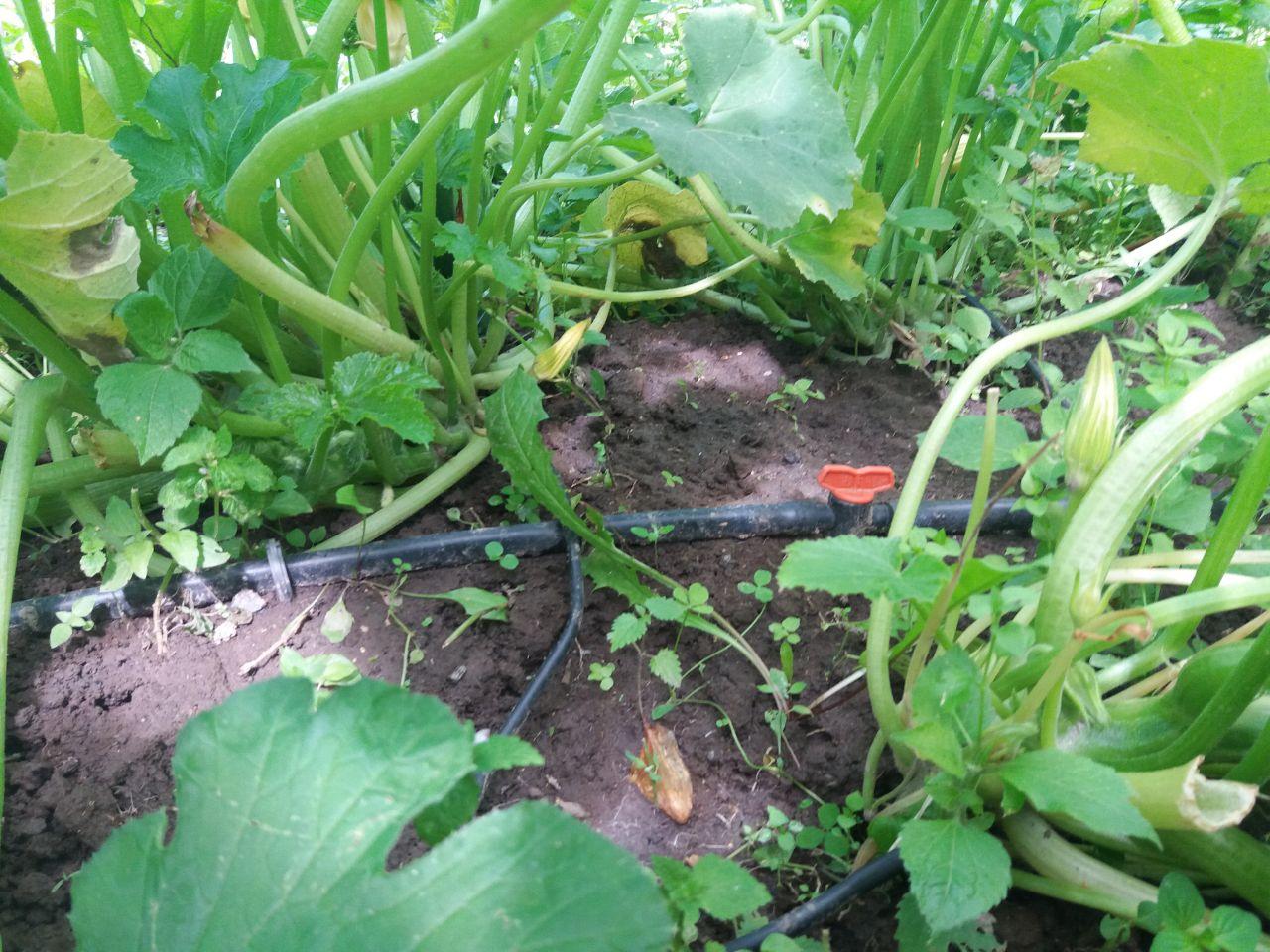
Using tape
The device is most often a 1.6 cm diameter tube with a wall thickness of 0.2 mm. This diameter is considered optimal, as it facilitates the identification of connectors. The wall thickness is optimal in terms of price and quality. The folded tube resembles a ribbon in appearance, hence the name of the technique.
Irrigation with drippers
In gardening, drippers are devices equipped with tubes for supplying water.
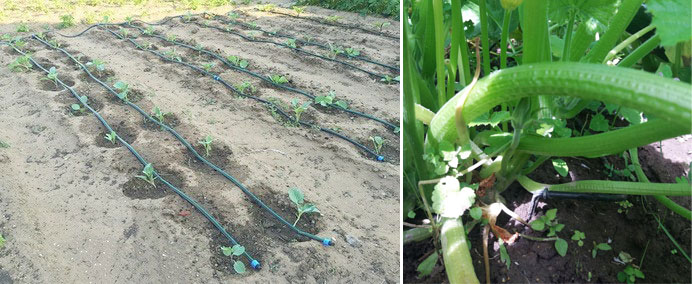
They are conventionally divided into:
- adjustable – the design allows you to control the water flow;
- uncompensated – water is supplied unevenly, usually the beginning of the bed is more moistened than its end (recommended for flat surfaces);
- compensated – humidification is carried out in doses (a valve-membrane mechanism is provided).