Zucchini isn't a particularly fussy crop, so it's often planted in gardens, especially in the southern regions. The seeds germinate fairly quickly, but timing and climate conditions must be considered. It's also recommended to consider the lunar phases.
Growing seedlings in advance allows you to achieve a bountiful harvest, harvesting it a couple of weeks earlier than without seedlings. Knowing when to plant zucchini seedlings according to the lunar calendar and by region allows you to plan your planting time. Consider favorable and unfavorable days for seedling cultivation.
Content
Do I need to grow zucchini seedlings?
In the central part of Russia, the Moscow region, and the northern regions, this crop is typically grown using seedlings. Direct sowing of seeds in garden beds or greenhouses is also possible, but this is typically used when early harvesting is not desired, as the crop ripens very quickly. For example, when harvesting the fruit alongside other vegetables is desired.
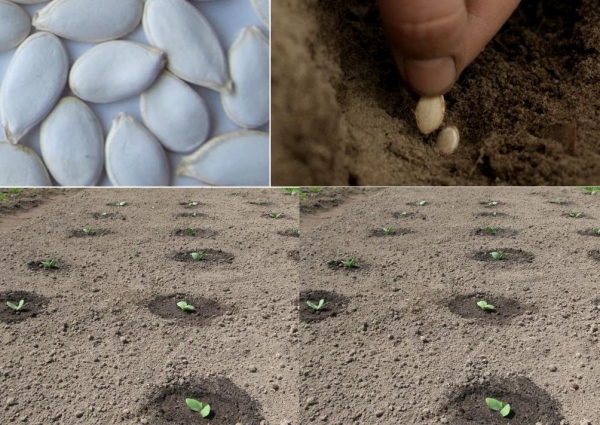
The seedling method of growing has the following advantages:
- Getting an early harvest. The first zucchini will ripen as early as June.
- The ability to accurately calculate the number of plants. This is impossible with the seed method, as it's unknown how many seeds will germinate.
- Producing plants with strong immunity. Zucchini grown from seedlings are less susceptible to diseases, develop quickly, and are more resilient.
- Planting is possible in regions with harsh climates, where temperatures stabilize only in late spring.
Due to the above advantages, most gardeners prefer to plant zucchini and other vegetable crops from seeds for seedlings.
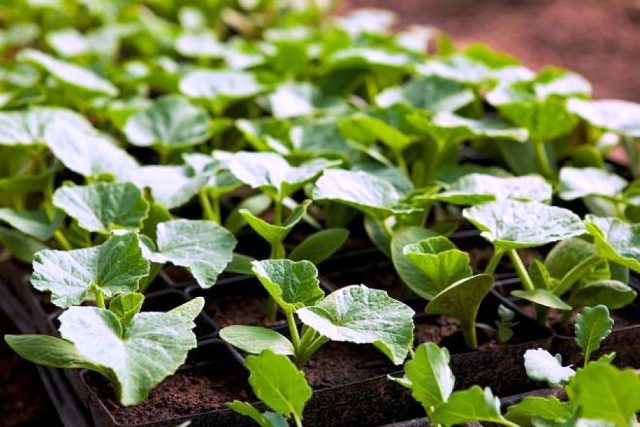
When to plant zucchini seedlings in 2024
It is extremely important to adhere to the planting time for zucchini seedlings.
Depending on the variety and purpose
All varieties can be divided into:
- Early maturing. They begin to bear fruit 35-55 days after full germination. They are usually eaten immediately and not used for winter preservation. The best varieties are: Aeronaut, Beloplodny (suitable for winter preservation), Iskander, Zebra, Skvorushka, Rolik, and Tsukesha.
- Medium-ripening. The harvest can be completed in 56-65 days. They are versatile and can be eaten immediately after picking, preserved for the winter, or canned. The best varieties are Gribovskie, Kuand, and Ronde.
- Late-ripening. Ripens in 67-95 days. These varieties are processed or stored. Best varieties: Spaghetti Raviolo.
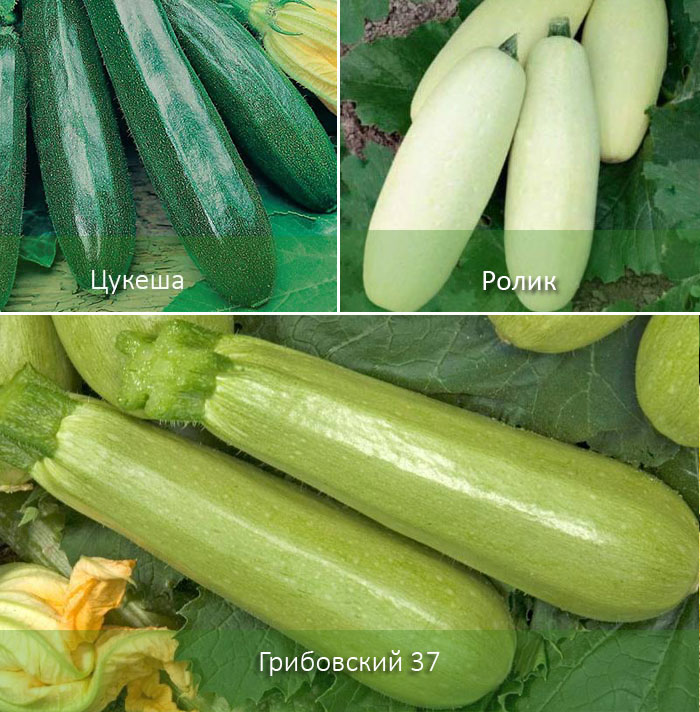
When to sow zucchini (planting seeds for seedlings depending on the variety and purpose):
- Early. Sowing occurs in late April. Seedlings are transplanted into open ground in late spring.
- Mid-season. Sow in early May. Transplant in the first half of June.
- Late. Planting occurs from May 10 to May 15. Transplanted in the first ten days of June.
Please note! Seedlings can be transplanted at the age of 20-30 days.
Depending on the region
When to plant zucchini and pumpkin seedlings depending on the growing region:
- SouthThe most favorable time arrives in early March. By the first half of April, the plants will be ready for transplanting outdoors. The key is to keep daytime temperatures above 15°C and nighttime temperatures above 9°C and above 10°C.
- Siberia and the UralsFrosts may return before June 10th. Therefore, zucchini should not be planted outdoors before then. To ensure timely harvesting, sow seeds no earlier than May 10th-May 15th. It's also important to keep in mind that the first frosts in these areas occur as early as early September. Therefore, it's preferable to choose early or mid-season varieties to ensure harvesting before the cold weather sets in.
- Central region and Moscow regionFrosts may return until May 20-25. Therefore, it's important to time the sowing of seedlings so that they can be planted in the garden no earlier than this date. Planting occurs when the plants are 21-20 days old.
Please note! If the specified timeframes are not met, resulting in planting ahead of schedule, the zucchini will require covering with plastic film. This can be removed in warm, sunny weather.
Lunar calendar for planting zucchini in 2024
When determining when to plant zucchini seeds for seedlings, it's recommended to refer to the lunar calendar. The moon is believed to influence all living things on Earth, including plants. It can have a positive effect on seedlings, root growth, and rapid growth and development.
Below are the suitable and unsuitable dates for sowing zucchini using the seedling method of cultivation in 2024:
| Month | Place of sowing or planting | Auspicious dates | Unfavorable and prohibited dates |
| February | at home or in a greenhouse | 2-8 (up to 16:59), 11-12 (until 16:25), 14 (from 18:01)-16 (until 22:38), 19-21 (until 16:40). | 8 (from 16:59), 9, 10, 21 (from 16:40)—23 (from 15:30), 24, 25 (until 15:30) |
| March | 2 (from 16:56 pm) - 4, 13-15 (until 06:15 pm), 17 (from 12:41 pm) - 19 (until 22:32 pm), 29 (from 22:52)-31. | 7-8, 9 (from 12:00 p.m.), 10, 11 (until 12:00),19 (from 22:32) -22 (until 10:42), 24 (from 10:00 a.m.), 25, 26 (until 10:00 a.m.) | |
| April | house, greenhouse, hotbeds, open ground for shelter | 5 (from 14:12)-7 (until 14:24), 9 (from 9:20 p.m.)-16 (until 05:24), 21 (from 06:08)-22, 25. | 3 (from 12:07 pm) - 5.04 (until 14:12 pm), 7 (from 9:20 p.m.), 8, 9 (until 21:20), 16 (from 05:24)-18 (until 17:09), 23, 24, 30 (from 18:20) |
| May | greenhouse, open ground | 2 (from 21:52)-4 (until 23:40), 9 (until 06:22)-13 (until 13:35), 18 (from 13:22)-22 (until 16:52), 30 (from 03:32)-31. | 1-2 (until 21:52), 7 (from 06:22), 8, 9 (until 06:22),13 (from 13:35)-15, 22 (from 16:52), 23, 24 (until 16:22), 28-30 (until 03:32) |
| June | 3 (from 08:54 a.m.) -5 (until 15:37 p.m.), 7 (from 15:37)-9 (until 22h 27m), 14 (from 21h 11m)-20, 26 (from 09:07 a.m.)-28 (until 11:51 a.m.), 30 (from 15:01 p.m.). | 5 (from 15:37), 6, 7 (until 15:37), 9 (from 22:27)-12 (until 08:39), 21 (from 04:07), 22, 23 (until 04:07), 24 (from 06:14)-26 (until 09:07) |
How to plant zucchini seeds for seedlings: step-by-step instructions
Let's look at how to properly plant zucchini seeds for seedlings to get strong plants with excellent yields.
Do I need to soak zucchini seeds before planting?
Seeds must be soaked before planting. This will ensure they germinate better and begin to bear fruit sooner.
Soaking can also be used to determine the germination rate of seeds. Seeds that float to the surface are empty. They will not germinate and can be discarded.

Soaking also helps reduce the risk of seeds rotting in the soil after planting and prevent damage by pests, especially after disinfection.
Before the procedure, the seed material needs to be prepared:
- Select the largest and healthiest seeds without signs of damage, rot or infection.
- Disinfect the seed to prevent fungal infections. To do this, soak it in a light pink solution of potassium permanganate for half an hour.
- Prepare the water in which you will soak the seeds in advance. It's best to use melted snow, rainwater, or water collected from natural sources. You can also buy still bottled water at any store. Please note that regular tap water cannot be used.
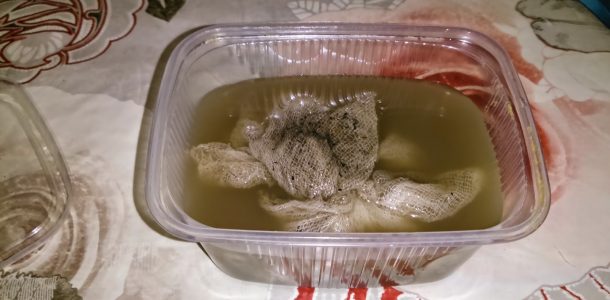
Step-by-step soaking of seeds:
- Take some cheesecloth, fold it several times, and soak it in water. Then squeeze it out slightly and place it in the bottom of a wide, but not too deep, container.
- Place the seeds in a single layer on gauze so that they are at a sufficient distance from each other.
- Cover the seeds with a second layer of cheesecloth and lightly moisten them. The amount of water should be half the volume of the seeds. Use warm liquid, but not too hot (around 35°C).
- Place the container with the seeds in a dark, warm place. Check the water periodically. If it becomes dark or cloudy, drain it and replace it with fresh water.
Soaking can be done not only in water but also in growth stimulants to speed up germination, such as Zircon, Epin, and Energen. When using these, it's important to strictly follow the instructions on the packaging. Otherwise, you could ruin the seeds.

It is also possible to prepare a growth stimulator at home yourself:
- Dissolve 1 tablespoon of wood ash in 1 liter of water. This solution promotes rapid germination and protects against infections.
- Dilute 1 teaspoon of nitrophoska in 1 liter of water. Be sure to use soft water, not tap water.
Please note! The seeds must be soaked for 18-20 hours. If you leave them in water for too long, they will begin to rot.
Do you need a container to plant zucchini?
It's not recommended to sow zucchini in shared containers. This crop is very sensitive to transplanting, so avoid picking and transplant the grown seedlings directly by transshipment.
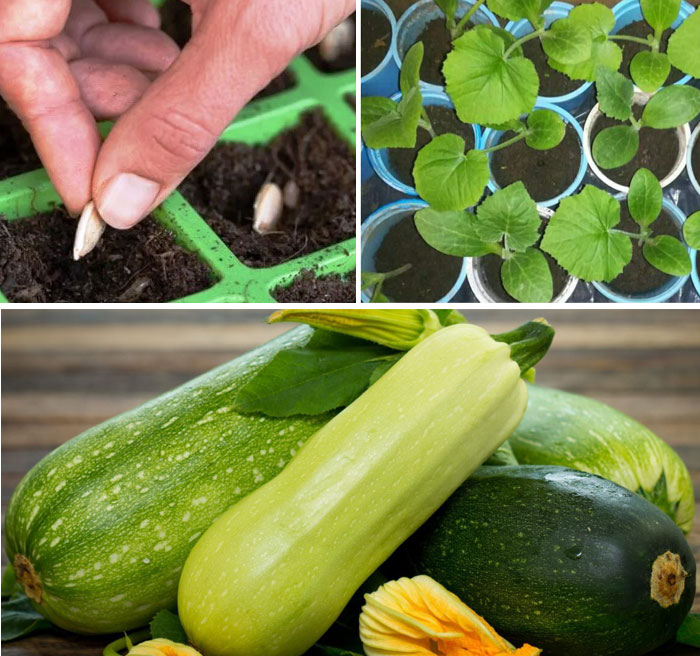
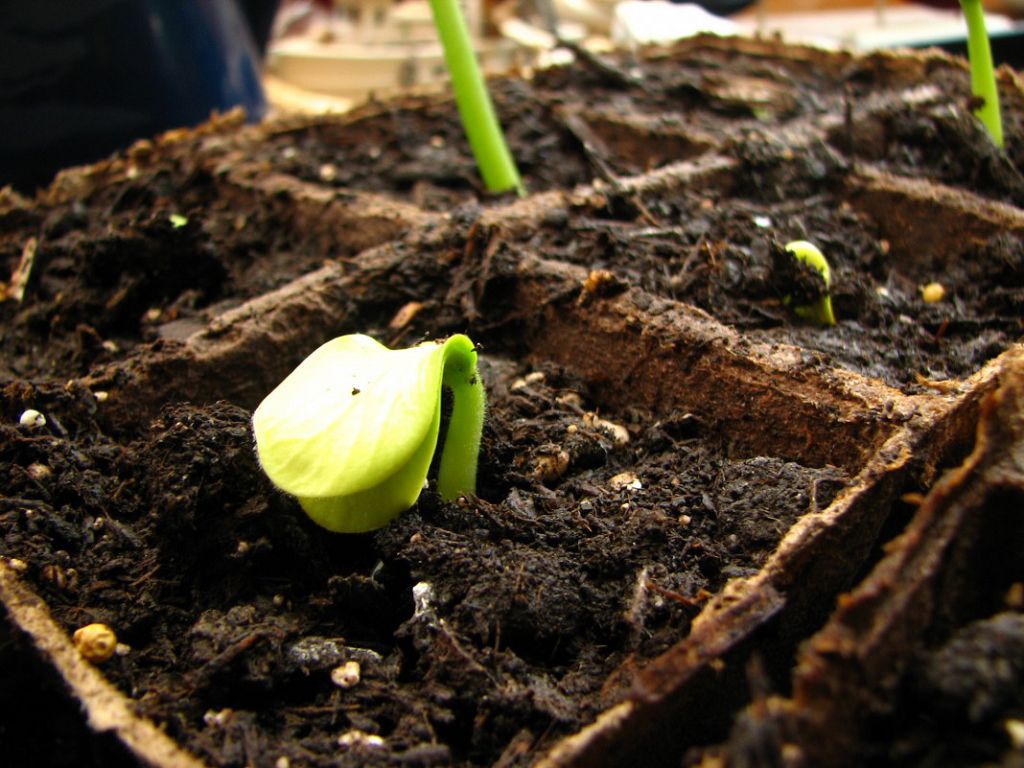
Seeds should be sown directly into individual containers. For example, you can use plastic cups or small 500 ml pots, or peat pellets. Ensure the containers have drainage.
Soil preparation
To ensure good seedling development, it is essential to use soil with the following characteristics:
- air;
- nutritious;
- breathable;
- moisture-permeable.
The best option would be a store-bought soil mixture for watermelons, squash, etc. It can be purchased at any garden center.
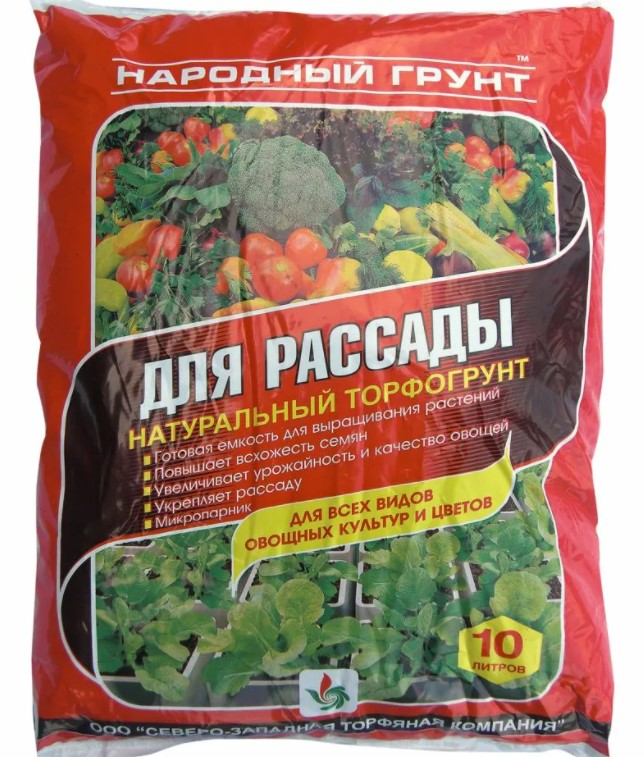
You can also prepare your own soil by mixing peat, humus, and river sand in a 2:1:1 ratio. Please note that the substrate must be disinfected to kill any weed seeds, pathogens, and insect larvae that may be present. This step is not necessary with store-bought potting soil, as the manufacturer performs the disinfection.
Step-by-step sowing of zucchini seedlings
Step-by-step sowing:
- Place 1.5 cm of drainage material at the bottom of the planting container. You can use brick chips or perlite.
- Add soil, leaving a distance of about 1.5 cm from the top.
- Sow the seeds to a depth of 2-3 cm and cover with soil on top.
- Water with warm, settled water (temperature +20…+22°C). It's best to spray with a spray bottle to avoid washing away the soil.
- Cover the crops with plastic film or glass to create greenhouse conditions and place them in a warm place.
Helpful tip! Periodically open the seedlings for ventilation and to remove condensation from the sides of the shelter.
Tips from Top.tomathouse.com on planting and growing zucchini seedlings
To obtain strong seedlings and a rich harvest in the future, it is recommended to follow these tips:
- Give preference to domestic varieties. They are better suited to our climate and are suitable for both fresh storage and canning. The best varieties include: Aeronaut, Gribovsky 37, Tsukesha, Skvorushka, and Spaghetti Riviolo.
- For rapid germination, seeds need to be soaked. It's best to use growth stimulants (store-bought or homemade). If so, follow the package instructions carefully.
- Seeds remain viable for 4-8 years. They must be used within this period.
Sow seeds in moist soil. - When transplanting into open ground, leave a significant distance between the bushes, as they will actively grow green mass.
- By choosing to grow zucchini from seedlings and following the recommended timing, you can get an early and abundant harvest in any region of our country.
Planting zucchini directly into the ground and growing them in open ground , and also how water correctly Read on our website.