Although March is still quite cool, plants are beginning to awaken from their winter dormancy. Therefore, gardeners and vegetable growers have a lot of work ahead of them, both at home and in the garden. When performing any plant manipulations, it is recommended to refer to the lunar calendar.

Content
- 1 Favorable and unfavorable sowing and planting days in March 2024
- 2 Favorable and unfavorable days for planting flowers in March 2024
- 3 Favorable and unfavorable days for planting and replanting trees and shrubs in March 2024
- 4 Favorable and unfavorable days for various flower care tasks in March 2024
- 5 Moon phases and days by zodiac sign in March 2024
- 6 Lunar calendar of gardening, vegetable growing, and floristic activities for March 2024 by day
- 6.1 1.03-2.03 (up to 16:56)
- 6.2 2.03 (from 16:56) - 4.03
- 6.3 5.03-6.03
- 6.4 7.03-8.03
- 6.5 9.03-10.03
- 6.6 11.03-12.03
- 6.7 13.03-15.03 (until 06:15)
- 6.8 15.03 (from 06:15) - 17.03 (until 12:41)
- 6.9 17.03 (from 12.41 pm) - 19.03 (until 22.32 pm)
- 6.10 19.03 (from 22.32 pm) - 22.03 (until 10.42 pm)
- 6.11 22.03 (from 10:42 a.m.) - 24.03
- 6.12 25.03-27.03 (until 12:02)
- 6.13 27.03 (from 12:02 pm) - 29.03 (until 22:52 pm)
- 6.14 March 29 (from 10:52 p.m.) - March 31
- 7 March gardening chores at home
- 8 Gardener's work outside in March
- 9 March gardening
Favorable and unfavorable sowing and planting days in March 2024
You shouldn't sow certain vegetables for seedlings prohibited days. On other days, you can plant any crops, but the most favorable dates are days on which sowing is undesirable, as well as favorable Only for certain groups or at certain times (see below). Keeping this in mind will help ensure a rich and healthy harvest.
|
Culture |
Favorable | Unfavorable at certain hours And prohibited |
| Tomato | 1-2, 5-6, 9, 11-12 (for quick consumption), 13-15, 17—19, 26-29 | 7-8, 9, 10, 11, 24, 25, 26 |
| Pepper | 1-2, 5-6, 9, 11-12 (for quick consumption), 13-15, 17—19, 26-29 | |
| Eggplant | ||
| Cucumber, zucchini, pumpkin, watermelon, melon | 2—4, 13-15, 17—19, 29—31 | |
| Radishes, turnips, horseradish, carrots, beets | 1-2, 2—4 (radish), 5-6, 9, 11-12 (radish), 13-15, 26-29, 29—31 (radish) | |
| Legumes | 1-2, 5-6, 13-19, 27—29 | |
| Onion | 1-6, 9, 11-12 (feather), 13-17, 17—19, (for quick consumption), 26—31 | |
| Celery | 1-2, 13-15, 26-29 (root, petiolate) | |
| Cabbage | 1-2, 5-6, 9, 13-15, 17—19, 26-27 | |
| Potato | 1-6, 9, 13-19, 22—24, 26—31 (germination) | |
| Garlic | 1-6, 9, 11-12 (feather), 13-15, 26—31 | |
| Green | 11—17, 17—22(for quick consumption), |
Also read Lunar calendar for sowing seeds for seedlings in 2024 in a table (planting seedlings)
Favorable and unfavorable days for planting flowers in March 2024
The table below shows favorable dates for working with flowering and ornamental plants, days on which planting is undesirable, as well as favorable only to certain groups or at certain times (see below).
| View | Favorable at certain hours days | Unfavorable at certain hours And prohibited days |
| Annuals | 1-2, 2—4, 5-6, 9, 11—15, 17—19, 19—24, 26-29, 29-31 | 7-8, 9, 10, 11, 24, 25, 26 |
| Perennials, biennials | 1-2, 2—4, 5-6, 9, 11—12, 13-15, 15—17, 17—19, 22—24, 26-29, 29-31 | |
| Bulbous and cormous plants | 1-6, 13-15, 26-31 | |
| Ampelous and curly | 2—4, 11-12, 15—17, 22—24, 29-31 | |
| Indoor | 1-2, 5-6, 9, 11—12, 13-15, 17—19, 22—24, 26-29 |
Favorable and unfavorable days for planting and replanting trees and shrubs in March 2024
| View | Favorable | Unfavorable, prohibited |
| Apple tree, pear tree | 1-2, 5-6, 9 (weather dependent), 13-15, 17—19, 19—22 (possible), 26-29 | 7-8, 9, 10, 11, 24, 25, 26 |
| Cherry, plum | 1-2, 5-6, 9 (South), 13-15, 17—19 (depending on the weather), 19—22 (possible), 26-29 (depending on the weather) | |
| Gooseberries, currants | 1-2, 5-6, 9, 17—19 (depending on the weather), 19—24 (possible),26-29 (depending on the weather) | |
| Strawberries, raspberries, blackberries | 1-2, 5-6, 9, 13-24, 26-29 |
Favorable and unfavorable days for various flower care tasks in March 2024
The table below shows favorable dates for classes with flowering and ornamental plants, days on which certain work prohibited, A Also favorable or unfavorable only at certain hours (see below for Zodiac Signs).
| Works | Favorable at certain hours days | Unfavorable at certain hours And prohibited days |
| Transplantation, division of rhizomes | 2—6, 9, 17—19, 22—24 (except vegetables), 29-31 | 1-2, 7-8, 9, 10, 11, 13-17, 24, 25, 26, |
| Pruning, cuttings | 1-2, 5-8, 13-19, 22—24, 27-29 | 2—4, 9, 10, 11, 24, 25, 26, 29-31 |
| Vaccinations | 1-6, 9, 11—15, 17—24, 27-31 | 9, 10, 11, 24—27, |
| Watering, loosening, fertilizing | 1-2, 5-6 (without loosening), 13-15(without loosening), 17—19, 26-27, 27-29 | 2—4, 7-8, 9, 10, 11-12, 15—17, 19—22, 24, 25, 26, 29-31 |
| Disease and pest control | 1-8, 11-17, 19—22, 27-31 | 9, 10, 17—19, 24—27 |
Moon phases and days by zodiac sign in March 2024
Conventional designations:
- «+" - good fertility;
- «+/-" - average fertility;
- «—" - low fertility;
- ◐ — Waxing moon;
- ◑ — Waning Moon;
- ● — New Moon;
- ○ — Full moon.
Moon phases in March 2024:
- ◑ — 1-9, 26-31.
- ● — 10 (12:00).
- ◐ — 11-24.
- ○ — 25 (10:00 a.m.).
Days according to the Zodiac signs:
- ♏ Scorpio - 1-2 (until 16:56), 27 (from 12:02)-29 (until 22:52).
- ♐ Sagittarius - 2 (from 16:56)-4, 29 (from 22:52)-31.
- ♑ Capricorn - 5-6.
- ♒ Aquarius - 7-8.
- ♓ Pisces – 9-10.
- ♈ Aries - 11-12.
- ♉ Taurus — 13-15 (until 06:15).
- ♊ Gemini — 15 (from 06:15) - 17 (until 12:41).
- ♋ Cancer - 17 (from 12:41 pm)-19 (until 22:32 pm).
- ♌ Leo - 19 (from 22:32 pm) - 22 (until 10:42 pm).
- ♍ Virgo — 22 (from 10:42)-24.
- ♎ Libra — 25-27 (until 12:02).
Lunar calendar of gardening, vegetable growing, and floristic activities for March 2024 by day
1.03-2.03 (up to 16:56)
♏ Scorpio, +, ◑, Leaf Days
Dividing and replanting are not allowed.
| Gardener's work | Work of a florist | Gardener's work and general recommendations |
|
|
|
2.03 (from 16:56) - 4.03
♐ Sagittarius, +-, ◑, days of Fruition
Avoid rejuvenating pruning or cuttings. Germinating seeds, watering, and fertilizing are not recommended.
| Gardener's work | Work of a florist | Gardener's work and general recommendations |
|
|
|
5.03-6.03
♑ Capricorn, +-, ◑, Root days
It is not recommended to loosen the soil so as not to damage the roots.
| Gardener's work | Work of a florist | Gardener's work and general recommendations |
|
|
|
7.03-8.03
♒ Aquarius, —, ◑, Flower days
Watering, fertilizing, sowing seeds, planting and picking plants is not recommended.
| Gardener's work | Work of a florist | Gardener's work and general recommendations |
|
|
|
9.03-10.03
♓ Pisces, +, ●, Leaf days
10.03 at 12:00 p.m. - Exact New Moon.
You cannot plant, sow, or transplant the day before or after the Exact New Moon.
Checking fruit trees for pests, frost cracks, and dead branches. Composting plant waste.
Work that needs to be done before 9.03 12:00
| For gardeners | For florists | For gardeners, general work |
|
|
|
11.03-12.03
♈ Aries, +-, ◐, days of Fruition
We fill the greenhouses with snow, wash the glass and polycarbonate with a solution using baking soda.
In the sign of Aries with 11.03 12:00 You can do the following work, but take into account the recommendations.
Watering and fertilizing are not recommended. Sowing and planting crops intended for long-term storage or multi-year use is not recommended, with the exception of plants with thorns and spines, trailing plants, or those grown indoors.
| Gardener's work | Work of a florist | Gardener's work and general recommendations |
|
|
|
13.03-15.03 (until 06:15)
♉ Taurus, +, ◐, Root days.
Loosening near the roots is prohibited.
| Gardener's work | Work of a florist | Gardener's work and general recommendations |
|
|
|
15.03 (from 06:15) - 17.03 (until 12:41)
♊ Gemini, —, ◐, Flower days
It is not recommended to apply fertilizers, water, or replant, except for plants with long shoots.
| Gardener's work | Work of a florist | Gardener's work and general recommendations |
|
|
|
17.03 (from 12.41 pm) - 19.03 (until 22.32 pm)
♋ Cancer, +, ◐, Leaf days
It is not recommended to treat plants with chemicals.
| Gardener's work | Work of a florist | Gardener's work and general recommendations |
|
|
|
19.03 (from 22.32 pm) - 22.03 (until 10.42 pm)
♌ Leo, —, ◐, Fruit Day.
It is not recommended to water, fertilize, sow or plant vegetables.
| Gardener's work | Work of a florist | Gardener's work and general recommendations |
|
|
22.03 (from 10:42 a.m.) - 24.03
Virgo +-, ◐, Root days.
Planting and sowing vegetable crops should be postponed. Avoid soaking the seeds.
The following work must be done only until 24.03 10:00.:
| Gardener's work | Work of a florist | Gardener's work and general recommendations |
|
|
|
25.03-27.03 (until 12:02)
♎ Libra, +-, ○, Flower days.
March 25 at 10:00 a.m. – Exact Full Moon.
The day before and after the Exact Full Moon, it is not recommended to sow, plant or transplant plants, soak seeds, prune, or fertilize.
During the sign of Libra, watering indoor plants, seedlings, and spraying with chemicals is not recommended.
WITH 26.03 10:00 The following work can be performed:
| For gardeners | For florists | For gardeners, general work |
|
In the warmth:
On the street:
|
South: planting stone fruit crops. Vaccination is prohibited. |
27.03 (from 12:02 pm) - 29.03 (until 22:52 pm)
♏ Scorpio, +, ◑, Leaf Days
Dividing and replanting are not allowed.
| Gardener's work | Work of a florist | Gardener's work and general recommendations |
|
|
|
March 29 (from 10:52 p.m.) - March 31
♐ Sagittarius, +-, ◑, days of Fruition
Avoid rejuvenating pruning or cuttings. Germinating seeds, watering, and fertilizing are not recommended.
| Gardener's work | Work of a florist | Gardener's work and general recommendations |
|
|
|
March gardening chores at home
Most of the gardening work in March takes place indoors. This is a crucial process, as the subsequent development of crops and their yield depend on the quality of the seedlings.
Containers, soil for crops
It's important to provide planting boxes. Wooden or plastic containers or cassettes can be used. The choice depends on the available space and whether or not you plan to transplant the plants later.
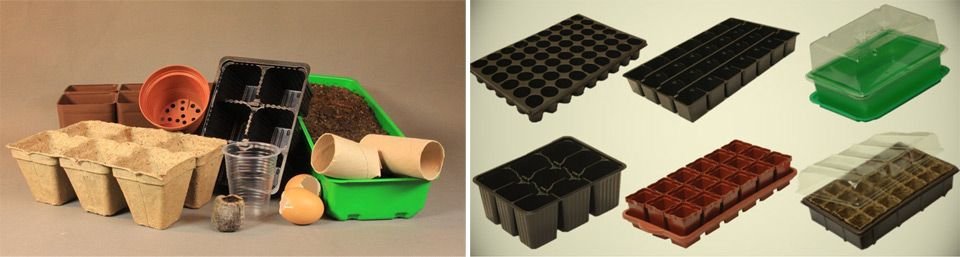
If you're planting a large number of seedlings and have limited space on your windowsills, you'll need to plant them in densely packed beds. Small wooden boxes (they'll prevent the root system from freezing or overheating) or cassettes are ideal for this purpose. However, dense planting is a major cause of disease and pests. Therefore, after the seedlings emerge, they'll need to be transplanted into pots or a greenhouse.
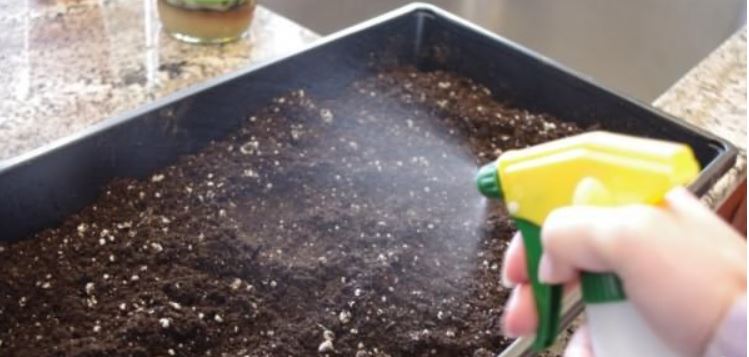
You can buy a potting mix at the store, preferably one that has already been tested. You can also make your own from leaf mold, humus, peat, and sand.
Please note: If you are using last year's planting containers, they must be disinfected first.
Sowing of different crops in March
In March, the following crops should be sown for seedlings:
- Tomatoes (in the first half of the month for greenhouse cultivation: 1-2, 5-6, 9,You can plant early ripening tomato varieties for the greenhouse, for which the period between emergence and planting in the ground is 45 days, in the second ten-day period: 13-15, 17—19, 26-29(For open ground). Early ripening tomato varieties are suitable (see table below).
- Early varieties of sweet pepper, onions, cauliflower and white cabbage, radishes, melon and watermelon, legumes (from the 20th of March).
- Eggplants (best in the first half of the month).
- Root and stalk celery (any day).
- Potato tubers (after the 10th).
Table of early ripening tomatoes
| Variety | Ripening period (number of days from full germination to ripening)
Yield of commercial fruits |
Brief description | Fetus |
| Agatha | 98-113 days
583-676 c/ha |
An early-ripening, determinate, non-standard variety for open ground and greenhouses. Suitable for salads. | Flat-round, smooth, red, 77-99 g.
Taste qualities 3.8-5 points. |
| Agatha Plus | 98-113 days 301-798 c/ha |
An early-to-mid-early determinate variety for open ground. Suitable for salads. | Round, smooth, medium density, red, 128-190 g.
The taste is good and excellent. |
| Openwork | 105-110 days
610 c/ha |
An early-ripening, determinate variety for open ground and greenhouses. Requires staking and shaping. Suitable for salads. | Round, smooth, dense, fleshy, red, 220-250 g. Good taste. |
| Alsou | 105-110 days
700 c/ha |
An early-ripening, determinate variety for open ground and greenhouses. Requires staking and shaping. Suitable for salads. | Flat-round, slightly ribbed, medium density, red, 312 g. Good taste. |
| Aphrodite | 70-100 days depending on climatic conditions 800 c/ha |
An early-ripening determinate variety for open ground and greenhouses. Requires staking and shaping. Suitable for salads. | Round, smooth, medium density, red, 100-115 g. Good taste. |
| Fighter | 95 days
230 c/ha |
An early-ripening, determinate, standard variety for open ground and greenhouses. Suitable for salads, canning, and pickling. Marketability: 72%. Drought-resistant. | Cylindrical, smooth, red, 67-88 g. Good taste. |
| Explosion | 93-100 days
410 c/ha |
An early-ripening determinate variety for open ground and greenhouses. Suitable for salads. Drought-resistant. | Round, slightly ribbed, medium density, red, 90 g. Good taste. |
| Black cherry | 112 days
350 c/ha |
An early-ripening indeterminate variety for greenhouses. Suitable for salads and canning. | Round, smooth, brown, 18 g. Excellent taste. |
| Yellow cherry | 95-96 days
300-400 c/ha (1 kg per plant) |
An early-ripening indeterminate variety for open ground. Requires staking, pinching, and side shoots above the third or fourth cluster. Suitable for salads and whole-clump canning. | Round, yellow, smooth, 15-20 g. The taste is good and excellent. |
| Red cherry | 95-102 days
300-400 c/ha (1 kg per plant) |
An early-ripening indeterminate variety for open ground and greenhouses. Requires staking, pinching, and side shoots above the third or fourth cluster. Suitable for salads and whole-clump canning. | Round, red, smooth, 15-20 g. The taste is good and excellent. |
| Oak tree | 95 days
600-800 c/ha |
An early-ripening determinate variety for open ground and greenhouses. Requires staking and training. Suitable for salads (imparting a tart flavor), canning, and processing into tomato products. | Round, slightly ribbed, bright red, 50-100 g. Good taste. |
| Oak grove | 85-105 days
133-349 c/ha (Central region), 224-551 c/ha (Volga-Vyatka region), maximum 551 c/ha (Mari El Republic) |
An early-ripening, determinate variety for open ground. Suitable for salads, pickling, and processing into tomato products. | Round, red, smooth, 53-110 g. The taste is satisfactory and good. |
| Thumbelina | 90-95 days
470 c/ha (greenhouse and under film) |
An early-ripening indeterminate variety for open ground and greenhouses. Requires staking and training. Suitable for salads and whole-fruit canning. | Round, smooth, dense, red, 15-25 g. Excellent taste. |
| Golden brush | 95-98 days
640 c/ha (greenhouse and under film) |
An early-ripening indeterminate variety for open ground and greenhouses. Suitable for salads. | Pear-shaped, small, slightly ribbed, medium density, red, 25-35 g. Excellent taste. |
| The Golden Fleece | 98 days
600 c/ha (greenhouse and under film) |
An early-ripening determinate variety for open ground and greenhouses. Suitable for salads and whole-fruit canning. | Ovoid, smooth, medium density, yellow, 90-100 g. Good taste. |
| Heart of Gold | 93-95 days
up to 700 c/ha |
An early-ripening, determinate variety for open ground cultivation. Suitable for salads, whole-fruit canning, and processing into tomato products (dietary juices). | Heart-shaped, slightly ribbed, orange, 90-107 g. Good flavor. The fruits contain increased amounts of carotene. |
| Kate | 80-85 days
326-550 c/ha |
An early-ripening determinate variety for open ground. Suitable for salads. Marketability: 84-90%. | Flat-round, smooth, crack-resistant, red, 80-92 g. Good to excellent taste. |
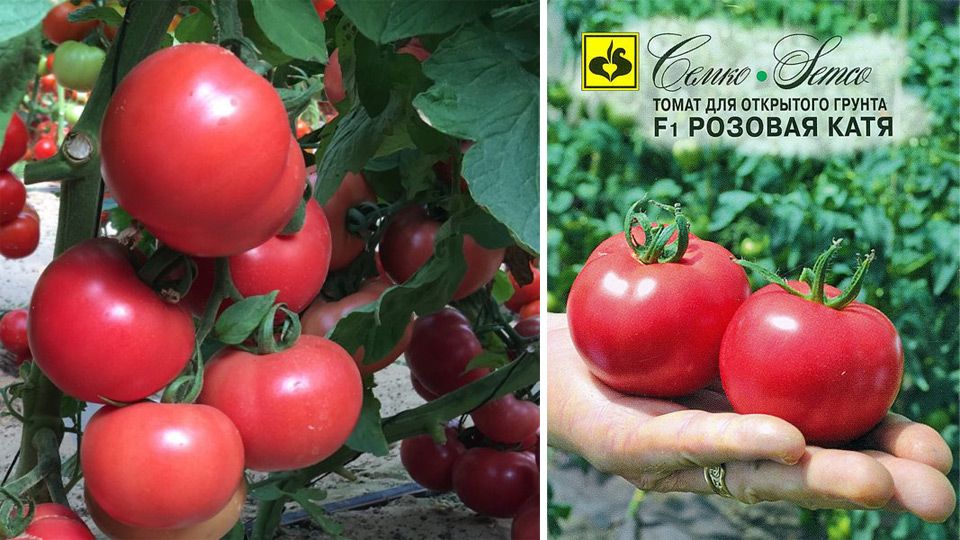
| Katya is pink | 80-85 days
1600-1800 c/ha |
An early-ripening determinate variety for open ground. Suitable for salads. Marketability: 84-90%. | Flat-round, medium density, smooth, pink, 120-130 g. Good taste. |
| King of the Early | 85-95 days depending on the growing location
1200 c/ha |
An early-ripening determinate variety for open ground and greenhouses. Suitable for salads and processing into tomato products. | Flat-round, smooth, red, 150-200 g (up to 400 g). Good taste. |
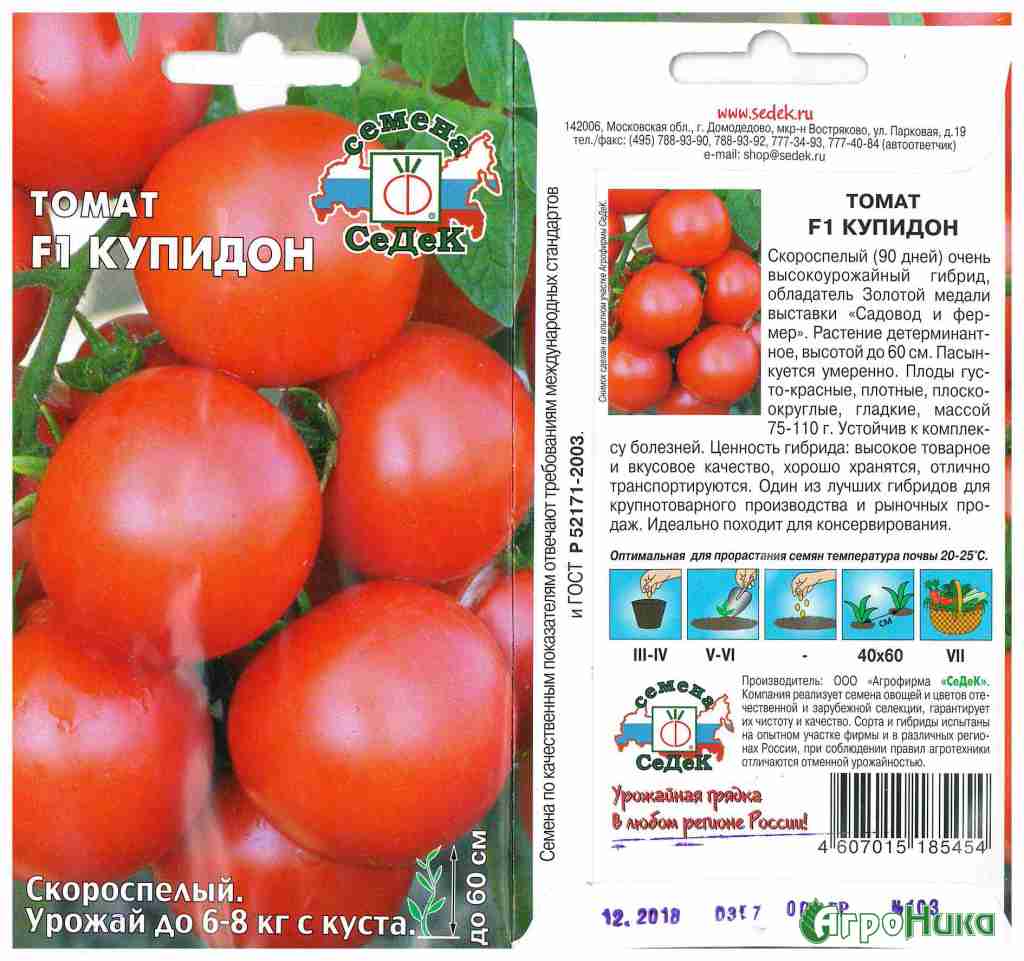
| Cupid | 90 days
660 c/ha |
An early-ripening, determinate variety for open ground. Suitable for salads and processing into tomato products. Drought-resistant. | Round, smooth, red, 80-100 g. Good taste. |
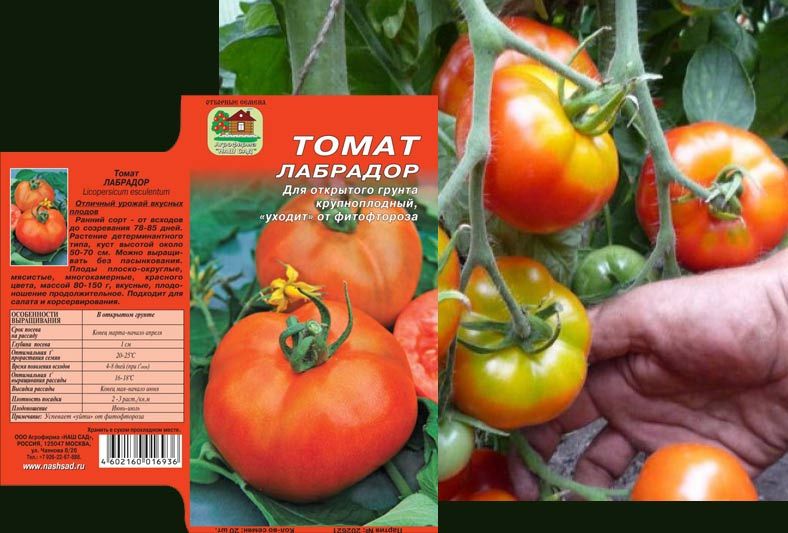
| Labrador | 70-80 days
750-1600 c/ha (2.5-4 kg per bush) |
An early (ultra-early) determinate variety for open ground and greenhouses. Suitable for salads and processing into tomato products (juices, pastes, sauces). Not suitable for canning due to cracking. Poor shelf life. | Apple-shaped, large, fleshy, red, 70-150 g. Excellent taste, rich, sweet and sour. |
| Lyana | 94-110 days (Central region), 115-123 days (East Siberian region)
267-320 c/ha (Central region), 456 c/ha (East Siberian region), maximum 713 c/ha (Republic of Khakassia). |
An early-ripening, determinate, non-standard variety for open ground and greenhouses. Suitable for salads and whole-fruit canning. | Round, smooth, red, 65-83 g. Excellent taste. |
| Mazarin
Aelita |
95-105 days depending on the region
1350-1400 c/ha (greenhouse and under film)
|
An early-ripening determinate variety for open ground and greenhouses. Suitable for salads and whole-fruit canning. | Round with a spout, smooth, dense, red, 150-190 g. Excellent taste. |
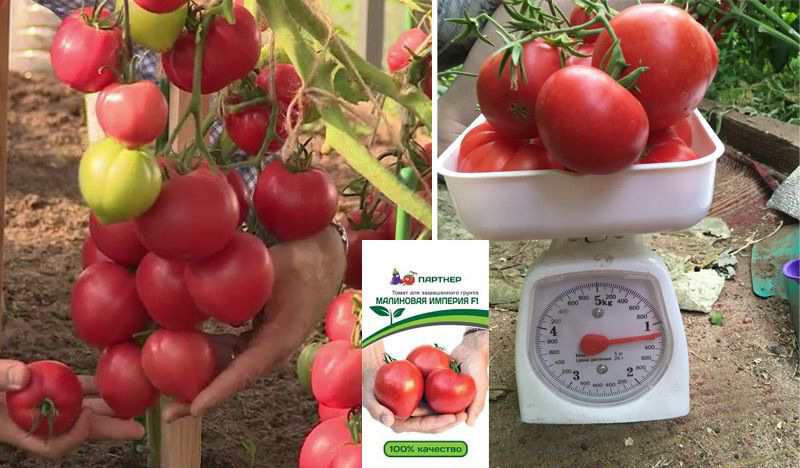
| Raspberry Empire | 95-110 days 2000 c/ha |
An early-ripening indeterminate variety for greenhouses. Suitable for salads and pickling. | Heart-shaped, medium density, medium-ribbed, raspberry, 150-200 g. Excellent taste. |
| Raspberry Liana | 85-90 days
700 c/ha |
An early (ultra-early) determinate standard variety for open ground and greenhouses. Suitable for salads, canning, and processing into tomato products. | Round, smooth, raspberry-pink, 65-90 g. Good taste. |
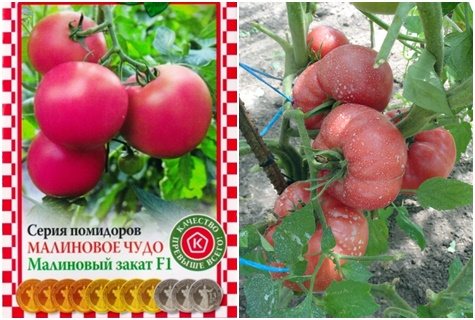
| Crimson sunset | 90 days
1200 c/ha (greenhouse and under film) |
An early-ripening, tall variety. Requires staking and shaping. Suitable for salads. | Round, pinkish, ribbed, 340 g. Excellent taste. |
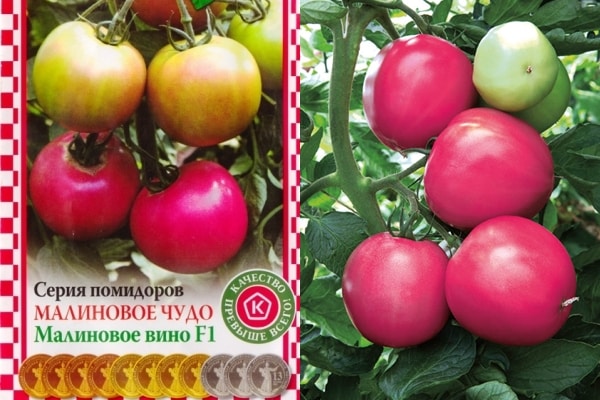
| Raspberry wine | 105 days
1200-1400 c/ha (greenhouse and under film) |
An early-ripening determinate variety for open ground and greenhouses. Requires staking and shaping. Suitable for salads. | Round, large, smooth, medium density, raspberry, 350 g. Excellent taste. |
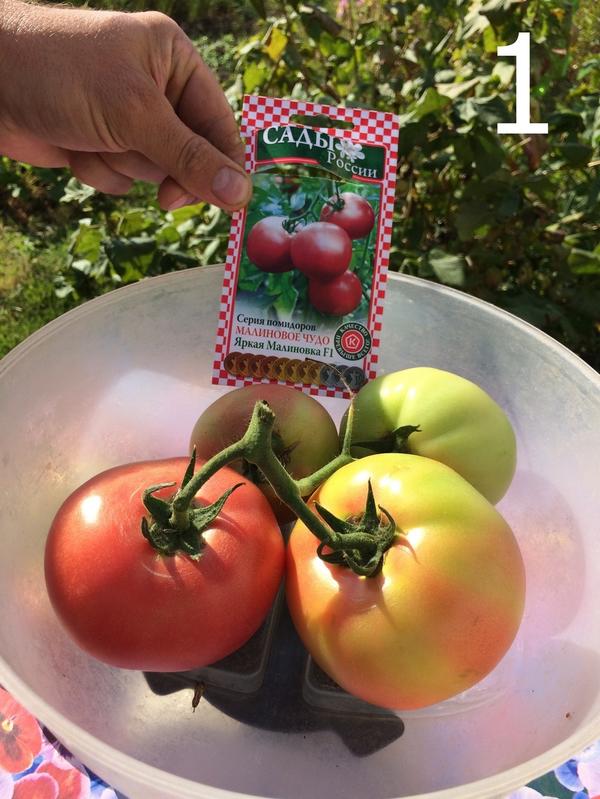
| Bright robin | 90 days
1200 c/ha (greenhouse and under film) |
An early-ripening, low-growing, determinate variety. Requires staking and shaping. Suitable for salads. | Round, raspberry, with slight ribbing, 400 g. Rich taste. |
| Raspberry ringing | 115-120 days
450 c/ha |
An early-ripening determinate variety for open ground and greenhouses. Requires staking and shaping. Suitable for salads. | Round, smooth, medium density, pink, 150 g. Excellent taste. |
| Raspberry Farmer | 85-90 days
1000 c/ha |
An early-ripening determinate variety for greenhouses. Suitable for salads. | Round, dense, slightly ribbed, cocktail, raspberry, 50-60 g. Good taste. |
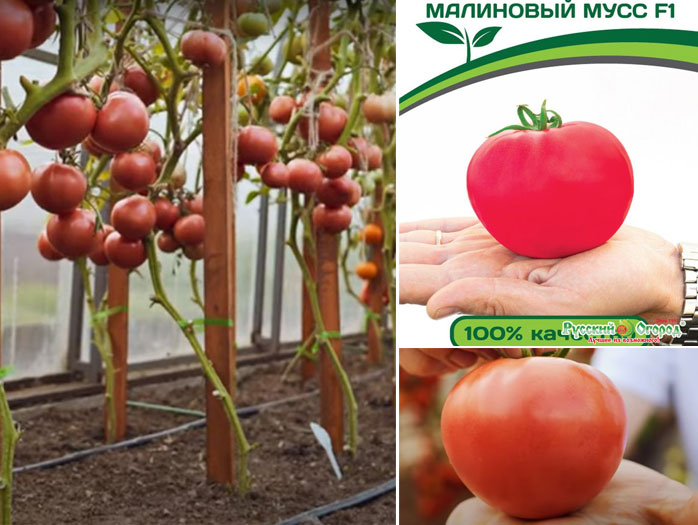
| Raspberry mousse | 90-95 days
1600-1700 c/ha (open ground), 2000-2200 c/ha (greenhouse and under film) |
An early-ripening determinate variety for open ground and greenhouses. Training into 3-4 stems is recommended. Suitable for salads and processing into tomato products. | Round, large, dense, pink, 200-300 g. Excellent taste. |
| Honey Giant | 110-115 days
750-800 c/ha (greenhouse and under film) |
An early-ripening indeterminate variety for open ground and greenhouses. Requires staking and shaping. Suitable for salads. | Flat-round, ribbed, medium density, orange, 250-300 g. Good taste. |
| Minusinsk home | 110-120 days
Up to 1500 c/ha |
An early-ripening indeterminate variety for greenhouses. Requires staking and shaping into 1-2 stems. Suitable for processing into tomato products and canning. | Heart-shaped, slightly ribbed, raspberry, 350-500 g. Excellent taste. |
| Snowdrop | 80-90 days
600 c/ha |
An early-ripening, determinate variety for open ground. Requires staking and shaping. Suitable for salads and pickling. | Flat-round, slightly ribbed, red, 120-130 g. Good taste. |
| Pot-bellied house | about 100 days
820-920 c/ha (greenhouse and under film) |
An early-ripening indeterminate variety for open ground and greenhouses. Requires staking and shaping. Suitable for salads. | Pear-shaped, ribbed, medium density, red, 200-260 g. Good taste. |
| Heart of Siberia | 92-110 days
The yield of commercial fruits is 7.9 kg/sq.m. |
An indeterminate, early-ripening, tall tomato variety intended for planting in open ground or greenhouses. | Large, heart-shaped, slightly ribbed, pink tomatoes weighing 300-400 g. An excellent salad variety, ideal for making juices, sauces, ketchup, and other preserves. |
| Siberian big guy | 90-100 days
900-1200 c/ha |
An early-ripening indeterminate variety for open ground and greenhouses. Suitable for salads, processing into tomato products, and preparing first and second courses. | Flat-round, slightly ribbed, red, 500 g. Good to excellent taste. |
| Siberian pirouette | 85-100 days
The yield of commercial fruits is 6.0-6.5 kg/sq.m. |
An early-ripening determinate variety for open ground and greenhouses. Requires staking and training. Suitable for salads, pickling, and whole-fruit canning. | Cylindrical, smooth, dense, resistant to cracking, red, 65-70 g. Excellent taste. |
| Siberian early ripening | 98-108 days
289-543 c/ha (open ground), 20-43% of the total yield ripens in 15 days of fruiting, 630-950 c/ha (greenhouse and under film), in the first month of fruiting 240-580 c/ha. |
An early-ripening, determinate, low-growing variety for open ground and greenhouses. Suitable for salads. | Round and flat-round, slightly ribbed, medium-sized and large, red, 62-114 g. The taste is satisfactory. |
| Tiger cub | 110-120 days
930-950 c/g. |
Early-ripening, indeterminate variety. Grown in open ground and under plastic covers in private gardens. Requires staking and pinching. Suitable for salads and canning, including whole-fruit preserves. | Round, smooth, medium-dense, weighing 30-35g. Turns red when ripe. Good flavor. |
| Tiger Cocktail | 100-120 days
820 c/g. |
An early-ripening, first-generation indeterminate hybrid. Grown in greenhouses and garden beds on private plots. Requires staking and pinching. Suitable for salads. | The fruits average 40 g, are round, not very firm, and have slight ribbing. They turn red when ripe. The flavor is good. |
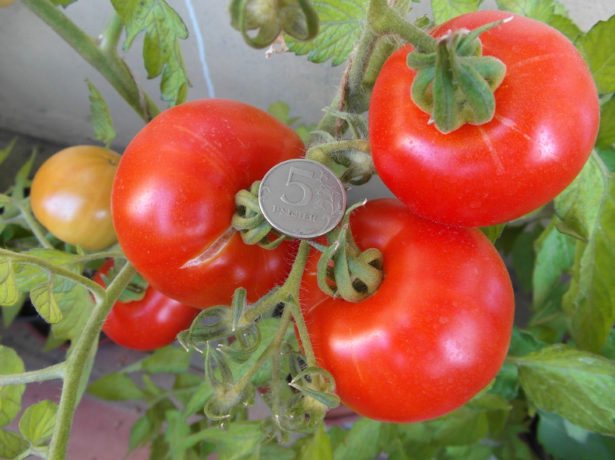
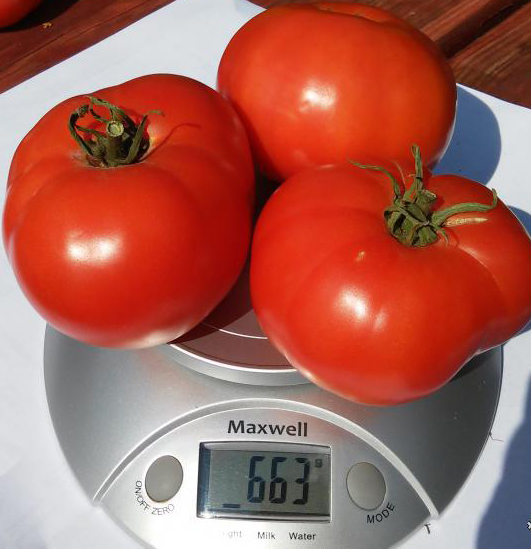
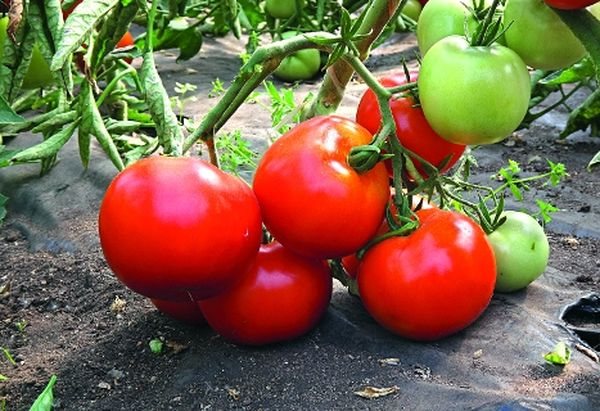
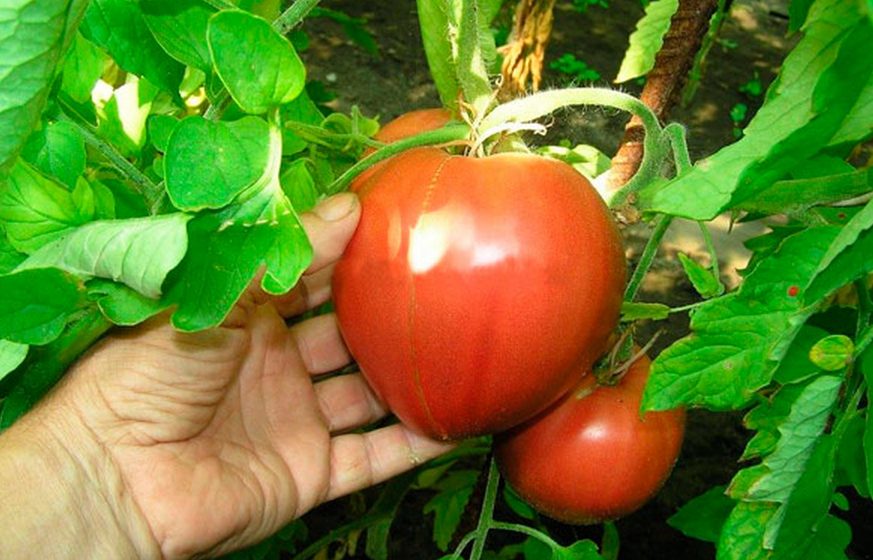
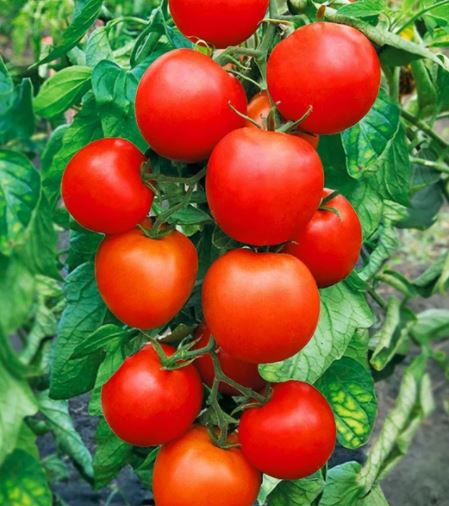
Photo gallery of early-ripening tomato varieties
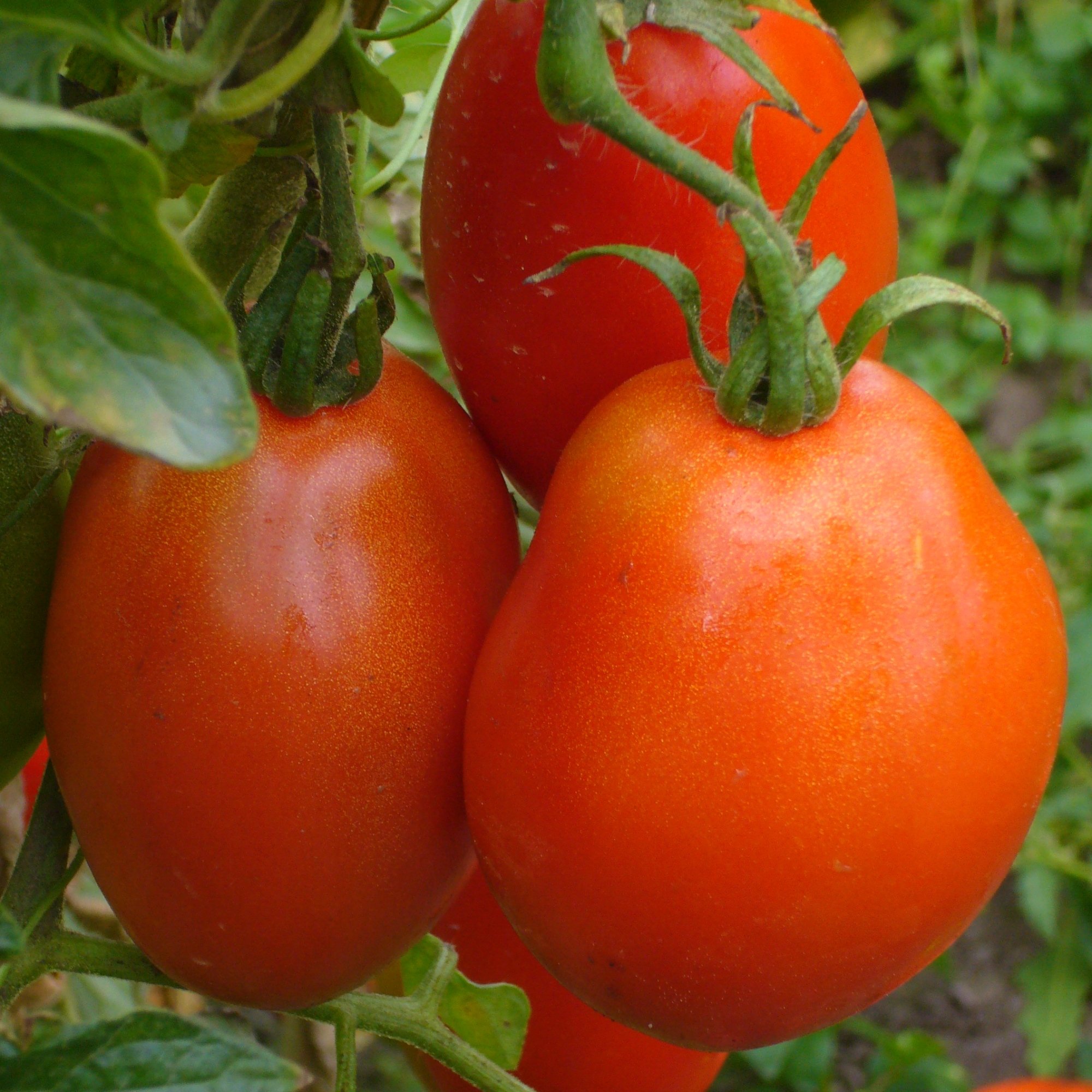
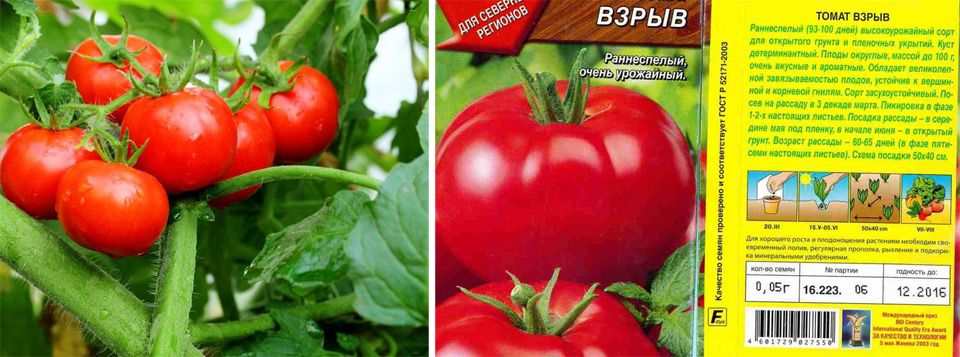
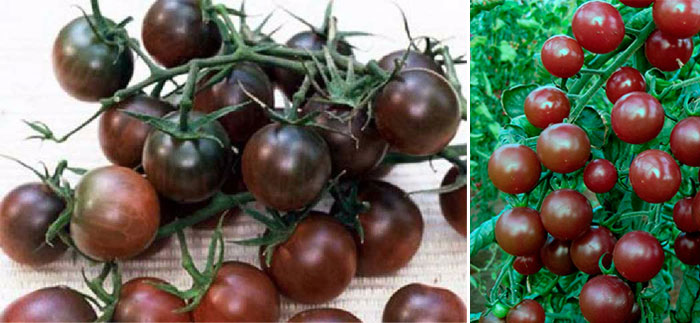
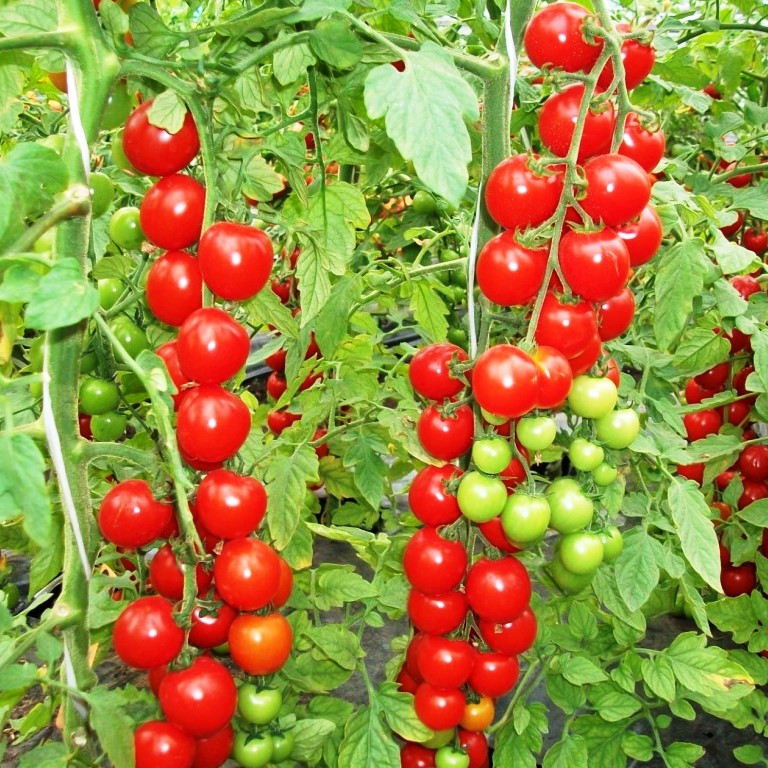
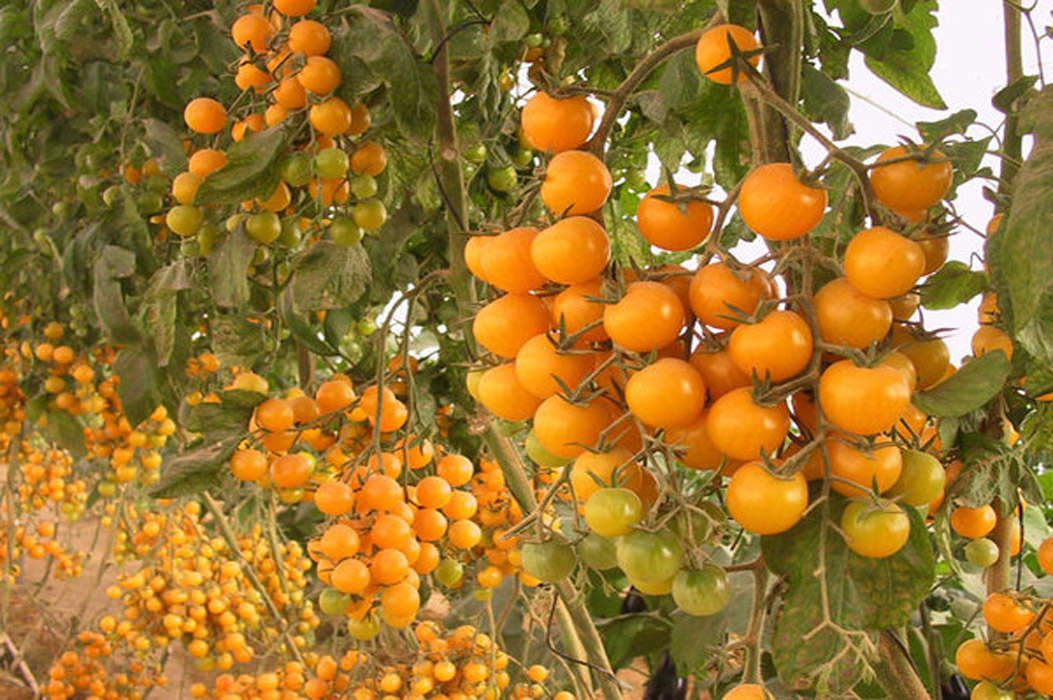
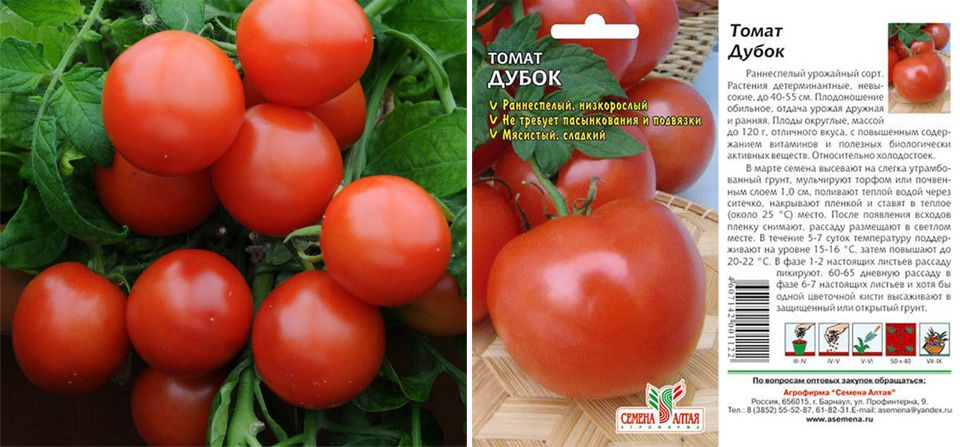
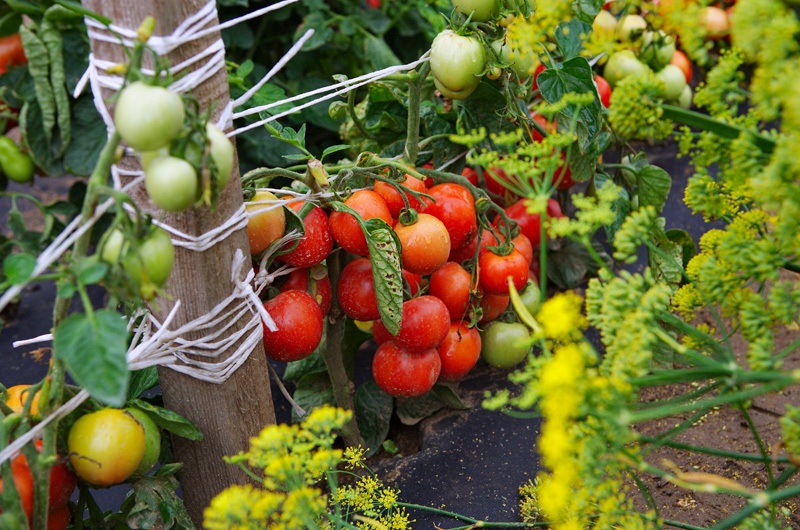
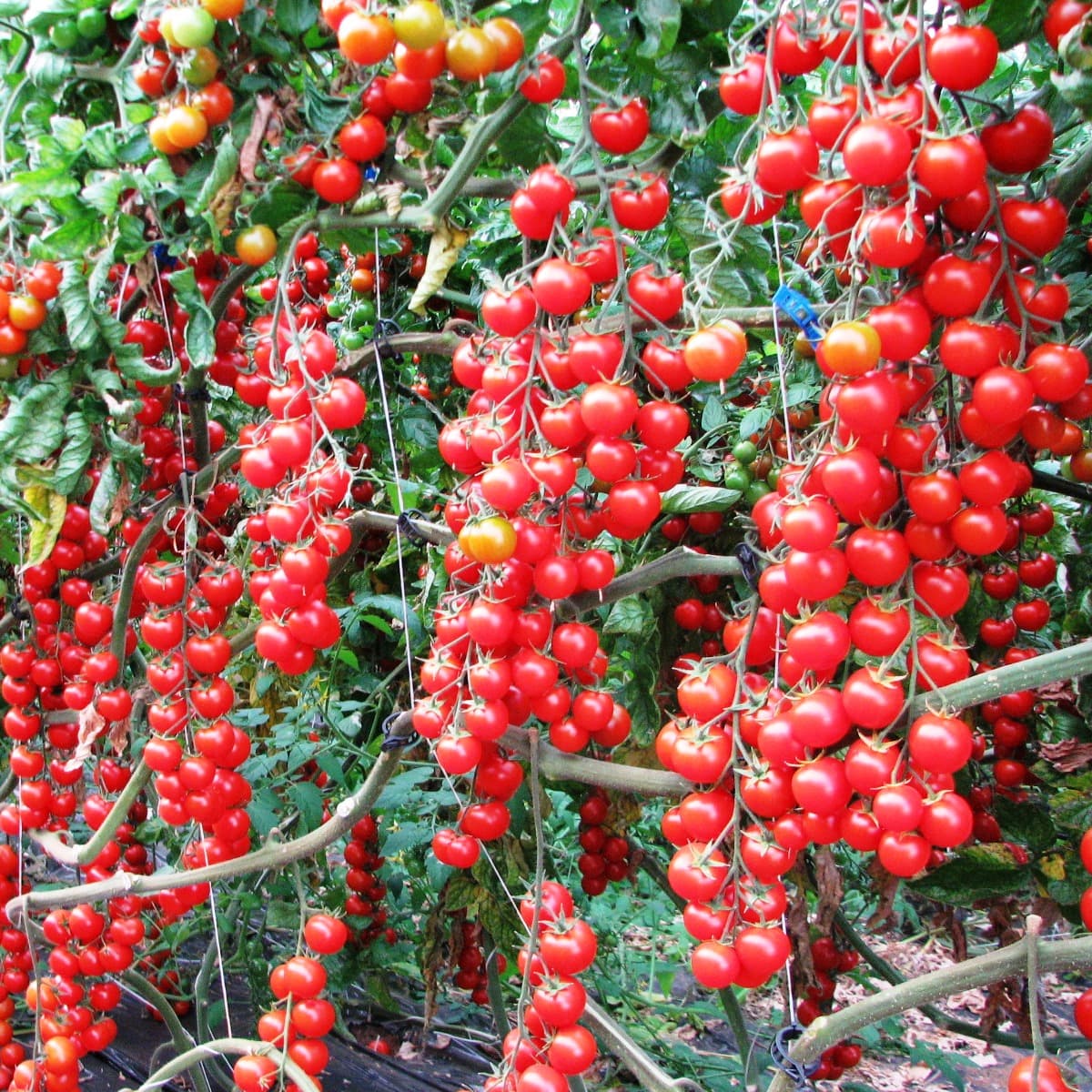
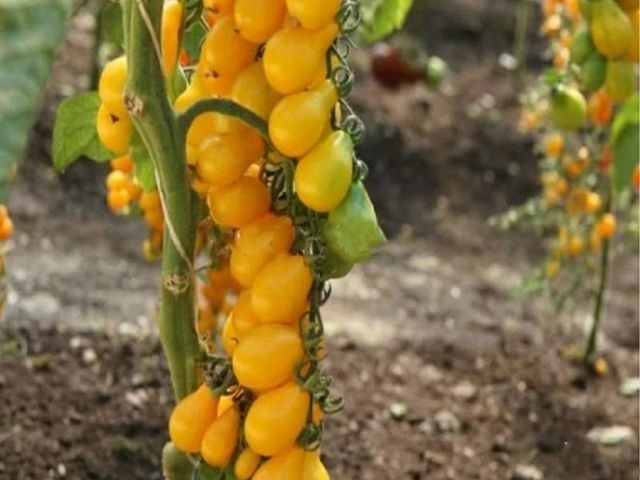
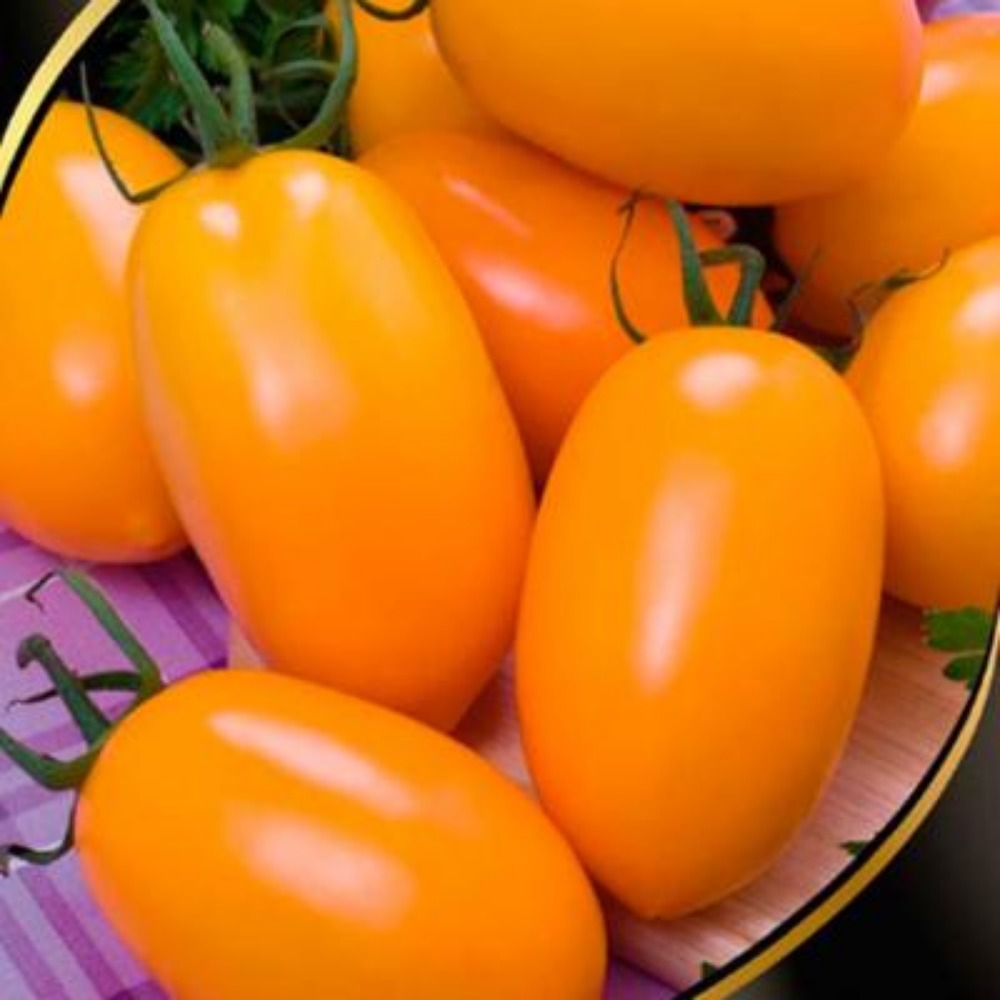
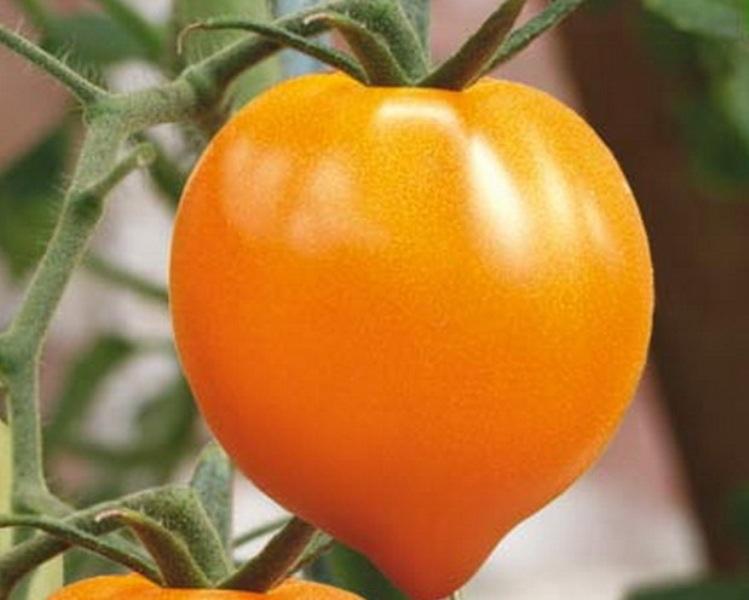
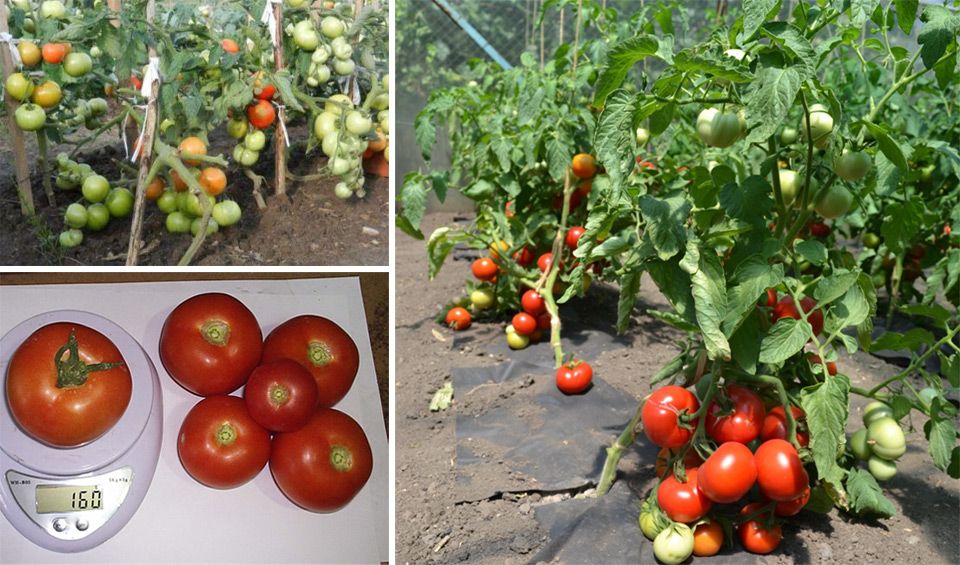
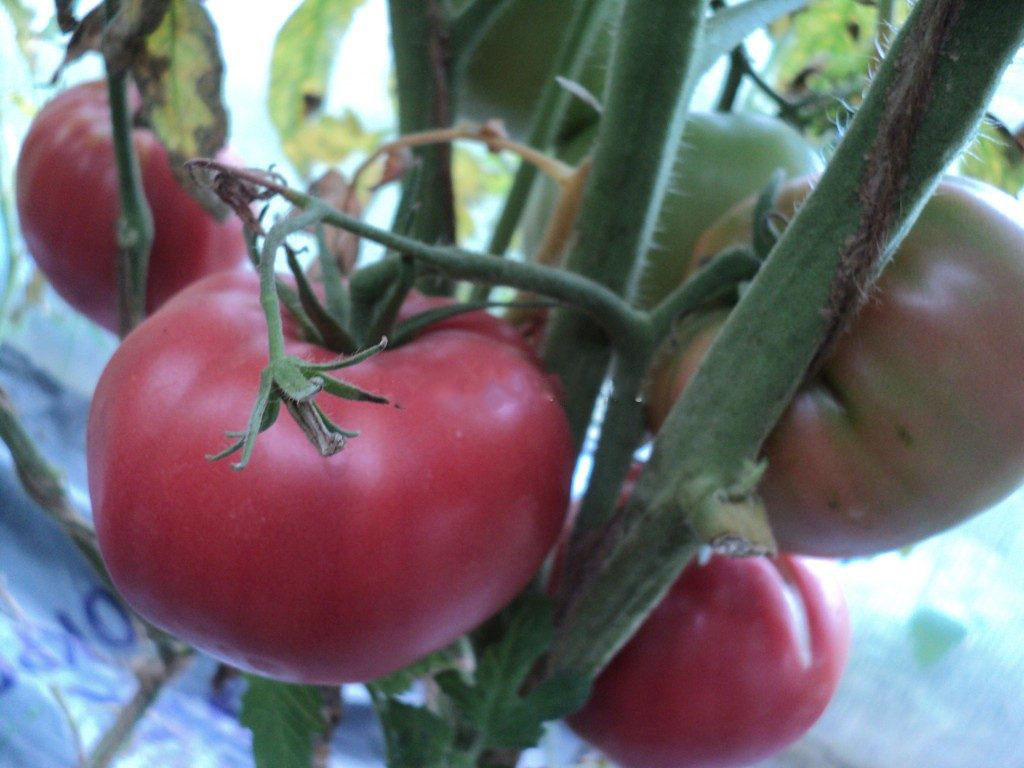
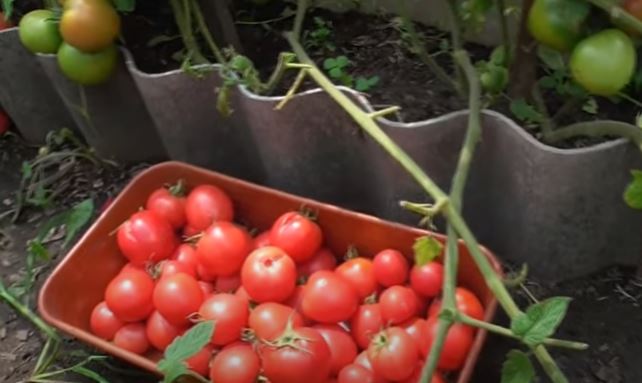
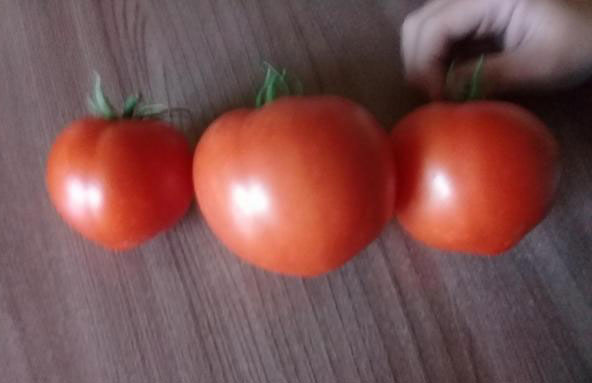
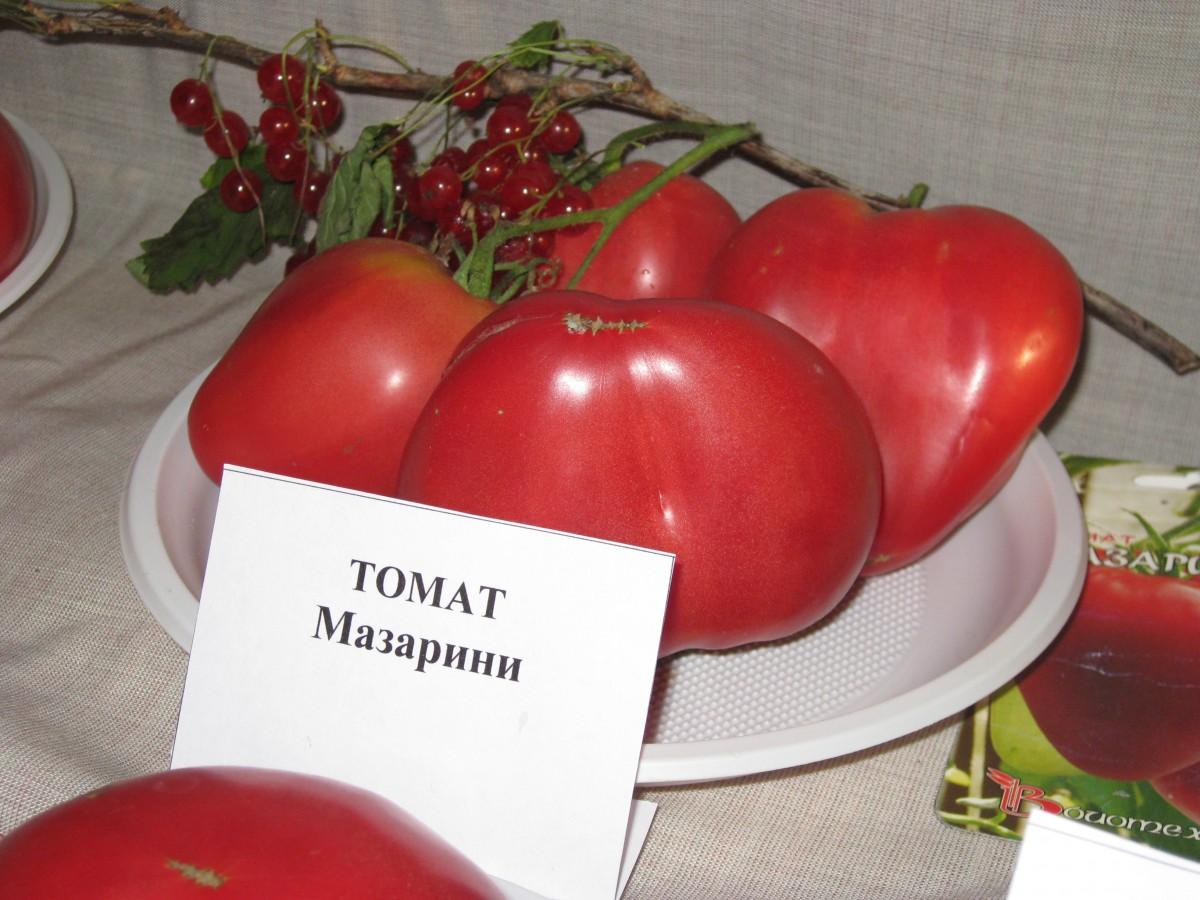
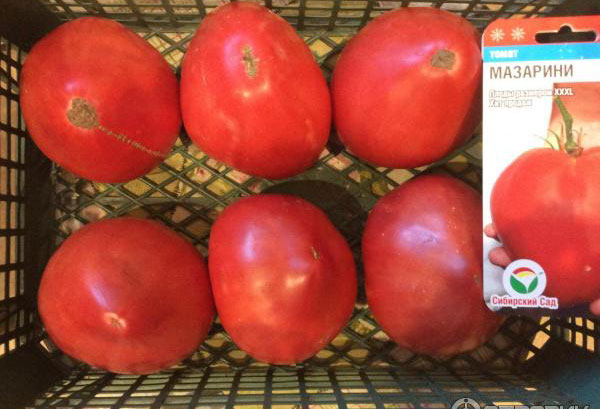
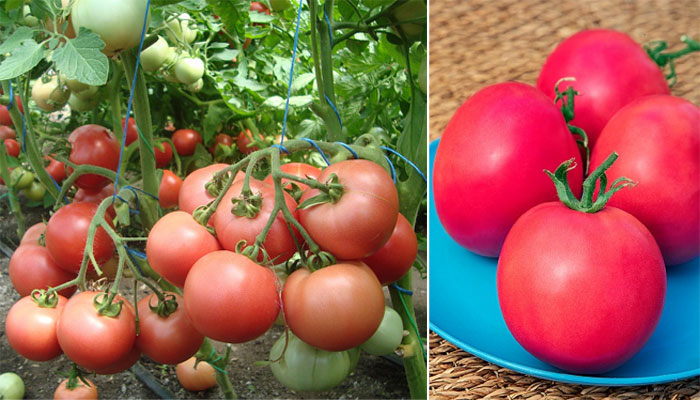
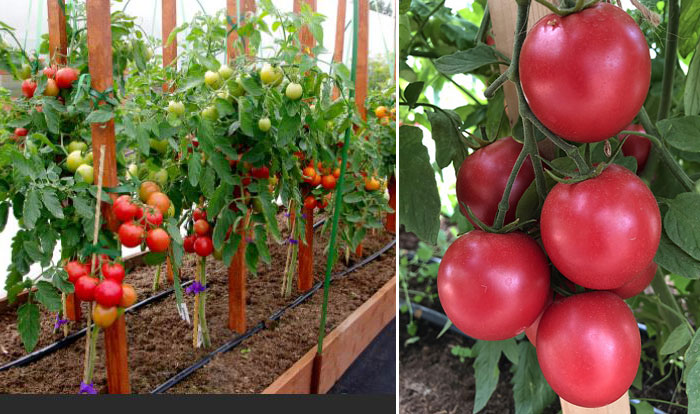
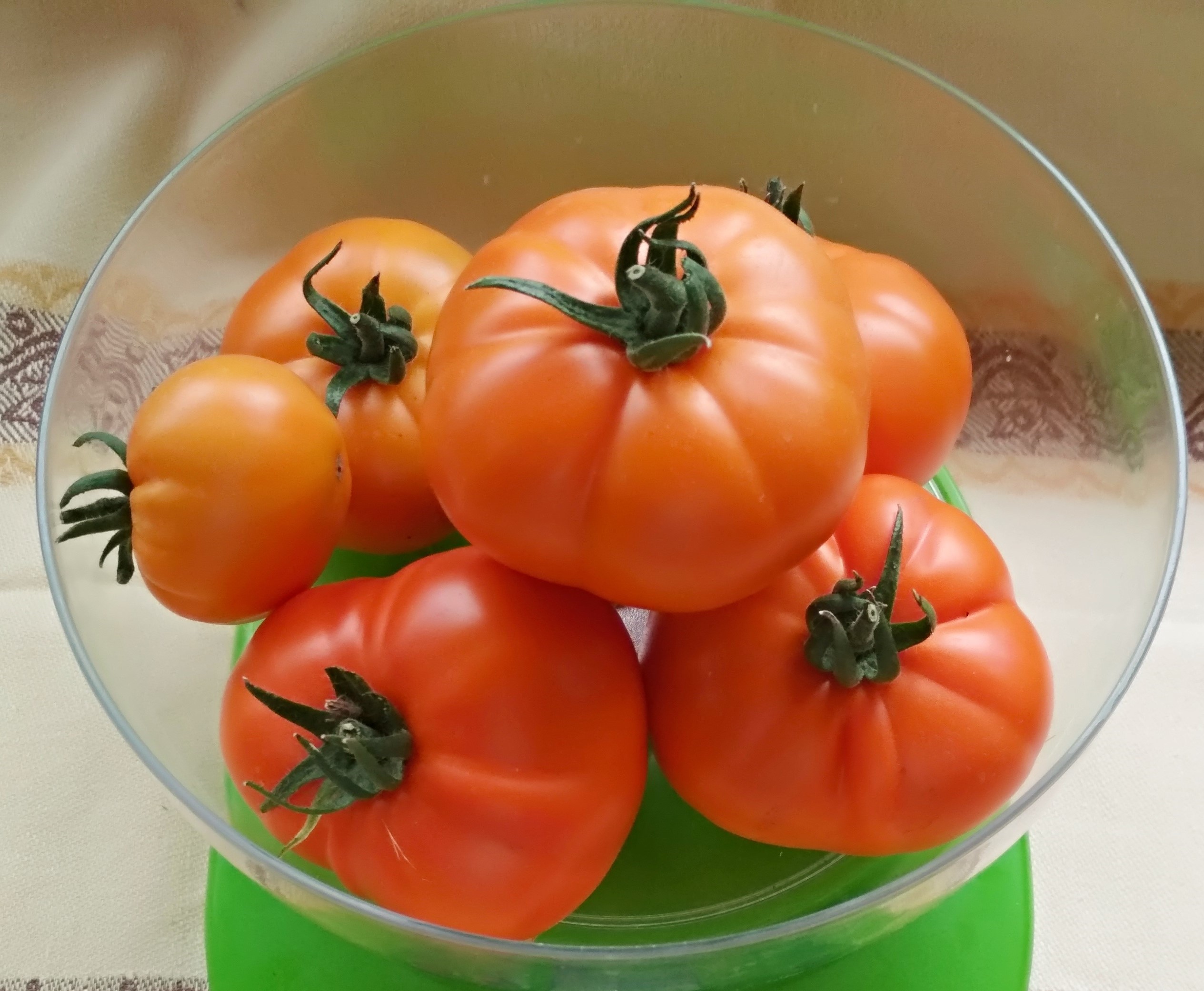
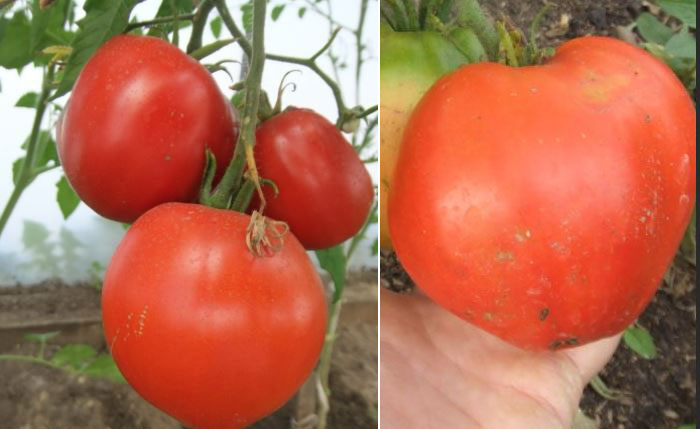
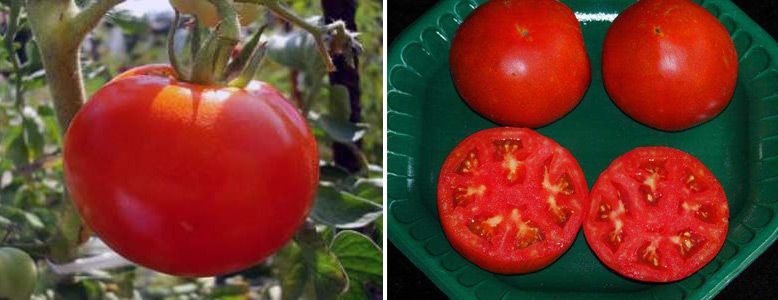
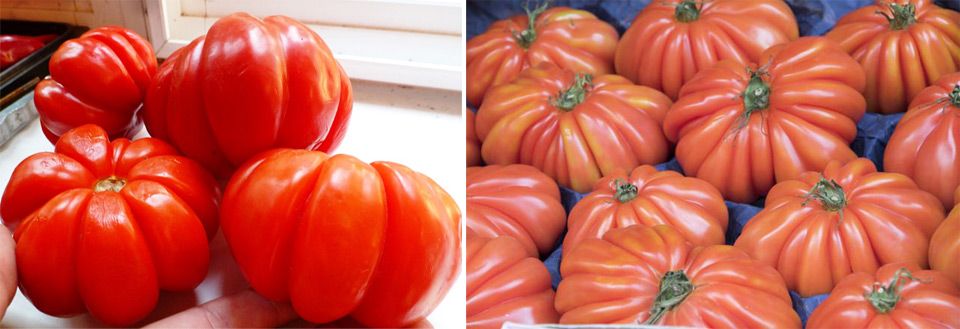
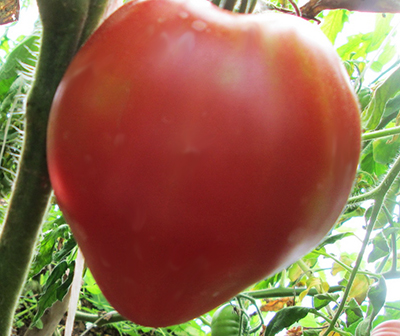
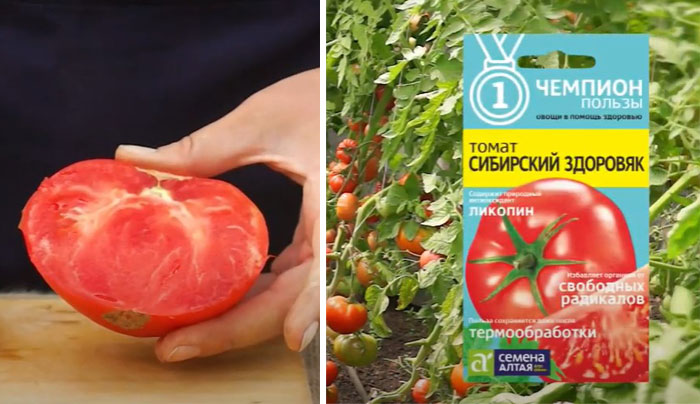
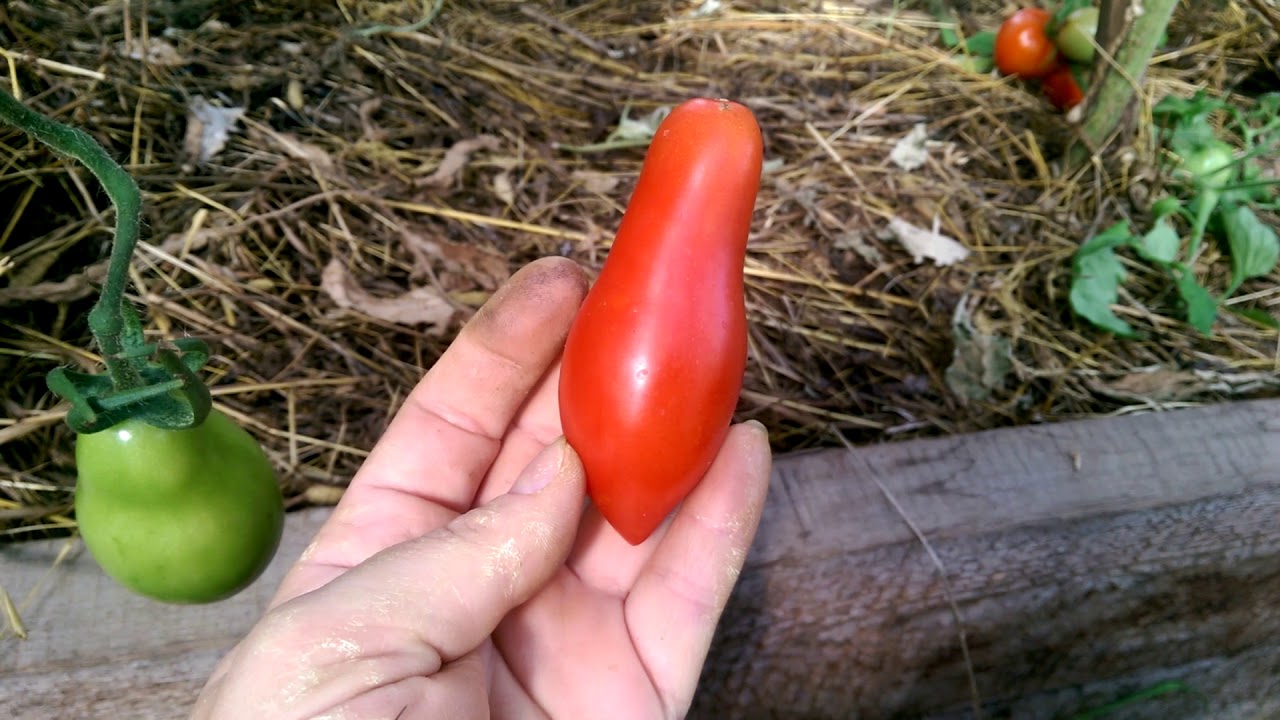
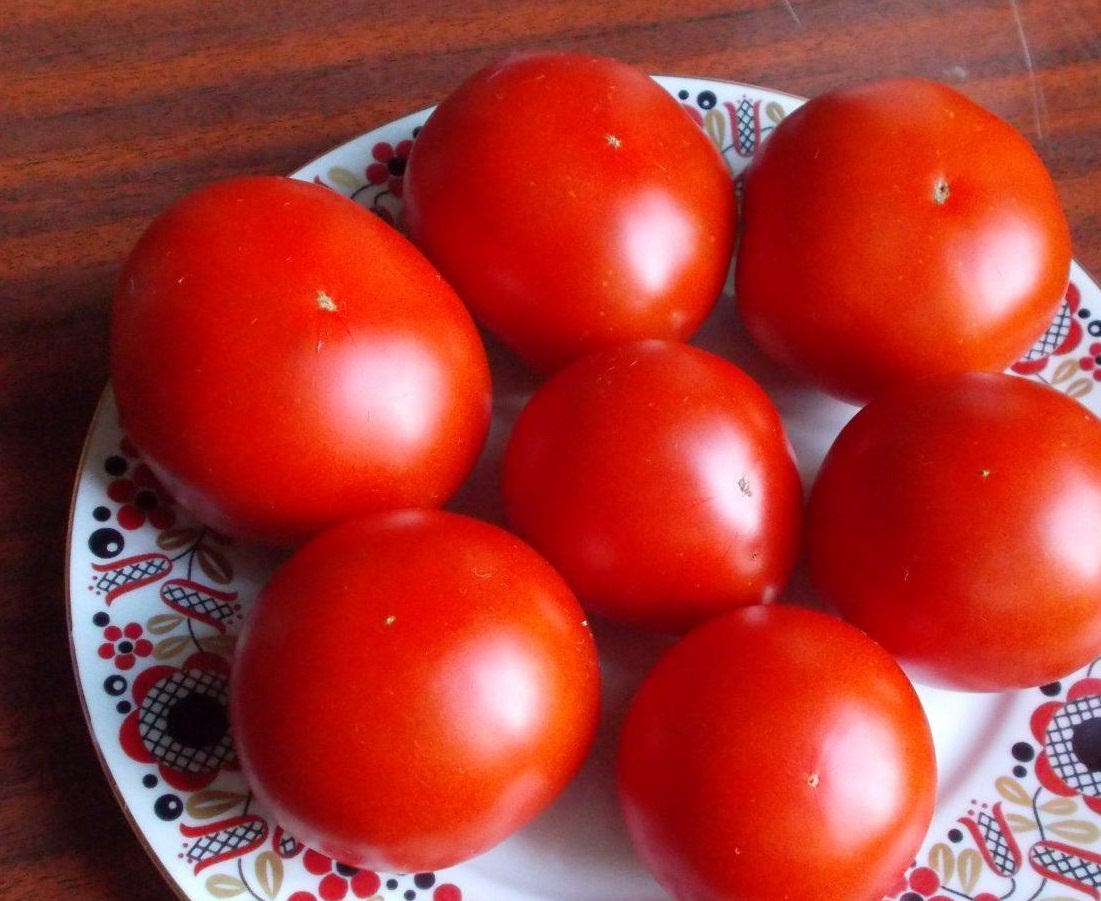
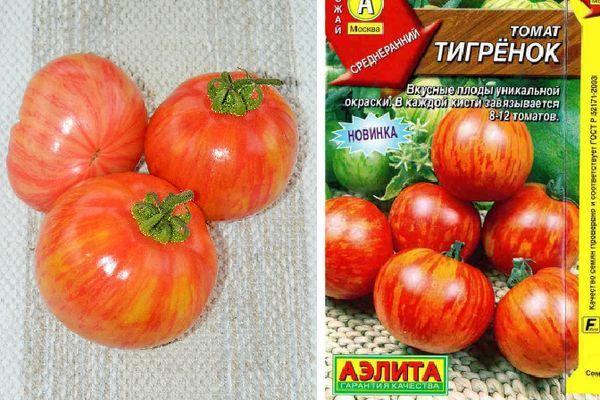
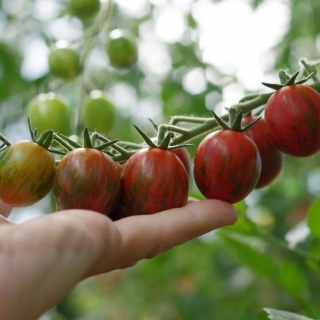
We recommend this article: Large varieties of tomatoes for greenhouses and open ground.
Photo gallery of early-ripening pepper and eggplant varieties

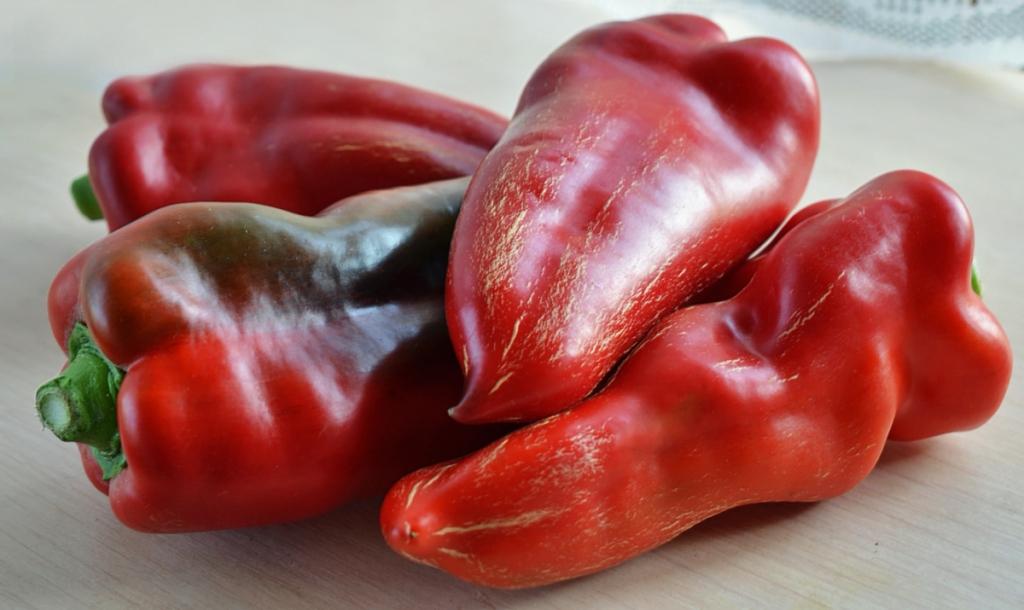
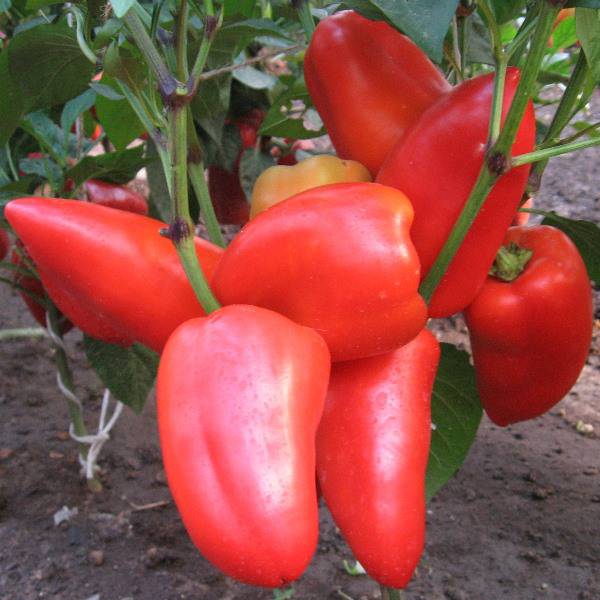
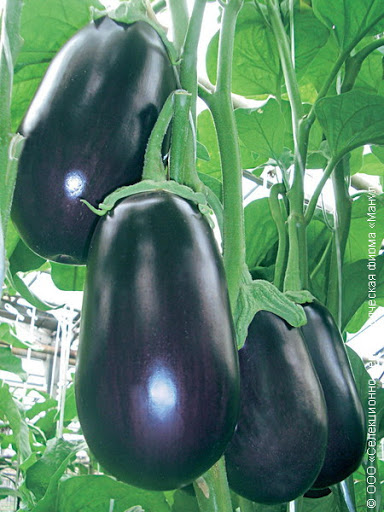

Let us dwell in detail on the sowing of various vegetable plants.
How to sow tomatoes, eggplants and peppers:
- Place a 1-2 cm drainage layer on the bottom of the container.
- Add the prepared soil mixture (it shouldn't reach the top of the walls by 1.5 cm). Compact it and water the soil.
- Place in a sunny spot or near a radiator to allow the soil to warm up.
- After a while, sow the seeds for seedlings in moist soil. Sow tomatoes and eggplants at a depth of 1.5 cm, and peppers at a depth of 1 cm.
- After sowing, compact the substrate and cover the container with polyethylene or glass.
- Place in a warm place with the recommended temperature (for tomatoes it should be +23…+25 °C, and for peppers and eggplants +26…+29 °C).
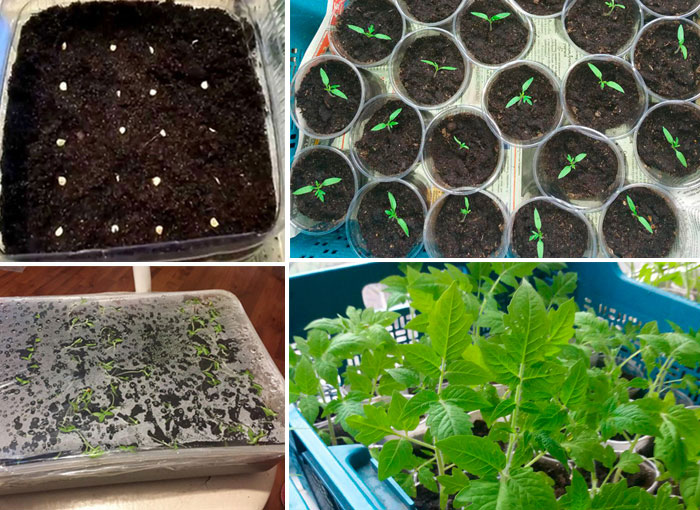
Step-by-step sowing of cabbage, celery, onions and potatoes:
- Fill plastic cups with prepared soil mixture.
- Water the soil, sow the seeds to a depth of 1 cm.
- Place on a tray, cover with film or glass to create a greenhouse effect, and put in a warm place with a temperature of +18…+20 °C.
- After the seedlings appear, lower the temperature to +8…+10 °C.
- After 7 days, increase the daytime temperature to +15 °C, and leave the nighttime temperature the same.
- Water with a solution of potassium permanganate to prevent the development of black leg.
You can also sow greens in March. For example: parsley, marjoram, oregano, tarragon, thyme, lemon balm, mint, salad.

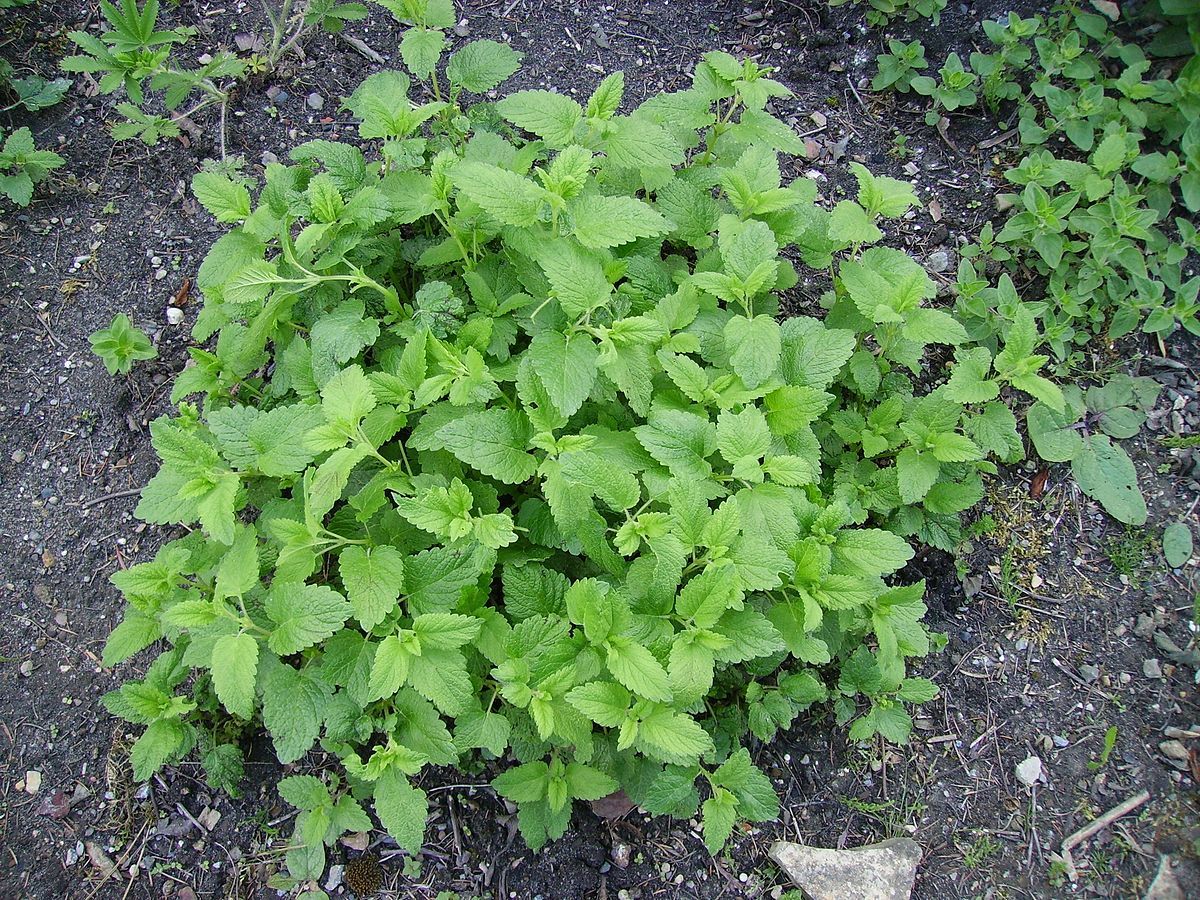
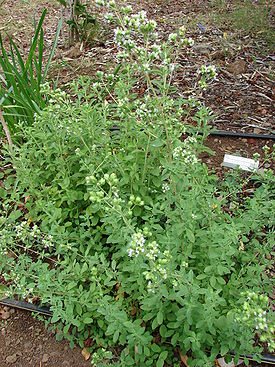
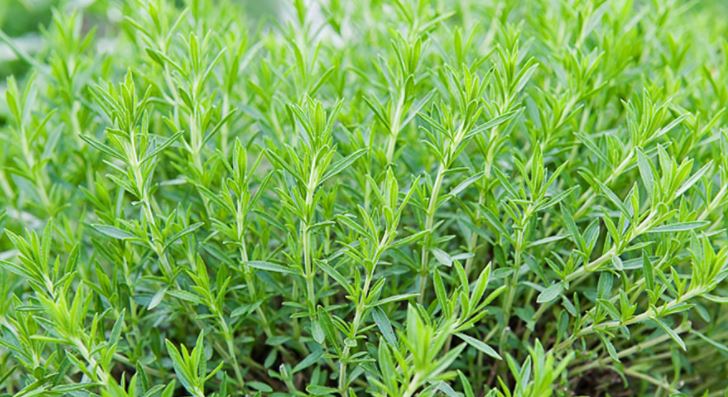

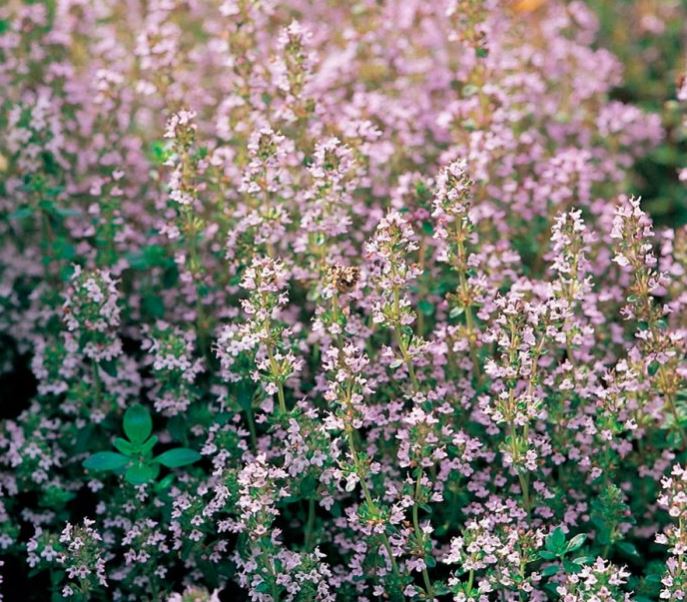
Helpful information! Many gardeners rush to plant basil in March. This is not recommended, as it can become diseased or stretch.
Caring for seedlings
Seedlings need regular watering. Don't let the soil dry out, but don't let it get too wet.
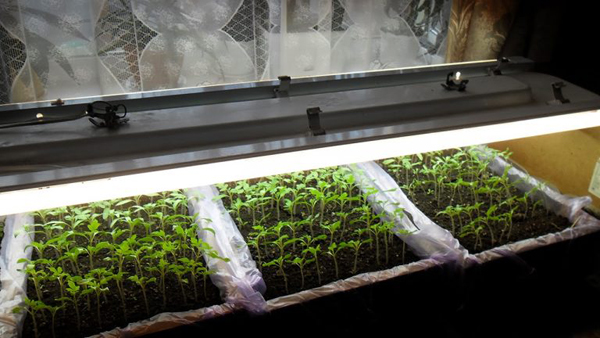
Once the first sprouts appear, move them to a bright location to prevent the seedlings from becoming too leggy. After a week, lower the temperature to 12–15°C for tomatoes and 18°C for eggplants and peppers (if possible). This is beneficial for better and faster root development.
Rotate the containers periodically. This will ensure even sunlight exposure to all the sprouts.
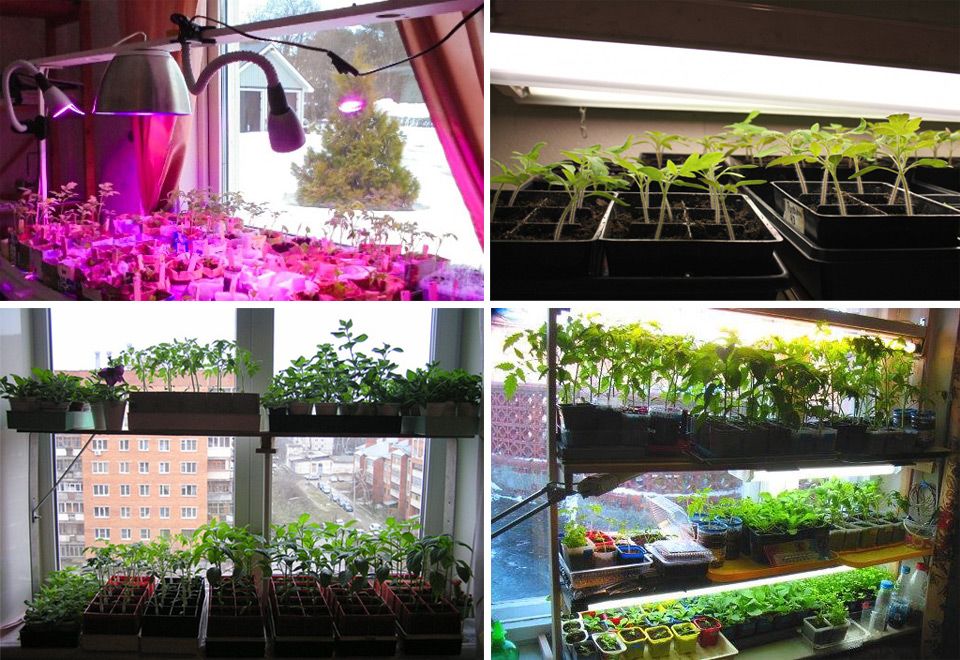
If the seedlings begin to stretch, the cause most likely lies in a violation of agricultural requirements:
- high temperature (can be reduced by ventilation or covering heating devices with a damp towel);
- poor lighting (to correct the situation, it is recommended to wash the windows to improve light penetration, install reflective screens, thin out the rows, or install phytolamps);
- high humidity (water only after the top layer of the substrate has dried out).
Picking February seedlings
February cabbage can be pricked out at the first true leaf stage. When transplanting, plant the seedlings deep down to the cotyledon leaves.
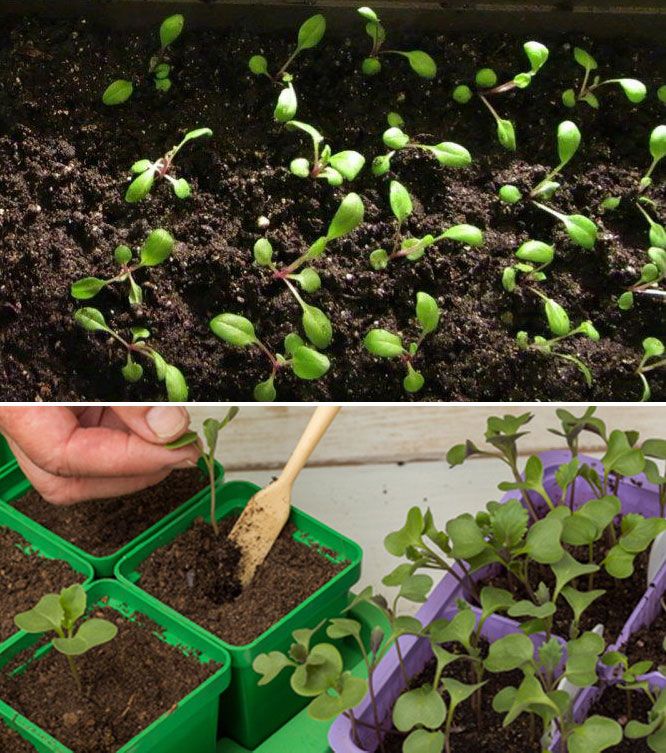
February celery should be pricked out at the 2-3 true leaf stage. If this is not possible, the rows should at least be thinned.
If the seedlings are not pricked out, fertilizer should be applied at the 3-4 true leaf stage. Complex seedling mixes with a high phosphorus content are suitable for this purpose.
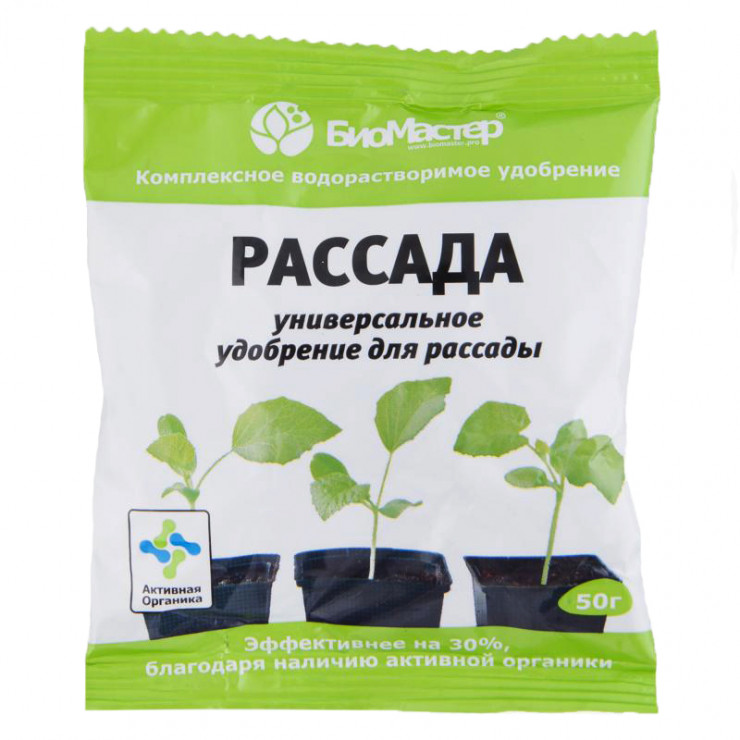
By following these simple recommendations, you will be able to grow strong seedlings that will later yield a rich harvest.
Sprouting potatoes
You can start sprouting potatoes starting March 10th, ready to plant outdoors in April. Sort the tubers for planting, using only healthy ones without signs of disease or rot. Place the tubers in a bright, cool room for germination.
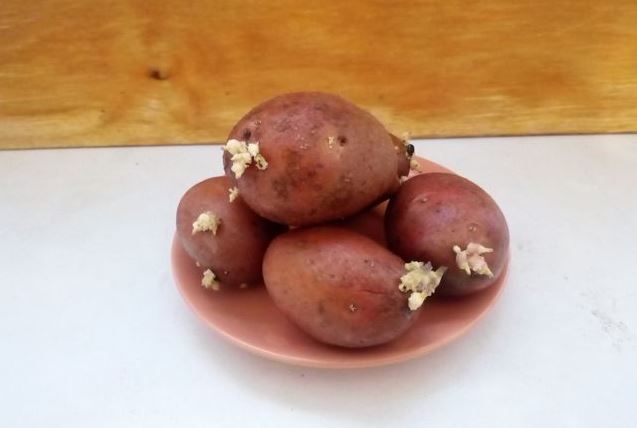
It is better to discard the material that has produced thin sprouts, as there is a high probability that it is infected.
Gardener's work outside in March
Even though there is still snow in some places on the plot, there is still work for gardeners outdoors.
Preparing for the season and first plantings
Install hoops over the beds planted before winter, as well as those intended for early vegetables, and cover them with plastic. If possible, also insulate the potato beds and areas with perennials such as chives, asparagus, rhubarb, lemon balm, sorrel, etc. This will allow the soil to warm up and ensure early ripening, which is essential for faster vitamin absorption.
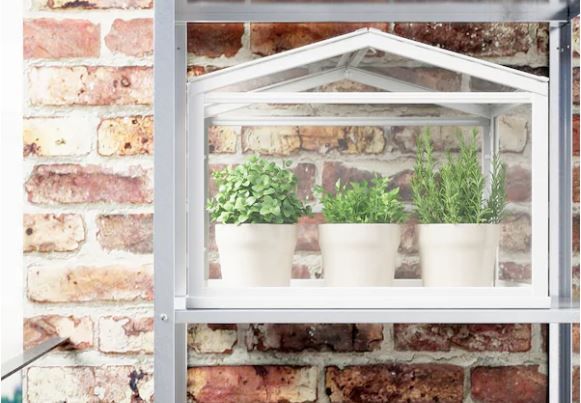
A greenhouse for seedlings can be built in a well-lit area to minimize space in the house. It's made in the form of a wooden box. The south partition is 15 cm lower than the north one. Cover the top with plastic or glass.
The result is a shelter stretched at an angle. A greenhouse is necessary for better heating and drainage. It can be made from a window frame, with the base adjusted to fit it.
If March is not cold, you can sow tomatoes in the greenhouse at the end of the month. During the first few days of planting, cover them with a second layer of plastic. If frost occurs, keep a warm blanket handy to protect the greenhouse.
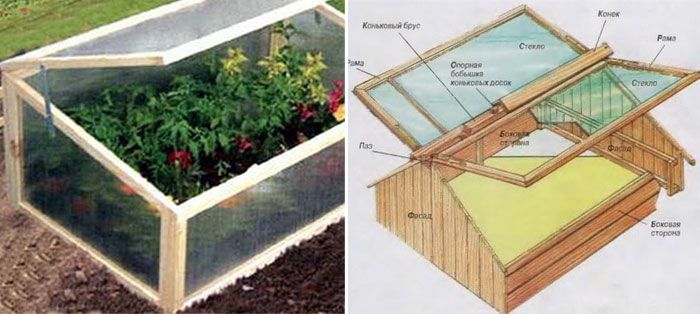
Inspect the greenhouses; they may need repairs after winter. To quickly warm the soil inside, you can pour boiling water over it and cover it with plastic film. If the greenhouse is heated, you can plant herbs and radishes there at the end of the month.
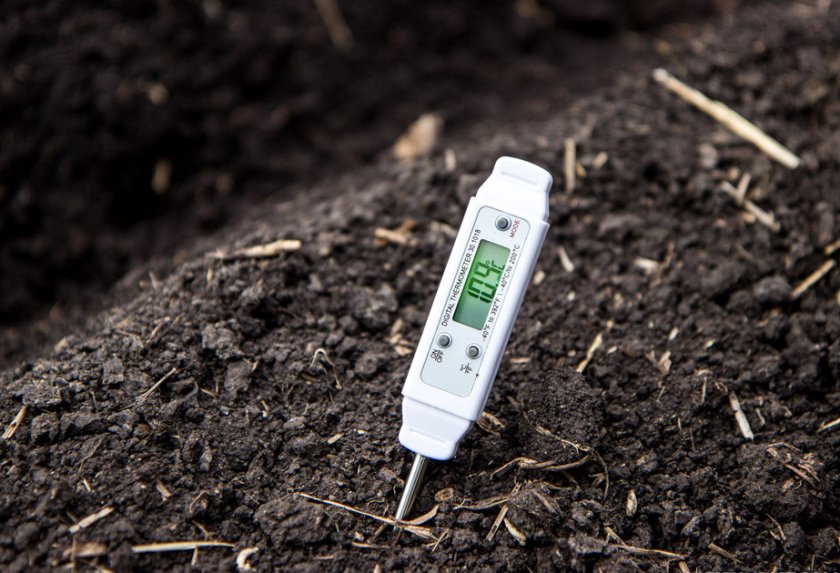
For planting cold-hardy crops, soil warmed to 5–7°C is suitable. You can check the temperature with a special soil thermometer. If the soil isn't warm enough, it's recommended to water it again with boiling water before planting.
To create insulated beds, the area is cleared of snow and sprinkled with peat or ash. Next, arches are installed, covered with polyethylene film or non-woven material. These beds can be used for winter sowing, early spring crops, perennials, or potatoes. The soil warms up faster in these beds, ensuring early ripening.
If you have limited space at home to grow seedlings, you can build a greenhouse outdoors. It should be located in a well-lit area. It's made from a wooden box, with the south side 15 cm lower than the north side. Cover the top with plastic or glass.

If March is warm, you can plant tomato seedlings in the greenhouse. Cover them with an additional layer of plastic. In case of frost, it's recommended to have a warm blanket to protect the plants.
How to make such a greenhouse yourself, as well as many others, read on our website http://top.tomathouse.com.
Works to drain melt water
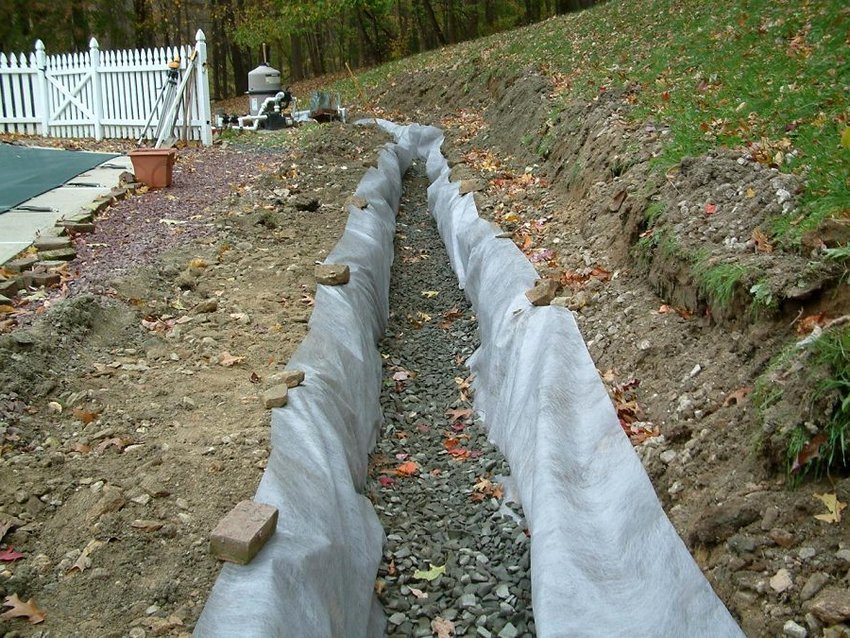
If the plot is located on a slope, it's necessary to create transverse furrows and snow banks. This is necessary to prevent meltwater from running downhill and creating gullies, washing away the fertile soil layer. Ditches should be dug in the lower part of the plot, where moisture can accumulate, to drain it. Failure to do so will result in waterlogging, which will be detrimental to all plants.
Attracting birds
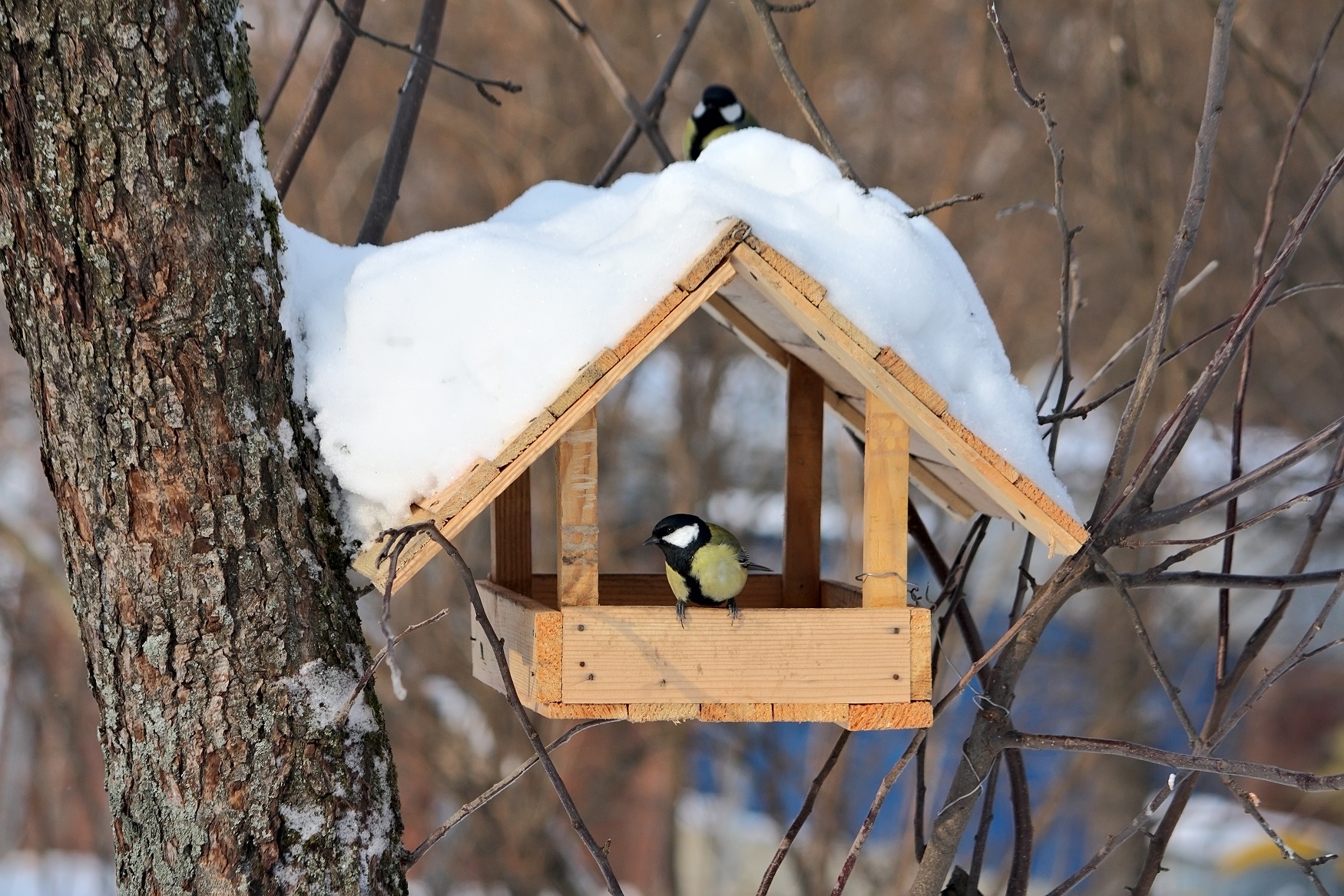
Birds will help in pest control. They should be provided with houses, preferably with a removable roof for easy maintenance. If they already exist, clean them and disinfect them with boiling water or a potassium permanganate solution.
Preparation of greenhouses, hotbeds and insulated beds.
March gardening
Gardeners' work in March:
- control of the amount of snow under trees;
- inspection of fruit trees;
- healing damaged areas of the bark;
- preparation of material for grafting and propagation;
- whitewashing of tree trunks;
- preparation of gardening tools;
- pruning of fruit trees and berry bushes;
- control of wintering pests.
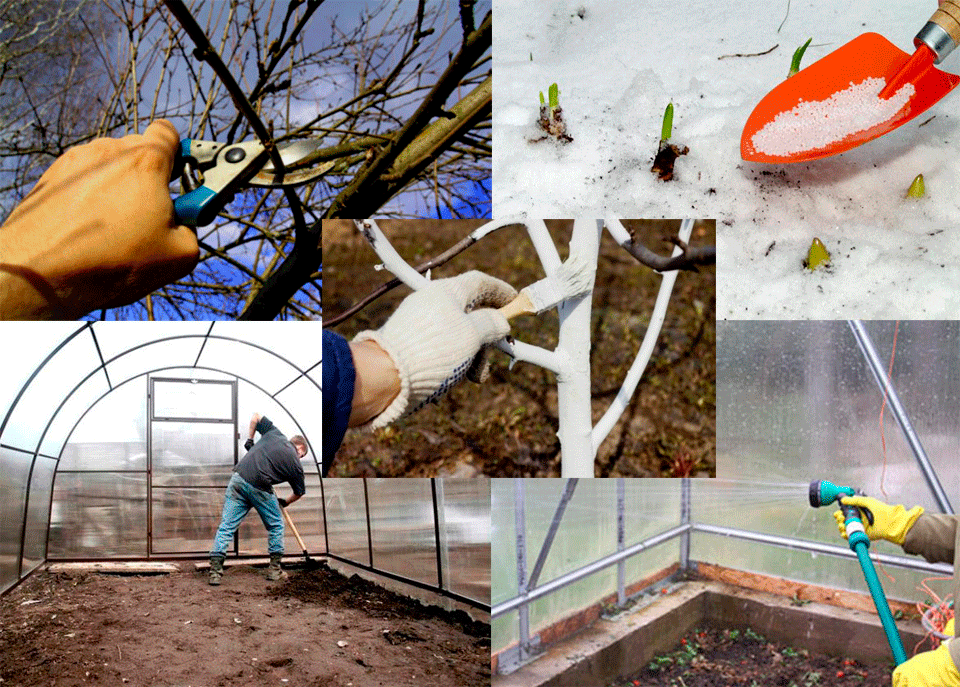
As it turns out, gardeners will have plenty to do in March.
Snow retention work
Any remaining snow can be put to good use. Collect it from between the rows and spread it over the beds. This will protect early crops from freezing and overheating in direct sunlight.
Please note! Don't try to delay the snowmelt, as this will lead to high humidity, which is harmful to plants. Instead, collect it from the accumulated areas and spread it over the garden beds.
Inspection of fruit trees
Fruit trees should be inspected for damage from pests. Young trees at snow level can be eaten by hares, while buried seedlings are often attacked by mice and other small rodents.
Depending on the type of damage, take corrective measures. For example, thin branches damaged by rabbits should be cut with pruning shears down to the first bud (facing outward).

Pest control
When inspecting fruit trees and berry bushes, be on the lookout for overwintering pests and their nests. If ring moth eggs are found (they appear as lead-gray rings approximately 1 cm wide, tightly attached to the bark), prune out the affected shoots. If the branches of berry bushes show pith-eaten away, this indicates the presence of glassworms. Such shoots should be cut back to the base.
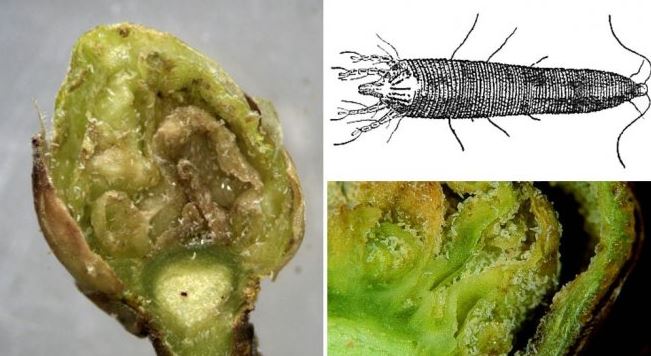
If blackcurrant buds are swollen, this indicates the presence of bud mites. These should be plucked out. Also, remove dried berries from the previous season and dried shoots showing signs of powdery mildew. All affected and cut plant parts should be burned.
Please note! If the labels were tightly attached to the branches with string or wire, they should be cut off. As the shoots grow, they will begin to cut into the bark, causing damage. If the labels must be left on, it's best to hang them on wire or rope with extra length.
Many insects overwinter in wood. To control them, use toxic products, such as Profilaktin Light. Spray before bud break, at temperatures no lower than 4°C. This product is suitable for apple, pear, quince, plum, cherry, sweet cherry, cherry plum, grape, currant, and gooseberry trees. It is effective against scale insects, false scale insects, spider mites, aphids, leafhoppers, moths, and leaf rollers.
Preparing cuttings for grafting and propagation
Circular damage to the bark can lead to the death of the tree. However, it can be saved by grafting. This is done later; the material for grafting must be prepared in March.
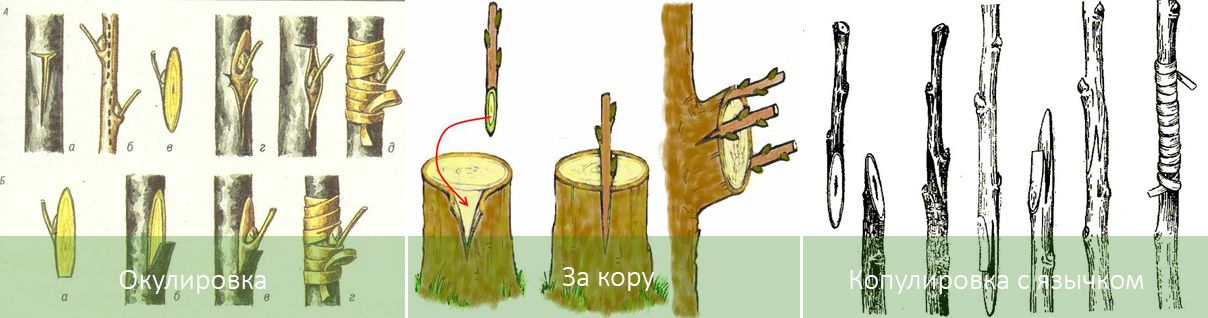
The cuttings for grafting should be longer than the damaged area. They can be taken from one-year-old shoots. Wrap them in a damp cloth and place them in a cool place until grafting.
Cuttings can also be prepared for propagation. They are also taken from one-year-old shoots. Until planting, they should be kept in a damp cloth in a cool place. They can also be placed in the refrigerator or in a snowdrift, which will not melt for a long time.
When pruning blackcurrants, it's recommended to leave woody material for propagating valuable varieties. One-year-old shoots 6-8 mm thick are suitable for this purpose.
Each one should have at least 5-7 buds. Place them in a cool place to prevent them from drying out and becoming moldy.
Please note! All prepared cuttings must be labeled to identify the species and variety.
If all the work can be completed on time in March, this will reduce the amount of work required in the following spring months. Furthermore, this increases the chances of a healthy and early harvest.