Parsley is a herbaceous biennial plant from the Apiaceae family, quite popular among gardeners. It grows naturally in Europe, America, and Canada. Its value stems from its spicy aroma and rich nutritional composition.
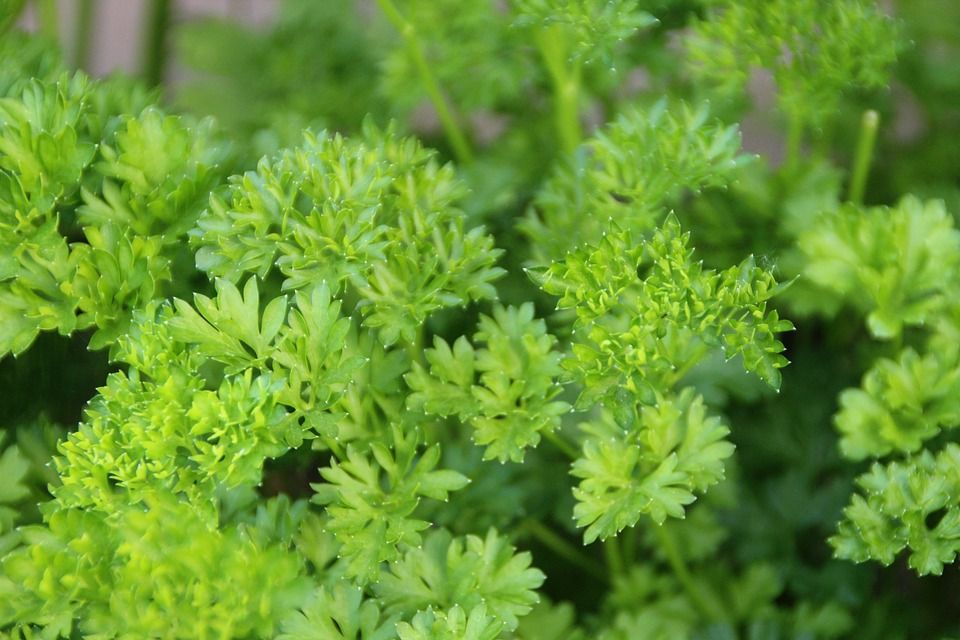
It contains trace elements, essential oils, and vitamins. Distinguishing features of this vegetable include its moisture-loving nature, low maintenance, and winter hardiness. Its disadvantages include a slow germination period. To obtain a bountiful harvest, all agricultural practices must be carried out in a timely manner. Parsley requires loose soil.
Features of growing parsley varieties
This culture has two varieties:
- root;
- leaf.
The leaf has the following features:
- taproot system;
- impressive dimensions of the socket;
- corrugated and smooth leaf blades.
Root parsley produces a cylindrical root vegetable.
When growing the root, in addition to greens, you get a root vegetable that is allowed to be eaten.
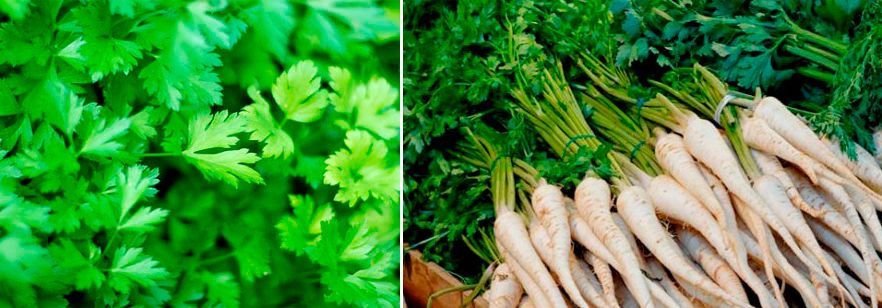
It's worth noting that leaf parsley is more popular. It can be grown from either seeds or seedlings. The latter option is not suitable for the root variety. Furthermore, it's not recommended to cut the greens until the underground part has formed. Otherwise, the roots will become smaller.
When is the best time to sow parsley: in autumn or spring?
Each option has its pros and cons. Experts recommend planting greens in the spring. This is due to the low germination rate of the seeds.
Seeds planted in open soil in the fall often freeze when cold weather sets in. This planting method is suitable for regions with warm climates.
In any case, it will be quite difficult to predict what the harvest will be like.
The plant is planted in soil that is at least 3°C (37°F). Seedlings should be expected when the air temperature reaches 2°C (37°F). The seeds can withstand sudden cold snaps. Planting time is determined based on the local climate. It's important to note that in heated greenhouses, greens should be sown two weeks earlier than in open ground.
Parsley can be sown until mid-summer.
It is recommended to plant root varieties in late spring.
Advantages and disadvantages of autumn and spring planting
Fall planting can yield a bountiful harvest. Seeds that survive frost produce vigorous shoots, which emerge once sunny weather returns. Thanks to parsley's rapid maturation, the same bed can be reused several times. This will positively impact the quantity and quality of the green foliage.
The advantages of winter planting include:
- reduction of the growing season;
- rapid weeding out of diseased and weak seeds;
- sufficient moisture of the seed material, there will be no problems with timely watering;
- availability of free time.
Among the disadvantages is low germination. If frost occurs too early, the seedlings will likely die. Another negative consequence is the development of flower stalks.
On the plus side spring planting They attribute high seed germination and the absence of problems with lighting.
Once the snow melts, the weather will quickly stabilize. This will allow greenery to quickly break through the soil layer.
Timing of planting parsley
In spring, parsley is planted after the air temperature reaches +2°C. At this time, the soil warms up to a depth of 2-3 cm.
- In warm regions – the first days of March;
- Central Russia and the Far East – end of March, beginning of April:
- Urals, Siberia – end of April.
By choosing this option, leafy greens can be cut in June.
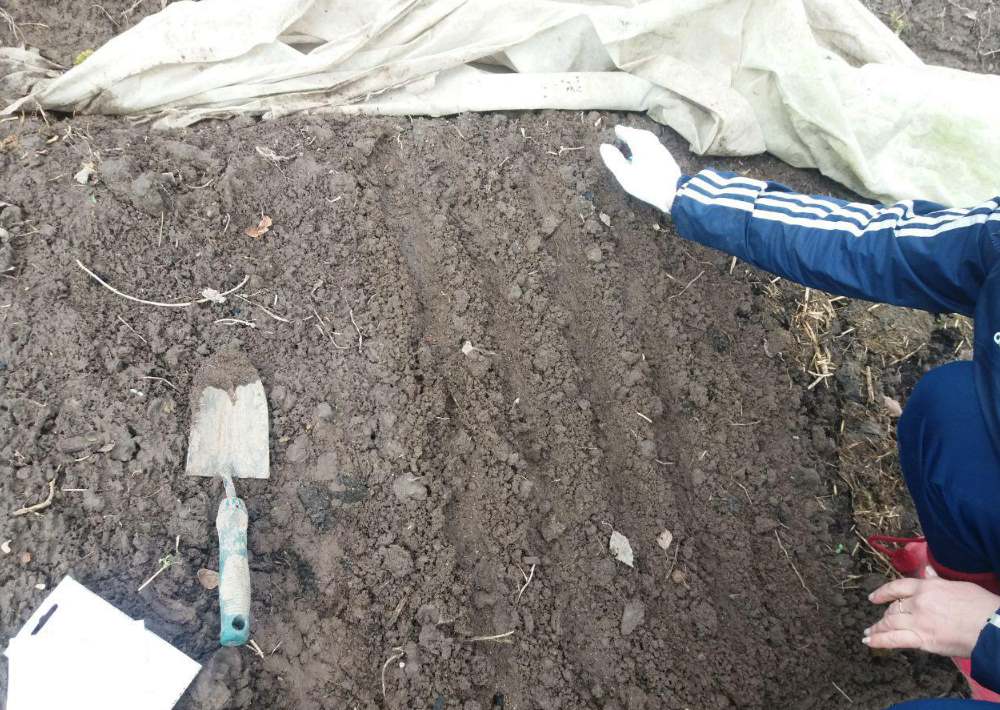
When planting in the fall, seeds should be planted before the first frost. The exact date varies by region:
- In the southern regions, the agrotechnical event is carried out in November;
- In the Urals and Siberia – in the second ten days of September. The weather at this time is unpredictable.
By planting parsley in winter, you can get the first greens in May.
Weather conditions may vary. If the autumn is too warm or the spring too cold, planting dates will have to be pushed back. When planning your agricultural activities, be sure to take the current forecast into account.
Planting parsley according to the lunar calendar in 2023
Species characteristics help identify parsley. They are always taken into account when determining planting time. Many vegetable growers often rely on the lunar calendar, which has its own favorable days for each month.
| Month | View | |
| Sheet | Root | |
| March | 1-5, 8 (from 15:39 to 17:43) 13 (from 10:21)-15 (to 15:05), 23 (from 21:41)-31 | 8 (from 15:39 pm) - 10, 13-17 (until 17:24 pm), 19 (from 18:12 pm) - 20 (until 20:21 pm) |
| April | 2 (from 13:58)-4, 7 (from 7:34)-13 (until 23:42), 16-17, 21-22 (until 13:11), 24 (from 21:58)-27 (until 9:29) (for quick consumption) | 7 (from 7:34 a.m.)-1:00 p.m. (until 11:42 p.m.), 4:00 p.m.-5:00 p.m. (for quick consumption), 9:00 p.m.-10:00 p.m. (until 1:11 p.m.) |
| May | 1-4 (up to 20:34), 13 (from 07:39)-15 (up to 10:56), 17 (from 15:26)-18 (up to 18:52), 21-31 | 1-2 (before 09:09) (for quick consumption), 2 (from 09:09)-4 (before 20:34), 7-10, 17 (from 15:26)-18 (before 18:52), 22-24 (before 17:34) (for quick consumption) |
| June | 1-2, 9 (from 13:14)-11 (until 16:19), 19 (from 07:37)-20, 23 (from 13:34)-30 | 9 (from 13:14)-11 (until 16:19), 13 (from 21:30)-15, 19 (from 07:37)-20, 26-28 (until 11:55) |
| July | 1-2 (until 2:38 p.m.), 4 (from 2:38 p.m. to 8:29 p.m.), 6 (from 20:32 pm)-10, 11-13 (until 10:25 pm), 20 (from 20:12 pm)-31 (until 21:38 pm) | 1-2 (until 14:38), 6 (from 20:32)-8 (until 22:18), 11-13 (until 10:25), 15 (from 20:12)-16 (until 21:31), 23 (from 08:53)-25 (until 19:55) |
| August | 3-4, 12-14 (until 13:35), 17 (from 12:38)-19 (until 14:53), 22-24 (until 11:08) | 3-4, 7 (from 09:24)-9 (until 16:05), 12-14 (until 13:35), 22-24 (until 11:08), 26 (from 14:04)-28 (until 17:31) |
| September | 3 (from 18:00)-5 (until 23:05), 8 (from 07:59)-10 (until 19:35), 16-24, 27-28 | 3 (from 18:00)-5 (until 23:05), 8 (from 07:59)-10 (until 19:35), 16-18 (until 07:58) |
| October | 1-7, 16-22 (until 09:06), 24 (from 11:32)-26 (until 13:01), 30-31 | 5 (from 15:32)-7, 13 (for quick consumption), 16-22 (until 09:06) (transplant into a pot) |
| November | 2-12 (until 12:26 pm), 14-18 (until 14:27 pm), 20 (from 17:29 pm)-22 (until 20:19 pm), 25-26 (until 12:26 pm), 28 (from 12:26 pm)-30 | 2-4 (until 10:20), 9 (from 11:07)-12 (until 12:26), 14-18 (until 14:27), 25-26 (until 12:26), 28 (from 12:26)-30 |
After which crops can parsley be planted?
Selecting a site is one of the most important factors. The soil should be fertile and loose. Experienced gardeners recommend planting parsley after zucchini, potatoes, cucumbers, and early cabbage.
If herbs were previously grown in the designated area, you'll have to forego planting them. The same applies to carrots.
Onions and garlic are among the "neighbors" of parsley. Their distinctive aroma makes these greens pest-resistant. Tomatoes, coriander, celery, dill, cilantro, peas, and radishes are often planted near parsley. This herb can be seen in mixed beds. This helps prevent slugs.
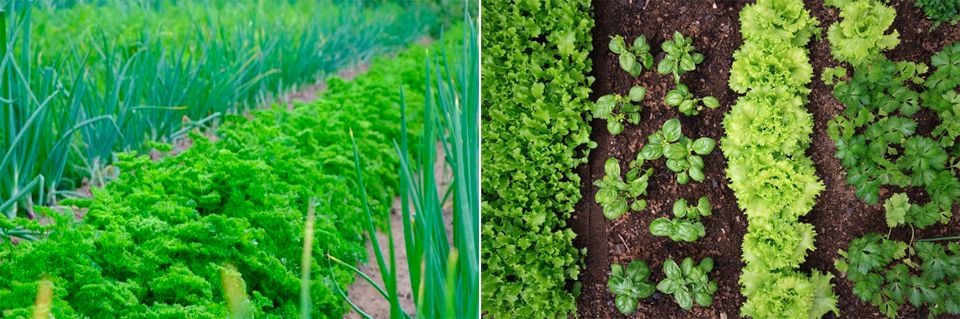
The soil must be fertilized before planting. Fertilizers are selected based on the initial soil condition. If a vegetable grower decides to plant parsley in the spring, organic matter, such as plant compost, manure, and humus, is added to the soil in the fall.
Light soils are fertilized with peat, heavy soils with sand.
To prevent the negative impact of soil-dwelling pests, the area will need to be treated with dolomite flour and special preparations, including insecticides.
Preparing parsley seeds for sowing
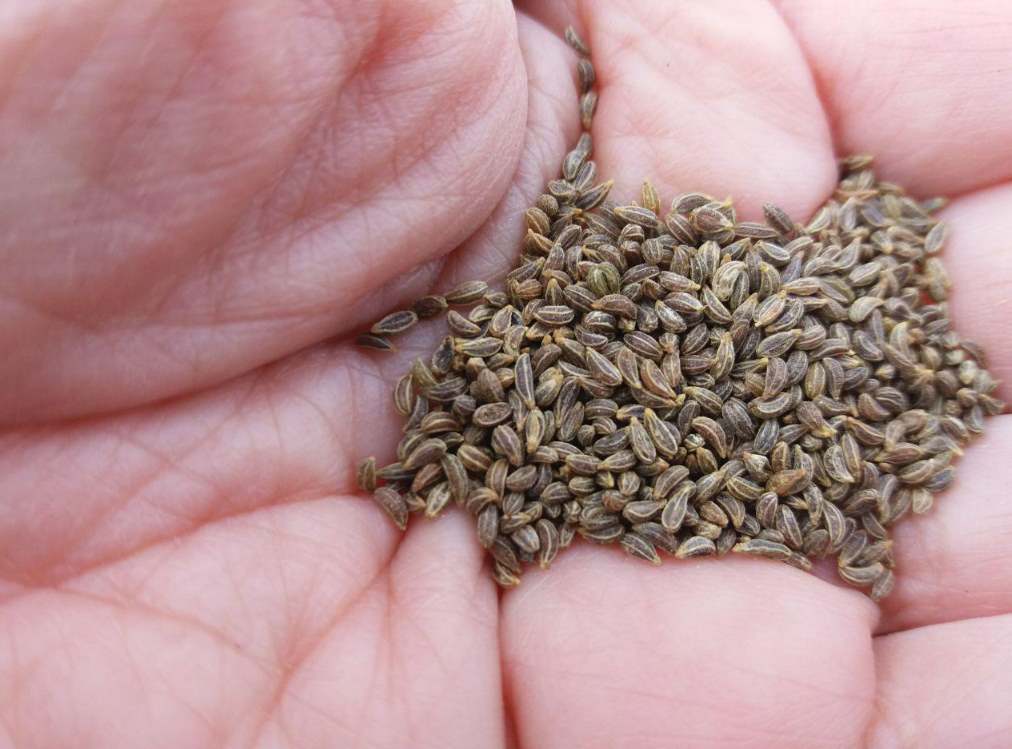
To achieve faster germination, pre-sowing preparation is necessary. First, calibration is performed. This procedure removes defective seeds from the total seed mass. These defects can be identified using a salt solution. To prepare it, simply mix 300 ml of warm water and 10 g of salt.
The seed is placed in the prepared solution. The floating seeds are discarded, and the remaining ones are rinsed. The next step is soaking. This is necessary because with dry sowing, sprouts will only appear after 2-3 weeks. For this step, you will need:
- Warm water – this removes the oil film. Treatment usually takes 24 hours;
- biological growth stimulants – these include drugs such as Heteroauxin, Epin and Zircon;
- potassium permanganate solution, vodka - they have a disinfectant effect;
milk – prevents contact with alkaline substances.
Many people carry out vernalization, which involves placing the seeds in a cloth bag and burying them in moist soil.
Bubbling is a treatment performed using a special apparatus. Its function is to saturate the solution with air. The procedure lasts from 18 to 20 hours.
Top.tomathouse.com explains: methods for planting parsley
Parsley can be planted in containers, a greenhouse, or open ground. If you choose the former, you need to follow some fairly simple guidelines. The furrows should be no more than 1 cm deep, with about 3 cm between them. Warm soil is added to the furrows along with the seed.
If the climate is harsh, mulch is essential. The resulting layer will prevent damage to the green shoots. Containers are covered with plastic film to prevent moisture evaporation.
The grown seedlings are moved into open soil at the beginning of May.
Growing in a greenhouse may require specialized equipment. Parsley is most often planted in racks. The spacing between rows is calculated based on the characteristic characteristics of the varieties. The planting technique remains the same.
The nuances of planting and caring for parsley in open ground
Herbaceous greens are planted in well-lit areas. If parsley is planted in partial shade, a bountiful harvest is unlikely. Thinning is done after the first pair of leaves has formed. Fertilizers containing both organic and mineral ingredients are used. The latter include potassium, phosphorus, and nitrogen.
Mandatory agricultural practices include regular watering, timely weed removal, and loosening the soil. This herb is used in medicine and cosmetology. Fresh and dried herbs are often added to various dishes. Parsley adds a unique flavor to pickles and salads.