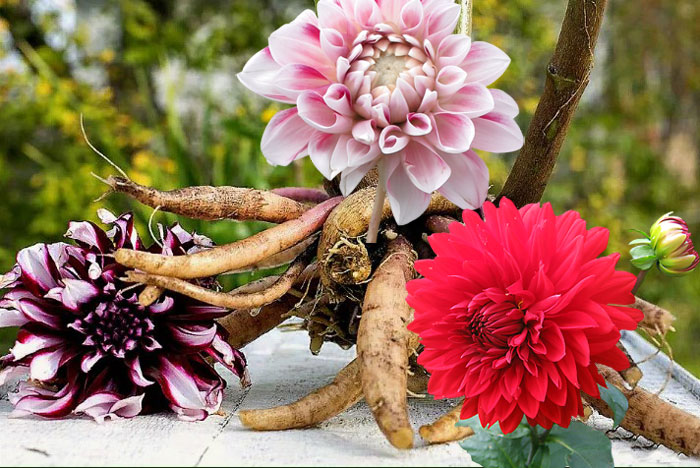
Dahlias are very beautiful flowers that look stunning in flowerbeds, either alone or in combination with other plantings. They are grown from seeds or from tubers. The latter method applies to perennial dahlias, which bloom more vibrantly and profusely than annuals propagated from seeds.
This article will teach you all the intricacies of growing and planting tuberous dahlias, as well as the specifics of caring for these plants.
Content
Dahlia germination times
In temperate climates, dahlia tubers are removed from storage for germination in the first half of April, ready to be planted outdoors in the second half of May. In other regions, weather conditions dictate the best time to remove the tubers approximately 2-4 weeks before planting.
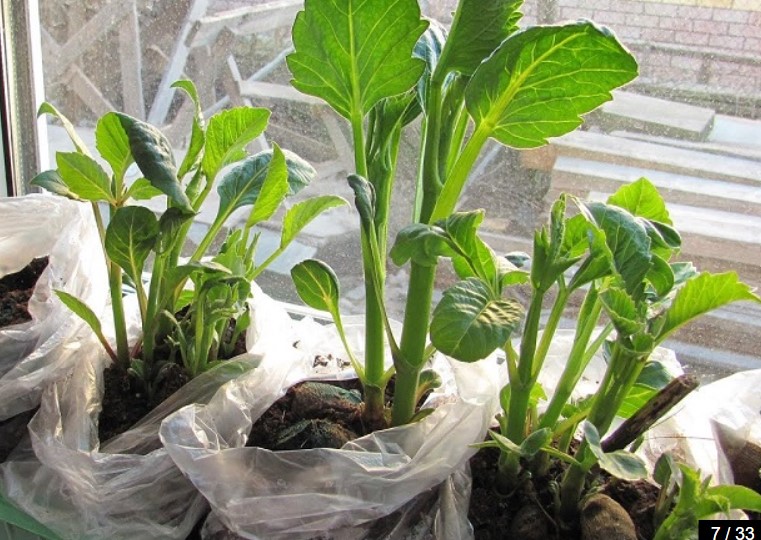
There are two opposing opinions regarding the sprouting process. Some gardeners believe it's pointless, as the plants thrive without any additional preparation. Others, however, undeniably sprout the tubers by placing them in a substrate and placing them on a windowsill. Both methods can produce good results, but sprouting makes dahlias more viable.
Preparing dahlia tubers for germination and planting
The first work with tubers should be done in the fall, when the root ball is divided into equal parts with two growth buds. If there are more buds, they will rob the plant of nutrients as it grows and prevent it from developing to its full potential.
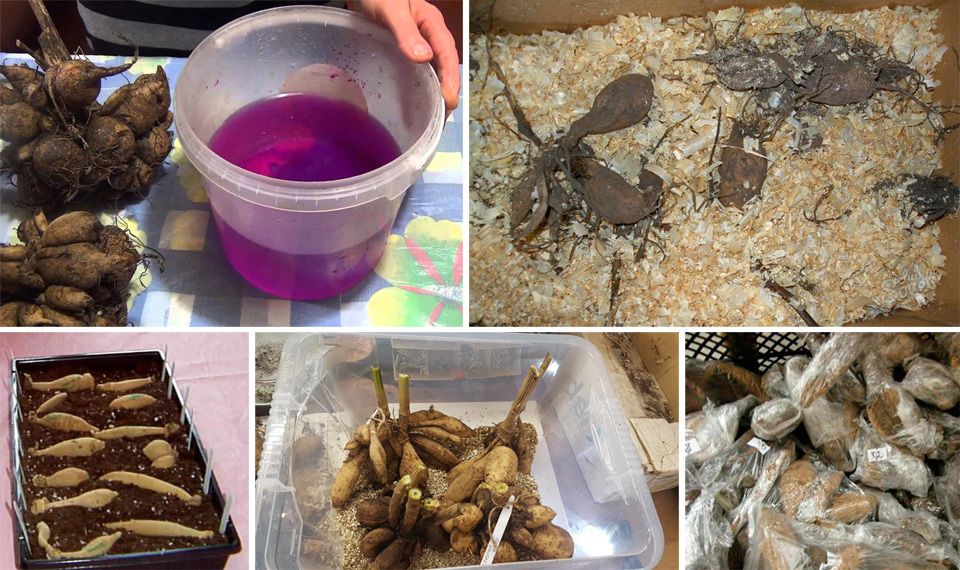
Dahlia tubers are removed from storage in early April and carefully inspected for any damage. If the damage is small, you can cut off a small section of the tuber and treat it with a weak solution of potassium permanganate to disinfect it. If the tuber is soft, rotten, or has dry roots, it should be discarded—it will not germinate.
Some gardeners soak the tubers in a weak solution of potassium permanganate for about an hour before sprouting to disinfect them. However, this step is not necessary. To speed up sprouting, you can soak the tubers in a solution of Fitosporin.
The tubers are planted in soil-filled containers and watered generously throughout the germination period, avoiding waterlogging around the roots. Peat pots can be used; this way, the plant doesn't have to be removed from the container, minimizing the risk of root damage.
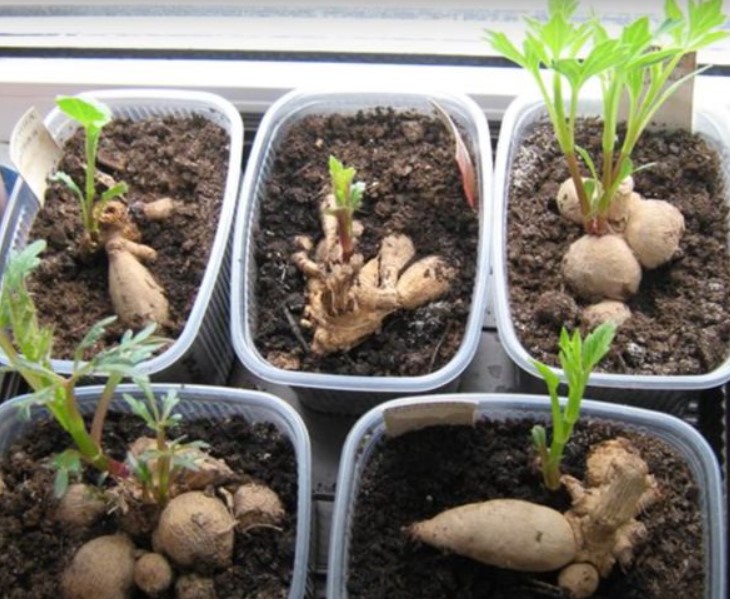
If you need to speed up the growth of dahlias, you can germinate them in damp sawdust or moss, periodically spraying them with nutrient solutions, such as Gumi-20.
If the tubers are harvested and planted too early, the shoots will be very large by the time they're planted, and they may not survive in open ground. In this case, pinch them back—the stem is shortened to a few centimeters above the second pair of leaves.
Before transplanting dahlias outdoors, it's recommended to harden them off. Ten days before the chosen date, begin placing them outdoors, gradually increasing the time they remain outdoors.
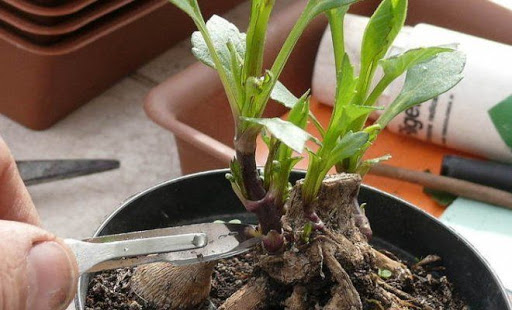
Before planting, the tubers can be divided, leaving at least one sprout on the tubers, or better yet, more.
Timing for planting dahlias in open ground
The timing of planting dahlias outdoors depends on the growing region. A prerequisite is soil warming to 10°C (50°F) at a depth of 10-12 cm. However, the air temperature should not drop below 5°C (41°F), otherwise the plants will freeze and die.
When to plant dahlias according to climate and region
The table below provides recommendations for planting dahlias for different regions of the country.
| Region | Planting recommendations |
| Moscow region, Central Russia | In early spring, dahlias can be planted in the first half of May, but you'll need to have covering material ready, as the weather hasn't stabilized yet. In normal spring weather, planting takes place towards the end of May. |
| Siberia and the Urals | In northern regions, the soil warms up to the required temperature only in June. It's essential to use seedlings for planting, even for tuberous dahlias. It's best to plant the plants in warm beds, securing them with arches of covering material. |
| Southern regions | Planting takes place in mid-April, while the soil still contains sufficient moisture. To retain moisture within the flowerbed, the surface is mulched with humus, peat, or sawdust. |
When to plant dahlias according to the 2024 lunar calendar
Many gardeners, when choosing planting dates, rely on the recommendations of the lunar calendar.
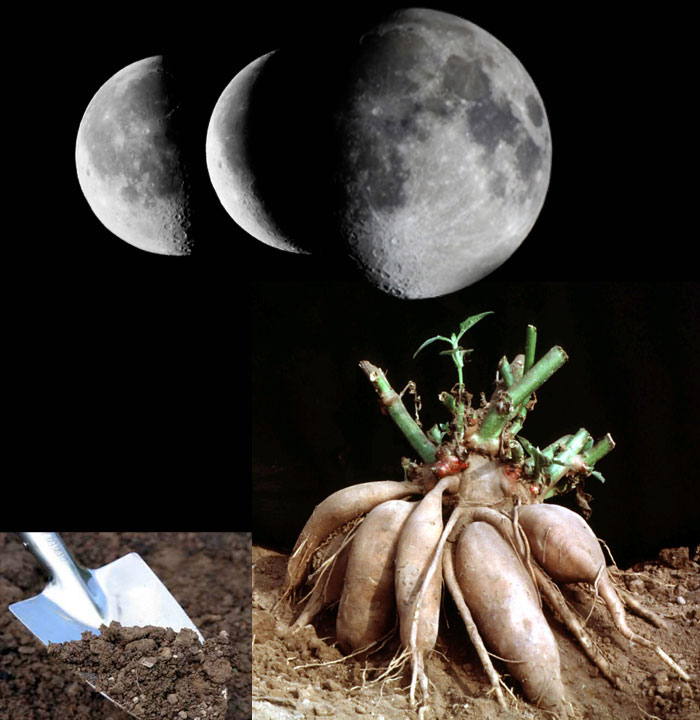
The table below shows the most favorable days for planting dahlias, as well as for germination.
| Month | Favorable days | Unfavorable and prohibited |
| March (germination) | 5-6, 9 (until 12:00), 13, 14, 26 (from 10:00)-27 (until 12:02) | 7-8,9 (from 12:00 p.m.),10,11 (until 12:00), 11 (from 12:00 p.m.), 12, 24 (from 10:00 a.m.),25,26 (until 10:00 a.m.), 27 (from 12:02 a.m.)-31 |
| April | 1-3 (until 12:07 pm), 5 (from 14:12 pm)-7 (until 14:24 pm), 9 (from 21:20 pm)-11 (until 15:57 pm), 13 (from 20:44 pm)-15, 25 (from 2:48 pm)-30 (until 18:20) | 3 (from 12:07 pm)-5 (until 14:12 pm), 7 (from 14:24 pm), 7 (from 9:20 p.m.), 8,9 (until 21:20),23,24, 30 (from 18:20) |
| May | 2 (from 21:52 pm) - 4 (from 23:40 pm), 11 (from 06:12 pm) - 13 (until 13:35 pm), 24 (from 16:52 pm) - 27, 30, 31 | 1-2 (until 21:52),7,8, 9,22 (from 16:52),23,24 (until 16:52)), 28, 29 |
| June | 3 (from 08:54 a.m.)-5 (until 11:36 a.m.), 23, 26 (from 09:07 a.m.)-28 (until 11:51 a.m.), 30 (from 15:01 p.m.) | 1 (from 6:27 a.m.)-3 (until 08:54 a.m.), 5 (from 15:37),6,7 (15h 37m),21 (from 04:07), 22, 24-26, 26 (from 09:07 a.m.)-28 (until 11:51 a.m.) |
Dates that are not favorable, unfavorable, or prohibited are possible, but if you plant dahlias on them, you shouldn't count on the Moon's support.
Guidelines for Purchasing New Dahlias
You can buy dahlias no earlier than mid-April, so as not to overexpose the tubers before planting.
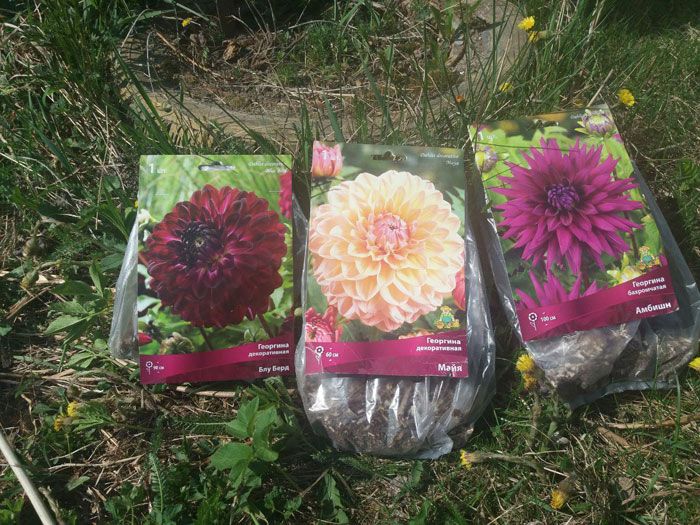
When selecting planting material earlier, ensure that the tubers are dormant and have no sprouts or other signs of early growth. Otherwise, the dahlias may not survive planting.
Planting dahlias in open ground
To ensure your dahlias bloom profusely, choose the right location and follow simple planting guidelines.
Location
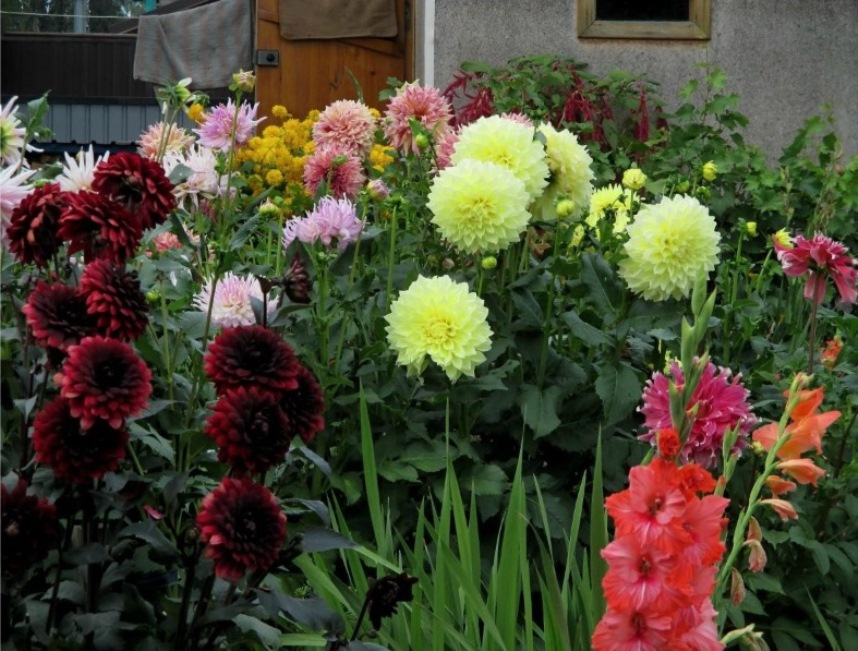
Flowers love light, so the flowerbed should be located on the sunny side of the garden. In the shade, their stems will stretch out, and the buds will not fully open. A flowerbed in partial shade is acceptable, as in hot regions, the scorching sun can be harmful to the delicate petals.
Soil
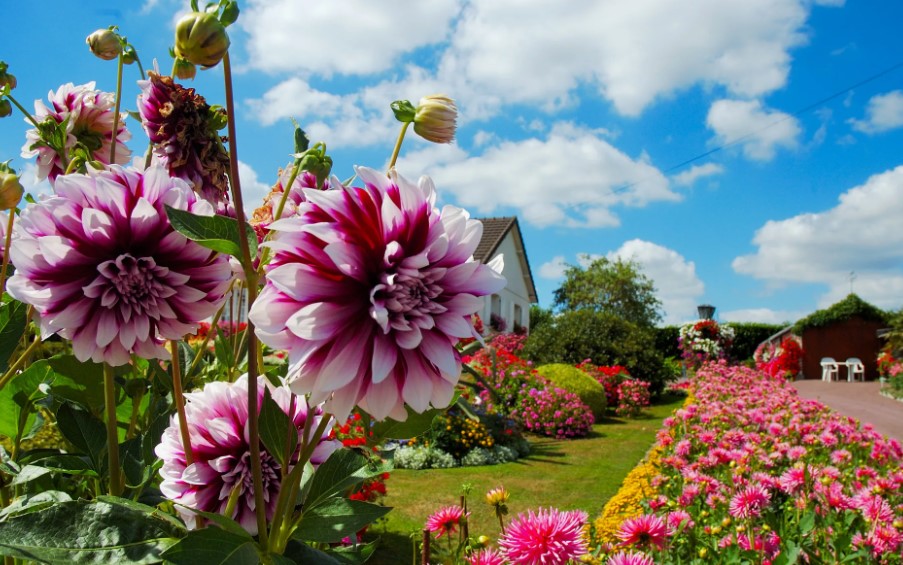
Dahlia soil must be fertile, so add fertilizer in the fall. The flowerbed is dug over with humus (4-5 kg per square meter), and in the spring, compost mixed with ash is added to the topsoil using a rake.
Dahlias prefer slightly acidic or neutral soil. If the soil is alkaline, peat moss should be added in the spring. If the soil is too acidic, slaked lime can be used to reduce it.
Planting pattern and hole depth
The duration of dahlia blooms directly depends on proper planting practices. Properly preparing the holes is crucial: they should be larger than the tubers themselves. If the soil in the area is too compact, a drainage layer is essential.
Another important consideration is the depth of the hole. The roots will need to be planted 6 to 10 cm deep, with the root collar no more than 8 cm deep. Leave a gap of 25-30 cm between low-growing dahlias, 30-50 cm between medium-growing dahlias, and 50-80 cm between tall dahlias.
What to put in the hole when planting dahlias
To help dahlias root and grow as quickly as possible, experienced gardeners recommend adding fertilizer to the planting holes. Add a couple of handfuls of humus or compost mixed with soil to the bottom of the dug hole, along with a handful of wood ash, which can be replaced with 5-10 grams of nitroammophoska.
Instructions for planting dahlias
Planting dahlias won't be difficult even for a novice gardener.
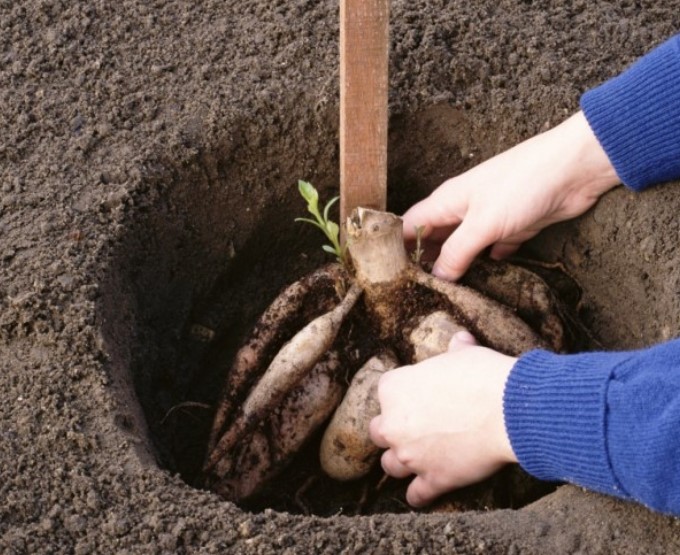
It is carried out according to the following scheme:
- Place the dahlia in the hole and cover it with soil, ensuring the root collar is 3-5 cm below the surface. If the tuber has been sprouted beforehand, there's no need to bury the leaves and stems.
- Water generously with warm, settled water. Once the soil has settled, cover the hole with dry soil.
- To better retain moisture inside the flowerbed, it is recommended to mulch its surface.
When planting tall dahlias, it is necessary to insert stakes near the holes in advance, to which the stems will be tied.
Caring for dahlias after planting
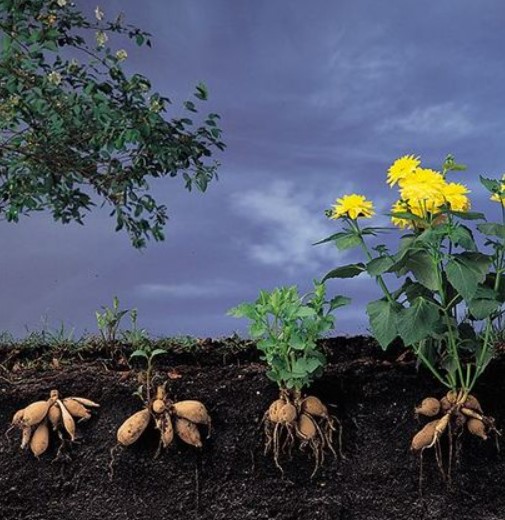
Dahlias are drought-intolerant, so in sunny weather they will need to be watered 1-2 times a week, sufficiently to moisten the soil to a depth of 30-40 cm. To retain moisture as long as possible, mulching the surface of the bed is recommended.
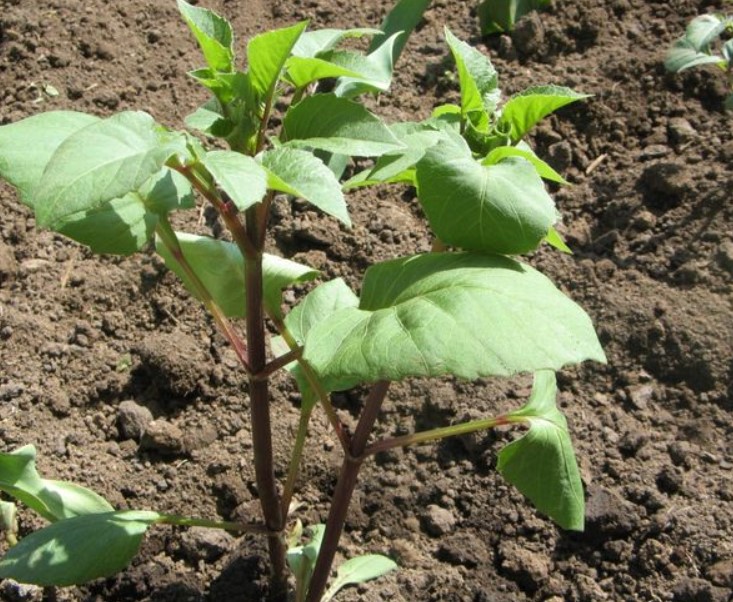
For more lush flowering, it's advisable to use fertilizer. Apply it twice a month:
- Before the buds appear, use nitrogenous fertilizers, for example, an infusion of mullein, nettle, manure, a solution of urea or ammonium nitrate at the rate of 1 glass per 10 liters of water.
- During the period of budding – complex fertilizers for garden flowers.
As dahlias grow, they need to be tied up and shaped:
- No more than 4 stems are left on each bush, the excess is carefully removed.
- The stems are pinched above the 4-5 pair of leaves.
To protect dahlias from pests and diseases, you can spray them with fungicides or insectoacaricides.
When stepchildren appear, only the upper ones are left, and those that grow from the two lower sinuses must be removed.
Once the buds have faded, they need to be cut off. In the fall, when the first frost arrives, the stems are cut off, and the rhizomes are dug up and stored in a cool place until spring.
More details about dahlias, different varieties, planting and care on our website.