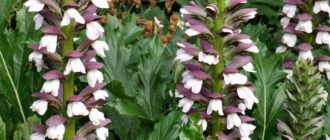
Perennial garden chrysanthemums can be planted in the garden in both spring and fall. However, it's important to note that most species do not tolerate subzero temperatures well. Therefore, only Korean chrysanthemums are planted in the fall. One popular variety is Multiflora, which is shaped into a spherical form. Bushy and low-growing, large-flowered varieties can also be planted in the fall. To ensure the plant thrives and survives, it's important to carry out the work at the appropriate time, plant correctly, and provide proper care.
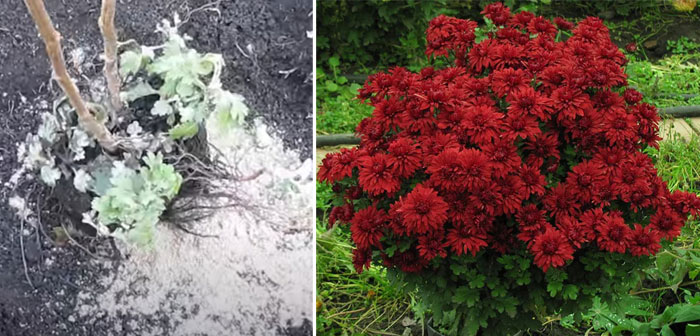
Timing for autumn planting of chrysanthemums
Korean chrysanthemums should be planted outdoors in the fall 20-30 days before the onset of frost. This is how long it will take for them to root and adapt. If planted later, the bushes will not survive the frost and will die. Specific timing varies by region. It's also important to consult the lunar calendar when choosing.
By region
In the Leningrad region, Siberia, the Urals and the central zone, planting work continues until mid-September.
In the south, seedlings can be planted in the garden until the end of October.
If you fail to meet the deadline, it is better not to risk it.
Until spring, the plant can be placed on a windowsill in a pot or in the basement.

According to the lunar calendar of 2023
| Month | Favorable days | Unfavorable, prohibited days |
| September | 3 (from 18:00)-5 (until 23:05), 8 (from 07:59)-10 (until 19:35), 13, 16-20 (until 17:06), 23, 24 | 1 (from 16:25)-3 (until 18:00), 14, 15, 25-26, 28 (from 12:58 p.m.), 29, 30 |
| October | 1-3 (until 08:02), 5 (from 15:32)-7, 10 (from 15:02)-13 (until 20:55), 15 (from 14:04)-17 (until 22:36), 20-22 (until 09:06), 24-26 | 14,15,28,29. |
| November | 2-4 (until 10:20), 6 (from 22:39)-12 (until 12:26), 16 (from 10:41)-18 (until 14:27), 20 (from 17:29)-22 (until 20:19), 25-26 (until 12:16), 29 (from 09:53)-30 | 12 (from 12:26 p.m.),13, 14 (until 12:26 p.m.), 18 (from 2:27 p.m.)-20 (until 5:29 p.m., 22 (from 8:19 p.m.)-24, 26 (from 12:16 p.m.),27, 28 (until 12:16 p.m.) |
Read the articles:
- Lunar calendar for the gardener for 2023.
- Lunar calendar for gardeners for September 2023.
- Lunar calendar for the gardener for October 2023.
- Lunar calendar for the gardener for November 2023.
Selection of planting material
Chrysanthemums are rarely grown from seeds, as it is too labor-intensive.
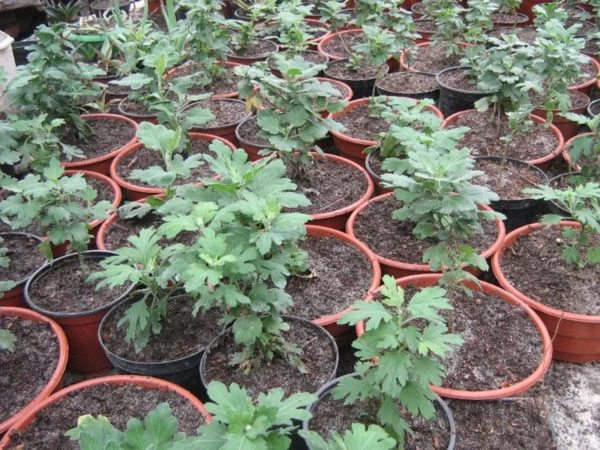
Usually, people buy ready-made seedlings. It's important to choose the strongest and healthiest cuttings for planting in the fall. Here's how to choose them correctly:
- They shouldn't have any buds, as such specimens don't take root well. If the bush is blooming, all its energy is spent on that, leaving no energy for rooting. After the flowers fade, the chrysanthemum will likely die.
- Cuttings with lateral shoots take root better and take root in a new location.
- The quality and speed of rooting depend on the size of the root system. Therefore, it's important to choose plants with a well-developed root system.
- Planting material should have a healthy appearance: no signs of damage, infection, or pests. Cuttings should have a color characteristic of the variety.
Important! We recommend purchasing seedlings with closed root systems from specialized stores and garden centers. Selecting high-quality planting material is crucial, especially when planting in the fall. How quickly and effectively the seedlings will take root depends on it.
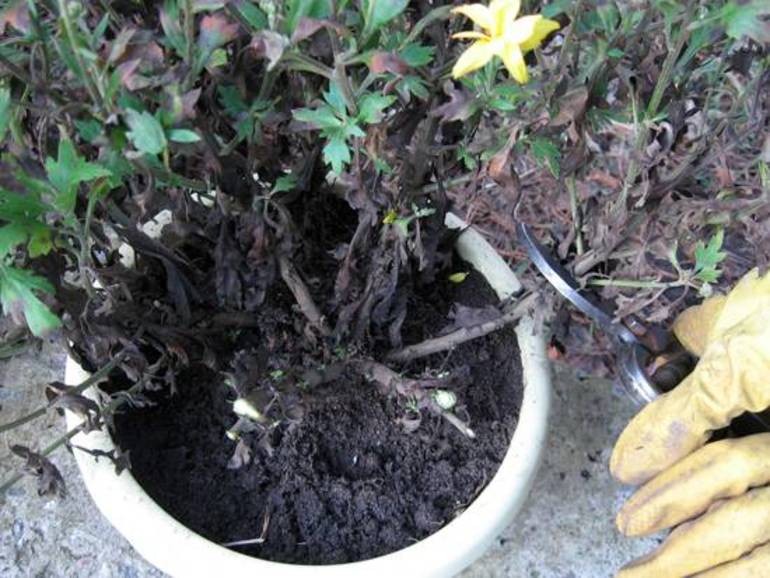
Read the article to learn about the species, varieties, photos, descriptions, care, and how to grow and propagate chrysanthemums from seeds. Perennial garden chrysanthemum: description, varieties, planting and care.
Choosing a location and preparing a plot for planting chrysanthemums
Chrysanthemums require a sunny, dry location, free from stagnant water. Root waterlogging is a common cause of plant death. It is recommended to plant them in a slightly elevated position, protected from cold winds and drafts.
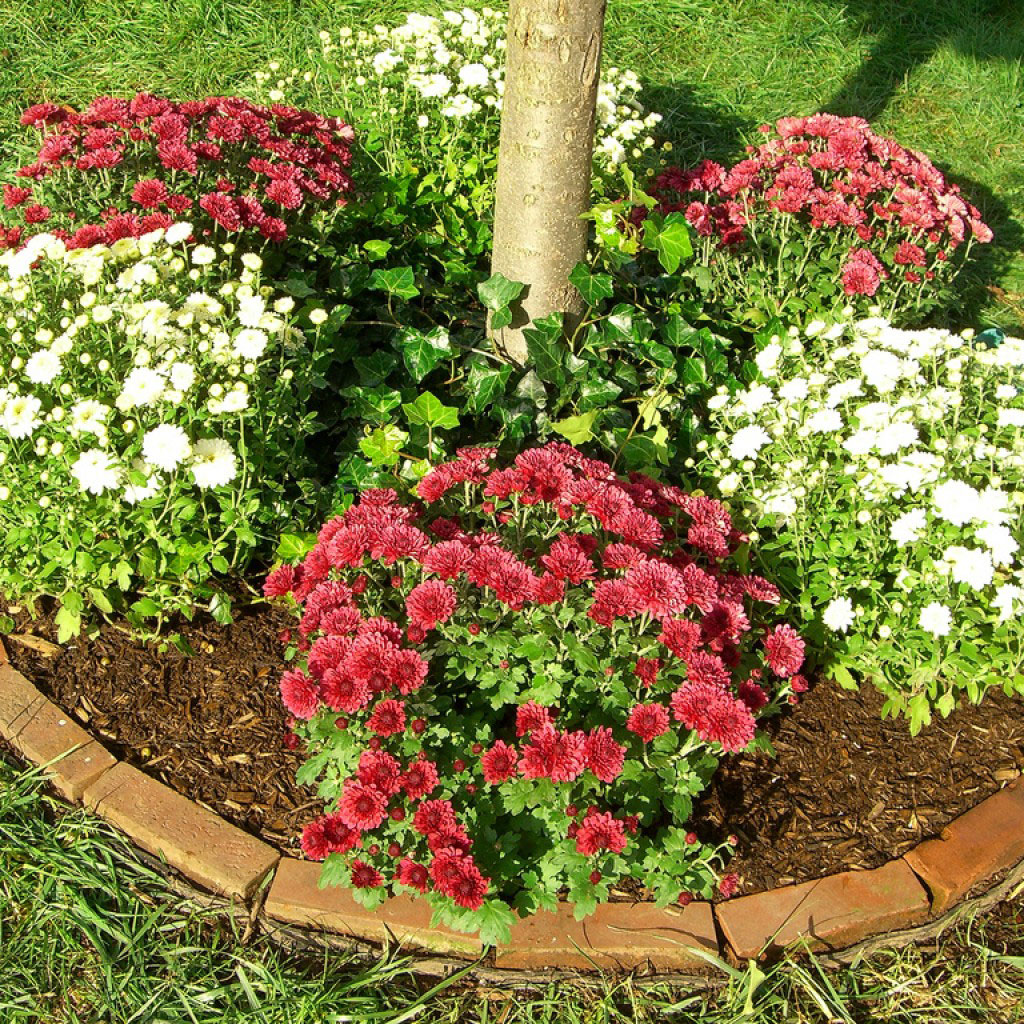
If you choose a shady spot for the bush, it will begin to stretch in search of sunlight. The bush will be weakened and sparsely foliated.
Chrysanthemums prefer fertile, neutral or slightly acidic soil that is well-drained. If the soil is poor, dig the area before planting, adding 2 kg of humus or compost and 1 tablespoon of superphosphate per square meter. If organic matter is not available, you can add 1-2 tablespoons of nitroammophoska per square meter. If the soil is heavy, add sand.
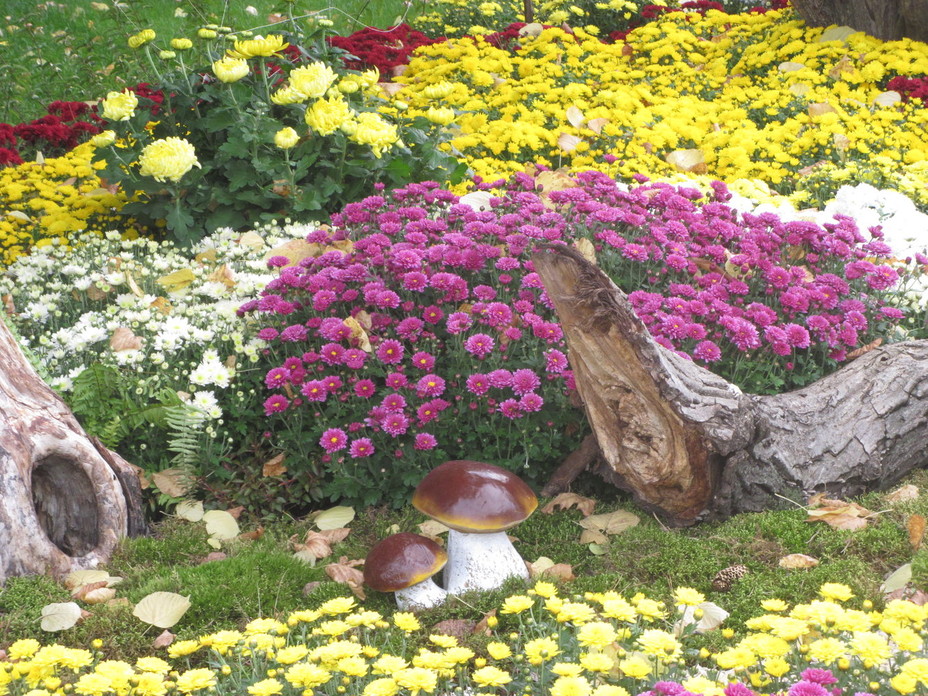
Step-by-step planting of chrysanthemums in autumn
Planting is recommended in rainy weather.
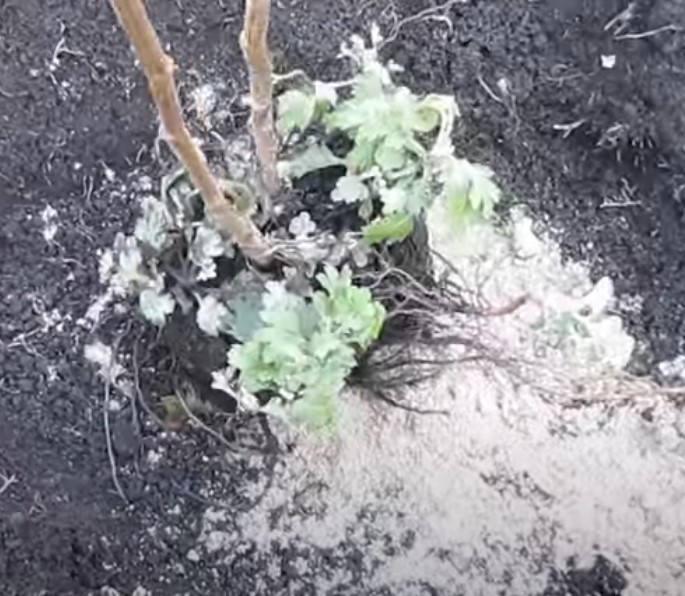
How to carry out the work correctly:
- If there are multiple bushes, dig planting holes 30-50 cm apart. They should be 50 cm in diameter and 35-40 cm deep.
- Lay out a drainage layer (3-4 cm) of small stones, pebbles, expanded clay, etc.
- Prepare a nutrient mixture from humus or garden compost (5-6 kg) and peat (3-4 g). Add 7-10 g of potassium sulfate and 10-15 g of superphosphate to it.
- Shorten the shoots by 1/3, cut off the flower stalks completely.
- Place the seedlings in the center of each hole, carefully spreading the roots in different directions.
- Fill with prepared soil mixture and compact lightly with your hands. The root collar should be level with the soil surface.
- Water generously. Each bush will require 5-7 liters of water.
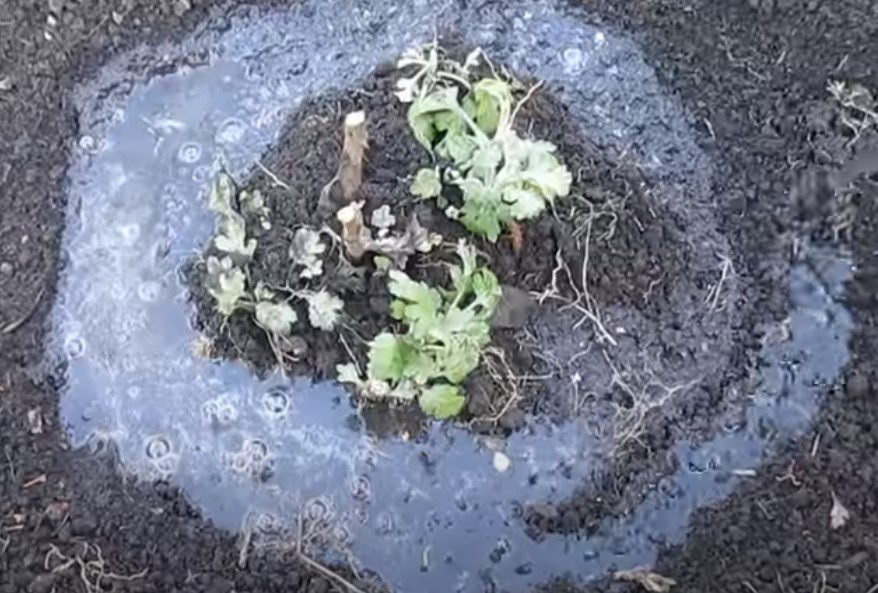
After completing the work, it is also recommended to mulch the tree trunk area with humus, peat, dry leaves, etc.
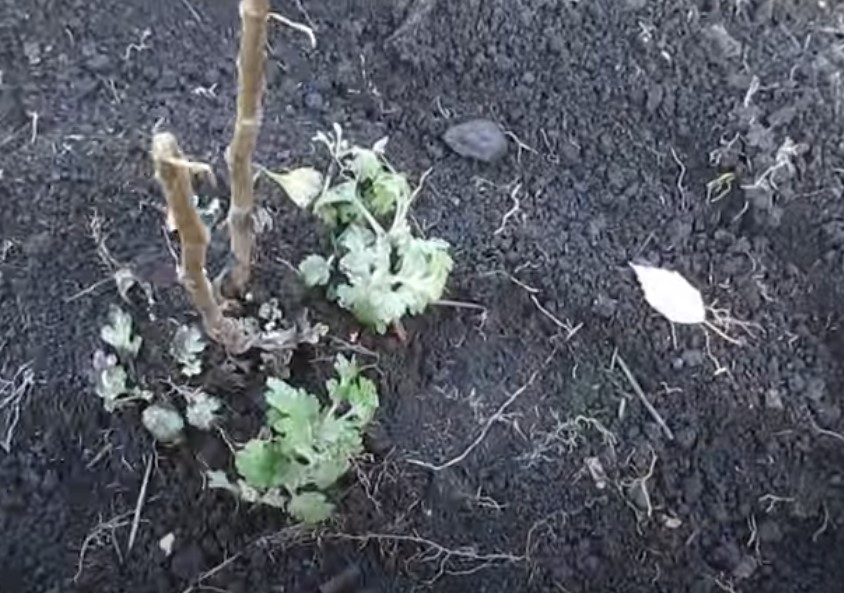
This will retain moisture in the soil longer and protect it from the cold.
The process of transplanting chrysanthemums in autumn
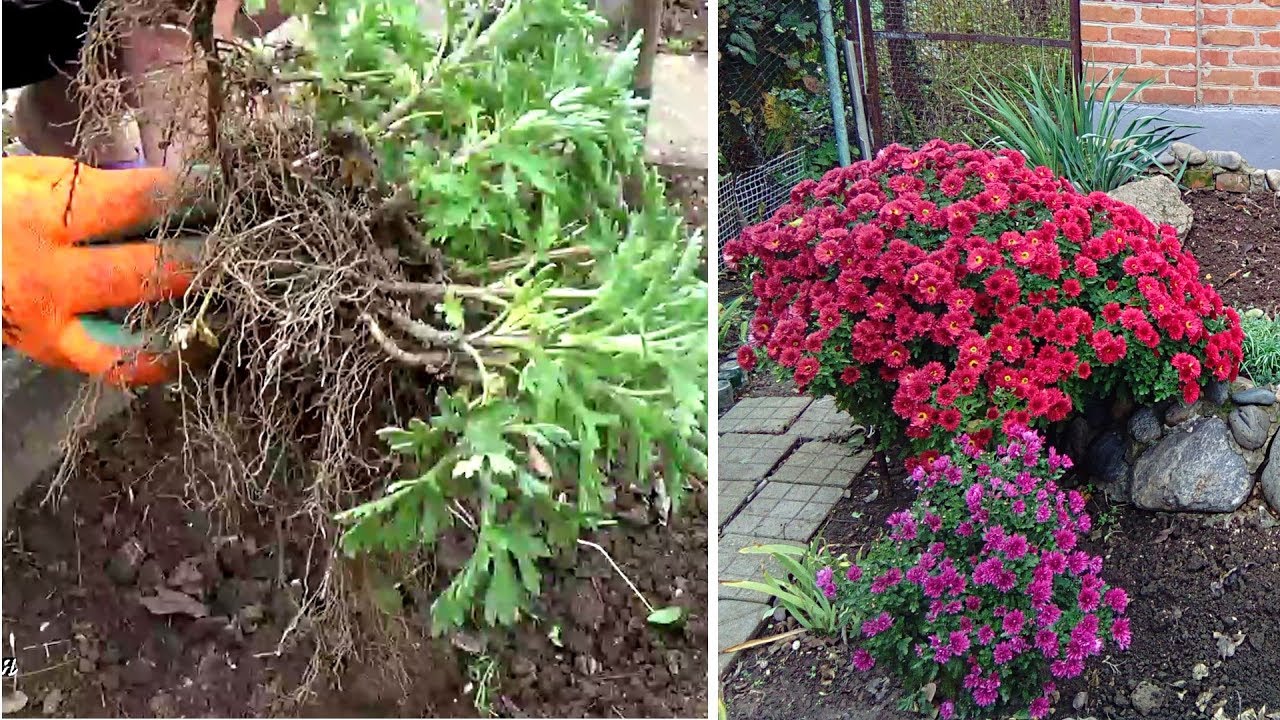
In autumn, bushes are also replanted:
- Dig a hole 40 cm deep.
- Lay out a layer of drainage and fertilizer.
- Dig up the bush. If the soil is dry, water it at the root. Pull it out along with the root ball.
- Trim the roots of the transplanted bush around a circumference of 20-30 cm. The plant will begin to form new roots, which will help it take root better.
- Pour Kornevin solution and a little water into the new planting hole.
- Place the bush inside.
- Sprinkle with soil and water generously.
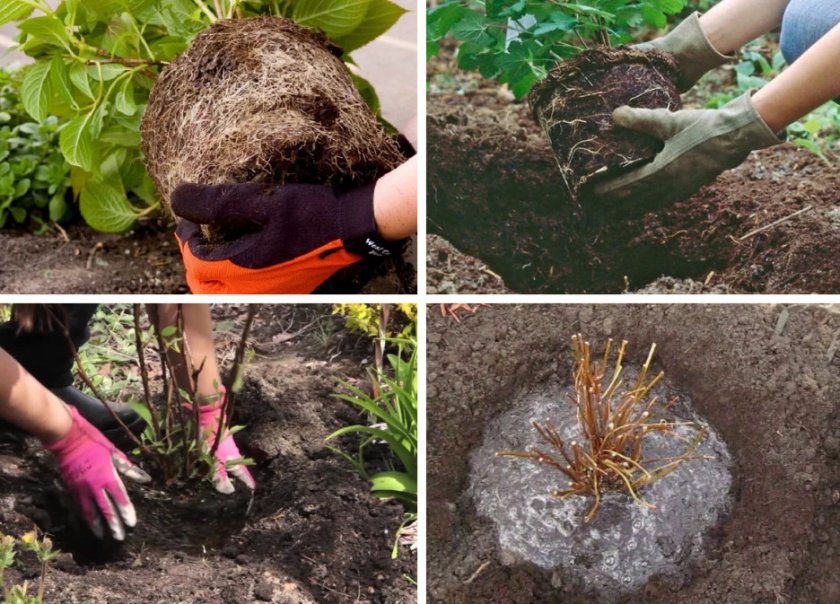
It is recommended to replant the plant at the same time as planting.
Caring for a newly planted chrysanthemum
To ensure optimal growth after planting, the seedling needs proper care. If the weather is cool and damp, additional watering is not necessary. In dry and warm weather, water as the top layer of soil dries.
If the shoots weren't pruned during planting, you can do so now. Cut them back by a third or half. This will allow the plant to adapt more quickly. The pruned shoots can be used to insulate the bushes.
Preparing for winter
Korean chrysanthemum varieties that are resistant to sub-zero temperatures can be left in the garden over the winter.
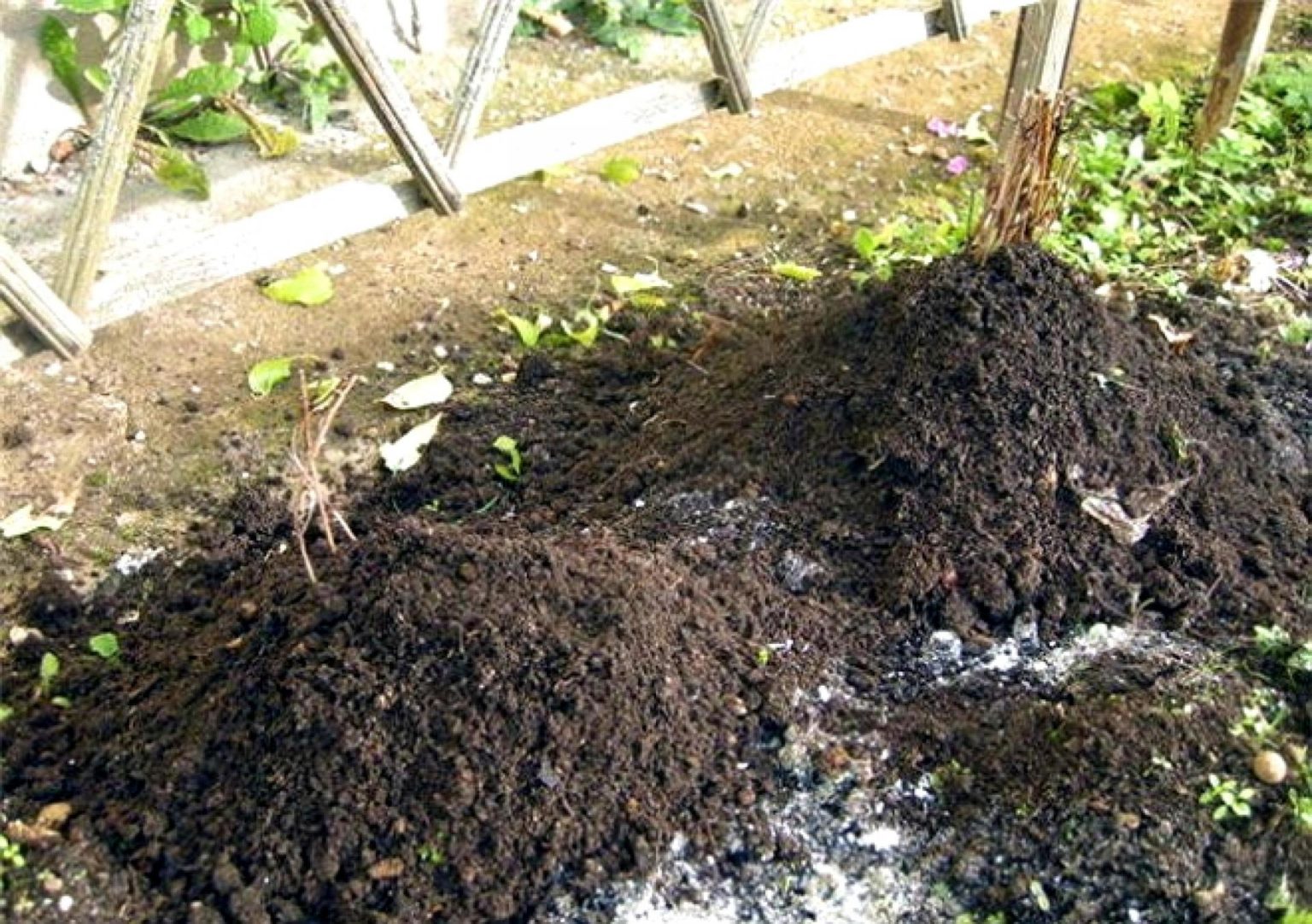
- Mulch the tree trunk circle in October (10 cm).
- Cover the plantings with fallen leaves, hay (30-40 cm layer) or spruce branches in November, or better yet, pour sawdust in a 30 cm layer to keep them dry, cover the mulch with polyethylene, and press it down with stones.
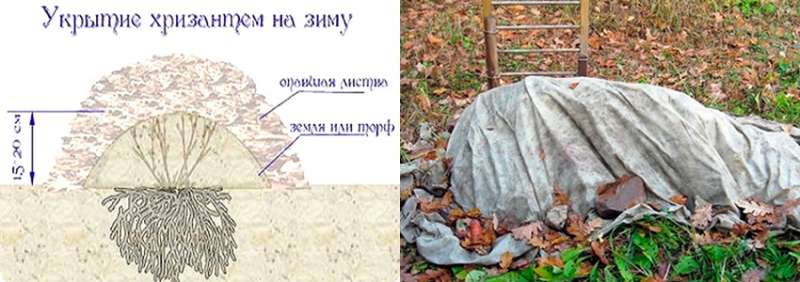
Large-flowered varieties (such as Helen, Golden Orpheus, and others) overwinter in a year-round heated greenhouse or indoors. To do this, transplant the seedlings, complete with their root ball, into wooden boxes or pots. Place the containers in a room with a temperature of 3 to 7°C.
Growing chrysanthemums isn't as difficult as it might seem to novice gardeners. The key is to follow all the rules for planting and caring for them in the fall. Then, the plants will delight you with their blooms the following season. They'll make not only a beautiful addition to your landscape but also a wonderful bouquet for any occasion.