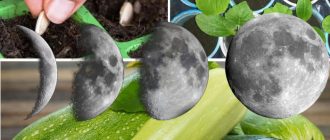
In mid-autumn, many plants are still blooming. Flower stalks and old leaves were trimmed earlier, so all the garden's inhabitants look fresh and attractive. There's still plenty of work to do in the flower garden, and the lunar calendar will tell you what exactly to do in October and when.
Content
- 1 Favorable and unfavorable days for planting flowers in October 2024
- 2 Favorable and unfavorable days for various flower care tasks in October 2024
- 3 Moon phases and days by zodiac sign in October 2024
- 4 Lunar calendar for October 2023 by date
- 4.1 1.10
- 4.2 2.10-4.10 (up to 14:21)
- 4.3 4.10 (from 14:21) - 6.10
- 4.4 7.10-9.10 (until 12:38 p.m.)
- 4.5 9.10 (from 12.38 pm) - 11.10 (until 19.31 pm)
- 4.6 11.10 (from 19.31 pm) - 13.10 (until 22.55 pm)
- 4.7 13.10 (from 22:55) - 15.10
- 4.8 16.10-17.10
- 4.9 18.10-19.10
- 4.10 20.10-21.10
- 4.11 22.10-24.10 (until 08:24)
- 4.12 Poisonous preparations must not be used.
- 4.13 24.10 (from 08:24) - 26.10 (until 18:47)
- 4.14 26.10 (from 18:47) - 29.10 (until 07:29)
- 4.15 29.10 (from 07:29 a.m.) - 31.10 (until 20:29 a.m.)
- 4.16 31.10 (until 20:29) - 31.10 (until 24:00)
- 5 What work needs to be done in the flower garden in October?
- 5.1 Full list of works
- 5.2 Planting bulbous plants
- 5.3 Forcing
- 5.4 Sowing annuals, biennials and perennials
- 5.5 Digging up plants for the winter
- 5.6 Caring for chrysanthemums
- 5.7 Caring for clematis
- 5.8 Pruning perennial specimens
- 5.9 Preparing rose bushes for winter
- 5.10 Post-cutting treatment
- 5.11 Seed collection
- 5.12 Soil cultivation for winter sowing
- 5.13 Preparing planting holes
- 5.14 Snow retention measures
- 6 Caring for indoor plants
Favorable and unfavorable days for planting flowers in October 2024
The table below shows favorable dates for classes with flowering and ornamental plants, days for planting undesirable, A Also favorable only for certain groups or at certain times (see below).
| Variety | Favorable | Unfavorable |
| Clematis, climbing | 3—4, 7-11, 20-21 | 1, 2, 3, 11—13, 16, 17, 18, 31 |
| Roses | 1, 3-9, 18-19, 20-21 (climbing) | |
| With tubers and bulbs | 9—11, 18-19, 26—31 | |
| Biennials, annuals and perennials | 1,3—4, 4—6, 7-9, 9—11, 13-15, 18-19, 20—21, 26—31 | |
| Houseplants | 3—4, 7-9, 9—11, 13-15, 18-19, 20—21, 26—31 |
Favorable and unfavorable days for various flower care tasks in October 2024
| Works | Favorable days | Unfavorable and prohibited days |
| Transplantation, division of rhizomes, digging | 1, 3—4, 13-15, 22-24, 24—26, 26—31 | 1, 2, 3, 4—6, 11—13, 16, 17, 18-21, 31 |
| Pruning, cuttings | 1, 3—4, 9—11, 18-21, 24—26, 26—31 | 1, 2, 3, 4—9, 13-15, 16, 17, 18, 31 |
| Watering, loosening, fertilizing | 1, 3—4(with caution), 4—6, 13-15 (moderate), 18-19 (without loosening), 22-24, 26—31 | 1, 2, 3, 7-9, 11—13, 16, 17, 18, 20-21, 24—26, 31 |
| Disease and pest control | 1, 4—13, 16-21, 24—29, 31 | 2-4, 13-15, 22-24, 29—31 |
Moon phases and days by zodiac sign in October 2024
Conventional designations:
- «+" - good fertility;
- «+/-" - average fertility;
- «—" - low fertility;
- ◐ — Waxing moon;
- ◑ — Waning Moon;
- ● — New Moon;
- ○ — Full moon.
Moon phases in October 2024:
- ◑ — 1, 18-31
- ● — 2 (21h 49m)
- ◐ — 3-16.
- ○ — 17 (14h 26m).
Days according to the Zodiac signs:
- ♍ Virgo — 1, 26 (from 18:47)-29 (until 07:29).
- ♎ Libra — 2-4 (until 14:21), 29 (from 07:29)-31 (until 20:29).
- ♏ Scorpio - 4 (from 14:21)-6, 31 (from 20:29)-31 (until 24:00).
- ♐ Sagittarius - 7-9 (until 12:38).
- ♑ Capricorn — 9 (from 12:38 a.m.) - 11 (until 7:31 p.m.).
- ♒ Aquarius — 11 (from 19:31) - 13 (until 22:55).
- ♓ Pisces - 13 (from 10:55 pm) - 15.
- ♈ Aries - 16-17 (until 23:00).
- ♉ Taurus - 17 (from 23:00)-19.
- ♊ Gemini - 20-21.
- ♋ Cancer - 22-24 (08h 24m).
- ♌ Leo — 24 (from 08:24) - 26 (until 18:47).
Lunar calendar for October 2023 by date
Below we will provide recommendations on what work can and cannot be carried out on certain dates in October.
It is essential to take regional peculiarities into account.
1.10
♍ Virgo +-, ◑, Root days.
Do not soak seeds.
Treatment of indoor and garden flowers against diseases and pests.
Covering heat-loving crops when there is a risk of frost.
Work that we do before 1.10 (21 hours 49 minutes):
Planting clematis, shrubs, roses, and perennials in regions where there is no threat of frost. Digging up flowers that won't overwinter in the garden. Rooting cuttings. Watering and fertilizing winter-blooming houseplants.
2.10-4.10 (up to 14:21)
♎ Libra, +-, ●, Flower days
2.10 at 21:49 – Exact New Moon.
In the days before and after the Exact New Moon, it is forbidden to plant, sow, transplant, root, prune, shape, moisten the soil, or add nutrient mixtures.
Deadheading dried flower heads to prolong blooming. Loosening dry soil in pots with houseplants. Weeding. Mulching heat-loving plants.
Only from 3.10 (21:49) the following work can be performed:
We plant and transplant roses, corms and other perennials if there is no threat of frost.
We prune perennials before covering. We sow annuals before winter. We apply fertilizer. We store tubers, root vegetables, and rhizomes. We plant tulip, daffodil, and hyacinth bulbs for late forcing.
4.10 (from 14:21) - 6.10
♏ Scorpio, +, ◐, Leaf Days
It is forbidden to prune, propagate, dig up and divide tubers and bulbs.
This day is good for planting, especially those with climbing stems, thorns, and spines. Water and feed indoor plants that bloom in winter.
7.10-9.10 (until 12:38 p.m.)
♐ Sagittarius, +-, ◐, days of Fruition
You cannot water, prune, or care for indoor flowers.
Landing clematis, digging up seed material, rooting cuttings. Sowing annuals (calendula).
9.10 (from 12.38 pm) - 11.10 (until 19.31 pm)
♑ Capricorn, +-, ◐, Root days
It is undesirable to touch the root system.
We divide, transplant, and plant shrubs, roses, tuberous plants, and perennials, rooting cuttings. We sow cold-hardy annuals.
We prune clematis and other plants for the winter. Astilbe, phlox, hostas (preferably before frost), irises, and daylilies should be pruned to a height of 5 cm.
We water and fertilize indoor plants that bloom in winter. We treat flowering and ornamental plants for diseases and pests.
We pay attention to our houseplants: water them generously and give them a warm shower. We transplant houseplants by transshipping them into larger pots.
11.10 (from 19.31 pm) - 13.10 (until 22.55 pm)
♒ Aquarius, —, ◐, Flower days.
It is not advisable to plant anything, water it or add nutrient mixtures.
Digging up planting material for storage. Digging up flower beds.
Mulching, hilling, covering heat-loving crops for the winter in the North in case of cold weather.
We bring in the pots with pelargoniumy, fuchsia and other plants from cold terraces and verandas into warm rooms.
Loosening the soil in pots with indoor plants without watering.
Pruning clematis and roses and covering them in case of cold weather.
Composting faded annuals and cut parts of perennials (if they show no signs of disease or pest damage).
13.10 (from 22:55) - 15.10
♓ Pisces, +, ◐, Leaf days.
Do not trim or treat crops with chemicals.
Planting and replanting perennials and shrubs in regions with warm and temperate climates.
Cover clematis, roses (initial), and heat-loving shrubs with spruce branches and boxes, or lutrasil. Cover bulbous plants with leaves or peat in colder regions if frost is possible.
We water and feed indoor plants that bloom in winter.
We water the bushes well to prepare them for winter, especially during a dry autumn.
Preparing the pond for winter.
16.10-17.10
♈ Aries, +-, ○, days of Fruition.
17.10 at 14:26 – Exact Full Moon.
The day before and after the Exact Full Moon, it is not recommended to sow, plant, or transplant plants, soak seeds, prune, or fertilize, and you should not harvest vegetables or fruits.
We fight diseases and pests, remove dried flowers, loosen the soil, weed, mulch, or cover heat-loving plants in the North and Central regions.
18.10-19.10
♉ Taurus, +, ◑, Root days
You must not loosen the soil around the roots, because if you damage them, the wounds will take a long time to heal..
Only from 18.10 (from 14.26) the following works can be carried out:
We plant roses, perennial root, tuberous and bulbous plants, garden lilies of the valley, tulips, and hyacinths.
Plant bulbous flowers in the soil if you haven’t done it yet.
We are busy forcing bulbs (read how to do this on our website).
We trim, bend and cover heat-loving perennials, except roses.
We water and fertilize without loosening in the Southern regions and in the Central regions if the autumn is warm.
We fight diseases and pests.
20.10-21.10
♊ Gemini, —, ◑, Flower days
It is not advisable to replant, water or fertilize.
We dig up chrysanthemums for the winter, gladioli, montbretia, buttercups, as well as tubers dahlia And begonias for storage.
Sowing annuals (calendula). Harvesting flower seeds.
North: If sub-zero temperatures already occur, we cover heat-loving plants.
Spraying indoor plants and treating soil in pots against diseases and pests.
22.10-24.10 (until 08:24)
♋ Cancer, +, ◑, Liszt days.
Poisonous preparations must not be used.
Planting roses, bulbous plants, and ornamental shrubs when there's no risk of frost. Watering and fertilizing winter-blooming houseplants.
The last feeding of roses before winter.
We bend over climbing roses, but we don’t cover them yet.
North: If frost is imminent, we cover heat-loving flowers.
24.10 (from 08:24) - 26.10 (until 18:47)
♌ Leo, —, ◑, Fruit Day
You cannot add fertilizer or moisturize.
We replant perennials. We fight diseases and pests. We collect flower seeds.
We prune roses, clematis, and other perennials to protect them from frost. We also apply autumn mulch to existing bulbs.
Winter sowing of annuals (chrysanthemums, godets, dimorphotheca, Iberis, calendula, clarkia, cosmos, lavatera, poppy, matthiola, nasturtiums, mignonette, scabiosa, California poppy) and perennial flowers (aquelegia, delphinium, cornflower, primroses, feather grass, globeflowers and others).
We take care of the pond.
26.10 (from 18:47) - 29.10 (until 07:29)
♍ Virgo +-, ◑, Root days.
It is not advisable to soak the seed material.
Planting clematis, shrubs, roses, and perennials in regions where there is no threat of frost.
Digging up flowers that won't overwinter in the garden. Rooting cuttings. Covering heat-loving plants when frost threatens. Watering and fertilizing winter-blooming houseplants. Treating flowering and ornamental plants for diseases and pests.
29.10 (from 07:29 a.m.) - 31.10 (until 20:29 a.m.)
♎ Libra, +-, ◑, Flower days
It is prohibited to spray plants with chemicals against diseases and pests.
Planting and replanting roses, corms and other perennials if there is no threat of frost.
If frosts occur, dig up gladioli, dahlias and tuberous begonias, acidanther, galtonium and crocosmis.
Sowing annuals before winter. Fertilizing and weeding. Removing spent flower heads to prolong blooming.
Pruning perennials before covering, mulching heat-loving plants. Storing tubers, root vegetables, and rhizomes.
Planting tulip, daffodil, and hyacinth bulbs for late forcing.
Loosening dry soil in pots with indoor plants.
31.10 (until 20:29) - 31.10 (until 24:00)
♏ Scorpio, +, ◐, Leaf Days
It is forbidden to prune, propagate, dig up and divide tubers and bulbs.
We will only do planting, harvesting, watering and fertilizing work until October 31 (3:46 pm):
Planting garden and indoor flower plants with thorns and spines: roses, conifers, etc.
Watering and root feeding, including indoor fertilization. Disease and pest control.
What work needs to be done in the flower garden in October?
There's still plenty to do in the flower garden in October. A number of tasks need to be completed that can't be put off any longer. Perennials need to be propagated, replanted, and pruned. If this is done later, the flowers won't have time to establish themselves before the cold weather sets in. Plant debris needs to be cleared away and heat-loving species need to be prepared for winter.
Full list of works
October work includes the following:
- removing clematis, mulching them, pruning specimens that bloom on the stems of the previous year;
- preparing vines for winter;
- planting and replanting perennial species (in the first ten days);
- planting tulips (in the first half);
- planting hyacinths;
- preparing rose bushes for winter;
- collection of seed material from annual plants (before the first frost), threshing and cleaning of seeds;
- sending corms for storage;
- digging holes for spring planting;
- mulching oriental lilies, creating shelter from precipitation;
- pruning perennial plants;
- collection of medicinal herbs.
You need to make a to-do list for October in advance so you don’t forget anything.
Planting bulbous plants
At the beginning of the month, small bulbous plants and daffodils should be planted, if this was not done in September. Tulips should be planted outdoors a little later, in the second ten days of October.
This can only be done at temperatures no higher than 15°C. If this is not taken into account, they may begin to grow, which is completely unnecessary before wintering.
The optimal soil temperature for planting is +10 °C.
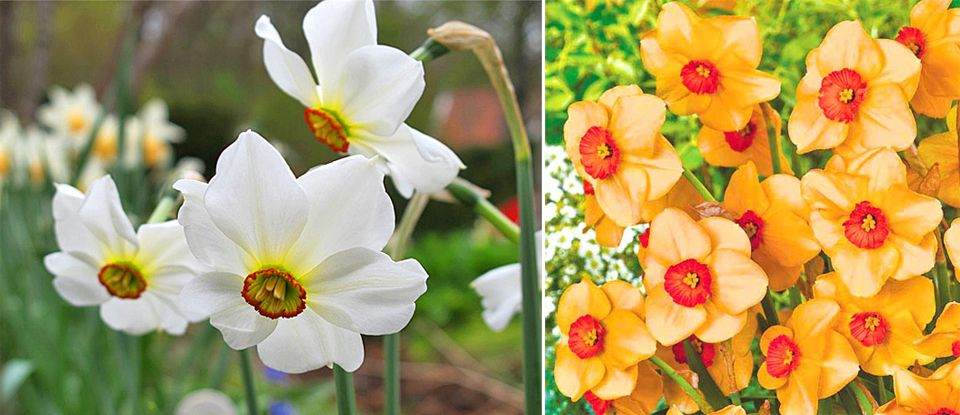
For bulbous plants, choose a location where they can grow comfortably for several years, forming lush clumps. It's important to maintain proper spacing when planting. If the plants will be dug up at the end of each season, the spacing should be equal to 1-2 times the diameter of the bulb. If the flowers are planned to last for several years, a slightly larger spacing can be used.
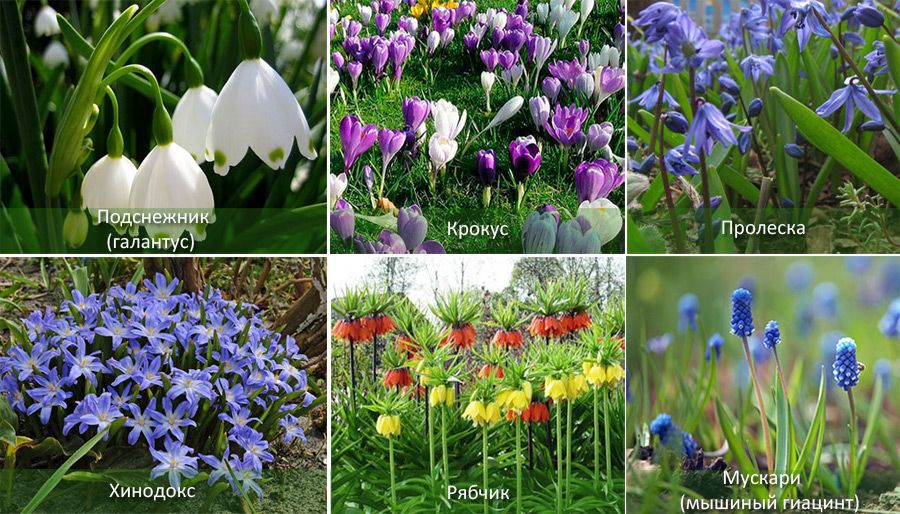
The site should be chosen so that it's practically weed-free. The soil should be permeable, breathable, and fertile. The first two characteristics are more important than the soil's nutritional value.
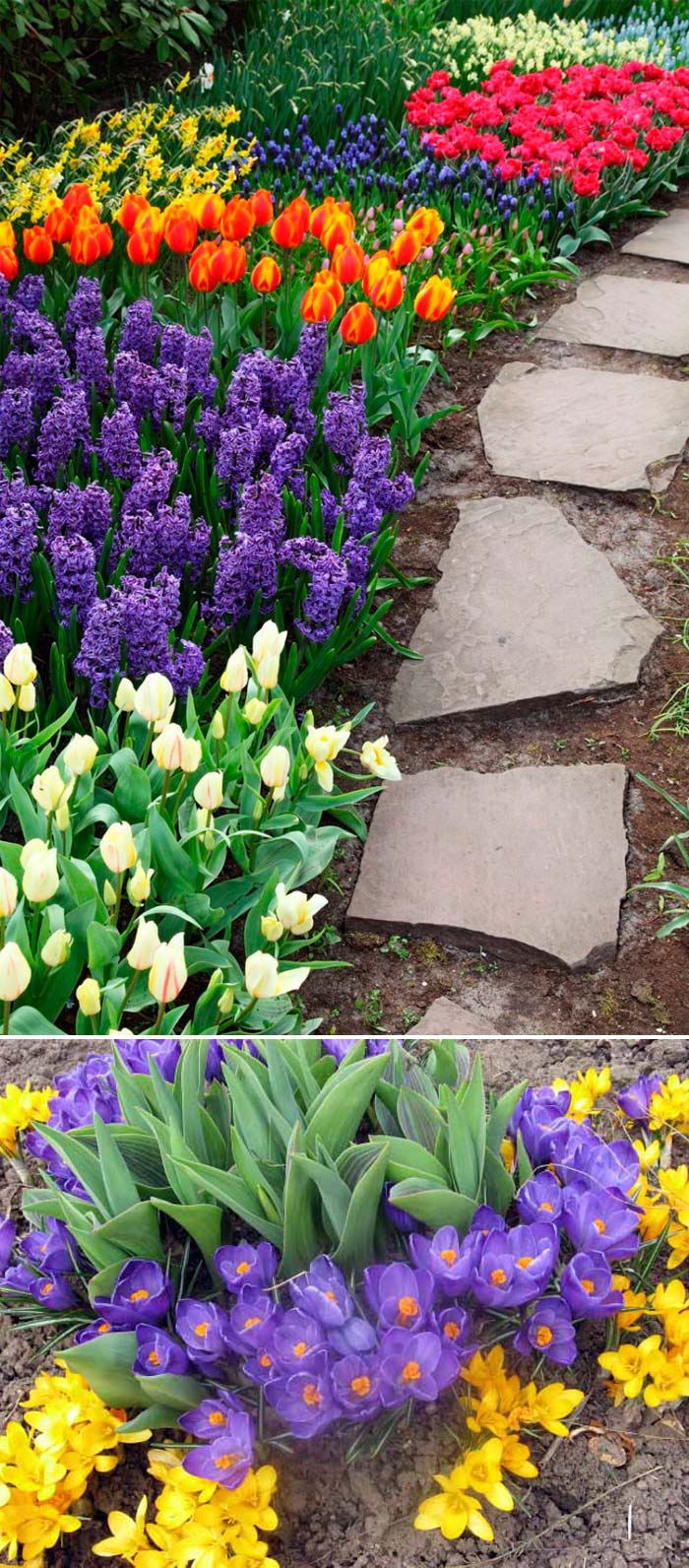
Please note! Before planting, be sure to moisten the soil to create optimal rooting conditions for the bulbs.
Place the bulbs upside down. The only exception is the imperial fritillary. To prevent moisture from accumulating in the center, place them sideways. Maintain proper spacing when planting. The distance between adjacent bulbs should be 3-5 times greater than the bulb's circumference.
Forcing
If there's not enough room in your garden for all the bulbs, don't throw them away. It's recommended to plant the healthiest and largest bulbs in pots with fertile soil. This will allow for early spring blooms indoors. For crocuses and muscari, it's best to choose shallow, wide containers, with the bulbs spaced closely together.
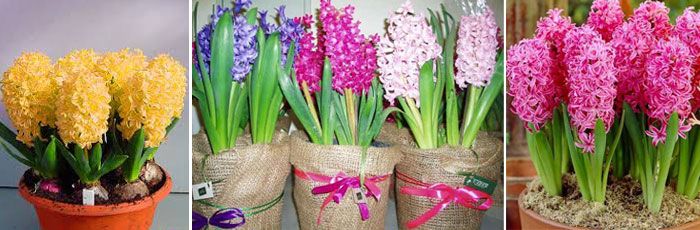
Store the containers with the planting material in a cool place. The temperature should not exceed 6 to 10°C. For example, a basement or cellar. If there is no space at home, the bulbs and their pots can be buried in the garden before the frost sets in, and then brought inside.
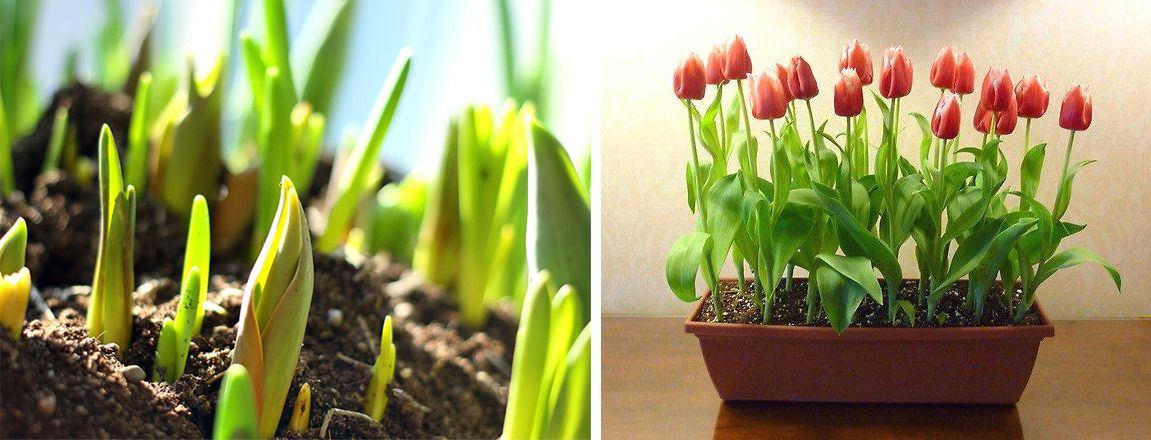
For more information on forcing bulbous plants, read the article:
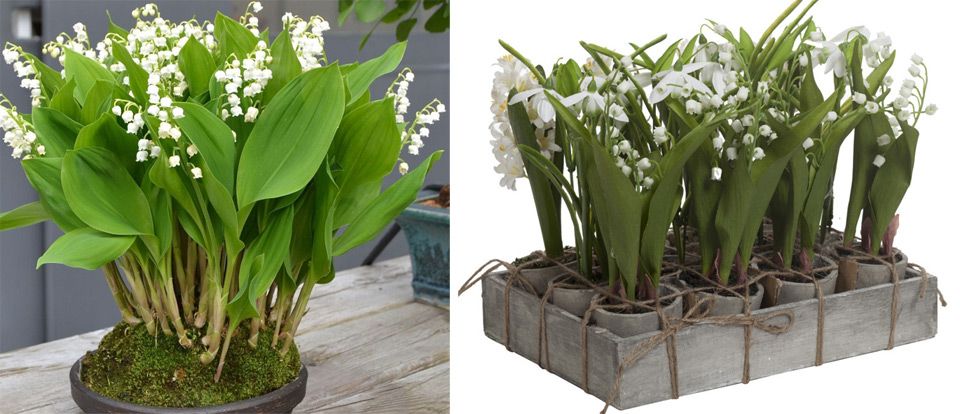
Lilies of the valley can also be forced.
Read the article on our website Lily of the Valley – a spring flower listed in the Red Book: description, species, photos
They need to be dug up before mid-month, when the above-ground portions have dried out. Do this carefully to avoid damaging the root system. For forcing, leave 10-15 cm long cuttings with blunt tips (those with sharp tips do not have inflorescence rudiments).
Place them in bags and refrigerate them (on the vegetable shelf at a temperature of +1…+3°C). Three weeks before bud formation, plant them in containers 10-15 cm in circumference. Place them vertically, 10-15 per container, to ensure lush growth. Keep in mind that the flower buds should be level with the soil surface.
Sowing annuals, biennials and perennials
In October, you can begin sowing frost-tolerant annuals: calendula, aconite, rock cress, gypsophila, and others. Also, in cold regions, if temperatures consistently fall below freezing, you can sow delphinium. asters, Iberis
Perennials that require stratification must be sown before winter: rudbeckia, delphinium, aquilegia, lupine, gaillardia, ligularia, helenium, doronicum and others.
It is better to cover or mulch the crops.
Read the article to find out which flowers can be sown and planted in the fall.60 Flowers to Plant in Fall: Perennials, Annuals, and Bulbs.
Digging up plants for the winter
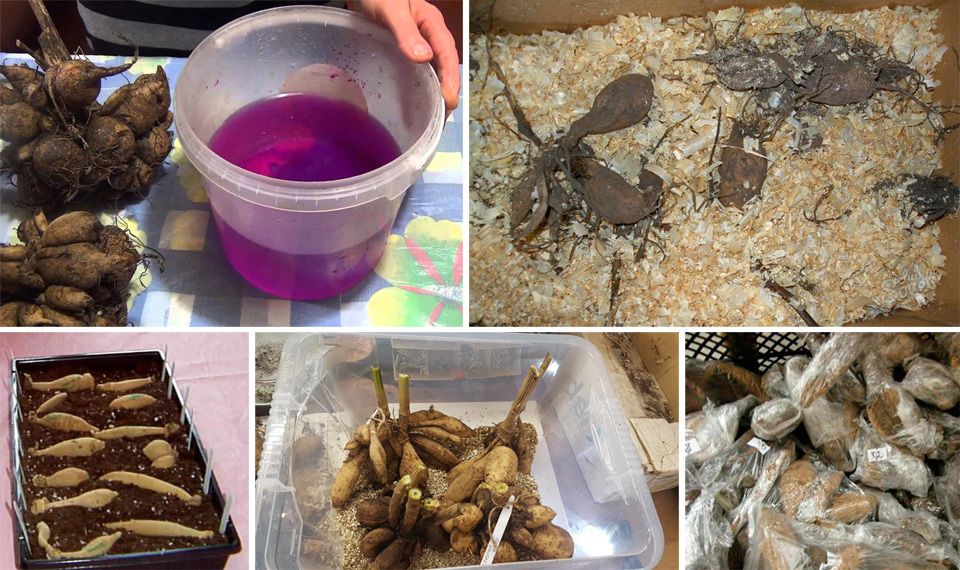
In mid-autumn, dig up any gladioli that haven't been overwintered outdoors. Gladiolus tubers should be dried at a temperature of at least 25°C. In very humid conditions, this can take a month or more. After drying, discard any diseased or rotten bulbs.
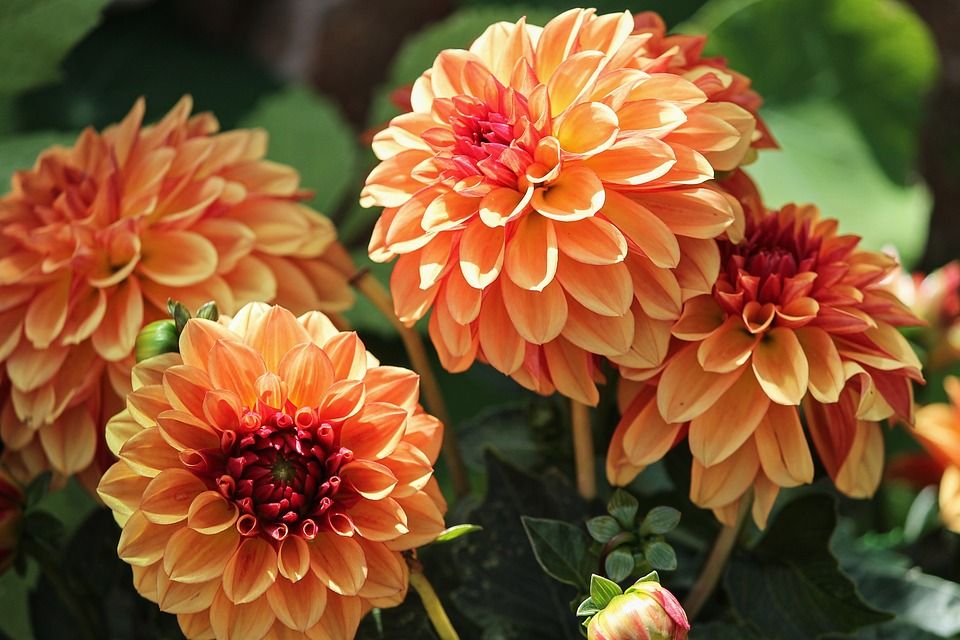
Dahlias need to be dug up before the first frost:
- Trim the shoots, leaving stumps no more than 10-15 cm high.
- Clean the bulbs from soil and rinse with running water.
- Soak in potassium permanganate solution for 10-15 minutes.
- Shorten the stems further to approximately 70 mm.
- Place in a cool place for 1-2 days to dry.
- If rot has begun, use a sharp knife to cut the area down to healthy tissue. Dry the cut and treat with any fungicide. Now the corms are ready for storage.
- The optimal location is a cool cellar or basement. Cover with sawdust and keep at +3…+5°C, with 60-70% humidity.
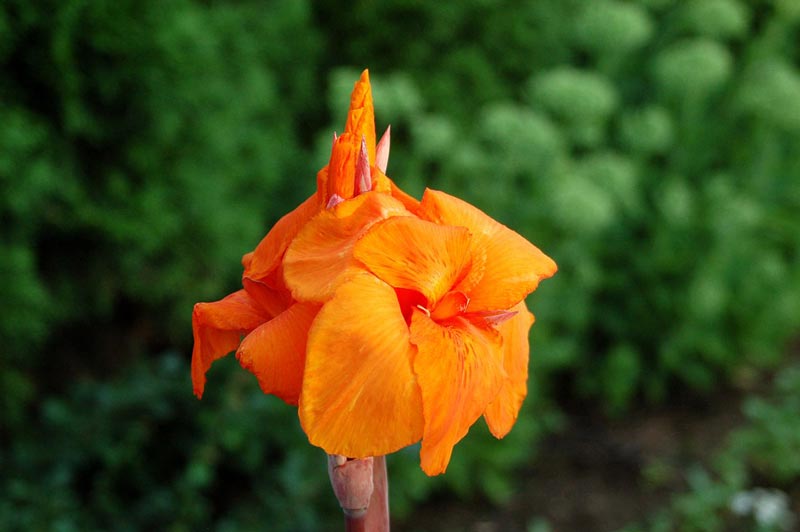
Cannas should also be dug up before frost. The stems should be trimmed back to just 15-20 cm. Harvesting the rhizomes should begin when the above-ground portion has died back. Be careful not to disturb the root ball. Without it, there's a high risk of the rhizome drying out and becoming unsuitable for planting. Store in a basement or cellar at 7 to 8°C.
Note: If cannas were planted in containers, they can be kept directly in the container.
Begonias can be dug up after the first frost:
- Dig up the tubers without removing the soil and dry them at a temperature of +15…+20 °C.
- Place the planting material in boxes in one layer and cover with sand.
- Store at a low but positive temperature, moisten periodically.
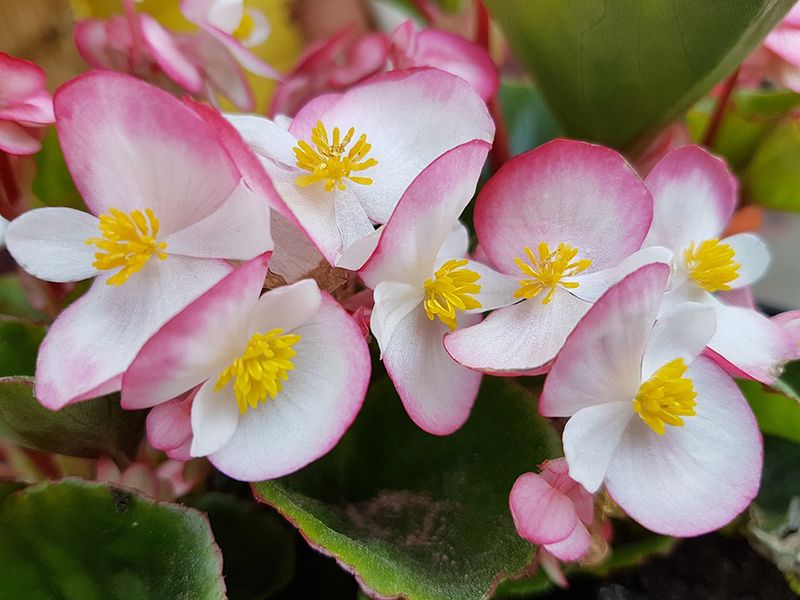
Please note: Begonia rhizomes should not shed soil during drying and storage.
Caring for chrysanthemums
Korean chrysanthemums must be dug up before frost sets in, otherwise they may die. After flowering, they should be pruned and replanted. Keep them cool, and moisten the soil occasionally to prevent the roots from drying out.
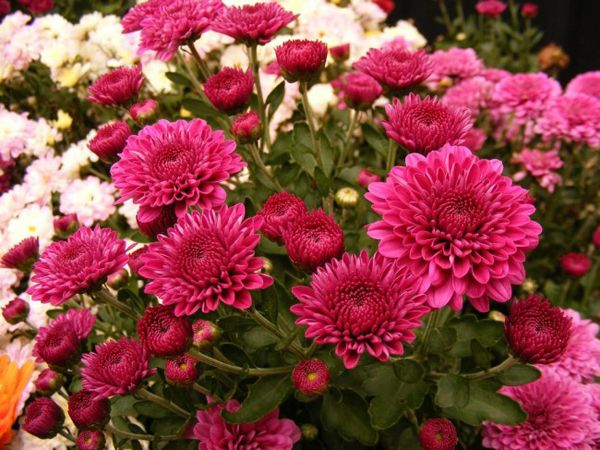
In February-March, you can move the flowers to a warmer room. After the shoots have grown a little, take cuttings. In late spring, plant the grown bushes in a flower bed.
More about chrysanthemums and caring for them Read on our website.
Caring for clematis
Cut back clematis that bloom on current year's growth, leaving 15-20 cm of shoots (see below). Cover with humus or peat (10 liters per plant). As soon as frost sets in, protect the plants with spunbond.
Species clematis (such as clematis arvensis) are winter-hardy. Therefore, they can be left on supports, but remember to earth up the bushes to a depth of 0.3-0.4 m.
The most difficult to care for are clematis that bloom on last year's shoots. The goal is to preserve as much shoot length as possible. Stems that are too long will be difficult to untangle. Therefore, they will need to be shortened to 1-1.5 m. Carefully tie the loops into a ponytail, bend them to the ground, form a ring, and secure with staples. Mound up with dry peat (10 liters per bush) and cover with spruce branches. Protect the top with spunbond.
Read more about clematis in the articleClematis: photo, planting and care in open ground.
Pruning perennial specimens
In October, it is necessary to trim flower stalks and shoots that have lost their decorative effect on herbaceous perennials.
The lilies should have been pruned back in August. Once the plant debris has completely dried, it should be carefully pulled out and the cut shoots twisted out of the soil. Otherwise, cold air and moisture will penetrate these tubes (only the stem walls remain, they are hollow inside) to the roots, which is not good for the plants.
Delphiniums should also be pruned in October. Do this very carefully, leaving at least 20 cm of stems above ground level. This will prevent the root system from freezing in winter and prevent rot when meltwater appears in spring. The cuts should be sealed with something (clay, chewing gum, or plasticine) or the shoot should be bent and tied with twine. Failure to do this will allow moisture to penetrate the stem cavity to the root collar, causing it to rot.
If clematis bloomed on stems that emerged only this season, they should be cut back to the base. When buds bloomed on last year's shoots, shorten them by 1/3.
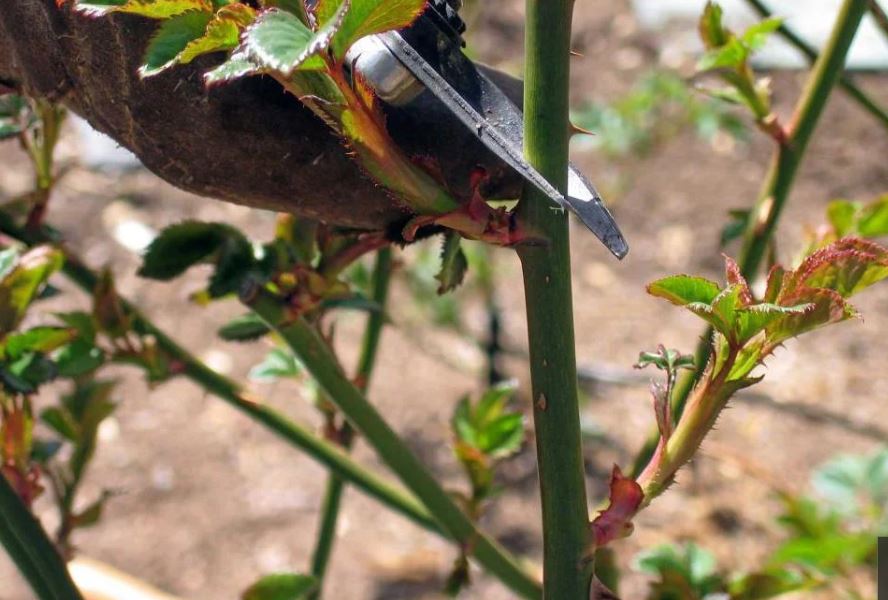
Low-growing, dense bushes (such as perennial asters or cereal grasses) do not require pruning.
Preparing rose bushes for winter
Roses also need to be pruned. Cut shoots back to mature wood. Foliage should also be trimmed. Hill up the bushes with a 1:1 mixture of peat and sand. Treat all bushes with a copper-containing preparation (see below). Bend the shoots down and secure with staples.
Standard roses
Dig in the soil on the side opposite the graft. Carefully bend the branches, secure with staples, and cover with spunbond. A more secure shelter can be built as early as November.
Harvesting rose cuttings
If the first frosts arrive in October, you can prepare cuttings for winter grafting. To save time, combine this with pruning the bushes. Cut the cuttings, sort them by variety, and tie them into bundles. Label them to avoid confusion in the spring. Afterwards, wrap them in sphagnum moss, seal them in a plastic bag, and store them on the vegetable shelf of the refrigerator. Check them regularly for mold and signs of drying out.
Read more about roses and how to care for them on our website. Top.tomathouse.com: All About Gardening.
Post-cutting treatment
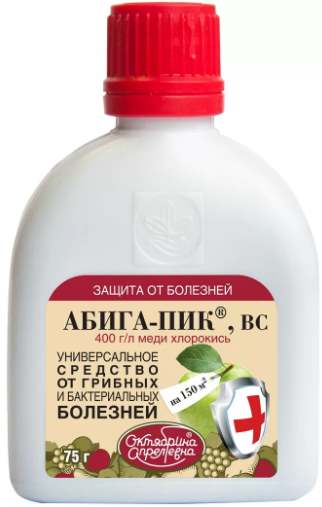
If the summer was cool and rainy, there's a high risk of fungal diseases. To prevent them, it's recommended to spray all flowering plants with 1% Bordeaux mixture or Abiga-Peak.

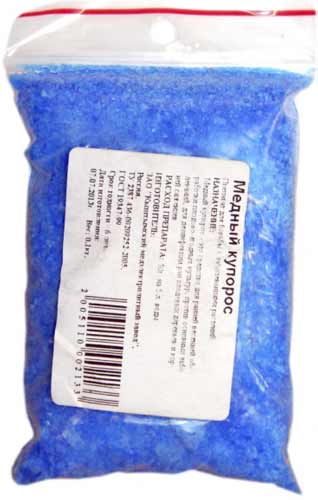

Roses can be treated with a solution of copper or iron sulfate (100/300 g, respectively, per 10 liters of water). Affected plant parts should be cut off and burned beforehand to prevent the infection from spreading throughout the flowerbed. Roses should be kept dry during the winter, as high humidity will further promote the fungus.
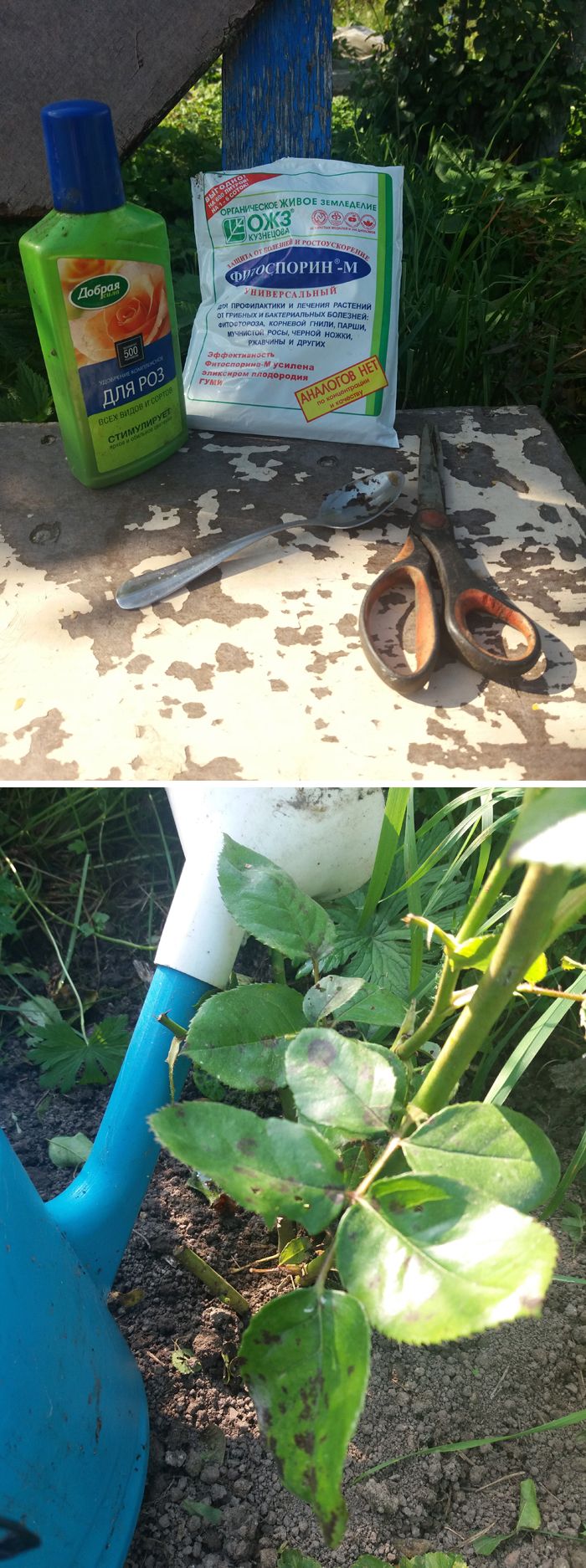
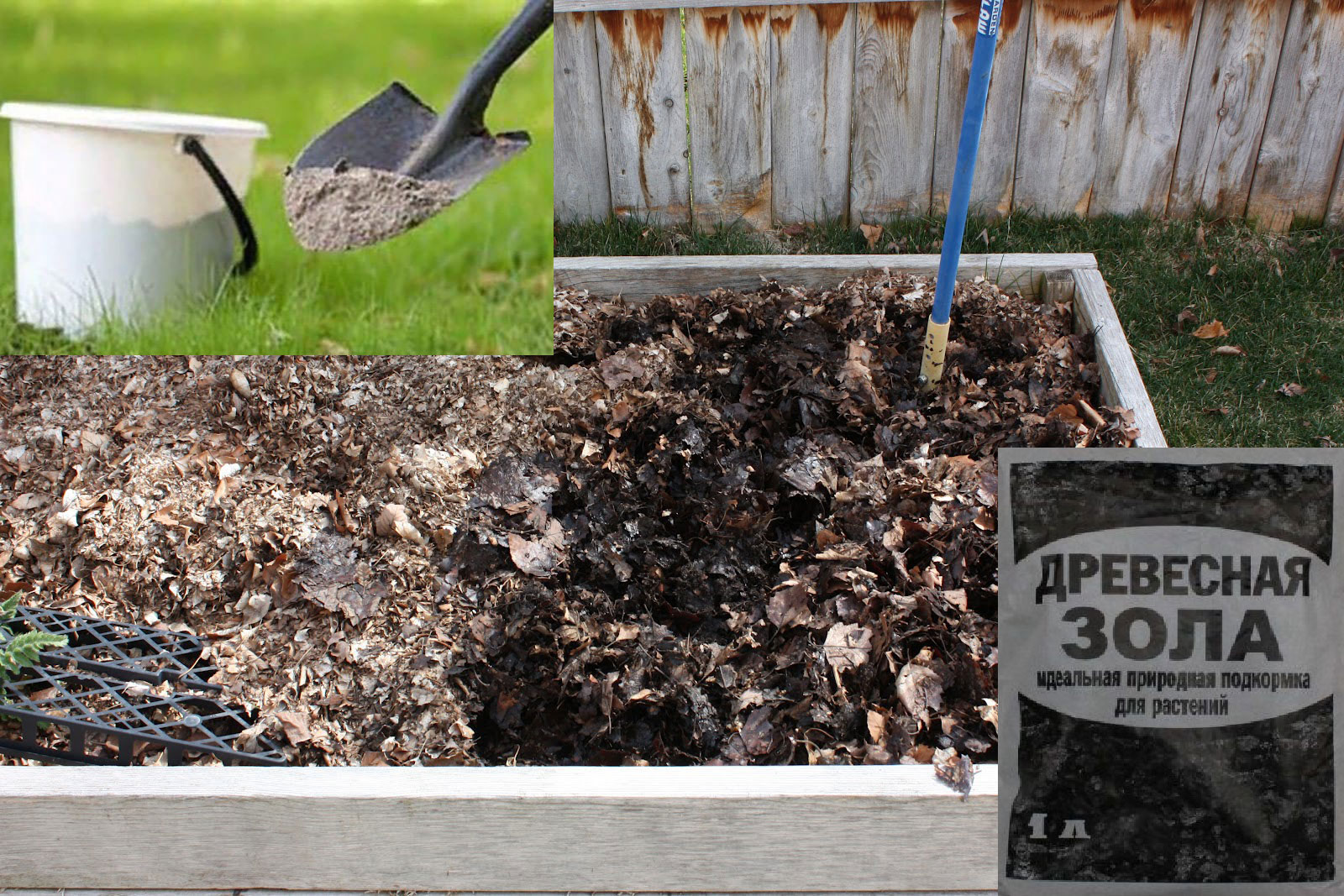
Peonies and phlox should also be sprayed after pruning. Place healthy cut leaves and stems in a compost pit. Sprinkle the root area with wood ash, which will not only nourish but also disinfect. Mulch the soil with compost.
Seed collection
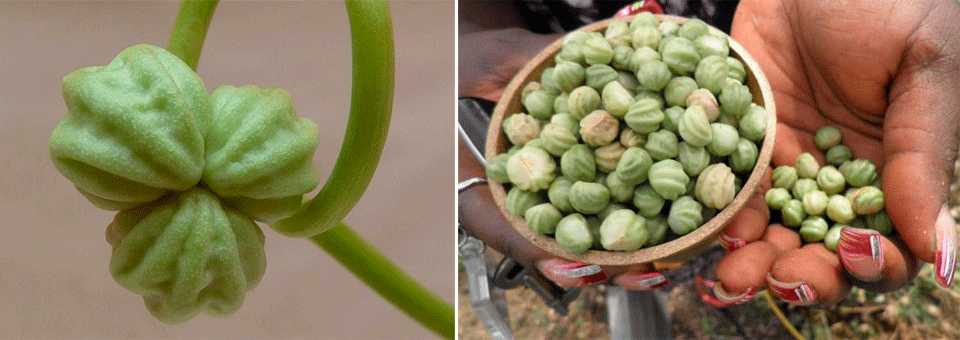
If you haven't done so already, it's not too late to collect annual plant seeds. A sunny, dry day is best for this task. Collecting seeds on a cloudy day will reduce germination. Immediately after collection, lay the seeds out to dry before separating them into bags or pouches.
Soil cultivation for winter sowing
It is necessary to prepare a place in advance for winter sowing of summer-flowering plants that are resistant to cold, such as calendula.
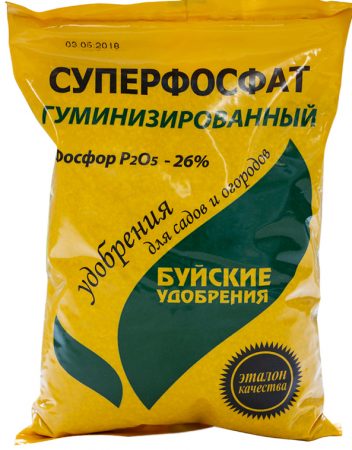
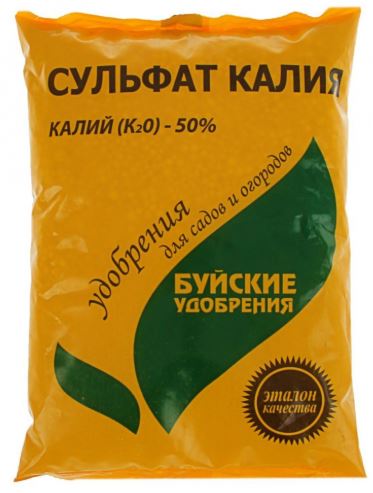
Dig up the area, adding 2-3 tablespoons of superphosphate and 1-1.5 tablespoons of potassium sulfate per 1 sq. m.
Preparing planting holes
The holes will settle over the winter, and the soil will settle. In the spring, you'll only need to add garden soil. The optimal hole size for perennials is 40x40.
It needs to be filled halfway with soil consisting of:
- 2 parts of soil from the beds;
- 1 part rotted manure;
- 200 g superphosphate;
- 300 g of ash.
If the soil is sandy, add an additional 1 bucket of clay. If the soil is clayey, you can add sand (1 part sand to 5 parts potting mix).
After this, fill the planting hole to the top with garden soil. Compact the soil layer by layer.
Snow retention measures
There's no need to compost paniculate phlox stems. They retain snow well and provide reliable shelter from the first frosts, even before snow has fallen. They can be used to create shelters for the flowerbed.
Caring for indoor plants
October is the deadline for moving indoor plants from balconies, terraces, etc. back indoors. They should be wiped with a damp cloth to remove accumulated dust and dirt. Be sure to spray with Fitoverm to prevent the introduction of insect pests into the house.
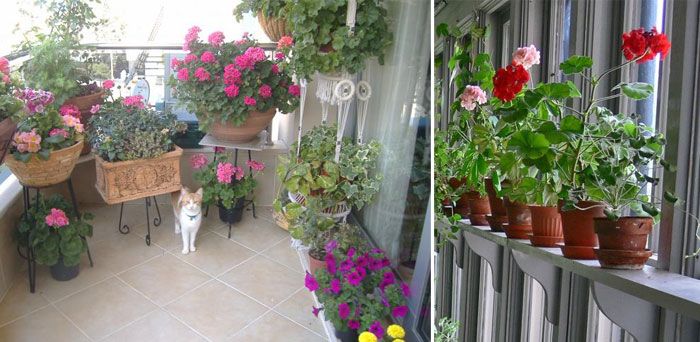
Plants that require a cool location to overwinter can be kept on a glazed balcony or terrace. The most important thing is to keep the temperature between 3 and 6°C. These plants require little or no watering, only as needed, when the soil has completely dried out.
Hippeastrum, succulents need lower temperatures and reduced watering. Saintpaulias Remove any yellow or wilted leaves. If the roots are slightly exposed, cover them with soil mixture or repot the plant in a larger pot. Continue watering. bells, begonias, eucharisThey require weak concentration mineral fertilizers.
Please note! Monitor the humidity in the room where your houseplants are located. If it's too dry, consider purchasing a humidifier or placing a bowl of water, wet pebbles, or expanded clay near the plants.
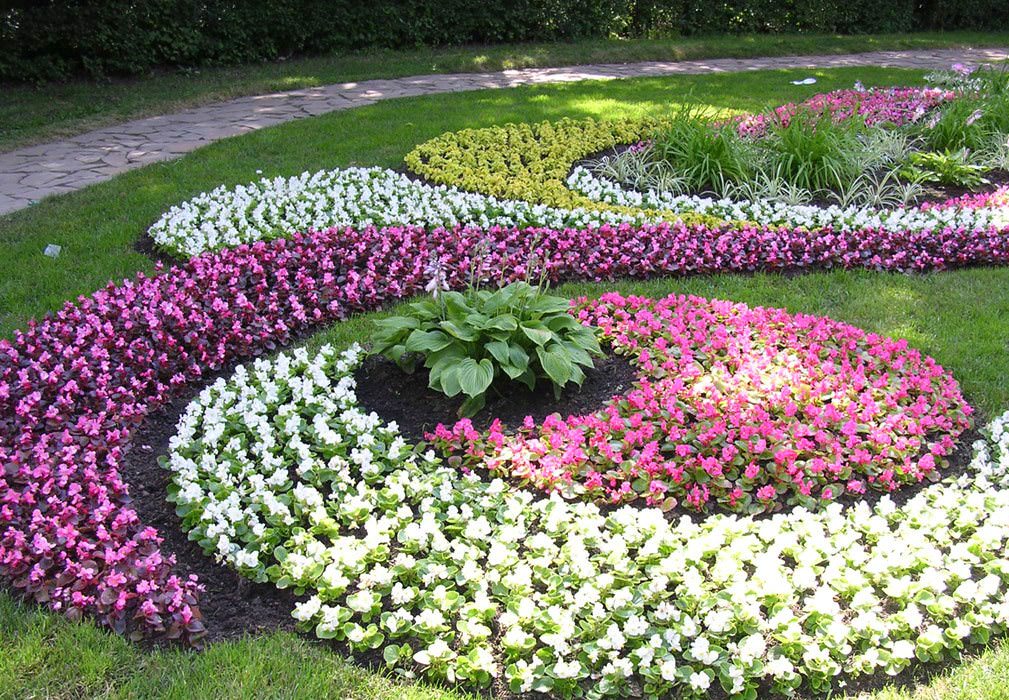
In conclusion, I'd like to add that if you follow the recommendations above, you'll be able to preserve biennial and perennial plants for next year. Your flowerbed will remain well-groomed and will continue to delight the eye until the frost sets in.