Nasturtium (Capuchin) belongs to the Nasturtium family, which contains 90 different species. It originates in South America, but also thrives in harsher climates.
Nasturtium has gained popularity due to its low maintenance, medicinal properties, and excellent taste. It is divided into perennial and annual varieties.
Content
- 1 Description and characteristics of nasturtium
- 2 Types and varieties of nasturtium
- 3 Features of growing nasturtium
- 4 Methods of propagating nasturtium
- 5 Caring for nasturtium in open ground
- 6 Collecting nasturtium seeds
- 7 Diseases and pests of nasturtium
- 8 Using nasturtium in landscape design
- 9 Growing nasturtium at home
- 10 Top.tomathouse.com recommends: the medicinal properties of nasturtium
Description and characteristics of nasturtium
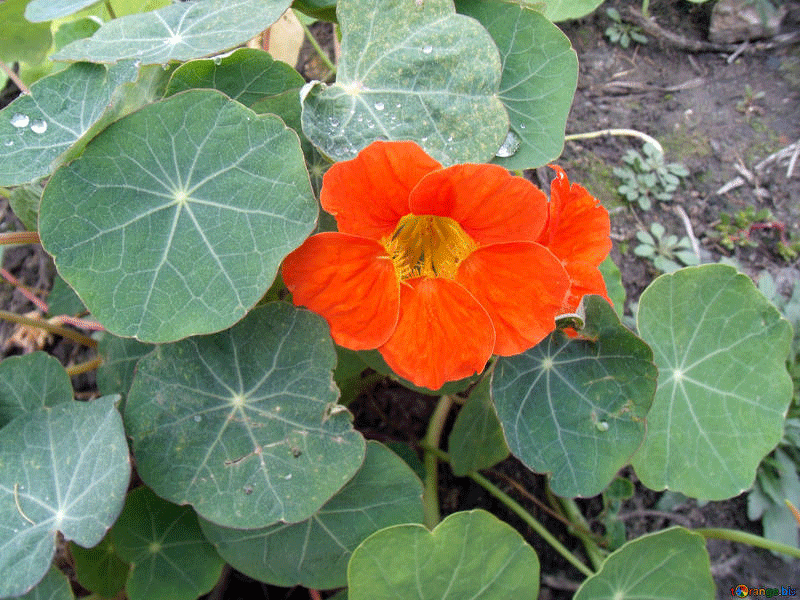
The plant is a vine with a sturdy stem; some species are subshrubs. The leaves are lobed, and the flowers are single, with two types: semi-double and double. They consist of five petals, with more depending on the variety. The colors range from yellow to red, and the buds are believed to have medicinal properties.
Types and varieties of nasturtium
Nasturtium comes in a huge variety of species and cultivars, each unique and possessing numerous characteristics. Let's look at the most popular ones.
Foreign
Shoots can grow up to 3.5 m in height. Flowering is of medium duration, beginning in mid-summer and ending with the first frosts; the duration depends on the growing region.
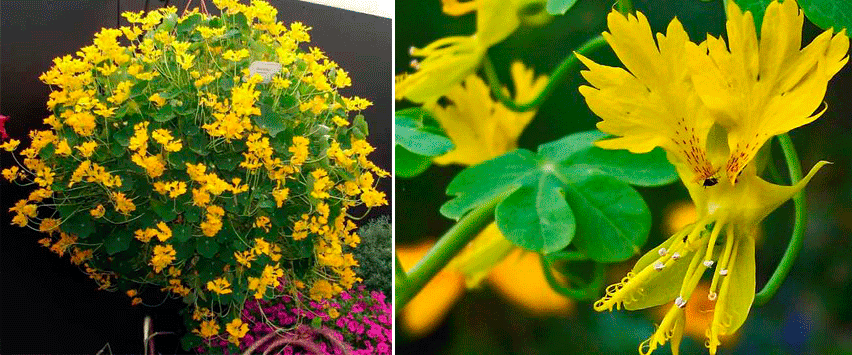
It has small flowers of a beautiful yellow hue. The shoots have 5 or 7 distinct leaves. When grown in the country's temperate latitudes, the seeds do not have enough time to mature.
Big
The shoots are fragile, but branch extensively. They grow up to 2.5 meters in length. Varieties include both upright and trailing varieties. Both subspecies are excellent for decorating gardens and arbors.
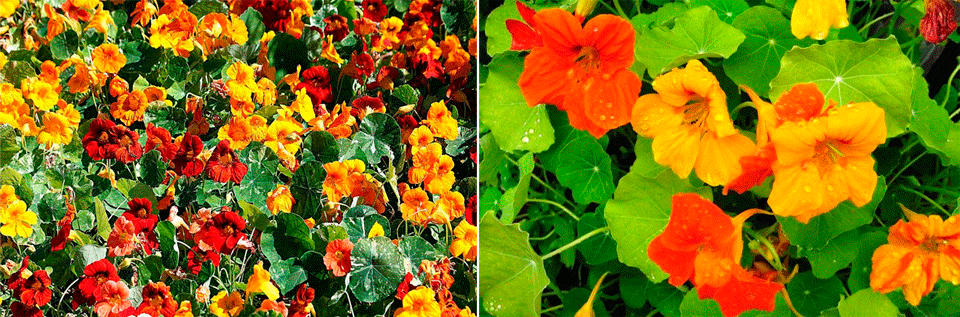
Flowering begins in the first month of summer (June) and ends with the onset of autumn. This species is excellent for self-seeding; seeds can remain viable for up to four years when stored properly.
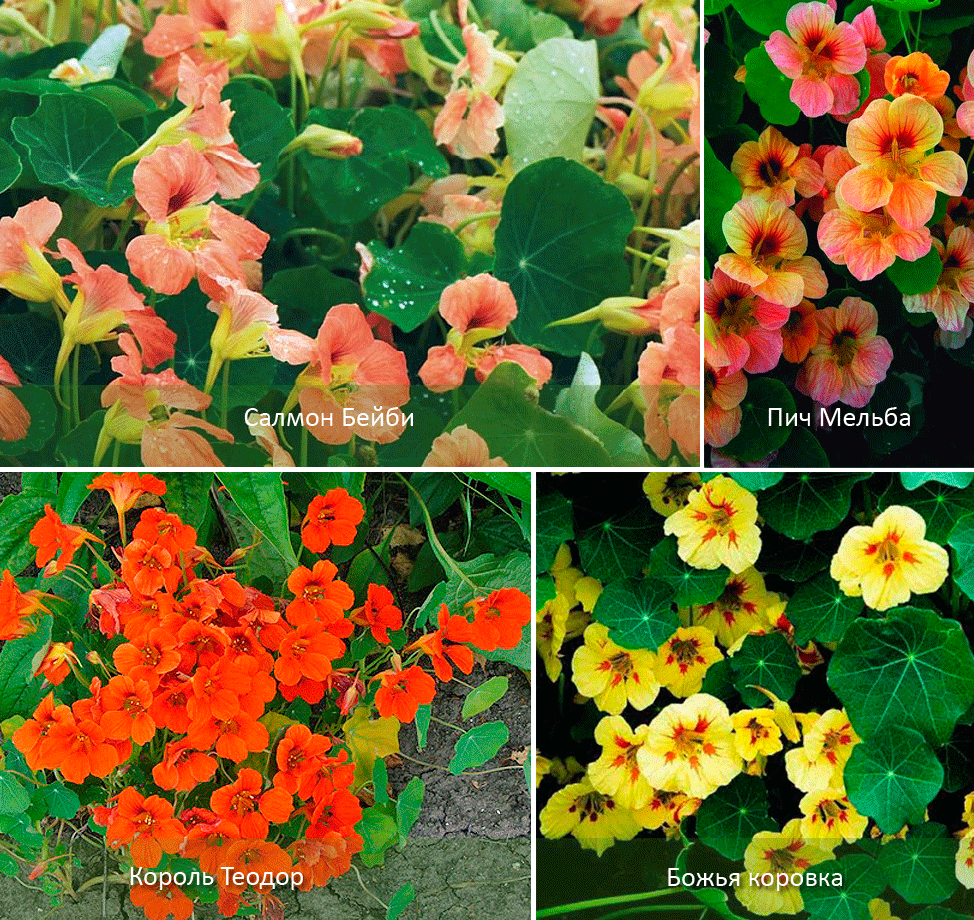
This species has several varieties, each of which is different from the others:
| Variety | Flowers |
| King Theodore | It is distinguished by the bright red color of its petals. |
| Peach Melba | The calling card is the presence of red spots on cream-colored buds. |
| Salmon Baby | Semi-double structure, endowed with a salmon shade. |
| Ladybug | Apricot-colored, with small burgundy spots inside. |
Cultural
It's a hybrid species. The shoots have dense foliage, green and purple in color. It's most recognizable for its distinctive growth habit, compared to other species. Varieties are classified by height:
- Compact - grow up to 0.5 m in height.
- Creeping ones are the longest, up to 4 m in length.
- Dwarf - small, only 20 cm.
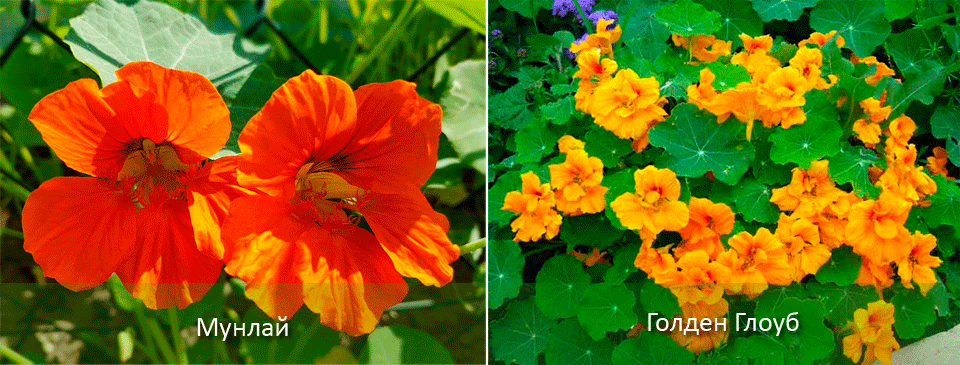
These criteria include varieties:
| Variety | Description | Height (cm) | Flowers |
| Gleming Mahogany | Low. | Up to 40. | They have a terry structure of red hue. |
| Golden Globe | The bush grows in the shape of a ball. The leaves on the shoots are also round. | 25. | The shade is yellow, golden |
| Moonlay | The tallest of those presented in this species | the length reaches 200. | Chicken color. |
Small
The shoots are slender and well-branched, but short in stature, reaching a maximum of 35 cm. The leaves grow in a shield-like shape, slightly rounded. The flowers are small, yellow with dark spots on the surface.
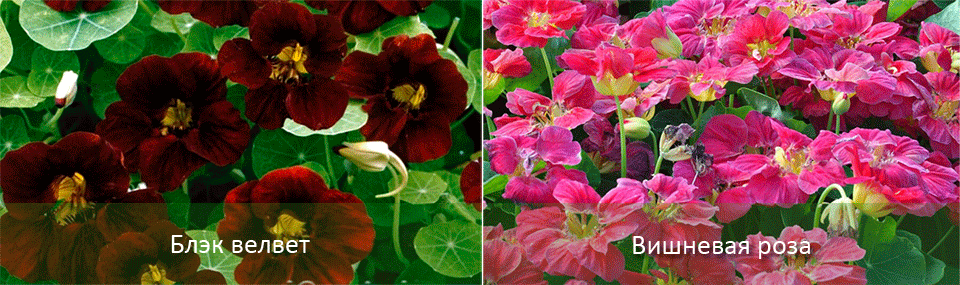
Flowering begins in June and ends in October.
| Variety | Description.
Height (cm) |
Flowers |
| Black velvet | People dubbed her as "Black Lady".
30. |
Dark burgundy, a beautiful color of the buds, in some places very close to black. |
| Cherry rose | A small bush. 30. |
They have a terry structure and are bright red in color. |
Shield-bearing
It is a creeping subshrub with very fragile but succulent stems. The shoots are dark green and can reach up to 4 meters in height. The leaves are also dark green. The flowers themselves are a beautiful, rich red. Flowering begins in June and ends in October, but depends on the region; early frosts can shorten flowering.
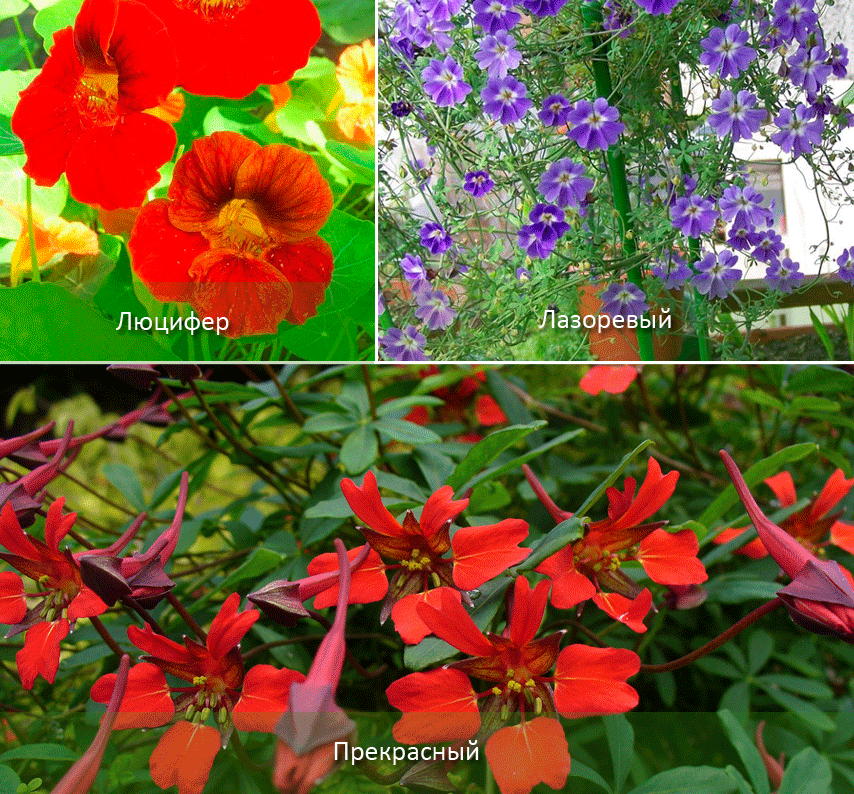
Gardeners especially favor the variety called Lucifer. It grows upright, reaching 25 cm in height. The stems are green, and the leaves are large, also green, sometimes shading slightly to dark red.
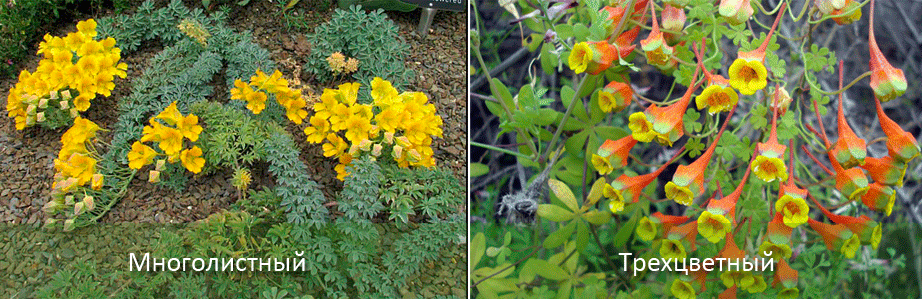
The buds are simple, orange-burgundy. Besides the Lucifer variety, other varieties used for decoration include Azure, Multi-Leaf, Ciliated, Tricolor, and Beautiful. However, these varieties are not well suited for cultivation in the temperate latitudes of our country.
Features of growing nasturtium
Experienced gardeners highlight 5 points that must be strictly followed to achieve maximum results when growing nasturtiums:
- This plant has southern roots, making it a heat-loving plant. This directly affects the timing of planting. Rushing the planting process can result in the seeds being lost, as they will simply die from the cold.
- To add greenery to any indoor spaces, seedlings should be started around April. It is recommended to grow seedlings exclusively in peat pots or special pots with a sliding bottom, as nasturtiums have very delicate roots.
- This is a sun-loving plant. Therefore, it should be placed in a brightly lit area or in light partial shade. If this is neglected, the plant will die due to lack of sunlight.
- Nasturtium prefers fertile, well-drained soil. In such conditions, the plant will grow best, but the flowers will be poorly developed. Fresh manure should never be used. Fertilizers containing phosphorus and potassium are recommended.
- For favorable growth, moist soil is essential. Young shoots require regular watering; only then will they have the opportunity to thrive. Once the nasturtium begins to bloom, water only when the soil becomes too dry; otherwise, the plant will not develop sufficient flowers and leaves. Excessive moisture can lead to rot.
Methods of propagating nasturtium
As with many other plants, the most effective way to propagate nasturtium is by sowing seeds.
They are often sown directly into open ground, around the end of May, as soon as the frosts have passed. To do this, first dig special furrows no more than 2 cm deep, with a minimum distance of 25 cm between them. It is recommended to plant 2-4 seeds together to ensure a lush rosette.
After planting the seeds in the ground, they should be covered with a thin layer of soil. If the weather gets cold, cover the planting area with plastic wrap to retain heat. Seedlings can be seen within 10 days. The seedlings begin to flower a month later.
To achieve early flowering, nasturtiums should be sown for seedlings in April. For this purpose, use peat pots with a sandy-peat soil, in which 2-3 seeds are placed. They are planted in the soil to a depth of no more than 2 cm. Place the containers with the seedlings in a favorable location for growth.
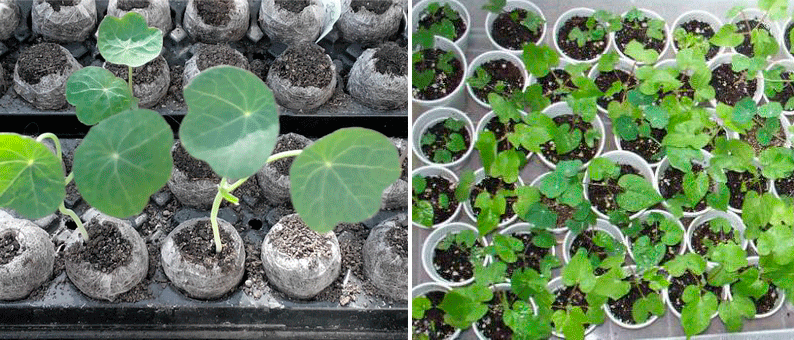
This ensures sufficient illumination of the room, while the temperature in it should not exceed +22 °C.
If there is not enough light in the room, the plant begins to grow actively, but at the same time it begins to get sick.
To preserve the characteristics of ornamental plants, gardeners recommend propagating by cuttings. This method is best used in greenhouses. As soon as flowers appear, the plants are planted in specially prepared pots or directly into the ground. However, replanting is very difficult, as the plant's root system is very delicate.
Caring for nasturtium in open ground
To create favorable conditions for nasturtium, choose the sunniest spot in your garden. The soil should also be well-drained. If the soil contains lime, the plant should not be planted there.
Planting in open ground is done in the first month of summer.
To avoid any damage to the plant's fragile root system, planting in soil should be done in peat pots.
The soil should be moderately fertile. A key aspect here is the difference in groundwater levels in the area; otherwise, the roots will rot and develop root rot. If planting seedlings, maintain a distance of at least 20 cm between plants.
Immediately after planting, it is necessary to mulch the soil; this is done to ensure that weeds practically do not appear.
Watering should be frequent and systematic, but in such a way that the water has time to be absorbed into the lower layers of the soil, reaching the lower layers of the plant’s root system.
To ensure vigorous flowering, fertilizers containing potassium and phosphorus are used. These help the seeds ripen quickly and then fall to the ground on their own.
If self-seeding is not desired, faded flowers are immediately cut off. As autumn approaches, reduce the frequency of watering, allow the above-ground shoots to dry out, and destroy the nasturtiums completely.
Collecting nasturtium seeds
To harvest the seeds, leave one shoot on the plant. The dried flowers, which form the seeds, are left on it. They are green and quite large. When the seeds are harvested, they are green. After 50 days, they ripen and turn gray.
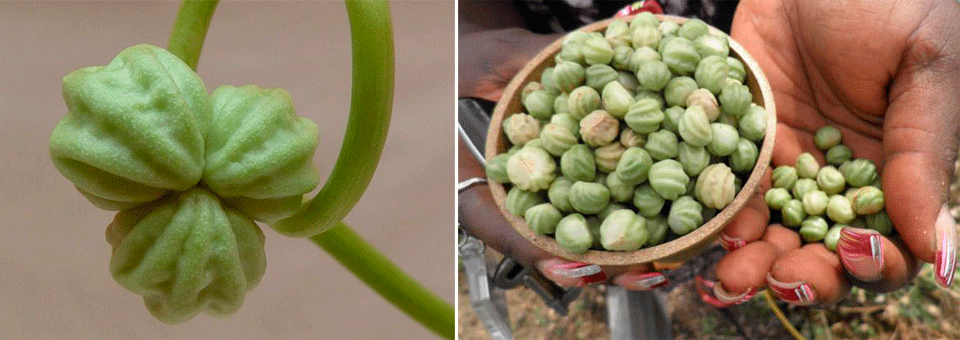
To collect seeds, you don't have to wait for them to fall and self-seed. Then, place the seeds in paper bags to await the next warm season.
Diseases and pests of nasturtium
Nasturtium is immune to some diseases and pests. However, there are still some ailments to which nasturtium is susceptible.
Gray mold is the most common. It appears as orange-brown spots on the leaves. When the disease appears, infected plants are destroyed or burned. Neighboring plants are sprayed with a special solution designed to kill the pathogen.
Using nasturtium in landscape design
Nasturtiums come in groundcover, shrub, and climbing varieties. This is important to consider, especially when planning specific landscaping and decorative solutions. They are excellent for creating artificial shade in gazebos and for creating green fences. They can also be used to conceal visible imperfections in building walls by planting them directly next to them.
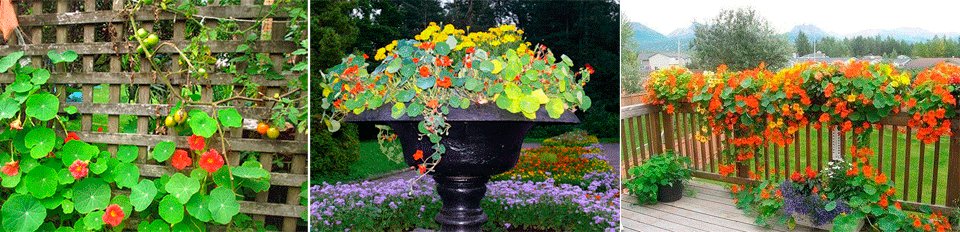
Bush varieties, recommended for placement in large pots, are ideal for placement near the entrance to a summer kitchen.
Growing nasturtium at home
This plant can also be used as a balcony or windowsill decoration, not just as a garden plant. Growing it indoors is virtually no different from growing it outdoors.
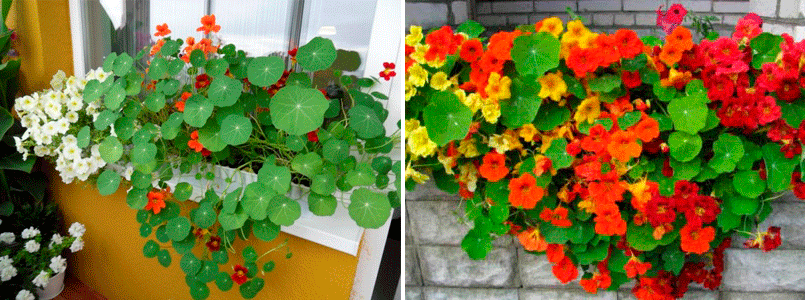
The only difference is that the room the plant is in will need to be ventilated more frequently, as it needs fresh air. Otherwise, watering and fertilizing are the same as planned.
Top.tomathouse.com recommends: the medicinal properties of nasturtium
Nasturtium is rightfully considered a unique plant. It boasts not only a beautiful appearance but also a wide range of beneficial properties.
The plant's chemical composition includes vitamins and microelements. Young leaves are used in cooking, added to soups, sandwiches, salads, baked goods, and marinades.
The spicy aroma of nasturtium gives meat a tangy flavor.
In addition to its culinary properties, nasturtium is an ingredient in natural cosmetics. It is used against dandruff and various scalp irritations. Certain components also promote hair growth. A special decoction can be made from the seeds and used as a hair rinse. This will add shine and strength to your hair.
In addition, this plant contains essential oil, which helps with digestive issues and strengthens the immune system. The buds of the vine are excellent for reducing inflammation, and nasturtium is used in ointments and various pain-relieving remedies.
There are medicinal preparations based on this flower. They are used for hypertension, heart attacks, and colds.
Besides its benefits to humans, the flower also benefits the garden. Its scent repels certain insects from itself and other plants.