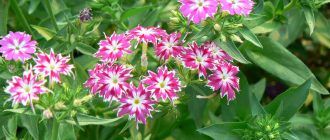
Asters are very popular due to their beauty and low maintenance. However, not everyone dares to sow them before winter, fearing that the flowers won't germinate in the spring. This is a mistake. Properly planted asters won't harm them, and will even benefit them. Let's explore why this method is recommended and how to do it safely.
Why is it recommended to plant asters in winter?
Winter sowing has the following advantages:
- The risk of Fusarium wilt, a rapidly spreading disease that can kill all flowers, is reduced by three times.
- Winter-sown asters better tolerate adverse environmental conditions. This is because only the strongest and most resilient specimens emerge.
- Flowers will appear 2 weeks earlier than with spring sowing.
- Winter planting allows you to save time in the spring, as there is a lot of other work to do at this time of year.
Please note! After the flowers emerge in the spring, they can be immediately transplanted to their permanent location. Vegetable seedlings or greens can be planted in the area where they were sown.
The correct timing for winter sowing of asters
Sowing can begin when subzero temperatures remain stable at all times of day and a frozen crust forms on the ground. This means there will definitely be no thaw. If temperatures are too cold, seedlings will not emerge until spring.
This type of weather typically arrives towards the end of autumn. In central Russia, it typically arrives in the second ten days of November.
Rules and methods of planting
Although asters planted in the fall are less susceptible to fusarium wilt, disease prevention is still necessary. This includes the following:
- they need to be sown annually in a new area;
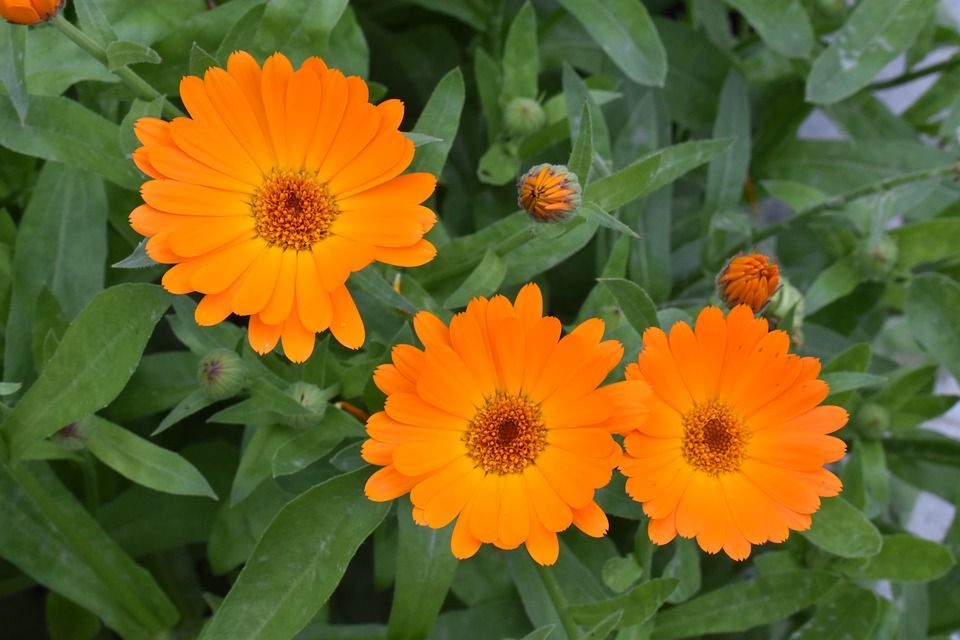
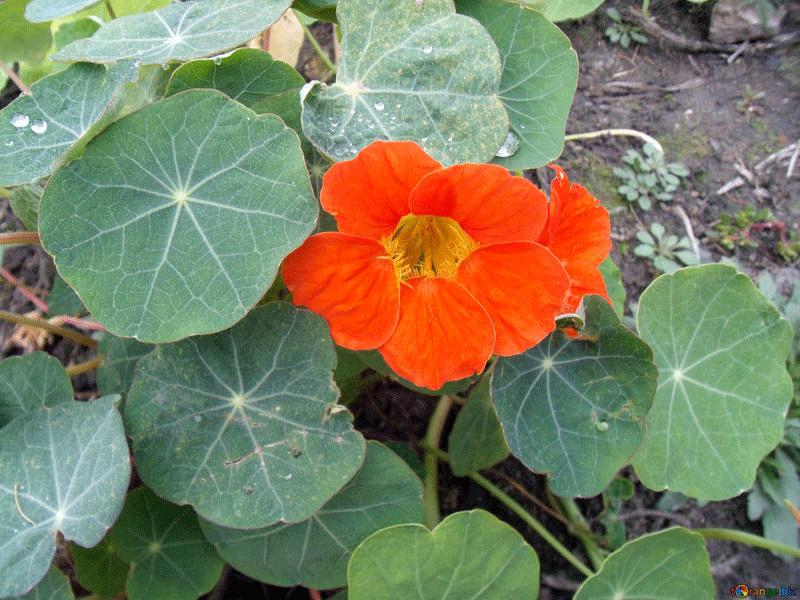
- It is good to grow phytoncidal flower species nearby, such as nasturtium, calendula, and you can also sow asters after them;
- Steam or warm the soil beforehand. You can also start a fire at the planting site and spread the ash over the bed. Just be sure not to burn diseased plants or chemicals.
After carrying out preventative measures, you can begin sowing. There are three methods for sowing these flowers. Let's look at each method.
Into the grooves
I think this method is more correct.
But you need to prepare for it in advance, while the ground is loose and not yet frozen.
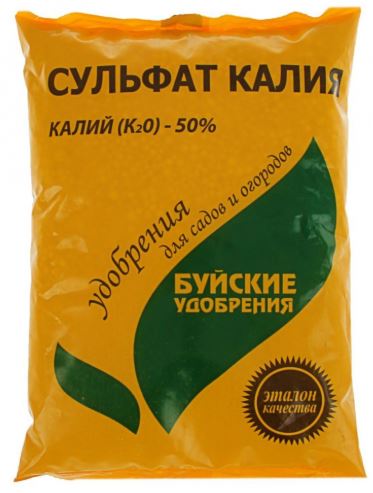
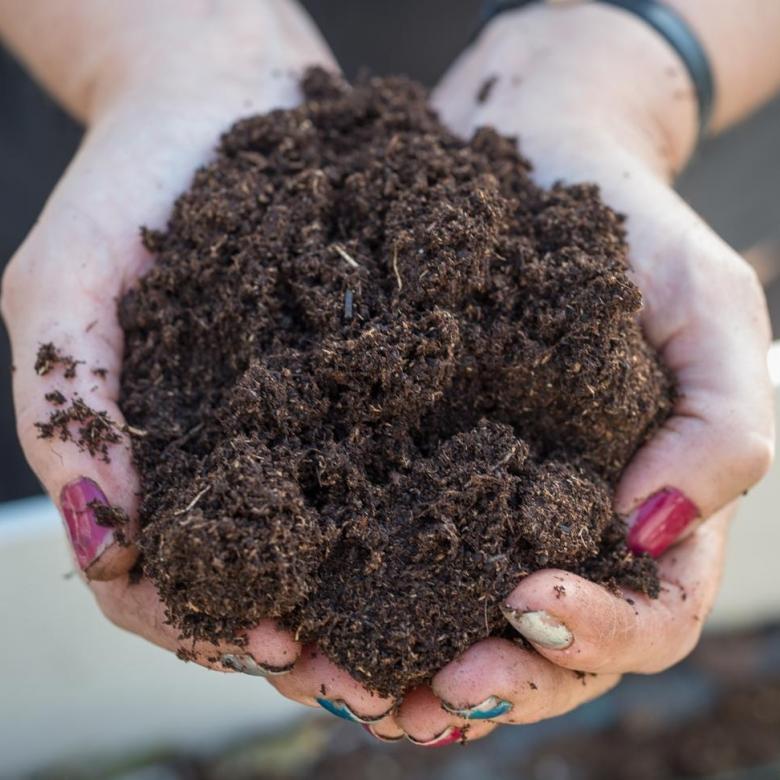
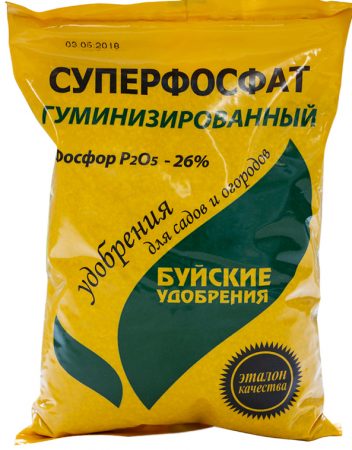
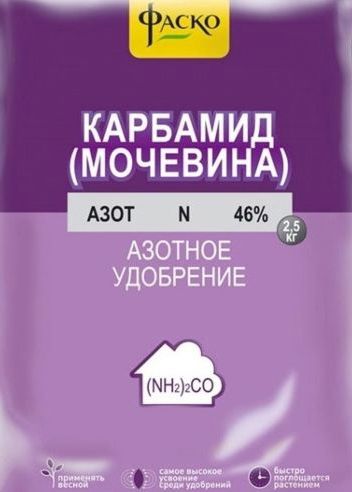
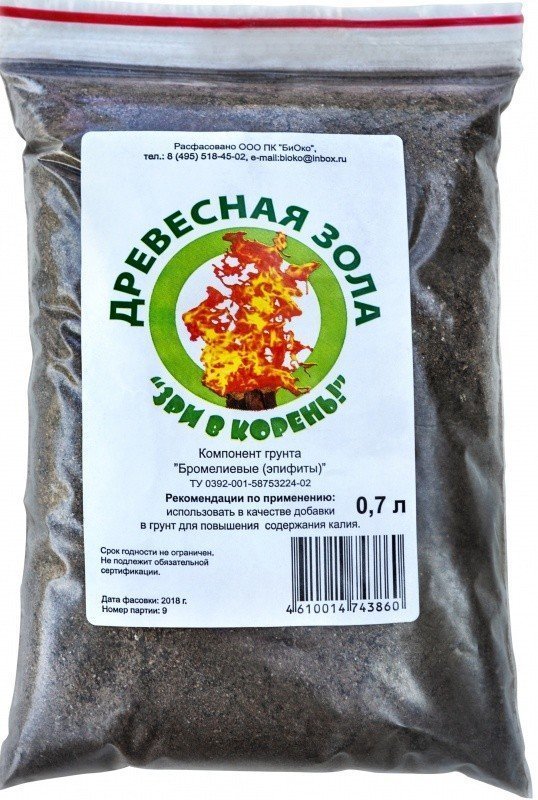
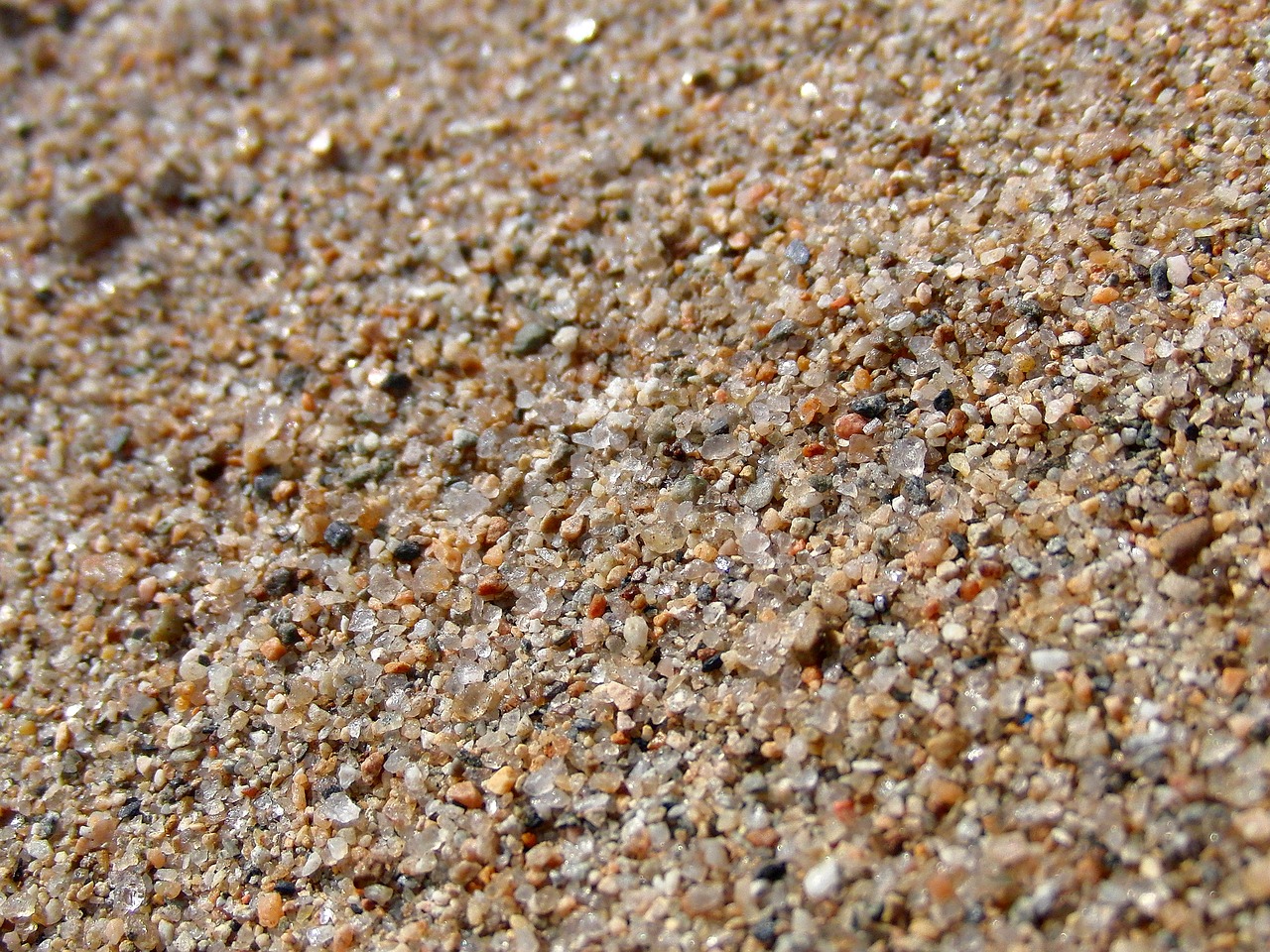
- Choose a location for planting asters in winter. Dig over the bed, adding humus. It's a good idea to add superphosphate, potassium sulfate, and urea (1 tablespoon per square meter), as well as river sand and ash.
- Make furrows to a depth of about 2 cm. Cover with lutrasil or film until stable frost sets in.
- When the low temperature stabilizes, open the bed, scatter the seeds along the furrows, and cover with soil, either prepared or purchased.
- Cover with film, don’t forget to secure it with bricks so that the wind doesn’t blow it away, and add some snow if there is any.
The seeds must be dry.

In early spring, when frost is still possible, but the flowers are already beginning to grow, you need to replace the film with a covering material and remove it only when the threat of frost has passed.
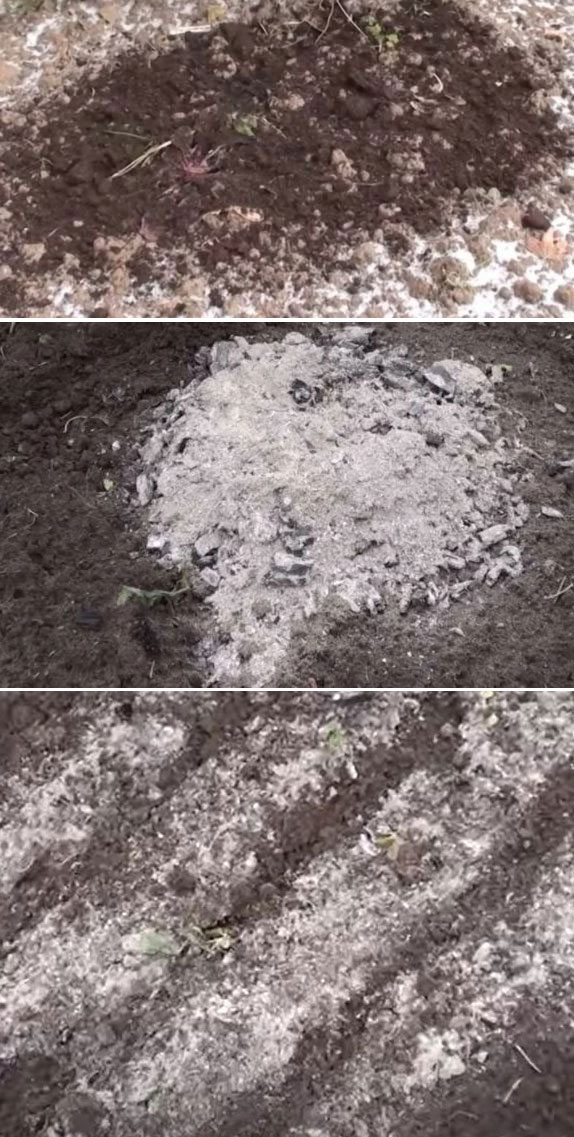
What should you do if you haven't prepared the bed yet, and the ground is already frozen, and you want to plant asters in furrows (because in this case, there are other methods, which we'll discuss below?) Build a fire in the chosen bed; the soil will warm up, and the ash will be useful as fertilizer. Then, follow the plan outlined above.
There are two more methods if the furrows were not prepared in advance, but they are, of course, only suitable for lazy gardeners who have nowhere to put the seeds, or for curious people who love to experiment.
Sowing on top of frozen ground
In the first, the seeds can be scattered directly on top of the frozen ground. Cover them with stored or purchased soil (flower or seedling soil will work). The soil mixture must be loose to prevent a crust from forming, preventing the seeds from growing through it.
Sowing in the snow
Step by step actions of another method:
- A bed where vegetables grew or on the trunks of ornamental trees and shrubs is suitable for it.
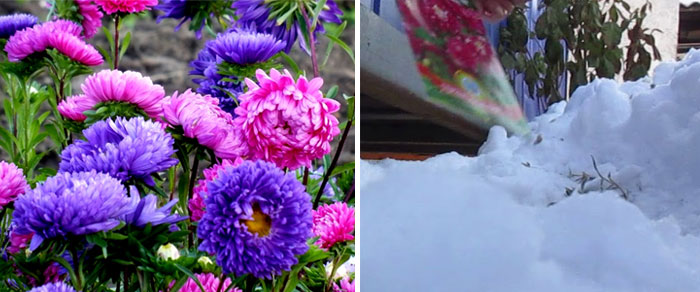
- The seeds simply need to be scattered evenly over the area on top of the fallen snow.
- Dark seeds are easily visible against a white surface, so they need to be camouflaged from birds. To achieve this, it's recommended to cover them with fresh snow.
In spring, the seeds will be carried by meltwater to the required depth. When the time is right, they will sprout successfully. Don't forget to cover the crops in these cases, too.
Sowing in buckets
Let's consider another interesting method if you don't have a prepared garden bed. This involves sowing asters in buckets. Place the seeds in any container with fertilized, watered soil, cover them with dry soil mixed with ash, raise the container, and cover with lutrasil. For more details, watch the video.
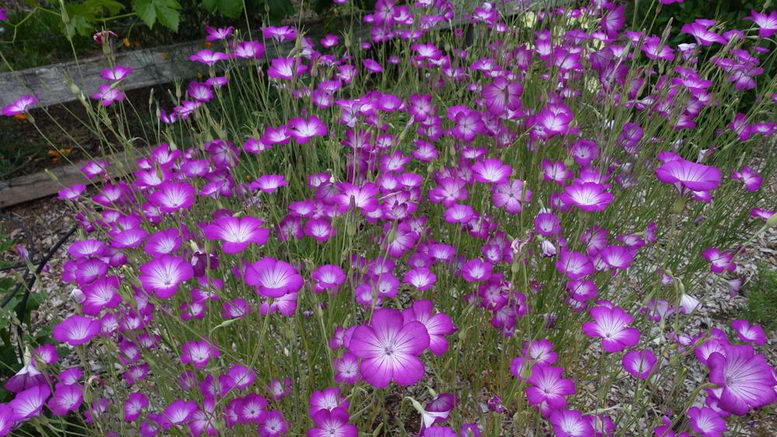
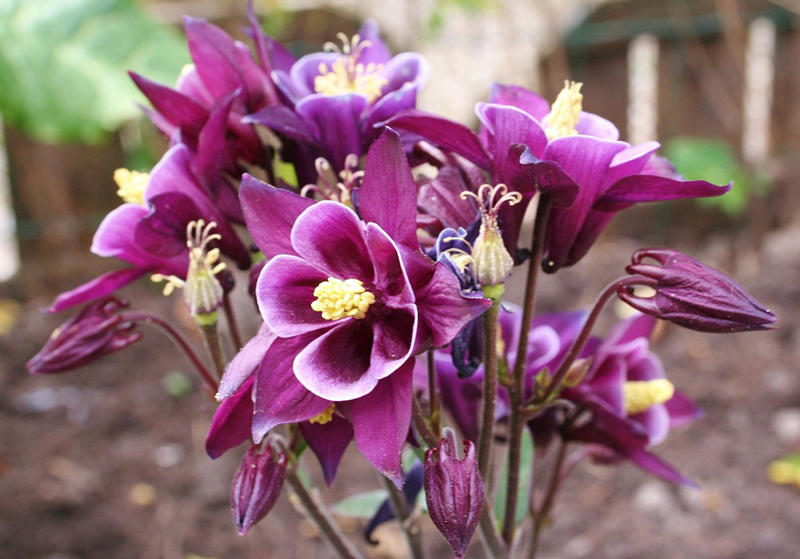
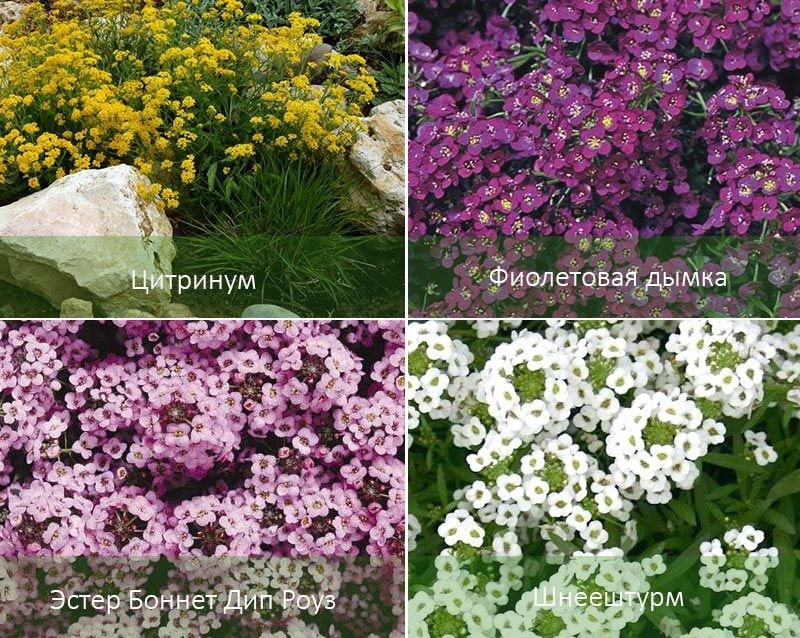
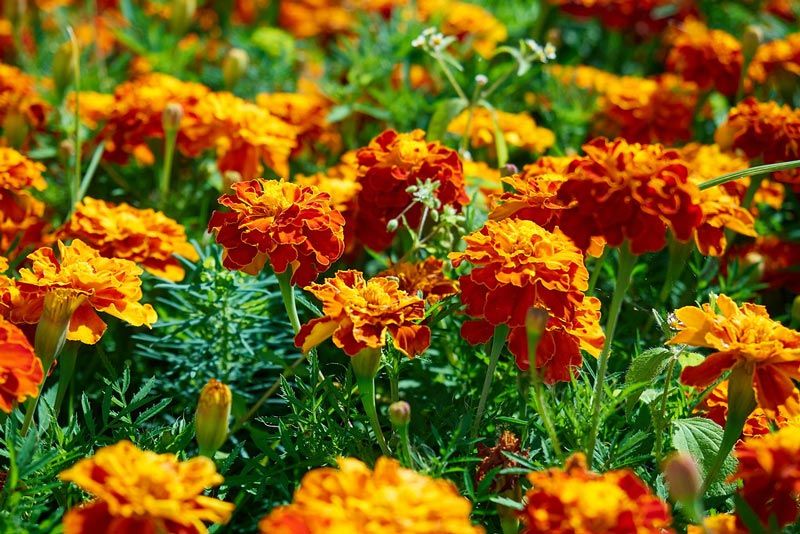
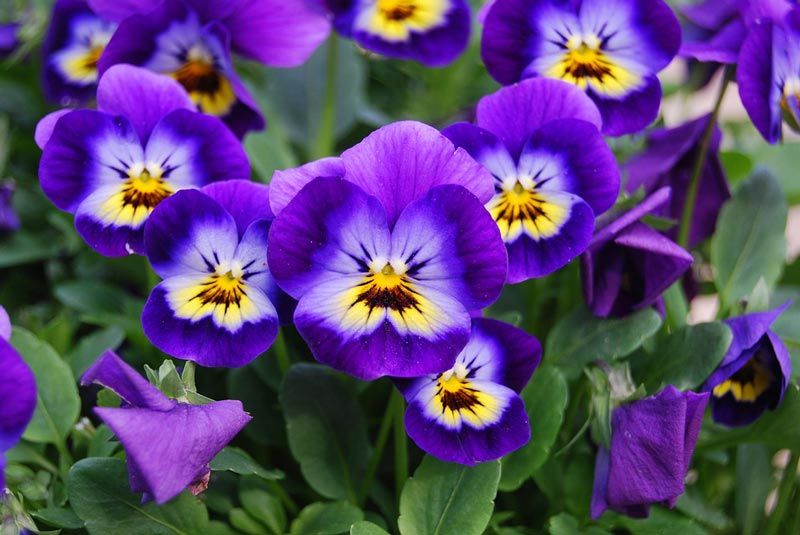
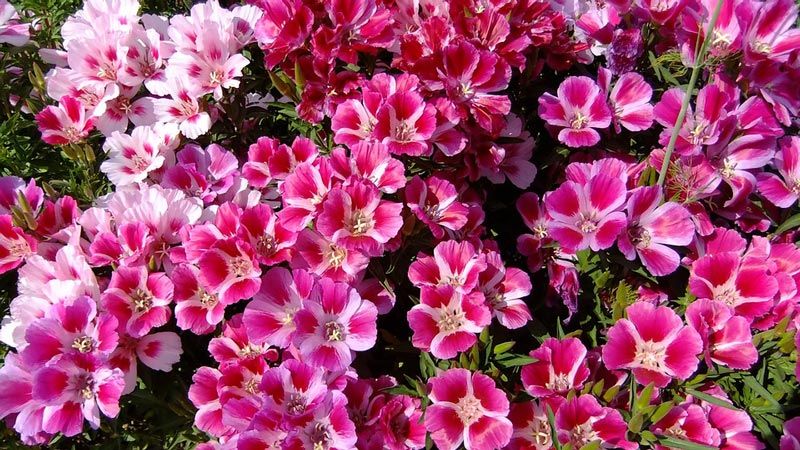
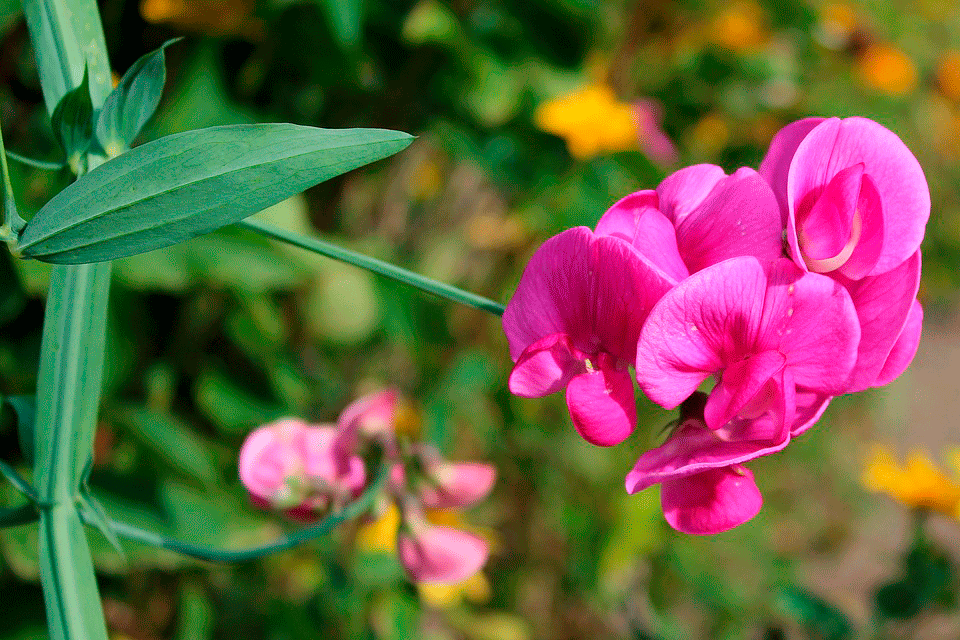
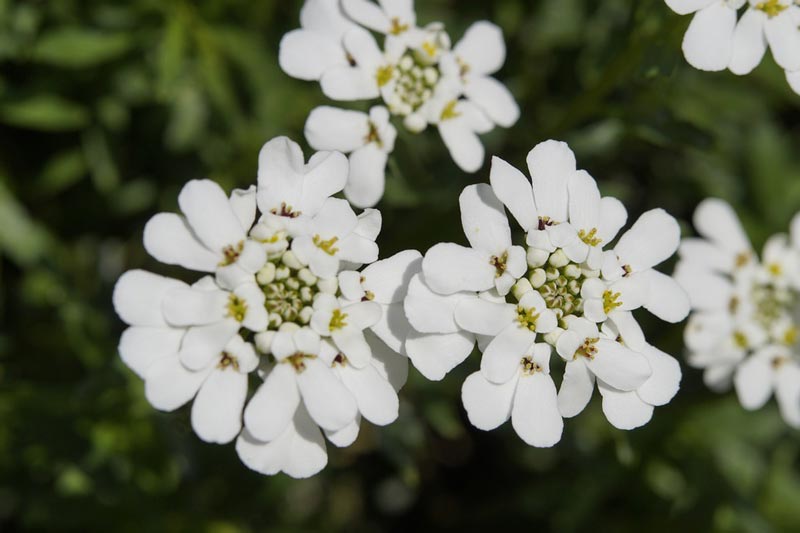
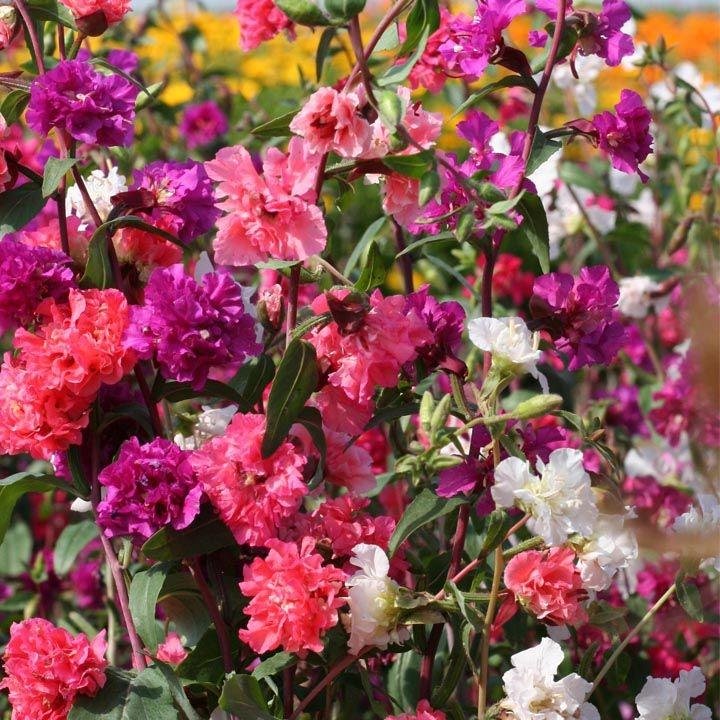
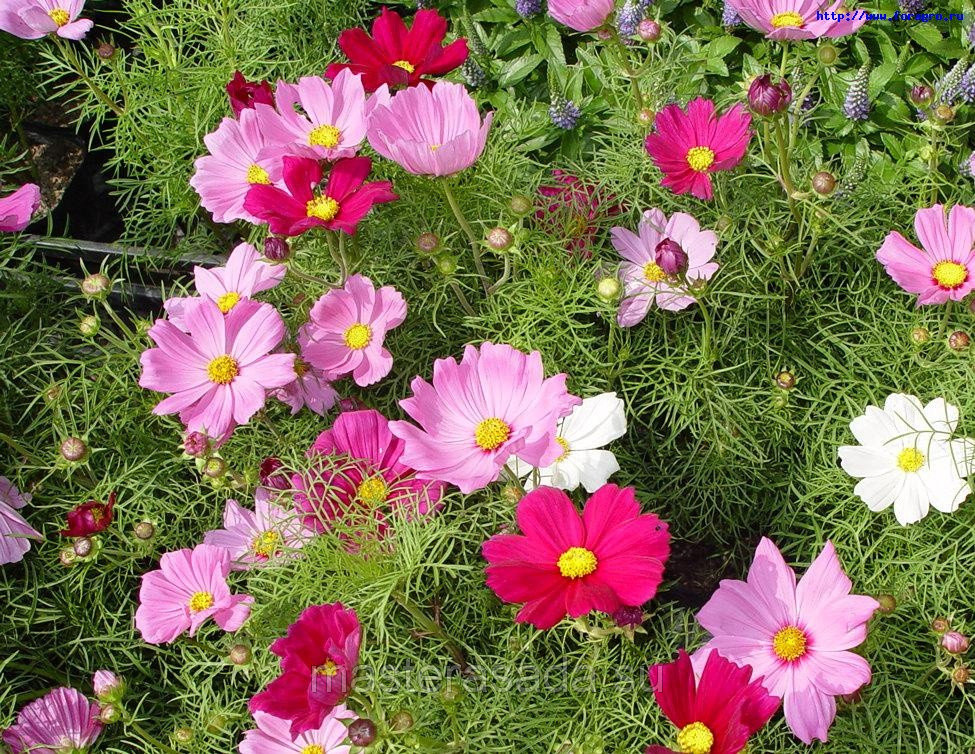
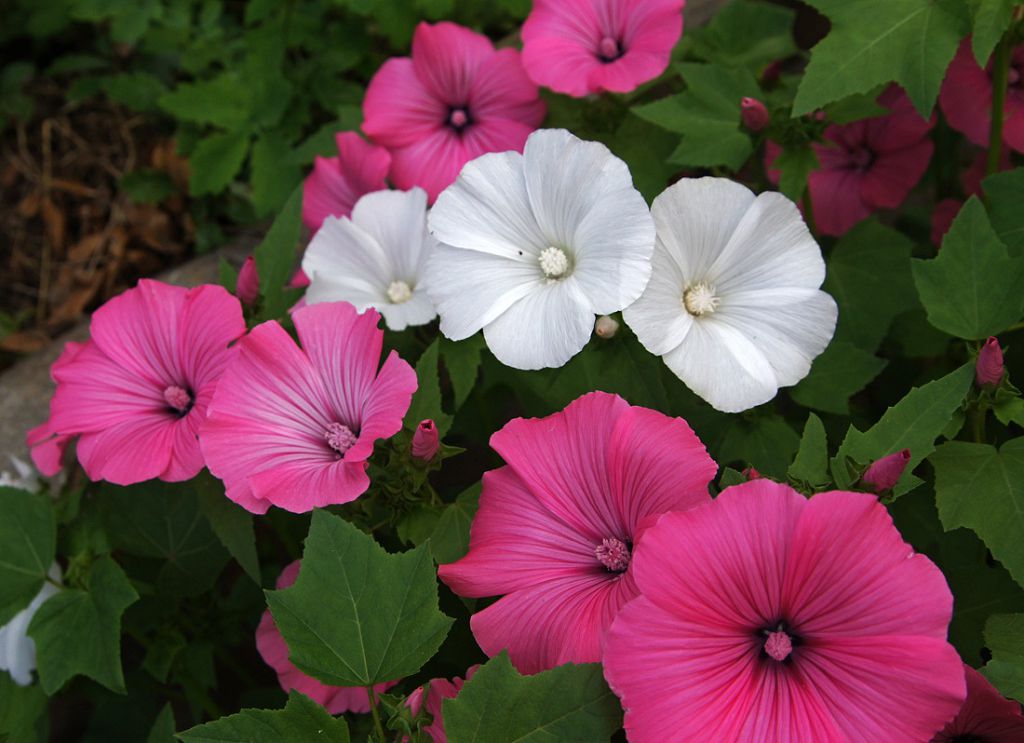
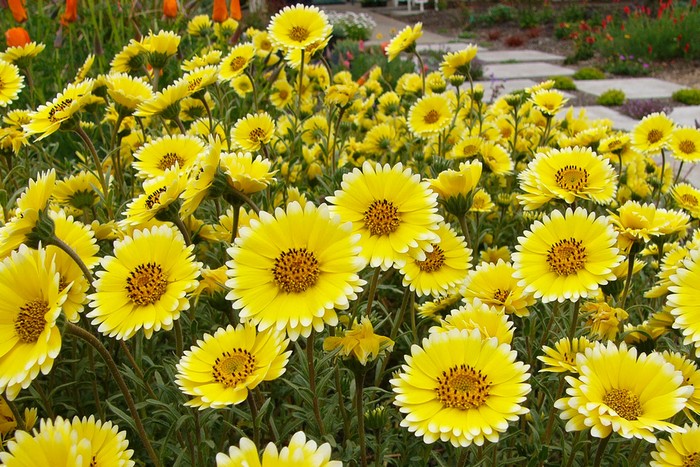
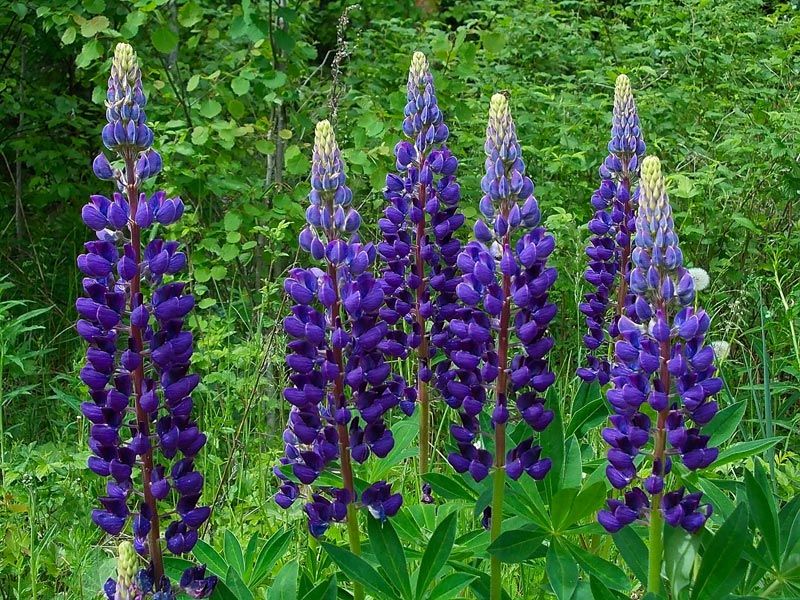
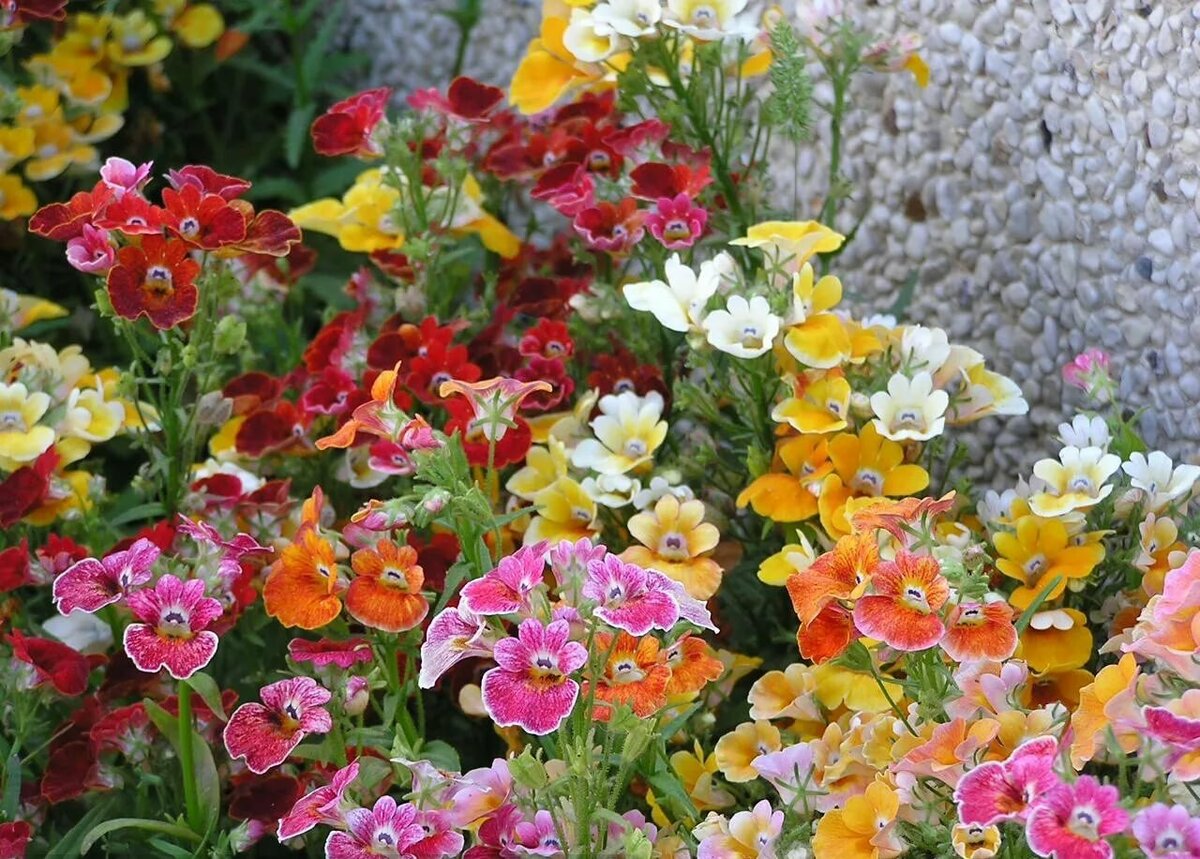
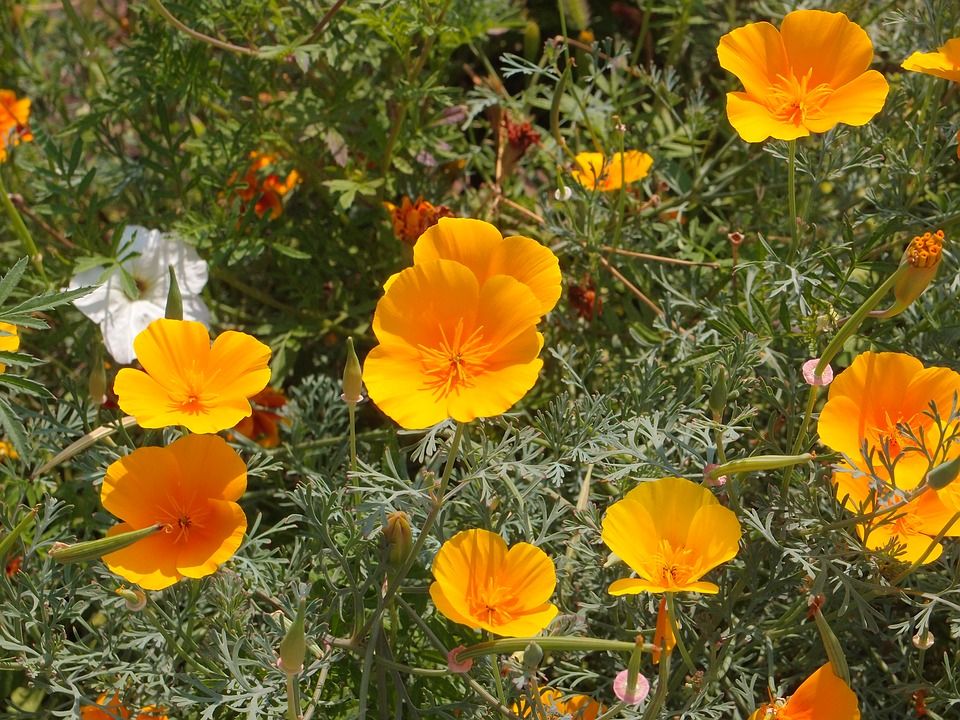
As a bonus for reading this article, here's a list of flowers that can be planted from seeds in the fall: agrostemma, columbine, alyssum, marigolds, viola, godetia, sweet pea, iberis, calendula, clarkia, cosmos, lavender, lavatera, leya elegans, lupine, matthiola, nasturtium, nemesia, and eschscholzia. This list is certainly not exhaustive.
More about aster varieties, planting and care Read on our website.