February is the last month of winter. Although it seems like the new summer cottage season is still a long way off, gardeners already have plenty to do. In addition to tending to houseplants, forcing herbs and onions, you can now begin sowing seedlings of long-season plants like celery, leeks, and late-ripening tomato and pepper varieties. You can also try growing potato and onion seeds. To ensure healthy and strong seedlings, you need to not only create the right growing conditions but also plant and care for them at the right time. The February 2024 Lunar Calendar will help you with this.

Content
- 1 Favorable and unfavorable sowing and planting days in February 2024
- 2 Favorable and unfavorable days for sowing and forcing flowering plants in February 2024
- 3 Favorable and unfavorable days for various crop care tasks in February 2024
- 4 Moon phases and days by zodiac sign in February 2024
- 5 Lunar calendar of gardening, vegetable growing, and floristic activities for February 2024 by day
- 5.1 1.02-1.02 (until 23:37)
- 5.2 1.02 (from 23h 37m) - 4.02 (until 09h 27m)
- 5.3 4.02 (from 09:27 a.m.) - 6.02 (until 15:08 p.m.)
- 5.4 6.02 (from 15:08) - 8:02 (until 16:59)
- 5.5 8.02 (from 16.59 pm) - 10.02 (until 16.42 pm)
- 5.6 10.02 (from 16.42 pm) - 12.02 (until 16.25 pm)
- 5.7 12.02 (from 16.25) - 14.02 (until 18.01)
- 5.8 14.02 (from 18:01) - 16.02 (until 22:38)
- 5.9 16.02 (from 22:38) - 18.02
- 5.10 19.02-21.02 (until 16:40)
- 5.11 21.02 (from 16:47) - 23.02
- 5.12 24.02-26.02 (until 17:28)
- 5.13 26.02 (from 17:28) - 28.02
- 5.14 29.02
- 6 Gardener's work in February
- 7 Gardener's work in February
- 8 February is a favorable time for planting potatoes
- 9 Household chores for flower growers
Favorable and unfavorable sowing and planting days in February 2024
Sowing, planting and transplanting are prohibited in prohibited days. On other days, you can plant any crops, but the most favorable dates, days on which planting is undesirable, as well as favorable Only for certain groups or at certain times (see below). Keeping this in mind will help ensure a rich and healthy harvest.
|
Culture |
Favorable | Unfavorable and prohibited |
| Tomato | 1-4, 6—8, 11, 12, 14—16, 19-21, 26-29 | 8, 9, 10, 21—23, 24—25 |
| Bell pepper | 1-4, 6—8, 11, 12, 14—16, 19-21, 26-29 | |
| Eggplant | ||
| Cucumbers | 2-8, 11, 12, 14—16, 19-21 | |
| Radish, turnip, horseradish | 1-4, 4—6 (radish), 6—8, 11-14 (radish) | |
| Celery | 1-4, 6—8 (root), 11, 12, 14—16, 26-29 (root, petiolate) | |
| Cabbage | 1-4, 6—8, 11, 12, 14—16, 19—21, 26-29 | |
| Onions, garlic | 1-8, 11, 12, 14—16, 26-29 | |
| Green | 1-4, 6—8, 11-14, 19-21, 26-29 | |
| Potato | 1-8, 14—16, 26-29 | |
| Strawberries (sowing for seedlings) | 1-4, 6—8, 11, 12, 14-18, 25-29 |
Favorable and unfavorable days for sowing and forcing flowering plants in February 2024
The table below shows favorable dates for working with flowering and ornamental plants, days on which planting is undesirable, and also favorable only for certain groups or at certain times (see below).
| View | Favorable | Unfavorable, prohibited |
| Annuals | 1-4, 6—8, 11, 12, 14—16, 16—21, 26-29 | 8, 9, 10, 21—23, 24—25 |
| Biennials and perennials | 1—4, 6—8, 11, 12, 12—14, 14—16, 16—21, 25-29 | |
| With bulbs and tubers | 1-8, 14—16, 25-29 | |
| Ampelous, curly | 1, 4-6, 14-18, 25-28 | |
| Indoor | 1, 6—8, 14—16, 19—21, 26-28 |
Also read Lunar calendar for flower growers for February 2024.
Favorable and unfavorable days for various crop care tasks in February 2024
The table below shows favorable dates for classes with plants, days on which certain works are carried out prohibited, A Also favorable or unfavorable only during certain hours (see below).
| Works | Favorable days | Unfavorable and prohibited days |
| Transplantation, picking, dividing rhizomes, digging | 1, 4—8, 19-21, 26-28 |
2-4, 8, 9, 10, 14-18, 21—23, 24—26, 29 |
| Pruning, cuttings | 1-4, 6—8, 14—16, 19-21, 25-29 | 4—6, 8, 9, 10, 11, 12—14, 23, 24, 25 |
| Watering, loosening, fertilizing | 1-8, 14—16, 19-21, 26-29 | 8, 9, 10, 12—14, 16-18, 21—23, 24—25 |
| Disease and pest control | 2-4, 6—10, 12—14, 16-18, 21—26, 29 | 1, 10—12, 19-21, 26-28 |
| Blanks | 4—8, 12—16, 21—23 | 8, 9, 10, 11, 12, 19-21, 23, 24, 26 |
Moon phases and days by zodiac sign in February 2024
Conventional designations:
- «+" - good fertility;
- «+/-" - average fertility;
- «—" - low fertility;
- ◐ — Waxing moon;
- ◑ — Waning Moon;
- ● — New Moon;
- ○ — Full moon.
Moon phases in February 2024:
- ◑ — 1-9, 25-29.
- ● — 10 (02:00).
- ◐ — 11-23.
- ○ — 24 (15h 30m).
Days according to the Zodiac signs:
- ♎ Libra — 1-1 (until 23:37), 26 (from 17:28)-28.
- ♏ Scorpio - 1 (from 23h 37m)-4 (until 09h 27m), 29.
- ♐ Sagittarius - 4 (from 09:27 a.m.)-6 (until 15:08 p.m.).
- ♑ Capricorn - 6 (from 15:08) - 8 (until 16:59).
- ♒ Aquarius - 8 (from 16:59)-10 (until 16:42).
- ♓ Pisces — 10 (from 16:42) - 12 (until 16:25).
- ♈ Aries - 12 (from 16:25)-14 (until 18:01).
- ♉ Taurus — 14 (from 18:01) - 16 (until 22:38).
- ♊ Gemini - 16 (from 22h 38m) - 18.
- ♋ Cancer - 19-21 (until 16:40).
- ♌ Leo - 21 (from 16:40)-23.
- ♍ Virgo — 24-26 (up to 17:28).
Lunar calendar of gardening, vegetable growing, and floristic activities for February 2024 by day
1.02-1.02 (until 23:37)
♎ Libra, +-, ◑, Flower days.
It is not advisable to use insecticides.
| Gardener's work | Work of a florist | Gardener's work and general recommendations |
|
|
|
1.02 (from 23h 37m) - 4.02 (until 09h 27m)
♏ Scorpio, +, ◑, Leaf Days
There is no need to divide or replant.
| Gardener's work | Work of a florist | Gardener's work and general recommendations |
|
|
|
4.02 (from 09:27 a.m.) - 6.02 (until 15:08 p.m.)
♐ Sagittarius, +-, ◑, days of Fruition
Avoid rejuvenating pruning and cuttings of houseplants, watering, and fertilizing. Avoid sowing cauliflower and broccoli for seedlings.
| Gardener's work | Work of a florist | Gardener's work and general recommendations |
|
|
Preparation: salting, pickling cabbage. |
6.02 (from 15:08) - 8:02 (until 16:59)
♑ Capricorn, +-, ◑, Root days
It is not advisable to loosen the soil deeply.
| Gardener's work | Work of a florist | Gardener's work and general recommendations |
In greenhouses and in the house:
|
|
Preparation: salting and pickling cabbage. |
8.02 (from 16.59 pm) - 10.02 (until 16.42 pm)
♒ Aquarius, —, ●, Flower days
10.02 at 02:00 – Exact New Moon.
During the day before and after the Exact New Moon, sowing, planting, replanting, and any work with plants is prohibited.
| Gardener's work | Work of a florist | Gardener's work and general recommendations |
|
|
|
10.02 (from 16.42 pm) - 12.02 (until 16.25 pm)
♓ Pisces, +, ◐, Leaf days
When you're in Pisces, avoid pruning, treating for diseases, and pests. Avoid harvesting.
| Gardener's work | Work of a florist | Gardener's work and general recommendations |
In greenhouses and in the house:
|
|
Outdoor work:
|
12.02 (from 16.25) - 14.02 (until 18.01)
♈ Aries, +-, ◐, days of Fruition
There is no need to germinate seeds, water, feed, or shape plants.
| Gardener's work | Work of a florist | Gardener's work and general recommendations |
In greenhouses and in the house:
|
|
Preparation: salting and pickling cabbage, freezing, canning, making jam. |
14.02 (from 18:01) - 16.02 (until 22:38)
♉ Taurus, +, ◐, Root days.
Loosening the soil is prohibited to avoid damaging the roots.
| Gardener's work | Work of a florist | Gardener's work and general recommendations |
In greenhouses and in the house:
|
|
Preparation: salting and pickling cabbage. |
16.02 (from 22:38) - 18.02
♊ Gemini, —, ◐, Flower days
It is not recommended to apply fertilizers, water, or replant flowers, except for plants with long shoots.
| Gardener's work | Work of a florist | Gardener's work and general recommendations |
In greenhouse and indoor conditions:
|
|
|
19.02-21.02 (until 16:40)
♋ Cancer, +, ◐, Leaf days
You should not plant climbing flowers or crops with long shoots, or treat them with chemicals.
| Gardener's work | Work of a florist | Gardener's work and general recommendations |
In greenhouse and indoor conditions:
|
|
|
21.02 (from 16:47) - 23.02
♌ Leo, —, ◐, days of the Fruit.
It is not recommended to water, fertilize, sow or plant vegetables.
| Gardener's work | Work of a florist | Gardener's work and general recommendations |
In greenhouses and in the house:
|
Outdoor work:
|
Preparation: Canning, jam making. |
24.02-26.02 (until 17:28)
♍ Virgo +-, ○, Root days
February 24 at 3:30 pm – Exact Full Moon.
The day before and after the Exact Full Moon, it is not recommended to sow, plant or transplant plants, soak seeds, prune, or fertilize.
The following works can be performed with 25.02 15:30:
| Gardener's work | Work of a florist | Gardener's work and general recommendations |
|
|
26.02 (from 17:28) - 28.02
♎ Libra, +-, ◑, Flower days.
It is not advisable to use insecticides.
| Gardener's work | Work of a florist | Gardener's work and general recommendations |
|
|
|
29.02
♏ Scorpio, +, ◑, Leaf Days
There is no need to divide or replant.
| Gardener's work | Work of a florist | Gardener's work and general recommendations |
|
|
|
Read more about sowing vegetable, flower crops, and strawberry seedlings in the article Lunar calendar for sowing seeds for seedlings in 2024.
Gardener's work in February
Even in winter, gardeners and vegetable growers have plenty of work to do. Although the peak season is still far off, there are many gardening tasks that are important to complete in February.
Snow retention
In most regions of the country, February is invariably accompanied by heavy snowfall.
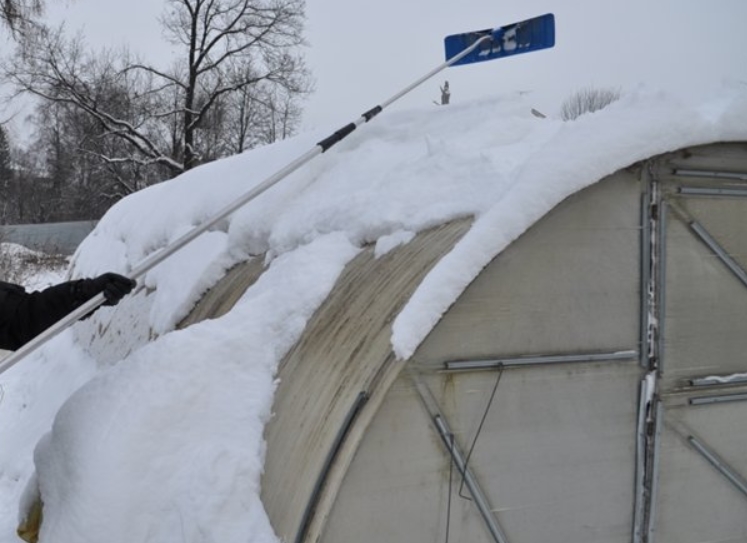
First, it's necessary to clear snow from the greenhouse and all outbuildings. It can damage the roofs, and then the season will have to begin with repairs rather than planting.
If there are shrubs and fruit trees on the property, it's also recommended to remove snow from their branches. However, this must be done with extreme care, as frozen wood becomes very brittle.
Don't forget to pile snow into the greenhouse to make working there easier in the spring. This will not only soften the soil, but also help it absorb moisture in the spring.
When winter is light on snow, or when snow falls very rarely in a region, it is important to ensure snow retention.
This is especially important for the plant's root system, which is protected from freezing by the snow cover. Snow from the garden is piled around the plantings, and corn stalks or tree branches are placed on top. It's important that these are removed from a healthy tree, otherwise there is a risk of plant infection.
Garden protection
In regions with minimal snowfall but windy weather, it's crucial to protect garden plants from frost. If frost is clearly intensifying and winter is slow to blanket the ground, all low-growing plants and shrubs should be covered with spruce branches or straw, paying particular attention to the root zone.
Trees can be insulated using any breathable material, such as burlap, simply by wrapping it around the trunk or tree skeleton.
At the end of February, when the snow has almost melted but frosts still remain, a layer of peat is spread over the tree trunk circles.
In many regions, the sun begins to show its strength as early as February. This increases the risk of plant damping-off. It's important to note that damping-off is more likely to cause plant death than frost. Therefore, it's important to begin airing out plants that have been wrapped up for the winter. This is especially true for ornamental and flowering shrubs.
Another important task for gardeners in February is breaking up the crust on their plot. Firstly, it prevents air from penetrating deep into the soil. Secondly, plants buried under the crust can break under its weight when the snow melts.
To prevent the snow crust from hardening, many gardeners sprinkle it with ash or peat.
In February, it's necessary to remove any fruit remaining on bushes and trees from the fall. Ideally, by spring, there won't be a trace of it left.
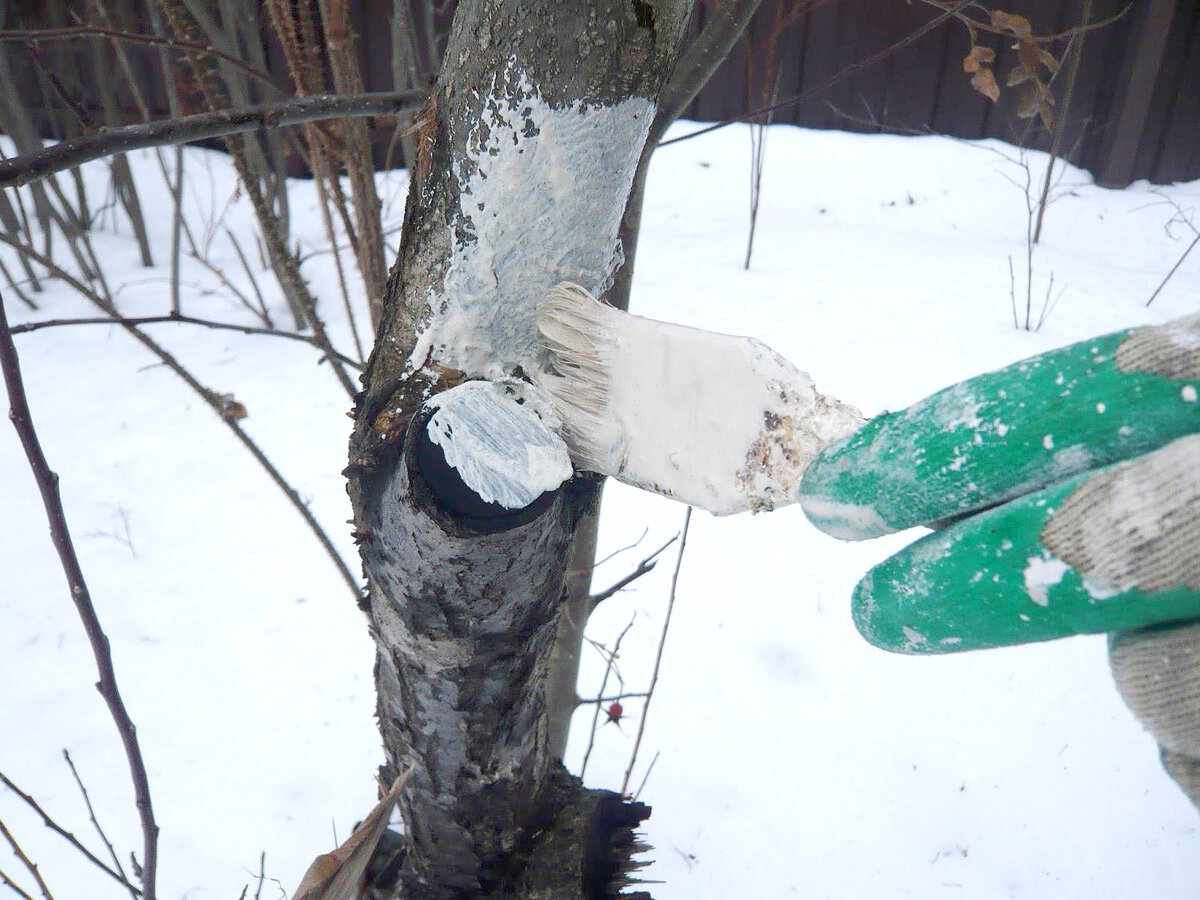
Whitewashing is essential for garden trees. It's done in the fall, but it helps protect trunks from temperature fluctuations, rodent attacks, pests, and infections in winter. Whitewashing should only be performed in dry weather with temperatures no lower than -5°C (-4°F). If it rains that same day, repeat the process.
Various rodents actively hunt the bark of young trees in winter. Thanks to the thick layer of snow, hares can reach the branches, so additional protection is necessary.
Many fruit trees, such as stone fruits and those with artificially shaped crowns, are prone to bark cracks. These cracks are caused by severe frosts and temperature fluctuations. This can be prevented by coating the trunks with a thick layer of whitewash or wrapping them with a special material that reflects light and allows air to pass through.
Trimming
In February, pruning plants minimizes the risk of infection. This is because sap doesn't leak from the cut branches, so the risk of bacteria growing there is reduced.
Experienced gardeners recommend starting pruning before the sap begins to flow, at the end of the last winter month.
This can only be done with mature shrubs and trees whose flower buds form on last year's or older shoots.
Cuttings
Many gardeners prepare cuttings in the fall, but it's best to leave this work until February. Fresh cuttings have a lower growth rate, but a February cutting, placed in a basement before the weather warms up, will root much better and is ideal for spring grafting.
Gardener's work in February
February is the time to prepare seeds. The planting material is inspected, and any missing plants are purchased.
Some gardeners begin sowing seedlings in February. This isn't the best time, as daylight hours are still too short, the air is dry from heating appliances, and roots freeze. Early-planted seeds germinate well, and there are no developmental issues with proper watering and adequate lighting. However, by the time they're transplanted to their permanent beds, the seedlings are too large, begin to stretch, and are too accustomed to indoor growth to adapt quickly to outdoor conditions. These plants are less viable than their spring-sown counterparts. As a result, the plants become susceptible to fungal infections, which in most cases lead to their death.
Planting at this time is only possible in the southern regions in early spring; in all other cases, there is no need to rush.
Sowing vegetables with a long growing season
There are some cultures that develop slowly.
- Leeks, root celery, and stalk celery take a very long time to germinate, so if they weren't planted in January, you need to hurry; if sown late in the spring, they won't have time to form a full harvest by the time they ripen.
- Early cabbage varieties (broccoli, cauliflower, Chinese cabbage, kohlrabi) should also be sown in February, otherwise the active growth phase will coincide with the hottest summer weather. The crop prefers moderate temperatures; otherwise, a bountiful harvest won't be possible. Cabbage also tolerates cold well, so it can be planted in the ground earlier than other crops. Some gardeners plant seedlings in heated greenhouses as early as April. However, it's important to maintain proper temperature and light conditions when sowing cabbage and growing seedlings. Until the shoots are fully established, the thermometer should read between 8 and 15 degrees Celsius. Afterward, this temperature should increase to 15-18 degrees Celsius. The soil shouldn't be acidic, so peat content should be kept to a minimum. Lighting is also essential, otherwise the sprouts will be elongated and spindly.
- Onion seeds take a long time to germinate, and seedlings don't develop quickly either. However, onions can be planted in the garden much earlier than warm-season crops, like cabbage. They're not affected by cold temperatures, and even in such conditions, their root system continues to grow stronger. This is crucial, as the roots are the primary source of nutrients. Furthermore, early-planted onions are virtually immune to the main pest, the onion fly, and the bulbs have time to form before downy mildew begins to appear.
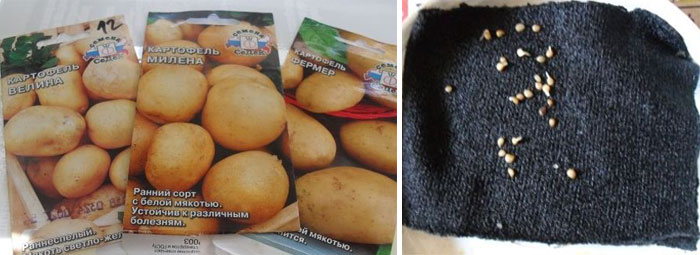
Before planting, it's recommended to treat onion and celery seeds with a stimulating treatment. Cabbage sprouts well without any additional treatment. Onion seeds, whether leeks or onions, are soaked in a weak solution of potassium permanganate for 24 hours to disinfect them. Afterward, rinse them under running water, place them in a damp cloth, and place them in a warm place to germinate.
Next, you can plant. This should be done in pre-prepared furrows no more than 1.5 cm deep. It is recommended to leave at least 5 cm between seeds, even if there are many seeds and you want to plant them more densely.
Next, the container with the future seedlings is covered with plastic wrap and placed in a warm room until the shoots emerge. As soon as they emerge above the soil surface, the cover is removed, and the temperature is lowered to 11 degrees Celsius for several days to harden the roots. Then it is raised again, but only slightly, by about 5 degrees Celsius.
When sowing celery, do not deepen the holes at all, but leave them on the surface of the ground, lightly pressing them with your fingers and sprinkling them with sand.
Seedlings need to be provided with additional lighting, otherwise the shoots will begin to stretch and compete with each other for light.
Sowing late and mid-season eggplants and peppers
Starting in the second half of February, after Candlemas (February 15th), you can begin sowing vegetable seeds. The exact timing depends on the growing region. Bell peppers and eggplants are planted first. They are considered very finicky and have a long germination period. This month, we sow late- and mid-season varieties for seedlings.
For more information on planting peppers and eggplants for seedlings, see the following articles:
Planting (sowing) eggplant seedlings: when to plant in 2024, favorable days, rules, tips
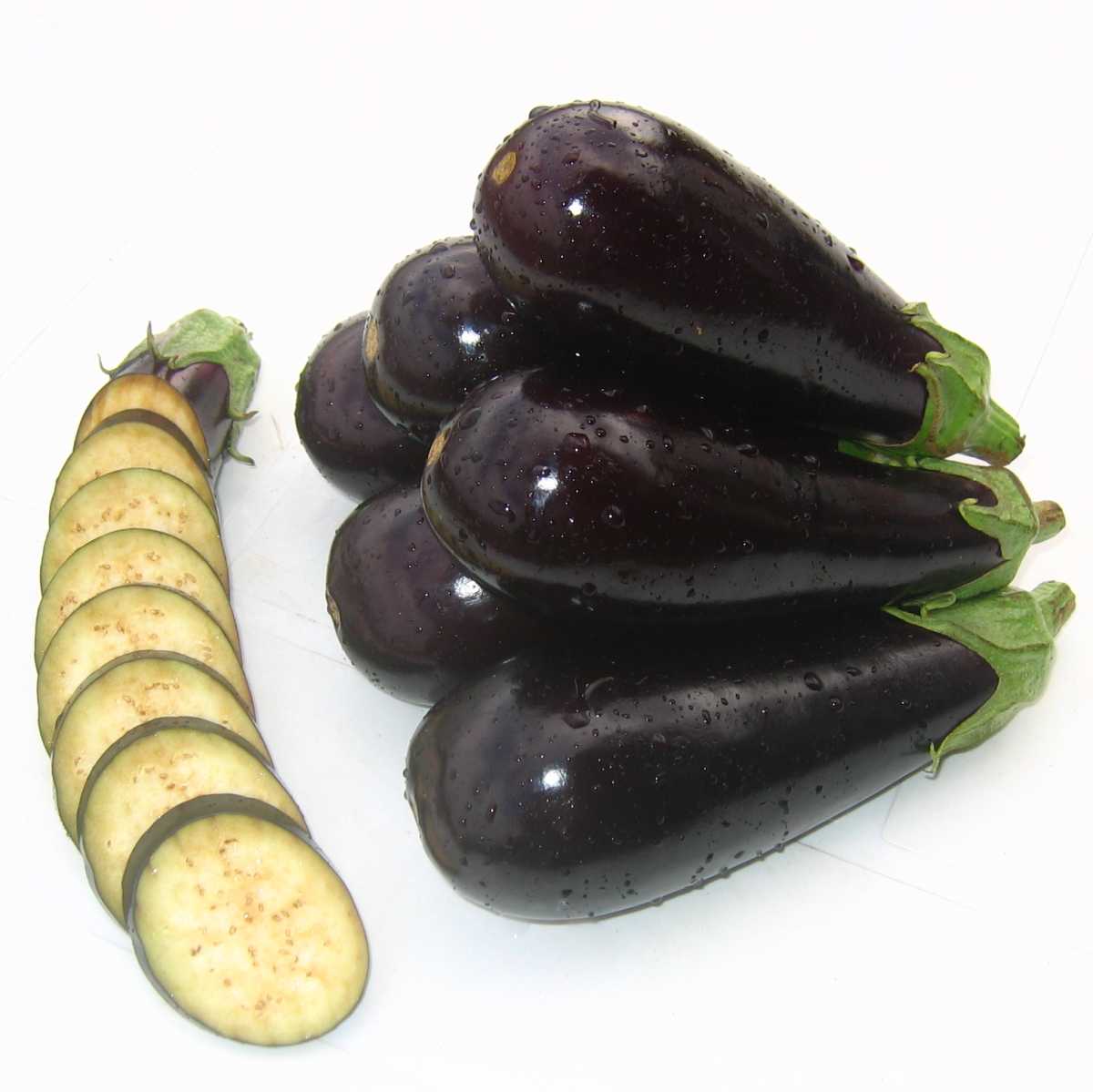
For example: Eggplants: Anet F1, Begemot F1, Negus, King of the North F1, Torpedo, Mishutka, Sophia, Goliath F1, Vikar;
Photo gallery of late and mid-season eggplants
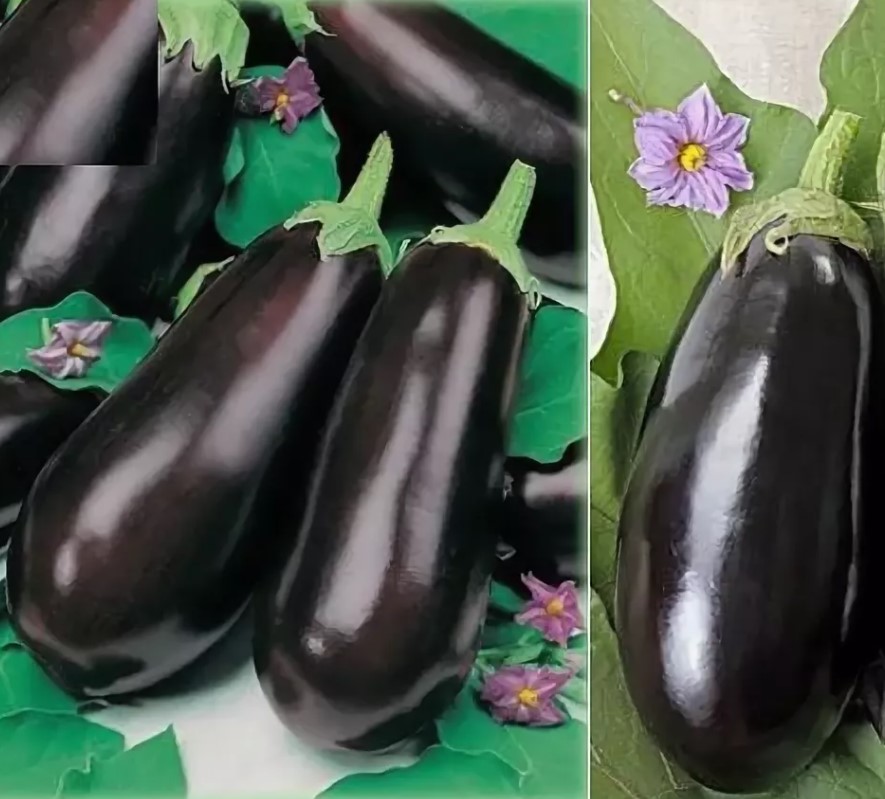
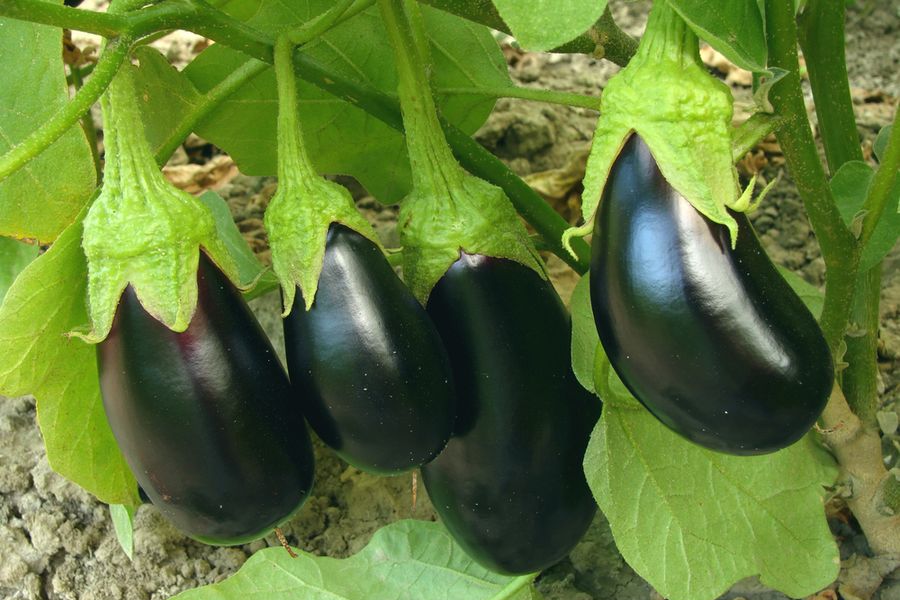
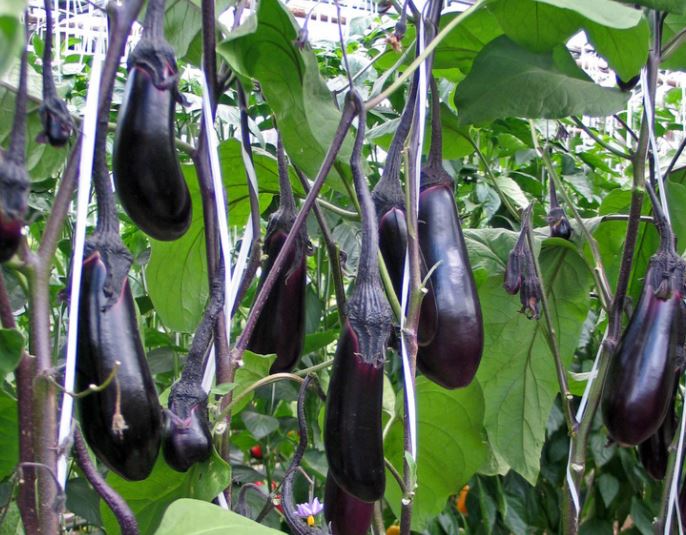
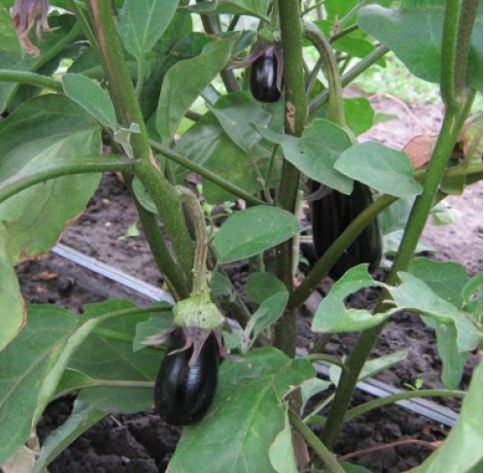
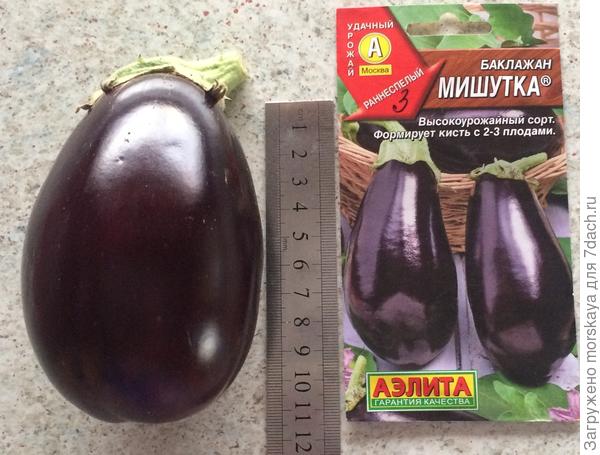
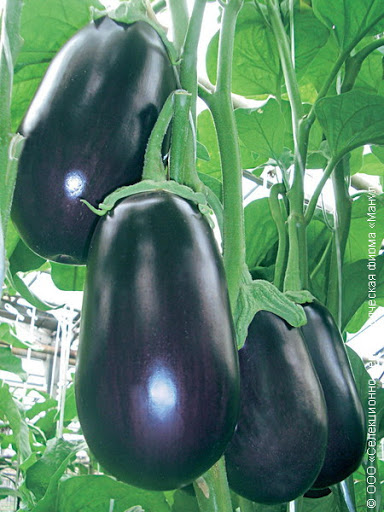
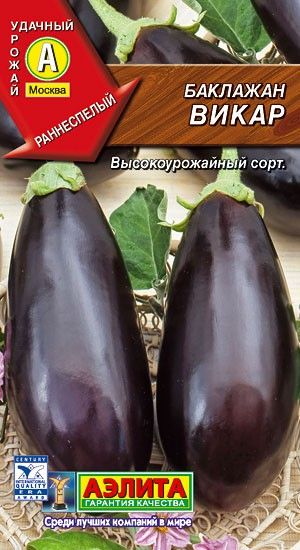
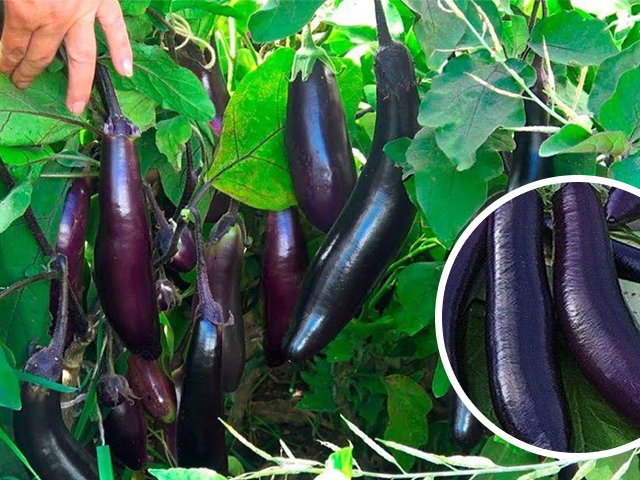
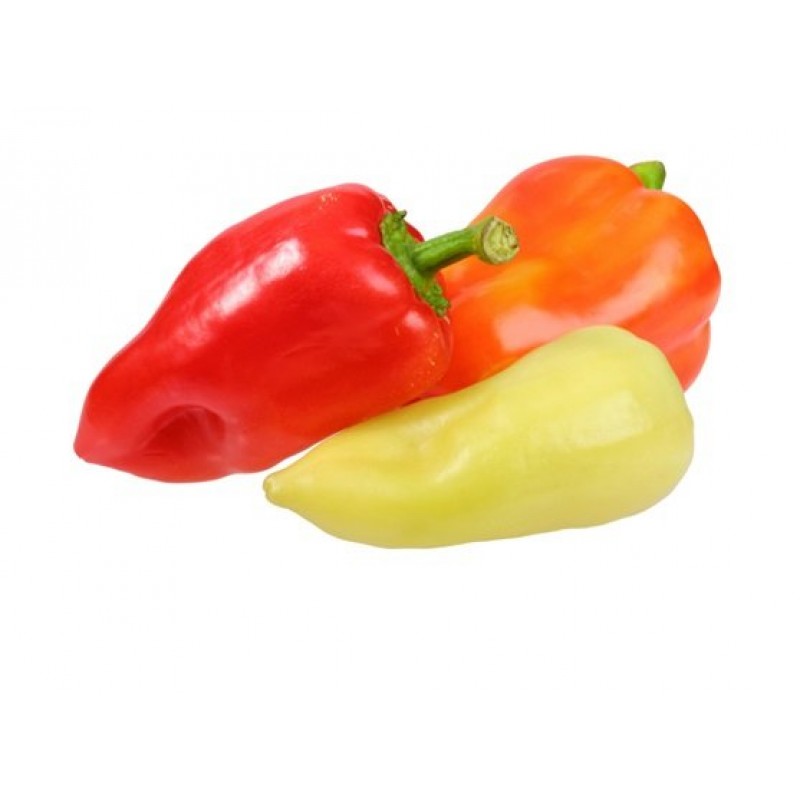
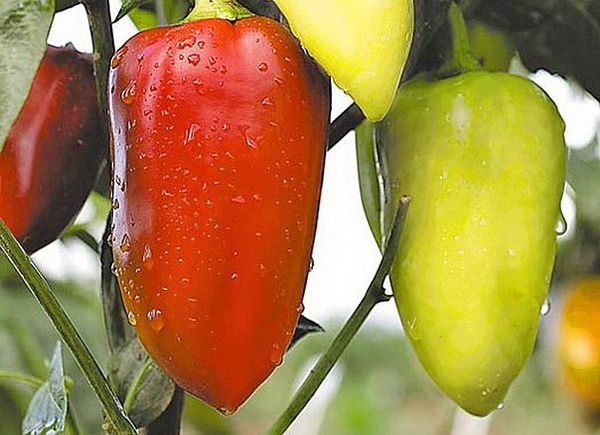
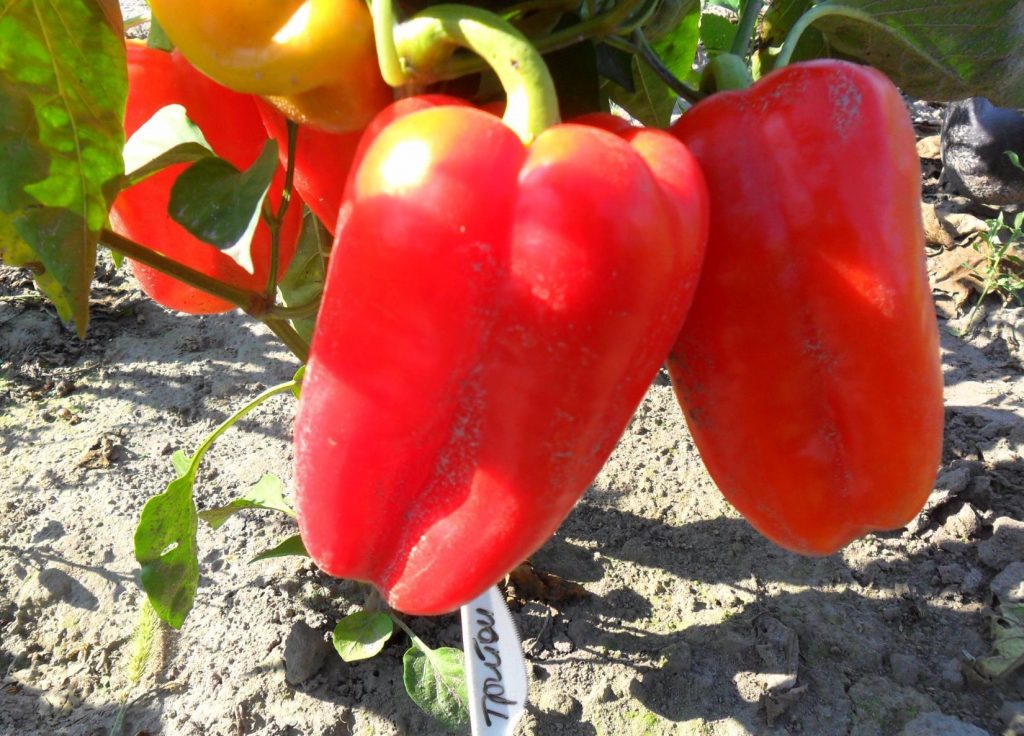
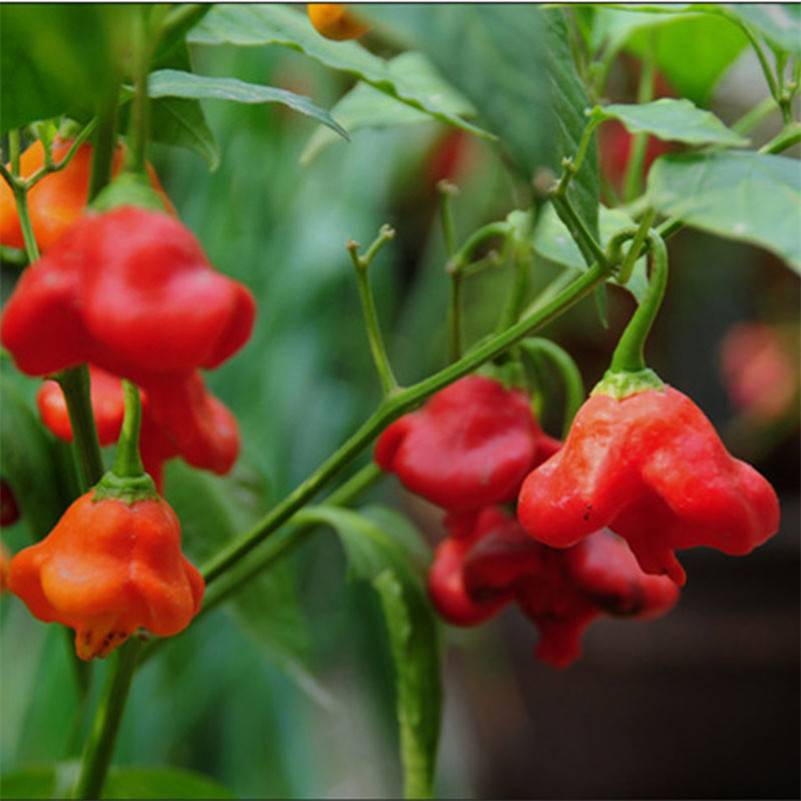
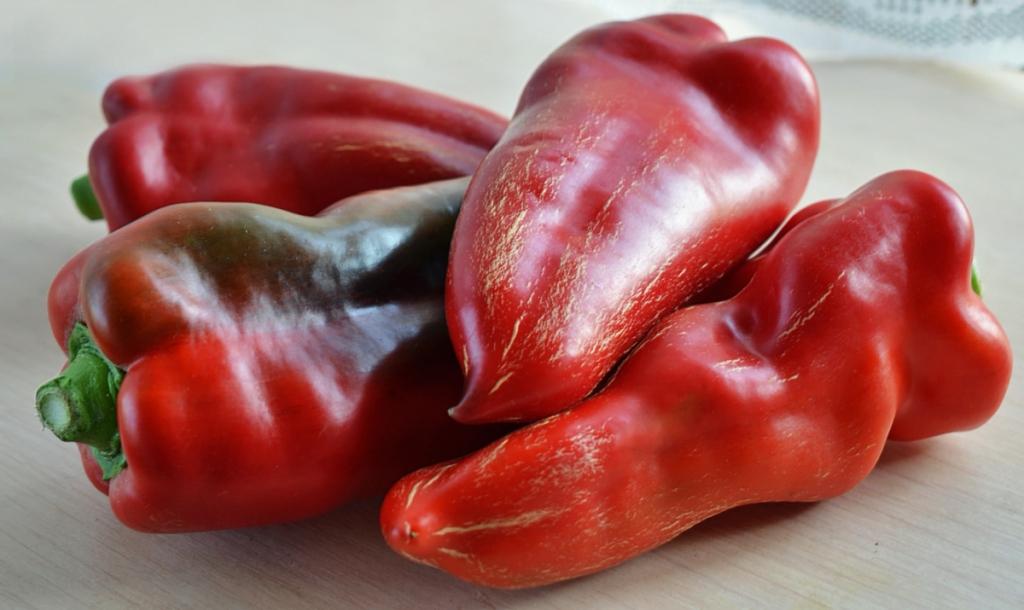
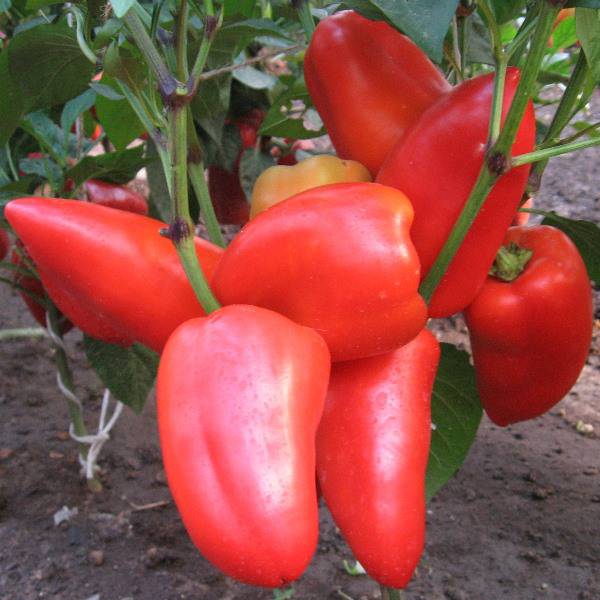
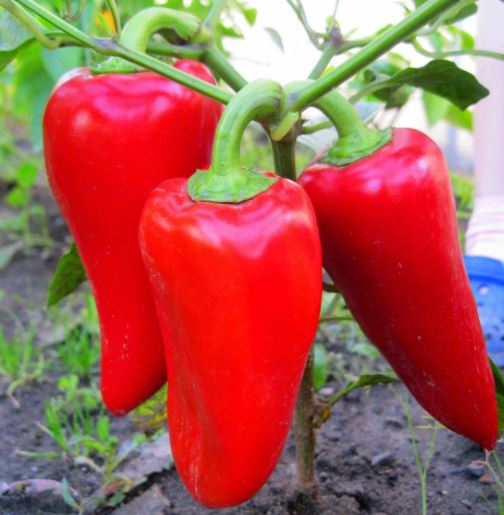
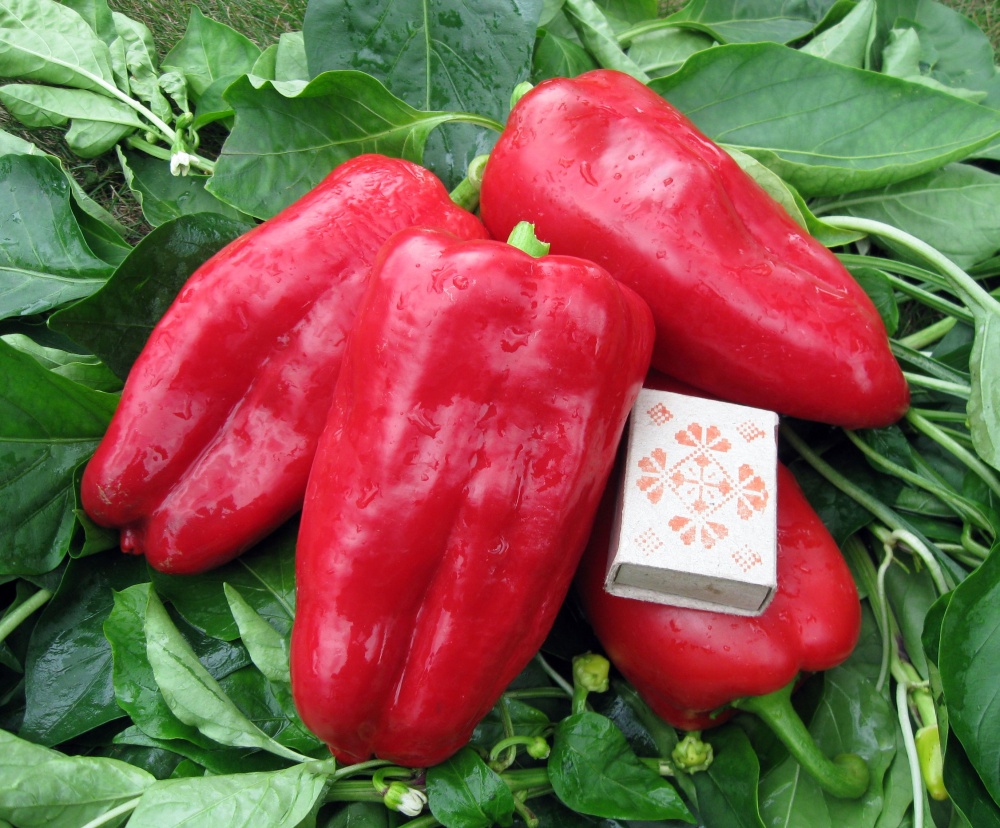
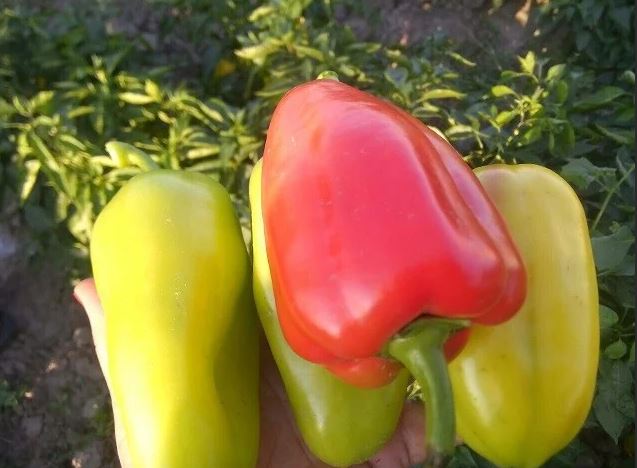
Peppers: Lumina, Ivanhoe, Triton, Bellflower, Ox-ear, Bogatyr, A gift from Moldova, Atlant, Flight F1.
Photo gallery of late- and mid-season peppers
Sowing late- and mid-season tomatoes
Their planting can be planned for the second half of February. All other early varieties are recommended to be sown no earlier than mid-March or even early April.
Table of late- and mid-season tomato varieties
| Variety | Ripening period (number of days from full germination to ripening)
Yield of commercial fruits |
Brief description | Fetus |
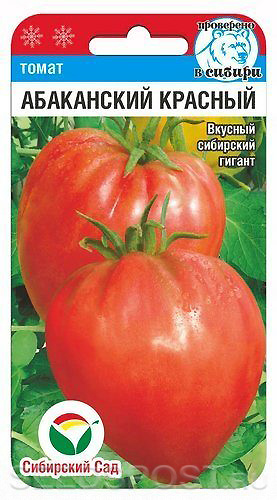
| Abakan red
|
110-115 days
600 c/ha |
A mid-season variety for growing in cool climates, both indoors and outdoors. Requires staking and training. Suitable for salads and processing into tomato products. | Heart-shaped, with dense skin, red, 500-700 g. Pleasant, aromatic taste. |
| Abakan pink | 120 days or more
400 c/ha |
A late-ripening determinate variety for open ground and greenhouses. Requires staking and training. Suitable for salads and processing into tomato products. | Flat-round, slightly ribbed, medium density and pink in color, 200-500 g. Good taste. |
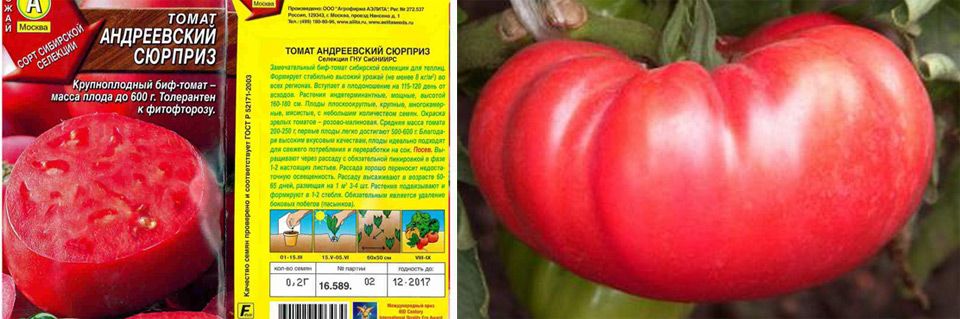
| St. Andrew's surprise | about 120 days
800 c/ha |
A late-ripening indeterminate variety for greenhouses (can be grown outdoors in the south). Suitable for salads, juices, and tomato paste. Seedlings tolerate low light conditions well. | Flat-round, smooth, medium density, pink, 150-230 g. Excellent taste. |
| Bobcat | 120-130 days
224-412 c/ha |
A late-ripening, determinate variety for open ground. Suitable for salads and processing into tomato products. Marketability 75-96%. | Flat-round, ribbed to strongly ribbed, dense, red, 90-226 g. The taste of the fruit is good, the tomato juice is good to excellent. |
| Red and pink bull | 110-120 days
385-392 c/ha |
A late-ripening determinate variety for open ground and greenhouses. Suitable for salads. Marketability: 89.5-90.3%. | Large, medium-ribbed, flat-round, red with a dark spot near the stalk and pink, 305-310 g. |
| Bull's heart (red) | 120-125 days
300-400 c/ha
|
A late-to-mid-late determinate variety for open ground and greenhouses. Requires staking and shaping. Suitable for salads. | Heart-shaped, smooth, fleshy, red, 108-225 g. Excellent taste. |
| Volgograd (5/95) | 116-130 days 374-1035 c/ha (20-25% of the total yield ripens within 15 days of fruiting)
|
A late-ripening, indeterminate, standard, compact variety for open ground. Suitable for salads and processing into tomato products. | Flat-round, smooth and slightly ribbed, medium-sized and large, red, 90-150 g. Good to excellent taste. |
| Ox heart | 105-120 days 630-690 c/ha
|
A late-ripening indeterminate variety for open ground and greenhouses. Requires staking and shaping. Suitable for salads. Grows best in southern Russia. | Heart-shaped, medium-ribbed, pink-raspberry, 150-300 g. Good taste. |
| Mushroom basket | 115-120 days 630 c/ha |
A late-ripening, indeterminate, standard variety for open ground and greenhouses. Requires staking and shaping. Suitable for salads. | Flat-round, very strongly ribbed, medium density, pink, 250 g. Good taste. |
| De Barao red | 120-130 days
500-600 c/ha
|
A late-ripening indeterminate variety for open ground and greenhouses. Requires staking and training. Suitable for salads and whole-fruit canning. | Ovoid, smooth, red, 30 g. Excellent taste. |
| Königsberg | 115 days 460-2000 c/ha
|
An indeterminate, mid-season variety for garden beds. Requires staking and training. Suitable for salads and processing into tomato products. Marketability: 56% (Novosibirsk Region). Heat-resistant. | Cylindrical, smooth, dense, good keeping quality, red, 155-230 g (up to 300 g). Excellent taste. |
| King of Siberia | 110-120 days 900-1115 c/ha |
A mid-season indeterminate variety for greenhouses. Requires shaping and support. Suitable for salads and canning. | Heart-shaped, slightly ribbed, orange, 400-800 g. Good to excellent taste. |
| Kostroma | 105-110 days
1350-1500 c/ha |
A mid-season determinate variety for greenhouses. Requires staking and training. Suitable for salads, whole-fruit canning, and processing into tomato products. | Flat-round, slightly ribbed, glossy, red or orange, 80-150 g. Good taste, sweet and sour. |
| Mom's Raspberry Heart | 112-120 days
1200-1500 c/ha |
A mid-season indeterminate variety for greenhouses and open ground. Suitable for salads and canning. | Heart-shaped, ribbed, pink, 300-600 g (up to 1200 g). Excellent taste. |
| Raspberry | 110-120 days
300 c/ha |
A late-ripening, determinate, standard variety for open ground and under plastic shelters. Suitable for salads. | Round, smooth, loose, raspberry, 100-130 g. Good taste. |
| Minusinsk balls | 110-122 days
Up to 1500 c/ha subject to agricultural practices |
A mid-season indeterminate variety for greenhouses. Requires staking and training into single or double stems. Suitable for salads and processing into tomato products. | Round-heart-shaped, ribbed, pinkish-red, 150-250 g. Excellent taste. |
| Minusinsk barrel | 112-125 days
900-1200 c/ha |
Mid-season indeterminate variety for open ground and greenhouses. Requires staking and shaping into 1-2 stems. Suitable for salads, processing into tomato products, and canning. |
Flat-round, slightly ribbed, red, 250-500 g. Good to excellent taste. |
| Russian size | 125-127 days
700-800 c/ha |
A late-ripening indeterminate variety for greenhouses. Suitable for salads. | Flat-round, slightly ribbed, red, 630 g. Excellent taste. |
| Siberian Troika | about 120 days
600 c/ha |
A mid-season determinate variety for open ground. Suitable for salads and canning, including whole-fruit preserves. Heat-resistant. | Cylindrical with a spout, smooth, dense, red, 80-100 g (up to 200 g). Excellent taste. |
| Siberian kilogram | 116-120 days
600-1000 c/ha |
A mid-season indeterminate variety for greenhouses and open ground. Suitable for salads and processing into tomato products. | Round, slightly ribbed, red, 600-1500 g. Good to excellent taste. |
| Siberian tiger | 110-120 days
Up to 1200 c/ha |
A mid-season indeterminate variety for open ground and greenhouses. Requires staking and training into 1-2 stems. Suitable for salads and processing into tomato products. | Flat-round, ribbed, dark pink with dark purple streaks, 150-250 g. Excellent taste. |
| Yellow date palm | 120-130 days
400-450 c/ha |
A mid-late semi-determinate variety for open ground and greenhouses. Requires staking and shaping into 3-4 stems. Suitable for salads, garnishing, and canning. | Oval, smooth, yellow, 20 g. Excellent taste. |
| Wonder of the World | 120 days
550-620 c/ha |
A late-ripening indeterminate variety for open ground. Requires staking and shaping. Suitable for salads and pickling. | Obovate, slightly ribbed, yellow, 80 g. Good taste. |
| Yusupovsky | 120-130 days
1000-1200 c/ha |
A late-ripening, tall, indeterminate variety for greenhouses. Requires staking and training. Suitable for salads, juices, and sauces. | Flat-round, large, fleshy, pink-red, 400-800 g. When grown in open ground, the weight is from 200 g. |
| Amber 530 | 95 days
200-270 c/ha
|
A late-ripening indeterminate variety for open ground. Requires staking. Suitable for salads. | Flat-round, smooth, dense, orange, 83 g (up to 140 g). Good taste. |
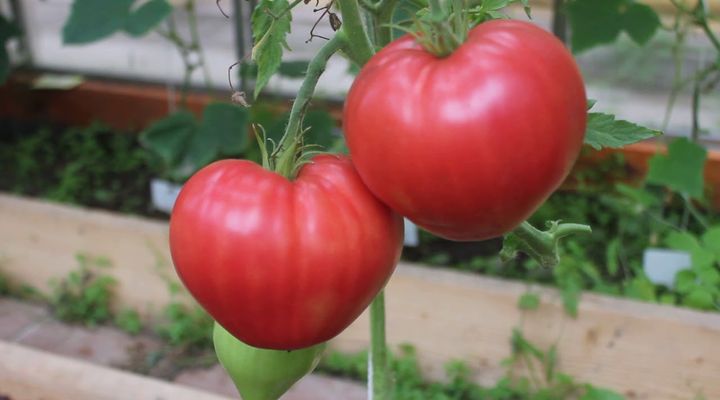
Photo gallery of late- and mid-season tomatoes
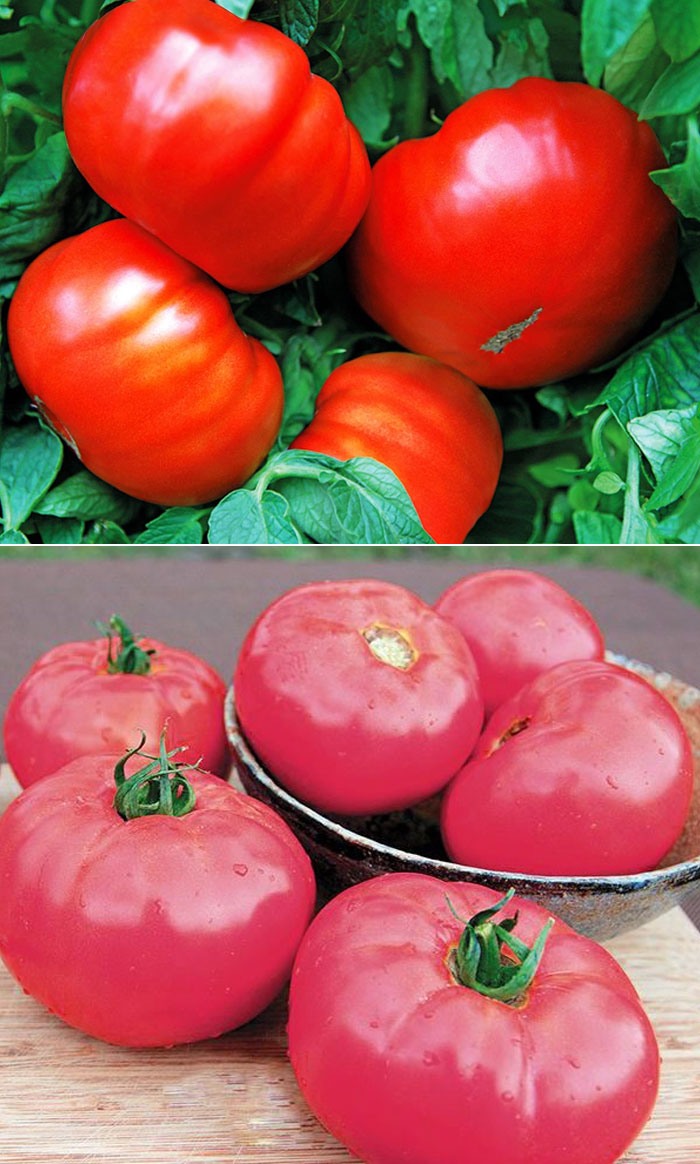
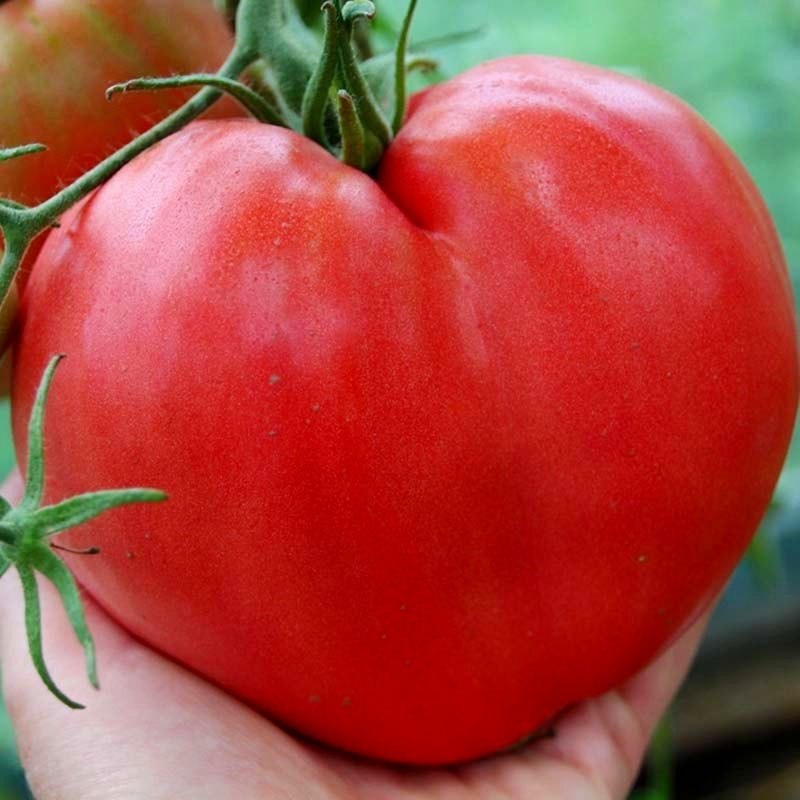
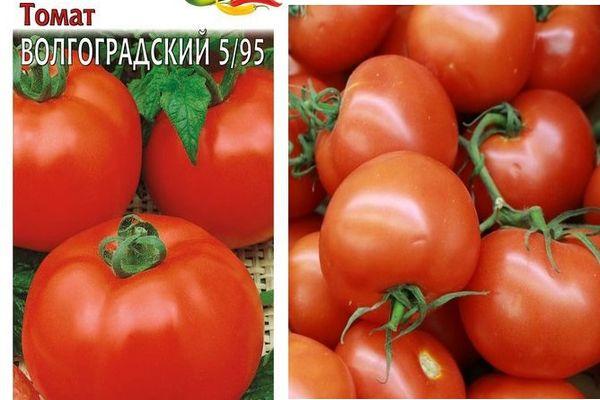
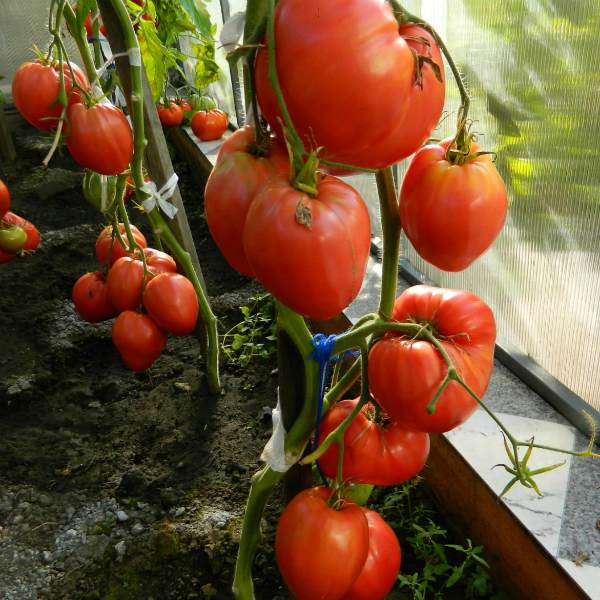
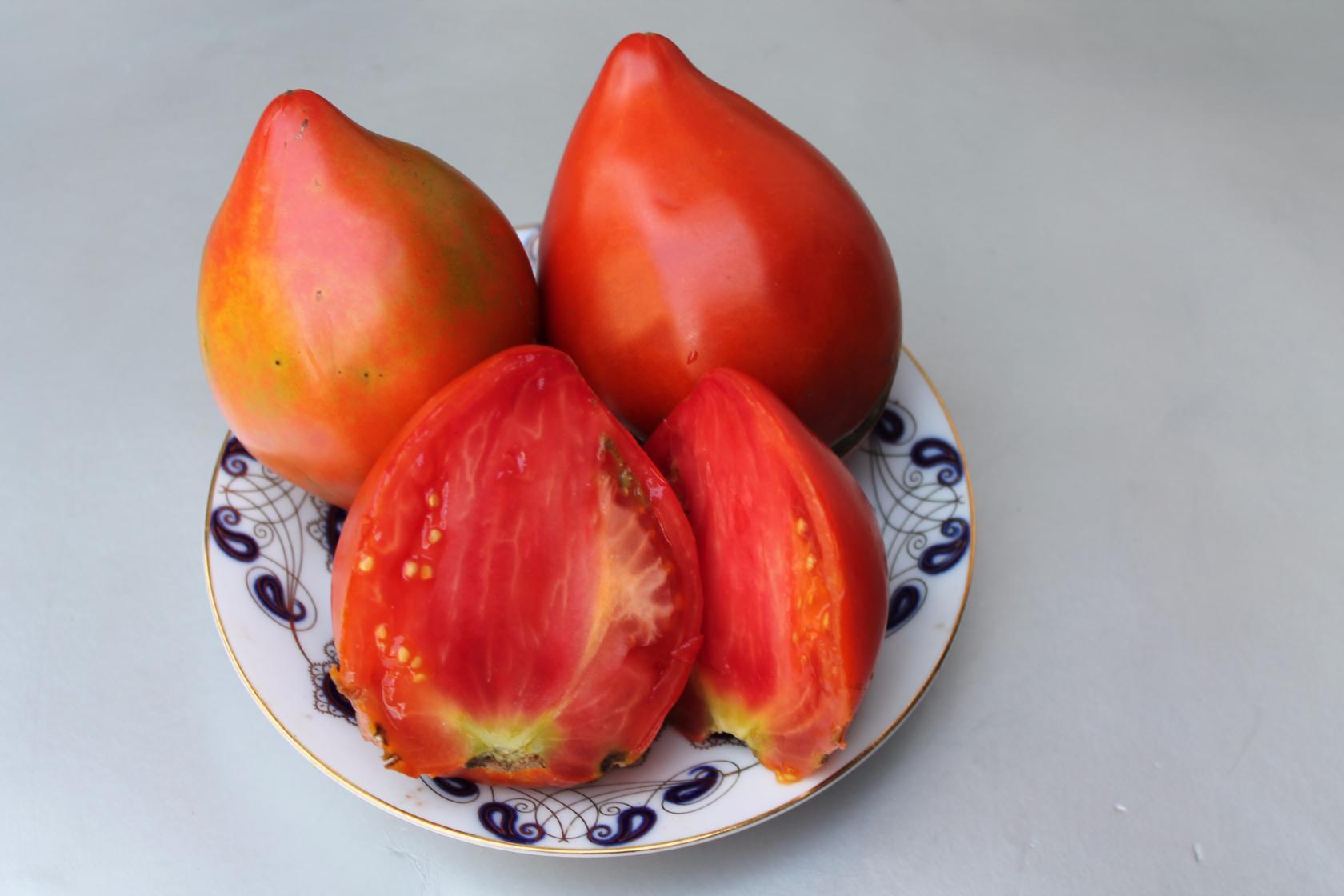
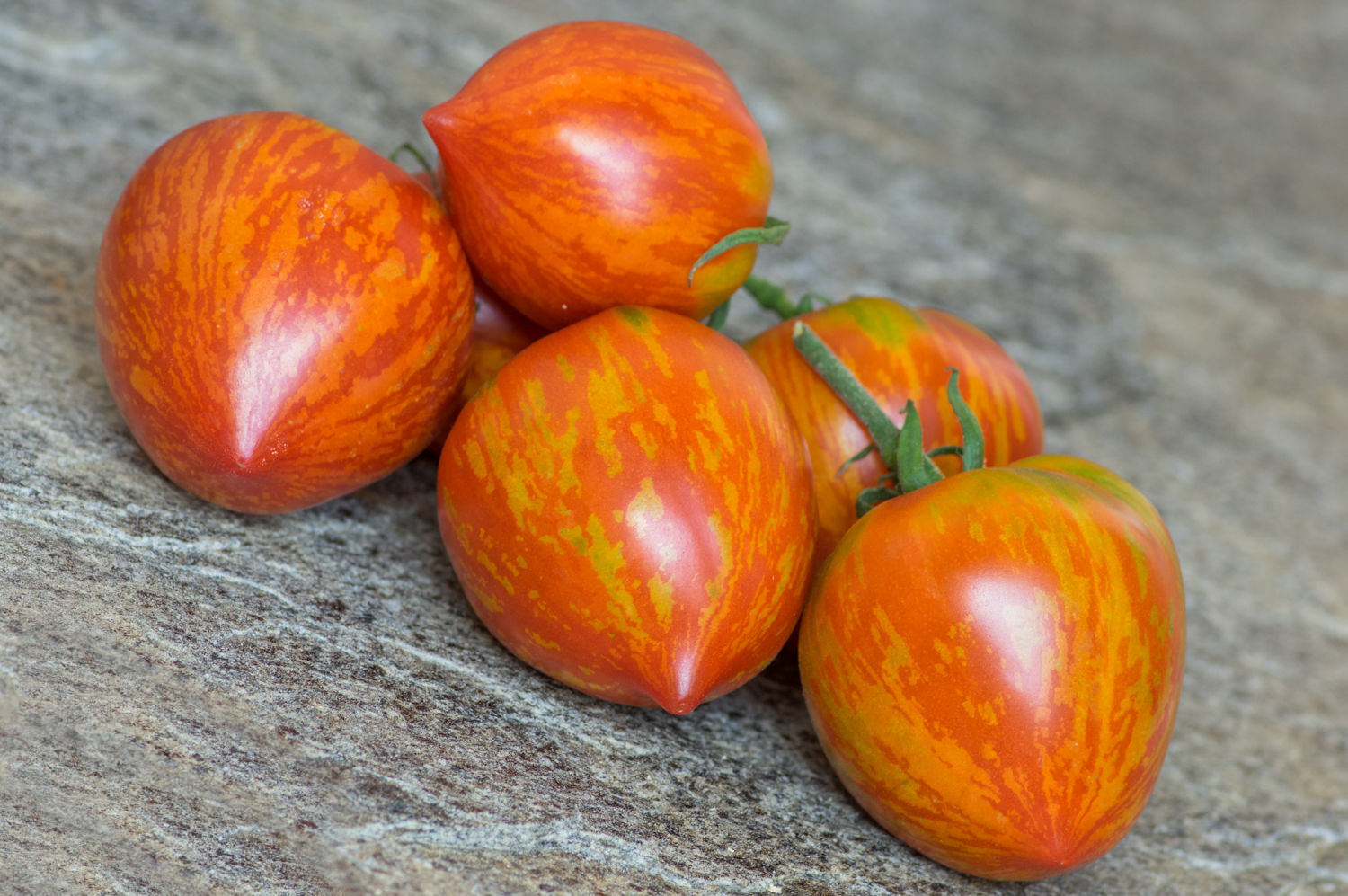
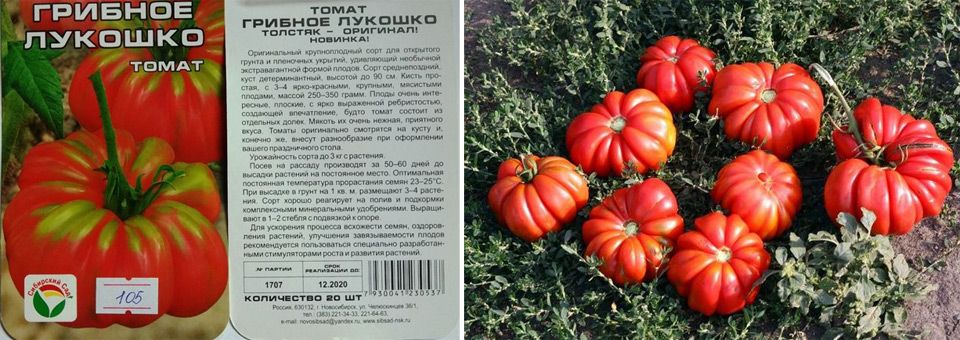
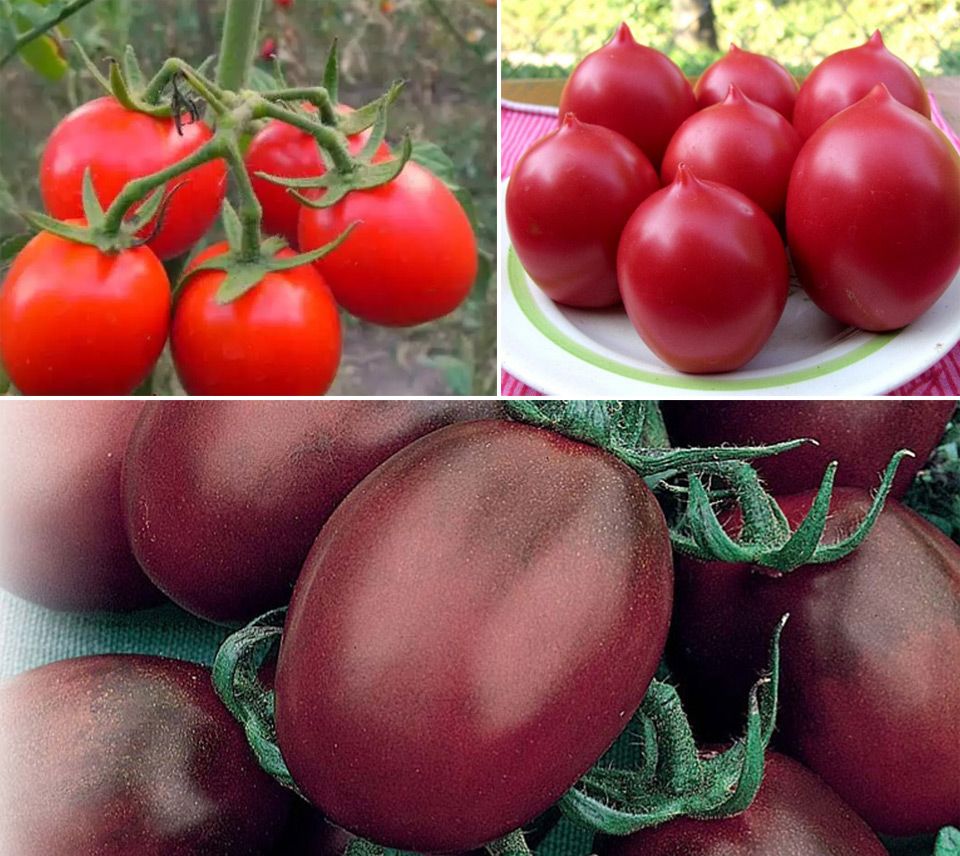
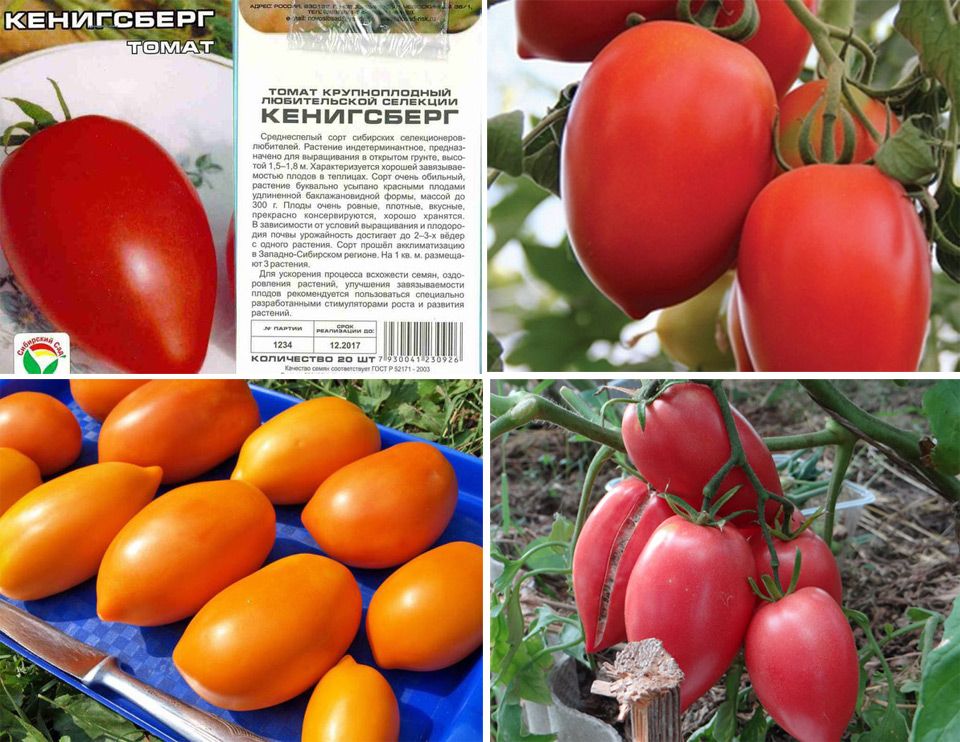
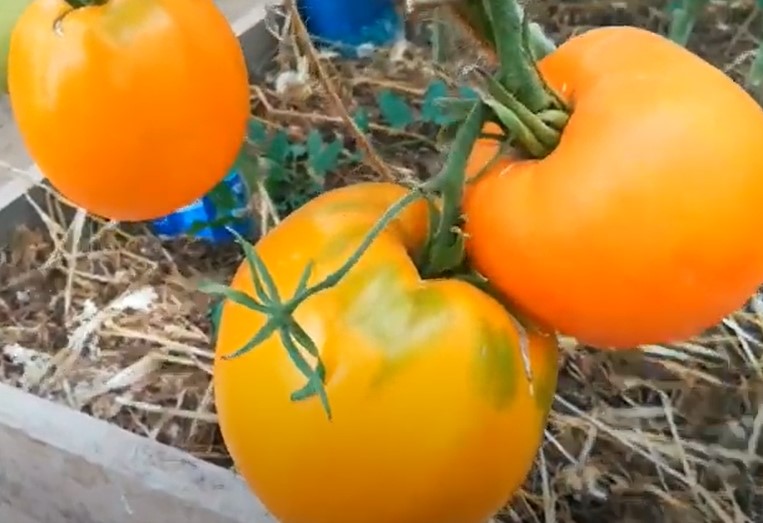
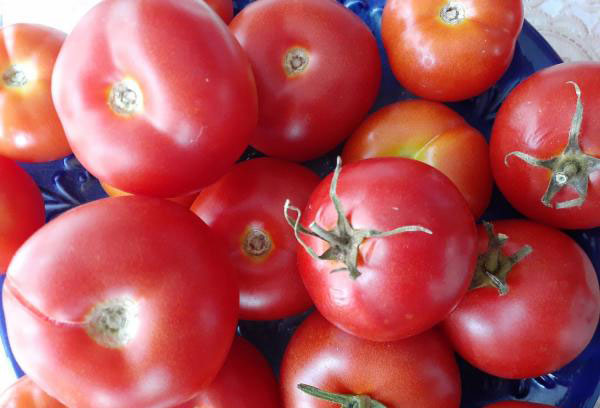
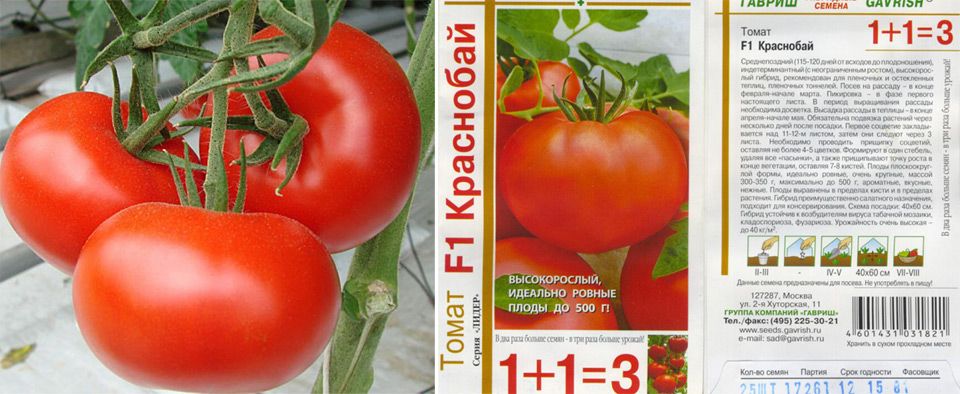
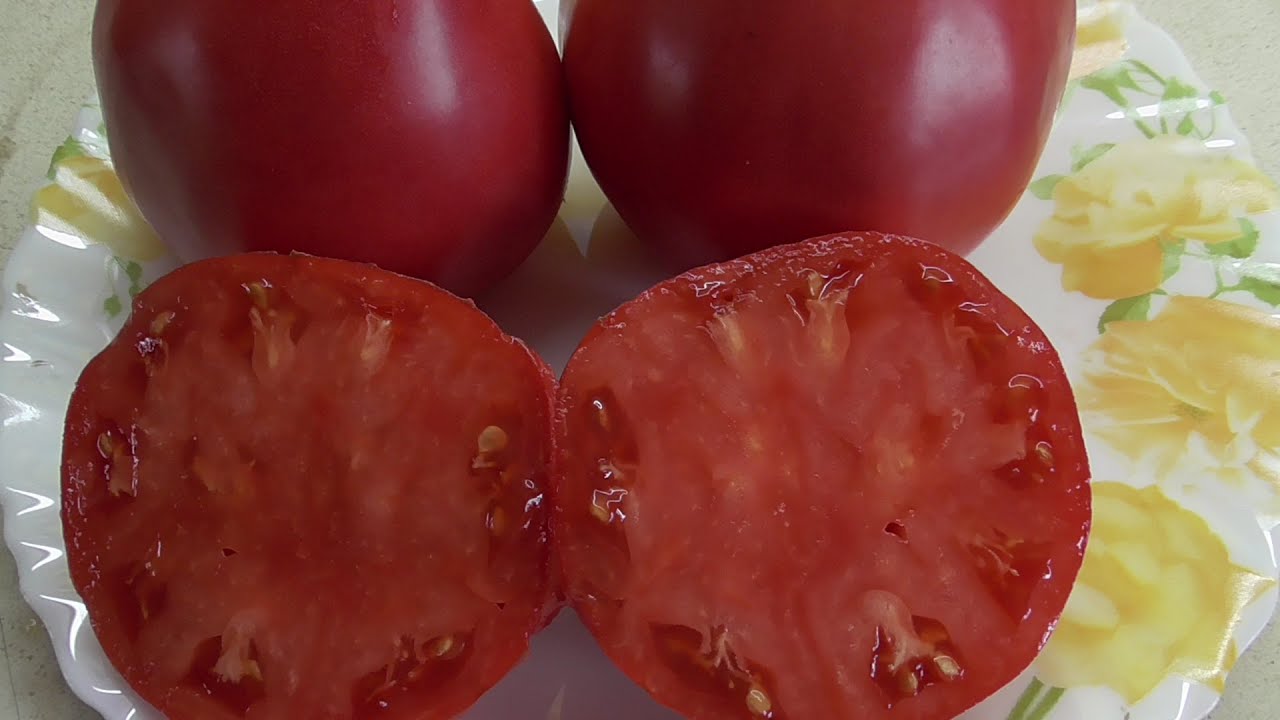
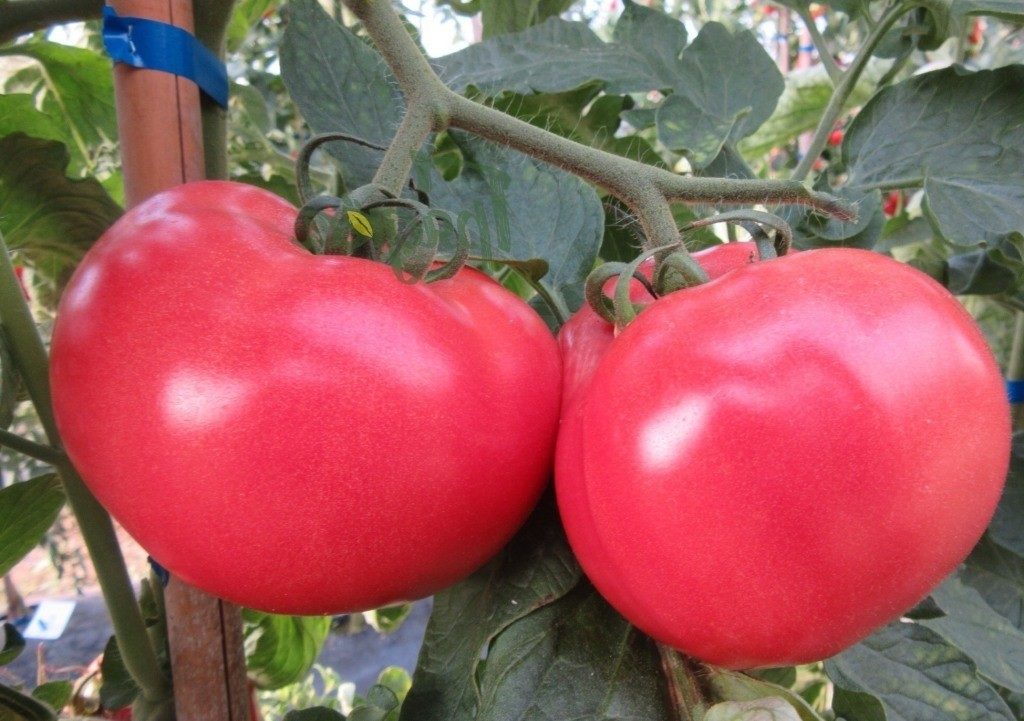
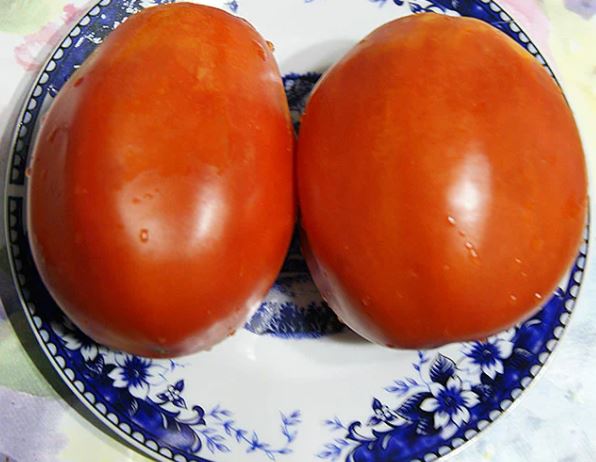
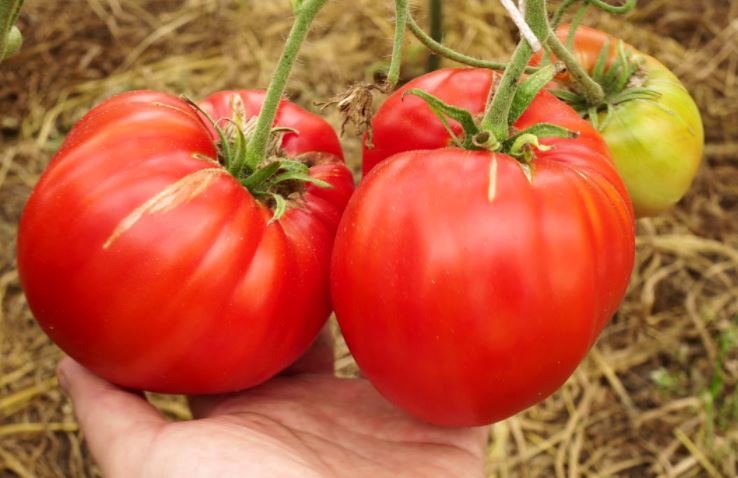
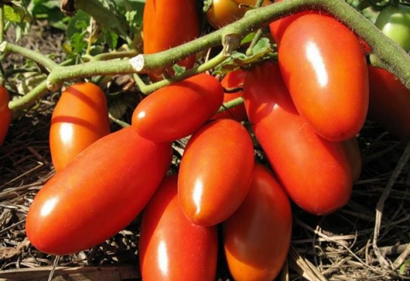
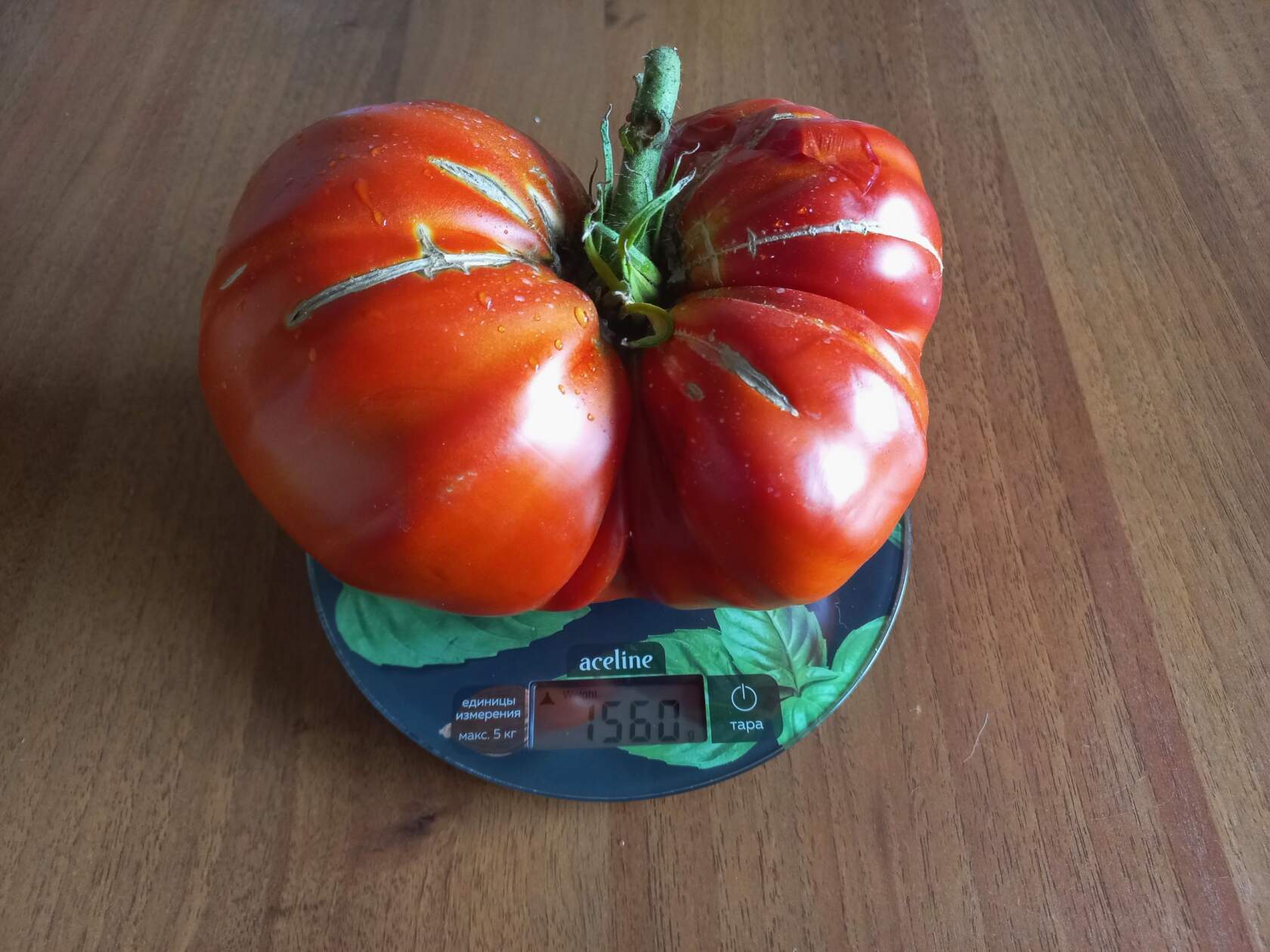
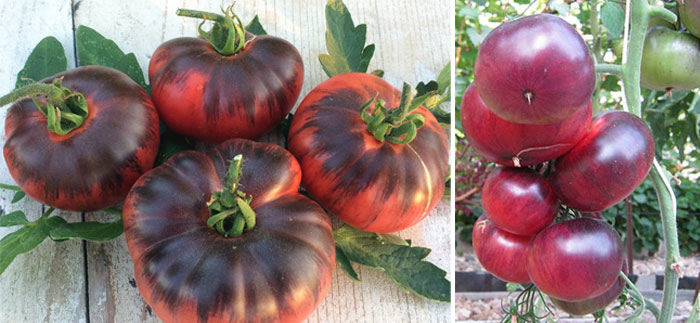
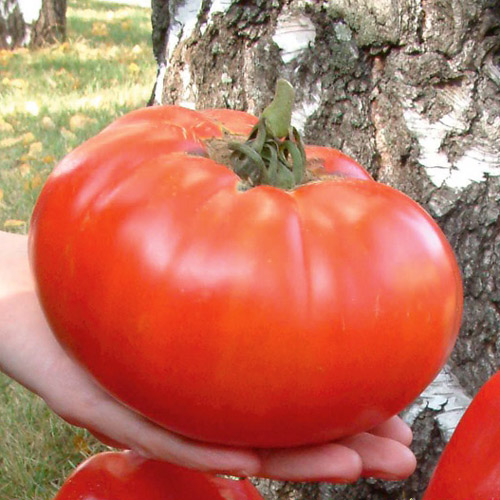
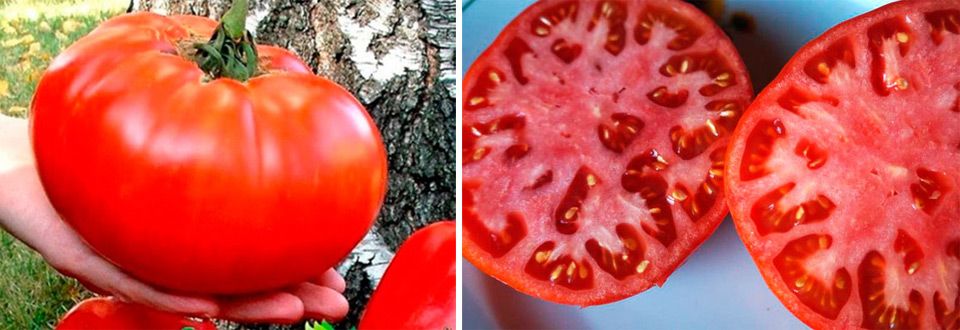
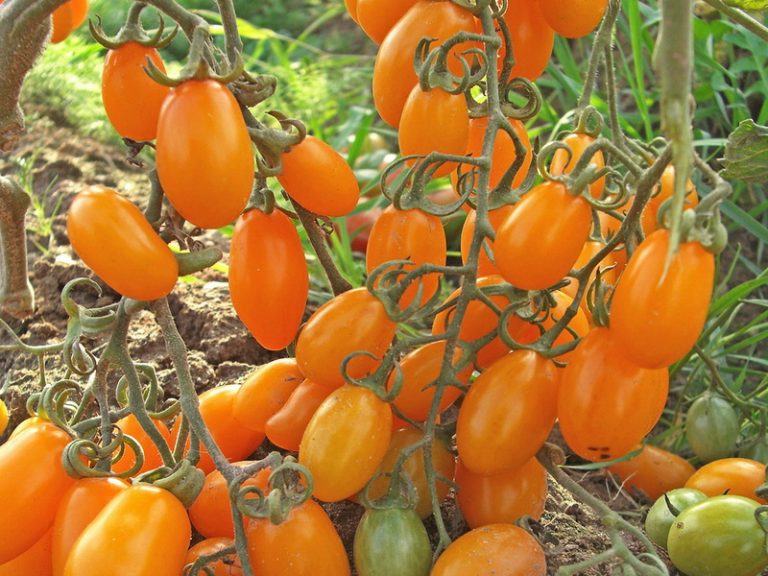
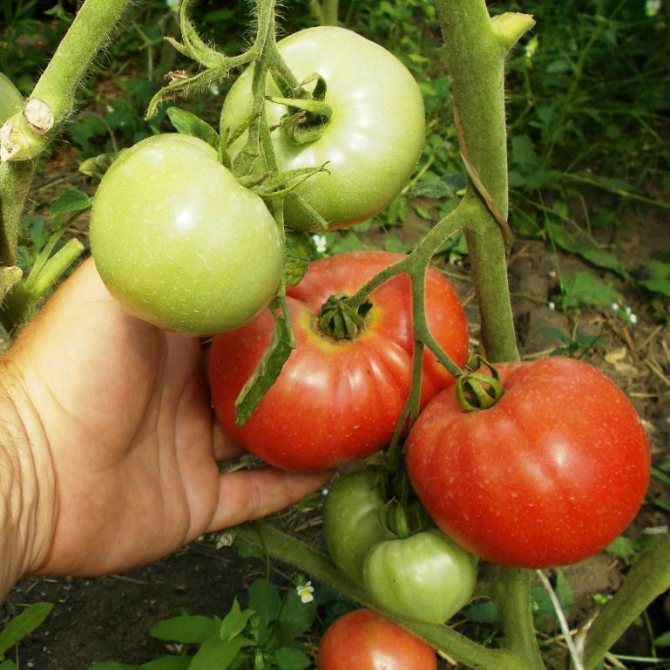
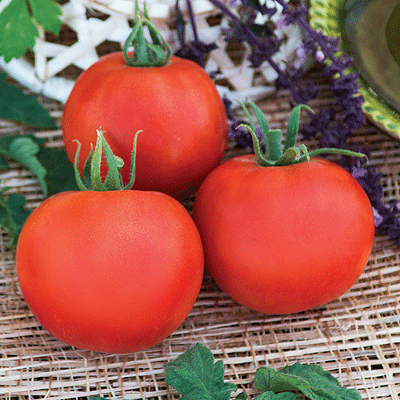
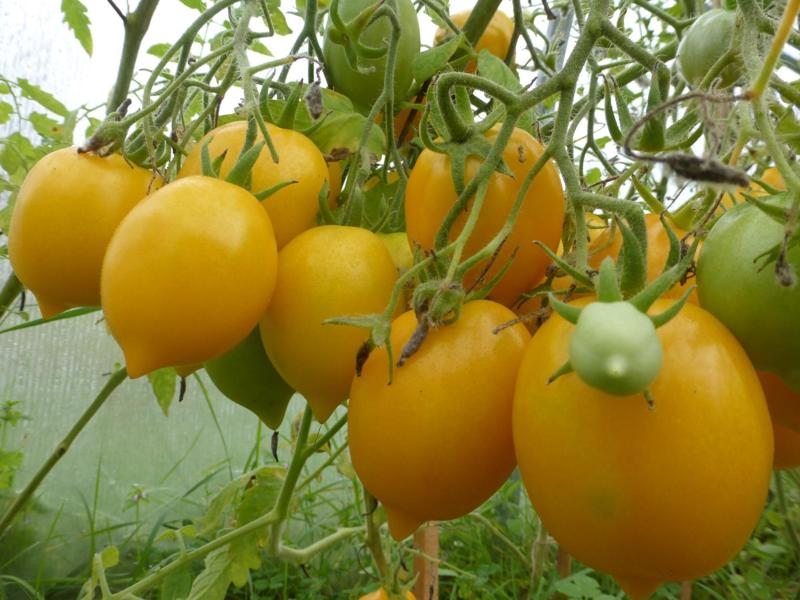
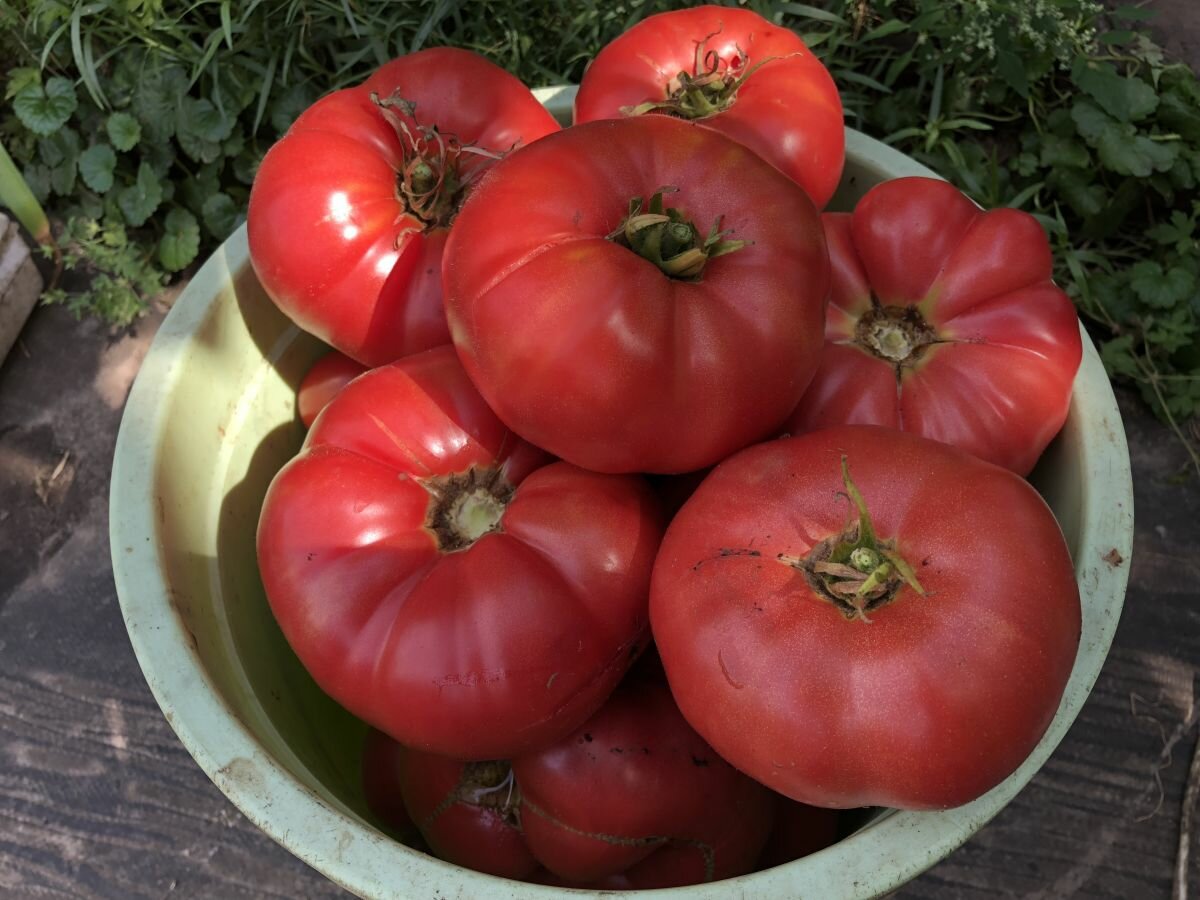
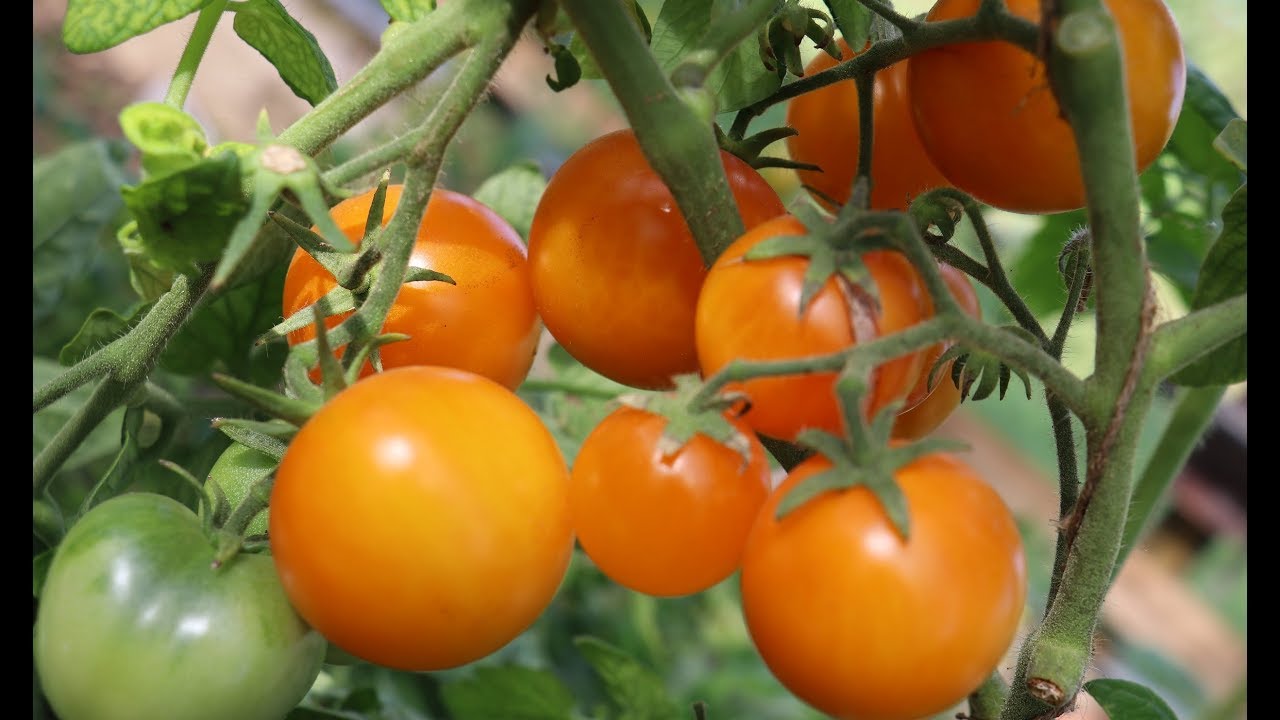
About the best varieties of tomatoes Read on our website http://top.tomathouse.com.
If gardeners rushed and the seedlings began to develop too quickly, they will need to be provided with excellent lighting and placed in a cool place, otherwise the immune system will not be able to adapt to outdoor conditions.
Tomatoes, cucumbers, and peppers on the windowsill
During the winter months, it is possible to sow vegetables for growing at home.
Read more about this in the article.Gardener's and vegetable grower's lunar calendar for January 2024.
The following articles discuss the best tomato varieties for growing at home and how to do so:
Tomatoes on the windowsill from A to Z;
Tomatoes on the balcony: step-by-step instructions on how to grow them;
But don't rush into planting if you don't have time to care for the seedlings. The plants will require special care and can be quite a hassle.
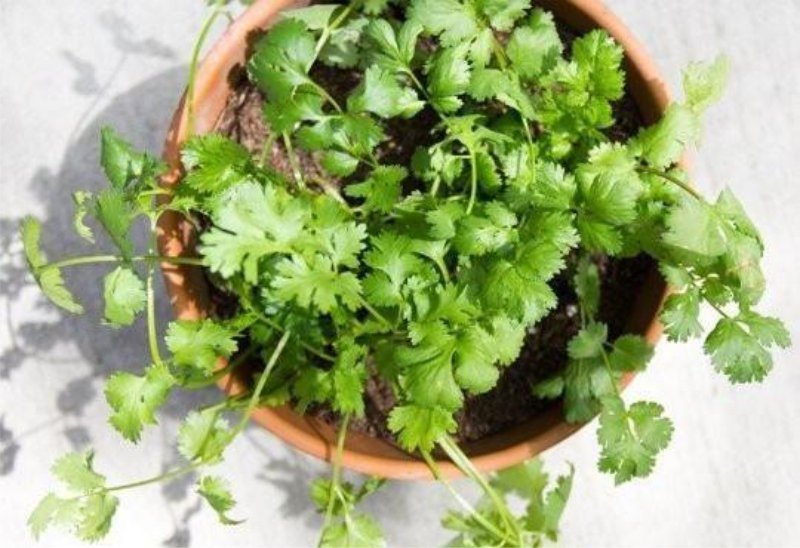
Greenery in winter
In February, you can plant various greens that thrive indoors and on windowsills. If there's insufficient light, you'll need to provide additional lighting to enjoy a healthy and lush harvest.
Sowing strawberries
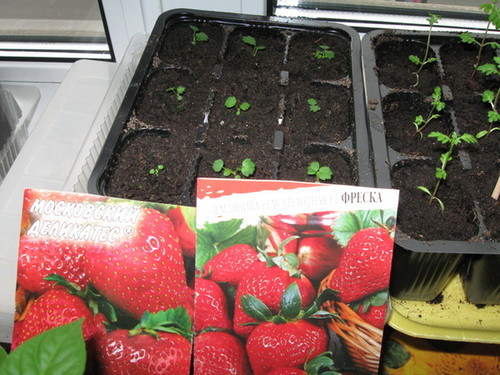
February is the time to plant strawberries. If using garden soil, it must be disinfected by baking it in the oven or soaking it in a weak solution of potassium permanganate. After this, fill any suitable container with soil, place the strawberry seeds on top, and cover with a damp cloth. Cover the container with plastic wrap or glass. Regularly moisten the cloth and remove excess condensation from the cover. The cover can be completely removed only after the first shoots appear. These strawberries will begin to bear fruit as early as July or August.
February is a favorable time for planting potatoes
Many gardeners prefer to grow potatoes from tubers harvested in the previous year. However, this method carries a high risk of infection. Furthermore, if the crop is grown this way for several years in a row, yields decrease significantly, even if all agricultural practices are followed.
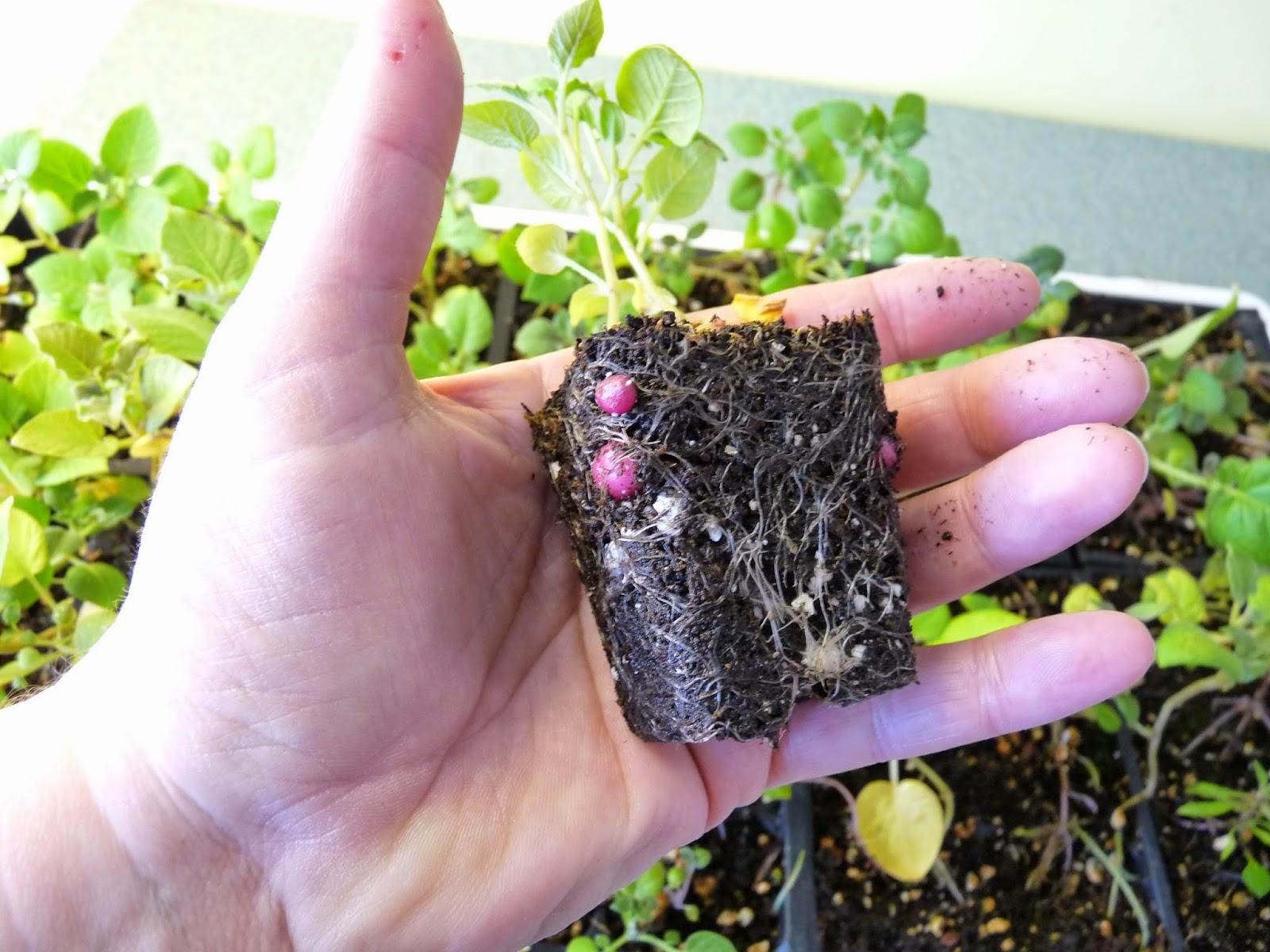
Even when buying potatoes from a store, you can't be sure of their quality. Therefore, it's recommended to choose a different method for growing potatoes: buying seeds. These produce healthy tubers that can then be planted outdoors. It's important to remember that seeds should be purchased from specialized stores. Those collected from your own plot lose their varietal characteristics, and this is difficult to obtain in the central part of the country.
Features of sowing potato seeds
Many gardeners grow cucumber, tomato, and bell pepper seedlings at home every year. Therefore, it would be easy for them to do the same with potatoes.
Step-by-step sowing:
- Soak the seed in water for 30 hours.
- Prepare nutrient soil.
- Moisten the substrate and make furrows 1.5 cm deep. Leave a distance of at least 5 cm between seedlings in the same row and between beds. If the distance is less, transplanting will be necessary.
- Sow the seeds.
- Sprinkle them with a thin layer of sand, cover with glass or plastic film.
Please note! When sowing seeds, time the seeds so that they are planted in open ground at 30-40 days of age.
Caring for potato seedlings
Until the seeds sprout, keep them at a temperature of 18 to 20°C. After the seedlings emerge (after 10 to 12 days), move the container to the brightest windowsill.
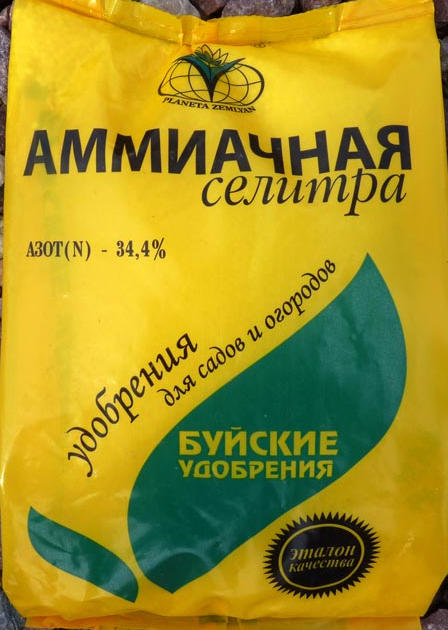
At the 1-2 true leaf stage, transplant the seedlings into separate 0.2-liter cups with drainage holes. After rooting, apply two fertilizers: ammonium nitrate (1 g) and a complex mineral fertilizer for seedlings (2 g).
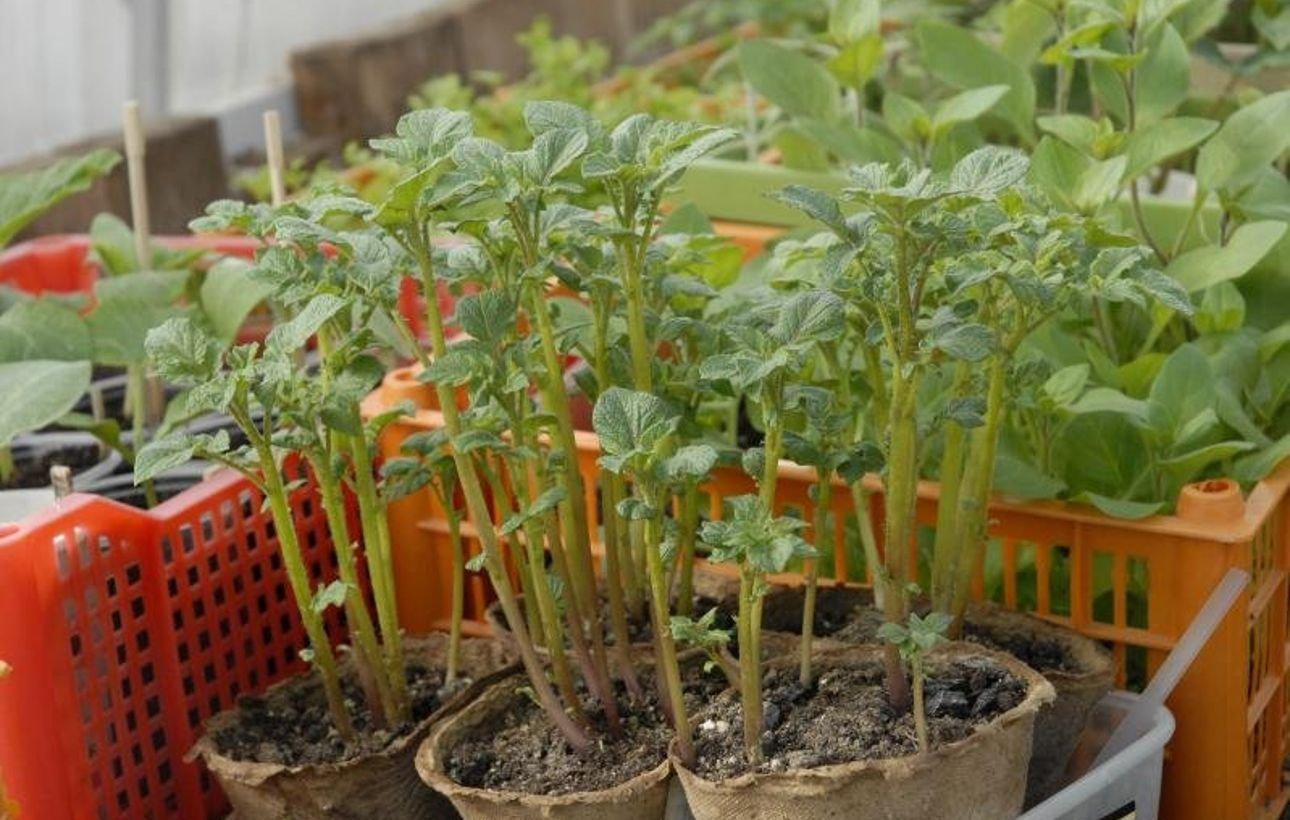
Planting potato seedlings in open ground
Once the weather outside stabilizes and the risk of frost has passed, you can begin planting in the garden, leaving 2-3 leaves exposed. Planting pattern:
- 70x10 cm;
- 70x20 cm.
The first option yields more tubers. The second method yields fewer, but larger, tubers. Water the seedlings and the area thoroughly before planting.
After planting the seedlings in the soil, cover them with non-woven material placed on arches. This will help protect them from temperature fluctuations, direct sunlight, and pests, and will also help retain soil moisture longer. Further care will be standard: watering, adding nutrient mixtures, loosening the soil, and hilling.
If all planting rules and agricultural requirements are followed, each bush will yield up to 200 g of tubers. The potatoes are small, weighing 10-30 g each. They can vary in shape and color. For planting next year, it's recommended to select those that best match the variety's description. These tubers will yield approximately 3-4 times more than standard tubers.
For more information on growing potatoes from seeds, read the article.Growing Potatoes from Seed at Home + 6 Methods and 6 Varieties with Photos.
The best potato varieties for growing from seeds
Of course, you can grow seedlings from seeds of any variety, but there are early varieties that give the best results already at the first planting: Ilona, Triumph, Farmer, Empress, Milena, Assol, Velina, Ausonia.
Household chores for flower growers
At the end of winter, a huge selection of flowering plants appears on store shelves—clematis, irises, roses, peonies, hostas. When choosing perennials, pay attention to the appearance of the shoots: they should be slightly budded, not large and bright green. This applies primarily to dahlias, gloxinias, and begonias.
Pay attention to the quality of the peat - if it is dry or too damp, then the bulbs in it are most likely not viable.
If you discover rot on the bulb after opening the package, you can try to remove it. To do this, carefully remove the damaged areas of the bulb and disinfect the cut areas. Afterwards, wrap the bulb in paper and refrigerate it. This should only be done if there are no large sprouts. If there are, the bulb will need to be planted directly in the ground.
For those planning to force flower bulbs for the main women's holiday, March 8, February is the best time to move them indoors for forcing.
In February, it is necessary to check how other bulbous plants survived the winter:
- When gladioli germinate, they are moved to a cool place and left there until planting;
- When large shoots appear in the cold, begonias are not removed, but immediately planted in the soil;
- Dahlias are easily propagated if their shoots are cut as low as possible at a length of 5-7 cm and planted in light soil;
- Hyacinths are exposed to light in mid-February;
- Tulips are placed in a lighted place 3-4 weeks before the expected flowering date.