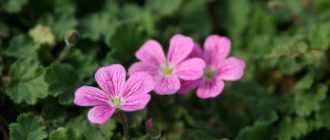
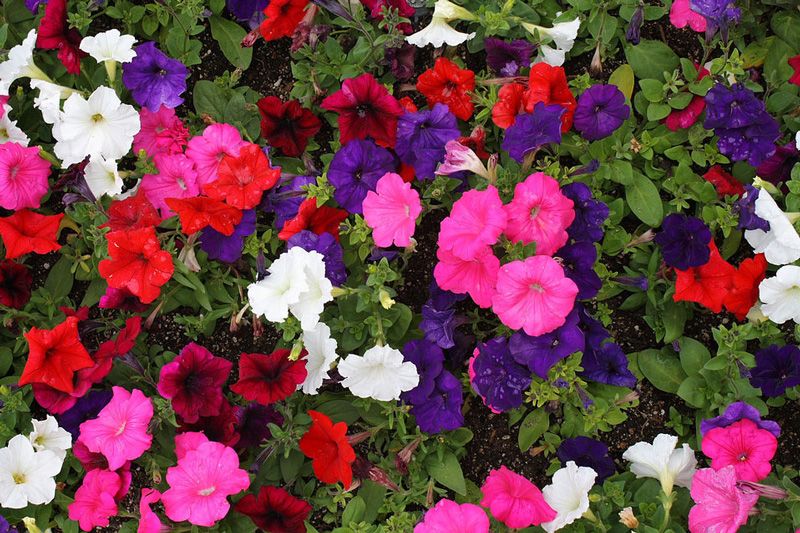
Petunia is a perennial plant in the Solanaceae family. It is native to South America. However, it is also often planted in Russian gardens. For best flowering, it is recommended to germinate the plant's seeds as seedlings.
Content
- 1 Timing for planting petunia seedlings
- 2 Selecting Petunia Seeds for Germination
- 3 Necessary soil for petunia seedlings
- 4 Choosing a container for sowing petunias
- 5 Caring for petunia seedlings
- 6 Picking petunia seedlings
- 7 Diseases and pests of seedlings
- 8 Preparing seedlings for transplanting into open ground
Timing for planting petunia seedlings
Sowing takes place in mid-January. Young seedlings require plenty of light, which can be provided by phytolamps. Without adequate light, the plants will be thin and weak, and will be less able to resist various diseases.
If lighting isn't available, wait until daylight hours are long enough (March-April) to plant. It's important to wait until flower formation is too late. Petunias will begin to form buds after 2.5-3 months.
Selecting Petunia Seeds for Germination
Select only high-quality seed material. This will eliminate the need for pre-treatment. Avoid buying seeds from unknown sellers.
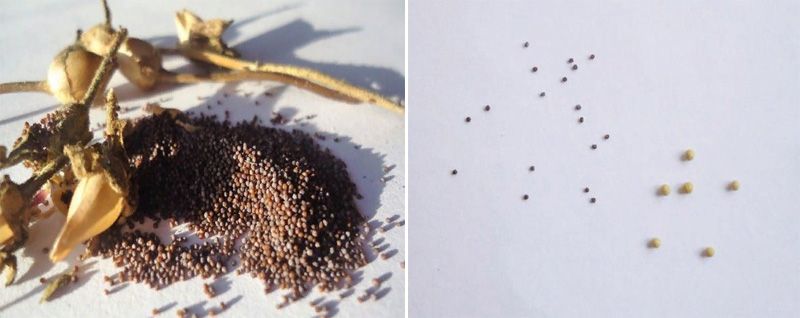
Seeds are sold in two forms: regular and granulated. The former are very small, while the latter may fail to germinate due to their thick shell (usually due to insufficient watering).
Necessary soil for petunia seedlings
Soil with a low pH or neutral pH is required. Choose a loose, nutritious substrate that retains water well.
You can buy a potting mix at the store, such as Stender universal soil. Before planting, add the following to the store-bought soil (approximately half a bucket of soil):
- 500 g of ash;
- 250 g perlite;
- 1 tbsp. potassium sulfate.
You can also make your own soil mixture. Mix the following in a 2:2:1:2 ratio:
- humus;
- turf;
- sand;
- peat.
You can use sand, garden soil, peat substrate (1:1:2).
After preparing the soil, strain it twice through a sieve (first through a coarse sieve, then through a fine sieve). Before sowing, water it with Previkur or potassium permanganate for disinfection.
Choosing a container for sowing petunias
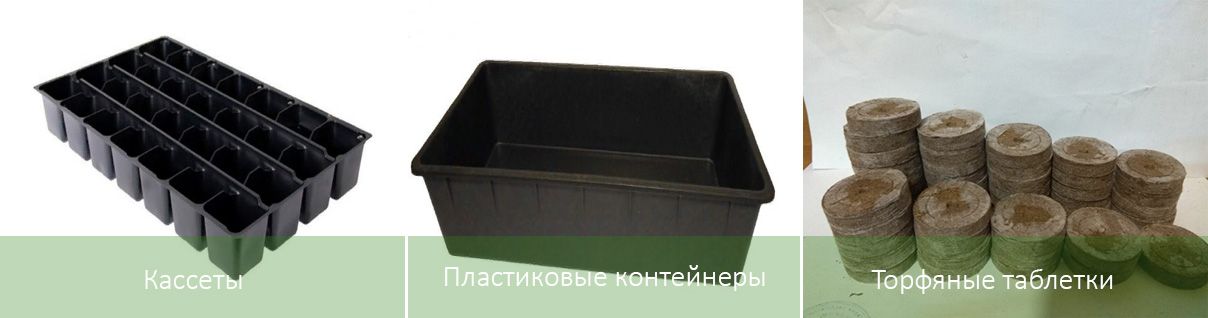
You should use shallow, wide containers. Possible options:
- Peat pellets are convenient and practical. They're quite expensive, but worth it.
- Cassettes are just as advantageous as the first option. They come in various sizes, but a 10 cm diameter is recommended for petunias.
- Plastic containers are an affordable and popular container.
Top.tomathouse.com recommends: clever ways to germinate petunia seeds
Seeds are small, so gardeners have come up with various ways to simplify sowing. The first trick:
- Pour the soil mixture into the container, leaving 0.5 cm from the top.
- Fill the remaining space with snow.
- Distribute the seed material in rows, keeping a distance of 2 cm.
- Cover with plastic wrap.
- After the seedlings have hatched, remove the covering.
Second method (in a snail):
- Purchase a thin underlay (2 mm) for laminate flooring at any hardware store.
- Place the seeds on it in rows, leaving a distance of 2 cm.
- Cover with toilet paper and spray with a fine nozzle.
- Roll into a roll and tie with thread.
- Place in a warm, well-lit room.
- When seedlings appear, loosen the snail and fill it with soil.
- After a week, transplant into boxes, leaving a distance of 7 cm.
This method allows you to save space and get strong seedlings.
Caring for petunia seedlings
Sprouts can be seen after 5-6 days. Granules sprout 1-2 days earlier. At first, the shoots require careful care, as they are thin and weak.
Optimal conditions for growing
If you follow the recommendations below, growing seedlings will not be a problem:
| Factor | Conditions |
| Lighting | The first 5-6 days - around the clock. Then 11-12 hours is enough. If the room is dark, you can use lighting fixtures. They should be installed 20 cm above the shoots. Sunlight can burn the foliage. Therefore, at midday, shade the bushes or remove them from the windowsill. |
| Temperature | The optimal sowing temperature is 22 to 25°C. If it's too low, the seedlings may fail to emerge; if it's too high, they'll become diseased.
After the seedlings emerge, reduce the temperature to 18–20°C (daytime) and 14–16°C (nighttime) to harden them off. This can be done by moving the pots away from any heating appliances and ventilating the room. When opening vents or windows, move the petunias into another room. |
| Watering | Spray with a weak solution of potassium permanganate (1-2 times per day) for 7 days. Water the emerging seedlings daily. Avoid overwatering the seedlings, as this increases the risk of blackleg. Insufficient moisture will cause the bushes to dry out.
The water should be soft, settled, chlorine-free, and warm (meltwater is preferable). Bottom watering is recommended. You can pour water down the sides of the pot or inject it under the roots with a syringe. Daytime watering can be harmful to young plants. Therefore, in the rain, they should be watered before lunch, and in the heat, after. |
| Fertilizer | If the seedlings are too weak, spray them a couple of times with Epin, Heteroauxin, and other growth promoters before transplanting. Apply mineral fertilizers 6-7 days after sprouting. Repeat the feeding after 1.5 weeks. |
Picking petunia seedlings
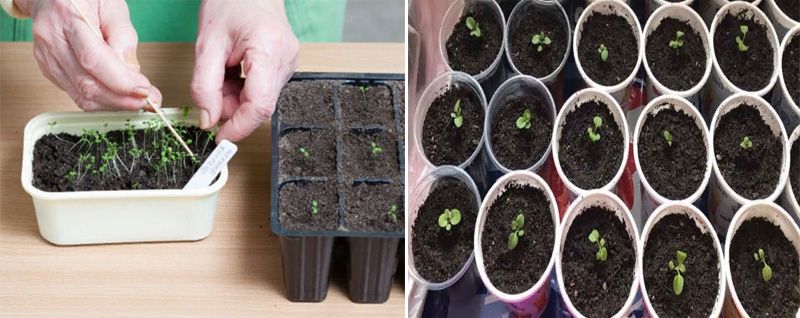
The seedlings are kept indoors for a couple of months. During this period, the rhizomes grow rapidly, and the plants need to be transplanted into 200-250 mg pots. Drainage holes in the bottom are essential.
Picking is done after 2-3 pairs of leaves have formed:
- Relocate the bushes using transshipment. Be extremely careful with the roots; do not disturb them.
- Fill the voids with soil and moisten.
- When the soil settles, add more substrate.
- Protect from ultraviolet rays.
- Keep at a temperature of +18…+21 °C for a week.
When sowing in peat pellets, the shoots are transplanted into individual containers along with the pellets. Sometimes the bushes grow very quickly and are pricked out twice.
Pinching petunia seedlings
This is essential for branching. Pinch above the 4th or 5th leaf. You should also break off the top of the stem, which contains the growing point. This will encourage new branches to emerge from the axils of the foliage, resulting in abundant flowering.
Trailing varieties have little branching. Pinching won't make them more bushy, so it's not necessary.
Diseases and pests of seedlings
As a rule, diseases and insects affect petunia seedlings only due to care errors:
| Problem | Reasons | Elimination measures |
| Chlorosis |
|
|
| Spider mite |
|
|
| Blackleg |
|
|
Preparing seedlings for transplanting into open ground
After transplanting, the bushes need to be hardened off. First, place them outside for 15 minutes, increasing the time daily. Before planting, leave them outside overnight. Continue hardening off for a couple of weeks. Plant them outdoors in late spring or early summer (when the risk of frost has passed).