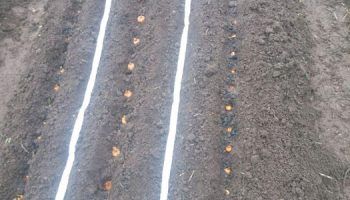
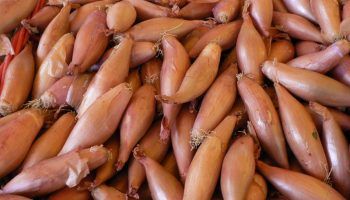
Leeks, also known as pearl onions, grow wild in Western Asia and the Mediterranean region. They have been popular as a vegetable crop since ancient times.
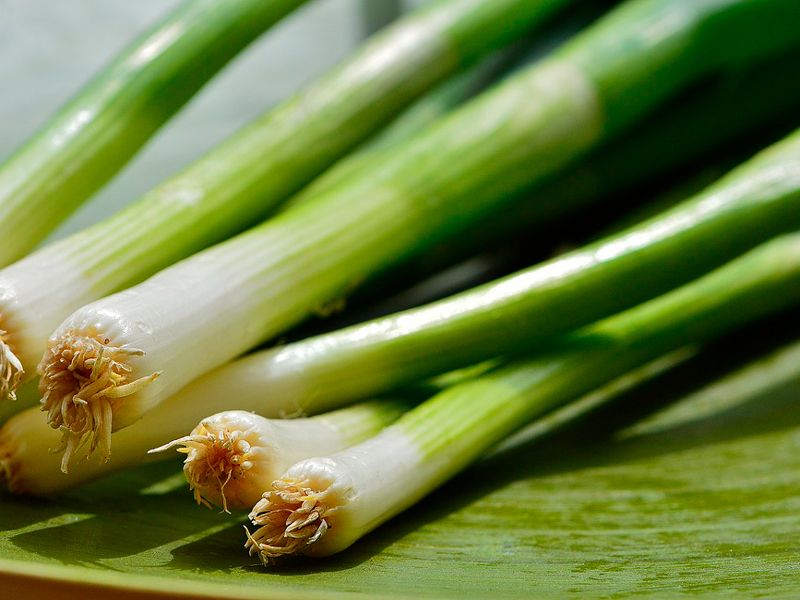
It is precisely its unusual taste that has made it so popular that it is now widespread.
Content
- 1 Description of leeks
- 2 Types and varieties of leeks
- 3 Methods for growing leeks
- 4 Timing of sowing and planting leek seedlings in the ground
- 5 Technology for growing leek seedlings at home
- 6 Planting leek seedlings in open ground
- 7 Sowing leek seeds in open ground
- 8 Winter sowing
- 9 Caring for leek beds
- 10 Diseases and pests of leeks
- 11 Top.tomathouse.com informs: how to preserve leeks
- 12 The health benefits and contraindications of leeks
Description of leeks
Leeks grow for two seasons. In harsh climates, they are grown as annuals. In temperate climates, adult plants can overwinter with mulch or plenty of snow. In the south, self-seeding is possible.
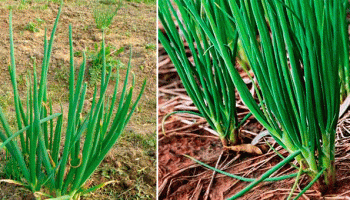
The height of the compact, flat leaves can vary depending on the variety, reaching from 40 cm to 1 meter. The roots are quite strong and well-developed. Leeks have a small, elongated, white bulb called a false bulb. Its diameter ranges from 2 cm to a maximum of 8 cm, and its length averages 12 cm (up to 50 cm with proper care). The bulb merges into a green stem and leaves. The leaves themselves are linear-lanceolate, arranged fan-shaped.
In the second season, onions produce a strong flower stalk that reaches two meters in height. Flowers are arranged in umbels, ranging in color from soft pink to white. Propagation occurs by seeds that form at the end of the stalk. Seeds appear in late summer to early fall. The shelf life of the planting material is two years. The plant's distinctive characteristics include cold tolerance and moisture requirements.
Types and varieties of leeks
| Ripening time | Variety | Description |
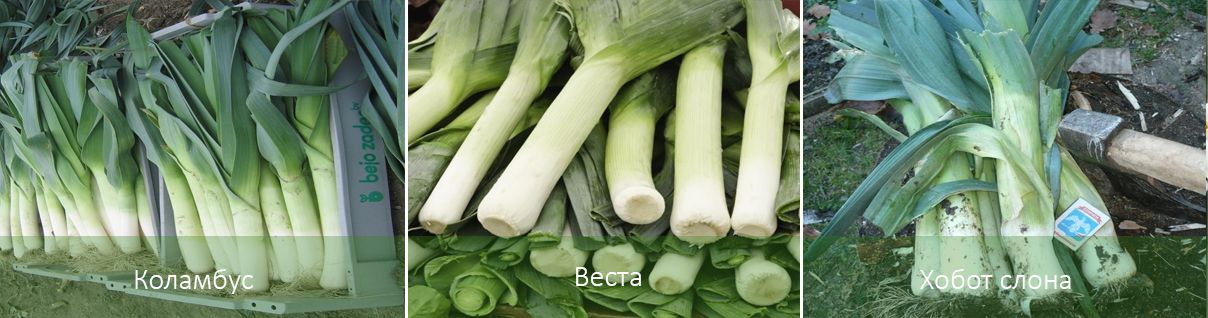
| Early ripening varieties, which reach technical maturity on average on the 140th day. | Columbus | An early-ripening plant bred in Holland. It boasts excellent flavor. It reaches 75 cm in height. The white patch is approximately 20 cm tall and 6 cm in diameter, weighing 400 g. A distinctive feature of this variety is that it does not require hilling to develop a tasty white stem. |
| Vesta | High-yielding, tall – 1.5 m. If provided with the necessary conditions, the onion's white part grows up to 30 cm in height, and weighs 350 g. The taste is distinguished by its sweetness. | |
| Elephant's trunk | It forms a fairly tall stem, up to 30 cm, but only if regularly hilled. It keeps for a fairly long time. It has a slightly sweet taste. | |
| Goliath | The false onion can grow to a large size—about 6 cm in diameter, 30 cm in height, and approximately 200 g—but only with proper care. The leaves are greenish-gray. | |
| Kilima | High yield. Weighing 150 g, the length can be 10 cm or more, depending on conditions and care. | |
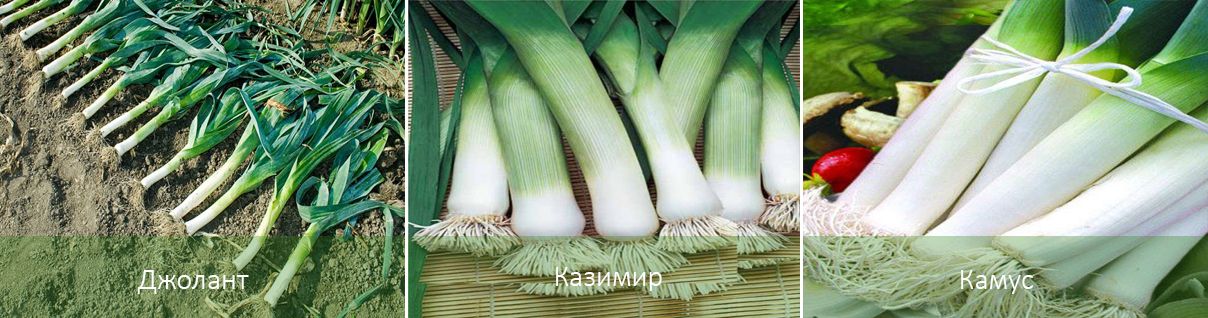
| Medium-ripening species, 150-180 days. | Jolant | Edible stem 35 cm. Resistant to fungal infections. High yield. |
| Casimir | Despite its height, the bush is compact. Productivity is high. It is not susceptible to diseases, especially fungal ones. The stem is approximately 20–30 cm, with a girth of just over 3 cm. | |
| Camus | The leaves of this species have a grayish tint due to a bloom. The bush is fairly compact and resistant to diseases and pests. The bulb is weakly defined. The edible portion is of medium height and diameter. | |
| Tango | Frost-hardy and productive. The leaves are erect. The white part is not tall, but quite thick. | |
| Bastion | Shows resistance to spotting. The bleached portion of the stem is elongated – up to 30 cm long and weighs approximately 220 g. | |
| Late varieties are distinguished by their excellent shelf life, ripening in an average of 180 days. | Elephant | The variety is drought- and frost-resistant. The edible white part weighs up to 200 g and has a tangy flavor. |
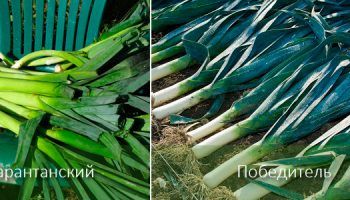
| Carantanian | The 25 cm white part has a diameter of 4 cm, the leaves are formed quite spreading and wide. | |
| Mercury | The white part of the variety has a stem weighing 200 g, with a slightly pungent taste. | |
| Asgeos | The onion is winter-hardy. The white part has a semi-sharp flavor. Its weight can reach up to 350 g. | |
| Bandit | The cold-hardy Dutch variety has a slightly shortened but thick stem. |
Methods for growing leeks
Growing and caring for leeks is a fascinating process. They are easy to care for and don't require much attention.
The first thing to consider is the region where you plan to plant. For example, in the south, the soil warms up much faster in the spring, making it possible to use the direct-seeding method.
However, this method is not suitable for temperate climates and northern latitudes. The warm season arrives much later, and freezing temperatures may return. Since planting leeks directly in the open air is not possible, they must be started from seedlings.
Timing of sowing and planting leek seedlings in the ground
The sowing time should be chosen depending on the region and the temperature and weather conditions in a given year. In southern regions, sowing should be done as soon as the weather warms up and there is no longer a risk of frost.
For more northern regions, seedlings should be planted; this can be done as early as February and as late as mid-March.
The second factor to consider is the lunar calendar. Based on the lunar phases, the most favorable periods for planting are the following:
- 27-31 — January;
- 1-3, 11-13, 16, 17, 23-25 in - February;
- 1, 10-12, 15-17, 23-25, 27-29, 30 in - March;
- 7, 8, 11, 12, 21-26 - April;
- 8-10, 17, 21-23 — May.
Technology for growing leek seedlings at home
First, you need to select containers to plant the seeds in. Plastic pots are suitable, but they should be fairly deep, at least 12 cm, as leeks have a long root system.
If you don’t want to transplant, it’s better to choose special peat pots.
Next, you need to prepare the soil mixture. Leeks prefer light soil; heavy clay soil is not suitable. You can buy it at a specialty store or prepare it yourself by mixing 25% peat moss, 25% regular garden soil, and 50% humus.
To prevent seedlings from becoming infected with various pests, the soil must be disinfected by generously watering it with a solution of potassium permanganate or Fitosporin.
Next, process and prepare the seeds. This is necessary for a higher germination rate and resistance to diseases and pests.
The main methods of disinfection:
- Germination can be accelerated by soaking the seeds in warm water for 24 hours;
- You can also use Fitosporin for soaking;
- If you want to reduce the time it takes to soak the seeds in warm water, simply use a thermos – soak them in +40°C water for 3-4 hours, rinse with cold water and dry.
If you're using individual cups, it's best to plant three seeds in each. This will allow you to select the strongest plant later. If you're using a large container, spread the seeds evenly to allow for easy thinning later.
Leeks in a snail
To avoid having to pick onions when transplanting seedlings, you can use a snail planting system. To create this structure, use a plastic substrate, plastic wrap, or regular packaging film, and a rubber band or string.
Cut a flexible plastic strip 15 cm wide and 1 m long to form a snail. Place soil on top, pressing it lightly. Then, along one edge of the long side, carefully place leek seeds at regular intervals (about 1 cm, but no more than 2 cm). Roll the plastic film into a roll and secure it with a rubber band – the snail is ready. Place the roll in a tray filled with water and cover it with plastic film. This will create a greenhouse effect and speed up seed germination. Remove the plastic film as soon as the seeds sprout.
Conditions for growing seedlings
It takes 15-24 days from planting to germination. At this stage, it's important to provide them with cool conditions. Aim for nighttime temperatures of 10 to 12°C and daytime temperatures of 15 to 17°C. Keep them here for about 7-9 days. Then, move them to a warmer location (13 to 15°C at night, 18 to 20°C during the day). Keep the seedlings in these conditions until they're planted outdoors. You can also place the seedlings in a greenhouse.
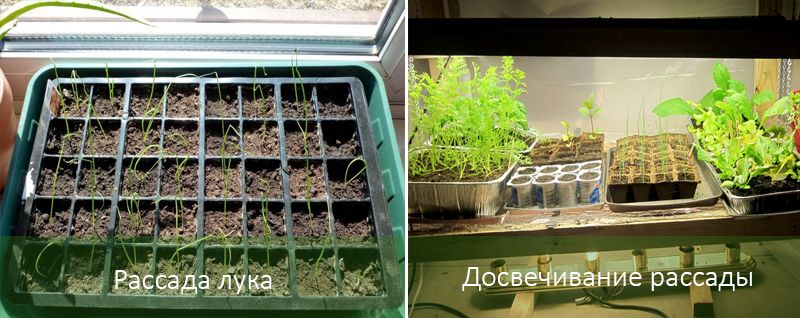
Seedlings require at least 12 hours of daylight. They can be placed on a windowsill. However, since sunlight is insufficient in winter, it's advisable to provide additional illumination with a phytolamp or LEDs.
Water frequently and thoroughly. Because the sprouts are very thin and delicate, watering should be done very carefully to avoid washing the plant away. Add soil as needed. Do not allow the soil to dry out, otherwise growth will slow. After 30 days from the first sprouts, it is very important to thin the onions, maintaining a distance of about 3-4 cm between adjacent seedlings. Pricking out is not recommended; planting in spacious or individual containers is recommended.
Another key point is pruning the plant to prevent the formation of foliage longer than 10 cm. It is advisable to trim it twice a month.
Fertilizer should also be applied twice. First, two weeks after germination. Then, a few days before transplanting and transplanting into open ground. Kemira Universal is suitable for this. You can also make an infusion from bird droppings. To do this, take 0.5 kg and thoroughly mix it in 10 liters of lukewarm water. Then apply it as a watering agent under the plant.
It is possible to feed with a solution of 5 g of calcium chloride, 20 g of superphosphate and 10 g of urea, dissolved in the same amount of water.
We recommend reading the article about how our author planted leeks in the Tver region.
Planting leek seedlings in open ground
Leeks can be planted in the ground when they have formed 4 true leaves - this period, under favorable growing conditions, occurs on average on the 55th day.
At this time, you need to prepare the soil in the area. Dig it over and simultaneously apply fertilizer, keeping in mind that this onion variety doesn't tolerate acidic soils very well. If you suspect increased acidity, add dolomite flour or lime.
Leeks are best planted after legumes, potatoes, tomatoes, cabbage, and green manure. Strawberries, carrots, beets, and celery also promote their growth. It is not recommended to plant leeks where other onion varieties were previously grown.
When replanting, pinch back the root system by about a third or a quarter. This will promote rapid rooting and the formation of high-quality foliage.
For each plant, dig a conical hole approximately 12 cm deep, leaving about 17 cm between each plant. Adjacent beds are dug at a distance of 35-45 cm. These parameters will allow for easier hilling of the leeks later.
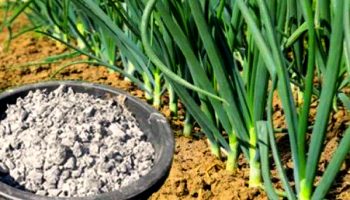
You can make deep furrows and plant seedlings in them, remembering to add soil as they grow. It's a good idea to sprinkle the furrows with a mixture of ash and humus (1:20 ratio).
Sowing leek seeds in open ground
In April, you can begin planting leek seeds directly into the ground. At this time, the soil is sufficiently warm and there is no risk of freezing.
In open ground the following rules should be observed:
- the soil should have neutral acidity and not be clayey;
- The place should be sufficiently lit and humid.
Sowing sequence:
- processing of seed material;
- thorough loosening of the soil;
- fertilizer - 40 g superphosphate, 30 g potassium salt and the same amount of urea with 4 kg compost - per 1 m2 soils;
- formation of a ridge or individual cone-shaped pits with a depth of about 10 cm.
Winter sowing
You can sow seeds in winter. In this case, the soil should be prepared as soon as the harvest is complete. Thoroughly till it and add fertilizer. Then, it's important to choose the right time to sow the seeds. You need to be absolutely sure that the first frost has arrived and that there won't be any more thaws. If the seeds germinate, this will simply ruin them. To avoid over-thinning, it's best to sow three seeds per hole. Leave at least 10 cm between them. Rows should be spaced 20 cm apart. For the winter, cover the beds with peat moss as mulch. After snow falls, rake it into the wheatgrass furrows.
Caring for leek beds
Care is fairly easy. However, to ensure a bountiful harvest, it's important to follow these tips:
- loosen the soil;
- hilling, which will allow the white part to form - otherwise the trunk will be green;
- add moisture in a timely manner;
- feed;
- prevent or control pests.
Hilling should only be done when the stem reaches the thickness of a pencil. Ignoring this procedure will degrade the plant's flavor. Without it, the onion will grow without the white part or it will become smaller.
Watering is necessary once or twice a week, depending on the temperature and soil dryness. It's important to prevent the soil from drying out too much or, conversely, from becoming waterlogged. Feeding onions with chicken manure, superphosphate, and potassium fertilizers is excellent.
Diseases and pests of leeks
The most common diseases of leeks.
| Problems | Elimination measures |
| Tobacco thrips | For prevention, control weeds, remove fallen leaves and plant debris from the soil, rotate crops, mulch, and moisten the soil. Recommended products include Actellic, Karate, and Agravertin. |
| Leafhopper | |
| Onion fly | Treat with salt and water (1:50) once every 2 months. Spray with potassium permanganate – 5 g per 1 liter of water. Use wood ash and water (1:10) to treat plants and soil. Plant next to carrots and celery. |
| Powdery mildew | Fitosporin - its solution is used to spray the green parts. |
Top.tomathouse.com informs: how to preserve leeks
Harvesting always involves proper storage. This can be accomplished by placing the onions in the refrigerator. Only the white part should be left—the rest should be trimmed and thoroughly cleaned of soil. Separate a small number of onion stalks into individual bags. This will keep the onions fresh for 4-5 months. It's important to inspect the onions periodically to ensure they aren't moldy or drying out.
Can be placed in a cellar, on a balcony, or in damp sand at temperatures of +1…-1°C and humidity of 85%. Maximum temperature drop: down to -7°C.
The health benefits and contraindications of leeks
Leeks contain a large amount of vitamins and microelements, carotene, and protein. Their beneficial properties include:
- improving gallbladder function;
- mild diuretic effect;
- stimulation of appetite;
- normalization of liver condition;
- restoration of the body, especially after illnesses;
- increased tone.
However, this vegetable is not recommended for people with gastrointestinal conditions when eaten fresh. Those with kidney or bladder problems should consume it with caution.