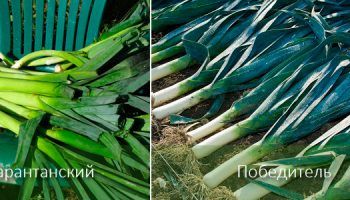
Shallots, or Ashkelon onions, are a perennial plant belonging to the onion family. They are prized for their mild flavor and lack of a strong odor.
Content
Description of shallots and their differences from onions
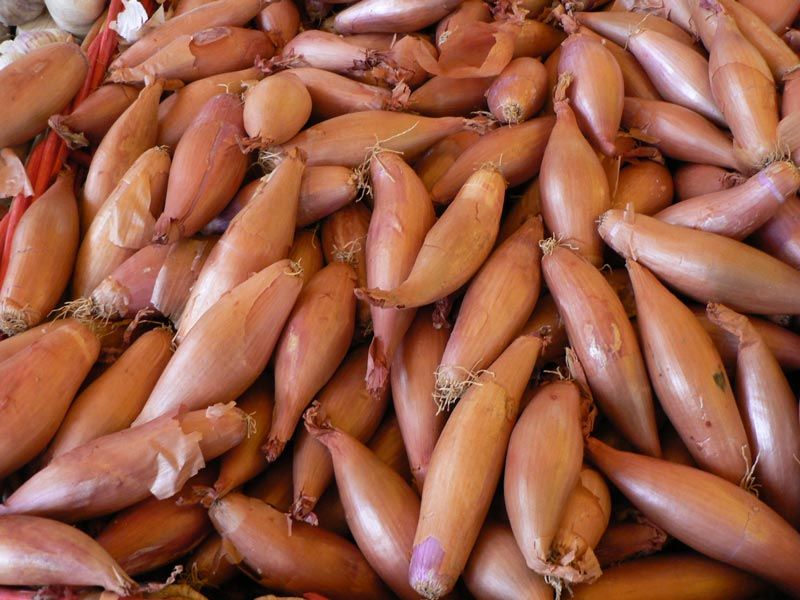
Shallot is a type of onion. It is also known by other names: Alexandrian onion, potato onion, family onion, and Kushchevka onion. Its origin is said to be the Middle East (Palestine), where it was known as escalot. It became widespread in Europe after the 13th century.
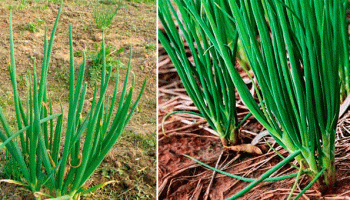
This biennial plant is characterized by early ripening, high yields, and frost resistance. The bulb is harvested, and the greens are used. In the first year, seeds are sown to grow onion sets, which are then replanted in the second year. A single seed produces a cluster of bulblets (5-20), which is why it is called a "forty-toothed" onion. Each bulb yields 200-300 grams, and per square meter, 3-4 kg of bulblets and up to 5 kg of green mass can be harvested.
Shallots are high in vitamin C, B, PP, and the minerals K, Mg, Fe, and S. Consuming them boosts immunity, prevents colds, and has an antimicrobial effect. They are also beneficial for strengthening the cardiovascular system, stimulating digestion, and promoting blood circulation.
Harmful to consume in large quantities. There are contraindications.
Shallots are related to onions, but differ in the following ways:
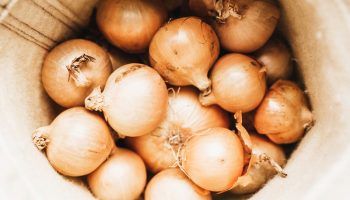
- The turnip is smaller and more elongated. Its leaves are very spreading. It stores better.
- It grows in nests. Inside the bulb, zones with rudiments are visible, not rings.
- The turnip's color depends on the growing region. In northern regions, it has a yellowish tint and a bitter taste. In southern regions, it has a lilac tint.
- It tolerates temperature fluctuations well in the spring months and does not immediately go into flower like onions.
- The root system develops first, and only in warm weather do the greenery emerge. This characteristic allows it to be planted before winter.
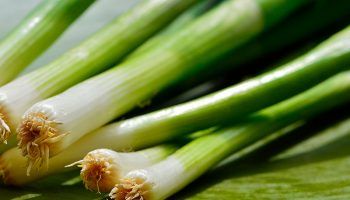
- The feathers have a delicate, subtle flavor that adds piquancy to various dishes.
- It has no pungent odor and doesn't sting the eyes when cutting. Its delicate, sweet flavor with a piquant aroma makes it ideal for fresh use or as a seasoning for meat and fish.
Shallot varieties
Onion varieties are divided into three classes based on their formation time:
- early;
- average;
- late.
Early varieties have a sweet and tangy flavor. A nest contains up to 10 bulbs.
Shrike
It is distinguished by its lilac color: the outer dried scales are red, while the inner scales are white. Fresh and early, the thin feathers grow up to 35 cm. The head forms an oval shape up to 10 cm in size and 2.5 cm in diameter.
The White Queen
The bulb is light-colored, and the skin is creamy. It reproduces quickly and is rarely susceptible to disease. It can be stored for a long time.
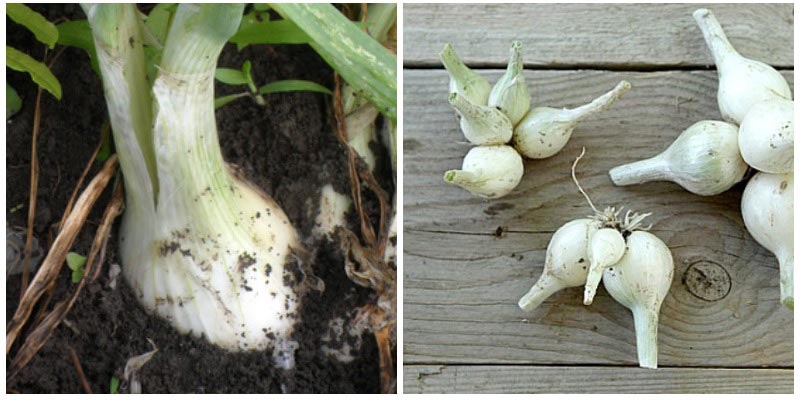
Belozerets 94
The dried husks are purple in color. They are characterized by high yields, excellent shelf life, and resistance to diseases.
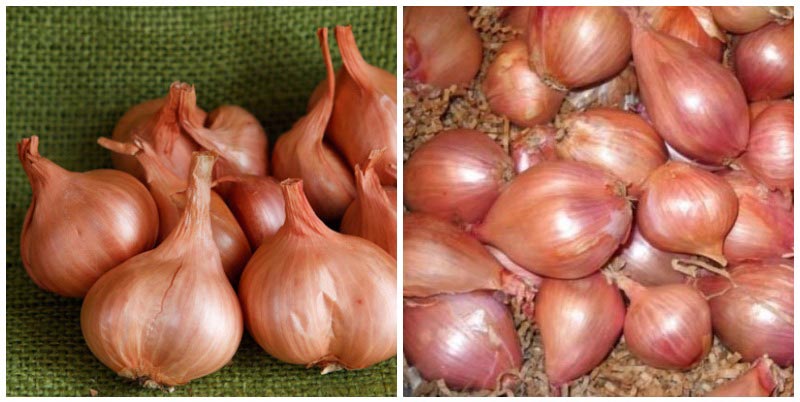
Mid-season varieties
The nest contains fewer bulbs. Flavor quality varies depending on the variety.
Airat
Mild yet quite pungent flavor. Each cluster contains 5-7 bulbs. The turnips are round with yellow skins.
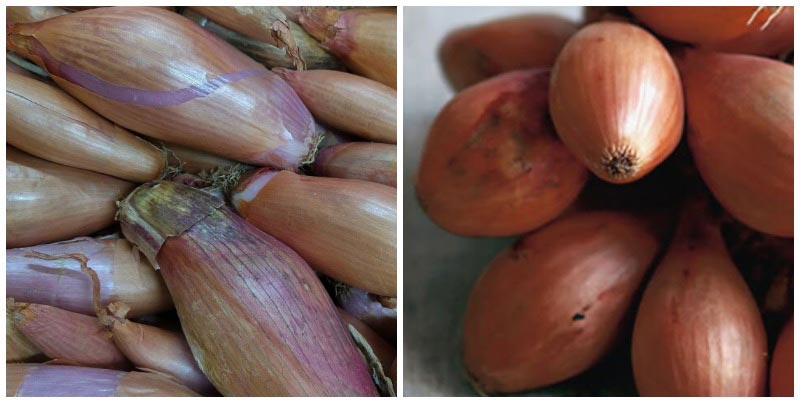
Delicacy
Exquisite taste. The golden bulb is distinguished by its white, juicy flesh.
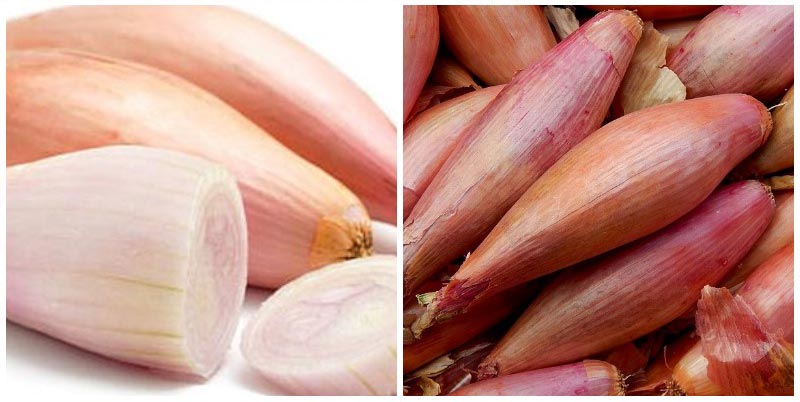
Features of growing shallots
When planted outdoors, it prefers loose, fertile soils with a pH of 6-7. These include black soil and various clay-sand mixtures. A deep water table is essential. Otherwise, good drainage is needed to ensure water drainage. Plant on a raised platform in a well-lit location. Shade is not desirable.
The seed is sorted. Only healthy bulbs are selected for cultivation: a diameter of 3 cm is needed to form a bulb, while larger than 3 cm produces green bulbs and a stem. Large bulbs will have more cloves than medium-sized bulbs, but they are slightly smaller.
Predecessors and neighbors for shallots
If you're aiming for a good harvest, pay attention to the previous crops. Shallots are best planted after peas, beans, and kidney beans. They can be planted in a plot where nightshades, cucurbits, or cabbage were grown the previous year. Avoid planting in a plot where corn, sunflowers, garlic, or beets were grown.
It's very bad if the previous crop was carrots. It's best to plant them nearby to repel onion flies.
You can plant lettuce, radishes or strawberries in adjacent beds.
Preparing the landing site
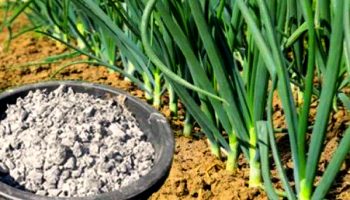
To oxygenate the soil and kill pests and weeds, the area must be dug to a shovel's depth. Beforehand, it's advisable to apply fertilizer at a rate of 3-4 kg of manure or compost, 15-20 g each of superphosphate and urea, and 45-80 g of wood ash per square meter. In the spring, nitrogen must be added to the area at a rate of 15-20 g per square meter. When planting onions in the fall, prepare the site in late August; if planting in the spring, prepare the site in the fall.
Planting dates
The best time to plant is when the snow has completely melted. Therefore, in southern regions, the best time to plant onions is late February, while in the central part of the country, it's mid-April. After 30 days, the onions will develop leaves, and after 45-60 days, the bulb will form. Spring planting is preferable because the bulb develops well and is less susceptible to pest attacks. Planting later in the spring will not produce good greens, but will immediately begin to grow roots.
To get early green onions, it's best to plant shallots in the fall before the cold weather sets in, but before the cloves begin to grow. This way, the onions will sprout well in the spring, and the greens will appear in early spring.
Shallot planting technology
Shallots need to be planted two years in a row: first the seeds, then the sets. The process is almost identical, but there are some differences.
Sevkom
Sort through all the onion sets, leaving only healthy ones. It's best to choose them by size: not too large or too small—medium. Roast them in the oven (40°C) or place them on a hot radiator. You can also cover them with water at a suitable temperature.
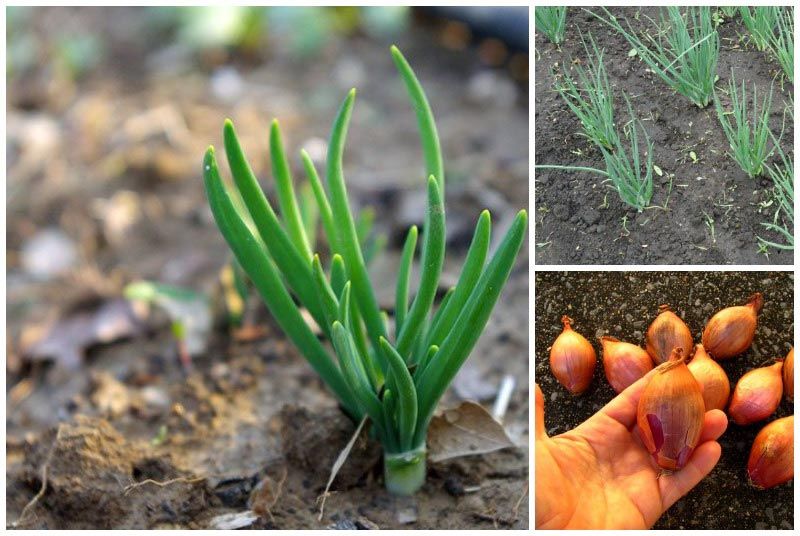
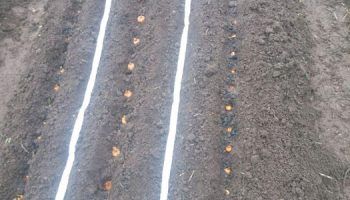
Plant in raised beds or ridges, not pressing them down, but covering them with soil so that only small tops are exposed. To do this, dig furrows or holes (4-5 cm), leaving 7-10 cm between them. When planting in the fall, increase the depth and spacing to 20-30 cm.
Seeds
The procedure is similar. The seeds are soaked by wrapping them in a damp cloth for 48 hours. Do not allow them to dry out. Make the furrows shallower (3 cm) and plant them in a 7-8 x 20 cm pattern. If you perform the procedure in the fall, there is no need to soak the seeds.
Care
Shallots, like other plants, require some work to get a good harvest.
| Works | Actions |
| Watering | Regular, moderate watering. Does not require supplemental irrigation if rainfall is adequate. In dry weather, water every 2-3 days. |
| Weeding | An important stage before the first feathers appear, since weeds at this time can destroy the plant. |
| Loosening | It is carried out when a hard crust forms on the soil surface. |
| Thinning | This is done when needed to grow larger turnips. It's usually done in midsummer, removing the smaller bulbs. |
| Top dressing |
After 1.5-2 weeks from germination, treat the seedlings with a solution of cow manure or poultry manure at a ratio of 1:10. At the same time, apply mineral fertilizers (phosphates, nitrates, or urea) at a rate of 10-15 g per m². This can be repeated when the bulbs are forming. Use a potassium solution: 5-7 g per bucket of water. Stop all treatments 30 days before harvesting. |
Diseases and pests
Onions are rarely attacked by pests and a number of diseases.
| Problem | Elimination measures |
| An uneven white stripe forms near the bottom of the bulb. | The onion nematode is a small worm. Onion sets are soaked for 2 minutes in a 4% formaldehyde-methanol solution. They can also be immersed in hot water at 45°C. |
| The tips of the feathers turn white and wither. The bulbs rot. |
A light grey onion fly with a green back. Planting carrots nearby will repel it. You can also plant wormwood or tansy between the rows. |
| Aphids prefer young shoots, sucking out the juice. | Spray with a prepared decoction (chamomile, hot pepper). Special preparations can be used. |
| Powdery mildew, fusarium, downy mildew, bottom rot | Fungal diseases. Healthy turnips are treated with insecticides. Diseased ones are destroyed. |
Harvesting and storage
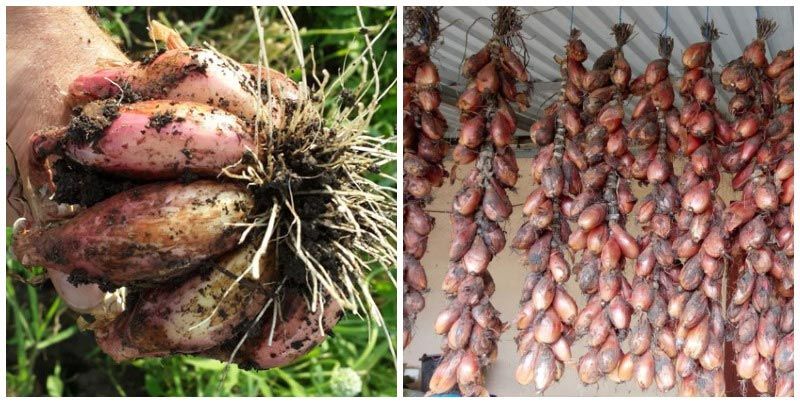
Harvesting begins after the shallots become tough and first turn slightly yellow before collapsing. Harvesting should not begin before this time, otherwise the shallots will not store well and will sprout prematurely. The harvest is collected early in the morning on a dry, sunny day and thoroughly dried under a canopy. The bulbs are de-leaved and then braided into bunches.
Store them hanging in a dark, well-ventilated place. You can also leave them in nets attached to a wall for up to a month. Then sort the onions and remove the soil.
Mid-season and late varieties can be stored for up to a year after harvesting:
- in cardboard or wooden boxes;
- in baskets;
- on the bottom shelf of the refrigerator;
- in nylon stockings.
Bulbs require temperatures of +8…+10°C, while sets require temperatures of +15…+20°C. Humidity should be maintained at no more than 60-70%.
Top.tomathouse.com recommends: the health benefits of shallots
Onions contain essential components for human health (vitamins and minerals), so regular consumption can improve bodily functions. They have the following beneficial effects:
- normalization of blood pressure;
- strengthening of blood vessel walls;
- lowering cholesterol levels;
- increasing the body's resistance to foreign objects;
- improving the functioning of the gastrointestinal tract;
- destruction of pathogenic flora;
- having a positive effect on vision;
- elimination of toxins;
- straightening the quality of hair and nails.
With its attractive flavor and aroma, shallots are considered a delicacy and are widely used in French cuisine. They are added to liquids, meat, and fish dishes during cooking. They can be marinated, frozen, or dried.