There are hundreds of tomato varieties available today, each with its own characteristics. A variety's yield depends on the region's weather conditions, soil mineralization, and care requirements.
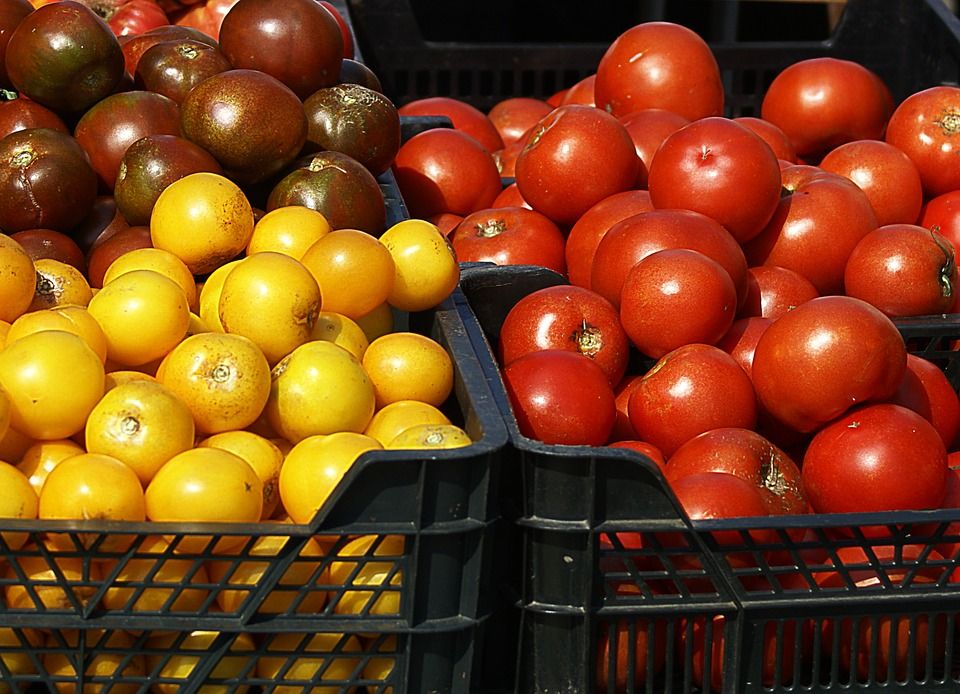
To get the most fleshy and healthy tomatoes, they are selected taking into account the location where they are planned to be planted.
Content
- 1 Peculiarities of choosing tomato varieties
- 2 The best tomato varieties for the Moscow region and central Russia
- 3 The best tomato varieties for the Urals
- 4 The best tomato varieties for Siberia
- 5 The best tomato varieties for Belarus
- 6 The best tomato varieties for the Vitebsk region
- 7 The best tomato varieties for Udmurtia
- 8 Tomatoes for the Leningrad Region
- 9 The best varieties for the Saratov region
Peculiarities of choosing tomato varieties
Tomato varieties are divided into those intended for fresh consumption and those grown for long-term storage. To avoid making a mistake in your choice, follow these guidelines:
- Early bush or standard hybrids are suitable for open soil.
- The speed of harvest ripening is not important if the plants are planted in a well-equipped greenhouse – what is more important is the height of the bushes and the nutritional characteristics of the selected variety.
- On the seed packaging you need to find the region for which this variety is suitable.
- The most unpretentious small-fruited and determinate ones - they will suit those who do not have the opportunity to devote a lot of time to care.
- To make tomato juice, tomatoes with thin skin are used, while thick-skinned varieties are used for canning.
- Rich-flavored tomatoes are used for salads.
The best tomato varieties for the Moscow region and central Russia
The climate of the central regions (Moscow, Ryazan, Vladimir, Smolensk, Yaroslavl, Kostroma, and Ivanovo Oblasts) is characterized by warm and humid summers followed by snowy winters. Summer temperatures are favorable for both greenhouse planting and outdoor cultivation.
For glass and polycarbonate greenhouses
In greenhouses, yield depends on the microclimate, which is easy to maintain year-round. The following varieties are most popular for greenhouses in central Russia.
De barao
A variety suitable for canning and salads. The tomatoes ripen four months after the first shoots emerge. Each bush yields 3-4 kg.
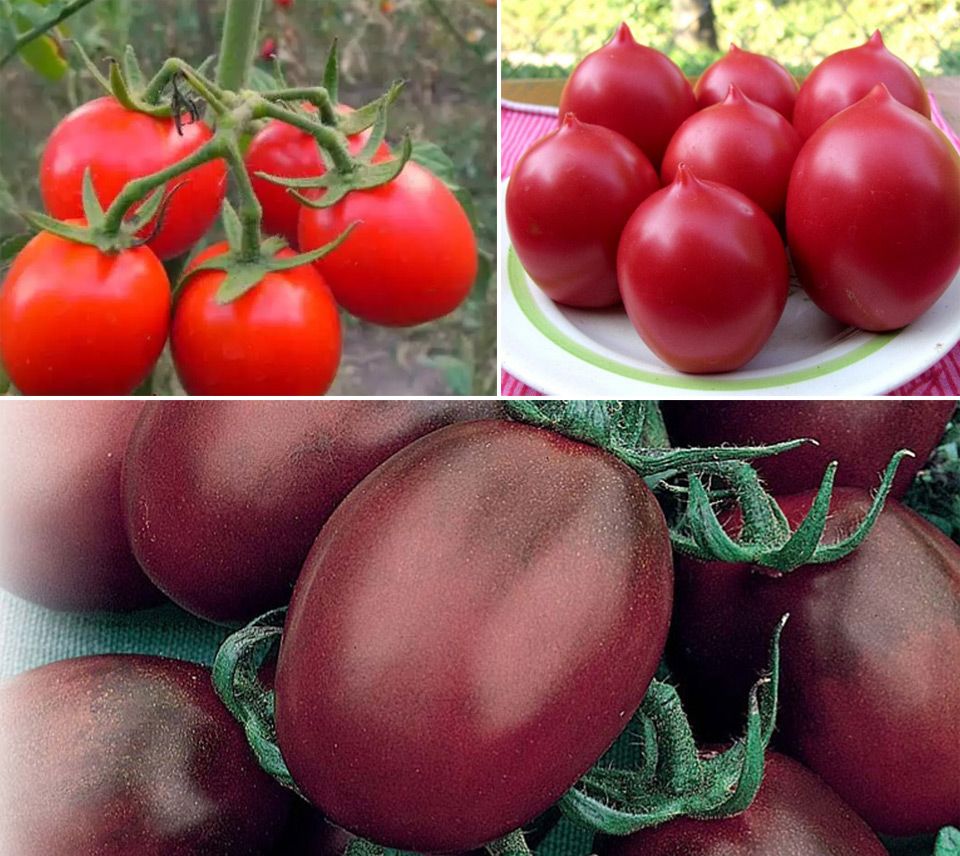
Tall. The fruits are oval, with shades ranging from pinkish to black. They have excellent flavor and are suitable for long-term storage.
Read more about De Barao varieties in the article8 varieties of De Barao tomatoes with photos, reviews, descriptions in tables, and comparison.
Blagovest
An early-ripening, versatile hybrid that requires regular fertilization and support. It grows up to 1.8 m, with fruits ripening in 100 days.
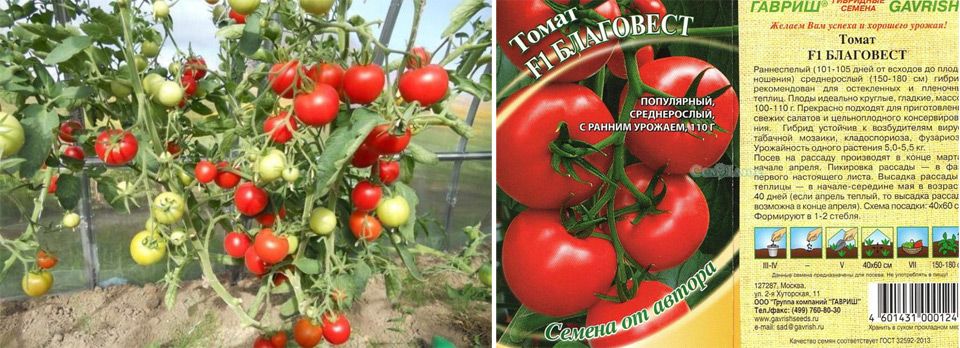
The harvest is abundant and large-fruited.
Bull's heart
One of the largest tomato varieties, it produces large, juicy, heart-shaped fruits that can weigh up to 300 grams.
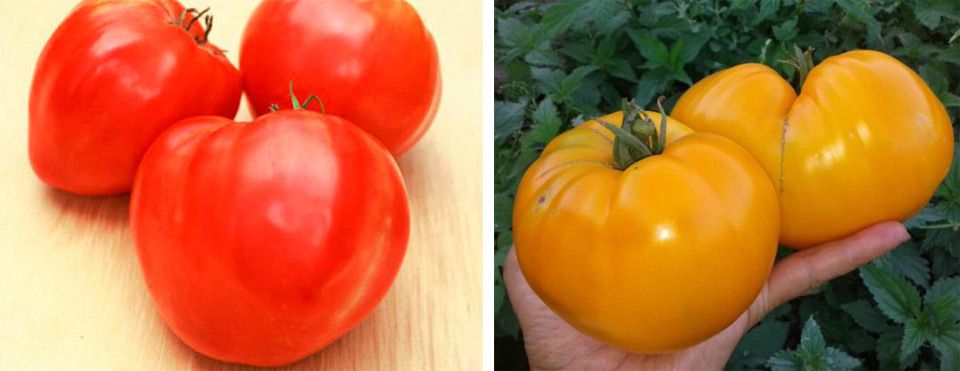
Unpretentious, suitable for beginning gardeners. The period from germination to maturity is 107 days.
Read more about the Bull's Heart varieties in the articleBull's Heart Tomato: 15 Varieties, Photos, Reviews, and Tables.
Pink honey
An indeterminate mid-early greenhouse variety with average disease resistance.
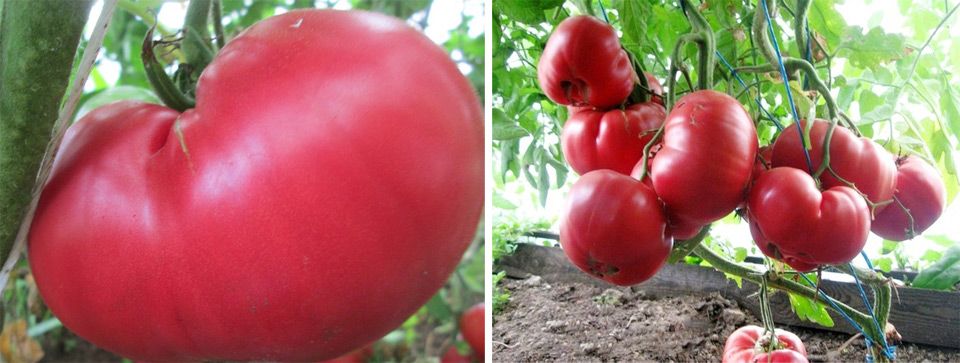
Large, heart-shaped tomatoes on the lower branches weigh up to 600 grams, have a fleshy texture, and a sweet flavor. Not suitable for canning, but good for salads.
Eagle's beak
A versatile variety, producing up to 8 kg of red, pointed fruits per bush. Disease-resistant.
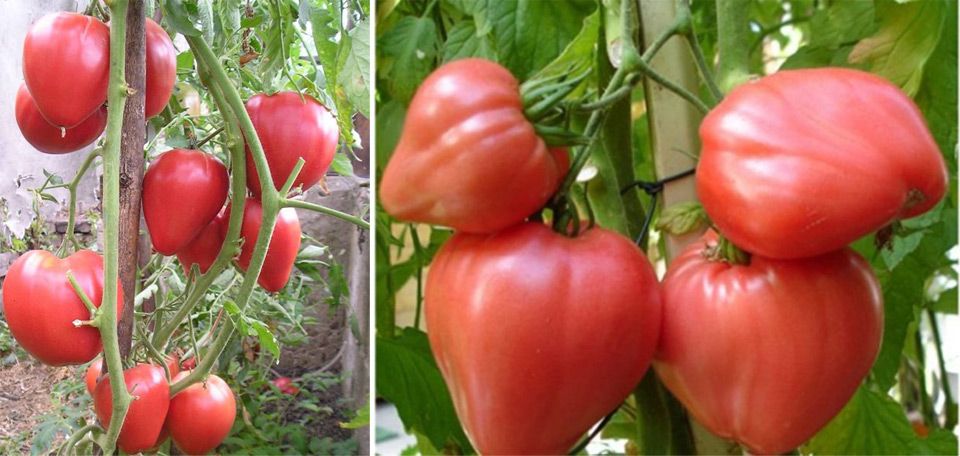
With careful care, it can be grown outdoors.
Alenka
The harvest ripens in three months. The bushes are small, up to 60 cm. The plants rarely get sick, and the strong stems support the fruit without staking.
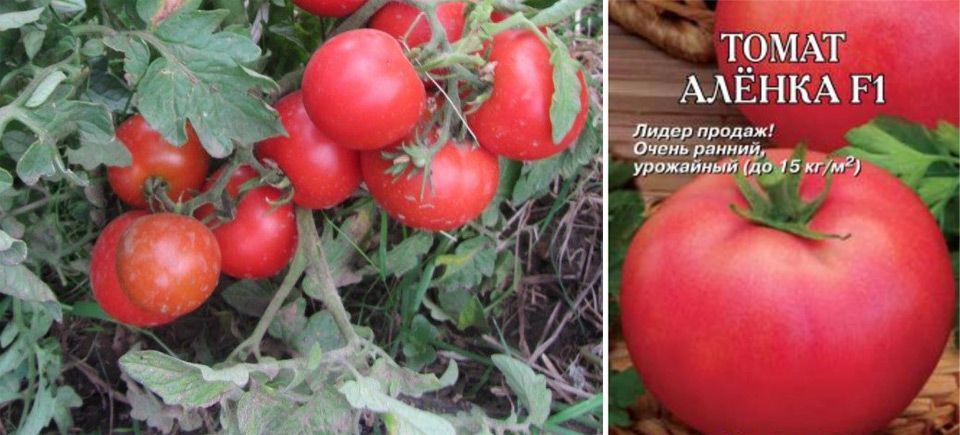
The tomatoes are round and small, pink, with juicy, sweet flesh.
Cardinal
A large-fruited plant, it is distinguished by its increased fruiting and produces sweetish pink-raspberry fruits with a rich taste, suitable for making juice and consuming fresh.
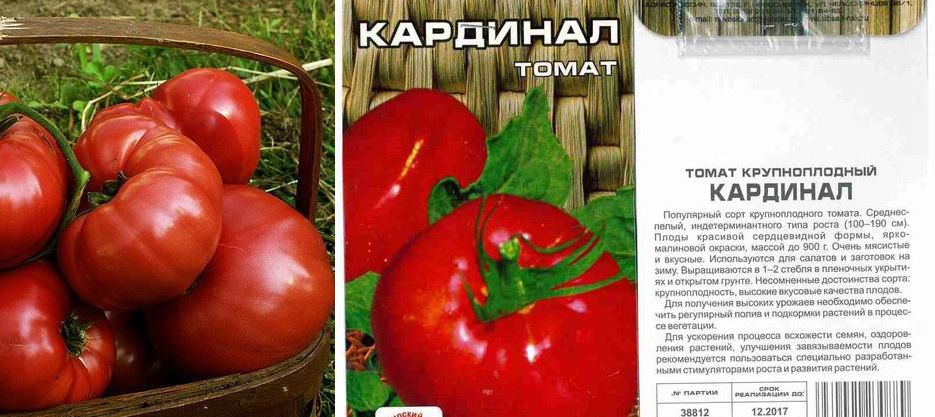
Cold-hardy and disease-resistant.
Irishka
A hybrid that delights gardeners with delicious scarlet tomatoes that ripen in 80-90 days.
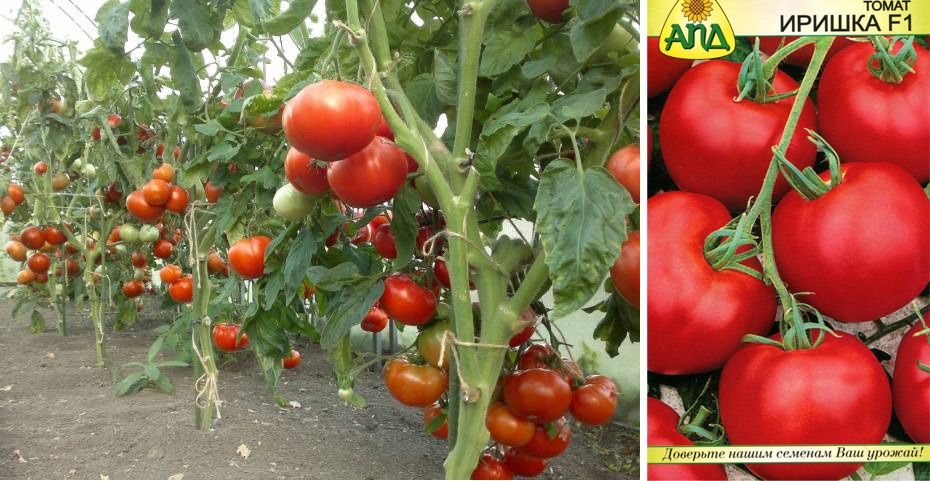
It is easy to care for, but does not tolerate low temperatures well and requires preventive measures against late blight.
Miracle of the Earth
Bred by an amateur gardener, this variety is characterized by large and tasty tomatoes, in some cases weighing up to 1 kg.
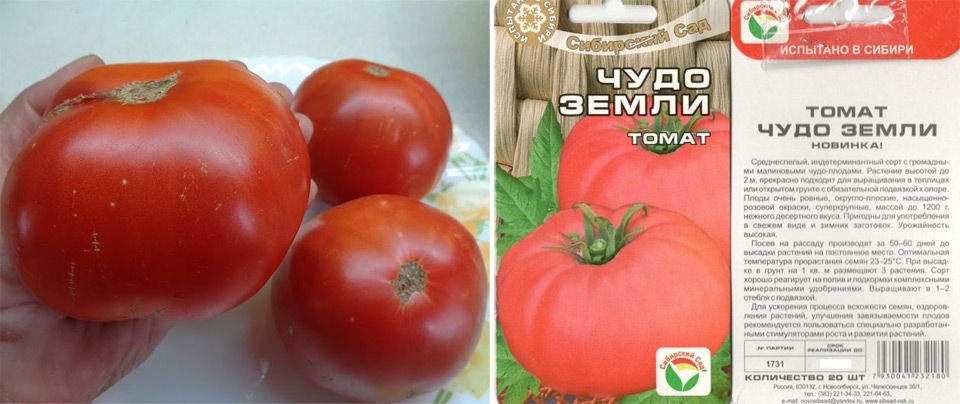
Counterfeits are common on the market, so to ensure a high-quality harvest, purchase seeds from reputable retailers. Humidity in the greenhouse during cultivation should not exceed 60%. Remove side shoots every 10 days.
Andromeda
A low-growing, early-ripening hybrid that yields up to 10 kg of yield from one plant.
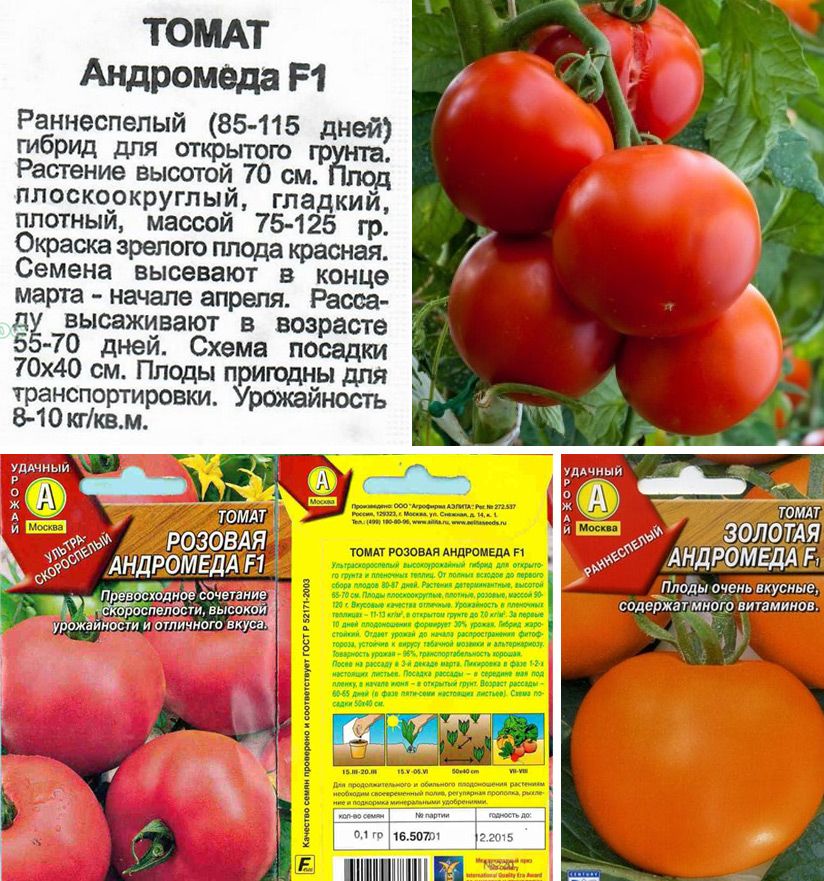
Picking and regular soil moistening are required.
For open ground
Tomatoes ripen faster and produce a richer harvest in greenhouse conditions. However, there are reasons why gardeners choose to grow tomatoes outdoors:
- Lack of a greenhouse on the site.
- Preference is given to varieties that are not intended for greenhouse cultivation.
- Lack of possibility for regular watering and maintenance.
The following types of tomatoes thrive best in the Moscow region climate.
White filling
This variety was bred in Kazakhstan in 1979 and is popular among gardeners in Russia and the CIS. When planted in open ground, the bushes are low, reaching up to half a meter.
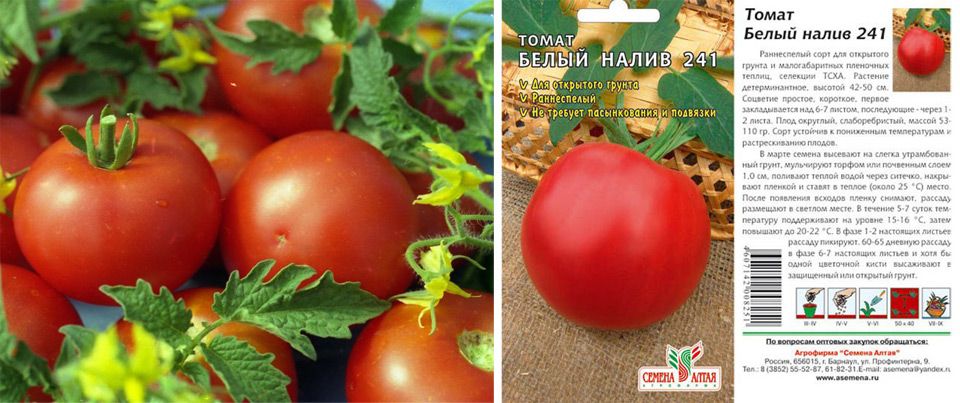
They easily tolerate cold weather. Harvesting takes place 100 days after sprouting.
Sultan
A Dutch variety of tomato that has taken root well in the central and southern regions of Russia.
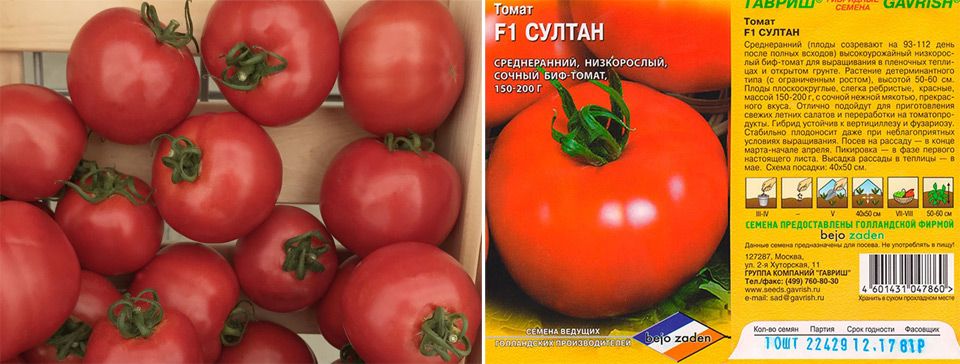
Low miniature bushes with dark green leaves produce up to 7 medium-sized red tomatoes.
Tamara
Early ripening, dense tomatoes that ripen on low bushes.
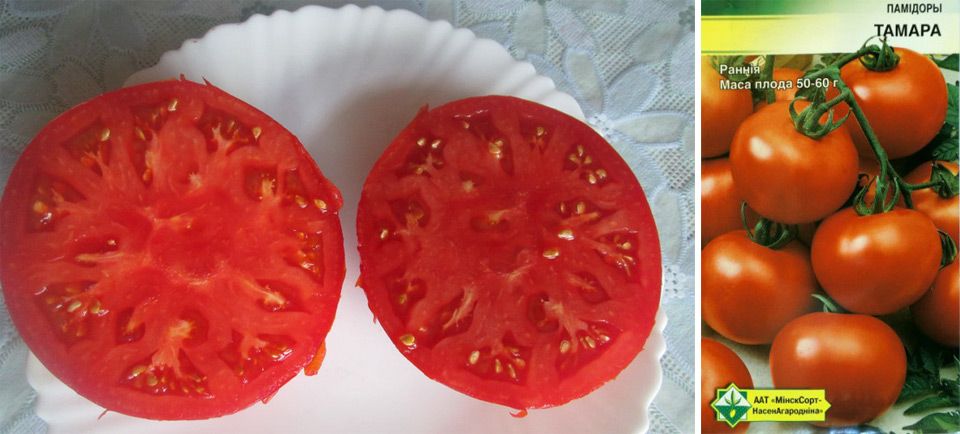
They require careful care and frequent watering. Before planting, the soil should be fertilized with organic fertilizer.
Explosion
A new hybrid distinguished by its high nutritional value and rich vitamin content. It grows best outdoors in southern latitudes, but can also be harvested in gardens in central regions.
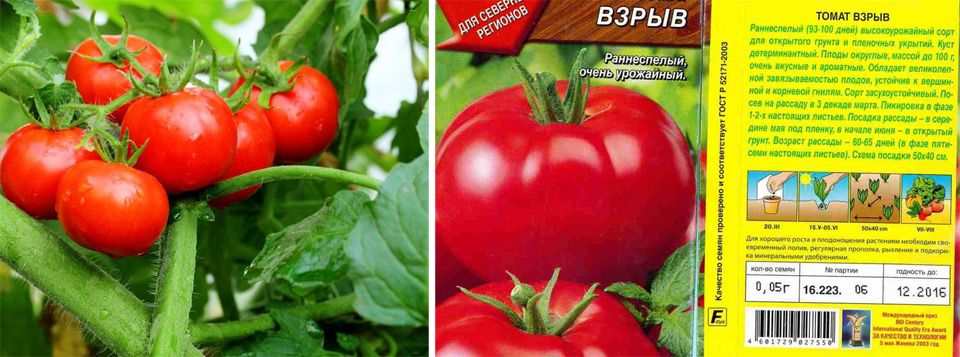
To ensure healthy and large plants, soak the seeds in aloe vera juice for 6-10 hours before planting. Seedlings are prepared in April and transplanted into the garden beds at the end of May.
Otradny
A miniature and unpretentious species, the height of which does not exceed 45 cm. It does not require garters and is not susceptible to rot.
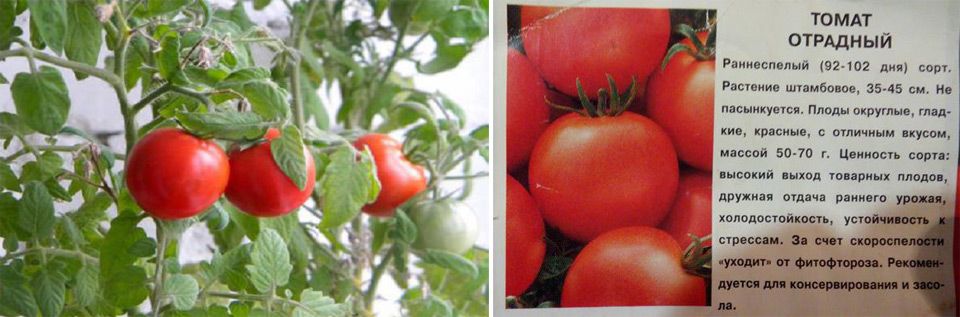
These small, red, sweet and sour tomatoes ripen in 95 days. Suitable for canning and fresh consumption.
Fitous
Fitous is an abbreviation for "phytophthora-resistant." It has high resistance to late blight and other diseases.
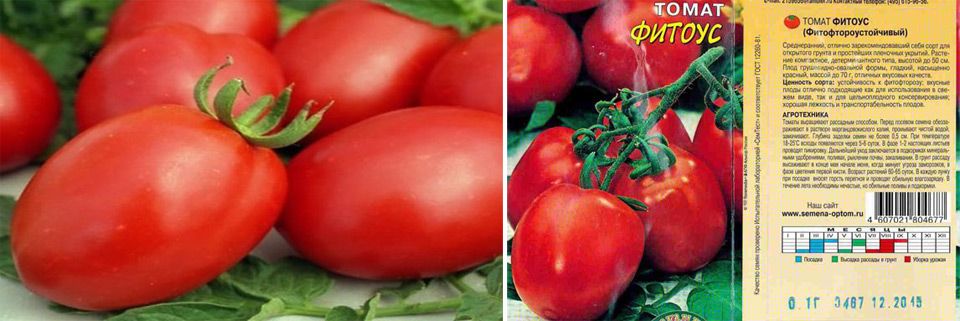
Planting takes place in early April. The fruits are small, with firm skin, ideal for preserves.
Demidov
Pink, round tomatoes that mature in 107 days. This variety is intended for outdoor planting only.
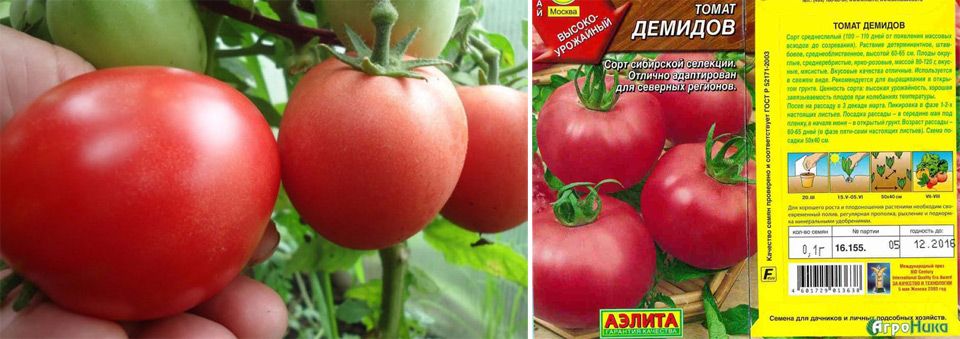
It is not demanding in care, but insufficient watering can lead to blossom-end rot.
Sanka
A popular low-growing tomato, characterized by its rapid ripening. The first ripe tomatoes can appear on the vines as early as 65 days after planting.
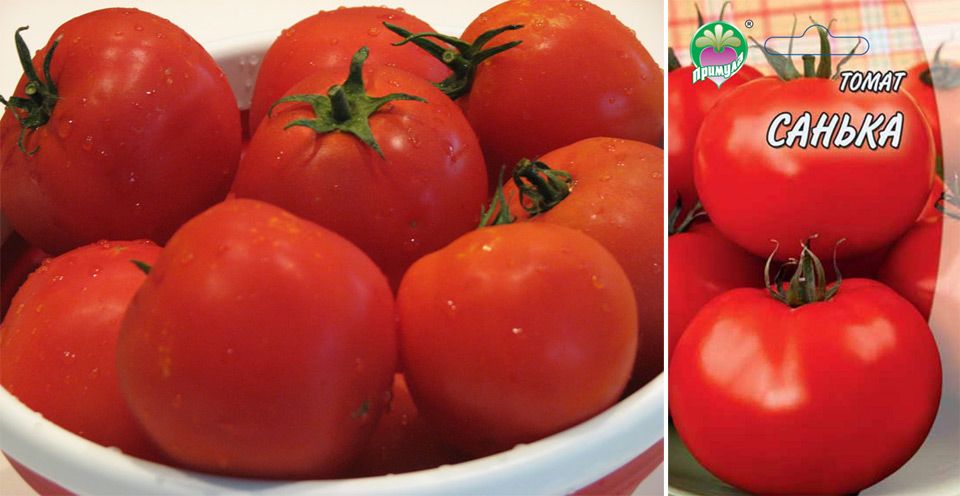
Small, sweet and sour fruits are excellent for preserves.
Olya
A relatively young hybrid variety that has gained popularity among gardeners in Central Russia.
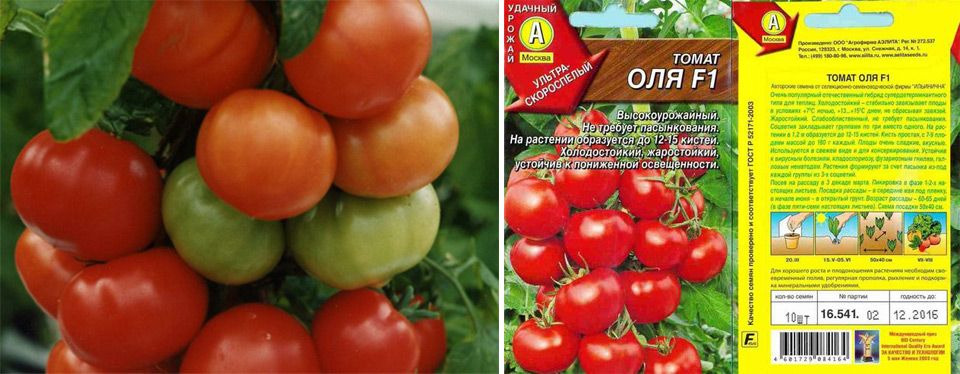
It's easy to grow, doesn't require pinching, and tolerates low light and cool summers. Suitable for fresh eating and canning.
Japanese black truffle
A determinate, medium-sized hybrid that produces unusual pear-shaped tomatoes of a dark brown or burgundy color.
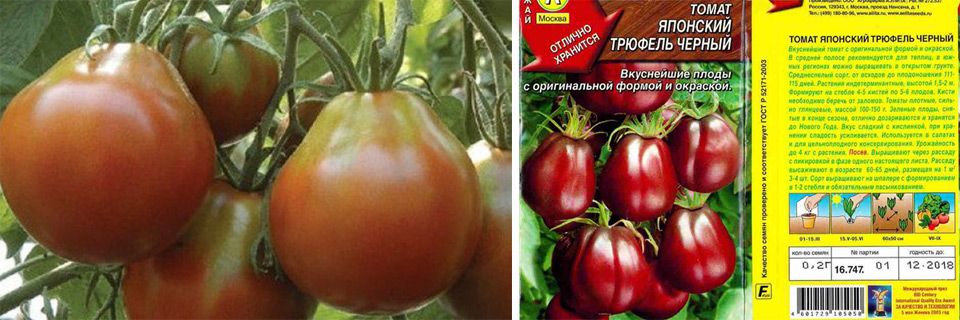
Rot-resistant and insect-resistant. Ripening period: 3 months.
Leningrad chill
A low-growing variety (up to 35 cm), bred specifically for planting in open ground. It tolerates extreme temperature fluctuations and is cold-resistant.
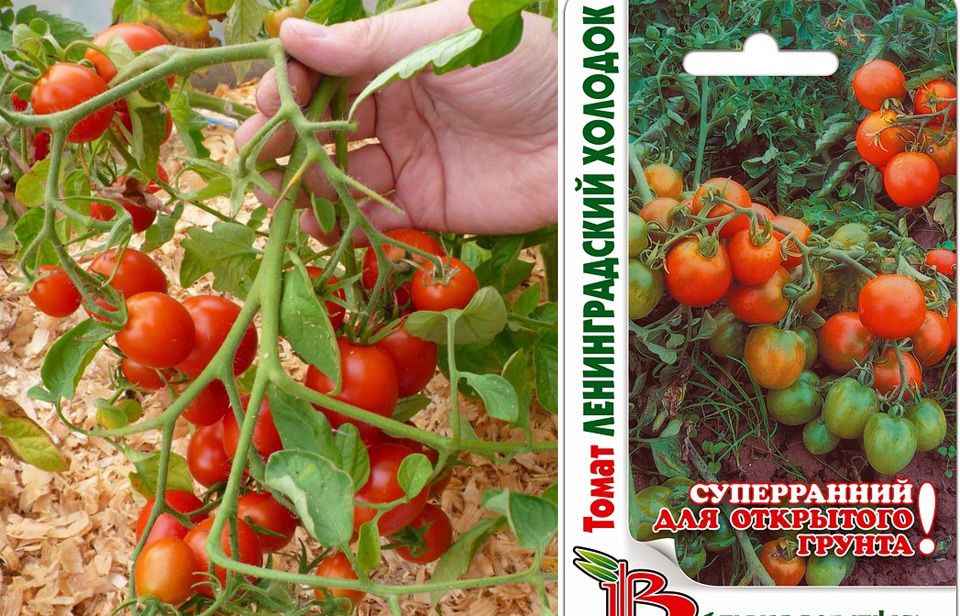
During the flowering period, it requires fertilizing with magnesium and potassium sulfate. With proper care, it yields up to 3 kg per bush.
Barnaul Cannery
A low growing, early maturing variety producing round, red-orange tomatoes.
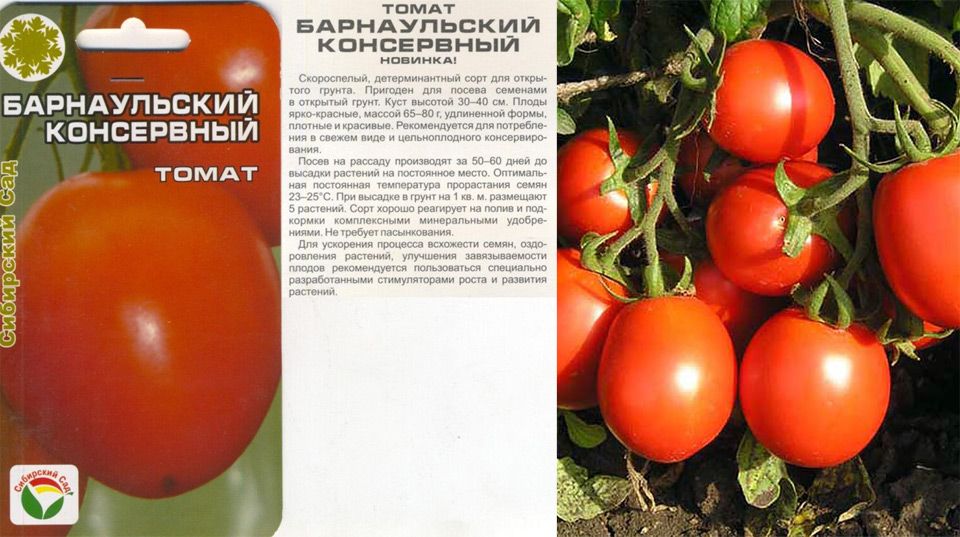
Designed specifically for salting and winter preparations.
Snowdrop
An early-ripening, easy-to-grow tomato suitable for planting in poor soil. It grows poorly in southern regions, but produces abundant fruit in cool summers.
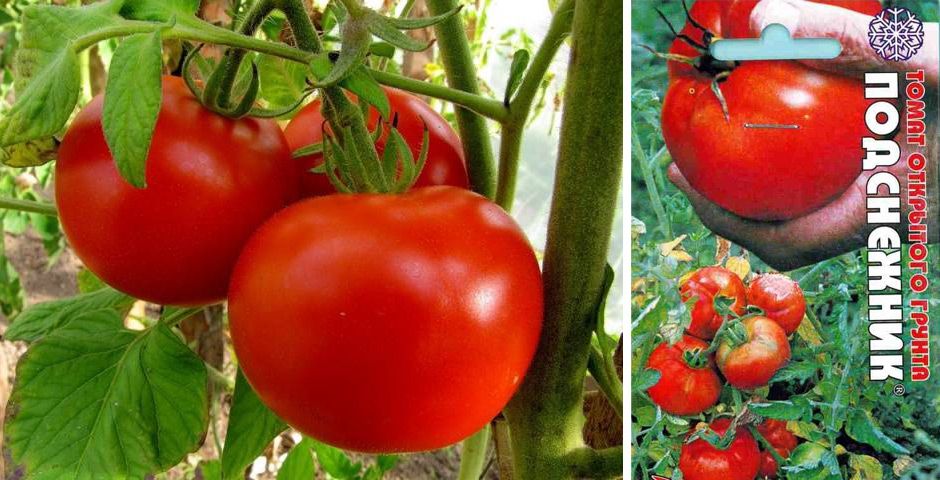
In greenhouse conditions it can grow even in the Far North.
Read more about this variety in the article.Snowdrop Tomato: Variety Characteristics, Comparative Analysis, and Cultivation.
Mirage
Low growing bushes producing red oval tomatoes.
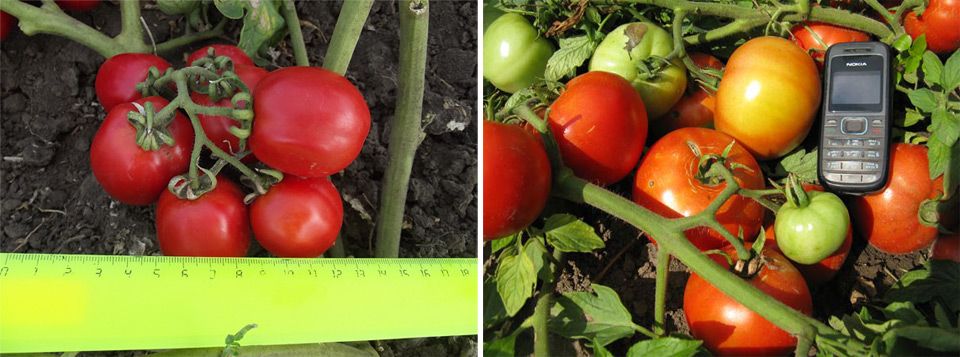
Suitable for both fresh consumption and canning.
The best tomato varieties for the Urals
The Central and Southern Urals have a temperate climate, with warm, sunny summers, but the soil lacks a diverse mineral composition. In the Northern and Subpolar Urals, the influence of subarctic winds is already felt. During the cold season, the ground freezes deeply, so southern tomato varieties fail to thrive or produce a meager harvest. Siberian-bred tomatoes are suitable for the Urals.
Features of selection
The Ural climate is varied, so to produce juicy tomatoes, the variety should be selected based on the region's weather conditions. The best varieties are those that don't require extensive care, don't freeze in cold temperatures, and ripen quickly during the short summer.
For the greenhouse
Although greenhouse tomatoes are less sensitive to temperature fluctuations than those grown outdoors, they are still susceptible to weather changes. Therefore, for greenhouses in the Urals, undemanding tomatoes with strong ovaries and resistance to diseases are selected. The most productive varieties grown by gardeners in the Urals are as follows.
Lelya
One plant gives its owner up to 4.5 kg of tomatoes.
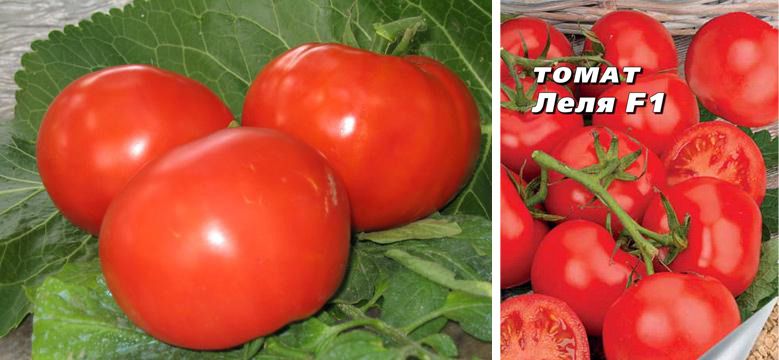
An early maturing variety, rarely gets sick and easily tolerates cold.
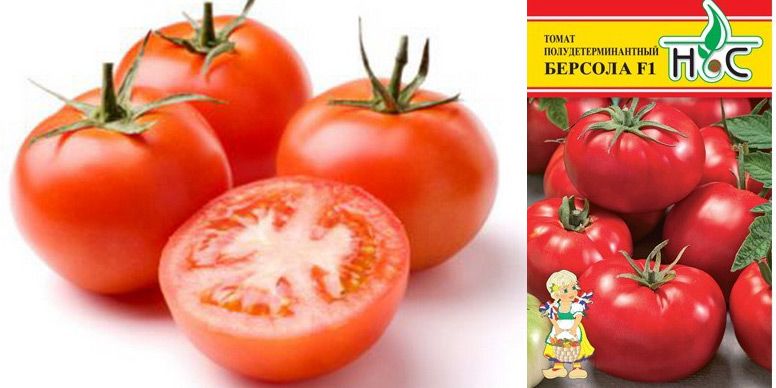
Bersola
A large-fruited hybrid variety, characterized by rapid ripening.
Kohava
Unpretentious, produces a rich harvest of large, pinkish-hued fruits.
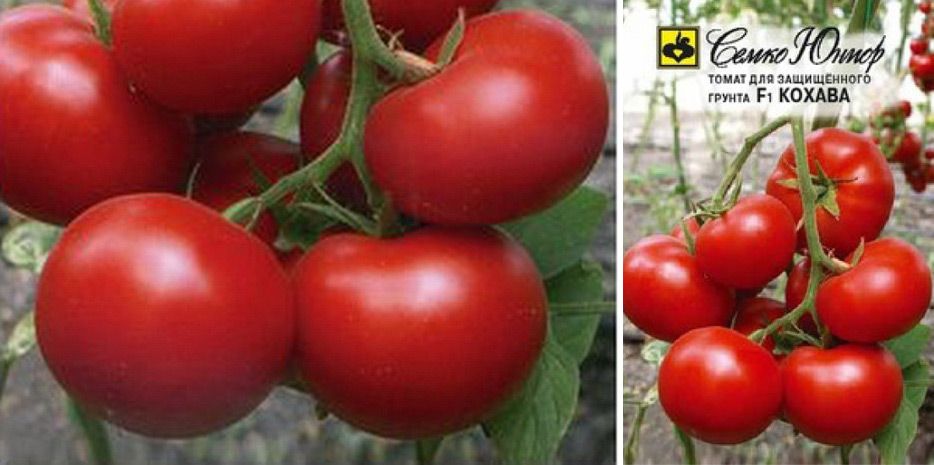
The yield is quite high, disease resistant.
Titanic
A mid-season hybrid, producing tomatoes weighing up to 200 grams with a pleasant sweet taste.
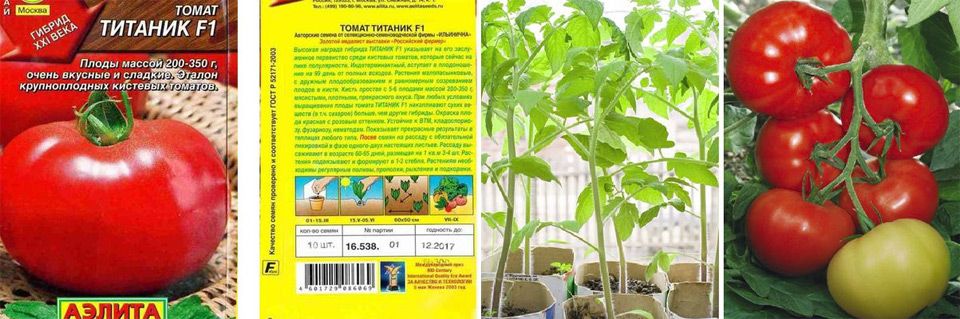
Rarely gets sick.
Kostroma
One of the most beloved varieties among Ural gardeners. Rarely susceptible to disease, each bush yields up to 4.5 kg of fruit.
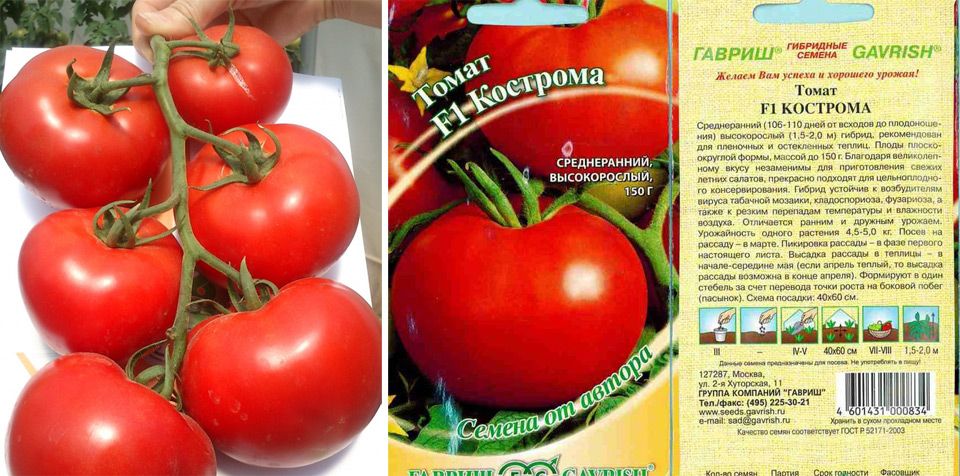
Resistant to pest infestation.
Read about this wonderful variety in the articleKostroma Tomato: Variety Description, Photos, Reviews, and Comparison Table.
Beautiful Lady
These high-yielding tomatoes are highly resistant to diseases, cold and pests.
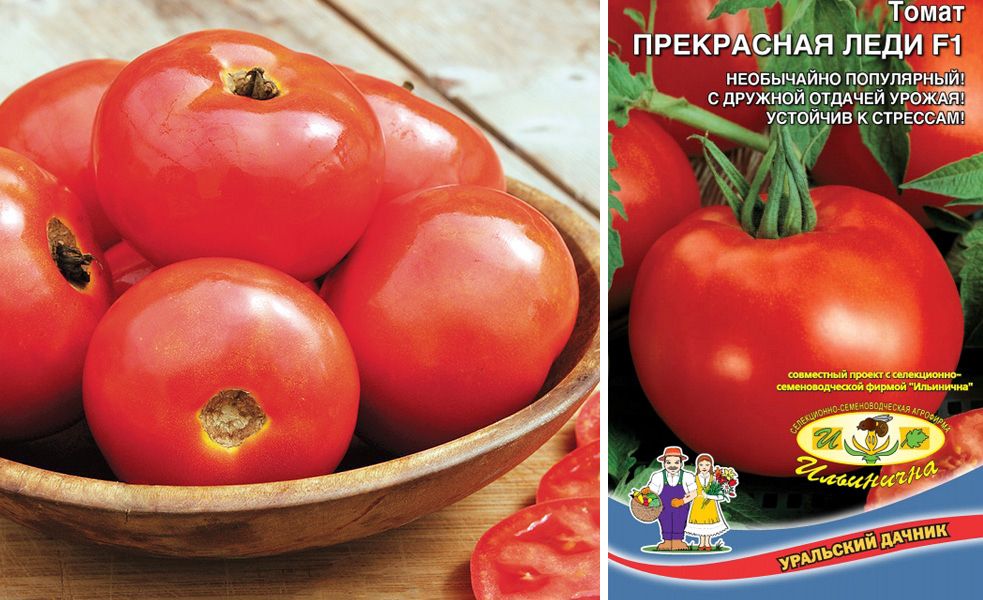
They are early maturing and stress-resistant.
For open ground
If you plan to grow tomatoes outdoors, harden them off beforehand as seedlings. To do this, expose the seedling containers to fresh air for 10-15 minutes. Avoid overexposing the seedlings to cold temperatures, as they may freeze and die.
Outdoor tomatoes for the Ural region should be distinguished by their early maturity. The following varieties are suitable.
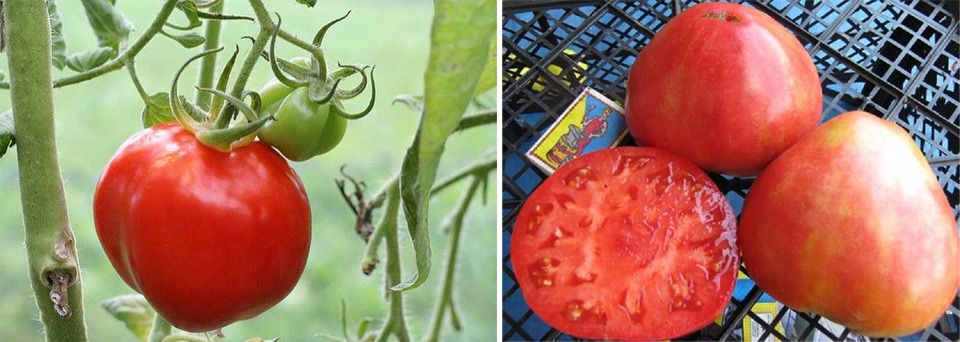
Alsou
This variety produces juicy and fleshy tomatoes, but its yield is low.
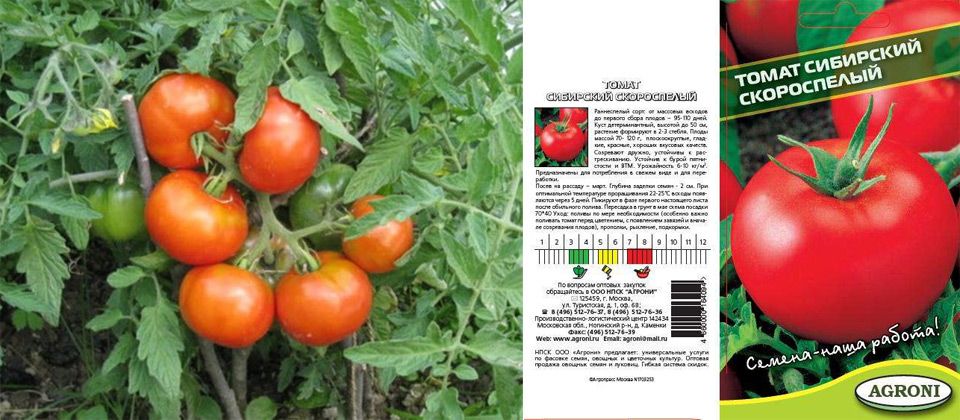
Siberian early ripening
It produces fruit better in a greenhouse, but can also be grown outdoors. Read more in the article.Siberian Early-Ripening Tomato: Photo, Description, Comparison, Reviews.
Siberian Express
The advantage of this species is its small size, which means the plants do not require staking.
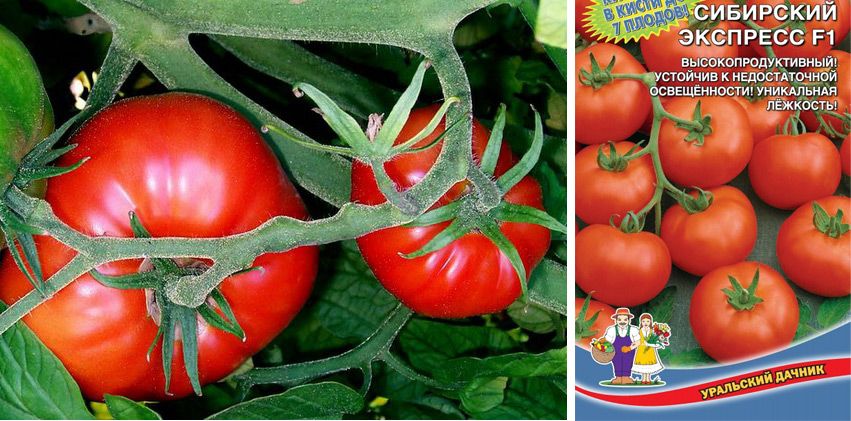
Keeps well.
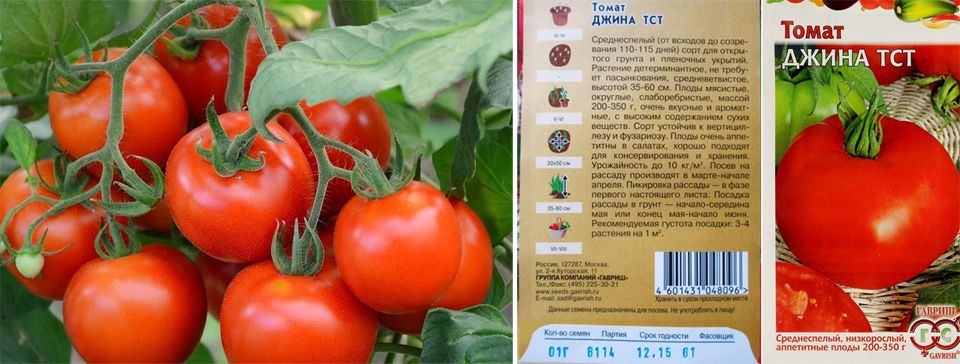
Gina
Another dwarf variety that produces large and tasty fruits.
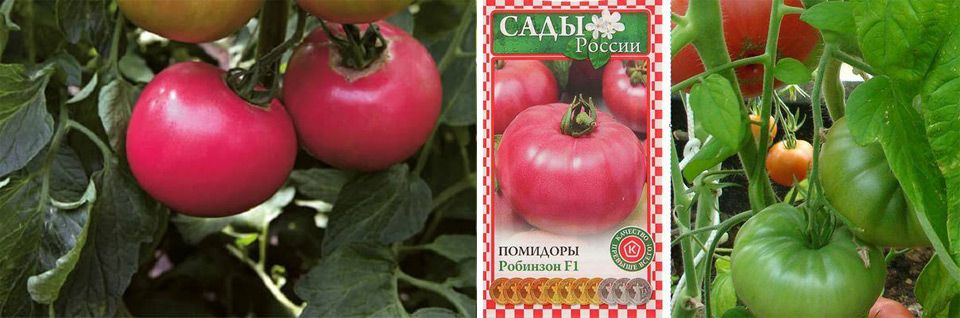
Robinson F1
Ural variety with large raspberry tomatoes.
The best tomato varieties for Siberia
Temperature fluctuations are particularly pronounced in Siberia. Summers are short, with hot and dry days and occasional frosts at night. Stress-resistant tomatoes, primarily new hybrid varieties, thrive in this region.
Western Siberian gardeners prefer varieties such as Alsu and Sibirsky Skorospel'ny, while in the east, Sibirsky Express and Gina are popular. But there are other varieties suitable for Siberian gardens.
For the greenhouse
There are varieties designed specifically for Siberian greenhouses.
Altai strongman
Unusual fruits with a distinct taste.
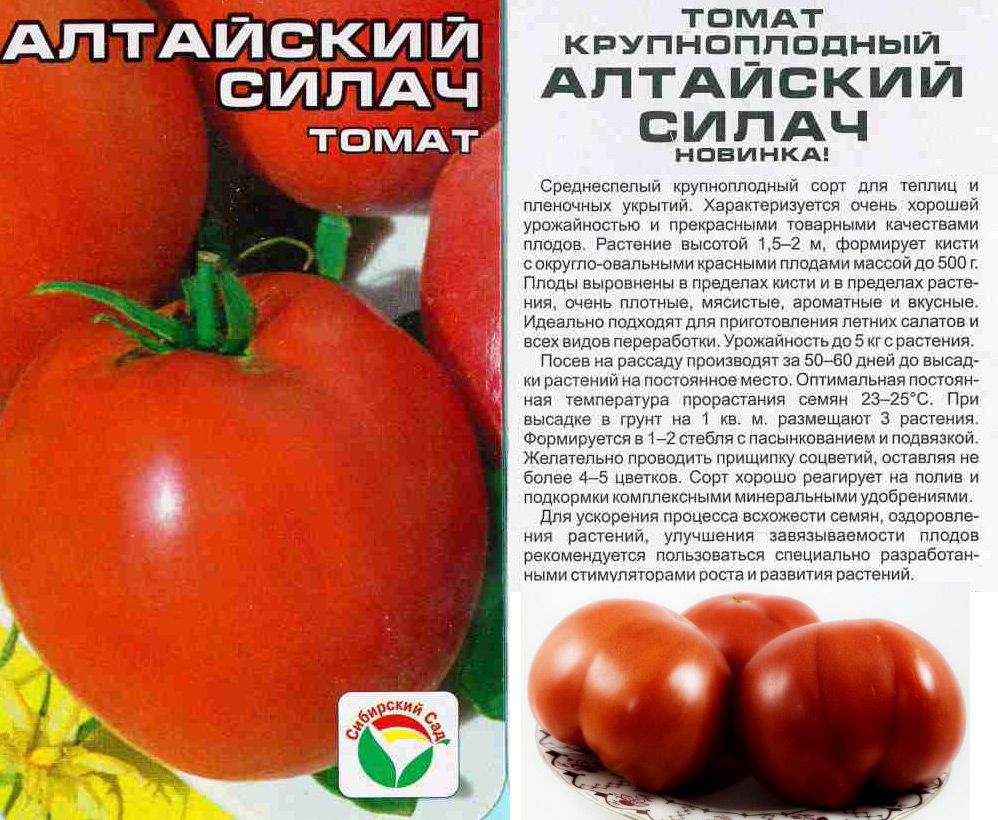
Universal, used for preparations and salads.
Greek
Tall bushes producing fleshy, thin-skinned raspberry tomatoes.
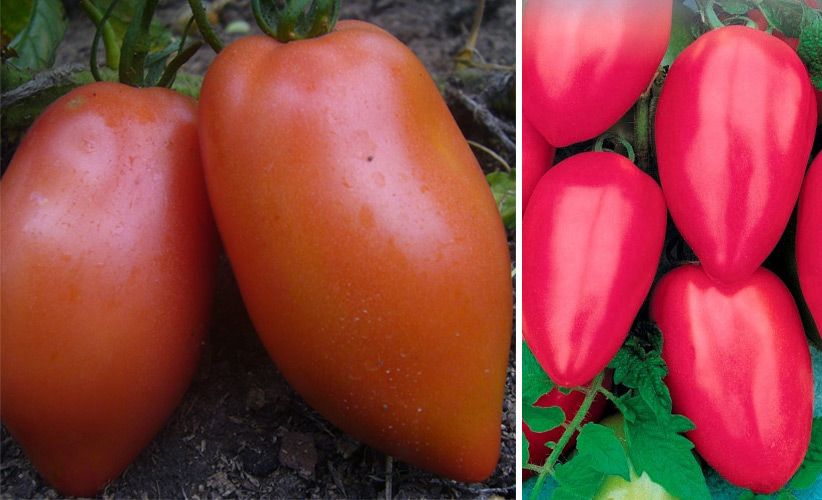
Early ripening, excellent taste and retaining their marketable appearance for a long time.
Scarlet Mustang
Elongated, original fruits.
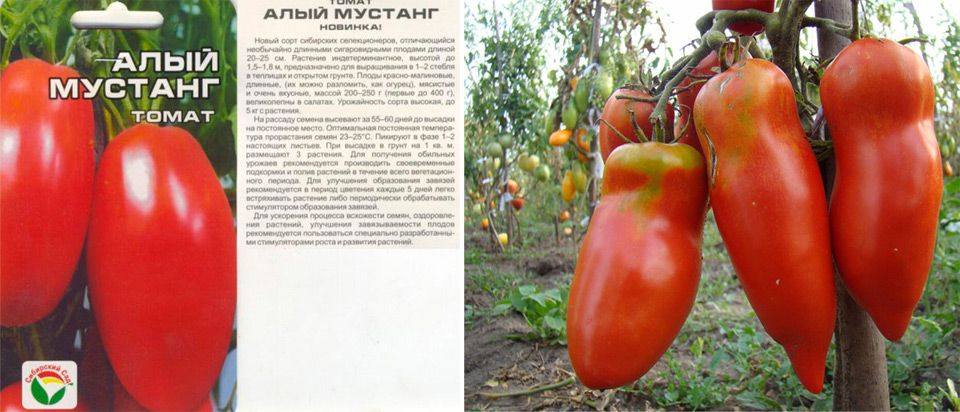
With regular feeding and proper care, one plant produces 5 kg of harvest.
More details about the Scarlet Mustang tomato varietyScarlet Mustang Tomato: Characteristics, Reviews, Photos + Comparison Table.
Your Majesty
Very tall tomatoes that require support.
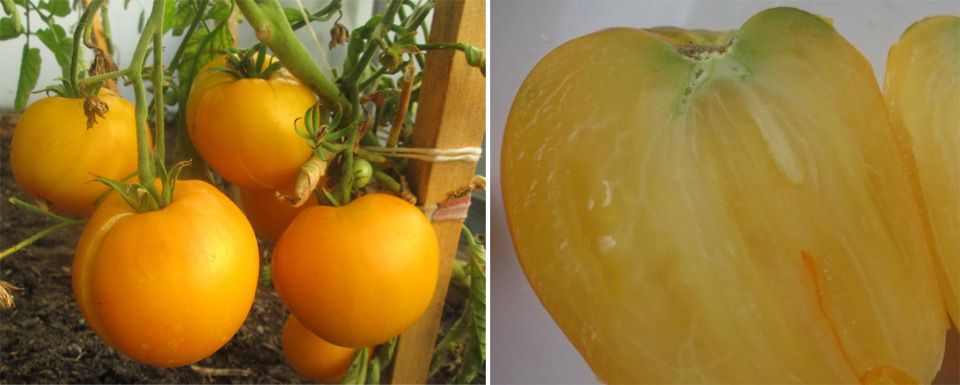
Large, heart-shaped yellow tomatoes, weighing up to 1.5 kg. A salad variety.
For open ground
In Siberian regions, those varieties that are not picky about soil composition and do not lose fruit during cold weather take root.
Abakan pink
Bred in Altai, it is perfectly adapted to the climate of Eastern Siberia.
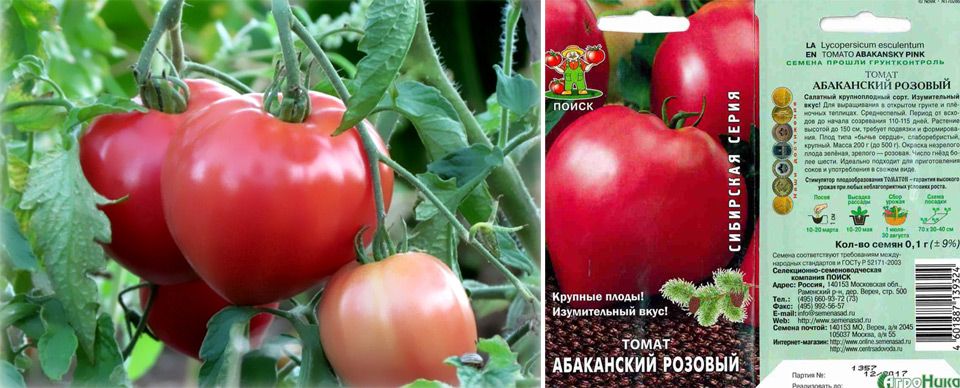
Large ribbed fruits delight gardeners with their fleshy pulp and pleasant taste.
Read about different Abakan tomato varieties in the articleAbakansky Pink and Red Tomato: Descriptions, Reviews, Confusion, Photos, Comparisons.
Chinese heat-resistant
An early-ripening variety, resistant to the heat typical of July in Khakassia and the Krasnoyarsk Territory, but also adapted to the Siberian climate.
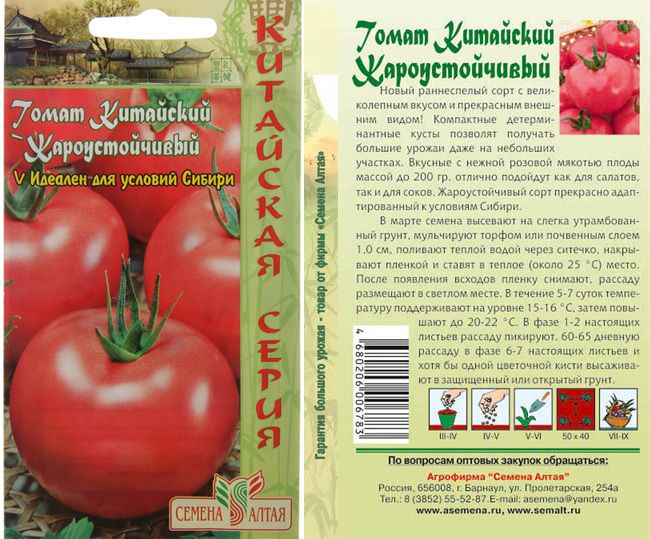
Pinkish tomatoes are suitable for pickling.
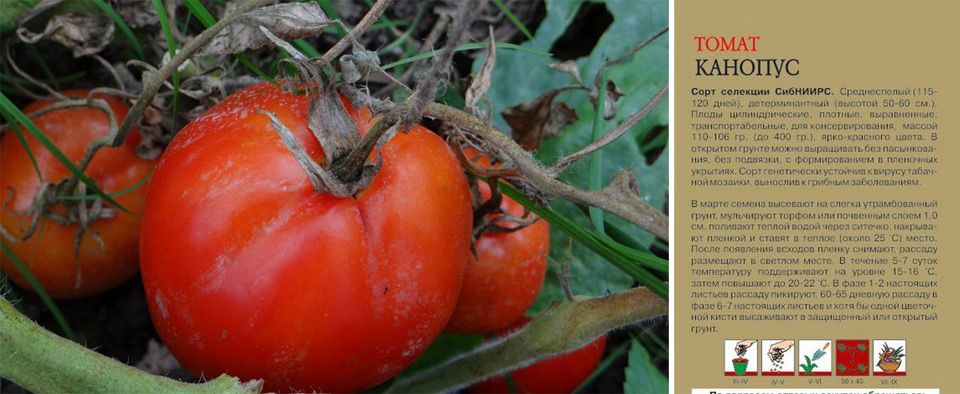
Canopus
An unpretentious, large-fruited variety, the advantage of which is its resistance to late blight.
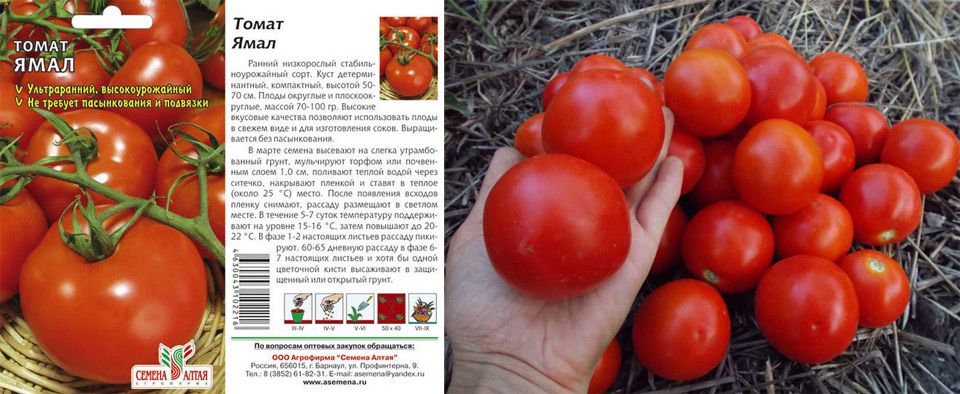
Yamal Early ripening
A large-fruited variety capable of surviving in the conditions of the Far North.
King of Siberia
Giant tomatoes with thin skin, weighing up to 1 kg.
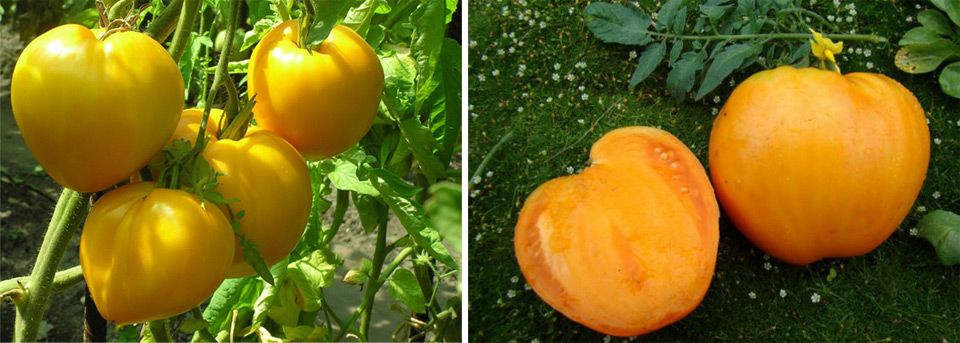
Due to the weight of the fruit, the bushes require support and careful care.
Read more about the variety and how to grow it in the article.King of Siberia tomato variety: reviews, photos, description in a table, cultivation.
The best tomato varieties for Belarus
Belarusian gardeners prefer to grow greenhouse varieties because the country's summers are cool and short. However, today, you can find seeds suitable for open ground cultivation in stores.
As in Russian regions, when choosing a variety, Belarusian gardeners are guided by the tomato's unpretentiousness, cold resistance, and ability to ripen quickly.
For greenhouses
Many varieties thrive in Belarusian greenhouses, but the following varieties have the best yields.
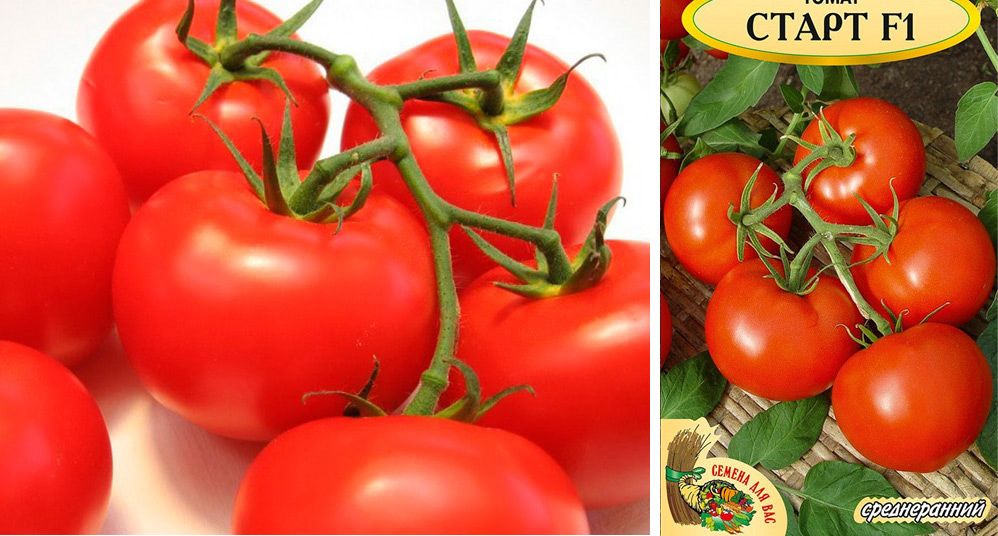
Start
Tall, early maturing plants producing sweet, dense fruits.
Early 83
It is in demand among gardeners in Belarus and Central Russia.
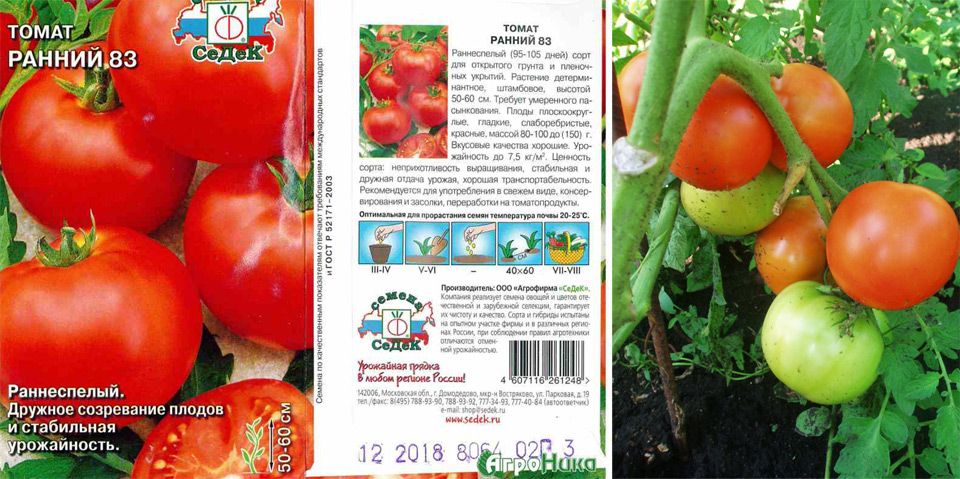
Medium-fruited, ripens in 95 days.
Baby F1
An unpretentious hybrid that is suitable for beginning gardeners.
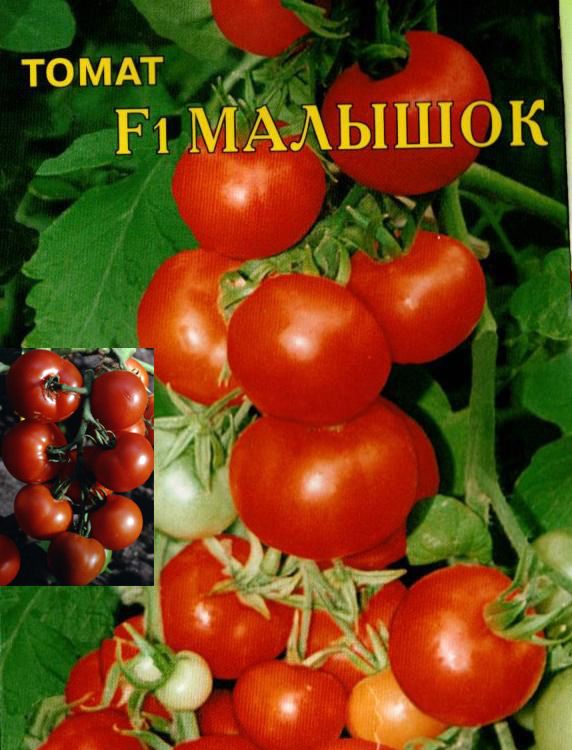
It is not affected by microorganisms, but bears fruit successfully only in greenhouses.
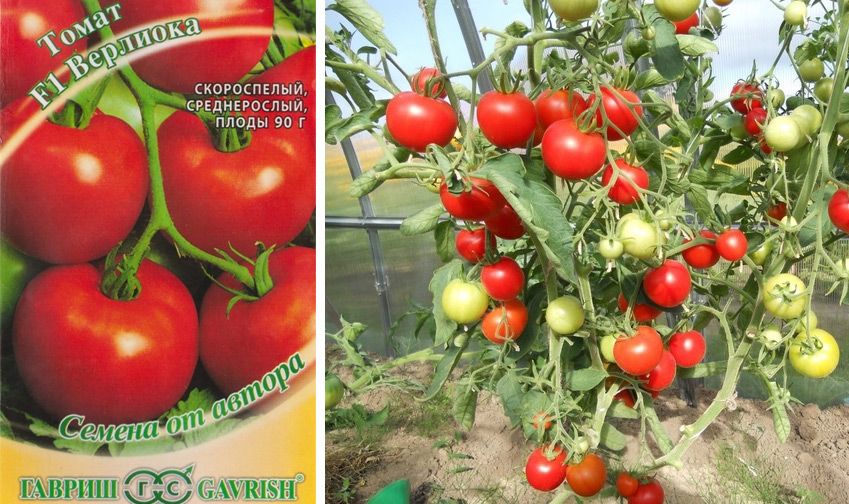
Verlioka F1
Another hybrid variety that was bred for greenhouses with low light levels.
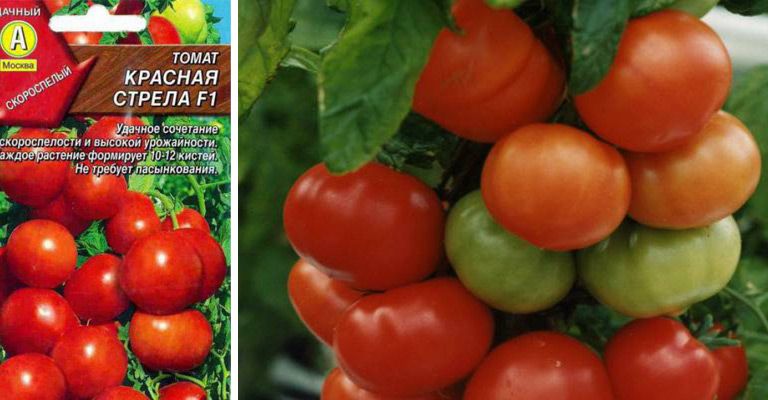
Red Arrow
It produces a rich harvest of large and juicy fruits that are versatile in use.
For open ground
Outdoor garden beds are grown with varieties adapted to temperate climates and short summers. The following species are most often chosen:
Morning
A determinate, low-growing bush distinguished by lush greenery.
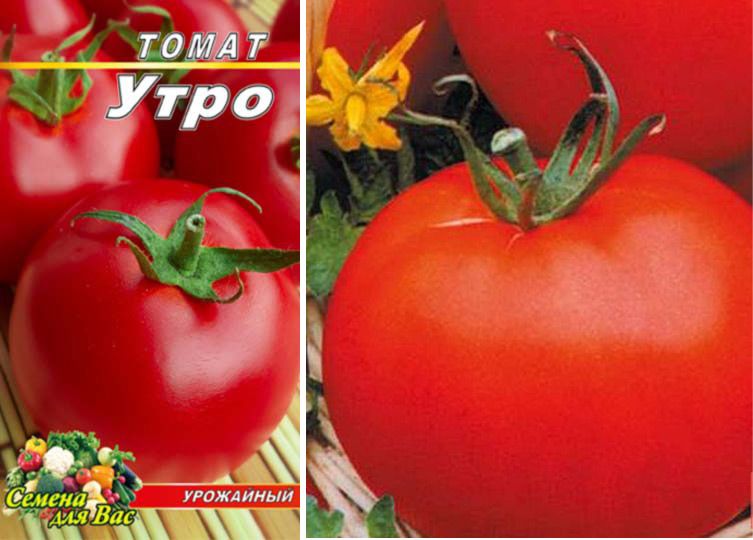
It does not require complex care, is not picky about soil, but pinching is necessary.
Victory
Achievement of Belarusian selection.
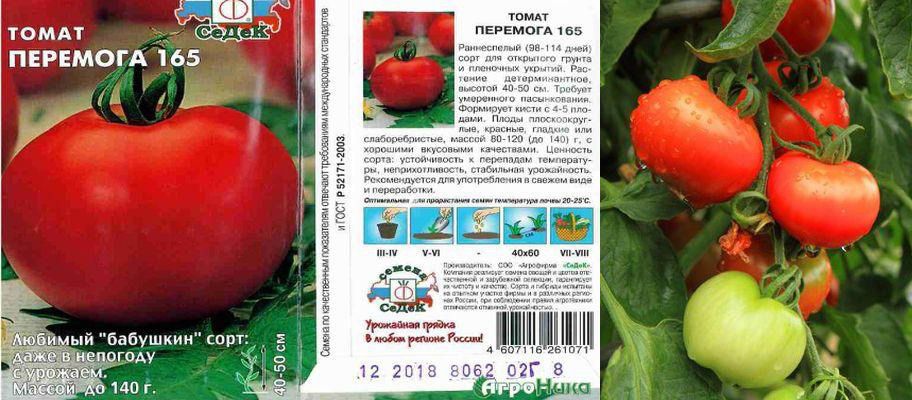
Low plants bring their owners up to 5 kg of juicy tomatoes.
Rose
Designed specifically for the climate of Belarus.
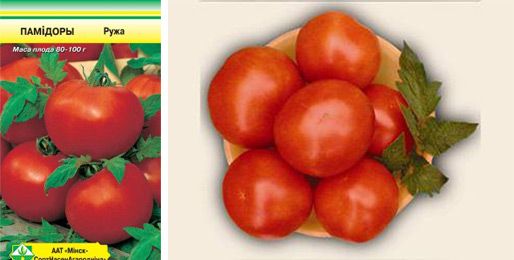
Small, neat tomatoes have excellent taste and are high in vitamin C.
Profitable
An early-ripening, universal variety that is suitable for beginning gardeners.
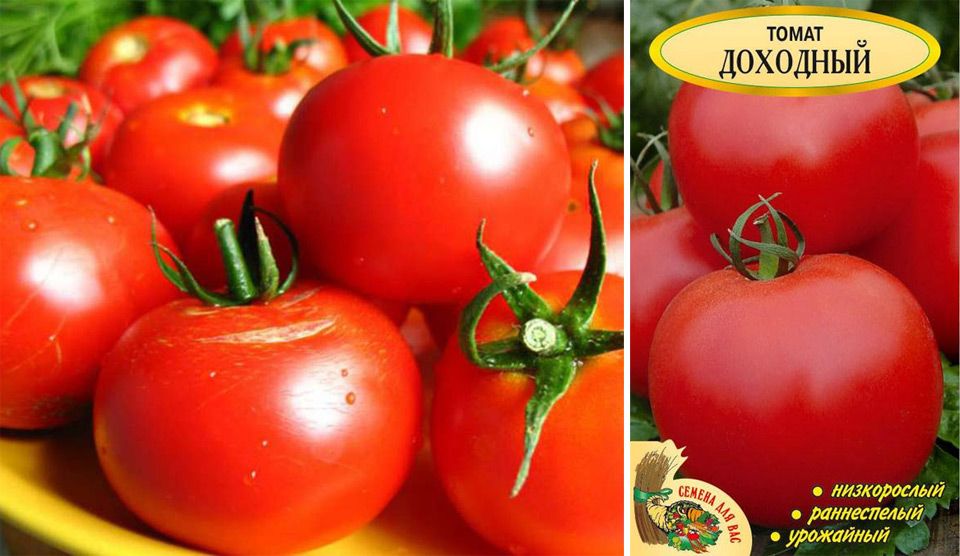
It is not demanding in care, but requires mineral fertilizers.
The best tomato varieties for the Vitebsk region
The Vitebsk region has short, rainy summers, so there's little time for the harvest to ripen. Vitebsk gardeners choose varieties that are adapted to cooler temperatures and ripen quickly. All tomatoes are grown using seedlings.
Climate features
The Vitebsk region's weather is influenced by Atlantic air masses. The climate is moderate and humid. Spring frosts are common, and summers are relatively cool. In this climate zone, tomatoes are more susceptible to disease, with southern varieties often affected by rot. Greenhouse hybrid varieties thrive better.
For greenhouses
There are two most popular varieties.
Delicious and Irish liqueur
They belong to mid-season varieties (the harvest is collected in 115-120 days) and do not take root well in open ground.
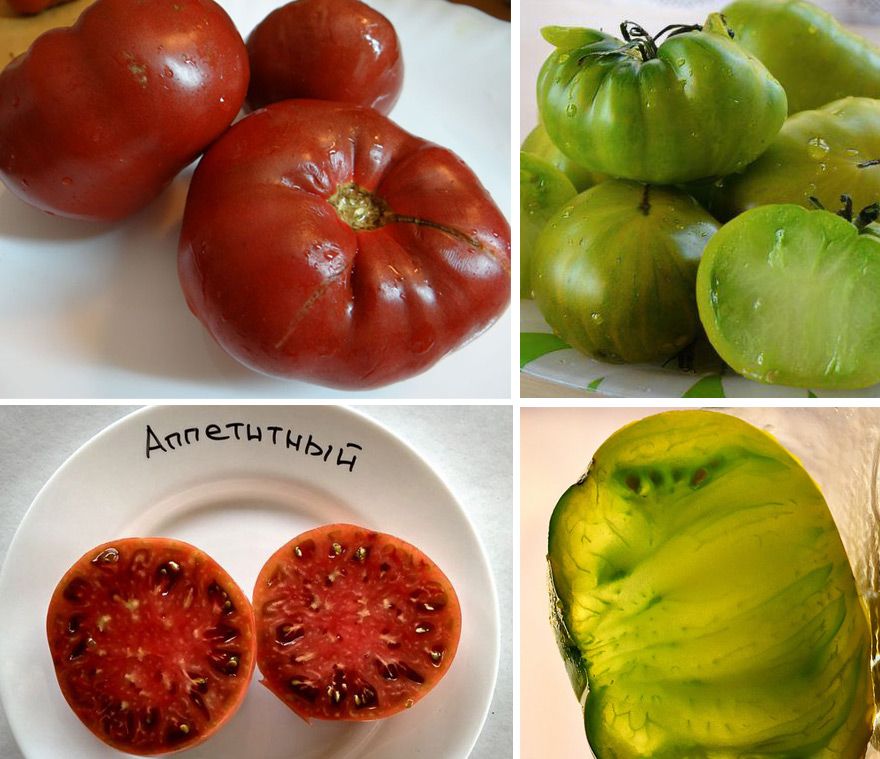
Standard care is required, including mandatory staking, as the plants grow tall and produce numerous ovaries. This appetizing variety produces large, dark-red, black-tinged fruits. The Irish liqueur remains greenish-yellow as it matures.
For open ground
Low-growing, dwarf plants are suitable for outdoor cultivation.
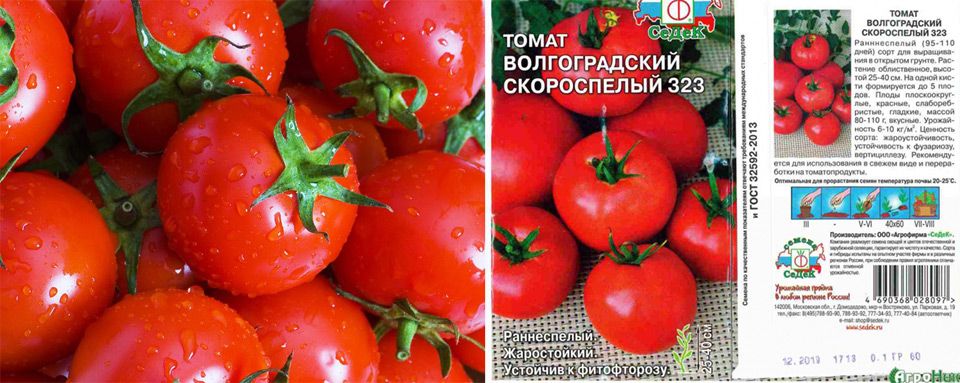
Volgograd early ripening
It's resistant to late blight, and its ripening speed lives up to its name—tomatoes are ready for consumption 95 days after planting. This article discusses not only this variety, but also other varieties of Volgograd tomatoes.3 varieties of tomato Volgogradsky 5/95, 323, pink: photos, reviews, comparison.
Openwork F1
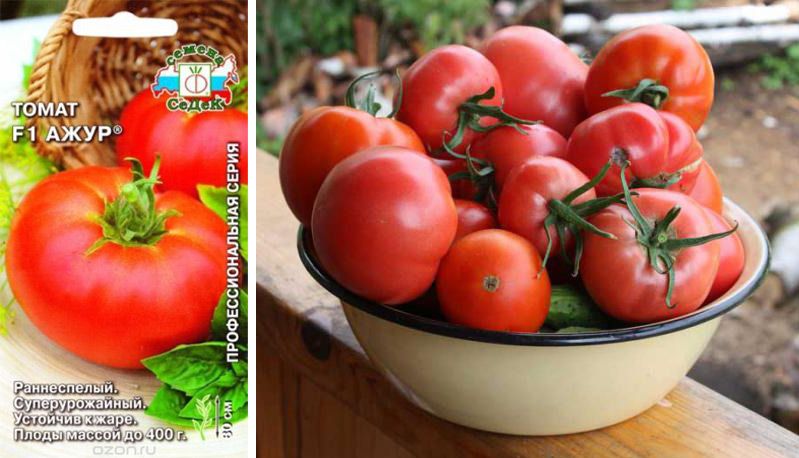
Although this hybrid is mid-season, it thrives outdoors, is disease-resistant, and boasts a bountiful harvest. You can learn more about it in the article.Tomato Azhur F1: Description in the table, reviews + many photos.
Plum
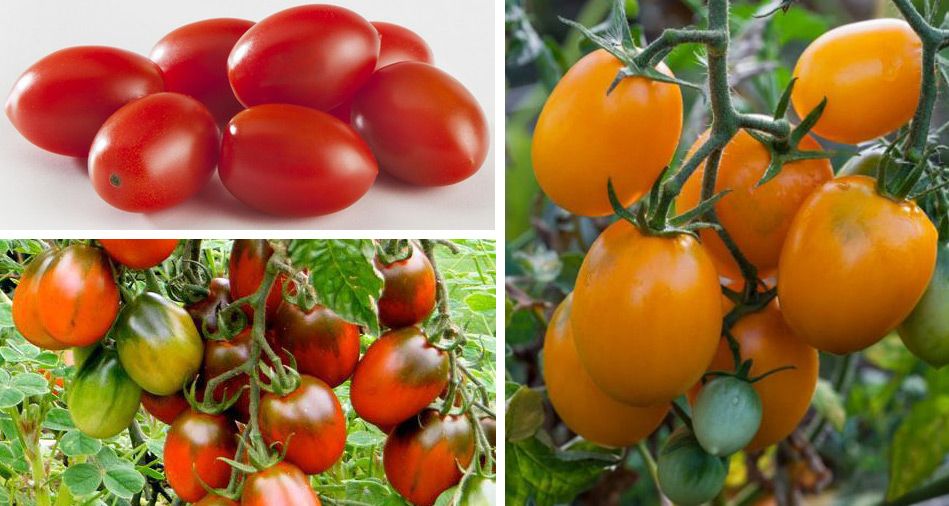
Neat, compact plants that delight their owners with dense, sour fruits.
The best tomato varieties for Udmurtia
Udmurtia enjoys a temperate climate with frosty winters and hot, sunny summers. Udmurt gardeners prefer to grow tomatoes such as 'Beautiful Lady,' 'Bull's Heart,' 'Titanic,' and 'Kostroma.' Planting 'Raspberry Giant' produces good results—these pink, fleshy tomatoes ripen within 90 days of being planted.
Tomatoes for the Leningrad Region
The main criterion when choosing tomatoes for the Leningrad Region and Karelia is frost resistance. The following varieties will produce a bountiful harvest in a polycarbonate greenhouse.
Alcazar
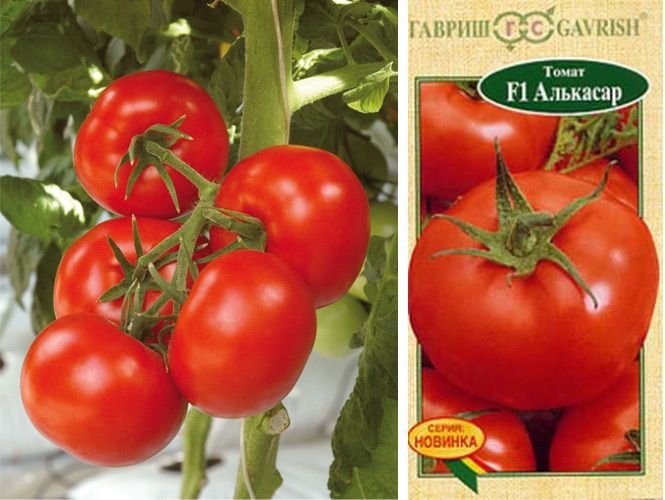
Indeterminate hybrid, suitable for planting in mineral-poor soil.
Taimyr
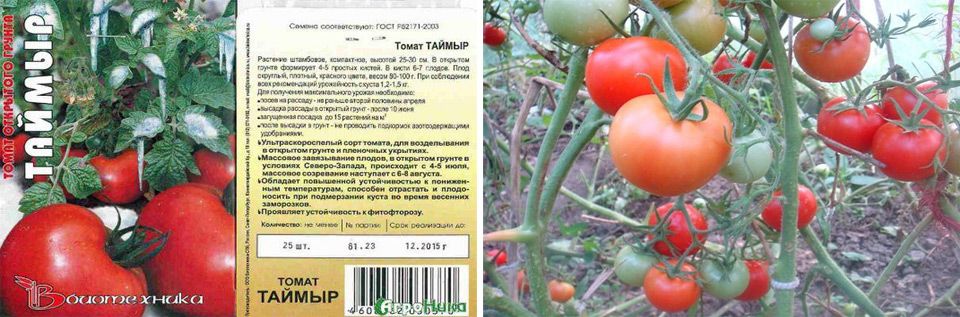
A frost-resistant hybrid variety that is immune to powdery mildew.
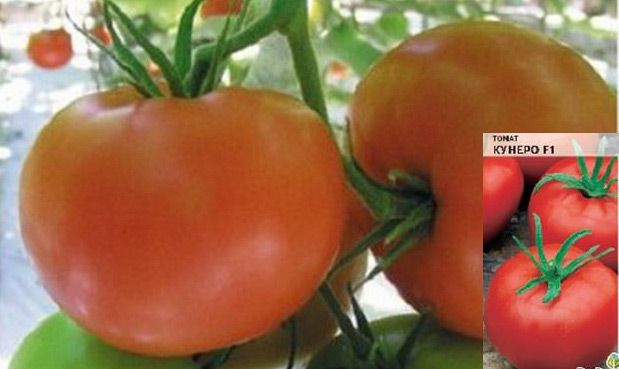
Kunero
One bush will produce 4-6 tomatoes with smooth, glossy skin and a pleasant taste.
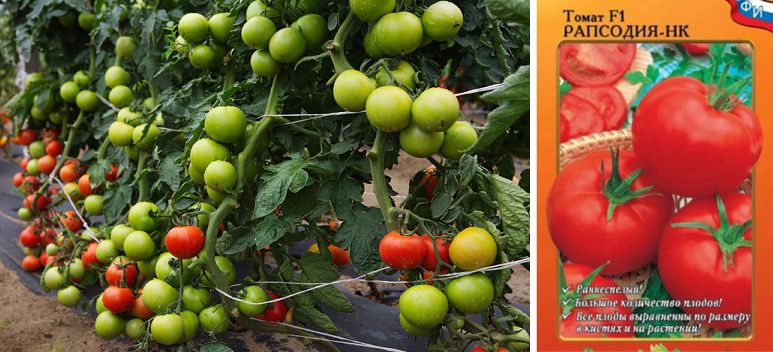
Rhapsody
It thrives in poor northern soil, producing juicy fruits.
The best varieties for the Saratov region
The Saratov region is characterized by extreme temperature fluctuations, with hot summer days followed by cool nights. These varieties tolerate these conditions best.
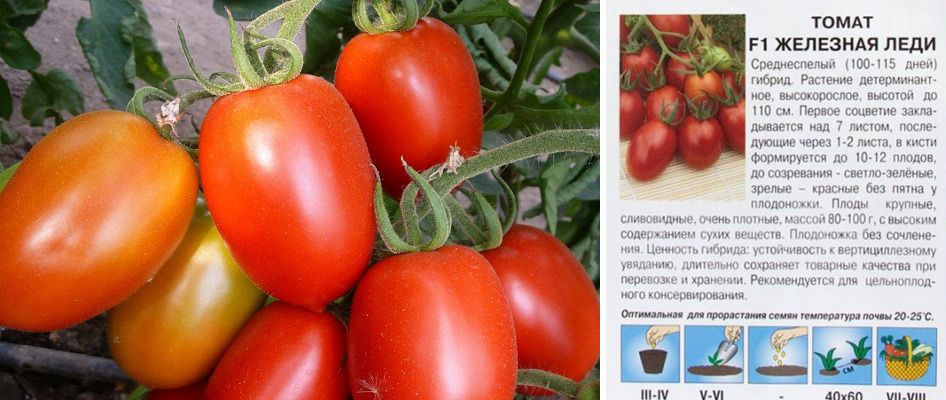
Iron Lady F1
An unpretentious hybrid variety intended for planting in closed ground.
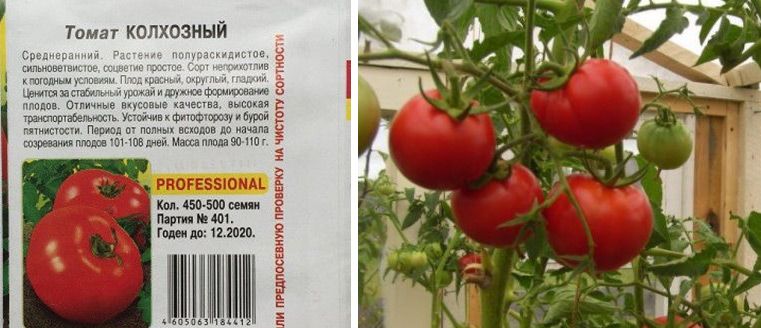
collective farm
It thrives in Saratov areas and has sweet, slightly crumbly flesh.
Talalikhin 186
It ripens quickly and is characterized by the simultaneous ripening of fruits on the bushes.
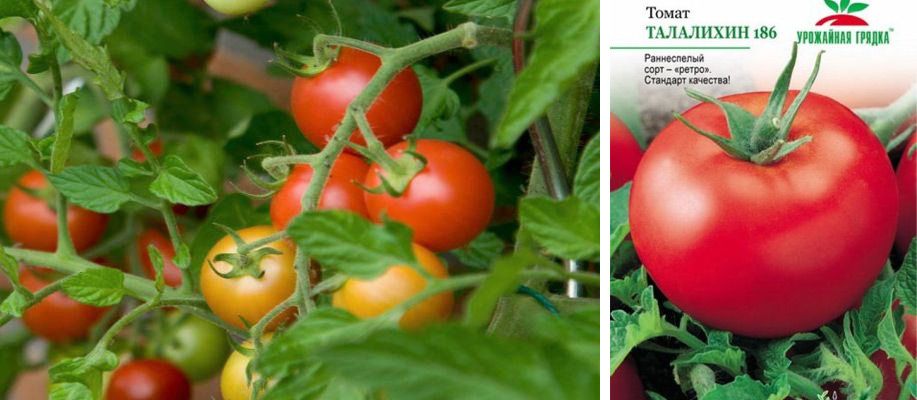
Many tomato varieties are versatile and suitable for growing in different latitudes. Typically, the varieties sold in a given region are those that thrive in a given climate.
But to avoid making a mistake in choosing, experienced farmers always familiarize themselves with the characteristics and features of the species before purchasing.